mirror of
https://github.com/huggingface/diffusers.git
synced 2026-04-25 17:31:38 +08:00
Compare commits
2 Commits
inpainting
...
fix-test
| Author | SHA1 | Date | |
|---|---|---|---|

|
7eb2d2208e | ||
|
|
d97bca56ab |
@@ -10,7 +10,6 @@ Please also check out our [Community Scripts](https://github.com/huggingface/dif
|
||||
|
||||
| Example | Description | Code Example | Colab | Author |
|
||||
|:--------------------------------------------------------------------------------------------------------------------------------------|:---------------------------------------------------------------------------------------------------------------------------------------------------------------------------------------------------------------------------------------------------------------------------------------------------------------------------------------------------------------------------------------------------------------------------------------------------------------------------------------------------------|:------------------------------------------------------------------------------------------|:-------------------------------------------------------------------------------------------------------------------------------------------------------------------------------------------------------------------|--------------------------------------------------------------:|
|
||||
| HD-Painter | [HD-Painter](https://github.com/Picsart-AI-Research/HD-Painter) enables prompt-faithfull and high resolution (up to 2k) image inpainting upon any diffusion-based image inpainting method. | [HD-Painter](#hd-painter) | [](https://huggingface.co/spaces/PAIR/HD-Painter) | [Manukyan Hayk](https://github.com/haikmanukyan) and [Sargsyan Andranik](https://github.com/AndranikSargsyan) |
|
||||
| Marigold Monocular Depth Estimation | A universal monocular depth estimator, utilizing Stable Diffusion, delivering sharp predictions in the wild. (See the [project page](https://marigoldmonodepth.github.io) and [full codebase](https://github.com/prs-eth/marigold) for more details.) | [Marigold Depth Estimation](#marigold-depth-estimation) | [](https://huggingface.co/spaces/toshas/marigold) [](https://colab.research.google.com/drive/12G8reD13DdpMie5ZQlaFNo2WCGeNUH-u?usp=sharing) | [Bingxin Ke](https://github.com/markkua) and [Anton Obukhov](https://github.com/toshas) |
|
||||
| LLM-grounded Diffusion (LMD+) | LMD greatly improves the prompt following ability of text-to-image generation models by introducing an LLM as a front-end prompt parser and layout planner. [Project page.](https://llm-grounded-diffusion.github.io/) [See our full codebase (also with diffusers).](https://github.com/TonyLianLong/LLM-groundedDiffusion) | [LLM-grounded Diffusion (LMD+)](#llm-grounded-diffusion) | [Huggingface Demo](https://huggingface.co/spaces/longlian/llm-grounded-diffusion) [](https://colab.research.google.com/drive/1SXzMSeAB-LJYISb2yrUOdypLz4OYWUKj) | [Long (Tony) Lian](https://tonylian.com/) |
|
||||
| CLIP Guided Stable Diffusion | Doing CLIP guidance for text to image generation with Stable Diffusion | [CLIP Guided Stable Diffusion](#clip-guided-stable-diffusion) | [](https://colab.research.google.com/github/huggingface/notebooks/blob/main/diffusers/CLIP_Guided_Stable_diffusion_with_diffusers.ipynb) | [Suraj Patil](https://github.com/patil-suraj/) |
|
||||
@@ -76,48 +75,6 @@ pipe = DiffusionPipeline.from_pretrained("runwayml/stable-diffusion-v1-5", custo
|
||||
|
||||
## Example usages
|
||||
|
||||
### HD-Painter
|
||||
|
||||
Implementation of [HD-Painter: High-Resolution and Prompt-Faithful Text-Guided Image Inpainting with Diffusion Models](https://arxiv.org/abs/2312.14091).
|
||||
|
||||
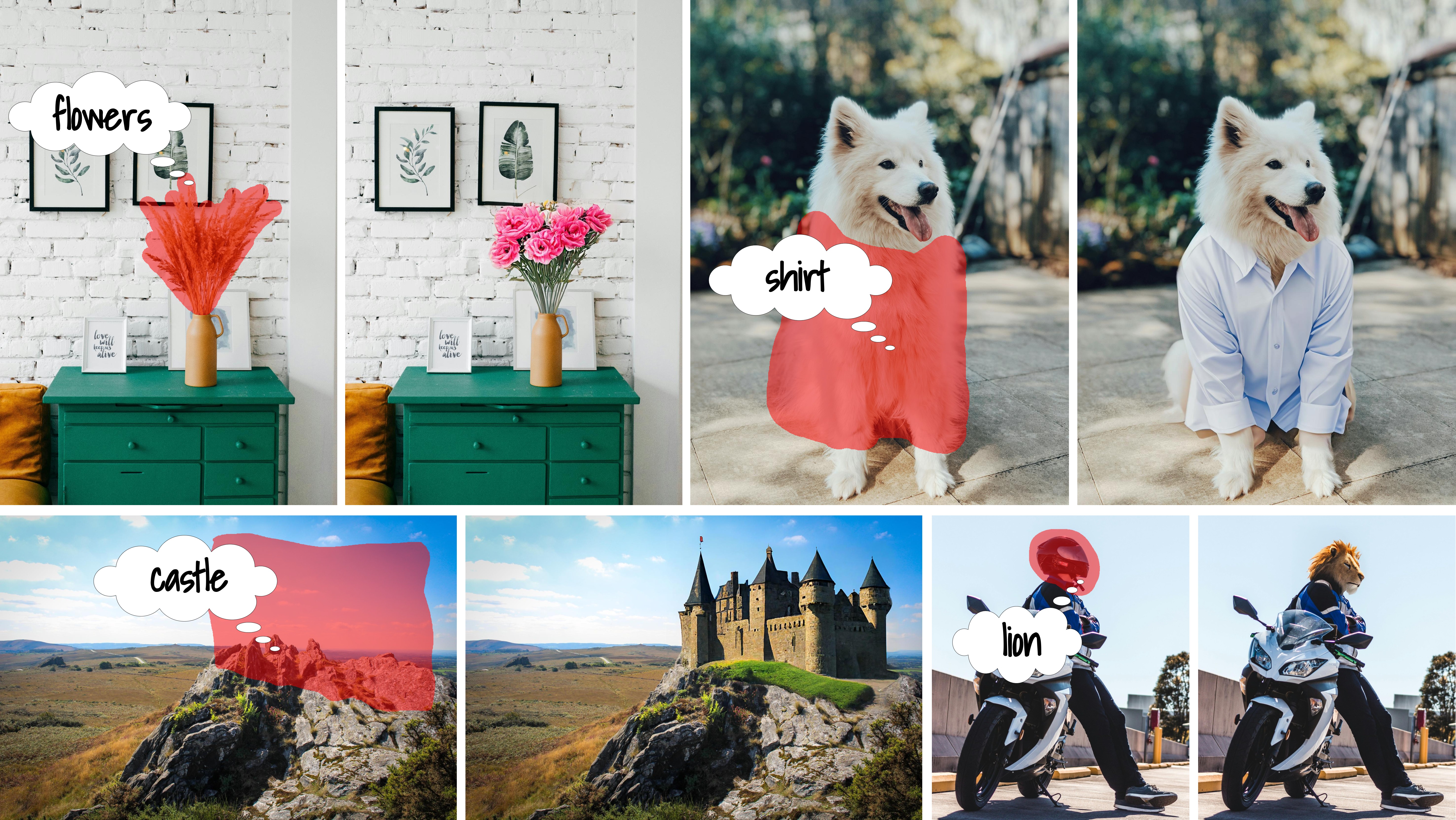
|
||||
|
||||
The abstract from the paper is:
|
||||
|
||||
Recent progress in text-guided image inpainting, based on the unprecedented success of text-to-image diffusion models, has led to exceptionally realistic and visually plausible results.
|
||||
However, there is still significant potential for improvement in current text-to-image inpainting models, particularly in better aligning the inpainted area with user prompts and performing high-resolution inpainting.
|
||||
Therefore, in this paper we introduce _HD-Painter_, a completely **training-free** approach that **accurately follows to prompts** and coherently **scales to high-resolution** image inpainting.
|
||||
To this end, we design the _Prompt-Aware Introverted Attention (PAIntA)_ layer enhancing self-attention scores by prompt information and resulting in better text alignment generations.
|
||||
To further improve the prompt coherence we introduce the _Reweighting Attention Score Guidance (RASG)_ mechanism seamlessly integrating a post-hoc sampling strategy into general form of DDIM to prevent out-of-distribution latent shifts.
|
||||
Moreover, HD-Painter allows extension to larger scales by introducing a specialized super-resolution technique customized for inpainting, enabling the completion of missing regions in images of up to 2K resolution.
|
||||
Our experiments demonstrate that HD-Painter surpasses existing state-of-the-art approaches qualitatively and quantitatively, achieving an impressive generation accuracy improvement of **61.4** vs **51.9**.
|
||||
We will make the codes publicly available.
|
||||
|
||||
You can find additional information about Text2Video-Zero in the [paper](https://arxiv.org/abs/2312.14091) or the [original codebase](https://github.com/Picsart-AI-Research/HD-Painter).
|
||||
|
||||
#### Usage example
|
||||
|
||||
```python
|
||||
import torch
|
||||
from diffusers import DiffusionPipeline, DDIMScheduler
|
||||
from diffusers.utils import load_image, make_image_grid
|
||||
|
||||
pipe = DiffusionPipeline.from_pretrained(
|
||||
"stabilityai/stable-diffusion-2-inpainting",
|
||||
custom_pipeline="hd_painter"
|
||||
)
|
||||
pipe.scheduler = DDIMScheduler.from_config(pipe.scheduler.config)
|
||||
|
||||
prompt = "wooden boat"
|
||||
init_image = load_image("https://raw.githubusercontent.com/Picsart-AI-Research/HD-Painter/main/__assets__/samples/images/2.jpg")
|
||||
mask_image = load_image("https://raw.githubusercontent.com/Picsart-AI-Research/HD-Painter/main/__assets__/samples/masks/2.png")
|
||||
|
||||
image = pipe (prompt, init_image, mask_image, use_rasg = True, use_painta = True, generator=torch.manual_seed(12345)).images[0]
|
||||
|
||||
make_image_grid([init_image, mask_image, image], rows=1, cols=3)
|
||||
|
||||
```
|
||||
|
||||
### Marigold Depth Estimation
|
||||
|
||||
Marigold is a universal monocular depth estimator that delivers accurate and sharp predictions in the wild. Based on Stable Diffusion, it is trained exclusively with synthetic depth data and excels in zero-shot adaptation to real-world imagery. This pipeline is an official implementation of the inference process. More details can be found on our [project page](https://marigoldmonodepth.github.io) and [full codebase](https://github.com/prs-eth/marigold) (also implemented with diffusers).
|
||||
|
||||
@@ -1,994 +0,0 @@
|
||||
import math
|
||||
import numbers
|
||||
from typing import Any, Callable, Dict, List, Optional, Union
|
||||
|
||||
import torch
|
||||
import torch.nn.functional as F
|
||||
from torch import nn
|
||||
|
||||
from diffusers.image_processor import PipelineImageInput
|
||||
from diffusers.models import AsymmetricAutoencoderKL, ImageProjection
|
||||
from diffusers.models.attention_processor import Attention, AttnProcessor
|
||||
from diffusers.pipelines.stable_diffusion import StableDiffusionPipelineOutput
|
||||
from diffusers.pipelines.stable_diffusion.pipeline_stable_diffusion_inpaint import (
|
||||
StableDiffusionInpaintPipeline,
|
||||
retrieve_timesteps,
|
||||
)
|
||||
from diffusers.utils import deprecate
|
||||
|
||||
|
||||
class RASGAttnProcessor:
|
||||
def __init__(self, mask, token_idx, scale_factor):
|
||||
self.attention_scores = None # Stores the last output of the similarity matrix here. Each layer will get its own RASGAttnProcessor assigned
|
||||
self.mask = mask
|
||||
self.token_idx = token_idx
|
||||
self.scale_factor = scale_factor
|
||||
self.mask_resoltuion = mask.shape[-1] * mask.shape[-2] # 64 x 64 if the image is 512x512
|
||||
|
||||
def __call__(
|
||||
self,
|
||||
attn: Attention,
|
||||
hidden_states: torch.FloatTensor,
|
||||
encoder_hidden_states: Optional[torch.FloatTensor] = None,
|
||||
attention_mask: Optional[torch.FloatTensor] = None,
|
||||
temb: Optional[torch.FloatTensor] = None,
|
||||
scale: float = 1.0,
|
||||
) -> torch.Tensor:
|
||||
# Same as the default AttnProcessor up untill the part where similarity matrix gets saved
|
||||
downscale_factor = self.mask_resoltuion // hidden_states.shape[1]
|
||||
residual = hidden_states
|
||||
|
||||
if attn.spatial_norm is not None:
|
||||
hidden_states = attn.spatial_norm(hidden_states, temb)
|
||||
|
||||
input_ndim = hidden_states.ndim
|
||||
|
||||
if input_ndim == 4:
|
||||
batch_size, channel, height, width = hidden_states.shape
|
||||
hidden_states = hidden_states.view(batch_size, channel, height * width).transpose(1, 2)
|
||||
|
||||
batch_size, sequence_length, _ = (
|
||||
hidden_states.shape if encoder_hidden_states is None else encoder_hidden_states.shape
|
||||
)
|
||||
attention_mask = attn.prepare_attention_mask(attention_mask, sequence_length, batch_size)
|
||||
|
||||
if attn.group_norm is not None:
|
||||
hidden_states = attn.group_norm(hidden_states.transpose(1, 2)).transpose(1, 2)
|
||||
|
||||
query = attn.to_q(hidden_states)
|
||||
|
||||
if encoder_hidden_states is None:
|
||||
encoder_hidden_states = hidden_states
|
||||
elif attn.norm_cross:
|
||||
encoder_hidden_states = attn.norm_encoder_hidden_states(encoder_hidden_states)
|
||||
|
||||
key = attn.to_k(encoder_hidden_states)
|
||||
value = attn.to_v(encoder_hidden_states)
|
||||
|
||||
query = attn.head_to_batch_dim(query)
|
||||
key = attn.head_to_batch_dim(key)
|
||||
value = attn.head_to_batch_dim(value)
|
||||
|
||||
# Automatically recognize the resolution and save the attention similarity values
|
||||
# We need to use the values before the softmax function, hence the rewritten get_attention_scores function.
|
||||
if downscale_factor == self.scale_factor**2:
|
||||
self.attention_scores = get_attention_scores(attn, query, key, attention_mask)
|
||||
attention_probs = self.attention_scores.softmax(dim=-1)
|
||||
attention_probs = attention_probs.to(query.dtype)
|
||||
else:
|
||||
attention_probs = attn.get_attention_scores(query, key, attention_mask) # Original code
|
||||
|
||||
hidden_states = torch.bmm(attention_probs, value)
|
||||
hidden_states = attn.batch_to_head_dim(hidden_states)
|
||||
|
||||
# linear proj
|
||||
hidden_states = attn.to_out[0](hidden_states)
|
||||
# dropout
|
||||
hidden_states = attn.to_out[1](hidden_states)
|
||||
|
||||
if input_ndim == 4:
|
||||
hidden_states = hidden_states.transpose(-1, -2).reshape(batch_size, channel, height, width)
|
||||
|
||||
if attn.residual_connection:
|
||||
hidden_states = hidden_states + residual
|
||||
|
||||
hidden_states = hidden_states / attn.rescale_output_factor
|
||||
|
||||
return hidden_states
|
||||
|
||||
|
||||
class PAIntAAttnProcessor:
|
||||
def __init__(self, transformer_block, mask, token_idx, do_classifier_free_guidance, scale_factors):
|
||||
self.transformer_block = transformer_block # Stores the parent transformer block.
|
||||
self.mask = mask
|
||||
self.scale_factors = scale_factors
|
||||
self.do_classifier_free_guidance = do_classifier_free_guidance
|
||||
self.token_idx = token_idx
|
||||
self.shape = mask.shape[2:]
|
||||
self.mask_resoltuion = mask.shape[-1] * mask.shape[-2] # 64 x 64
|
||||
self.default_processor = AttnProcessor()
|
||||
|
||||
def __call__(
|
||||
self,
|
||||
attn: Attention,
|
||||
hidden_states: torch.FloatTensor,
|
||||
encoder_hidden_states: Optional[torch.FloatTensor] = None,
|
||||
attention_mask: Optional[torch.FloatTensor] = None,
|
||||
temb: Optional[torch.FloatTensor] = None,
|
||||
scale: float = 1.0,
|
||||
) -> torch.Tensor:
|
||||
# Automatically recognize the resolution of the current attention layer and resize the masks accordingly
|
||||
downscale_factor = self.mask_resoltuion // hidden_states.shape[1]
|
||||
|
||||
mask = None
|
||||
for factor in self.scale_factors:
|
||||
if downscale_factor == factor**2:
|
||||
shape = (self.shape[0] // factor, self.shape[1] // factor)
|
||||
mask = F.interpolate(self.mask, shape, mode="bicubic") # B, 1, H, W
|
||||
break
|
||||
if mask is None:
|
||||
return self.default_processor(attn, hidden_states, encoder_hidden_states, attention_mask, temb, scale)
|
||||
|
||||
# STARTS HERE
|
||||
residual = hidden_states
|
||||
# Save the input hidden_states for later use
|
||||
input_hidden_states = hidden_states
|
||||
|
||||
# ================================================== #
|
||||
# =============== SELF ATTENTION 1 ================= #
|
||||
# ================================================== #
|
||||
|
||||
if attn.spatial_norm is not None:
|
||||
hidden_states = attn.spatial_norm(hidden_states, temb)
|
||||
|
||||
input_ndim = hidden_states.ndim
|
||||
|
||||
if input_ndim == 4:
|
||||
batch_size, channel, height, width = hidden_states.shape
|
||||
hidden_states = hidden_states.view(batch_size, channel, height * width).transpose(1, 2)
|
||||
|
||||
batch_size, sequence_length, _ = (
|
||||
hidden_states.shape if encoder_hidden_states is None else encoder_hidden_states.shape
|
||||
)
|
||||
attention_mask = attn.prepare_attention_mask(attention_mask, sequence_length, batch_size)
|
||||
|
||||
if attn.group_norm is not None:
|
||||
hidden_states = attn.group_norm(hidden_states.transpose(1, 2)).transpose(1, 2)
|
||||
|
||||
query = attn.to_q(hidden_states)
|
||||
|
||||
if encoder_hidden_states is None:
|
||||
encoder_hidden_states = hidden_states
|
||||
elif attn.norm_cross:
|
||||
encoder_hidden_states = attn.norm_encoder_hidden_states(encoder_hidden_states)
|
||||
|
||||
key = attn.to_k(encoder_hidden_states)
|
||||
value = attn.to_v(encoder_hidden_states)
|
||||
|
||||
query = attn.head_to_batch_dim(query)
|
||||
key = attn.head_to_batch_dim(key)
|
||||
value = attn.head_to_batch_dim(value)
|
||||
|
||||
# self_attention_probs = attn.get_attention_scores(query, key, attention_mask) # We can't use post-softmax attention scores in this case
|
||||
self_attention_scores = get_attention_scores(
|
||||
attn, query, key, attention_mask
|
||||
) # The custom function returns pre-softmax probabilities
|
||||
self_attention_probs = self_attention_scores.softmax(
|
||||
dim=-1
|
||||
) # Manually compute the probabilities here, the scores will be reused in the second part of PAIntA
|
||||
self_attention_probs = self_attention_probs.to(query.dtype)
|
||||
|
||||
hidden_states = torch.bmm(self_attention_probs, value)
|
||||
hidden_states = attn.batch_to_head_dim(hidden_states)
|
||||
|
||||
# linear proj
|
||||
hidden_states = attn.to_out[0](hidden_states)
|
||||
# dropout
|
||||
hidden_states = attn.to_out[1](hidden_states)
|
||||
|
||||
# x = x + self.attn1(self.norm1(x))
|
||||
|
||||
if input_ndim == 4:
|
||||
hidden_states = hidden_states.transpose(-1, -2).reshape(batch_size, channel, height, width)
|
||||
|
||||
if attn.residual_connection: # So many residuals everywhere
|
||||
hidden_states = hidden_states + residual
|
||||
|
||||
self_attention_output_hidden_states = hidden_states / attn.rescale_output_factor
|
||||
|
||||
# ================================================== #
|
||||
# ============ BasicTransformerBlock =============== #
|
||||
# ================================================== #
|
||||
# We use a hack by running the code from the BasicTransformerBlock that is between Self and Cross attentions here
|
||||
# The other option would've been modifying the BasicTransformerBlock and adding this functionality here.
|
||||
# I assumed that changing the BasicTransformerBlock would have been a bigger deal and decided to use this hack isntead.
|
||||
|
||||
# The SelfAttention block recieves the normalized latents from the BasicTransformerBlock,
|
||||
# But the residual of the output is the non-normalized version.
|
||||
# Therefore we unnormalize the input hidden state here
|
||||
unnormalized_input_hidden_states = (
|
||||
input_hidden_states + self.transformer_block.norm1.bias
|
||||
) * self.transformer_block.norm1.weight
|
||||
|
||||
# TODO: return if neccessary
|
||||
# if self.use_ada_layer_norm_zero:
|
||||
# attn_output = gate_msa.unsqueeze(1) * attn_output
|
||||
# elif self.use_ada_layer_norm_single:
|
||||
# attn_output = gate_msa * attn_output
|
||||
|
||||
transformer_hidden_states = self_attention_output_hidden_states + unnormalized_input_hidden_states
|
||||
if transformer_hidden_states.ndim == 4:
|
||||
transformer_hidden_states = transformer_hidden_states.squeeze(1)
|
||||
|
||||
# TODO: return if neccessary
|
||||
# 2.5 GLIGEN Control
|
||||
# if gligen_kwargs is not None:
|
||||
# transformer_hidden_states = self.fuser(transformer_hidden_states, gligen_kwargs["objs"])
|
||||
# NOTE: we experimented with using GLIGEN and HDPainter together, the results were not that great
|
||||
|
||||
# 3. Cross-Attention
|
||||
if self.transformer_block.use_ada_layer_norm:
|
||||
# transformer_norm_hidden_states = self.transformer_block.norm2(transformer_hidden_states, timestep)
|
||||
raise NotImplementedError()
|
||||
elif self.transformer_block.use_ada_layer_norm_zero or self.transformer_block.use_layer_norm:
|
||||
transformer_norm_hidden_states = self.transformer_block.norm2(transformer_hidden_states)
|
||||
elif self.transformer_block.use_ada_layer_norm_single:
|
||||
# For PixArt norm2 isn't applied here:
|
||||
# https://github.com/PixArt-alpha/PixArt-alpha/blob/0f55e922376d8b797edd44d25d0e7464b260dcab/diffusion/model/nets/PixArtMS.py#L70C1-L76C103
|
||||
transformer_norm_hidden_states = transformer_hidden_states
|
||||
elif self.transformer_block.use_ada_layer_norm_continuous:
|
||||
# transformer_norm_hidden_states = self.transformer_block.norm2(transformer_hidden_states, added_cond_kwargs["pooled_text_emb"])
|
||||
raise NotImplementedError()
|
||||
else:
|
||||
raise ValueError("Incorrect norm")
|
||||
|
||||
if self.transformer_block.pos_embed is not None and self.transformer_block.use_ada_layer_norm_single is False:
|
||||
transformer_norm_hidden_states = self.transformer_block.pos_embed(transformer_norm_hidden_states)
|
||||
|
||||
# ================================================== #
|
||||
# ================= CROSS ATTENTION ================ #
|
||||
# ================================================== #
|
||||
|
||||
# We do an initial pass of the CrossAttention up to obtaining the similarity matrix here.
|
||||
# The similarity matrix is used to obtain scaling coefficients for the attention matrix of the self attention
|
||||
# We reuse the previously computed self-attention matrix, and only repeat the steps after the softmax
|
||||
|
||||
cross_attention_input_hidden_states = (
|
||||
transformer_norm_hidden_states # Renaming the variable for the sake of readability
|
||||
)
|
||||
|
||||
# TODO: check if classifier_free_guidance is being used before splitting here
|
||||
if self.do_classifier_free_guidance:
|
||||
# Our scaling coefficients depend only on the conditional part, so we split the inputs
|
||||
(
|
||||
_cross_attention_input_hidden_states_unconditional,
|
||||
cross_attention_input_hidden_states_conditional,
|
||||
) = cross_attention_input_hidden_states.chunk(2)
|
||||
|
||||
# Same split for the encoder_hidden_states i.e. the tokens
|
||||
# Since the SelfAttention processors don't get the encoder states as input, we inject them into the processor in the begining.
|
||||
_encoder_hidden_states_unconditional, encoder_hidden_states_conditional = self.encoder_hidden_states.chunk(
|
||||
2
|
||||
)
|
||||
else:
|
||||
cross_attention_input_hidden_states_conditional = cross_attention_input_hidden_states
|
||||
encoder_hidden_states_conditional = self.encoder_hidden_states.chunk(2)
|
||||
|
||||
# Rename the variables for the sake of readability
|
||||
# The part below is the beginning of the __call__ function of the following CrossAttention layer
|
||||
cross_attention_hidden_states = cross_attention_input_hidden_states_conditional
|
||||
cross_attention_encoder_hidden_states = encoder_hidden_states_conditional
|
||||
|
||||
attn2 = self.transformer_block.attn2
|
||||
|
||||
if attn2.spatial_norm is not None:
|
||||
cross_attention_hidden_states = attn2.spatial_norm(cross_attention_hidden_states, temb)
|
||||
|
||||
input_ndim = cross_attention_hidden_states.ndim
|
||||
|
||||
if input_ndim == 4:
|
||||
batch_size, channel, height, width = cross_attention_hidden_states.shape
|
||||
cross_attention_hidden_states = cross_attention_hidden_states.view(
|
||||
batch_size, channel, height * width
|
||||
).transpose(1, 2)
|
||||
|
||||
(
|
||||
batch_size,
|
||||
sequence_length,
|
||||
_,
|
||||
) = cross_attention_hidden_states.shape # It is definitely a cross attention, so no need for an if block
|
||||
# TODO: change the attention_mask here
|
||||
attention_mask = attn2.prepare_attention_mask(
|
||||
None, sequence_length, batch_size
|
||||
) # I assume the attention mask is the same...
|
||||
|
||||
if attn2.group_norm is not None:
|
||||
cross_attention_hidden_states = attn2.group_norm(cross_attention_hidden_states.transpose(1, 2)).transpose(
|
||||
1, 2
|
||||
)
|
||||
|
||||
query2 = attn2.to_q(cross_attention_hidden_states)
|
||||
|
||||
if attn2.norm_cross:
|
||||
cross_attention_encoder_hidden_states = attn2.norm_encoder_hidden_states(
|
||||
cross_attention_encoder_hidden_states
|
||||
)
|
||||
|
||||
key2 = attn2.to_k(cross_attention_encoder_hidden_states)
|
||||
query2 = attn2.head_to_batch_dim(query2)
|
||||
key2 = attn2.head_to_batch_dim(key2)
|
||||
|
||||
cross_attention_probs = attn2.get_attention_scores(query2, key2, attention_mask)
|
||||
|
||||
# CrossAttention ends here, the remaining part is not used
|
||||
|
||||
# ================================================== #
|
||||
# ================ SELF ATTENTION 2 ================ #
|
||||
# ================================================== #
|
||||
# DEJA VU!
|
||||
|
||||
mask = (mask > 0.5).to(self_attention_output_hidden_states.dtype)
|
||||
m = mask.to(self_attention_output_hidden_states.device)
|
||||
# m = rearrange(m, 'b c h w -> b (h w) c').contiguous()
|
||||
m = m.permute(0, 2, 3, 1).reshape((m.shape[0], -1, m.shape[1])).contiguous() # B HW 1
|
||||
m = torch.matmul(m, m.permute(0, 2, 1)) + (1 - m)
|
||||
|
||||
# # Compute scaling coefficients for the similarity matrix
|
||||
# # Select the cross attention values for the correct tokens only!
|
||||
# cross_attention_probs = cross_attention_probs.mean(dim = 0)
|
||||
# cross_attention_probs = cross_attention_probs[:, self.token_idx].sum(dim=1)
|
||||
|
||||
# cross_attention_probs = cross_attention_probs.reshape(shape)
|
||||
# gaussian_smoothing = GaussianSmoothing(channels=1, kernel_size=3, sigma=0.5, dim=2).to(self_attention_output_hidden_states.device)
|
||||
# cross_attention_probs = gaussian_smoothing(cross_attention_probs.unsqueeze(0))[0] # optional smoothing
|
||||
# cross_attention_probs = cross_attention_probs.reshape(-1)
|
||||
# cross_attention_probs = ((cross_attention_probs - torch.median(cross_attention_probs.ravel())) / torch.max(cross_attention_probs.ravel())).clip(0, 1)
|
||||
|
||||
# c = (1 - m) * cross_attention_probs.reshape(1, 1, -1) + m # PAIntA scaling coefficients
|
||||
|
||||
# Compute scaling coefficients for the similarity matrix
|
||||
# Select the cross attention values for the correct tokens only!
|
||||
|
||||
batch_size, dims, channels = cross_attention_probs.shape
|
||||
batch_size = batch_size // attn.heads
|
||||
cross_attention_probs = cross_attention_probs.reshape((batch_size, attn.heads, dims, channels)) # B, D, HW, T
|
||||
|
||||
cross_attention_probs = cross_attention_probs.mean(dim=1) # B, HW, T
|
||||
cross_attention_probs = cross_attention_probs[..., self.token_idx].sum(dim=-1) # B, HW
|
||||
cross_attention_probs = cross_attention_probs.reshape((batch_size,) + shape) # , B, H, W
|
||||
|
||||
gaussian_smoothing = GaussianSmoothing(channels=1, kernel_size=3, sigma=0.5, dim=2).to(
|
||||
self_attention_output_hidden_states.device
|
||||
)
|
||||
cross_attention_probs = gaussian_smoothing(cross_attention_probs[:, None])[:, 0] # optional smoothing B, H, W
|
||||
|
||||
# Median normalization
|
||||
cross_attention_probs = cross_attention_probs.reshape(batch_size, -1) # B, HW
|
||||
cross_attention_probs = (
|
||||
cross_attention_probs - cross_attention_probs.median(dim=-1, keepdim=True).values
|
||||
) / cross_attention_probs.max(dim=-1, keepdim=True).values
|
||||
cross_attention_probs = cross_attention_probs.clip(0, 1)
|
||||
|
||||
c = (1 - m) * cross_attention_probs.reshape(batch_size, 1, -1) + m
|
||||
c = c.repeat_interleave(attn.heads, 0) # BD, HW
|
||||
if self.do_classifier_free_guidance:
|
||||
c = torch.cat([c, c]) # 2BD, HW
|
||||
|
||||
# Rescaling the original self-attention matrix
|
||||
self_attention_scores_rescaled = self_attention_scores * c
|
||||
self_attention_probs_rescaled = self_attention_scores_rescaled.softmax(dim=-1)
|
||||
|
||||
# Continuing the self attention normally using the new matrix
|
||||
hidden_states = torch.bmm(self_attention_probs_rescaled, value)
|
||||
hidden_states = attn.batch_to_head_dim(hidden_states)
|
||||
|
||||
# linear proj
|
||||
hidden_states = attn.to_out[0](hidden_states)
|
||||
# dropout
|
||||
hidden_states = attn.to_out[1](hidden_states)
|
||||
|
||||
if input_ndim == 4:
|
||||
hidden_states = hidden_states.transpose(-1, -2).reshape(batch_size, channel, height, width)
|
||||
|
||||
if attn.residual_connection:
|
||||
hidden_states = hidden_states + input_hidden_states
|
||||
|
||||
hidden_states = hidden_states / attn.rescale_output_factor
|
||||
|
||||
return hidden_states
|
||||
|
||||
|
||||
class StableDiffusionHDPainterPipeline(StableDiffusionInpaintPipeline):
|
||||
def get_tokenized_prompt(self, prompt):
|
||||
out = self.tokenizer(prompt)
|
||||
return [self.tokenizer.decode(x) for x in out["input_ids"]]
|
||||
|
||||
def init_attn_processors(
|
||||
self,
|
||||
mask,
|
||||
token_idx,
|
||||
use_painta=True,
|
||||
use_rasg=True,
|
||||
painta_scale_factors=[2, 4], # 64x64 -> [16x16, 32x32]
|
||||
rasg_scale_factor=4, # 64x64 -> 16x16
|
||||
self_attention_layer_name="attn1",
|
||||
cross_attention_layer_name="attn2",
|
||||
list_of_painta_layer_names=None,
|
||||
list_of_rasg_layer_names=None,
|
||||
):
|
||||
default_processor = AttnProcessor()
|
||||
width, height = mask.shape[-2:]
|
||||
width, height = width // self.vae_scale_factor, height // self.vae_scale_factor
|
||||
|
||||
painta_scale_factors = [x * self.vae_scale_factor for x in painta_scale_factors]
|
||||
rasg_scale_factor = self.vae_scale_factor * rasg_scale_factor
|
||||
|
||||
attn_processors = {}
|
||||
for x in self.unet.attn_processors:
|
||||
if (list_of_painta_layer_names is None and self_attention_layer_name in x) or (
|
||||
list_of_painta_layer_names is not None and x in list_of_painta_layer_names
|
||||
):
|
||||
if use_painta:
|
||||
transformer_block = self.unet.get_submodule(x.replace(".attn1.processor", ""))
|
||||
attn_processors[x] = PAIntAAttnProcessor(
|
||||
transformer_block, mask, token_idx, self.do_classifier_free_guidance, painta_scale_factors
|
||||
)
|
||||
else:
|
||||
attn_processors[x] = default_processor
|
||||
elif (list_of_rasg_layer_names is None and cross_attention_layer_name in x) or (
|
||||
list_of_rasg_layer_names is not None and x in list_of_rasg_layer_names
|
||||
):
|
||||
if use_rasg:
|
||||
attn_processors[x] = RASGAttnProcessor(mask, token_idx, rasg_scale_factor)
|
||||
else:
|
||||
attn_processors[x] = default_processor
|
||||
|
||||
self.unet.set_attn_processor(attn_processors)
|
||||
# import json
|
||||
# with open('/home/hayk.manukyan/repos/diffusers/debug.txt', 'a') as f:
|
||||
# json.dump({x:str(y) for x,y in self.unet.attn_processors.items()}, f, indent=4)
|
||||
|
||||
@torch.no_grad()
|
||||
def __call__(
|
||||
self,
|
||||
prompt: Union[str, List[str]] = None,
|
||||
image: PipelineImageInput = None,
|
||||
mask_image: PipelineImageInput = None,
|
||||
masked_image_latents: torch.FloatTensor = None,
|
||||
height: Optional[int] = None,
|
||||
width: Optional[int] = None,
|
||||
padding_mask_crop: Optional[int] = None,
|
||||
strength: float = 1.0,
|
||||
num_inference_steps: int = 50,
|
||||
timesteps: List[int] = None,
|
||||
guidance_scale: float = 7.5,
|
||||
positive_prompt: Optional[str] = "",
|
||||
negative_prompt: Optional[Union[str, List[str]]] = None,
|
||||
num_images_per_prompt: Optional[int] = 1,
|
||||
eta: float = 0.01,
|
||||
generator: Optional[Union[torch.Generator, List[torch.Generator]]] = None,
|
||||
latents: Optional[torch.FloatTensor] = None,
|
||||
prompt_embeds: Optional[torch.FloatTensor] = None,
|
||||
negative_prompt_embeds: Optional[torch.FloatTensor] = None,
|
||||
ip_adapter_image: Optional[PipelineImageInput] = None,
|
||||
output_type: Optional[str] = "pil",
|
||||
return_dict: bool = True,
|
||||
cross_attention_kwargs: Optional[Dict[str, Any]] = None,
|
||||
clip_skip: int = None,
|
||||
callback_on_step_end: Optional[Callable[[int, int, Dict], None]] = None,
|
||||
callback_on_step_end_tensor_inputs: List[str] = ["latents"],
|
||||
use_painta=True,
|
||||
use_rasg=True,
|
||||
self_attention_layer_name=".attn1",
|
||||
cross_attention_layer_name=".attn2",
|
||||
painta_scale_factors=[2, 4], # 16 x 16 and 32 x 32
|
||||
rasg_scale_factor=4, # 16x16 by default
|
||||
list_of_painta_layer_names=None,
|
||||
list_of_rasg_layer_names=None,
|
||||
**kwargs,
|
||||
):
|
||||
callback = kwargs.pop("callback", None)
|
||||
callback_steps = kwargs.pop("callback_steps", None)
|
||||
|
||||
if callback is not None:
|
||||
deprecate(
|
||||
"callback",
|
||||
"1.0.0",
|
||||
"Passing `callback` as an input argument to `__call__` is deprecated, consider use `callback_on_step_end`",
|
||||
)
|
||||
if callback_steps is not None:
|
||||
deprecate(
|
||||
"callback_steps",
|
||||
"1.0.0",
|
||||
"Passing `callback_steps` as an input argument to `__call__` is deprecated, consider use `callback_on_step_end`",
|
||||
)
|
||||
|
||||
# 0. Default height and width to unet
|
||||
height = height or self.unet.config.sample_size * self.vae_scale_factor
|
||||
width = width or self.unet.config.sample_size * self.vae_scale_factor
|
||||
|
||||
#
|
||||
prompt_no_positives = prompt
|
||||
if isinstance(prompt, list):
|
||||
prompt = [x + positive_prompt for x in prompt]
|
||||
else:
|
||||
prompt = prompt + positive_prompt
|
||||
|
||||
# 1. Check inputs
|
||||
self.check_inputs(
|
||||
prompt,
|
||||
image,
|
||||
mask_image,
|
||||
height,
|
||||
width,
|
||||
strength,
|
||||
callback_steps,
|
||||
negative_prompt,
|
||||
prompt_embeds,
|
||||
negative_prompt_embeds,
|
||||
callback_on_step_end_tensor_inputs,
|
||||
padding_mask_crop,
|
||||
)
|
||||
|
||||
self._guidance_scale = guidance_scale
|
||||
self._clip_skip = clip_skip
|
||||
self._cross_attention_kwargs = cross_attention_kwargs
|
||||
self._interrupt = False
|
||||
|
||||
# 2. Define call parameters
|
||||
if prompt is not None and isinstance(prompt, str):
|
||||
batch_size = 1
|
||||
elif prompt is not None and isinstance(prompt, list):
|
||||
batch_size = len(prompt)
|
||||
else:
|
||||
batch_size = prompt_embeds.shape[0]
|
||||
|
||||
# assert batch_size == 1, "Does not work with batch size > 1 currently"
|
||||
|
||||
device = self._execution_device
|
||||
|
||||
# 3. Encode input prompt
|
||||
text_encoder_lora_scale = (
|
||||
cross_attention_kwargs.get("scale", None) if cross_attention_kwargs is not None else None
|
||||
)
|
||||
prompt_embeds, negative_prompt_embeds = self.encode_prompt(
|
||||
prompt,
|
||||
device,
|
||||
num_images_per_prompt,
|
||||
self.do_classifier_free_guidance,
|
||||
negative_prompt,
|
||||
prompt_embeds=prompt_embeds,
|
||||
negative_prompt_embeds=negative_prompt_embeds,
|
||||
lora_scale=text_encoder_lora_scale,
|
||||
clip_skip=self.clip_skip,
|
||||
)
|
||||
# For classifier free guidance, we need to do two forward passes.
|
||||
# Here we concatenate the unconditional and text embeddings into a single batch
|
||||
# to avoid doing two forward passes
|
||||
if self.do_classifier_free_guidance:
|
||||
prompt_embeds = torch.cat([negative_prompt_embeds, prompt_embeds])
|
||||
|
||||
if ip_adapter_image is not None:
|
||||
output_hidden_state = False if isinstance(self.unet.encoder_hid_proj, ImageProjection) else True
|
||||
image_embeds, negative_image_embeds = self.encode_image(
|
||||
ip_adapter_image, device, num_images_per_prompt, output_hidden_state
|
||||
)
|
||||
if self.do_classifier_free_guidance:
|
||||
image_embeds = torch.cat([negative_image_embeds, image_embeds])
|
||||
|
||||
# 4. set timesteps
|
||||
timesteps, num_inference_steps = retrieve_timesteps(self.scheduler, num_inference_steps, device, timesteps)
|
||||
timesteps, num_inference_steps = self.get_timesteps(
|
||||
num_inference_steps=num_inference_steps, strength=strength, device=device
|
||||
)
|
||||
# check that number of inference steps is not < 1 - as this doesn't make sense
|
||||
if num_inference_steps < 1:
|
||||
raise ValueError(
|
||||
f"After adjusting the num_inference_steps by strength parameter: {strength}, the number of pipeline"
|
||||
f"steps is {num_inference_steps} which is < 1 and not appropriate for this pipeline."
|
||||
)
|
||||
# at which timestep to set the initial noise (n.b. 50% if strength is 0.5)
|
||||
latent_timestep = timesteps[:1].repeat(batch_size * num_images_per_prompt)
|
||||
# create a boolean to check if the strength is set to 1. if so then initialise the latents with pure noise
|
||||
is_strength_max = strength == 1.0
|
||||
|
||||
# 5. Preprocess mask and image
|
||||
|
||||
if padding_mask_crop is not None:
|
||||
crops_coords = self.mask_processor.get_crop_region(mask_image, width, height, pad=padding_mask_crop)
|
||||
resize_mode = "fill"
|
||||
else:
|
||||
crops_coords = None
|
||||
resize_mode = "default"
|
||||
|
||||
original_image = image
|
||||
init_image = self.image_processor.preprocess(
|
||||
image, height=height, width=width, crops_coords=crops_coords, resize_mode=resize_mode
|
||||
)
|
||||
init_image = init_image.to(dtype=torch.float32)
|
||||
|
||||
# 6. Prepare latent variables
|
||||
num_channels_latents = self.vae.config.latent_channels
|
||||
num_channels_unet = self.unet.config.in_channels
|
||||
return_image_latents = num_channels_unet == 4
|
||||
|
||||
latents_outputs = self.prepare_latents(
|
||||
batch_size * num_images_per_prompt,
|
||||
num_channels_latents,
|
||||
height,
|
||||
width,
|
||||
prompt_embeds.dtype,
|
||||
device,
|
||||
generator,
|
||||
latents,
|
||||
image=init_image,
|
||||
timestep=latent_timestep,
|
||||
is_strength_max=is_strength_max,
|
||||
return_noise=True,
|
||||
return_image_latents=return_image_latents,
|
||||
)
|
||||
|
||||
if return_image_latents:
|
||||
latents, noise, image_latents = latents_outputs
|
||||
else:
|
||||
latents, noise = latents_outputs
|
||||
|
||||
# 7. Prepare mask latent variables
|
||||
mask_condition = self.mask_processor.preprocess(
|
||||
mask_image, height=height, width=width, resize_mode=resize_mode, crops_coords=crops_coords
|
||||
)
|
||||
|
||||
if masked_image_latents is None:
|
||||
masked_image = init_image * (mask_condition < 0.5)
|
||||
else:
|
||||
masked_image = masked_image_latents
|
||||
|
||||
mask, masked_image_latents = self.prepare_mask_latents(
|
||||
mask_condition,
|
||||
masked_image,
|
||||
batch_size * num_images_per_prompt,
|
||||
height,
|
||||
width,
|
||||
prompt_embeds.dtype,
|
||||
device,
|
||||
generator,
|
||||
self.do_classifier_free_guidance,
|
||||
)
|
||||
|
||||
# 7.5 Setting up HD-Painter
|
||||
|
||||
# Get the indices of the tokens to be modified by both RASG and PAIntA
|
||||
token_idx = list(range(1, self.get_tokenized_prompt(prompt_no_positives).index("<|endoftext|>"))) + [
|
||||
self.get_tokenized_prompt(prompt).index("<|endoftext|>")
|
||||
]
|
||||
|
||||
# Setting up the attention processors
|
||||
self.init_attn_processors(
|
||||
mask_condition,
|
||||
token_idx,
|
||||
use_painta,
|
||||
use_rasg,
|
||||
painta_scale_factors=painta_scale_factors,
|
||||
rasg_scale_factor=rasg_scale_factor,
|
||||
self_attention_layer_name=self_attention_layer_name,
|
||||
cross_attention_layer_name=cross_attention_layer_name,
|
||||
list_of_painta_layer_names=list_of_painta_layer_names,
|
||||
list_of_rasg_layer_names=list_of_rasg_layer_names,
|
||||
)
|
||||
|
||||
# 8. Check that sizes of mask, masked image and latents match
|
||||
if num_channels_unet == 9:
|
||||
# default case for runwayml/stable-diffusion-inpainting
|
||||
num_channels_mask = mask.shape[1]
|
||||
num_channels_masked_image = masked_image_latents.shape[1]
|
||||
if num_channels_latents + num_channels_mask + num_channels_masked_image != self.unet.config.in_channels:
|
||||
raise ValueError(
|
||||
f"Incorrect configuration settings! The config of `pipeline.unet`: {self.unet.config} expects"
|
||||
f" {self.unet.config.in_channels} but received `num_channels_latents`: {num_channels_latents} +"
|
||||
f" `num_channels_mask`: {num_channels_mask} + `num_channels_masked_image`: {num_channels_masked_image}"
|
||||
f" = {num_channels_latents+num_channels_masked_image+num_channels_mask}. Please verify the config of"
|
||||
" `pipeline.unet` or your `mask_image` or `image` input."
|
||||
)
|
||||
elif num_channels_unet != 4:
|
||||
raise ValueError(
|
||||
f"The unet {self.unet.__class__} should have either 4 or 9 input channels, not {self.unet.config.in_channels}."
|
||||
)
|
||||
|
||||
# 9. Prepare extra step kwargs. TODO: Logic should ideally just be moved out of the pipeline
|
||||
extra_step_kwargs = self.prepare_extra_step_kwargs(generator, eta)
|
||||
|
||||
if use_rasg:
|
||||
extra_step_kwargs["generator"] = None
|
||||
|
||||
# 9.1 Add image embeds for IP-Adapter
|
||||
added_cond_kwargs = {"image_embeds": image_embeds} if ip_adapter_image is not None else None
|
||||
|
||||
# 9.2 Optionally get Guidance Scale Embedding
|
||||
timestep_cond = None
|
||||
if self.unet.config.time_cond_proj_dim is not None:
|
||||
guidance_scale_tensor = torch.tensor(self.guidance_scale - 1).repeat(batch_size * num_images_per_prompt)
|
||||
timestep_cond = self.get_guidance_scale_embedding(
|
||||
guidance_scale_tensor, embedding_dim=self.unet.config.time_cond_proj_dim
|
||||
).to(device=device, dtype=latents.dtype)
|
||||
|
||||
# 10. Denoising loop
|
||||
num_warmup_steps = len(timesteps) - num_inference_steps * self.scheduler.order
|
||||
self._num_timesteps = len(timesteps)
|
||||
painta_active = True
|
||||
|
||||
with self.progress_bar(total=num_inference_steps) as progress_bar:
|
||||
for i, t in enumerate(timesteps):
|
||||
if self.interrupt:
|
||||
continue
|
||||
|
||||
if t < 500 and painta_active:
|
||||
self.init_attn_processors(
|
||||
mask_condition,
|
||||
token_idx,
|
||||
False,
|
||||
use_rasg,
|
||||
painta_scale_factors=painta_scale_factors,
|
||||
rasg_scale_factor=rasg_scale_factor,
|
||||
self_attention_layer_name=self_attention_layer_name,
|
||||
cross_attention_layer_name=cross_attention_layer_name,
|
||||
list_of_painta_layer_names=list_of_painta_layer_names,
|
||||
list_of_rasg_layer_names=list_of_rasg_layer_names,
|
||||
)
|
||||
painta_active = False
|
||||
|
||||
with torch.enable_grad():
|
||||
self.unet.zero_grad()
|
||||
latents = latents.detach()
|
||||
latents.requires_grad = True
|
||||
|
||||
# expand the latents if we are doing classifier free guidance
|
||||
latent_model_input = torch.cat([latents] * 2) if self.do_classifier_free_guidance else latents
|
||||
|
||||
# concat latents, mask, masked_image_latents in the channel dimension
|
||||
latent_model_input = self.scheduler.scale_model_input(latent_model_input, t)
|
||||
|
||||
if num_channels_unet == 9:
|
||||
latent_model_input = torch.cat([latent_model_input, mask, masked_image_latents], dim=1)
|
||||
|
||||
self.scheduler.latents = latents
|
||||
self.encoder_hidden_states = prompt_embeds
|
||||
for attn_processor in self.unet.attn_processors.values():
|
||||
attn_processor.encoder_hidden_states = prompt_embeds
|
||||
|
||||
# predict the noise residual
|
||||
noise_pred = self.unet(
|
||||
latent_model_input,
|
||||
t,
|
||||
encoder_hidden_states=prompt_embeds,
|
||||
timestep_cond=timestep_cond,
|
||||
cross_attention_kwargs=self.cross_attention_kwargs,
|
||||
added_cond_kwargs=added_cond_kwargs,
|
||||
return_dict=False,
|
||||
)[0]
|
||||
|
||||
# perform guidance
|
||||
if self.do_classifier_free_guidance:
|
||||
noise_pred_uncond, noise_pred_text = noise_pred.chunk(2)
|
||||
noise_pred = noise_pred_uncond + self.guidance_scale * (noise_pred_text - noise_pred_uncond)
|
||||
|
||||
if use_rasg:
|
||||
# Perform RASG
|
||||
_, _, height, width = mask_condition.shape # 512 x 512
|
||||
scale_factor = self.vae_scale_factor * rasg_scale_factor # 8 * 4 = 32
|
||||
|
||||
# TODO: Fix for > 1 batch_size
|
||||
rasg_mask = F.interpolate(
|
||||
mask_condition, (height // scale_factor, width // scale_factor), mode="bicubic"
|
||||
)[0, 0] # mode is nearest by default, B, H, W
|
||||
|
||||
# Aggregate the saved attention maps
|
||||
attn_map = []
|
||||
for processor in self.unet.attn_processors.values():
|
||||
if hasattr(processor, "attention_scores") and processor.attention_scores is not None:
|
||||
if self.do_classifier_free_guidance:
|
||||
attn_map.append(processor.attention_scores.chunk(2)[1]) # (B/2) x H, 256, 77
|
||||
else:
|
||||
attn_map.append(processor.attention_scores) # B x H, 256, 77 ?
|
||||
|
||||
attn_map = (
|
||||
torch.cat(attn_map)
|
||||
.mean(0)
|
||||
.permute(1, 0)
|
||||
.reshape((-1, height // scale_factor, width // scale_factor))
|
||||
) # 77, 16, 16
|
||||
|
||||
# Compute the attention score
|
||||
attn_score = -sum(
|
||||
[
|
||||
F.binary_cross_entropy_with_logits(x - 1.0, rasg_mask.to(device))
|
||||
for x in attn_map[token_idx]
|
||||
]
|
||||
)
|
||||
|
||||
# Backward the score and compute the gradients
|
||||
attn_score.backward()
|
||||
|
||||
# Normalzie the gradients and compute the noise component
|
||||
variance_noise = latents.grad.detach()
|
||||
# print("VARIANCE SHAPE", variance_noise.shape)
|
||||
variance_noise -= torch.mean(variance_noise, [1, 2, 3], keepdim=True)
|
||||
variance_noise /= torch.std(variance_noise, [1, 2, 3], keepdim=True)
|
||||
else:
|
||||
variance_noise = None
|
||||
|
||||
# compute the previous noisy sample x_t -> x_t-1
|
||||
latents = self.scheduler.step(
|
||||
noise_pred, t, latents, **extra_step_kwargs, return_dict=False, variance_noise=variance_noise
|
||||
)[0]
|
||||
|
||||
if num_channels_unet == 4:
|
||||
init_latents_proper = image_latents
|
||||
if self.do_classifier_free_guidance:
|
||||
init_mask, _ = mask.chunk(2)
|
||||
else:
|
||||
init_mask = mask
|
||||
|
||||
if i < len(timesteps) - 1:
|
||||
noise_timestep = timesteps[i + 1]
|
||||
init_latents_proper = self.scheduler.add_noise(
|
||||
init_latents_proper, noise, torch.tensor([noise_timestep])
|
||||
)
|
||||
|
||||
latents = (1 - init_mask) * init_latents_proper + init_mask * latents
|
||||
|
||||
if callback_on_step_end is not None:
|
||||
callback_kwargs = {}
|
||||
for k in callback_on_step_end_tensor_inputs:
|
||||
callback_kwargs[k] = locals()[k]
|
||||
callback_outputs = callback_on_step_end(self, i, t, callback_kwargs)
|
||||
|
||||
latents = callback_outputs.pop("latents", latents)
|
||||
prompt_embeds = callback_outputs.pop("prompt_embeds", prompt_embeds)
|
||||
negative_prompt_embeds = callback_outputs.pop("negative_prompt_embeds", negative_prompt_embeds)
|
||||
mask = callback_outputs.pop("mask", mask)
|
||||
masked_image_latents = callback_outputs.pop("masked_image_latents", masked_image_latents)
|
||||
|
||||
# call the callback, if provided
|
||||
if i == len(timesteps) - 1 or ((i + 1) > num_warmup_steps and (i + 1) % self.scheduler.order == 0):
|
||||
progress_bar.update()
|
||||
if callback is not None and i % callback_steps == 0:
|
||||
step_idx = i // getattr(self.scheduler, "order", 1)
|
||||
callback(step_idx, t, latents)
|
||||
|
||||
if not output_type == "latent":
|
||||
condition_kwargs = {}
|
||||
if isinstance(self.vae, AsymmetricAutoencoderKL):
|
||||
init_image = init_image.to(device=device, dtype=masked_image_latents.dtype)
|
||||
init_image_condition = init_image.clone()
|
||||
init_image = self._encode_vae_image(init_image, generator=generator)
|
||||
mask_condition = mask_condition.to(device=device, dtype=masked_image_latents.dtype)
|
||||
condition_kwargs = {"image": init_image_condition, "mask": mask_condition}
|
||||
image = self.vae.decode(
|
||||
latents / self.vae.config.scaling_factor, return_dict=False, generator=generator, **condition_kwargs
|
||||
)[0]
|
||||
image, has_nsfw_concept = self.run_safety_checker(image, device, prompt_embeds.dtype)
|
||||
else:
|
||||
image = latents
|
||||
has_nsfw_concept = None
|
||||
|
||||
if has_nsfw_concept is None:
|
||||
do_denormalize = [True] * image.shape[0]
|
||||
else:
|
||||
do_denormalize = [not has_nsfw for has_nsfw in has_nsfw_concept]
|
||||
|
||||
image = self.image_processor.postprocess(image, output_type=output_type, do_denormalize=do_denormalize)
|
||||
|
||||
if padding_mask_crop is not None:
|
||||
image = [self.image_processor.apply_overlay(mask_image, original_image, i, crops_coords) for i in image]
|
||||
|
||||
# Offload all models
|
||||
self.maybe_free_model_hooks()
|
||||
|
||||
if not return_dict:
|
||||
return (image, has_nsfw_concept)
|
||||
|
||||
return StableDiffusionPipelineOutput(images=image, nsfw_content_detected=has_nsfw_concept)
|
||||
|
||||
|
||||
# ============= Utility Functions ============== #
|
||||
|
||||
|
||||
class GaussianSmoothing(nn.Module):
|
||||
"""
|
||||
Apply gaussian smoothing on a
|
||||
1d, 2d or 3d tensor. Filtering is performed seperately for each channel
|
||||
in the input using a depthwise convolution.
|
||||
Arguments:
|
||||
channels (int, sequence): Number of channels of the input tensors. Output will
|
||||
have this number of channels as well.
|
||||
kernel_size (int, sequence): Size of the gaussian kernel.
|
||||
sigma (float, sequence): Standard deviation of the gaussian kernel.
|
||||
dim (int, optional): The number of dimensions of the data.
|
||||
Default value is 2 (spatial).
|
||||
"""
|
||||
|
||||
def __init__(self, channels, kernel_size, sigma, dim=2):
|
||||
super(GaussianSmoothing, self).__init__()
|
||||
if isinstance(kernel_size, numbers.Number):
|
||||
kernel_size = [kernel_size] * dim
|
||||
if isinstance(sigma, numbers.Number):
|
||||
sigma = [sigma] * dim
|
||||
|
||||
# The gaussian kernel is the product of the
|
||||
# gaussian function of each dimension.
|
||||
kernel = 1
|
||||
meshgrids = torch.meshgrid([torch.arange(size, dtype=torch.float32) for size in kernel_size])
|
||||
for size, std, mgrid in zip(kernel_size, sigma, meshgrids):
|
||||
mean = (size - 1) / 2
|
||||
kernel *= 1 / (std * math.sqrt(2 * math.pi)) * torch.exp(-(((mgrid - mean) / (2 * std)) ** 2))
|
||||
|
||||
# Make sure sum of values in gaussian kernel equals 1.
|
||||
kernel = kernel / torch.sum(kernel)
|
||||
|
||||
# Reshape to depthwise convolutional weight
|
||||
kernel = kernel.view(1, 1, *kernel.size())
|
||||
kernel = kernel.repeat(channels, *[1] * (kernel.dim() - 1))
|
||||
|
||||
self.register_buffer("weight", kernel)
|
||||
self.groups = channels
|
||||
|
||||
if dim == 1:
|
||||
self.conv = F.conv1d
|
||||
elif dim == 2:
|
||||
self.conv = F.conv2d
|
||||
elif dim == 3:
|
||||
self.conv = F.conv3d
|
||||
else:
|
||||
raise RuntimeError("Only 1, 2 and 3 dimensions are supported. Received {}.".format(dim))
|
||||
|
||||
def forward(self, input):
|
||||
"""
|
||||
Apply gaussian filter to input.
|
||||
Arguments:
|
||||
input (torch.Tensor): Input to apply gaussian filter on.
|
||||
Returns:
|
||||
filtered (torch.Tensor): Filtered output.
|
||||
"""
|
||||
return self.conv(input, weight=self.weight.to(input.dtype), groups=self.groups, padding="same")
|
||||
|
||||
|
||||
def get_attention_scores(
|
||||
self, query: torch.Tensor, key: torch.Tensor, attention_mask: torch.Tensor = None
|
||||
) -> torch.Tensor:
|
||||
r"""
|
||||
Compute the attention scores.
|
||||
|
||||
Args:
|
||||
query (`torch.Tensor`): The query tensor.
|
||||
key (`torch.Tensor`): The key tensor.
|
||||
attention_mask (`torch.Tensor`, *optional*): The attention mask to use. If `None`, no mask is applied.
|
||||
|
||||
Returns:
|
||||
`torch.Tensor`: The attention probabilities/scores.
|
||||
"""
|
||||
if self.upcast_attention:
|
||||
query = query.float()
|
||||
key = key.float()
|
||||
|
||||
if attention_mask is None:
|
||||
baddbmm_input = torch.empty(
|
||||
query.shape[0], query.shape[1], key.shape[1], dtype=query.dtype, device=query.device
|
||||
)
|
||||
beta = 0
|
||||
else:
|
||||
baddbmm_input = attention_mask
|
||||
beta = 1
|
||||
|
||||
attention_scores = torch.baddbmm(
|
||||
baddbmm_input,
|
||||
query,
|
||||
key.transpose(-1, -2),
|
||||
beta=beta,
|
||||
alpha=self.scale,
|
||||
)
|
||||
del baddbmm_input
|
||||
|
||||
if self.upcast_softmax:
|
||||
attention_scores = attention_scores.float()
|
||||
|
||||
return attention_scores
|
||||
File diff suppressed because it is too large
Load Diff
@@ -311,10 +311,10 @@ class TransformerSpatioTemporalModel(nn.Module):
|
||||
time_context_first_timestep = time_context[None, :].reshape(
|
||||
batch_size, num_frames, -1, time_context.shape[-1]
|
||||
)[:, 0]
|
||||
time_context = time_context_first_timestep[:, None].broadcast_to(
|
||||
batch_size, height * width, time_context.shape[-2], time_context.shape[-1]
|
||||
time_context = time_context_first_timestep[None, :].broadcast_to(
|
||||
height * width, batch_size, 1, time_context.shape[-1]
|
||||
)
|
||||
time_context = time_context.reshape(batch_size * height * width, -1, time_context.shape[-1])
|
||||
time_context = time_context.reshape(height * width * batch_size, 1, time_context.shape[-1])
|
||||
|
||||
residual = hidden_states
|
||||
|
||||
|
||||
Reference in New Issue
Block a user