mirror of
https://github.com/huggingface/diffusers.git
synced 2026-04-14 19:57:04 +08:00
Compare commits
10 Commits
build-dock
...
torchao-lo
| Author | SHA1 | Date | |
|---|---|---|---|

|
16ebfb7754 | ||
|
|
53977eedef | ||
|
|
fdf1c11e18 | ||
|
|
6cf941c69f | ||
|
|
280a0aca4c | ||
|
|
9297598dff | ||
|
|
6a0ae75b55 | ||
|
|
08b8503ffb | ||
|
|
56ec287e8a | ||
|
|
8db89e7453 |
3
.github/workflows/benchmark.yml
vendored
3
.github/workflows/benchmark.yml
vendored
@@ -23,7 +23,7 @@ jobs:
|
||||
runs-on:
|
||||
group: aws-g6-4xlarge-plus
|
||||
container:
|
||||
image: diffusers/diffusers-pytorch-cuda
|
||||
image: diffusers/diffusers-pytorch-compile-cuda
|
||||
options: --shm-size "16gb" --ipc host --gpus 0
|
||||
steps:
|
||||
- name: Checkout diffusers
|
||||
@@ -38,7 +38,6 @@ jobs:
|
||||
python -m venv /opt/venv && export PATH="/opt/venv/bin:$PATH"
|
||||
python -m uv pip install -e [quality,test]
|
||||
python -m uv pip install pandas peft
|
||||
python -m uv pip uninstall transformers && python -m uv pip install transformers==4.48.0
|
||||
- name: Environment
|
||||
run: |
|
||||
python utils/print_env.py
|
||||
|
||||
11
.github/workflows/build_docker_images.yml
vendored
11
.github/workflows/build_docker_images.yml
vendored
@@ -38,16 +38,9 @@ jobs:
|
||||
token: ${{ secrets.GITHUB_TOKEN }}
|
||||
|
||||
- name: Build Changed Docker Images
|
||||
env:
|
||||
CHANGED_FILES: "${{ steps.file_changes.outputs.all }}"
|
||||
run: |
|
||||
CHANGED_FILES="${{ steps.file_changes.outputs.all }}"
|
||||
for FILE in $CHANGED_FILES; do
|
||||
# skip anything that isn’t still on disk
|
||||
if [[ ! -f "$FILE" ]]; then
|
||||
echo "Skipping removed file $FILE"
|
||||
continue
|
||||
fi
|
||||
|
||||
if [[ "$FILE" == docker/*Dockerfile ]]; then
|
||||
DOCKER_PATH="${FILE%/Dockerfile}"
|
||||
DOCKER_TAG=$(basename "$DOCKER_PATH")
|
||||
@@ -72,7 +65,7 @@ jobs:
|
||||
image-name:
|
||||
- diffusers-pytorch-cpu
|
||||
- diffusers-pytorch-cuda
|
||||
- diffusers-pytorch-cuda
|
||||
- diffusers-pytorch-compile-cuda
|
||||
- diffusers-pytorch-xformers-cuda
|
||||
- diffusers-pytorch-minimum-cuda
|
||||
- diffusers-flax-cpu
|
||||
|
||||
111
.github/workflows/nightly_tests.yml
vendored
111
.github/workflows/nightly_tests.yml
vendored
@@ -142,7 +142,6 @@ jobs:
|
||||
HF_TOKEN: ${{ secrets.DIFFUSERS_HF_HUB_READ_TOKEN }}
|
||||
# https://pytorch.org/docs/stable/notes/randomness.html#avoiding-nondeterministic-algorithms
|
||||
CUBLAS_WORKSPACE_CONFIG: :16:8
|
||||
RUN_COMPILE: yes
|
||||
run: |
|
||||
python -m pytest -n 1 --max-worker-restart=0 --dist=loadfile \
|
||||
-s -v -k "not Flax and not Onnx" \
|
||||
@@ -181,55 +180,6 @@ jobs:
|
||||
pip install slack_sdk tabulate
|
||||
python utils/log_reports.py >> $GITHUB_STEP_SUMMARY
|
||||
|
||||
run_torch_compile_tests:
|
||||
name: PyTorch Compile CUDA tests
|
||||
|
||||
runs-on:
|
||||
group: aws-g4dn-2xlarge
|
||||
|
||||
container:
|
||||
image: diffusers/diffusers-pytorch-cuda
|
||||
options: --gpus 0 --shm-size "16gb" --ipc host
|
||||
|
||||
steps:
|
||||
- name: Checkout diffusers
|
||||
uses: actions/checkout@v3
|
||||
with:
|
||||
fetch-depth: 2
|
||||
|
||||
- name: NVIDIA-SMI
|
||||
run: |
|
||||
nvidia-smi
|
||||
- name: Install dependencies
|
||||
run: |
|
||||
python -m venv /opt/venv && export PATH="/opt/venv/bin:$PATH"
|
||||
python -m uv pip install -e [quality,test,training]
|
||||
- name: Environment
|
||||
run: |
|
||||
python utils/print_env.py
|
||||
- name: Run torch compile tests on GPU
|
||||
env:
|
||||
HF_TOKEN: ${{ secrets.DIFFUSERS_HF_HUB_READ_TOKEN }}
|
||||
RUN_COMPILE: yes
|
||||
run: |
|
||||
python -m pytest -n 1 --max-worker-restart=0 --dist=loadfile -s -v -k "compile" --make-reports=tests_torch_compile_cuda tests/
|
||||
- name: Failure short reports
|
||||
if: ${{ failure() }}
|
||||
run: cat reports/tests_torch_compile_cuda_failures_short.txt
|
||||
|
||||
- name: Test suite reports artifacts
|
||||
if: ${{ always() }}
|
||||
uses: actions/upload-artifact@v4
|
||||
with:
|
||||
name: torch_compile_test_reports
|
||||
path: reports
|
||||
|
||||
- name: Generate Report and Notify Channel
|
||||
if: always()
|
||||
run: |
|
||||
pip install slack_sdk tabulate
|
||||
python utils/log_reports.py >> $GITHUB_STEP_SUMMARY
|
||||
|
||||
run_big_gpu_torch_tests:
|
||||
name: Torch tests on big GPU
|
||||
strategy:
|
||||
@@ -464,16 +414,12 @@ jobs:
|
||||
config:
|
||||
- backend: "bitsandbytes"
|
||||
test_location: "bnb"
|
||||
additional_deps: ["peft"]
|
||||
- backend: "gguf"
|
||||
test_location: "gguf"
|
||||
additional_deps: ["peft"]
|
||||
- backend: "torchao"
|
||||
test_location: "torchao"
|
||||
additional_deps: []
|
||||
- backend: "optimum_quanto"
|
||||
test_location: "quanto"
|
||||
additional_deps: []
|
||||
runs-on:
|
||||
group: aws-g6e-xlarge-plus
|
||||
container:
|
||||
@@ -491,9 +437,6 @@ jobs:
|
||||
python -m venv /opt/venv && export PATH="/opt/venv/bin:$PATH"
|
||||
python -m uv pip install -e [quality,test]
|
||||
python -m uv pip install -U ${{ matrix.config.backend }}
|
||||
if [ "${{ join(matrix.config.additional_deps, ' ') }}" != "" ]; then
|
||||
python -m uv pip install ${{ join(matrix.config.additional_deps, ' ') }}
|
||||
fi
|
||||
python -m uv pip install pytest-reportlog
|
||||
- name: Environment
|
||||
run: |
|
||||
@@ -526,60 +469,6 @@ jobs:
|
||||
pip install slack_sdk tabulate
|
||||
python utils/log_reports.py >> $GITHUB_STEP_SUMMARY
|
||||
|
||||
run_nightly_pipeline_level_quantization_tests:
|
||||
name: Torch quantization nightly tests
|
||||
strategy:
|
||||
fail-fast: false
|
||||
max-parallel: 2
|
||||
runs-on:
|
||||
group: aws-g6e-xlarge-plus
|
||||
container:
|
||||
image: diffusers/diffusers-pytorch-cuda
|
||||
options: --shm-size "20gb" --ipc host --gpus 0
|
||||
steps:
|
||||
- name: Checkout diffusers
|
||||
uses: actions/checkout@v3
|
||||
with:
|
||||
fetch-depth: 2
|
||||
- name: NVIDIA-SMI
|
||||
run: nvidia-smi
|
||||
- name: Install dependencies
|
||||
run: |
|
||||
python -m venv /opt/venv && export PATH="/opt/venv/bin:$PATH"
|
||||
python -m uv pip install -e [quality,test]
|
||||
python -m uv pip install -U bitsandbytes optimum_quanto
|
||||
python -m uv pip install pytest-reportlog
|
||||
- name: Environment
|
||||
run: |
|
||||
python utils/print_env.py
|
||||
- name: Pipeline-level quantization tests on GPU
|
||||
env:
|
||||
HF_TOKEN: ${{ secrets.DIFFUSERS_HF_HUB_READ_TOKEN }}
|
||||
# https://pytorch.org/docs/stable/notes/randomness.html#avoiding-nondeterministic-algorithms
|
||||
CUBLAS_WORKSPACE_CONFIG: :16:8
|
||||
BIG_GPU_MEMORY: 40
|
||||
run: |
|
||||
python -m pytest -n 1 --max-worker-restart=0 --dist=loadfile \
|
||||
--make-reports=tests_pipeline_level_quant_torch_cuda \
|
||||
--report-log=tests_pipeline_level_quant_torch_cuda.log \
|
||||
tests/quantization/test_pipeline_level_quantization.py
|
||||
- name: Failure short reports
|
||||
if: ${{ failure() }}
|
||||
run: |
|
||||
cat reports/tests_pipeline_level_quant_torch_cuda_stats.txt
|
||||
cat reports/tests_pipeline_level_quant_torch_cuda_failures_short.txt
|
||||
- name: Test suite reports artifacts
|
||||
if: ${{ always() }}
|
||||
uses: actions/upload-artifact@v4
|
||||
with:
|
||||
name: torch_cuda_pipeline_level_quant_reports
|
||||
path: reports
|
||||
- name: Generate Report and Notify Channel
|
||||
if: always()
|
||||
run: |
|
||||
pip install slack_sdk tabulate
|
||||
python utils/log_reports.py >> $GITHUB_STEP_SUMMARY
|
||||
|
||||
# M1 runner currently not well supported
|
||||
# TODO: (Dhruv) add these back when we setup better testing for Apple Silicon
|
||||
# run_nightly_tests_apple_m1:
|
||||
|
||||
34
.github/workflows/pr_style_bot.yml
vendored
34
.github/workflows/pr_style_bot.yml
vendored
@@ -13,5 +13,39 @@ jobs:
|
||||
uses: huggingface/huggingface_hub/.github/workflows/style-bot-action.yml@main
|
||||
with:
|
||||
python_quality_dependencies: "[quality]"
|
||||
pre_commit_script_name: "Download and Compare files from the main branch"
|
||||
pre_commit_script: |
|
||||
echo "Downloading the files from the main branch"
|
||||
|
||||
curl -o main_Makefile https://raw.githubusercontent.com/huggingface/diffusers/main/Makefile
|
||||
curl -o main_setup.py https://raw.githubusercontent.com/huggingface/diffusers/refs/heads/main/setup.py
|
||||
curl -o main_check_doc_toc.py https://raw.githubusercontent.com/huggingface/diffusers/refs/heads/main/utils/check_doc_toc.py
|
||||
|
||||
echo "Compare the files and raise error if needed"
|
||||
|
||||
diff_failed=0
|
||||
if ! diff -q main_Makefile Makefile; then
|
||||
echo "Error: The Makefile has changed. Please ensure it matches the main branch."
|
||||
diff_failed=1
|
||||
fi
|
||||
|
||||
if ! diff -q main_setup.py setup.py; then
|
||||
echo "Error: The setup.py has changed. Please ensure it matches the main branch."
|
||||
diff_failed=1
|
||||
fi
|
||||
|
||||
if ! diff -q main_check_doc_toc.py utils/check_doc_toc.py; then
|
||||
echo "Error: The utils/check_doc_toc.py has changed. Please ensure it matches the main branch."
|
||||
diff_failed=1
|
||||
fi
|
||||
|
||||
if [ $diff_failed -eq 1 ]; then
|
||||
echo "❌ Error happened as we detected changes in the files that should not be changed ❌"
|
||||
exit 1
|
||||
fi
|
||||
|
||||
echo "No changes in the files. Proceeding..."
|
||||
rm -rf main_Makefile main_setup.py main_check_doc_toc.py
|
||||
style_command: "make style && make quality"
|
||||
secrets:
|
||||
bot_token: ${{ secrets.GITHUB_TOKEN }}
|
||||
1
.github/workflows/pr_tests.yml
vendored
1
.github/workflows/pr_tests.yml
vendored
@@ -11,7 +11,6 @@ on:
|
||||
- "tests/**.py"
|
||||
- ".github/**.yml"
|
||||
- "utils/**.py"
|
||||
- "setup.py"
|
||||
push:
|
||||
branches:
|
||||
- ci-*
|
||||
|
||||
48
.github/workflows/pr_tests_gpu.yml
vendored
48
.github/workflows/pr_tests_gpu.yml
vendored
@@ -28,51 +28,7 @@ env:
|
||||
PIPELINE_USAGE_CUTOFF: 1000000000 # set high cutoff so that only always-test pipelines run
|
||||
|
||||
jobs:
|
||||
check_code_quality:
|
||||
runs-on: ubuntu-22.04
|
||||
steps:
|
||||
- uses: actions/checkout@v3
|
||||
- name: Set up Python
|
||||
uses: actions/setup-python@v4
|
||||
with:
|
||||
python-version: "3.8"
|
||||
- name: Install dependencies
|
||||
run: |
|
||||
python -m pip install --upgrade pip
|
||||
pip install .[quality]
|
||||
- name: Check quality
|
||||
run: make quality
|
||||
- name: Check if failure
|
||||
if: ${{ failure() }}
|
||||
run: |
|
||||
echo "Quality check failed. Please ensure the right dependency versions are installed with 'pip install -e .[quality]' and run 'make style && make quality'" >> $GITHUB_STEP_SUMMARY
|
||||
|
||||
check_repository_consistency:
|
||||
needs: check_code_quality
|
||||
runs-on: ubuntu-22.04
|
||||
steps:
|
||||
- uses: actions/checkout@v3
|
||||
- name: Set up Python
|
||||
uses: actions/setup-python@v4
|
||||
with:
|
||||
python-version: "3.8"
|
||||
- name: Install dependencies
|
||||
run: |
|
||||
python -m pip install --upgrade pip
|
||||
pip install .[quality]
|
||||
- name: Check repo consistency
|
||||
run: |
|
||||
python utils/check_copies.py
|
||||
python utils/check_dummies.py
|
||||
python utils/check_support_list.py
|
||||
make deps_table_check_updated
|
||||
- name: Check if failure
|
||||
if: ${{ failure() }}
|
||||
run: |
|
||||
echo "Repo consistency check failed. Please ensure the right dependency versions are installed with 'pip install -e .[quality]' and run 'make fix-copies'" >> $GITHUB_STEP_SUMMARY
|
||||
|
||||
setup_torch_cuda_pipeline_matrix:
|
||||
needs: [check_code_quality, check_repository_consistency]
|
||||
name: Setup Torch Pipelines CUDA Slow Tests Matrix
|
||||
runs-on:
|
||||
group: aws-general-8-plus
|
||||
@@ -177,7 +133,6 @@ jobs:
|
||||
|
||||
torch_cuda_tests:
|
||||
name: Torch CUDA Tests
|
||||
needs: [check_code_quality, check_repository_consistency]
|
||||
runs-on:
|
||||
group: aws-g4dn-2xlarge
|
||||
container:
|
||||
@@ -246,7 +201,7 @@ jobs:
|
||||
|
||||
run_examples_tests:
|
||||
name: Examples PyTorch CUDA tests on Ubuntu
|
||||
needs: [check_code_quality, check_repository_consistency]
|
||||
pip uninstall transformers -y && python -m uv pip install -U transformers@git+https://github.com/huggingface/transformers.git --no-deps
|
||||
runs-on:
|
||||
group: aws-g4dn-2xlarge
|
||||
|
||||
@@ -265,7 +220,6 @@ jobs:
|
||||
- name: Install dependencies
|
||||
run: |
|
||||
python -m venv /opt/venv && export PATH="/opt/venv/bin:$PATH"
|
||||
pip uninstall transformers -y && python -m uv pip install -U transformers@git+https://github.com/huggingface/transformers.git --no-deps
|
||||
python -m uv pip install -e [quality,test,training]
|
||||
|
||||
- name: Environment
|
||||
|
||||
2
.github/workflows/push_tests.yml
vendored
2
.github/workflows/push_tests.yml
vendored
@@ -262,7 +262,7 @@ jobs:
|
||||
group: aws-g4dn-2xlarge
|
||||
|
||||
container:
|
||||
image: diffusers/diffusers-pytorch-cuda
|
||||
image: diffusers/diffusers-pytorch-compile-cuda
|
||||
options: --gpus 0 --shm-size "16gb" --ipc host
|
||||
|
||||
steps:
|
||||
|
||||
4
.github/workflows/release_tests_fast.yml
vendored
4
.github/workflows/release_tests_fast.yml
vendored
@@ -316,7 +316,7 @@ jobs:
|
||||
group: aws-g4dn-2xlarge
|
||||
|
||||
container:
|
||||
image: diffusers/diffusers-pytorch-cuda
|
||||
image: diffusers/diffusers-pytorch-compile-cuda
|
||||
options: --gpus 0 --shm-size "16gb" --ipc host
|
||||
|
||||
steps:
|
||||
@@ -335,7 +335,7 @@ jobs:
|
||||
- name: Environment
|
||||
run: |
|
||||
python utils/print_env.py
|
||||
- name: Run torch compile tests on GPU
|
||||
- name: Run example tests on GPU
|
||||
env:
|
||||
HF_TOKEN: ${{ secrets.DIFFUSERS_HF_HUB_READ_TOKEN }}
|
||||
RUN_COMPILE: yes
|
||||
|
||||
@@ -28,9 +28,9 @@ ENV PATH="/opt/venv/bin:$PATH"
|
||||
# pre-install the heavy dependencies (these can later be overridden by the deps from setup.py)
|
||||
RUN python3 -m pip install --no-cache-dir --upgrade pip uv==0.1.11 && \
|
||||
python3 -m uv pip install --no-cache-dir \
|
||||
torch \
|
||||
torchvision \
|
||||
torchaudio\
|
||||
torch==2.1.2 \
|
||||
torchvision==0.16.2 \
|
||||
torchaudio==2.1.2 \
|
||||
onnxruntime \
|
||||
--extra-index-url https://download.pytorch.org/whl/cpu && \
|
||||
python3 -m uv pip install --no-cache-dir \
|
||||
|
||||
50
docker/diffusers-pytorch-compile-cuda/Dockerfile
Normal file
50
docker/diffusers-pytorch-compile-cuda/Dockerfile
Normal file
@@ -0,0 +1,50 @@
|
||||
FROM nvidia/cuda:12.1.0-runtime-ubuntu20.04
|
||||
LABEL maintainer="Hugging Face"
|
||||
LABEL repository="diffusers"
|
||||
|
||||
ENV DEBIAN_FRONTEND=noninteractive
|
||||
|
||||
RUN apt-get -y update \
|
||||
&& apt-get install -y software-properties-common \
|
||||
&& add-apt-repository ppa:deadsnakes/ppa
|
||||
|
||||
RUN apt install -y bash \
|
||||
build-essential \
|
||||
git \
|
||||
git-lfs \
|
||||
curl \
|
||||
ca-certificates \
|
||||
libsndfile1-dev \
|
||||
libgl1 \
|
||||
python3.10 \
|
||||
python3.10-dev \
|
||||
python3-pip \
|
||||
python3.10-venv && \
|
||||
rm -rf /var/lib/apt/lists
|
||||
|
||||
# make sure to use venv
|
||||
RUN python3.10 -m venv /opt/venv
|
||||
ENV PATH="/opt/venv/bin:$PATH"
|
||||
|
||||
# pre-install the heavy dependencies (these can later be overridden by the deps from setup.py)
|
||||
RUN python3.10 -m pip install --no-cache-dir --upgrade pip uv==0.1.11 && \
|
||||
python3.10 -m uv pip install --no-cache-dir \
|
||||
torch \
|
||||
torchvision \
|
||||
torchaudio \
|
||||
invisible_watermark && \
|
||||
python3.10 -m pip install --no-cache-dir \
|
||||
accelerate \
|
||||
datasets \
|
||||
hf-doc-builder \
|
||||
huggingface-hub \
|
||||
hf_transfer \
|
||||
Jinja2 \
|
||||
librosa \
|
||||
numpy==1.26.4 \
|
||||
scipy \
|
||||
tensorboard \
|
||||
transformers \
|
||||
hf_transfer
|
||||
|
||||
CMD ["/bin/bash"]
|
||||
@@ -17,6 +17,12 @@
|
||||
title: AutoPipeline
|
||||
- local: tutorials/basic_training
|
||||
title: Train a diffusion model
|
||||
- local: tutorials/using_peft_for_inference
|
||||
title: Load LoRAs for inference
|
||||
- local: tutorials/fast_diffusion
|
||||
title: Accelerate inference of text-to-image diffusion models
|
||||
- local: tutorials/inference_with_big_models
|
||||
title: Working with big models
|
||||
title: Tutorials
|
||||
- sections:
|
||||
- local: using-diffusers/loading
|
||||
@@ -27,24 +33,11 @@
|
||||
title: Load schedulers and models
|
||||
- local: using-diffusers/other-formats
|
||||
title: Model files and layouts
|
||||
- local: using-diffusers/loading_adapters
|
||||
title: Load adapters
|
||||
- local: using-diffusers/push_to_hub
|
||||
title: Push files to the Hub
|
||||
title: Load pipelines and adapters
|
||||
- sections:
|
||||
- local: tutorials/using_peft_for_inference
|
||||
title: LoRA
|
||||
- local: using-diffusers/ip_adapter
|
||||
title: IP-Adapter
|
||||
- local: using-diffusers/controlnet
|
||||
title: ControlNet
|
||||
- local: using-diffusers/t2i_adapter
|
||||
title: T2I-Adapter
|
||||
- local: using-diffusers/dreambooth
|
||||
title: DreamBooth
|
||||
- local: using-diffusers/textual_inversion_inference
|
||||
title: Textual inversion
|
||||
title: Adapters
|
||||
isExpanded: false
|
||||
- sections:
|
||||
- local: using-diffusers/unconditional_image_generation
|
||||
title: Unconditional image generation
|
||||
@@ -66,6 +59,8 @@
|
||||
title: Create a server
|
||||
- local: training/distributed_inference
|
||||
title: Distributed inference
|
||||
- local: using-diffusers/merge_loras
|
||||
title: Merge LoRAs
|
||||
- local: using-diffusers/scheduler_features
|
||||
title: Scheduler features
|
||||
- local: using-diffusers/callback
|
||||
@@ -86,8 +81,6 @@
|
||||
title: Overview
|
||||
- local: hybrid_inference/vae_decode
|
||||
title: VAE Decode
|
||||
- local: hybrid_inference/vae_encode
|
||||
title: VAE Encode
|
||||
- local: hybrid_inference/api_reference
|
||||
title: API Reference
|
||||
title: Hybrid Inference
|
||||
@@ -102,12 +95,20 @@
|
||||
title: SDXL Turbo
|
||||
- local: using-diffusers/kandinsky
|
||||
title: Kandinsky
|
||||
- local: using-diffusers/ip_adapter
|
||||
title: IP-Adapter
|
||||
- local: using-diffusers/omnigen
|
||||
title: OmniGen
|
||||
- local: using-diffusers/pag
|
||||
title: PAG
|
||||
- local: using-diffusers/controlnet
|
||||
title: ControlNet
|
||||
- local: using-diffusers/t2i_adapter
|
||||
title: T2I-Adapter
|
||||
- local: using-diffusers/inference_with_lcm
|
||||
title: Latent Consistency Model
|
||||
- local: using-diffusers/textual_inversion_inference
|
||||
title: Textual inversion
|
||||
- local: using-diffusers/shap-e
|
||||
title: Shap-E
|
||||
- local: using-diffusers/diffedit
|
||||
@@ -172,12 +173,12 @@
|
||||
title: gguf
|
||||
- local: quantization/torchao
|
||||
title: torchao
|
||||
- local: quantization/quanto
|
||||
- local: quantization/quanto
|
||||
title: quanto
|
||||
title: Quantization Methods
|
||||
- sections:
|
||||
- local: optimization/fp16
|
||||
title: Accelerate inference
|
||||
title: Speed up inference
|
||||
- local: optimization/memory
|
||||
title: Reduce memory usage
|
||||
- local: optimization/torch2.0
|
||||
@@ -208,7 +209,7 @@
|
||||
- local: optimization/mps
|
||||
title: Metal Performance Shaders (MPS)
|
||||
- local: optimization/habana
|
||||
title: Intel Gaudi
|
||||
title: Habana Gaudi
|
||||
- local: optimization/neuron
|
||||
title: AWS Neuron
|
||||
title: Optimized hardware
|
||||
@@ -262,23 +263,19 @@
|
||||
sections:
|
||||
- local: api/models/overview
|
||||
title: Overview
|
||||
- local: api/models/auto_model
|
||||
title: AutoModel
|
||||
- sections:
|
||||
- local: api/models/controlnet
|
||||
title: ControlNetModel
|
||||
- local: api/models/controlnet_union
|
||||
title: ControlNetUnionModel
|
||||
- local: api/models/controlnet_flux
|
||||
title: FluxControlNetModel
|
||||
- local: api/models/controlnet_hunyuandit
|
||||
title: HunyuanDiT2DControlNetModel
|
||||
- local: api/models/controlnet_sana
|
||||
title: SanaControlNetModel
|
||||
- local: api/models/controlnet_sd3
|
||||
title: SD3ControlNetModel
|
||||
- local: api/models/controlnet_sparsectrl
|
||||
title: SparseControlNetModel
|
||||
- local: api/models/controlnet_union
|
||||
title: ControlNetUnionModel
|
||||
title: ControlNets
|
||||
- sections:
|
||||
- local: api/models/allegro_transformer3d
|
||||
@@ -287,34 +284,30 @@
|
||||
title: AuraFlowTransformer2DModel
|
||||
- local: api/models/cogvideox_transformer3d
|
||||
title: CogVideoXTransformer3DModel
|
||||
- local: api/models/consisid_transformer3d
|
||||
title: ConsisIDTransformer3DModel
|
||||
- local: api/models/cogview3plus_transformer2d
|
||||
title: CogView3PlusTransformer2DModel
|
||||
- local: api/models/cogview4_transformer2d
|
||||
title: CogView4Transformer2DModel
|
||||
- local: api/models/consisid_transformer3d
|
||||
title: ConsisIDTransformer3DModel
|
||||
- local: api/models/cosmos_transformer3d
|
||||
title: CosmosTransformer3DModel
|
||||
- local: api/models/dit_transformer2d
|
||||
title: DiTTransformer2DModel
|
||||
- local: api/models/easyanimate_transformer3d
|
||||
title: EasyAnimateTransformer3DModel
|
||||
- local: api/models/flux_transformer
|
||||
title: FluxTransformer2DModel
|
||||
- local: api/models/hidream_image_transformer
|
||||
title: HiDreamImageTransformer2DModel
|
||||
- local: api/models/hunyuan_transformer2d
|
||||
title: HunyuanDiT2DModel
|
||||
- local: api/models/hunyuan_video_transformer_3d
|
||||
title: HunyuanVideoTransformer3DModel
|
||||
- local: api/models/latte_transformer3d
|
||||
title: LatteTransformer3DModel
|
||||
- local: api/models/ltx_video_transformer3d
|
||||
title: LTXVideoTransformer3DModel
|
||||
- local: api/models/lumina2_transformer2d
|
||||
title: Lumina2Transformer2DModel
|
||||
- local: api/models/lumina_nextdit2d
|
||||
title: LuminaNextDiT2DModel
|
||||
- local: api/models/lumina2_transformer2d
|
||||
title: Lumina2Transformer2DModel
|
||||
- local: api/models/ltx_video_transformer3d
|
||||
title: LTXVideoTransformer3DModel
|
||||
- local: api/models/mochi_transformer3d
|
||||
title: MochiTransformer3DModel
|
||||
- local: api/models/omnigen_transformer
|
||||
@@ -323,10 +316,10 @@
|
||||
title: PixArtTransformer2DModel
|
||||
- local: api/models/prior_transformer
|
||||
title: PriorTransformer
|
||||
- local: api/models/sana_transformer2d
|
||||
title: SanaTransformer2DModel
|
||||
- local: api/models/sd3_transformer2d
|
||||
title: SD3Transformer2DModel
|
||||
- local: api/models/sana_transformer2d
|
||||
title: SanaTransformer2DModel
|
||||
- local: api/models/stable_audio_transformer
|
||||
title: StableAudioDiTModel
|
||||
- local: api/models/transformer2d
|
||||
@@ -341,10 +334,10 @@
|
||||
title: StableCascadeUNet
|
||||
- local: api/models/unet
|
||||
title: UNet1DModel
|
||||
- local: api/models/unet2d-cond
|
||||
title: UNet2DConditionModel
|
||||
- local: api/models/unet2d
|
||||
title: UNet2DModel
|
||||
- local: api/models/unet2d-cond
|
||||
title: UNet2DConditionModel
|
||||
- local: api/models/unet3d-cond
|
||||
title: UNet3DConditionModel
|
||||
- local: api/models/unet-motion
|
||||
@@ -353,18 +346,12 @@
|
||||
title: UViT2DModel
|
||||
title: UNets
|
||||
- sections:
|
||||
- local: api/models/asymmetricautoencoderkl
|
||||
title: AsymmetricAutoencoderKL
|
||||
- local: api/models/autoencoder_dc
|
||||
title: AutoencoderDC
|
||||
- local: api/models/autoencoderkl
|
||||
title: AutoencoderKL
|
||||
- local: api/models/autoencoderkl_allegro
|
||||
title: AutoencoderKLAllegro
|
||||
- local: api/models/autoencoderkl_cogvideox
|
||||
title: AutoencoderKLCogVideoX
|
||||
- local: api/models/autoencoderkl_cosmos
|
||||
title: AutoencoderKLCosmos
|
||||
- local: api/models/autoencoder_kl_hunyuan_video
|
||||
title: AutoencoderKLHunyuanVideo
|
||||
- local: api/models/autoencoderkl_ltx_video
|
||||
@@ -375,6 +362,10 @@
|
||||
title: AutoencoderKLMochi
|
||||
- local: api/models/autoencoder_kl_wan
|
||||
title: AutoencoderKLWan
|
||||
- local: api/models/asymmetricautoencoderkl
|
||||
title: AsymmetricAutoencoderKL
|
||||
- local: api/models/autoencoder_dc
|
||||
title: AutoencoderDC
|
||||
- local: api/models/consistency_decoder_vae
|
||||
title: ConsistencyDecoderVAE
|
||||
- local: api/models/autoencoder_oobleck
|
||||
@@ -427,16 +418,12 @@
|
||||
title: ControlNet with Stable Diffusion 3
|
||||
- local: api/pipelines/controlnet_sdxl
|
||||
title: ControlNet with Stable Diffusion XL
|
||||
- local: api/pipelines/controlnet_sana
|
||||
title: ControlNet-Sana
|
||||
- local: api/pipelines/controlnetxs
|
||||
title: ControlNet-XS
|
||||
- local: api/pipelines/controlnetxs_sdxl
|
||||
title: ControlNet-XS with Stable Diffusion XL
|
||||
- local: api/pipelines/controlnet_union
|
||||
title: ControlNetUnion
|
||||
- local: api/pipelines/cosmos
|
||||
title: Cosmos
|
||||
- local: api/pipelines/dance_diffusion
|
||||
title: Dance Diffusion
|
||||
- local: api/pipelines/ddim
|
||||
@@ -455,10 +442,6 @@
|
||||
title: Flux
|
||||
- local: api/pipelines/control_flux_inpaint
|
||||
title: FluxControlInpaint
|
||||
- local: api/pipelines/framepack
|
||||
title: Framepack
|
||||
- local: api/pipelines/hidream
|
||||
title: HiDream-I1
|
||||
- local: api/pipelines/hunyuandit
|
||||
title: Hunyuan-DiT
|
||||
- local: api/pipelines/hunyuan_video
|
||||
@@ -511,8 +494,6 @@
|
||||
title: PixArt-Σ
|
||||
- local: api/pipelines/sana
|
||||
title: Sana
|
||||
- local: api/pipelines/sana_sprint
|
||||
title: Sana Sprint
|
||||
- local: api/pipelines/self_attention_guidance
|
||||
title: Self-Attention Guidance
|
||||
- local: api/pipelines/semantic_stable_diffusion
|
||||
@@ -526,40 +507,40 @@
|
||||
- sections:
|
||||
- local: api/pipelines/stable_diffusion/overview
|
||||
title: Overview
|
||||
- local: api/pipelines/stable_diffusion/depth2img
|
||||
title: Depth-to-image
|
||||
- local: api/pipelines/stable_diffusion/gligen
|
||||
title: GLIGEN (Grounded Language-to-Image Generation)
|
||||
- local: api/pipelines/stable_diffusion/image_variation
|
||||
title: Image variation
|
||||
- local: api/pipelines/stable_diffusion/text2img
|
||||
title: Text-to-image
|
||||
- local: api/pipelines/stable_diffusion/img2img
|
||||
title: Image-to-image
|
||||
- local: api/pipelines/stable_diffusion/svd
|
||||
title: Image-to-video
|
||||
- local: api/pipelines/stable_diffusion/inpaint
|
||||
title: Inpainting
|
||||
- local: api/pipelines/stable_diffusion/k_diffusion
|
||||
title: K-Diffusion
|
||||
- local: api/pipelines/stable_diffusion/latent_upscale
|
||||
title: Latent upscaler
|
||||
- local: api/pipelines/stable_diffusion/ldm3d_diffusion
|
||||
title: LDM3D Text-to-(RGB, Depth), Text-to-(RGB-pano, Depth-pano), LDM3D Upscaler
|
||||
- local: api/pipelines/stable_diffusion/depth2img
|
||||
title: Depth-to-image
|
||||
- local: api/pipelines/stable_diffusion/image_variation
|
||||
title: Image variation
|
||||
- local: api/pipelines/stable_diffusion/stable_diffusion_safe
|
||||
title: Safe Stable Diffusion
|
||||
- local: api/pipelines/stable_diffusion/sdxl_turbo
|
||||
title: SDXL Turbo
|
||||
- local: api/pipelines/stable_diffusion/stable_diffusion_2
|
||||
title: Stable Diffusion 2
|
||||
- local: api/pipelines/stable_diffusion/stable_diffusion_3
|
||||
title: Stable Diffusion 3
|
||||
- local: api/pipelines/stable_diffusion/stable_diffusion_xl
|
||||
title: Stable Diffusion XL
|
||||
- local: api/pipelines/stable_diffusion/sdxl_turbo
|
||||
title: SDXL Turbo
|
||||
- local: api/pipelines/stable_diffusion/latent_upscale
|
||||
title: Latent upscaler
|
||||
- local: api/pipelines/stable_diffusion/upscale
|
||||
title: Super-resolution
|
||||
- local: api/pipelines/stable_diffusion/k_diffusion
|
||||
title: K-Diffusion
|
||||
- local: api/pipelines/stable_diffusion/ldm3d_diffusion
|
||||
title: LDM3D Text-to-(RGB, Depth), Text-to-(RGB-pano, Depth-pano), LDM3D Upscaler
|
||||
- local: api/pipelines/stable_diffusion/adapter
|
||||
title: T2I-Adapter
|
||||
- local: api/pipelines/stable_diffusion/text2img
|
||||
title: Text-to-image
|
||||
- local: api/pipelines/stable_diffusion/gligen
|
||||
title: GLIGEN (Grounded Language-to-Image Generation)
|
||||
title: Stable Diffusion
|
||||
- local: api/pipelines/stable_unclip
|
||||
title: Stable unCLIP
|
||||
@@ -573,8 +554,6 @@
|
||||
title: UniDiffuser
|
||||
- local: api/pipelines/value_guided_sampling
|
||||
title: Value-guided sampling
|
||||
- local: api/pipelines/visualcloze
|
||||
title: VisualCloze
|
||||
- local: api/pipelines/wan
|
||||
title: Wan
|
||||
- local: api/pipelines/wuerstchen
|
||||
|
||||
@@ -38,33 +38,6 @@ config = PyramidAttentionBroadcastConfig(
|
||||
pipe.transformer.enable_cache(config)
|
||||
```
|
||||
|
||||
## Faster Cache
|
||||
|
||||
[FasterCache](https://huggingface.co/papers/2410.19355) from Zhengyao Lv, Chenyang Si, Junhao Song, Zhenyu Yang, Yu Qiao, Ziwei Liu, Kwan-Yee K. Wong.
|
||||
|
||||
FasterCache is a method that speeds up inference in diffusion transformers by:
|
||||
- Reusing attention states between successive inference steps, due to high similarity between them
|
||||
- Skipping unconditional branch prediction used in classifier-free guidance by revealing redundancies between unconditional and conditional branch outputs for the same timestep, and therefore approximating the unconditional branch output using the conditional branch output
|
||||
|
||||
```python
|
||||
import torch
|
||||
from diffusers import CogVideoXPipeline, FasterCacheConfig
|
||||
|
||||
pipe = CogVideoXPipeline.from_pretrained("THUDM/CogVideoX-5b", torch_dtype=torch.bfloat16)
|
||||
pipe.to("cuda")
|
||||
|
||||
config = FasterCacheConfig(
|
||||
spatial_attention_block_skip_range=2,
|
||||
spatial_attention_timestep_skip_range=(-1, 681),
|
||||
current_timestep_callback=lambda: pipe.current_timestep,
|
||||
attention_weight_callback=lambda _: 0.3,
|
||||
unconditional_batch_skip_range=5,
|
||||
unconditional_batch_timestep_skip_range=(-1, 781),
|
||||
tensor_format="BFCHW",
|
||||
)
|
||||
pipe.transformer.enable_cache(config)
|
||||
```
|
||||
|
||||
### CacheMixin
|
||||
|
||||
[[autodoc]] CacheMixin
|
||||
@@ -74,9 +47,3 @@ pipe.transformer.enable_cache(config)
|
||||
[[autodoc]] PyramidAttentionBroadcastConfig
|
||||
|
||||
[[autodoc]] apply_pyramid_attention_broadcast
|
||||
|
||||
### FasterCacheConfig
|
||||
|
||||
[[autodoc]] FasterCacheConfig
|
||||
|
||||
[[autodoc]] apply_faster_cache
|
||||
|
||||
@@ -20,15 +20,11 @@ LoRA is a fast and lightweight training method that inserts and trains a signifi
|
||||
- [`FluxLoraLoaderMixin`] provides similar functions for [Flux](https://huggingface.co/docs/diffusers/main/en/api/pipelines/flux).
|
||||
- [`CogVideoXLoraLoaderMixin`] provides similar functions for [CogVideoX](https://huggingface.co/docs/diffusers/main/en/api/pipelines/cogvideox).
|
||||
- [`Mochi1LoraLoaderMixin`] provides similar functions for [Mochi](https://huggingface.co/docs/diffusers/main/en/api/pipelines/mochi).
|
||||
- [`AuraFlowLoraLoaderMixin`] provides similar functions for [AuraFlow](https://huggingface.co/fal/AuraFlow).
|
||||
- [`LTXVideoLoraLoaderMixin`] provides similar functions for [LTX-Video](https://huggingface.co/docs/diffusers/main/en/api/pipelines/ltx_video).
|
||||
- [`SanaLoraLoaderMixin`] provides similar functions for [Sana](https://huggingface.co/docs/diffusers/main/en/api/pipelines/sana).
|
||||
- [`HunyuanVideoLoraLoaderMixin`] provides similar functions for [HunyuanVideo](https://huggingface.co/docs/diffusers/main/en/api/pipelines/hunyuan_video).
|
||||
- [`Lumina2LoraLoaderMixin`] provides similar functions for [Lumina2](https://huggingface.co/docs/diffusers/main/en/api/pipelines/lumina2).
|
||||
- [`WanLoraLoaderMixin`] provides similar functions for [Wan](https://huggingface.co/docs/diffusers/main/en/api/pipelines/wan).
|
||||
- [`CogView4LoraLoaderMixin`] provides similar functions for [CogView4](https://huggingface.co/docs/diffusers/main/en/api/pipelines/cogview4).
|
||||
- [`AmusedLoraLoaderMixin`] is for the [`AmusedPipeline`].
|
||||
- [`HiDreamImageLoraLoaderMixin`] provides similar functions for [HiDream Image](https://huggingface.co/docs/diffusers/main/en/api/pipelines/hidream)
|
||||
- [`LoraBaseMixin`] provides a base class with several utility methods to fuse, unfuse, unload, LoRAs and more.
|
||||
|
||||
<Tip>
|
||||
@@ -60,9 +56,6 @@ To learn more about how to load LoRA weights, see the [LoRA](../../using-diffuse
|
||||
## Mochi1LoraLoaderMixin
|
||||
|
||||
[[autodoc]] loaders.lora_pipeline.Mochi1LoraLoaderMixin
|
||||
## AuraFlowLoraLoaderMixin
|
||||
|
||||
[[autodoc]] loaders.lora_pipeline.AuraFlowLoraLoaderMixin
|
||||
|
||||
## LTXVideoLoraLoaderMixin
|
||||
|
||||
@@ -80,22 +73,10 @@ To learn more about how to load LoRA weights, see the [LoRA](../../using-diffuse
|
||||
|
||||
[[autodoc]] loaders.lora_pipeline.Lumina2LoraLoaderMixin
|
||||
|
||||
## CogView4LoraLoaderMixin
|
||||
|
||||
[[autodoc]] loaders.lora_pipeline.CogView4LoraLoaderMixin
|
||||
|
||||
## WanLoraLoaderMixin
|
||||
|
||||
[[autodoc]] loaders.lora_pipeline.WanLoraLoaderMixin
|
||||
|
||||
## AmusedLoraLoaderMixin
|
||||
|
||||
[[autodoc]] loaders.lora_pipeline.AmusedLoraLoaderMixin
|
||||
|
||||
## HiDreamImageLoraLoaderMixin
|
||||
|
||||
[[autodoc]] loaders.lora_pipeline.HiDreamImageLoraLoaderMixin
|
||||
|
||||
## LoraBaseMixin
|
||||
|
||||
[[autodoc]] loaders.lora_base.LoraBaseMixin
|
||||
@@ -12,7 +12,7 @@ specific language governing permissions and limitations under the License.
|
||||
|
||||
# AsymmetricAutoencoderKL
|
||||
|
||||
Improved larger variational autoencoder (VAE) model with KL loss for inpainting task: [Designing a Better Asymmetric VQGAN for StableDiffusion](https://huggingface.co/papers/2306.04632) by Zixin Zhu, Xuelu Feng, Dongdong Chen, Jianmin Bao, Le Wang, Yinpeng Chen, Lu Yuan, Gang Hua.
|
||||
Improved larger variational autoencoder (VAE) model with KL loss for inpainting task: [Designing a Better Asymmetric VQGAN for StableDiffusion](https://arxiv.org/abs/2306.04632) by Zixin Zhu, Xuelu Feng, Dongdong Chen, Jianmin Bao, Le Wang, Yinpeng Chen, Lu Yuan, Gang Hua.
|
||||
|
||||
The abstract from the paper is:
|
||||
|
||||
|
||||
@@ -1,29 +0,0 @@
|
||||
<!--Copyright 2024 The HuggingFace Team. All rights reserved.
|
||||
|
||||
Licensed under the Apache License, Version 2.0 (the "License"); you may not use this file except in compliance with
|
||||
the License. You may obtain a copy of the License at
|
||||
|
||||
http://www.apache.org/licenses/LICENSE-2.0
|
||||
|
||||
Unless required by applicable law or agreed to in writing, software distributed under the License is distributed on
|
||||
an "AS IS" BASIS, WITHOUT WARRANTIES OR CONDITIONS OF ANY KIND, either express or implied. See the License for the
|
||||
specific language governing permissions and limitations under the License.
|
||||
-->
|
||||
|
||||
# AutoModel
|
||||
|
||||
The `AutoModel` is designed to make it easy to load a checkpoint without needing to know the specific model class. `AutoModel` automatically retrieves the correct model class from the checkpoint `config.json` file.
|
||||
|
||||
```python
|
||||
from diffusers import AutoModel, AutoPipelineForText2Image
|
||||
|
||||
unet = AutoModel.from_pretrained("stable-diffusion-v1-5/stable-diffusion-v1-5", subfolder="unet")
|
||||
pipe = AutoPipelineForText2Image.from_pretrained("stable-diffusion-v1-5/stable-diffusion-v1-5", unet=unet)
|
||||
```
|
||||
|
||||
|
||||
## AutoModel
|
||||
|
||||
[[autodoc]] AutoModel
|
||||
- all
|
||||
- from_pretrained
|
||||
@@ -12,7 +12,7 @@ specific language governing permissions and limitations under the License.
|
||||
|
||||
# AutoencoderKL
|
||||
|
||||
The variational autoencoder (VAE) model with KL loss was introduced in [Auto-Encoding Variational Bayes](https://huggingface.co/papers/1312.6114v11) by Diederik P. Kingma and Max Welling. The model is used in 🤗 Diffusers to encode images into latents and to decode latent representations into images.
|
||||
The variational autoencoder (VAE) model with KL loss was introduced in [Auto-Encoding Variational Bayes](https://arxiv.org/abs/1312.6114v11) by Diederik P. Kingma and Max Welling. The model is used in 🤗 Diffusers to encode images into latents and to decode latent representations into images.
|
||||
|
||||
The abstract from the paper is:
|
||||
|
||||
|
||||
@@ -18,7 +18,7 @@ The model can be loaded with the following code snippet.
|
||||
```python
|
||||
from diffusers import AutoencoderKLAllegro
|
||||
|
||||
vae = AutoencoderKLAllegro.from_pretrained("rhymes-ai/Allegro", subfolder="vae", torch_dtype=torch.float32).to("cuda")
|
||||
vae = AutoencoderKLCogVideoX.from_pretrained("rhymes-ai/Allegro", subfolder="vae", torch_dtype=torch.float32).to("cuda")
|
||||
```
|
||||
|
||||
## AutoencoderKLAllegro
|
||||
|
||||
@@ -1,40 +0,0 @@
|
||||
<!-- Copyright 2024 The HuggingFace Team. All rights reserved.
|
||||
|
||||
Licensed under the Apache License, Version 2.0 (the "License"); you may not use this file except in compliance with
|
||||
the License. You may obtain a copy of the License at
|
||||
|
||||
http://www.apache.org/licenses/LICENSE-2.0
|
||||
|
||||
Unless required by applicable law or agreed to in writing, software distributed under the License is distributed on
|
||||
an "AS IS" BASIS, WITHOUT WARRANTIES OR CONDITIONS OF ANY KIND, either express or implied. See the License for the
|
||||
specific language governing permissions and limitations under the License. -->
|
||||
|
||||
# AutoencoderKLCosmos
|
||||
|
||||
[Cosmos Tokenizers](https://github.com/NVIDIA/Cosmos-Tokenizer).
|
||||
|
||||
Supported models:
|
||||
- [nvidia/Cosmos-1.0-Tokenizer-CV8x8x8](https://huggingface.co/nvidia/Cosmos-1.0-Tokenizer-CV8x8x8)
|
||||
|
||||
The model can be loaded with the following code snippet.
|
||||
|
||||
```python
|
||||
from diffusers import AutoencoderKLCosmos
|
||||
|
||||
vae = AutoencoderKLCosmos.from_pretrained("nvidia/Cosmos-1.0-Tokenizer-CV8x8x8", subfolder="vae")
|
||||
```
|
||||
|
||||
## AutoencoderKLCosmos
|
||||
|
||||
[[autodoc]] AutoencoderKLCosmos
|
||||
- decode
|
||||
- encode
|
||||
- all
|
||||
|
||||
## AutoencoderKLOutput
|
||||
|
||||
[[autodoc]] models.autoencoders.autoencoder_kl.AutoencoderKLOutput
|
||||
|
||||
## DecoderOutput
|
||||
|
||||
[[autodoc]] models.autoencoders.vae.DecoderOutput
|
||||
@@ -11,7 +11,7 @@ specific language governing permissions and limitations under the License. -->
|
||||
|
||||
# ConsisIDTransformer3DModel
|
||||
|
||||
A Diffusion Transformer model for 3D data from [ConsisID](https://github.com/PKU-YuanGroup/ConsisID) was introduced in [Identity-Preserving Text-to-Video Generation by Frequency Decomposition](https://huggingface.co/papers/2411.17440) by Peking University & University of Rochester & etc.
|
||||
A Diffusion Transformer model for 3D data from [ConsisID](https://github.com/PKU-YuanGroup/ConsisID) was introduced in [Identity-Preserving Text-to-Video Generation by Frequency Decomposition](https://arxiv.org/pdf/2411.17440) by Peking University & University of Rochester & etc.
|
||||
|
||||
The model can be loaded with the following code snippet.
|
||||
|
||||
|
||||
@@ -12,7 +12,7 @@ specific language governing permissions and limitations under the License.
|
||||
|
||||
# HunyuanDiT2DControlNetModel
|
||||
|
||||
HunyuanDiT2DControlNetModel is an implementation of ControlNet for [Hunyuan-DiT](https://huggingface.co/papers/2405.08748).
|
||||
HunyuanDiT2DControlNetModel is an implementation of ControlNet for [Hunyuan-DiT](https://arxiv.org/abs/2405.08748).
|
||||
|
||||
ControlNet was introduced in [Adding Conditional Control to Text-to-Image Diffusion Models](https://huggingface.co/papers/2302.05543) by Lvmin Zhang, Anyi Rao, and Maneesh Agrawala.
|
||||
|
||||
|
||||
@@ -1,29 +0,0 @@
|
||||
<!--Copyright 2024 The HuggingFace Team. All rights reserved.
|
||||
|
||||
Licensed under the Apache License, Version 2.0 (the "License"); you may not use this file except in compliance with
|
||||
the License. You may obtain a copy of the License at
|
||||
|
||||
http://www.apache.org/licenses/LICENSE-2.0
|
||||
|
||||
Unless required by applicable law or agreed to in writing, software distributed under the License is distributed on
|
||||
an "AS IS" BASIS, WITHOUT WARRANTIES OR CONDITIONS OF ANY KIND, either express or implied. See the License for the
|
||||
specific language governing permissions and limitations under the License.
|
||||
-->
|
||||
|
||||
# SanaControlNetModel
|
||||
|
||||
The ControlNet model was introduced in [Adding Conditional Control to Text-to-Image Diffusion Models](https://huggingface.co/papers/2302.05543) by Lvmin Zhang, Anyi Rao, Maneesh Agrawala. It provides a greater degree of control over text-to-image generation by conditioning the model on additional inputs such as edge maps, depth maps, segmentation maps, and keypoints for pose detection.
|
||||
|
||||
The abstract from the paper is:
|
||||
|
||||
*We present ControlNet, a neural network architecture to add spatial conditioning controls to large, pretrained text-to-image diffusion models. ControlNet locks the production-ready large diffusion models, and reuses their deep and robust encoding layers pretrained with billions of images as a strong backbone to learn a diverse set of conditional controls. The neural architecture is connected with "zero convolutions" (zero-initialized convolution layers) that progressively grow the parameters from zero and ensure that no harmful noise could affect the finetuning. We test various conditioning controls, eg, edges, depth, segmentation, human pose, etc, with Stable Diffusion, using single or multiple conditions, with or without prompts. We show that the training of ControlNets is robust with small (<50k) and large (>1m) datasets. Extensive results show that ControlNet may facilitate wider applications to control image diffusion models.*
|
||||
|
||||
This model was contributed by [ishan24](https://huggingface.co/ishan24). ❤️
|
||||
The original codebase can be found at [NVlabs/Sana](https://github.com/NVlabs/Sana), and you can find official ControlNet checkpoints on [Efficient-Large-Model's](https://huggingface.co/Efficient-Large-Model) Hub profile.
|
||||
|
||||
## SanaControlNetModel
|
||||
[[autodoc]] SanaControlNetModel
|
||||
|
||||
## SanaControlNetOutput
|
||||
[[autodoc]] models.controlnets.controlnet_sana.SanaControlNetOutput
|
||||
|
||||
@@ -11,11 +11,11 @@ specific language governing permissions and limitations under the License. -->
|
||||
|
||||
# SparseControlNetModel
|
||||
|
||||
SparseControlNetModel is an implementation of ControlNet for [AnimateDiff](https://huggingface.co/papers/2307.04725).
|
||||
SparseControlNetModel is an implementation of ControlNet for [AnimateDiff](https://arxiv.org/abs/2307.04725).
|
||||
|
||||
ControlNet was introduced in [Adding Conditional Control to Text-to-Image Diffusion Models](https://huggingface.co/papers/2302.05543) by Lvmin Zhang, Anyi Rao, and Maneesh Agrawala.
|
||||
|
||||
The SparseCtrl version of ControlNet was introduced in [SparseCtrl: Adding Sparse Controls to Text-to-Video Diffusion Models](https://huggingface.co/papers/2311.16933) for achieving controlled generation in text-to-video diffusion models by Yuwei Guo, Ceyuan Yang, Anyi Rao, Maneesh Agrawala, Dahua Lin, and Bo Dai.
|
||||
The SparseCtrl version of ControlNet was introduced in [SparseCtrl: Adding Sparse Controls to Text-to-Video Diffusion Models](https://arxiv.org/abs/2311.16933) for achieving controlled generation in text-to-video diffusion models by Yuwei Guo, Ceyuan Yang, Anyi Rao, Maneesh Agrawala, Dahua Lin, and Bo Dai.
|
||||
|
||||
The abstract from the paper is:
|
||||
|
||||
|
||||
@@ -1,30 +0,0 @@
|
||||
<!-- Copyright 2024 The HuggingFace Team. All rights reserved.
|
||||
|
||||
Licensed under the Apache License, Version 2.0 (the "License"); you may not use this file except in compliance with
|
||||
the License. You may obtain a copy of the License at
|
||||
|
||||
http://www.apache.org/licenses/LICENSE-2.0
|
||||
|
||||
Unless required by applicable law or agreed to in writing, software distributed under the License is distributed on
|
||||
an "AS IS" BASIS, WITHOUT WARRANTIES OR CONDITIONS OF ANY KIND, either express or implied. See the License for the
|
||||
specific language governing permissions and limitations under the License. -->
|
||||
|
||||
# CosmosTransformer3DModel
|
||||
|
||||
A Diffusion Transformer model for 3D video-like data was introduced in [Cosmos World Foundation Model Platform for Physical AI](https://huggingface.co/papers/2501.03575) by NVIDIA.
|
||||
|
||||
The model can be loaded with the following code snippet.
|
||||
|
||||
```python
|
||||
from diffusers import CosmosTransformer3DModel
|
||||
|
||||
transformer = CosmosTransformer3DModel.from_pretrained("nvidia/Cosmos-1.0-Diffusion-7B-Text2World", subfolder="transformer", torch_dtype=torch.bfloat16)
|
||||
```
|
||||
|
||||
## CosmosTransformer3DModel
|
||||
|
||||
[[autodoc]] CosmosTransformer3DModel
|
||||
|
||||
## Transformer2DModelOutput
|
||||
|
||||
[[autodoc]] models.modeling_outputs.Transformer2DModelOutput
|
||||
@@ -1,46 +0,0 @@
|
||||
<!-- Copyright 2024 The HuggingFace Team. All rights reserved.
|
||||
|
||||
Licensed under the Apache License, Version 2.0 (the "License"); you may not use this file except in compliance with
|
||||
the License. You may obtain a copy of the License at
|
||||
|
||||
http://www.apache.org/licenses/LICENSE-2.0
|
||||
|
||||
Unless required by applicable law or agreed to in writing, software distributed under the License is distributed on
|
||||
an "AS IS" BASIS, WITHOUT WARRANTIES OR CONDITIONS OF ANY KIND, either express or implied. See the License for the
|
||||
specific language governing permissions and limitations under the License. -->
|
||||
|
||||
# HiDreamImageTransformer2DModel
|
||||
|
||||
A Transformer model for image-like data from [HiDream-I1](https://huggingface.co/HiDream-ai).
|
||||
|
||||
The model can be loaded with the following code snippet.
|
||||
|
||||
```python
|
||||
from diffusers import HiDreamImageTransformer2DModel
|
||||
|
||||
transformer = HiDreamImageTransformer2DModel.from_pretrained("HiDream-ai/HiDream-I1-Full", subfolder="transformer", torch_dtype=torch.bfloat16)
|
||||
```
|
||||
|
||||
## Loading GGUF quantized checkpoints for HiDream-I1
|
||||
|
||||
GGUF checkpoints for the `HiDreamImageTransformer2DModel` can be loaded using `~FromOriginalModelMixin.from_single_file`
|
||||
|
||||
```python
|
||||
import torch
|
||||
from diffusers import GGUFQuantizationConfig, HiDreamImageTransformer2DModel
|
||||
|
||||
ckpt_path = "https://huggingface.co/city96/HiDream-I1-Dev-gguf/blob/main/hidream-i1-dev-Q2_K.gguf"
|
||||
transformer = HiDreamImageTransformer2DModel.from_single_file(
|
||||
ckpt_path,
|
||||
quantization_config=GGUFQuantizationConfig(compute_dtype=torch.bfloat16),
|
||||
torch_dtype=torch.bfloat16
|
||||
)
|
||||
```
|
||||
|
||||
## HiDreamImageTransformer2DModel
|
||||
|
||||
[[autodoc]] HiDreamImageTransformer2DModel
|
||||
|
||||
## Transformer2DModelOutput
|
||||
|
||||
[[autodoc]] models.modeling_outputs.Transformer2DModelOutput
|
||||
@@ -14,7 +14,7 @@ specific language governing permissions and limitations under the License.
|
||||
|
||||
aMUSEd was introduced in [aMUSEd: An Open MUSE Reproduction](https://huggingface.co/papers/2401.01808) by Suraj Patil, William Berman, Robin Rombach, and Patrick von Platen.
|
||||
|
||||
Amused is a lightweight text to image model based off of the [MUSE](https://huggingface.co/papers/2301.00704) architecture. Amused is particularly useful in applications that require a lightweight and fast model such as generating many images quickly at once.
|
||||
Amused is a lightweight text to image model based off of the [MUSE](https://arxiv.org/abs/2301.00704) architecture. Amused is particularly useful in applications that require a lightweight and fast model such as generating many images quickly at once.
|
||||
|
||||
Amused is a vqvae token based transformer that can generate an image in fewer forward passes than many diffusion models. In contrast with muse, it uses the smaller text encoder CLIP-L/14 instead of t5-xxl. Due to its small parameter count and few forward pass generation process, amused can generate many images quickly. This benefit is seen particularly at larger batch sizes.
|
||||
|
||||
|
||||
@@ -18,7 +18,7 @@ specific language governing permissions and limitations under the License.
|
||||
|
||||
## Overview
|
||||
|
||||
[AnimateDiff: Animate Your Personalized Text-to-Image Diffusion Models without Specific Tuning](https://huggingface.co/papers/2307.04725) by Yuwei Guo, Ceyuan Yang, Anyi Rao, Yaohui Wang, Yu Qiao, Dahua Lin, Bo Dai.
|
||||
[AnimateDiff: Animate Your Personalized Text-to-Image Diffusion Models without Specific Tuning](https://arxiv.org/abs/2307.04725) by Yuwei Guo, Ceyuan Yang, Anyi Rao, Yaohui Wang, Yu Qiao, Dahua Lin, Bo Dai.
|
||||
|
||||
The abstract of the paper is the following:
|
||||
|
||||
@@ -187,7 +187,7 @@ Here are some sample outputs:
|
||||
|
||||
### AnimateDiffSparseControlNetPipeline
|
||||
|
||||
[SparseCtrl: Adding Sparse Controls to Text-to-Video Diffusion Models](https://huggingface.co/papers/2311.16933) for achieving controlled generation in text-to-video diffusion models by Yuwei Guo, Ceyuan Yang, Anyi Rao, Maneesh Agrawala, Dahua Lin, and Bo Dai.
|
||||
[SparseCtrl: Adding Sparse Controls to Text-to-Video Diffusion Models](https://arxiv.org/abs/2311.16933) for achieving controlled generation in text-to-video diffusion models by Yuwei Guo, Ceyuan Yang, Anyi Rao, Maneesh Agrawala, Dahua Lin, and Bo Dai.
|
||||
|
||||
The abstract from the paper is:
|
||||
|
||||
@@ -751,7 +751,7 @@ export_to_gif(frames, "animation.gif")
|
||||
|
||||
## Using FreeInit
|
||||
|
||||
[FreeInit: Bridging Initialization Gap in Video Diffusion Models](https://huggingface.co/papers/2312.07537) by Tianxing Wu, Chenyang Si, Yuming Jiang, Ziqi Huang, Ziwei Liu.
|
||||
[FreeInit: Bridging Initialization Gap in Video Diffusion Models](https://arxiv.org/abs/2312.07537) by Tianxing Wu, Chenyang Si, Yuming Jiang, Ziqi Huang, Ziwei Liu.
|
||||
|
||||
FreeInit is an effective method that improves temporal consistency and overall quality of videos generated using video-diffusion-models without any addition training. It can be applied to AnimateDiff, ModelScope, VideoCrafter and various other video generation models seamlessly at inference time, and works by iteratively refining the latent-initialization noise. More details can be found it the paper.
|
||||
|
||||
@@ -920,7 +920,7 @@ export_to_gif(frames, "animatelcm-motion-lora.gif")
|
||||
|
||||
## Using FreeNoise
|
||||
|
||||
[FreeNoise: Tuning-Free Longer Video Diffusion via Noise Rescheduling](https://huggingface.co/papers/2310.15169) by Haonan Qiu, Menghan Xia, Yong Zhang, Yingqing He, Xintao Wang, Ying Shan, Ziwei Liu.
|
||||
[FreeNoise: Tuning-Free Longer Video Diffusion via Noise Rescheduling](https://arxiv.org/abs/2310.15169) by Haonan Qiu, Menghan Xia, Yong Zhang, Yingqing He, Xintao Wang, Ying Shan, Ziwei Liu.
|
||||
|
||||
FreeNoise is a sampling mechanism that can generate longer videos with short-video generation models by employing noise-rescheduling, temporal attention over sliding windows, and weighted averaging of latent frames. It also can be used with multiple prompts to allow for interpolated video generations. More details are available in the paper.
|
||||
|
||||
@@ -966,7 +966,7 @@ pipe.to("cuda")
|
||||
prompt = {
|
||||
0: "A caterpillar on a leaf, high quality, photorealistic",
|
||||
40: "A caterpillar transforming into a cocoon, on a leaf, near flowers, photorealistic",
|
||||
80: "A cocoon on a leaf, flowers in the background, photorealistic",
|
||||
80: "A cocoon on a leaf, flowers in the backgrond, photorealistic",
|
||||
120: "A cocoon maturing and a butterfly being born, flowers and leaves visible in the background, photorealistic",
|
||||
160: "A beautiful butterfly, vibrant colors, sitting on a leaf, flowers in the background, photorealistic",
|
||||
200: "A beautiful butterfly, flying away in a forest, photorealistic",
|
||||
|
||||
@@ -12,7 +12,7 @@ specific language governing permissions and limitations under the License.
|
||||
|
||||
# AudioLDM 2
|
||||
|
||||
AudioLDM 2 was proposed in [AudioLDM 2: Learning Holistic Audio Generation with Self-supervised Pretraining](https://huggingface.co/papers/2308.05734) by Haohe Liu et al. AudioLDM 2 takes a text prompt as input and predicts the corresponding audio. It can generate text-conditional sound effects, human speech and music.
|
||||
AudioLDM 2 was proposed in [AudioLDM 2: Learning Holistic Audio Generation with Self-supervised Pretraining](https://arxiv.org/abs/2308.05734) by Haohe Liu et al. AudioLDM 2 takes a text prompt as input and predicts the corresponding audio. It can generate text-conditional sound effects, human speech and music.
|
||||
|
||||
Inspired by [Stable Diffusion](https://huggingface.co/docs/diffusers/api/pipelines/stable_diffusion/overview), AudioLDM 2 is a text-to-audio _latent diffusion model (LDM)_ that learns continuous audio representations from text embeddings. Two text encoder models are used to compute the text embeddings from a prompt input: the text-branch of [CLAP](https://huggingface.co/docs/transformers/main/en/model_doc/clap) and the encoder of [Flan-T5](https://huggingface.co/docs/transformers/main/en/model_doc/flan-t5). These text embeddings are then projected to a shared embedding space by an [AudioLDM2ProjectionModel](https://huggingface.co/docs/diffusers/main/api/pipelines/audioldm2#diffusers.AudioLDM2ProjectionModel). A [GPT2](https://huggingface.co/docs/transformers/main/en/model_doc/gpt2) _language model (LM)_ is used to auto-regressively predict eight new embedding vectors, conditional on the projected CLAP and Flan-T5 embeddings. The generated embedding vectors and Flan-T5 text embeddings are used as cross-attention conditioning in the LDM. The [UNet](https://huggingface.co/docs/diffusers/main/en/api/pipelines/audioldm2#diffusers.AudioLDM2UNet2DConditionModel) of AudioLDM 2 is unique in the sense that it takes **two** cross-attention embeddings, as opposed to one cross-attention conditioning, as in most other LDMs.
|
||||
|
||||
|
||||
@@ -89,23 +89,6 @@ image = pipeline(prompt).images[0]
|
||||
image.save("auraflow.png")
|
||||
```
|
||||
|
||||
## Support for `torch.compile()`
|
||||
|
||||
AuraFlow can be compiled with `torch.compile()` to speed up inference latency even for different resolutions. First, install PyTorch nightly following the instructions from [here](https://pytorch.org/). The snippet below shows the changes needed to enable this:
|
||||
|
||||
```diff
|
||||
+ torch.fx.experimental._config.use_duck_shape = False
|
||||
+ pipeline.transformer = torch.compile(
|
||||
pipeline.transformer, fullgraph=True, dynamic=True
|
||||
)
|
||||
```
|
||||
|
||||
Specifying `use_duck_shape` to be `False` instructs the compiler if it should use the same symbolic variable to represent input sizes that are the same. For more details, check out [this comment](https://github.com/huggingface/diffusers/pull/11327#discussion_r2047659790).
|
||||
|
||||
This enables from 100% (on low resolutions) to a 30% (on 1536x1536 resolution) speed improvements.
|
||||
|
||||
Thanks to [AstraliteHeart](https://github.com/huggingface/diffusers/pull/11297/) who helped us rewrite the [`AuraFlowTransformer2DModel`] class so that the above works for different resolutions ([PR](https://github.com/huggingface/diffusers/pull/11297/)).
|
||||
|
||||
## AuraFlowPipeline
|
||||
|
||||
[[autodoc]] AuraFlowPipeline
|
||||
|
||||
@@ -12,7 +12,7 @@ specific language governing permissions and limitations under the License.
|
||||
|
||||
# BLIP-Diffusion
|
||||
|
||||
BLIP-Diffusion was proposed in [BLIP-Diffusion: Pre-trained Subject Representation for Controllable Text-to-Image Generation and Editing](https://huggingface.co/papers/2305.14720). It enables zero-shot subject-driven generation and control-guided zero-shot generation.
|
||||
BLIP-Diffusion was proposed in [BLIP-Diffusion: Pre-trained Subject Representation for Controllable Text-to-Image Generation and Editing](https://arxiv.org/abs/2305.14720). It enables zero-shot subject-driven generation and control-guided zero-shot generation.
|
||||
|
||||
|
||||
The abstract from the paper is:
|
||||
|
||||
@@ -19,7 +19,7 @@
|
||||
<img alt="LoRA" src="https://img.shields.io/badge/LoRA-d8b4fe?style=flat"/>
|
||||
</div>
|
||||
|
||||
[CogVideoX: Text-to-Video Diffusion Models with An Expert Transformer](https://huggingface.co/papers/2408.06072) from Tsinghua University & ZhipuAI, by Zhuoyi Yang, Jiayan Teng, Wendi Zheng, Ming Ding, Shiyu Huang, Jiazheng Xu, Yuanming Yang, Wenyi Hong, Xiaohan Zhang, Guanyu Feng, Da Yin, Xiaotao Gu, Yuxuan Zhang, Weihan Wang, Yean Cheng, Ting Liu, Bin Xu, Yuxiao Dong, Jie Tang.
|
||||
[CogVideoX: Text-to-Video Diffusion Models with An Expert Transformer](https://arxiv.org/abs/2408.06072) from Tsinghua University & ZhipuAI, by Zhuoyi Yang, Jiayan Teng, Wendi Zheng, Ming Ding, Shiyu Huang, Jiazheng Xu, Yuanming Yang, Wenyi Hong, Xiaohan Zhang, Guanyu Feng, Da Yin, Xiaotao Gu, Yuxuan Zhang, Weihan Wang, Yean Cheng, Ting Liu, Bin Xu, Yuxiao Dong, Jie Tang.
|
||||
|
||||
The abstract from the paper is:
|
||||
|
||||
|
||||
@@ -19,7 +19,7 @@
|
||||
<img alt="LoRA" src="https://img.shields.io/badge/LoRA-d8b4fe?style=flat"/>
|
||||
</div>
|
||||
|
||||
[Identity-Preserving Text-to-Video Generation by Frequency Decomposition](https://huggingface.co/papers/2411.17440) from Peking University & University of Rochester & etc, by Shenghai Yuan, Jinfa Huang, Xianyi He, Yunyang Ge, Yujun Shi, Liuhan Chen, Jiebo Luo, Li Yuan.
|
||||
[Identity-Preserving Text-to-Video Generation by Frequency Decomposition](https://arxiv.org/abs/2411.17440) from Peking University & University of Rochester & etc, by Shenghai Yuan, Jinfa Huang, Xianyi He, Yunyang Ge, Yujun Shi, Liuhan Chen, Jiebo Luo, Li Yuan.
|
||||
|
||||
The abstract from the paper is:
|
||||
|
||||
|
||||
@@ -12,7 +12,7 @@ specific language governing permissions and limitations under the License.
|
||||
|
||||
# ControlNet with Hunyuan-DiT
|
||||
|
||||
HunyuanDiTControlNetPipeline is an implementation of ControlNet for [Hunyuan-DiT](https://huggingface.co/papers/2405.08748).
|
||||
HunyuanDiTControlNetPipeline is an implementation of ControlNet for [Hunyuan-DiT](https://arxiv.org/abs/2405.08748).
|
||||
|
||||
ControlNet was introduced in [Adding Conditional Control to Text-to-Image Diffusion Models](https://huggingface.co/papers/2302.05543) by Lvmin Zhang, Anyi Rao, and Maneesh Agrawala.
|
||||
|
||||
|
||||
@@ -1,36 +0,0 @@
|
||||
<!--Copyright 2024 The HuggingFace Team. All rights reserved.
|
||||
|
||||
Licensed under the Apache License, Version 2.0 (the "License"); you may not use this file except in compliance with
|
||||
the License. You may obtain a copy of the License at
|
||||
|
||||
http://www.apache.org/licenses/LICENSE-2.0
|
||||
|
||||
Unless required by applicable law or agreed to in writing, software distributed under the License is distributed on
|
||||
an "AS IS" BASIS, WITHOUT WARRANTIES OR CONDITIONS OF ANY KIND, either express or implied. See the License for the
|
||||
specific language governing permissions and limitations under the License.
|
||||
-->
|
||||
|
||||
# ControlNet
|
||||
|
||||
<div class="flex flex-wrap space-x-1">
|
||||
<img alt="LoRA" src="https://img.shields.io/badge/LoRA-d8b4fe?style=flat"/>
|
||||
</div>
|
||||
|
||||
ControlNet was introduced in [Adding Conditional Control to Text-to-Image Diffusion Models](https://huggingface.co/papers/2302.05543) by Lvmin Zhang, Anyi Rao, and Maneesh Agrawala.
|
||||
|
||||
With a ControlNet model, you can provide an additional control image to condition and control Stable Diffusion generation. For example, if you provide a depth map, the ControlNet model generates an image that'll preserve the spatial information from the depth map. It is a more flexible and accurate way to control the image generation process.
|
||||
|
||||
The abstract from the paper is:
|
||||
|
||||
*We present ControlNet, a neural network architecture to add spatial conditioning controls to large, pretrained text-to-image diffusion models. ControlNet locks the production-ready large diffusion models, and reuses their deep and robust encoding layers pretrained with billions of images as a strong backbone to learn a diverse set of conditional controls. The neural architecture is connected with "zero convolutions" (zero-initialized convolution layers) that progressively grow the parameters from zero and ensure that no harmful noise could affect the finetuning. We test various conditioning controls, eg, edges, depth, segmentation, human pose, etc, with Stable Diffusion, using single or multiple conditions, with or without prompts. We show that the training of ControlNets is robust with small (<50k) and large (>1m) datasets. Extensive results show that ControlNet may facilitate wider applications to control image diffusion models.*
|
||||
|
||||
This pipeline was contributed by [ishan24](https://huggingface.co/ishan24). ❤️
|
||||
The original codebase can be found at [NVlabs/Sana](https://github.com/NVlabs/Sana), and you can find official ControlNet checkpoints on [Efficient-Large-Model's](https://huggingface.co/Efficient-Large-Model) Hub profile.
|
||||
|
||||
## SanaControlNetPipeline
|
||||
[[autodoc]] SanaControlNetPipeline
|
||||
- all
|
||||
- __call__
|
||||
|
||||
## SanaPipelineOutput
|
||||
[[autodoc]] pipelines.sana.pipeline_output.SanaPipelineOutput
|
||||
@@ -1,41 +0,0 @@
|
||||
<!-- Copyright 2024 The HuggingFace Team. All rights reserved.
|
||||
#
|
||||
# Licensed under the Apache License, Version 2.0 (the "License");
|
||||
# you may not use this file except in compliance with the License.
|
||||
# You may obtain a copy of the License at
|
||||
#
|
||||
# http://www.apache.org/licenses/LICENSE-2.0
|
||||
#
|
||||
# Unless required by applicable law or agreed to in writing, software
|
||||
# distributed under the License is distributed on an "AS IS" BASIS,
|
||||
# WITHOUT WARRANTIES OR CONDITIONS OF ANY KIND, either express or implied.
|
||||
# See the License for the specific language governing permissions and
|
||||
# limitations under the License. -->
|
||||
|
||||
# Cosmos
|
||||
|
||||
[Cosmos World Foundation Model Platform for Physical AI](https://huggingface.co/papers/2501.03575) by NVIDIA.
|
||||
|
||||
*Physical AI needs to be trained digitally first. It needs a digital twin of itself, the policy model, and a digital twin of the world, the world model. In this paper, we present the Cosmos World Foundation Model Platform to help developers build customized world models for their Physical AI setups. We position a world foundation model as a general-purpose world model that can be fine-tuned into customized world models for downstream applications. Our platform covers a video curation pipeline, pre-trained world foundation models, examples of post-training of pre-trained world foundation models, and video tokenizers. To help Physical AI builders solve the most critical problems of our society, we make our platform open-source and our models open-weight with permissive licenses available via https://github.com/NVIDIA/Cosmos.*
|
||||
|
||||
<Tip>
|
||||
|
||||
Make sure to check out the Schedulers [guide](../../using-diffusers/schedulers) to learn how to explore the tradeoff between scheduler speed and quality, and see the [reuse components across pipelines](../../using-diffusers/loading#reuse-a-pipeline) section to learn how to efficiently load the same components into multiple pipelines.
|
||||
|
||||
</Tip>
|
||||
|
||||
## CosmosTextToWorldPipeline
|
||||
|
||||
[[autodoc]] CosmosTextToWorldPipeline
|
||||
- all
|
||||
- __call__
|
||||
|
||||
## CosmosVideoToWorldPipeline
|
||||
|
||||
[[autodoc]] CosmosVideoToWorldPipeline
|
||||
- all
|
||||
- __call__
|
||||
|
||||
## CosmosPipelineOutput
|
||||
|
||||
[[autodoc]] pipelines.cosmos.pipeline_output.CosmosPipelineOutput
|
||||
@@ -14,7 +14,6 @@ specific language governing permissions and limitations under the License.
|
||||
|
||||
<div class="flex flex-wrap space-x-1">
|
||||
<img alt="LoRA" src="https://img.shields.io/badge/LoRA-d8b4fe?style=flat"/>
|
||||
<img alt="MPS" src="https://img.shields.io/badge/MPS-000000?style=flat&logo=apple&logoColor=white%22">
|
||||
</div>
|
||||
|
||||
## Overview
|
||||
|
||||
@@ -14,7 +14,6 @@ specific language governing permissions and limitations under the License.
|
||||
|
||||
<div class="flex flex-wrap space-x-1">
|
||||
<img alt="LoRA" src="https://img.shields.io/badge/LoRA-d8b4fe?style=flat"/>
|
||||
<img alt="MPS" src="https://img.shields.io/badge/MPS-000000?style=flat&logo=apple&logoColor=white%22">
|
||||
</div>
|
||||
|
||||
Flux is a series of text-to-image generation models based on diffusion transformers. To know more about Flux, check out the original [blog post](https://blackforestlabs.ai/announcing-black-forest-labs/) by the creators of Flux, Black Forest Labs.
|
||||
@@ -347,7 +346,7 @@ image = pipe(
|
||||
height=1024,
|
||||
prompt="wearing sunglasses",
|
||||
negative_prompt="",
|
||||
true_cfg_scale=4.0,
|
||||
true_cfg=4.0,
|
||||
generator=torch.Generator().manual_seed(4444),
|
||||
ip_adapter_image=image,
|
||||
).images[0]
|
||||
|
||||
@@ -1,209 +0,0 @@
|
||||
<!-- Copyright 2025 The HuggingFace Team. All rights reserved.
|
||||
#
|
||||
# Licensed under the Apache License, Version 2.0 (the "License");
|
||||
# you may not use this file except in compliance with the License.
|
||||
# You may obtain a copy of the License at
|
||||
#
|
||||
# http://www.apache.org/licenses/LICENSE-2.0
|
||||
#
|
||||
# Unless required by applicable law or agreed to in writing, software
|
||||
# distributed under the License is distributed on an "AS IS" BASIS,
|
||||
# WITHOUT WARRANTIES OR CONDITIONS OF ANY KIND, either express or implied.
|
||||
# See the License for the specific language governing permissions and
|
||||
# limitations under the License. -->
|
||||
|
||||
# Framepack
|
||||
|
||||
<div class="flex flex-wrap space-x-1">
|
||||
<img alt="LoRA" src="https://img.shields.io/badge/LoRA-d8b4fe?style=flat"/>
|
||||
</div>
|
||||
|
||||
[Packing Input Frame Context in Next-Frame Prediction Models for Video Generation](https://huggingface.co/papers/2504.12626) by Lvmin Zhang and Maneesh Agrawala.
|
||||
|
||||
*We present a neural network structure, FramePack, to train next-frame (or next-frame-section) prediction models for video generation. The FramePack compresses input frames to make the transformer context length a fixed number regardless of the video length. As a result, we are able to process a large number of frames using video diffusion with computation bottleneck similar to image diffusion. This also makes the training video batch sizes significantly higher (batch sizes become comparable to image diffusion training). We also propose an anti-drifting sampling method that generates frames in inverted temporal order with early-established endpoints to avoid exposure bias (error accumulation over iterations). Finally, we show that existing video diffusion models can be finetuned with FramePack, and their visual quality may be improved because the next-frame prediction supports more balanced diffusion schedulers with less extreme flow shift timesteps.*
|
||||
|
||||
<Tip>
|
||||
|
||||
Make sure to check out the Schedulers [guide](../../using-diffusers/schedulers) to learn how to explore the tradeoff between scheduler speed and quality, and see the [reuse components across pipelines](../../using-diffusers/loading#reuse-a-pipeline) section to learn how to efficiently load the same components into multiple pipelines.
|
||||
|
||||
</Tip>
|
||||
|
||||
## Available models
|
||||
|
||||
| Model name | Description |
|
||||
|:---|:---|
|
||||
- [`lllyasviel/FramePackI2V_HY`](https://huggingface.co/lllyasviel/FramePackI2V_HY) | Trained with the "inverted anti-drifting" strategy as described in the paper. Inference requires setting `sampling_type="inverted_anti_drifting"` when running the pipeline. |
|
||||
- [`lllyasviel/FramePack_F1_I2V_HY_20250503`](https://huggingface.co/lllyasviel/FramePack_F1_I2V_HY_20250503) | Trained with a novel anti-drifting strategy but inference is performed in "vanilla" strategy as described in the paper. Inference requires setting `sampling_type="vanilla"` when running the pipeline. |
|
||||
|
||||
## Usage
|
||||
|
||||
Refer to the pipeline documentation for basic usage examples. The following section contains examples of offloading, different sampling methods, quantization, and more.
|
||||
|
||||
### First and last frame to video
|
||||
|
||||
The following example shows how to use Framepack with start and end image controls, using the inverted anti-drifiting sampling model.
|
||||
|
||||
```python
|
||||
import torch
|
||||
from diffusers import HunyuanVideoFramepackPipeline, HunyuanVideoFramepackTransformer3DModel
|
||||
from diffusers.utils import export_to_video, load_image
|
||||
from transformers import SiglipImageProcessor, SiglipVisionModel
|
||||
|
||||
transformer = HunyuanVideoFramepackTransformer3DModel.from_pretrained(
|
||||
"lllyasviel/FramePackI2V_HY", torch_dtype=torch.bfloat16
|
||||
)
|
||||
feature_extractor = SiglipImageProcessor.from_pretrained(
|
||||
"lllyasviel/flux_redux_bfl", subfolder="feature_extractor"
|
||||
)
|
||||
image_encoder = SiglipVisionModel.from_pretrained(
|
||||
"lllyasviel/flux_redux_bfl", subfolder="image_encoder", torch_dtype=torch.float16
|
||||
)
|
||||
pipe = HunyuanVideoFramepackPipeline.from_pretrained(
|
||||
"hunyuanvideo-community/HunyuanVideo",
|
||||
transformer=transformer,
|
||||
feature_extractor=feature_extractor,
|
||||
image_encoder=image_encoder,
|
||||
torch_dtype=torch.float16,
|
||||
)
|
||||
|
||||
# Enable memory optimizations
|
||||
pipe.enable_model_cpu_offload()
|
||||
pipe.vae.enable_tiling()
|
||||
|
||||
prompt = "CG animation style, a small blue bird takes off from the ground, flapping its wings. The bird's feathers are delicate, with a unique pattern on its chest. The background shows a blue sky with white clouds under bright sunshine. The camera follows the bird upward, capturing its flight and the vastness of the sky from a close-up, low-angle perspective."
|
||||
first_image = load_image(
|
||||
"https://huggingface.co/datasets/huggingface/documentation-images/resolve/main/diffusers/flf2v_input_first_frame.png"
|
||||
)
|
||||
last_image = load_image(
|
||||
"https://huggingface.co/datasets/huggingface/documentation-images/resolve/main/diffusers/flf2v_input_last_frame.png"
|
||||
)
|
||||
output = pipe(
|
||||
image=first_image,
|
||||
last_image=last_image,
|
||||
prompt=prompt,
|
||||
height=512,
|
||||
width=512,
|
||||
num_frames=91,
|
||||
num_inference_steps=30,
|
||||
guidance_scale=9.0,
|
||||
generator=torch.Generator().manual_seed(0),
|
||||
sampling_type="inverted_anti_drifting",
|
||||
).frames[0]
|
||||
export_to_video(output, "output.mp4", fps=30)
|
||||
```
|
||||
|
||||
### Vanilla sampling
|
||||
|
||||
The following example shows how to use Framepack with the F1 model trained with vanilla sampling but new regulation approach for anti-drifting.
|
||||
|
||||
```python
|
||||
import torch
|
||||
from diffusers import HunyuanVideoFramepackPipeline, HunyuanVideoFramepackTransformer3DModel
|
||||
from diffusers.utils import export_to_video, load_image
|
||||
from transformers import SiglipImageProcessor, SiglipVisionModel
|
||||
|
||||
transformer = HunyuanVideoFramepackTransformer3DModel.from_pretrained(
|
||||
"lllyasviel/FramePack_F1_I2V_HY_20250503", torch_dtype=torch.bfloat16
|
||||
)
|
||||
feature_extractor = SiglipImageProcessor.from_pretrained(
|
||||
"lllyasviel/flux_redux_bfl", subfolder="feature_extractor"
|
||||
)
|
||||
image_encoder = SiglipVisionModel.from_pretrained(
|
||||
"lllyasviel/flux_redux_bfl", subfolder="image_encoder", torch_dtype=torch.float16
|
||||
)
|
||||
pipe = HunyuanVideoFramepackPipeline.from_pretrained(
|
||||
"hunyuanvideo-community/HunyuanVideo",
|
||||
transformer=transformer,
|
||||
feature_extractor=feature_extractor,
|
||||
image_encoder=image_encoder,
|
||||
torch_dtype=torch.float16,
|
||||
)
|
||||
|
||||
# Enable memory optimizations
|
||||
pipe.enable_model_cpu_offload()
|
||||
pipe.vae.enable_tiling()
|
||||
|
||||
image = load_image(
|
||||
"https://huggingface.co/datasets/huggingface/documentation-images/resolve/main/diffusers/penguin.png"
|
||||
)
|
||||
output = pipe(
|
||||
image=image,
|
||||
prompt="A penguin dancing in the snow",
|
||||
height=832,
|
||||
width=480,
|
||||
num_frames=91,
|
||||
num_inference_steps=30,
|
||||
guidance_scale=9.0,
|
||||
generator=torch.Generator().manual_seed(0),
|
||||
sampling_type="vanilla",
|
||||
).frames[0]
|
||||
export_to_video(output, "output.mp4", fps=30)
|
||||
```
|
||||
|
||||
### Group offloading
|
||||
|
||||
Group offloading ([`~hooks.apply_group_offloading`]) provides aggressive memory optimizations for offloading internal parts of any model to the CPU, with possibly no additional overhead to generation time. If you have very low VRAM available, this approach may be suitable for you depending on the amount of CPU RAM available.
|
||||
|
||||
```python
|
||||
import torch
|
||||
from diffusers import HunyuanVideoFramepackPipeline, HunyuanVideoFramepackTransformer3DModel
|
||||
from diffusers.hooks import apply_group_offloading
|
||||
from diffusers.utils import export_to_video, load_image
|
||||
from transformers import SiglipImageProcessor, SiglipVisionModel
|
||||
|
||||
transformer = HunyuanVideoFramepackTransformer3DModel.from_pretrained(
|
||||
"lllyasviel/FramePack_F1_I2V_HY_20250503", torch_dtype=torch.bfloat16
|
||||
)
|
||||
feature_extractor = SiglipImageProcessor.from_pretrained(
|
||||
"lllyasviel/flux_redux_bfl", subfolder="feature_extractor"
|
||||
)
|
||||
image_encoder = SiglipVisionModel.from_pretrained(
|
||||
"lllyasviel/flux_redux_bfl", subfolder="image_encoder", torch_dtype=torch.float16
|
||||
)
|
||||
pipe = HunyuanVideoFramepackPipeline.from_pretrained(
|
||||
"hunyuanvideo-community/HunyuanVideo",
|
||||
transformer=transformer,
|
||||
feature_extractor=feature_extractor,
|
||||
image_encoder=image_encoder,
|
||||
torch_dtype=torch.float16,
|
||||
)
|
||||
|
||||
# Enable group offloading
|
||||
onload_device = torch.device("cuda")
|
||||
offload_device = torch.device("cpu")
|
||||
list(map(
|
||||
lambda x: apply_group_offloading(x, onload_device, offload_device, offload_type="leaf_level", use_stream=True, low_cpu_mem_usage=True),
|
||||
[pipe.text_encoder, pipe.text_encoder_2, pipe.transformer]
|
||||
))
|
||||
pipe.image_encoder.to(onload_device)
|
||||
pipe.vae.to(onload_device)
|
||||
pipe.vae.enable_tiling()
|
||||
|
||||
image = load_image(
|
||||
"https://huggingface.co/datasets/huggingface/documentation-images/resolve/main/diffusers/penguin.png"
|
||||
)
|
||||
output = pipe(
|
||||
image=image,
|
||||
prompt="A penguin dancing in the snow",
|
||||
height=832,
|
||||
width=480,
|
||||
num_frames=91,
|
||||
num_inference_steps=30,
|
||||
guidance_scale=9.0,
|
||||
generator=torch.Generator().manual_seed(0),
|
||||
sampling_type="vanilla",
|
||||
).frames[0]
|
||||
print(f"Max memory: {torch.cuda.max_memory_allocated() / 1024**3:.3f} GB")
|
||||
export_to_video(output, "output.mp4", fps=30)
|
||||
```
|
||||
|
||||
## HunyuanVideoFramepackPipeline
|
||||
|
||||
[[autodoc]] HunyuanVideoFramepackPipeline
|
||||
- all
|
||||
- __call__
|
||||
|
||||
## HunyuanVideoPipelineOutput
|
||||
|
||||
[[autodoc]] pipelines.hunyuan_video.pipeline_output.HunyuanVideoPipelineOutput
|
||||
|
||||
@@ -1,43 +0,0 @@
|
||||
<!-- Copyright 2024 The HuggingFace Team. All rights reserved.
|
||||
#
|
||||
# Licensed under the Apache License, Version 2.0 (the "License");
|
||||
# you may not use this file except in compliance with the License.
|
||||
# You may obtain a copy of the License at
|
||||
#
|
||||
# http://www.apache.org/licenses/LICENSE-2.0
|
||||
#
|
||||
# Unless required by applicable law or agreed to in writing, software
|
||||
# distributed under the License is distributed on an "AS IS" BASIS,
|
||||
# WITHOUT WARRANTIES OR CONDITIONS OF ANY KIND, either express or implied.
|
||||
# See the License for the specific language governing permissions and
|
||||
# limitations under the License. -->
|
||||
|
||||
# HiDreamImage
|
||||
|
||||
[HiDream-I1](https://huggingface.co/HiDream-ai) by HiDream.ai
|
||||
|
||||
<Tip>
|
||||
|
||||
Make sure to check out the Schedulers [guide](../../using-diffusers/schedulers) to learn how to explore the tradeoff between scheduler speed and quality, and see the [reuse components across pipelines](../../using-diffusers/loading#reuse-a-pipeline) section to learn how to efficiently load the same components into multiple pipelines.
|
||||
|
||||
</Tip>
|
||||
|
||||
## Available models
|
||||
|
||||
The following models are available for the [`HiDreamImagePipeline`](text-to-image) pipeline:
|
||||
|
||||
| Model name | Description |
|
||||
|:---|:---|
|
||||
| [`HiDream-ai/HiDream-I1-Full`](https://huggingface.co/HiDream-ai/HiDream-I1-Full) | - |
|
||||
| [`HiDream-ai/HiDream-I1-Dev`](https://huggingface.co/HiDream-ai/HiDream-I1-Dev) | - |
|
||||
| [`HiDream-ai/HiDream-I1-Fast`](https://huggingface.co/HiDream-ai/HiDream-I1-Fast) | - |
|
||||
|
||||
## HiDreamImagePipeline
|
||||
|
||||
[[autodoc]] HiDreamImagePipeline
|
||||
- all
|
||||
- __call__
|
||||
|
||||
## HiDreamImagePipelineOutput
|
||||
|
||||
[[autodoc]] pipelines.hidream_image.pipeline_output.HiDreamImagePipelineOutput
|
||||
@@ -50,8 +50,7 @@ The following models are available for the image-to-video pipeline:
|
||||
| Model name | Description |
|
||||
|:---|:---|
|
||||
| [`Skywork/SkyReels-V1-Hunyuan-I2V`](https://huggingface.co/Skywork/SkyReels-V1-Hunyuan-I2V) | Skywork's custom finetune of HunyuanVideo (de-distilled). Performs best with `97x544x960` resolution. Performs best at `97x544x960` resolution, `guidance_scale=1.0`, `true_cfg_scale=6.0` and a negative prompt. |
|
||||
| [`hunyuanvideo-community/HunyuanVideo-I2V-33ch`](https://huggingface.co/hunyuanvideo-community/HunyuanVideo-I2V) | Tecent's official HunyuanVideo 33-channel I2V model. Performs best at resolutions of 480, 720, 960, 1280. A higher `shift` value when initializing the scheduler is recommended (good values are between 7 and 20). |
|
||||
| [`hunyuanvideo-community/HunyuanVideo-I2V`](https://huggingface.co/hunyuanvideo-community/HunyuanVideo-I2V) | Tecent's official HunyuanVideo 16-channel I2V model. Performs best at resolutions of 480, 720, 960, 1280. A higher `shift` value when initializing the scheduler is recommended (good values are between 7 and 20) |
|
||||
| [`hunyuanvideo-community/HunyuanVideo-I2V`](https://huggingface.co/hunyuanvideo-community/HunyuanVideo-I2V) | Tecent's official HunyuanVideo I2V model. Performs best at resolutions of 480, 720, 960, 1280. A higher `shift` value when initializing the scheduler is recommended (good values are between 7 and 20) |
|
||||
|
||||
## Quantization
|
||||
|
||||
|
||||
@@ -13,7 +13,7 @@ specific language governing permissions and limitations under the License.
|
||||
# Hunyuan-DiT
|
||||

|
||||
|
||||
[Hunyuan-DiT : A Powerful Multi-Resolution Diffusion Transformer with Fine-Grained Chinese Understanding](https://huggingface.co/papers/2405.08748) from Tencent Hunyuan.
|
||||
[Hunyuan-DiT : A Powerful Multi-Resolution Diffusion Transformer with Fine-Grained Chinese Understanding](https://arxiv.org/abs/2405.08748) from Tencent Hunyuan.
|
||||
|
||||
The abstract from the paper is:
|
||||
|
||||
|
||||
@@ -47,7 +47,7 @@ Sample output with I2VGenXL:
|
||||
* Unlike SVD, it additionally accepts text prompts as inputs.
|
||||
* It can generate higher resolution videos.
|
||||
* When using the [`DDIMScheduler`] (which is default for this pipeline), less than 50 steps for inference leads to bad results.
|
||||
* This implementation is 1-stage variant of I2VGenXL. The main figure in the [I2VGen-XL](https://huggingface.co/papers/2311.04145) paper shows a 2-stage variant, however, 1-stage variant works well. See [this discussion](https://github.com/huggingface/diffusers/discussions/7952) for more details.
|
||||
* This implementation is 1-stage variant of I2VGenXL. The main figure in the [I2VGen-XL](https://arxiv.org/abs/2311.04145) paper shows a 2-stage variant, however, 1-stage variant works well. See [this discussion](https://github.com/huggingface/diffusers/discussions/7952) for more details.
|
||||
|
||||
## I2VGenXLPipeline
|
||||
[[autodoc]] I2VGenXLPipeline
|
||||
|
||||
@@ -14,7 +14,6 @@ specific language governing permissions and limitations under the License.
|
||||
|
||||
<div class="flex flex-wrap space-x-1">
|
||||
<img alt="LoRA" src="https://img.shields.io/badge/LoRA-d8b4fe?style=flat"/>
|
||||
<img alt="MPS" src="https://img.shields.io/badge/MPS-000000?style=flat&logo=apple&logoColor=white%22">
|
||||
</div>
|
||||
|
||||

|
||||
|
||||
@@ -16,13 +16,13 @@
|
||||
|
||||

|
||||
|
||||
[Latte: Latent Diffusion Transformer for Video Generation](https://huggingface.co/papers/2401.03048) from Monash University, Shanghai AI Lab, Nanjing University, and Nanyang Technological University.
|
||||
[Latte: Latent Diffusion Transformer for Video Generation](https://arxiv.org/abs/2401.03048) from Monash University, Shanghai AI Lab, Nanjing University, and Nanyang Technological University.
|
||||
|
||||
The abstract from the paper is:
|
||||
|
||||
*We propose a novel Latent Diffusion Transformer, namely Latte, for video generation. Latte first extracts spatio-temporal tokens from input videos and then adopts a series of Transformer blocks to model video distribution in the latent space. In order to model a substantial number of tokens extracted from videos, four efficient variants are introduced from the perspective of decomposing the spatial and temporal dimensions of input videos. To improve the quality of generated videos, we determine the best practices of Latte through rigorous experimental analysis, including video clip patch embedding, model variants, timestep-class information injection, temporal positional embedding, and learning strategies. Our comprehensive evaluation demonstrates that Latte achieves state-of-the-art performance across four standard video generation datasets, i.e., FaceForensics, SkyTimelapse, UCF101, and Taichi-HD. In addition, we extend Latte to text-to-video generation (T2V) task, where Latte achieves comparable results compared to recent T2V models. We strongly believe that Latte provides valuable insights for future research on incorporating Transformers into diffusion models for video generation.*
|
||||
|
||||
**Highlights**: Latte is a latent diffusion transformer proposed as a backbone for modeling different modalities (trained for text-to-video generation here). It achieves state-of-the-art performance across four standard video benchmarks - [FaceForensics](https://huggingface.co/papers/1803.09179), [SkyTimelapse](https://huggingface.co/papers/1709.07592), [UCF101](https://huggingface.co/papers/1212.0402) and [Taichi-HD](https://huggingface.co/papers/2003.00196). To prepare and download the datasets for evaluation, please refer to [this https URL](https://github.com/Vchitect/Latte/blob/main/docs/datasets_evaluation.md).
|
||||
**Highlights**: Latte is a latent diffusion transformer proposed as a backbone for modeling different modalities (trained for text-to-video generation here). It achieves state-of-the-art performance across four standard video benchmarks - [FaceForensics](https://arxiv.org/abs/1803.09179), [SkyTimelapse](https://arxiv.org/abs/1709.07592), [UCF101](https://arxiv.org/abs/1212.0402) and [Taichi-HD](https://arxiv.org/abs/2003.00196). To prepare and download the datasets for evaluation, please refer to [this https URL](https://github.com/Vchitect/Latte/blob/main/docs/datasets_evaluation.md).
|
||||
|
||||
This pipeline was contributed by [maxin-cn](https://github.com/maxin-cn). The original codebase can be found [here](https://github.com/Vchitect/Latte). The original weights can be found under [hf.co/maxin-cn](https://huggingface.co/maxin-cn).
|
||||
|
||||
|
||||
@@ -29,7 +29,7 @@ You can find additional information about LEDITS++ on the [project page](https:/
|
||||
</Tip>
|
||||
|
||||
<Tip warning={true}>
|
||||
Due to some backward compatibility issues with the current diffusers implementation of [`~schedulers.DPMSolverMultistepScheduler`] this implementation of LEdits++ can no longer guarantee perfect inversion.
|
||||
Due to some backward compatability issues with the current diffusers implementation of [`~schedulers.DPMSolverMultistepScheduler`] this implementation of LEdits++ can no longer guarantee perfect inversion.
|
||||
This issue is unlikely to have any noticeable effects on applied use-cases. However, we provide an alternative implementation that guarantees perfect inversion in a dedicated [GitHub repo](https://github.com/ml-research/ledits_pp).
|
||||
</Tip>
|
||||
|
||||
|
||||
@@ -16,7 +16,6 @@
|
||||
|
||||
<div class="flex flex-wrap space-x-1">
|
||||
<img alt="LoRA" src="https://img.shields.io/badge/LoRA-d8b4fe?style=flat"/>
|
||||
<img alt="MPS" src="https://img.shields.io/badge/MPS-000000?style=flat&logo=apple&logoColor=white%22">
|
||||
</div>
|
||||
|
||||
[LTX Video](https://huggingface.co/Lightricks/LTX-Video) is the first DiT-based video generation model capable of generating high-quality videos in real-time. It produces 24 FPS videos at a 768x512 resolution faster than they can be watched. Trained on a large-scale dataset of diverse videos, the model generates high-resolution videos with realistic and varied content. We provide a model for both text-to-video as well as image + text-to-video usecases.
|
||||
@@ -31,209 +30,11 @@ Available models:
|
||||
|
||||
| Model name | Recommended dtype |
|
||||
|:-------------:|:-----------------:|
|
||||
| [`LTX Video 2B 0.9.0`](https://huggingface.co/Lightricks/LTX-Video/blob/main/ltx-video-2b-v0.9.safetensors) | `torch.bfloat16` |
|
||||
| [`LTX Video 2B 0.9.1`](https://huggingface.co/Lightricks/LTX-Video/blob/main/ltx-video-2b-v0.9.1.safetensors) | `torch.bfloat16` |
|
||||
| [`LTX Video 2B 0.9.5`](https://huggingface.co/Lightricks/LTX-Video/blob/main/ltx-video-2b-v0.9.5.safetensors) | `torch.bfloat16` |
|
||||
| [`LTX Video 13B 0.9.7`](https://huggingface.co/Lightricks/LTX-Video/blob/main/ltxv-13b-0.9.7-dev.safetensors) | `torch.bfloat16` |
|
||||
| [`LTX Video 13B 0.9.7 (distilled)`](https://huggingface.co/Lightricks/LTX-Video/blob/main/ltxv-13b-0.9.7-distilled.safetensors) | `torch.bfloat16` |
|
||||
| [`LTX Video Spatial Upscaler 0.9.7`](https://huggingface.co/Lightricks/LTX-Video/blob/main/ltxv-spatial-upscaler-0.9.7.safetensors) | `torch.bfloat16` |
|
||||
| [`LTX Video 0.9.0`](https://huggingface.co/Lightricks/LTX-Video/blob/main/ltx-video-2b-v0.9.safetensors) | `torch.bfloat16` |
|
||||
| [`LTX Video 0.9.1`](https://huggingface.co/Lightricks/LTX-Video/blob/main/ltx-video-2b-v0.9.1.safetensors) | `torch.bfloat16` |
|
||||
|
||||
Note: The recommended dtype is for the transformer component. The VAE and text encoders can be either `torch.float32`, `torch.bfloat16` or `torch.float16` but the recommended dtype is `torch.bfloat16` as used in the original repository.
|
||||
|
||||
## Recommended settings for generation
|
||||
|
||||
For the best results, it is recommended to follow the guidelines mentioned in the official LTX Video [repository](https://github.com/Lightricks/LTX-Video).
|
||||
|
||||
- Some variants of LTX Video are guidance-distilled. For guidance-distilled models, `guidance_scale` must be set to `1.0`. For any other models, `guidance_scale` should be set higher (e.g., `5.0`) for good generation quality.
|
||||
- For variants with a timestep-aware VAE (LTXV 0.9.1 and above), it is recommended to set `decode_timestep` to `0.05` and `image_cond_noise_scale` to `0.025`.
|
||||
- For variants that support interpolation between multiple conditioning images and videos (LTXV 0.9.5 and above), it is recommended to use similar looking images/videos for the best results. High divergence between the conditionings may lead to abrupt transitions in the generated video.
|
||||
|
||||
<!-- TODO(aryan): remove this warning when modular diffusers is ready -->
|
||||
|
||||
<Tip warning={true}>
|
||||
|
||||
The examples below show some recommended generation settings, but note that all features supported in the original [LTX Video repository](https://github.com/Lightricks/LTX-Video) are not supported in `diffusers` yet (for example, Spatio-temporal Guidance and CRF compression for image inputs). This will gradually be supported in the future. For the best possible generation quality, we recommend using the code from the original repository.
|
||||
|
||||
</Tip>
|
||||
|
||||
## Using LTX Video 13B 0.9.7
|
||||
|
||||
LTX Video 0.9.7 comes with a spatial latent upscaler and a 13B parameter transformer. The inference involves generating a low resolution video first, which is very fast, followed by upscaling and refining the generated video.
|
||||
|
||||
<!-- TODO(aryan): modify when official checkpoints are available -->
|
||||
|
||||
```python
|
||||
import torch
|
||||
from diffusers import LTXConditionPipeline, LTXLatentUpsamplePipeline
|
||||
from diffusers.pipelines.ltx.pipeline_ltx_condition import LTXVideoCondition
|
||||
from diffusers.utils import export_to_video, load_video
|
||||
|
||||
pipe = LTXConditionPipeline.from_pretrained("Lightricks/LTX-Video-0.9.7-dev", torch_dtype=torch.bfloat16)
|
||||
pipe_upsample = LTXLatentUpsamplePipeline.from_pretrained("Lightricks/ltxv-spatial-upscaler-0.9.7", vae=pipe.vae, torch_dtype=torch.bfloat16)
|
||||
pipe.to("cuda")
|
||||
pipe_upsample.to("cuda")
|
||||
pipe.vae.enable_tiling()
|
||||
|
||||
def round_to_nearest_resolution_acceptable_by_vae(height, width):
|
||||
height = height - (height % pipe.vae_temporal_compression_ratio)
|
||||
width = width - (width % pipe.vae_temporal_compression_ratio)
|
||||
return height, width
|
||||
|
||||
video = load_video(
|
||||
"https://huggingface.co/datasets/huggingface/documentation-images/resolve/main/diffusers/cosmos/cosmos-video2world-input-vid.mp4"
|
||||
)[:21] # Use only the first 21 frames as conditioning
|
||||
condition1 = LTXVideoCondition(video=video, frame_index=0)
|
||||
|
||||
prompt = "The video depicts a winding mountain road covered in snow, with a single vehicle traveling along it. The road is flanked by steep, rocky cliffs and sparse vegetation. The landscape is characterized by rugged terrain and a river visible in the distance. The scene captures the solitude and beauty of a winter drive through a mountainous region."
|
||||
negative_prompt = "worst quality, inconsistent motion, blurry, jittery, distorted"
|
||||
expected_height, expected_width = 768, 1152
|
||||
downscale_factor = 2 / 3
|
||||
num_frames = 161
|
||||
|
||||
# Part 1. Generate video at smaller resolution
|
||||
# Text-only conditioning is also supported without the need to pass `conditions`
|
||||
downscaled_height, downscaled_width = int(expected_height * downscale_factor), int(expected_width * downscale_factor)
|
||||
downscaled_height, downscaled_width = round_to_nearest_resolution_acceptable_by_vae(downscaled_height, downscaled_width)
|
||||
latents = pipe(
|
||||
conditions=[condition1],
|
||||
prompt=prompt,
|
||||
negative_prompt=negative_prompt,
|
||||
width=downscaled_width,
|
||||
height=downscaled_height,
|
||||
num_frames=num_frames,
|
||||
num_inference_steps=30,
|
||||
decode_timestep=0.05,
|
||||
decode_noise_scale=0.025,
|
||||
image_cond_noise_scale=0.0,
|
||||
guidance_scale=5.0,
|
||||
guidance_rescale=0.7,
|
||||
generator=torch.Generator().manual_seed(0),
|
||||
output_type="latent",
|
||||
).frames
|
||||
|
||||
# Part 2. Upscale generated video using latent upsampler with fewer inference steps
|
||||
# The available latent upsampler upscales the height/width by 2x
|
||||
upscaled_height, upscaled_width = downscaled_height * 2, downscaled_width * 2
|
||||
upscaled_latents = pipe_upsample(
|
||||
latents=latents,
|
||||
output_type="latent"
|
||||
).frames
|
||||
|
||||
# Part 3. Denoise the upscaled video with few steps to improve texture (optional, but recommended)
|
||||
video = pipe(
|
||||
conditions=[condition1],
|
||||
prompt=prompt,
|
||||
negative_prompt=negative_prompt,
|
||||
width=upscaled_width,
|
||||
height=upscaled_height,
|
||||
num_frames=num_frames,
|
||||
denoise_strength=0.4, # Effectively, 4 inference steps out of 10
|
||||
num_inference_steps=10,
|
||||
latents=upscaled_latents,
|
||||
decode_timestep=0.05,
|
||||
decode_noise_scale=0.025,
|
||||
image_cond_noise_scale=0.0,
|
||||
guidance_scale=5.0,
|
||||
guidance_rescale=0.7,
|
||||
generator=torch.Generator().manual_seed(0),
|
||||
output_type="pil",
|
||||
).frames[0]
|
||||
|
||||
# Part 4. Downscale the video to the expected resolution
|
||||
video = [frame.resize((expected_width, expected_height)) for frame in video]
|
||||
|
||||
export_to_video(video, "output.mp4", fps=24)
|
||||
```
|
||||
|
||||
## Using LTX Video 0.9.7 (distilled)
|
||||
|
||||
The same example as above can be used with the exception of the `guidance_scale` parameter. The model is both guidance and timestep distilled in order to speedup generation. It requires `guidance_scale` to be set to `1.0`. Additionally, to benefit from the timestep distillation, `num_inference_steps` can be set between `4` and `10` for good generation quality.
|
||||
|
||||
Additionally, custom timesteps can also be used for conditioning the generation. The authors recommend using the following timesteps for best results:
|
||||
- Base model inference to prepare for upscaling: `[1000, 993, 987, 981, 975, 909, 725, 0.03]`
|
||||
- Upscaling: `[1000, 909, 725, 421, 0]`
|
||||
|
||||
<details>
|
||||
<summary> Full example </summary>
|
||||
|
||||
```python
|
||||
import torch
|
||||
from diffusers import LTXConditionPipeline, LTXLatentUpsamplePipeline
|
||||
from diffusers.pipelines.ltx.pipeline_ltx_condition import LTXVideoCondition
|
||||
from diffusers.utils import export_to_video, load_video
|
||||
|
||||
pipe = LTXConditionPipeline.from_pretrained("Lightricks/LTX-Video-0.9.7-distilled", torch_dtype=torch.bfloat16)
|
||||
pipe_upsample = LTXLatentUpsamplePipeline.from_pretrained("Lightricks/ltxv-spatial-upscaler-0.9.7", vae=pipe.vae, torch_dtype=torch.bfloat16)
|
||||
pipe.to("cuda")
|
||||
pipe_upsample.to("cuda")
|
||||
pipe.vae.enable_tiling()
|
||||
|
||||
def round_to_nearest_resolution_acceptable_by_vae(height, width):
|
||||
height = height - (height % pipe.vae_temporal_compression_ratio)
|
||||
width = width - (width % pipe.vae_temporal_compression_ratio)
|
||||
return height, width
|
||||
|
||||
prompt = "artistic anatomical 3d render, utlra quality, human half full male body with transparent skin revealing structure instead of organs, muscular, intricate creative patterns, monochromatic with backlighting, lightning mesh, scientific concept art, blending biology with botany, surreal and ethereal quality, unreal engine 5, ray tracing, ultra realistic, 16K UHD, rich details. camera zooms out in a rotating fashion"
|
||||
negative_prompt = "worst quality, inconsistent motion, blurry, jittery, distorted"
|
||||
expected_height, expected_width = 768, 1152
|
||||
downscale_factor = 2 / 3
|
||||
num_frames = 161
|
||||
|
||||
# Part 1. Generate video at smaller resolution
|
||||
downscaled_height, downscaled_width = int(expected_height * downscale_factor), int(expected_width * downscale_factor)
|
||||
downscaled_height, downscaled_width = round_to_nearest_resolution_acceptable_by_vae(downscaled_height, downscaled_width)
|
||||
latents = pipe(
|
||||
prompt=prompt,
|
||||
negative_prompt=negative_prompt,
|
||||
width=downscaled_width,
|
||||
height=downscaled_height,
|
||||
num_frames=num_frames,
|
||||
timesteps=[1000, 993, 987, 981, 975, 909, 725, 0.03],
|
||||
decode_timestep=0.05,
|
||||
decode_noise_scale=0.025,
|
||||
image_cond_noise_scale=0.0,
|
||||
guidance_scale=1.0,
|
||||
guidance_rescale=0.7,
|
||||
generator=torch.Generator().manual_seed(0),
|
||||
output_type="latent",
|
||||
).frames
|
||||
|
||||
# Part 2. Upscale generated video using latent upsampler with fewer inference steps
|
||||
# The available latent upsampler upscales the height/width by 2x
|
||||
upscaled_height, upscaled_width = downscaled_height * 2, downscaled_width * 2
|
||||
upscaled_latents = pipe_upsample(
|
||||
latents=latents,
|
||||
adain_factor=1.0,
|
||||
output_type="latent"
|
||||
).frames
|
||||
|
||||
# Part 3. Denoise the upscaled video with few steps to improve texture (optional, but recommended)
|
||||
video = pipe(
|
||||
prompt=prompt,
|
||||
negative_prompt=negative_prompt,
|
||||
width=upscaled_width,
|
||||
height=upscaled_height,
|
||||
num_frames=num_frames,
|
||||
denoise_strength=0.999, # Effectively, 4 inference steps out of 5
|
||||
timesteps=[1000, 909, 725, 421, 0],
|
||||
latents=upscaled_latents,
|
||||
decode_timestep=0.05,
|
||||
decode_noise_scale=0.025,
|
||||
image_cond_noise_scale=0.0,
|
||||
guidance_scale=1.0,
|
||||
guidance_rescale=0.7,
|
||||
generator=torch.Generator().manual_seed(0),
|
||||
output_type="pil",
|
||||
).frames[0]
|
||||
|
||||
# Part 4. Downscale the video to the expected resolution
|
||||
video = [frame.resize((expected_width, expected_height)) for frame in video]
|
||||
|
||||
export_to_video(video, "output.mp4", fps=24)
|
||||
```
|
||||
|
||||
</details>
|
||||
|
||||
## Loading Single Files
|
||||
|
||||
Loading the original LTX Video checkpoints is also possible with [`~ModelMixin.from_single_file`]. We recommend using `from_single_file` for the Lightricks series of models, as they plan to release multiple models in the future in the single file format.
|
||||
@@ -395,18 +196,6 @@ export_to_video(video, "ship.mp4", fps=24)
|
||||
- all
|
||||
- __call__
|
||||
|
||||
## LTXConditionPipeline
|
||||
|
||||
[[autodoc]] LTXConditionPipeline
|
||||
- all
|
||||
- __call__
|
||||
|
||||
## LTXLatentUpsamplePipeline
|
||||
|
||||
[[autodoc]] LTXLatentUpsamplePipeline
|
||||
- all
|
||||
- __call__
|
||||
|
||||
## LTXPipelineOutput
|
||||
|
||||
[[autodoc]] pipelines.ltx.pipeline_output.LTXPipelineOutput
|
||||
|
||||
@@ -28,7 +28,7 @@ Lumina-Next has the following components:
|
||||
|
||||
---
|
||||
|
||||
[Lumina-T2X: Transforming Text into Any Modality, Resolution, and Duration via Flow-based Large Diffusion Transformers](https://huggingface.co/papers/2405.05945) from Alpha-VLLM, OpenGVLab, Shanghai AI Laboratory.
|
||||
[Lumina-T2X: Transforming Text into Any Modality, Resolution, and Duration via Flow-based Large Diffusion Transformers](https://arxiv.org/abs/2405.05945) from Alpha-VLLM, OpenGVLab, Shanghai AI Laboratory.
|
||||
|
||||
The abstract from the paper is:
|
||||
|
||||
@@ -58,10 +58,10 @@ Use [`torch.compile`](https://huggingface.co/docs/diffusers/main/en/tutorials/fa
|
||||
First, load the pipeline:
|
||||
|
||||
```python
|
||||
from diffusers import LuminaPipeline
|
||||
from diffusers import LuminaText2ImgPipeline
|
||||
import torch
|
||||
|
||||
pipeline = LuminaPipeline.from_pretrained(
|
||||
pipeline = LuminaText2ImgPipeline.from_pretrained(
|
||||
"Alpha-VLLM/Lumina-Next-SFT-diffusers", torch_dtype=torch.bfloat16
|
||||
).to("cuda")
|
||||
```
|
||||
@@ -86,11 +86,11 @@ image = pipeline(prompt="Upper body of a young woman in a Victorian-era outfit w
|
||||
|
||||
Quantization helps reduce the memory requirements of very large models by storing model weights in a lower precision data type. However, quantization may have varying impact on video quality depending on the video model.
|
||||
|
||||
Refer to the [Quantization](../../quantization/overview) overview to learn more about supported quantization backends and selecting a quantization backend that supports your use case. The example below demonstrates how to load a quantized [`LuminaPipeline`] for inference with bitsandbytes.
|
||||
Refer to the [Quantization](../../quantization/overview) overview to learn more about supported quantization backends and selecting a quantization backend that supports your use case. The example below demonstrates how to load a quantized [`LuminaText2ImgPipeline`] for inference with bitsandbytes.
|
||||
|
||||
```py
|
||||
import torch
|
||||
from diffusers import BitsAndBytesConfig as DiffusersBitsAndBytesConfig, Transformer2DModel, LuminaPipeline
|
||||
from diffusers import BitsAndBytesConfig as DiffusersBitsAndBytesConfig, Transformer2DModel, LuminaText2ImgPipeline
|
||||
from transformers import BitsAndBytesConfig as BitsAndBytesConfig, T5EncoderModel
|
||||
|
||||
quant_config = BitsAndBytesConfig(load_in_8bit=True)
|
||||
@@ -109,7 +109,7 @@ transformer_8bit = Transformer2DModel.from_pretrained(
|
||||
torch_dtype=torch.float16,
|
||||
)
|
||||
|
||||
pipeline = LuminaPipeline.from_pretrained(
|
||||
pipeline = LuminaText2ImgPipeline.from_pretrained(
|
||||
"Alpha-VLLM/Lumina-Next-SFT-diffusers",
|
||||
text_encoder=text_encoder_8bit,
|
||||
transformer=transformer_8bit,
|
||||
@@ -122,9 +122,9 @@ image = pipeline(prompt).images[0]
|
||||
image.save("lumina.png")
|
||||
```
|
||||
|
||||
## LuminaPipeline
|
||||
## LuminaText2ImgPipeline
|
||||
|
||||
[[autodoc]] LuminaPipeline
|
||||
[[autodoc]] LuminaText2ImgPipeline
|
||||
- all
|
||||
- __call__
|
||||
|
||||
|
||||
@@ -36,14 +36,14 @@ Single file loading for Lumina Image 2.0 is available for the `Lumina2Transforme
|
||||
|
||||
```python
|
||||
import torch
|
||||
from diffusers import Lumina2Transformer2DModel, Lumina2Pipeline
|
||||
from diffusers import Lumina2Transformer2DModel, Lumina2Text2ImgPipeline
|
||||
|
||||
ckpt_path = "https://huggingface.co/Alpha-VLLM/Lumina-Image-2.0/blob/main/consolidated.00-of-01.pth"
|
||||
transformer = Lumina2Transformer2DModel.from_single_file(
|
||||
ckpt_path, torch_dtype=torch.bfloat16
|
||||
)
|
||||
|
||||
pipe = Lumina2Pipeline.from_pretrained(
|
||||
pipe = Lumina2Text2ImgPipeline.from_pretrained(
|
||||
"Alpha-VLLM/Lumina-Image-2.0", transformer=transformer, torch_dtype=torch.bfloat16
|
||||
)
|
||||
pipe.enable_model_cpu_offload()
|
||||
@@ -60,7 +60,7 @@ image.save("lumina-single-file.png")
|
||||
GGUF Quantized checkpoints for the `Lumina2Transformer2DModel` can be loaded via `from_single_file` with the `GGUFQuantizationConfig`
|
||||
|
||||
```python
|
||||
from diffusers import Lumina2Transformer2DModel, Lumina2Pipeline, GGUFQuantizationConfig
|
||||
from diffusers import Lumina2Transformer2DModel, Lumina2Text2ImgPipeline, GGUFQuantizationConfig
|
||||
|
||||
ckpt_path = "https://huggingface.co/calcuis/lumina-gguf/blob/main/lumina2-q4_0.gguf"
|
||||
transformer = Lumina2Transformer2DModel.from_single_file(
|
||||
@@ -69,7 +69,7 @@ transformer = Lumina2Transformer2DModel.from_single_file(
|
||||
torch_dtype=torch.bfloat16,
|
||||
)
|
||||
|
||||
pipe = Lumina2Pipeline.from_pretrained(
|
||||
pipe = Lumina2Text2ImgPipeline.from_pretrained(
|
||||
"Alpha-VLLM/Lumina-Image-2.0", transformer=transformer, torch_dtype=torch.bfloat16
|
||||
)
|
||||
pipe.enable_model_cpu_offload()
|
||||
@@ -80,8 +80,8 @@ image = pipe(
|
||||
image.save("lumina-gguf.png")
|
||||
```
|
||||
|
||||
## Lumina2Pipeline
|
||||
## Lumina2Text2ImgPipeline
|
||||
|
||||
[[autodoc]] Lumina2Pipeline
|
||||
[[autodoc]] Lumina2Text2ImgPipeline
|
||||
- all
|
||||
- __call__
|
||||
|
||||
@@ -15,7 +15,7 @@
|
||||
|
||||
# OmniGen
|
||||
|
||||
[OmniGen: Unified Image Generation](https://huggingface.co/papers/2409.11340) from BAAI, by Shitao Xiao, Yueze Wang, Junjie Zhou, Huaying Yuan, Xingrun Xing, Ruiran Yan, Chaofan Li, Shuting Wang, Tiejun Huang, Zheng Liu.
|
||||
[OmniGen: Unified Image Generation](https://arxiv.org/pdf/2409.11340) from BAAI, by Shitao Xiao, Yueze Wang, Junjie Zhou, Huaying Yuan, Xingrun Xing, Ruiran Yan, Chaofan Li, Shuting Wang, Tiejun Huang, Zheng Liu.
|
||||
|
||||
The abstract from the paper is:
|
||||
|
||||
|
||||
@@ -89,7 +89,6 @@ The table below lists all the pipelines currently available in 🤗 Diffusers an
|
||||
| [UniDiffuser](unidiffuser) | text2image, image2text, image variation, text variation, unconditional image generation, unconditional audio generation |
|
||||
| [Value-guided planning](value_guided_sampling) | value guided sampling |
|
||||
| [Wuerstchen](wuerstchen) | text2image |
|
||||
| [VisualCloze](visualcloze) | text2image, image2image, subject driven generation, inpainting, style transfer, image restoration, image editing, [depth,normal,edge,pose]2image, [depth,normal,edge,pose]-estimation, virtual try-on, image relighting |
|
||||
|
||||
## DiffusionPipeline
|
||||
|
||||
|
||||
@@ -18,7 +18,7 @@ specific language governing permissions and limitations under the License.
|
||||
|
||||
## Overview
|
||||
|
||||
[PIA: Your Personalized Image Animator via Plug-and-Play Modules in Text-to-Image Models](https://huggingface.co/papers/2312.13964) by Yiming Zhang, Zhening Xing, Yanhong Zeng, Youqing Fang, Kai Chen
|
||||
[PIA: Your Personalized Image Animator via Plug-and-Play Modules in Text-to-Image Models](https://arxiv.org/abs/2312.13964) by Yiming Zhang, Zhening Xing, Yanhong Zeng, Youqing Fang, Kai Chen
|
||||
|
||||
Recent advancements in personalized text-to-image (T2I) models have revolutionized content creation, empowering non-experts to generate stunning images with unique styles. While promising, adding realistic motions into these personalized images by text poses significant challenges in preserving distinct styles, high-fidelity details, and achieving motion controllability by text. In this paper, we present PIA, a Personalized Image Animator that excels in aligning with condition images, achieving motion controllability by text, and the compatibility with various personalized T2I models without specific tuning. To achieve these goals, PIA builds upon a base T2I model with well-trained temporal alignment layers, allowing for the seamless transformation of any personalized T2I model into an image animation model. A key component of PIA is the introduction of the condition module, which utilizes the condition frame and inter-frame affinity as input to transfer appearance information guided by the affinity hint for individual frame synthesis in the latent space. This design mitigates the challenges of appearance-related image alignment within and allows for a stronger focus on aligning with motion-related guidance.
|
||||
|
||||
@@ -92,7 +92,7 @@ If you plan on using a scheduler that can clip samples, make sure to disable it
|
||||
|
||||
## Using FreeInit
|
||||
|
||||
[FreeInit: Bridging Initialization Gap in Video Diffusion Models](https://huggingface.co/papers/2312.07537) by Tianxing Wu, Chenyang Si, Yuming Jiang, Ziqi Huang, Ziwei Liu.
|
||||
[FreeInit: Bridging Initialization Gap in Video Diffusion Models](https://arxiv.org/abs/2312.07537) by Tianxing Wu, Chenyang Si, Yuming Jiang, Ziqi Huang, Ziwei Liu.
|
||||
|
||||
FreeInit is an effective method that improves temporal consistency and overall quality of videos generated using video-diffusion-models without any addition training. It can be applied to PIA, AnimateDiff, ModelScope, VideoCrafter and various other video generation models seamlessly at inference time, and works by iteratively refining the latent-initialization noise. More details can be found it the paper.
|
||||
|
||||
|
||||
@@ -16,7 +16,6 @@
|
||||
|
||||
<div class="flex flex-wrap space-x-1">
|
||||
<img alt="LoRA" src="https://img.shields.io/badge/LoRA-d8b4fe?style=flat"/>
|
||||
<img alt="MPS" src="https://img.shields.io/badge/MPS-000000?style=flat&logo=apple&logoColor=white%22">
|
||||
</div>
|
||||
|
||||
[SANA: Efficient High-Resolution Image Synthesis with Linear Diffusion Transformers](https://huggingface.co/papers/2410.10629) from NVIDIA and MIT HAN Lab, by Enze Xie, Junsong Chen, Junyu Chen, Han Cai, Haotian Tang, Yujun Lin, Zhekai Zhang, Muyang Li, Ligeng Zhu, Yao Lu, Song Han.
|
||||
|
||||
@@ -1,100 +0,0 @@
|
||||
<!-- Copyright 2024 The HuggingFace Team. All rights reserved.
|
||||
#
|
||||
# Licensed under the Apache License, Version 2.0 (the "License");
|
||||
# you may not use this file except in compliance with the License.
|
||||
# You may obtain a copy of the License at
|
||||
#
|
||||
# http://www.apache.org/licenses/LICENSE-2.0
|
||||
#
|
||||
# Unless required by applicable law or agreed to in writing, software
|
||||
# distributed under the License is distributed on an "AS IS" BASIS,
|
||||
# WITHOUT WARRANTIES OR CONDITIONS OF ANY KIND, either express or implied.
|
||||
# See the License for the specific language governing permissions and
|
||||
# limitations under the License. -->
|
||||
|
||||
# SANA-Sprint
|
||||
|
||||
<div class="flex flex-wrap space-x-1">
|
||||
<img alt="LoRA" src="https://img.shields.io/badge/LoRA-d8b4fe?style=flat"/>
|
||||
</div>
|
||||
|
||||
[SANA-Sprint: One-Step Diffusion with Continuous-Time Consistency Distillation](https://huggingface.co/papers/2503.09641) from NVIDIA, MIT HAN Lab, and Hugging Face by Junsong Chen, Shuchen Xue, Yuyang Zhao, Jincheng Yu, Sayak Paul, Junyu Chen, Han Cai, Enze Xie, Song Han
|
||||
|
||||
The abstract from the paper is:
|
||||
|
||||
*This paper presents SANA-Sprint, an efficient diffusion model for ultra-fast text-to-image (T2I) generation. SANA-Sprint is built on a pre-trained foundation model and augmented with hybrid distillation, dramatically reducing inference steps from 20 to 1-4. We introduce three key innovations: (1) We propose a training-free approach that transforms a pre-trained flow-matching model for continuous-time consistency distillation (sCM), eliminating costly training from scratch and achieving high training efficiency. Our hybrid distillation strategy combines sCM with latent adversarial distillation (LADD): sCM ensures alignment with the teacher model, while LADD enhances single-step generation fidelity. (2) SANA-Sprint is a unified step-adaptive model that achieves high-quality generation in 1-4 steps, eliminating step-specific training and improving efficiency. (3) We integrate ControlNet with SANA-Sprint for real-time interactive image generation, enabling instant visual feedback for user interaction. SANA-Sprint establishes a new Pareto frontier in speed-quality tradeoffs, achieving state-of-the-art performance with 7.59 FID and 0.74 GenEval in only 1 step — outperforming FLUX-schnell (7.94 FID / 0.71 GenEval) while being 10× faster (0.1s vs 1.1s on H100). It also achieves 0.1s (T2I) and 0.25s (ControlNet) latency for 1024×1024 images on H100, and 0.31s (T2I) on an RTX 4090, showcasing its exceptional efficiency and potential for AI-powered consumer applications (AIPC). Code and pre-trained models will be open-sourced.*
|
||||
|
||||
<Tip>
|
||||
|
||||
Make sure to check out the Schedulers [guide](../../using-diffusers/schedulers) to learn how to explore the tradeoff between scheduler speed and quality, and see the [reuse components across pipelines](../../using-diffusers/loading#reuse-a-pipeline) section to learn how to efficiently load the same components into multiple pipelines.
|
||||
|
||||
</Tip>
|
||||
|
||||
This pipeline was contributed by [lawrence-cj](https://github.com/lawrence-cj), [shuchen Xue](https://github.com/scxue) and [Enze Xie](https://github.com/xieenze). The original codebase can be found [here](https://github.com/NVlabs/Sana). The original weights can be found under [hf.co/Efficient-Large-Model](https://huggingface.co/Efficient-Large-Model/).
|
||||
|
||||
Available models:
|
||||
|
||||
| Model | Recommended dtype |
|
||||
|:-------------------------------------------------------------------------------------------------------------------------------------------:|:-----------------:|
|
||||
| [`Efficient-Large-Model/Sana_Sprint_1.6B_1024px_diffusers`](https://huggingface.co/Efficient-Large-Model/Sana_Sprint_1.6B_1024px_diffusers) | `torch.bfloat16` |
|
||||
| [`Efficient-Large-Model/Sana_Sprint_0.6B_1024px_diffusers`](https://huggingface.co/Efficient-Large-Model/Sana_Sprint_0.6B_1024px_diffusers) | `torch.bfloat16` |
|
||||
|
||||
Refer to [this](https://huggingface.co/collections/Efficient-Large-Model/sana-sprint-67d6810d65235085b3b17c76) collection for more information.
|
||||
|
||||
Note: The recommended dtype mentioned is for the transformer weights. The text encoder must stay in `torch.bfloat16` and VAE weights must stay in `torch.bfloat16` or `torch.float32` for the model to work correctly. Please refer to the inference example below to see how to load the model with the recommended dtype.
|
||||
|
||||
|
||||
## Quantization
|
||||
|
||||
Quantization helps reduce the memory requirements of very large models by storing model weights in a lower precision data type. However, quantization may have varying impact on video quality depending on the video model.
|
||||
|
||||
Refer to the [Quantization](../../quantization/overview) overview to learn more about supported quantization backends and selecting a quantization backend that supports your use case. The example below demonstrates how to load a quantized [`SanaSprintPipeline`] for inference with bitsandbytes.
|
||||
|
||||
```py
|
||||
import torch
|
||||
from diffusers import BitsAndBytesConfig as DiffusersBitsAndBytesConfig, SanaTransformer2DModel, SanaSprintPipeline
|
||||
from transformers import BitsAndBytesConfig as BitsAndBytesConfig, AutoModel
|
||||
|
||||
quant_config = BitsAndBytesConfig(load_in_8bit=True)
|
||||
text_encoder_8bit = AutoModel.from_pretrained(
|
||||
"Efficient-Large-Model/Sana_Sprint_1.6B_1024px_diffusers",
|
||||
subfolder="text_encoder",
|
||||
quantization_config=quant_config,
|
||||
torch_dtype=torch.bfloat16,
|
||||
)
|
||||
|
||||
quant_config = DiffusersBitsAndBytesConfig(load_in_8bit=True)
|
||||
transformer_8bit = SanaTransformer2DModel.from_pretrained(
|
||||
"Efficient-Large-Model/Sana_Sprint_1.6B_1024px_diffusers",
|
||||
subfolder="transformer",
|
||||
quantization_config=quant_config,
|
||||
torch_dtype=torch.bfloat16,
|
||||
)
|
||||
|
||||
pipeline = SanaSprintPipeline.from_pretrained(
|
||||
"Efficient-Large-Model/Sana_Sprint_1.6B_1024px_diffusers",
|
||||
text_encoder=text_encoder_8bit,
|
||||
transformer=transformer_8bit,
|
||||
torch_dtype=torch.bfloat16,
|
||||
device_map="balanced",
|
||||
)
|
||||
|
||||
prompt = "a tiny astronaut hatching from an egg on the moon"
|
||||
image = pipeline(prompt).images[0]
|
||||
image.save("sana.png")
|
||||
```
|
||||
|
||||
## Setting `max_timesteps`
|
||||
|
||||
Users can tweak the `max_timesteps` value for experimenting with the visual quality of the generated outputs. The default `max_timesteps` value was obtained with an inference-time search process. For more details about it, check out the paper.
|
||||
|
||||
## SanaSprintPipeline
|
||||
|
||||
[[autodoc]] SanaSprintPipeline
|
||||
- all
|
||||
- __call__
|
||||
|
||||
|
||||
## SanaPipelineOutput
|
||||
|
||||
[[autodoc]] pipelines.sana.pipeline_output.SanaPipelineOutput
|
||||
@@ -12,7 +12,7 @@ specific language governing permissions and limitations under the License.
|
||||
|
||||
# Stable Audio
|
||||
|
||||
Stable Audio was proposed in [Stable Audio Open](https://huggingface.co/papers/2407.14358) by Zach Evans et al. . it takes a text prompt as input and predicts the corresponding sound or music sample.
|
||||
Stable Audio was proposed in [Stable Audio Open](https://arxiv.org/abs/2407.14358) by Zach Evans et al. . it takes a text prompt as input and predicts the corresponding sound or music sample.
|
||||
|
||||
Stable Audio Open generates variable-length (up to 47s) stereo audio at 44.1kHz from text prompts. It comprises three components: an autoencoder that compresses waveforms into a manageable sequence length, a T5-based text embedding for text conditioning, and a transformer-based diffusion (DiT) model that operates in the latent space of the autoencoder.
|
||||
|
||||
|
||||
@@ -12,7 +12,7 @@ specific language governing permissions and limitations under the License.
|
||||
|
||||
# T2I-Adapter
|
||||
|
||||
[T2I-Adapter: Learning Adapters to Dig out More Controllable Ability for Text-to-Image Diffusion Models](https://huggingface.co/papers/2302.08453) by Chong Mou, Xintao Wang, Liangbin Xie, Jian Zhang, Zhongang Qi, Ying Shan, Xiaohu Qie.
|
||||
[T2I-Adapter: Learning Adapters to Dig out More Controllable Ability for Text-to-Image Diffusion Models](https://arxiv.org/abs/2302.08453) by Chong Mou, Xintao Wang, Liangbin Xie, Jian Zhang, Zhongang Qi, Ying Shan, Xiaohu Qie.
|
||||
|
||||
Using the pretrained models we can provide control images (for example, a depth map) to control Stable Diffusion text-to-image generation so that it follows the structure of the depth image and fills in the details.
|
||||
|
||||
|
||||
@@ -19,7 +19,7 @@ specific language governing permissions and limitations under the License.
|
||||
LDM3D was proposed in [LDM3D: Latent Diffusion Model for 3D](https://huggingface.co/papers/2305.10853) by Gabriela Ben Melech Stan, Diana Wofk, Scottie Fox, Alex Redden, Will Saxton, Jean Yu, Estelle Aflalo, Shao-Yen Tseng, Fabio Nonato, Matthias Muller, and Vasudev Lal. LDM3D generates an image and a depth map from a given text prompt unlike the existing text-to-image diffusion models such as [Stable Diffusion](./overview) which only generates an image. With almost the same number of parameters, LDM3D achieves to create a latent space that can compress both the RGB images and the depth maps.
|
||||
|
||||
Two checkpoints are available for use:
|
||||
- [ldm3d-original](https://huggingface.co/Intel/ldm3d). The original checkpoint used in the [paper](https://huggingface.co/papers/2305.10853)
|
||||
- [ldm3d-original](https://huggingface.co/Intel/ldm3d). The original checkpoint used in the [paper](https://arxiv.org/pdf/2305.10853.pdf)
|
||||
- [ldm3d-4c](https://huggingface.co/Intel/ldm3d-4c). The new version of LDM3D using 4 channels inputs instead of 6-channels inputs and finetuned on higher resolution images.
|
||||
|
||||
|
||||
@@ -48,7 +48,7 @@ Make sure to check out the Stable Diffusion [Tips](overview#tips) section to lea
|
||||
|
||||
# Upscaler
|
||||
|
||||
[LDM3D-VR](https://huggingface.co/papers/2311.03226) is an extended version of LDM3D.
|
||||
[LDM3D-VR](https://arxiv.org/pdf/2311.03226.pdf) is an extended version of LDM3D.
|
||||
|
||||
The abstract from the paper is:
|
||||
*Latent diffusion models have proven to be state-of-the-art in the creation and manipulation of visual outputs. However, as far as we know, the generation of depth maps jointly with RGB is still limited. We introduce LDM3D-VR, a suite of diffusion models targeting virtual reality development that includes LDM3D-pano and LDM3D-SR. These models enable the generation of panoramic RGBD based on textual prompts and the upscaling of low-resolution inputs to high-resolution RGBD, respectively. Our models are fine-tuned from existing pretrained models on datasets containing panoramic/high-resolution RGB images, depth maps and captions. Both models are evaluated in comparison to existing related methods*
|
||||
|
||||
@@ -14,10 +14,9 @@ specific language governing permissions and limitations under the License.
|
||||
|
||||
<div class="flex flex-wrap space-x-1">
|
||||
<img alt="LoRA" src="https://img.shields.io/badge/LoRA-d8b4fe?style=flat"/>
|
||||
<img alt="MPS" src="https://img.shields.io/badge/MPS-000000?style=flat&logo=apple&logoColor=white%22">
|
||||
</div>
|
||||
|
||||
Stable Diffusion 3 (SD3) was proposed in [Scaling Rectified Flow Transformers for High-Resolution Image Synthesis](https://huggingface.co/papers/2403.03206) by Patrick Esser, Sumith Kulal, Andreas Blattmann, Rahim Entezari, Jonas Muller, Harry Saini, Yam Levi, Dominik Lorenz, Axel Sauer, Frederic Boesel, Dustin Podell, Tim Dockhorn, Zion English, Kyle Lacey, Alex Goodwin, Yannik Marek, and Robin Rombach.
|
||||
Stable Diffusion 3 (SD3) was proposed in [Scaling Rectified Flow Transformers for High-Resolution Image Synthesis](https://arxiv.org/pdf/2403.03206.pdf) by Patrick Esser, Sumith Kulal, Andreas Blattmann, Rahim Entezari, Jonas Muller, Harry Saini, Yam Levi, Dominik Lorenz, Axel Sauer, Frederic Boesel, Dustin Podell, Tim Dockhorn, Zion English, Kyle Lacey, Alex Goodwin, Yannik Marek, and Robin Rombach.
|
||||
|
||||
The abstract from the paper is:
|
||||
|
||||
|
||||
@@ -14,7 +14,6 @@ specific language governing permissions and limitations under the License.
|
||||
|
||||
<div class="flex flex-wrap space-x-1">
|
||||
<img alt="LoRA" src="https://img.shields.io/badge/LoRA-d8b4fe?style=flat"/>
|
||||
<img alt="MPS" src="https://img.shields.io/badge/MPS-000000?style=flat&logo=apple&logoColor=white%22">
|
||||
</div>
|
||||
|
||||
Stable Diffusion XL (SDXL) was proposed in [SDXL: Improving Latent Diffusion Models for High-Resolution Image Synthesis](https://huggingface.co/papers/2307.01952) by Dustin Podell, Zion English, Kyle Lacey, Andreas Blattmann, Tim Dockhorn, Jonas Müller, Joe Penna, and Robin Rombach.
|
||||
|
||||
@@ -22,7 +22,7 @@ specific language governing permissions and limitations under the License.
|
||||
<img alt="LoRA" src="https://img.shields.io/badge/LoRA-d8b4fe?style=flat"/>
|
||||
</div>
|
||||
|
||||
[ModelScope Text-to-Video Technical Report](https://huggingface.co/papers/2308.06571) is by Jiuniu Wang, Hangjie Yuan, Dayou Chen, Yingya Zhang, Xiang Wang, Shiwei Zhang.
|
||||
[ModelScope Text-to-Video Technical Report](https://arxiv.org/abs/2308.06571) is by Jiuniu Wang, Hangjie Yuan, Dayou Chen, Yingya Zhang, Xiang Wang, Shiwei Zhang.
|
||||
|
||||
The abstract from the paper is:
|
||||
|
||||
|
||||
@@ -34,7 +34,7 @@ Our key modifications include (i) enriching the latent codes of the generated fr
|
||||
Experiments show that this leads to low overhead, yet high-quality and remarkably consistent video generation. Moreover, our approach is not limited to text-to-video synthesis but is also applicable to other tasks such as conditional and content-specialized video generation, and Video Instruct-Pix2Pix, i.e., instruction-guided video editing.
|
||||
As experiments show, our method performs comparably or sometimes better than recent approaches, despite not being trained on additional video data.*
|
||||
|
||||
You can find additional information about Text2Video-Zero on the [project page](https://text2video-zero.github.io/), [paper](https://huggingface.co/papers/2303.13439), and [original codebase](https://github.com/Picsart-AI-Research/Text2Video-Zero).
|
||||
You can find additional information about Text2Video-Zero on the [project page](https://text2video-zero.github.io/), [paper](https://arxiv.org/abs/2303.13439), and [original codebase](https://github.com/Picsart-AI-Research/Text2Video-Zero).
|
||||
|
||||
## Usage example
|
||||
|
||||
@@ -55,9 +55,9 @@ result = [(r * 255).astype("uint8") for r in result]
|
||||
imageio.mimsave("video.mp4", result, fps=4)
|
||||
```
|
||||
You can change these parameters in the pipeline call:
|
||||
* Motion field strength (see the [paper](https://huggingface.co/papers/2303.13439), Sect. 3.3.1):
|
||||
* Motion field strength (see the [paper](https://arxiv.org/abs/2303.13439), Sect. 3.3.1):
|
||||
* `motion_field_strength_x` and `motion_field_strength_y`. Default: `motion_field_strength_x=12`, `motion_field_strength_y=12`
|
||||
* `T` and `T'` (see the [paper](https://huggingface.co/papers/2303.13439), Sect. 3.3.1)
|
||||
* `T` and `T'` (see the [paper](https://arxiv.org/abs/2303.13439), Sect. 3.3.1)
|
||||
* `t0` and `t1` in the range `{0, ..., num_inference_steps}`. Default: `t0=45`, `t1=48`
|
||||
* Video length:
|
||||
* `video_length`, the number of frames video_length to be generated. Default: `video_length=8`
|
||||
|
||||
@@ -1,300 +0,0 @@
|
||||
<!--Copyright 2025 The HuggingFace Team. All rights reserved.
|
||||
#
|
||||
# Licensed under the Apache License, Version 2.0 (the "License");
|
||||
# you may not use this file except in compliance with the License.
|
||||
# You may obtain a copy of the License at
|
||||
#
|
||||
# http://www.apache.org/licenses/LICENSE-2.0
|
||||
#
|
||||
# Unless required by applicable law or agreed to in writing, software
|
||||
# distributed under the License is distributed on an "AS IS" BASIS,
|
||||
# WITHOUT WARRANTIES OR CONDITIONS OF ANY KIND, either express or implied.
|
||||
# See the License for the specific language governing permissions and
|
||||
# limitations under the License.
|
||||
-->
|
||||
|
||||
# VisualCloze
|
||||
|
||||
[VisualCloze: A Universal Image Generation Framework via Visual In-Context Learning](https://huggingface.co/papers/2504.07960) is an innovative in-context learning based universal image generation framework that offers key capabilities:
|
||||
1. Support for various in-domain tasks
|
||||
2. Generalization to unseen tasks through in-context learning
|
||||
3. Unify multiple tasks into one step and generate both target image and intermediate results
|
||||
4. Support reverse-engineering conditions from target images
|
||||
|
||||
## Overview
|
||||
|
||||
The abstract from the paper is:
|
||||
|
||||
*Recent progress in diffusion models significantly advances various image generation tasks. However, the current mainstream approach remains focused on building task-specific models, which have limited efficiency when supporting a wide range of different needs. While universal models attempt to address this limitation, they face critical challenges, including generalizable task instruction, appropriate task distributions, and unified architectural design. To tackle these challenges, we propose VisualCloze, a universal image generation framework, which supports a wide range of in-domain tasks, generalization to unseen ones, unseen unification of multiple tasks, and reverse generation. Unlike existing methods that rely on language-based task instruction, leading to task ambiguity and weak generalization, we integrate visual in-context learning, allowing models to identify tasks from visual demonstrations. Meanwhile, the inherent sparsity of visual task distributions hampers the learning of transferable knowledge across tasks. To this end, we introduce Graph200K, a graph-structured dataset that establishes various interrelated tasks, enhancing task density and transferable knowledge. Furthermore, we uncover that our unified image generation formulation shared a consistent objective with image infilling, enabling us to leverage the strong generative priors of pre-trained infilling models without modifying the architectures. The codes, dataset, and models are available at https://visualcloze.github.io.*
|
||||
|
||||
## Inference
|
||||
|
||||
### Model loading
|
||||
|
||||
VisualCloze is a two-stage cascade pipeline, containing `VisualClozeGenerationPipeline` and `VisualClozeUpsamplingPipeline`.
|
||||
- In `VisualClozeGenerationPipeline`, each image is downsampled before concatenating images into a grid layout, avoiding excessively high resolutions. VisualCloze releases two models suitable for diffusers, i.e., [VisualClozePipeline-384](https://huggingface.co/VisualCloze/VisualClozePipeline-384) and [VisualClozePipeline-512](https://huggingface.co/VisualCloze/VisualClozePipeline-384), which downsample images to resolutions of 384 and 512, respectively.
|
||||
- `VisualClozeUpsamplingPipeline` uses [SDEdit](https://huggingface.co/papers/2108.01073) to enable high-resolution image synthesis.
|
||||
|
||||
The `VisualClozePipeline` integrates both stages to support convenient end-to-end sampling, while also allowing users to utilize each pipeline independently as needed.
|
||||
|
||||
### Input Specifications
|
||||
|
||||
#### Task and Content Prompts
|
||||
- Task prompt: Required to describe the generation task intention
|
||||
- Content prompt: Optional description or caption of the target image
|
||||
- When content prompt is not needed, pass `None`
|
||||
- For batch inference, pass `List[str|None]`
|
||||
|
||||
#### Image Input Format
|
||||
- Format: `List[List[Image|None]]`
|
||||
- Structure:
|
||||
- All rows except the last represent in-context examples
|
||||
- Last row represents the current query (target image set to `None`)
|
||||
- For batch inference, pass `List[List[List[Image|None]]]`
|
||||
|
||||
#### Resolution Control
|
||||
- Default behavior:
|
||||
- Initial generation in the first stage: area of ${pipe.resolution}^2$
|
||||
- Upsampling in the second stage: 3x factor
|
||||
- Custom resolution: Adjust using `upsampling_height` and `upsampling_width` parameters
|
||||
|
||||
### Examples
|
||||
|
||||
For comprehensive examples covering a wide range of tasks, please refer to the [Online Demo](https://huggingface.co/spaces/VisualCloze/VisualCloze) and [GitHub Repository](https://github.com/lzyhha/VisualCloze). Below are simple examples for three cases: mask-to-image conversion, edge detection, and subject-driven generation.
|
||||
|
||||
#### Example for mask2image
|
||||
|
||||
```python
|
||||
import torch
|
||||
from diffusers import VisualClozePipeline
|
||||
from diffusers.utils import load_image
|
||||
|
||||
pipe = VisualClozePipeline.from_pretrained("VisualCloze/VisualClozePipeline-384", resolution=384, torch_dtype=torch.bfloat16)
|
||||
pipe.to("cuda")
|
||||
|
||||
# Load in-context images (make sure the paths are correct and accessible)
|
||||
image_paths = [
|
||||
# in-context examples
|
||||
[
|
||||
load_image('https://huggingface.co/datasets/huggingface/documentation-images/resolve/main/diffusers/visualcloze/visualcloze_mask2image_incontext-example-1_mask.jpg'),
|
||||
load_image('https://huggingface.co/datasets/huggingface/documentation-images/resolve/main/diffusers/visualcloze/visualcloze_mask2image_incontext-example-1_image.jpg'),
|
||||
],
|
||||
# query with the target image
|
||||
[
|
||||
load_image('https://huggingface.co/datasets/huggingface/documentation-images/resolve/main/diffusers/visualcloze/visualcloze_mask2image_query_mask.jpg'),
|
||||
None, # No image needed for the target image
|
||||
],
|
||||
]
|
||||
|
||||
# Task and content prompt
|
||||
task_prompt = "In each row, a logical task is demonstrated to achieve [IMAGE2] an aesthetically pleasing photograph based on [IMAGE1] sam 2-generated masks with rich color coding."
|
||||
content_prompt = """Majestic photo of a golden eagle perched on a rocky outcrop in a mountainous landscape.
|
||||
The eagle is positioned in the right foreground, facing left, with its sharp beak and keen eyes prominently visible.
|
||||
Its plumage is a mix of dark brown and golden hues, with intricate feather details.
|
||||
The background features a soft-focus view of snow-capped mountains under a cloudy sky, creating a serene and grandiose atmosphere.
|
||||
The foreground includes rugged rocks and patches of green moss. Photorealistic, medium depth of field,
|
||||
soft natural lighting, cool color palette, high contrast, sharp focus on the eagle, blurred background,
|
||||
tranquil, majestic, wildlife photography."""
|
||||
|
||||
# Run the pipeline
|
||||
image_result = pipe(
|
||||
task_prompt=task_prompt,
|
||||
content_prompt=content_prompt,
|
||||
image=image_paths,
|
||||
upsampling_width=1344,
|
||||
upsampling_height=768,
|
||||
upsampling_strength=0.4,
|
||||
guidance_scale=30,
|
||||
num_inference_steps=30,
|
||||
max_sequence_length=512,
|
||||
generator=torch.Generator("cpu").manual_seed(0)
|
||||
).images[0][0]
|
||||
|
||||
# Save the resulting image
|
||||
image_result.save("visualcloze.png")
|
||||
```
|
||||
|
||||
#### Example for edge-detection
|
||||
|
||||
```python
|
||||
import torch
|
||||
from diffusers import VisualClozePipeline
|
||||
from diffusers.utils import load_image
|
||||
|
||||
pipe = VisualClozePipeline.from_pretrained("VisualCloze/VisualClozePipeline-384", resolution=384, torch_dtype=torch.bfloat16)
|
||||
pipe.to("cuda")
|
||||
|
||||
# Load in-context images (make sure the paths are correct and accessible)
|
||||
image_paths = [
|
||||
# in-context examples
|
||||
[
|
||||
load_image('https://huggingface.co/datasets/huggingface/documentation-images/resolve/main/diffusers/visualcloze/visualcloze_edgedetection_incontext-example-1_image.jpg'),
|
||||
load_image('https://huggingface.co/datasets/huggingface/documentation-images/resolve/main/diffusers/visualcloze/visualcloze_edgedetection_incontext-example-1_edge.jpg'),
|
||||
],
|
||||
[
|
||||
load_image('https://huggingface.co/datasets/huggingface/documentation-images/resolve/main/diffusers/visualcloze/visualcloze_edgedetection_incontext-example-2_image.jpg'),
|
||||
load_image('https://huggingface.co/datasets/huggingface/documentation-images/resolve/main/diffusers/visualcloze/visualcloze_edgedetection_incontext-example-2_edge.jpg'),
|
||||
],
|
||||
# query with the target image
|
||||
[
|
||||
load_image('https://huggingface.co/datasets/huggingface/documentation-images/resolve/main/diffusers/visualcloze/visualcloze_edgedetection_query_image.jpg'),
|
||||
None, # No image needed for the target image
|
||||
],
|
||||
]
|
||||
|
||||
# Task and content prompt
|
||||
task_prompt = "Each row illustrates a pathway from [IMAGE1] a sharp and beautifully composed photograph to [IMAGE2] edge map with natural well-connected outlines using a clear logical task."
|
||||
content_prompt = ""
|
||||
|
||||
# Run the pipeline
|
||||
image_result = pipe(
|
||||
task_prompt=task_prompt,
|
||||
content_prompt=content_prompt,
|
||||
image=image_paths,
|
||||
upsampling_width=864,
|
||||
upsampling_height=1152,
|
||||
upsampling_strength=0.4,
|
||||
guidance_scale=30,
|
||||
num_inference_steps=30,
|
||||
max_sequence_length=512,
|
||||
generator=torch.Generator("cpu").manual_seed(0)
|
||||
).images[0][0]
|
||||
|
||||
# Save the resulting image
|
||||
image_result.save("visualcloze.png")
|
||||
```
|
||||
|
||||
#### Example for subject-driven generation
|
||||
|
||||
```python
|
||||
import torch
|
||||
from diffusers import VisualClozePipeline
|
||||
from diffusers.utils import load_image
|
||||
|
||||
pipe = VisualClozePipeline.from_pretrained("VisualCloze/VisualClozePipeline-384", resolution=384, torch_dtype=torch.bfloat16)
|
||||
pipe.to("cuda")
|
||||
|
||||
# Load in-context images (make sure the paths are correct and accessible)
|
||||
image_paths = [
|
||||
# in-context examples
|
||||
[
|
||||
load_image('https://huggingface.co/datasets/huggingface/documentation-images/resolve/main/diffusers/visualcloze/visualcloze_subjectdriven_incontext-example-1_reference.jpg'),
|
||||
load_image('https://huggingface.co/datasets/huggingface/documentation-images/resolve/main/diffusers/visualcloze/visualcloze_subjectdriven_incontext-example-1_depth.jpg'),
|
||||
load_image('https://huggingface.co/datasets/huggingface/documentation-images/resolve/main/diffusers/visualcloze/visualcloze_subjectdriven_incontext-example-1_image.jpg'),
|
||||
],
|
||||
[
|
||||
load_image('https://huggingface.co/datasets/huggingface/documentation-images/resolve/main/diffusers/visualcloze/visualcloze_subjectdriven_incontext-example-2_reference.jpg'),
|
||||
load_image('https://huggingface.co/datasets/huggingface/documentation-images/resolve/main/diffusers/visualcloze/visualcloze_subjectdriven_incontext-example-2_depth.jpg'),
|
||||
load_image('https://huggingface.co/datasets/huggingface/documentation-images/resolve/main/diffusers/visualcloze/visualcloze_subjectdriven_incontext-example-2_image.jpg'),
|
||||
],
|
||||
# query with the target image
|
||||
[
|
||||
load_image('https://huggingface.co/datasets/huggingface/documentation-images/resolve/main/diffusers/visualcloze/visualcloze_subjectdriven_query_reference.jpg'),
|
||||
load_image('https://huggingface.co/datasets/huggingface/documentation-images/resolve/main/diffusers/visualcloze/visualcloze_subjectdriven_query_depth.jpg'),
|
||||
None, # No image needed for the target image
|
||||
],
|
||||
]
|
||||
|
||||
# Task and content prompt
|
||||
task_prompt = """Each row describes a process that begins with [IMAGE1] an image containing the key object,
|
||||
[IMAGE2] depth map revealing gray-toned spatial layers and results in
|
||||
[IMAGE3] an image with artistic qualitya high-quality image with exceptional detail."""
|
||||
content_prompt = """A vintage porcelain collector's item. Beneath a blossoming cherry tree in early spring,
|
||||
this treasure is photographed up close, with soft pink petals drifting through the air and vibrant blossoms framing the scene."""
|
||||
|
||||
# Run the pipeline
|
||||
image_result = pipe(
|
||||
task_prompt=task_prompt,
|
||||
content_prompt=content_prompt,
|
||||
image=image_paths,
|
||||
upsampling_width=1024,
|
||||
upsampling_height=1024,
|
||||
upsampling_strength=0.2,
|
||||
guidance_scale=30,
|
||||
num_inference_steps=30,
|
||||
max_sequence_length=512,
|
||||
generator=torch.Generator("cpu").manual_seed(0)
|
||||
).images[0][0]
|
||||
|
||||
# Save the resulting image
|
||||
image_result.save("visualcloze.png")
|
||||
```
|
||||
|
||||
#### Utilize each pipeline independently
|
||||
|
||||
```python
|
||||
import torch
|
||||
from diffusers import VisualClozeGenerationPipeline, FluxFillPipeline as VisualClozeUpsamplingPipeline
|
||||
from diffusers.utils import load_image
|
||||
from PIL import Image
|
||||
|
||||
pipe = VisualClozeGenerationPipeline.from_pretrained(
|
||||
"VisualCloze/VisualClozePipeline-384", resolution=384, torch_dtype=torch.bfloat16
|
||||
)
|
||||
pipe.to("cuda")
|
||||
|
||||
image_paths = [
|
||||
# in-context examples
|
||||
[
|
||||
load_image(
|
||||
"https://huggingface.co/datasets/huggingface/documentation-images/resolve/main/diffusers/visualcloze/visualcloze_mask2image_incontext-example-1_mask.jpg"
|
||||
),
|
||||
load_image(
|
||||
"https://huggingface.co/datasets/huggingface/documentation-images/resolve/main/diffusers/visualcloze/visualcloze_mask2image_incontext-example-1_image.jpg"
|
||||
),
|
||||
],
|
||||
# query with the target image
|
||||
[
|
||||
load_image(
|
||||
"https://huggingface.co/datasets/huggingface/documentation-images/resolve/main/diffusers/visualcloze/visualcloze_mask2image_query_mask.jpg"
|
||||
),
|
||||
None, # No image needed for the target image
|
||||
],
|
||||
]
|
||||
task_prompt = "In each row, a logical task is demonstrated to achieve [IMAGE2] an aesthetically pleasing photograph based on [IMAGE1] sam 2-generated masks with rich color coding."
|
||||
content_prompt = "Majestic photo of a golden eagle perched on a rocky outcrop in a mountainous landscape. The eagle is positioned in the right foreground, facing left, with its sharp beak and keen eyes prominently visible. Its plumage is a mix of dark brown and golden hues, with intricate feather details. The background features a soft-focus view of snow-capped mountains under a cloudy sky, creating a serene and grandiose atmosphere. The foreground includes rugged rocks and patches of green moss. Photorealistic, medium depth of field, soft natural lighting, cool color palette, high contrast, sharp focus on the eagle, blurred background, tranquil, majestic, wildlife photography."
|
||||
|
||||
# Stage 1: Generate initial image
|
||||
image = pipe(
|
||||
task_prompt=task_prompt,
|
||||
content_prompt=content_prompt,
|
||||
image=image_paths,
|
||||
guidance_scale=30,
|
||||
num_inference_steps=30,
|
||||
max_sequence_length=512,
|
||||
generator=torch.Generator("cpu").manual_seed(0),
|
||||
).images[0][0]
|
||||
|
||||
# Stage 2 (optional): Upsample the generated image
|
||||
pipe_upsample = VisualClozeUpsamplingPipeline.from_pipe(pipe)
|
||||
pipe_upsample.to("cuda")
|
||||
|
||||
mask_image = Image.new("RGB", image.size, (255, 255, 255))
|
||||
|
||||
image = pipe_upsample(
|
||||
image=image,
|
||||
mask_image=mask_image,
|
||||
prompt=content_prompt,
|
||||
width=1344,
|
||||
height=768,
|
||||
strength=0.4,
|
||||
guidance_scale=30,
|
||||
num_inference_steps=30,
|
||||
max_sequence_length=512,
|
||||
generator=torch.Generator("cpu").manual_seed(0),
|
||||
).images[0]
|
||||
|
||||
image.save("visualcloze.png")
|
||||
```
|
||||
|
||||
## VisualClozePipeline
|
||||
|
||||
[[autodoc]] VisualClozePipeline
|
||||
- all
|
||||
- __call__
|
||||
|
||||
## VisualClozeGenerationPipeline
|
||||
|
||||
[[autodoc]] VisualClozeGenerationPipeline
|
||||
- all
|
||||
- __call__
|
||||
@@ -14,459 +14,22 @@
|
||||
|
||||
# Wan
|
||||
|
||||
<div class="flex flex-wrap space-x-1">
|
||||
<img alt="LoRA" src="https://img.shields.io/badge/LoRA-d8b4fe?style=flat"/>
|
||||
</div>
|
||||
|
||||
[Wan 2.1](https://github.com/Wan-Video/Wan2.1) by the Alibaba Wan Team.
|
||||
|
||||
<!-- TODO(aryan): update abstract once paper is out -->
|
||||
|
||||
## Generating Videos with Wan 2.1
|
||||
|
||||
We will first need to install some additional dependencies.
|
||||
|
||||
```shell
|
||||
pip install -u ftfy imageio-ffmpeg imageio
|
||||
```
|
||||
|
||||
### Text to Video Generation
|
||||
|
||||
The following example requires 11GB VRAM to run and uses the smaller `Wan-AI/Wan2.1-T2V-1.3B-Diffusers` model. You can switch it out
|
||||
for the larger `Wan2.1-I2V-14B-720P-Diffusers` or `Wan-AI/Wan2.1-I2V-14B-480P-Diffusers` if you have at least 35GB VRAM available.
|
||||
|
||||
```python
|
||||
from diffusers import WanPipeline
|
||||
from diffusers.utils import export_to_video
|
||||
|
||||
# Available models: Wan-AI/Wan2.1-I2V-14B-720P-Diffusers or Wan-AI/Wan2.1-I2V-14B-480P-Diffusers
|
||||
model_id = "Wan-AI/Wan2.1-T2V-1.3B-Diffusers"
|
||||
|
||||
pipe = WanPipeline.from_pretrained(model_id, torch_dtype=torch.bfloat16)
|
||||
pipe.enable_model_cpu_offload()
|
||||
|
||||
prompt = "A cat and a dog baking a cake together in a kitchen. The cat is carefully measuring flour, while the dog is stirring the batter with a wooden spoon. The kitchen is cozy, with sunlight streaming through the window."
|
||||
negative_prompt = "Bright tones, overexposed, static, blurred details, subtitles, style, works, paintings, images, static, overall gray, worst quality, low quality, JPEG compression residue, ugly, incomplete, extra fingers, poorly drawn hands, poorly drawn faces, deformed, disfigured, misshapen limbs, fused fingers, still picture, messy background, three legs, many people in the background, walking backwards"
|
||||
num_frames = 33
|
||||
|
||||
frames = pipe(prompt=prompt, negative_prompt=negative_prompt, num_frames=num_frames).frames[0]
|
||||
export_to_video(frames, "wan-t2v.mp4", fps=16)
|
||||
```
|
||||
|
||||
<Tip>
|
||||
You can improve the quality of the generated video by running the decoding step in full precision.
|
||||
|
||||
Make sure to check out the Schedulers [guide](../../using-diffusers/schedulers) to learn how to explore the tradeoff between scheduler speed and quality, and see the [reuse components across pipelines](../../using-diffusers/loading#reuse-a-pipeline) section to learn how to efficiently load the same components into multiple pipelines.
|
||||
|
||||
</Tip>
|
||||
|
||||
```python
|
||||
from diffusers import WanPipeline, AutoencoderKLWan
|
||||
from diffusers.utils import export_to_video
|
||||
Recommendations for inference:
|
||||
- VAE in `torch.float32` for better decoding quality.
|
||||
- `num_frames` should be of the form `4 * k + 1`, for example `49` or `81`.
|
||||
- For smaller resolution videos, try lower values of `shift` (between `2.0` to `5.0`) in the [Scheduler](https://huggingface.co/docs/diffusers/main/en/api/schedulers/flow_match_euler_discrete#diffusers.FlowMatchEulerDiscreteScheduler.shift). For larger resolution videos, try higher values (between `7.0` and `12.0`). The default value is `3.0` for Wan.
|
||||
|
||||
model_id = "Wan-AI/Wan2.1-T2V-1.3B-Diffusers"
|
||||
|
||||
vae = AutoencoderKLWan.from_pretrained(model_id, subfolder="vae", torch_dtype=torch.float32)
|
||||
pipe = WanPipeline.from_pretrained(model_id, vae=vae, torch_dtype=torch.bfloat16)
|
||||
|
||||
# replace this with pipe.to("cuda") if you have sufficient VRAM
|
||||
pipe.enable_model_cpu_offload()
|
||||
|
||||
prompt = "A cat and a dog baking a cake together in a kitchen. The cat is carefully measuring flour, while the dog is stirring the batter with a wooden spoon. The kitchen is cozy, with sunlight streaming through the window."
|
||||
negative_prompt = "Bright tones, overexposed, static, blurred details, subtitles, style, works, paintings, images, static, overall gray, worst quality, low quality, JPEG compression residue, ugly, incomplete, extra fingers, poorly drawn hands, poorly drawn faces, deformed, disfigured, misshapen limbs, fused fingers, still picture, messy background, three legs, many people in the background, walking backwards"
|
||||
num_frames = 33
|
||||
|
||||
frames = pipe(prompt=prompt, num_frames=num_frames).frames[0]
|
||||
export_to_video(frames, "wan-t2v.mp4", fps=16)
|
||||
```
|
||||
|
||||
### Image to Video Generation
|
||||
|
||||
The Image to Video pipeline requires loading the `AutoencoderKLWan` and the `CLIPVisionModel` components in full precision. The following example will need at least
|
||||
35GB of VRAM to run.
|
||||
|
||||
```python
|
||||
import torch
|
||||
import numpy as np
|
||||
from diffusers import AutoencoderKLWan, WanImageToVideoPipeline
|
||||
from diffusers.utils import export_to_video, load_image
|
||||
from transformers import CLIPVisionModel
|
||||
|
||||
# Available models: Wan-AI/Wan2.1-I2V-14B-480P-Diffusers, Wan-AI/Wan2.1-I2V-14B-720P-Diffusers
|
||||
model_id = "Wan-AI/Wan2.1-I2V-14B-480P-Diffusers"
|
||||
image_encoder = CLIPVisionModel.from_pretrained(
|
||||
model_id, subfolder="image_encoder", torch_dtype=torch.float32
|
||||
)
|
||||
vae = AutoencoderKLWan.from_pretrained(model_id, subfolder="vae", torch_dtype=torch.float32)
|
||||
pipe = WanImageToVideoPipeline.from_pretrained(
|
||||
model_id, vae=vae, image_encoder=image_encoder, torch_dtype=torch.bfloat16
|
||||
)
|
||||
|
||||
# replace this with pipe.to("cuda") if you have sufficient VRAM
|
||||
pipe.enable_model_cpu_offload()
|
||||
|
||||
image = load_image(
|
||||
"https://huggingface.co/datasets/huggingface/documentation-images/resolve/main/diffusers/astronaut.jpg"
|
||||
)
|
||||
|
||||
max_area = 480 * 832
|
||||
aspect_ratio = image.height / image.width
|
||||
mod_value = pipe.vae_scale_factor_spatial * pipe.transformer.config.patch_size[1]
|
||||
height = round(np.sqrt(max_area * aspect_ratio)) // mod_value * mod_value
|
||||
width = round(np.sqrt(max_area / aspect_ratio)) // mod_value * mod_value
|
||||
image = image.resize((width, height))
|
||||
|
||||
prompt = (
|
||||
"An astronaut hatching from an egg, on the surface of the moon, the darkness and depth of space realised in "
|
||||
"the background. High quality, ultrarealistic detail and breath-taking movie-like camera shot."
|
||||
)
|
||||
negative_prompt = "Bright tones, overexposed, static, blurred details, subtitles, style, works, paintings, images, static, overall gray, worst quality, low quality, JPEG compression residue, ugly, incomplete, extra fingers, poorly drawn hands, poorly drawn faces, deformed, disfigured, misshapen limbs, fused fingers, still picture, messy background, three legs, many people in the background, walking backwards"
|
||||
|
||||
num_frames = 33
|
||||
|
||||
output = pipe(
|
||||
image=image,
|
||||
prompt=prompt,
|
||||
negative_prompt=negative_prompt,
|
||||
height=height,
|
||||
width=width,
|
||||
num_frames=num_frames,
|
||||
guidance_scale=5.0,
|
||||
).frames[0]
|
||||
export_to_video(output, "wan-i2v.mp4", fps=16)
|
||||
```
|
||||
|
||||
### First and Last Frame Interpolation
|
||||
|
||||
```python
|
||||
import numpy as np
|
||||
import torch
|
||||
import torchvision.transforms.functional as TF
|
||||
from diffusers import AutoencoderKLWan, WanImageToVideoPipeline
|
||||
from diffusers.utils import export_to_video, load_image
|
||||
from transformers import CLIPVisionModel
|
||||
|
||||
|
||||
model_id = "Wan-AI/Wan2.1-FLF2V-14B-720P-diffusers"
|
||||
image_encoder = CLIPVisionModel.from_pretrained(model_id, subfolder="image_encoder", torch_dtype=torch.float32)
|
||||
vae = AutoencoderKLWan.from_pretrained(model_id, subfolder="vae", torch_dtype=torch.float32)
|
||||
pipe = WanImageToVideoPipeline.from_pretrained(
|
||||
model_id, vae=vae, image_encoder=image_encoder, torch_dtype=torch.bfloat16
|
||||
)
|
||||
pipe.to("cuda")
|
||||
|
||||
first_frame = load_image("https://huggingface.co/datasets/huggingface/documentation-images/resolve/main/diffusers/flf2v_input_first_frame.png")
|
||||
last_frame = load_image("https://huggingface.co/datasets/huggingface/documentation-images/resolve/main/diffusers/flf2v_input_last_frame.png")
|
||||
|
||||
def aspect_ratio_resize(image, pipe, max_area=720 * 1280):
|
||||
aspect_ratio = image.height / image.width
|
||||
mod_value = pipe.vae_scale_factor_spatial * pipe.transformer.config.patch_size[1]
|
||||
height = round(np.sqrt(max_area * aspect_ratio)) // mod_value * mod_value
|
||||
width = round(np.sqrt(max_area / aspect_ratio)) // mod_value * mod_value
|
||||
image = image.resize((width, height))
|
||||
return image, height, width
|
||||
|
||||
def center_crop_resize(image, height, width):
|
||||
# Calculate resize ratio to match first frame dimensions
|
||||
resize_ratio = max(width / image.width, height / image.height)
|
||||
|
||||
# Resize the image
|
||||
width = round(image.width * resize_ratio)
|
||||
height = round(image.height * resize_ratio)
|
||||
size = [width, height]
|
||||
image = TF.center_crop(image, size)
|
||||
|
||||
return image, height, width
|
||||
|
||||
first_frame, height, width = aspect_ratio_resize(first_frame, pipe)
|
||||
if last_frame.size != first_frame.size:
|
||||
last_frame, _, _ = center_crop_resize(last_frame, height, width)
|
||||
|
||||
prompt = "CG animation style, a small blue bird takes off from the ground, flapping its wings. The bird's feathers are delicate, with a unique pattern on its chest. The background shows a blue sky with white clouds under bright sunshine. The camera follows the bird upward, capturing its flight and the vastness of the sky from a close-up, low-angle perspective."
|
||||
|
||||
output = pipe(
|
||||
image=first_frame, last_image=last_frame, prompt=prompt, height=height, width=width, guidance_scale=5.5
|
||||
).frames[0]
|
||||
export_to_video(output, "output.mp4", fps=16)
|
||||
```
|
||||
|
||||
### Video to Video Generation
|
||||
|
||||
```python
|
||||
import torch
|
||||
from diffusers.utils import load_video, export_to_video
|
||||
from diffusers import AutoencoderKLWan, WanVideoToVideoPipeline, UniPCMultistepScheduler
|
||||
|
||||
# Available models: Wan-AI/Wan2.1-T2V-14B-Diffusers, Wan-AI/Wan2.1-T2V-1.3B-Diffusers
|
||||
model_id = "Wan-AI/Wan2.1-T2V-1.3B-Diffusers"
|
||||
vae = AutoencoderKLWan.from_pretrained(
|
||||
model_id, subfolder="vae", torch_dtype=torch.float32
|
||||
)
|
||||
pipe = WanVideoToVideoPipeline.from_pretrained(
|
||||
model_id, vae=vae, torch_dtype=torch.bfloat16
|
||||
)
|
||||
flow_shift = 3.0 # 5.0 for 720P, 3.0 for 480P
|
||||
pipe.scheduler = UniPCMultistepScheduler.from_config(
|
||||
pipe.scheduler.config, flow_shift=flow_shift
|
||||
)
|
||||
# change to pipe.to("cuda") if you have sufficient VRAM
|
||||
pipe.enable_model_cpu_offload()
|
||||
|
||||
prompt = "A robot standing on a mountain top. The sun is setting in the background"
|
||||
negative_prompt = "Bright tones, overexposed, static, blurred details, subtitles, style, works, paintings, images, static, overall gray, worst quality, low quality, JPEG compression residue, ugly, incomplete, extra fingers, poorly drawn hands, poorly drawn faces, deformed, disfigured, misshapen limbs, fused fingers, still picture, messy background, three legs, many people in the background, walking backwards"
|
||||
video = load_video(
|
||||
"https://huggingface.co/datasets/huggingface/documentation-images/resolve/main/diffusers/hiker.mp4"
|
||||
)
|
||||
output = pipe(
|
||||
video=video,
|
||||
prompt=prompt,
|
||||
negative_prompt=negative_prompt,
|
||||
height=480,
|
||||
width=512,
|
||||
guidance_scale=7.0,
|
||||
strength=0.7,
|
||||
).frames[0]
|
||||
|
||||
export_to_video(output, "wan-v2v.mp4", fps=16)
|
||||
```
|
||||
|
||||
## Memory Optimizations for Wan 2.1
|
||||
|
||||
Base inference with the large 14B Wan 2.1 models can take up to 35GB of VRAM when generating videos at 720p resolution. We'll outline a few memory optimizations we can apply to reduce the VRAM required to run the model.
|
||||
|
||||
We'll use `Wan-AI/Wan2.1-I2V-14B-720P-Diffusers` model in these examples to demonstrate the memory savings, but the techniques are applicable to all model checkpoints.
|
||||
|
||||
### Group Offloading the Transformer and UMT5 Text Encoder
|
||||
|
||||
Find more information about group offloading [here](../optimization/memory.md)
|
||||
|
||||
#### Block Level Group Offloading
|
||||
|
||||
We can reduce our VRAM requirements by applying group offloading to the larger model components of the pipeline; the `WanTransformer3DModel` and `UMT5EncoderModel`. Group offloading will break up the individual modules of a model and offload/onload them onto your GPU as needed during inference. In this example, we'll apply `block_level` offloading, which will group the modules in a model into blocks of size `num_blocks_per_group` and offload/onload them to GPU. Moving to between CPU and GPU does add latency to the inference process. You can trade off between latency and memory savings by increasing or decreasing the `num_blocks_per_group`.
|
||||
|
||||
The following example will now only require 14GB of VRAM to run, but will take approximately 30 minutes to generate a video.
|
||||
|
||||
```python
|
||||
import torch
|
||||
import numpy as np
|
||||
from diffusers import AutoencoderKLWan, WanTransformer3DModel, WanImageToVideoPipeline
|
||||
from diffusers.hooks.group_offloading import apply_group_offloading
|
||||
from diffusers.utils import export_to_video, load_image
|
||||
from transformers import UMT5EncoderModel, CLIPVisionModel
|
||||
|
||||
# Available models: Wan-AI/Wan2.1-I2V-14B-480P-Diffusers, Wan-AI/Wan2.1-I2V-14B-720P-Diffusers
|
||||
model_id = "Wan-AI/Wan2.1-I2V-14B-720P-Diffusers"
|
||||
image_encoder = CLIPVisionModel.from_pretrained(
|
||||
model_id, subfolder="image_encoder", torch_dtype=torch.float32
|
||||
)
|
||||
|
||||
text_encoder = UMT5EncoderModel.from_pretrained(model_id, subfolder="text_encoder", torch_dtype=torch.bfloat16)
|
||||
vae = AutoencoderKLWan.from_pretrained(model_id, subfolder="vae", torch_dtype=torch.float32)
|
||||
transformer = WanTransformer3DModel.from_pretrained(model_id, subfolder="transformer", torch_dtype=torch.bfloat16)
|
||||
|
||||
onload_device = torch.device("cuda")
|
||||
offload_device = torch.device("cpu")
|
||||
|
||||
apply_group_offloading(text_encoder,
|
||||
onload_device=onload_device,
|
||||
offload_device=offload_device,
|
||||
offload_type="block_level",
|
||||
num_blocks_per_group=4
|
||||
)
|
||||
|
||||
transformer.enable_group_offload(
|
||||
onload_device=onload_device,
|
||||
offload_device=offload_device,
|
||||
offload_type="block_level",
|
||||
num_blocks_per_group=4,
|
||||
)
|
||||
pipe = WanImageToVideoPipeline.from_pretrained(
|
||||
model_id,
|
||||
vae=vae,
|
||||
transformer=transformer,
|
||||
text_encoder=text_encoder,
|
||||
image_encoder=image_encoder,
|
||||
torch_dtype=torch.bfloat16
|
||||
)
|
||||
# Since we've offloaded the larger models already, we can move the rest of the model components to GPU
|
||||
pipe.to("cuda")
|
||||
|
||||
image = load_image(
|
||||
"https://huggingface.co/datasets/huggingface/documentation-images/resolve/main/diffusers/astronaut.jpg"
|
||||
)
|
||||
|
||||
max_area = 720 * 832
|
||||
aspect_ratio = image.height / image.width
|
||||
mod_value = pipe.vae_scale_factor_spatial * pipe.transformer.config.patch_size[1]
|
||||
height = round(np.sqrt(max_area * aspect_ratio)) // mod_value * mod_value
|
||||
width = round(np.sqrt(max_area / aspect_ratio)) // mod_value * mod_value
|
||||
image = image.resize((width, height))
|
||||
|
||||
prompt = (
|
||||
"An astronaut hatching from an egg, on the surface of the moon, the darkness and depth of space realised in "
|
||||
"the background. High quality, ultrarealistic detail and breath-taking movie-like camera shot."
|
||||
)
|
||||
negative_prompt = "Bright tones, overexposed, static, blurred details, subtitles, style, works, paintings, images, static, overall gray, worst quality, low quality, JPEG compression residue, ugly, incomplete, extra fingers, poorly drawn hands, poorly drawn faces, deformed, disfigured, misshapen limbs, fused fingers, still picture, messy background, three legs, many people in the background, walking backwards"
|
||||
|
||||
num_frames = 33
|
||||
|
||||
output = pipe(
|
||||
image=image,
|
||||
prompt=prompt,
|
||||
negative_prompt=negative_prompt,
|
||||
height=height,
|
||||
width=width,
|
||||
num_frames=num_frames,
|
||||
guidance_scale=5.0,
|
||||
).frames[0]
|
||||
|
||||
export_to_video(output, "wan-i2v.mp4", fps=16)
|
||||
```
|
||||
|
||||
#### Block Level Group Offloading with CUDA Streams
|
||||
|
||||
We can speed up group offloading inference, by enabling the use of [CUDA streams](https://pytorch.org/docs/stable/generated/torch.cuda.Stream.html). However, using CUDA streams requires moving the model parameters into pinned memory. This allocation is handled by Pytorch under the hood, and can result in a significant spike in CPU RAM usage. Please consider this option if your CPU RAM is atleast 2X the size of the model you are group offloading.
|
||||
|
||||
In the following example we will use CUDA streams when group offloading the `WanTransformer3DModel`. When testing on an A100, this example will require 14GB of VRAM, 52GB of CPU RAM, but will generate a video in approximately 9 minutes.
|
||||
|
||||
```python
|
||||
import torch
|
||||
import numpy as np
|
||||
from diffusers import AutoencoderKLWan, WanTransformer3DModel, WanImageToVideoPipeline
|
||||
from diffusers.hooks.group_offloading import apply_group_offloading
|
||||
from diffusers.utils import export_to_video, load_image
|
||||
from transformers import UMT5EncoderModel, CLIPVisionModel
|
||||
|
||||
# Available models: Wan-AI/Wan2.1-I2V-14B-480P-Diffusers, Wan-AI/Wan2.1-I2V-14B-720P-Diffusers
|
||||
model_id = "Wan-AI/Wan2.1-I2V-14B-720P-Diffusers"
|
||||
image_encoder = CLIPVisionModel.from_pretrained(
|
||||
model_id, subfolder="image_encoder", torch_dtype=torch.float32
|
||||
)
|
||||
|
||||
text_encoder = UMT5EncoderModel.from_pretrained(model_id, subfolder="text_encoder", torch_dtype=torch.bfloat16)
|
||||
vae = AutoencoderKLWan.from_pretrained(model_id, subfolder="vae", torch_dtype=torch.float32)
|
||||
transformer = WanTransformer3DModel.from_pretrained(model_id, subfolder="transformer", torch_dtype=torch.bfloat16)
|
||||
|
||||
onload_device = torch.device("cuda")
|
||||
offload_device = torch.device("cpu")
|
||||
|
||||
apply_group_offloading(text_encoder,
|
||||
onload_device=onload_device,
|
||||
offload_device=offload_device,
|
||||
offload_type="block_level",
|
||||
num_blocks_per_group=4
|
||||
)
|
||||
|
||||
transformer.enable_group_offload(
|
||||
onload_device=onload_device,
|
||||
offload_device=offload_device,
|
||||
offload_type="leaf_level",
|
||||
use_stream=True
|
||||
)
|
||||
pipe = WanImageToVideoPipeline.from_pretrained(
|
||||
model_id,
|
||||
vae=vae,
|
||||
transformer=transformer,
|
||||
text_encoder=text_encoder,
|
||||
image_encoder=image_encoder,
|
||||
torch_dtype=torch.bfloat16
|
||||
)
|
||||
# Since we've offloaded the larger models already, we can move the rest of the model components to GPU
|
||||
pipe.to("cuda")
|
||||
|
||||
image = load_image(
|
||||
"https://huggingface.co/datasets/huggingface/documentation-images/resolve/main/diffusers/astronaut.jpg"
|
||||
)
|
||||
|
||||
max_area = 720 * 832
|
||||
aspect_ratio = image.height / image.width
|
||||
mod_value = pipe.vae_scale_factor_spatial * pipe.transformer.config.patch_size[1]
|
||||
height = round(np.sqrt(max_area * aspect_ratio)) // mod_value * mod_value
|
||||
width = round(np.sqrt(max_area / aspect_ratio)) // mod_value * mod_value
|
||||
image = image.resize((width, height))
|
||||
|
||||
prompt = (
|
||||
"An astronaut hatching from an egg, on the surface of the moon, the darkness and depth of space realised in "
|
||||
"the background. High quality, ultrarealistic detail and breath-taking movie-like camera shot."
|
||||
)
|
||||
negative_prompt = "Bright tones, overexposed, static, blurred details, subtitles, style, works, paintings, images, static, overall gray, worst quality, low quality, JPEG compression residue, ugly, incomplete, extra fingers, poorly drawn hands, poorly drawn faces, deformed, disfigured, misshapen limbs, fused fingers, still picture, messy background, three legs, many people in the background, walking backwards"
|
||||
|
||||
num_frames = 33
|
||||
|
||||
output = pipe(
|
||||
image=image,
|
||||
prompt=prompt,
|
||||
negative_prompt=negative_prompt,
|
||||
height=height,
|
||||
width=width,
|
||||
num_frames=num_frames,
|
||||
guidance_scale=5.0,
|
||||
).frames[0]
|
||||
|
||||
export_to_video(output, "wan-i2v.mp4", fps=16)
|
||||
```
|
||||
|
||||
### Applying Layerwise Casting to the Transformer
|
||||
|
||||
Find more information about layerwise casting [here](../optimization/memory.md)
|
||||
|
||||
In this example, we will model offloading with layerwise casting. Layerwise casting will downcast each layer's weights to `torch.float8_e4m3fn`, temporarily upcast to `torch.bfloat16` during the forward pass of the layer, then revert to `torch.float8_e4m3fn` afterward. This approach reduces memory requirements by approximately 50% while introducing a minor quality reduction in the generated video due to the precision trade-off.
|
||||
|
||||
This example will require 20GB of VRAM.
|
||||
|
||||
```python
|
||||
import torch
|
||||
import numpy as np
|
||||
from diffusers import AutoencoderKLWan, WanTransformer3DModel, WanImageToVideoPipeline
|
||||
from diffusers.hooks.group_offloading import apply_group_offloading
|
||||
from diffusers.utils import export_to_video, load_image
|
||||
from transformers import UMT5EncoderModel, CLIPVisionModel
|
||||
|
||||
model_id = "Wan-AI/Wan2.1-I2V-14B-720P-Diffusers"
|
||||
image_encoder = CLIPVisionModel.from_pretrained(
|
||||
model_id, subfolder="image_encoder", torch_dtype=torch.float32
|
||||
)
|
||||
text_encoder = UMT5EncoderModel.from_pretrained(model_id, subfolder="text_encoder", torch_dtype=torch.bfloat16)
|
||||
vae = AutoencoderKLWan.from_pretrained(model_id, subfolder="vae", torch_dtype=torch.float32)
|
||||
|
||||
transformer = WanTransformer3DModel.from_pretrained(model_id, subfolder="transformer", torch_dtype=torch.bfloat16)
|
||||
transformer.enable_layerwise_casting(storage_dtype=torch.float8_e4m3fn, compute_dtype=torch.bfloat16)
|
||||
|
||||
pipe = WanImageToVideoPipeline.from_pretrained(
|
||||
model_id,
|
||||
vae=vae,
|
||||
transformer=transformer,
|
||||
text_encoder=text_encoder,
|
||||
image_encoder=image_encoder,
|
||||
torch_dtype=torch.bfloat16
|
||||
)
|
||||
pipe.enable_model_cpu_offload()
|
||||
image = load_image("https://huggingface.co/datasets/huggingface/documentation-images/resolve/main/diffusers/astronaut.jpg")
|
||||
|
||||
max_area = 720 * 832
|
||||
aspect_ratio = image.height / image.width
|
||||
mod_value = pipe.vae_scale_factor_spatial * pipe.transformer.config.patch_size[1]
|
||||
height = round(np.sqrt(max_area * aspect_ratio)) // mod_value * mod_value
|
||||
width = round(np.sqrt(max_area / aspect_ratio)) // mod_value * mod_value
|
||||
image = image.resize((width, height))
|
||||
prompt = (
|
||||
"An astronaut hatching from an egg, on the surface of the moon, the darkness and depth of space realised in "
|
||||
"the background. High quality, ultrarealistic detail and breath-taking movie-like camera shot."
|
||||
)
|
||||
negative_prompt = "Bright tones, overexposed, static, blurred details, subtitles, style, works, paintings, images, static, overall gray, worst quality, low quality, JPEG compression residue, ugly, incomplete, extra fingers, poorly drawn hands, poorly drawn faces, deformed, disfigured, misshapen limbs, fused fingers, still picture, messy background, three legs, many people in the background, walking backwards"
|
||||
num_frames = 33
|
||||
|
||||
output = pipe(
|
||||
image=image,
|
||||
prompt=prompt,
|
||||
negative_prompt=negative_prompt,
|
||||
height=height,
|
||||
width=width,
|
||||
num_frames=num_frames,
|
||||
num_inference_steps=50,
|
||||
guidance_scale=5.0,
|
||||
).frames[0]
|
||||
export_to_video(output, "wan-i2v.mp4", fps=16)
|
||||
```
|
||||
|
||||
## Using a Custom Scheduler
|
||||
### Using a custom scheduler
|
||||
|
||||
Wan can be used with many different schedulers, each with their own benefits regarding speed and generation quality. By default, Wan uses the `UniPCMultistepScheduler(prediction_type="flow_prediction", use_flow_sigmas=True, flow_shift=3.0)` scheduler. You can use a different scheduler as follows:
|
||||
|
||||
@@ -482,10 +45,11 @@ pipe = WanPipeline.from_pretrained("Wan-AI/Wan2.1-T2V-1.3B-Diffusers", scheduler
|
||||
pipe.scheduler = <CUSTOM_SCHEDULER_HERE>
|
||||
```
|
||||
|
||||
## Using Single File Loading with Wan 2.1
|
||||
### Using single file loading with Wan
|
||||
|
||||
The `WanTransformer3DModel` and `AutoencoderKLWan` models support loading checkpoints in their original format via the `from_single_file` loading
|
||||
method.
|
||||
|
||||
The `WanTransformer3DModel` and `AutoencoderKLWan` models support loading checkpoints in their original format via the `from_single_file` loading
|
||||
method.
|
||||
|
||||
```python
|
||||
import torch
|
||||
@@ -497,11 +61,6 @@ transformer = WanTransformer3DModel.from_single_file(ckpt_path, torch_dtype=torc
|
||||
pipe = WanPipeline.from_pretrained("Wan-AI/Wan2.1-T2V-1.3B-Diffusers", transformer=transformer)
|
||||
```
|
||||
|
||||
## Recommendations for Inference
|
||||
- Keep `AutencoderKLWan` in `torch.float32` for better decoding quality.
|
||||
- `num_frames` should satisfy the following constraint: `(num_frames - 1) % 4 == 0`
|
||||
- For smaller resolution videos, try lower values of `shift` (between `2.0` to `5.0`) in the [Scheduler](https://huggingface.co/docs/diffusers/main/en/api/schedulers/flow_match_euler_discrete#diffusers.FlowMatchEulerDiscreteScheduler.shift). For larger resolution videos, try higher values (between `7.0` and `12.0`). The default value is `3.0` for Wan.
|
||||
|
||||
## WanPipeline
|
||||
|
||||
[[autodoc]] WanPipeline
|
||||
|
||||
@@ -13,7 +13,9 @@ specific language governing permissions and limitations under the License.
|
||||
|
||||
# Quantization
|
||||
|
||||
Quantization techniques reduce memory and computational costs by representing weights and activations with lower-precision data types like 8-bit integers (int8). This enables loading larger models you normally wouldn't be able to fit into memory, and speeding up inference.
|
||||
Quantization techniques reduce memory and computational costs by representing weights and activations with lower-precision data types like 8-bit integers (int8). This enables loading larger models you normally wouldn't be able to fit into memory, and speeding up inference. Diffusers supports 8-bit and 4-bit quantization with [bitsandbytes](https://huggingface.co/docs/bitsandbytes/en/index).
|
||||
|
||||
Quantization techniques that aren't supported in Transformers can be added with the [`DiffusersQuantizer`] class.
|
||||
|
||||
<Tip>
|
||||
|
||||
@@ -21,9 +23,6 @@ Learn how to quantize models in the [Quantization](../quantization/overview) gui
|
||||
|
||||
</Tip>
|
||||
|
||||
## PipelineQuantizationConfig
|
||||
|
||||
[[autodoc]] quantizers.PipelineQuantizationConfig
|
||||
|
||||
## BitsAndBytesConfig
|
||||
|
||||
|
||||
@@ -13,7 +13,7 @@ specific language governing permissions and limitations under the License.
|
||||
# CosineDPMSolverMultistepScheduler
|
||||
|
||||
The [`CosineDPMSolverMultistepScheduler`] is a variant of [`DPMSolverMultistepScheduler`] with cosine schedule, proposed by Nichol and Dhariwal (2021).
|
||||
It is being used in the [Stable Audio Open](https://huggingface.co/papers/2407.14358) paper and the [Stability-AI/stable-audio-tool](https://github.com/Stability-AI/stable-audio-tools) codebase.
|
||||
It is being used in the [Stable Audio Open](https://arxiv.org/abs/2407.14358) paper and the [Stability-AI/stable-audio-tool](https://github.com/Stability-AI/stable-audio-tool) codebase.
|
||||
|
||||
This scheduler was contributed by [Yoach Lacombe](https://huggingface.co/ylacombe).
|
||||
|
||||
|
||||
@@ -12,7 +12,7 @@ specific language governing permissions and limitations under the License.
|
||||
|
||||
# FlowMatchEulerDiscreteScheduler
|
||||
|
||||
`FlowMatchEulerDiscreteScheduler` is based on the flow-matching sampling introduced in [Stable Diffusion 3](https://huggingface.co/papers/2403.03206).
|
||||
`FlowMatchEulerDiscreteScheduler` is based on the flow-matching sampling introduced in [Stable Diffusion 3](https://arxiv.org/abs/2403.03206).
|
||||
|
||||
## FlowMatchEulerDiscreteScheduler
|
||||
[[autodoc]] FlowMatchEulerDiscreteScheduler
|
||||
|
||||
@@ -12,7 +12,7 @@ specific language governing permissions and limitations under the License.
|
||||
|
||||
# FlowMatchHeunDiscreteScheduler
|
||||
|
||||
`FlowMatchHeunDiscreteScheduler` is based on the flow-matching sampling introduced in [EDM](https://huggingface.co/papers/2403.03206).
|
||||
`FlowMatchHeunDiscreteScheduler` is based on the flow-matching sampling introduced in [EDM](https://arxiv.org/abs/2403.03206).
|
||||
|
||||
## FlowMatchHeunDiscreteScheduler
|
||||
[[autodoc]] FlowMatchHeunDiscreteScheduler
|
||||
|
||||
@@ -14,7 +14,7 @@ specific language governing permissions and limitations under the License.
|
||||
|
||||
## Overview
|
||||
|
||||
Multistep and onestep scheduler (Algorithm 3) introduced alongside latent consistency models in the paper [Latent Consistency Models: Synthesizing High-Resolution Images with Few-Step Inference](https://huggingface.co/papers/2310.04378) by Simian Luo, Yiqin Tan, Longbo Huang, Jian Li, and Hang Zhao.
|
||||
Multistep and onestep scheduler (Algorithm 3) introduced alongside latent consistency models in the paper [Latent Consistency Models: Synthesizing High-Resolution Images with Few-Step Inference](https://arxiv.org/abs/2310.04378) by Simian Luo, Yiqin Tan, Longbo Huang, Jian Li, and Hang Zhao.
|
||||
This scheduler should be able to generate good samples from [`LatentConsistencyModelPipeline`] in 1-8 steps.
|
||||
|
||||
## LCMScheduler
|
||||
|
||||
@@ -83,8 +83,4 @@ Happy exploring, and thank you for being part of the Diffusers community!
|
||||
<td><a href="https://github.com/suzukimain/auto_diffusers"> Model Search </a></td>
|
||||
<td>Search models on Civitai and Hugging Face</td>
|
||||
</tr>
|
||||
<tr style="border-top: 2px solid black">
|
||||
<td><a href="https://github.com/beinsezii/skrample"> Skrample </a></td>
|
||||
<td>Fully modular scheduler functions with 1st class diffusers integration.</td>
|
||||
</tr>
|
||||
</table>
|
||||
|
||||
@@ -54,7 +54,7 @@ The team works daily to make the technical and non-technical tools available to
|
||||
|
||||
- **Encouraging safety in deployment**
|
||||
|
||||
- [**Safe Stable Diffusion**](https://huggingface.co/docs/diffusers/main/en/api/pipelines/stable_diffusion/stable_diffusion_safe): It mitigates the well-known issue that models, like Stable Diffusion, that are trained on unfiltered, web-crawled datasets tend to suffer from inappropriate degeneration. Related paper: [Safe Latent Diffusion: Mitigating Inappropriate Degeneration in Diffusion Models](https://huggingface.co/papers/2211.05105).
|
||||
- [**Safe Stable Diffusion**](https://huggingface.co/docs/diffusers/main/en/api/pipelines/stable_diffusion/stable_diffusion_safe): It mitigates the well-known issue that models, like Stable Diffusion, that are trained on unfiltered, web-crawled datasets tend to suffer from inappropriate degeneration. Related paper: [Safe Latent Diffusion: Mitigating Inappropriate Degeneration in Diffusion Models](https://arxiv.org/abs/2211.05105).
|
||||
|
||||
- [**Safety Checker**](https://github.com/huggingface/diffusers/blob/main/src/diffusers/pipelines/stable_diffusion/safety_checker.py): It checks and compares the class probability of a set of hard-coded harmful concepts in the embedding space against an image after it has been generated. The harmful concepts are intentionally hidden to prevent reverse engineering of the checker.
|
||||
|
||||
|
||||
@@ -18,8 +18,8 @@ specific language governing permissions and limitations under the License.
|
||||
|
||||
> [!TIP]
|
||||
> This document has now grown outdated given the emergence of existing evaluation frameworks for diffusion models for image generation. Please check
|
||||
> out works like [HEIM](https://crfm.stanford.edu/helm/heim/latest/), [T2I-Compbench](https://huggingface.co/papers/2307.06350),
|
||||
> [GenEval](https://huggingface.co/papers/2310.11513).
|
||||
> out works like [HEIM](https://crfm.stanford.edu/helm/heim/latest/), [T2I-Compbench](https://arxiv.org/abs/2307.06350),
|
||||
> [GenEval](https://arxiv.org/abs/2310.11513).
|
||||
|
||||
Evaluation of generative models like [Stable Diffusion](https://huggingface.co/docs/diffusers/stable_diffusion) is subjective in nature. But as practitioners and researchers, we often have to make careful choices amongst many different possibilities. So, when working with different generative models (like GANs, Diffusion, etc.), how do we choose one over the other?
|
||||
|
||||
@@ -122,7 +122,7 @@ In this section, we will walk you through how to evaluate three different diffus
|
||||
|
||||
### Text-guided image generation
|
||||
|
||||
[CLIP score](https://huggingface.co/papers/2104.08718) measures the compatibility of image-caption pairs. Higher CLIP scores imply higher compatibility 🔼. The CLIP score is a quantitative measurement of the qualitative concept "compatibility". Image-caption pair compatibility can also be thought of as the semantic similarity between the image and the caption. CLIP score was found to have high correlation with human judgement.
|
||||
[CLIP score](https://arxiv.org/abs/2104.08718) measures the compatibility of image-caption pairs. Higher CLIP scores imply higher compatibility 🔼. The CLIP score is a quantitative measurement of the qualitative concept "compatibility". Image-caption pair compatibility can also be thought of as the semantic similarity between the image and the caption. CLIP score was found to have high correlation with human judgement.
|
||||
|
||||
Let's first load a [`StableDiffusionPipeline`]:
|
||||
|
||||
@@ -222,7 +222,7 @@ Here is one example:
|
||||
|
||||
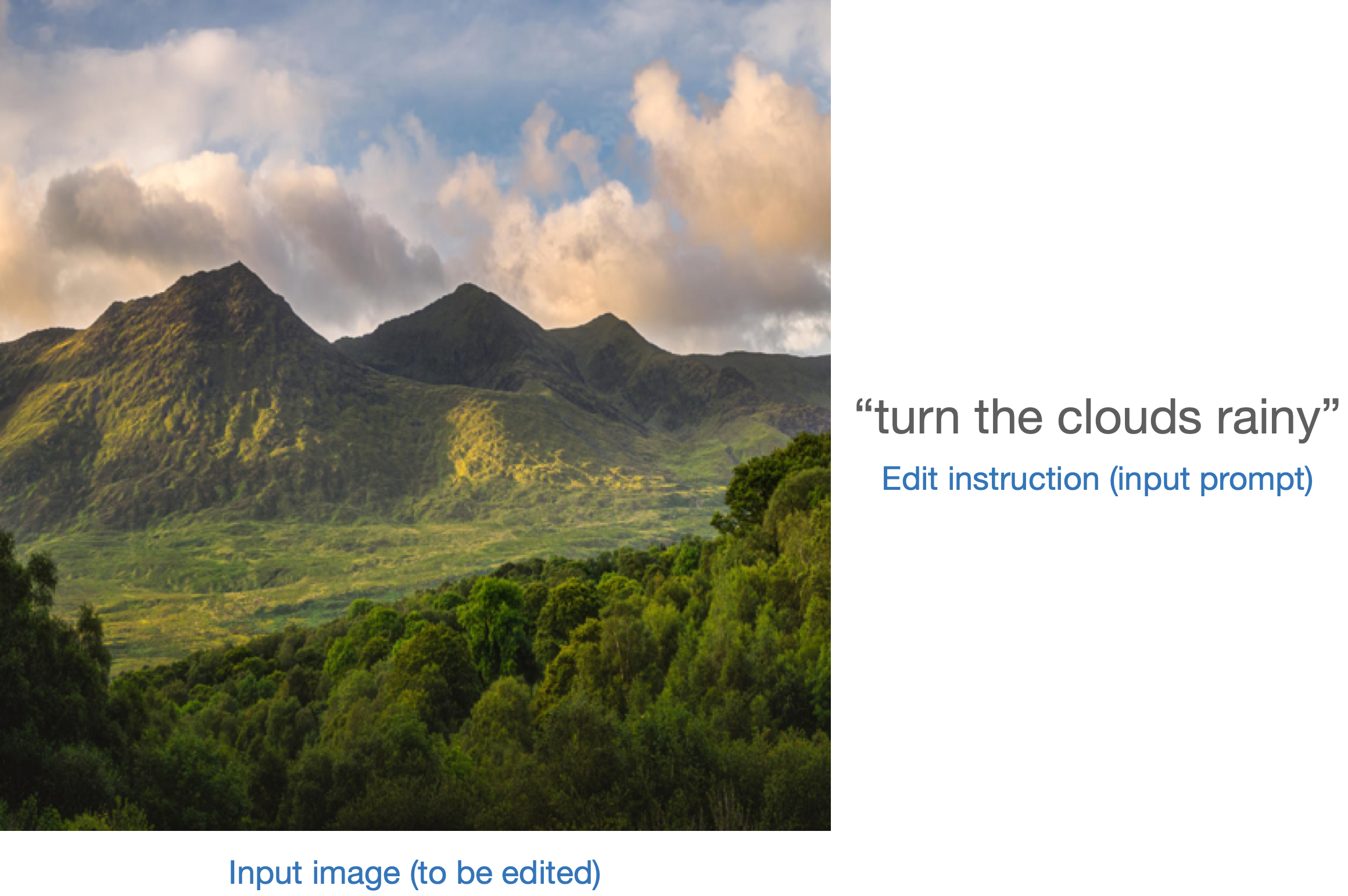
|
||||
|
||||
One strategy to evaluate such a model is to measure the consistency of the change between the two images (in [CLIP](https://huggingface.co/docs/transformers/model_doc/clip) space) with the change between the two image captions (as shown in [CLIP-Guided Domain Adaptation of Image Generators](https://huggingface.co/papers/2108.00946)). This is referred to as the "**CLIP directional similarity**".
|
||||
One strategy to evaluate such a model is to measure the consistency of the change between the two images (in [CLIP](https://huggingface.co/docs/transformers/model_doc/clip) space) with the change between the two image captions (as shown in [CLIP-Guided Domain Adaptation of Image Generators](https://arxiv.org/abs/2108.00946)). This is referred to as the "**CLIP directional similarity**".
|
||||
|
||||
- Caption 1 corresponds to the input image (image 1) that is to be edited.
|
||||
- Caption 2 corresponds to the edited image (image 2). It should reflect the edit instruction.
|
||||
@@ -433,7 +433,7 @@ Both CLIP score and CLIP direction similarity rely on the CLIP model, which can
|
||||
|
||||
### Class-conditioned image generation
|
||||
|
||||
Class-conditioned generative models are usually pre-trained on a class-labeled dataset such as [ImageNet-1k](https://huggingface.co/datasets/imagenet-1k). Popular metrics for evaluating these models include Fréchet Inception Distance (FID), Kernel Inception Distance (KID), and Inception Score (IS). In this document, we focus on FID ([Heusel et al.](https://huggingface.co/papers/1706.08500)). We show how to compute it with the [`DiTPipeline`](https://huggingface.co/docs/diffusers/api/pipelines/dit), which uses the [DiT model](https://huggingface.co/papers/2212.09748) under the hood.
|
||||
Class-conditioned generative models are usually pre-trained on a class-labeled dataset such as [ImageNet-1k](https://huggingface.co/datasets/imagenet-1k). Popular metrics for evaluating these models include Fréchet Inception Distance (FID), Kernel Inception Distance (KID), and Inception Score (IS). In this document, we focus on FID ([Heusel et al.](https://arxiv.org/abs/1706.08500)). We show how to compute it with the [`DiTPipeline`](https://huggingface.co/docs/diffusers/api/pipelines/dit), which uses the [DiT model](https://arxiv.org/abs/2212.09748) under the hood.
|
||||
|
||||
FID aims to measure how similar are two datasets of images. As per [this resource](https://mmgeneration.readthedocs.io/en/latest/quick_run.html#fid):
|
||||
|
||||
|
||||
@@ -3,7 +3,3 @@
|
||||
## Remote Decode
|
||||
|
||||
[[autodoc]] utils.remote_utils.remote_decode
|
||||
|
||||
## Remote Encode
|
||||
|
||||
[[autodoc]] utils.remote_utils.remote_encode
|
||||
|
||||
@@ -36,7 +36,7 @@ Hybrid Inference offers a fast and simple way to offload local generation requir
|
||||
## Available Models
|
||||
|
||||
* **VAE Decode 🖼️:** Quickly decode latent representations into high-quality images without compromising performance or workflow speed.
|
||||
* **VAE Encode 🔢:** Efficiently encode images into latent representations for generation and training.
|
||||
* **VAE Encode 🔢 (coming soon):** Efficiently encode images into latent representations for generation and training.
|
||||
* **Text Encoders 📃 (coming soon):** Compute text embeddings for your prompts quickly and accurately, ensuring a smooth and high-quality workflow.
|
||||
|
||||
---
|
||||
@@ -46,15 +46,9 @@ Hybrid Inference offers a fast and simple way to offload local generation requir
|
||||
* **[SD.Next](https://github.com/vladmandic/sdnext):** All-in-one UI with direct supports Hybrid Inference.
|
||||
* **[ComfyUI-HFRemoteVae](https://github.com/kijai/ComfyUI-HFRemoteVae):** ComfyUI node for Hybrid Inference.
|
||||
|
||||
## Changelog
|
||||
|
||||
- March 10 2025: Added VAE encode
|
||||
- March 2 2025: Initial release with VAE decoding
|
||||
|
||||
## Contents
|
||||
|
||||
The documentation is organized into three sections:
|
||||
The documentation is organized into two sections:
|
||||
|
||||
* **VAE Decode** Learn the basics of how to use VAE Decode with Hybrid Inference.
|
||||
* **VAE Encode** Learn the basics of how to use VAE Encode with Hybrid Inference.
|
||||
* **API Reference** Dive into task-specific settings and parameters.
|
||||
|
||||
@@ -1,183 +0,0 @@
|
||||
# Getting Started: VAE Encode with Hybrid Inference
|
||||
|
||||
VAE encode is used for training, image-to-image and image-to-video - turning into images or videos into latent representations.
|
||||
|
||||
## Memory
|
||||
|
||||
These tables demonstrate the VRAM requirements for VAE encode with SD v1 and SD XL on different GPUs.
|
||||
|
||||
For the majority of these GPUs the memory usage % dictates other models (text encoders, UNet/Transformer) must be offloaded, or tiled encoding has to be used which increases time taken and impacts quality.
|
||||
|
||||
<details><summary>SD v1.5</summary>
|
||||
|
||||
| GPU | Resolution | Time (seconds) | Memory (%) | Tiled Time (secs) | Tiled Memory (%) |
|
||||
|:------------------------------|:-------------|-----------------:|-------------:|--------------------:|-------------------:|
|
||||
| NVIDIA GeForce RTX 4090 | 512x512 | 0.015 | 3.51901 | 0.015 | 3.51901 |
|
||||
| NVIDIA GeForce RTX 4090 | 256x256 | 0.004 | 1.3154 | 0.005 | 1.3154 |
|
||||
| NVIDIA GeForce RTX 4090 | 2048x2048 | 0.402 | 47.1852 | 0.496 | 3.51901 |
|
||||
| NVIDIA GeForce RTX 4090 | 1024x1024 | 0.078 | 12.2658 | 0.094 | 3.51901 |
|
||||
| NVIDIA GeForce RTX 4080 SUPER | 512x512 | 0.023 | 5.30105 | 0.023 | 5.30105 |
|
||||
| NVIDIA GeForce RTX 4080 SUPER | 256x256 | 0.006 | 1.98152 | 0.006 | 1.98152 |
|
||||
| NVIDIA GeForce RTX 4080 SUPER | 2048x2048 | 0.574 | 71.08 | 0.656 | 5.30105 |
|
||||
| NVIDIA GeForce RTX 4080 SUPER | 1024x1024 | 0.111 | 18.4772 | 0.14 | 5.30105 |
|
||||
| NVIDIA GeForce RTX 3090 | 512x512 | 0.032 | 3.52782 | 0.032 | 3.52782 |
|
||||
| NVIDIA GeForce RTX 3090 | 256x256 | 0.01 | 1.31869 | 0.009 | 1.31869 |
|
||||
| NVIDIA GeForce RTX 3090 | 2048x2048 | 0.742 | 47.3033 | 0.954 | 3.52782 |
|
||||
| NVIDIA GeForce RTX 3090 | 1024x1024 | 0.136 | 12.2965 | 0.207 | 3.52782 |
|
||||
| NVIDIA GeForce RTX 3080 | 512x512 | 0.036 | 8.51761 | 0.036 | 8.51761 |
|
||||
| NVIDIA GeForce RTX 3080 | 256x256 | 0.01 | 3.18387 | 0.01 | 3.18387 |
|
||||
| NVIDIA GeForce RTX 3080 | 2048x2048 | 0.863 | 86.7424 | 1.191 | 8.51761 |
|
||||
| NVIDIA GeForce RTX 3080 | 1024x1024 | 0.157 | 29.6888 | 0.227 | 8.51761 |
|
||||
| NVIDIA GeForce RTX 3070 | 512x512 | 0.051 | 10.6941 | 0.051 | 10.6941 |
|
||||
| NVIDIA GeForce RTX 3070 | 256x256 | 0.015 | 3.99743 | 0.015 | 3.99743 |
|
||||
| NVIDIA GeForce RTX 3070 | 2048x2048 | 1.217 | 96.054 | 1.482 | 10.6941 |
|
||||
| NVIDIA GeForce RTX 3070 | 1024x1024 | 0.223 | 37.2751 | 0.327 | 10.6941 |
|
||||
|
||||
|
||||
</details>
|
||||
|
||||
<details><summary>SDXL</summary>
|
||||
|
||||
| GPU | Resolution | Time (seconds) | Memory Consumed (%) | Tiled Time (seconds) | Tiled Memory (%) |
|
||||
|:------------------------------|:-------------|-----------------:|----------------------:|-----------------------:|-------------------:|
|
||||
| NVIDIA GeForce RTX 4090 | 512x512 | 0.029 | 4.95707 | 0.029 | 4.95707 |
|
||||
| NVIDIA GeForce RTX 4090 | 256x256 | 0.007 | 2.29666 | 0.007 | 2.29666 |
|
||||
| NVIDIA GeForce RTX 4090 | 2048x2048 | 0.873 | 66.3452 | 0.863 | 15.5649 |
|
||||
| NVIDIA GeForce RTX 4090 | 1024x1024 | 0.142 | 15.5479 | 0.143 | 15.5479 |
|
||||
| NVIDIA GeForce RTX 4080 SUPER | 512x512 | 0.044 | 7.46735 | 0.044 | 7.46735 |
|
||||
| NVIDIA GeForce RTX 4080 SUPER | 256x256 | 0.01 | 3.4597 | 0.01 | 3.4597 |
|
||||
| NVIDIA GeForce RTX 4080 SUPER | 2048x2048 | 1.317 | 87.1615 | 1.291 | 23.447 |
|
||||
| NVIDIA GeForce RTX 4080 SUPER | 1024x1024 | 0.213 | 23.4215 | 0.214 | 23.4215 |
|
||||
| NVIDIA GeForce RTX 3090 | 512x512 | 0.058 | 5.65638 | 0.058 | 5.65638 |
|
||||
| NVIDIA GeForce RTX 3090 | 256x256 | 0.016 | 2.45081 | 0.016 | 2.45081 |
|
||||
| NVIDIA GeForce RTX 3090 | 2048x2048 | 1.755 | 77.8239 | 1.614 | 18.4193 |
|
||||
| NVIDIA GeForce RTX 3090 | 1024x1024 | 0.265 | 18.4023 | 0.265 | 18.4023 |
|
||||
| NVIDIA GeForce RTX 3080 | 512x512 | 0.064 | 13.6568 | 0.064 | 13.6568 |
|
||||
| NVIDIA GeForce RTX 3080 | 256x256 | 0.018 | 5.91728 | 0.018 | 5.91728 |
|
||||
| NVIDIA GeForce RTX 3080 | 2048x2048 | OOM | OOM | 1.866 | 44.4717 |
|
||||
| NVIDIA GeForce RTX 3080 | 1024x1024 | 0.302 | 44.4308 | 0.302 | 44.4308 |
|
||||
| NVIDIA GeForce RTX 3070 | 512x512 | 0.093 | 17.1465 | 0.093 | 17.1465 |
|
||||
| NVIDIA GeForce RTX 3070 | 256x256 | 0.025 | 7.42931 | 0.026 | 7.42931 |
|
||||
| NVIDIA GeForce RTX 3070 | 2048x2048 | OOM | OOM | 2.674 | 55.8355 |
|
||||
| NVIDIA GeForce RTX 3070 | 1024x1024 | 0.443 | 55.7841 | 0.443 | 55.7841 |
|
||||
|
||||
</details>
|
||||
|
||||
## Available VAEs
|
||||
|
||||
| | **Endpoint** | **Model** |
|
||||
|:-:|:-----------:|:--------:|
|
||||
| **Stable Diffusion v1** | [https://qc6479g0aac6qwy9.us-east-1.aws.endpoints.huggingface.cloud](https://qc6479g0aac6qwy9.us-east-1.aws.endpoints.huggingface.cloud) | [`stabilityai/sd-vae-ft-mse`](https://hf.co/stabilityai/sd-vae-ft-mse) |
|
||||
| **Stable Diffusion XL** | [https://xjqqhmyn62rog84g.us-east-1.aws.endpoints.huggingface.cloud](https://xjqqhmyn62rog84g.us-east-1.aws.endpoints.huggingface.cloud) | [`madebyollin/sdxl-vae-fp16-fix`](https://hf.co/madebyollin/sdxl-vae-fp16-fix) |
|
||||
| **Flux** | [https://ptccx55jz97f9zgo.us-east-1.aws.endpoints.huggingface.cloud](https://ptccx55jz97f9zgo.us-east-1.aws.endpoints.huggingface.cloud) | [`black-forest-labs/FLUX.1-schnell`](https://hf.co/black-forest-labs/FLUX.1-schnell) |
|
||||
|
||||
|
||||
> [!TIP]
|
||||
> Model support can be requested [here](https://github.com/huggingface/diffusers/issues/new?template=remote-vae-pilot-feedback.yml).
|
||||
|
||||
|
||||
## Code
|
||||
|
||||
> [!TIP]
|
||||
> Install `diffusers` from `main` to run the code: `pip install git+https://github.com/huggingface/diffusers@main`
|
||||
|
||||
|
||||
A helper method simplifies interacting with Hybrid Inference.
|
||||
|
||||
```python
|
||||
from diffusers.utils.remote_utils import remote_encode
|
||||
```
|
||||
|
||||
### Basic example
|
||||
|
||||
Let's encode an image, then decode it to demonstrate.
|
||||
|
||||
<figure class="image flex flex-col items-center justify-center text-center m-0 w-full">
|
||||
<img src="https://huggingface.co/datasets/huggingface/documentation-images/resolve/main/diffusers/astronaut.jpg"/>
|
||||
</figure>
|
||||
|
||||
<details><summary>Code</summary>
|
||||
|
||||
```python
|
||||
from diffusers.utils import load_image
|
||||
from diffusers.utils.remote_utils import remote_decode
|
||||
|
||||
image = load_image("https://huggingface.co/datasets/huggingface/documentation-images/resolve/main/diffusers/astronaut.jpg?download=true")
|
||||
|
||||
latent = remote_encode(
|
||||
endpoint="https://ptccx55jz97f9zgo.us-east-1.aws.endpoints.huggingface.cloud/",
|
||||
scaling_factor=0.3611,
|
||||
shift_factor=0.1159,
|
||||
)
|
||||
|
||||
decoded = remote_decode(
|
||||
endpoint="https://whhx50ex1aryqvw6.us-east-1.aws.endpoints.huggingface.cloud/",
|
||||
tensor=latent,
|
||||
scaling_factor=0.3611,
|
||||
shift_factor=0.1159,
|
||||
)
|
||||
```
|
||||
|
||||
</details>
|
||||
|
||||
<figure class="image flex flex-col items-center justify-center text-center m-0 w-full">
|
||||
<img src="https://huggingface.co/datasets/huggingface/documentation-images/resolve/main/blog/remote_vae/decoded.png"/>
|
||||
</figure>
|
||||
|
||||
|
||||
### Generation
|
||||
|
||||
Now let's look at a generation example, we'll encode the image, generate then remotely decode too!
|
||||
|
||||
<details><summary>Code</summary>
|
||||
|
||||
```python
|
||||
import torch
|
||||
from diffusers import StableDiffusionImg2ImgPipeline
|
||||
from diffusers.utils import load_image
|
||||
from diffusers.utils.remote_utils import remote_decode, remote_encode
|
||||
|
||||
pipe = StableDiffusionImg2ImgPipeline.from_pretrained(
|
||||
"stable-diffusion-v1-5/stable-diffusion-v1-5",
|
||||
torch_dtype=torch.float16,
|
||||
variant="fp16",
|
||||
vae=None,
|
||||
).to("cuda")
|
||||
|
||||
init_image = load_image(
|
||||
"https://raw.githubusercontent.com/CompVis/stable-diffusion/main/assets/stable-samples/img2img/sketch-mountains-input.jpg"
|
||||
)
|
||||
init_image = init_image.resize((768, 512))
|
||||
|
||||
init_latent = remote_encode(
|
||||
endpoint="https://qc6479g0aac6qwy9.us-east-1.aws.endpoints.huggingface.cloud/",
|
||||
image=init_image,
|
||||
scaling_factor=0.18215,
|
||||
)
|
||||
|
||||
prompt = "A fantasy landscape, trending on artstation"
|
||||
latent = pipe(
|
||||
prompt=prompt,
|
||||
image=init_latent,
|
||||
strength=0.75,
|
||||
output_type="latent",
|
||||
).images
|
||||
|
||||
image = remote_decode(
|
||||
endpoint="https://q1bj3bpq6kzilnsu.us-east-1.aws.endpoints.huggingface.cloud/",
|
||||
tensor=latent,
|
||||
scaling_factor=0.18215,
|
||||
)
|
||||
image.save("fantasy_landscape.jpg")
|
||||
```
|
||||
|
||||
</details>
|
||||
|
||||
<figure class="image flex flex-col items-center justify-center text-center m-0 w-full">
|
||||
<img src="https://huggingface.co/datasets/huggingface/documentation-images/resolve/main/blog/remote_vae/fantasy_landscape.png"/>
|
||||
</figure>
|
||||
|
||||
## Integrations
|
||||
|
||||
* **[SD.Next](https://github.com/vladmandic/sdnext):** All-in-one UI with direct supports Hybrid Inference.
|
||||
* **[ComfyUI-HFRemoteVae](https://github.com/kijai/ComfyUI-HFRemoteVae):** ComfyUI node for Hybrid Inference.
|
||||
@@ -161,10 +161,10 @@ Your Python environment will find the `main` version of 🤗 Diffusers on the ne
|
||||
|
||||
Model weights and files are downloaded from the Hub to a cache which is usually your home directory. You can change the cache location by specifying the `HF_HOME` or `HUGGINFACE_HUB_CACHE` environment variables or configuring the `cache_dir` parameter in methods like [`~DiffusionPipeline.from_pretrained`].
|
||||
|
||||
Cached files allow you to run 🤗 Diffusers offline. To prevent 🤗 Diffusers from connecting to the internet, set the `HF_HUB_OFFLINE` environment variable to `1` and 🤗 Diffusers will only load previously downloaded files in the cache.
|
||||
Cached files allow you to run 🤗 Diffusers offline. To prevent 🤗 Diffusers from connecting to the internet, set the `HF_HUB_OFFLINE` environment variable to `True` and 🤗 Diffusers will only load previously downloaded files in the cache.
|
||||
|
||||
```shell
|
||||
export HF_HUB_OFFLINE=1
|
||||
export HF_HUB_OFFLINE=True
|
||||
```
|
||||
|
||||
For more details about managing and cleaning the cache, take a look at the [caching](https://huggingface.co/docs/huggingface_hub/guides/manage-cache) guide.
|
||||
@@ -179,16 +179,14 @@ Telemetry is only sent when loading models and pipelines from the Hub,
|
||||
and it is not collected if you're loading local files.
|
||||
|
||||
We understand that not everyone wants to share additional information,and we respect your privacy.
|
||||
You can disable telemetry collection by setting the `HF_HUB_DISABLE_TELEMETRY` environment variable from your terminal:
|
||||
You can disable telemetry collection by setting the `DISABLE_TELEMETRY` environment variable from your terminal:
|
||||
|
||||
On Linux/MacOS:
|
||||
|
||||
```bash
|
||||
export HF_HUB_DISABLE_TELEMETRY=1
|
||||
export DISABLE_TELEMETRY=YES
|
||||
```
|
||||
|
||||
On Windows:
|
||||
|
||||
```bash
|
||||
set HF_HUB_DISABLE_TELEMETRY=1
|
||||
set DISABLE_TELEMETRY=YES
|
||||
```
|
||||
|
||||
@@ -37,7 +37,7 @@ Then load and enable the [`DeepCacheSDHelper`](https://github.com/horseee/DeepCa
|
||||
```
|
||||
|
||||
The `set_params` method accepts two arguments: `cache_interval` and `cache_branch_id`. `cache_interval` means the frequency of feature caching, specified as the number of steps between each cache operation. `cache_branch_id` identifies which branch of the network (ordered from the shallowest to the deepest layer) is responsible for executing the caching processes.
|
||||
Opting for a lower `cache_branch_id` or a larger `cache_interval` can lead to faster inference speed at the expense of reduced image quality (ablation experiments of these two hyperparameters can be found in the [paper](https://huggingface.co/papers/2312.00858)). Once those arguments are set, use the `enable` or `disable` methods to activate or deactivate the `DeepCacheSDHelper`.
|
||||
Opting for a lower `cache_branch_id` or a larger `cache_interval` can lead to faster inference speed at the expense of reduced image quality (ablation experiments of these two hyperparameters can be found in the [paper](https://arxiv.org/abs/2312.00858)). Once those arguments are set, use the `enable` or `disable` methods to activate or deactivate the `DeepCacheSDHelper`.
|
||||
|
||||
<div class="flex justify-center">
|
||||
<img src="https://github.com/horseee/Diffusion_DeepCache/raw/master/static/images/example.png">
|
||||
|
||||
@@ -10,211 +10,120 @@ an "AS IS" BASIS, WITHOUT WARRANTIES OR CONDITIONS OF ANY KIND, either express o
|
||||
specific language governing permissions and limitations under the License.
|
||||
-->
|
||||
|
||||
# Accelerate inference
|
||||
# Speed up inference
|
||||
|
||||
Diffusion models are slow at inference because generation is an iterative process where noise is gradually refined into an image or video over a certain number of "steps". To speedup this process, you can try experimenting with different [schedulers](../api/schedulers/overview), reduce the precision of the model weights for faster computations, use more memory-efficient attention mechanisms, and more.
|
||||
There are several ways to optimize Diffusers for inference speed, such as reducing the computational burden by lowering the data precision or using a lightweight distilled model. There are also memory-efficient attention implementations, [xFormers](xformers) and [scaled dot product attention](https://pytorch.org/docs/stable/generated/torch.nn.functional.scaled_dot_product_attention.html) in PyTorch 2.0, that reduce memory usage which also indirectly speeds up inference. Different speed optimizations can be stacked together to get the fastest inference times.
|
||||
|
||||
Combine and use these techniques together to make inference faster than using any single technique on its own.
|
||||
> [!TIP]
|
||||
> Optimizing for inference speed or reduced memory usage can lead to improved performance in the other category, so you should try to optimize for both whenever you can. This guide focuses on inference speed, but you can learn more about lowering memory usage in the [Reduce memory usage](memory) guide.
|
||||
|
||||
This guide will go over how to accelerate inference.
|
||||
The inference times below are obtained from generating a single 512x512 image from the prompt "a photo of an astronaut riding a horse on mars" with 50 DDIM steps on a NVIDIA A100.
|
||||
|
||||
## Model data type
|
||||
| setup | latency | speed-up |
|
||||
|----------|---------|----------|
|
||||
| baseline | 5.27s | x1 |
|
||||
| tf32 | 4.14s | x1.27 |
|
||||
| fp16 | 3.51s | x1.50 |
|
||||
| combined | 3.41s | x1.54 |
|
||||
|
||||
The precision and data type of the model weights affect inference speed because a higher precision requires more memory to load and more time to perform the computations. PyTorch loads model weights in float32 or full precision by default, so changing the data type is a simple way to quickly get faster inference.
|
||||
## TensorFloat-32
|
||||
|
||||
<hfoptions id="dtypes">
|
||||
<hfoption id="bfloat16">
|
||||
On Ampere and later CUDA devices, matrix multiplications and convolutions can use the [TensorFloat-32 (tf32)](https://blogs.nvidia.com/blog/2020/05/14/tensorfloat-32-precision-format/) mode for faster, but slightly less accurate computations. By default, PyTorch enables tf32 mode for convolutions but not matrix multiplications. Unless your network requires full float32 precision, we recommend enabling tf32 for matrix multiplications. It can significantly speed up computations with typically negligible loss in numerical accuracy.
|
||||
|
||||
bfloat16 is similar to float16 but it is more robust to numerical errors. Hardware support for bfloat16 varies, but most modern GPUs are capable of supporting bfloat16.
|
||||
|
||||
```py
|
||||
```python
|
||||
import torch
|
||||
from diffusers import StableDiffusionXLPipeline
|
||||
|
||||
pipeline = StableDiffusionXLPipeline.from_pretrained(
|
||||
"stabilityai/stable-diffusion-xl-base-1.0", torch_dtype=torch.bfloat16
|
||||
).to("cuda")
|
||||
|
||||
prompt = "Astronaut in a jungle, cold color palette, muted colors, detailed, 8k"
|
||||
pipeline(prompt, num_inference_steps=30).images[0]
|
||||
```
|
||||
|
||||
</hfoption>
|
||||
<hfoption id="float16">
|
||||
|
||||
float16 is similar to bfloat16 but may be more prone to numerical errors.
|
||||
|
||||
```py
|
||||
import torch
|
||||
from diffusers import StableDiffusionXLPipeline
|
||||
|
||||
pipeline = StableDiffusionXLPipeline.from_pretrained(
|
||||
"stabilityai/stable-diffusion-xl-base-1.0", torch_dtype=torch.float16
|
||||
).to("cuda")
|
||||
|
||||
prompt = "Astronaut in a jungle, cold color palette, muted colors, detailed, 8k"
|
||||
pipeline(prompt, num_inference_steps=30).images[0]
|
||||
```
|
||||
|
||||
</hfoption>
|
||||
<hfoption id="TensorFloat-32">
|
||||
|
||||
[TensorFloat-32 (tf32)](https://blogs.nvidia.com/blog/2020/05/14/tensorfloat-32-precision-format/) mode is supported on NVIDIA Ampere GPUs and it computes the convolution and matrix multiplication operations in tf32. Storage and other operations are kept in float32. This enables significantly faster computations when combined with bfloat16 or float16.
|
||||
|
||||
PyTorch only enables tf32 mode for convolutions by default and you'll need to explicitly enable it for matrix multiplications.
|
||||
|
||||
```py
|
||||
import torch
|
||||
from diffusers import StableDiffusionXLPipeline
|
||||
|
||||
torch.backends.cuda.matmul.allow_tf32 = True
|
||||
|
||||
pipeline = StableDiffusionXLPipeline.from_pretrained(
|
||||
"stabilityai/stable-diffusion-xl-base-1.0", torch_dtype=torch.bfloat16
|
||||
).to("cuda")
|
||||
|
||||
prompt = "Astronaut in a jungle, cold color palette, muted colors, detailed, 8k"
|
||||
pipeline(prompt, num_inference_steps=30).images[0]
|
||||
```
|
||||
|
||||
Refer to the [mixed precision training](https://huggingface.co/docs/transformers/en/perf_train_gpu_one#mixed-precision) docs for more details.
|
||||
Learn more about tf32 in the [Mixed precision training](https://huggingface.co/docs/transformers/en/perf_train_gpu_one#tf32) guide.
|
||||
|
||||
</hfoption>
|
||||
</hfoptions>
|
||||
## Half-precision weights
|
||||
|
||||
## Scaled dot product attention
|
||||
To save GPU memory and get more speed, set `torch_dtype=torch.float16` to load and run the model weights directly with half-precision weights.
|
||||
|
||||
> [!TIP]
|
||||
> Memory-efficient attention optimizes for inference speed *and* [memory usage](./memory#memory-efficient-attention)!
|
||||
|
||||
[Scaled dot product attention (SDPA)](https://pytorch.org/docs/stable/generated/torch.nn.functional.scaled_dot_product_attention.html) implements several attention backends, [FlashAttention](https://github.com/Dao-AILab/flash-attention), [xFormers](https://github.com/facebookresearch/xformers), and a native C++ implementation. It automatically selects the most optimal backend for your hardware.
|
||||
|
||||
SDPA is enabled by default if you're using PyTorch >= 2.0 and no additional changes are required to your code. You could try experimenting with other attention backends though if you'd like to choose your own. The example below uses the [torch.nn.attention.sdpa_kernel](https://pytorch.org/docs/stable/generated/torch.nn.attention.sdpa_kernel.html) context manager to enable efficient attention.
|
||||
|
||||
```py
|
||||
from torch.nn.attention import SDPBackend, sdpa_kernel
|
||||
```Python
|
||||
import torch
|
||||
from diffusers import StableDiffusionXLPipeline
|
||||
from diffusers import DiffusionPipeline
|
||||
|
||||
pipeline = StableDiffusionXLPipeline.from_pretrained(
|
||||
"stabilityai/stable-diffusion-xl-base-1.0", torch_dtype=torch.bfloat16
|
||||
).to("cuda")
|
||||
|
||||
prompt = "Astronaut in a jungle, cold color palette, muted colors, detailed, 8k"
|
||||
|
||||
with sdpa_kernel(SDPBackend.EFFICIENT_ATTENTION):
|
||||
image = pipeline(prompt, num_inference_steps=30).images[0]
|
||||
```
|
||||
|
||||
## torch.compile
|
||||
|
||||
[torch.compile](https://pytorch.org/tutorials/intermediate/torch_compile_tutorial.html) accelerates inference by compiling PyTorch code and operations into optimized kernels. Diffusers typically compiles the more compute-intensive models like the UNet, transformer, or VAE.
|
||||
|
||||
Enable the following compiler settings for maximum speed (refer to the [full list](https://github.com/pytorch/pytorch/blob/main/torch/_inductor/config.py) for more options).
|
||||
|
||||
```py
|
||||
import torch
|
||||
from diffusers import StableDiffusionXLPipeline
|
||||
|
||||
torch._inductor.config.conv_1x1_as_mm = True
|
||||
torch._inductor.config.coordinate_descent_tuning = True
|
||||
torch._inductor.config.epilogue_fusion = False
|
||||
torch._inductor.config.coordinate_descent_check_all_directions = True
|
||||
```
|
||||
|
||||
Load and compile the UNet and VAE. There are several different modes you can choose from, but `"max-autotune"` optimizes for the fastest speed by compiling to a CUDA graph. CUDA graphs effectively reduces the overhead by launching multiple GPU operations through a single CPU operation.
|
||||
|
||||
> [!TIP]
|
||||
> With PyTorch 2.3.1, you can control the caching behavior of torch.compile. This is particularly beneficial for compilation modes like `"max-autotune"` which performs a grid-search over several compilation flags to find the optimal configuration. Learn more in the [Compile Time Caching in torch.compile](https://pytorch.org/tutorials/recipes/torch_compile_caching_tutorial.html) tutorial.
|
||||
|
||||
Changing the memory layout to [channels_last](./memory#torchchannels_last) also optimizes memory and inference speed.
|
||||
|
||||
```py
|
||||
pipeline = StableDiffusionXLPipeline.from_pretrained(
|
||||
"stabilityai/stable-diffusion-xl-base-1.0", torch_dtype=torch.float16
|
||||
).to("cuda")
|
||||
pipeline.unet.to(memory_format=torch.channels_last)
|
||||
pipeline.vae.to(memory_format=torch.channels_last)
|
||||
pipeline.unet = torch.compile(
|
||||
pipeline.unet, mode="max-autotune", fullgraph=True
|
||||
pipe = DiffusionPipeline.from_pretrained(
|
||||
"stable-diffusion-v1-5/stable-diffusion-v1-5",
|
||||
torch_dtype=torch.float16,
|
||||
use_safetensors=True,
|
||||
)
|
||||
pipeline.vae.decode = torch.compile(
|
||||
pipeline.vae.decode,
|
||||
mode="max-autotune",
|
||||
fullgraph=True
|
||||
)
|
||||
|
||||
prompt = "Astronaut in a jungle, cold color palette, muted colors, detailed, 8k"
|
||||
pipeline(prompt, num_inference_steps=30).images[0]
|
||||
pipe = pipe.to("cuda")
|
||||
```
|
||||
|
||||
Compilation is slow the first time, but once compiled, it is significantly faster. Try to only use the compiled pipeline on the same type of inference operations. Calling the compiled pipeline on a different image size retriggers compilation which is slow and inefficient.
|
||||
|
||||
### Graph breaks
|
||||
|
||||
It is important to specify `fullgraph=True` in torch.compile to ensure there are no graph breaks in the underlying model. This allows you to take advantage of torch.compile without any performance degradation. For the UNet and VAE, this changes how you access the return variables.
|
||||
|
||||
```diff
|
||||
- latents = unet(
|
||||
- latents, timestep=timestep, encoder_hidden_states=prompt_embeds
|
||||
-).sample
|
||||
|
||||
+ latents = unet(
|
||||
+ latents, timestep=timestep, encoder_hidden_states=prompt_embeds, return_dict=False
|
||||
+)[0]
|
||||
```
|
||||
|
||||
### GPU sync
|
||||
|
||||
The `step()` function is [called](https://github.com/huggingface/diffusers/blob/1d686bac8146037e97f3fd8c56e4063230f71751/src/diffusers/pipelines/stable_diffusion_xl/pipeline_stable_diffusion_xl.py#L1228) on the scheduler each time after the denoiser makes a prediction, and the `sigmas` variable is [indexed](https://github.com/huggingface/diffusers/blob/1d686bac8146037e97f3fd8c56e4063230f71751/src/diffusers/schedulers/scheduling_euler_discrete.py#L476). When placed on the GPU, it introduces latency because of the communication sync between the CPU and GPU. It becomes more evident when the denoiser has already been compiled.
|
||||
|
||||
In general, the `sigmas` should [stay on the CPU](https://github.com/huggingface/diffusers/blob/35a969d297cba69110d175ee79c59312b9f49e1e/src/diffusers/schedulers/scheduling_euler_discrete.py#L240) to avoid the communication sync and latency.
|
||||
|
||||
## Dynamic quantization
|
||||
|
||||
[Dynamic quantization](https://pytorch.org/tutorials/recipes/recipes/dynamic_quantization.html) improves inference speed by reducing precision to enable faster math operations. This particular type of quantization determines how to scale the activations based on the data at runtime rather than using a fixed scaling factor. As a result, the scaling factor is more accurately aligned with the data.
|
||||
|
||||
The example below applies [dynamic int8 quantization](https://pytorch.org/tutorials/recipes/recipes/dynamic_quantization.html) to the UNet and VAE with the [torchao](../quantization/torchao) library.
|
||||
|
||||
> [!TIP]
|
||||
> Refer to our [torchao](../quantization/torchao) docs to learn more about how to use the Diffusers torchao integration.
|
||||
|
||||
Configure the compiler tags for maximum speed.
|
||||
|
||||
```py
|
||||
import torch
|
||||
from torchao import apply_dynamic_quant
|
||||
from diffusers import StableDiffusionXLPipeline
|
||||
|
||||
torch._inductor.config.conv_1x1_as_mm = True
|
||||
torch._inductor.config.coordinate_descent_tuning = True
|
||||
torch._inductor.config.epilogue_fusion = False
|
||||
torch._inductor.config.coordinate_descent_check_all_directions = True
|
||||
torch._inductor.config.force_fuse_int_mm_with_mul = True
|
||||
torch._inductor.config.use_mixed_mm = True
|
||||
```
|
||||
|
||||
Filter out some linear layers in the UNet and VAE which don't benefit from dynamic quantization with the [dynamic_quant_filter_fn](https://github.com/huggingface/diffusion-fast/blob/0f169640b1db106fe6a479f78c1ed3bfaeba3386/utils/pipeline_utils.py#L16).
|
||||
|
||||
```py
|
||||
pipeline = StableDiffusionXLPipeline.from_pretrained(
|
||||
"stabilityai/stable-diffusion-xl-base-1.0", torch_dtype=torch.bfloat16
|
||||
).to("cuda")
|
||||
|
||||
apply_dynamic_quant(pipeline.unet, dynamic_quant_filter_fn)
|
||||
apply_dynamic_quant(pipeline.vae, dynamic_quant_filter_fn)
|
||||
|
||||
prompt = "Astronaut in a jungle, cold color palette, muted colors, detailed, 8k"
|
||||
pipeline(prompt, num_inference_steps=30).images[0]
|
||||
```
|
||||
|
||||
## Fused projection matrices
|
||||
|
||||
> [!WARNING]
|
||||
> The [fuse_qkv_projections](https://github.com/huggingface/diffusers/blob/58431f102cf39c3c8a569f32d71b2ea8caa461e1/src/diffusers/pipelines/pipeline_utils.py#L2034) method is experimental and support is limited to mostly Stable Diffusion pipelines. Take a look at this [PR](https://github.com/huggingface/diffusers/pull/6179) to learn more about how to enable it for other pipelines
|
||||
> Don't use [torch.autocast](https://pytorch.org/docs/stable/amp.html#torch.autocast) in any of the pipelines as it can lead to black images and is always slower than pure float16 precision.
|
||||
|
||||
An input is projected into three subspaces, represented by the projection matrices Q, K, and V, in an attention block. These projections are typically calculated separately, but you can horizontally combine these into a single matrix and perform the projection in a single step. It increases the size of the matrix multiplications of the input projections and also improves the impact of quantization.
|
||||
## Distilled model
|
||||
|
||||
You could also use a distilled Stable Diffusion model and autoencoder to speed up inference. During distillation, many of the UNet's residual and attention blocks are shed to reduce the model size by 51% and improve latency on CPU/GPU by 43%. The distilled model is faster and uses less memory while generating images of comparable quality to the full Stable Diffusion model.
|
||||
|
||||
> [!TIP]
|
||||
> Read the [Open-sourcing Knowledge Distillation Code and Weights of SD-Small and SD-Tiny](https://huggingface.co/blog/sd_distillation) blog post to learn more about how knowledge distillation training works to produce a faster, smaller, and cheaper generative model.
|
||||
|
||||
The inference times below are obtained from generating 4 images from the prompt "a photo of an astronaut riding a horse on mars" with 25 PNDM steps on a NVIDIA A100. Each generation is repeated 3 times with the distilled Stable Diffusion v1.4 model by [Nota AI](https://hf.co/nota-ai).
|
||||
|
||||
| setup | latency | speed-up |
|
||||
|------------------------------|---------|----------|
|
||||
| baseline | 6.37s | x1 |
|
||||
| distilled | 4.18s | x1.52 |
|
||||
| distilled + tiny autoencoder | 3.83s | x1.66 |
|
||||
|
||||
Let's load the distilled Stable Diffusion model and compare it against the original Stable Diffusion model.
|
||||
|
||||
```py
|
||||
pipeline.fuse_qkv_projections()
|
||||
```
|
||||
from diffusers import StableDiffusionPipeline
|
||||
import torch
|
||||
|
||||
distilled = StableDiffusionPipeline.from_pretrained(
|
||||
"nota-ai/bk-sdm-small", torch_dtype=torch.float16, use_safetensors=True,
|
||||
).to("cuda")
|
||||
prompt = "a golden vase with different flowers"
|
||||
generator = torch.manual_seed(2023)
|
||||
image = distilled("a golden vase with different flowers", num_inference_steps=25, generator=generator).images[0]
|
||||
image
|
||||
```
|
||||
|
||||
<div class="flex gap-4">
|
||||
<div>
|
||||
<img class="rounded-xl" src="https://huggingface.co/datasets/huggingface/documentation-images/resolve/main/diffusers/original_sd.png"/>
|
||||
<figcaption class="mt-2 text-center text-sm text-gray-500">original Stable Diffusion</figcaption>
|
||||
</div>
|
||||
<div>
|
||||
<img class="rounded-xl" src="https://huggingface.co/datasets/huggingface/documentation-images/resolve/main/diffusers/distilled_sd.png"/>
|
||||
<figcaption class="mt-2 text-center text-sm text-gray-500">distilled Stable Diffusion</figcaption>
|
||||
</div>
|
||||
</div>
|
||||
|
||||
### Tiny AutoEncoder
|
||||
|
||||
To speed inference up even more, replace the autoencoder with a [distilled version](https://huggingface.co/sayakpaul/taesdxl-diffusers) of it.
|
||||
|
||||
```py
|
||||
import torch
|
||||
from diffusers import AutoencoderTiny, StableDiffusionPipeline
|
||||
|
||||
distilled = StableDiffusionPipeline.from_pretrained(
|
||||
"nota-ai/bk-sdm-small", torch_dtype=torch.float16, use_safetensors=True,
|
||||
).to("cuda")
|
||||
distilled.vae = AutoencoderTiny.from_pretrained(
|
||||
"sayakpaul/taesd-diffusers", torch_dtype=torch.float16, use_safetensors=True,
|
||||
).to("cuda")
|
||||
|
||||
prompt = "a golden vase with different flowers"
|
||||
generator = torch.manual_seed(2023)
|
||||
image = distilled("a golden vase with different flowers", num_inference_steps=25, generator=generator).images[0]
|
||||
image
|
||||
```
|
||||
|
||||
<div class="flex justify-center">
|
||||
<div>
|
||||
<img class="rounded-xl" src="https://huggingface.co/datasets/huggingface/documentation-images/resolve/main/diffusers/distilled_sd_vae.png" />
|
||||
<figcaption class="mt-2 text-center text-sm text-gray-500">distilled Stable Diffusion + Tiny AutoEncoder</figcaption>
|
||||
</div>
|
||||
</div>
|
||||
|
||||
More tiny autoencoder models for other Stable Diffusion models, like Stable Diffusion 3, are available from [madebyollin](https://huggingface.co/madebyollin).
|
||||
@@ -10,22 +10,67 @@ an "AS IS" BASIS, WITHOUT WARRANTIES OR CONDITIONS OF ANY KIND, either express o
|
||||
specific language governing permissions and limitations under the License.
|
||||
-->
|
||||
|
||||
# Intel Gaudi
|
||||
# Habana Gaudi
|
||||
|
||||
The Intel Gaudi AI accelerator family includes [Intel Gaudi 1](https://habana.ai/products/gaudi/), [Intel Gaudi 2](https://habana.ai/products/gaudi2/), and [Intel Gaudi 3](https://habana.ai/products/gaudi3/). Each server is equipped with 8 devices, known as Habana Processing Units (HPUs), providing 128GB of memory on Gaudi 3, 96GB on Gaudi 2, and 32GB on the first-gen Gaudi. For more details on the underlying hardware architecture, check out the [Gaudi Architecture](https://docs.habana.ai/en/latest/Gaudi_Overview/Gaudi_Architecture.html) overview.
|
||||
🤗 Diffusers is compatible with Habana Gaudi through 🤗 [Optimum](https://huggingface.co/docs/optimum/habana/usage_guides/stable_diffusion). Follow the [installation](https://docs.habana.ai/en/latest/Installation_Guide/index.html) guide to install the SynapseAI and Gaudi drivers, and then install Optimum Habana:
|
||||
|
||||
Diffusers pipelines can take advantage of HPU acceleration, even if a pipeline hasn't been added to [Optimum for Intel Gaudi](https://huggingface.co/docs/optimum/main/en/habana/index) yet, with the [GPU Migration Toolkit](https://docs.habana.ai/en/latest/PyTorch/PyTorch_Model_Porting/GPU_Migration_Toolkit/GPU_Migration_Toolkit.html).
|
||||
|
||||
Call `.to("hpu")` on your pipeline to move it to a HPU device as shown below for Flux:
|
||||
```py
|
||||
import torch
|
||||
from diffusers import DiffusionPipeline
|
||||
|
||||
pipeline = DiffusionPipeline.from_pretrained("black-forest-labs/FLUX.1-schnell", torch_dtype=torch.bfloat16)
|
||||
pipeline.to("hpu")
|
||||
|
||||
image = pipeline("An image of a squirrel in Picasso style").images[0]
|
||||
```bash
|
||||
python -m pip install --upgrade-strategy eager optimum[habana]
|
||||
```
|
||||
|
||||
> [!TIP]
|
||||
> For Gaudi-optimized diffusion pipeline implementations, we recommend using [Optimum for Intel Gaudi](https://huggingface.co/docs/optimum/main/en/habana/index).
|
||||
To generate images with Stable Diffusion 1 and 2 on Gaudi, you need to instantiate two instances:
|
||||
|
||||
- [`~optimum.habana.diffusers.GaudiStableDiffusionPipeline`], a pipeline for text-to-image generation.
|
||||
- [`~optimum.habana.diffusers.GaudiDDIMScheduler`], a Gaudi-optimized scheduler.
|
||||
|
||||
When you initialize the pipeline, you have to specify `use_habana=True` to deploy it on HPUs and to get the fastest possible generation, you should enable **HPU graphs** with `use_hpu_graphs=True`.
|
||||
|
||||
Finally, specify a [`~optimum.habana.GaudiConfig`] which can be downloaded from the [Habana](https://huggingface.co/Habana) organization on the Hub.
|
||||
|
||||
```python
|
||||
from optimum.habana import GaudiConfig
|
||||
from optimum.habana.diffusers import GaudiDDIMScheduler, GaudiStableDiffusionPipeline
|
||||
|
||||
model_name = "stabilityai/stable-diffusion-2-base"
|
||||
scheduler = GaudiDDIMScheduler.from_pretrained(model_name, subfolder="scheduler")
|
||||
pipeline = GaudiStableDiffusionPipeline.from_pretrained(
|
||||
model_name,
|
||||
scheduler=scheduler,
|
||||
use_habana=True,
|
||||
use_hpu_graphs=True,
|
||||
gaudi_config="Habana/stable-diffusion-2",
|
||||
)
|
||||
```
|
||||
|
||||
Now you can call the pipeline to generate images by batches from one or several prompts:
|
||||
|
||||
```python
|
||||
outputs = pipeline(
|
||||
prompt=[
|
||||
"High quality photo of an astronaut riding a horse in space",
|
||||
"Face of a yellow cat, high resolution, sitting on a park bench",
|
||||
],
|
||||
num_images_per_prompt=10,
|
||||
batch_size=4,
|
||||
)
|
||||
```
|
||||
|
||||
For more information, check out 🤗 Optimum Habana's [documentation](https://huggingface.co/docs/optimum/habana/usage_guides/stable_diffusion) and the [example](https://github.com/huggingface/optimum-habana/tree/main/examples/stable-diffusion) provided in the official GitHub repository.
|
||||
|
||||
## Benchmark
|
||||
|
||||
We benchmarked Habana's first-generation Gaudi and Gaudi2 with the [Habana/stable-diffusion](https://huggingface.co/Habana/stable-diffusion) and [Habana/stable-diffusion-2](https://huggingface.co/Habana/stable-diffusion-2) Gaudi configurations (mixed precision bf16/fp32) to demonstrate their performance.
|
||||
|
||||
For [Stable Diffusion v1.5](https://huggingface.co/stable-diffusion-v1-5/stable-diffusion-v1-5) on 512x512 images:
|
||||
|
||||
| | Latency (batch size = 1) | Throughput |
|
||||
| ---------------------- |:------------------------:|:---------------------------:|
|
||||
| first-generation Gaudi | 3.80s | 0.308 images/s (batch size = 8) |
|
||||
| Gaudi2 | 1.33s | 1.081 images/s (batch size = 8) |
|
||||
|
||||
For [Stable Diffusion v2.1](https://huggingface.co/stabilityai/stable-diffusion-2-1) on 768x768 images:
|
||||
|
||||
| | Latency (batch size = 1) | Throughput |
|
||||
| ---------------------- |:------------------------:|:-------------------------------:|
|
||||
| first-generation Gaudi | 10.2s | 0.108 images/s (batch size = 4) |
|
||||
| Gaudi2 | 3.17s | 0.379 images/s (batch size = 8) |
|
||||
|
||||
@@ -12,258 +12,175 @@ specific language governing permissions and limitations under the License.
|
||||
|
||||
# Reduce memory usage
|
||||
|
||||
Modern diffusion models like [Flux](../api/pipelines/flux) and [Wan](../api/pipelines/wan) have billions of parameters that take up a lot of memory on your hardware for inference. This is challenging because common GPUs often don't have sufficient memory. To overcome the memory limitations, you can use more than one GPU (if available), offload some of the pipeline components to the CPU, and more.
|
||||
A barrier to using diffusion models is the large amount of memory required. To overcome this challenge, there are several memory-reducing techniques you can use to run even some of the largest models on free-tier or consumer GPUs. Some of these techniques can even be combined to further reduce memory usage.
|
||||
|
||||
This guide will show you how to reduce your memory usage.
|
||||
<Tip>
|
||||
|
||||
> [!TIP]
|
||||
> Keep in mind these techniques may need to be adjusted depending on the model! For example, a transformer-based diffusion model may not benefit equally from these inference speed optimizations as a UNet-based model.
|
||||
In many cases, optimizing for memory or speed leads to improved performance in the other, so you should try to optimize for both whenever you can. This guide focuses on minimizing memory usage, but you can also learn more about how to [Speed up inference](fp16).
|
||||
|
||||
## Multiple GPUs
|
||||
</Tip>
|
||||
|
||||
If you have access to more than one GPU, there a few options for efficiently loading and distributing a large model across your hardware. These features are supported by the [Accelerate](https://huggingface.co/docs/accelerate/index) library, so make sure it is installed first.
|
||||
The results below are obtained from generating a single 512x512 image from the prompt a photo of an astronaut riding a horse on mars with 50 DDIM steps on a Nvidia Titan RTX, demonstrating the speed-up you can expect as a result of reduced memory consumption.
|
||||
|
||||
```bash
|
||||
pip install -U accelerate
|
||||
```
|
||||
| | latency | speed-up |
|
||||
| ---------------- | ------- | ------- |
|
||||
| original | 9.50s | x1 |
|
||||
| fp16 | 3.61s | x2.63 |
|
||||
| channels last | 3.30s | x2.88 |
|
||||
| traced UNet | 3.21s | x2.96 |
|
||||
| memory-efficient attention | 2.63s | x3.61 |
|
||||
|
||||
### Sharded checkpoints
|
||||
## Sliced VAE
|
||||
|
||||
Loading large checkpoints in several shards in useful because the shards are loaded one at a time. This keeps memory usage low, only requiring enough memory for the model size and the largest shard size. We recommend sharding when the fp32 checkpoint is greater than 5GB. The default shard size is 5GB.
|
||||
Sliced VAE enables decoding large batches of images with limited VRAM or batches with 32 images or more by decoding the batches of latents one image at a time. You'll likely want to couple this with [`~ModelMixin.enable_xformers_memory_efficient_attention`] to reduce memory use further if you have xFormers installed.
|
||||
|
||||
Shard a checkpoint in [`~DiffusionPipeline.save_pretrained`] with the `max_shard_size` parameter.
|
||||
To use sliced VAE, call [`~StableDiffusionPipeline.enable_vae_slicing`] on your pipeline before inference:
|
||||
|
||||
```py
|
||||
from diffusers import AutoModel
|
||||
|
||||
unet = AutoModel.from_pretrained(
|
||||
"stabilityai/stable-diffusion-xl-base-1.0", subfolder="unet"
|
||||
)
|
||||
unet.save_pretrained("sdxl-unet-sharded", max_shard_size="5GB")
|
||||
```
|
||||
|
||||
Now you can use the sharded checkpoint, instead of the regular checkpoint, to save memory.
|
||||
|
||||
```py
|
||||
```python
|
||||
import torch
|
||||
from diffusers import AutoModel, StableDiffusionXLPipeline
|
||||
from diffusers import StableDiffusionPipeline
|
||||
|
||||
unet = AutoModel.from_pretrained(
|
||||
"username/sdxl-unet-sharded", torch_dtype=torch.float16
|
||||
)
|
||||
pipeline = StableDiffusionXLPipeline.from_pretrained(
|
||||
"stabilityai/stable-diffusion-xl-base-1.0",
|
||||
unet=unet,
|
||||
torch_dtype=torch.float16
|
||||
).to("cuda")
|
||||
```
|
||||
|
||||
### Device placement
|
||||
|
||||
> [!WARNING]
|
||||
> Device placement is an experimental feature and the API may change. Only the `balanced` strategy is supported at the moment. We plan to support additional mapping strategies in the future.
|
||||
|
||||
The `device_map` parameter controls how the model components in a pipeline are distributed across devices. The `balanced` device placement strategy evenly splits the pipeline across all available devices.
|
||||
|
||||
```py
|
||||
import torch
|
||||
from diffusers import AutoModel, StableDiffusionXLPipeline
|
||||
|
||||
pipeline = StableDiffusionXLPipeline.from_pretrained(
|
||||
"stabilityai/stable-diffusion-xl-base-1.0",
|
||||
pipe = StableDiffusionPipeline.from_pretrained(
|
||||
"stable-diffusion-v1-5/stable-diffusion-v1-5",
|
||||
torch_dtype=torch.float16,
|
||||
device_map="balanced"
|
||||
use_safetensors=True,
|
||||
)
|
||||
pipe = pipe.to("cuda")
|
||||
|
||||
prompt = "a photo of an astronaut riding a horse on mars"
|
||||
pipe.enable_vae_slicing()
|
||||
#pipe.enable_xformers_memory_efficient_attention()
|
||||
images = pipe([prompt] * 32).images
|
||||
```
|
||||
|
||||
You can inspect a pipeline's device map with `hf_device_map`.
|
||||
You may see a small performance boost in VAE decoding on multi-image batches, and there should be no performance impact on single-image batches.
|
||||
|
||||
```py
|
||||
print(pipeline.hf_device_map)
|
||||
{'unet': 1, 'vae': 1, 'safety_checker': 0, 'text_encoder': 0}
|
||||
```
|
||||
## Tiled VAE
|
||||
|
||||
The `device_map` parameter also works on the model-level. This is useful for loading large models, such as the Flux diffusion transformer which has 12.5B parameters. Instead of `balanced`, set it to `"auto"` to automatically distribute a model across the fastest device first before moving to slower devices. Refer to the [Model sharding](../training/distributed_inference#model-sharding) docs for more details.
|
||||
Tiled VAE processing also enables working with large images on limited VRAM (for example, generating 4k images on 8GB of VRAM) by splitting the image into overlapping tiles, decoding the tiles, and then blending the outputs together to compose the final image. You should also used tiled VAE with [`~ModelMixin.enable_xformers_memory_efficient_attention`] to reduce memory use further if you have xFormers installed.
|
||||
|
||||
```py
|
||||
To use tiled VAE processing, call [`~StableDiffusionPipeline.enable_vae_tiling`] on your pipeline before inference:
|
||||
|
||||
```python
|
||||
import torch
|
||||
from diffusers import AutoModel
|
||||
from diffusers import StableDiffusionPipeline, UniPCMultistepScheduler
|
||||
|
||||
transformer = AutoModel.from_pretrained(
|
||||
"black-forest-labs/FLUX.1-dev",
|
||||
subfolder="transformer",
|
||||
device_map="auto",
|
||||
torch_dtype=torch.bfloat16
|
||||
)
|
||||
```
|
||||
|
||||
For more fine-grained control, pass a dictionary to enforce the maximum GPU memory to use on each device. If a device is not in `max_memory`, it is ignored and pipeline components won't be distributed to it.
|
||||
|
||||
```py
|
||||
import torch
|
||||
from diffusers import AutoModel, StableDiffusionXLPipeline
|
||||
|
||||
max_memory = {0:"1GB", 1:"1GB"}
|
||||
pipeline = StableDiffusionXLPipeline.from_pretrained(
|
||||
"stabilityai/stable-diffusion-xl-base-1.0",
|
||||
pipe = StableDiffusionPipeline.from_pretrained(
|
||||
"stable-diffusion-v1-5/stable-diffusion-v1-5",
|
||||
torch_dtype=torch.float16,
|
||||
device_map="balanced",
|
||||
max_memory=max_memory
|
||||
use_safetensors=True,
|
||||
)
|
||||
pipe.scheduler = UniPCMultistepScheduler.from_config(pipe.scheduler.config)
|
||||
pipe = pipe.to("cuda")
|
||||
prompt = "a beautiful landscape photograph"
|
||||
pipe.enable_vae_tiling()
|
||||
#pipe.enable_xformers_memory_efficient_attention()
|
||||
|
||||
image = pipe([prompt], width=3840, height=2224, num_inference_steps=20).images[0]
|
||||
```
|
||||
|
||||
Diffusers uses the maxmium memory of all devices by default, but if they don't fit on the GPUs, then you'll need to use a single GPU and offload to the CPU with the methods below.
|
||||
|
||||
- [`~DiffusionPipeline.enable_model_cpu_offload`] only works on a single GPU but a very large model may not fit on it
|
||||
- [`~DiffusionPipeline.enable_sequential_cpu_offload`] may work but it is extremely slow and also limited to a single GPU
|
||||
|
||||
Use the [`~DiffusionPipeline.reset_device_map`] method to reset the `device_map`. This is necessary if you want to use methods like `.to()`, [`~DiffusionPipeline.enable_sequential_cpu_offload`], and [`~DiffusionPipeline.enable_model_cpu_offload`] on a pipeline that was device-mapped.
|
||||
|
||||
```py
|
||||
pipeline.reset_device_map()
|
||||
```
|
||||
|
||||
## VAE slicing
|
||||
|
||||
VAE slicing saves memory by splitting large batches of inputs into a single batch of data and separately processing them. This method works best when generating more than one image at a time.
|
||||
|
||||
For example, if you're generating 4 images at once, decoding would increase peak activation memory by 4x. VAE slicing reduces this by only decoding 1 image at a time instead of all 4 images at once.
|
||||
|
||||
Call [`~StableDiffusionPipeline.enable_vae_slicing`] to enable sliced VAE. You can expect a small increase in performance when decoding multi-image batches and no performance impact for single-image batches.
|
||||
|
||||
```py
|
||||
import torch
|
||||
from diffusers import AutoModel, StableDiffusionXLPipeline
|
||||
|
||||
pipeline = StableDiffusionXLPipeline.from_pretrained(
|
||||
"stabilityai/stable-diffusion-xl-base-1.0",
|
||||
torch_dtype=torch.float16,
|
||||
).to("cuda")
|
||||
pipeline.enable_vae_slicing()
|
||||
pipeline(["An astronaut riding a horse on Mars"]*32).images[0]
|
||||
print(f"Max memory reserved: {torch.cuda.max_memory_allocated() / 1024**3:.2f} GB")
|
||||
```
|
||||
|
||||
> [!WARNING]
|
||||
> [`AutoencoderKLWan`] and [`AsymmetricAutoencoderKL`] don't support slicing.
|
||||
|
||||
## VAE tiling
|
||||
|
||||
VAE tiling saves memory by dividing an image into smaller overlapping tiles instead of processing the entire image at once. This also reduces peak memory usage because the GPU is only processing a tile at a time.
|
||||
|
||||
Call [`~StableDiffusionPipeline.enable_vae_tiling`] to enable VAE tiling. The generated image may have some tone variation from tile-to-tile because they're decoded separately, but there shouldn't be any obvious seams between the tiles. Tiling is disabled for resolutions lower than a pre-specified (but configurable) limit. For example, this limit is 512x512 for the VAE in [`StableDiffusionPipeline`].
|
||||
|
||||
```py
|
||||
import torch
|
||||
from diffusers import AutoPipelineForImage2Image
|
||||
from diffusers.utils import load_image
|
||||
|
||||
pipeline = AutoPipelineForImage2Image.from_pretrained(
|
||||
"stabilityai/stable-diffusion-xl-base-1.0", torch_dtype=torch.float16
|
||||
).to("cuda")
|
||||
pipeline.enable_vae_tiling()
|
||||
|
||||
init_image = load_image("https://huggingface.co/datasets/huggingface/documentation-images/resolve/main/diffusers/img2img-sdxl-init.png")
|
||||
prompt = "Astronaut in a jungle, cold color palette, muted colors, detailed, 8k"
|
||||
pipeline(prompt, image=init_image, strength=0.5).images[0]
|
||||
print(f"Max memory reserved: {torch.cuda.max_memory_allocated() / 1024**3:.2f} GB")
|
||||
```
|
||||
|
||||
> [!WARNING]
|
||||
> [`AutoencoderKLWan`] and [`AsymmetricAutoencoderKL`] don't support tiling.
|
||||
The output image has some tile-to-tile tone variation because the tiles are decoded separately, but you shouldn't see any sharp and obvious seams between the tiles. Tiling is turned off for images that are 512x512 or smaller.
|
||||
|
||||
## CPU offloading
|
||||
|
||||
CPU offloading selectively moves weights from the GPU to the CPU. When a component is required, it is transferred to the GPU and when it isn't required, it is moved to the CPU. This method works on submodules rather than whole models. It saves memory by avoiding storing the entire model on the GPU.
|
||||
Offloading the weights to the CPU and only loading them on the GPU when performing the forward pass can also save memory. Often, this technique can reduce memory consumption to less than 3GB.
|
||||
|
||||
CPU offloading dramatically reduces memory usage, but it is also **extremely slow** because submodules are passed back and forth multiple times between devices. It can often be impractical due to how slow it is.
|
||||
To perform CPU offloading, call [`~StableDiffusionPipeline.enable_sequential_cpu_offload`]:
|
||||
|
||||
> [!WARNING]
|
||||
> Don't move the pipeline to CUDA before calling [`~DiffusionPipeline.enable_sequential_cpu_offload`], otherwise the amount of memory saved is only minimal (refer to this [issue](https://github.com/huggingface/diffusers/issues/1934) for more details). This is a stateful operation that installs hooks on the model.
|
||||
|
||||
Call [`~DiffusionPipeline.enable_sequential_cpu_offload`] to enable it on a pipeline.
|
||||
|
||||
```py
|
||||
```Python
|
||||
import torch
|
||||
from diffusers import DiffusionPipeline
|
||||
from diffusers import StableDiffusionPipeline
|
||||
|
||||
pipeline = DiffusionPipeline.from_pretrained(
|
||||
"black-forest-labs/FLUX.1-schnell", torch_dtype=torch.bfloat16
|
||||
pipe = StableDiffusionPipeline.from_pretrained(
|
||||
"stable-diffusion-v1-5/stable-diffusion-v1-5",
|
||||
torch_dtype=torch.float16,
|
||||
use_safetensors=True,
|
||||
)
|
||||
pipeline.enable_sequential_cpu_offload()
|
||||
|
||||
pipeline(
|
||||
prompt="An astronaut riding a horse on Mars",
|
||||
guidance_scale=0.,
|
||||
height=768,
|
||||
width=1360,
|
||||
num_inference_steps=4,
|
||||
max_sequence_length=256,
|
||||
).images[0]
|
||||
print(f"Max memory reserved: {torch.cuda.max_memory_allocated() / 1024**3:.2f} GB")
|
||||
prompt = "a photo of an astronaut riding a horse on mars"
|
||||
pipe.enable_sequential_cpu_offload()
|
||||
image = pipe(prompt).images[0]
|
||||
```
|
||||
|
||||
CPU offloading works on submodules rather than whole models. This is the best way to minimize memory consumption, but inference is much slower due to the iterative nature of the diffusion process. The UNet component of the pipeline runs several times (as many as `num_inference_steps`); each time, the different UNet submodules are sequentially onloaded and offloaded as needed, resulting in a large number of memory transfers.
|
||||
|
||||
<Tip>
|
||||
|
||||
Consider using [model offloading](#model-offloading) if you want to optimize for speed because it is much faster. The tradeoff is your memory savings won't be as large.
|
||||
|
||||
</Tip>
|
||||
|
||||
<Tip warning={true}>
|
||||
|
||||
When using [`~StableDiffusionPipeline.enable_sequential_cpu_offload`], don't move the pipeline to CUDA beforehand or else the gain in memory consumption will only be minimal (see this [issue](https://github.com/huggingface/diffusers/issues/1934) for more information).
|
||||
|
||||
[`~StableDiffusionPipeline.enable_sequential_cpu_offload`] is a stateful operation that installs hooks on the models.
|
||||
|
||||
</Tip>
|
||||
|
||||
## Model offloading
|
||||
|
||||
Model offloading moves entire models to the GPU instead of selectively moving *some* layers or model components. One of the main pipeline models, usually the text encoder, UNet, and VAE, is placed on the GPU while the other components are held on the CPU. Components like the UNet that run multiple times stays on the GPU until its completely finished and no longer needed. This eliminates the communication overhead of [CPU offloading](#cpu-offloading) and makes model offloading a faster alternative. The tradeoff is memory savings won't be as large.
|
||||
<Tip>
|
||||
|
||||
> [!WARNING]
|
||||
> Keep in mind that if models are reused outside the pipeline after hookes have been installed (see [Removing Hooks](https://huggingface.co/docs/accelerate/en/package_reference/big_modeling#accelerate.hooks.remove_hook_from_module) for more details), you need to run the entire pipeline and models in the expected order to properly offload them. This is a stateful operation that installs hooks on the model.
|
||||
Model offloading requires 🤗 Accelerate version 0.17.0 or higher.
|
||||
|
||||
Call [`~DiffusionPipeline.enable_model_cpu_offload`] to enable it on a pipeline.
|
||||
</Tip>
|
||||
|
||||
```py
|
||||
[Sequential CPU offloading](#cpu-offloading) preserves a lot of memory but it makes inference slower because submodules are moved to GPU as needed, and they're immediately returned to the CPU when a new module runs.
|
||||
|
||||
Full-model offloading is an alternative that moves whole models to the GPU, instead of handling each model's constituent *submodules*. There is a negligible impact on inference time (compared with moving the pipeline to `cuda`), and it still provides some memory savings.
|
||||
|
||||
During model offloading, only one of the main components of the pipeline (typically the text encoder, UNet and VAE)
|
||||
is placed on the GPU while the others wait on the CPU. Components like the UNet that run for multiple iterations stay on the GPU until they're no longer needed.
|
||||
|
||||
Enable model offloading by calling [`~StableDiffusionPipeline.enable_model_cpu_offload`] on the pipeline:
|
||||
|
||||
```Python
|
||||
import torch
|
||||
from diffusers import DiffusionPipeline
|
||||
from diffusers import StableDiffusionPipeline
|
||||
|
||||
pipeline = DiffusionPipeline.from_pretrained(
|
||||
"black-forest-labs/FLUX.1-schnell", torch_dtype=torch.bfloat16
|
||||
pipe = StableDiffusionPipeline.from_pretrained(
|
||||
"stable-diffusion-v1-5/stable-diffusion-v1-5",
|
||||
torch_dtype=torch.float16,
|
||||
use_safetensors=True,
|
||||
)
|
||||
pipline.enable_model_cpu_offload()
|
||||
|
||||
pipeline(
|
||||
prompt="An astronaut riding a horse on Mars",
|
||||
guidance_scale=0.,
|
||||
height=768,
|
||||
width=1360,
|
||||
num_inference_steps=4,
|
||||
max_sequence_length=256,
|
||||
).images[0]
|
||||
print(f"Max memory reserved: {torch.cuda.max_memory_allocated() / 1024**3:.2f} GB")
|
||||
prompt = "a photo of an astronaut riding a horse on mars"
|
||||
pipe.enable_model_cpu_offload()
|
||||
image = pipe(prompt).images[0]
|
||||
```
|
||||
|
||||
[`~DiffusionPipeline.enable_model_cpu_offload`] also helps when you're using the [`~StableDiffusionXLPipeline.encode_prompt`] method on its own to generate the text encoders hidden state.
|
||||
<Tip warning={true}>
|
||||
|
||||
In order to properly offload models after they're called, it is required to run the entire pipeline and models are called in the pipeline's expected order. Exercise caution if models are reused outside the context of the pipeline after hooks have been installed. See [Removing Hooks](https://huggingface.co/docs/accelerate/en/package_reference/big_modeling#accelerate.hooks.remove_hook_from_module) for more information.
|
||||
|
||||
[`~StableDiffusionPipeline.enable_model_cpu_offload`] is a stateful operation that installs hooks on the models and state on the pipeline.
|
||||
|
||||
</Tip>
|
||||
|
||||
## Group offloading
|
||||
|
||||
Group offloading moves groups of internal layers ([torch.nn.ModuleList](https://pytorch.org/docs/stable/generated/torch.nn.ModuleList.html) or [torch.nn.Sequential](https://pytorch.org/docs/stable/generated/torch.nn.Sequential.html)) to the CPU. It uses less memory than [model offloading](#model-offloading) and it is faster than [CPU offloading](#cpu-offloading) because it reduces communication overhead.
|
||||
Group offloading is the middle ground between sequential and model offloading. It works by offloading groups of internal layers (either `torch.nn.ModuleList` or `torch.nn.Sequential`), which uses less memory than model-level offloading. It is also faster than sequential-level offloading because the number of device synchronizations is reduced.
|
||||
|
||||
> [!WARNING]
|
||||
> Group offloading may not work with all models if the forward implementation contains weight-dependent device casting of inputs because it may clash with group offloading's device casting mechanism.
|
||||
To enable group offloading, call the [`~ModelMixin.enable_group_offload`] method on the model if it is a Diffusers model implementation. For any other model implementation, use [`~hooks.group_offloading.apply_group_offloading`]:
|
||||
|
||||
Call [`~ModelMixin.enable_group_offload`] to enable it for standard Diffusers model components that inherit from [`ModelMixin`]. For other model components that don't inherit from [`ModelMixin`], such as a generic [torch.nn.Module](https://pytorch.org/docs/stable/generated/torch.nn.Module.html), use [`~hooks.apply_group_offloading`] instead.
|
||||
|
||||
The `offload_type` parameter can be set to `block_level` or `leaf_level`.
|
||||
|
||||
- `block_level` offloads groups of layers based on the `num_blocks_per_group` parameter. For example, if `num_blocks_per_group=2` on a model with 40 layers, 2 layers are onloaded and offloaded at a time (20 total onloads/offloads). This drastically reduces memory requirements.
|
||||
- `leaf_level` offloads individual layers at the lowest level and is equivalent to [CPU offloading](#cpu-offloading). But it can be made faster if you use streams without giving up inference speed.
|
||||
|
||||
```py
|
||||
```python
|
||||
import torch
|
||||
from diffusers import CogVideoXPipeline
|
||||
from diffusers.hooks import apply_group_offloading
|
||||
from diffusers.utils import export_to_video
|
||||
|
||||
# Load the pipeline
|
||||
onload_device = torch.device("cuda")
|
||||
offload_device = torch.device("cpu")
|
||||
pipeline = CogVideoXPipeline.from_pretrained("THUDM/CogVideoX-5b", torch_dtype=torch.bfloat16)
|
||||
pipe = CogVideoXPipeline.from_pretrained("THUDM/CogVideoX-5b", torch_dtype=torch.bfloat16)
|
||||
|
||||
# Use the enable_group_offload method for Diffusers model implementations
|
||||
pipeline.transformer.enable_group_offload(onload_device=onload_device, offload_device=offload_device, offload_type="leaf_level")
|
||||
pipeline.vae.enable_group_offload(onload_device=onload_device, offload_type="leaf_level")
|
||||
# We can utilize the enable_group_offload method for Diffusers model implementations
|
||||
pipe.transformer.enable_group_offload(onload_device=onload_device, offload_device=offload_device, offload_type="leaf_level", use_stream=True)
|
||||
|
||||
# Use the apply_group_offloading method for other model components
|
||||
apply_group_offloading(pipeline.text_encoder, onload_device=onload_device, offload_type="block_level", num_blocks_per_group=2)
|
||||
# For any other model implementations, the apply_group_offloading function can be used
|
||||
apply_group_offloading(pipe.text_encoder, onload_device=onload_device, offload_type="block_level", num_blocks_per_group=2)
|
||||
apply_group_offloading(pipe.vae, onload_device=onload_device, offload_type="leaf_level")
|
||||
|
||||
prompt = (
|
||||
"A panda, dressed in a small, red jacket and a tiny hat, sits on a wooden stool in a serene bamboo forest. "
|
||||
@@ -273,62 +190,35 @@ prompt = (
|
||||
"The background includes a small, flowing stream and vibrant green foliage, enhancing the peaceful and magical "
|
||||
"atmosphere of this unique musical performance."
|
||||
)
|
||||
video = pipeline(prompt=prompt, guidance_scale=6, num_inference_steps=50).frames[0]
|
||||
video = pipe(prompt=prompt, guidance_scale=6, num_inference_steps=50).frames[0]
|
||||
# This utilized about 14.79 GB. It can be further reduced by using tiling and using leaf_level offloading throughout the pipeline.
|
||||
print(f"Max memory reserved: {torch.cuda.max_memory_allocated() / 1024**3:.2f} GB")
|
||||
export_to_video(video, "output.mp4", fps=8)
|
||||
```
|
||||
|
||||
### CUDA stream
|
||||
Group offloading (for CUDA devices with support for asynchronous data transfer streams) overlaps data transfer and computation to reduce the overall execution time compared to sequential offloading. This is enabled using layer prefetching with CUDA streams. The next layer to be executed is loaded onto the accelerator device while the current layer is being executed - this increases the memory requirements slightly. Group offloading also supports leaf-level offloading (equivalent to sequential CPU offloading) but can be made much faster when using streams.
|
||||
|
||||
The `use_stream` parameter can be activated for CUDA devices that support asynchronous data transfer streams to reduce overall execution time compared to [CPU offloading](#cpu-offloading). It overlaps data transfer and computation by using layer prefetching. The next layer to be executed is loaded onto the GPU while the current layer is still being executed. It can increase CPU memory significantly so ensure you have 2x the amount of memory as the model size.
|
||||
## FP8 layerwise weight-casting
|
||||
|
||||
Set `record_stream=True` for more of a speedup at the cost of slightly increased memory usage. Refer to the [torch.Tensor.record_stream](https://pytorch.org/docs/stable/generated/torch.Tensor.record_stream.html) docs to learn more.
|
||||
PyTorch supports `torch.float8_e4m3fn` and `torch.float8_e5m2` as weight storage dtypes, but they can't be used for computation in many different tensor operations due to unimplemented kernel support. However, you can use these dtypes to store model weights in fp8 precision and upcast them on-the-fly when the layers are used in the forward pass. This is known as layerwise weight-casting.
|
||||
|
||||
> [!TIP]
|
||||
> When `use_stream=True` on VAEs with tiling enabled, make sure to do a dummy forward pass (possible with dummy inputs as well) before inference to avoid device mismatch errors. This may not work on all implementations, so feel free to open an issue if you encounter any problems.
|
||||
Typically, inference on most models is done with `torch.float16` or `torch.bfloat16` weight/computation precision. Layerwise weight-casting cuts down the memory footprint of the model weights by approximately half.
|
||||
|
||||
If you're using `block_level` group offloading with `use_stream` enabled, the `num_blocks_per_group` parameter should be set to `1`, otherwise a warning will be raised.
|
||||
|
||||
```py
|
||||
pipeline.transformer.enable_group_offload(onload_device=onload_device, offload_device=offload_device, offload_type="leaf_level", use_stream=True, record_stream=True)
|
||||
```
|
||||
|
||||
The `low_cpu_mem_usage` parameter can be set to `True` to reduce CPU memory usage when using streams during group offloading. It is best for `leaf_level` offloading and when CPU memory is bottlenecked. Memory is saved by creating pinned tensors on the fly instead of pre-pinning them. However, this may increase overall execution time.
|
||||
|
||||
<Tip>
|
||||
|
||||
The offloading strategies can be combined with [quantization](../quantization/overview.md) to enable further memory savings. For image generation, combining [quantization and model offloading](#model-offloading) can often give the best trade-off between quality, speed, and memory. However, for video generation, as the models are more
|
||||
compute-bound, [group-offloading](#group-offloading) tends to be better. Group offloading provides considerable benefits when weight transfers can be overlapped with computation (must use streams). When applying group offloading with quantization on image generation models at typical resolutions (1024x1024, for example), it is usually not possible to *fully* overlap weight transfers if the compute kernel finishes faster, making it communication bound between CPU/GPU (due to device synchronizations).
|
||||
|
||||
</Tip>
|
||||
|
||||
## Layerwise casting
|
||||
|
||||
Layerwise casting stores weights in a smaller data format (for example, `torch.float8_e4m3fn` and `torch.float8_e5m2`) to use less memory and upcasts those weights to a higher precision like `torch.float16` or `torch.bfloat16` for computation. Certain layers (normalization and modulation related weights) are skipped because storing them in fp8 can degrade generation quality.
|
||||
|
||||
> [!WARNING]
|
||||
> Layerwise casting may not work with all models if the forward implementation contains internal typecasting of weights. The current implementation of layerwise casting assumes the forward pass is independent of the weight precision and the input datatypes are always specified in `compute_dtype` (see [here](https://github.com/huggingface/transformers/blob/7f5077e53682ca855afc826162b204ebf809f1f9/src/transformers/models/t5/modeling_t5.py#L294-L299) for an incompatible implementation).
|
||||
>
|
||||
> Layerwise casting may also fail on custom modeling implementations with [PEFT](https://huggingface.co/docs/peft/index) layers. There are some checks available but they are not extensively tested or guaranteed to work in all cases.
|
||||
|
||||
Call [`~ModelMixin.enable_layerwise_casting`] to set the storage and computation datatypes.
|
||||
|
||||
```py
|
||||
```python
|
||||
import torch
|
||||
from diffusers import CogVideoXPipeline, CogVideoXTransformer3DModel
|
||||
from diffusers.utils import export_to_video
|
||||
|
||||
transformer = CogVideoXTransformer3DModel.from_pretrained(
|
||||
"THUDM/CogVideoX-5b",
|
||||
subfolder="transformer",
|
||||
torch_dtype=torch.bfloat16
|
||||
)
|
||||
model_id = "THUDM/CogVideoX-5b"
|
||||
|
||||
# Load the model in bfloat16 and enable layerwise casting
|
||||
transformer = CogVideoXTransformer3DModel.from_pretrained(model_id, subfolder="transformer", torch_dtype=torch.bfloat16)
|
||||
transformer.enable_layerwise_casting(storage_dtype=torch.float8_e4m3fn, compute_dtype=torch.bfloat16)
|
||||
|
||||
pipeline = CogVideoXPipeline.from_pretrained("THUDM/CogVideoX-5b",
|
||||
transformer=transformer,
|
||||
torch_dtype=torch.bfloat16
|
||||
).to("cuda")
|
||||
# Load the pipeline
|
||||
pipe = CogVideoXPipeline.from_pretrained(model_id, transformer=transformer, torch_dtype=torch.bfloat16)
|
||||
pipe.to("cuda")
|
||||
|
||||
prompt = (
|
||||
"A panda, dressed in a small, red jacket and a tiny hat, sits on a wooden stool in a serene bamboo forest. "
|
||||
"The panda's fluffy paws strum a miniature acoustic guitar, producing soft, melodic tunes. Nearby, a few other "
|
||||
@@ -337,53 +227,35 @@ prompt = (
|
||||
"The background includes a small, flowing stream and vibrant green foliage, enhancing the peaceful and magical "
|
||||
"atmosphere of this unique musical performance."
|
||||
)
|
||||
video = pipeline(prompt=prompt, guidance_scale=6, num_inference_steps=50).frames[0]
|
||||
print(f"Max memory reserved: {torch.cuda.max_memory_allocated() / 1024**3:.2f} GB")
|
||||
video = pipe(prompt=prompt, guidance_scale=6, num_inference_steps=50).frames[0]
|
||||
export_to_video(video, "output.mp4", fps=8)
|
||||
```
|
||||
|
||||
The [`~hooks.apply_layerwise_casting`] method can also be used if you need more control and flexibility. It can be partially applied to model layers by calling it on specific internal modules. Use the `skip_modules_pattern` or `skip_modules_classes` parameters to specify modules to avoid, such as the normalization and modulation layers.
|
||||
In the above example, layerwise casting is enabled on the transformer component of the pipeline. By default, certain layers are skipped from the FP8 weight casting because it can lead to significant degradation of generation quality. The normalization and modulation related weight parameters are also skipped by default.
|
||||
|
||||
However, you gain more control and flexibility by directly utilizing the [`~hooks.layerwise_casting.apply_layerwise_casting`] function instead of [`~ModelMixin.enable_layerwise_casting`].
|
||||
|
||||
## Channels-last memory format
|
||||
|
||||
The channels-last memory format is an alternative way of ordering NCHW tensors in memory to preserve dimension ordering. Channels-last tensors are ordered in such a way that the channels become the densest dimension (storing images pixel-per-pixel). Since not all operators currently support the channels-last format, it may result in worst performance but you should still try and see if it works for your model.
|
||||
|
||||
For example, to set the pipeline's UNet to use the channels-last format:
|
||||
|
||||
```python
|
||||
import torch
|
||||
from diffusers import CogVideoXTransformer3DModel
|
||||
from diffusers.hooks import apply_layerwise_casting
|
||||
|
||||
transformer = CogVideoXTransformer3DModel.from_pretrained(
|
||||
"THUDM/CogVideoX-5b",
|
||||
subfolder="transformer",
|
||||
torch_dtype=torch.bfloat16
|
||||
)
|
||||
|
||||
# skip the normalization layer
|
||||
apply_layerwise_casting(
|
||||
transformer,
|
||||
storage_dtype=torch.float8_e4m3fn,
|
||||
compute_dtype=torch.bfloat16,
|
||||
skip_modules_classes=["norm"],
|
||||
non_blocking=True,
|
||||
)
|
||||
```
|
||||
|
||||
## torch.channels_last
|
||||
|
||||
[torch.channels_last](https://pytorch.org/tutorials/intermediate/memory_format_tutorial.html) flips how tensors are stored from `(batch size, channels, height, width)` to `(batch size, heigh, width, channels)`. This aligns the tensors with how the hardware sequentially accesses the tensors stored in memory and avoids skipping around in memory to access the pixel values.
|
||||
|
||||
Not all operators currently support the channels-last format and may result in worst performance, but it is still worth trying.
|
||||
|
||||
```py
|
||||
print(pipeline.unet.conv_out.state_dict()["weight"].stride()) # (2880, 9, 3, 1)
|
||||
pipeline.unet.to(memory_format=torch.channels_last) # in-place operation
|
||||
print(pipe.unet.conv_out.state_dict()["weight"].stride()) # (2880, 9, 3, 1)
|
||||
pipe.unet.to(memory_format=torch.channels_last) # in-place operation
|
||||
print(
|
||||
pipeline.unet.conv_out.state_dict()["weight"].stride()
|
||||
pipe.unet.conv_out.state_dict()["weight"].stride()
|
||||
) # (2880, 1, 960, 320) having a stride of 1 for the 2nd dimension proves that it works
|
||||
```
|
||||
|
||||
## torch.jit.trace
|
||||
## Tracing
|
||||
|
||||
[torch.jit.trace](https://pytorch.org/docs/stable/generated/torch.jit.trace.html) records the operations a model performs on a sample input and creates a new, optimized representation of the model based on the recorded execution path. During tracing, the model is optimized to reduce overhead from Python and dynamic control flows and operations are fused together for more efficiency. The returned executable or [ScriptFunction](https://pytorch.org/docs/stable/generated/torch.jit.ScriptFunction.html) can be compiled.
|
||||
Tracing runs an example input tensor through the model and captures the operations that are performed on it as that input makes its way through the model's layers. The executable or `ScriptFunction` that is returned is optimized with just-in-time compilation.
|
||||
|
||||
```py
|
||||
To trace a UNet:
|
||||
|
||||
```python
|
||||
import time
|
||||
import torch
|
||||
from diffusers import StableDiffusionPipeline
|
||||
@@ -396,7 +268,8 @@ torch.set_grad_enabled(False)
|
||||
n_experiments = 2
|
||||
unet_runs_per_experiment = 50
|
||||
|
||||
# load sample inputs
|
||||
|
||||
# load inputs
|
||||
def generate_inputs():
|
||||
sample = torch.randn((2, 4, 64, 64), device="cuda", dtype=torch.float16)
|
||||
timestep = torch.rand(1, device="cuda", dtype=torch.float16) * 999
|
||||
@@ -404,12 +277,12 @@ def generate_inputs():
|
||||
return sample, timestep, encoder_hidden_states
|
||||
|
||||
|
||||
pipeline = StableDiffusionPipeline.from_pretrained(
|
||||
pipe = StableDiffusionPipeline.from_pretrained(
|
||||
"stable-diffusion-v1-5/stable-diffusion-v1-5",
|
||||
torch_dtype=torch.float16,
|
||||
use_safetensors=True,
|
||||
).to("cuda")
|
||||
unet = pipeline.unet
|
||||
unet = pipe.unet
|
||||
unet.eval()
|
||||
unet.to(memory_format=torch.channels_last) # use channels_last memory format
|
||||
unet.forward = functools.partial(unet.forward, return_dict=False) # set return_dict=False as default
|
||||
@@ -426,12 +299,14 @@ unet_traced = torch.jit.trace(unet, inputs)
|
||||
unet_traced.eval()
|
||||
print("done tracing")
|
||||
|
||||
|
||||
# warmup and optimize graph
|
||||
for _ in range(5):
|
||||
with torch.inference_mode():
|
||||
inputs = generate_inputs()
|
||||
orig_output = unet_traced(*inputs)
|
||||
|
||||
|
||||
# benchmarking
|
||||
with torch.inference_mode():
|
||||
for _ in range(n_experiments):
|
||||
@@ -453,18 +328,20 @@ with torch.inference_mode():
|
||||
unet_traced.save("unet_traced.pt")
|
||||
```
|
||||
|
||||
Replace the pipeline's UNet with the traced version.
|
||||
Replace the `unet` attribute of the pipeline with the traced model:
|
||||
|
||||
```py
|
||||
import torch
|
||||
```python
|
||||
from diffusers import StableDiffusionPipeline
|
||||
import torch
|
||||
from dataclasses import dataclass
|
||||
|
||||
|
||||
@dataclass
|
||||
class UNet2DConditionOutput:
|
||||
sample: torch.Tensor
|
||||
|
||||
pipeline = StableDiffusionPipeline.from_pretrained(
|
||||
|
||||
pipe = StableDiffusionPipeline.from_pretrained(
|
||||
"stable-diffusion-v1-5/stable-diffusion-v1-5",
|
||||
torch_dtype=torch.float16,
|
||||
use_safetensors=True,
|
||||
@@ -473,7 +350,8 @@ pipeline = StableDiffusionPipeline.from_pretrained(
|
||||
# use jitted unet
|
||||
unet_traced = torch.jit.load("unet_traced.pt")
|
||||
|
||||
# del pipeline.unet
|
||||
|
||||
# del pipe.unet
|
||||
class TracedUNet(torch.nn.Module):
|
||||
def __init__(self):
|
||||
super().__init__()
|
||||
@@ -484,7 +362,8 @@ class TracedUNet(torch.nn.Module):
|
||||
sample = unet_traced(latent_model_input, t, encoder_hidden_states)[0]
|
||||
return UNet2DConditionOutput(sample=sample)
|
||||
|
||||
pipeline.unet = TracedUNet()
|
||||
|
||||
pipe.unet = TracedUNet()
|
||||
|
||||
with torch.inference_mode():
|
||||
image = pipe([prompt] * 1, num_inference_steps=50).images[0]
|
||||
@@ -492,31 +371,39 @@ with torch.inference_mode():
|
||||
|
||||
## Memory-efficient attention
|
||||
|
||||
> [!TIP]
|
||||
> Memory-efficient attention optimizes for memory usage *and* [inference speed](./fp16#scaled-dot-product-attention!
|
||||
Recent work on optimizing bandwidth in the attention block has generated huge speed-ups and reductions in GPU memory usage. The most recent type of memory-efficient attention is [Flash Attention](https://arxiv.org/abs/2205.14135) (you can check out the original code at [HazyResearch/flash-attention](https://github.com/HazyResearch/flash-attention)).
|
||||
|
||||
The Transformers attention mechanism is memory-intensive, especially for long sequences, so you can try using different and more memory-efficient attention types.
|
||||
<Tip>
|
||||
|
||||
By default, if PyTorch >= 2.0 is installed, [scaled dot-product attention (SDPA)](https://pytorch.org/docs/stable/generated/torch.nn.functional.scaled_dot_product_attention.html) is used. You don't need to make any additional changes to your code.
|
||||
If you have PyTorch >= 2.0 installed, you should not expect a speed-up for inference when enabling `xformers`.
|
||||
|
||||
SDPA supports [FlashAttention](https://github.com/Dao-AILab/flash-attention) and [xFormers](https://github.com/facebookresearch/xformers) as well as a native C++ PyTorch implementation. It automatically selects the most optimal implementation based on your input.
|
||||
</Tip>
|
||||
|
||||
You can explicitly use xFormers with the [`~ModelMixin.enable_xformers_memory_efficient_attention`] method.
|
||||
To use Flash Attention, install the following:
|
||||
|
||||
```py
|
||||
# pip install xformers
|
||||
- PyTorch > 1.12
|
||||
- CUDA available
|
||||
- [xFormers](xformers)
|
||||
|
||||
Then call [`~ModelMixin.enable_xformers_memory_efficient_attention`] on the pipeline:
|
||||
|
||||
```python
|
||||
from diffusers import DiffusionPipeline
|
||||
import torch
|
||||
from diffusers import StableDiffusionXLPipeline
|
||||
|
||||
pipeline = StableDiffusionXLPipeline.from_pretrained(
|
||||
"stabilityai/stable-diffusion-xl-base-1.0",
|
||||
pipe = DiffusionPipeline.from_pretrained(
|
||||
"stable-diffusion-v1-5/stable-diffusion-v1-5",
|
||||
torch_dtype=torch.float16,
|
||||
use_safetensors=True,
|
||||
).to("cuda")
|
||||
pipeline.enable_xformers_memory_efficient_attention()
|
||||
|
||||
pipe.enable_xformers_memory_efficient_attention()
|
||||
|
||||
with torch.inference_mode():
|
||||
sample = pipe("a small cat")
|
||||
|
||||
# optional: You can disable it via
|
||||
# pipe.disable_xformers_memory_efficient_attention()
|
||||
```
|
||||
|
||||
Call [`~ModelMixin.disable_xformers_memory_efficient_attention`] to disable it.
|
||||
|
||||
```py
|
||||
pipeline.disable_xformers_memory_efficient_attention()
|
||||
```
|
||||
The iteration speed when using `xformers` should match the iteration speed of PyTorch 2.0 as described [here](torch2.0).
|
||||
|
||||
@@ -12,9 +12,6 @@ specific language governing permissions and limitations under the License.
|
||||
|
||||
# Metal Performance Shaders (MPS)
|
||||
|
||||
> [!TIP]
|
||||
> Pipelines with a <img alt="MPS" src="https://img.shields.io/badge/MPS-000000?style=flat&logo=apple&logoColor=white%22"> badge indicate a model can take advantage of the MPS backend on Apple silicon devices for faster inference. Feel free to open a [Pull Request](https://github.com/huggingface/diffusers/compare) to add this badge to pipelines that are missing it.
|
||||
|
||||
🤗 Diffusers is compatible with Apple silicon (M1/M2 chips) using the PyTorch [`mps`](https://pytorch.org/docs/stable/notes/mps.html) device, which uses the Metal framework to leverage the GPU on MacOS devices. You'll need to have:
|
||||
|
||||
- macOS computer with Apple silicon (M1/M2) hardware
|
||||
@@ -40,7 +37,7 @@ image
|
||||
|
||||
<Tip warning={true}>
|
||||
|
||||
The PyTorch [mps](https://pytorch.org/docs/stable/notes/mps.html) backend does not support NDArray sizes greater than `2**32`. Please open an [Issue](https://github.com/huggingface/diffusers/issues/new/choose) if you encounter this problem so we can investigate.
|
||||
Generating multiple prompts in a batch can [crash](https://github.com/huggingface/diffusers/issues/363) or fail to work reliably. We believe this is related to the [`mps`](https://github.com/pytorch/pytorch/issues/84039) backend in PyTorch. While this is being investigated, you should iterate instead of batching.
|
||||
|
||||
</Tip>
|
||||
|
||||
@@ -62,10 +59,6 @@ If you're using **PyTorch 1.13**, you need to "prime" the pipeline with an addit
|
||||
|
||||
## Troubleshoot
|
||||
|
||||
This section lists some common issues with using the `mps` backend and how to solve them.
|
||||
|
||||
### Attention slicing
|
||||
|
||||
M1/M2 performance is very sensitive to memory pressure. When this occurs, the system automatically swaps if it needs to which significantly degrades performance.
|
||||
|
||||
To prevent this from happening, we recommend *attention slicing* to reduce memory pressure during inference and prevent swapping. This is especially relevant if your computer has less than 64GB of system RAM, or if you generate images at non-standard resolutions larger than 512×512 pixels. Call the [`~DiffusionPipeline.enable_attention_slicing`] function on your pipeline:
|
||||
@@ -79,7 +72,3 @@ pipeline.enable_attention_slicing()
|
||||
```
|
||||
|
||||
Attention slicing performs the costly attention operation in multiple steps instead of all at once. It usually improves performance by ~20% in computers without universal memory, but we've observed *better performance* in most Apple silicon computers unless you have 64GB of RAM or more.
|
||||
|
||||
### Batch inference
|
||||
|
||||
Generating multiple prompts in a batch can crash or fail to work reliably. If this is the case, try iterating instead of batching.
|
||||
@@ -78,23 +78,6 @@ For more information and different options about `torch.compile`, refer to the [
|
||||
> [!TIP]
|
||||
> Learn more about other ways PyTorch 2.0 can help optimize your model in the [Accelerate inference of text-to-image diffusion models](../tutorials/fast_diffusion) tutorial.
|
||||
|
||||
### Regional compilation
|
||||
|
||||
Compiling the whole model usually has a big problem space for optimization. Models are often composed of multiple repeated blocks. [Regional compilation](https://pytorch.org/tutorials/recipes/regional_compilation.html) compiles the repeated block first (a transformer encoder block, for example), so that the Torch compiler would re-use its cached/optimized generated code for the other blocks, reducing (often massively) the cold start compilation time observed on the first inference call.
|
||||
|
||||
Enabling regional compilation might require simple yet intrusive changes to the
|
||||
modeling code. However, 🤗 Accelerate provides a utility [`compile_regions()`](https://huggingface.co/docs/accelerate/main/en/usage_guides/compilation#how-to-use-regional-compilation) which automatically compiles
|
||||
the repeated blocks of the provided `nn.Module` sequentially, and the rest of the model separately. This helps with reducing cold start time while keeping most (if not all) of the speedup you would get from full compilation.
|
||||
|
||||
```py
|
||||
# Make sure you're on the latest `accelerate`: `pip install -U accelerate`.
|
||||
from accelerate.utils import compile_regions
|
||||
|
||||
pipe.unet = compile_regions(pipe.unet, mode="reduce-overhead", fullgraph=True)
|
||||
```
|
||||
|
||||
As you may have noticed `compile_regions()` takes the same arguments as `torch.compile()`, allowing flexibility.
|
||||
|
||||
## Benchmark
|
||||
|
||||
We conducted a comprehensive benchmark with PyTorch 2.0's efficient attention implementation and `torch.compile` across different GPUs and batch sizes for five of our most used pipelines. The code is benchmarked on 🤗 Diffusers v0.17.0.dev0 to optimize `torch.compile` usage (see [here](https://github.com/huggingface/diffusers/pull/3313) for more details).
|
||||
|
||||
@@ -2,7 +2,7 @@
|
||||
|
||||
[xDiT](https://github.com/xdit-project/xDiT) is an inference engine designed for the large scale parallel deployment of Diffusion Transformers (DiTs). xDiT provides a suite of efficient parallel approaches for Diffusion Models, as well as GPU kernel accelerations.
|
||||
|
||||
There are four parallel methods supported in xDiT, including [Unified Sequence Parallelism](https://huggingface.co/papers/2405.07719), [PipeFusion](https://huggingface.co/papers/2405.14430), CFG parallelism and data parallelism. The four parallel methods in xDiT can be configured in a hybrid manner, optimizing communication patterns to best suit the underlying network hardware.
|
||||
There are four parallel methods supported in xDiT, including [Unified Sequence Parallelism](https://arxiv.org/abs/2405.07719), [PipeFusion](https://arxiv.org/abs/2405.14430), CFG parallelism and data parallelism. The four parallel methods in xDiT can be configured in a hybrid manner, optimizing communication patterns to best suit the underlying network hardware.
|
||||
|
||||
Optimization orthogonal to parallelization focuses on accelerating single GPU performance. In addition to utilizing well-known Attention optimization libraries, we leverage compilation acceleration technologies such as torch.compile and onediff.
|
||||
|
||||
@@ -116,6 +116,6 @@ More detailed performance metric can be found on our [github page](https://githu
|
||||
|
||||
[xDiT-project](https://github.com/xdit-project/xDiT)
|
||||
|
||||
[USP: A Unified Sequence Parallelism Approach for Long Context Generative AI](https://huggingface.co/papers/2405.07719)
|
||||
[USP: A Unified Sequence Parallelism Approach for Long Context Generative AI](https://arxiv.org/abs/2405.07719)
|
||||
|
||||
[PipeFusion: Displaced Patch Pipeline Parallelism for Inference of Diffusion Transformer Models](https://huggingface.co/papers/2405.14430)
|
||||
[PipeFusion: Displaced Patch Pipeline Parallelism for Inference of Diffusion Transformer Models](https://arxiv.org/abs/2405.14430)
|
||||
@@ -48,8 +48,8 @@ For Ada and higher-series GPUs. we recommend changing `torch_dtype` to `torch.bf
|
||||
```py
|
||||
from diffusers import BitsAndBytesConfig as DiffusersBitsAndBytesConfig
|
||||
from transformers import BitsAndBytesConfig as TransformersBitsAndBytesConfig
|
||||
import torch
|
||||
from diffusers import AutoModel
|
||||
|
||||
from diffusers import FluxTransformer2DModel
|
||||
from transformers import T5EncoderModel
|
||||
|
||||
quant_config = TransformersBitsAndBytesConfig(load_in_8bit=True,)
|
||||
@@ -63,7 +63,7 @@ text_encoder_2_8bit = T5EncoderModel.from_pretrained(
|
||||
|
||||
quant_config = DiffusersBitsAndBytesConfig(load_in_8bit=True,)
|
||||
|
||||
transformer_8bit = AutoModel.from_pretrained(
|
||||
transformer_8bit = FluxTransformer2DModel.from_pretrained(
|
||||
"black-forest-labs/FLUX.1-dev",
|
||||
subfolder="transformer",
|
||||
quantization_config=quant_config,
|
||||
@@ -74,7 +74,7 @@ transformer_8bit = AutoModel.from_pretrained(
|
||||
By default, all the other modules such as `torch.nn.LayerNorm` are converted to `torch.float16`. You can change the data type of these modules with the `torch_dtype` parameter.
|
||||
|
||||
```diff
|
||||
transformer_8bit = AutoModel.from_pretrained(
|
||||
transformer_8bit = FluxTransformer2DModel.from_pretrained(
|
||||
"black-forest-labs/FLUX.1-dev",
|
||||
subfolder="transformer",
|
||||
quantization_config=quant_config,
|
||||
@@ -88,8 +88,6 @@ Setting `device_map="auto"` automatically fills all available space on the GPU(s
|
||||
CPU, and finally, the hard drive (the absolute slowest option) if there is still not enough memory.
|
||||
|
||||
```py
|
||||
from diffusers import FluxPipeline
|
||||
|
||||
pipe = FluxPipeline.from_pretrained(
|
||||
"black-forest-labs/FLUX.1-dev",
|
||||
transformer=transformer_8bit,
|
||||
@@ -134,8 +132,8 @@ For Ada and higher-series GPUs. we recommend changing `torch_dtype` to `torch.bf
|
||||
```py
|
||||
from diffusers import BitsAndBytesConfig as DiffusersBitsAndBytesConfig
|
||||
from transformers import BitsAndBytesConfig as TransformersBitsAndBytesConfig
|
||||
import torch
|
||||
from diffusers import AutoModel
|
||||
|
||||
from diffusers import FluxTransformer2DModel
|
||||
from transformers import T5EncoderModel
|
||||
|
||||
quant_config = TransformersBitsAndBytesConfig(load_in_4bit=True,)
|
||||
@@ -149,7 +147,7 @@ text_encoder_2_4bit = T5EncoderModel.from_pretrained(
|
||||
|
||||
quant_config = DiffusersBitsAndBytesConfig(load_in_4bit=True,)
|
||||
|
||||
transformer_4bit = AutoModel.from_pretrained(
|
||||
transformer_4bit = FluxTransformer2DModel.from_pretrained(
|
||||
"black-forest-labs/FLUX.1-dev",
|
||||
subfolder="transformer",
|
||||
quantization_config=quant_config,
|
||||
@@ -160,7 +158,7 @@ transformer_4bit = AutoModel.from_pretrained(
|
||||
By default, all the other modules such as `torch.nn.LayerNorm` are converted to `torch.float16`. You can change the data type of these modules with the `torch_dtype` parameter.
|
||||
|
||||
```diff
|
||||
transformer_4bit = AutoModel.from_pretrained(
|
||||
transformer_4bit = FluxTransformer2DModel.from_pretrained(
|
||||
"black-forest-labs/FLUX.1-dev",
|
||||
subfolder="transformer",
|
||||
quantization_config=quant_config,
|
||||
@@ -173,8 +171,6 @@ Let's generate an image using our quantized models.
|
||||
Setting `device_map="auto"` automatically fills all available space on the GPU(s) first, then the CPU, and finally, the hard drive (the absolute slowest option) if there is still not enough memory.
|
||||
|
||||
```py
|
||||
from diffusers import FluxPipeline
|
||||
|
||||
pipe = FluxPipeline.from_pretrained(
|
||||
"black-forest-labs/FLUX.1-dev",
|
||||
transformer=transformer_4bit,
|
||||
@@ -218,16 +214,14 @@ Check your memory footprint with the `get_memory_footprint` method:
|
||||
print(model.get_memory_footprint())
|
||||
```
|
||||
|
||||
Note that this only tells you the memory footprint of the model params and does _not_ estimate the inference memory requirements.
|
||||
|
||||
Quantized models can be loaded from the [`~ModelMixin.from_pretrained`] method without needing to specify the `quantization_config` parameters:
|
||||
|
||||
```py
|
||||
from diffusers import AutoModel, BitsAndBytesConfig
|
||||
from diffusers import FluxTransformer2DModel, BitsAndBytesConfig
|
||||
|
||||
quantization_config = BitsAndBytesConfig(load_in_4bit=True)
|
||||
|
||||
model_4bit = AutoModel.from_pretrained(
|
||||
model_4bit = FluxTransformer2DModel.from_pretrained(
|
||||
"hf-internal-testing/flux.1-dev-nf4-pkg", subfolder="transformer"
|
||||
)
|
||||
```
|
||||
@@ -249,13 +243,13 @@ An "outlier" is a hidden state value greater than a certain threshold, and these
|
||||
To find the best threshold for your model, we recommend experimenting with the `llm_int8_threshold` parameter in [`BitsAndBytesConfig`]:
|
||||
|
||||
```py
|
||||
from diffusers import AutoModel, BitsAndBytesConfig
|
||||
from diffusers import FluxTransformer2DModel, BitsAndBytesConfig
|
||||
|
||||
quantization_config = BitsAndBytesConfig(
|
||||
load_in_8bit=True, llm_int8_threshold=10,
|
||||
)
|
||||
|
||||
model_8bit = AutoModel.from_pretrained(
|
||||
model_8bit = FluxTransformer2DModel.from_pretrained(
|
||||
"black-forest-labs/FLUX.1-dev",
|
||||
subfolder="transformer",
|
||||
quantization_config=quantization_config,
|
||||
@@ -311,7 +305,7 @@ NF4 is a 4-bit data type from the [QLoRA](https://hf.co/papers/2305.14314) paper
|
||||
from diffusers import BitsAndBytesConfig as DiffusersBitsAndBytesConfig
|
||||
from transformers import BitsAndBytesConfig as TransformersBitsAndBytesConfig
|
||||
|
||||
from diffusers import AutoModel
|
||||
from diffusers import FluxTransformer2DModel
|
||||
from transformers import T5EncoderModel
|
||||
|
||||
quant_config = TransformersBitsAndBytesConfig(
|
||||
@@ -331,7 +325,7 @@ quant_config = DiffusersBitsAndBytesConfig(
|
||||
bnb_4bit_quant_type="nf4",
|
||||
)
|
||||
|
||||
transformer_4bit = AutoModel.from_pretrained(
|
||||
transformer_4bit = FluxTransformer2DModel.from_pretrained(
|
||||
"black-forest-labs/FLUX.1-dev",
|
||||
subfolder="transformer",
|
||||
quantization_config=quant_config,
|
||||
@@ -349,7 +343,7 @@ Nested quantization is a technique that can save additional memory at no additio
|
||||
from diffusers import BitsAndBytesConfig as DiffusersBitsAndBytesConfig
|
||||
from transformers import BitsAndBytesConfig as TransformersBitsAndBytesConfig
|
||||
|
||||
from diffusers import AutoModel
|
||||
from diffusers import FluxTransformer2DModel
|
||||
from transformers import T5EncoderModel
|
||||
|
||||
quant_config = TransformersBitsAndBytesConfig(
|
||||
@@ -369,7 +363,7 @@ quant_config = DiffusersBitsAndBytesConfig(
|
||||
bnb_4bit_use_double_quant=True,
|
||||
)
|
||||
|
||||
transformer_4bit = AutoModel.from_pretrained(
|
||||
transformer_4bit = FluxTransformer2DModel.from_pretrained(
|
||||
"black-forest-labs/FLUX.1-dev",
|
||||
subfolder="transformer",
|
||||
quantization_config=quant_config,
|
||||
@@ -385,7 +379,7 @@ Once quantized, you can dequantize a model to its original precision, but this m
|
||||
from diffusers import BitsAndBytesConfig as DiffusersBitsAndBytesConfig
|
||||
from transformers import BitsAndBytesConfig as TransformersBitsAndBytesConfig
|
||||
|
||||
from diffusers import AutoModel
|
||||
from diffusers import FluxTransformer2DModel
|
||||
from transformers import T5EncoderModel
|
||||
|
||||
quant_config = TransformersBitsAndBytesConfig(
|
||||
@@ -405,7 +399,7 @@ quant_config = DiffusersBitsAndBytesConfig(
|
||||
bnb_4bit_use_double_quant=True,
|
||||
)
|
||||
|
||||
transformer_4bit = AutoModel.from_pretrained(
|
||||
transformer_4bit = FluxTransformer2DModel.from_pretrained(
|
||||
"black-forest-labs/FLUX.1-dev",
|
||||
subfolder="transformer",
|
||||
quantization_config=quant_config,
|
||||
@@ -419,4 +413,4 @@ transformer_4bit.dequantize()
|
||||
## Resources
|
||||
|
||||
* [End-to-end notebook showing Flux.1 Dev inference in a free-tier Colab](https://gist.github.com/sayakpaul/c76bd845b48759e11687ac550b99d8b4)
|
||||
* [Training](https://github.com/huggingface/diffusers/blob/8c661ea586bf11cb2440da740dd3c4cf84679b85/examples/dreambooth/README_hidream.md#using-quantization)
|
||||
* [Training](https://gist.github.com/sayakpaul/05afd428bc089b47af7c016e42004527)
|
||||
@@ -13,120 +13,29 @@ specific language governing permissions and limitations under the License.
|
||||
|
||||
# Quantization
|
||||
|
||||
Quantization focuses on representing data with fewer bits while also trying to preserve the precision of the original data. This often means converting a data type to represent the same information with fewer bits. For example, if your model weights are stored as 32-bit floating points and they're quantized to 16-bit floating points, this halves the model size which makes it easier to store and reduces memory usage. Lower precision can also speedup inference because it takes less time to perform calculations with fewer bits.
|
||||
Quantization techniques focus on representing data with less information while also trying to not lose too much accuracy. This often means converting a data type to represent the same information with fewer bits. For example, if your model weights are stored as 32-bit floating points and they're quantized to 16-bit floating points, this halves the model size which makes it easier to store and reduces memory-usage. Lower precision can also speedup inference because it takes less time to perform calculations with fewer bits.
|
||||
|
||||
Diffusers supports multiple quantization backends to make large diffusion models like [Flux](../api/pipelines/flux) more accessible. This guide shows how to use the [`~quantizers.PipelineQuantizationConfig`] class to quantize a pipeline during its initialization from a pretrained or non-quantized checkpoint.
|
||||
<Tip>
|
||||
|
||||
## Pipeline-level quantization
|
||||
Interested in adding a new quantization method to Diffusers? Refer to the [Contribute new quantization method guide](https://huggingface.co/docs/transformers/main/en/quantization/contribute) to learn more about adding a new quantization method.
|
||||
|
||||
There are two ways you can use [`~quantizers.PipelineQuantizationConfig`] depending on the level of control you want over the quantization specifications of each model in the pipeline.
|
||||
</Tip>
|
||||
|
||||
- for more basic and simple use cases, you only need to define the `quant_backend`, `quant_kwargs`, and `components_to_quantize`
|
||||
- for more granular quantization control, provide a `quant_mapping` that provides the quantization specifications for the individual model components
|
||||
<Tip>
|
||||
|
||||
### Simple quantization
|
||||
If you are new to the quantization field, we recommend you to check out these beginner-friendly courses about quantization in collaboration with DeepLearning.AI:
|
||||
|
||||
Initialize [`~quantizers.PipelineQuantizationConfig`] with the following parameters.
|
||||
* [Quantization Fundamentals with Hugging Face](https://www.deeplearning.ai/short-courses/quantization-fundamentals-with-hugging-face/)
|
||||
* [Quantization in Depth](https://www.deeplearning.ai/short-courses/quantization-in-depth/)
|
||||
|
||||
- `quant_backend` specifies which quantization backend to use. Currently supported backends include: `bitsandbytes_4bit`, `bitsandbytes_8bit`, `gguf`, `quanto`, and `torchao`.
|
||||
- `quant_kwargs` contains the specific quantization arguments to use.
|
||||
- `components_to_quantize` specifies which components of the pipeline to quantize. Typically, you should quantize the most compute intensive components like the transformer. The text encoder is another component to consider quantizing if a pipeline has more than one such as [`FluxPipeline`]. The example below quantizes the T5 text encoder in [`FluxPipeline`] while keeping the CLIP model intact.
|
||||
</Tip>
|
||||
|
||||
```py
|
||||
import torch
|
||||
from diffusers import DiffusionPipeline
|
||||
from diffusers.quantizers import PipelineQuantizationConfig
|
||||
## When to use what?
|
||||
|
||||
pipeline_quant_config = PipelineQuantizationConfig(
|
||||
quant_backend="bitsandbytes_4bit",
|
||||
quant_kwargs={"load_in_4bit": True, "bnb_4bit_quant_type": "nf4", "bnb_4bit_compute_dtype": torch.bfloat16},
|
||||
components_to_quantize=["transformer", "text_encoder_2"],
|
||||
)
|
||||
```
|
||||
Diffusers currently supports the following quantization methods.
|
||||
- [BitsandBytes](./bitsandbytes)
|
||||
- [TorchAO](./torchao)
|
||||
- [GGUF](./gguf)
|
||||
- [Quanto](./quanto.md)
|
||||
|
||||
Pass the `pipeline_quant_config` to [`~DiffusionPipeline.from_pretrained`] to quantize the pipeline.
|
||||
|
||||
```py
|
||||
pipe = DiffusionPipeline.from_pretrained(
|
||||
"black-forest-labs/FLUX.1-dev",
|
||||
quantization_config=pipeline_quant_config,
|
||||
torch_dtype=torch.bfloat16,
|
||||
).to("cuda")
|
||||
|
||||
image = pipe("photo of a cute dog").images[0]
|
||||
```
|
||||
|
||||
### quant_mapping
|
||||
|
||||
The `quant_mapping` argument provides more flexible options for how to quantize each individual component in a pipeline, like combining different quantization backends.
|
||||
|
||||
Initialize [`~quantizers.PipelineQuantizationConfig`] and pass a `quant_mapping` to it. The `quant_mapping` allows you to specify the quantization options for each component in the pipeline such as the transformer and text encoder.
|
||||
|
||||
The example below uses two quantization backends, [`~quantizers.QuantoConfig`] and [`transformers.BitsAndBytesConfig`], for the transformer and text encoder.
|
||||
|
||||
```py
|
||||
import torch
|
||||
from diffusers import DiffusionPipeline
|
||||
from diffusers import BitsAndBytesConfig as DiffusersBitsAndBytesConfig
|
||||
from diffusers.quantizers.quantization_config import QuantoConfig
|
||||
from diffusers.quantizers import PipelineQuantizationConfig
|
||||
from transformers import BitsAndBytesConfig as TransformersBitsAndBytesConfig
|
||||
|
||||
pipeline_quant_config = PipelineQuantizationConfig(
|
||||
quant_mapping={
|
||||
"transformer": QuantoConfig(weights_dtype="int8"),
|
||||
"text_encoder_2": TransformersBitsAndBytesConfig(
|
||||
load_in_4bit=True, compute_dtype=torch.bfloat16
|
||||
),
|
||||
}
|
||||
)
|
||||
```
|
||||
|
||||
There is a separate bitsandbytes backend in [Transformers](https://huggingface.co/docs/transformers/main_classes/quantization#transformers.BitsAndBytesConfig). You need to import and use [`transformers.BitsAndBytesConfig`] for components that come from Transformers. For example, `text_encoder_2` in [`FluxPipeline`] is a [`~transformers.T5EncoderModel`] from Transformers so you need to use [`transformers.BitsAndBytesConfig`] instead of [`diffusers.BitsAndBytesConfig`].
|
||||
|
||||
> [!TIP]
|
||||
> Use the [simple quantization](#simple-quantization) method above if you don't want to manage these distinct imports or aren't sure where each pipeline component comes from.
|
||||
|
||||
```py
|
||||
import torch
|
||||
from diffusers import DiffusionPipeline
|
||||
from diffusers import BitsAndBytesConfig as DiffusersBitsAndBytesConfig
|
||||
from diffusers.quantizers import PipelineQuantizationConfig
|
||||
from transformers import BitsAndBytesConfig as TransformersBitsAndBytesConfig
|
||||
|
||||
pipeline_quant_config = PipelineQuantizationConfig(
|
||||
quant_mapping={
|
||||
"transformer": DiffusersBitsAndBytesConfig(load_in_4bit=True, bnb_4bit_compute_dtype=torch.bfloat16),
|
||||
"text_encoder_2": TransformersBitsAndBytesConfig(
|
||||
load_in_4bit=True, compute_dtype=torch.bfloat16
|
||||
),
|
||||
}
|
||||
)
|
||||
```
|
||||
|
||||
Pass the `pipeline_quant_config` to [`~DiffusionPipeline.from_pretrained`] to quantize the pipeline.
|
||||
|
||||
```py
|
||||
pipe = DiffusionPipeline.from_pretrained(
|
||||
"black-forest-labs/FLUX.1-dev",
|
||||
quantization_config=pipeline_quant_config,
|
||||
torch_dtype=torch.bfloat16,
|
||||
).to("cuda")
|
||||
|
||||
image = pipe("photo of a cute dog").images[0]
|
||||
```
|
||||
|
||||
## Resources
|
||||
|
||||
Check out the resources below to learn more about quantization.
|
||||
|
||||
- If you are new to quantization, we recommend checking out the following beginner-friendly courses in collaboration with DeepLearning.AI.
|
||||
|
||||
- [Quantization Fundamentals with Hugging Face](https://www.deeplearning.ai/short-courses/quantization-fundamentals-with-hugging-face/)
|
||||
- [Quantization in Depth](https://www.deeplearning.ai/short-courses/quantization-in-depth/)
|
||||
|
||||
- Refer to the [Contribute new quantization method guide](https://huggingface.co/docs/transformers/main/en/quantization/contribute) if you're interested in adding a new quantization method.
|
||||
|
||||
- The Transformers quantization [Overview](https://huggingface.co/docs/transformers/quantization/overview#when-to-use-what) provides an overview of the pros and cons of different quantization backends.
|
||||
|
||||
- Read the [Exploring Quantization Backends in Diffusers](https://huggingface.co/blog/diffusers-quantization) blog post for a brief introduction to each quantization backend, how to choose a backend, and combining quantization with other memory optimizations.
|
||||
[This resource](https://huggingface.co/docs/transformers/main/en/quantization/overview#when-to-use-what) provides a good overview of the pros and cons of different quantization techniques.
|
||||
|
||||
@@ -26,13 +26,13 @@ The example below only quantizes the weights to int8.
|
||||
|
||||
```python
|
||||
import torch
|
||||
from diffusers import FluxPipeline, AutoModel, TorchAoConfig
|
||||
from diffusers import FluxPipeline, FluxTransformer2DModel, TorchAoConfig
|
||||
|
||||
model_id = "black-forest-labs/FLUX.1-dev"
|
||||
dtype = torch.bfloat16
|
||||
|
||||
quantization_config = TorchAoConfig("int8wo")
|
||||
transformer = AutoModel.from_pretrained(
|
||||
transformer = FluxTransformer2DModel.from_pretrained(
|
||||
model_id,
|
||||
subfolder="transformer",
|
||||
quantization_config=quantization_config,
|
||||
@@ -85,7 +85,7 @@ The quantization methods supported are as follows:
|
||||
| **Category** | **Full Function Names** | **Shorthands** |
|
||||
|--------------|-------------------------|----------------|
|
||||
| **Integer quantization** | `int4_weight_only`, `int8_dynamic_activation_int4_weight`, `int8_weight_only`, `int8_dynamic_activation_int8_weight` | `int4wo`, `int4dq`, `int8wo`, `int8dq` |
|
||||
| **Floating point 8-bit quantization** | `float8_weight_only`, `float8_dynamic_activation_float8_weight`, `float8_static_activation_float8_weight` | `float8wo`, `float8wo_e5m2`, `float8wo_e4m3`, `float8dq`, `float8dq_e4m3`, `float8dq_e4m3_tensor`, `float8dq_e4m3_row` |
|
||||
| **Floating point 8-bit quantization** | `float8_weight_only`, `float8_dynamic_activation_float8_weight`, `float8_static_activation_float8_weight` | `float8wo`, `float8wo_e5m2`, `float8wo_e4m3`, `float8dq`, `float8dq_e4m3`, `float8_e4m3_tensor`, `float8_e4m3_row` |
|
||||
| **Floating point X-bit quantization** | `fpx_weight_only` | `fpX_eAwB` where `X` is the number of bits (1-7), `A` is exponent bits, and `B` is mantissa bits. Constraint: `X == A + B + 1` |
|
||||
| **Unsigned Integer quantization** | `uintx_weight_only` | `uint1wo`, `uint2wo`, `uint3wo`, `uint4wo`, `uint5wo`, `uint6wo`, `uint7wo` |
|
||||
|
||||
@@ -99,10 +99,10 @@ To serialize a quantized model in a given dtype, first load the model with the d
|
||||
|
||||
```python
|
||||
import torch
|
||||
from diffusers import AutoModel, TorchAoConfig
|
||||
from diffusers import FluxTransformer2DModel, TorchAoConfig
|
||||
|
||||
quantization_config = TorchAoConfig("int8wo")
|
||||
transformer = AutoModel.from_pretrained(
|
||||
transformer = FluxTransformer2DModel.from_pretrained(
|
||||
"black-forest-labs/Flux.1-Dev",
|
||||
subfolder="transformer",
|
||||
quantization_config=quantization_config,
|
||||
@@ -115,9 +115,9 @@ To load a serialized quantized model, use the [`~ModelMixin.from_pretrained`] me
|
||||
|
||||
```python
|
||||
import torch
|
||||
from diffusers import FluxPipeline, AutoModel
|
||||
from diffusers import FluxPipeline, FluxTransformer2DModel
|
||||
|
||||
transformer = AutoModel.from_pretrained("/path/to/flux_int8wo", torch_dtype=torch.bfloat16, use_safetensors=False)
|
||||
transformer = FluxTransformer2DModel.from_pretrained("/path/to/flux_int8wo", torch_dtype=torch.bfloat16, use_safetensors=False)
|
||||
pipe = FluxPipeline.from_pretrained("black-forest-labs/Flux.1-Dev", transformer=transformer, torch_dtype=torch.bfloat16)
|
||||
pipe.to("cuda")
|
||||
|
||||
@@ -131,10 +131,10 @@ If you are using `torch<=2.6.0`, some quantization methods, such as `uint4wo`, c
|
||||
```python
|
||||
import torch
|
||||
from accelerate import init_empty_weights
|
||||
from diffusers import FluxPipeline, AutoModel, TorchAoConfig
|
||||
from diffusers import FluxPipeline, FluxTransformer2DModel, TorchAoConfig
|
||||
|
||||
# Serialize the model
|
||||
transformer = AutoModel.from_pretrained(
|
||||
transformer = FluxTransformer2DModel.from_pretrained(
|
||||
"black-forest-labs/Flux.1-Dev",
|
||||
subfolder="transformer",
|
||||
quantization_config=TorchAoConfig("uint4wo"),
|
||||
@@ -146,13 +146,10 @@ transformer.save_pretrained("/path/to/flux_uint4wo", safe_serialization=False, m
|
||||
# Load the model
|
||||
state_dict = torch.load("/path/to/flux_uint4wo/diffusion_pytorch_model.bin", weights_only=False, map_location="cpu")
|
||||
with init_empty_weights():
|
||||
transformer = AutoModel.from_config("/path/to/flux_uint4wo/config.json")
|
||||
transformer = FluxTransformer2DModel.from_config("/path/to/flux_uint4wo/config.json")
|
||||
transformer.load_state_dict(state_dict, strict=True, assign=True)
|
||||
```
|
||||
|
||||
> [!TIP]
|
||||
> The [`AutoModel`] API is supported for PyTorch >= 2.6 as shown in the examples below.
|
||||
|
||||
## Resources
|
||||
|
||||
- [TorchAO Quantization API](https://github.com/pytorch/ao/blob/main/torchao/quantization/README.md)
|
||||
|
||||
@@ -163,9 +163,6 @@ Models are initiated with the [`~ModelMixin.from_pretrained`] method which also
|
||||
>>> model = UNet2DModel.from_pretrained(repo_id, use_safetensors=True)
|
||||
```
|
||||
|
||||
> [!TIP]
|
||||
> Use the [`AutoModel`] API to automatically select a model class if you're unsure of which one to use.
|
||||
|
||||
To access the model parameters, call `model.config`:
|
||||
|
||||
```py
|
||||
|
||||
@@ -31,10 +31,10 @@ To adapt your text-to-image model for inpainting, you'll need to change the numb
|
||||
Initialize a [`UNet2DConditionModel`] with the pretrained text-to-image model weights, and change `in_channels` to 9. Changing the number of `in_channels` means you need to set `ignore_mismatched_sizes=True` and `low_cpu_mem_usage=False` to avoid a size mismatch error because the shape is different now.
|
||||
|
||||
```py
|
||||
from diffusers import AutoModel
|
||||
from diffusers import UNet2DConditionModel
|
||||
|
||||
model_id = "stable-diffusion-v1-5/stable-diffusion-v1-5"
|
||||
unet = AutoModel.from_pretrained(
|
||||
unet = UNet2DConditionModel.from_pretrained(
|
||||
model_id,
|
||||
subfolder="unet",
|
||||
in_channels=9,
|
||||
|
||||
@@ -216,7 +216,7 @@ Setting the `<ID_TOKEN>` is not necessary. From some limited experimentation, we
|
||||
> - The original repository uses a `lora_alpha` of `1`. We found this not suitable in many runs, possibly due to difference in modeling backends and training settings. Our recommendation is to set to the `lora_alpha` to either `rank` or `rank // 2`.
|
||||
> - If you're training on data whose captions generate bad results with the original model, a `rank` of 64 and above is good and also the recommendation by the team behind CogVideoX. If the generations are already moderately good on your training captions, a `rank` of 16/32 should work. We found that setting the rank too low, say `4`, is not ideal and doesn't produce promising results.
|
||||
> - The authors of CogVideoX recommend 4000 training steps and 100 training videos overall to achieve the best result. While that might yield the best results, we found from our limited experimentation that 2000 steps and 25 videos could also be sufficient.
|
||||
> - When using the Prodigy optimizer for training, one can follow the recommendations from [this](https://huggingface.co/blog/sdxl_lora_advanced_script) blog. Prodigy tends to overfit quickly. From my very limited testing, I found a learning rate of `0.5` to be suitable in addition to `--prodigy_use_bias_correction`, `prodigy_safeguard_warmup` and `--prodigy_decouple`.
|
||||
> - When using the Prodigy opitimizer for training, one can follow the recommendations from [this](https://huggingface.co/blog/sdxl_lora_advanced_script) blog. Prodigy tends to overfit quickly. From my very limited testing, I found a learning rate of `0.5` to be suitable in addition to `--prodigy_use_bias_correction`, `prodigy_safeguard_warmup` and `--prodigy_decouple`.
|
||||
> - The recommended learning rate by the CogVideoX authors and from our experimentation with Adam/AdamW is between `1e-3` and `1e-4` for a dataset of 25+ videos.
|
||||
>
|
||||
> Note that our testing is not exhaustive due to limited time for exploration. Our recommendation would be to play around with the different knobs and dials to find the best settings for your data.
|
||||
|
||||
@@ -12,6 +12,6 @@ specific language governing permissions and limitations under the License.
|
||||
|
||||
# Reinforcement learning training with DDPO
|
||||
|
||||
You can fine-tune Stable Diffusion on a reward function via reinforcement learning with the 🤗 TRL library and 🤗 Diffusers. This is done with the Denoising Diffusion Policy Optimization (DDPO) algorithm introduced by Black et al. in [Training Diffusion Models with Reinforcement Learning](https://huggingface.co/papers/2305.13301), which is implemented in 🤗 TRL with the [`~trl.DDPOTrainer`].
|
||||
You can fine-tune Stable Diffusion on a reward function via reinforcement learning with the 🤗 TRL library and 🤗 Diffusers. This is done with the Denoising Diffusion Policy Optimization (DDPO) algorithm introduced by Black et al. in [Training Diffusion Models with Reinforcement Learning](https://arxiv.org/abs/2305.13301), which is implemented in 🤗 TRL with the [`~trl.DDPOTrainer`].
|
||||
|
||||
For more information, check out the [`~trl.DDPOTrainer`] API reference and the [Finetune Stable Diffusion Models with DDPO via TRL](https://huggingface.co/blog/trl-ddpo) blog post.
|
||||
@@ -165,10 +165,10 @@ flush()
|
||||
Load the diffusion transformer next which has 12.5B parameters. This time, set `device_map="auto"` to automatically distribute the model across two 16GB GPUs. The `auto` strategy is backed by [Accelerate](https://hf.co/docs/accelerate/index) and available as a part of the [Big Model Inference](https://hf.co/docs/accelerate/concept_guides/big_model_inference) feature. It starts by distributing a model across the fastest device first (GPU) before moving to slower devices like the CPU and hard drive if needed. The trade-off of storing model parameters on slower devices is slower inference latency.
|
||||
|
||||
```py
|
||||
from diffusers import AutoModel
|
||||
from diffusers import FluxTransformer2DModel
|
||||
import torch
|
||||
|
||||
transformer = AutoModel.from_pretrained(
|
||||
transformer = FluxTransformer2DModel.from_pretrained(
|
||||
"black-forest-labs/FLUX.1-dev",
|
||||
subfolder="transformer",
|
||||
device_map="auto",
|
||||
|
||||
@@ -589,7 +589,7 @@ For stage 2 of DeepFloyd IF with DreamBooth, pay attention to these parameters:
|
||||
|
||||
* `--learning_rate=5e-6`, use a lower learning rate with a smaller effective batch size
|
||||
* `--resolution=256`, the expected resolution for the upscaler
|
||||
* `--train_batch_size=2` and `--gradient_accumulation_steps=6`, to effectively train on images with faces requires larger batch sizes
|
||||
* `--train_batch_size=2` and `--gradient_accumulation_steps=6`, to effectively train on images wiht faces requires larger batch sizes
|
||||
|
||||
```bash
|
||||
export MODEL_NAME="DeepFloyd/IF-II-L-v1.0"
|
||||
|
||||
@@ -87,7 +87,7 @@ Lastly, if you want to train a model on your own dataset, take a look at the [Cr
|
||||
|
||||
<Tip>
|
||||
|
||||
The following sections highlight parts of the training script that are important for understanding how to modify it, but it doesn't cover every aspect of the script in detail. If you're interested in learning more, feel free to read through the [script](https://github.com/huggingface/diffusers/blob/main/examples/text_to_image/train_text_to_image_lora.py) and let us know if you have any questions or concerns.
|
||||
The following sections highlight parts of the training script that are important for understanding how to modify it, but it doesn't cover every aspect of the script in detail. If you're interested in learning more, feel free to read through the [script](https://github.com/huggingface/diffusers/blob/main/examples/text_to_image/text_to_image_lora.py) and let us know if you have any questions or concerns.
|
||||
|
||||
</Tip>
|
||||
|
||||
|
||||
@@ -89,7 +89,7 @@ Many of the basic and important parameters are described in the [Text-to-image](
|
||||
|
||||
As with the script parameters, a walkthrough of the training script is provided in the [Text-to-image](text2image#training-script) training guide. Instead, this guide takes a look at the T2I-Adapter relevant parts of the script.
|
||||
|
||||
The training script begins by preparing the dataset. This includes [tokenizing](https://github.com/huggingface/diffusers/blob/aab6de22c33cc01fb7bc81c0807d6109e2c998c9/examples/t2i_adapter/train_t2i_adapter_sdxl.py#L674) the prompt and [applying transforms](https://github.com/huggingface/diffusers/blob/aab6de22c33cc01fb7bc81c0807d6109e2c998c9/examples/t2i_adapter/train_t2i_adapter_sdxl.py#L714) to the images and conditioning images.
|
||||
The training script begins by preparing the dataset. This incudes [tokenizing](https://github.com/huggingface/diffusers/blob/aab6de22c33cc01fb7bc81c0807d6109e2c998c9/examples/t2i_adapter/train_t2i_adapter_sdxl.py#L674) the prompt and [applying transforms](https://github.com/huggingface/diffusers/blob/aab6de22c33cc01fb7bc81c0807d6109e2c998c9/examples/t2i_adapter/train_t2i_adapter_sdxl.py#L714) to the images and conditioning images.
|
||||
|
||||
```py
|
||||
conditioning_image_transforms = transforms.Compose(
|
||||
|
||||
322
docs/source/en/tutorials/fast_diffusion.md
Normal file
322
docs/source/en/tutorials/fast_diffusion.md
Normal file
@@ -0,0 +1,322 @@
|
||||
<!--Copyright 2024 The HuggingFace Team. All rights reserved.
|
||||
|
||||
Licensed under the Apache License, Version 2.0 (the "License"); you may not use this file except in compliance with
|
||||
the License. You may obtain a copy of the License at
|
||||
|
||||
http://www.apache.org/licenses/LICENSE-2.0
|
||||
|
||||
Unless required by applicable law or agreed to in writing, software distributed under the License is distributed on
|
||||
an "AS IS" BASIS, WITHOUT WARRANTIES OR CONDITIONS OF ANY KIND, either express or implied. See the License for the
|
||||
specific language governing permissions and limitations under the License.
|
||||
-->
|
||||
|
||||
# Accelerate inference of text-to-image diffusion models
|
||||
|
||||
Diffusion models are slower than their GAN counterparts because of the iterative and sequential reverse diffusion process. There are several techniques that can address this limitation such as progressive timestep distillation ([LCM LoRA](../using-diffusers/inference_with_lcm_lora)), model compression ([SSD-1B](https://huggingface.co/segmind/SSD-1B)), and reusing adjacent features of the denoiser ([DeepCache](../optimization/deepcache)).
|
||||
|
||||
However, you don't necessarily need to use these techniques to speed up inference. With PyTorch 2 alone, you can accelerate the inference latency of text-to-image diffusion pipelines by up to 3x. This tutorial will show you how to progressively apply the optimizations found in PyTorch 2 to reduce inference latency. You'll use the [Stable Diffusion XL (SDXL)](../using-diffusers/sdxl) pipeline in this tutorial, but these techniques are applicable to other text-to-image diffusion pipelines too.
|
||||
|
||||
Make sure you're using the latest version of Diffusers:
|
||||
|
||||
```bash
|
||||
pip install -U diffusers
|
||||
```
|
||||
|
||||
Then upgrade the other required libraries too:
|
||||
|
||||
```bash
|
||||
pip install -U transformers accelerate peft
|
||||
```
|
||||
|
||||
Install [PyTorch nightly](https://pytorch.org/) to benefit from the latest and fastest kernels:
|
||||
|
||||
```bash
|
||||
pip3 install --pre torch --index-url https://download.pytorch.org/whl/nightly/cu121
|
||||
```
|
||||
|
||||
> [!TIP]
|
||||
> The results reported below are from a 80GB 400W A100 with its clock rate set to the maximum.
|
||||
> If you're interested in the full benchmarking code, take a look at [huggingface/diffusion-fast](https://github.com/huggingface/diffusion-fast).
|
||||
|
||||
|
||||
## Baseline
|
||||
|
||||
Let's start with a baseline. Disable reduced precision and the [`scaled_dot_product_attention` (SDPA)](../optimization/torch2.0#scaled-dot-product-attention) function which is automatically used by Diffusers:
|
||||
|
||||
```python
|
||||
from diffusers import StableDiffusionXLPipeline
|
||||
|
||||
# Load the pipeline in full-precision and place its model components on CUDA.
|
||||
pipe = StableDiffusionXLPipeline.from_pretrained(
|
||||
"stabilityai/stable-diffusion-xl-base-1.0"
|
||||
).to("cuda")
|
||||
|
||||
# Run the attention ops without SDPA.
|
||||
pipe.unet.set_default_attn_processor()
|
||||
pipe.vae.set_default_attn_processor()
|
||||
|
||||
prompt = "Astronaut in a jungle, cold color palette, muted colors, detailed, 8k"
|
||||
image = pipe(prompt, num_inference_steps=30).images[0]
|
||||
```
|
||||
|
||||
This default setup takes 7.36 seconds.
|
||||
|
||||
<div class="flex justify-center">
|
||||
<img src="https://huggingface.co/datasets/sayakpaul/sample-datasets/resolve/main/progressive-acceleration-sdxl/SDXL%2C_Batch_Size%3A_1%2C_Steps%3A_30_0.png" width=500>
|
||||
</div>
|
||||
|
||||
## bfloat16
|
||||
|
||||
Enable the first optimization, reduced precision or more specifically bfloat16. There are several benefits of using reduced precision:
|
||||
|
||||
* Using a reduced numerical precision (such as float16 or bfloat16) for inference doesn’t affect the generation quality but significantly improves latency.
|
||||
* The benefits of using bfloat16 compared to float16 are hardware dependent, but modern GPUs tend to favor bfloat16.
|
||||
* bfloat16 is much more resilient when used with quantization compared to float16, but more recent versions of the quantization library ([torchao](https://github.com/pytorch-labs/ao)) we used don't have numerical issues with float16.
|
||||
|
||||
```python
|
||||
from diffusers import StableDiffusionXLPipeline
|
||||
import torch
|
||||
|
||||
pipe = StableDiffusionXLPipeline.from_pretrained(
|
||||
"stabilityai/stable-diffusion-xl-base-1.0", torch_dtype=torch.bfloat16
|
||||
).to("cuda")
|
||||
|
||||
# Run the attention ops without SDPA.
|
||||
pipe.unet.set_default_attn_processor()
|
||||
pipe.vae.set_default_attn_processor()
|
||||
|
||||
prompt = "Astronaut in a jungle, cold color palette, muted colors, detailed, 8k"
|
||||
image = pipe(prompt, num_inference_steps=30).images[0]
|
||||
```
|
||||
|
||||
bfloat16 reduces the latency from 7.36 seconds to 4.63 seconds.
|
||||
|
||||
<div class="flex justify-center">
|
||||
<img src="https://huggingface.co/datasets/sayakpaul/sample-datasets/resolve/main/progressive-acceleration-sdxl/SDXL%2C_Batch_Size%3A_1%2C_Steps%3A_30_1.png" width=500>
|
||||
</div>
|
||||
|
||||
<Tip>
|
||||
|
||||
In our later experiments with float16, recent versions of torchao do not incur numerical problems from float16.
|
||||
|
||||
</Tip>
|
||||
|
||||
Take a look at the [Speed up inference](../optimization/fp16) guide to learn more about running inference with reduced precision.
|
||||
|
||||
## SDPA
|
||||
|
||||
Attention blocks are intensive to run. But with PyTorch's [`scaled_dot_product_attention`](../optimization/torch2.0#scaled-dot-product-attention) function, it is a lot more efficient. This function is used by default in Diffusers so you don't need to make any changes to the code.
|
||||
|
||||
```python
|
||||
from diffusers import StableDiffusionXLPipeline
|
||||
import torch
|
||||
|
||||
pipe = StableDiffusionXLPipeline.from_pretrained(
|
||||
"stabilityai/stable-diffusion-xl-base-1.0", torch_dtype=torch.bfloat16
|
||||
).to("cuda")
|
||||
|
||||
prompt = "Astronaut in a jungle, cold color palette, muted colors, detailed, 8k"
|
||||
image = pipe(prompt, num_inference_steps=30).images[0]
|
||||
```
|
||||
|
||||
Scaled dot product attention improves the latency from 4.63 seconds to 3.31 seconds.
|
||||
|
||||
<div class="flex justify-center">
|
||||
<img src="https://huggingface.co/datasets/sayakpaul/sample-datasets/resolve/main/progressive-acceleration-sdxl/SDXL%2C_Batch_Size%3A_1%2C_Steps%3A_30_2.png" width=500>
|
||||
</div>
|
||||
|
||||
## torch.compile
|
||||
|
||||
PyTorch 2 includes `torch.compile` which uses fast and optimized kernels. In Diffusers, the UNet and VAE are usually compiled because these are the most compute-intensive modules. First, configure a few compiler flags (refer to the [full list](https://github.com/pytorch/pytorch/blob/main/torch/_inductor/config.py) for more options):
|
||||
|
||||
```python
|
||||
from diffusers import StableDiffusionXLPipeline
|
||||
import torch
|
||||
|
||||
torch._inductor.config.conv_1x1_as_mm = True
|
||||
torch._inductor.config.coordinate_descent_tuning = True
|
||||
torch._inductor.config.epilogue_fusion = False
|
||||
torch._inductor.config.coordinate_descent_check_all_directions = True
|
||||
```
|
||||
|
||||
It is also important to change the UNet and VAE's memory layout to "channels_last" when compiling them to ensure maximum speed.
|
||||
|
||||
```python
|
||||
pipe.unet.to(memory_format=torch.channels_last)
|
||||
pipe.vae.to(memory_format=torch.channels_last)
|
||||
```
|
||||
|
||||
Now compile and perform inference:
|
||||
|
||||
```python
|
||||
# Compile the UNet and VAE.
|
||||
pipe.unet = torch.compile(pipe.unet, mode="max-autotune", fullgraph=True)
|
||||
pipe.vae.decode = torch.compile(pipe.vae.decode, mode="max-autotune", fullgraph=True)
|
||||
|
||||
prompt = "Astronaut in a jungle, cold color palette, muted colors, detailed, 8k"
|
||||
|
||||
# First call to `pipe` is slow, subsequent ones are faster.
|
||||
image = pipe(prompt, num_inference_steps=30).images[0]
|
||||
```
|
||||
|
||||
`torch.compile` offers different backends and modes. For maximum inference speed, use "max-autotune" for the inductor backend. “max-autotune” uses CUDA graphs and optimizes the compilation graph specifically for latency. CUDA graphs greatly reduces the overhead of launching GPU operations by using a mechanism to launch multiple GPU operations through a single CPU operation.
|
||||
|
||||
Using SDPA attention and compiling both the UNet and VAE cuts the latency from 3.31 seconds to 2.54 seconds.
|
||||
|
||||
<div class="flex justify-center">
|
||||
<img src="https://huggingface.co/datasets/sayakpaul/sample-datasets/resolve/main/progressive-acceleration-sdxl/SDXL%2C_Batch_Size%3A_1%2C_Steps%3A_30_3.png" width=500>
|
||||
</div>
|
||||
|
||||
> [!TIP]
|
||||
> From PyTorch 2.3.1, you can control the caching behavior of `torch.compile()`. This is particularly beneficial for compilation modes like `"max-autotune"` which performs a grid-search over several compilation flags to find the optimal configuration. Learn more in the [Compile Time Caching in torch.compile](https://pytorch.org/tutorials/recipes/torch_compile_caching_tutorial.html) tutorial.
|
||||
|
||||
### Prevent graph breaks
|
||||
|
||||
Specifying `fullgraph=True` ensures there are no graph breaks in the underlying model to take full advantage of `torch.compile` without any performance degradation. For the UNet and VAE, this means changing how you access the return variables.
|
||||
|
||||
```diff
|
||||
- latents = unet(
|
||||
- latents, timestep=timestep, encoder_hidden_states=prompt_embeds
|
||||
-).sample
|
||||
|
||||
+ latents = unet(
|
||||
+ latents, timestep=timestep, encoder_hidden_states=prompt_embeds, return_dict=False
|
||||
+)[0]
|
||||
```
|
||||
|
||||
### Remove GPU sync after compilation
|
||||
|
||||
During the iterative reverse diffusion process, the `step()` function is [called](https://github.com/huggingface/diffusers/blob/1d686bac8146037e97f3fd8c56e4063230f71751/src/diffusers/pipelines/stable_diffusion_xl/pipeline_stable_diffusion_xl.py#L1228) on the scheduler each time after the denoiser predicts the less noisy latent embeddings. Inside `step()`, the `sigmas` variable is [indexed](https://github.com/huggingface/diffusers/blob/1d686bac8146037e97f3fd8c56e4063230f71751/src/diffusers/schedulers/scheduling_euler_discrete.py#L476) which when placed on the GPU, causes a communication sync between the CPU and GPU. This introduces latency and it becomes more evident when the denoiser has already been compiled.
|
||||
|
||||
But if the `sigmas` array always [stays on the CPU](https://github.com/huggingface/diffusers/blob/35a969d297cba69110d175ee79c59312b9f49e1e/src/diffusers/schedulers/scheduling_euler_discrete.py#L240), the CPU and GPU sync doesn’t occur and you don't get any latency. In general, any CPU and GPU communication sync should be none or be kept to a bare minimum because it can impact inference latency.
|
||||
|
||||
## Combine the attention block's projection matrices
|
||||
|
||||
The UNet and VAE in SDXL use Transformer-like blocks which consists of attention blocks and feed-forward blocks.
|
||||
|
||||
In an attention block, the input is projected into three sub-spaces using three different projection matrices – Q, K, and V. These projections are performed separately on the input. But we can horizontally combine the projection matrices into a single matrix and perform the projection in one step. This increases the size of the matrix multiplications of the input projections and improves the impact of quantization.
|
||||
|
||||
You can combine the projection matrices with just a single line of code:
|
||||
|
||||
```python
|
||||
pipe.fuse_qkv_projections()
|
||||
```
|
||||
|
||||
This provides a minor improvement from 2.54 seconds to 2.52 seconds.
|
||||
|
||||
<div class="flex justify-center">
|
||||
<img src="https://huggingface.co/datasets/sayakpaul/sample-datasets/resolve/main/progressive-acceleration-sdxl/SDXL%2C_Batch_Size%3A_1%2C_Steps%3A_30_4.png" width=500>
|
||||
</div>
|
||||
|
||||
<Tip warning={true}>
|
||||
|
||||
Support for [`~StableDiffusionXLPipeline.fuse_qkv_projections`] is limited and experimental. It's not available for many non-Stable Diffusion pipelines such as [Kandinsky](../using-diffusers/kandinsky). You can refer to this [PR](https://github.com/huggingface/diffusers/pull/6179) to get an idea about how to enable this for the other pipelines.
|
||||
|
||||
</Tip>
|
||||
|
||||
## Dynamic quantization
|
||||
|
||||
You can also use the ultra-lightweight PyTorch quantization library, [torchao](https://github.com/pytorch-labs/ao) (commit SHA `54bcd5a10d0abbe7b0c045052029257099f83fd9`), to apply [dynamic int8 quantization](https://pytorch.org/tutorials/recipes/recipes/dynamic_quantization.html) to the UNet and VAE. Quantization adds additional conversion overhead to the model that is hopefully made up for by faster matmuls (dynamic quantization). If the matmuls are too small, these techniques may degrade performance.
|
||||
|
||||
First, configure all the compiler tags:
|
||||
|
||||
```python
|
||||
from diffusers import StableDiffusionXLPipeline
|
||||
import torch
|
||||
|
||||
# Notice the two new flags at the end.
|
||||
torch._inductor.config.conv_1x1_as_mm = True
|
||||
torch._inductor.config.coordinate_descent_tuning = True
|
||||
torch._inductor.config.epilogue_fusion = False
|
||||
torch._inductor.config.coordinate_descent_check_all_directions = True
|
||||
torch._inductor.config.force_fuse_int_mm_with_mul = True
|
||||
torch._inductor.config.use_mixed_mm = True
|
||||
```
|
||||
|
||||
Certain linear layers in the UNet and VAE don’t benefit from dynamic int8 quantization. You can filter out those layers with the [`dynamic_quant_filter_fn`](https://github.com/huggingface/diffusion-fast/blob/0f169640b1db106fe6a479f78c1ed3bfaeba3386/utils/pipeline_utils.py#L16) shown below.
|
||||
|
||||
```python
|
||||
def dynamic_quant_filter_fn(mod, *args):
|
||||
return (
|
||||
isinstance(mod, torch.nn.Linear)
|
||||
and mod.in_features > 16
|
||||
and (mod.in_features, mod.out_features)
|
||||
not in [
|
||||
(1280, 640),
|
||||
(1920, 1280),
|
||||
(1920, 640),
|
||||
(2048, 1280),
|
||||
(2048, 2560),
|
||||
(2560, 1280),
|
||||
(256, 128),
|
||||
(2816, 1280),
|
||||
(320, 640),
|
||||
(512, 1536),
|
||||
(512, 256),
|
||||
(512, 512),
|
||||
(640, 1280),
|
||||
(640, 1920),
|
||||
(640, 320),
|
||||
(640, 5120),
|
||||
(640, 640),
|
||||
(960, 320),
|
||||
(960, 640),
|
||||
]
|
||||
)
|
||||
|
||||
|
||||
def conv_filter_fn(mod, *args):
|
||||
return (
|
||||
isinstance(mod, torch.nn.Conv2d) and mod.kernel_size == (1, 1) and 128 in [mod.in_channels, mod.out_channels]
|
||||
)
|
||||
```
|
||||
|
||||
Finally, apply all the optimizations discussed so far:
|
||||
|
||||
```python
|
||||
# SDPA + bfloat16.
|
||||
pipe = StableDiffusionXLPipeline.from_pretrained(
|
||||
"stabilityai/stable-diffusion-xl-base-1.0", torch_dtype=torch.bfloat16
|
||||
).to("cuda")
|
||||
|
||||
# Combine attention projection matrices.
|
||||
pipe.fuse_qkv_projections()
|
||||
|
||||
# Change the memory layout.
|
||||
pipe.unet.to(memory_format=torch.channels_last)
|
||||
pipe.vae.to(memory_format=torch.channels_last)
|
||||
```
|
||||
|
||||
Since dynamic quantization is only limited to the linear layers, convert the appropriate pointwise convolution layers into linear layers to maximize its benefit.
|
||||
|
||||
```python
|
||||
from torchao import swap_conv2d_1x1_to_linear
|
||||
|
||||
swap_conv2d_1x1_to_linear(pipe.unet, conv_filter_fn)
|
||||
swap_conv2d_1x1_to_linear(pipe.vae, conv_filter_fn)
|
||||
```
|
||||
|
||||
Apply dynamic quantization:
|
||||
|
||||
```python
|
||||
from torchao import apply_dynamic_quant
|
||||
|
||||
apply_dynamic_quant(pipe.unet, dynamic_quant_filter_fn)
|
||||
apply_dynamic_quant(pipe.vae, dynamic_quant_filter_fn)
|
||||
```
|
||||
|
||||
Finally, compile and perform inference:
|
||||
|
||||
```python
|
||||
pipe.unet = torch.compile(pipe.unet, mode="max-autotune", fullgraph=True)
|
||||
pipe.vae.decode = torch.compile(pipe.vae.decode, mode="max-autotune", fullgraph=True)
|
||||
|
||||
prompt = "Astronaut in a jungle, cold color palette, muted colors, detailed, 8k"
|
||||
image = pipe(prompt, num_inference_steps=30).images[0]
|
||||
```
|
||||
|
||||
Applying dynamic quantization improves the latency from 2.52 seconds to 2.43 seconds.
|
||||
|
||||
<div class="flex justify-center">
|
||||
<img src="https://huggingface.co/datasets/sayakpaul/sample-datasets/resolve/main/progressive-acceleration-sdxl/SDXL%2C_Batch_Size%3A_1%2C_Steps%3A_30_5.png" width=500>
|
||||
</div>
|
||||
139
docs/source/en/tutorials/inference_with_big_models.md
Normal file
139
docs/source/en/tutorials/inference_with_big_models.md
Normal file
@@ -0,0 +1,139 @@
|
||||
<!--Copyright 2024 The HuggingFace Team. All rights reserved.
|
||||
|
||||
Licensed under the Apache License, Version 2.0 (the "License"); you may not use this file except in compliance with
|
||||
the License. You may obtain a copy of the License at
|
||||
|
||||
http://www.apache.org/licenses/LICENSE-2.0
|
||||
|
||||
Unless required by applicable law or agreed to in writing, software distributed under the License is distributed on
|
||||
an "AS IS" BASIS, WITHOUT WARRANTIES OR CONDITIONS OF ANY KIND, either express or implied. See the License for the
|
||||
specific language governing permissions and limitations under the License.
|
||||
-->
|
||||
|
||||
# Working with big models
|
||||
|
||||
A modern diffusion model, like [Stable Diffusion XL (SDXL)](../using-diffusers/sdxl), is not just a single model, but a collection of multiple models. SDXL has four different model-level components:
|
||||
|
||||
* A variational autoencoder (VAE)
|
||||
* Two text encoders
|
||||
* A UNet for denoising
|
||||
|
||||
Usually, the text encoders and the denoiser are much larger compared to the VAE.
|
||||
|
||||
As models get bigger and better, it’s possible your model is so big that even a single copy won’t fit in memory. But that doesn’t mean it can’t be loaded. If you have more than one GPU, there is more memory available to store your model. In this case, it’s better to split your model checkpoint into several smaller *checkpoint shards*.
|
||||
|
||||
When a text encoder checkpoint has multiple shards, like [T5-xxl for SD3](https://huggingface.co/stabilityai/stable-diffusion-3-medium-diffusers/tree/main/text_encoder_3), it is automatically handled by the [Transformers](https://huggingface.co/docs/transformers/index) library as it is a required dependency of Diffusers when using the [`StableDiffusion3Pipeline`]. More specifically, Transformers will automatically handle the loading of multiple shards within the requested model class and get it ready so that inference can be performed.
|
||||
|
||||
The denoiser checkpoint can also have multiple shards and supports inference thanks to the [Accelerate](https://huggingface.co/docs/accelerate/index) library.
|
||||
|
||||
> [!TIP]
|
||||
> Refer to the [Handling big models for inference](https://huggingface.co/docs/accelerate/main/en/concept_guides/big_model_inference) guide for general guidance when working with big models that are hard to fit into memory.
|
||||
|
||||
For example, let's save a sharded checkpoint for the [SDXL UNet](https://huggingface.co/stabilityai/stable-diffusion-xl-base-1.0/tree/main/unet):
|
||||
|
||||
```python
|
||||
from diffusers import UNet2DConditionModel
|
||||
|
||||
unet = UNet2DConditionModel.from_pretrained(
|
||||
"stabilityai/stable-diffusion-xl-base-1.0", subfolder="unet"
|
||||
)
|
||||
unet.save_pretrained("sdxl-unet-sharded", max_shard_size="5GB")
|
||||
```
|
||||
|
||||
The size of the fp32 variant of the SDXL UNet checkpoint is ~10.4GB. Set the `max_shard_size` parameter to 5GB to create 3 shards. After saving, you can load them in [`StableDiffusionXLPipeline`]:
|
||||
|
||||
```python
|
||||
from diffusers import UNet2DConditionModel, StableDiffusionXLPipeline
|
||||
import torch
|
||||
|
||||
unet = UNet2DConditionModel.from_pretrained(
|
||||
"sayakpaul/sdxl-unet-sharded", torch_dtype=torch.float16
|
||||
)
|
||||
pipeline = StableDiffusionXLPipeline.from_pretrained(
|
||||
"stabilityai/stable-diffusion-xl-base-1.0", unet=unet, torch_dtype=torch.float16
|
||||
).to("cuda")
|
||||
|
||||
image = pipeline("a cute dog running on the grass", num_inference_steps=30).images[0]
|
||||
image.save("dog.png")
|
||||
```
|
||||
|
||||
If placing all the model-level components on the GPU at once is not feasible, use [`~DiffusionPipeline.enable_model_cpu_offload`] to help you:
|
||||
|
||||
```diff
|
||||
- pipeline.to("cuda")
|
||||
+ pipeline.enable_model_cpu_offload()
|
||||
```
|
||||
|
||||
In general, we recommend sharding when a checkpoint is more than 5GB (in fp32).
|
||||
|
||||
## Device placement
|
||||
|
||||
On distributed setups, you can run inference across multiple GPUs with Accelerate.
|
||||
|
||||
> [!WARNING]
|
||||
> This feature is experimental and its APIs might change in the future.
|
||||
|
||||
With Accelerate, you can use the `device_map` to determine how to distribute the models of a pipeline across multiple devices. This is useful in situations where you have more than one GPU.
|
||||
|
||||
For example, if you have two 8GB GPUs, then using [`~DiffusionPipeline.enable_model_cpu_offload`] may not work so well because:
|
||||
|
||||
* it only works on a single GPU
|
||||
* a single model might not fit on a single GPU ([`~DiffusionPipeline.enable_sequential_cpu_offload`] might work but it will be extremely slow and it is also limited to a single GPU)
|
||||
|
||||
To make use of both GPUs, you can use the "balanced" device placement strategy which splits the models across all available GPUs.
|
||||
|
||||
> [!WARNING]
|
||||
> Only the "balanced" strategy is supported at the moment, and we plan to support additional mapping strategies in the future.
|
||||
|
||||
```diff
|
||||
from diffusers import DiffusionPipeline
|
||||
import torch
|
||||
|
||||
pipeline = DiffusionPipeline.from_pretrained(
|
||||
- "stable-diffusion-v1-5/stable-diffusion-v1-5", torch_dtype=torch.float16, use_safetensors=True,
|
||||
+ "stable-diffusion-v1-5/stable-diffusion-v1-5", torch_dtype=torch.float16, use_safetensors=True, device_map="balanced"
|
||||
)
|
||||
image = pipeline("a dog").images[0]
|
||||
image
|
||||
```
|
||||
|
||||
You can also pass a dictionary to enforce the maximum GPU memory that can be used on each device:
|
||||
|
||||
```diff
|
||||
from diffusers import DiffusionPipeline
|
||||
import torch
|
||||
|
||||
max_memory = {0:"1GB", 1:"1GB"}
|
||||
pipeline = DiffusionPipeline.from_pretrained(
|
||||
"stable-diffusion-v1-5/stable-diffusion-v1-5",
|
||||
torch_dtype=torch.float16,
|
||||
use_safetensors=True,
|
||||
device_map="balanced",
|
||||
+ max_memory=max_memory
|
||||
)
|
||||
image = pipeline("a dog").images[0]
|
||||
image
|
||||
```
|
||||
|
||||
If a device is not present in `max_memory`, then it will be completely ignored and will not participate in the device placement.
|
||||
|
||||
By default, Diffusers uses the maximum memory of all devices. If the models don't fit on the GPUs, they are offloaded to the CPU. If the CPU doesn't have enough memory, then you might see an error. In that case, you could defer to using [`~DiffusionPipeline.enable_sequential_cpu_offload`] and [`~DiffusionPipeline.enable_model_cpu_offload`].
|
||||
|
||||
Call [`~DiffusionPipeline.reset_device_map`] to reset the `device_map` of a pipeline. This is also necessary if you want to use methods like `to()`, [`~DiffusionPipeline.enable_sequential_cpu_offload`], and [`~DiffusionPipeline.enable_model_cpu_offload`] on a pipeline that was device-mapped.
|
||||
|
||||
```py
|
||||
pipeline.reset_device_map()
|
||||
```
|
||||
|
||||
Once a pipeline has been device-mapped, you can also access its device map via `hf_device_map`:
|
||||
|
||||
```py
|
||||
print(pipeline.hf_device_map)
|
||||
```
|
||||
|
||||
An example device map would look like so:
|
||||
|
||||
|
||||
```bash
|
||||
{'unet': 1, 'vae': 1, 'safety_checker': 0, 'text_encoder': 0}
|
||||
```
|
||||
@@ -10,625 +10,218 @@ an "AS IS" BASIS, WITHOUT WARRANTIES OR CONDITIONS OF ANY KIND, either express o
|
||||
specific language governing permissions and limitations under the License.
|
||||
-->
|
||||
|
||||
# LoRA
|
||||
[[open-in-colab]]
|
||||
|
||||
[LoRA (Low-Rank Adaptation)](https://huggingface.co/papers/2106.09685) is a method for quickly training a model for a new task. It works by freezing the original model weights and adding a small number of *new* trainable parameters. This means it is significantly faster and cheaper to adapt an existing model to new tasks, such as generating images in a new style.
|
||||
# Load LoRAs for inference
|
||||
|
||||
LoRA checkpoints are typically only a couple hundred MBs in size, so they're very lightweight and easy to store. Load these smaller set of weights into an existing base model with [`~loaders.StableDiffusionLoraLoaderMixin.load_lora_weights`] and specify the file name.
|
||||
There are many adapter types (with [LoRAs](https://huggingface.co/docs/peft/conceptual_guides/adapter#low-rank-adaptation-lora) being the most popular) trained in different styles to achieve different effects. You can even combine multiple adapters to create new and unique images.
|
||||
|
||||
<hfoptions id="usage">
|
||||
<hfoption id="text-to-image">
|
||||
In this tutorial, you'll learn how to easily load and manage adapters for inference with the 🤗 [PEFT](https://huggingface.co/docs/peft/index) integration in 🤗 Diffusers. You'll use LoRA as the main adapter technique, so you'll see the terms LoRA and adapter used interchangeably.
|
||||
|
||||
```py
|
||||
import torch
|
||||
from diffusers import AutoPipelineForText2Image
|
||||
Let's first install all the required libraries.
|
||||
|
||||
pipeline = AutoPipelineForText2Image.from_pretrained(
|
||||
"stabilityai/stable-diffusion-xl-base-1.0",
|
||||
torch_dtype=torch.float16
|
||||
).to("cuda")
|
||||
pipeline.load_lora_weights(
|
||||
"ostris/super-cereal-sdxl-lora",
|
||||
weight_name="cereal_box_sdxl_v1.safetensors",
|
||||
adapter_name="cereal"
|
||||
)
|
||||
pipeline("bears, pizza bites").images[0]
|
||||
```bash
|
||||
!pip install -q transformers accelerate peft diffusers
|
||||
```
|
||||
|
||||
</hfoption>
|
||||
<hfoption id="text-to-video">
|
||||
Now, load a pipeline with a [Stable Diffusion XL (SDXL)](../api/pipelines/stable_diffusion/stable_diffusion_xl) checkpoint:
|
||||
|
||||
```py
|
||||
import torch
|
||||
from diffusers import LTXConditionPipeline
|
||||
from diffusers.utils import export_to_video, load_image
|
||||
|
||||
pipeline = LTXConditionPipeline.from_pretrained(
|
||||
"Lightricks/LTX-Video-0.9.5", torch_dtype=torch.bfloat16
|
||||
)
|
||||
|
||||
pipeline.load_lora_weights(
|
||||
"Lightricks/LTX-Video-Cakeify-LoRA",
|
||||
weight_name="ltxv_095_cakeify_lora.safetensors",
|
||||
adapter_name="cakeify"
|
||||
)
|
||||
pipeline.set_adapters("cakeify")
|
||||
|
||||
# use "CAKEIFY" to trigger the LoRA
|
||||
prompt = "CAKEIFY a person using a knife to cut a cake shaped like a Pikachu plushie"
|
||||
image = load_image("https://huggingface.co/Lightricks/LTX-Video-Cakeify-LoRA/resolve/main/assets/images/pikachu.png")
|
||||
|
||||
video = pipeline(
|
||||
prompt=prompt,
|
||||
image=image,
|
||||
width=576,
|
||||
height=576,
|
||||
num_frames=161,
|
||||
decode_timestep=0.03,
|
||||
decode_noise_scale=0.025,
|
||||
num_inference_steps=50,
|
||||
).frames[0]
|
||||
export_to_video(video, "output.mp4", fps=26)
|
||||
```
|
||||
|
||||
</hfoption>
|
||||
</hfoptions>
|
||||
|
||||
The [`~loaders.StableDiffusionLoraLoaderMixin.load_lora_weights`] method is the preferred way to load LoRA weights into the UNet and text encoder because it can handle cases where:
|
||||
|
||||
- the LoRA weights don't have separate UNet and text encoder identifiers
|
||||
- the LoRA weights have separate UNet and text encoder identifiers
|
||||
|
||||
The [`~loaders.PeftAdapterMixin.load_lora_adapter`] method is used to directly load a LoRA adapter at the *model-level*, as long as the model is a Diffusers model that is a subclass of [`PeftAdapterMixin`]. It builds and prepares the necessary model configuration for the adapter. This method also loads the LoRA adapter into the UNet.
|
||||
|
||||
For example, if you're only loading a LoRA into the UNet, [`~loaders.PeftAdapterMixin.load_lora_adapter`] ignores the text encoder keys. Use the `prefix` parameter to filter and load the appropriate state dicts, `"unet"` to load.
|
||||
|
||||
```py
|
||||
import torch
|
||||
from diffusers import AutoPipelineForText2Image
|
||||
|
||||
pipeline = AutoPipelineForText2Image.from_pretrained(
|
||||
"stabilityai/stable-diffusion-xl-base-1.0",
|
||||
torch_dtype=torch.float16
|
||||
).to("cuda")
|
||||
pipeline.unet.load_lora_adapter(
|
||||
"jbilcke-hf/sdxl-cinematic-1",
|
||||
weight_name="pytorch_lora_weights.safetensors",
|
||||
adapter_name="cinematic"
|
||||
prefix="unet"
|
||||
)
|
||||
# use cnmt in the prompt to trigger the LoRA
|
||||
pipeline("A cute cnmt eating a slice of pizza, stunning color scheme, masterpiece, illustration").images[0]
|
||||
```
|
||||
|
||||
## torch.compile
|
||||
|
||||
[torch.compile](../optimization/torch2.0#torchcompile) speeds up inference by compiling the PyTorch model to use optimized kernels. Before compiling, the LoRA weights need to be fused into the base model and unloaded first.
|
||||
|
||||
```py
|
||||
import torch
|
||||
```python
|
||||
from diffusers import DiffusionPipeline
|
||||
|
||||
# load base model and LoRA
|
||||
pipeline = DiffusionPipeline.from_pretrained(
|
||||
"stabilityai/stable-diffusion-xl-base-1.0",
|
||||
torch_dtype=torch.float16
|
||||
).to("cuda")
|
||||
pipeline.load_lora_weights(
|
||||
"ostris/ikea-instructions-lora-sdxl",
|
||||
weight_name="ikea_instructions_xl_v1_5.safetensors",
|
||||
adapter_name="ikea"
|
||||
)
|
||||
|
||||
# activate LoRA and set adapter weight
|
||||
pipeline.set_adapters("ikea", adapter_weights=0.7)
|
||||
|
||||
# fuse LoRAs and unload weights
|
||||
pipeline.fuse_lora(adapter_names=["ikea"], lora_scale=1.0)
|
||||
pipeline.unload_lora_weights()
|
||||
```
|
||||
|
||||
Typically, the UNet is compiled because its the most compute intensive component of the pipeline.
|
||||
|
||||
```py
|
||||
pipeline.unet.to(memory_format=torch.channels_last)
|
||||
pipeline.unet = torch.compile(pipeline.unet, mode="reduce-overhead", fullgraph=True)
|
||||
|
||||
pipeline("A bowl of ramen shaped like a cute kawaii bear").images[0]
|
||||
```
|
||||
|
||||
Refer to the [hotswapping](#hotswapping) section to learn how to avoid recompilation when working with compiled models and multiple LoRAs.
|
||||
|
||||
## Weight scale
|
||||
|
||||
The `scale` parameter is used to control how much of a LoRA to apply. A value of `0` is equivalent to only using the base model weights and a value of `1` is equivalent to fully using the LoRA.
|
||||
|
||||
<hfoptions id="weight-scale">
|
||||
<hfoption id="simple use case">
|
||||
|
||||
For simple use cases, you can pass `cross_attention_kwargs={"scale": 1.0}` to the pipeline.
|
||||
|
||||
```py
|
||||
import torch
|
||||
from diffusers import AutoPipelineForText2Image
|
||||
|
||||
pipeline = AutoPipelineForText2Image.from_pretrained(
|
||||
"stabilityai/stable-diffusion-xl-base-1.0",
|
||||
torch_dtype=torch.float16
|
||||
).to("cuda")
|
||||
pipeline.load_lora_weights(
|
||||
"ostris/super-cereal-sdxl-lora",
|
||||
weight_name="cereal_box_sdxl_v1.safetensors",
|
||||
adapter_name="cereal"
|
||||
)
|
||||
pipeline("bears, pizza bites", cross_attention_kwargs={"scale": 1.0}).images[0]
|
||||
pipe_id = "stabilityai/stable-diffusion-xl-base-1.0"
|
||||
pipe = DiffusionPipeline.from_pretrained(pipe_id, torch_dtype=torch.float16).to("cuda")
|
||||
```
|
||||
|
||||
</hfoption>
|
||||
<hfoption id="finer control">
|
||||
Next, load a [CiroN2022/toy-face](https://huggingface.co/CiroN2022/toy-face) adapter with the [`~diffusers.loaders.StableDiffusionXLLoraLoaderMixin.load_lora_weights`] method. With the 🤗 PEFT integration, you can assign a specific `adapter_name` to the checkpoint, which lets you easily switch between different LoRA checkpoints. Let's call this adapter `"toy"`.
|
||||
|
||||
> [!WARNING]
|
||||
> The [`~loaders.PeftAdapterMixin.set_adapters`] method only scales attention weights. If a LoRA has ResNets or down and upsamplers, these components keep a scale value of `1.0`.
|
||||
```python
|
||||
pipe.load_lora_weights("CiroN2022/toy-face", weight_name="toy_face_sdxl.safetensors", adapter_name="toy")
|
||||
```
|
||||
|
||||
For finer control over each individual component of the UNet or text encoder, pass a dictionary instead. In the example below, the `"down"` block in the UNet is scaled by 0.9 and you can further specify in the `"up"` block the scales of the transformers in `"block_0"` and `"block_1"`. If a block like `"mid"` isn't specified, the default value `1.0` is used.
|
||||
Make sure to include the token `toy_face` in the prompt and then you can perform inference:
|
||||
|
||||
```py
|
||||
import torch
|
||||
from diffusers import AutoPipelineForText2Image
|
||||
```python
|
||||
prompt = "toy_face of a hacker with a hoodie"
|
||||
|
||||
pipeline = AutoPipelineForText2Image.from_pretrained(
|
||||
"stabilityai/stable-diffusion-xl-base-1.0",
|
||||
torch_dtype=torch.float16
|
||||
).to("cuda")
|
||||
pipeline.load_lora_weights(
|
||||
"ostris/super-cereal-sdxl-lora",
|
||||
weight_name="cereal_box_sdxl_v1.safetensors",
|
||||
adapter_name="cereal"
|
||||
)
|
||||
scales = {
|
||||
"text_encoder": 0.5,
|
||||
"text_encoder_2": 0.5,
|
||||
lora_scale = 0.9
|
||||
image = pipe(
|
||||
prompt, num_inference_steps=30, cross_attention_kwargs={"scale": lora_scale}, generator=torch.manual_seed(0)
|
||||
).images[0]
|
||||
image
|
||||
```
|
||||
|
||||

|
||||
|
||||
With the `adapter_name` parameter, it is really easy to use another adapter for inference! Load the [nerijs/pixel-art-xl](https://huggingface.co/nerijs/pixel-art-xl) adapter that has been fine-tuned to generate pixel art images and call it `"pixel"`.
|
||||
|
||||
The pipeline automatically sets the first loaded adapter (`"toy"`) as the active adapter, but you can activate the `"pixel"` adapter with the [`~loaders.peft.PeftAdapterMixin.set_adapters`] method:
|
||||
|
||||
```python
|
||||
pipe.load_lora_weights("nerijs/pixel-art-xl", weight_name="pixel-art-xl.safetensors", adapter_name="pixel")
|
||||
pipe.set_adapters("pixel")
|
||||
```
|
||||
|
||||
Make sure you include the token `pixel art` in your prompt to generate a pixel art image:
|
||||
|
||||
```python
|
||||
prompt = "a hacker with a hoodie, pixel art"
|
||||
image = pipe(
|
||||
prompt, num_inference_steps=30, cross_attention_kwargs={"scale": lora_scale}, generator=torch.manual_seed(0)
|
||||
).images[0]
|
||||
image
|
||||
```
|
||||
|
||||
|
||||
|
||||
<Tip>
|
||||
|
||||
By default, if the most up-to-date versions of PEFT and Transformers are detected, `low_cpu_mem_usage` is set to `True` to speed up the loading time of LoRA checkpoints.
|
||||
|
||||
</Tip>
|
||||
|
||||
## Merge adapters
|
||||
|
||||
You can also merge different adapter checkpoints for inference to blend their styles together.
|
||||
|
||||
Once again, use the [`~loaders.peft.PeftAdapterMixin.set_adapters`] method to activate the `pixel` and `toy` adapters and specify the weights for how they should be merged.
|
||||
|
||||
```python
|
||||
pipe.set_adapters(["pixel", "toy"], adapter_weights=[0.5, 1.0])
|
||||
```
|
||||
|
||||
<Tip>
|
||||
|
||||
LoRA checkpoints in the diffusion community are almost always obtained with [DreamBooth](https://huggingface.co/docs/diffusers/main/en/training/dreambooth). DreamBooth training often relies on "trigger" words in the input text prompts in order for the generation results to look as expected. When you combine multiple LoRA checkpoints, it's important to ensure the trigger words for the corresponding LoRA checkpoints are present in the input text prompts.
|
||||
|
||||
</Tip>
|
||||
|
||||
Remember to use the trigger words for [CiroN2022/toy-face](https://hf.co/CiroN2022/toy-face) and [nerijs/pixel-art-xl](https://hf.co/nerijs/pixel-art-xl) (these are found in their repositories) in the prompt to generate an image.
|
||||
|
||||
```python
|
||||
prompt = "toy_face of a hacker with a hoodie, pixel art"
|
||||
image = pipe(
|
||||
prompt, num_inference_steps=30, cross_attention_kwargs={"scale": 1.0}, generator=torch.manual_seed(0)
|
||||
).images[0]
|
||||
image
|
||||
```
|
||||
|
||||
|
||||
|
||||
Impressive! As you can see, the model generated an image that mixed the characteristics of both adapters.
|
||||
|
||||
> [!TIP]
|
||||
> Through its PEFT integration, Diffusers also offers more efficient merging methods which you can learn about in the [Merge LoRAs](../using-diffusers/merge_loras) guide!
|
||||
|
||||
To return to only using one adapter, use the [`~loaders.peft.PeftAdapterMixin.set_adapters`] method to activate the `"toy"` adapter:
|
||||
|
||||
```python
|
||||
pipe.set_adapters("toy")
|
||||
|
||||
prompt = "toy_face of a hacker with a hoodie"
|
||||
lora_scale = 0.9
|
||||
image = pipe(
|
||||
prompt, num_inference_steps=30, cross_attention_kwargs={"scale": lora_scale}, generator=torch.manual_seed(0)
|
||||
).images[0]
|
||||
image
|
||||
```
|
||||
|
||||
Or to disable all adapters entirely, use the [`~loaders.peft.PeftAdapterMixin.disable_lora`] method to return the base model.
|
||||
|
||||
```python
|
||||
pipe.disable_lora()
|
||||
|
||||
prompt = "toy_face of a hacker with a hoodie"
|
||||
image = pipe(prompt, num_inference_steps=30, generator=torch.manual_seed(0)).images[0]
|
||||
image
|
||||
```
|
||||
|
||||
|
||||
|
||||
### Customize adapters strength
|
||||
|
||||
For even more customization, you can control how strongly the adapter affects each part of the pipeline. For this, pass a dictionary with the control strengths (called "scales") to [`~loaders.peft.PeftAdapterMixin.set_adapters`].
|
||||
|
||||
For example, here's how you can turn on the adapter for the `down` parts, but turn it off for the `mid` and `up` parts:
|
||||
```python
|
||||
pipe.enable_lora() # enable lora again, after we disabled it above
|
||||
prompt = "toy_face of a hacker with a hoodie, pixel art"
|
||||
adapter_weight_scales = { "unet": { "down": 1, "mid": 0, "up": 0} }
|
||||
pipe.set_adapters("pixel", adapter_weight_scales)
|
||||
image = pipe(prompt, num_inference_steps=30, generator=torch.manual_seed(0)).images[0]
|
||||
image
|
||||
```
|
||||
|
||||
|
||||
|
||||
Let's see how turning off the `down` part and turning on the `mid` and `up` part respectively changes the image.
|
||||
```python
|
||||
adapter_weight_scales = { "unet": { "down": 0, "mid": 1, "up": 0} }
|
||||
pipe.set_adapters("pixel", adapter_weight_scales)
|
||||
image = pipe(prompt, num_inference_steps=30, generator=torch.manual_seed(0)).images[0]
|
||||
image
|
||||
```
|
||||
|
||||
|
||||
|
||||
```python
|
||||
adapter_weight_scales = { "unet": { "down": 0, "mid": 0, "up": 1} }
|
||||
pipe.set_adapters("pixel", adapter_weight_scales)
|
||||
image = pipe(prompt, num_inference_steps=30, generator=torch.manual_seed(0)).images[0]
|
||||
image
|
||||
```
|
||||
|
||||
|
||||
|
||||
Looks cool!
|
||||
|
||||
This is a really powerful feature. You can use it to control the adapter strengths down to per-transformer level. And you can even use it for multiple adapters.
|
||||
```python
|
||||
adapter_weight_scales_toy = 0.5
|
||||
adapter_weight_scales_pixel = {
|
||||
"unet": {
|
||||
"down": 0.9,
|
||||
"down": 0.9, # all transformers in the down-part will use scale 0.9
|
||||
# "mid" # because, in this example, "mid" is not given, all transformers in the mid part will use the default scale 1.0
|
||||
"up": {
|
||||
"block_0": 0.6,
|
||||
"block_1": [0.4, 0.8, 1.0],
|
||||
"block_0": 0.6, # all 3 transformers in the 0th block in the up-part will use scale 0.6
|
||||
"block_1": [0.4, 0.8, 1.0], # the 3 transformers in the 1st block in the up-part will use scales 0.4, 0.8 and 1.0 respectively
|
||||
}
|
||||
}
|
||||
}
|
||||
pipeline.set_adapters("cereal", scales)
|
||||
pipeline("bears, pizza bites").images[0]
|
||||
pipe.set_adapters(["toy", "pixel"], [adapter_weight_scales_toy, adapter_weight_scales_pixel])
|
||||
image = pipe(prompt, num_inference_steps=30, generator=torch.manual_seed(0)).images[0]
|
||||
image
|
||||
```
|
||||
|
||||
</hfoption>
|
||||
</hfoptions>
|
||||
|
||||
|
||||
## Hotswapping
|
||||
## Manage adapters
|
||||
|
||||
Hotswapping LoRAs is an efficient way to work with multiple LoRAs while avoiding accumulating memory from multiple calls to [`~loaders.StableDiffusionLoraLoaderMixin.load_lora_weights`] and in some cases, recompilation, if a model is compiled. This workflow requires a loaded LoRA because the new LoRA weights are swapped in place for the existing loaded LoRA.
|
||||
You have attached multiple adapters in this tutorial, and if you're feeling a bit lost on what adapters have been attached to the pipeline's components, use the [`~diffusers.loaders.StableDiffusionLoraLoaderMixin.get_active_adapters`] method to check the list of active adapters:
|
||||
|
||||
```py
|
||||
import torch
|
||||
from diffusers import DiffusionPipeline
|
||||
|
||||
# load base model and LoRAs
|
||||
pipeline = DiffusionPipeline.from_pretrained(
|
||||
"stabilityai/stable-diffusion-xl-base-1.0",
|
||||
torch_dtype=torch.float16
|
||||
).to("cuda")
|
||||
pipeline.load_lora_weights(
|
||||
"ostris/ikea-instructions-lora-sdxl",
|
||||
weight_name="ikea_instructions_xl_v1_5.safetensors",
|
||||
adapter_name="ikea"
|
||||
)
|
||||
active_adapters = pipe.get_active_adapters()
|
||||
active_adapters
|
||||
["toy", "pixel"]
|
||||
```
|
||||
|
||||
> [!WARNING]
|
||||
> Hotswapping is unsupported for LoRAs that target the text encoder.
|
||||
|
||||
Set `hotswap=True` in [`~loaders.StableDiffusionLoraLoaderMixin.load_lora_weights`] to swap the second LoRA. Use the `adapter_name` parameter to indicate which LoRA to swap (`default_0` is the default name).
|
||||
You can also get the active adapters of each pipeline component with [`~diffusers.loaders.StableDiffusionLoraLoaderMixin.get_list_adapters`]:
|
||||
|
||||
```py
|
||||
pipeline.load_lora_weights(
|
||||
"lordjia/by-feng-zikai",
|
||||
hotswap=True,
|
||||
adapter_name="ikea"
|
||||
)
|
||||
list_adapters_component_wise = pipe.get_list_adapters()
|
||||
list_adapters_component_wise
|
||||
{"text_encoder": ["toy", "pixel"], "unet": ["toy", "pixel"], "text_encoder_2": ["toy", "pixel"]}
|
||||
```
|
||||
|
||||
### Compiled models
|
||||
|
||||
For compiled models, use [`~loaders.lora_base.LoraBaseMixin.enable_lora_hotswap`] to avoid recompilation when hotswapping LoRAs. This method should be called *before* loading the first LoRA and `torch.compile` should be called *after* loading the first LoRA.
|
||||
|
||||
> [!TIP]
|
||||
> The [`~loaders.lora_base.LoraBaseMixin.enable_lora_hotswap`] method isn't always necessary if the second LoRA targets the identical LoRA ranks and scales as the first LoRA.
|
||||
|
||||
Within [`~loaders.lora_base.LoraBaseMixin.enable_lora_hotswap`], the `target_rank` parameter is important for setting the rank for all LoRA adapters. Setting it to `max_rank` sets it to the highest value. For LoRAs with different ranks, you set it to a higher rank value. The default rank value is 128.
|
||||
The [`~loaders.peft.PeftAdapterMixin.delete_adapters`] function completely removes an adapter and their LoRA layers from a model.
|
||||
|
||||
```py
|
||||
import torch
|
||||
from diffusers import DiffusionPipeline
|
||||
|
||||
# load base model and LoRAs
|
||||
pipeline = DiffusionPipeline.from_pretrained(
|
||||
"stabilityai/stable-diffusion-xl-base-1.0",
|
||||
torch_dtype=torch.float16
|
||||
).to("cuda")
|
||||
# 1. enable_lora_hotswap
|
||||
pipeline.enable_lora_hotswap(target_rank=max_rank)
|
||||
pipeline.load_lora_weights(
|
||||
"ostris/ikea-instructions-lora-sdxl",
|
||||
weight_name="ikea_instructions_xl_v1_5.safetensors",
|
||||
adapter_name="ikea"
|
||||
)
|
||||
# 2. torch.compile
|
||||
pipeline.unet = torch.compile(pipeline.unet, mode="reduce-overhead", fullgraph=True)
|
||||
|
||||
# 3. hotswap
|
||||
pipeline.load_lora_weights(
|
||||
"lordjia/by-feng-zikai",
|
||||
hotswap=True,
|
||||
adapter_name="ikea"
|
||||
)
|
||||
pipe.delete_adapters("toy")
|
||||
pipe.get_active_adapters()
|
||||
["pixel"]
|
||||
```
|
||||
|
||||
> [!TIP]
|
||||
> Move your code inside the `with torch._dynamo.config.patch(error_on_recompile=True)` context manager to detect if a model was recompiled. If a model is recompiled despite following all the steps above, please open an [issue](https://github.com/huggingface/diffusers/issues) with a reproducible example.
|
||||
## PeftInputAutocastDisableHook
|
||||
|
||||
There are still scenarios where recompulation is unavoidable, such as when the hotswapped LoRA targets more layers than the initial adapter. Try to load the LoRA that targets the most layers *first*. For more details about this limitation, refer to the PEFT [hotswapping](https://huggingface.co/docs/peft/main/en/package_reference/hotswap#peft.utils.hotswap.hotswap_adapter) docs.
|
||||
|
||||
## Merge
|
||||
|
||||
The weights from each LoRA can be merged together to produce a blend of multiple existing styles. There are several methods for merging LoRAs, each of which differ in *how* the weights are merged (may affect generation quality).
|
||||
|
||||
### set_adapters
|
||||
|
||||
The [`~loaders.PeftAdapterMixin.set_adapters`] method merges LoRAs by concatenating their weighted matrices. Pass the LoRA names to [`~loaders.PeftAdapterMixin.set_adapters`] and use the `adapter_weights` parameter to control the scaling of each LoRA. For example, if `adapter_weights=[0.5, 0.5]`, the output is an average of both LoRAs.
|
||||
|
||||
> [!TIP]
|
||||
> The `"scale"` parameter determines how much of the merged LoRA to apply. See the [Weight scale](#weight-scale) section for more details.
|
||||
|
||||
```py
|
||||
import torch
|
||||
from diffusers import DiffusionPipeline
|
||||
|
||||
pipeline = DiffusionPipeline.from_pretrained(
|
||||
"stabilityai/stable-diffusion-xl-base-1.0",
|
||||
torch_dtype=torch.float16
|
||||
).to("cuda")
|
||||
pipeline.load_lora_weights(
|
||||
"ostris/ikea-instructions-lora-sdxl",
|
||||
weight_name="ikea_instructions_xl_v1_5.safetensors",
|
||||
adapter_name="ikea"
|
||||
)
|
||||
pipeline.load_lora_weights(
|
||||
"lordjia/by-feng-zikai",
|
||||
weight_name="fengzikai_v1.0_XL.safetensors",
|
||||
adapter_name="feng"
|
||||
)
|
||||
pipeline.set_adapters(["ikea", "feng"], adapter_weights=[0.7, 0.8])
|
||||
# use by Feng Zikai to activate the lordjia/by-feng-zikai LoRA
|
||||
pipeline("A bowl of ramen shaped like a cute kawaii bear, by Feng Zikai", cross_attention_kwargs={"scale": 1.0}).images[0]
|
||||
```
|
||||
|
||||
<div class="flex justify-center">
|
||||
<img src="https://huggingface.co/datasets/huggingface/documentation-images/resolve/main/diffusers/lora_merge_set_adapters.png"/>
|
||||
</div>
|
||||
|
||||
### add_weighted_adapter
|
||||
|
||||
> [!TIP]
|
||||
> This is an experimental method and you can refer to PEFTs [Model merging](https://huggingface.co/docs/peft/developer_guides/model_merging) for more details. Take a look at this [issue](https://github.com/huggingface/diffusers/issues/6892) if you're interested in the motivation and design behind this integration.
|
||||
|
||||
The [`~peft.LoraModel.add_weighted_adapter`] method enables more efficient merging methods like [TIES](https://huggingface.co/papers/2306.01708) or [DARE](https://huggingface.co/papers/2311.03099). These merging methods remove redundant and potentially interfering parameters from merged models. Keep in mind the LoRA ranks need to have identical ranks to be merged.
|
||||
|
||||
Make sure the latest stable version of Diffusers and PEFT is installed.
|
||||
|
||||
```bash
|
||||
pip install -U -q diffusers peft
|
||||
```
|
||||
|
||||
Load a UNET that corresponds to the LoRA UNet.
|
||||
|
||||
```py
|
||||
import copy
|
||||
import torch
|
||||
from diffusers import AutoModel, DiffusionPipeline
|
||||
from peft import get_peft_model, LoraConfig, PeftModel
|
||||
|
||||
unet = AutoModel.from_pretrained(
|
||||
"stabilityai/stable-diffusion-xl-base-1.0",
|
||||
torch_dtype=torch.float16,
|
||||
use_safetensors=True,
|
||||
variant="fp16",
|
||||
subfolder="unet",
|
||||
).to("cuda")
|
||||
```
|
||||
|
||||
Load a pipeline, pass the UNet to it, and load a LoRA.
|
||||
|
||||
```py
|
||||
pipeline = DiffusionPipeline.from_pretrained(
|
||||
"stabilityai/stable-diffusion-xl-base-1.0",
|
||||
variant="fp16",
|
||||
torch_dtype=torch.float16,
|
||||
unet=unet
|
||||
).to("cuda")
|
||||
pipeline.load_lora_weights(
|
||||
"ostris/ikea-instructions-lora-sdxl",
|
||||
weight_name="ikea_instructions_xl_v1_5.safetensors",
|
||||
adapter_name="ikea"
|
||||
)
|
||||
```
|
||||
|
||||
Create a [`~peft.PeftModel`] from the LoRA checkpoint by combining the first UNet you loaded and the LoRA UNet from the pipeline.
|
||||
|
||||
```py
|
||||
sdxl_unet = copy.deepcopy(unet)
|
||||
ikea_peft_model = get_peft_model(
|
||||
sdxl_unet,
|
||||
pipeline.unet.peft_config["ikea"],
|
||||
adapter_name="ikea"
|
||||
)
|
||||
|
||||
original_state_dict = {f"base_model.model.{k}": v for k, v in pipeline.unet.state_dict().items()}
|
||||
ikea_peft_model.load_state_dict(original_state_dict, strict=True)
|
||||
```
|
||||
|
||||
> [!TIP]
|
||||
> You can save and reuse the `ikea_peft_model` by pushing it to the Hub as shown below.
|
||||
> ```py
|
||||
> ikea_peft_model.push_to_hub("ikea_peft_model", token=TOKEN)
|
||||
> ```
|
||||
|
||||
Repeat this process and create a [`~peft.PeftModel`] for the second LoRA.
|
||||
|
||||
```py
|
||||
pipeline.delete_adapters("ikea")
|
||||
sdxl_unet.delete_adapters("ikea")
|
||||
|
||||
pipeline.load_lora_weights(
|
||||
"lordjia/by-feng-zikai",
|
||||
weight_name="fengzikai_v1.0_XL.safetensors",
|
||||
adapter_name="feng"
|
||||
)
|
||||
pipeline.set_adapters(adapter_names="feng")
|
||||
|
||||
feng_peft_model = get_peft_model(
|
||||
sdxl_unet,
|
||||
pipeline.unet.peft_config["feng"],
|
||||
adapter_name="feng"
|
||||
)
|
||||
|
||||
original_state_dict = {f"base_model.model.{k}": v for k, v in pipe.unet.state_dict().items()}
|
||||
feng_peft_model.load_state_dict(original_state_dict, strict=True)
|
||||
```
|
||||
|
||||
Load a base UNet model and load the adapters.
|
||||
|
||||
```py
|
||||
base_unet = AutoModel.from_pretrained(
|
||||
"stabilityai/stable-diffusion-xl-base-1.0",
|
||||
torch_dtype=torch.float16,
|
||||
use_safetensors=True,
|
||||
variant="fp16",
|
||||
subfolder="unet",
|
||||
).to("cuda")
|
||||
|
||||
model = PeftModel.from_pretrained(
|
||||
base_unet,
|
||||
"stevhliu/ikea_peft_model",
|
||||
use_safetensors=True,
|
||||
subfolder="ikea",
|
||||
adapter_name="ikea"
|
||||
)
|
||||
model.load_adapter(
|
||||
"stevhliu/feng_peft_model",
|
||||
use_safetensors=True,
|
||||
subfolder="feng",
|
||||
adapter_name="feng"
|
||||
)
|
||||
```
|
||||
|
||||
Merge the LoRAs with [`~peft.LoraModel.add_weighted_adapter`] and specify how you want to merge them with `combination_type`. The example below uses the `"dare_linear"` method (refer to this [blog post](https://huggingface.co/blog/peft_merging) to learn more about these merging methods), which randomly prunes some weights and then performs a weighted sum of the tensors based on the set weightage of each LoRA in `weights`.
|
||||
|
||||
Activate the merged LoRAs with [`~loaders.PeftAdapterMixin.set_adapters`].
|
||||
|
||||
```py
|
||||
model.add_weighted_adapter(
|
||||
adapters=["ikea", "feng"],
|
||||
combination_type="dare_linear",
|
||||
weights=[1.0, 1.0],
|
||||
adapter_name="ikea-feng"
|
||||
)
|
||||
model.set_adapters("ikea-feng")
|
||||
|
||||
pipeline = DiffusionPipeline.from_pretrained(
|
||||
"stabilityai/stable-diffusion-xl-base-1.0",
|
||||
unet=model,
|
||||
variant="fp16",
|
||||
torch_dtype=torch.float16,
|
||||
).to("cuda")
|
||||
pipeline("A bowl of ramen shaped like a cute kawaii bear, by Feng Zikai").images[0]
|
||||
```
|
||||
|
||||
<div class="flex justify-center">
|
||||
<img src="https://huggingface.co/datasets/huggingface/documentation-images/resolve/main/diffusers/ikea-feng-dare-linear.png"/>
|
||||
</div>
|
||||
|
||||
### fuse_lora
|
||||
|
||||
The [`~loaders.lora_base.LoraBaseMixin.fuse_lora`] method fuses the LoRA weights directly with the original UNet and text encoder weights of the underlying model. This reduces the overhead of loading the underlying model for each LoRA because it only loads the model once, which lowers memory usage and increases inference speed.
|
||||
|
||||
```py
|
||||
import torch
|
||||
from diffusers import DiffusionPipeline
|
||||
|
||||
pipeline = DiffusionPipeline.from_pretrained(
|
||||
"stabilityai/stable-diffusion-xl-base-1.0",
|
||||
torch_dtype=torch.float16
|
||||
).to("cuda")
|
||||
pipeline.load_lora_weights(
|
||||
"ostris/ikea-instructions-lora-sdxl",
|
||||
weight_name="ikea_instructions_xl_v1_5.safetensors",
|
||||
adapter_name="ikea"
|
||||
)
|
||||
pipeline.load_lora_weights(
|
||||
"lordjia/by-feng-zikai",
|
||||
weight_name="fengzikai_v1.0_XL.safetensors",
|
||||
adapter_name="feng"
|
||||
)
|
||||
pipeline.set_adapters(["ikea", "feng"], adapter_weights=[0.7, 0.8])
|
||||
```
|
||||
|
||||
Call [`~loaders.lora_base.LoraBaseMixin.fuse_lora`] to fuse them. The `lora_scale` parameter controls how much to scale the output by with the LoRA weights. It is important to make this adjustment now because passing `scale` to `cross_attention_kwargs` won't work in the pipeline.
|
||||
|
||||
```py
|
||||
pipeline.fuse_lora(adapter_names=["ikea", "feng"], lora_scale=1.0)
|
||||
```
|
||||
|
||||
Unload the LoRA weights since they're already fused with the underlying model. Save the fused pipeline with either [`~DiffusionPipeline.save_pretrained`] to save it locally or [`~PushToHubMixin.push_to_hub`] to save it to the Hub.
|
||||
|
||||
<hfoptions id="save">
|
||||
<hfoption id="save locally">
|
||||
|
||||
```py
|
||||
pipeline.unload_lora_weights()
|
||||
pipeline.save_pretrained("path/to/fused-pipeline")
|
||||
```
|
||||
|
||||
</hfoption>
|
||||
<hfoption id="save to Hub">
|
||||
|
||||
```py
|
||||
pipeline.unload_lora_weights()
|
||||
pipeline.push_to_hub("fused-ikea-feng")
|
||||
```
|
||||
|
||||
</hfoption>
|
||||
</hfoptions>
|
||||
|
||||
The fused pipeline can now be quickly loaded for inference without requiring each LoRA to be separately loaded.
|
||||
|
||||
```py
|
||||
pipeline = DiffusionPipeline.from_pretrained(
|
||||
"username/fused-ikea-feng", torch_dtype=torch.float16,
|
||||
).to("cuda")
|
||||
pipeline("A bowl of ramen shaped like a cute kawaii bear, by Feng Zikai").images[0]
|
||||
```
|
||||
|
||||
Use [`~loaders.LoraLoaderMixin.unfuse_lora`] to restore the underlying models weights, for example, if you want to use a different `lora_scale` value. You can only unfuse if there is a single LoRA fused. For example, it won't work with the pipeline from above because there are multiple fused LoRAs. In these cases, you'll need to reload the entire model.
|
||||
|
||||
```py
|
||||
pipeline.unfuse_lora()
|
||||
```
|
||||
|
||||
<div class="flex justify-center">
|
||||
<img src="https://huggingface.co/datasets/huggingface/documentation-images/resolve/main/diffusers/fuse_lora.png"/>
|
||||
</div>
|
||||
|
||||
## Manage
|
||||
|
||||
Diffusers provides several methods to help you manage working with LoRAs. These methods can be especially useful if you're working with multiple LoRAs.
|
||||
|
||||
### set_adapters
|
||||
|
||||
[`~loaders.PeftAdapterMixin.set_adapters`] also activates the current LoRA to use if there are multiple active LoRAs. This allows you to switch between different LoRAs by specifying their name.
|
||||
|
||||
```py
|
||||
import torch
|
||||
from diffusers import DiffusionPipeline
|
||||
|
||||
pipeline = DiffusionPipeline.from_pretrained(
|
||||
"stabilityai/stable-diffusion-xl-base-1.0",
|
||||
torch_dtype=torch.float16
|
||||
).to("cuda")
|
||||
pipeline.load_lora_weights(
|
||||
"ostris/ikea-instructions-lora-sdxl",
|
||||
weight_name="ikea_instructions_xl_v1_5.safetensors",
|
||||
adapter_name="ikea"
|
||||
)
|
||||
pipeline.load_lora_weights(
|
||||
"lordjia/by-feng-zikai",
|
||||
weight_name="fengzikai_v1.0_XL.safetensors",
|
||||
adapter_name="feng"
|
||||
)
|
||||
# activates the feng LoRA instead of the ikea LoRA
|
||||
pipeline.set_adapters("feng")
|
||||
```
|
||||
|
||||
### save_lora_adapter
|
||||
|
||||
Save an adapter with [`~loaders.PeftAdapterMixin.save_lora_adapter`].
|
||||
|
||||
```py
|
||||
import torch
|
||||
from diffusers import AutoPipelineForText2Image
|
||||
|
||||
pipeline = AutoPipelineForText2Image.from_pretrained(
|
||||
"stabilityai/stable-diffusion-xl-base-1.0",
|
||||
torch_dtype=torch.float16
|
||||
).to("cuda")
|
||||
pipeline.unet.load_lora_adapter(
|
||||
"jbilcke-hf/sdxl-cinematic-1",
|
||||
weight_name="pytorch_lora_weights.safetensors",
|
||||
adapter_name="cinematic"
|
||||
prefix="unet"
|
||||
)
|
||||
pipeline.save_lora_adapter("path/to/save", adapter_name="cinematic")
|
||||
```
|
||||
|
||||
### unload_lora_weights
|
||||
|
||||
The [`~loaders.lora_base.LoraBaseMixin.unload_lora_weights`] method unloads any LoRA weights in the pipeline to restore the underlying model weights.
|
||||
|
||||
```py
|
||||
pipeline.unload_lora_weights()
|
||||
```
|
||||
|
||||
### disable_lora
|
||||
|
||||
The [`~loaders.PeftAdapterMixin.disable_lora`] method disables all LoRAs (but they're still kept on the pipeline) and restores the pipeline to the underlying model weights.
|
||||
|
||||
```py
|
||||
pipeline.disable_lora()
|
||||
```
|
||||
|
||||
### get_active_adapters
|
||||
|
||||
The [`~loaders.lora_base.LoraBaseMixin.get_active_adapters`] method returns a list of active LoRAs attached to a pipeline.
|
||||
|
||||
```py
|
||||
pipeline.get_active_adapters()
|
||||
["cereal", "ikea"]
|
||||
```
|
||||
|
||||
### get_list_adapters
|
||||
|
||||
The [`~loaders.lora_base.LoraBaseMixin.get_list_adapters`] method returns the active LoRAs for each component in the pipeline.
|
||||
|
||||
```py
|
||||
pipeline.get_list_adapters()
|
||||
{"unet": ["cereal", "ikea"], "text_encoder_2": ["cereal"]}
|
||||
```
|
||||
|
||||
### delete_adapters
|
||||
|
||||
The [`~loaders.PeftAdapterMixin.delete_adapters`] method completely removes a LoRA and its layers from a model.
|
||||
|
||||
```py
|
||||
pipeline.delete_adapters("ikea")
|
||||
```
|
||||
|
||||
## Resources
|
||||
|
||||
Browse the [LoRA Studio](https://lorastudio.co/models) for different LoRAs to use or you can upload your favorite LoRAs from Civitai to the Hub with the Space below.
|
||||
|
||||
<iframe
|
||||
src="https://multimodalart-civitai-to-hf.hf.space"
|
||||
frameborder="0"
|
||||
width="850"
|
||||
height="450"
|
||||
></iframe>
|
||||
|
||||
You can find additional LoRAs in the [FLUX LoRA the Explorer](https://huggingface.co/spaces/multimodalart/flux-lora-the-explorer) and [LoRA the Explorer](https://huggingface.co/spaces/multimodalart/LoraTheExplorer) Spaces.
|
||||
[[autodoc]] hooks.layerwise_casting.PeftInputAutocastDisableHook
|
||||
|
||||
@@ -65,14 +65,14 @@ For convenience, we provide a table to denote which methods are inference-only a
|
||||
| [Fabric](#fabric) | ✅ | ❌ | |
|
||||
## InstructPix2Pix
|
||||
|
||||
[Paper](https://huggingface.co/papers/2211.09800)
|
||||
[Paper](https://arxiv.org/abs/2211.09800)
|
||||
|
||||
[InstructPix2Pix](../api/pipelines/pix2pix) is fine-tuned from Stable Diffusion to support editing input images. It takes as inputs an image and a prompt describing an edit, and it outputs the edited image.
|
||||
InstructPix2Pix has been explicitly trained to work well with [InstructGPT](https://openai.com/blog/instruction-following/)-like prompts.
|
||||
|
||||
## Pix2Pix Zero
|
||||
|
||||
[Paper](https://huggingface.co/papers/2302.03027)
|
||||
[Paper](https://arxiv.org/abs/2302.03027)
|
||||
|
||||
[Pix2Pix Zero](../api/pipelines/pix2pix_zero) allows modifying an image so that one concept or subject is translated to another one while preserving general image semantics.
|
||||
|
||||
@@ -104,7 +104,7 @@ apply Pix2Pix Zero to any of the available Stable Diffusion models.
|
||||
|
||||
## Attend and Excite
|
||||
|
||||
[Paper](https://huggingface.co/papers/2301.13826)
|
||||
[Paper](https://arxiv.org/abs/2301.13826)
|
||||
|
||||
[Attend and Excite](../api/pipelines/attend_and_excite) allows subjects in the prompt to be faithfully represented in the final image.
|
||||
|
||||
@@ -114,7 +114,7 @@ Like Pix2Pix Zero, Attend and Excite also involves a mini optimization loop (lea
|
||||
|
||||
## Semantic Guidance (SEGA)
|
||||
|
||||
[Paper](https://huggingface.co/papers/2301.12247)
|
||||
[Paper](https://arxiv.org/abs/2301.12247)
|
||||
|
||||
[SEGA](../api/pipelines/semantic_stable_diffusion) allows applying or removing one or more concepts from an image. The strength of the concept can also be controlled. I.e. the smile concept can be used to incrementally increase or decrease the smile of a portrait.
|
||||
|
||||
@@ -124,7 +124,7 @@ Unlike Pix2Pix Zero or Attend and Excite, SEGA directly interacts with the diffu
|
||||
|
||||
## Self-attention Guidance (SAG)
|
||||
|
||||
[Paper](https://huggingface.co/papers/2210.00939)
|
||||
[Paper](https://arxiv.org/abs/2210.00939)
|
||||
|
||||
[Self-attention Guidance](../api/pipelines/self_attention_guidance) improves the general quality of images.
|
||||
|
||||
@@ -140,7 +140,7 @@ It conditions on a monocular depth estimate of the original image.
|
||||
|
||||
## MultiDiffusion Panorama
|
||||
|
||||
[Paper](https://huggingface.co/papers/2302.08113)
|
||||
[Paper](https://arxiv.org/abs/2302.08113)
|
||||
|
||||
[MultiDiffusion Panorama](../api/pipelines/panorama) defines a new generation process over a pre-trained diffusion model. This process binds together multiple diffusion generation methods that can be readily applied to generate high quality and diverse images. Results adhere to user-provided controls, such as desired aspect ratio (e.g., panorama), and spatial guiding signals, ranging from tight segmentation masks to bounding boxes.
|
||||
MultiDiffusion Panorama allows to generate high-quality images at arbitrary aspect ratios (e.g., panoramas).
|
||||
@@ -157,13 +157,13 @@ In addition to pre-trained models, Diffusers has training scripts for fine-tunin
|
||||
|
||||
## Textual Inversion
|
||||
|
||||
[Paper](https://huggingface.co/papers/2208.01618)
|
||||
[Paper](https://arxiv.org/abs/2208.01618)
|
||||
|
||||
[Textual Inversion](../training/text_inversion) fine-tunes a model to teach it about a new concept. I.e. a few pictures of a style of artwork can be used to generate images in that style.
|
||||
|
||||
## ControlNet
|
||||
|
||||
[Paper](https://huggingface.co/papers/2302.05543)
|
||||
[Paper](https://arxiv.org/abs/2302.05543)
|
||||
|
||||
[ControlNet](../api/pipelines/controlnet) is an auxiliary network which adds an extra condition.
|
||||
There are 8 canonical pre-trained ControlNets trained on different conditionings such as edge detection, scribbles,
|
||||
@@ -176,7 +176,7 @@ input.
|
||||
|
||||
## Custom Diffusion
|
||||
|
||||
[Paper](https://huggingface.co/papers/2212.04488)
|
||||
[Paper](https://arxiv.org/abs/2212.04488)
|
||||
|
||||
[Custom Diffusion](../training/custom_diffusion) only fine-tunes the cross-attention maps of a pre-trained
|
||||
text-to-image diffusion model. It also allows for additionally performing Textual Inversion. It supports
|
||||
@@ -186,7 +186,7 @@ concept(s) of interest.
|
||||
|
||||
## Model Editing
|
||||
|
||||
[Paper](https://huggingface.co/papers/2303.08084)
|
||||
[Paper](https://arxiv.org/abs/2303.08084)
|
||||
|
||||
The [text-to-image model editing pipeline](../api/pipelines/model_editing) helps you mitigate some of the incorrect implicit assumptions a pre-trained text-to-image
|
||||
diffusion model might make about the subjects present in the input prompt. For example, if you prompt Stable Diffusion to generate images for "A pack of roses", the roses in the generated images
|
||||
@@ -194,14 +194,14 @@ are more likely to be red. This pipeline helps you change that assumption.
|
||||
|
||||
## DiffEdit
|
||||
|
||||
[Paper](https://huggingface.co/papers/2210.11427)
|
||||
[Paper](https://arxiv.org/abs/2210.11427)
|
||||
|
||||
[DiffEdit](../api/pipelines/diffedit) allows for semantic editing of input images along with
|
||||
input prompts while preserving the original input images as much as possible.
|
||||
|
||||
## T2I-Adapter
|
||||
|
||||
[Paper](https://huggingface.co/papers/2302.08453)
|
||||
[Paper](https://arxiv.org/abs/2302.08453)
|
||||
|
||||
[T2I-Adapter](../api/pipelines/stable_diffusion/adapter) is an auxiliary network which adds an extra condition.
|
||||
There are 8 canonical pre-trained adapters trained on different conditionings such as edge detection, sketch,
|
||||
@@ -209,7 +209,7 @@ depth maps, and semantic segmentations.
|
||||
|
||||
## Fabric
|
||||
|
||||
[Paper](https://huggingface.co/papers/2307.10159)
|
||||
[Paper](https://arxiv.org/abs/2307.10159)
|
||||
|
||||
[Fabric](https://github.com/huggingface/diffusers/tree/442017ccc877279bcf24fbe92f92d3d0def191b6/examples/community#stable-diffusion-fabric-pipeline) is a training-free
|
||||
approach applicable to a wide range of popular diffusion models, which exploits
|
||||
|
||||
@@ -12,28 +12,46 @@ specific language governing permissions and limitations under the License.
|
||||
|
||||
# ControlNet
|
||||
|
||||
[ControlNet](https://huggingface.co/papers/2302.05543) is an adapter that enables controllable generation such as generating an image of a cat in a *specific pose* or following the lines in a sketch of a *specific* cat. It works by adding a smaller network of "zero convolution" layers and progressively training these to avoid disrupting with the original model. The original model parameters are frozen to avoid retraining it.
|
||||
ControlNet is a type of model for controlling image diffusion models by conditioning the model with an additional input image. There are many types of conditioning inputs (canny edge, user sketching, human pose, depth, and more) you can use to control a diffusion model. This is hugely useful because it affords you greater control over image generation, making it easier to generate specific images without experimenting with different text prompts or denoising values as much.
|
||||
|
||||
A ControlNet is conditioned on extra visual information or "structural controls" (canny edge, depth maps, human pose, etc.) that can be combined with text prompts to generate images that are guided by the visual input.
|
||||
<Tip>
|
||||
|
||||
> [!TIP]
|
||||
> ControlNets are available to many models such as [Flux](../api/pipelines/controlnet_flux), [Hunyuan-DiT](../api/pipelines/controlnet_hunyuandit), [Stable Diffusion 3](../api/pipelines/controlnet_sd3), and more. The examples in this guide use Flux and Stable Diffusion XL.
|
||||
Check out Section 3.5 of the [ControlNet](https://huggingface.co/papers/2302.05543) paper v1 for a list of ControlNet implementations on various conditioning inputs. You can find the official Stable Diffusion ControlNet conditioned models on [lllyasviel](https://huggingface.co/lllyasviel)'s Hub profile, and more [community-trained](https://huggingface.co/models?other=stable-diffusion&other=controlnet) ones on the Hub.
|
||||
|
||||
Load a ControlNet conditioned on a specific control, such as canny edge, and pass it to the pipeline in [`~DiffusionPipeline.from_pretrained`].
|
||||
For Stable Diffusion XL (SDXL) ControlNet models, you can find them on the 🤗 [Diffusers](https://huggingface.co/diffusers) Hub organization, or you can browse [community-trained](https://huggingface.co/models?other=stable-diffusion-xl&other=controlnet) ones on the Hub.
|
||||
|
||||
<hfoptions id="usage">
|
||||
<hfoption id="text-to-image">
|
||||
</Tip>
|
||||
|
||||
Generate a canny image with [opencv-python](https://github.com/opencv/opencv-python).
|
||||
A ControlNet model has two sets of weights (or blocks) connected by a zero-convolution layer:
|
||||
|
||||
- a *locked copy* keeps everything a large pretrained diffusion model has learned
|
||||
- a *trainable copy* is trained on the additional conditioning input
|
||||
|
||||
Since the locked copy preserves the pretrained model, training and implementing a ControlNet on a new conditioning input is as fast as finetuning any other model because you aren't training the model from scratch.
|
||||
|
||||
This guide will show you how to use ControlNet for text-to-image, image-to-image, inpainting, and more! There are many types of ControlNet conditioning inputs to choose from, but in this guide we'll only focus on several of them. Feel free to experiment with other conditioning inputs!
|
||||
|
||||
Before you begin, make sure you have the following libraries installed:
|
||||
|
||||
```py
|
||||
# uncomment to install the necessary libraries in Colab
|
||||
#!pip install -q diffusers transformers accelerate opencv-python
|
||||
```
|
||||
|
||||
## Text-to-image
|
||||
|
||||
For text-to-image, you normally pass a text prompt to the model. But with ControlNet, you can specify an additional conditioning input. Let's condition the model with a canny image, a white outline of an image on a black background. This way, the ControlNet can use the canny image as a control to guide the model to generate an image with the same outline.
|
||||
|
||||
Load an image and use the [opencv-python](https://github.com/opencv/opencv-python) library to extract the canny image:
|
||||
|
||||
```py
|
||||
from diffusers.utils import load_image, make_image_grid
|
||||
from PIL import Image
|
||||
import cv2
|
||||
import numpy as np
|
||||
from PIL import Image
|
||||
from diffusers.utils import load_image
|
||||
|
||||
original_image = load_image(
|
||||
"https://huggingface.co/datasets/huggingface/documentation-images/resolve/main/diffusers/non-enhanced-prompt.png"
|
||||
"https://hf.co/datasets/huggingface/documentation-images/resolve/main/diffusers/input_image_vermeer.png"
|
||||
)
|
||||
|
||||
image = np.array(original_image)
|
||||
@@ -47,300 +65,523 @@ image = np.concatenate([image, image, image], axis=2)
|
||||
canny_image = Image.fromarray(image)
|
||||
```
|
||||
|
||||
Pass the canny image to the pipeline. Use the `controlnet_conditioning_scale` parameter to determine how much weight to assign to the control.
|
||||
|
||||
```py
|
||||
import torch
|
||||
from diffusers.utils import load_image
|
||||
from diffusers import FluxControlNetPipeline, FluxControlNetModel
|
||||
|
||||
controlnet = FluxControlNetModel.from_pretrained(
|
||||
"InstantX/FLUX.1-dev-Controlnet-Canny", torch_dtype=torch.bfloat16
|
||||
)
|
||||
pipeline = FluxControlNetPipeline.from_pretrained(
|
||||
"black-forest-labs/FLUX.1-dev", controlnet=controlnet, torch_dtype=torch.bfloat16
|
||||
).to("cuda")
|
||||
|
||||
prompt = """
|
||||
A photorealistic overhead image of a cat reclining sideways in a flamingo pool floatie holding a margarita.
|
||||
The cat is floating leisurely in the pool and completely relaxed and happy.
|
||||
"""
|
||||
|
||||
pipeline(
|
||||
prompt,
|
||||
control_image=canny_image,
|
||||
controlnet_conditioning_scale=0.5,
|
||||
num_inference_steps=50,
|
||||
guidance_scale=3.5,
|
||||
).images[0]
|
||||
```
|
||||
|
||||
<div style="display: flex; gap: 10px; justify-content: space-around; align-items: flex-end;">
|
||||
<figure>
|
||||
<img src="https://huggingface.co/datasets/huggingface/documentation-images/resolve/main/diffusers/non-enhanced-prompt.png" width="300" alt="Generated image (prompt only)"/>
|
||||
<figcaption style="text-align: center;">original image</figcaption>
|
||||
</figure>
|
||||
<figure>
|
||||
<img src="https://huggingface.co/datasets/huggingface/documentation-images/resolve/main/diffusers/canny-cat.png" width="300" alt="Control image (Canny edges)"/>
|
||||
<figcaption style="text-align: center;">canny image</figcaption>
|
||||
</figure>
|
||||
<figure>
|
||||
<img src="https://huggingface.co/datasets/huggingface/documentation-images/resolve/main/diffusers/canny-cat-generated.png" width="300" alt="Generated image (ControlNet + prompt)"/>
|
||||
<figcaption style="text-align: center;">generated image</figcaption>
|
||||
</figure>
|
||||
<div class="flex gap-4">
|
||||
<div>
|
||||
<img class="rounded-xl" src="https://huggingface.co/datasets/huggingface/documentation-images/resolve/main/diffusers/input_image_vermeer.png"/>
|
||||
<figcaption class="mt-2 text-center text-sm text-gray-500">original image</figcaption>
|
||||
</div>
|
||||
<div>
|
||||
<img class="rounded-xl" src="https://huggingface.co/datasets/huggingface/documentation-images/resolve/main/diffusers/vermeer_canny_edged.png"/>
|
||||
<figcaption class="mt-2 text-center text-sm text-gray-500">canny image</figcaption>
|
||||
</div>
|
||||
</div>
|
||||
|
||||
Next, load a ControlNet model conditioned on canny edge detection and pass it to the [`StableDiffusionControlNetPipeline`]. Use the faster [`UniPCMultistepScheduler`] and enable model offloading to speed up inference and reduce memory usage.
|
||||
|
||||
</hfoption>
|
||||
<hfoption id="image-to-image">
|
||||
```py
|
||||
from diffusers import StableDiffusionControlNetPipeline, ControlNetModel, UniPCMultistepScheduler
|
||||
import torch
|
||||
|
||||
Generate a depth map with a depth estimation pipeline from Transformers.
|
||||
controlnet = ControlNetModel.from_pretrained("lllyasviel/sd-controlnet-canny", torch_dtype=torch.float16, use_safetensors=True)
|
||||
pipe = StableDiffusionControlNetPipeline.from_pretrained(
|
||||
"stable-diffusion-v1-5/stable-diffusion-v1-5", controlnet=controlnet, torch_dtype=torch.float16, use_safetensors=True
|
||||
)
|
||||
|
||||
pipe.scheduler = UniPCMultistepScheduler.from_config(pipe.scheduler.config)
|
||||
pipe.enable_model_cpu_offload()
|
||||
```
|
||||
|
||||
Now pass your prompt and canny image to the pipeline:
|
||||
|
||||
```py
|
||||
output = pipe(
|
||||
"the mona lisa", image=canny_image
|
||||
).images[0]
|
||||
make_image_grid([original_image, canny_image, output], rows=1, cols=3)
|
||||
```
|
||||
|
||||
<div class="flex justify-center">
|
||||
<img src="https://huggingface.co/datasets/huggingface/documentation-images/resolve/main/diffusers/controlnet-text2img.png"/>
|
||||
</div>
|
||||
|
||||
## Image-to-image
|
||||
|
||||
For image-to-image, you'd typically pass an initial image and a prompt to the pipeline to generate a new image. With ControlNet, you can pass an additional conditioning input to guide the model. Let's condition the model with a depth map, an image which contains spatial information. This way, the ControlNet can use the depth map as a control to guide the model to generate an image that preserves spatial information.
|
||||
|
||||
You'll use the [`StableDiffusionControlNetImg2ImgPipeline`] for this task, which is different from the [`StableDiffusionControlNetPipeline`] because it allows you to pass an initial image as the starting point for the image generation process.
|
||||
|
||||
Load an image and use the `depth-estimation` [`~transformers.Pipeline`] from 🤗 Transformers to extract the depth map of an image:
|
||||
|
||||
```py
|
||||
import torch
|
||||
import numpy as np
|
||||
from PIL import Image
|
||||
from transformers import DPTImageProcessor, DPTForDepthEstimation
|
||||
from diffusers import ControlNetModel, StableDiffusionXLControlNetImg2ImgPipeline, AutoencoderKL
|
||||
from diffusers.utils import load_image
|
||||
|
||||
from transformers import pipeline
|
||||
from diffusers.utils import load_image, make_image_grid
|
||||
|
||||
depth_estimator = DPTForDepthEstimation.from_pretrained("Intel/dpt-hybrid-midas").to("cuda")
|
||||
feature_extractor = DPTImageProcessor.from_pretrained("Intel/dpt-hybrid-midas")
|
||||
|
||||
def get_depth_map(image):
|
||||
image = feature_extractor(images=image, return_tensors="pt").pixel_values.to("cuda")
|
||||
with torch.no_grad(), torch.autocast("cuda"):
|
||||
depth_map = depth_estimator(image).predicted_depth
|
||||
|
||||
depth_map = torch.nn.functional.interpolate(
|
||||
depth_map.unsqueeze(1),
|
||||
size=(1024, 1024),
|
||||
mode="bicubic",
|
||||
align_corners=False,
|
||||
)
|
||||
depth_min = torch.amin(depth_map, dim=[1, 2, 3], keepdim=True)
|
||||
depth_max = torch.amax(depth_map, dim=[1, 2, 3], keepdim=True)
|
||||
depth_map = (depth_map - depth_min) / (depth_max - depth_min)
|
||||
image = torch.cat([depth_map] * 3, dim=1)
|
||||
image = image.permute(0, 2, 3, 1).cpu().numpy()[0]
|
||||
image = Image.fromarray((image * 255.0).clip(0, 255).astype(np.uint8))
|
||||
return image
|
||||
|
||||
depth_image = get_depth_map(image)
|
||||
```
|
||||
|
||||
Pass the depth map to the pipeline. Use the `controlnet_conditioning_scale` parameter to determine how much weight to assign to the control.
|
||||
|
||||
```py
|
||||
controlnet = ControlNetModel.from_pretrained(
|
||||
"diffusers/controlnet-depth-sdxl-1.0-small",
|
||||
torch_dtype=torch.float16,
|
||||
)
|
||||
vae = AutoencoderKL.from_pretrained("madebyollin/sdxl-vae-fp16-fix", torch_dtype=torch.float16)
|
||||
pipeline = StableDiffusionXLControlNetImg2ImgPipeline.from_pretrained(
|
||||
"stabilityai/stable-diffusion-xl-base-1.0",
|
||||
controlnet=controlnet,
|
||||
vae=vae,
|
||||
torch_dtype=torch.float16,
|
||||
).to("cuda")
|
||||
|
||||
prompt = """
|
||||
A photorealistic overhead image of a cat reclining sideways in a flamingo pool floatie holding a margarita.
|
||||
The cat is floating leisurely in the pool and completely relaxed and happy.
|
||||
"""
|
||||
image = load_image(
|
||||
"https://huggingface.co/datasets/huggingface/documentation-images/resolve/main/diffusers/non-enhanced-prompt.png"
|
||||
).resize((1024, 1024))
|
||||
controlnet_conditioning_scale = 0.5
|
||||
pipeline(
|
||||
prompt,
|
||||
image=image,
|
||||
control_image=depth_image,
|
||||
controlnet_conditioning_scale=controlnet_conditioning_scale,
|
||||
strength=0.99,
|
||||
num_inference_steps=100,
|
||||
).images[0]
|
||||
```
|
||||
|
||||
<div style="display: flex; gap: 10px; justify-content: space-around; align-items: flex-end;">
|
||||
<figure>
|
||||
<img src="https://huggingface.co/datasets/huggingface/documentation-images/resolve/main/diffusers/non-enhanced-prompt.png" width="300" alt="Generated image (prompt only)"/>
|
||||
<figcaption style="text-align: center;">original image</figcaption>
|
||||
</figure>
|
||||
<figure>
|
||||
<img src="https://huggingface.co/datasets/huggingface/documentation-images/resolve/main/diffusers/sdxl_depth_image.png" width="300" alt="Control image (Canny edges)"/>
|
||||
<figcaption style="text-align: center;">depth map</figcaption>
|
||||
</figure>
|
||||
<figure>
|
||||
<img src="https://huggingface.co/datasets/huggingface/documentation-images/resolve/main/diffusers/sdxl_depth_cat.png" width="300" alt="Generated image (ControlNet + prompt)"/>
|
||||
<figcaption style="text-align: center;">generated image</figcaption>
|
||||
</figure>
|
||||
</div>
|
||||
|
||||
</hfoption>
|
||||
<hfoption id="inpainting">
|
||||
|
||||
Generate a mask image and convert it to a tensor to mark the pixels in the original image as masked if the corresponding pixel in the mask image is over a certain threshold.
|
||||
|
||||
```py
|
||||
import cv2
|
||||
import torch
|
||||
import numpy as np
|
||||
from PIL import Image
|
||||
from diffusers.utils import load_image
|
||||
from diffusers import StableDiffusionXLControlNetInpaintPipeline, ControlNetModel
|
||||
|
||||
init_image = load_image(
|
||||
"https://huggingface.co/datasets/huggingface/documentation-images/resolve/main/diffusers/non-enhanced-prompt.png"
|
||||
"https://huggingface.co/datasets/huggingface/documentation-images/resolve/main/diffusers/controlnet-img2img.jpg"
|
||||
)
|
||||
init_image = init_image.resize((1024, 1024))
|
||||
mask_image = load_image(
|
||||
"/content/cat_mask.png"
|
||||
)
|
||||
mask_image = mask_image.resize((1024, 1024))
|
||||
|
||||
def make_canny_condition(image):
|
||||
def get_depth_map(image, depth_estimator):
|
||||
image = depth_estimator(image)["depth"]
|
||||
image = np.array(image)
|
||||
image = cv2.Canny(image, 100, 200)
|
||||
image = image[:, :, None]
|
||||
image = np.concatenate([image, image, image], axis=2)
|
||||
image = Image.fromarray(image)
|
||||
return image
|
||||
detected_map = torch.from_numpy(image).float() / 255.0
|
||||
depth_map = detected_map.permute(2, 0, 1)
|
||||
return depth_map
|
||||
|
||||
control_image = make_canny_condition(init_image)
|
||||
depth_estimator = pipeline("depth-estimation")
|
||||
depth_map = get_depth_map(image, depth_estimator).unsqueeze(0).half().to("cuda")
|
||||
```
|
||||
|
||||
Pass the mask and control image to the pipeline. Use the `controlnet_conditioning_scale` parameter to determine how much weight to assign to the control.
|
||||
Next, load a ControlNet model conditioned on depth maps and pass it to the [`StableDiffusionControlNetImg2ImgPipeline`]. Use the faster [`UniPCMultistepScheduler`] and enable model offloading to speed up inference and reduce memory usage.
|
||||
|
||||
```py
|
||||
controlnet = ControlNetModel.from_pretrained(
|
||||
"diffusers/controlnet-canny-sdxl-1.0", torch_dtype=torch.float16
|
||||
from diffusers import StableDiffusionControlNetImg2ImgPipeline, ControlNetModel, UniPCMultistepScheduler
|
||||
import torch
|
||||
|
||||
controlnet = ControlNetModel.from_pretrained("lllyasviel/control_v11f1p_sd15_depth", torch_dtype=torch.float16, use_safetensors=True)
|
||||
pipe = StableDiffusionControlNetImg2ImgPipeline.from_pretrained(
|
||||
"stable-diffusion-v1-5/stable-diffusion-v1-5", controlnet=controlnet, torch_dtype=torch.float16, use_safetensors=True
|
||||
)
|
||||
pipeline = StableDiffusionXLControlNetInpaintPipeline.from_pretrained(
|
||||
"stabilityai/stable-diffusion-xl-base-1.0", controlnet=controlnet, torch_dtype=torch.float16
|
||||
|
||||
pipe.scheduler = UniPCMultistepScheduler.from_config(pipe.scheduler.config)
|
||||
pipe.enable_model_cpu_offload()
|
||||
```
|
||||
|
||||
Now pass your prompt, initial image, and depth map to the pipeline:
|
||||
|
||||
```py
|
||||
output = pipe(
|
||||
"lego batman and robin", image=image, control_image=depth_map,
|
||||
).images[0]
|
||||
make_image_grid([image, output], rows=1, cols=2)
|
||||
```
|
||||
|
||||
<div class="flex gap-4">
|
||||
<div>
|
||||
<img class="rounded-xl" src="https://huggingface.co/datasets/huggingface/documentation-images/resolve/main/diffusers/controlnet-img2img.jpg"/>
|
||||
<figcaption class="mt-2 text-center text-sm text-gray-500">original image</figcaption>
|
||||
</div>
|
||||
<div>
|
||||
<img class="rounded-xl" src="https://huggingface.co/datasets/huggingface/documentation-images/resolve/main/diffusers/controlnet-img2img-2.png"/>
|
||||
<figcaption class="mt-2 text-center text-sm text-gray-500">generated image</figcaption>
|
||||
</div>
|
||||
</div>
|
||||
|
||||
## Inpainting
|
||||
|
||||
For inpainting, you need an initial image, a mask image, and a prompt describing what to replace the mask with. ControlNet models allow you to add another control image to condition a model with. Let’s condition the model with an inpainting mask. This way, the ControlNet can use the inpainting mask as a control to guide the model to generate an image within the mask area.
|
||||
|
||||
Load an initial image and a mask image:
|
||||
|
||||
```py
|
||||
from diffusers.utils import load_image, make_image_grid
|
||||
|
||||
init_image = load_image(
|
||||
"https://huggingface.co/datasets/huggingface/documentation-images/resolve/main/diffusers/controlnet-inpaint.jpg"
|
||||
)
|
||||
pipeline(
|
||||
"a cute and fluffy bunny rabbit",
|
||||
num_inference_steps=100,
|
||||
strength=0.99,
|
||||
controlnet_conditioning_scale=0.5,
|
||||
init_image = init_image.resize((512, 512))
|
||||
|
||||
mask_image = load_image(
|
||||
"https://huggingface.co/datasets/huggingface/documentation-images/resolve/main/diffusers/controlnet-inpaint-mask.jpg"
|
||||
)
|
||||
mask_image = mask_image.resize((512, 512))
|
||||
make_image_grid([init_image, mask_image], rows=1, cols=2)
|
||||
```
|
||||
|
||||
Create a function to prepare the control image from the initial and mask images. This'll create a tensor to mark the pixels in `init_image` as masked if the corresponding pixel in `mask_image` is over a certain threshold.
|
||||
|
||||
```py
|
||||
import numpy as np
|
||||
import torch
|
||||
|
||||
def make_inpaint_condition(image, image_mask):
|
||||
image = np.array(image.convert("RGB")).astype(np.float32) / 255.0
|
||||
image_mask = np.array(image_mask.convert("L")).astype(np.float32) / 255.0
|
||||
|
||||
assert image.shape[0:1] == image_mask.shape[0:1]
|
||||
image[image_mask > 0.5] = -1.0 # set as masked pixel
|
||||
image = np.expand_dims(image, 0).transpose(0, 3, 1, 2)
|
||||
image = torch.from_numpy(image)
|
||||
return image
|
||||
|
||||
control_image = make_inpaint_condition(init_image, mask_image)
|
||||
```
|
||||
|
||||
<div class="flex gap-4">
|
||||
<div>
|
||||
<img class="rounded-xl" src="https://huggingface.co/datasets/huggingface/documentation-images/resolve/main/diffusers/controlnet-inpaint.jpg"/>
|
||||
<figcaption class="mt-2 text-center text-sm text-gray-500">original image</figcaption>
|
||||
</div>
|
||||
<div>
|
||||
<img class="rounded-xl" src="https://huggingface.co/datasets/huggingface/documentation-images/resolve/main/diffusers/controlnet-inpaint-mask.jpg"/>
|
||||
<figcaption class="mt-2 text-center text-sm text-gray-500">mask image</figcaption>
|
||||
</div>
|
||||
</div>
|
||||
|
||||
Load a ControlNet model conditioned on inpainting and pass it to the [`StableDiffusionControlNetInpaintPipeline`]. Use the faster [`UniPCMultistepScheduler`] and enable model offloading to speed up inference and reduce memory usage.
|
||||
|
||||
```py
|
||||
from diffusers import StableDiffusionControlNetInpaintPipeline, ControlNetModel, UniPCMultistepScheduler
|
||||
|
||||
controlnet = ControlNetModel.from_pretrained("lllyasviel/control_v11p_sd15_inpaint", torch_dtype=torch.float16, use_safetensors=True)
|
||||
pipe = StableDiffusionControlNetInpaintPipeline.from_pretrained(
|
||||
"stable-diffusion-v1-5/stable-diffusion-v1-5", controlnet=controlnet, torch_dtype=torch.float16, use_safetensors=True
|
||||
)
|
||||
|
||||
pipe.scheduler = UniPCMultistepScheduler.from_config(pipe.scheduler.config)
|
||||
pipe.enable_model_cpu_offload()
|
||||
```
|
||||
|
||||
Now pass your prompt, initial image, mask image, and control image to the pipeline:
|
||||
|
||||
```py
|
||||
output = pipe(
|
||||
"corgi face with large ears, detailed, pixar, animated, disney",
|
||||
num_inference_steps=20,
|
||||
eta=1.0,
|
||||
image=init_image,
|
||||
mask_image=mask_image,
|
||||
control_image=control_image,
|
||||
).images[0]
|
||||
make_image_grid([init_image, mask_image, output], rows=1, cols=3)
|
||||
```
|
||||
|
||||
<div style="display: flex; gap: 10px; justify-content: space-around; align-items: flex-end;">
|
||||
<figure>
|
||||
<img src="https://huggingface.co/datasets/huggingface/documentation-images/resolve/main/diffusers/non-enhanced-prompt.png" width="300" alt="Generated image (prompt only)"/>
|
||||
<figcaption style="text-align: center;">original image</figcaption>
|
||||
</figure>
|
||||
<figure>
|
||||
<img src="https://huggingface.co/datasets/huggingface/documentation-images/resolve/main/diffusers/cat_mask.png" width="300" alt="Control image (Canny edges)"/>
|
||||
<figcaption style="text-align: center;">mask image</figcaption>
|
||||
</figure>
|
||||
<figure>
|
||||
<img src="https://huggingface.co/datasets/huggingface/documentation-images/resolve/main/diffusers/sdxl_rabbit_inpaint.png" width="300" alt="Generated image (ControlNet + prompt)"/>
|
||||
<figcaption style="text-align: center;">generated image</figcaption>
|
||||
</figure>
|
||||
<div class="flex justify-center">
|
||||
<img src="https://huggingface.co/datasets/huggingface/documentation-images/resolve/main/diffusers/controlnet-inpaint-result.png"/>
|
||||
</div>
|
||||
|
||||
</hfoption>
|
||||
</hfoptions>
|
||||
## Guess mode
|
||||
|
||||
## Multi-ControlNet
|
||||
[Guess mode](https://github.com/lllyasviel/ControlNet/discussions/188) does not require supplying a prompt to a ControlNet at all! This forces the ControlNet encoder to do its best to "guess" the contents of the input control map (depth map, pose estimation, canny edge, etc.).
|
||||
|
||||
You can compose multiple ControlNet conditionings, such as canny image and a depth map, to create a *MultiControlNet*. For the best rersults, you should mask conditionings so they don't overlap and experiment with different `controlnet_conditioning_scale` parameters to adjust how much weight is assigned to each control input.
|
||||
Guess mode adjusts the scale of the output residuals from a ControlNet by a fixed ratio depending on the block depth. The shallowest `DownBlock` corresponds to 0.1, and as the blocks get deeper, the scale increases exponentially such that the scale of the `MidBlock` output becomes 1.0.
|
||||
|
||||
The example below composes a canny image and depth map.
|
||||
<Tip>
|
||||
|
||||
Pass the ControlNets as a list to the pipeline and resize the images to the expected input size.
|
||||
Guess mode does not have any impact on prompt conditioning and you can still provide a prompt if you want.
|
||||
|
||||
</Tip>
|
||||
|
||||
Set `guess_mode=True` in the pipeline, and it is [recommended](https://github.com/lllyasviel/ControlNet#guess-mode--non-prompt-mode) to set the `guidance_scale` value between 3.0 and 5.0.
|
||||
|
||||
```py
|
||||
from diffusers import StableDiffusionControlNetPipeline, ControlNetModel
|
||||
from diffusers.utils import load_image, make_image_grid
|
||||
import numpy as np
|
||||
import torch
|
||||
from PIL import Image
|
||||
import cv2
|
||||
|
||||
controlnet = ControlNetModel.from_pretrained("lllyasviel/sd-controlnet-canny", use_safetensors=True)
|
||||
pipe = StableDiffusionControlNetPipeline.from_pretrained("stable-diffusion-v1-5/stable-diffusion-v1-5", controlnet=controlnet, use_safetensors=True).to("cuda")
|
||||
|
||||
original_image = load_image("https://huggingface.co/takuma104/controlnet_dev/resolve/main/bird_512x512.png")
|
||||
|
||||
image = np.array(original_image)
|
||||
|
||||
low_threshold = 100
|
||||
high_threshold = 200
|
||||
|
||||
image = cv2.Canny(image, low_threshold, high_threshold)
|
||||
image = image[:, :, None]
|
||||
image = np.concatenate([image, image, image], axis=2)
|
||||
canny_image = Image.fromarray(image)
|
||||
|
||||
image = pipe("", image=canny_image, guess_mode=True, guidance_scale=3.0).images[0]
|
||||
make_image_grid([original_image, canny_image, image], rows=1, cols=3)
|
||||
```
|
||||
|
||||
<div class="flex gap-4">
|
||||
<div>
|
||||
<img class="rounded-xl" src="https://huggingface.co/takuma104/controlnet_dev/resolve/main/gen_compare_guess_mode/output_images/diffusers/output_bird_canny_0.png"/>
|
||||
<figcaption class="mt-2 text-center text-sm text-gray-500">regular mode with prompt</figcaption>
|
||||
</div>
|
||||
<div>
|
||||
<img class="rounded-xl" src="https://huggingface.co/takuma104/controlnet_dev/resolve/main/gen_compare_guess_mode/output_images/diffusers/output_bird_canny_0_gm.png"/>
|
||||
<figcaption class="mt-2 text-center text-sm text-gray-500">guess mode without prompt</figcaption>
|
||||
</div>
|
||||
</div>
|
||||
|
||||
## ControlNet with Stable Diffusion XL
|
||||
|
||||
There aren't too many ControlNet models compatible with Stable Diffusion XL (SDXL) at the moment, but we've trained two full-sized ControlNet models for SDXL conditioned on canny edge detection and depth maps. We're also experimenting with creating smaller versions of these SDXL-compatible ControlNet models so it is easier to run on resource-constrained hardware. You can find these checkpoints on the [🤗 Diffusers Hub organization](https://huggingface.co/diffusers)!
|
||||
|
||||
Let's use a SDXL ControlNet conditioned on canny images to generate an image. Start by loading an image and prepare the canny image:
|
||||
|
||||
```py
|
||||
from diffusers import StableDiffusionXLControlNetPipeline, ControlNetModel, AutoencoderKL
|
||||
from diffusers.utils import load_image, make_image_grid
|
||||
from PIL import Image
|
||||
import cv2
|
||||
import numpy as np
|
||||
import torch
|
||||
|
||||
original_image = load_image(
|
||||
"https://huggingface.co/datasets/hf-internal-testing/diffusers-images/resolve/main/sd_controlnet/hf-logo.png"
|
||||
)
|
||||
|
||||
image = np.array(original_image)
|
||||
|
||||
low_threshold = 100
|
||||
high_threshold = 200
|
||||
|
||||
image = cv2.Canny(image, low_threshold, high_threshold)
|
||||
image = image[:, :, None]
|
||||
image = np.concatenate([image, image, image], axis=2)
|
||||
canny_image = Image.fromarray(image)
|
||||
make_image_grid([original_image, canny_image], rows=1, cols=2)
|
||||
```
|
||||
|
||||
<div class="flex gap-4">
|
||||
<div>
|
||||
<img class="rounded-xl" src="https://huggingface.co/datasets/hf-internal-testing/diffusers-images/resolve/main/sd_controlnet/hf-logo.png"/>
|
||||
<figcaption class="mt-2 text-center text-sm text-gray-500">original image</figcaption>
|
||||
</div>
|
||||
<div>
|
||||
<img class="rounded-xl" src="https://huggingface.co/datasets/huggingface/documentation-images/resolve/main/diffusers/hf-logo-canny.png"/>
|
||||
<figcaption class="mt-2 text-center text-sm text-gray-500">canny image</figcaption>
|
||||
</div>
|
||||
</div>
|
||||
|
||||
Load a SDXL ControlNet model conditioned on canny edge detection and pass it to the [`StableDiffusionXLControlNetPipeline`]. You can also enable model offloading to reduce memory usage.
|
||||
|
||||
```py
|
||||
controlnet = ControlNetModel.from_pretrained(
|
||||
"diffusers/controlnet-canny-sdxl-1.0",
|
||||
torch_dtype=torch.float16,
|
||||
use_safetensors=True
|
||||
)
|
||||
vae = AutoencoderKL.from_pretrained("madebyollin/sdxl-vae-fp16-fix", torch_dtype=torch.float16, use_safetensors=True)
|
||||
pipe = StableDiffusionXLControlNetPipeline.from_pretrained(
|
||||
"stabilityai/stable-diffusion-xl-base-1.0",
|
||||
controlnet=controlnet,
|
||||
vae=vae,
|
||||
torch_dtype=torch.float16,
|
||||
use_safetensors=True
|
||||
)
|
||||
pipe.enable_model_cpu_offload()
|
||||
```
|
||||
|
||||
Now pass your prompt (and optionally a negative prompt if you're using one) and canny image to the pipeline:
|
||||
|
||||
<Tip>
|
||||
|
||||
The [`controlnet_conditioning_scale`](https://huggingface.co/docs/diffusers/main/en/api/pipelines/controlnet#diffusers.StableDiffusionControlNetPipeline.__call__.controlnet_conditioning_scale) parameter determines how much weight to assign to the conditioning inputs. A value of 0.5 is recommended for good generalization, but feel free to experiment with this number!
|
||||
|
||||
</Tip>
|
||||
|
||||
```py
|
||||
prompt = "aerial view, a futuristic research complex in a bright foggy jungle, hard lighting"
|
||||
negative_prompt = 'low quality, bad quality, sketches'
|
||||
|
||||
image = pipe(
|
||||
prompt,
|
||||
negative_prompt=negative_prompt,
|
||||
image=canny_image,
|
||||
controlnet_conditioning_scale=0.5,
|
||||
).images[0]
|
||||
make_image_grid([original_image, canny_image, image], rows=1, cols=3)
|
||||
```
|
||||
|
||||
<div class="flex justify-center">
|
||||
<img class="rounded-xl" src="https://huggingface.co/diffusers/controlnet-canny-sdxl-1.0/resolve/main/out_hug_lab_7.png"/>
|
||||
</div>
|
||||
|
||||
You can use [`StableDiffusionXLControlNetPipeline`] in guess mode as well by setting the parameter to `True`:
|
||||
|
||||
```py
|
||||
from diffusers import StableDiffusionXLControlNetPipeline, ControlNetModel, AutoencoderKL
|
||||
from diffusers.utils import load_image, make_image_grid
|
||||
import numpy as np
|
||||
import torch
|
||||
import cv2
|
||||
from PIL import Image
|
||||
|
||||
prompt = "aerial view, a futuristic research complex in a bright foggy jungle, hard lighting"
|
||||
negative_prompt = "low quality, bad quality, sketches"
|
||||
|
||||
original_image = load_image(
|
||||
"https://hf.co/datasets/hf-internal-testing/diffusers-images/resolve/main/sd_controlnet/hf-logo.png"
|
||||
)
|
||||
|
||||
controlnet = ControlNetModel.from_pretrained(
|
||||
"diffusers/controlnet-canny-sdxl-1.0", torch_dtype=torch.float16, use_safetensors=True
|
||||
)
|
||||
vae = AutoencoderKL.from_pretrained("madebyollin/sdxl-vae-fp16-fix", torch_dtype=torch.float16, use_safetensors=True)
|
||||
pipe = StableDiffusionXLControlNetPipeline.from_pretrained(
|
||||
"stabilityai/stable-diffusion-xl-base-1.0", controlnet=controlnet, vae=vae, torch_dtype=torch.float16, use_safetensors=True
|
||||
)
|
||||
pipe.enable_model_cpu_offload()
|
||||
|
||||
image = np.array(original_image)
|
||||
image = cv2.Canny(image, 100, 200)
|
||||
image = image[:, :, None]
|
||||
image = np.concatenate([image, image, image], axis=2)
|
||||
canny_image = Image.fromarray(image)
|
||||
|
||||
image = pipe(
|
||||
prompt, negative_prompt=negative_prompt, controlnet_conditioning_scale=0.5, image=canny_image, guess_mode=True,
|
||||
).images[0]
|
||||
make_image_grid([original_image, canny_image, image], rows=1, cols=3)
|
||||
```
|
||||
|
||||
<Tip>
|
||||
|
||||
You can use a refiner model with `StableDiffusionXLControlNetPipeline` to improve image quality, just like you can with a regular `StableDiffusionXLPipeline`.
|
||||
See the [Refine image quality](./sdxl#refine-image-quality) section to learn how to use the refiner model.
|
||||
Make sure to use `StableDiffusionXLControlNetPipeline` and pass `image` and `controlnet_conditioning_scale`.
|
||||
|
||||
```py
|
||||
base = StableDiffusionXLControlNetPipeline(...)
|
||||
image = base(
|
||||
prompt=prompt,
|
||||
controlnet_conditioning_scale=0.5,
|
||||
image=canny_image,
|
||||
num_inference_steps=40,
|
||||
denoising_end=0.8,
|
||||
output_type="latent",
|
||||
).images
|
||||
# rest exactly as with StableDiffusionXLPipeline
|
||||
```
|
||||
|
||||
</Tip>
|
||||
|
||||
## MultiControlNet
|
||||
|
||||
<Tip>
|
||||
|
||||
Replace the SDXL model with a model like [stable-diffusion-v1-5/stable-diffusion-v1-5](https://huggingface.co/stable-diffusion-v1-5/stable-diffusion-v1-5) to use multiple conditioning inputs with Stable Diffusion models.
|
||||
|
||||
</Tip>
|
||||
|
||||
You can compose multiple ControlNet conditionings from different image inputs to create a *MultiControlNet*. To get better results, it is often helpful to:
|
||||
|
||||
1. mask conditionings such that they don't overlap (for example, mask the area of a canny image where the pose conditioning is located)
|
||||
2. experiment with the [`controlnet_conditioning_scale`](https://huggingface.co/docs/diffusers/main/en/api/pipelines/controlnet#diffusers.StableDiffusionControlNetPipeline.__call__.controlnet_conditioning_scale) parameter to determine how much weight to assign to each conditioning input
|
||||
|
||||
In this example, you'll combine a canny image and a human pose estimation image to generate a new image.
|
||||
|
||||
Prepare the canny image conditioning:
|
||||
|
||||
```py
|
||||
from diffusers.utils import load_image, make_image_grid
|
||||
from PIL import Image
|
||||
import numpy as np
|
||||
import cv2
|
||||
|
||||
original_image = load_image(
|
||||
"https://huggingface.co/datasets/huggingface/documentation-images/resolve/main/diffusers/landscape.png"
|
||||
)
|
||||
image = np.array(original_image)
|
||||
|
||||
low_threshold = 100
|
||||
high_threshold = 200
|
||||
|
||||
image = cv2.Canny(image, low_threshold, high_threshold)
|
||||
|
||||
# zero out middle columns of image where pose will be overlaid
|
||||
zero_start = image.shape[1] // 4
|
||||
zero_end = zero_start + image.shape[1] // 2
|
||||
image[:, zero_start:zero_end] = 0
|
||||
|
||||
image = image[:, :, None]
|
||||
image = np.concatenate([image, image, image], axis=2)
|
||||
canny_image = Image.fromarray(image)
|
||||
make_image_grid([original_image, canny_image], rows=1, cols=2)
|
||||
```
|
||||
|
||||
<div class="flex gap-4">
|
||||
<div>
|
||||
<img class="rounded-xl" src="https://huggingface.co/datasets/huggingface/documentation-images/resolve/main/diffusers/landscape.png"/>
|
||||
<figcaption class="mt-2 text-center text-sm text-gray-500">original image</figcaption>
|
||||
</div>
|
||||
<div>
|
||||
<img class="rounded-xl" src="https://huggingface.co/datasets/huggingface/documentation-images/resolve/main/blog/controlnet/landscape_canny_masked.png"/>
|
||||
<figcaption class="mt-2 text-center text-sm text-gray-500">canny image</figcaption>
|
||||
</div>
|
||||
</div>
|
||||
|
||||
For human pose estimation, install [controlnet_aux](https://github.com/patrickvonplaten/controlnet_aux):
|
||||
|
||||
```py
|
||||
# uncomment to install the necessary library in Colab
|
||||
#!pip install -q controlnet-aux
|
||||
```
|
||||
|
||||
Prepare the human pose estimation conditioning:
|
||||
|
||||
```py
|
||||
from controlnet_aux import OpenposeDetector
|
||||
|
||||
openpose = OpenposeDetector.from_pretrained("lllyasviel/ControlNet")
|
||||
original_image = load_image(
|
||||
"https://huggingface.co/datasets/huggingface/documentation-images/resolve/main/diffusers/person.png"
|
||||
)
|
||||
openpose_image = openpose(original_image)
|
||||
make_image_grid([original_image, openpose_image], rows=1, cols=2)
|
||||
```
|
||||
|
||||
<div class="flex gap-4">
|
||||
<div>
|
||||
<img class="rounded-xl" src="https://huggingface.co/datasets/huggingface/documentation-images/resolve/main/diffusers/person.png"/>
|
||||
<figcaption class="mt-2 text-center text-sm text-gray-500">original image</figcaption>
|
||||
</div>
|
||||
<div>
|
||||
<img class="rounded-xl" src="https://huggingface.co/datasets/huggingface/documentation-images/resolve/main/blog/controlnet/person_pose.png"/>
|
||||
<figcaption class="mt-2 text-center text-sm text-gray-500">human pose image</figcaption>
|
||||
</div>
|
||||
</div>
|
||||
|
||||
Load a list of ControlNet models that correspond to each conditioning, and pass them to the [`StableDiffusionXLControlNetPipeline`]. Use the faster [`UniPCMultistepScheduler`] and enable model offloading to reduce memory usage.
|
||||
|
||||
```py
|
||||
from diffusers import StableDiffusionXLControlNetPipeline, ControlNetModel, AutoencoderKL, UniPCMultistepScheduler
|
||||
import torch
|
||||
|
||||
controlnets = [
|
||||
ControlNetModel.from_pretrained(
|
||||
"diffusers/controlnet-depth-sdxl-1.0-small", torch_dtype=torch.float16
|
||||
"thibaud/controlnet-openpose-sdxl-1.0", torch_dtype=torch.float16
|
||||
),
|
||||
ControlNetModel.from_pretrained(
|
||||
"diffusers/controlnet-canny-sdxl-1.0", torch_dtype=torch.float16,
|
||||
"diffusers/controlnet-canny-sdxl-1.0", torch_dtype=torch.float16, use_safetensors=True
|
||||
),
|
||||
]
|
||||
|
||||
vae = AutoencoderKL.from_pretrained("madebyollin/sdxl-vae-fp16-fix", torch_dtype=torch.float16)
|
||||
pipeline = StableDiffusionXLControlNetPipeline.from_pretrained(
|
||||
"stabilityai/stable-diffusion-xl-base-1.0", controlnet=controlnets, vae=vae, torch_dtype=torch.float16
|
||||
).to("cuda")
|
||||
|
||||
prompt = """
|
||||
a relaxed rabbit sitting on a striped towel next to a pool with a tropical drink nearby,
|
||||
bright sunny day, vacation scene, 35mm photograph, film, professional, 4k, highly detailed
|
||||
"""
|
||||
negative_prompt = "lowres, bad anatomy, worst quality, low quality, deformed, ugly"
|
||||
|
||||
images = [canny_image.resize((1024, 1024)), depth_image.resize((1024, 1024))]
|
||||
|
||||
pipeline(
|
||||
prompt,
|
||||
negative_prompt=negative_prompt,
|
||||
image=images,
|
||||
num_inference_steps=100,
|
||||
controlnet_conditioning_scale=[0.5, 0.5],
|
||||
strength=0.7,
|
||||
).images[0]
|
||||
vae = AutoencoderKL.from_pretrained("madebyollin/sdxl-vae-fp16-fix", torch_dtype=torch.float16, use_safetensors=True)
|
||||
pipe = StableDiffusionXLControlNetPipeline.from_pretrained(
|
||||
"stabilityai/stable-diffusion-xl-base-1.0", controlnet=controlnets, vae=vae, torch_dtype=torch.float16, use_safetensors=True
|
||||
)
|
||||
pipe.scheduler = UniPCMultistepScheduler.from_config(pipe.scheduler.config)
|
||||
pipe.enable_model_cpu_offload()
|
||||
```
|
||||
|
||||
<div style="display: flex; gap: 10px; justify-content: space-around; align-items: flex-end;">
|
||||
<figure>
|
||||
<img src="https://huggingface.co/datasets/huggingface/documentation-images/resolve/main/diffusers/canny-cat.png" width="300" alt="Generated image (prompt only)"/>
|
||||
<figcaption style="text-align: center;">canny image</figcaption>
|
||||
</figure>
|
||||
<figure>
|
||||
<img src="https://huggingface.co/datasets/huggingface/documentation-images/resolve/main/diffusers/multicontrolnet_depth.png" width="300" alt="Control image (Canny edges)"/>
|
||||
<figcaption style="text-align: center;">depth map</figcaption>
|
||||
</figure>
|
||||
<figure>
|
||||
<img src="https://huggingface.co/datasets/huggingface/documentation-images/resolve/main/diffusers/sdxl_multi_controlnet.png" width="300" alt="Generated image (ControlNet + prompt)"/>
|
||||
<figcaption style="text-align: center;">generated image</figcaption>
|
||||
</figure>
|
||||
</div>
|
||||
|
||||
## guess_mode
|
||||
|
||||
[Guess mode](https://github.com/lllyasviel/ControlNet/discussions/188) generates an image from **only** the control input (canny edge, depth map, pose, etc.) and without guidance from a prompt. It adjusts the scale of the ControlNet's output residuals by a fixed ratio depending on block depth. The earlier `DownBlock` is only scaled by `0.1` and the `MidBlock` is fully scaled by `1.0`.
|
||||
Now you can pass your prompt (an optional negative prompt if you're using one), canny image, and pose image to the pipeline:
|
||||
|
||||
```py
|
||||
import torch
|
||||
from diffusers.utils import load_iamge
|
||||
from diffusers import StableDiffusionXLControlNetPipeline, ControlNetModel
|
||||
prompt = "a giant standing in a fantasy landscape, best quality"
|
||||
negative_prompt = "monochrome, lowres, bad anatomy, worst quality, low quality"
|
||||
|
||||
controlnet = ControlNetModel.from_pretrained(
|
||||
"diffusers/controlnet-canny-sdxl-1.0", torch_dtype=torch.float16
|
||||
)
|
||||
pipeline = StableDiffusionXLControlNetPipeline.from_pretrained(
|
||||
"stabilityai/stable-diffusion-xl-base-1.0",
|
||||
controlnet=controlnet,
|
||||
torch_dtype=torch.float16
|
||||
).to("cuda")
|
||||
generator = torch.manual_seed(1)
|
||||
|
||||
canny_image = load_image("https://huggingface.co/datasets/huggingface/documentation-images/resolve/main/diffusers/canny-cat.png")
|
||||
pipeline(
|
||||
"",
|
||||
image=canny_image,
|
||||
guess_mode=True
|
||||
).images[0]
|
||||
images = [openpose_image.resize((1024, 1024)), canny_image.resize((1024, 1024))]
|
||||
|
||||
images = pipe(
|
||||
prompt,
|
||||
image=images,
|
||||
num_inference_steps=25,
|
||||
generator=generator,
|
||||
negative_prompt=negative_prompt,
|
||||
num_images_per_prompt=3,
|
||||
controlnet_conditioning_scale=[1.0, 0.8],
|
||||
).images
|
||||
make_image_grid([original_image, canny_image, openpose_image,
|
||||
images[0].resize((512, 512)), images[1].resize((512, 512)), images[2].resize((512, 512))], rows=2, cols=3)
|
||||
```
|
||||
|
||||
<div style="display: flex; gap: 10px; justify-content: space-around; align-items: flex-end;">
|
||||
<figure>
|
||||
<img src="https://huggingface.co/datasets/huggingface/documentation-images/resolve/main/diffusers/canny-cat.png" width="300" alt="Control image (Canny edges)"/>
|
||||
<figcaption style="text-align: center;">canny image</figcaption>
|
||||
</figure>
|
||||
<figure>
|
||||
<img src="https://huggingface.co/datasets/huggingface/documentation-images/resolve/main/diffusers/guess_mode.png" width="300" alt="Generated image (Guess mode)"/>
|
||||
<figcaption style="text-align: center;">generated image</figcaption>
|
||||
</figure>
|
||||
</div>
|
||||
<div class="flex justify-center">
|
||||
<img class="rounded-xl" src="https://huggingface.co/datasets/huggingface/documentation-images/resolve/main/diffusers/multicontrolnet.png"/>
|
||||
</div>
|
||||
|
||||
@@ -18,7 +18,7 @@ specific language governing permissions and limitations under the License.
|
||||
|
||||
> [!TIP] Take a look at GitHub Issue [#841](https://github.com/huggingface/diffusers/issues/841) for more context about why we're adding community pipelines to help everyone easily share their work without being slowed down.
|
||||
|
||||
Community pipelines are any [`DiffusionPipeline`] class that are different from the original paper implementation (for example, the [`StableDiffusionControlNetPipeline`] corresponds to the [Text-to-Image Generation with ControlNet Conditioning](https://huggingface.co/papers/2302.05543) paper). They provide additional functionality or extend the original implementation of a pipeline.
|
||||
Community pipelines are any [`DiffusionPipeline`] class that are different from the original paper implementation (for example, the [`StableDiffusionControlNetPipeline`] corresponds to the [Text-to-Image Generation with ControlNet Conditioning](https://arxiv.org/abs/2302.05543) paper). They provide additional functionality or extend the original implementation of a pipeline.
|
||||
|
||||
There are many cool community pipelines like [Marigold Depth Estimation](https://github.com/huggingface/diffusers/tree/main/examples/community#marigold-depth-estimation) or [InstantID](https://github.com/huggingface/diffusers/tree/main/examples/community#instantid-pipeline), and you can find all the official community pipelines [here](https://github.com/huggingface/diffusers/tree/main/examples/community).
|
||||
|
||||
|
||||
@@ -1,35 +0,0 @@
|
||||
<!--Copyright 2025 The HuggingFace Team. All rights reserved.
|
||||
|
||||
Licensed under the Apache License, Version 2.0 (the "License"); you may not use this file except in compliance with
|
||||
the License. You may obtain a copy of the License at
|
||||
|
||||
http://www.apache.org/licenses/LICENSE-2.0
|
||||
|
||||
Unless required by applicable law or agreed to in writing, software distributed under the License is distributed on
|
||||
an "AS IS" BASIS, WITHOUT WARRANTIES OR CONDITIONS OF ANY KIND, either express or implied. See the License for the
|
||||
specific language governing permissions and limitations under the License.
|
||||
-->
|
||||
|
||||
# DreamBooth
|
||||
|
||||
[DreamBooth](https://huggingface.co/papers/2208.12242) is a method for generating personalized images of a specific instance. It works by fine-tuning the model on 3-5 images of the subject (for example, a cat) that is associated with a unique identifier (`sks cat`). This allows you to use `sks cat` in your prompt to trigger the model to generate images of your cat in different settings, lighting, poses, and styles.
|
||||
|
||||
DreamBooth checkpoints are typically a few GBs in size because it contains the full model weights.
|
||||
|
||||
Load the DreamBooth checkpoint with [`~DiffusionPipeline.from_pretrained`] and include the unique identifier in the prompt to activate its generation.
|
||||
|
||||
```py
|
||||
import torch
|
||||
from diffusers import AutoPipelineForText2Image
|
||||
|
||||
pipeline = AutoPipelineForText2Image.from_pretrained(
|
||||
"sd-dreambooth-library/herge-style",
|
||||
torch_dtype=torch.float16
|
||||
).to("cuda")
|
||||
prompt = "A cute sks herge_style brown bear eating a slice of pizza, stunning color scheme, masterpiece, illustration"
|
||||
pipeline(prompt).images[0]
|
||||
```
|
||||
|
||||
<div class="flex justify-center">
|
||||
<img src="https://huggingface.co/datasets/huggingface/documentation-images/resolve/main/diffusers/load_dreambooth.png" />
|
||||
</div>
|
||||
@@ -485,7 +485,7 @@ image = image[:, :, None]
|
||||
image = np.concatenate([image, image, image], axis=2)
|
||||
canny_image = Image.fromarray(image).resize((1024, 1216))
|
||||
|
||||
adapter = T2IAdapter.from_pretrained("TencentARC/t2i-adapter-canny-sdxl-1.0", torch_dtype=torch.float16, variant="fp16").to("cuda")
|
||||
adapter = T2IAdapter.from_pretrained("TencentARC/t2i-adapter-canny-sdxl-1.0", torch_dtype=torch.float16, varient="fp16").to("cuda")
|
||||
|
||||
unet = UNet2DConditionModel.from_pretrained(
|
||||
"latent-consistency/lcm-sdxl",
|
||||
@@ -551,7 +551,7 @@ image = image[:, :, None]
|
||||
image = np.concatenate([image, image, image], axis=2)
|
||||
canny_image = Image.fromarray(image).resize((1024, 1024))
|
||||
|
||||
adapter = T2IAdapter.from_pretrained("TencentARC/t2i-adapter-canny-sdxl-1.0", torch_dtype=torch.float16, variant="fp16").to("cuda")
|
||||
adapter = T2IAdapter.from_pretrained("TencentARC/t2i-adapter-canny-sdxl-1.0", torch_dtype=torch.float16, varient="fp16").to("cuda")
|
||||
|
||||
pipe = StableDiffusionXLAdapterPipeline.from_pretrained(
|
||||
"stabilityai/stable-diffusion-xl-base-1.0",
|
||||
|
||||
@@ -25,7 +25,7 @@ The major advantages of TCD are:
|
||||
- Freely change detail level: During inference, the level of detail in the image can be adjusted with a single hyperparameter, *gamma*.
|
||||
|
||||
> [!TIP]
|
||||
> For more technical details of TCD, please refer to the [paper](https://huggingface.co/papers/2402.19159) or official [project page](https://mhh0318.github.io/tcd/).
|
||||
> For more technical details of TCD, please refer to the [paper](https://arxiv.org/abs/2402.19159) or official [project page](https://mhh0318.github.io/tcd/)).
|
||||
|
||||
For large models like SDXL, TCD is trained with [LoRA](https://huggingface.co/docs/peft/conceptual_guides/adapter#low-rank-adaptation-lora) to reduce memory usage. This is also useful because you can reuse LoRAs between different finetuned models, as long as they share the same base model, without further training.
|
||||
|
||||
|
||||
Some files were not shown because too many files have changed in this diff Show More
Reference in New Issue
Block a user