mirror of
https://github.com/huggingface/diffusers.git
synced 2026-02-27 13:20:38 +08:00
Compare commits
16 Commits
v0.10.0
...
thomas/sma
| Author | SHA1 | Date | |
|---|---|---|---|

|
c11d4b42a7 | ||
|
|
d5af4fd153 | ||
|
|
1f135ac219 | ||
|
|
0c49f4cf30 | ||
|
|
5d4145cfa2 | ||
|
|
31d26872c1 | ||
|
|
1cd09cccf3 | ||
|
|
fa4d738cbb | ||
|
|
136f84283c | ||
|
|
42ba85998f | ||
|
|
e1623e2081 | ||
|
|
fdef40ba03 | ||
|
|
fe691feb5a | ||
|
|
f2ed5d8b44 | ||
|
|
e43244f33a | ||
|
|
3c45926a0e |
17
.github/ISSUE_TEMPLATE/bug-report.yml
vendored
17
.github/ISSUE_TEMPLATE/bug-report.yml
vendored
@@ -5,20 +5,7 @@ body:
|
||||
- type: markdown
|
||||
attributes:
|
||||
value: |
|
||||
Thanks a lot for taking the time to file this issue 🤗.
|
||||
Issues do not only help to improve the library, but also publicly document common problems, questions, workflows for the whole community!
|
||||
Thus, issues are of the same importance as pull requests when contributing to this library ❤️.
|
||||
In order to make your issue as **useful for the community as possible**, let's try to stick to some simple guidelines:
|
||||
- 1. Please try to be as precise and concise as possible.
|
||||
*Give your issue a fitting title. Assume that someone which very limited knowledge of diffusers can understand your issue. Add links to the source code, documentation other issues, pull requests etc...*
|
||||
- 2. If your issue is about something not working, **always** provide a reproducible code snippet. The reader should be able to reproduce your issue by **only copy-pasting your code snippet into a Python shell**.
|
||||
*The community cannot solve your issue if it cannot reproduce it. If your bug is related to training, add your training script and make everything needed to train public. Otherwise, just add a simple Python code snippet.*
|
||||
- 3. Add the **minimum amount of code / context that is needed to understand, reproduce your issue**.
|
||||
*Make the life of maintainers easy. `diffusers` is getting many issues every day. Make sure your issue is about one bug and one bug only. Make sure you add only the context, code needed to understand your issues - nothing more. Generally, every issue is a way of documenting this library, try to make it a good documentation entry.*
|
||||
- type: markdown
|
||||
attributes:
|
||||
value: |
|
||||
For more in-detail information on how to write good issues you can have a look [here](https://huggingface.co/course/chapter8/5?fw=pt)
|
||||
Thanks for taking the time to fill out this bug report!
|
||||
- type: textarea
|
||||
id: bug-description
|
||||
attributes:
|
||||
@@ -33,8 +20,6 @@ body:
|
||||
label: Reproduction
|
||||
description: Please provide a minimal reproducible code which we can copy/paste and reproduce the issue.
|
||||
placeholder: Reproduction
|
||||
validations:
|
||||
required: true
|
||||
- type: textarea
|
||||
id: logs
|
||||
attributes:
|
||||
|
||||
66
.github/workflows/nightly_tests.yml
vendored
66
.github/workflows/nightly_tests.yml
vendored
@@ -1,66 +0,0 @@
|
||||
name: Nightly integration tests
|
||||
|
||||
on:
|
||||
schedule:
|
||||
- cron: "0 0 * * *" # every day at midnight
|
||||
|
||||
env:
|
||||
DIFFUSERS_IS_CI: yes
|
||||
HF_HOME: /mnt/cache
|
||||
OMP_NUM_THREADS: 8
|
||||
MKL_NUM_THREADS: 8
|
||||
PYTEST_TIMEOUT: 1000
|
||||
RUN_SLOW: yes
|
||||
|
||||
jobs:
|
||||
run_slow_tests_apple_m1:
|
||||
name: Slow PyTorch MPS tests on MacOS
|
||||
runs-on: [ self-hosted, apple-m1 ]
|
||||
|
||||
steps:
|
||||
- name: Checkout diffusers
|
||||
uses: actions/checkout@v3
|
||||
with:
|
||||
fetch-depth: 2
|
||||
|
||||
- name: Clean checkout
|
||||
shell: arch -arch arm64 bash {0}
|
||||
run: |
|
||||
git clean -fxd
|
||||
|
||||
- name: Setup miniconda
|
||||
uses: ./.github/actions/setup-miniconda
|
||||
with:
|
||||
python-version: 3.9
|
||||
|
||||
- name: Install dependencies
|
||||
shell: arch -arch arm64 bash {0}
|
||||
run: |
|
||||
${CONDA_RUN} python -m pip install --upgrade pip
|
||||
${CONDA_RUN} python -m pip install -e .[quality,test]
|
||||
${CONDA_RUN} python -m pip install torch torchvision torchaudio --extra-index-url https://download.pytorch.org/whl/cpu
|
||||
${CONDA_RUN} python -m pip install git+https://github.com/huggingface/accelerate
|
||||
|
||||
- name: Environment
|
||||
shell: arch -arch arm64 bash {0}
|
||||
run: |
|
||||
${CONDA_RUN} python utils/print_env.py
|
||||
|
||||
- name: Run slow PyTorch tests on M1 (MPS)
|
||||
shell: arch -arch arm64 bash {0}
|
||||
env:
|
||||
HF_HOME: /System/Volumes/Data/mnt/cache
|
||||
HUGGING_FACE_HUB_TOKEN: ${{ secrets.HUGGING_FACE_HUB_TOKEN }}
|
||||
run: |
|
||||
${CONDA_RUN} python -m pytest -n 1 -s -v --make-reports=tests_torch_mps tests/
|
||||
|
||||
- name: Failure short reports
|
||||
if: ${{ failure() }}
|
||||
run: cat reports/tests_torch_mps_failures_short.txt
|
||||
|
||||
- name: Test suite reports artifacts
|
||||
if: ${{ always() }}
|
||||
uses: actions/upload-artifact@v2
|
||||
with:
|
||||
name: torch_mps_test_reports
|
||||
path: reports
|
||||
9
.github/workflows/pr_tests.yml
vendored
9
.github/workflows/pr_tests.yml
vendored
@@ -14,6 +14,7 @@ env:
|
||||
OMP_NUM_THREADS: 4
|
||||
MKL_NUM_THREADS: 4
|
||||
PYTEST_TIMEOUT: 60
|
||||
MPS_TORCH_VERSION: 1.13.0
|
||||
|
||||
jobs:
|
||||
run_fast_tests:
|
||||
@@ -57,10 +58,8 @@ jobs:
|
||||
|
||||
- name: Install dependencies
|
||||
run: |
|
||||
apt-get update && apt-get install libsndfile1-dev -y
|
||||
python -m pip install -e .[quality,test]
|
||||
python -m pip install git+https://github.com/huggingface/accelerate
|
||||
python -m pip install -U git+https://github.com/huggingface/transformers
|
||||
|
||||
- name: Environment
|
||||
run: |
|
||||
@@ -126,9 +125,8 @@ jobs:
|
||||
run: |
|
||||
${CONDA_RUN} python -m pip install --upgrade pip
|
||||
${CONDA_RUN} python -m pip install -e .[quality,test]
|
||||
${CONDA_RUN} python -m pip install torch torchvision torchaudio --extra-index-url https://download.pytorch.org/whl/cpu
|
||||
${CONDA_RUN} python -m pip install --pre torch==${MPS_TORCH_VERSION} --extra-index-url https://download.pytorch.org/whl/test/cpu
|
||||
${CONDA_RUN} python -m pip install git+https://github.com/huggingface/accelerate
|
||||
${CONDA_RUN} python -m pip install -U git+https://github.com/huggingface/transformers
|
||||
|
||||
- name: Environment
|
||||
shell: arch -arch arm64 bash {0}
|
||||
@@ -137,9 +135,6 @@ jobs:
|
||||
|
||||
- name: Run fast PyTorch tests on M1 (MPS)
|
||||
shell: arch -arch arm64 bash {0}
|
||||
env:
|
||||
HF_HOME: /System/Volumes/Data/mnt/cache
|
||||
HUGGING_FACE_HUB_TOKEN: ${{ secrets.HUGGING_FACE_HUB_TOKEN }}
|
||||
run: |
|
||||
${CONDA_RUN} python -m pytest -n 0 -s -v --make-reports=tests_torch_mps tests/
|
||||
|
||||
|
||||
4
.github/workflows/push_tests.yml
vendored
4
.github/workflows/push_tests.yml
vendored
@@ -62,7 +62,6 @@ jobs:
|
||||
run: |
|
||||
python -m pip install -e .[quality,test]
|
||||
python -m pip install git+https://github.com/huggingface/accelerate
|
||||
python -m pip install -U git+https://github.com/huggingface/transformers
|
||||
|
||||
- name: Environment
|
||||
run: |
|
||||
@@ -132,7 +131,6 @@ jobs:
|
||||
run: |
|
||||
python -m pip install -e .[quality,test,training]
|
||||
python -m pip install git+https://github.com/huggingface/accelerate
|
||||
python -m pip install -U git+https://github.com/huggingface/transformers
|
||||
|
||||
- name: Environment
|
||||
run: |
|
||||
@@ -153,4 +151,4 @@ jobs:
|
||||
uses: actions/upload-artifact@v2
|
||||
with:
|
||||
name: examples_test_reports
|
||||
path: reports
|
||||
path: reports
|
||||
|
||||
2
.gitignore
vendored
2
.gitignore
vendored
@@ -165,4 +165,4 @@ tags
|
||||
# DS_Store (MacOS)
|
||||
.DS_Store
|
||||
# RL pipelines may produce mp4 outputs
|
||||
*.mp4
|
||||
*.mp4
|
||||
@@ -280,7 +280,7 @@ init_image = init_image.resize((768, 512))
|
||||
|
||||
prompt = "A fantasy landscape, trending on artstation"
|
||||
|
||||
images = pipe(prompt=prompt, image=init_image, strength=0.75, guidance_scale=7.5).images
|
||||
images = pipe(prompt=prompt, init_image=init_image, strength=0.75, guidance_scale=7.5).images
|
||||
|
||||
images[0].save("fantasy_landscape.png")
|
||||
```
|
||||
|
||||
@@ -11,7 +11,6 @@ RUN apt update && \
|
||||
git-lfs \
|
||||
curl \
|
||||
ca-certificates \
|
||||
libsndfile1-dev \
|
||||
python3.8 \
|
||||
python3-pip \
|
||||
python3.8-venv && \
|
||||
@@ -34,7 +33,6 @@ RUN python3 -m pip install --no-cache-dir --upgrade pip && \
|
||||
datasets \
|
||||
hf-doc-builder \
|
||||
huggingface-hub \
|
||||
librosa \
|
||||
modelcards \
|
||||
numpy \
|
||||
scipy \
|
||||
|
||||
@@ -11,7 +11,6 @@ RUN apt update && \
|
||||
git-lfs \
|
||||
curl \
|
||||
ca-certificates \
|
||||
libsndfile1-dev \
|
||||
python3.8 \
|
||||
python3-pip \
|
||||
python3.8-venv && \
|
||||
@@ -36,7 +35,6 @@ RUN python3 -m pip install --no-cache-dir --upgrade pip && \
|
||||
datasets \
|
||||
hf-doc-builder \
|
||||
huggingface-hub \
|
||||
librosa \
|
||||
modelcards \
|
||||
numpy \
|
||||
scipy \
|
||||
|
||||
@@ -11,7 +11,6 @@ RUN apt update && \
|
||||
git-lfs \
|
||||
curl \
|
||||
ca-certificates \
|
||||
libsndfile1-dev \
|
||||
python3.8 \
|
||||
python3-pip \
|
||||
python3.8-venv && \
|
||||
@@ -34,7 +33,6 @@ RUN python3 -m pip install --no-cache-dir --upgrade pip && \
|
||||
datasets \
|
||||
hf-doc-builder \
|
||||
huggingface-hub \
|
||||
librosa \
|
||||
modelcards \
|
||||
numpy \
|
||||
scipy \
|
||||
|
||||
@@ -11,7 +11,6 @@ RUN apt update && \
|
||||
git-lfs \
|
||||
curl \
|
||||
ca-certificates \
|
||||
libsndfile1-dev \
|
||||
python3.8 \
|
||||
python3-pip \
|
||||
python3.8-venv && \
|
||||
@@ -34,7 +33,6 @@ RUN python3 -m pip install --no-cache-dir --upgrade pip && \
|
||||
datasets \
|
||||
hf-doc-builder \
|
||||
huggingface-hub \
|
||||
librosa \
|
||||
modelcards \
|
||||
numpy \
|
||||
scipy \
|
||||
|
||||
@@ -11,7 +11,6 @@ RUN apt update && \
|
||||
git-lfs \
|
||||
curl \
|
||||
ca-certificates \
|
||||
libsndfile1-dev \
|
||||
python3.8 \
|
||||
python3-pip \
|
||||
python3.8-venv && \
|
||||
@@ -33,7 +32,6 @@ RUN python3 -m pip install --no-cache-dir --upgrade pip && \
|
||||
datasets \
|
||||
hf-doc-builder \
|
||||
huggingface-hub \
|
||||
librosa \
|
||||
modelcards \
|
||||
numpy \
|
||||
scipy \
|
||||
|
||||
@@ -11,7 +11,6 @@ RUN apt update && \
|
||||
git-lfs \
|
||||
curl \
|
||||
ca-certificates \
|
||||
libsndfile1-dev \
|
||||
python3.8 \
|
||||
python3-pip \
|
||||
python3.8-venv && \
|
||||
@@ -33,7 +32,6 @@ RUN python3 -m pip install --no-cache-dir --upgrade pip && \
|
||||
datasets \
|
||||
hf-doc-builder \
|
||||
huggingface-hub \
|
||||
librosa \
|
||||
modelcards \
|
||||
numpy \
|
||||
scipy \
|
||||
|
||||
@@ -49,8 +49,6 @@
|
||||
title: "OpenVINO"
|
||||
- local: optimization/mps
|
||||
title: "MPS"
|
||||
- local: optimization/habana
|
||||
title: "Habana Gaudi"
|
||||
title: "Optimization/Special Hardware"
|
||||
- sections:
|
||||
- local: training/overview
|
||||
@@ -102,30 +100,20 @@
|
||||
title: "Latent Diffusion"
|
||||
- local: api/pipelines/latent_diffusion_uncond
|
||||
title: "Unconditional Latent Diffusion"
|
||||
- local: api/pipelines/paint_by_example
|
||||
title: "PaintByExample"
|
||||
- local: api/pipelines/pndm
|
||||
title: "PNDM"
|
||||
- local: api/pipelines/score_sde_ve
|
||||
title: "Score SDE VE"
|
||||
- local: api/pipelines/stable_diffusion
|
||||
title: "Stable Diffusion"
|
||||
- local: api/pipelines/stable_diffusion_2
|
||||
title: "Stable Diffusion 2"
|
||||
- local: api/pipelines/stable_diffusion_safe
|
||||
title: "Safe Stable Diffusion"
|
||||
- local: api/pipelines/stochastic_karras_ve
|
||||
title: "Stochastic Karras VE"
|
||||
- local: api/pipelines/dance_diffusion
|
||||
title: "Dance Diffusion"
|
||||
- local: api/pipelines/versatile_diffusion
|
||||
title: "Versatile Diffusion"
|
||||
- local: api/pipelines/vq_diffusion
|
||||
title: "VQ Diffusion"
|
||||
- local: api/pipelines/repaint
|
||||
title: "RePaint"
|
||||
- local: api/pipelines/audio_diffusion
|
||||
title: "Audio Diffusion"
|
||||
title: "Pipelines"
|
||||
- sections:
|
||||
- local: api/experimental/rl
|
||||
|
||||
@@ -51,7 +51,7 @@ To use a different scheduler, you can either change it via the [`ConfigMixin.fro
|
||||
```
|
||||
|
||||
|
||||
- *How to convert all use cases with multiple or single pipeline*
|
||||
- *How to conver all use cases with multiple or single pipeline*
|
||||
|
||||
If you want to use all possible use cases in a single `DiffusionPipeline` we recommend using the `components` functionality to instantiate all components in the most memory-efficient way:
|
||||
|
||||
|
||||
@@ -1,102 +0,0 @@
|
||||
<!--Copyright 2022 The HuggingFace Team. All rights reserved.
|
||||
|
||||
Licensed under the Apache License, Version 2.0 (the "License"); you may not use this file except in compliance with
|
||||
the License. You may obtain a copy of the License at
|
||||
|
||||
http://www.apache.org/licenses/LICENSE-2.0
|
||||
|
||||
Unless required by applicable law or agreed to in writing, software distributed under the License is distributed on
|
||||
an "AS IS" BASIS, WITHOUT WARRANTIES OR CONDITIONS OF ANY KIND, either express or implied. See the License for the
|
||||
specific language governing permissions and limitations under the License.
|
||||
-->
|
||||
|
||||
# Audio Diffusion
|
||||
|
||||
## Overview
|
||||
|
||||
[Audio Diffusion](https://github.com/teticio/audio-diffusion) by Robert Dargavel Smith.
|
||||
|
||||
Audio Diffusion leverages the recent advances in image generation using diffusion models by converting audio samples to
|
||||
and from mel spectrogram images.
|
||||
|
||||
The original codebase of this implementation can be found [here](https://github.com/teticio/audio-diffusion), including
|
||||
training scripts and example notebooks.
|
||||
|
||||
## Available Pipelines:
|
||||
|
||||
| Pipeline | Tasks | Colab
|
||||
|---|---|:---:|
|
||||
| [pipeline_audio_diffusion.py](https://github.com/huggingface/diffusers/blob/main/src/diffusers/pipelines/audio_diffusion/pipeline_audio_diffusion.py) | *Unconditional Audio Generation* | [](https://colab.research.google.com/github/teticio/audio-diffusion/blob/master/notebooks/audio_diffusion_pipeline.ipynb) |
|
||||
|
||||
|
||||
## Examples:
|
||||
|
||||
### Audio Diffusion
|
||||
|
||||
```python
|
||||
import torch
|
||||
from IPython.display import Audio
|
||||
from diffusers import DiffusionPipeline
|
||||
|
||||
device = "cuda" if torch.cuda.is_available() else "cpu"
|
||||
pipe = DiffusionPipeline.from_pretrained("teticio/audio-diffusion-256").to(device)
|
||||
|
||||
output = pipe()
|
||||
display(output.images[0])
|
||||
display(Audio(output.audios[0], rate=mel.get_sample_rate()))
|
||||
```
|
||||
|
||||
### Latent Audio Diffusion
|
||||
|
||||
```python
|
||||
import torch
|
||||
from IPython.display import Audio
|
||||
from diffusers import DiffusionPipeline
|
||||
|
||||
device = "cuda" if torch.cuda.is_available() else "cpu"
|
||||
pipe = DiffusionPipeline.from_pretrained("teticio/latent-audio-diffusion-256").to(device)
|
||||
|
||||
output = pipe()
|
||||
display(output.images[0])
|
||||
display(Audio(output.audios[0], rate=pipe.mel.get_sample_rate()))
|
||||
```
|
||||
|
||||
### Audio Diffusion with DDIM (faster)
|
||||
|
||||
```python
|
||||
import torch
|
||||
from IPython.display import Audio
|
||||
from diffusers import DiffusionPipeline
|
||||
|
||||
device = "cuda" if torch.cuda.is_available() else "cpu"
|
||||
pipe = DiffusionPipeline.from_pretrained("teticio/audio-diffusion-ddim-256").to(device)
|
||||
|
||||
output = pipe()
|
||||
display(output.images[0])
|
||||
display(Audio(output.audios[0], rate=pipe.mel.get_sample_rate()))
|
||||
```
|
||||
|
||||
### Variations, in-painting, out-painting etc.
|
||||
|
||||
```python
|
||||
output = pipe(
|
||||
raw_audio=output.audios[0, 0],
|
||||
start_step=int(pipe.get_default_steps() / 2),
|
||||
mask_start_secs=1,
|
||||
mask_end_secs=1,
|
||||
)
|
||||
display(output.images[0])
|
||||
display(Audio(output.audios[0], rate=pipe.mel.get_sample_rate()))
|
||||
```
|
||||
|
||||
## AudioDiffusionPipeline
|
||||
[[autodoc]] AudioDiffusionPipeline
|
||||
- __call__
|
||||
- encode
|
||||
- slerp
|
||||
|
||||
|
||||
## Mel
|
||||
[[autodoc]] Mel
|
||||
- audio_slice_to_image
|
||||
- image_to_audio
|
||||
@@ -57,7 +57,7 @@ prompt = "An astronaut riding an elephant"
|
||||
image = pipe(
|
||||
prompt=prompt,
|
||||
source_prompt=source_prompt,
|
||||
image=init_image,
|
||||
init_image=init_image,
|
||||
num_inference_steps=100,
|
||||
eta=0.1,
|
||||
strength=0.8,
|
||||
@@ -83,7 +83,7 @@ torch.manual_seed(0)
|
||||
image = pipe(
|
||||
prompt=prompt,
|
||||
source_prompt=source_prompt,
|
||||
image=init_image,
|
||||
init_image=init_image,
|
||||
num_inference_steps=100,
|
||||
eta=0.1,
|
||||
strength=0.85,
|
||||
|
||||
@@ -45,7 +45,6 @@ available a colab notebook to directly try them out.
|
||||
| Pipeline | Paper | Tasks | Colab
|
||||
|---|---|:---:|:---:|
|
||||
| [alt_diffusion](./api/pipelines/alt_diffusion) | [**AltDiffusion**](https://arxiv.org/abs/2211.06679) | Image-to-Image Text-Guided Generation | -
|
||||
| [audio_diffusion](./api/pipelines/audio_diffusion) | [**Audio Diffusion**](https://github.com/teticio/audio_diffusion.git) | Unconditional Audio Generation |
|
||||
| [cycle_diffusion](./api/pipelines/cycle_diffusion) | [**Cycle Diffusion**](https://arxiv.org/abs/2210.05559) | Image-to-Image Text-Guided Generation |
|
||||
| [dance_diffusion](./api/pipelines/dance_diffusion) | [**Dance Diffusion**](https://github.com/williamberman/diffusers.git) | Unconditional Audio Generation |
|
||||
| [ddpm](./api/pipelines/ddpm) | [**Denoising Diffusion Probabilistic Models**](https://arxiv.org/abs/2006.11239) | Unconditional Image Generation |
|
||||
@@ -53,21 +52,13 @@ available a colab notebook to directly try them out.
|
||||
| [latent_diffusion](./api/pipelines/latent_diffusion) | [**High-Resolution Image Synthesis with Latent Diffusion Models**](https://arxiv.org/abs/2112.10752)| Text-to-Image Generation |
|
||||
| [latent_diffusion](./api/pipelines/latent_diffusion) | [**High-Resolution Image Synthesis with Latent Diffusion Models**](https://arxiv.org/abs/2112.10752)| Super Resolution Image-to-Image |
|
||||
| [latent_diffusion_uncond](./api/pipelines/latent_diffusion_uncond) | [**High-Resolution Image Synthesis with Latent Diffusion Models**](https://arxiv.org/abs/2112.10752) | Unconditional Image Generation |
|
||||
| [paint_by_example](./api/pipelines/paint_by_example) | [**Paint by Example: Exemplar-based Image Editing with Diffusion Models**](https://arxiv.org/abs/2211.13227) | Image-Guided Image Inpainting |
|
||||
| [pndm](./api/pipelines/pndm) | [**Pseudo Numerical Methods for Diffusion Models on Manifolds**](https://arxiv.org/abs/2202.09778) | Unconditional Image Generation |
|
||||
| [score_sde_ve](./api/pipelines/score_sde_ve) | [**Score-Based Generative Modeling through Stochastic Differential Equations**](https://openreview.net/forum?id=PxTIG12RRHS) | Unconditional Image Generation |
|
||||
| [score_sde_vp](./api/pipelines/score_sde_vp) | [**Score-Based Generative Modeling through Stochastic Differential Equations**](https://openreview.net/forum?id=PxTIG12RRHS) | Unconditional Image Generation |
|
||||
| [stable_diffusion](./api/pipelines/stable_diffusion) | [**Stable Diffusion**](https://stability.ai/blog/stable-diffusion-public-release) | Text-to-Image Generation | [](https://colab.research.google.com/github/huggingface/notebooks/blob/main/diffusers/training_example.ipynb)
|
||||
| [stable_diffusion](./api/pipelines/stable_diffusion) | [**Stable Diffusion**](https://stability.ai/blog/stable-diffusion-public-release) | Image-to-Image Text-Guided Generation | [](https://colab.research.google.com/github/huggingface/notebooks/blob/main/diffusers/image_2_image_using_diffusers.ipynb)
|
||||
| [stable_diffusion](./api/pipelines/stable_diffusion) | [**Stable Diffusion**](https://stability.ai/blog/stable-diffusion-public-release) | Text-Guided Image Inpainting | [](https://colab.research.google.com/github/huggingface/notebooks/blob/main/diffusers/in_painting_with_stable_diffusion_using_diffusers.ipynb)
|
||||
| [stable_diffusion_2](./api/pipelines/stable_diffusion_2) | [**Stable Diffusion 2**](https://stability.ai/blog/stable-diffusion-v2-release) | Text-to-Image Generation |
|
||||
| [stable_diffusion_2](./api/pipelines/stable_diffusion_2) | [**Stable Diffusion 2**](https://stability.ai/blog/stable-diffusion-v2-release) | Text-Guided Image Inpainting |
|
||||
| [stable_diffusion_2](./api/pipelines/stable_diffusion_2) | [**Stable Diffusion 2**](https://stability.ai/blog/stable-diffusion-v2-release) | Text-Guided Super Resolution Image-to-Image |
|
||||
| [stable_diffusion_safe](./api/pipelines/stable_diffusion_safe) | [**Safe Stable Diffusion**](https://arxiv.org/abs/2211.05105) | Text-Guided Generation | [](https://colab.research.google.com/github/ml-research/safe-latent-diffusion/blob/main/examples/Safe%20Latent%20Diffusion.ipynb)
|
||||
| [stochastic_karras_ve](./api/pipelines/stochastic_karras_ve) | [**Elucidating the Design Space of Diffusion-Based Generative Models**](https://arxiv.org/abs/2206.00364) | Unconditional Image Generation |
|
||||
| [versatile_diffusion](./api/pipelines/versatile_diffusion) | [Versatile Diffusion: Text, Images and Variations All in One Diffusion Model](https://arxiv.org/abs/2211.08332) | Text-to-Image Generation |
|
||||
| [versatile_diffusion](./api/pipelines/versatile_diffusion) | [Versatile Diffusion: Text, Images and Variations All in One Diffusion Model](https://arxiv.org/abs/2211.08332) | Image Variations Generation |
|
||||
| [versatile_diffusion](./api/pipelines/versatile_diffusion) | [Versatile Diffusion: Text, Images and Variations All in One Diffusion Model](https://arxiv.org/abs/2211.08332) | Dual Image and Text Guided Generation |
|
||||
| [stochastic_karras_ve](./api/pipelines/stochastic_karras_ve) | [**Elucidating the Design Space of Diffusion-Based Generative Models**](https://arxiv.org/abs/2206.00364) | Unconditional Image Generation |
|
||||
| [vq_diffusion](./api/pipelines/vq_diffusion) | [Vector Quantized Diffusion Model for Text-to-Image Synthesis](https://arxiv.org/abs/2111.14822) | Text-to-Image Generation |
|
||||
|
||||
|
||||
@@ -151,7 +142,7 @@ init_image = init_image.resize((768, 512))
|
||||
|
||||
prompt = "A fantasy landscape, trending on artstation"
|
||||
|
||||
images = pipe(prompt=prompt, image=init_image, strength=0.75, guidance_scale=7.5).images
|
||||
images = pipe(prompt=prompt, init_image=init_image, strength=0.75, guidance_scale=7.5).images
|
||||
|
||||
images[0].save("fantasy_landscape.png")
|
||||
```
|
||||
|
||||
@@ -1,73 +0,0 @@
|
||||
<!--Copyright 2022 The HuggingFace Team. All rights reserved.
|
||||
|
||||
Licensed under the Apache License, Version 2.0 (the "License"); you may not use this file except in compliance with
|
||||
the License. You may obtain a copy of the License at
|
||||
|
||||
http://www.apache.org/licenses/LICENSE-2.0
|
||||
|
||||
Unless required by applicable law or agreed to in writing, software distributed under the License is distributed on
|
||||
an "AS IS" BASIS, WITHOUT WARRANTIES OR CONDITIONS OF ANY KIND, either express or implied. See the License for the
|
||||
specific language governing permissions and limitations under the License.
|
||||
-->
|
||||
|
||||
# PaintByExample
|
||||
|
||||
## Overview
|
||||
|
||||
[Paint by Example: Exemplar-based Image Editing with Diffusion Models](https://arxiv.org/abs/2211.13227) by Binxin Yang, Shuyang Gu, Bo Zhang, Ting Zhang, Xuejin Chen, Xiaoyan Sun, Dong Chen, Fang Wen
|
||||
|
||||
The abstract of the paper is the following:
|
||||
|
||||
*Language-guided image editing has achieved great success recently. In this paper, for the first time, we investigate exemplar-guided image editing for more precise control. We achieve this goal by leveraging self-supervised training to disentangle and re-organize the source image and the exemplar. However, the naive approach will cause obvious fusing artifacts. We carefully analyze it and propose an information bottleneck and strong augmentations to avoid the trivial solution of directly copying and pasting the exemplar image. Meanwhile, to ensure the controllability of the editing process, we design an arbitrary shape mask for the exemplar image and leverage the classifier-free guidance to increase the similarity to the exemplar image. The whole framework involves a single forward of the diffusion model without any iterative optimization. We demonstrate that our method achieves an impressive performance and enables controllable editing on in-the-wild images with high fidelity.*
|
||||
|
||||
The original codebase can be found [here](https://github.com/Fantasy-Studio/Paint-by-Example).
|
||||
|
||||
## Available Pipelines:
|
||||
|
||||
| Pipeline | Tasks | Colab
|
||||
|---|---|:---:|
|
||||
| [pipeline_paint_by_example.py](https://github.com/huggingface/diffusers/blob/main/src/diffusers/pipelines/paint_by_example/pipeline_paint_by_example.py) | *Image-Guided Image Painting* | - |
|
||||
|
||||
## Tips
|
||||
|
||||
- PaintByExample is supported by the official [Fantasy-Studio/Paint-by-Example](https://huggingface.co/Fantasy-Studio/Paint-by-Example) checkpoint. The checkpoint has been warm-started from the [CompVis/stable-diffusion-v1-4](https://huggingface.co/CompVis/stable-diffusion-v1-4) and with the objective to inpaint partly masked images conditioned on example / reference images
|
||||
- To quickly demo *PaintByExample*, please have a look at [this demo](https://huggingface.co/spaces/Fantasy-Studio/Paint-by-Example)
|
||||
- You can run the following code snippet as an example:
|
||||
|
||||
|
||||
```python
|
||||
# !pip install diffusers transformers
|
||||
|
||||
import PIL
|
||||
import requests
|
||||
import torch
|
||||
from io import BytesIO
|
||||
from diffusers import DiffusionPipeline
|
||||
|
||||
|
||||
def download_image(url):
|
||||
response = requests.get(url)
|
||||
return PIL.Image.open(BytesIO(response.content)).convert("RGB")
|
||||
|
||||
|
||||
img_url = "https://raw.githubusercontent.com/Fantasy-Studio/Paint-by-Example/main/examples/image/example_1.png"
|
||||
mask_url = "https://raw.githubusercontent.com/Fantasy-Studio/Paint-by-Example/main/examples/mask/example_1.png"
|
||||
example_url = "https://raw.githubusercontent.com/Fantasy-Studio/Paint-by-Example/main/examples/reference/example_1.jpg"
|
||||
|
||||
init_image = download_image(img_url).resize((512, 512))
|
||||
mask_image = download_image(mask_url).resize((512, 512))
|
||||
example_image = download_image(example_url).resize((512, 512))
|
||||
|
||||
pipe = DiffusionPipeline.from_pretrained(
|
||||
"Fantasy-Studio/Paint-by-Example",
|
||||
torch_dtype=torch.float16,
|
||||
)
|
||||
pipe = pipe.to("cuda")
|
||||
|
||||
image = pipe(image=init_image, mask_image=mask_image, example_image=example_image).images[0]
|
||||
image
|
||||
```
|
||||
|
||||
## PaintByExamplePipeline
|
||||
[[autodoc]] pipelines.paint_by_example.pipeline_paint_by_example.PaintByExamplePipeline
|
||||
- __call__
|
||||
@@ -48,7 +48,7 @@ To use a different scheduler, you can either change it via the [`ConfigMixin.fro
|
||||
```
|
||||
|
||||
|
||||
### How to convert all use cases with multiple or single pipeline
|
||||
### How to conver all use cases with multiple or single pipeline
|
||||
|
||||
If you want to use all possible use cases in a single `DiffusionPipeline` you can either:
|
||||
- Make use of the [Stable Diffusion Mega Pipeline](https://github.com/huggingface/diffusers/tree/main/examples/community#stable-diffusion-mega) or
|
||||
@@ -76,48 +76,15 @@ If you want to use all possible use cases in a single `DiffusionPipeline` you ca
|
||||
- __call__
|
||||
- enable_attention_slicing
|
||||
- disable_attention_slicing
|
||||
- enable_vae_slicing
|
||||
- disable_vae_slicing
|
||||
- enable_xformers_memory_efficient_attention
|
||||
- disable_xformers_memory_efficient_attention
|
||||
|
||||
## StableDiffusionImg2ImgPipeline
|
||||
[[autodoc]] StableDiffusionImg2ImgPipeline
|
||||
- __call__
|
||||
- enable_attention_slicing
|
||||
- disable_attention_slicing
|
||||
- enable_xformers_memory_efficient_attention
|
||||
- disable_xformers_memory_efficient_attention
|
||||
|
||||
## StableDiffusionInpaintPipeline
|
||||
[[autodoc]] StableDiffusionInpaintPipeline
|
||||
- __call__
|
||||
- enable_attention_slicing
|
||||
- disable_attention_slicing
|
||||
- enable_xformers_memory_efficient_attention
|
||||
- disable_xformers_memory_efficient_attention
|
||||
|
||||
## StableDiffusionDepth2ImgPipeline
|
||||
[[autodoc]] StableDiffusionDepth2ImgPipeline
|
||||
- __call__
|
||||
- enable_attention_slicing
|
||||
- disable_attention_slicing
|
||||
- enable_xformers_memory_efficient_attention
|
||||
- disable_xformers_memory_efficient_attention
|
||||
|
||||
## StableDiffusionImageVariationPipeline
|
||||
[[autodoc]] StableDiffusionImageVariationPipeline
|
||||
- __call__
|
||||
- enable_attention_slicing
|
||||
- disable_attention_slicing
|
||||
- enable_xformers_memory_efficient_attention
|
||||
- disable_xformers_memory_efficient_attention
|
||||
|
||||
|
||||
## StableDiffusionUpscalePipeline
|
||||
[[autodoc]] StableDiffusionUpscalePipeline
|
||||
- __call__
|
||||
- enable_attention_slicing
|
||||
- disable_attention_slicing
|
||||
- enable_xformers_memory_efficient_attention
|
||||
- disable_xformers_memory_efficient_attention
|
||||
|
||||
@@ -1,174 +0,0 @@
|
||||
<!--Copyright 2022 The HuggingFace Team. All rights reserved.
|
||||
|
||||
Licensed under the Apache License, Version 2.0 (the "License"); you may not use this file except in compliance with
|
||||
the License. You may obtain a copy of the License at
|
||||
|
||||
http://www.apache.org/licenses/LICENSE-2.0
|
||||
|
||||
Unless required by applicable law or agreed to in writing, software distributed under the License is distributed on
|
||||
an "AS IS" BASIS, WITHOUT WARRANTIES OR CONDITIONS OF ANY KIND, either express or implied. See the License for the
|
||||
specific language governing permissions and limitations under the License.
|
||||
-->
|
||||
|
||||
# Stable diffusion 2
|
||||
|
||||
Stable Diffusion 2 is a text-to-image _latent diffusion_ model built upon the work of [Stable Diffusion 1](https://stability.ai/blog/stable-diffusion-public-release).
|
||||
The project to train Stable Diffusion 2 was led by Robin Rombach and Katherine Crowson from [Stability AI](https://stability.ai/) and [LAION](https://laion.ai/).
|
||||
|
||||
*The Stable Diffusion 2.0 release includes robust text-to-image models trained using a brand new text encoder (OpenCLIP), developed by LAION with support from Stability AI, which greatly improves the quality of the generated images compared to earlier V1 releases. The text-to-image models in this release can generate images with default resolutions of both 512x512 pixels and 768x768 pixels.
|
||||
These models are trained on an aesthetic subset of the [LAION-5B dataset](https://laion.ai/blog/laion-5b/) created by the DeepFloyd team at Stability AI, which is then further filtered to remove adult content using [LAION’s NSFW filter](https://openreview.net/forum?id=M3Y74vmsMcY).*
|
||||
|
||||
For more details about how Stable Diffusion 2 works and how it differs from Stable Diffusion 1, please refer to the official [launch announcement post](https://stability.ai/blog/stable-diffusion-v2-release).
|
||||
|
||||
## Tips
|
||||
|
||||
### Available checkpoints:
|
||||
|
||||
Note that the architecture is more or less identical to [Stable Diffusion 1](./api/pipelines/stable_diffusion) so please refer to [this page](./api/pipelines/stable_diffusion) for API documentation.
|
||||
|
||||
- *Text-to-Image (512x512 resolution)*: [stabilityai/stable-diffusion-2-base](https://huggingface.co/stabilityai/stable-diffusion-2-base) with [`StableDiffusionPipeline`]
|
||||
- *Text-to-Image (768x768 resolution)*: [stabilityai/stable-diffusion-2](https://huggingface.co/stabilityai/stable-diffusion-2) with [`StableDiffusionPipeline`]
|
||||
- *Image Inpainting (512x512 resolution)*: [stabilityai/stable-diffusion-2-inpainting](https://huggingface.co/stabilityai/stable-diffusion-2-inpainting) with [`StableDiffusionInpaintPipeline`]
|
||||
- *Image Upscaling (x4 resolution resolution)*: [stable-diffusion-x4-upscaler](https://huggingface.co/stabilityai/stable-diffusion-x4-upscaler) [`StableDiffusionUpscalePipeline`]
|
||||
- *Depth-to-Image (512x512 resolution)*: [stabilityai/stable-diffusion-2-depth](https://huggingface.co/stabilityai/stable-diffusion-2-depth) with [`StableDiffusionDepth2ImagePipeline`]
|
||||
|
||||
We recommend using the [`DPMSolverMultistepScheduler`] as it's currently the fastest scheduler there is.
|
||||
|
||||
- *Text-to-Image (512x512 resolution)*:
|
||||
|
||||
```python
|
||||
from diffusers import DiffusionPipeline, DPMSolverMultistepScheduler
|
||||
import torch
|
||||
|
||||
repo_id = "stabilityai/stable-diffusion-2-base"
|
||||
pipe = DiffusionPipeline.from_pretrained(repo_id, torch_dtype=torch.float16, revision="fp16")
|
||||
|
||||
pipe.scheduler = DPMSolverMultistepScheduler.from_config(pipe.scheduler.config)
|
||||
pipe = pipe.to("cuda")
|
||||
|
||||
prompt = "High quality photo of an astronaut riding a horse in space"
|
||||
image = pipe(prompt, num_inference_steps=25).images[0]
|
||||
image.save("astronaut.png")
|
||||
```
|
||||
|
||||
- *Text-to-Image (768x768 resolution)*:
|
||||
|
||||
```python
|
||||
from diffusers import DiffusionPipeline, DPMSolverMultistepScheduler
|
||||
import torch
|
||||
|
||||
repo_id = "stabilityai/stable-diffusion-2"
|
||||
pipe = DiffusionPipeline.from_pretrained(repo_id, torch_dtype=torch.float16, revision="fp16")
|
||||
|
||||
pipe.scheduler = DPMSolverMultistepScheduler.from_config(pipe.scheduler.config)
|
||||
pipe = pipe.to("cuda")
|
||||
|
||||
prompt = "High quality photo of an astronaut riding a horse in space"
|
||||
image = pipe(prompt, guidance_scale=9, num_inference_steps=25).images[0]
|
||||
image.save("astronaut.png")
|
||||
```
|
||||
|
||||
- *Image Inpainting (512x512 resolution)*:
|
||||
|
||||
```python
|
||||
import PIL
|
||||
import requests
|
||||
import torch
|
||||
from io import BytesIO
|
||||
|
||||
from diffusers import DiffusionPipeline, DPMSolverMultistepScheduler
|
||||
|
||||
|
||||
def download_image(url):
|
||||
response = requests.get(url)
|
||||
return PIL.Image.open(BytesIO(response.content)).convert("RGB")
|
||||
|
||||
|
||||
img_url = "https://raw.githubusercontent.com/CompVis/latent-diffusion/main/data/inpainting_examples/overture-creations-5sI6fQgYIuo.png"
|
||||
mask_url = "https://raw.githubusercontent.com/CompVis/latent-diffusion/main/data/inpainting_examples/overture-creations-5sI6fQgYIuo_mask.png"
|
||||
|
||||
init_image = download_image(img_url).resize((512, 512))
|
||||
mask_image = download_image(mask_url).resize((512, 512))
|
||||
|
||||
repo_id = "stabilityai/stable-diffusion-2-inpainting"
|
||||
pipe = DiffusionPipeline.from_pretrained(repo_id, torch_dtype=torch.float16, revision="fp16")
|
||||
|
||||
pipe.scheduler = DPMSolverMultistepScheduler.from_config(pipe.scheduler.config)
|
||||
pipe = pipe.to("cuda")
|
||||
|
||||
prompt = "Face of a yellow cat, high resolution, sitting on a park bench"
|
||||
image = pipe(prompt=prompt, image=init_image, mask_image=mask_image, num_inference_steps=25).images[0]
|
||||
|
||||
image.save("yellow_cat.png")
|
||||
```
|
||||
|
||||
- *Image Upscaling (x4 resolution resolution)*: [stable-diffusion-x4-upscaler](https://huggingface.co/stabilityai/stable-diffusion-x4-upscaler) [`StableDiffusionUpscalePipeline`]
|
||||
|
||||
```python
|
||||
import requests
|
||||
from PIL import Image
|
||||
from io import BytesIO
|
||||
from diffusers import StableDiffusionUpscalePipeline
|
||||
import torch
|
||||
|
||||
# load model and scheduler
|
||||
model_id = "stabilityai/stable-diffusion-x4-upscaler"
|
||||
pipeline = StableDiffusionUpscalePipeline.from_pretrained(model_id, revision="fp16", torch_dtype=torch.float16)
|
||||
pipeline = pipeline.to("cuda")
|
||||
|
||||
# let's download an image
|
||||
url = "https://huggingface.co/datasets/hf-internal-testing/diffusers-images/resolve/main/sd2-upscale/low_res_cat.png"
|
||||
response = requests.get(url)
|
||||
low_res_img = Image.open(BytesIO(response.content)).convert("RGB")
|
||||
low_res_img = low_res_img.resize((128, 128))
|
||||
prompt = "a white cat"
|
||||
upscaled_image = pipeline(prompt=prompt, image=low_res_img).images[0]
|
||||
upscaled_image.save("upsampled_cat.png")
|
||||
```
|
||||
|
||||
- *Depth-Guided Text-to-Image*: [stabilityai/stable-diffusion-2-depth](https://huggingface.co/stabilityai/stable-diffusion-2-depth) [`StableDiffusionDepth2ImagePipeline`]
|
||||
|
||||
**Installation**
|
||||
|
||||
```bash
|
||||
!pip install -U git+https://github.com/huggingface/transformers.git
|
||||
!pip install diffusers[torch]
|
||||
```
|
||||
|
||||
**Example**
|
||||
|
||||
```python
|
||||
import torch
|
||||
import requests
|
||||
from PIL import Image
|
||||
|
||||
from diffusers import StableDiffusionDepth2ImgPipeline
|
||||
|
||||
pipe = StableDiffusionDepth2ImgPipeline.from_pretrained(
|
||||
"stabilityai/stable-diffusion-2-depth",
|
||||
torch_dtype=torch.float16,
|
||||
).to("cuda")
|
||||
|
||||
|
||||
url = "http://images.cocodataset.org/val2017/000000039769.jpg"
|
||||
init_image = Image.open(requests.get(url, stream=True).raw)
|
||||
prompt = "two tigers"
|
||||
n_propmt = "bad, deformed, ugly, bad anotomy"
|
||||
image = pipe(prompt=prompt, image=init_image, negative_prompt=n_propmt, strength=0.7).images[0]
|
||||
```
|
||||
|
||||
### How to load and use different schedulers.
|
||||
|
||||
The stable diffusion pipeline uses [`DDIMScheduler`] scheduler by default. But `diffusers` provides many other schedulers that can be used with the stable diffusion pipeline such as [`PNDMScheduler`], [`LMSDiscreteScheduler`], [`EulerDiscreteScheduler`], [`EulerAncestralDiscreteScheduler`] etc.
|
||||
To use a different scheduler, you can either change it via the [`ConfigMixin.from_config`] method or pass the `scheduler` argument to the `from_pretrained` method of the pipeline. For example, to use the [`EulerDiscreteScheduler`], you can do the following:
|
||||
|
||||
```python
|
||||
>>> from diffusers import StableDiffusionPipeline, EulerDiscreteScheduler
|
||||
|
||||
>>> pipeline = StableDiffusionPipeline.from_pretrained("stabilityai/stable-diffusion-2")
|
||||
>>> pipeline.scheduler = EulerDiscreteScheduler.from_config(pipeline.scheduler.config)
|
||||
|
||||
>>> # or
|
||||
>>> euler_scheduler = EulerDiscreteScheduler.from_pretrained("stabilityai/stable-diffusion-2", subfolder="scheduler")
|
||||
>>> pipeline = StableDiffusionPipeline.from_pretrained("stabilityai/stable-diffusion-2", scheduler=euler_scheduler)
|
||||
```
|
||||
@@ -1,90 +0,0 @@
|
||||
<!--Copyright 2022 The HuggingFace Team. All rights reserved.
|
||||
|
||||
Licensed under the Apache License, Version 2.0 (the "License"); you may not use this file except in compliance with
|
||||
the License. You may obtain a copy of the License at
|
||||
|
||||
http://www.apache.org/licenses/LICENSE-2.0
|
||||
|
||||
Unless required by applicable law or agreed to in writing, software distributed under the License is distributed on
|
||||
an "AS IS" BASIS, WITHOUT WARRANTIES OR CONDITIONS OF ANY KIND, either express or implied. See the License for the
|
||||
specific language governing permissions and limitations under the License.
|
||||
-->
|
||||
|
||||
# Safe Stable Diffusion
|
||||
|
||||
Safe Stable Diffusion was proposed in [Safe Latent Diffusion: Mitigating Inappropriate Degeneration in Diffusion Models](https://arxiv.org/abs/2211.05105) and mitigates the well known issue that models like Stable Diffusion that are trained on unfiltered, web-crawled datasets tend to suffer from inappropriate degeneration. For instance Stable Diffusion may unexpectedly generate nudity, violence, images depicting self-harm, or otherwise offensive content.
|
||||
Safe Stable Diffusion is an extension to the Stable Diffusion that drastically reduces content like this.
|
||||
|
||||
The abstract of the paper is the following:
|
||||
|
||||
*Text-conditioned image generation models have recently achieved astonishing results in image quality and text alignment and are consequently employed in a fast-growing number of applications. Since they are highly data-driven, relying on billion-sized datasets randomly scraped from the internet, they also suffer, as we demonstrate, from degenerated and biased human behavior. In turn, they may even reinforce such biases. To help combat these undesired side effects, we present safe latent diffusion (SLD). Specifically, to measure the inappropriate degeneration due to unfiltered and imbalanced training sets, we establish a novel image generation test bed-inappropriate image prompts (I2P)-containing dedicated, real-world image-to-text prompts covering concepts such as nudity and violence. As our exhaustive empirical evaluation demonstrates, the introduced SLD removes and suppresses inappropriate image parts during the diffusion process, with no additional training required and no adverse effect on overall image quality or text alignment.*
|
||||
|
||||
|
||||
*Overview*:
|
||||
|
||||
| Pipeline | Tasks | Colab | Demo
|
||||
|---|---|:---:|:---:|
|
||||
| [pipeline_stable_diffusion_safe.py](https://github.com/huggingface/diffusers/blob/main/src/diffusers/pipelines/stable_diffusion_safe/pipeline_stable_diffusion_safe.py) | *Text-to-Image Generation* | [](https://colab.research.google.com/github/ml-research/safe-latent-diffusion/blob/main/examples/Safe%20Latent%20Diffusion.ipynb) | -
|
||||
|
||||
## Tips
|
||||
|
||||
- Safe Stable Diffusion may also be used with weights of [Stable Diffusion](./api/pipelines/stable_diffusion).
|
||||
|
||||
### Run Safe Stable Diffusion
|
||||
|
||||
Safe Stable Diffusion can be tested very easily with the [`StableDiffusionPipelineSafe`], and the `"AIML-TUDA/stable-diffusion-safe"` checkpoint exactly in the same way it is shown in the [Conditional Image Generation Guide](./using-diffusers/conditional_image_generation).
|
||||
|
||||
### Interacting with the Safety Concept
|
||||
|
||||
To check and edit the currently used safety concept, use the `safety_concept` property of [`StableDiffusionPipelineSafe`]
|
||||
```python
|
||||
>>> from diffusers import StableDiffusionPipelineSafe
|
||||
|
||||
>>> pipeline = StableDiffusionPipelineSafe.from_pretrained("AIML-TUDA/stable-diffusion-safe")
|
||||
>>> pipeline.safety_concept
|
||||
```
|
||||
For each image generation the active concept is also contained in [`StableDiffusionSafePipelineOutput`].
|
||||
|
||||
### Using pre-defined safety configurations
|
||||
|
||||
You may use the 4 configurations defined in the [Safe Latent Diffusion paper](https://arxiv.org/abs/2211.05105) as follows:
|
||||
|
||||
```python
|
||||
>>> from diffusers import StableDiffusionPipelineSafe
|
||||
>>> from diffusers.pipelines.stable_diffusion_safe import SafetyConfig
|
||||
|
||||
>>> pipeline = StableDiffusionPipelineSafe.from_pretrained("AIML-TUDA/stable-diffusion-safe")
|
||||
>>> prompt = "the four horsewomen of the apocalypse, painting by tom of finland, gaston bussiere, craig mullins, j. c. leyendecker"
|
||||
>>> out = pipeline(prompt=prompt, **SafetyConfig.MAX)
|
||||
```
|
||||
|
||||
The following configurations are available: `SafetyConfig.WEAK`, `SafetyConfig.MEDIUM`, `SafetyConfig.STRONg`, and `SafetyConfig.MAX`.
|
||||
|
||||
### How to load and use different schedulers.
|
||||
|
||||
The safe stable diffusion pipeline uses [`PNDMScheduler`] scheduler by default. But `diffusers` provides many other schedulers that can be used with the stable diffusion pipeline such as [`DDIMScheduler`], [`LMSDiscreteScheduler`], [`EulerDiscreteScheduler`], [`EulerAncestralDiscreteScheduler`] etc.
|
||||
To use a different scheduler, you can either change it via the [`ConfigMixin.from_config`] method or pass the `scheduler` argument to the `from_pretrained` method of the pipeline. For example, to use the [`EulerDiscreteScheduler`], you can do the following:
|
||||
|
||||
```python
|
||||
>>> from diffusers import StableDiffusionPipelineSafe, EulerDiscreteScheduler
|
||||
|
||||
>>> pipeline = StableDiffusionPipelineSafe.from_pretrained("AIML-TUDA/stable-diffusion-safe")
|
||||
>>> pipeline.scheduler = EulerDiscreteScheduler.from_config(pipeline.scheduler.config)
|
||||
|
||||
>>> # or
|
||||
>>> euler_scheduler = EulerDiscreteScheduler.from_pretrained("AIML-TUDA/stable-diffusion-safe", subfolder="scheduler")
|
||||
>>> pipeline = StableDiffusionPipelineSafe.from_pretrained(
|
||||
... "AIML-TUDA/stable-diffusion-safe", scheduler=euler_scheduler
|
||||
... )
|
||||
```
|
||||
|
||||
|
||||
## StableDiffusionSafePipelineOutput
|
||||
[[autodoc]] pipelines.stable_diffusion_safe.StableDiffusionSafePipelineOutput
|
||||
|
||||
## StableDiffusionPipelineSafe
|
||||
[[autodoc]] StableDiffusionPipelineSafe
|
||||
- __call__
|
||||
- enable_attention_slicing
|
||||
- disable_attention_slicing
|
||||
|
||||
@@ -1,73 +0,0 @@
|
||||
<!--Copyright 2022 The HuggingFace Team. All rights reserved.
|
||||
|
||||
Licensed under the Apache License, Version 2.0 (the "License"); you may not use this file except in compliance with
|
||||
the License. You may obtain a copy of the License at
|
||||
|
||||
http://www.apache.org/licenses/LICENSE-2.0
|
||||
|
||||
Unless required by applicable law or agreed to in writing, software distributed under the License is distributed on
|
||||
an "AS IS" BASIS, WITHOUT WARRANTIES OR CONDITIONS OF ANY KIND, either express or implied. See the License for the
|
||||
specific language governing permissions and limitations under the License.
|
||||
-->
|
||||
|
||||
# VersatileDiffusion
|
||||
|
||||
VersatileDiffusion was proposed in [Versatile Diffusion: Text, Images and Variations All in One Diffusion Model](https://arxiv.org/abs/2211.08332) by Xingqian Xu, Zhangyang Wang, Eric Zhang, Kai Wang, Humphrey Shi .
|
||||
|
||||
The abstract of the paper is the following:
|
||||
|
||||
*The recent advances in diffusion models have set an impressive milestone in many generation tasks. Trending works such as DALL-E2, Imagen, and Stable Diffusion have attracted great interest in academia and industry. Despite the rapid landscape changes, recent new approaches focus on extensions and performance rather than capacity, thus requiring separate models for separate tasks. In this work, we expand the existing single-flow diffusion pipeline into a multi-flow network, dubbed Versatile Diffusion (VD), that handles text-to-image, image-to-text, image-variation, and text-variation in one unified model. Moreover, we generalize VD to a unified multi-flow multimodal diffusion framework with grouped layers, swappable streams, and other propositions that can process modalities beyond images and text. Through our experiments, we demonstrate that VD and its underlying framework have the following merits: a) VD handles all subtasks with competitive quality; b) VD initiates novel extensions and applications such as disentanglement of style and semantic, image-text dual-guided generation, etc.; c) Through these experiments and applications, VD provides more semantic insights of the generated outputs.*
|
||||
|
||||
## Tips
|
||||
|
||||
- VersatileDiffusion is conceptually very similar as [Stable Diffusion](./api/pipelines/stable_diffusion), but instead of providing just a image data stream conditioned on text, VersatileDiffusion provides both a image and text data stream and can be conditioned on both text and image.
|
||||
|
||||
### *Run VersatileDiffusion*
|
||||
|
||||
You can both load the memory intensive "all-in-one" [`VersatileDiffusionPipeline`] that can run all tasks
|
||||
with the same class as shown in [`VersatileDiffusionPipeline.text_to_image`], [`VersatileDiffusionPipeline.image_variation`], and [`VersatileDiffusionPipeline.dual_guided`]
|
||||
|
||||
**or**
|
||||
|
||||
You can run the individual pipelines which are much more memory efficient:
|
||||
|
||||
- *Text-to-Image*: [`VersatileDiffusionTextToImagePipeline.__call__`]
|
||||
- *Image Variation*: [`VersatileDiffusionImageVariationPipeline.__call__`]
|
||||
- *Dual Text and Image Guided Generation*: [`VersatileDiffusionDualGuidedPipeline.__call__`]
|
||||
|
||||
### *How to load and use different schedulers.*
|
||||
|
||||
The versatile diffusion pipelines uses [`DDIMScheduler`] scheduler by default. But `diffusers` provides many other schedulers that can be used with the alt diffusion pipeline such as [`PNDMScheduler`], [`LMSDiscreteScheduler`], [`EulerDiscreteScheduler`], [`EulerAncestralDiscreteScheduler`] etc.
|
||||
To use a different scheduler, you can either change it via the [`ConfigMixin.from_config`] method or pass the `scheduler` argument to the `from_pretrained` method of the pipeline. For example, to use the [`EulerDiscreteScheduler`], you can do the following:
|
||||
|
||||
```python
|
||||
>>> from diffusers import VersatileDiffusionPipeline, EulerDiscreteScheduler
|
||||
|
||||
>>> pipeline = VersatileDiffusionPipeline.from_pretrained("shi-labs/versatile-diffusion")
|
||||
>>> pipeline.scheduler = EulerDiscreteScheduler.from_config(pipeline.scheduler.config)
|
||||
|
||||
>>> # or
|
||||
>>> euler_scheduler = EulerDiscreteScheduler.from_pretrained("shi-labs/versatile-diffusion", subfolder="scheduler")
|
||||
>>> pipeline = VersatileDiffusionPipeline.from_pretrained("shi-labs/versatile-diffusion", scheduler=euler_scheduler)
|
||||
```
|
||||
|
||||
## VersatileDiffusionPipeline
|
||||
[[autodoc]] VersatileDiffusionPipeline
|
||||
|
||||
## VersatileDiffusionTextToImagePipeline
|
||||
[[autodoc]] VersatileDiffusionTextToImagePipeline
|
||||
- __call__
|
||||
- enable_attention_slicing
|
||||
- disable_attention_slicing
|
||||
|
||||
## VersatileDiffusionImageVariationPipeline
|
||||
[[autodoc]] VersatileDiffusionImageVariationPipeline
|
||||
- __call__
|
||||
- enable_attention_slicing
|
||||
- disable_attention_slicing
|
||||
|
||||
## VersatileDiffusionDualGuidedPipeline
|
||||
[[autodoc]] VersatileDiffusionDualGuidedPipeline
|
||||
- __call__
|
||||
- enable_attention_slicing
|
||||
- disable_attention_slicing
|
||||
@@ -70,45 +70,12 @@ Original paper can be found [here](https://arxiv.org/abs/2010.02502).
|
||||
|
||||
[[autodoc]] DDPMScheduler
|
||||
|
||||
#### Singlestep DPM-Solver
|
||||
|
||||
Original paper can be found [here](https://arxiv.org/abs/2206.00927) and the [improved version](https://arxiv.org/abs/2211.01095). The original implementation can be found [here](https://github.com/LuChengTHU/dpm-solver).
|
||||
|
||||
[[autodoc]] DPMSolverSinglestepScheduler
|
||||
|
||||
#### Multistep DPM-Solver
|
||||
|
||||
Original paper can be found [here](https://arxiv.org/abs/2206.00927) and the [improved version](https://arxiv.org/abs/2211.01095). The original implementation can be found [here](https://github.com/LuChengTHU/dpm-solver).
|
||||
|
||||
[[autodoc]] DPMSolverMultistepScheduler
|
||||
|
||||
#### Heun scheduler inspired by Karras et. al paper
|
||||
|
||||
Algorithm 1 of [Karras et. al](https://arxiv.org/abs/2206.00364).
|
||||
Scheduler ported from @crowsonkb's https://github.com/crowsonkb/k-diffusion library:
|
||||
|
||||
All credit for making this scheduler work goes to [Katherine Crowson](https://github.com/crowsonkb/)
|
||||
|
||||
[[autodoc]] HeunDiscreteScheduler
|
||||
|
||||
#### DPM Discrete Scheduler inspired by Karras et. al paper
|
||||
|
||||
Inspired by [Karras et. al](https://arxiv.org/abs/2206.00364).
|
||||
Scheduler ported from @crowsonkb's https://github.com/crowsonkb/k-diffusion library:
|
||||
|
||||
All credit for making this scheduler work goes to [Katherine Crowson](https://github.com/crowsonkb/)
|
||||
|
||||
[[autodoc]] KDPM2DiscreteScheduler
|
||||
|
||||
#### DPM Discrete Scheduler with ancestral sampling inspired by Karras et. al paper
|
||||
|
||||
Inspired by [Karras et. al](https://arxiv.org/abs/2206.00364).
|
||||
Scheduler ported from @crowsonkb's https://github.com/crowsonkb/k-diffusion library:
|
||||
|
||||
All credit for making this scheduler work goes to [Katherine Crowson](https://github.com/crowsonkb/)
|
||||
|
||||
[[autodoc]] KDPM2AncestralDiscreteScheduler
|
||||
|
||||
#### Variance exploding, stochastic sampling from Karras et. al
|
||||
|
||||
Original paper can be found [here](https://arxiv.org/abs/2006.11239).
|
||||
@@ -119,6 +86,7 @@ Original paper can be found [here](https://arxiv.org/abs/2006.11239).
|
||||
|
||||
Original implementation can be found [here](https://arxiv.org/abs/2206.00364).
|
||||
|
||||
|
||||
[[autodoc]] LMSDiscreteScheduler
|
||||
|
||||
#### Pseudo numerical methods for diffusion models (PNDM)
|
||||
|
||||
@@ -35,7 +35,6 @@ available a colab notebook to directly try them out.
|
||||
| Pipeline | Paper | Tasks | Colab
|
||||
|---|---|:---:|:---:|
|
||||
| [alt_diffusion](./api/pipelines/alt_diffusion) | [**AltDiffusion**](https://arxiv.org/abs/2211.06679) | Image-to-Image Text-Guided Generation |
|
||||
| [audio_diffusion](./api/pipelines/audio_diffusion) | [**Audio Diffusion**](https://github.com/teticio/audio-diffusion.git) | Unconditional Audio Generation | [](https://colab.research.google.com/github/teticio/audio-diffusion/blob/master/notebooks/audio_diffusion_pipeline.ipynb)
|
||||
| [cycle_diffusion](./api/pipelines/cycle_diffusion) | [**Cycle Diffusion**](https://arxiv.org/abs/2210.05559) | Image-to-Image Text-Guided Generation |
|
||||
| [dance_diffusion](./api/pipelines/dance_diffusion) | [**Dance Diffusion**](https://github.com/williamberman/diffusers.git) | Unconditional Audio Generation |
|
||||
| [ddpm](./api/pipelines/ddpm) | [**Denoising Diffusion Probabilistic Models**](https://arxiv.org/abs/2006.11239) | Unconditional Image Generation |
|
||||
@@ -43,21 +42,13 @@ available a colab notebook to directly try them out.
|
||||
| [latent_diffusion](./api/pipelines/latent_diffusion) | [**High-Resolution Image Synthesis with Latent Diffusion Models**](https://arxiv.org/abs/2112.10752)| Text-to-Image Generation |
|
||||
| [latent_diffusion](./api/pipelines/latent_diffusion) | [**High-Resolution Image Synthesis with Latent Diffusion Models**](https://arxiv.org/abs/2112.10752)| Super Resolution Image-to-Image |
|
||||
| [latent_diffusion_uncond](./api/pipelines/latent_diffusion_uncond) | [**High-Resolution Image Synthesis with Latent Diffusion Models**](https://arxiv.org/abs/2112.10752) | Unconditional Image Generation |
|
||||
| [paint_by_example](./api/pipelines/paint_by_example) | [**Paint by Example: Exemplar-based Image Editing with Diffusion Models**](https://arxiv.org/abs/2211.13227) | Image-Guided Image Inpainting |
|
||||
| [pndm](./api/pipelines/pndm) | [**Pseudo Numerical Methods for Diffusion Models on Manifolds**](https://arxiv.org/abs/2202.09778) | Unconditional Image Generation |
|
||||
| [score_sde_ve](./api/pipelines/score_sde_ve) | [**Score-Based Generative Modeling through Stochastic Differential Equations**](https://openreview.net/forum?id=PxTIG12RRHS) | Unconditional Image Generation |
|
||||
| [score_sde_vp](./api/pipelines/score_sde_vp) | [**Score-Based Generative Modeling through Stochastic Differential Equations**](https://openreview.net/forum?id=PxTIG12RRHS) | Unconditional Image Generation |
|
||||
| [stable_diffusion](./api/pipelines/stable_diffusion) | [**Stable Diffusion**](https://stability.ai/blog/stable-diffusion-public-release) | Text-to-Image Generation | [](https://colab.research.google.com/github/huggingface/notebooks/blob/main/diffusers/training_example.ipynb)
|
||||
| [stable_diffusion](./api/pipelines/stable_diffusion) | [**Stable Diffusion**](https://stability.ai/blog/stable-diffusion-public-release) | Image-to-Image Text-Guided Generation | [](https://colab.research.google.com/github/huggingface/notebooks/blob/main/diffusers/image_2_image_using_diffusers.ipynb)
|
||||
| [stable_diffusion](./api/pipelines/stable_diffusion) | [**Stable Diffusion**](https://stability.ai/blog/stable-diffusion-public-release) | Text-Guided Image Inpainting | [](https://colab.research.google.com/github/huggingface/notebooks/blob/main/diffusers/in_painting_with_stable_diffusion_using_diffusers.ipynb)
|
||||
| [stable_diffusion_2](./api/pipelines/stable_diffusion_2) | [**Stable Diffusion 2**](https://stability.ai/blog/stable-diffusion-v2-release) | Text-to-Image Generation |
|
||||
| [stable_diffusion_2](./api/pipelines/stable_diffusion_2) | [**Stable Diffusion 2**](https://stability.ai/blog/stable-diffusion-v2-release) | Text-Guided Image Inpainting |
|
||||
| [stable_diffusion_2](./api/pipelines/stable_diffusion_2) | [**Stable Diffusion 2**](https://stability.ai/blog/stable-diffusion-v2-release) | Text-Guided Super Resolution Image-to-Image |
|
||||
| [stable_diffusion_safe](./api/pipelines/stable_diffusion_safe) | [**Safe Stable Diffusion**](https://arxiv.org/abs/2211.05105) | Text-Guided Generation | [](https://colab.research.google.com/github/ml-research/safe-latent-diffusion/blob/main/examples/Safe%20Latent%20Diffusion.ipynb)
|
||||
| [stochastic_karras_ve](./api/pipelines/stochastic_karras_ve) | [**Elucidating the Design Space of Diffusion-Based Generative Models**](https://arxiv.org/abs/2206.00364) | Unconditional Image Generation |
|
||||
| [versatile_diffusion](./api/pipelines/versatile_diffusion) | [Versatile Diffusion: Text, Images and Variations All in One Diffusion Model](https://arxiv.org/abs/2211.08332) | Text-to-Image Generation |
|
||||
| [versatile_diffusion](./api/pipelines/versatile_diffusion) | [Versatile Diffusion: Text, Images and Variations All in One Diffusion Model](https://arxiv.org/abs/2211.08332) | Image Variations Generation |
|
||||
| [versatile_diffusion](./api/pipelines/versatile_diffusion) | [Versatile Diffusion: Text, Images and Variations All in One Diffusion Model](https://arxiv.org/abs/2211.08332) | Dual Image and Text Guided Generation |
|
||||
| [vq_diffusion](./api/pipelines/vq_diffusion) | [Vector Quantized Diffusion Model for Text-to-Image Synthesis](https://arxiv.org/abs/2111.14822) | Text-to-Image Generation |
|
||||
|
||||
**Note**: Pipelines are simple examples of how to play around with the diffusion systems as described in the corresponding papers.
|
||||
|
||||
@@ -120,24 +120,3 @@ git pull
|
||||
```
|
||||
|
||||
Your Python environment will find the `main` version of 🤗 Diffusers on the next run.
|
||||
|
||||
## Notice on telemetry logging
|
||||
|
||||
Our library gathers telemetry information during `from_pretrained()` requests.
|
||||
This data includes the version of Diffusers and PyTorch/Flax, the requested model or pipeline class,
|
||||
and the path to a pretrained checkpoint if it is hosted on the Hub.
|
||||
This usage data helps us debug issues and prioritize new features.
|
||||
No private data, such as paths to models saved locally on disk, is ever collected.
|
||||
|
||||
We understand that not everyone wants to share additional information, and we respect your privacy,
|
||||
so you can disable telemetry collection by setting the `DISABLE_TELEMETRY` environment variable from your terminal:
|
||||
|
||||
On Linux/MacOS:
|
||||
```bash
|
||||
export DISABLE_TELEMETRY=YES
|
||||
```
|
||||
|
||||
On Windows:
|
||||
```bash
|
||||
set DISABLE_TELEMETRY=YES
|
||||
```
|
||||
@@ -117,34 +117,6 @@ image = pipe(prompt).images[0]
|
||||
|
||||
There's a small performance penalty of about 10% slower inference times, but this method allows you to use Stable Diffusion in as little as 3.2 GB of VRAM!
|
||||
|
||||
|
||||
## Sliced VAE decode for larger batches
|
||||
|
||||
To decode large batches of images with limited VRAM, or to enable batches with 32 images or more, you can use sliced VAE decode that decodes the batch latents one image at a time.
|
||||
|
||||
You likely want to couple this with [`~StableDiffusionPipeline.enable_attention_slicing`] or [`~StableDiffusionPipeline.enable_xformers_memory_efficient_attention`] to further minimize memory use.
|
||||
|
||||
To perform the VAE decode one image at a time, invoke [`~StableDiffusionPipeline.enable_vae_slicing`] in your pipeline before inference. For example:
|
||||
|
||||
```Python
|
||||
import torch
|
||||
from diffusers import StableDiffusionPipeline
|
||||
|
||||
pipe = StableDiffusionPipeline.from_pretrained(
|
||||
"runwayml/stable-diffusion-v1-5",
|
||||
revision="fp16",
|
||||
torch_dtype=torch.float16,
|
||||
)
|
||||
pipe = pipe.to("cuda")
|
||||
|
||||
prompt = "a photo of an astronaut riding a horse on mars"
|
||||
pipe.enable_vae_slicing()
|
||||
images = pipe([prompt] * 32).images
|
||||
```
|
||||
|
||||
You may see a small performance boost in VAE decode on multi-image batches. There should be no performance impact on single-image batches.
|
||||
|
||||
|
||||
## Offloading to CPU with accelerate for memory savings
|
||||
|
||||
For additional memory savings, you can offload the weights to CPU and load them to GPU when performing the forward pass.
|
||||
|
||||
@@ -1,70 +0,0 @@
|
||||
<!--Copyright 2022 The HuggingFace Team. All rights reserved.
|
||||
|
||||
Licensed under the Apache License, Version 2.0 (the "License"); you may not use this file except in compliance with
|
||||
the License. You may obtain a copy of the License at
|
||||
|
||||
http://www.apache.org/licenses/LICENSE-2.0
|
||||
|
||||
Unless required by applicable law or agreed to in writing, software distributed under the License is distributed on
|
||||
an "AS IS" BASIS, WITHOUT WARRANTIES OR CONDITIONS OF ANY KIND, either express or implied. See the License for the
|
||||
specific language governing permissions and limitations under the License.
|
||||
-->
|
||||
|
||||
# How to use Stable Diffusion on Habana Gaudi
|
||||
|
||||
🤗 Diffusers is compatible with Habana Gaudi through 🤗 [Optimum Habana](https://huggingface.co/docs/optimum/habana/usage_guides/stable_diffusion).
|
||||
|
||||
## Requirements
|
||||
|
||||
- Optimum Habana 1.3 or later, [here](https://huggingface.co/docs/optimum/habana/installation) is how to install it.
|
||||
- SynapseAI 1.7.
|
||||
|
||||
|
||||
## Inference Pipeline
|
||||
|
||||
To generate images with Stable Diffusion 1 and 2 on Gaudi, you need to instantiate two instances:
|
||||
- A pipeline with [`GaudiStableDiffusionPipeline`](https://huggingface.co/docs/optimum/habana/package_reference/stable_diffusion_pipeline). This pipeline supports *text-to-image generation*.
|
||||
- A scheduler with [`GaudiDDIMScheduler`](https://huggingface.co/docs/optimum/habana/package_reference/stable_diffusion_pipeline#optimum.habana.diffusers.GaudiDDIMScheduler). This scheduler has been optimized for Habana Gaudi.
|
||||
|
||||
When initializing the pipeline, you have to specify `use_habana=True` to deploy it on HPUs.
|
||||
Furthermore, in order to get the fastest possible generations you should enable **HPU graphs** with `use_hpu_graphs=True`.
|
||||
Finally, you will need to specify a [Gaudi configuration](https://huggingface.co/docs/optimum/habana/package_reference/gaudi_config) which can be downloaded from the [Hugging Face Hub](https://huggingface.co/Habana).
|
||||
|
||||
```python
|
||||
from optimum.habana import GaudiConfig
|
||||
from optimum.habana.diffusers import GaudiDDIMScheduler, GaudiStableDiffusionPipeline
|
||||
|
||||
model_name = "stabilityai/stable-diffusion-2-base"
|
||||
scheduler = GaudiDDIMScheduler.from_pretrained(model_name, subfolder="scheduler")
|
||||
pipeline = GaudiStableDiffusionPipeline.from_pretrained(
|
||||
model_name,
|
||||
scheduler=scheduler,
|
||||
use_habana=True,
|
||||
use_hpu_graphs=True,
|
||||
gaudi_config="Habana/stable-diffusion",
|
||||
)
|
||||
```
|
||||
|
||||
You can then call the pipeline to generate images by batches from one or several prompts:
|
||||
```python
|
||||
outputs = pipeline(
|
||||
prompt=[
|
||||
"High quality photo of an astronaut riding a horse in space",
|
||||
"Face of a yellow cat, high resolution, sitting on a park bench",
|
||||
],
|
||||
num_images_per_prompt=10,
|
||||
batch_size=4,
|
||||
)
|
||||
```
|
||||
|
||||
For more information, check out Optimum Habana's [documentation](https://huggingface.co/docs/optimum/habana/usage_guides/stable_diffusion) and the [example](https://github.com/huggingface/optimum-habana/tree/main/examples/stable-diffusion) provided in the official Github repository.
|
||||
|
||||
|
||||
## Benchmark
|
||||
|
||||
Here are the latencies for Habana Gaudi 1 and Gaudi 2 with the [Habana/stable-diffusion](https://huggingface.co/Habana/stable-diffusion) Gaudi configuration (mixed precision bf16/fp32):
|
||||
|
||||
| | Latency | Batch size |
|
||||
| ------- |:-------:|:----------:|
|
||||
| Gaudi 1 | 4.37s | 4/8 |
|
||||
| Gaudi 2 | 1.19s | 4/8 |
|
||||
@@ -12,5 +12,5 @@ specific language governing permissions and limitations under the License.
|
||||
|
||||
# Using Diffusers for audio
|
||||
|
||||
[`DanceDiffusionPipeline`] and [`AudioDiffusionPipeline`] can be used to generate
|
||||
audio rapidly! More coming soon!
|
||||
The [`DanceDiffusionPipeline`] can be used to generate audio rapidly!
|
||||
More coming soon!
|
||||
@@ -177,7 +177,7 @@ init_image = download_image(
|
||||
|
||||
prompt = "A fantasy landscape, trending on artstation"
|
||||
|
||||
images = pipe.img2img(prompt=prompt, image=init_image, strength=0.75, guidance_scale=7.5).images
|
||||
images = pipe.img2img(prompt=prompt, init_image=init_image, strength=0.75, guidance_scale=7.5).images
|
||||
|
||||
### Inpainting
|
||||
|
||||
@@ -187,7 +187,7 @@ init_image = download_image(img_url).resize((512, 512))
|
||||
mask_image = download_image(mask_url).resize((512, 512))
|
||||
|
||||
prompt = "a cat sitting on a bench"
|
||||
images = pipe.inpaint(prompt=prompt, image=init_image, mask_image=mask_image, strength=0.75).images
|
||||
images = pipe.inpaint(prompt=prompt, init_image=init_image, mask_image=mask_image, strength=0.75).images
|
||||
```
|
||||
|
||||
As shown above this one pipeline can run all both "text-to-image", "image-to-image", and "inpainting" in one pipeline.
|
||||
|
||||
@@ -37,7 +37,7 @@ init_image.thumbnail((768, 768))
|
||||
|
||||
prompt = "A fantasy landscape, trending on artstation"
|
||||
|
||||
images = pipe(prompt=prompt, image=init_image, strength=0.75, guidance_scale=7.5).images
|
||||
images = pipe(prompt=prompt, init_image=init_image, strength=0.75, guidance_scale=7.5).images
|
||||
|
||||
images[0].save("fantasy_landscape.png")
|
||||
```
|
||||
|
||||
@@ -378,3 +378,21 @@ dpm = DPMSolverMultistepScheduler.from_pretrained(repo_id, subfolder="scheduler"
|
||||
# replace `dpm` with any of `ddpm`, `ddim`, `pndm`, `lms`, `euler`, `euler_anc`
|
||||
pipeline = StableDiffusionPipeline.from_pretrained(repo_id, scheduler=dpm)
|
||||
```
|
||||
|
||||
## API
|
||||
|
||||
[[autodoc]] modeling_utils.ModelMixin
|
||||
- from_pretrained
|
||||
- save_pretrained
|
||||
|
||||
[[autodoc]] pipeline_utils.DiffusionPipeline
|
||||
- from_pretrained
|
||||
- save_pretrained
|
||||
|
||||
[[autodoc]] modeling_flax_utils.FlaxModelMixin
|
||||
- from_pretrained
|
||||
- save_pretrained
|
||||
|
||||
[[autodoc]] pipeline_flax_utils.FlaxDiffusionPipeline
|
||||
- from_pretrained
|
||||
- save_pretrained
|
||||
|
||||
@@ -14,8 +14,7 @@ specific language governing permissions and limitations under the License.
|
||||
|
||||
Diffusers is in the process of expanding to modalities other than images.
|
||||
|
||||
Example type | Colab | Pipeline |
|
||||
:-------------------------:|:-------------------------:|:-------------------------:|
|
||||
[Molecule conformation](https://www.nature.com/subjects/molecular-conformation#:~:text=Definition,to%20changes%20in%20their%20environment.) generation | [](https://colab.research.google.com/github/huggingface/notebooks/blob/main/diffusers/geodiff_molecule_conformation.ipynb) | ❌
|
||||
Currently, one example is for [molecule conformation](https://www.nature.com/subjects/molecular-conformation#:~:text=Definition,to%20changes%20in%20their%20environment.) generation.
|
||||
* Generate conformations in Colab [](https://colab.research.google.com/github/huggingface/notebooks/blob/main/diffusers/geodiff_molecule_conformation.ipynb)
|
||||
|
||||
More coming soon!
|
||||
@@ -13,13 +13,6 @@ specific language governing permissions and limitations under the License.
|
||||
# Using Diffusers for reinforcement learning
|
||||
|
||||
Support for one RL model and related pipelines is included in the `experimental` source of diffusers.
|
||||
More models and examples coming soon!
|
||||
|
||||
# Diffuser Value-guided Planning
|
||||
|
||||
You can run the model from [*Planning with Diffusion for Flexible Behavior Synthesis*](https://arxiv.org/abs/2205.09991) with Diffusers.
|
||||
The script is located in the [RL Examples](https://github.com/huggingface/diffusers/tree/main/examples/rl) folder.
|
||||
|
||||
Or, run this example in Colab [](https://colab.research.google.com/github/huggingface/notebooks/blob/main/diffusers/reinforcement_learning_with_diffusers.ipynb)
|
||||
|
||||
[[autodoc]] diffusers.experimental.ValueGuidedRLPipeline
|
||||
To try some of this in colab, please look at the following example:
|
||||
* Model-based reinforcement learning on Colab [](https://colab.research.google.com/github/huggingface/notebooks/blob/main/diffusers/reinforcement_learning_with_diffusers.ipynb) 
|
||||
|
||||
@@ -23,7 +23,6 @@ If a community doesn't work as expected, please open an issue and ping the autho
|
||||
| Text Based Inpainting Stable Diffusion | Stable Diffusion Inpainting Pipeline that enables passing a text prompt to generate the mask for inpainting| [Text Based Inpainting Stable Diffusion](#image-to-image-inpainting-stable-diffusion) | - | [Dhruv Karan](https://github.com/unography) |
|
||||
| Bit Diffusion | Diffusion on discrete data | [Bit Diffusion](#bit-diffusion) | - |[Stuti R.](https://github.com/kingstut) |
|
||||
| K-Diffusion Stable Diffusion | Run Stable Diffusion with any of [K-Diffusion's samplers](https://github.com/crowsonkb/k-diffusion/blob/master/k_diffusion/sampling.py) | [Stable Diffusion with K Diffusion](#stable-diffusion-with-k-diffusion) | - | [Patrick von Platen](https://github.com/patrickvonplaten/) |
|
||||
| Checkpoint Merger Pipeline | Diffusion Pipeline that enables merging of saved model checkpoints | [Checkpoint Merger Pipeline](#checkpoint-merger-pipeline) | - | [Naga Sai Abhinay Devarinti](https://github.com/Abhinay1997/) |
|
||||
|
||||
|
||||
|
||||
@@ -167,7 +166,7 @@ init_image = download_image("https://raw.githubusercontent.com/CompVis/stable-di
|
||||
|
||||
prompt = "A fantasy landscape, trending on artstation"
|
||||
|
||||
images = pipe.img2img(prompt=prompt, image=init_image, strength=0.75, guidance_scale=7.5).images
|
||||
images = pipe.img2img(prompt=prompt, init_image=init_image, strength=0.75, guidance_scale=7.5).images
|
||||
|
||||
### Inpainting
|
||||
|
||||
@@ -177,7 +176,7 @@ init_image = download_image(img_url).resize((512, 512))
|
||||
mask_image = download_image(mask_url).resize((512, 512))
|
||||
|
||||
prompt = "a cat sitting on a bench"
|
||||
images = pipe.inpaint(prompt=prompt, image=init_image, mask_image=mask_image, strength=0.75).images
|
||||
images = pipe.inpaint(prompt=prompt, init_image=init_image, mask_image=mask_image, strength=0.75).images
|
||||
```
|
||||
|
||||
As shown above this one pipeline can run all both "text-to-image", "image-to-image", and "inpainting" in one pipeline.
|
||||
@@ -412,7 +411,7 @@ pipe = DiffusionPipeline.from_pretrained(
|
||||
custom_pipeline="imagic_stable_diffusion",
|
||||
scheduler = DDIMScheduler(beta_start=0.00085, beta_end=0.012, beta_schedule="scaled_linear", clip_sample=False, set_alpha_to_one=False)
|
||||
).to(device)
|
||||
generator = torch.Generator("cuda").manual_seed(0)
|
||||
generator = th.Generator("cuda").manual_seed(0)
|
||||
seed = 0
|
||||
prompt = "A photo of Barack Obama smiling with a big grin"
|
||||
url = 'https://www.dropbox.com/s/6tlwzr73jd1r9yk/obama.png?dl=1'
|
||||
@@ -421,16 +420,18 @@ init_image = Image.open(BytesIO(response.content)).convert("RGB")
|
||||
init_image = init_image.resize((512, 512))
|
||||
res = pipe.train(
|
||||
prompt,
|
||||
image=init_image,
|
||||
init_image,
|
||||
guidance_scale=7.5,
|
||||
num_inference_steps=50,
|
||||
generator=generator)
|
||||
res = pipe(alpha=1, guidance_scale=7.5, num_inference_steps=50)
|
||||
res = pipe(alpha=1)
|
||||
os.makedirs("imagic", exist_ok=True)
|
||||
image = res.images[0]
|
||||
image.save('./imagic/imagic_image_alpha_1.png')
|
||||
res = pipe(alpha=1.5, guidance_scale=7.5, num_inference_steps=50)
|
||||
res = pipe(alpha=1.5)
|
||||
image = res.images[0]
|
||||
image.save('./imagic/imagic_image_alpha_1_5.png')
|
||||
res = pipe(alpha=2, guidance_scale=7.5, num_inference_steps=50)
|
||||
res = pipe(alpha=2)
|
||||
image = res.images[0]
|
||||
image.save('./imagic/imagic_image_alpha_2.png')
|
||||
```
|
||||
@@ -601,7 +602,7 @@ For example, this could be used to place a logo on a shirt and make it blend sea
|
||||
import PIL
|
||||
import torch
|
||||
|
||||
from diffusers import DiffusionPipeline
|
||||
from diffusers import StableDiffusionInpaintPipeline
|
||||
|
||||
image_path = "./path-to-image.png"
|
||||
inner_image_path = "./path-to-inner-image.png"
|
||||
@@ -611,11 +612,10 @@ init_image = PIL.Image.open(image_path).convert("RGB").resize((512, 512))
|
||||
inner_image = PIL.Image.open(inner_image_path).convert("RGBA").resize((512, 512))
|
||||
mask_image = PIL.Image.open(mask_path).convert("RGB").resize((512, 512))
|
||||
|
||||
pipe = DiffusionPipeline.from_pretrained(
|
||||
pipe = StableDiffusionInpaintPipeline.from_pretrained(
|
||||
"runwayml/stable-diffusion-inpainting",
|
||||
custom_pipeline="img2img_inpainting",
|
||||
revision="fp16",
|
||||
torch_dtype=torch.float16
|
||||
torch_dtype=torch.float16,
|
||||
)
|
||||
pipe = pipe.to("cuda")
|
||||
|
||||
@@ -623,8 +623,6 @@ prompt = "Your prompt here!"
|
||||
image = pipe(prompt=prompt, image=init_image, inner_image=inner_image, mask_image=mask_image).images[0]
|
||||
```
|
||||
|
||||
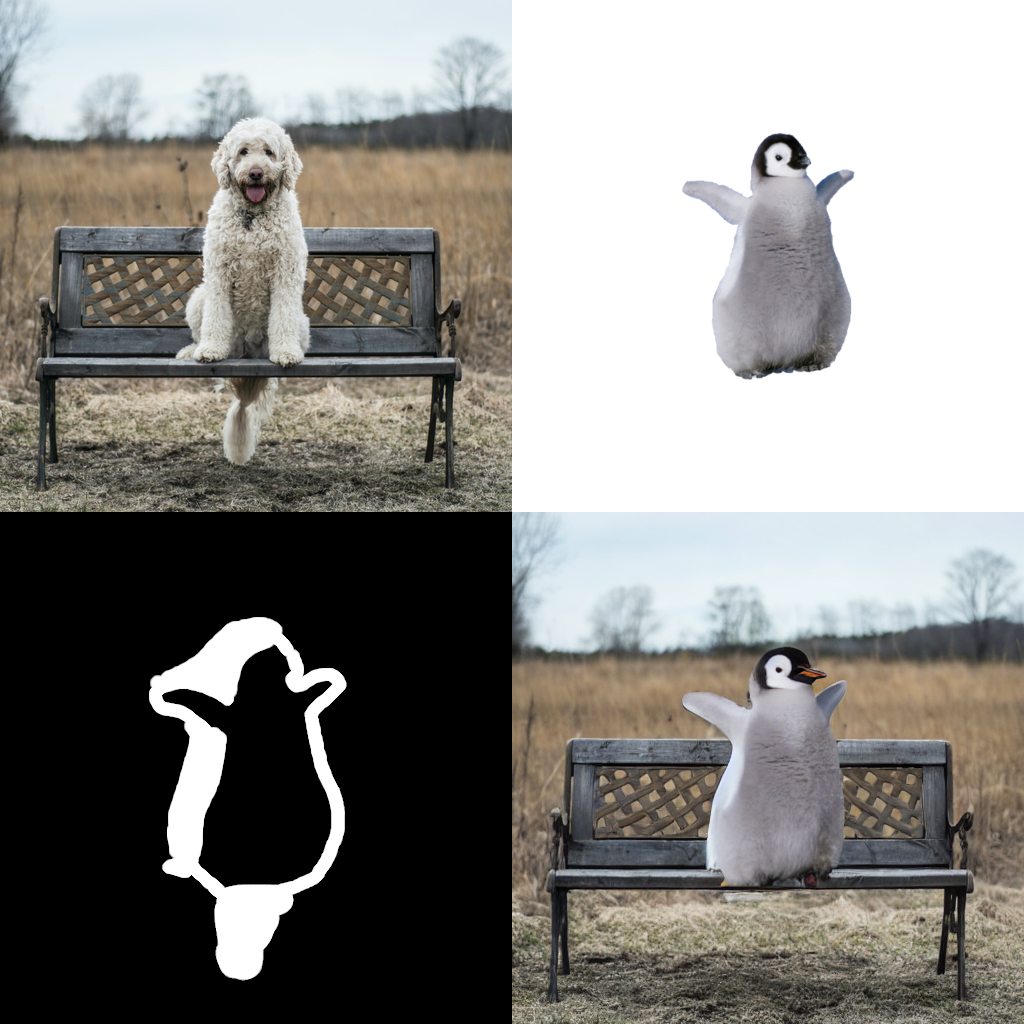
|
||||
|
||||
### Text Based Inpainting Stable Diffusion
|
||||
|
||||
Use a text prompt to generate the mask for the area to be inpainted.
|
||||
@@ -686,7 +684,7 @@ pipe = DiffusionPipeline.from_pretrained("CompVis/stable-diffusion-v1-4", custom
|
||||
pipe = pipe.to("cuda")
|
||||
|
||||
prompt = "an astronaut riding a horse on mars"
|
||||
pipe.set_scheduler("sample_heun")
|
||||
pipe.set_sampler("sample_heun")
|
||||
generator = torch.Generator(device="cuda").manual_seed(seed)
|
||||
image = pipe(prompt, generator=generator, num_inference_steps=20).images[0]
|
||||
|
||||
@@ -721,56 +719,10 @@ pipe = DiffusionPipeline.from_pretrained("CompVis/stable-diffusion-v1-4", custom
|
||||
pipe.scheduler = EulerDiscreteScheduler.from_config(pipe.scheduler.config)
|
||||
pipe = pipe.to("cuda")
|
||||
|
||||
pipe.set_scheduler("sample_euler")
|
||||
pipe.set_sampler("sample_euler")
|
||||
generator = torch.Generator(device="cuda").manual_seed(seed)
|
||||
image = pipe(prompt, generator=generator, num_inference_steps=50).images[0]
|
||||
```
|
||||
|
||||

|
||||
|
||||
### Checkpoint Merger Pipeline
|
||||
Based on the AUTOMATIC1111/webui for checkpoint merging. This is a custom pipeline that merges upto 3 pretrained model checkpoints as long as they are in the HuggingFace model_index.json format.
|
||||
|
||||
The checkpoint merging is currently memory intensive as it modifies the weights of a DiffusionPipeline object in place. Expect atleast 13GB RAM Usage on Kaggle GPU kernels and
|
||||
on colab you might run out of the 12GB memory even while merging two checkpoints.
|
||||
|
||||
Usage:-
|
||||
```python
|
||||
from diffusers import DiffusionPipeline
|
||||
|
||||
#Return a CheckpointMergerPipeline class that allows you to merge checkpoints.
|
||||
#The checkpoint passed here is ignored. But still pass one of the checkpoints you plan to
|
||||
#merge for convenience
|
||||
pipe = DiffusionPipeline.from_pretrained("CompVis/stable-diffusion-v1-4", custom_pipeline="checkpoint_merger")
|
||||
|
||||
#There are multiple possible scenarios:
|
||||
#The pipeline with the merged checkpoints is returned in all the scenarios
|
||||
|
||||
#Compatible checkpoints a.k.a matched model_index.json files. Ignores the meta attributes in model_index.json during comparision.( attrs with _ as prefix )
|
||||
merged_pipe = pipe.merge(["CompVis/stable-diffusion-v1-4","CompVis/stable-diffusion-v1-2"], interp = "sigmoid", alpha = 0.4)
|
||||
|
||||
#Incompatible checkpoints in model_index.json but merge might be possible. Use force = True to ignore model_index.json compatibility
|
||||
merged_pipe_1 = pipe.merge(["CompVis/stable-diffusion-v1-4","hakurei/waifu-diffusion"], force = True, interp = "sigmoid", alpha = 0.4)
|
||||
|
||||
#Three checkpoint merging. Only "add_difference" method actually works on all three checkpoints. Using any other options will ignore the 3rd checkpoint.
|
||||
merged_pipe_2 = pipe.merge(["CompVis/stable-diffusion-v1-4","hakurei/waifu-diffusion","prompthero/openjourney"], force = True, interp = "add_difference", alpha = 0.4)
|
||||
|
||||
prompt = "An astronaut riding a horse on Mars"
|
||||
|
||||
image = merged_pipe(prompt).images[0]
|
||||
|
||||
```
|
||||
Some examples along with the merge details:
|
||||
|
||||
1. "CompVis/stable-diffusion-v1-4" + "hakurei/waifu-diffusion" ; Sigmoid interpolation; alpha = 0.8
|
||||
|
||||

|
||||
|
||||
2. "hakurei/waifu-diffusion" + "prompthero/openjourney" ; Inverse Sigmoid interpolation; alpha = 0.8
|
||||
|
||||

|
||||
|
||||
|
||||
3. "CompVis/stable-diffusion-v1-4" + "hakurei/waifu-diffusion" + "prompthero/openjourney"; Add Difference interpolation; alpha = 0.5
|
||||
|
||||

|
||||
|
||||
@@ -138,7 +138,7 @@ def ddpm_bit_scheduler_step(
|
||||
model_output: torch.FloatTensor,
|
||||
timestep: int,
|
||||
sample: torch.FloatTensor,
|
||||
prediction_type="epsilon",
|
||||
predict_epsilon=True,
|
||||
generator=None,
|
||||
return_dict: bool = True,
|
||||
) -> Union[DDPMSchedulerOutput, Tuple]:
|
||||
@@ -150,8 +150,8 @@ def ddpm_bit_scheduler_step(
|
||||
timestep (`int`): current discrete timestep in the diffusion chain.
|
||||
sample (`torch.FloatTensor`):
|
||||
current instance of sample being created by diffusion process.
|
||||
prediction_type (`str`, default `epsilon`):
|
||||
indicates whether the model predicts the noise (epsilon), or the samples (`sample`).
|
||||
predict_epsilon (`bool`):
|
||||
optional flag to use when model predicts the samples directly instead of the noise, epsilon.
|
||||
generator: random number generator.
|
||||
return_dict (`bool`): option for returning tuple rather than DDPMSchedulerOutput class
|
||||
Returns:
|
||||
@@ -174,12 +174,10 @@ def ddpm_bit_scheduler_step(
|
||||
|
||||
# 2. compute predicted original sample from predicted noise also called
|
||||
# "predicted x_0" of formula (15) from https://arxiv.org/pdf/2006.11239.pdf
|
||||
if prediction_type == "epsilon":
|
||||
if predict_epsilon:
|
||||
pred_original_sample = (sample - beta_prod_t ** (0.5) * model_output) / alpha_prod_t ** (0.5)
|
||||
elif prediction_type == "sample":
|
||||
pred_original_sample = model_output
|
||||
else:
|
||||
raise ValueError(f"Unsupported prediction_type {prediction_type}.")
|
||||
pred_original_sample = model_output
|
||||
|
||||
# 3. Clip "predicted x_0"
|
||||
scale = self.bit_scale
|
||||
|
||||
@@ -1,262 +0,0 @@
|
||||
import glob
|
||||
import os
|
||||
from typing import Dict, List, Union
|
||||
|
||||
import torch
|
||||
|
||||
from diffusers import DiffusionPipeline, __version__
|
||||
from diffusers.pipeline_utils import (
|
||||
CONFIG_NAME,
|
||||
DIFFUSERS_CACHE,
|
||||
ONNX_WEIGHTS_NAME,
|
||||
SCHEDULER_CONFIG_NAME,
|
||||
WEIGHTS_NAME,
|
||||
)
|
||||
from huggingface_hub import snapshot_download
|
||||
|
||||
|
||||
class CheckpointMergerPipeline(DiffusionPipeline):
|
||||
"""
|
||||
A class that that supports merging diffusion models based on the discussion here:
|
||||
https://github.com/huggingface/diffusers/issues/877
|
||||
|
||||
Example usage:-
|
||||
|
||||
pipe = DiffusionPipeline.from_pretrained("CompVis/stable-diffusion-v1-4", custom_pipeline="checkpoint_merger.py")
|
||||
|
||||
merged_pipe = pipe.merge(["CompVis/stable-diffusion-v1-4","prompthero/openjourney"], interp = 'inv_sigmoid', alpha = 0.8, force = True)
|
||||
|
||||
merged_pipe.to('cuda')
|
||||
|
||||
prompt = "An astronaut riding a unicycle on Mars"
|
||||
|
||||
results = merged_pipe(prompt)
|
||||
|
||||
## For more details, see the docstring for the merge method.
|
||||
|
||||
"""
|
||||
|
||||
def __init__(self):
|
||||
super().__init__()
|
||||
|
||||
def _compare_model_configs(self, dict0, dict1):
|
||||
if dict0 == dict1:
|
||||
return True
|
||||
else:
|
||||
config0, meta_keys0 = self._remove_meta_keys(dict0)
|
||||
config1, meta_keys1 = self._remove_meta_keys(dict1)
|
||||
if config0 == config1:
|
||||
print(f"Warning !: Mismatch in keys {meta_keys0} and {meta_keys1}.")
|
||||
return True
|
||||
return False
|
||||
|
||||
def _remove_meta_keys(self, config_dict: Dict):
|
||||
meta_keys = []
|
||||
temp_dict = config_dict.copy()
|
||||
for key in config_dict.keys():
|
||||
if key.startswith("_"):
|
||||
temp_dict.pop(key)
|
||||
meta_keys.append(key)
|
||||
return (temp_dict, meta_keys)
|
||||
|
||||
@torch.no_grad()
|
||||
def merge(self, pretrained_model_name_or_path_list: List[Union[str, os.PathLike]], **kwargs):
|
||||
"""
|
||||
Returns a new pipeline object of the class 'DiffusionPipeline' with the merged checkpoints(weights) of the models passed
|
||||
in the argument 'pretrained_model_name_or_path_list' as a list.
|
||||
|
||||
Parameters:
|
||||
-----------
|
||||
pretrained_model_name_or_path_list : A list of valid pretrained model names in the HuggingFace hub or paths to locally stored models in the HuggingFace format.
|
||||
|
||||
**kwargs:
|
||||
Supports all the default DiffusionPipeline.get_config_dict kwargs viz..
|
||||
|
||||
cache_dir, resume_download, force_download, proxies, local_files_only, use_auth_token, revision, torch_dtype, device_map.
|
||||
|
||||
alpha - The interpolation parameter. Ranges from 0 to 1. It affects the ratio in which the checkpoints are merged. A 0.8 alpha
|
||||
would mean that the first model checkpoints would affect the final result far less than an alpha of 0.2
|
||||
|
||||
interp - The interpolation method to use for the merging. Supports "sigmoid", "inv_sigmoid", "add_difference" and None.
|
||||
Passing None uses the default interpolation which is weighted sum interpolation. For merging three checkpoints, only "add_difference" is supported.
|
||||
|
||||
force - Whether to ignore mismatch in model_config.json for the current models. Defaults to False.
|
||||
|
||||
"""
|
||||
# Default kwargs from DiffusionPipeline
|
||||
cache_dir = kwargs.pop("cache_dir", DIFFUSERS_CACHE)
|
||||
resume_download = kwargs.pop("resume_download", False)
|
||||
force_download = kwargs.pop("force_download", False)
|
||||
proxies = kwargs.pop("proxies", None)
|
||||
local_files_only = kwargs.pop("local_files_only", False)
|
||||
use_auth_token = kwargs.pop("use_auth_token", None)
|
||||
revision = kwargs.pop("revision", None)
|
||||
torch_dtype = kwargs.pop("torch_dtype", None)
|
||||
device_map = kwargs.pop("device_map", None)
|
||||
|
||||
alpha = kwargs.pop("alpha", 0.5)
|
||||
interp = kwargs.pop("interp", None)
|
||||
|
||||
print("Recieved list", pretrained_model_name_or_path_list)
|
||||
|
||||
checkpoint_count = len(pretrained_model_name_or_path_list)
|
||||
# Ignore result from model_index_json comparision of the two checkpoints
|
||||
force = kwargs.pop("force", False)
|
||||
|
||||
# If less than 2 checkpoints, nothing to merge. If more than 3, not supported for now.
|
||||
if checkpoint_count > 3 or checkpoint_count < 2:
|
||||
raise ValueError(
|
||||
"Received incorrect number of checkpoints to merge. Ensure that either 2 or 3 checkpoints are being"
|
||||
" passed."
|
||||
)
|
||||
|
||||
print("Received the right number of checkpoints")
|
||||
# chkpt0, chkpt1 = pretrained_model_name_or_path_list[0:2]
|
||||
# chkpt2 = pretrained_model_name_or_path_list[2] if checkpoint_count == 3 else None
|
||||
|
||||
# Validate that the checkpoints can be merged
|
||||
# Step 1: Load the model config and compare the checkpoints. We'll compare the model_index.json first while ignoring the keys starting with '_'
|
||||
config_dicts = []
|
||||
for pretrained_model_name_or_path in pretrained_model_name_or_path_list:
|
||||
if not os.path.isdir(pretrained_model_name_or_path):
|
||||
config_dict = DiffusionPipeline.get_config_dict(
|
||||
pretrained_model_name_or_path,
|
||||
cache_dir=cache_dir,
|
||||
resume_download=resume_download,
|
||||
force_download=force_download,
|
||||
proxies=proxies,
|
||||
local_files_only=local_files_only,
|
||||
use_auth_token=use_auth_token,
|
||||
revision=revision,
|
||||
)
|
||||
config_dicts.append(config_dict)
|
||||
|
||||
comparison_result = True
|
||||
for idx in range(1, len(config_dicts)):
|
||||
comparison_result &= self._compare_model_configs(config_dicts[idx - 1], config_dicts[idx])
|
||||
if not force and comparison_result is False:
|
||||
raise ValueError("Incompatible checkpoints. Please check model_index.json for the models.")
|
||||
print(config_dicts[0], config_dicts[1])
|
||||
print("Compatible model_index.json files found")
|
||||
# Step 2: Basic Validation has succeeded. Let's download the models and save them into our local files.
|
||||
cached_folders = []
|
||||
for pretrained_model_name_or_path, config_dict in zip(pretrained_model_name_or_path_list, config_dicts):
|
||||
folder_names = [k for k in config_dict.keys() if not k.startswith("_")]
|
||||
allow_patterns = [os.path.join(k, "*") for k in folder_names]
|
||||
allow_patterns += [
|
||||
WEIGHTS_NAME,
|
||||
SCHEDULER_CONFIG_NAME,
|
||||
CONFIG_NAME,
|
||||
ONNX_WEIGHTS_NAME,
|
||||
DiffusionPipeline.config_name,
|
||||
]
|
||||
requested_pipeline_class = config_dict.get("_class_name")
|
||||
user_agent = {"diffusers": __version__, "pipeline_class": requested_pipeline_class}
|
||||
|
||||
cached_folder = snapshot_download(
|
||||
pretrained_model_name_or_path,
|
||||
cache_dir=cache_dir,
|
||||
resume_download=resume_download,
|
||||
proxies=proxies,
|
||||
local_files_only=local_files_only,
|
||||
use_auth_token=use_auth_token,
|
||||
revision=revision,
|
||||
allow_patterns=allow_patterns,
|
||||
user_agent=user_agent,
|
||||
)
|
||||
print("Cached Folder", cached_folder)
|
||||
cached_folders.append(cached_folder)
|
||||
|
||||
# Step 3:-
|
||||
# Load the first checkpoint as a diffusion pipeline and modify it's module state_dict in place
|
||||
final_pipe = DiffusionPipeline.from_pretrained(
|
||||
cached_folders[0], torch_dtype=torch_dtype, device_map=device_map
|
||||
)
|
||||
|
||||
checkpoint_path_2 = None
|
||||
if len(cached_folders) > 2:
|
||||
checkpoint_path_2 = os.path.join(cached_folders[2])
|
||||
|
||||
if interp == "sigmoid":
|
||||
theta_func = CheckpointMergerPipeline.sigmoid
|
||||
elif interp == "inv_sigmoid":
|
||||
theta_func = CheckpointMergerPipeline.inv_sigmoid
|
||||
elif interp == "add_diff":
|
||||
theta_func = CheckpointMergerPipeline.add_difference
|
||||
else:
|
||||
theta_func = CheckpointMergerPipeline.weighted_sum
|
||||
|
||||
# Find each module's state dict.
|
||||
for attr in final_pipe.config.keys():
|
||||
if not attr.startswith("_"):
|
||||
checkpoint_path_1 = os.path.join(cached_folders[1], attr)
|
||||
if os.path.exists(checkpoint_path_1):
|
||||
files = glob.glob(os.path.join(checkpoint_path_1, "*.bin"))
|
||||
checkpoint_path_1 = files[0] if len(files) > 0 else None
|
||||
if checkpoint_path_2 is not None and os.path.exists(checkpoint_path_2):
|
||||
files = glob.glob(os.path.join(checkpoint_path_2, "*.bin"))
|
||||
checkpoint_path_2 = files[0] if len(files) > 0 else None
|
||||
# For an attr if both checkpoint_path_1 and 2 are None, ignore.
|
||||
# If atleast one is present, deal with it according to interp method, of course only if the state_dict keys match.
|
||||
if checkpoint_path_1 is None and checkpoint_path_2 is None:
|
||||
print("SKIPPING ATTR ", attr)
|
||||
continue
|
||||
try:
|
||||
module = getattr(final_pipe, attr)
|
||||
theta_0 = getattr(module, "state_dict")
|
||||
theta_0 = theta_0()
|
||||
|
||||
update_theta_0 = getattr(module, "load_state_dict")
|
||||
theta_1 = torch.load(checkpoint_path_1)
|
||||
|
||||
theta_2 = torch.load(checkpoint_path_2) if checkpoint_path_2 else None
|
||||
|
||||
if not theta_0.keys() == theta_1.keys():
|
||||
print("SKIPPING ATTR ", attr, " DUE TO MISMATCH")
|
||||
continue
|
||||
if theta_2 and not theta_1.keys() == theta_2.keys():
|
||||
print("SKIPPING ATTR ", attr, " DUE TO MISMATCH")
|
||||
except:
|
||||
print("SKIPPING ATTR ", attr)
|
||||
continue
|
||||
print("Found dicts for")
|
||||
print(attr)
|
||||
print(checkpoint_path_1)
|
||||
print(checkpoint_path_2)
|
||||
|
||||
for key in theta_0.keys():
|
||||
if theta_2:
|
||||
theta_0[key] = theta_func(theta_0[key], theta_1[key], theta_2[key], alpha)
|
||||
else:
|
||||
theta_0[key] = theta_func(theta_0[key], theta_1[key], None, alpha)
|
||||
|
||||
del theta_1
|
||||
del theta_2
|
||||
update_theta_0(theta_0)
|
||||
|
||||
del theta_0
|
||||
print("Diffusion pipeline successfully updated with merged weights")
|
||||
|
||||
return final_pipe
|
||||
|
||||
@staticmethod
|
||||
def weighted_sum(theta0, theta1, theta2, alpha):
|
||||
return ((1 - alpha) * theta0) + (alpha * theta1)
|
||||
|
||||
# Smoothstep (https://en.wikipedia.org/wiki/Smoothstep)
|
||||
@staticmethod
|
||||
def sigmoid(theta0, theta1, theta2, alpha):
|
||||
alpha = alpha * alpha * (3 - (2 * alpha))
|
||||
return theta0 + ((theta1 - theta0) * alpha)
|
||||
|
||||
# Inverse Smoothstep (https://en.wikipedia.org/wiki/Smoothstep)
|
||||
@staticmethod
|
||||
def inv_sigmoid(theta0, theta1, theta2, alpha):
|
||||
import math
|
||||
|
||||
alpha = 0.5 - math.sin(math.asin(1.0 - 2.0 * alpha) / 3.0)
|
||||
return theta0 + ((theta1 - theta0) * alpha)
|
||||
|
||||
@staticmethod
|
||||
def add_difference(theta0, theta1, theta2, alpha):
|
||||
return theta0 + (theta1 - theta2) * (1.0 - alpha)
|
||||
@@ -78,12 +78,7 @@ class CLIPGuidedStableDiffusion(DiffusionPipeline):
|
||||
)
|
||||
|
||||
self.normalize = transforms.Normalize(mean=feature_extractor.image_mean, std=feature_extractor.image_std)
|
||||
cut_out_size = (
|
||||
feature_extractor.size
|
||||
if isinstance(feature_extractor.size, int)
|
||||
else feature_extractor.size["shortest_edge"]
|
||||
)
|
||||
self.make_cutouts = MakeCutouts(cut_out_size)
|
||||
self.make_cutouts = MakeCutouts(feature_extractor.size)
|
||||
|
||||
set_requires_grad(self.text_encoder, False)
|
||||
set_requires_grad(self.clip_model, False)
|
||||
|
||||
@@ -17,7 +17,7 @@ from diffusers.pipeline_utils import DiffusionPipeline
|
||||
from diffusers.pipelines.stable_diffusion import StableDiffusionPipelineOutput
|
||||
from diffusers.pipelines.stable_diffusion.safety_checker import StableDiffusionSafetyChecker
|
||||
from diffusers.schedulers import DDIMScheduler, LMSDiscreteScheduler, PNDMScheduler
|
||||
from diffusers.utils import deprecate, logging
|
||||
from diffusers.utils import logging
|
||||
|
||||
# TODO: remove and import from diffusers.utils when the new version of diffusers is released
|
||||
from packaging import version
|
||||
@@ -133,7 +133,7 @@ class ImagicStableDiffusionPipeline(DiffusionPipeline):
|
||||
def train(
|
||||
self,
|
||||
prompt: Union[str, List[str]],
|
||||
image: Union[torch.FloatTensor, PIL.Image.Image],
|
||||
init_image: Union[torch.FloatTensor, PIL.Image.Image],
|
||||
height: Optional[int] = 512,
|
||||
width: Optional[int] = 512,
|
||||
generator: Optional[torch.Generator] = None,
|
||||
@@ -184,10 +184,6 @@ class ImagicStableDiffusionPipeline(DiffusionPipeline):
|
||||
list of `bool`s denoting whether the corresponding generated image likely represents "not-safe-for-work"
|
||||
(nsfw) content, according to the `safety_checker`.
|
||||
"""
|
||||
message = "Please use `image` instead of `init_image`."
|
||||
init_image = deprecate("init_image", "0.12.0", message, take_from=kwargs)
|
||||
image = init_image or image
|
||||
|
||||
accelerator = Accelerator(
|
||||
gradient_accumulation_steps=1,
|
||||
mixed_precision="fp16",
|
||||
@@ -245,14 +241,14 @@ class ImagicStableDiffusionPipeline(DiffusionPipeline):
|
||||
lr=embedding_learning_rate,
|
||||
)
|
||||
|
||||
if isinstance(image, PIL.Image.Image):
|
||||
image = preprocess(image)
|
||||
if isinstance(init_image, PIL.Image.Image):
|
||||
init_image = preprocess(init_image)
|
||||
|
||||
latents_dtype = text_embeddings.dtype
|
||||
image = image.to(device=self.device, dtype=latents_dtype)
|
||||
init_latent_image_dist = self.vae.encode(image).latent_dist
|
||||
image_latents = init_latent_image_dist.sample(generator=generator)
|
||||
image_latents = 0.18215 * image_latents
|
||||
init_image = init_image.to(device=self.device, dtype=latents_dtype)
|
||||
init_latent_image_dist = self.vae.encode(init_image).latent_dist
|
||||
init_image_latents = init_latent_image_dist.sample(generator=generator)
|
||||
init_image_latents = 0.18215 * init_image_latents
|
||||
|
||||
progress_bar = tqdm(range(text_embedding_optimization_steps), disable=not accelerator.is_local_main_process)
|
||||
progress_bar.set_description("Steps")
|
||||
@@ -263,12 +259,12 @@ class ImagicStableDiffusionPipeline(DiffusionPipeline):
|
||||
for _ in range(text_embedding_optimization_steps):
|
||||
with accelerator.accumulate(text_embeddings):
|
||||
# Sample noise that we'll add to the latents
|
||||
noise = torch.randn(image_latents.shape).to(image_latents.device)
|
||||
timesteps = torch.randint(1000, (1,), device=image_latents.device)
|
||||
noise = torch.randn(init_image_latents.shape).to(init_image_latents.device)
|
||||
timesteps = torch.randint(1000, (1,), device=init_image_latents.device)
|
||||
|
||||
# Add noise to the latents according to the noise magnitude at each timestep
|
||||
# (this is the forward diffusion process)
|
||||
noisy_latents = self.scheduler.add_noise(image_latents, noise, timesteps)
|
||||
noisy_latents = self.scheduler.add_noise(init_image_latents, noise, timesteps)
|
||||
|
||||
# Predict the noise residual
|
||||
noise_pred = self.unet(noisy_latents, timesteps, text_embeddings).sample
|
||||
@@ -305,12 +301,12 @@ class ImagicStableDiffusionPipeline(DiffusionPipeline):
|
||||
for _ in range(model_fine_tuning_optimization_steps):
|
||||
with accelerator.accumulate(self.unet.parameters()):
|
||||
# Sample noise that we'll add to the latents
|
||||
noise = torch.randn(image_latents.shape).to(image_latents.device)
|
||||
timesteps = torch.randint(1000, (1,), device=image_latents.device)
|
||||
noise = torch.randn(init_image_latents.shape).to(init_image_latents.device)
|
||||
timesteps = torch.randint(1000, (1,), device=init_image_latents.device)
|
||||
|
||||
# Add noise to the latents according to the noise magnitude at each timestep
|
||||
# (this is the forward diffusion process)
|
||||
noisy_latents = self.scheduler.add_noise(image_latents, noise, timesteps)
|
||||
noisy_latents = self.scheduler.add_noise(init_image_latents, noise, timesteps)
|
||||
|
||||
# Predict the noise residual
|
||||
noise_pred = self.unet(noisy_latents, timesteps, text_embeddings).sample
|
||||
|
||||
@@ -110,7 +110,7 @@ class ImageToImageInpaintingPipeline(DiffusionPipeline):
|
||||
scheduler._internal_dict = FrozenDict(new_config)
|
||||
|
||||
if safety_checker is None:
|
||||
logger.warning(
|
||||
logger.warn(
|
||||
f"You have disabled the safety checker for {self.__class__} by passing `safety_checker=None`. Ensure"
|
||||
" that you abide to the conditions of the Stable Diffusion license and do not expose unfiltered"
|
||||
" results in services or applications open to the public. Both the diffusers team and Hugging Face"
|
||||
|
||||
@@ -101,7 +101,7 @@ class StableDiffusionWalkPipeline(DiffusionPipeline):
|
||||
scheduler._internal_dict = FrozenDict(new_config)
|
||||
|
||||
if safety_checker is None:
|
||||
logger.warning(
|
||||
logger.warn(
|
||||
f"You have disabled the safety checker for {self.__class__} by passing `safety_checker=None`. Ensure"
|
||||
" that you abide to the conditions of the Stable Diffusion license and do not expose unfiltered"
|
||||
" results in services or applications open to the public. Both the diffusers team and Hugging Face"
|
||||
|
||||
@@ -6,13 +6,38 @@ import numpy as np
|
||||
import torch
|
||||
|
||||
import PIL
|
||||
from diffusers import SchedulerMixin, StableDiffusionPipeline
|
||||
from diffusers.configuration_utils import FrozenDict
|
||||
from diffusers.models import AutoencoderKL, UNet2DConditionModel
|
||||
from diffusers.pipelines.stable_diffusion import StableDiffusionPipelineOutput, StableDiffusionSafetyChecker
|
||||
from diffusers.utils import PIL_INTERPOLATION, deprecate, logging
|
||||
from diffusers.pipeline_utils import DiffusionPipeline
|
||||
from diffusers.pipelines.stable_diffusion import StableDiffusionPipelineOutput
|
||||
from diffusers.pipelines.stable_diffusion.safety_checker import StableDiffusionSafetyChecker
|
||||
from diffusers.schedulers import DDIMScheduler, LMSDiscreteScheduler, PNDMScheduler
|
||||
from diffusers.utils import deprecate, is_accelerate_available, logging
|
||||
|
||||
# TODO: remove and import from diffusers.utils when the new version of diffusers is released
|
||||
from packaging import version
|
||||
from transformers import CLIPFeatureExtractor, CLIPTextModel, CLIPTokenizer
|
||||
|
||||
|
||||
if version.parse(version.parse(PIL.__version__).base_version) >= version.parse("9.1.0"):
|
||||
PIL_INTERPOLATION = {
|
||||
"linear": PIL.Image.Resampling.BILINEAR,
|
||||
"bilinear": PIL.Image.Resampling.BILINEAR,
|
||||
"bicubic": PIL.Image.Resampling.BICUBIC,
|
||||
"lanczos": PIL.Image.Resampling.LANCZOS,
|
||||
"nearest": PIL.Image.Resampling.NEAREST,
|
||||
}
|
||||
else:
|
||||
PIL_INTERPOLATION = {
|
||||
"linear": PIL.Image.LINEAR,
|
||||
"bilinear": PIL.Image.BILINEAR,
|
||||
"bicubic": PIL.Image.BICUBIC,
|
||||
"lanczos": PIL.Image.LANCZOS,
|
||||
"nearest": PIL.Image.NEAREST,
|
||||
}
|
||||
# ------------------------------------------------------------------------------
|
||||
|
||||
|
||||
logger = logging.get_logger(__name__) # pylint: disable=invalid-name
|
||||
|
||||
re_attention = re.compile(
|
||||
@@ -121,7 +146,7 @@ def parse_prompt_attention(text):
|
||||
return res
|
||||
|
||||
|
||||
def get_prompts_with_weights(pipe: StableDiffusionPipeline, prompt: List[str], max_length: int):
|
||||
def get_prompts_with_weights(pipe: DiffusionPipeline, prompt: List[str], max_length: int):
|
||||
r"""
|
||||
Tokenize a list of prompts and return its tokens with weights of each token.
|
||||
|
||||
@@ -182,7 +207,7 @@ def pad_tokens_and_weights(tokens, weights, max_length, bos, eos, no_boseos_midd
|
||||
|
||||
|
||||
def get_unweighted_text_embeddings(
|
||||
pipe: StableDiffusionPipeline,
|
||||
pipe: DiffusionPipeline,
|
||||
text_input: torch.Tensor,
|
||||
chunk_length: int,
|
||||
no_boseos_middle: Optional[bool] = True,
|
||||
@@ -222,10 +247,10 @@ def get_unweighted_text_embeddings(
|
||||
|
||||
|
||||
def get_weighted_text_embeddings(
|
||||
pipe: StableDiffusionPipeline,
|
||||
pipe: DiffusionPipeline,
|
||||
prompt: Union[str, List[str]],
|
||||
uncond_prompt: Optional[Union[str, List[str]]] = None,
|
||||
max_embeddings_multiples: Optional[int] = 3,
|
||||
max_embeddings_multiples: Optional[int] = 1,
|
||||
no_boseos_middle: Optional[bool] = False,
|
||||
skip_parsing: Optional[bool] = False,
|
||||
skip_weighting: Optional[bool] = False,
|
||||
@@ -239,14 +264,14 @@ def get_weighted_text_embeddings(
|
||||
Also, to regularize of the embedding, the weighted embedding would be scaled to preserve the original mean.
|
||||
|
||||
Args:
|
||||
pipe (`StableDiffusionPipeline`):
|
||||
pipe (`DiffusionPipeline`):
|
||||
Pipe to provide access to the tokenizer and the text encoder.
|
||||
prompt (`str` or `List[str]`):
|
||||
The prompt or prompts to guide the image generation.
|
||||
uncond_prompt (`str` or `List[str]`):
|
||||
The unconditional prompt or prompts for guide the image generation. If unconditional prompt
|
||||
is provided, the embeddings of prompt and uncond_prompt are concatenated.
|
||||
max_embeddings_multiples (`int`, *optional*, defaults to `3`):
|
||||
max_embeddings_multiples (`int`, *optional*, defaults to `1`):
|
||||
The max multiple length of prompt embeddings compared to the max output length of text encoder.
|
||||
no_boseos_middle (`bool`, *optional*, defaults to `False`):
|
||||
If the length of text token is multiples of the capacity of text encoder, whether reserve the starting and
|
||||
@@ -362,11 +387,11 @@ def preprocess_image(image):
|
||||
return 2.0 * image - 1.0
|
||||
|
||||
|
||||
def preprocess_mask(mask, scale_factor=8):
|
||||
def preprocess_mask(mask):
|
||||
mask = mask.convert("L")
|
||||
w, h = mask.size
|
||||
w, h = map(lambda x: x - x % 32, (w, h)) # resize to integer multiple of 32
|
||||
mask = mask.resize((w // scale_factor, h // scale_factor), resample=PIL_INTERPOLATION["nearest"])
|
||||
mask = mask.resize((w // 8, h // 8), resample=PIL_INTERPOLATION["nearest"])
|
||||
mask = np.array(mask).astype(np.float32) / 255.0
|
||||
mask = np.tile(mask, (4, 1, 1))
|
||||
mask = mask[None].transpose(0, 1, 2, 3) # what does this step do?
|
||||
@@ -375,7 +400,7 @@ def preprocess_mask(mask, scale_factor=8):
|
||||
return mask
|
||||
|
||||
|
||||
class StableDiffusionLongPromptWeightingPipeline(StableDiffusionPipeline):
|
||||
class StableDiffusionLongPromptWeightingPipeline(DiffusionPipeline):
|
||||
r"""
|
||||
Pipeline for text-to-image generation using Stable Diffusion without tokens length limit, and support parsing
|
||||
weighting in prompt.
|
||||
@@ -410,12 +435,50 @@ class StableDiffusionLongPromptWeightingPipeline(StableDiffusionPipeline):
|
||||
text_encoder: CLIPTextModel,
|
||||
tokenizer: CLIPTokenizer,
|
||||
unet: UNet2DConditionModel,
|
||||
scheduler: SchedulerMixin,
|
||||
scheduler: Union[DDIMScheduler, PNDMScheduler, LMSDiscreteScheduler],
|
||||
safety_checker: StableDiffusionSafetyChecker,
|
||||
feature_extractor: CLIPFeatureExtractor,
|
||||
requires_safety_checker: bool = True,
|
||||
):
|
||||
super().__init__(
|
||||
super().__init__()
|
||||
|
||||
if hasattr(scheduler.config, "steps_offset") and scheduler.config.steps_offset != 1:
|
||||
deprecation_message = (
|
||||
f"The configuration file of this scheduler: {scheduler} is outdated. `steps_offset`"
|
||||
f" should be set to 1 instead of {scheduler.config.steps_offset}. Please make sure "
|
||||
"to update the config accordingly as leaving `steps_offset` might led to incorrect results"
|
||||
" in future versions. If you have downloaded this checkpoint from the Hugging Face Hub,"
|
||||
" it would be very nice if you could open a Pull request for the `scheduler/scheduler_config.json`"
|
||||
" file"
|
||||
)
|
||||
deprecate("steps_offset!=1", "1.0.0", deprecation_message, standard_warn=False)
|
||||
new_config = dict(scheduler.config)
|
||||
new_config["steps_offset"] = 1
|
||||
scheduler._internal_dict = FrozenDict(new_config)
|
||||
|
||||
if hasattr(scheduler.config, "clip_sample") and scheduler.config.clip_sample is True:
|
||||
deprecation_message = (
|
||||
f"The configuration file of this scheduler: {scheduler} has not set the configuration `clip_sample`."
|
||||
" `clip_sample` should be set to False in the configuration file. Please make sure to update the"
|
||||
" config accordingly as not setting `clip_sample` in the config might lead to incorrect results in"
|
||||
" future versions. If you have downloaded this checkpoint from the Hugging Face Hub, it would be very"
|
||||
" nice if you could open a Pull request for the `scheduler/scheduler_config.json` file"
|
||||
)
|
||||
deprecate("clip_sample not set", "1.0.0", deprecation_message, standard_warn=False)
|
||||
new_config = dict(scheduler.config)
|
||||
new_config["clip_sample"] = False
|
||||
scheduler._internal_dict = FrozenDict(new_config)
|
||||
|
||||
if safety_checker is None:
|
||||
logger.warn(
|
||||
f"You have disabled the safety checker for {self.__class__} by passing `safety_checker=None`. Ensure"
|
||||
" that you abide to the conditions of the Stable Diffusion license and do not expose unfiltered"
|
||||
" results in services or applications open to the public. Both the diffusers team and Hugging Face"
|
||||
" strongly recommend to keep the safety filter enabled in all public facing circumstances, disabling"
|
||||
" it only for use-cases that involve analyzing network behavior or auditing its results. For more"
|
||||
" information, please have a look at https://github.com/huggingface/diffusers/pull/254 ."
|
||||
)
|
||||
|
||||
self.register_modules(
|
||||
vae=vae,
|
||||
text_encoder=text_encoder,
|
||||
tokenizer=tokenizer,
|
||||
@@ -423,178 +486,76 @@ class StableDiffusionLongPromptWeightingPipeline(StableDiffusionPipeline):
|
||||
scheduler=scheduler,
|
||||
safety_checker=safety_checker,
|
||||
feature_extractor=feature_extractor,
|
||||
requires_safety_checker=requires_safety_checker,
|
||||
)
|
||||
|
||||
def _encode_prompt(
|
||||
self,
|
||||
prompt,
|
||||
device,
|
||||
num_images_per_prompt,
|
||||
do_classifier_free_guidance,
|
||||
negative_prompt,
|
||||
max_embeddings_multiples,
|
||||
):
|
||||
def enable_xformers_memory_efficient_attention(self):
|
||||
r"""
|
||||
Encodes the prompt into text encoder hidden states.
|
||||
Enable memory efficient attention as implemented in xformers.
|
||||
|
||||
When this option is enabled, you should observe lower GPU memory usage and a potential speed up at inference
|
||||
time. Speed up at training time is not guaranteed.
|
||||
|
||||
Warning: When Memory Efficient Attention and Sliced attention are both enabled, the Memory Efficient Attention
|
||||
is used.
|
||||
"""
|
||||
self.unet.set_use_memory_efficient_attention_xformers(True)
|
||||
|
||||
def disable_xformers_memory_efficient_attention(self):
|
||||
r"""
|
||||
Disable memory efficient attention as implemented in xformers.
|
||||
"""
|
||||
self.unet.set_use_memory_efficient_attention_xformers(False)
|
||||
|
||||
def enable_attention_slicing(self, slice_size: Optional[Union[str, int]] = "auto"):
|
||||
r"""
|
||||
Enable sliced attention computation.
|
||||
|
||||
When this option is enabled, the attention module will split the input tensor in slices, to compute attention
|
||||
in several steps. This is useful to save some memory in exchange for a small speed decrease.
|
||||
|
||||
Args:
|
||||
prompt (`str` or `list(int)`):
|
||||
prompt to be encoded
|
||||
device: (`torch.device`):
|
||||
torch device
|
||||
num_images_per_prompt (`int`):
|
||||
number of images that should be generated per prompt
|
||||
do_classifier_free_guidance (`bool`):
|
||||
whether to use classifier free guidance or not
|
||||
negative_prompt (`str` or `List[str]`):
|
||||
The prompt or prompts not to guide the image generation. Ignored when not using guidance (i.e., ignored
|
||||
if `guidance_scale` is less than `1`).
|
||||
max_embeddings_multiples (`int`, *optional*, defaults to `3`):
|
||||
The max multiple length of prompt embeddings compared to the max output length of text encoder.
|
||||
slice_size (`str` or `int`, *optional*, defaults to `"auto"`):
|
||||
When `"auto"`, halves the input to the attention heads, so attention will be computed in two steps. If
|
||||
a number is provided, uses as many slices as `attention_head_dim // slice_size`. In this case,
|
||||
`attention_head_dim` must be a multiple of `slice_size`.
|
||||
"""
|
||||
batch_size = len(prompt) if isinstance(prompt, list) else 1
|
||||
if slice_size == "auto":
|
||||
# half the attention head size is usually a good trade-off between
|
||||
# speed and memory
|
||||
slice_size = self.unet.config.attention_head_dim // 2
|
||||
self.unet.set_attention_slice(slice_size)
|
||||
|
||||
if negative_prompt is None:
|
||||
negative_prompt = [""] * batch_size
|
||||
elif isinstance(negative_prompt, str):
|
||||
negative_prompt = [negative_prompt] * batch_size
|
||||
if batch_size != len(negative_prompt):
|
||||
raise ValueError(
|
||||
f"`negative_prompt`: {negative_prompt} has batch size {len(negative_prompt)}, but `prompt`:"
|
||||
f" {prompt} has batch size {batch_size}. Please make sure that passed `negative_prompt` matches"
|
||||
" the batch size of `prompt`."
|
||||
)
|
||||
def disable_attention_slicing(self):
|
||||
r"""
|
||||
Disable sliced attention computation. If `enable_attention_slicing` was previously invoked, this method will go
|
||||
back to computing attention in one step.
|
||||
"""
|
||||
# set slice_size = `None` to disable `attention slicing`
|
||||
self.enable_attention_slicing(None)
|
||||
|
||||
text_embeddings, uncond_embeddings = get_weighted_text_embeddings(
|
||||
pipe=self,
|
||||
prompt=prompt,
|
||||
uncond_prompt=negative_prompt if do_classifier_free_guidance else None,
|
||||
max_embeddings_multiples=max_embeddings_multiples,
|
||||
)
|
||||
bs_embed, seq_len, _ = text_embeddings.shape
|
||||
text_embeddings = text_embeddings.repeat(1, num_images_per_prompt, 1)
|
||||
text_embeddings = text_embeddings.view(bs_embed * num_images_per_prompt, seq_len, -1)
|
||||
|
||||
if do_classifier_free_guidance:
|
||||
bs_embed, seq_len, _ = uncond_embeddings.shape
|
||||
uncond_embeddings = uncond_embeddings.repeat(1, num_images_per_prompt, 1)
|
||||
uncond_embeddings = uncond_embeddings.view(bs_embed * num_images_per_prompt, seq_len, -1)
|
||||
text_embeddings = torch.cat([uncond_embeddings, text_embeddings])
|
||||
|
||||
return text_embeddings
|
||||
|
||||
def check_inputs(self, prompt, height, width, strength, callback_steps):
|
||||
if not isinstance(prompt, str) and not isinstance(prompt, list):
|
||||
raise ValueError(f"`prompt` has to be of type `str` or `list` but is {type(prompt)}")
|
||||
|
||||
if strength < 0 or strength > 1:
|
||||
raise ValueError(f"The value of strength should in [0.0, 1.0] but is {strength}")
|
||||
|
||||
if height % 8 != 0 or width % 8 != 0:
|
||||
raise ValueError(f"`height` and `width` have to be divisible by 8 but are {height} and {width}.")
|
||||
|
||||
if (callback_steps is None) or (
|
||||
callback_steps is not None and (not isinstance(callback_steps, int) or callback_steps <= 0)
|
||||
):
|
||||
raise ValueError(
|
||||
f"`callback_steps` has to be a positive integer but is {callback_steps} of type"
|
||||
f" {type(callback_steps)}."
|
||||
)
|
||||
|
||||
def get_timesteps(self, num_inference_steps, strength, device, is_text2img):
|
||||
if is_text2img:
|
||||
return self.scheduler.timesteps.to(device), num_inference_steps
|
||||
def enable_sequential_cpu_offload(self):
|
||||
r"""
|
||||
Offloads all models to CPU using accelerate, significantly reducing memory usage. When called, unet,
|
||||
text_encoder, vae and safety checker have their state dicts saved to CPU and then are moved to a
|
||||
`torch.device('meta') and loaded to GPU only when their specific submodule has its `forward` method called.
|
||||
"""
|
||||
if is_accelerate_available():
|
||||
from accelerate import cpu_offload
|
||||
else:
|
||||
# get the original timestep using init_timestep
|
||||
offset = self.scheduler.config.get("steps_offset", 0)
|
||||
init_timestep = int(num_inference_steps * strength) + offset
|
||||
init_timestep = min(init_timestep, num_inference_steps)
|
||||
raise ImportError("Please install accelerate via `pip install accelerate`")
|
||||
|
||||
t_start = max(num_inference_steps - init_timestep + offset, 0)
|
||||
timesteps = self.scheduler.timesteps[t_start:].to(device)
|
||||
return timesteps, num_inference_steps - t_start
|
||||
device = self.device
|
||||
|
||||
def run_safety_checker(self, image, device, dtype):
|
||||
if self.safety_checker is not None:
|
||||
safety_checker_input = self.feature_extractor(self.numpy_to_pil(image), return_tensors="pt").to(device)
|
||||
image, has_nsfw_concept = self.safety_checker(
|
||||
images=image, clip_input=safety_checker_input.pixel_values.to(dtype)
|
||||
)
|
||||
else:
|
||||
has_nsfw_concept = None
|
||||
return image, has_nsfw_concept
|
||||
|
||||
def decode_latents(self, latents):
|
||||
latents = 1 / 0.18215 * latents
|
||||
image = self.vae.decode(latents).sample
|
||||
image = (image / 2 + 0.5).clamp(0, 1)
|
||||
# we always cast to float32 as this does not cause significant overhead and is compatible with bfloa16
|
||||
image = image.cpu().permute(0, 2, 3, 1).float().numpy()
|
||||
return image
|
||||
|
||||
def prepare_extra_step_kwargs(self, generator, eta):
|
||||
# prepare extra kwargs for the scheduler step, since not all schedulers have the same signature
|
||||
# eta (η) is only used with the DDIMScheduler, it will be ignored for other schedulers.
|
||||
# eta corresponds to η in DDIM paper: https://arxiv.org/abs/2010.02502
|
||||
# and should be between [0, 1]
|
||||
|
||||
accepts_eta = "eta" in set(inspect.signature(self.scheduler.step).parameters.keys())
|
||||
extra_step_kwargs = {}
|
||||
if accepts_eta:
|
||||
extra_step_kwargs["eta"] = eta
|
||||
|
||||
# check if the scheduler accepts generator
|
||||
accepts_generator = "generator" in set(inspect.signature(self.scheduler.step).parameters.keys())
|
||||
if accepts_generator:
|
||||
extra_step_kwargs["generator"] = generator
|
||||
return extra_step_kwargs
|
||||
|
||||
def prepare_latents(self, image, timestep, batch_size, height, width, dtype, device, generator, latents=None):
|
||||
if image is None:
|
||||
shape = (
|
||||
batch_size,
|
||||
self.unet.in_channels,
|
||||
height // self.vae_scale_factor,
|
||||
width // self.vae_scale_factor,
|
||||
)
|
||||
|
||||
if latents is None:
|
||||
if device.type == "mps":
|
||||
# randn does not work reproducibly on mps
|
||||
latents = torch.randn(shape, generator=generator, device="cpu", dtype=dtype).to(device)
|
||||
else:
|
||||
latents = torch.randn(shape, generator=generator, device=device, dtype=dtype)
|
||||
else:
|
||||
if latents.shape != shape:
|
||||
raise ValueError(f"Unexpected latents shape, got {latents.shape}, expected {shape}")
|
||||
latents = latents.to(device)
|
||||
|
||||
# scale the initial noise by the standard deviation required by the scheduler
|
||||
latents = latents * self.scheduler.init_noise_sigma
|
||||
return latents, None, None
|
||||
else:
|
||||
init_latent_dist = self.vae.encode(image).latent_dist
|
||||
init_latents = init_latent_dist.sample(generator=generator)
|
||||
init_latents = 0.18215 * init_latents
|
||||
init_latents = torch.cat([init_latents] * batch_size, dim=0)
|
||||
init_latents_orig = init_latents
|
||||
shape = init_latents.shape
|
||||
|
||||
# add noise to latents using the timesteps
|
||||
if device.type == "mps":
|
||||
noise = torch.randn(shape, generator=generator, device="cpu", dtype=dtype).to(device)
|
||||
else:
|
||||
noise = torch.randn(shape, generator=generator, device=device, dtype=dtype)
|
||||
latents = self.scheduler.add_noise(init_latents, noise, timestep)
|
||||
return latents, init_latents_orig, noise
|
||||
for cpu_offloaded_model in [self.unet, self.text_encoder, self.vae, self.safety_checker]:
|
||||
if cpu_offloaded_model is not None:
|
||||
cpu_offload(cpu_offloaded_model, device)
|
||||
|
||||
@torch.no_grad()
|
||||
def __call__(
|
||||
self,
|
||||
prompt: Union[str, List[str]],
|
||||
negative_prompt: Optional[Union[str, List[str]]] = None,
|
||||
image: Union[torch.FloatTensor, PIL.Image.Image] = None,
|
||||
init_image: Union[torch.FloatTensor, PIL.Image.Image] = None,
|
||||
mask_image: Union[torch.FloatTensor, PIL.Image.Image] = None,
|
||||
height: int = 512,
|
||||
width: int = 512,
|
||||
@@ -622,11 +583,11 @@ class StableDiffusionLongPromptWeightingPipeline(StableDiffusionPipeline):
|
||||
negative_prompt (`str` or `List[str]`, *optional*):
|
||||
The prompt or prompts not to guide the image generation. Ignored when not using guidance (i.e., ignored
|
||||
if `guidance_scale` is less than `1`).
|
||||
image (`torch.FloatTensor` or `PIL.Image.Image`):
|
||||
init_image (`torch.FloatTensor` or `PIL.Image.Image`):
|
||||
`Image`, or tensor representing an image batch, that will be used as the starting point for the
|
||||
process.
|
||||
mask_image (`torch.FloatTensor` or `PIL.Image.Image`):
|
||||
`Image`, or tensor representing an image batch, to mask `image`. White pixels in the mask will be
|
||||
`Image`, or tensor representing an image batch, to mask `init_image`. White pixels in the mask will be
|
||||
replaced by noise and therefore repainted, while black pixels will be preserved. If `mask_image` is a
|
||||
PIL image, it will be converted to a single channel (luminance) before use. If it's a tensor, it should
|
||||
contain one color channel (L) instead of 3, so the expected shape would be `(B, H, W, 1)`.
|
||||
@@ -644,11 +605,11 @@ class StableDiffusionLongPromptWeightingPipeline(StableDiffusionPipeline):
|
||||
1`. Higher guidance scale encourages to generate images that are closely linked to the text `prompt`,
|
||||
usually at the expense of lower image quality.
|
||||
strength (`float`, *optional*, defaults to 0.8):
|
||||
Conceptually, indicates how much to transform the reference `image`. Must be between 0 and 1.
|
||||
`image` will be used as a starting point, adding more noise to it the larger the `strength`. The
|
||||
Conceptually, indicates how much to transform the reference `init_image`. Must be between 0 and 1.
|
||||
`init_image` will be used as a starting point, adding more noise to it the larger the `strength`. The
|
||||
number of denoising steps depends on the amount of noise initially added. When `strength` is 1, added
|
||||
noise will be maximum and the denoising process will run for the full number of iterations specified in
|
||||
`num_inference_steps`. A value of 1, therefore, essentially ignores `image`.
|
||||
`num_inference_steps`. A value of 1, therefore, essentially ignores `init_image`.
|
||||
num_images_per_prompt (`int`, *optional*, defaults to 1):
|
||||
The number of images to generate per prompt.
|
||||
eta (`float`, *optional*, defaults to 0.0):
|
||||
@@ -687,115 +648,222 @@ class StableDiffusionLongPromptWeightingPipeline(StableDiffusionPipeline):
|
||||
list of `bool`s denoting whether the corresponding generated image likely represents "not-safe-for-work"
|
||||
(nsfw) content, according to the `safety_checker`.
|
||||
"""
|
||||
message = "Please use `image` instead of `init_image`."
|
||||
init_image = deprecate("init_image", "0.12.0", message, take_from=kwargs)
|
||||
image = init_image or image
|
||||
|
||||
# 0. Default height and width to unet
|
||||
height = height or self.unet.config.sample_size * self.vae_scale_factor
|
||||
width = width or self.unet.config.sample_size * self.vae_scale_factor
|
||||
if isinstance(prompt, str):
|
||||
batch_size = 1
|
||||
prompt = [prompt]
|
||||
elif isinstance(prompt, list):
|
||||
batch_size = len(prompt)
|
||||
else:
|
||||
raise ValueError(f"`prompt` has to be of type `str` or `list` but is {type(prompt)}")
|
||||
|
||||
# 1. Check inputs. Raise error if not correct
|
||||
self.check_inputs(prompt, height, width, strength, callback_steps)
|
||||
if strength < 0 or strength > 1:
|
||||
raise ValueError(f"The value of strength should in [0.0, 1.0] but is {strength}")
|
||||
|
||||
if height % 8 != 0 or width % 8 != 0:
|
||||
raise ValueError(f"`height` and `width` have to be divisible by 8 but are {height} and {width}.")
|
||||
|
||||
if (callback_steps is None) or (
|
||||
callback_steps is not None and (not isinstance(callback_steps, int) or callback_steps <= 0)
|
||||
):
|
||||
raise ValueError(
|
||||
f"`callback_steps` has to be a positive integer but is {callback_steps} of type"
|
||||
f" {type(callback_steps)}."
|
||||
)
|
||||
|
||||
# get prompt text embeddings
|
||||
|
||||
# 2. Define call parameters
|
||||
batch_size = 1 if isinstance(prompt, str) else len(prompt)
|
||||
device = self._execution_device
|
||||
# here `guidance_scale` is defined analog to the guidance weight `w` of equation (2)
|
||||
# of the Imagen paper: https://arxiv.org/pdf/2205.11487.pdf . `guidance_scale = 1`
|
||||
# corresponds to doing no classifier free guidance.
|
||||
do_classifier_free_guidance = guidance_scale > 1.0
|
||||
# get unconditional embeddings for classifier free guidance
|
||||
if negative_prompt is None:
|
||||
negative_prompt = [""] * batch_size
|
||||
elif isinstance(negative_prompt, str):
|
||||
negative_prompt = [negative_prompt] * batch_size
|
||||
if batch_size != len(negative_prompt):
|
||||
raise ValueError(
|
||||
f"`negative_prompt`: {negative_prompt} has batch size {len(negative_prompt)}, but `prompt`:"
|
||||
f" {prompt} has batch size {batch_size}. Please make sure that passed `negative_prompt` matches"
|
||||
" the batch size of `prompt`."
|
||||
)
|
||||
|
||||
# 3. Encode input prompt
|
||||
text_embeddings = self._encode_prompt(
|
||||
prompt,
|
||||
device,
|
||||
num_images_per_prompt,
|
||||
do_classifier_free_guidance,
|
||||
negative_prompt,
|
||||
max_embeddings_multiples,
|
||||
text_embeddings, uncond_embeddings = get_weighted_text_embeddings(
|
||||
pipe=self,
|
||||
prompt=prompt,
|
||||
uncond_prompt=negative_prompt if do_classifier_free_guidance else None,
|
||||
max_embeddings_multiples=max_embeddings_multiples,
|
||||
**kwargs,
|
||||
)
|
||||
dtype = text_embeddings.dtype
|
||||
bs_embed, seq_len, _ = text_embeddings.shape
|
||||
text_embeddings = text_embeddings.repeat(1, num_images_per_prompt, 1)
|
||||
text_embeddings = text_embeddings.view(bs_embed * num_images_per_prompt, seq_len, -1)
|
||||
|
||||
# 4. Preprocess image and mask
|
||||
if isinstance(image, PIL.Image.Image):
|
||||
image = preprocess_image(image)
|
||||
if image is not None:
|
||||
image = image.to(device=self.device, dtype=dtype)
|
||||
if isinstance(mask_image, PIL.Image.Image):
|
||||
mask_image = preprocess_mask(mask_image, self.vae_scale_factor)
|
||||
if mask_image is not None:
|
||||
mask = mask_image.to(device=self.device, dtype=dtype)
|
||||
mask = torch.cat([mask] * batch_size * num_images_per_prompt)
|
||||
if do_classifier_free_guidance:
|
||||
bs_embed, seq_len, _ = uncond_embeddings.shape
|
||||
uncond_embeddings = uncond_embeddings.repeat(1, num_images_per_prompt, 1)
|
||||
uncond_embeddings = uncond_embeddings.view(bs_embed * num_images_per_prompt, seq_len, -1)
|
||||
text_embeddings = torch.cat([uncond_embeddings, text_embeddings])
|
||||
|
||||
# set timesteps
|
||||
self.scheduler.set_timesteps(num_inference_steps)
|
||||
|
||||
latents_dtype = text_embeddings.dtype
|
||||
init_latents_orig = None
|
||||
mask = None
|
||||
noise = None
|
||||
|
||||
if init_image is None:
|
||||
# get the initial random noise unless the user supplied it
|
||||
|
||||
# Unlike in other pipelines, latents need to be generated in the target device
|
||||
# for 1-to-1 results reproducibility with the CompVis implementation.
|
||||
# However this currently doesn't work in `mps`.
|
||||
latents_shape = (
|
||||
batch_size * num_images_per_prompt,
|
||||
self.unet.in_channels,
|
||||
height // 8,
|
||||
width // 8,
|
||||
)
|
||||
|
||||
if latents is None:
|
||||
if self.device.type == "mps":
|
||||
# randn does not exist on mps
|
||||
latents = torch.randn(
|
||||
latents_shape,
|
||||
generator=generator,
|
||||
device="cpu",
|
||||
dtype=latents_dtype,
|
||||
).to(self.device)
|
||||
else:
|
||||
latents = torch.randn(
|
||||
latents_shape,
|
||||
generator=generator,
|
||||
device=self.device,
|
||||
dtype=latents_dtype,
|
||||
)
|
||||
else:
|
||||
if latents.shape != latents_shape:
|
||||
raise ValueError(f"Unexpected latents shape, got {latents.shape}, expected {latents_shape}")
|
||||
latents = latents.to(self.device)
|
||||
|
||||
timesteps = self.scheduler.timesteps.to(self.device)
|
||||
|
||||
# scale the initial noise by the standard deviation required by the scheduler
|
||||
latents = latents * self.scheduler.init_noise_sigma
|
||||
else:
|
||||
mask = None
|
||||
if isinstance(init_image, PIL.Image.Image):
|
||||
init_image = preprocess_image(init_image)
|
||||
# encode the init image into latents and scale the latents
|
||||
init_image = init_image.to(device=self.device, dtype=latents_dtype)
|
||||
init_latent_dist = self.vae.encode(init_image).latent_dist
|
||||
init_latents = init_latent_dist.sample(generator=generator)
|
||||
init_latents = 0.18215 * init_latents
|
||||
init_latents = torch.cat([init_latents] * batch_size * num_images_per_prompt, dim=0)
|
||||
init_latents_orig = init_latents
|
||||
|
||||
# 5. set timesteps
|
||||
self.scheduler.set_timesteps(num_inference_steps, device=device)
|
||||
timesteps, num_inference_steps = self.get_timesteps(num_inference_steps, strength, device, image is None)
|
||||
latent_timestep = timesteps[:1].repeat(batch_size * num_images_per_prompt)
|
||||
# preprocess mask
|
||||
if mask_image is not None:
|
||||
if isinstance(mask_image, PIL.Image.Image):
|
||||
mask_image = preprocess_mask(mask_image)
|
||||
mask_image = mask_image.to(device=self.device, dtype=latents_dtype)
|
||||
mask = torch.cat([mask_image] * batch_size * num_images_per_prompt)
|
||||
|
||||
# 6. Prepare latent variables
|
||||
latents, init_latents_orig, noise = self.prepare_latents(
|
||||
image,
|
||||
latent_timestep,
|
||||
batch_size * num_images_per_prompt,
|
||||
height,
|
||||
width,
|
||||
dtype,
|
||||
device,
|
||||
generator,
|
||||
latents,
|
||||
)
|
||||
# check sizes
|
||||
if not mask.shape == init_latents.shape:
|
||||
raise ValueError("The mask and init_image should be the same size!")
|
||||
|
||||
# 7. Prepare extra step kwargs. TODO: Logic should ideally just be moved out of the pipeline
|
||||
extra_step_kwargs = self.prepare_extra_step_kwargs(generator, eta)
|
||||
# get the original timestep using init_timestep
|
||||
offset = self.scheduler.config.get("steps_offset", 0)
|
||||
init_timestep = int(num_inference_steps * strength) + offset
|
||||
init_timestep = min(init_timestep, num_inference_steps)
|
||||
|
||||
# 8. Denoising loop
|
||||
num_warmup_steps = len(timesteps) - num_inference_steps * self.scheduler.order
|
||||
with self.progress_bar(total=num_inference_steps) as progress_bar:
|
||||
for i, t in enumerate(timesteps):
|
||||
# expand the latents if we are doing classifier free guidance
|
||||
latent_model_input = torch.cat([latents] * 2) if do_classifier_free_guidance else latents
|
||||
latent_model_input = self.scheduler.scale_model_input(latent_model_input, t)
|
||||
timesteps = self.scheduler.timesteps[-init_timestep]
|
||||
timesteps = torch.tensor([timesteps] * batch_size * num_images_per_prompt, device=self.device)
|
||||
|
||||
# predict the noise residual
|
||||
noise_pred = self.unet(latent_model_input, t, encoder_hidden_states=text_embeddings).sample
|
||||
# add noise to latents using the timesteps
|
||||
if self.device.type == "mps":
|
||||
# randn does not exist on mps
|
||||
noise = torch.randn(
|
||||
init_latents.shape,
|
||||
generator=generator,
|
||||
device="cpu",
|
||||
dtype=latents_dtype,
|
||||
).to(self.device)
|
||||
else:
|
||||
noise = torch.randn(
|
||||
init_latents.shape,
|
||||
generator=generator,
|
||||
device=self.device,
|
||||
dtype=latents_dtype,
|
||||
)
|
||||
latents = self.scheduler.add_noise(init_latents, noise, timesteps)
|
||||
|
||||
# perform guidance
|
||||
if do_classifier_free_guidance:
|
||||
noise_pred_uncond, noise_pred_text = noise_pred.chunk(2)
|
||||
noise_pred = noise_pred_uncond + guidance_scale * (noise_pred_text - noise_pred_uncond)
|
||||
t_start = max(num_inference_steps - init_timestep + offset, 0)
|
||||
timesteps = self.scheduler.timesteps[t_start:].to(self.device)
|
||||
|
||||
# compute the previous noisy sample x_t -> x_t-1
|
||||
latents = self.scheduler.step(noise_pred, t, latents, **extra_step_kwargs).prev_sample
|
||||
# prepare extra kwargs for the scheduler step, since not all schedulers have the same signature
|
||||
# eta (η) is only used with the DDIMScheduler, it will be ignored for other schedulers.
|
||||
# eta corresponds to η in DDIM paper: https://arxiv.org/abs/2010.02502
|
||||
# and should be between [0, 1]
|
||||
accepts_eta = "eta" in set(inspect.signature(self.scheduler.step).parameters.keys())
|
||||
extra_step_kwargs = {}
|
||||
if accepts_eta:
|
||||
extra_step_kwargs["eta"] = eta
|
||||
|
||||
if mask is not None:
|
||||
# masking
|
||||
init_latents_proper = self.scheduler.add_noise(init_latents_orig, noise, torch.tensor([t]))
|
||||
latents = (init_latents_proper * mask) + (latents * (1 - mask))
|
||||
for i, t in enumerate(self.progress_bar(timesteps)):
|
||||
# expand the latents if we are doing classifier free guidance
|
||||
latent_model_input = torch.cat([latents] * 2) if do_classifier_free_guidance else latents
|
||||
latent_model_input = self.scheduler.scale_model_input(latent_model_input, t)
|
||||
|
||||
# call the callback, if provided
|
||||
if i == len(timesteps) - 1 or ((i + 1) > num_warmup_steps and (i + 1) % self.scheduler.order == 0):
|
||||
progress_bar.update()
|
||||
if i % callback_steps == 0:
|
||||
if callback is not None:
|
||||
callback(i, t, latents)
|
||||
if is_cancelled_callback is not None and is_cancelled_callback():
|
||||
return None
|
||||
# predict the noise residual
|
||||
noise_pred = self.unet(latent_model_input, t, encoder_hidden_states=text_embeddings).sample
|
||||
|
||||
# 9. Post-processing
|
||||
image = self.decode_latents(latents)
|
||||
# perform guidance
|
||||
if do_classifier_free_guidance:
|
||||
noise_pred_uncond, noise_pred_text = noise_pred.chunk(2)
|
||||
noise_pred = noise_pred_uncond + guidance_scale * (noise_pred_text - noise_pred_uncond)
|
||||
|
||||
# 10. Run safety checker
|
||||
image, has_nsfw_concept = self.run_safety_checker(image, device, text_embeddings.dtype)
|
||||
# compute the previous noisy sample x_t -> x_t-1
|
||||
latents = self.scheduler.step(noise_pred, t, latents, **extra_step_kwargs).prev_sample
|
||||
|
||||
if mask is not None:
|
||||
# masking
|
||||
init_latents_proper = self.scheduler.add_noise(init_latents_orig, noise, torch.tensor([t]))
|
||||
latents = (init_latents_proper * mask) + (latents * (1 - mask))
|
||||
|
||||
# call the callback, if provided
|
||||
if i % callback_steps == 0:
|
||||
if callback is not None:
|
||||
callback(i, t, latents)
|
||||
if is_cancelled_callback is not None and is_cancelled_callback():
|
||||
return None
|
||||
|
||||
latents = 1 / 0.18215 * latents
|
||||
image = self.vae.decode(latents).sample
|
||||
|
||||
image = (image / 2 + 0.5).clamp(0, 1)
|
||||
|
||||
# we always cast to float32 as this does not cause significant overhead and is compatible with bfloa16
|
||||
image = image.cpu().permute(0, 2, 3, 1).float().numpy()
|
||||
|
||||
if self.safety_checker is not None:
|
||||
safety_checker_input = self.feature_extractor(self.numpy_to_pil(image), return_tensors="pt").to(
|
||||
self.device
|
||||
)
|
||||
image, has_nsfw_concept = self.safety_checker(
|
||||
images=image,
|
||||
clip_input=safety_checker_input.pixel_values.to(text_embeddings.dtype),
|
||||
)
|
||||
else:
|
||||
has_nsfw_concept = None
|
||||
|
||||
# 11. Convert to PIL
|
||||
if output_type == "pil":
|
||||
image = self.numpy_to_pil(image)
|
||||
|
||||
if not return_dict:
|
||||
return image, has_nsfw_concept
|
||||
return (image, has_nsfw_concept)
|
||||
|
||||
return StableDiffusionPipelineOutput(images=image, nsfw_content_detected=has_nsfw_concept)
|
||||
|
||||
@@ -815,7 +883,6 @@ class StableDiffusionLongPromptWeightingPipeline(StableDiffusionPipeline):
|
||||
output_type: Optional[str] = "pil",
|
||||
return_dict: bool = True,
|
||||
callback: Optional[Callable[[int, int, torch.FloatTensor], None]] = None,
|
||||
is_cancelled_callback: Optional[Callable[[], bool]] = None,
|
||||
callback_steps: Optional[int] = 1,
|
||||
**kwargs,
|
||||
):
|
||||
@@ -863,9 +930,6 @@ class StableDiffusionLongPromptWeightingPipeline(StableDiffusionPipeline):
|
||||
callback (`Callable`, *optional*):
|
||||
A function that will be called every `callback_steps` steps during inference. The function will be
|
||||
called with the following arguments: `callback(step: int, timestep: int, latents: torch.FloatTensor)`.
|
||||
is_cancelled_callback (`Callable`, *optional*):
|
||||
A function that will be called every `callback_steps` steps during inference. If the function returns
|
||||
`True`, the inference will be cancelled.
|
||||
callback_steps (`int`, *optional*, defaults to 1):
|
||||
The frequency at which the `callback` function will be called. If not specified, the callback will be
|
||||
called at every step.
|
||||
@@ -891,14 +955,13 @@ class StableDiffusionLongPromptWeightingPipeline(StableDiffusionPipeline):
|
||||
output_type=output_type,
|
||||
return_dict=return_dict,
|
||||
callback=callback,
|
||||
is_cancelled_callback=is_cancelled_callback,
|
||||
callback_steps=callback_steps,
|
||||
**kwargs,
|
||||
)
|
||||
|
||||
def img2img(
|
||||
self,
|
||||
image: Union[torch.FloatTensor, PIL.Image.Image],
|
||||
init_image: Union[torch.FloatTensor, PIL.Image.Image],
|
||||
prompt: Union[str, List[str]],
|
||||
negative_prompt: Optional[Union[str, List[str]]] = None,
|
||||
strength: float = 0.8,
|
||||
@@ -911,14 +974,13 @@ class StableDiffusionLongPromptWeightingPipeline(StableDiffusionPipeline):
|
||||
output_type: Optional[str] = "pil",
|
||||
return_dict: bool = True,
|
||||
callback: Optional[Callable[[int, int, torch.FloatTensor], None]] = None,
|
||||
is_cancelled_callback: Optional[Callable[[], bool]] = None,
|
||||
callback_steps: Optional[int] = 1,
|
||||
**kwargs,
|
||||
):
|
||||
r"""
|
||||
Function for image-to-image generation.
|
||||
Args:
|
||||
image (`torch.FloatTensor` or `PIL.Image.Image`):
|
||||
init_image (`torch.FloatTensor` or `PIL.Image.Image`):
|
||||
`Image`, or tensor representing an image batch, that will be used as the starting point for the
|
||||
process.
|
||||
prompt (`str` or `List[str]`):
|
||||
@@ -927,11 +989,11 @@ class StableDiffusionLongPromptWeightingPipeline(StableDiffusionPipeline):
|
||||
The prompt or prompts not to guide the image generation. Ignored when not using guidance (i.e., ignored
|
||||
if `guidance_scale` is less than `1`).
|
||||
strength (`float`, *optional*, defaults to 0.8):
|
||||
Conceptually, indicates how much to transform the reference `image`. Must be between 0 and 1.
|
||||
`image` will be used as a starting point, adding more noise to it the larger the `strength`. The
|
||||
Conceptually, indicates how much to transform the reference `init_image`. Must be between 0 and 1.
|
||||
`init_image` will be used as a starting point, adding more noise to it the larger the `strength`. The
|
||||
number of denoising steps depends on the amount of noise initially added. When `strength` is 1, added
|
||||
noise will be maximum and the denoising process will run for the full number of iterations specified in
|
||||
`num_inference_steps`. A value of 1, therefore, essentially ignores `image`.
|
||||
`num_inference_steps`. A value of 1, therefore, essentially ignores `init_image`.
|
||||
num_inference_steps (`int`, *optional*, defaults to 50):
|
||||
The number of denoising steps. More denoising steps usually lead to a higher quality image at the
|
||||
expense of slower inference. This parameter will be modulated by `strength`.
|
||||
@@ -960,9 +1022,6 @@ class StableDiffusionLongPromptWeightingPipeline(StableDiffusionPipeline):
|
||||
callback (`Callable`, *optional*):
|
||||
A function that will be called every `callback_steps` steps during inference. The function will be
|
||||
called with the following arguments: `callback(step: int, timestep: int, latents: torch.FloatTensor)`.
|
||||
is_cancelled_callback (`Callable`, *optional*):
|
||||
A function that will be called every `callback_steps` steps during inference. If the function returns
|
||||
`True`, the inference will be cancelled.
|
||||
callback_steps (`int`, *optional*, defaults to 1):
|
||||
The frequency at which the `callback` function will be called. If not specified, the callback will be
|
||||
called at every step.
|
||||
@@ -976,7 +1035,7 @@ class StableDiffusionLongPromptWeightingPipeline(StableDiffusionPipeline):
|
||||
return self.__call__(
|
||||
prompt=prompt,
|
||||
negative_prompt=negative_prompt,
|
||||
image=image,
|
||||
init_image=init_image,
|
||||
num_inference_steps=num_inference_steps,
|
||||
guidance_scale=guidance_scale,
|
||||
strength=strength,
|
||||
@@ -987,14 +1046,13 @@ class StableDiffusionLongPromptWeightingPipeline(StableDiffusionPipeline):
|
||||
output_type=output_type,
|
||||
return_dict=return_dict,
|
||||
callback=callback,
|
||||
is_cancelled_callback=is_cancelled_callback,
|
||||
callback_steps=callback_steps,
|
||||
**kwargs,
|
||||
)
|
||||
|
||||
def inpaint(
|
||||
self,
|
||||
image: Union[torch.FloatTensor, PIL.Image.Image],
|
||||
init_image: Union[torch.FloatTensor, PIL.Image.Image],
|
||||
mask_image: Union[torch.FloatTensor, PIL.Image.Image],
|
||||
prompt: Union[str, List[str]],
|
||||
negative_prompt: Optional[Union[str, List[str]]] = None,
|
||||
@@ -1008,18 +1066,17 @@ class StableDiffusionLongPromptWeightingPipeline(StableDiffusionPipeline):
|
||||
output_type: Optional[str] = "pil",
|
||||
return_dict: bool = True,
|
||||
callback: Optional[Callable[[int, int, torch.FloatTensor], None]] = None,
|
||||
is_cancelled_callback: Optional[Callable[[], bool]] = None,
|
||||
callback_steps: Optional[int] = 1,
|
||||
**kwargs,
|
||||
):
|
||||
r"""
|
||||
Function for inpaint.
|
||||
Args:
|
||||
image (`torch.FloatTensor` or `PIL.Image.Image`):
|
||||
init_image (`torch.FloatTensor` or `PIL.Image.Image`):
|
||||
`Image`, or tensor representing an image batch, that will be used as the starting point for the
|
||||
process. This is the image whose masked region will be inpainted.
|
||||
mask_image (`torch.FloatTensor` or `PIL.Image.Image`):
|
||||
`Image`, or tensor representing an image batch, to mask `image`. White pixels in the mask will be
|
||||
`Image`, or tensor representing an image batch, to mask `init_image`. White pixels in the mask will be
|
||||
replaced by noise and therefore repainted, while black pixels will be preserved. If `mask_image` is a
|
||||
PIL image, it will be converted to a single channel (luminance) before use. If it's a tensor, it should
|
||||
contain one color channel (L) instead of 3, so the expected shape would be `(B, H, W, 1)`.
|
||||
@@ -1031,7 +1088,7 @@ class StableDiffusionLongPromptWeightingPipeline(StableDiffusionPipeline):
|
||||
strength (`float`, *optional*, defaults to 0.8):
|
||||
Conceptually, indicates how much to inpaint the masked area. Must be between 0 and 1. When `strength`
|
||||
is 1, the denoising process will be run on the masked area for the full number of iterations specified
|
||||
in `num_inference_steps`. `image` will be used as a reference for the masked area, adding more
|
||||
in `num_inference_steps`. `init_image` will be used as a reference for the masked area, adding more
|
||||
noise to that region the larger the `strength`. If `strength` is 0, no inpainting will occur.
|
||||
num_inference_steps (`int`, *optional*, defaults to 50):
|
||||
The reference number of denoising steps. More denoising steps usually lead to a higher quality image at
|
||||
@@ -1061,9 +1118,6 @@ class StableDiffusionLongPromptWeightingPipeline(StableDiffusionPipeline):
|
||||
callback (`Callable`, *optional*):
|
||||
A function that will be called every `callback_steps` steps during inference. The function will be
|
||||
called with the following arguments: `callback(step: int, timestep: int, latents: torch.FloatTensor)`.
|
||||
is_cancelled_callback (`Callable`, *optional*):
|
||||
A function that will be called every `callback_steps` steps during inference. If the function returns
|
||||
`True`, the inference will be cancelled.
|
||||
callback_steps (`int`, *optional*, defaults to 1):
|
||||
The frequency at which the `callback` function will be called. If not specified, the callback will be
|
||||
called at every step.
|
||||
@@ -1077,7 +1131,7 @@ class StableDiffusionLongPromptWeightingPipeline(StableDiffusionPipeline):
|
||||
return self.__call__(
|
||||
prompt=prompt,
|
||||
negative_prompt=negative_prompt,
|
||||
image=image,
|
||||
init_image=init_image,
|
||||
mask_image=mask_image,
|
||||
num_inference_steps=num_inference_steps,
|
||||
guidance_scale=guidance_scale,
|
||||
@@ -1089,7 +1143,6 @@ class StableDiffusionLongPromptWeightingPipeline(StableDiffusionPipeline):
|
||||
output_type=output_type,
|
||||
return_dict=return_dict,
|
||||
callback=callback,
|
||||
is_cancelled_callback=is_cancelled_callback,
|
||||
callback_steps=callback_steps,
|
||||
**kwargs,
|
||||
)
|
||||
|
||||
@@ -6,13 +6,35 @@ import numpy as np
|
||||
import torch
|
||||
|
||||
import PIL
|
||||
from diffusers import OnnxStableDiffusionPipeline, SchedulerMixin
|
||||
from diffusers.onnx_utils import ORT_TO_NP_TYPE, OnnxRuntimeModel
|
||||
from diffusers.onnx_utils import OnnxRuntimeModel
|
||||
from diffusers.pipeline_utils import DiffusionPipeline
|
||||
from diffusers.pipelines.stable_diffusion import StableDiffusionPipelineOutput
|
||||
from diffusers.utils import PIL_INTERPOLATION, deprecate, logging
|
||||
from diffusers.schedulers import DDIMScheduler, LMSDiscreteScheduler, PNDMScheduler
|
||||
from diffusers.utils import logging
|
||||
|
||||
# TODO: remove and import from diffusers.utils when the new version of diffusers is released
|
||||
from packaging import version
|
||||
from transformers import CLIPFeatureExtractor, CLIPTokenizer
|
||||
|
||||
|
||||
if version.parse(version.parse(PIL.__version__).base_version) >= version.parse("9.1.0"):
|
||||
PIL_INTERPOLATION = {
|
||||
"linear": PIL.Image.Resampling.BILINEAR,
|
||||
"bilinear": PIL.Image.Resampling.BILINEAR,
|
||||
"bicubic": PIL.Image.Resampling.BICUBIC,
|
||||
"lanczos": PIL.Image.Resampling.LANCZOS,
|
||||
"nearest": PIL.Image.Resampling.NEAREST,
|
||||
}
|
||||
else:
|
||||
PIL_INTERPOLATION = {
|
||||
"linear": PIL.Image.LINEAR,
|
||||
"bilinear": PIL.Image.BILINEAR,
|
||||
"bicubic": PIL.Image.BICUBIC,
|
||||
"lanczos": PIL.Image.LANCZOS,
|
||||
"nearest": PIL.Image.NEAREST,
|
||||
}
|
||||
# ------------------------------------------------------------------------------
|
||||
|
||||
logger = logging.get_logger(__name__) # pylint: disable=invalid-name
|
||||
|
||||
re_attention = re.compile(
|
||||
@@ -240,7 +262,7 @@ def get_weighted_text_embeddings(
|
||||
Also, to regularize of the embedding, the weighted embedding would be scaled to preserve the original mean.
|
||||
|
||||
Args:
|
||||
pipe (`OnnxStableDiffusionPipeline`):
|
||||
pipe (`DiffusionPipeline`):
|
||||
Pipe to provide access to the tokenizer and the text encoder.
|
||||
prompt (`str` or `List[str]`):
|
||||
The prompt or prompts to guide the image generation.
|
||||
@@ -370,11 +392,11 @@ def preprocess_image(image):
|
||||
return 2.0 * image - 1.0
|
||||
|
||||
|
||||
def preprocess_mask(mask, scale_factor=8):
|
||||
def preprocess_mask(mask):
|
||||
mask = mask.convert("L")
|
||||
w, h = mask.size
|
||||
w, h = map(lambda x: x - x % 32, (w, h)) # resize to integer multiple of 32
|
||||
mask = mask.resize((w // scale_factor, h // scale_factor), resample=PIL_INTERPOLATION["nearest"])
|
||||
mask = mask.resize((w // 8, h // 8), resample=PIL_INTERPOLATION["nearest"])
|
||||
mask = np.array(mask).astype(np.float32) / 255.0
|
||||
mask = np.tile(mask, (4, 1, 1))
|
||||
mask = mask[None].transpose(0, 1, 2, 3) # what does this step do?
|
||||
@@ -382,7 +404,7 @@ def preprocess_mask(mask, scale_factor=8):
|
||||
return mask
|
||||
|
||||
|
||||
class OnnxStableDiffusionLongPromptWeightingPipeline(OnnxStableDiffusionPipeline):
|
||||
class OnnxStableDiffusionLongPromptWeightingPipeline(DiffusionPipeline):
|
||||
r"""
|
||||
Pipeline for text-to-image generation using Stable Diffusion without tokens length limit, and support parsing
|
||||
weighting in prompt.
|
||||
@@ -398,12 +420,12 @@ class OnnxStableDiffusionLongPromptWeightingPipeline(OnnxStableDiffusionPipeline
|
||||
text_encoder: OnnxRuntimeModel,
|
||||
tokenizer: CLIPTokenizer,
|
||||
unet: OnnxRuntimeModel,
|
||||
scheduler: SchedulerMixin,
|
||||
scheduler: Union[DDIMScheduler, PNDMScheduler, LMSDiscreteScheduler],
|
||||
safety_checker: OnnxRuntimeModel,
|
||||
feature_extractor: CLIPFeatureExtractor,
|
||||
requires_safety_checker: bool = True,
|
||||
):
|
||||
super().__init__(
|
||||
super().__init__()
|
||||
self.register_modules(
|
||||
vae_encoder=vae_encoder,
|
||||
vae_decoder=vae_decoder,
|
||||
text_encoder=text_encoder,
|
||||
@@ -412,177 +434,14 @@ class OnnxStableDiffusionLongPromptWeightingPipeline(OnnxStableDiffusionPipeline
|
||||
scheduler=scheduler,
|
||||
safety_checker=safety_checker,
|
||||
feature_extractor=feature_extractor,
|
||||
requires_safety_checker=requires_safety_checker,
|
||||
)
|
||||
self.unet_in_channels = 4
|
||||
self.vae_scale_factor = 8
|
||||
|
||||
def _encode_prompt(
|
||||
self,
|
||||
prompt,
|
||||
num_images_per_prompt,
|
||||
do_classifier_free_guidance,
|
||||
negative_prompt,
|
||||
max_embeddings_multiples,
|
||||
):
|
||||
r"""
|
||||
Encodes the prompt into text encoder hidden states.
|
||||
|
||||
Args:
|
||||
prompt (`str` or `list(int)`):
|
||||
prompt to be encoded
|
||||
num_images_per_prompt (`int`):
|
||||
number of images that should be generated per prompt
|
||||
do_classifier_free_guidance (`bool`):
|
||||
whether to use classifier free guidance or not
|
||||
negative_prompt (`str` or `List[str]`):
|
||||
The prompt or prompts not to guide the image generation. Ignored when not using guidance (i.e., ignored
|
||||
if `guidance_scale` is less than `1`).
|
||||
max_embeddings_multiples (`int`, *optional*, defaults to `3`):
|
||||
The max multiple length of prompt embeddings compared to the max output length of text encoder.
|
||||
"""
|
||||
batch_size = len(prompt) if isinstance(prompt, list) else 1
|
||||
|
||||
if negative_prompt is None:
|
||||
negative_prompt = [""] * batch_size
|
||||
elif isinstance(negative_prompt, str):
|
||||
negative_prompt = [negative_prompt] * batch_size
|
||||
if batch_size != len(negative_prompt):
|
||||
raise ValueError(
|
||||
f"`negative_prompt`: {negative_prompt} has batch size {len(negative_prompt)}, but `prompt`:"
|
||||
f" {prompt} has batch size {batch_size}. Please make sure that passed `negative_prompt` matches"
|
||||
" the batch size of `prompt`."
|
||||
)
|
||||
|
||||
text_embeddings, uncond_embeddings = get_weighted_text_embeddings(
|
||||
pipe=self,
|
||||
prompt=prompt,
|
||||
uncond_prompt=negative_prompt if do_classifier_free_guidance else None,
|
||||
max_embeddings_multiples=max_embeddings_multiples,
|
||||
)
|
||||
|
||||
text_embeddings = text_embeddings.repeat(num_images_per_prompt, 0)
|
||||
if do_classifier_free_guidance:
|
||||
uncond_embeddings = uncond_embeddings.repeat(num_images_per_prompt, 0)
|
||||
text_embeddings = np.concatenate([uncond_embeddings, text_embeddings])
|
||||
|
||||
return text_embeddings
|
||||
|
||||
def check_inputs(self, prompt, height, width, strength, callback_steps):
|
||||
if not isinstance(prompt, str) and not isinstance(prompt, list):
|
||||
raise ValueError(f"`prompt` has to be of type `str` or `list` but is {type(prompt)}")
|
||||
|
||||
if strength < 0 or strength > 1:
|
||||
raise ValueError(f"The value of strength should in [0.0, 1.0] but is {strength}")
|
||||
|
||||
if height % 8 != 0 or width % 8 != 0:
|
||||
raise ValueError(f"`height` and `width` have to be divisible by 8 but are {height} and {width}.")
|
||||
|
||||
if (callback_steps is None) or (
|
||||
callback_steps is not None and (not isinstance(callback_steps, int) or callback_steps <= 0)
|
||||
):
|
||||
raise ValueError(
|
||||
f"`callback_steps` has to be a positive integer but is {callback_steps} of type"
|
||||
f" {type(callback_steps)}."
|
||||
)
|
||||
|
||||
def get_timesteps(self, num_inference_steps, strength, is_text2img):
|
||||
if is_text2img:
|
||||
return self.scheduler.timesteps, num_inference_steps
|
||||
else:
|
||||
# get the original timestep using init_timestep
|
||||
offset = self.scheduler.config.get("steps_offset", 0)
|
||||
init_timestep = int(num_inference_steps * strength) + offset
|
||||
init_timestep = min(init_timestep, num_inference_steps)
|
||||
|
||||
t_start = max(num_inference_steps - init_timestep + offset, 0)
|
||||
timesteps = self.scheduler.timesteps[t_start:]
|
||||
return timesteps, num_inference_steps - t_start
|
||||
|
||||
def run_safety_checker(self, image):
|
||||
if self.safety_checker is not None:
|
||||
safety_checker_input = self.feature_extractor(
|
||||
self.numpy_to_pil(image), return_tensors="np"
|
||||
).pixel_values.astype(image.dtype)
|
||||
# There will throw an error if use safety_checker directly and batchsize>1
|
||||
images, has_nsfw_concept = [], []
|
||||
for i in range(image.shape[0]):
|
||||
image_i, has_nsfw_concept_i = self.safety_checker(
|
||||
clip_input=safety_checker_input[i : i + 1], images=image[i : i + 1]
|
||||
)
|
||||
images.append(image_i)
|
||||
has_nsfw_concept.append(has_nsfw_concept_i[0])
|
||||
image = np.concatenate(images)
|
||||
else:
|
||||
has_nsfw_concept = None
|
||||
return image, has_nsfw_concept
|
||||
|
||||
def decode_latents(self, latents):
|
||||
latents = 1 / 0.18215 * latents
|
||||
# image = self.vae_decoder(latent_sample=latents)[0]
|
||||
# it seems likes there is a strange result for using half-precision vae decoder if batchsize>1
|
||||
image = np.concatenate(
|
||||
[self.vae_decoder(latent_sample=latents[i : i + 1])[0] for i in range(latents.shape[0])]
|
||||
)
|
||||
image = np.clip(image / 2 + 0.5, 0, 1)
|
||||
image = image.transpose((0, 2, 3, 1))
|
||||
return image
|
||||
|
||||
def prepare_extra_step_kwargs(self, generator, eta):
|
||||
# prepare extra kwargs for the scheduler step, since not all schedulers have the same signature
|
||||
# eta (η) is only used with the DDIMScheduler, it will be ignored for other schedulers.
|
||||
# eta corresponds to η in DDIM paper: https://arxiv.org/abs/2010.02502
|
||||
# and should be between [0, 1]
|
||||
|
||||
accepts_eta = "eta" in set(inspect.signature(self.scheduler.step).parameters.keys())
|
||||
extra_step_kwargs = {}
|
||||
if accepts_eta:
|
||||
extra_step_kwargs["eta"] = eta
|
||||
|
||||
# check if the scheduler accepts generator
|
||||
accepts_generator = "generator" in set(inspect.signature(self.scheduler.step).parameters.keys())
|
||||
if accepts_generator:
|
||||
extra_step_kwargs["generator"] = generator
|
||||
return extra_step_kwargs
|
||||
|
||||
def prepare_latents(self, image, timestep, batch_size, height, width, dtype, generator, latents=None):
|
||||
if image is None:
|
||||
shape = (
|
||||
batch_size,
|
||||
self.unet_in_channels,
|
||||
height // self.vae_scale_factor,
|
||||
width // self.vae_scale_factor,
|
||||
)
|
||||
|
||||
if latents is None:
|
||||
latents = torch.randn(shape, generator=generator, device="cpu").numpy().astype(dtype)
|
||||
else:
|
||||
if latents.shape != shape:
|
||||
raise ValueError(f"Unexpected latents shape, got {latents.shape}, expected {shape}")
|
||||
|
||||
# scale the initial noise by the standard deviation required by the scheduler
|
||||
latents = (torch.from_numpy(latents) * self.scheduler.init_noise_sigma).numpy()
|
||||
return latents, None, None
|
||||
else:
|
||||
init_latents = self.vae_encoder(sample=image)[0]
|
||||
init_latents = 0.18215 * init_latents
|
||||
init_latents = np.concatenate([init_latents] * batch_size, axis=0)
|
||||
init_latents_orig = init_latents
|
||||
shape = init_latents.shape
|
||||
|
||||
# add noise to latents using the timesteps
|
||||
noise = torch.randn(shape, generator=generator, device="cpu").numpy().astype(dtype)
|
||||
latents = self.scheduler.add_noise(
|
||||
torch.from_numpy(init_latents), torch.from_numpy(noise), timestep
|
||||
).numpy()
|
||||
return latents, init_latents_orig, noise
|
||||
|
||||
@torch.no_grad()
|
||||
def __call__(
|
||||
self,
|
||||
prompt: Union[str, List[str]],
|
||||
negative_prompt: Optional[Union[str, List[str]]] = None,
|
||||
image: Union[np.ndarray, PIL.Image.Image] = None,
|
||||
init_image: Union[np.ndarray, PIL.Image.Image] = None,
|
||||
mask_image: Union[np.ndarray, PIL.Image.Image] = None,
|
||||
height: int = 512,
|
||||
width: int = 512,
|
||||
@@ -591,7 +450,7 @@ class OnnxStableDiffusionLongPromptWeightingPipeline(OnnxStableDiffusionPipeline
|
||||
strength: float = 0.8,
|
||||
num_images_per_prompt: Optional[int] = 1,
|
||||
eta: float = 0.0,
|
||||
generator: Optional[torch.Generator] = None,
|
||||
generator: Optional[np.random.RandomState] = None,
|
||||
latents: Optional[np.ndarray] = None,
|
||||
max_embeddings_multiples: Optional[int] = 3,
|
||||
output_type: Optional[str] = "pil",
|
||||
@@ -610,11 +469,11 @@ class OnnxStableDiffusionLongPromptWeightingPipeline(OnnxStableDiffusionPipeline
|
||||
negative_prompt (`str` or `List[str]`, *optional*):
|
||||
The prompt or prompts not to guide the image generation. Ignored when not using guidance (i.e., ignored
|
||||
if `guidance_scale` is less than `1`).
|
||||
image (`np.ndarray` or `PIL.Image.Image`):
|
||||
init_image (`np.ndarray` or `PIL.Image.Image`):
|
||||
`Image`, or tensor representing an image batch, that will be used as the starting point for the
|
||||
process.
|
||||
mask_image (`np.ndarray` or `PIL.Image.Image`):
|
||||
`Image`, or tensor representing an image batch, to mask `image`. White pixels in the mask will be
|
||||
`Image`, or tensor representing an image batch, to mask `init_image`. White pixels in the mask will be
|
||||
replaced by noise and therefore repainted, while black pixels will be preserved. If `mask_image` is a
|
||||
PIL image, it will be converted to a single channel (luminance) before use. If it's a tensor, it should
|
||||
contain one color channel (L) instead of 3, so the expected shape would be `(B, H, W, 1)`.
|
||||
@@ -632,19 +491,18 @@ class OnnxStableDiffusionLongPromptWeightingPipeline(OnnxStableDiffusionPipeline
|
||||
1`. Higher guidance scale encourages to generate images that are closely linked to the text `prompt`,
|
||||
usually at the expense of lower image quality.
|
||||
strength (`float`, *optional*, defaults to 0.8):
|
||||
Conceptually, indicates how much to transform the reference `image`. Must be between 0 and 1.
|
||||
`image` will be used as a starting point, adding more noise to it the larger the `strength`. The
|
||||
Conceptually, indicates how much to transform the reference `init_image`. Must be between 0 and 1.
|
||||
`init_image` will be used as a starting point, adding more noise to it the larger the `strength`. The
|
||||
number of denoising steps depends on the amount of noise initially added. When `strength` is 1, added
|
||||
noise will be maximum and the denoising process will run for the full number of iterations specified in
|
||||
`num_inference_steps`. A value of 1, therefore, essentially ignores `image`.
|
||||
`num_inference_steps`. A value of 1, therefore, essentially ignores `init_image`.
|
||||
num_images_per_prompt (`int`, *optional*, defaults to 1):
|
||||
The number of images to generate per prompt.
|
||||
eta (`float`, *optional*, defaults to 0.0):
|
||||
Corresponds to parameter eta (η) in the DDIM paper: https://arxiv.org/abs/2010.02502. Only applies to
|
||||
[`schedulers.DDIMScheduler`], will be ignored for others.
|
||||
generator (`torch.Generator`, *optional*):
|
||||
A [torch generator](https://pytorch.org/docs/stable/generated/torch.Generator.html) to make generation
|
||||
deterministic.
|
||||
generator (`np.random.RandomState`, *optional*):
|
||||
A np.random.RandomState to make generation deterministic.
|
||||
latents (`np.ndarray`, *optional*):
|
||||
Pre-generated noisy latents, sampled from a Gaussian distribution, to be used as inputs for image
|
||||
generation. Can be used to tweak the same generation with different prompts. If not provided, a latents
|
||||
@@ -675,127 +533,205 @@ class OnnxStableDiffusionLongPromptWeightingPipeline(OnnxStableDiffusionPipeline
|
||||
list of `bool`s denoting whether the corresponding generated image likely represents "not-safe-for-work"
|
||||
(nsfw) content, according to the `safety_checker`.
|
||||
"""
|
||||
message = "Please use `image` instead of `init_image`."
|
||||
init_image = deprecate("init_image", "0.12.0", message, take_from=kwargs)
|
||||
image = init_image or image
|
||||
|
||||
# 0. Default height and width to unet
|
||||
height = height or self.unet.config.sample_size * self.vae_scale_factor
|
||||
width = width or self.unet.config.sample_size * self.vae_scale_factor
|
||||
if isinstance(prompt, str):
|
||||
batch_size = 1
|
||||
prompt = [prompt]
|
||||
elif isinstance(prompt, list):
|
||||
batch_size = len(prompt)
|
||||
else:
|
||||
raise ValueError(f"`prompt` has to be of type `str` or `list` but is {type(prompt)}")
|
||||
|
||||
# 1. Check inputs. Raise error if not correct
|
||||
self.check_inputs(prompt, height, width, strength, callback_steps)
|
||||
if strength < 0 or strength > 1:
|
||||
raise ValueError(f"The value of strength should in [0.0, 1.0] but is {strength}")
|
||||
|
||||
if height % 8 != 0 or width % 8 != 0:
|
||||
raise ValueError(f"`height` and `width` have to be divisible by 8 but are {height} and {width}.")
|
||||
|
||||
if (callback_steps is None) or (
|
||||
callback_steps is not None and (not isinstance(callback_steps, int) or callback_steps <= 0)
|
||||
):
|
||||
raise ValueError(
|
||||
f"`callback_steps` has to be a positive integer but is {callback_steps} of type"
|
||||
f" {type(callback_steps)}."
|
||||
)
|
||||
|
||||
# get prompt text embeddings
|
||||
|
||||
# 2. Define call parameters
|
||||
batch_size = 1 if isinstance(prompt, str) else len(prompt)
|
||||
# here `guidance_scale` is defined analog to the guidance weight `w` of equation (2)
|
||||
# of the Imagen paper: https://arxiv.org/pdf/2205.11487.pdf . `guidance_scale = 1`
|
||||
# corresponds to doing no classifier free guidance.
|
||||
do_classifier_free_guidance = guidance_scale > 1.0
|
||||
# get unconditional embeddings for classifier free guidance
|
||||
if negative_prompt is None:
|
||||
negative_prompt = [""] * batch_size
|
||||
elif isinstance(negative_prompt, str):
|
||||
negative_prompt = [negative_prompt] * batch_size
|
||||
if batch_size != len(negative_prompt):
|
||||
raise ValueError(
|
||||
f"`negative_prompt`: {negative_prompt} has batch size {len(negative_prompt)}, but `prompt`:"
|
||||
f" {prompt} has batch size {batch_size}. Please make sure that passed `negative_prompt` matches"
|
||||
" the batch size of `prompt`."
|
||||
)
|
||||
|
||||
# 3. Encode input prompt
|
||||
text_embeddings = self._encode_prompt(
|
||||
prompt,
|
||||
num_images_per_prompt,
|
||||
do_classifier_free_guidance,
|
||||
negative_prompt,
|
||||
max_embeddings_multiples,
|
||||
if generator is None:
|
||||
generator = np.random
|
||||
|
||||
text_embeddings, uncond_embeddings = get_weighted_text_embeddings(
|
||||
pipe=self,
|
||||
prompt=prompt,
|
||||
uncond_prompt=negative_prompt if do_classifier_free_guidance else None,
|
||||
max_embeddings_multiples=max_embeddings_multiples,
|
||||
**kwargs,
|
||||
)
|
||||
dtype = text_embeddings.dtype
|
||||
|
||||
# 4. Preprocess image and mask
|
||||
if isinstance(image, PIL.Image.Image):
|
||||
image = preprocess_image(image)
|
||||
if image is not None:
|
||||
image = image.astype(dtype)
|
||||
if isinstance(mask_image, PIL.Image.Image):
|
||||
mask_image = preprocess_mask(mask_image, self.vae_scale_factor)
|
||||
if mask_image is not None:
|
||||
mask = mask_image.astype(dtype)
|
||||
mask = np.concatenate([mask] * batch_size * num_images_per_prompt)
|
||||
else:
|
||||
mask = None
|
||||
text_embeddings = text_embeddings.repeat(num_images_per_prompt, 0)
|
||||
if do_classifier_free_guidance:
|
||||
uncond_embeddings = uncond_embeddings.repeat(num_images_per_prompt, 0)
|
||||
text_embeddings = np.concatenate([uncond_embeddings, text_embeddings])
|
||||
|
||||
# 5. set timesteps
|
||||
# set timesteps
|
||||
self.scheduler.set_timesteps(num_inference_steps)
|
||||
timestep_dtype = next(
|
||||
(input.type for input in self.unet.model.get_inputs() if input.name == "timestep"), "tensor(float)"
|
||||
)
|
||||
timestep_dtype = ORT_TO_NP_TYPE[timestep_dtype]
|
||||
timesteps, num_inference_steps = self.get_timesteps(num_inference_steps, strength, image is None)
|
||||
latent_timestep = timesteps[:1].repeat(batch_size * num_images_per_prompt)
|
||||
|
||||
# 6. Prepare latent variables
|
||||
latents, init_latents_orig, noise = self.prepare_latents(
|
||||
image,
|
||||
latent_timestep,
|
||||
batch_size * num_images_per_prompt,
|
||||
height,
|
||||
width,
|
||||
dtype,
|
||||
generator,
|
||||
latents,
|
||||
)
|
||||
latents_dtype = text_embeddings.dtype
|
||||
init_latents_orig = None
|
||||
mask = None
|
||||
noise = None
|
||||
|
||||
# 7. Prepare extra step kwargs. TODO: Logic should ideally just be moved out of the pipeline
|
||||
extra_step_kwargs = self.prepare_extra_step_kwargs(generator, eta)
|
||||
if init_image is None:
|
||||
latents_shape = (
|
||||
batch_size * num_images_per_prompt,
|
||||
4,
|
||||
height // 8,
|
||||
width // 8,
|
||||
)
|
||||
|
||||
# 8. Denoising loop
|
||||
num_warmup_steps = len(timesteps) - num_inference_steps * self.scheduler.order
|
||||
with self.progress_bar(total=num_inference_steps) as progress_bar:
|
||||
for i, t in enumerate(timesteps):
|
||||
# expand the latents if we are doing classifier free guidance
|
||||
latent_model_input = np.concatenate([latents] * 2) if do_classifier_free_guidance else latents
|
||||
latent_model_input = self.scheduler.scale_model_input(torch.from_numpy(latent_model_input), t)
|
||||
latent_model_input = latent_model_input.numpy()
|
||||
if latents is None:
|
||||
latents = generator.randn(*latents_shape).astype(latents_dtype)
|
||||
elif latents.shape != latents_shape:
|
||||
raise ValueError(f"Unexpected latents shape, got {latents.shape}, expected {latents_shape}")
|
||||
|
||||
# predict the noise residual
|
||||
noise_pred = self.unet(
|
||||
sample=latent_model_input,
|
||||
timestep=np.array([t], dtype=timestep_dtype),
|
||||
encoder_hidden_states=text_embeddings,
|
||||
timesteps = self.scheduler.timesteps.to(self.device)
|
||||
|
||||
# scale the initial noise by the standard deviation required by the scheduler
|
||||
latents = latents * self.scheduler.init_noise_sigma
|
||||
else:
|
||||
if isinstance(init_image, PIL.Image.Image):
|
||||
init_image = preprocess_image(init_image)
|
||||
# encode the init image into latents and scale the latents
|
||||
init_image = init_image.astype(latents_dtype)
|
||||
init_latents = self.vae_encoder(sample=init_image)[0]
|
||||
init_latents = 0.18215 * init_latents
|
||||
init_latents = np.concatenate([init_latents] * batch_size * num_images_per_prompt)
|
||||
init_latents_orig = init_latents
|
||||
|
||||
# preprocess mask
|
||||
if mask_image is not None:
|
||||
if isinstance(mask_image, PIL.Image.Image):
|
||||
mask_image = preprocess_mask(mask_image)
|
||||
mask_image = mask_image.astype(latents_dtype)
|
||||
mask = np.concatenate([mask_image] * batch_size * num_images_per_prompt)
|
||||
|
||||
# check sizes
|
||||
if not mask.shape == init_latents.shape:
|
||||
print(mask.shape, init_latents.shape)
|
||||
raise ValueError("The mask and init_image should be the same size!")
|
||||
|
||||
# get the original timestep using init_timestep
|
||||
offset = self.scheduler.config.get("steps_offset", 0)
|
||||
init_timestep = int(num_inference_steps * strength) + offset
|
||||
init_timestep = min(init_timestep, num_inference_steps)
|
||||
|
||||
timesteps = self.scheduler.timesteps[-init_timestep]
|
||||
timesteps = torch.tensor([timesteps] * batch_size * num_images_per_prompt)
|
||||
|
||||
# add noise to latents using the timesteps
|
||||
noise = generator.randn(*init_latents.shape).astype(latents_dtype)
|
||||
latents = self.scheduler.add_noise(
|
||||
torch.from_numpy(init_latents), torch.from_numpy(noise), timesteps
|
||||
).numpy()
|
||||
|
||||
t_start = max(num_inference_steps - init_timestep + offset, 0)
|
||||
timesteps = self.scheduler.timesteps[t_start:]
|
||||
|
||||
# prepare extra kwargs for the scheduler step, since not all schedulers have the same signature
|
||||
# eta (η) is only used with the DDIMScheduler, it will be ignored for other schedulers.
|
||||
# eta corresponds to η in DDIM paper: https://arxiv.org/abs/2010.02502
|
||||
# and should be between [0, 1]
|
||||
accepts_eta = "eta" in set(inspect.signature(self.scheduler.step).parameters.keys())
|
||||
extra_step_kwargs = {}
|
||||
if accepts_eta:
|
||||
extra_step_kwargs["eta"] = eta
|
||||
|
||||
for i, t in enumerate(self.progress_bar(timesteps)):
|
||||
# expand the latents if we are doing classifier free guidance
|
||||
latent_model_input = np.concatenate([latents] * 2) if do_classifier_free_guidance else latents
|
||||
latent_model_input = self.scheduler.scale_model_input(latent_model_input, t)
|
||||
|
||||
# predict the noise residual
|
||||
noise_pred = self.unet(
|
||||
sample=latent_model_input,
|
||||
timestep=np.array([t]),
|
||||
encoder_hidden_states=text_embeddings,
|
||||
)
|
||||
noise_pred = noise_pred[0]
|
||||
|
||||
# perform guidance
|
||||
if do_classifier_free_guidance:
|
||||
noise_pred_uncond, noise_pred_text = np.split(noise_pred, 2)
|
||||
noise_pred = noise_pred_uncond + guidance_scale * (noise_pred_text - noise_pred_uncond)
|
||||
|
||||
# compute the previous noisy sample x_t -> x_t-1
|
||||
latents = self.scheduler.step(noise_pred, t, latents, **extra_step_kwargs).prev_sample.numpy()
|
||||
|
||||
if mask is not None:
|
||||
# masking
|
||||
init_latents_proper = self.scheduler.add_noise(
|
||||
torch.from_numpy(init_latents_orig),
|
||||
torch.from_numpy(noise),
|
||||
torch.tensor([t]),
|
||||
).numpy()
|
||||
latents = (init_latents_proper * mask) + (latents * (1 - mask))
|
||||
|
||||
# call the callback, if provided
|
||||
if i % callback_steps == 0:
|
||||
if callback is not None:
|
||||
callback(i, t, latents)
|
||||
if is_cancelled_callback is not None and is_cancelled_callback():
|
||||
return None
|
||||
|
||||
latents = 1 / 0.18215 * latents
|
||||
# image = self.vae_decoder(latent_sample=latents)[0]
|
||||
# it seems likes there is a problem for using half-precision vae decoder if batchsize>1
|
||||
image = []
|
||||
for i in range(latents.shape[0]):
|
||||
image.append(self.vae_decoder(latent_sample=latents[i : i + 1])[0])
|
||||
image = np.concatenate(image)
|
||||
|
||||
image = np.clip(image / 2 + 0.5, 0, 1)
|
||||
image = image.transpose((0, 2, 3, 1))
|
||||
|
||||
if self.safety_checker is not None:
|
||||
safety_checker_input = self.feature_extractor(
|
||||
self.numpy_to_pil(image), return_tensors="np"
|
||||
).pixel_values.astype(image.dtype)
|
||||
# There will throw an error if use safety_checker directly and batchsize>1
|
||||
images, has_nsfw_concept = [], []
|
||||
for i in range(image.shape[0]):
|
||||
image_i, has_nsfw_concept_i = self.safety_checker(
|
||||
clip_input=safety_checker_input[i : i + 1], images=image[i : i + 1]
|
||||
)
|
||||
noise_pred = noise_pred[0]
|
||||
images.append(image_i)
|
||||
has_nsfw_concept.append(has_nsfw_concept_i[0])
|
||||
image = np.concatenate(images)
|
||||
else:
|
||||
has_nsfw_concept = None
|
||||
|
||||
# perform guidance
|
||||
if do_classifier_free_guidance:
|
||||
noise_pred_uncond, noise_pred_text = np.split(noise_pred, 2)
|
||||
noise_pred = noise_pred_uncond + guidance_scale * (noise_pred_text - noise_pred_uncond)
|
||||
|
||||
# compute the previous noisy sample x_t -> x_t-1
|
||||
scheduler_output = self.scheduler.step(
|
||||
torch.from_numpy(noise_pred), t, torch.from_numpy(latents), **extra_step_kwargs
|
||||
)
|
||||
latents = scheduler_output.prev_sample.numpy()
|
||||
|
||||
if mask is not None:
|
||||
# masking
|
||||
init_latents_proper = self.scheduler.add_noise(
|
||||
torch.from_numpy(init_latents_orig),
|
||||
torch.from_numpy(noise),
|
||||
t,
|
||||
).numpy()
|
||||
latents = (init_latents_proper * mask) + (latents * (1 - mask))
|
||||
|
||||
if i == len(timesteps) - 1 or ((i + 1) > num_warmup_steps and (i + 1) % self.scheduler.order == 0):
|
||||
progress_bar.update()
|
||||
if i % callback_steps == 0:
|
||||
if callback is not None:
|
||||
callback(i, t, latents)
|
||||
if is_cancelled_callback is not None and is_cancelled_callback():
|
||||
return None
|
||||
# 9. Post-processing
|
||||
image = self.decode_latents(latents)
|
||||
|
||||
# 10. Run safety checker
|
||||
image, has_nsfw_concept = self.run_safety_checker(image)
|
||||
|
||||
# 11. Convert to PIL
|
||||
if output_type == "pil":
|
||||
image = self.numpy_to_pil(image)
|
||||
|
||||
if not return_dict:
|
||||
return image, has_nsfw_concept
|
||||
return (image, has_nsfw_concept)
|
||||
|
||||
return StableDiffusionPipelineOutput(images=image, nsfw_content_detected=has_nsfw_concept)
|
||||
|
||||
@@ -809,7 +745,7 @@ class OnnxStableDiffusionLongPromptWeightingPipeline(OnnxStableDiffusionPipeline
|
||||
guidance_scale: float = 7.5,
|
||||
num_images_per_prompt: Optional[int] = 1,
|
||||
eta: float = 0.0,
|
||||
generator: Optional[torch.Generator] = None,
|
||||
generator: Optional[np.random.RandomState] = None,
|
||||
latents: Optional[np.ndarray] = None,
|
||||
max_embeddings_multiples: Optional[int] = 3,
|
||||
output_type: Optional[str] = "pil",
|
||||
@@ -844,9 +780,8 @@ class OnnxStableDiffusionLongPromptWeightingPipeline(OnnxStableDiffusionPipeline
|
||||
eta (`float`, *optional*, defaults to 0.0):
|
||||
Corresponds to parameter eta (η) in the DDIM paper: https://arxiv.org/abs/2010.02502. Only applies to
|
||||
[`schedulers.DDIMScheduler`], will be ignored for others.
|
||||
generator (`torch.Generator`, *optional*):
|
||||
A [torch generator](https://pytorch.org/docs/stable/generated/torch.Generator.html) to make generation
|
||||
deterministic.
|
||||
generator (`np.random.RandomState`, *optional*):
|
||||
A np.random.RandomState to make generation deterministic.
|
||||
latents (`np.ndarray`, *optional*):
|
||||
Pre-generated noisy latents, sampled from a Gaussian distribution, to be used as inputs for image
|
||||
generation. Can be used to tweak the same generation with different prompts. If not provided, a latents
|
||||
@@ -893,7 +828,7 @@ class OnnxStableDiffusionLongPromptWeightingPipeline(OnnxStableDiffusionPipeline
|
||||
|
||||
def img2img(
|
||||
self,
|
||||
image: Union[np.ndarray, PIL.Image.Image],
|
||||
init_image: Union[np.ndarray, PIL.Image.Image],
|
||||
prompt: Union[str, List[str]],
|
||||
negative_prompt: Optional[Union[str, List[str]]] = None,
|
||||
strength: float = 0.8,
|
||||
@@ -901,7 +836,7 @@ class OnnxStableDiffusionLongPromptWeightingPipeline(OnnxStableDiffusionPipeline
|
||||
guidance_scale: Optional[float] = 7.5,
|
||||
num_images_per_prompt: Optional[int] = 1,
|
||||
eta: Optional[float] = 0.0,
|
||||
generator: Optional[torch.Generator] = None,
|
||||
generator: Optional[np.random.RandomState] = None,
|
||||
max_embeddings_multiples: Optional[int] = 3,
|
||||
output_type: Optional[str] = "pil",
|
||||
return_dict: bool = True,
|
||||
@@ -912,7 +847,7 @@ class OnnxStableDiffusionLongPromptWeightingPipeline(OnnxStableDiffusionPipeline
|
||||
r"""
|
||||
Function for image-to-image generation.
|
||||
Args:
|
||||
image (`np.ndarray` or `PIL.Image.Image`):
|
||||
init_image (`np.ndarray` or `PIL.Image.Image`):
|
||||
`Image`, or ndarray representing an image batch, that will be used as the starting point for the
|
||||
process.
|
||||
prompt (`str` or `List[str]`):
|
||||
@@ -921,11 +856,11 @@ class OnnxStableDiffusionLongPromptWeightingPipeline(OnnxStableDiffusionPipeline
|
||||
The prompt or prompts not to guide the image generation. Ignored when not using guidance (i.e., ignored
|
||||
if `guidance_scale` is less than `1`).
|
||||
strength (`float`, *optional*, defaults to 0.8):
|
||||
Conceptually, indicates how much to transform the reference `image`. Must be between 0 and 1.
|
||||
`image` will be used as a starting point, adding more noise to it the larger the `strength`. The
|
||||
Conceptually, indicates how much to transform the reference `init_image`. Must be between 0 and 1.
|
||||
`init_image` will be used as a starting point, adding more noise to it the larger the `strength`. The
|
||||
number of denoising steps depends on the amount of noise initially added. When `strength` is 1, added
|
||||
noise will be maximum and the denoising process will run for the full number of iterations specified in
|
||||
`num_inference_steps`. A value of 1, therefore, essentially ignores `image`.
|
||||
`num_inference_steps`. A value of 1, therefore, essentially ignores `init_image`.
|
||||
num_inference_steps (`int`, *optional*, defaults to 50):
|
||||
The number of denoising steps. More denoising steps usually lead to a higher quality image at the
|
||||
expense of slower inference. This parameter will be modulated by `strength`.
|
||||
@@ -940,9 +875,8 @@ class OnnxStableDiffusionLongPromptWeightingPipeline(OnnxStableDiffusionPipeline
|
||||
eta (`float`, *optional*, defaults to 0.0):
|
||||
Corresponds to parameter eta (η) in the DDIM paper: https://arxiv.org/abs/2010.02502. Only applies to
|
||||
[`schedulers.DDIMScheduler`], will be ignored for others.
|
||||
generator (`torch.Generator`, *optional*):
|
||||
A [torch generator](https://pytorch.org/docs/stable/generated/torch.Generator.html) to make generation
|
||||
deterministic.
|
||||
generator (`np.random.RandomState`, *optional*):
|
||||
A np.random.RandomState to make generation deterministic.
|
||||
max_embeddings_multiples (`int`, *optional*, defaults to `3`):
|
||||
The max multiple length of prompt embeddings compared to the max output length of text encoder.
|
||||
output_type (`str`, *optional*, defaults to `"pil"`):
|
||||
@@ -967,7 +901,7 @@ class OnnxStableDiffusionLongPromptWeightingPipeline(OnnxStableDiffusionPipeline
|
||||
return self.__call__(
|
||||
prompt=prompt,
|
||||
negative_prompt=negative_prompt,
|
||||
image=image,
|
||||
init_image=init_image,
|
||||
num_inference_steps=num_inference_steps,
|
||||
guidance_scale=guidance_scale,
|
||||
strength=strength,
|
||||
@@ -984,7 +918,7 @@ class OnnxStableDiffusionLongPromptWeightingPipeline(OnnxStableDiffusionPipeline
|
||||
|
||||
def inpaint(
|
||||
self,
|
||||
image: Union[np.ndarray, PIL.Image.Image],
|
||||
init_image: Union[np.ndarray, PIL.Image.Image],
|
||||
mask_image: Union[np.ndarray, PIL.Image.Image],
|
||||
prompt: Union[str, List[str]],
|
||||
negative_prompt: Optional[Union[str, List[str]]] = None,
|
||||
@@ -993,7 +927,7 @@ class OnnxStableDiffusionLongPromptWeightingPipeline(OnnxStableDiffusionPipeline
|
||||
guidance_scale: Optional[float] = 7.5,
|
||||
num_images_per_prompt: Optional[int] = 1,
|
||||
eta: Optional[float] = 0.0,
|
||||
generator: Optional[torch.Generator] = None,
|
||||
generator: Optional[np.random.RandomState] = None,
|
||||
max_embeddings_multiples: Optional[int] = 3,
|
||||
output_type: Optional[str] = "pil",
|
||||
return_dict: bool = True,
|
||||
@@ -1004,11 +938,11 @@ class OnnxStableDiffusionLongPromptWeightingPipeline(OnnxStableDiffusionPipeline
|
||||
r"""
|
||||
Function for inpaint.
|
||||
Args:
|
||||
image (`np.ndarray` or `PIL.Image.Image`):
|
||||
init_image (`np.ndarray` or `PIL.Image.Image`):
|
||||
`Image`, or tensor representing an image batch, that will be used as the starting point for the
|
||||
process. This is the image whose masked region will be inpainted.
|
||||
mask_image (`np.ndarray` or `PIL.Image.Image`):
|
||||
`Image`, or tensor representing an image batch, to mask `image`. White pixels in the mask will be
|
||||
`Image`, or tensor representing an image batch, to mask `init_image`. White pixels in the mask will be
|
||||
replaced by noise and therefore repainted, while black pixels will be preserved. If `mask_image` is a
|
||||
PIL image, it will be converted to a single channel (luminance) before use. If it's a tensor, it should
|
||||
contain one color channel (L) instead of 3, so the expected shape would be `(B, H, W, 1)`.
|
||||
@@ -1020,7 +954,7 @@ class OnnxStableDiffusionLongPromptWeightingPipeline(OnnxStableDiffusionPipeline
|
||||
strength (`float`, *optional*, defaults to 0.8):
|
||||
Conceptually, indicates how much to inpaint the masked area. Must be between 0 and 1. When `strength`
|
||||
is 1, the denoising process will be run on the masked area for the full number of iterations specified
|
||||
in `num_inference_steps`. `image` will be used as a reference for the masked area, adding more
|
||||
in `num_inference_steps`. `init_image` will be used as a reference for the masked area, adding more
|
||||
noise to that region the larger the `strength`. If `strength` is 0, no inpainting will occur.
|
||||
num_inference_steps (`int`, *optional*, defaults to 50):
|
||||
The reference number of denoising steps. More denoising steps usually lead to a higher quality image at
|
||||
@@ -1036,9 +970,8 @@ class OnnxStableDiffusionLongPromptWeightingPipeline(OnnxStableDiffusionPipeline
|
||||
eta (`float`, *optional*, defaults to 0.0):
|
||||
Corresponds to parameter eta (η) in the DDIM paper: https://arxiv.org/abs/2010.02502. Only applies to
|
||||
[`schedulers.DDIMScheduler`], will be ignored for others.
|
||||
generator (`torch.Generator`, *optional*):
|
||||
A [torch generator](https://pytorch.org/docs/stable/generated/torch.Generator.html) to make generation
|
||||
deterministic.
|
||||
generator (`np.random.RandomState`, *optional*):
|
||||
A np.random.RandomState to make generation deterministic.
|
||||
max_embeddings_multiples (`int`, *optional*, defaults to `3`):
|
||||
The max multiple length of prompt embeddings compared to the max output length of text encoder.
|
||||
output_type (`str`, *optional*, defaults to `"pil"`):
|
||||
@@ -1063,7 +996,7 @@ class OnnxStableDiffusionLongPromptWeightingPipeline(OnnxStableDiffusionPipeline
|
||||
return self.__call__(
|
||||
prompt=prompt,
|
||||
negative_prompt=negative_prompt,
|
||||
image=image,
|
||||
init_image=init_image,
|
||||
mask_image=mask_image,
|
||||
num_inference_steps=num_inference_steps,
|
||||
guidance_scale=guidance_scale,
|
||||
|
||||
@@ -113,7 +113,7 @@ class MultilingualStableDiffusion(DiffusionPipeline):
|
||||
scheduler._internal_dict = FrozenDict(new_config)
|
||||
|
||||
if safety_checker is None:
|
||||
logger.warning(
|
||||
logger.warn(
|
||||
f"You have disabled the safety checker for {self.__class__} by passing `safety_checker=None`. Ensure"
|
||||
" that you abide to the conditions of the Stable Diffusion license and do not expose unfiltered"
|
||||
" results in services or applications open to the public. Both the diffusers team and Hugging Face"
|
||||
|
||||
@@ -13,7 +13,6 @@
|
||||
# limitations under the License.
|
||||
|
||||
import importlib
|
||||
import warnings
|
||||
from typing import Callable, List, Optional, Union
|
||||
|
||||
import torch
|
||||
@@ -22,7 +21,7 @@ from diffusers import LMSDiscreteScheduler
|
||||
from diffusers.pipeline_utils import DiffusionPipeline
|
||||
from diffusers.pipelines.stable_diffusion import StableDiffusionPipelineOutput
|
||||
from diffusers.utils import is_accelerate_available, logging
|
||||
from k_diffusion.external import CompVisDenoiser, CompVisVDenoiser
|
||||
from k_diffusion.external import CompVisDenoiser
|
||||
|
||||
|
||||
logger = logging.get_logger(__name__) # pylint: disable=invalid-name
|
||||
@@ -34,12 +33,7 @@ class ModelWrapper:
|
||||
self.alphas_cumprod = alphas_cumprod
|
||||
|
||||
def apply_model(self, *args, **kwargs):
|
||||
if len(args) == 3:
|
||||
encoder_hidden_states = args[-1]
|
||||
args = args[:2]
|
||||
if kwargs.get("cond", None) is not None:
|
||||
encoder_hidden_states = kwargs.pop("cond")
|
||||
return self.model(*args, encoder_hidden_states=encoder_hidden_states, **kwargs).sample
|
||||
return self.model(*args, **kwargs).sample
|
||||
|
||||
|
||||
class StableDiffusionPipeline(DiffusionPipeline):
|
||||
@@ -69,7 +63,6 @@ class StableDiffusionPipeline(DiffusionPipeline):
|
||||
feature_extractor ([`CLIPFeatureExtractor`]):
|
||||
Model that extracts features from generated images to be used as inputs for the `safety_checker`.
|
||||
"""
|
||||
_optional_components = ["safety_checker", "feature_extractor"]
|
||||
|
||||
def __init__(
|
||||
self,
|
||||
@@ -84,7 +77,7 @@ class StableDiffusionPipeline(DiffusionPipeline):
|
||||
super().__init__()
|
||||
|
||||
if safety_checker is None:
|
||||
logger.warning(
|
||||
logger.warn(
|
||||
f"You have disabled the safety checker for {self.__class__} by passing `safety_checker=None`. Ensure"
|
||||
" that you abide to the conditions of the Stable Diffusion license and do not expose unfiltered"
|
||||
" results in services or applications open to the public. Both the diffusers team and Hugging Face"
|
||||
@@ -106,20 +99,31 @@ class StableDiffusionPipeline(DiffusionPipeline):
|
||||
)
|
||||
|
||||
model = ModelWrapper(unet, scheduler.alphas_cumprod)
|
||||
if scheduler.prediction_type == "v_prediction":
|
||||
self.k_diffusion_model = CompVisVDenoiser(model)
|
||||
else:
|
||||
self.k_diffusion_model = CompVisDenoiser(model)
|
||||
self.k_diffusion_model = CompVisDenoiser(model)
|
||||
|
||||
def set_sampler(self, scheduler_type: str):
|
||||
warnings.warn("The `set_sampler` method is deprecated, please use `set_scheduler` instead.")
|
||||
return self.set_scheduler(scheduler_type)
|
||||
|
||||
def set_scheduler(self, scheduler_type: str):
|
||||
library = importlib.import_module("k_diffusion")
|
||||
sampling = getattr(library, "sampling")
|
||||
self.sampler = getattr(sampling, scheduler_type)
|
||||
|
||||
def enable_xformers_memory_efficient_attention(self):
|
||||
r"""
|
||||
Enable memory efficient attention as implemented in xformers.
|
||||
|
||||
When this option is enabled, you should observe lower GPU memory usage and a potential speed up at inference
|
||||
time. Speed up at training time is not guaranteed.
|
||||
|
||||
Warning: When Memory Efficient Attention and Sliced attention are both enabled, the Memory Efficient Attention
|
||||
is used.
|
||||
"""
|
||||
self.unet.set_use_memory_efficient_attention_xformers(True)
|
||||
|
||||
def disable_xformers_memory_efficient_attention(self):
|
||||
r"""
|
||||
Disable memory efficient attention as implemented in xformers.
|
||||
"""
|
||||
self.unet.set_use_memory_efficient_attention_xformers(False)
|
||||
|
||||
def enable_attention_slicing(self, slice_size: Optional[Union[str, int]] = "auto"):
|
||||
r"""
|
||||
Enable sliced attention computation.
|
||||
@@ -431,7 +435,6 @@ class StableDiffusionPipeline(DiffusionPipeline):
|
||||
# 4. Prepare timesteps
|
||||
self.scheduler.set_timesteps(num_inference_steps, device=text_embeddings.device)
|
||||
sigmas = self.scheduler.sigmas
|
||||
sigmas = sigmas.to(text_embeddings.dtype)
|
||||
|
||||
# 5. Prepare latent variables
|
||||
num_channels_latents = self.unet.in_channels
|
||||
@@ -452,7 +455,7 @@ class StableDiffusionPipeline(DiffusionPipeline):
|
||||
def model_fn(x, t):
|
||||
latent_model_input = torch.cat([x] * 2)
|
||||
|
||||
noise_pred = self.k_diffusion_model(latent_model_input, t, cond=text_embeddings)
|
||||
noise_pred = self.k_diffusion_model(latent_model_input, t, encoder_hidden_states=text_embeddings)
|
||||
|
||||
noise_pred_uncond, noise_pred_text = noise_pred.chunk(2)
|
||||
noise_pred = noise_pred_uncond + guidance_scale * (noise_pred_text - noise_pred_uncond)
|
||||
|
||||
@@ -42,7 +42,7 @@ class SpeechToImagePipeline(DiffusionPipeline):
|
||||
super().__init__()
|
||||
|
||||
if safety_checker is None:
|
||||
logger.warning(
|
||||
logger.warn(
|
||||
f"You have disabled the safety checker for {self.__class__} by passing `safety_checker=None`. Ensure"
|
||||
" that you abide to the conditions of the Stable Diffusion license and do not expose unfiltered"
|
||||
" results in services or applications open to the public. Both the diffusers team and Hugging Face"
|
||||
|
||||
@@ -50,7 +50,6 @@ class StableDiffusionMegaPipeline(DiffusionPipeline):
|
||||
feature_extractor ([`CLIPFeatureExtractor`]):
|
||||
Model that extracts features from generated images to be used as inputs for the `safety_checker`.
|
||||
"""
|
||||
_optional_components = ["safety_checker", "feature_extractor"]
|
||||
|
||||
def __init__(
|
||||
self,
|
||||
@@ -61,7 +60,6 @@ class StableDiffusionMegaPipeline(DiffusionPipeline):
|
||||
scheduler: Union[DDIMScheduler, PNDMScheduler, LMSDiscreteScheduler],
|
||||
safety_checker: StableDiffusionSafetyChecker,
|
||||
feature_extractor: CLIPFeatureExtractor,
|
||||
requires_safety_checker: bool = True,
|
||||
):
|
||||
super().__init__()
|
||||
if hasattr(scheduler.config, "steps_offset") and scheduler.config.steps_offset != 1:
|
||||
@@ -87,7 +85,6 @@ class StableDiffusionMegaPipeline(DiffusionPipeline):
|
||||
safety_checker=safety_checker,
|
||||
feature_extractor=feature_extractor,
|
||||
)
|
||||
self.register_to_config(requires_safety_checker=requires_safety_checker)
|
||||
|
||||
@property
|
||||
def components(self) -> Dict[str, Any]:
|
||||
@@ -124,7 +121,7 @@ class StableDiffusionMegaPipeline(DiffusionPipeline):
|
||||
def inpaint(
|
||||
self,
|
||||
prompt: Union[str, List[str]],
|
||||
image: Union[torch.FloatTensor, PIL.Image.Image],
|
||||
init_image: Union[torch.FloatTensor, PIL.Image.Image],
|
||||
mask_image: Union[torch.FloatTensor, PIL.Image.Image],
|
||||
strength: float = 0.8,
|
||||
num_inference_steps: Optional[int] = 50,
|
||||
@@ -141,7 +138,7 @@ class StableDiffusionMegaPipeline(DiffusionPipeline):
|
||||
# For more information on how this function works, please see: https://huggingface.co/docs/diffusers/api/pipelines/stable_diffusion#diffusers.StableDiffusionImg2ImgPipeline
|
||||
return StableDiffusionInpaintPipelineLegacy(**self.components)(
|
||||
prompt=prompt,
|
||||
image=image,
|
||||
init_image=init_image,
|
||||
mask_image=mask_image,
|
||||
strength=strength,
|
||||
num_inference_steps=num_inference_steps,
|
||||
@@ -159,7 +156,7 @@ class StableDiffusionMegaPipeline(DiffusionPipeline):
|
||||
def img2img(
|
||||
self,
|
||||
prompt: Union[str, List[str]],
|
||||
image: Union[torch.FloatTensor, PIL.Image.Image],
|
||||
init_image: Union[torch.FloatTensor, PIL.Image.Image],
|
||||
strength: float = 0.8,
|
||||
num_inference_steps: Optional[int] = 50,
|
||||
guidance_scale: Optional[float] = 7.5,
|
||||
@@ -176,7 +173,7 @@ class StableDiffusionMegaPipeline(DiffusionPipeline):
|
||||
# For more information on how this function works, please see: https://huggingface.co/docs/diffusers/api/pipelines/stable_diffusion#diffusers.StableDiffusionImg2ImgPipeline
|
||||
return StableDiffusionImg2ImgPipeline(**self.components)(
|
||||
prompt=prompt,
|
||||
image=image,
|
||||
init_image=init_image,
|
||||
strength=strength,
|
||||
num_inference_steps=num_inference_steps,
|
||||
guidance_scale=guidance_scale,
|
||||
|
||||
@@ -99,7 +99,7 @@ class TextInpainting(DiffusionPipeline):
|
||||
scheduler._internal_dict = FrozenDict(new_config)
|
||||
|
||||
if safety_checker is None:
|
||||
logger.warning(
|
||||
logger.warn(
|
||||
f"You have disabled the safety checker for {self.__class__} by passing `safety_checker=None`. Ensure"
|
||||
" that you abide to the conditions of the Stable Diffusion license and do not expose unfiltered"
|
||||
" results in services or applications open to the public. Both the diffusers team and Hugging Face"
|
||||
@@ -183,6 +183,24 @@ class TextInpainting(DiffusionPipeline):
|
||||
return torch.device(module._hf_hook.execution_device)
|
||||
return self.device
|
||||
|
||||
def enable_xformers_memory_efficient_attention(self):
|
||||
r"""
|
||||
Enable memory efficient attention as implemented in xformers.
|
||||
|
||||
When this option is enabled, you should observe lower GPU memory usage and a potential speed up at inference
|
||||
time. Speed up at training time is not guaranteed.
|
||||
|
||||
Warning: When Memory Efficient Attention and Sliced attention are both enabled, the Memory Efficient Attention
|
||||
is used.
|
||||
"""
|
||||
self.unet.set_use_memory_efficient_attention_xformers(True)
|
||||
|
||||
def disable_xformers_memory_efficient_attention(self):
|
||||
r"""
|
||||
Disable memory efficient attention as implemented in xformers.
|
||||
"""
|
||||
self.unet.set_use_memory_efficient_attention_xformers(False)
|
||||
|
||||
@torch.no_grad()
|
||||
def __call__(
|
||||
self,
|
||||
|
||||
@@ -135,7 +135,7 @@ class WildcardStableDiffusionPipeline(DiffusionPipeline):
|
||||
scheduler._internal_dict = FrozenDict(new_config)
|
||||
|
||||
if safety_checker is None:
|
||||
logger.warning(
|
||||
logger.warn(
|
||||
f"You have disabled the safety checker for {self.__class__} by passing `safety_checker=None`. Ensure"
|
||||
" that you abide to the conditions of the Stable Diffusion license and do not expose unfiltered"
|
||||
" results in services or applications open to the public. Both the diffusers team and Hugging Face"
|
||||
|
||||
@@ -9,18 +9,8 @@ The `train_dreambooth.py` script shows how to implement the training procedure a
|
||||
|
||||
Before running the scripts, make sure to install the library's training dependencies:
|
||||
|
||||
**Important**
|
||||
|
||||
To make sure you can successfully run the latest versions of the example scripts, we highly recommend **installing from source** and keeping the install up to date as we update the example scripts frequently and install some example-specific requirements. To do this, execute the following steps in a new virtual environment:
|
||||
```bash
|
||||
git clone https://github.com/huggingface/diffusers
|
||||
cd diffusers
|
||||
pip install -e .
|
||||
```
|
||||
|
||||
Then cd in the example folder and run
|
||||
```bash
|
||||
pip install -r requirements.txt
|
||||
pip install -U -r requirements.txt
|
||||
```
|
||||
|
||||
And initialize an [🤗Accelerate](https://github.com/huggingface/accelerate/) environment with:
|
||||
@@ -29,19 +19,6 @@ And initialize an [🤗Accelerate](https://github.com/huggingface/accelerate/) e
|
||||
accelerate config
|
||||
```
|
||||
|
||||
Or for a default accelerate configuration without answering questions about your environment
|
||||
|
||||
```bash
|
||||
accelerate config default
|
||||
```
|
||||
|
||||
Or if your environment doesn't support an interactive shell e.g. a notebook
|
||||
|
||||
```python
|
||||
from accelerate.utils import write_basic_config
|
||||
write_basic_config()
|
||||
```
|
||||
|
||||
### Dog toy example
|
||||
|
||||
You need to accept the model license before downloading or using the weights. In this example we'll use model version `v1-4`, so you'll need to visit [its card](https://huggingface.co/CompVis/stable-diffusion-v1-4), read the license and tick the checkbox if you agree.
|
||||
@@ -62,8 +39,6 @@ Now let's get our dataset. Download images from [here](https://drive.google.com/
|
||||
|
||||
And launch the training using
|
||||
|
||||
**___Note: Change the `resolution` to 768 if you are using the [stable-diffusion-2](https://huggingface.co/stabilityai/stable-diffusion-2) 768x768 model.___**
|
||||
|
||||
```bash
|
||||
export MODEL_NAME="CompVis/stable-diffusion-v1-4"
|
||||
export INSTANCE_DIR="path-to-instance-images"
|
||||
@@ -86,7 +61,7 @@ accelerate launch train_dreambooth.py \
|
||||
### Training with prior-preservation loss
|
||||
|
||||
Prior-preservation is used to avoid overfitting and language-drift. Refer to the paper to learn more about it. For prior-preservation we first generate images using the model with a class prompt and then use those during training along with our data.
|
||||
According to the paper, it's recommended to generate `num_epochs * num_samples` images for prior-preservation. 200-300 works well for most cases. The `num_class_images` flag sets the number of images to generate with the class prompt. You can place existing images in `class_data_dir`, and the training script will generate any additional images so that `num_class_images` are present in `class_data_dir` during training time.
|
||||
According to the paper, it's recommended to generate `num_epochs * num_samples` images for prior-preservation. 200-300 works well for most cases.
|
||||
|
||||
```bash
|
||||
export MODEL_NAME="CompVis/stable-diffusion-v1-4"
|
||||
@@ -166,7 +141,7 @@ export INSTANCE_DIR="path-to-instance-images"
|
||||
export CLASS_DIR="path-to-class-images"
|
||||
export OUTPUT_DIR="path-to-save-model"
|
||||
|
||||
accelerate launch --mixed_precision="fp16" train_dreambooth.py \
|
||||
accelerate launch train_dreambooth.py \
|
||||
--pretrained_model_name_or_path=$MODEL_NAME \
|
||||
--instance_data_dir=$INSTANCE_DIR \
|
||||
--class_data_dir=$CLASS_DIR \
|
||||
@@ -182,7 +157,8 @@ accelerate launch --mixed_precision="fp16" train_dreambooth.py \
|
||||
--lr_scheduler="constant" \
|
||||
--lr_warmup_steps=0 \
|
||||
--num_class_images=200 \
|
||||
--max_train_steps=800
|
||||
--max_train_steps=800 \
|
||||
--mixed_precision=fp16
|
||||
```
|
||||
|
||||
### Fine-tune text encoder with the UNet.
|
||||
@@ -218,17 +194,6 @@ accelerate launch train_dreambooth.py \
|
||||
--max_train_steps=800
|
||||
```
|
||||
|
||||
### Using DreamBooth for other pipelines than Stable Diffusion
|
||||
|
||||
Altdiffusion also support dreambooth now, the runing comman is basically the same as abouve, all you need to do is replace the `MODEL_NAME` like this:
|
||||
One can now simply change the `pretrained_model_name_or_path` to another architecture such as [`AltDiffusion`](https://huggingface.co/docs/diffusers/api/pipelines/alt_diffusion).
|
||||
|
||||
```
|
||||
export MODEL_NAME="CompVis/stable-diffusion-v1-4" --> export MODEL_NAME="BAAI/AltDiffusion-m9"
|
||||
or
|
||||
export MODEL_NAME="CompVis/stable-diffusion-v1-4" --> export MODEL_NAME="BAAI/AltDiffusion"
|
||||
```
|
||||
|
||||
### Inference
|
||||
|
||||
Once you have trained a model using above command, the inference can be done simply using the `StableDiffusionPipeline`. Make sure to include the `identifier`(e.g. sks in above example) in your prompt.
|
||||
@@ -327,97 +292,3 @@ python train_dreambooth_flax.py \
|
||||
--num_class_images=200 \
|
||||
--max_train_steps=800
|
||||
```
|
||||
|
||||
### Training with prior-preservation loss
|
||||
|
||||
Prior-preservation is used to avoid overfitting and language-drift. Refer to the paper to learn more about it. For prior-preservation we first generate images using the model with a class prompt and then use those during training along with our data.
|
||||
According to the paper, it's recommended to generate `num_epochs * num_samples` images for prior-preservation. 200-300 works well for most cases.
|
||||
|
||||
```bash
|
||||
export MODEL_NAME="runwayml/stable-diffusion-inpainting"
|
||||
export INSTANCE_DIR="path-to-instance-images"
|
||||
export CLASS_DIR="path-to-class-images"
|
||||
export OUTPUT_DIR="path-to-save-model"
|
||||
|
||||
accelerate launch train_dreambooth_inpaint.py \
|
||||
--pretrained_model_name_or_path=$MODEL_NAME \
|
||||
--instance_data_dir=$INSTANCE_DIR \
|
||||
--class_data_dir=$CLASS_DIR \
|
||||
--output_dir=$OUTPUT_DIR \
|
||||
--with_prior_preservation --prior_loss_weight=1.0 \
|
||||
--instance_prompt="a photo of sks dog" \
|
||||
--class_prompt="a photo of dog" \
|
||||
--resolution=512 \
|
||||
--train_batch_size=1 \
|
||||
--gradient_accumulation_steps=1 \
|
||||
--learning_rate=5e-6 \
|
||||
--lr_scheduler="constant" \
|
||||
--lr_warmup_steps=0 \
|
||||
--num_class_images=200 \
|
||||
--max_train_steps=800
|
||||
```
|
||||
|
||||
|
||||
### Training with gradient checkpointing and 8-bit optimizer:
|
||||
|
||||
With the help of gradient checkpointing and the 8-bit optimizer from bitsandbytes it's possible to run train dreambooth on a 16GB GPU.
|
||||
|
||||
To install `bitandbytes` please refer to this [readme](https://github.com/TimDettmers/bitsandbytes#requirements--installation).
|
||||
|
||||
```bash
|
||||
export MODEL_NAME="runwayml/stable-diffusion-inpainting"
|
||||
export INSTANCE_DIR="path-to-instance-images"
|
||||
export CLASS_DIR="path-to-class-images"
|
||||
export OUTPUT_DIR="path-to-save-model"
|
||||
|
||||
accelerate launch train_dreambooth_inpaint.py \
|
||||
--pretrained_model_name_or_path=$MODEL_NAME \
|
||||
--instance_data_dir=$INSTANCE_DIR \
|
||||
--class_data_dir=$CLASS_DIR \
|
||||
--output_dir=$OUTPUT_DIR \
|
||||
--with_prior_preservation --prior_loss_weight=1.0 \
|
||||
--instance_prompt="a photo of sks dog" \
|
||||
--class_prompt="a photo of dog" \
|
||||
--resolution=512 \
|
||||
--train_batch_size=1 \
|
||||
--gradient_accumulation_steps=2 --gradient_checkpointing \
|
||||
--use_8bit_adam \
|
||||
--learning_rate=5e-6 \
|
||||
--lr_scheduler="constant" \
|
||||
--lr_warmup_steps=0 \
|
||||
--num_class_images=200 \
|
||||
--max_train_steps=800
|
||||
```
|
||||
|
||||
### Fine-tune text encoder with the UNet.
|
||||
|
||||
The script also allows to fine-tune the `text_encoder` along with the `unet`. It's been observed experimentally that fine-tuning `text_encoder` gives much better results especially on faces.
|
||||
Pass the `--train_text_encoder` argument to the script to enable training `text_encoder`.
|
||||
|
||||
___Note: Training text encoder requires more memory, with this option the training won't fit on 16GB GPU. It needs at least 24GB VRAM.___
|
||||
|
||||
```bash
|
||||
export MODEL_NAME="runwayml/stable-diffusion-inpainting"
|
||||
export INSTANCE_DIR="path-to-instance-images"
|
||||
export CLASS_DIR="path-to-class-images"
|
||||
export OUTPUT_DIR="path-to-save-model"
|
||||
|
||||
accelerate launch train_dreambooth_inpaint.py \
|
||||
--pretrained_model_name_or_path=$MODEL_NAME \
|
||||
--train_text_encoder \
|
||||
--instance_data_dir=$INSTANCE_DIR \
|
||||
--class_data_dir=$CLASS_DIR \
|
||||
--output_dir=$OUTPUT_DIR \
|
||||
--with_prior_preservation --prior_loss_weight=1.0 \
|
||||
--instance_prompt="a photo of sks dog" \
|
||||
--class_prompt="a photo of dog" \
|
||||
--resolution=512 \
|
||||
--train_batch_size=1 \
|
||||
--use_8bit_adam \
|
||||
--gradient_checkpointing \
|
||||
--learning_rate=2e-6 \
|
||||
--lr_scheduler="constant" \
|
||||
--lr_warmup_steps=0 \
|
||||
--num_class_images=200 \
|
||||
--max_train_steps=800
|
||||
```
|
||||
|
||||
@@ -1,3 +1,4 @@
|
||||
diffusers>==0.5.0
|
||||
accelerate
|
||||
torchvision
|
||||
transformers>=4.21.0
|
||||
|
||||
@@ -1,3 +1,4 @@
|
||||
diffusers>==0.5.1
|
||||
transformers>=4.21.0
|
||||
flax
|
||||
optax
|
||||
|
||||
@@ -14,42 +14,18 @@ from torch.utils.data import Dataset
|
||||
from accelerate import Accelerator
|
||||
from accelerate.logging import get_logger
|
||||
from accelerate.utils import set_seed
|
||||
from diffusers import AutoencoderKL, DDPMScheduler, DiffusionPipeline, UNet2DConditionModel
|
||||
from diffusers import AutoencoderKL, DDPMScheduler, StableDiffusionPipeline, UNet2DConditionModel
|
||||
from diffusers.optimization import get_scheduler
|
||||
from diffusers.utils import check_min_version
|
||||
from huggingface_hub import HfFolder, Repository, whoami
|
||||
from PIL import Image
|
||||
from torchvision import transforms
|
||||
from tqdm.auto import tqdm
|
||||
from transformers import AutoTokenizer, PretrainedConfig
|
||||
from transformers import CLIPTextModel, CLIPTokenizer
|
||||
|
||||
|
||||
# Will error if the minimal version of diffusers is not installed. Remove at your own risks.
|
||||
check_min_version("0.10.0.dev0")
|
||||
|
||||
logger = get_logger(__name__)
|
||||
|
||||
|
||||
def import_model_class_from_model_name_or_path(pretrained_model_name_or_path: str, revision: str):
|
||||
text_encoder_config = PretrainedConfig.from_pretrained(
|
||||
pretrained_model_name_or_path,
|
||||
subfolder="text_encoder",
|
||||
revision=revision,
|
||||
)
|
||||
model_class = text_encoder_config.architectures[0]
|
||||
|
||||
if model_class == "CLIPTextModel":
|
||||
from transformers import CLIPTextModel
|
||||
|
||||
return CLIPTextModel
|
||||
elif model_class == "RobertaSeriesModelWithTransformation":
|
||||
from diffusers.pipelines.alt_diffusion.modeling_roberta_series import RobertaSeriesModelWithTransformation
|
||||
|
||||
return RobertaSeriesModelWithTransformation
|
||||
else:
|
||||
raise ValueError(f"{model_class} is not supported.")
|
||||
|
||||
|
||||
def parse_args(input_args=None):
|
||||
parser = argparse.ArgumentParser(description="Simple example of a training script.")
|
||||
parser.add_argument(
|
||||
@@ -111,8 +87,8 @@ def parse_args(input_args=None):
|
||||
type=int,
|
||||
default=100,
|
||||
help=(
|
||||
"Minimal class images for prior preservation loss. If there are not enough images already present in"
|
||||
" class_data_dir, additional images will be sampled with class_prompt."
|
||||
"Minimal class images for prior preservation loss. If not have enough images, additional images will be"
|
||||
" sampled with class_prompt."
|
||||
),
|
||||
)
|
||||
parser.add_argument(
|
||||
@@ -148,7 +124,6 @@ def parse_args(input_args=None):
|
||||
default=None,
|
||||
help="Total number of training steps to perform. If provided, overrides num_train_epochs.",
|
||||
)
|
||||
parser.add_argument("--save_steps", type=int, default=500, help="Save checkpoint every X updates steps.")
|
||||
parser.add_argument(
|
||||
"--gradient_accumulation_steps",
|
||||
type=int,
|
||||
@@ -212,12 +187,12 @@ def parse_args(input_args=None):
|
||||
parser.add_argument(
|
||||
"--mixed_precision",
|
||||
type=str,
|
||||
default=None,
|
||||
default="no",
|
||||
choices=["no", "fp16", "bf16"],
|
||||
help=(
|
||||
"Whether to use mixed precision. Choose between fp16 and bf16 (bfloat16). Bf16 requires PyTorch >="
|
||||
" 1.10.and an Nvidia Ampere GPU. Default to the value of accelerate config of the current system or the"
|
||||
" flag passed with the `accelerate.launch` command. Use this argument to override the accelerate config."
|
||||
"Whether to use mixed precision. Choose"
|
||||
"between fp16 and bf16 (bfloat16). Bf16 requires PyTorch >= 1.10."
|
||||
"and an Nvidia Ampere GPU."
|
||||
),
|
||||
)
|
||||
parser.add_argument("--local_rank", type=int, default=-1, help="For distributed training: local_rank")
|
||||
@@ -304,10 +279,9 @@ class DreamBoothDataset(Dataset):
|
||||
example["instance_images"] = self.image_transforms(instance_image)
|
||||
example["instance_prompt_ids"] = self.tokenizer(
|
||||
self.instance_prompt,
|
||||
padding="do_not_pad",
|
||||
truncation=True,
|
||||
padding="max_length",
|
||||
max_length=self.tokenizer.model_max_length,
|
||||
return_tensors="pt",
|
||||
).input_ids
|
||||
|
||||
if self.class_data_root:
|
||||
@@ -317,37 +291,14 @@ class DreamBoothDataset(Dataset):
|
||||
example["class_images"] = self.image_transforms(class_image)
|
||||
example["class_prompt_ids"] = self.tokenizer(
|
||||
self.class_prompt,
|
||||
padding="do_not_pad",
|
||||
truncation=True,
|
||||
padding="max_length",
|
||||
max_length=self.tokenizer.model_max_length,
|
||||
return_tensors="pt",
|
||||
).input_ids
|
||||
|
||||
return example
|
||||
|
||||
|
||||
def collate_fn(examples, with_prior_preservation=False):
|
||||
input_ids = [example["instance_prompt_ids"] for example in examples]
|
||||
pixel_values = [example["instance_images"] for example in examples]
|
||||
|
||||
# Concat class and instance examples for prior preservation.
|
||||
# We do this to avoid doing two forward passes.
|
||||
if with_prior_preservation:
|
||||
input_ids += [example["class_prompt_ids"] for example in examples]
|
||||
pixel_values += [example["class_images"] for example in examples]
|
||||
|
||||
pixel_values = torch.stack(pixel_values)
|
||||
pixel_values = pixel_values.to(memory_format=torch.contiguous_format).float()
|
||||
|
||||
input_ids = torch.cat(input_ids, dim=0)
|
||||
|
||||
batch = {
|
||||
"input_ids": input_ids,
|
||||
"pixel_values": pixel_values,
|
||||
}
|
||||
return batch
|
||||
|
||||
|
||||
class PromptDataset(Dataset):
|
||||
"A simple dataset to prepare the prompts to generate class images on multiple GPUs."
|
||||
|
||||
@@ -405,7 +356,7 @@ def main(args):
|
||||
|
||||
if cur_class_images < args.num_class_images:
|
||||
torch_dtype = torch.float16 if accelerator.device.type == "cuda" else torch.float32
|
||||
pipeline = DiffusionPipeline.from_pretrained(
|
||||
pipeline = StableDiffusionPipeline.from_pretrained(
|
||||
args.pretrained_model_name_or_path,
|
||||
torch_dtype=torch_dtype,
|
||||
safety_checker=None,
|
||||
@@ -455,24 +406,19 @@ def main(args):
|
||||
|
||||
# Load the tokenizer
|
||||
if args.tokenizer_name:
|
||||
tokenizer = AutoTokenizer.from_pretrained(
|
||||
tokenizer = CLIPTokenizer.from_pretrained(
|
||||
args.tokenizer_name,
|
||||
revision=args.revision,
|
||||
use_fast=False,
|
||||
)
|
||||
elif args.pretrained_model_name_or_path:
|
||||
tokenizer = AutoTokenizer.from_pretrained(
|
||||
tokenizer = CLIPTokenizer.from_pretrained(
|
||||
args.pretrained_model_name_or_path,
|
||||
subfolder="tokenizer",
|
||||
revision=args.revision,
|
||||
use_fast=False,
|
||||
)
|
||||
|
||||
# import correct text encoder class
|
||||
text_encoder_cls = import_model_class_from_model_name_or_path(args.pretrained_model_name_or_path, args.revision)
|
||||
|
||||
# Load models and create wrapper for stable diffusion
|
||||
text_encoder = text_encoder_cls.from_pretrained(
|
||||
text_encoder = CLIPTextModel.from_pretrained(
|
||||
args.pretrained_model_name_or_path,
|
||||
subfolder="text_encoder",
|
||||
revision=args.revision,
|
||||
@@ -526,7 +472,7 @@ def main(args):
|
||||
eps=args.adam_epsilon,
|
||||
)
|
||||
|
||||
noise_scheduler = DDPMScheduler.from_pretrained(args.pretrained_model_name_or_path, subfolder="scheduler")
|
||||
noise_scheduler = DDPMScheduler.from_config(args.pretrained_model_name_or_path, subfolder="scheduler")
|
||||
|
||||
train_dataset = DreamBoothDataset(
|
||||
instance_data_root=args.instance_data_dir,
|
||||
@@ -538,12 +484,34 @@ def main(args):
|
||||
center_crop=args.center_crop,
|
||||
)
|
||||
|
||||
def collate_fn(examples):
|
||||
input_ids = [example["instance_prompt_ids"] for example in examples]
|
||||
pixel_values = [example["instance_images"] for example in examples]
|
||||
|
||||
# Concat class and instance examples for prior preservation.
|
||||
# We do this to avoid doing two forward passes.
|
||||
if args.with_prior_preservation:
|
||||
input_ids += [example["class_prompt_ids"] for example in examples]
|
||||
pixel_values += [example["class_images"] for example in examples]
|
||||
|
||||
pixel_values = torch.stack(pixel_values)
|
||||
pixel_values = pixel_values.to(memory_format=torch.contiguous_format).float()
|
||||
|
||||
input_ids = tokenizer.pad(
|
||||
{"input_ids": input_ids},
|
||||
padding="max_length",
|
||||
max_length=tokenizer.model_max_length,
|
||||
return_tensors="pt",
|
||||
).input_ids
|
||||
|
||||
batch = {
|
||||
"input_ids": input_ids,
|
||||
"pixel_values": pixel_values,
|
||||
}
|
||||
return batch
|
||||
|
||||
train_dataloader = torch.utils.data.DataLoader(
|
||||
train_dataset,
|
||||
batch_size=args.train_batch_size,
|
||||
shuffle=True,
|
||||
collate_fn=lambda examples: collate_fn(examples, args.with_prior_preservation),
|
||||
num_workers=1,
|
||||
train_dataset, batch_size=args.train_batch_size, shuffle=True, collate_fn=collate_fn, num_workers=1
|
||||
)
|
||||
|
||||
# Scheduler and math around the number of training steps.
|
||||
@@ -570,9 +538,9 @@ def main(args):
|
||||
)
|
||||
|
||||
weight_dtype = torch.float32
|
||||
if accelerator.mixed_precision == "fp16":
|
||||
if args.mixed_precision == "fp16":
|
||||
weight_dtype = torch.float16
|
||||
elif accelerator.mixed_precision == "bf16":
|
||||
elif args.mixed_precision == "bf16":
|
||||
weight_dtype = torch.bfloat16
|
||||
|
||||
# Move text_encode and vae to gpu.
|
||||
@@ -635,31 +603,23 @@ def main(args):
|
||||
encoder_hidden_states = text_encoder(batch["input_ids"])[0]
|
||||
|
||||
# Predict the noise residual
|
||||
model_pred = unet(noisy_latents, timesteps, encoder_hidden_states).sample
|
||||
|
||||
# Get the target for loss depending on the prediction type
|
||||
if noise_scheduler.config.prediction_type == "epsilon":
|
||||
target = noise
|
||||
elif noise_scheduler.config.prediction_type == "v_prediction":
|
||||
target = noise_scheduler.get_velocity(latents, noise, timesteps)
|
||||
else:
|
||||
raise ValueError(f"Unknown prediction type {noise_scheduler.config.prediction_type}")
|
||||
noise_pred = unet(noisy_latents, timesteps, encoder_hidden_states).sample
|
||||
|
||||
if args.with_prior_preservation:
|
||||
# Chunk the noise and model_pred into two parts and compute the loss on each part separately.
|
||||
model_pred, model_pred_prior = torch.chunk(model_pred, 2, dim=0)
|
||||
target, target_prior = torch.chunk(target, 2, dim=0)
|
||||
# Chunk the noise and noise_pred into two parts and compute the loss on each part separately.
|
||||
noise_pred, noise_pred_prior = torch.chunk(noise_pred, 2, dim=0)
|
||||
noise, noise_prior = torch.chunk(noise, 2, dim=0)
|
||||
|
||||
# Compute instance loss
|
||||
loss = F.mse_loss(model_pred.float(), target.float(), reduction="none").mean([1, 2, 3]).mean()
|
||||
loss = F.mse_loss(noise_pred.float(), noise.float(), reduction="none").mean([1, 2, 3]).mean()
|
||||
|
||||
# Compute prior loss
|
||||
prior_loss = F.mse_loss(model_pred_prior.float(), target_prior.float(), reduction="mean")
|
||||
prior_loss = F.mse_loss(noise_pred_prior.float(), noise_prior.float(), reduction="mean")
|
||||
|
||||
# Add the prior loss to the instance loss.
|
||||
loss = loss + args.prior_loss_weight * prior_loss
|
||||
else:
|
||||
loss = F.mse_loss(model_pred.float(), target.float(), reduction="mean")
|
||||
loss = F.mse_loss(noise_pred.float(), noise.float(), reduction="mean")
|
||||
|
||||
accelerator.backward(loss)
|
||||
if accelerator.sync_gradients:
|
||||
@@ -678,17 +638,6 @@ def main(args):
|
||||
progress_bar.update(1)
|
||||
global_step += 1
|
||||
|
||||
if global_step % args.save_steps == 0:
|
||||
if accelerator.is_main_process:
|
||||
pipeline = DiffusionPipeline.from_pretrained(
|
||||
args.pretrained_model_name_or_path,
|
||||
unet=accelerator.unwrap_model(unet),
|
||||
text_encoder=accelerator.unwrap_model(text_encoder),
|
||||
revision=args.revision,
|
||||
)
|
||||
save_path = os.path.join(args.output_dir, f"checkpoint-{global_step}")
|
||||
pipeline.save_pretrained(save_path)
|
||||
|
||||
logs = {"loss": loss.detach().item(), "lr": lr_scheduler.get_last_lr()[0]}
|
||||
progress_bar.set_postfix(**logs)
|
||||
accelerator.log(logs, step=global_step)
|
||||
@@ -700,7 +649,7 @@ def main(args):
|
||||
|
||||
# Create the pipeline using using the trained modules and save it.
|
||||
if accelerator.is_main_process:
|
||||
pipeline = DiffusionPipeline.from_pretrained(
|
||||
pipeline = StableDiffusionPipeline.from_pretrained(
|
||||
args.pretrained_model_name_or_path,
|
||||
unet=accelerator.unwrap_model(unet),
|
||||
text_encoder=accelerator.unwrap_model(text_encoder),
|
||||
|
||||
@@ -23,7 +23,6 @@ from diffusers import (
|
||||
FlaxUNet2DConditionModel,
|
||||
)
|
||||
from diffusers.pipelines.stable_diffusion import FlaxStableDiffusionSafetyChecker
|
||||
from diffusers.utils import check_min_version
|
||||
from flax import jax_utils
|
||||
from flax.training import train_state
|
||||
from flax.training.common_utils import shard
|
||||
@@ -34,9 +33,6 @@ from tqdm.auto import tqdm
|
||||
from transformers import CLIPFeatureExtractor, CLIPTokenizer, FlaxCLIPTextModel, set_seed
|
||||
|
||||
|
||||
# Will error if the minimal version of diffusers is not installed. Remove at your own risks.
|
||||
check_min_version("0.10.0.dev0")
|
||||
|
||||
logger = logging.getLogger(__name__)
|
||||
|
||||
|
||||
@@ -93,8 +89,8 @@ def parse_args():
|
||||
type=int,
|
||||
default=100,
|
||||
help=(
|
||||
"Minimal class images for prior preservation loss. If there are not enough images already present in"
|
||||
" class_data_dir, additional images will be sampled with class_prompt."
|
||||
"Minimal class images for prior preservation loss. If not have enough images, additional images will be"
|
||||
" sampled with class_prompt."
|
||||
),
|
||||
)
|
||||
parser.add_argument(
|
||||
|
||||
@@ -1,14 +0,0 @@
|
||||
# Research projects
|
||||
|
||||
This folder contains various research projects using 🧨 Diffusers.
|
||||
They are not really maintained by the core maintainers of this library and often require a specific version of Diffusers that is indicated in the requirements file of each folder.
|
||||
Updating them to the most recent version of the library will require some work.
|
||||
|
||||
To use any of them, just run the command
|
||||
|
||||
```
|
||||
pip install -r requirements.txt
|
||||
```
|
||||
inside the folder of your choice.
|
||||
|
||||
If you need help with any of those, please open an issue where you directly ping the author(s), as indicated at the top of the README of each folder.
|
||||
@@ -1,26 +0,0 @@
|
||||
# Dreambooth for the inpainting model
|
||||
|
||||
This script was added by @thedarkzeno .
|
||||
|
||||
Please note that this script is not actively maintained, you can open an issue and tag @thedarkzeno or @patil-suraj though.
|
||||
|
||||
```bash
|
||||
export MODEL_NAME="runwayml/stable-diffusion-inpainting"
|
||||
export INSTANCE_DIR="path-to-instance-images"
|
||||
export OUTPUT_DIR="path-to-save-model"
|
||||
|
||||
accelerate launch train_dreambooth_inpaint.py \
|
||||
--pretrained_model_name_or_path=$MODEL_NAME \
|
||||
--instance_data_dir=$INSTANCE_DIR \
|
||||
--output_dir=$OUTPUT_DIR \
|
||||
--instance_prompt="a photo of sks dog" \
|
||||
--resolution=512 \
|
||||
--train_batch_size=1 \
|
||||
--gradient_accumulation_steps=1 \
|
||||
--learning_rate=5e-6 \
|
||||
--lr_scheduler="constant" \
|
||||
--lr_warmup_steps=0 \
|
||||
--max_train_steps=400
|
||||
```
|
||||
|
||||
The script is also compatible with prior preservation loss and gradient checkpointing
|
||||
@@ -1,7 +0,0 @@
|
||||
diffusers==0.9.0
|
||||
accelerate
|
||||
torchvision
|
||||
transformers>=4.21.0
|
||||
ftfy
|
||||
tensorboard
|
||||
modelcards
|
||||
@@ -1,747 +0,0 @@
|
||||
import argparse
|
||||
import hashlib
|
||||
import itertools
|
||||
import math
|
||||
import os
|
||||
import random
|
||||
from pathlib import Path
|
||||
from typing import Optional
|
||||
|
||||
import numpy as np
|
||||
import torch
|
||||
import torch.nn.functional as F
|
||||
import torch.utils.checkpoint
|
||||
from torch.utils.data import Dataset
|
||||
|
||||
from accelerate import Accelerator
|
||||
from accelerate.logging import get_logger
|
||||
from accelerate.utils import set_seed
|
||||
from diffusers import (
|
||||
AutoencoderKL,
|
||||
DDPMScheduler,
|
||||
StableDiffusionInpaintPipeline,
|
||||
StableDiffusionPipeline,
|
||||
UNet2DConditionModel,
|
||||
)
|
||||
from diffusers.optimization import get_scheduler
|
||||
from diffusers.utils import check_min_version
|
||||
from huggingface_hub import HfFolder, Repository, whoami
|
||||
from PIL import Image, ImageDraw
|
||||
from torchvision import transforms
|
||||
from tqdm.auto import tqdm
|
||||
from transformers import CLIPTextModel, CLIPTokenizer
|
||||
|
||||
|
||||
# Will error if the minimal version of diffusers is not installed. Remove at your own risks.
|
||||
check_min_version("0.10.0.dev0")
|
||||
|
||||
logger = get_logger(__name__)
|
||||
|
||||
|
||||
def prepare_mask_and_masked_image(image, mask):
|
||||
image = np.array(image.convert("RGB"))
|
||||
image = image[None].transpose(0, 3, 1, 2)
|
||||
image = torch.from_numpy(image).to(dtype=torch.float32) / 127.5 - 1.0
|
||||
|
||||
mask = np.array(mask.convert("L"))
|
||||
mask = mask.astype(np.float32) / 255.0
|
||||
mask = mask[None, None]
|
||||
mask[mask < 0.5] = 0
|
||||
mask[mask >= 0.5] = 1
|
||||
mask = torch.from_numpy(mask)
|
||||
|
||||
masked_image = image * (mask < 0.5)
|
||||
|
||||
return mask, masked_image
|
||||
|
||||
|
||||
# generate random masks
|
||||
def random_mask(im_shape, ratio=1, mask_full_image=False):
|
||||
mask = Image.new("L", im_shape, 0)
|
||||
draw = ImageDraw.Draw(mask)
|
||||
size = (random.randint(0, int(im_shape[0] * ratio)), random.randint(0, int(im_shape[1] * ratio)))
|
||||
# use this to always mask the whole image
|
||||
if mask_full_image:
|
||||
size = (int(im_shape[0] * ratio), int(im_shape[1] * ratio))
|
||||
limits = (im_shape[0] - size[0] // 2, im_shape[1] - size[1] // 2)
|
||||
center = (random.randint(size[0] // 2, limits[0]), random.randint(size[1] // 2, limits[1]))
|
||||
draw_type = random.randint(0, 1)
|
||||
if draw_type == 0 or mask_full_image:
|
||||
draw.rectangle(
|
||||
(center[0] - size[0] // 2, center[1] - size[1] // 2, center[0] + size[0] // 2, center[1] + size[1] // 2),
|
||||
fill=255,
|
||||
)
|
||||
else:
|
||||
draw.ellipse(
|
||||
(center[0] - size[0] // 2, center[1] - size[1] // 2, center[0] + size[0] // 2, center[1] + size[1] // 2),
|
||||
fill=255,
|
||||
)
|
||||
|
||||
return mask
|
||||
|
||||
|
||||
def parse_args():
|
||||
parser = argparse.ArgumentParser(description="Simple example of a training script.")
|
||||
parser.add_argument(
|
||||
"--pretrained_model_name_or_path",
|
||||
type=str,
|
||||
default=None,
|
||||
required=True,
|
||||
help="Path to pretrained model or model identifier from huggingface.co/models.",
|
||||
)
|
||||
parser.add_argument(
|
||||
"--tokenizer_name",
|
||||
type=str,
|
||||
default=None,
|
||||
help="Pretrained tokenizer name or path if not the same as model_name",
|
||||
)
|
||||
parser.add_argument(
|
||||
"--instance_data_dir",
|
||||
type=str,
|
||||
default=None,
|
||||
required=True,
|
||||
help="A folder containing the training data of instance images.",
|
||||
)
|
||||
parser.add_argument(
|
||||
"--class_data_dir",
|
||||
type=str,
|
||||
default=None,
|
||||
required=False,
|
||||
help="A folder containing the training data of class images.",
|
||||
)
|
||||
parser.add_argument(
|
||||
"--instance_prompt",
|
||||
type=str,
|
||||
default=None,
|
||||
help="The prompt with identifier specifying the instance",
|
||||
)
|
||||
parser.add_argument(
|
||||
"--class_prompt",
|
||||
type=str,
|
||||
default=None,
|
||||
help="The prompt to specify images in the same class as provided instance images.",
|
||||
)
|
||||
parser.add_argument(
|
||||
"--with_prior_preservation",
|
||||
default=False,
|
||||
action="store_true",
|
||||
help="Flag to add prior preservation loss.",
|
||||
)
|
||||
parser.add_argument("--prior_loss_weight", type=float, default=1.0, help="The weight of prior preservation loss.")
|
||||
parser.add_argument(
|
||||
"--num_class_images",
|
||||
type=int,
|
||||
default=100,
|
||||
help=(
|
||||
"Minimal class images for prior preservation loss. If not have enough images, additional images will be"
|
||||
" sampled with class_prompt."
|
||||
),
|
||||
)
|
||||
parser.add_argument(
|
||||
"--output_dir",
|
||||
type=str,
|
||||
default="text-inversion-model",
|
||||
help="The output directory where the model predictions and checkpoints will be written.",
|
||||
)
|
||||
parser.add_argument("--seed", type=int, default=None, help="A seed for reproducible training.")
|
||||
parser.add_argument(
|
||||
"--resolution",
|
||||
type=int,
|
||||
default=512,
|
||||
help=(
|
||||
"The resolution for input images, all the images in the train/validation dataset will be resized to this"
|
||||
" resolution"
|
||||
),
|
||||
)
|
||||
parser.add_argument(
|
||||
"--center_crop", action="store_true", help="Whether to center crop images before resizing to resolution"
|
||||
)
|
||||
parser.add_argument("--train_text_encoder", action="store_true", help="Whether to train the text encoder")
|
||||
parser.add_argument(
|
||||
"--train_batch_size", type=int, default=4, help="Batch size (per device) for the training dataloader."
|
||||
)
|
||||
parser.add_argument(
|
||||
"--sample_batch_size", type=int, default=4, help="Batch size (per device) for sampling images."
|
||||
)
|
||||
parser.add_argument("--num_train_epochs", type=int, default=1)
|
||||
parser.add_argument(
|
||||
"--max_train_steps",
|
||||
type=int,
|
||||
default=None,
|
||||
help="Total number of training steps to perform. If provided, overrides num_train_epochs.",
|
||||
)
|
||||
parser.add_argument(
|
||||
"--gradient_accumulation_steps",
|
||||
type=int,
|
||||
default=1,
|
||||
help="Number of updates steps to accumulate before performing a backward/update pass.",
|
||||
)
|
||||
parser.add_argument(
|
||||
"--gradient_checkpointing",
|
||||
action="store_true",
|
||||
help="Whether or not to use gradient checkpointing to save memory at the expense of slower backward pass.",
|
||||
)
|
||||
parser.add_argument(
|
||||
"--learning_rate",
|
||||
type=float,
|
||||
default=5e-6,
|
||||
help="Initial learning rate (after the potential warmup period) to use.",
|
||||
)
|
||||
parser.add_argument(
|
||||
"--scale_lr",
|
||||
action="store_true",
|
||||
default=False,
|
||||
help="Scale the learning rate by the number of GPUs, gradient accumulation steps, and batch size.",
|
||||
)
|
||||
parser.add_argument(
|
||||
"--lr_scheduler",
|
||||
type=str,
|
||||
default="constant",
|
||||
help=(
|
||||
'The scheduler type to use. Choose between ["linear", "cosine", "cosine_with_restarts", "polynomial",'
|
||||
' "constant", "constant_with_warmup"]'
|
||||
),
|
||||
)
|
||||
parser.add_argument(
|
||||
"--lr_warmup_steps", type=int, default=500, help="Number of steps for the warmup in the lr scheduler."
|
||||
)
|
||||
parser.add_argument(
|
||||
"--use_8bit_adam", action="store_true", help="Whether or not to use 8-bit Adam from bitsandbytes."
|
||||
)
|
||||
parser.add_argument("--adam_beta1", type=float, default=0.9, help="The beta1 parameter for the Adam optimizer.")
|
||||
parser.add_argument("--adam_beta2", type=float, default=0.999, help="The beta2 parameter for the Adam optimizer.")
|
||||
parser.add_argument("--adam_weight_decay", type=float, default=1e-2, help="Weight decay to use.")
|
||||
parser.add_argument("--adam_epsilon", type=float, default=1e-08, help="Epsilon value for the Adam optimizer")
|
||||
parser.add_argument("--max_grad_norm", default=1.0, type=float, help="Max gradient norm.")
|
||||
parser.add_argument("--push_to_hub", action="store_true", help="Whether or not to push the model to the Hub.")
|
||||
parser.add_argument("--hub_token", type=str, default=None, help="The token to use to push to the Model Hub.")
|
||||
parser.add_argument(
|
||||
"--hub_model_id",
|
||||
type=str,
|
||||
default=None,
|
||||
help="The name of the repository to keep in sync with the local `output_dir`.",
|
||||
)
|
||||
parser.add_argument(
|
||||
"--logging_dir",
|
||||
type=str,
|
||||
default="logs",
|
||||
help=(
|
||||
"[TensorBoard](https://www.tensorflow.org/tensorboard) log directory. Will default to"
|
||||
" *output_dir/runs/**CURRENT_DATETIME_HOSTNAME***."
|
||||
),
|
||||
)
|
||||
parser.add_argument(
|
||||
"--mixed_precision",
|
||||
type=str,
|
||||
default="no",
|
||||
choices=["no", "fp16", "bf16"],
|
||||
help=(
|
||||
"Whether to use mixed precision. Choose"
|
||||
"between fp16 and bf16 (bfloat16). Bf16 requires PyTorch >= 1.10."
|
||||
"and an Nvidia Ampere GPU."
|
||||
),
|
||||
)
|
||||
parser.add_argument("--local_rank", type=int, default=-1, help="For distributed training: local_rank")
|
||||
|
||||
args = parser.parse_args()
|
||||
env_local_rank = int(os.environ.get("LOCAL_RANK", -1))
|
||||
if env_local_rank != -1 and env_local_rank != args.local_rank:
|
||||
args.local_rank = env_local_rank
|
||||
|
||||
if args.instance_data_dir is None:
|
||||
raise ValueError("You must specify a train data directory.")
|
||||
|
||||
if args.with_prior_preservation:
|
||||
if args.class_data_dir is None:
|
||||
raise ValueError("You must specify a data directory for class images.")
|
||||
if args.class_prompt is None:
|
||||
raise ValueError("You must specify prompt for class images.")
|
||||
|
||||
return args
|
||||
|
||||
|
||||
class DreamBoothDataset(Dataset):
|
||||
"""
|
||||
A dataset to prepare the instance and class images with the prompts for fine-tuning the model.
|
||||
It pre-processes the images and the tokenizes prompts.
|
||||
"""
|
||||
|
||||
def __init__(
|
||||
self,
|
||||
instance_data_root,
|
||||
instance_prompt,
|
||||
tokenizer,
|
||||
class_data_root=None,
|
||||
class_prompt=None,
|
||||
size=512,
|
||||
center_crop=False,
|
||||
):
|
||||
self.size = size
|
||||
self.center_crop = center_crop
|
||||
self.tokenizer = tokenizer
|
||||
|
||||
self.instance_data_root = Path(instance_data_root)
|
||||
if not self.instance_data_root.exists():
|
||||
raise ValueError("Instance images root doesn't exists.")
|
||||
|
||||
self.instance_images_path = list(Path(instance_data_root).iterdir())
|
||||
self.num_instance_images = len(self.instance_images_path)
|
||||
self.instance_prompt = instance_prompt
|
||||
self._length = self.num_instance_images
|
||||
|
||||
if class_data_root is not None:
|
||||
self.class_data_root = Path(class_data_root)
|
||||
self.class_data_root.mkdir(parents=True, exist_ok=True)
|
||||
self.class_images_path = list(self.class_data_root.iterdir())
|
||||
self.num_class_images = len(self.class_images_path)
|
||||
self._length = max(self.num_class_images, self.num_instance_images)
|
||||
self.class_prompt = class_prompt
|
||||
else:
|
||||
self.class_data_root = None
|
||||
|
||||
self.image_transforms_resize_and_crop = transforms.Compose(
|
||||
[
|
||||
transforms.Resize(size, interpolation=transforms.InterpolationMode.BILINEAR),
|
||||
transforms.CenterCrop(size) if center_crop else transforms.RandomCrop(size),
|
||||
]
|
||||
)
|
||||
|
||||
self.image_transforms = transforms.Compose(
|
||||
[
|
||||
transforms.ToTensor(),
|
||||
transforms.Normalize([0.5], [0.5]),
|
||||
]
|
||||
)
|
||||
|
||||
def __len__(self):
|
||||
return self._length
|
||||
|
||||
def __getitem__(self, index):
|
||||
example = {}
|
||||
instance_image = Image.open(self.instance_images_path[index % self.num_instance_images])
|
||||
if not instance_image.mode == "RGB":
|
||||
instance_image = instance_image.convert("RGB")
|
||||
instance_image = self.image_transforms_resize_and_crop(instance_image)
|
||||
|
||||
example["PIL_images"] = instance_image
|
||||
example["instance_images"] = self.image_transforms(instance_image)
|
||||
|
||||
example["instance_prompt_ids"] = self.tokenizer(
|
||||
self.instance_prompt,
|
||||
padding="do_not_pad",
|
||||
truncation=True,
|
||||
max_length=self.tokenizer.model_max_length,
|
||||
).input_ids
|
||||
|
||||
if self.class_data_root:
|
||||
class_image = Image.open(self.class_images_path[index % self.num_class_images])
|
||||
if not class_image.mode == "RGB":
|
||||
class_image = class_image.convert("RGB")
|
||||
class_image = self.image_transforms_resize_and_crop(class_image)
|
||||
example["class_images"] = self.image_transforms(class_image)
|
||||
example["class_PIL_images"] = class_image
|
||||
example["class_prompt_ids"] = self.tokenizer(
|
||||
self.class_prompt,
|
||||
padding="do_not_pad",
|
||||
truncation=True,
|
||||
max_length=self.tokenizer.model_max_length,
|
||||
).input_ids
|
||||
|
||||
return example
|
||||
|
||||
|
||||
class PromptDataset(Dataset):
|
||||
"A simple dataset to prepare the prompts to generate class images on multiple GPUs."
|
||||
|
||||
def __init__(self, prompt, num_samples):
|
||||
self.prompt = prompt
|
||||
self.num_samples = num_samples
|
||||
|
||||
def __len__(self):
|
||||
return self.num_samples
|
||||
|
||||
def __getitem__(self, index):
|
||||
example = {}
|
||||
example["prompt"] = self.prompt
|
||||
example["index"] = index
|
||||
return example
|
||||
|
||||
|
||||
def get_full_repo_name(model_id: str, organization: Optional[str] = None, token: Optional[str] = None):
|
||||
if token is None:
|
||||
token = HfFolder.get_token()
|
||||
if organization is None:
|
||||
username = whoami(token)["name"]
|
||||
return f"{username}/{model_id}"
|
||||
else:
|
||||
return f"{organization}/{model_id}"
|
||||
|
||||
|
||||
def main():
|
||||
args = parse_args()
|
||||
logging_dir = Path(args.output_dir, args.logging_dir)
|
||||
|
||||
accelerator = Accelerator(
|
||||
gradient_accumulation_steps=args.gradient_accumulation_steps,
|
||||
mixed_precision=args.mixed_precision,
|
||||
log_with="tensorboard",
|
||||
logging_dir=logging_dir,
|
||||
)
|
||||
|
||||
# Currently, it's not possible to do gradient accumulation when training two models with accelerate.accumulate
|
||||
# This will be enabled soon in accelerate. For now, we don't allow gradient accumulation when training two models.
|
||||
# TODO (patil-suraj): Remove this check when gradient accumulation with two models is enabled in accelerate.
|
||||
if args.train_text_encoder and args.gradient_accumulation_steps > 1 and accelerator.num_processes > 1:
|
||||
raise ValueError(
|
||||
"Gradient accumulation is not supported when training the text encoder in distributed training. "
|
||||
"Please set gradient_accumulation_steps to 1. This feature will be supported in the future."
|
||||
)
|
||||
|
||||
if args.seed is not None:
|
||||
set_seed(args.seed)
|
||||
|
||||
if args.with_prior_preservation:
|
||||
class_images_dir = Path(args.class_data_dir)
|
||||
if not class_images_dir.exists():
|
||||
class_images_dir.mkdir(parents=True)
|
||||
cur_class_images = len(list(class_images_dir.iterdir()))
|
||||
|
||||
if cur_class_images < args.num_class_images:
|
||||
torch_dtype = torch.float16 if accelerator.device.type == "cuda" else torch.float32
|
||||
pipeline = StableDiffusionInpaintPipeline.from_pretrained(
|
||||
args.pretrained_model_name_or_path, torch_dtype=torch_dtype, safety_checker=None
|
||||
)
|
||||
pipeline.set_progress_bar_config(disable=True)
|
||||
|
||||
num_new_images = args.num_class_images - cur_class_images
|
||||
logger.info(f"Number of class images to sample: {num_new_images}.")
|
||||
|
||||
sample_dataset = PromptDataset(args.class_prompt, num_new_images)
|
||||
sample_dataloader = torch.utils.data.DataLoader(
|
||||
sample_dataset, batch_size=args.sample_batch_size, num_workers=1
|
||||
)
|
||||
|
||||
sample_dataloader = accelerator.prepare(sample_dataloader)
|
||||
pipeline.to(accelerator.device)
|
||||
transform_to_pil = transforms.ToPILImage()
|
||||
for example in tqdm(
|
||||
sample_dataloader, desc="Generating class images", disable=not accelerator.is_local_main_process
|
||||
):
|
||||
bsz = len(example["prompt"])
|
||||
fake_images = torch.rand((3, args.resolution, args.resolution))
|
||||
transform_to_pil = transforms.ToPILImage()
|
||||
fake_pil_images = transform_to_pil(fake_images)
|
||||
|
||||
fake_mask = random_mask((args.resolution, args.resolution), ratio=1, mask_full_image=True)
|
||||
|
||||
images = pipeline(prompt=example["prompt"], mask_image=fake_mask, image=fake_pil_images).images
|
||||
|
||||
for i, image in enumerate(images):
|
||||
hash_image = hashlib.sha1(image.tobytes()).hexdigest()
|
||||
image_filename = class_images_dir / f"{example['index'][i] + cur_class_images}-{hash_image}.jpg"
|
||||
image.save(image_filename)
|
||||
|
||||
del pipeline
|
||||
if torch.cuda.is_available():
|
||||
torch.cuda.empty_cache()
|
||||
|
||||
# Handle the repository creation
|
||||
if accelerator.is_main_process:
|
||||
if args.push_to_hub:
|
||||
if args.hub_model_id is None:
|
||||
repo_name = get_full_repo_name(Path(args.output_dir).name, token=args.hub_token)
|
||||
else:
|
||||
repo_name = args.hub_model_id
|
||||
repo = Repository(args.output_dir, clone_from=repo_name)
|
||||
|
||||
with open(os.path.join(args.output_dir, ".gitignore"), "w+") as gitignore:
|
||||
if "step_*" not in gitignore:
|
||||
gitignore.write("step_*\n")
|
||||
if "epoch_*" not in gitignore:
|
||||
gitignore.write("epoch_*\n")
|
||||
elif args.output_dir is not None:
|
||||
os.makedirs(args.output_dir, exist_ok=True)
|
||||
|
||||
# Load the tokenizer
|
||||
if args.tokenizer_name:
|
||||
tokenizer = CLIPTokenizer.from_pretrained(args.tokenizer_name)
|
||||
elif args.pretrained_model_name_or_path:
|
||||
tokenizer = CLIPTokenizer.from_pretrained(args.pretrained_model_name_or_path, subfolder="tokenizer")
|
||||
|
||||
# Load models and create wrapper for stable diffusion
|
||||
text_encoder = CLIPTextModel.from_pretrained(args.pretrained_model_name_or_path, subfolder="text_encoder")
|
||||
vae = AutoencoderKL.from_pretrained(args.pretrained_model_name_or_path, subfolder="vae")
|
||||
unet = UNet2DConditionModel.from_pretrained(args.pretrained_model_name_or_path, subfolder="unet")
|
||||
|
||||
vae.requires_grad_(False)
|
||||
if not args.train_text_encoder:
|
||||
text_encoder.requires_grad_(False)
|
||||
|
||||
if args.gradient_checkpointing:
|
||||
unet.enable_gradient_checkpointing()
|
||||
if args.train_text_encoder:
|
||||
text_encoder.gradient_checkpointing_enable()
|
||||
|
||||
if args.scale_lr:
|
||||
args.learning_rate = (
|
||||
args.learning_rate * args.gradient_accumulation_steps * args.train_batch_size * accelerator.num_processes
|
||||
)
|
||||
|
||||
# Use 8-bit Adam for lower memory usage or to fine-tune the model in 16GB GPUs
|
||||
if args.use_8bit_adam:
|
||||
try:
|
||||
import bitsandbytes as bnb
|
||||
except ImportError:
|
||||
raise ImportError(
|
||||
"To use 8-bit Adam, please install the bitsandbytes library: `pip install bitsandbytes`."
|
||||
)
|
||||
|
||||
optimizer_class = bnb.optim.AdamW8bit
|
||||
else:
|
||||
optimizer_class = torch.optim.AdamW
|
||||
|
||||
params_to_optimize = (
|
||||
itertools.chain(unet.parameters(), text_encoder.parameters()) if args.train_text_encoder else unet.parameters()
|
||||
)
|
||||
optimizer = optimizer_class(
|
||||
params_to_optimize,
|
||||
lr=args.learning_rate,
|
||||
betas=(args.adam_beta1, args.adam_beta2),
|
||||
weight_decay=args.adam_weight_decay,
|
||||
eps=args.adam_epsilon,
|
||||
)
|
||||
|
||||
noise_scheduler = DDPMScheduler.from_pretrained(args.pretrained_model_name_or_path, subfolder="scheduler")
|
||||
|
||||
train_dataset = DreamBoothDataset(
|
||||
instance_data_root=args.instance_data_dir,
|
||||
instance_prompt=args.instance_prompt,
|
||||
class_data_root=args.class_data_dir if args.with_prior_preservation else None,
|
||||
class_prompt=args.class_prompt,
|
||||
tokenizer=tokenizer,
|
||||
size=args.resolution,
|
||||
center_crop=args.center_crop,
|
||||
)
|
||||
|
||||
def collate_fn(examples):
|
||||
input_ids = [example["instance_prompt_ids"] for example in examples]
|
||||
pixel_values = [example["instance_images"] for example in examples]
|
||||
|
||||
# Concat class and instance examples for prior preservation.
|
||||
# We do this to avoid doing two forward passes.
|
||||
if args.with_prior_preservation:
|
||||
input_ids += [example["class_prompt_ids"] for example in examples]
|
||||
pixel_values += [example["class_images"] for example in examples]
|
||||
pior_pil = [example["class_PIL_images"] for example in examples]
|
||||
|
||||
masks = []
|
||||
masked_images = []
|
||||
for example in examples:
|
||||
pil_image = example["PIL_images"]
|
||||
# generate a random mask
|
||||
mask = random_mask(pil_image.size, 1, False)
|
||||
# prepare mask and masked image
|
||||
mask, masked_image = prepare_mask_and_masked_image(pil_image, mask)
|
||||
|
||||
masks.append(mask)
|
||||
masked_images.append(masked_image)
|
||||
|
||||
if args.with_prior_preservation:
|
||||
for pil_image in pior_pil:
|
||||
# generate a random mask
|
||||
mask = random_mask(pil_image.size, 1, False)
|
||||
# prepare mask and masked image
|
||||
mask, masked_image = prepare_mask_and_masked_image(pil_image, mask)
|
||||
|
||||
masks.append(mask)
|
||||
masked_images.append(masked_image)
|
||||
|
||||
pixel_values = torch.stack(pixel_values)
|
||||
pixel_values = pixel_values.to(memory_format=torch.contiguous_format).float()
|
||||
|
||||
input_ids = tokenizer.pad({"input_ids": input_ids}, padding=True, return_tensors="pt").input_ids
|
||||
masks = torch.stack(masks)
|
||||
masked_images = torch.stack(masked_images)
|
||||
batch = {"input_ids": input_ids, "pixel_values": pixel_values, "masks": masks, "masked_images": masked_images}
|
||||
return batch
|
||||
|
||||
train_dataloader = torch.utils.data.DataLoader(
|
||||
train_dataset, batch_size=args.train_batch_size, shuffle=True, collate_fn=collate_fn
|
||||
)
|
||||
|
||||
# Scheduler and math around the number of training steps.
|
||||
overrode_max_train_steps = False
|
||||
num_update_steps_per_epoch = math.ceil(len(train_dataloader) / args.gradient_accumulation_steps)
|
||||
if args.max_train_steps is None:
|
||||
args.max_train_steps = args.num_train_epochs * num_update_steps_per_epoch
|
||||
overrode_max_train_steps = True
|
||||
|
||||
lr_scheduler = get_scheduler(
|
||||
args.lr_scheduler,
|
||||
optimizer=optimizer,
|
||||
num_warmup_steps=args.lr_warmup_steps * args.gradient_accumulation_steps,
|
||||
num_training_steps=args.max_train_steps * args.gradient_accumulation_steps,
|
||||
)
|
||||
|
||||
if args.train_text_encoder:
|
||||
unet, text_encoder, optimizer, train_dataloader, lr_scheduler = accelerator.prepare(
|
||||
unet, text_encoder, optimizer, train_dataloader, lr_scheduler
|
||||
)
|
||||
else:
|
||||
unet, optimizer, train_dataloader, lr_scheduler = accelerator.prepare(
|
||||
unet, optimizer, train_dataloader, lr_scheduler
|
||||
)
|
||||
|
||||
weight_dtype = torch.float32
|
||||
if args.mixed_precision == "fp16":
|
||||
weight_dtype = torch.float16
|
||||
elif args.mixed_precision == "bf16":
|
||||
weight_dtype = torch.bfloat16
|
||||
|
||||
# Move text_encode and vae to gpu.
|
||||
# For mixed precision training we cast the text_encoder and vae weights to half-precision
|
||||
# as these models are only used for inference, keeping weights in full precision is not required.
|
||||
vae.to(accelerator.device, dtype=weight_dtype)
|
||||
if not args.train_text_encoder:
|
||||
text_encoder.to(accelerator.device, dtype=weight_dtype)
|
||||
|
||||
# We need to recalculate our total training steps as the size of the training dataloader may have changed.
|
||||
num_update_steps_per_epoch = math.ceil(len(train_dataloader) / args.gradient_accumulation_steps)
|
||||
if overrode_max_train_steps:
|
||||
args.max_train_steps = args.num_train_epochs * num_update_steps_per_epoch
|
||||
# Afterwards we recalculate our number of training epochs
|
||||
args.num_train_epochs = math.ceil(args.max_train_steps / num_update_steps_per_epoch)
|
||||
|
||||
# We need to initialize the trackers we use, and also store our configuration.
|
||||
# The trackers initializes automatically on the main process.
|
||||
if accelerator.is_main_process:
|
||||
accelerator.init_trackers("dreambooth", config=vars(args))
|
||||
|
||||
# Train!
|
||||
total_batch_size = args.train_batch_size * accelerator.num_processes * args.gradient_accumulation_steps
|
||||
|
||||
logger.info("***** Running training *****")
|
||||
logger.info(f" Num examples = {len(train_dataset)}")
|
||||
logger.info(f" Num batches each epoch = {len(train_dataloader)}")
|
||||
logger.info(f" Num Epochs = {args.num_train_epochs}")
|
||||
logger.info(f" Instantaneous batch size per device = {args.train_batch_size}")
|
||||
logger.info(f" Total train batch size (w. parallel, distributed & accumulation) = {total_batch_size}")
|
||||
logger.info(f" Gradient Accumulation steps = {args.gradient_accumulation_steps}")
|
||||
logger.info(f" Total optimization steps = {args.max_train_steps}")
|
||||
# Only show the progress bar once on each machine.
|
||||
progress_bar = tqdm(range(args.max_train_steps), disable=not accelerator.is_local_main_process)
|
||||
progress_bar.set_description("Steps")
|
||||
global_step = 0
|
||||
|
||||
for epoch in range(args.num_train_epochs):
|
||||
unet.train()
|
||||
for step, batch in enumerate(train_dataloader):
|
||||
with accelerator.accumulate(unet):
|
||||
# Convert images to latent space
|
||||
|
||||
latents = vae.encode(batch["pixel_values"].to(dtype=weight_dtype)).latent_dist.sample()
|
||||
latents = latents * 0.18215
|
||||
|
||||
# Convert masked images to latent space
|
||||
masked_latents = vae.encode(
|
||||
batch["masked_images"].reshape(batch["pixel_values"].shape).to(dtype=weight_dtype)
|
||||
).latent_dist.sample()
|
||||
masked_latents = masked_latents * 0.18215
|
||||
|
||||
masks = batch["masks"]
|
||||
# resize the mask to latents shape as we concatenate the mask to the latents
|
||||
mask = torch.stack(
|
||||
[
|
||||
torch.nn.functional.interpolate(mask, size=(args.resolution // 8, args.resolution // 8))
|
||||
for mask in masks
|
||||
]
|
||||
)
|
||||
mask = mask.reshape(-1, 1, args.resolution // 8, args.resolution // 8)
|
||||
|
||||
# Sample noise that we'll add to the latents
|
||||
noise = torch.randn_like(latents)
|
||||
bsz = latents.shape[0]
|
||||
# Sample a random timestep for each image
|
||||
timesteps = torch.randint(0, noise_scheduler.config.num_train_timesteps, (bsz,), device=latents.device)
|
||||
timesteps = timesteps.long()
|
||||
|
||||
# Add noise to the latents according to the noise magnitude at each timestep
|
||||
# (this is the forward diffusion process)
|
||||
noisy_latents = noise_scheduler.add_noise(latents, noise, timesteps)
|
||||
|
||||
# concatenate the noised latents with the mask and the masked latents
|
||||
latent_model_input = torch.cat([noisy_latents, mask, masked_latents], dim=1)
|
||||
|
||||
# Get the text embedding for conditioning
|
||||
encoder_hidden_states = text_encoder(batch["input_ids"])[0]
|
||||
|
||||
# Predict the noise residual
|
||||
noise_pred = unet(latent_model_input, timesteps, encoder_hidden_states).sample
|
||||
|
||||
# Get the target for loss depending on the prediction type
|
||||
if noise_scheduler.config.prediction_type == "epsilon":
|
||||
target = noise
|
||||
elif noise_scheduler.config.prediction_type == "v_prediction":
|
||||
target = noise_scheduler.get_velocity(latents, noise, timesteps)
|
||||
else:
|
||||
raise ValueError(f"Unknown prediction type {noise_scheduler.config.prediction_type}")
|
||||
|
||||
if args.with_prior_preservation:
|
||||
# Chunk the noise and noise_pred into two parts and compute the loss on each part separately.
|
||||
noise_pred, noise_pred_prior = torch.chunk(noise_pred, 2, dim=0)
|
||||
target, target_prior = torch.chunk(target, 2, dim=0)
|
||||
|
||||
# Compute instance loss
|
||||
loss = F.mse_loss(noise_pred.float(), target.float(), reduction="none").mean([1, 2, 3]).mean()
|
||||
|
||||
# Compute prior loss
|
||||
prior_loss = F.mse_loss(noise_pred_prior.float(), target_prior.float(), reduction="mean")
|
||||
|
||||
# Add the prior loss to the instance loss.
|
||||
loss = loss + args.prior_loss_weight * prior_loss
|
||||
else:
|
||||
loss = F.mse_loss(noise_pred.float(), target.float(), reduction="mean")
|
||||
|
||||
accelerator.backward(loss)
|
||||
if accelerator.sync_gradients:
|
||||
params_to_clip = (
|
||||
itertools.chain(unet.parameters(), text_encoder.parameters())
|
||||
if args.train_text_encoder
|
||||
else unet.parameters()
|
||||
)
|
||||
accelerator.clip_grad_norm_(params_to_clip, args.max_grad_norm)
|
||||
optimizer.step()
|
||||
lr_scheduler.step()
|
||||
optimizer.zero_grad()
|
||||
|
||||
# Checks if the accelerator has performed an optimization step behind the scenes
|
||||
if accelerator.sync_gradients:
|
||||
progress_bar.update(1)
|
||||
global_step += 1
|
||||
|
||||
logs = {"loss": loss.detach().item(), "lr": lr_scheduler.get_last_lr()[0]}
|
||||
progress_bar.set_postfix(**logs)
|
||||
accelerator.log(logs, step=global_step)
|
||||
|
||||
if global_step >= args.max_train_steps:
|
||||
break
|
||||
|
||||
accelerator.wait_for_everyone()
|
||||
|
||||
# Create the pipeline using using the trained modules and save it.
|
||||
if accelerator.is_main_process:
|
||||
pipeline = StableDiffusionPipeline.from_pretrained(
|
||||
args.pretrained_model_name_or_path,
|
||||
unet=accelerator.unwrap_model(unet),
|
||||
text_encoder=accelerator.unwrap_model(text_encoder),
|
||||
)
|
||||
pipeline.save_pretrained(args.output_dir)
|
||||
|
||||
if args.push_to_hub:
|
||||
repo.push_to_hub(commit_message="End of training", blocking=False, auto_lfs_prune=True)
|
||||
|
||||
accelerator.end_training()
|
||||
|
||||
|
||||
if __name__ == "__main__":
|
||||
main()
|
||||
@@ -1,12 +1,9 @@
|
||||
# Overview
|
||||
|
||||
These examples show how to run [Diffuser](https://arxiv.org/abs/2205.09991) in Diffusers.
|
||||
There are two ways to use the script, `run_diffuser_locomotion.py`.
|
||||
|
||||
The key option is a change of the variable `n_guide_steps`.
|
||||
When `n_guide_steps=0`, the trajectories are sampled from the diffusion model, but not fine-tuned to maximize reward in the environment.
|
||||
By default, `n_guide_steps=2` to match the original implementation.
|
||||
|
||||
These examples show how to run (Diffuser)[https://arxiv.org/abs/2205.09991] in Diffusers.
|
||||
There are four scripts,
|
||||
1. `run_diffuser_locomotion.py` to sample actions and run them in the environment,
|
||||
2. and `run_diffuser_gen_trajectories.py` to just sample actions from the pre-trained diffusion model.
|
||||
|
||||
You will need some RL specific requirements to run the examples:
|
||||
|
||||
|
||||
57
examples/rl/run_diffuser_gen_trajectories.py
Normal file
57
examples/rl/run_diffuser_gen_trajectories.py
Normal file
@@ -0,0 +1,57 @@
|
||||
import d4rl # noqa
|
||||
import gym
|
||||
import tqdm
|
||||
from diffusers.experimental import ValueGuidedRLPipeline
|
||||
|
||||
|
||||
config = dict(
|
||||
n_samples=64,
|
||||
horizon=32,
|
||||
num_inference_steps=20,
|
||||
n_guide_steps=0,
|
||||
scale_grad_by_std=True,
|
||||
scale=0.1,
|
||||
eta=0.0,
|
||||
t_grad_cutoff=2,
|
||||
device="cpu",
|
||||
)
|
||||
|
||||
|
||||
if __name__ == "__main__":
|
||||
env_name = "hopper-medium-v2"
|
||||
env = gym.make(env_name)
|
||||
|
||||
pipeline = ValueGuidedRLPipeline.from_pretrained(
|
||||
"bglick13/hopper-medium-v2-value-function-hor32",
|
||||
env=env,
|
||||
)
|
||||
|
||||
env.seed(0)
|
||||
obs = env.reset()
|
||||
total_reward = 0
|
||||
total_score = 0
|
||||
T = 1000
|
||||
rollout = [obs.copy()]
|
||||
try:
|
||||
for t in tqdm.tqdm(range(T)):
|
||||
# Call the policy
|
||||
denorm_actions = pipeline(obs, planning_horizon=32)
|
||||
|
||||
# execute action in environment
|
||||
next_observation, reward, terminal, _ = env.step(denorm_actions)
|
||||
score = env.get_normalized_score(total_reward)
|
||||
# update return
|
||||
total_reward += reward
|
||||
total_score += score
|
||||
print(
|
||||
f"Step: {t}, Reward: {reward}, Total Reward: {total_reward}, Score: {score}, Total Score:"
|
||||
f" {total_score}"
|
||||
)
|
||||
# save observations for rendering
|
||||
rollout.append(next_observation.copy())
|
||||
|
||||
obs = next_observation
|
||||
except KeyboardInterrupt:
|
||||
pass
|
||||
|
||||
print(f"Total reward: {total_reward}")
|
||||
@@ -8,7 +8,7 @@ config = dict(
|
||||
n_samples=64,
|
||||
horizon=32,
|
||||
num_inference_steps=20,
|
||||
n_guide_steps=2, # can set to 0 for faster sampling, does not use value network
|
||||
n_guide_steps=2,
|
||||
scale_grad_by_std=True,
|
||||
scale=0.1,
|
||||
eta=0.0,
|
||||
@@ -40,7 +40,6 @@ if __name__ == "__main__":
|
||||
# execute action in environment
|
||||
next_observation, reward, terminal, _ = env.step(denorm_actions)
|
||||
score = env.get_normalized_score(total_reward)
|
||||
|
||||
# update return
|
||||
total_reward += reward
|
||||
total_score += score
|
||||
@@ -48,7 +47,6 @@ if __name__ == "__main__":
|
||||
f"Step: {t}, Reward: {reward}, Total Reward: {total_reward}, Score: {score}, Total Score:"
|
||||
f" {total_score}"
|
||||
)
|
||||
|
||||
# save observations for rendering
|
||||
rollout.append(next_observation.copy())
|
||||
|
||||
|
||||
@@ -12,18 +12,9 @@ ___This script is experimental. The script fine-tunes the whole model and often
|
||||
|
||||
Before running the scripts, make sure to install the library's training dependencies:
|
||||
|
||||
**Important**
|
||||
|
||||
To make sure you can successfully run the latest versions of the example scripts, we highly recommend **installing from source** and keeping the install up to date as we update the example scripts frequently and install some example-specific requirements. To do this, execute the following steps in a new virtual environment:
|
||||
```bash
|
||||
git clone https://github.com/huggingface/diffusers
|
||||
cd diffusers
|
||||
pip install .
|
||||
```
|
||||
|
||||
Then cd in the example folder and run
|
||||
```bash
|
||||
pip install -r requirements.txt
|
||||
pip install git+https://github.com/huggingface/diffusers.git
|
||||
pip install -U -r requirements.txt
|
||||
```
|
||||
|
||||
And initialize an [🤗Accelerate](https://github.com/huggingface/accelerate/) environment with:
|
||||
@@ -51,13 +42,11 @@ If you have already cloned the repo, then you won't need to go through these ste
|
||||
#### Hardware
|
||||
With `gradient_checkpointing` and `mixed_precision` it should be possible to fine tune the model on a single 24GB GPU. For higher `batch_size` and faster training it's better to use GPUs with >30GB memory.
|
||||
|
||||
**___Note: Change the `resolution` to 768 if you are using the [stable-diffusion-2](https://huggingface.co/stabilityai/stable-diffusion-2) 768x768 model.___**
|
||||
|
||||
```bash
|
||||
export MODEL_NAME="CompVis/stable-diffusion-v1-4"
|
||||
export dataset_name="lambdalabs/pokemon-blip-captions"
|
||||
|
||||
accelerate launch --mixed_precision="fp16" train_text_to_image.py \
|
||||
accelerate launch train_text_to_image.py \
|
||||
--pretrained_model_name_or_path=$MODEL_NAME \
|
||||
--dataset_name=$dataset_name \
|
||||
--use_ema \
|
||||
@@ -65,6 +54,7 @@ accelerate launch --mixed_precision="fp16" train_text_to_image.py \
|
||||
--train_batch_size=1 \
|
||||
--gradient_accumulation_steps=4 \
|
||||
--gradient_checkpointing \
|
||||
--mixed_precision="fp16" \
|
||||
--max_train_steps=15000 \
|
||||
--learning_rate=1e-05 \
|
||||
--max_grad_norm=1 \
|
||||
@@ -80,7 +70,7 @@ If you wish to use custom loading logic, you should modify the script, we have l
|
||||
export MODEL_NAME="CompVis/stable-diffusion-v1-4"
|
||||
export TRAIN_DIR="path_to_your_dataset"
|
||||
|
||||
accelerate launch --mixed_precision="fp16" train_text_to_image.py \
|
||||
accelerate launch train_text_to_image.py \
|
||||
--pretrained_model_name_or_path=$MODEL_NAME \
|
||||
--train_data_dir=$TRAIN_DIR \
|
||||
--use_ema \
|
||||
@@ -88,6 +78,7 @@ accelerate launch --mixed_precision="fp16" train_text_to_image.py \
|
||||
--train_batch_size=1 \
|
||||
--gradient_accumulation_steps=4 \
|
||||
--gradient_checkpointing \
|
||||
--mixed_precision="fp16" \
|
||||
--max_train_steps=15000 \
|
||||
--learning_rate=1e-05 \
|
||||
--max_grad_norm=1 \
|
||||
|
||||
@@ -1,7 +1,7 @@
|
||||
diffusers==0.4.1
|
||||
accelerate
|
||||
torchvision
|
||||
transformers>=4.21.0
|
||||
datasets
|
||||
ftfy
|
||||
tensorboard
|
||||
modelcards
|
||||
@@ -1,5 +1,5 @@
|
||||
diffusers>==0.5.1
|
||||
transformers>=4.21.0
|
||||
datasets
|
||||
flax
|
||||
optax
|
||||
torch
|
||||
|
||||
@@ -15,18 +15,15 @@ from accelerate import Accelerator
|
||||
from accelerate.logging import get_logger
|
||||
from accelerate.utils import set_seed
|
||||
from datasets import load_dataset
|
||||
from diffusers import AutoencoderKL, DDPMScheduler, StableDiffusionPipeline, UNet2DConditionModel
|
||||
from diffusers import AutoencoderKL, DDPMScheduler, PNDMScheduler, StableDiffusionPipeline, UNet2DConditionModel
|
||||
from diffusers.optimization import get_scheduler
|
||||
from diffusers.utils import check_min_version
|
||||
from diffusers.pipelines.stable_diffusion import StableDiffusionSafetyChecker
|
||||
from huggingface_hub import HfFolder, Repository, whoami
|
||||
from torchvision import transforms
|
||||
from tqdm.auto import tqdm
|
||||
from transformers import CLIPTextModel, CLIPTokenizer
|
||||
from transformers import CLIPFeatureExtractor, CLIPTextModel, CLIPTokenizer
|
||||
|
||||
|
||||
# Will error if the minimal version of diffusers is not installed. Remove at your own risks.
|
||||
check_min_version("0.10.0.dev0")
|
||||
|
||||
logger = get_logger(__name__)
|
||||
|
||||
|
||||
@@ -39,13 +36,6 @@ def parse_args():
|
||||
required=True,
|
||||
help="Path to pretrained model or model identifier from huggingface.co/models.",
|
||||
)
|
||||
parser.add_argument(
|
||||
"--revision",
|
||||
type=str,
|
||||
default=None,
|
||||
required=False,
|
||||
help="Revision of pretrained model identifier from huggingface.co/models.",
|
||||
)
|
||||
parser.add_argument(
|
||||
"--dataset_name",
|
||||
type=str,
|
||||
@@ -196,12 +186,12 @@ def parse_args():
|
||||
parser.add_argument(
|
||||
"--mixed_precision",
|
||||
type=str,
|
||||
default=None,
|
||||
default="no",
|
||||
choices=["no", "fp16", "bf16"],
|
||||
help=(
|
||||
"Whether to use mixed precision. Choose between fp16 and bf16 (bfloat16). Bf16 requires PyTorch >="
|
||||
" 1.10.and an Nvidia Ampere GPU. Default to the value of accelerate config of the current system or the"
|
||||
" flag passed with the `accelerate.launch` command. Use this argument to override the accelerate config."
|
||||
"Whether to use mixed precision. Choose"
|
||||
"between fp16 and bf16 (bfloat16). Bf16 requires PyTorch >= 1.10."
|
||||
"and an Nvidia Ampere GPU."
|
||||
),
|
||||
)
|
||||
parser.add_argument(
|
||||
@@ -345,24 +335,10 @@ def main():
|
||||
os.makedirs(args.output_dir, exist_ok=True)
|
||||
|
||||
# Load models and create wrapper for stable diffusion
|
||||
tokenizer = CLIPTokenizer.from_pretrained(
|
||||
args.pretrained_model_name_or_path, subfolder="tokenizer", revision=args.revision
|
||||
)
|
||||
text_encoder = CLIPTextModel.from_pretrained(
|
||||
args.pretrained_model_name_or_path,
|
||||
subfolder="text_encoder",
|
||||
revision=args.revision,
|
||||
)
|
||||
vae = AutoencoderKL.from_pretrained(
|
||||
args.pretrained_model_name_or_path,
|
||||
subfolder="vae",
|
||||
revision=args.revision,
|
||||
)
|
||||
unet = UNet2DConditionModel.from_pretrained(
|
||||
args.pretrained_model_name_or_path,
|
||||
subfolder="unet",
|
||||
revision=args.revision,
|
||||
)
|
||||
tokenizer = CLIPTokenizer.from_pretrained(args.pretrained_model_name_or_path, subfolder="tokenizer")
|
||||
text_encoder = CLIPTextModel.from_pretrained(args.pretrained_model_name_or_path, subfolder="text_encoder")
|
||||
vae = AutoencoderKL.from_pretrained(args.pretrained_model_name_or_path, subfolder="vae")
|
||||
unet = UNet2DConditionModel.from_pretrained(args.pretrained_model_name_or_path, subfolder="unet")
|
||||
|
||||
# Freeze vae and text_encoder
|
||||
vae.requires_grad_(False)
|
||||
@@ -396,7 +372,7 @@ def main():
|
||||
weight_decay=args.adam_weight_decay,
|
||||
eps=args.adam_epsilon,
|
||||
)
|
||||
noise_scheduler = DDPMScheduler.from_pretrained(args.pretrained_model_name_or_path, subfolder="scheduler")
|
||||
noise_scheduler = DDPMScheduler.from_config(args.pretrained_model_name_or_path, subfolder="scheduler")
|
||||
|
||||
# Get the datasets: you can either provide your own training and evaluation files (see below)
|
||||
# or specify a Dataset from the hub (the dataset will be downloaded automatically from the datasets Hub).
|
||||
@@ -520,9 +496,9 @@ def main():
|
||||
)
|
||||
|
||||
weight_dtype = torch.float32
|
||||
if accelerator.mixed_precision == "fp16":
|
||||
if args.mixed_precision == "fp16":
|
||||
weight_dtype = torch.float16
|
||||
elif accelerator.mixed_precision == "bf16":
|
||||
elif args.mixed_precision == "bf16":
|
||||
weight_dtype = torch.bfloat16
|
||||
|
||||
# Move text_encode and vae to gpu.
|
||||
@@ -586,17 +562,9 @@ def main():
|
||||
# Get the text embedding for conditioning
|
||||
encoder_hidden_states = text_encoder(batch["input_ids"])[0]
|
||||
|
||||
# Get the target for loss depending on the prediction type
|
||||
if noise_scheduler.config.prediction_type == "epsilon":
|
||||
target = noise
|
||||
elif noise_scheduler.config.prediction_type == "v_prediction":
|
||||
target = noise_scheduler.get_velocity(latents, noise, timesteps)
|
||||
else:
|
||||
raise ValueError(f"Unknown prediction type {noise_scheduler.config.prediction_type}")
|
||||
|
||||
# Predict the noise residual and compute loss
|
||||
model_pred = unet(noisy_latents, timesteps, encoder_hidden_states).sample
|
||||
loss = F.mse_loss(model_pred.float(), target.float(), reduction="mean")
|
||||
noise_pred = unet(noisy_latents, timesteps, encoder_hidden_states).sample
|
||||
loss = F.mse_loss(noise_pred.float(), noise.float(), reduction="mean")
|
||||
|
||||
# Gather the losses across all processes for logging (if we use distributed training).
|
||||
avg_loss = accelerator.gather(loss.repeat(args.train_batch_size)).mean()
|
||||
@@ -632,12 +600,14 @@ def main():
|
||||
if args.use_ema:
|
||||
ema_unet.copy_to(unet.parameters())
|
||||
|
||||
pipeline = StableDiffusionPipeline.from_pretrained(
|
||||
args.pretrained_model_name_or_path,
|
||||
pipeline = StableDiffusionPipeline(
|
||||
text_encoder=text_encoder,
|
||||
vae=vae,
|
||||
unet=unet,
|
||||
revision=args.revision,
|
||||
tokenizer=tokenizer,
|
||||
scheduler=PNDMScheduler.from_config(args.pretrained_model_name_or_path, subfolder="scheduler"),
|
||||
safety_checker=StableDiffusionSafetyChecker.from_pretrained("CompVis/stable-diffusion-safety-checker"),
|
||||
feature_extractor=CLIPFeatureExtractor.from_pretrained("openai/clip-vit-base-patch32"),
|
||||
)
|
||||
pipeline.save_pretrained(args.output_dir)
|
||||
|
||||
|
||||
@@ -23,7 +23,6 @@ from diffusers import (
|
||||
FlaxUNet2DConditionModel,
|
||||
)
|
||||
from diffusers.pipelines.stable_diffusion import FlaxStableDiffusionSafetyChecker
|
||||
from diffusers.utils import check_min_version
|
||||
from flax import jax_utils
|
||||
from flax.training import train_state
|
||||
from flax.training.common_utils import shard
|
||||
@@ -33,9 +32,6 @@ from tqdm.auto import tqdm
|
||||
from transformers import CLIPFeatureExtractor, CLIPTokenizer, FlaxCLIPTextModel, set_seed
|
||||
|
||||
|
||||
# Will error if the minimal version of diffusers is not installed. Remove at your own risks.
|
||||
check_min_version("0.10.0.dev0")
|
||||
|
||||
logger = logging.getLogger(__name__)
|
||||
|
||||
|
||||
|
||||
@@ -16,18 +16,8 @@ Colab for inference
|
||||
|
||||
Before running the scripts, make sure to install the library's training dependencies:
|
||||
|
||||
**Important**
|
||||
|
||||
To make sure you can successfully run the latest versions of the example scripts, we highly recommend **installing from source** and keeping the install up to date as we update the example scripts frequently and install some example-specific requirements. To do this, execute the following steps in a new virtual environment:
|
||||
```bash
|
||||
git clone https://github.com/huggingface/diffusers
|
||||
cd diffusers
|
||||
pip install .
|
||||
```
|
||||
|
||||
Then cd in the example folder and run
|
||||
```bash
|
||||
pip install -r requirements.txt
|
||||
pip install diffusers"[training]" accelerate "transformers>=4.21.0"
|
||||
```
|
||||
|
||||
And initialize an [🤗Accelerate](https://github.com/huggingface/accelerate/) environment with:
|
||||
@@ -57,8 +47,6 @@ Now let's get our dataset.Download 3-4 images from [here](https://drive.google.c
|
||||
|
||||
And launch the training using
|
||||
|
||||
**___Note: Change the `resolution` to 768 if you are using the [stable-diffusion-2](https://huggingface.co/stabilityai/stable-diffusion-2) 768x768 model.___**
|
||||
|
||||
```bash
|
||||
export MODEL_NAME="runwayml/stable-diffusion-v1-5"
|
||||
export DATA_DIR="path-to-dir-containing-images"
|
||||
|
||||
@@ -1,6 +1,3 @@
|
||||
accelerate
|
||||
torchvision
|
||||
transformers>=4.21.0
|
||||
ftfy
|
||||
tensorboard
|
||||
modelcards
|
||||
@@ -1,3 +1,4 @@
|
||||
diffusers>==0.5.1
|
||||
transformers>=4.21.0
|
||||
flax
|
||||
optax
|
||||
|
||||
@@ -19,7 +19,6 @@ from accelerate.utils import set_seed
|
||||
from diffusers import AutoencoderKL, DDPMScheduler, PNDMScheduler, StableDiffusionPipeline, UNet2DConditionModel
|
||||
from diffusers.optimization import get_scheduler
|
||||
from diffusers.pipelines.stable_diffusion import StableDiffusionSafetyChecker
|
||||
from diffusers.utils import check_min_version
|
||||
from huggingface_hub import HfFolder, Repository, whoami
|
||||
|
||||
# TODO: remove and import from diffusers.utils when the new version of diffusers is released
|
||||
@@ -49,18 +48,14 @@ else:
|
||||
# ------------------------------------------------------------------------------
|
||||
|
||||
|
||||
# Will error if the minimal version of diffusers is not installed. Remove at your own risks.
|
||||
check_min_version("0.10.0.dev0")
|
||||
|
||||
|
||||
logger = get_logger(__name__)
|
||||
|
||||
|
||||
def save_progress(text_encoder, placeholder_token_id, accelerator, args, save_path):
|
||||
def save_progress(text_encoder, placeholder_token_id, accelerator, args):
|
||||
logger.info("Saving embeddings")
|
||||
learned_embeds = accelerator.unwrap_model(text_encoder).get_input_embeddings().weight[placeholder_token_id]
|
||||
learned_embeds_dict = {args.placeholder_token: learned_embeds.detach().cpu()}
|
||||
torch.save(learned_embeds_dict, save_path)
|
||||
torch.save(learned_embeds_dict, os.path.join(args.output_dir, "learned_embeds.bin"))
|
||||
|
||||
|
||||
def parse_args():
|
||||
@@ -71,12 +66,6 @@ def parse_args():
|
||||
default=500,
|
||||
help="Save learned_embeds.bin every X updates steps.",
|
||||
)
|
||||
parser.add_argument(
|
||||
"--only_save_embeds",
|
||||
action="store_true",
|
||||
default=False,
|
||||
help="Save only the embeddings for the new concept.",
|
||||
)
|
||||
parser.add_argument(
|
||||
"--pretrained_model_name_or_path",
|
||||
type=str,
|
||||
@@ -84,13 +73,6 @@ def parse_args():
|
||||
required=True,
|
||||
help="Path to pretrained model or model identifier from huggingface.co/models.",
|
||||
)
|
||||
parser.add_argument(
|
||||
"--revision",
|
||||
type=str,
|
||||
default=None,
|
||||
required=False,
|
||||
help="Revision of pretrained model identifier from huggingface.co/models.",
|
||||
)
|
||||
parser.add_argument(
|
||||
"--tokenizer_name",
|
||||
type=str,
|
||||
@@ -423,21 +405,9 @@ def main():
|
||||
placeholder_token_id = tokenizer.convert_tokens_to_ids(args.placeholder_token)
|
||||
|
||||
# Load models and create wrapper for stable diffusion
|
||||
text_encoder = CLIPTextModel.from_pretrained(
|
||||
args.pretrained_model_name_or_path,
|
||||
subfolder="text_encoder",
|
||||
revision=args.revision,
|
||||
)
|
||||
vae = AutoencoderKL.from_pretrained(
|
||||
args.pretrained_model_name_or_path,
|
||||
subfolder="vae",
|
||||
revision=args.revision,
|
||||
)
|
||||
unet = UNet2DConditionModel.from_pretrained(
|
||||
args.pretrained_model_name_or_path,
|
||||
subfolder="unet",
|
||||
revision=args.revision,
|
||||
)
|
||||
text_encoder = CLIPTextModel.from_pretrained(args.pretrained_model_name_or_path, subfolder="text_encoder")
|
||||
vae = AutoencoderKL.from_pretrained(args.pretrained_model_name_or_path, subfolder="vae")
|
||||
unet = UNet2DConditionModel.from_pretrained(args.pretrained_model_name_or_path, subfolder="unet")
|
||||
|
||||
# Resize the token embeddings as we are adding new special tokens to the tokenizer
|
||||
text_encoder.resize_token_embeddings(len(tokenizer))
|
||||
@@ -471,7 +441,7 @@ def main():
|
||||
eps=args.adam_epsilon,
|
||||
)
|
||||
|
||||
noise_scheduler = DDPMScheduler.from_pretrained(args.pretrained_model_name_or_path, subfolder="scheduler")
|
||||
noise_scheduler = DDPMScheduler.from_config(args.pretrained_model_name_or_path, subfolder="scheduler")
|
||||
|
||||
train_dataset = TextualInversionDataset(
|
||||
data_root=args.train_data_dir,
|
||||
@@ -562,17 +532,9 @@ def main():
|
||||
encoder_hidden_states = text_encoder(batch["input_ids"])[0]
|
||||
|
||||
# Predict the noise residual
|
||||
model_pred = unet(noisy_latents, timesteps, encoder_hidden_states).sample
|
||||
noise_pred = unet(noisy_latents, timesteps, encoder_hidden_states).sample
|
||||
|
||||
# Get the target for loss depending on the prediction type
|
||||
if noise_scheduler.config.prediction_type == "epsilon":
|
||||
target = noise
|
||||
elif noise_scheduler.config.prediction_type == "v_prediction":
|
||||
target = noise_scheduler.get_velocity(latents, noise, timesteps)
|
||||
else:
|
||||
raise ValueError(f"Unknown prediction type {noise_scheduler.config.prediction_type}")
|
||||
|
||||
loss = F.mse_loss(model_pred, target, reduction="none").mean([1, 2, 3]).mean()
|
||||
loss = F.mse_loss(noise_pred, noise, reduction="none").mean([1, 2, 3]).mean()
|
||||
accelerator.backward(loss)
|
||||
|
||||
# Zero out the gradients for all token embeddings except the newly added
|
||||
@@ -594,8 +556,7 @@ def main():
|
||||
progress_bar.update(1)
|
||||
global_step += 1
|
||||
if global_step % args.save_steps == 0:
|
||||
save_path = os.path.join(args.output_dir, f"learned_embeds-steps-{global_step}.bin")
|
||||
save_progress(text_encoder, placeholder_token_id, accelerator, args, save_path)
|
||||
save_progress(text_encoder, placeholder_token_id, accelerator, args)
|
||||
|
||||
logs = {"loss": loss.detach().item(), "lr": lr_scheduler.get_last_lr()[0]}
|
||||
progress_bar.set_postfix(**logs)
|
||||
@@ -608,25 +569,18 @@ def main():
|
||||
|
||||
# Create the pipeline using using the trained modules and save it.
|
||||
if accelerator.is_main_process:
|
||||
if args.push_to_hub and args.only_save_embeds:
|
||||
logger.warn("Enabling full model saving because --push_to_hub=True was specified.")
|
||||
save_full_model = True
|
||||
else:
|
||||
save_full_model = not args.only_save_embeds
|
||||
if save_full_model:
|
||||
pipeline = StableDiffusionPipeline(
|
||||
text_encoder=accelerator.unwrap_model(text_encoder),
|
||||
vae=vae,
|
||||
unet=unet,
|
||||
tokenizer=tokenizer,
|
||||
scheduler=PNDMScheduler.from_pretrained(args.pretrained_model_name_or_path, subfolder="scheduler"),
|
||||
safety_checker=StableDiffusionSafetyChecker.from_pretrained("CompVis/stable-diffusion-safety-checker"),
|
||||
feature_extractor=CLIPFeatureExtractor.from_pretrained("openai/clip-vit-base-patch32"),
|
||||
)
|
||||
pipeline.save_pretrained(args.output_dir)
|
||||
# Save the newly trained embeddings
|
||||
save_path = os.path.join(args.output_dir, "learned_embeds.bin")
|
||||
save_progress(text_encoder, placeholder_token_id, accelerator, args, save_path)
|
||||
pipeline = StableDiffusionPipeline(
|
||||
text_encoder=accelerator.unwrap_model(text_encoder),
|
||||
vae=vae,
|
||||
unet=unet,
|
||||
tokenizer=tokenizer,
|
||||
scheduler=PNDMScheduler.from_config(args.pretrained_model_name_or_path, subfolder="scheduler"),
|
||||
safety_checker=StableDiffusionSafetyChecker.from_pretrained("CompVis/stable-diffusion-safety-checker"),
|
||||
feature_extractor=CLIPFeatureExtractor.from_pretrained("openai/clip-vit-base-patch32"),
|
||||
)
|
||||
pipeline.save_pretrained(args.output_dir)
|
||||
# Also save the newly trained embeddings
|
||||
save_progress(text_encoder, placeholder_token_id, accelerator, args)
|
||||
|
||||
if args.push_to_hub:
|
||||
repo.push_to_hub(commit_message="End of training", blocking=False, auto_lfs_prune=True)
|
||||
|
||||
@@ -24,7 +24,6 @@ from diffusers import (
|
||||
FlaxUNet2DConditionModel,
|
||||
)
|
||||
from diffusers.pipelines.stable_diffusion import FlaxStableDiffusionSafetyChecker
|
||||
from diffusers.utils import check_min_version
|
||||
from flax import jax_utils
|
||||
from flax.training import train_state
|
||||
from flax.training.common_utils import shard
|
||||
@@ -56,9 +55,6 @@ else:
|
||||
}
|
||||
# ------------------------------------------------------------------------------
|
||||
|
||||
# Will error if the minimal version of diffusers is not installed. Remove at your own risks.
|
||||
check_min_version("0.10.0.dev0")
|
||||
|
||||
logger = logging.getLogger(__name__)
|
||||
|
||||
|
||||
|
||||
@@ -6,21 +6,10 @@ Creating a training image set is [described in a different document](https://hug
|
||||
|
||||
Before running the scripts, make sure to install the library's training dependencies:
|
||||
|
||||
**Important**
|
||||
|
||||
To make sure you can successfully run the latest versions of the example scripts, we highly recommend **installing from source** and keeping the install up to date as we update the example scripts frequently and install some example-specific requirements. To do this, execute the following steps in a new virtual environment:
|
||||
```bash
|
||||
git clone https://github.com/huggingface/diffusers
|
||||
cd diffusers
|
||||
pip install .
|
||||
pip install diffusers[training] accelerate datasets tensorboard
|
||||
```
|
||||
|
||||
Then cd in the example folder and run
|
||||
```bash
|
||||
pip install -r requirements.txt
|
||||
```
|
||||
|
||||
|
||||
And initialize an [🤗Accelerate](https://github.com/huggingface/accelerate/) environment with:
|
||||
|
||||
```bash
|
||||
|
||||
@@ -11,11 +11,12 @@ import torch.nn.functional as F
|
||||
from accelerate import Accelerator
|
||||
from accelerate.logging import get_logger
|
||||
from datasets import load_dataset
|
||||
from diffusers import DDPMPipeline, DDPMScheduler, UNet2DModel
|
||||
from diffusers import DDPMPipeline, DDPMScheduler, UNet2DModel, __version__
|
||||
from diffusers.optimization import get_scheduler
|
||||
from diffusers.training_utils import EMAModel
|
||||
from diffusers.utils import check_min_version
|
||||
from diffusers.utils import deprecate
|
||||
from huggingface_hub import HfFolder, Repository, whoami
|
||||
from packaging import version
|
||||
from torchvision.transforms import (
|
||||
CenterCrop,
|
||||
Compose,
|
||||
@@ -28,11 +29,8 @@ from torchvision.transforms import (
|
||||
from tqdm.auto import tqdm
|
||||
|
||||
|
||||
# Will error if the minimal version of diffusers is not installed. Remove at your own risks.
|
||||
check_min_version("0.10.0.dev0")
|
||||
|
||||
|
||||
logger = get_logger(__name__)
|
||||
diffusers_version = version.parse(version.parse(__version__).base_version)
|
||||
|
||||
|
||||
def _extract_into_tensor(arr, timesteps, broadcast_shape):
|
||||
@@ -196,10 +194,9 @@ def parse_args():
|
||||
)
|
||||
|
||||
parser.add_argument(
|
||||
"--prediction_type",
|
||||
type=str,
|
||||
default="epsilon",
|
||||
choices=["epsilon", "sample"],
|
||||
"--predict_epsilon",
|
||||
action="store_true",
|
||||
default=True,
|
||||
help="Whether the model should predict the 'epsilon'/noise error or directly the reconstructed image 'x0'.",
|
||||
)
|
||||
|
||||
@@ -259,13 +256,13 @@ def main(args):
|
||||
"UpBlock2D",
|
||||
),
|
||||
)
|
||||
accepts_prediction_type = "prediction_type" in set(inspect.signature(DDPMScheduler.__init__).parameters.keys())
|
||||
accepts_predict_epsilon = "predict_epsilon" in set(inspect.signature(DDPMScheduler.__init__).parameters.keys())
|
||||
|
||||
if accepts_prediction_type:
|
||||
if accepts_predict_epsilon:
|
||||
noise_scheduler = DDPMScheduler(
|
||||
num_train_timesteps=args.ddpm_num_steps,
|
||||
beta_schedule=args.ddpm_beta_schedule,
|
||||
prediction_type=args.prediction_type,
|
||||
predict_epsilon=args.predict_epsilon,
|
||||
)
|
||||
else:
|
||||
noise_scheduler = DDPMScheduler(num_train_timesteps=args.ddpm_num_steps, beta_schedule=args.ddpm_beta_schedule)
|
||||
@@ -322,12 +319,7 @@ def main(args):
|
||||
|
||||
num_update_steps_per_epoch = math.ceil(len(train_dataloader) / args.gradient_accumulation_steps)
|
||||
|
||||
ema_model = EMAModel(
|
||||
accelerator.unwrap_model(model),
|
||||
inv_gamma=args.ema_inv_gamma,
|
||||
power=args.ema_power,
|
||||
max_value=args.ema_max_decay,
|
||||
)
|
||||
ema_model = EMAModel(model, inv_gamma=args.ema_inv_gamma, power=args.ema_power, max_value=args.ema_max_decay)
|
||||
|
||||
# Handle the repository creation
|
||||
if accelerator.is_main_process:
|
||||
@@ -373,9 +365,9 @@ def main(args):
|
||||
# Predict the noise residual
|
||||
model_output = model(noisy_images, timesteps).sample
|
||||
|
||||
if args.prediction_type == "epsilon":
|
||||
if args.predict_epsilon:
|
||||
loss = F.mse_loss(model_output, noise) # this could have different weights!
|
||||
elif args.prediction_type == "sample":
|
||||
else:
|
||||
alpha_t = _extract_into_tensor(
|
||||
noise_scheduler.alphas_cumprod, timesteps, (clean_images.shape[0], 1, 1, 1)
|
||||
)
|
||||
@@ -384,8 +376,6 @@ def main(args):
|
||||
model_output, clean_images, reduction="none"
|
||||
) # use SNR weighting from distillation paper
|
||||
loss = loss.mean()
|
||||
else:
|
||||
raise ValueError(f"Unsupported prediction type: {args.prediction_type}")
|
||||
|
||||
accelerator.backward(loss)
|
||||
|
||||
@@ -419,7 +409,11 @@ def main(args):
|
||||
scheduler=noise_scheduler,
|
||||
)
|
||||
|
||||
generator = torch.Generator(device=pipeline.device).manual_seed(0)
|
||||
deprecate("todo: remove this check", "0.10.0", "when the most used version is >= 0.8.0")
|
||||
if diffusers_version < version.parse("0.8.0"):
|
||||
generator = torch.manual_seed(0)
|
||||
else:
|
||||
generator = torch.Generator(device=pipeline.device).manual_seed(0)
|
||||
# run pipeline in inference (sample random noise and denoise)
|
||||
images = pipeline(
|
||||
generator=generator,
|
||||
|
||||
@@ -1,8 +1,6 @@
|
||||
import argparse
|
||||
import math
|
||||
import os
|
||||
from pathlib import Path
|
||||
from typing import Optional
|
||||
|
||||
import torch
|
||||
import torch.nn.functional as F
|
||||
@@ -11,10 +9,9 @@ from accelerate import Accelerator
|
||||
from accelerate.logging import get_logger
|
||||
from datasets import load_dataset
|
||||
from diffusers import DDPMPipeline, DDPMScheduler, UNet2DModel
|
||||
from diffusers.hub_utils import init_git_repo, push_to_hub
|
||||
from diffusers.optimization import get_scheduler
|
||||
from diffusers.training_utils import EMAModel
|
||||
from diffusers.utils import check_min_version
|
||||
from huggingface_hub import HfFolder, Repository, whoami
|
||||
from onnxruntime.training.ortmodule import ORTModule
|
||||
from torchvision.transforms import (
|
||||
CenterCrop,
|
||||
@@ -28,22 +25,9 @@ from torchvision.transforms import (
|
||||
from tqdm.auto import tqdm
|
||||
|
||||
|
||||
# Will error if the minimal version of diffusers is not installed. Remove at your own risks.
|
||||
check_min_version("0.10.0.dev0")
|
||||
|
||||
logger = get_logger(__name__)
|
||||
|
||||
|
||||
def get_full_repo_name(model_id: str, organization: Optional[str] = None, token: Optional[str] = None):
|
||||
if token is None:
|
||||
token = HfFolder.get_token()
|
||||
if organization is None:
|
||||
username = whoami(token)["name"]
|
||||
return f"{username}/{model_id}"
|
||||
else:
|
||||
return f"{organization}/{model_id}"
|
||||
|
||||
|
||||
def main(args):
|
||||
logging_dir = os.path.join(args.output_dir, args.logging_dir)
|
||||
accelerator = Accelerator(
|
||||
@@ -129,22 +113,8 @@ def main(args):
|
||||
|
||||
ema_model = EMAModel(model, inv_gamma=args.ema_inv_gamma, power=args.ema_power, max_value=args.ema_max_decay)
|
||||
|
||||
# Handle the repository creation
|
||||
if accelerator.is_main_process:
|
||||
if args.push_to_hub:
|
||||
if args.hub_model_id is None:
|
||||
repo_name = get_full_repo_name(Path(args.output_dir).name, token=args.hub_token)
|
||||
else:
|
||||
repo_name = args.hub_model_id
|
||||
repo = Repository(args.output_dir, clone_from=repo_name)
|
||||
|
||||
with open(os.path.join(args.output_dir, ".gitignore"), "w+") as gitignore:
|
||||
if "step_*" not in gitignore:
|
||||
gitignore.write("step_*\n")
|
||||
if "epoch_*" not in gitignore:
|
||||
gitignore.write("epoch_*\n")
|
||||
elif args.output_dir is not None:
|
||||
os.makedirs(args.output_dir, exist_ok=True)
|
||||
if args.push_to_hub:
|
||||
repo = init_git_repo(args, at_init=True)
|
||||
|
||||
if accelerator.is_main_process:
|
||||
run = os.path.split(__file__)[-1].split(".")[0]
|
||||
@@ -216,9 +186,10 @@ def main(args):
|
||||
|
||||
if epoch % args.save_model_epochs == 0 or epoch == args.num_epochs - 1:
|
||||
# save the model
|
||||
pipeline.save_pretrained(args.output_dir)
|
||||
if args.push_to_hub:
|
||||
repo.push_to_hub(commit_message=f"Epoch {epoch}", blocking=False)
|
||||
push_to_hub(args, pipeline, repo, commit_message=f"Epoch {epoch}", blocking=False)
|
||||
else:
|
||||
pipeline.save_pretrained(args.output_dir)
|
||||
accelerator.wait_for_everyone()
|
||||
|
||||
accelerator.end_training()
|
||||
|
||||
@@ -33,7 +33,6 @@ from diffusers import (
|
||||
DPMSolverMultistepScheduler,
|
||||
EulerAncestralDiscreteScheduler,
|
||||
EulerDiscreteScheduler,
|
||||
HeunDiscreteScheduler,
|
||||
LDMTextToImagePipeline,
|
||||
LMSDiscreteScheduler,
|
||||
PNDMScheduler,
|
||||
@@ -41,9 +40,8 @@ from diffusers import (
|
||||
UNet2DConditionModel,
|
||||
)
|
||||
from diffusers.pipelines.latent_diffusion.pipeline_latent_diffusion import LDMBertConfig, LDMBertModel
|
||||
from diffusers.pipelines.paint_by_example import PaintByExampleImageEncoder, PaintByExamplePipeline
|
||||
from diffusers.pipelines.stable_diffusion import StableDiffusionSafetyChecker
|
||||
from transformers import AutoFeatureExtractor, BertTokenizerFast, CLIPTextModel, CLIPTokenizer, CLIPVisionConfig
|
||||
from transformers import AutoFeatureExtractor, BertTokenizerFast, CLIPTextModel, CLIPTokenizer
|
||||
|
||||
|
||||
def shave_segments(path, n_shave_prefix_segments=1):
|
||||
@@ -209,12 +207,11 @@ def conv_attn_to_linear(checkpoint):
|
||||
checkpoint[key] = checkpoint[key][:, :, 0]
|
||||
|
||||
|
||||
def create_unet_diffusers_config(original_config, image_size: int):
|
||||
def create_unet_diffusers_config(original_config):
|
||||
"""
|
||||
Creates a config for the diffusers based on the config of the LDM model.
|
||||
"""
|
||||
unet_params = original_config.model.params.unet_config.params
|
||||
vae_params = original_config.model.params.first_stage_config.params.ddconfig
|
||||
|
||||
block_out_channels = [unet_params.model_channels * mult for mult in unet_params.channel_mult]
|
||||
|
||||
@@ -232,19 +229,8 @@ def create_unet_diffusers_config(original_config, image_size: int):
|
||||
up_block_types.append(block_type)
|
||||
resolution //= 2
|
||||
|
||||
vae_scale_factor = 2 ** (len(vae_params.ch_mult) - 1)
|
||||
|
||||
head_dim = unet_params.num_heads if "num_heads" in unet_params else None
|
||||
use_linear_projection = (
|
||||
unet_params.use_linear_in_transformer if "use_linear_in_transformer" in unet_params else False
|
||||
)
|
||||
if use_linear_projection:
|
||||
# stable diffusion 2-base-512 and 2-768
|
||||
if head_dim is None:
|
||||
head_dim = [5, 10, 20, 20]
|
||||
|
||||
config = dict(
|
||||
sample_size=image_size // vae_scale_factor,
|
||||
sample_size=unet_params.image_size,
|
||||
in_channels=unet_params.in_channels,
|
||||
out_channels=unet_params.out_channels,
|
||||
down_block_types=tuple(down_block_types),
|
||||
@@ -252,14 +238,13 @@ def create_unet_diffusers_config(original_config, image_size: int):
|
||||
block_out_channels=tuple(block_out_channels),
|
||||
layers_per_block=unet_params.num_res_blocks,
|
||||
cross_attention_dim=unet_params.context_dim,
|
||||
attention_head_dim=head_dim,
|
||||
use_linear_projection=use_linear_projection,
|
||||
attention_head_dim=unet_params.num_heads,
|
||||
)
|
||||
|
||||
return config
|
||||
|
||||
|
||||
def create_vae_diffusers_config(original_config, image_size: int):
|
||||
def create_vae_diffusers_config(original_config):
|
||||
"""
|
||||
Creates a config for the diffusers based on the config of the LDM model.
|
||||
"""
|
||||
@@ -271,7 +256,7 @@ def create_vae_diffusers_config(original_config, image_size: int):
|
||||
up_block_types = ["UpDecoderBlock2D"] * len(block_out_channels)
|
||||
|
||||
config = dict(
|
||||
sample_size=image_size,
|
||||
sample_size=vae_params.resolution,
|
||||
in_channels=vae_params.in_channels,
|
||||
out_channels=vae_params.out_ch,
|
||||
down_block_types=tuple(down_block_types),
|
||||
@@ -648,89 +633,6 @@ def convert_ldm_clip_checkpoint(checkpoint):
|
||||
return text_model
|
||||
|
||||
|
||||
def convert_paint_by_example_checkpoint(checkpoint):
|
||||
config = CLIPVisionConfig.from_pretrained("openai/clip-vit-large-patch14")
|
||||
model = PaintByExampleImageEncoder(config)
|
||||
|
||||
keys = list(checkpoint.keys())
|
||||
|
||||
text_model_dict = {}
|
||||
|
||||
for key in keys:
|
||||
if key.startswith("cond_stage_model.transformer"):
|
||||
text_model_dict[key[len("cond_stage_model.transformer.") :]] = checkpoint[key]
|
||||
|
||||
# load clip vision
|
||||
model.model.load_state_dict(text_model_dict)
|
||||
|
||||
# load mapper
|
||||
keys_mapper = {
|
||||
k[len("cond_stage_model.mapper.res") :]: v
|
||||
for k, v in checkpoint.items()
|
||||
if k.startswith("cond_stage_model.mapper")
|
||||
}
|
||||
|
||||
MAPPING = {
|
||||
"attn.c_qkv": ["attn1.to_q", "attn1.to_k", "attn1.to_v"],
|
||||
"attn.c_proj": ["attn1.to_out.0"],
|
||||
"ln_1": ["norm1"],
|
||||
"ln_2": ["norm3"],
|
||||
"mlp.c_fc": ["ff.net.0.proj"],
|
||||
"mlp.c_proj": ["ff.net.2"],
|
||||
}
|
||||
|
||||
mapped_weights = {}
|
||||
for key, value in keys_mapper.items():
|
||||
prefix = key[: len("blocks.i")]
|
||||
suffix = key.split(prefix)[-1].split(".")[-1]
|
||||
name = key.split(prefix)[-1].split(suffix)[0][1:-1]
|
||||
mapped_names = MAPPING[name]
|
||||
|
||||
num_splits = len(mapped_names)
|
||||
for i, mapped_name in enumerate(mapped_names):
|
||||
new_name = ".".join([prefix, mapped_name, suffix])
|
||||
shape = value.shape[0] // num_splits
|
||||
mapped_weights[new_name] = value[i * shape : (i + 1) * shape]
|
||||
|
||||
model.mapper.load_state_dict(mapped_weights)
|
||||
|
||||
# load final layer norm
|
||||
model.final_layer_norm.load_state_dict(
|
||||
{
|
||||
"bias": checkpoint["cond_stage_model.final_ln.bias"],
|
||||
"weight": checkpoint["cond_stage_model.final_ln.weight"],
|
||||
}
|
||||
)
|
||||
|
||||
# load final proj
|
||||
model.proj_out.load_state_dict(
|
||||
{
|
||||
"bias": checkpoint["proj_out.bias"],
|
||||
"weight": checkpoint["proj_out.weight"],
|
||||
}
|
||||
)
|
||||
|
||||
# load uncond vector
|
||||
model.uncond_vector.data = torch.nn.Parameter(checkpoint["learnable_vector"])
|
||||
return model
|
||||
|
||||
|
||||
def convert_open_clip_checkpoint(checkpoint):
|
||||
text_model = CLIPTextModel.from_pretrained("stabilityai/stable-diffusion-2", subfolder="text_encoder")
|
||||
|
||||
# SKIP for now - need openclip -> HF conversion script here
|
||||
# keys = list(checkpoint.keys())
|
||||
#
|
||||
# text_model_dict = {}
|
||||
# for key in keys:
|
||||
# if key.startswith("cond_stage_model.model.transformer"):
|
||||
# text_model_dict[key[len("cond_stage_model.model.transformer.") :]] = checkpoint[key]
|
||||
#
|
||||
# text_model.load_state_dict(text_model_dict)
|
||||
|
||||
return text_model
|
||||
|
||||
|
||||
if __name__ == "__main__":
|
||||
parser = argparse.ArgumentParser()
|
||||
|
||||
@@ -744,42 +646,12 @@ if __name__ == "__main__":
|
||||
type=str,
|
||||
help="The YAML config file corresponding to the original architecture.",
|
||||
)
|
||||
parser.add_argument(
|
||||
"--num_in_channels",
|
||||
default=None,
|
||||
type=int,
|
||||
help="The number of input channels. If `None` number of input channels will be automatically inferred.",
|
||||
)
|
||||
parser.add_argument(
|
||||
"--scheduler_type",
|
||||
default="pndm",
|
||||
type=str,
|
||||
help="Type of scheduler to use. Should be one of ['pndm', 'lms', 'ddim', 'euler', 'euler-ancest', 'dpm']",
|
||||
)
|
||||
parser.add_argument(
|
||||
"--pipeline_type",
|
||||
default=None,
|
||||
type=str,
|
||||
help="The pipeline type. If `None` pipeline will be automatically inferred.",
|
||||
)
|
||||
parser.add_argument(
|
||||
"--image_size",
|
||||
default=None,
|
||||
type=int,
|
||||
help=(
|
||||
"The image size that the model was trained on. Use 512 for Stable Diffusion v1.X and Stable Siffusion v2"
|
||||
" Base. Use 768 for Stable Diffusion v2."
|
||||
),
|
||||
)
|
||||
parser.add_argument(
|
||||
"--prediction_type",
|
||||
default=None,
|
||||
type=str,
|
||||
help=(
|
||||
"The prediction type that the model was trained on. Use 'epsilon' for Stable Diffusion v1.X and Stable"
|
||||
" Siffusion v2 Base. Use 'v-prediction' for Stable Diffusion v2."
|
||||
),
|
||||
)
|
||||
parser.add_argument(
|
||||
"--extract_ema",
|
||||
action="store_true",
|
||||
@@ -790,135 +662,73 @@ if __name__ == "__main__":
|
||||
),
|
||||
)
|
||||
parser.add_argument("--dump_path", default=None, type=str, required=True, help="Path to the output model.")
|
||||
|
||||
args = parser.parse_args()
|
||||
|
||||
image_size = args.image_size
|
||||
prediction_type = args.prediction_type
|
||||
|
||||
checkpoint = torch.load(args.checkpoint_path)
|
||||
global_step = checkpoint["global_step"]
|
||||
checkpoint = checkpoint["state_dict"]
|
||||
|
||||
if args.original_config_file is None:
|
||||
key_name = "model.diffusion_model.input_blocks.2.1.transformer_blocks.0.attn2.to_k.weight"
|
||||
|
||||
if key_name in checkpoint and checkpoint[key_name].shape[-1] == 1024:
|
||||
# model_type = "v2"
|
||||
os.system(
|
||||
"wget https://raw.githubusercontent.com/Stability-AI/stablediffusion/main/configs/stable-diffusion/v2-inference-v.yaml"
|
||||
)
|
||||
args.original_config_file = "./v2-inference-v.yaml"
|
||||
else:
|
||||
# model_type = "v1"
|
||||
os.system(
|
||||
"wget https://raw.githubusercontent.com/CompVis/stable-diffusion/main/configs/stable-diffusion/v1-inference.yaml"
|
||||
)
|
||||
args.original_config_file = "./v1-inference.yaml"
|
||||
os.system(
|
||||
"wget https://raw.githubusercontent.com/CompVis/stable-diffusion/main/configs/stable-diffusion/v1-inference.yaml"
|
||||
)
|
||||
args.original_config_file = "./v1-inference.yaml"
|
||||
|
||||
original_config = OmegaConf.load(args.original_config_file)
|
||||
|
||||
if args.num_in_channels is not None:
|
||||
original_config["model"]["params"]["unet_config"]["params"]["in_channels"] = args.num_in_channels
|
||||
|
||||
if (
|
||||
"parameterization" in original_config["model"]["params"]
|
||||
and original_config["model"]["params"]["parameterization"] == "v"
|
||||
):
|
||||
if prediction_type is None:
|
||||
# NOTE: For stable diffusion 2 base it is recommended to pass `prediction_type=="epsilon"`
|
||||
# as it relies on a brittle global step parameter here
|
||||
prediction_type = "epsilon" if global_step == 875000 else "v_prediction"
|
||||
if image_size is None:
|
||||
# NOTE: For stable diffusion 2 base one has to pass `image_size==512`
|
||||
# as it relies on a brittle global step parameter here
|
||||
image_size = 512 if global_step == 875000 else 768
|
||||
else:
|
||||
if prediction_type is None:
|
||||
prediction_type = "epsilon"
|
||||
if image_size is None:
|
||||
image_size = 512
|
||||
checkpoint = torch.load(args.checkpoint_path)
|
||||
checkpoint = checkpoint["state_dict"]
|
||||
|
||||
num_train_timesteps = original_config.model.params.timesteps
|
||||
beta_start = original_config.model.params.linear_start
|
||||
beta_end = original_config.model.params.linear_end
|
||||
|
||||
scheduler = DDIMScheduler(
|
||||
beta_end=beta_end,
|
||||
beta_schedule="scaled_linear",
|
||||
beta_start=beta_start,
|
||||
num_train_timesteps=num_train_timesteps,
|
||||
steps_offset=1,
|
||||
clip_sample=False,
|
||||
set_alpha_to_one=False,
|
||||
prediction_type=prediction_type,
|
||||
)
|
||||
if args.scheduler_type == "pndm":
|
||||
config = dict(scheduler.config)
|
||||
config["skip_prk_steps"] = True
|
||||
scheduler = PNDMScheduler.from_config(config)
|
||||
scheduler = PNDMScheduler(
|
||||
beta_end=beta_end,
|
||||
beta_schedule="scaled_linear",
|
||||
beta_start=beta_start,
|
||||
num_train_timesteps=num_train_timesteps,
|
||||
skip_prk_steps=True,
|
||||
)
|
||||
elif args.scheduler_type == "lms":
|
||||
scheduler = LMSDiscreteScheduler.from_config(scheduler.config)
|
||||
elif args.scheduler_type == "heun":
|
||||
scheduler = HeunDiscreteScheduler.from_config(scheduler.config)
|
||||
scheduler = LMSDiscreteScheduler(beta_start=beta_start, beta_end=beta_end, beta_schedule="scaled_linear")
|
||||
elif args.scheduler_type == "euler":
|
||||
scheduler = EulerDiscreteScheduler.from_config(scheduler.config)
|
||||
scheduler = EulerDiscreteScheduler(beta_start=beta_start, beta_end=beta_end, beta_schedule="scaled_linear")
|
||||
elif args.scheduler_type == "euler-ancestral":
|
||||
scheduler = EulerAncestralDiscreteScheduler.from_config(scheduler.config)
|
||||
scheduler = EulerAncestralDiscreteScheduler(
|
||||
beta_start=beta_start, beta_end=beta_end, beta_schedule="scaled_linear"
|
||||
)
|
||||
elif args.scheduler_type == "dpm":
|
||||
scheduler = DPMSolverMultistepScheduler.from_config(scheduler.config)
|
||||
scheduler = DPMSolverMultistepScheduler(
|
||||
beta_start=beta_start, beta_end=beta_end, beta_schedule="scaled_linear"
|
||||
)
|
||||
elif args.scheduler_type == "ddim":
|
||||
scheduler = scheduler
|
||||
scheduler = DDIMScheduler(
|
||||
beta_start=beta_start,
|
||||
beta_end=beta_end,
|
||||
beta_schedule="scaled_linear",
|
||||
clip_sample=False,
|
||||
set_alpha_to_one=False,
|
||||
)
|
||||
else:
|
||||
raise ValueError(f"Scheduler of type {args.scheduler_type} doesn't exist!")
|
||||
|
||||
# Convert the UNet2DConditionModel model.
|
||||
unet_config = create_unet_diffusers_config(original_config, image_size=image_size)
|
||||
unet = UNet2DConditionModel(**unet_config)
|
||||
|
||||
unet_config = create_unet_diffusers_config(original_config)
|
||||
converted_unet_checkpoint = convert_ldm_unet_checkpoint(
|
||||
checkpoint, unet_config, path=args.checkpoint_path, extract_ema=args.extract_ema
|
||||
)
|
||||
|
||||
unet = UNet2DConditionModel(**unet_config)
|
||||
unet.load_state_dict(converted_unet_checkpoint)
|
||||
|
||||
# Convert the VAE model.
|
||||
vae_config = create_vae_diffusers_config(original_config, image_size=image_size)
|
||||
vae_config = create_vae_diffusers_config(original_config)
|
||||
converted_vae_checkpoint = convert_ldm_vae_checkpoint(checkpoint, vae_config)
|
||||
|
||||
vae = AutoencoderKL(**vae_config)
|
||||
vae.load_state_dict(converted_vae_checkpoint)
|
||||
|
||||
# Convert the text model.
|
||||
model_type = args.pipeline_type
|
||||
if model_type is None:
|
||||
model_type = original_config.model.params.cond_stage_config.target.split(".")[-1]
|
||||
|
||||
if model_type == "FrozenOpenCLIPEmbedder":
|
||||
text_model = convert_open_clip_checkpoint(checkpoint)
|
||||
tokenizer = CLIPTokenizer.from_pretrained("stabilityai/stable-diffusion-2", subfolder="tokenizer")
|
||||
pipe = StableDiffusionPipeline(
|
||||
vae=vae,
|
||||
text_encoder=text_model,
|
||||
tokenizer=tokenizer,
|
||||
unet=unet,
|
||||
scheduler=scheduler,
|
||||
safety_checker=None,
|
||||
feature_extractor=None,
|
||||
requires_safety_checker=False,
|
||||
)
|
||||
elif model_type == "PaintByExample":
|
||||
vision_model = convert_paint_by_example_checkpoint(checkpoint)
|
||||
tokenizer = CLIPTokenizer.from_pretrained("openai/clip-vit-large-patch14")
|
||||
feature_extractor = AutoFeatureExtractor.from_pretrained("CompVis/stable-diffusion-safety-checker")
|
||||
pipe = PaintByExamplePipeline(
|
||||
vae=vae,
|
||||
image_encoder=vision_model,
|
||||
unet=unet,
|
||||
scheduler=scheduler,
|
||||
safety_checker=None,
|
||||
feature_extractor=feature_extractor,
|
||||
)
|
||||
elif model_type == "FrozenCLIPEmbedder":
|
||||
text_model_type = original_config.model.params.cond_stage_config.target.split(".")[-1]
|
||||
if text_model_type == "FrozenCLIPEmbedder":
|
||||
text_model = convert_ldm_clip_checkpoint(checkpoint)
|
||||
tokenizer = CLIPTokenizer.from_pretrained("openai/clip-vit-large-patch14")
|
||||
safety_checker = StableDiffusionSafetyChecker.from_pretrained("CompVis/stable-diffusion-safety-checker")
|
||||
|
||||
@@ -215,10 +215,8 @@ def convert_models(model_path: str, output_path: str, opset: int, fp16: bool = F
|
||||
)
|
||||
del pipeline.safety_checker
|
||||
safety_checker = OnnxRuntimeModel.from_pretrained(output_path / "safety_checker")
|
||||
feature_extractor = pipeline.feature_extractor
|
||||
else:
|
||||
safety_checker = None
|
||||
feature_extractor = None
|
||||
|
||||
onnx_pipeline = OnnxStableDiffusionPipeline(
|
||||
vae_encoder=OnnxRuntimeModel.from_pretrained(output_path / "vae_encoder"),
|
||||
@@ -228,8 +226,7 @@ def convert_models(model_path: str, output_path: str, opset: int, fp16: bool = F
|
||||
unet=OnnxRuntimeModel.from_pretrained(output_path / "unet"),
|
||||
scheduler=pipeline.scheduler,
|
||||
safety_checker=safety_checker,
|
||||
feature_extractor=feature_extractor,
|
||||
requires_safety_checker=safety_checker is not None,
|
||||
feature_extractor=pipeline.feature_extractor,
|
||||
)
|
||||
|
||||
onnx_pipeline.save_pretrained(output_path)
|
||||
|
||||
@@ -1,791 +0,0 @@
|
||||
# coding=utf-8
|
||||
# Copyright 2022 The HuggingFace Inc. team.
|
||||
#
|
||||
# Licensed under the Apache License, Version 2.0 (the "License");
|
||||
# you may not use this file except in compliance with the License.
|
||||
# You may obtain a copy of the License at
|
||||
#
|
||||
# http://www.apache.org/licenses/LICENSE-2.0
|
||||
#
|
||||
# Unless required by applicable law or agreed to in writing, software
|
||||
# distributed under the License is distributed on an "AS IS" BASIS,
|
||||
# WITHOUT WARRANTIES OR CONDITIONS OF ANY KIND, either express or implied.
|
||||
# See the License for the specific language governing permissions and
|
||||
# limitations under the License.
|
||||
""" Conversion script for the Versatile Stable Diffusion checkpoints. """
|
||||
|
||||
import argparse
|
||||
from argparse import Namespace
|
||||
|
||||
import torch
|
||||
|
||||
from diffusers import (
|
||||
AutoencoderKL,
|
||||
DDIMScheduler,
|
||||
DPMSolverMultistepScheduler,
|
||||
EulerAncestralDiscreteScheduler,
|
||||
EulerDiscreteScheduler,
|
||||
LMSDiscreteScheduler,
|
||||
PNDMScheduler,
|
||||
UNet2DConditionModel,
|
||||
VersatileDiffusionPipeline,
|
||||
)
|
||||
from diffusers.pipelines.versatile_diffusion.modeling_text_unet import UNetFlatConditionModel
|
||||
from transformers import (
|
||||
CLIPFeatureExtractor,
|
||||
CLIPTextModelWithProjection,
|
||||
CLIPTokenizer,
|
||||
CLIPVisionModelWithProjection,
|
||||
)
|
||||
|
||||
|
||||
SCHEDULER_CONFIG = Namespace(
|
||||
**{
|
||||
"beta_linear_start": 0.00085,
|
||||
"beta_linear_end": 0.012,
|
||||
"timesteps": 1000,
|
||||
"scale_factor": 0.18215,
|
||||
}
|
||||
)
|
||||
|
||||
IMAGE_UNET_CONFIG = Namespace(
|
||||
**{
|
||||
"input_channels": 4,
|
||||
"model_channels": 320,
|
||||
"output_channels": 4,
|
||||
"num_noattn_blocks": [2, 2, 2, 2],
|
||||
"channel_mult": [1, 2, 4, 4],
|
||||
"with_attn": [True, True, True, False],
|
||||
"num_heads": 8,
|
||||
"context_dim": 768,
|
||||
"use_checkpoint": True,
|
||||
}
|
||||
)
|
||||
|
||||
TEXT_UNET_CONFIG = Namespace(
|
||||
**{
|
||||
"input_channels": 768,
|
||||
"model_channels": 320,
|
||||
"output_channels": 768,
|
||||
"num_noattn_blocks": [2, 2, 2, 2],
|
||||
"channel_mult": [1, 2, 4, 4],
|
||||
"second_dim": [4, 4, 4, 4],
|
||||
"with_attn": [True, True, True, False],
|
||||
"num_heads": 8,
|
||||
"context_dim": 768,
|
||||
"use_checkpoint": True,
|
||||
}
|
||||
)
|
||||
|
||||
AUTOENCODER_CONFIG = Namespace(
|
||||
**{
|
||||
"double_z": True,
|
||||
"z_channels": 4,
|
||||
"resolution": 256,
|
||||
"in_channels": 3,
|
||||
"out_ch": 3,
|
||||
"ch": 128,
|
||||
"ch_mult": [1, 2, 4, 4],
|
||||
"num_res_blocks": 2,
|
||||
"attn_resolutions": [],
|
||||
"dropout": 0.0,
|
||||
}
|
||||
)
|
||||
|
||||
|
||||
def shave_segments(path, n_shave_prefix_segments=1):
|
||||
"""
|
||||
Removes segments. Positive values shave the first segments, negative shave the last segments.
|
||||
"""
|
||||
if n_shave_prefix_segments >= 0:
|
||||
return ".".join(path.split(".")[n_shave_prefix_segments:])
|
||||
else:
|
||||
return ".".join(path.split(".")[:n_shave_prefix_segments])
|
||||
|
||||
|
||||
def renew_resnet_paths(old_list, n_shave_prefix_segments=0):
|
||||
"""
|
||||
Updates paths inside resnets to the new naming scheme (local renaming)
|
||||
"""
|
||||
mapping = []
|
||||
for old_item in old_list:
|
||||
new_item = old_item.replace("in_layers.0", "norm1")
|
||||
new_item = new_item.replace("in_layers.2", "conv1")
|
||||
|
||||
new_item = new_item.replace("out_layers.0", "norm2")
|
||||
new_item = new_item.replace("out_layers.3", "conv2")
|
||||
|
||||
new_item = new_item.replace("emb_layers.1", "time_emb_proj")
|
||||
new_item = new_item.replace("skip_connection", "conv_shortcut")
|
||||
|
||||
new_item = shave_segments(new_item, n_shave_prefix_segments=n_shave_prefix_segments)
|
||||
|
||||
mapping.append({"old": old_item, "new": new_item})
|
||||
|
||||
return mapping
|
||||
|
||||
|
||||
def renew_vae_resnet_paths(old_list, n_shave_prefix_segments=0):
|
||||
"""
|
||||
Updates paths inside resnets to the new naming scheme (local renaming)
|
||||
"""
|
||||
mapping = []
|
||||
for old_item in old_list:
|
||||
new_item = old_item
|
||||
|
||||
new_item = new_item.replace("nin_shortcut", "conv_shortcut")
|
||||
new_item = shave_segments(new_item, n_shave_prefix_segments=n_shave_prefix_segments)
|
||||
|
||||
mapping.append({"old": old_item, "new": new_item})
|
||||
|
||||
return mapping
|
||||
|
||||
|
||||
def renew_attention_paths(old_list, n_shave_prefix_segments=0):
|
||||
"""
|
||||
Updates paths inside attentions to the new naming scheme (local renaming)
|
||||
"""
|
||||
mapping = []
|
||||
for old_item in old_list:
|
||||
new_item = old_item
|
||||
|
||||
# new_item = new_item.replace('norm.weight', 'group_norm.weight')
|
||||
# new_item = new_item.replace('norm.bias', 'group_norm.bias')
|
||||
|
||||
# new_item = new_item.replace('proj_out.weight', 'proj_attn.weight')
|
||||
# new_item = new_item.replace('proj_out.bias', 'proj_attn.bias')
|
||||
|
||||
# new_item = shave_segments(new_item, n_shave_prefix_segments=n_shave_prefix_segments)
|
||||
|
||||
mapping.append({"old": old_item, "new": new_item})
|
||||
|
||||
return mapping
|
||||
|
||||
|
||||
def renew_vae_attention_paths(old_list, n_shave_prefix_segments=0):
|
||||
"""
|
||||
Updates paths inside attentions to the new naming scheme (local renaming)
|
||||
"""
|
||||
mapping = []
|
||||
for old_item in old_list:
|
||||
new_item = old_item
|
||||
|
||||
new_item = new_item.replace("norm.weight", "group_norm.weight")
|
||||
new_item = new_item.replace("norm.bias", "group_norm.bias")
|
||||
|
||||
new_item = new_item.replace("q.weight", "query.weight")
|
||||
new_item = new_item.replace("q.bias", "query.bias")
|
||||
|
||||
new_item = new_item.replace("k.weight", "key.weight")
|
||||
new_item = new_item.replace("k.bias", "key.bias")
|
||||
|
||||
new_item = new_item.replace("v.weight", "value.weight")
|
||||
new_item = new_item.replace("v.bias", "value.bias")
|
||||
|
||||
new_item = new_item.replace("proj_out.weight", "proj_attn.weight")
|
||||
new_item = new_item.replace("proj_out.bias", "proj_attn.bias")
|
||||
|
||||
new_item = shave_segments(new_item, n_shave_prefix_segments=n_shave_prefix_segments)
|
||||
|
||||
mapping.append({"old": old_item, "new": new_item})
|
||||
|
||||
return mapping
|
||||
|
||||
|
||||
def assign_to_checkpoint(
|
||||
paths, checkpoint, old_checkpoint, attention_paths_to_split=None, additional_replacements=None, config=None
|
||||
):
|
||||
"""
|
||||
This does the final conversion step: take locally converted weights and apply a global renaming
|
||||
to them. It splits attention layers, and takes into account additional replacements
|
||||
that may arise.
|
||||
|
||||
Assigns the weights to the new checkpoint.
|
||||
"""
|
||||
assert isinstance(paths, list), "Paths should be a list of dicts containing 'old' and 'new' keys."
|
||||
|
||||
# Splits the attention layers into three variables.
|
||||
if attention_paths_to_split is not None:
|
||||
for path, path_map in attention_paths_to_split.items():
|
||||
old_tensor = old_checkpoint[path]
|
||||
channels = old_tensor.shape[0] // 3
|
||||
|
||||
target_shape = (-1, channels) if len(old_tensor.shape) == 3 else (-1)
|
||||
|
||||
num_heads = old_tensor.shape[0] // config["num_head_channels"] // 3
|
||||
|
||||
old_tensor = old_tensor.reshape((num_heads, 3 * channels // num_heads) + old_tensor.shape[1:])
|
||||
query, key, value = old_tensor.split(channels // num_heads, dim=1)
|
||||
|
||||
checkpoint[path_map["query"]] = query.reshape(target_shape)
|
||||
checkpoint[path_map["key"]] = key.reshape(target_shape)
|
||||
checkpoint[path_map["value"]] = value.reshape(target_shape)
|
||||
|
||||
for path in paths:
|
||||
new_path = path["new"]
|
||||
|
||||
# These have already been assigned
|
||||
if attention_paths_to_split is not None and new_path in attention_paths_to_split:
|
||||
continue
|
||||
|
||||
# Global renaming happens here
|
||||
new_path = new_path.replace("middle_block.0", "mid_block.resnets.0")
|
||||
new_path = new_path.replace("middle_block.1", "mid_block.attentions.0")
|
||||
new_path = new_path.replace("middle_block.2", "mid_block.resnets.1")
|
||||
|
||||
if additional_replacements is not None:
|
||||
for replacement in additional_replacements:
|
||||
new_path = new_path.replace(replacement["old"], replacement["new"])
|
||||
|
||||
# proj_attn.weight has to be converted from conv 1D to linear
|
||||
if "proj_attn.weight" in new_path:
|
||||
checkpoint[new_path] = old_checkpoint[path["old"]][:, :, 0]
|
||||
elif path["old"] in old_checkpoint:
|
||||
checkpoint[new_path] = old_checkpoint[path["old"]]
|
||||
|
||||
|
||||
def conv_attn_to_linear(checkpoint):
|
||||
keys = list(checkpoint.keys())
|
||||
attn_keys = ["query.weight", "key.weight", "value.weight"]
|
||||
for key in keys:
|
||||
if ".".join(key.split(".")[-2:]) in attn_keys:
|
||||
if checkpoint[key].ndim > 2:
|
||||
checkpoint[key] = checkpoint[key][:, :, 0, 0]
|
||||
elif "proj_attn.weight" in key:
|
||||
if checkpoint[key].ndim > 2:
|
||||
checkpoint[key] = checkpoint[key][:, :, 0]
|
||||
|
||||
|
||||
def create_image_unet_diffusers_config(unet_params):
|
||||
"""
|
||||
Creates a config for the diffusers based on the config of the VD model.
|
||||
"""
|
||||
|
||||
block_out_channels = [unet_params.model_channels * mult for mult in unet_params.channel_mult]
|
||||
|
||||
down_block_types = []
|
||||
resolution = 1
|
||||
for i in range(len(block_out_channels)):
|
||||
block_type = "CrossAttnDownBlock2D" if unet_params.with_attn[i] else "DownBlock2D"
|
||||
down_block_types.append(block_type)
|
||||
if i != len(block_out_channels) - 1:
|
||||
resolution *= 2
|
||||
|
||||
up_block_types = []
|
||||
for i in range(len(block_out_channels)):
|
||||
block_type = "CrossAttnUpBlock2D" if unet_params.with_attn[-i - 1] else "UpBlock2D"
|
||||
up_block_types.append(block_type)
|
||||
resolution //= 2
|
||||
|
||||
if not all(n == unet_params.num_noattn_blocks[0] for n in unet_params.num_noattn_blocks):
|
||||
raise ValueError("Not all num_res_blocks are equal, which is not supported in this script.")
|
||||
|
||||
config = dict(
|
||||
sample_size=None,
|
||||
in_channels=unet_params.input_channels,
|
||||
out_channels=unet_params.output_channels,
|
||||
down_block_types=tuple(down_block_types),
|
||||
up_block_types=tuple(up_block_types),
|
||||
block_out_channels=tuple(block_out_channels),
|
||||
layers_per_block=unet_params.num_noattn_blocks[0],
|
||||
cross_attention_dim=unet_params.context_dim,
|
||||
attention_head_dim=unet_params.num_heads,
|
||||
)
|
||||
|
||||
return config
|
||||
|
||||
|
||||
def create_text_unet_diffusers_config(unet_params):
|
||||
"""
|
||||
Creates a config for the diffusers based on the config of the VD model.
|
||||
"""
|
||||
|
||||
block_out_channels = [unet_params.model_channels * mult for mult in unet_params.channel_mult]
|
||||
|
||||
down_block_types = []
|
||||
resolution = 1
|
||||
for i in range(len(block_out_channels)):
|
||||
block_type = "CrossAttnDownBlockFlat" if unet_params.with_attn[i] else "DownBlockFlat"
|
||||
down_block_types.append(block_type)
|
||||
if i != len(block_out_channels) - 1:
|
||||
resolution *= 2
|
||||
|
||||
up_block_types = []
|
||||
for i in range(len(block_out_channels)):
|
||||
block_type = "CrossAttnUpBlockFlat" if unet_params.with_attn[-i - 1] else "UpBlockFlat"
|
||||
up_block_types.append(block_type)
|
||||
resolution //= 2
|
||||
|
||||
if not all(n == unet_params.num_noattn_blocks[0] for n in unet_params.num_noattn_blocks):
|
||||
raise ValueError("Not all num_res_blocks are equal, which is not supported in this script.")
|
||||
|
||||
config = dict(
|
||||
sample_size=None,
|
||||
in_channels=(unet_params.input_channels, 1, 1),
|
||||
out_channels=(unet_params.output_channels, 1, 1),
|
||||
down_block_types=tuple(down_block_types),
|
||||
up_block_types=tuple(up_block_types),
|
||||
block_out_channels=tuple(block_out_channels),
|
||||
layers_per_block=unet_params.num_noattn_blocks[0],
|
||||
cross_attention_dim=unet_params.context_dim,
|
||||
attention_head_dim=unet_params.num_heads,
|
||||
)
|
||||
|
||||
return config
|
||||
|
||||
|
||||
def create_vae_diffusers_config(vae_params):
|
||||
"""
|
||||
Creates a config for the diffusers based on the config of the VD model.
|
||||
"""
|
||||
|
||||
block_out_channels = [vae_params.ch * mult for mult in vae_params.ch_mult]
|
||||
down_block_types = ["DownEncoderBlock2D"] * len(block_out_channels)
|
||||
up_block_types = ["UpDecoderBlock2D"] * len(block_out_channels)
|
||||
|
||||
config = dict(
|
||||
sample_size=vae_params.resolution,
|
||||
in_channels=vae_params.in_channels,
|
||||
out_channels=vae_params.out_ch,
|
||||
down_block_types=tuple(down_block_types),
|
||||
up_block_types=tuple(up_block_types),
|
||||
block_out_channels=tuple(block_out_channels),
|
||||
latent_channels=vae_params.z_channels,
|
||||
layers_per_block=vae_params.num_res_blocks,
|
||||
)
|
||||
return config
|
||||
|
||||
|
||||
def create_diffusers_scheduler(original_config):
|
||||
schedular = DDIMScheduler(
|
||||
num_train_timesteps=original_config.model.params.timesteps,
|
||||
beta_start=original_config.model.params.linear_start,
|
||||
beta_end=original_config.model.params.linear_end,
|
||||
beta_schedule="scaled_linear",
|
||||
)
|
||||
return schedular
|
||||
|
||||
|
||||
def convert_vd_unet_checkpoint(checkpoint, config, unet_key, extract_ema=False):
|
||||
"""
|
||||
Takes a state dict and a config, and returns a converted checkpoint.
|
||||
"""
|
||||
|
||||
# extract state_dict for UNet
|
||||
unet_state_dict = {}
|
||||
keys = list(checkpoint.keys())
|
||||
|
||||
# at least a 100 parameters have to start with `model_ema` in order for the checkpoint to be EMA
|
||||
if sum(k.startswith("model_ema") for k in keys) > 100:
|
||||
print("Checkpoint has both EMA and non-EMA weights.")
|
||||
if extract_ema:
|
||||
print(
|
||||
"In this conversion only the EMA weights are extracted. If you want to instead extract the non-EMA"
|
||||
" weights (useful to continue fine-tuning), please make sure to remove the `--extract_ema` flag."
|
||||
)
|
||||
for key in keys:
|
||||
if key.startswith("model.diffusion_model"):
|
||||
flat_ema_key = "model_ema." + "".join(key.split(".")[1:])
|
||||
unet_state_dict[key.replace(unet_key, "")] = checkpoint.pop(flat_ema_key)
|
||||
else:
|
||||
print(
|
||||
"In this conversion only the non-EMA weights are extracted. If you want to instead extract the EMA"
|
||||
" weights (usually better for inference), please make sure to add the `--extract_ema` flag."
|
||||
)
|
||||
|
||||
for key in keys:
|
||||
if key.startswith(unet_key):
|
||||
unet_state_dict[key.replace(unet_key, "")] = checkpoint.pop(key)
|
||||
|
||||
new_checkpoint = {}
|
||||
|
||||
new_checkpoint["time_embedding.linear_1.weight"] = checkpoint["model.diffusion_model.time_embed.0.weight"]
|
||||
new_checkpoint["time_embedding.linear_1.bias"] = checkpoint["model.diffusion_model.time_embed.0.bias"]
|
||||
new_checkpoint["time_embedding.linear_2.weight"] = checkpoint["model.diffusion_model.time_embed.2.weight"]
|
||||
new_checkpoint["time_embedding.linear_2.bias"] = checkpoint["model.diffusion_model.time_embed.2.bias"]
|
||||
|
||||
new_checkpoint["conv_in.weight"] = unet_state_dict["input_blocks.0.0.weight"]
|
||||
new_checkpoint["conv_in.bias"] = unet_state_dict["input_blocks.0.0.bias"]
|
||||
|
||||
new_checkpoint["conv_norm_out.weight"] = unet_state_dict["out.0.weight"]
|
||||
new_checkpoint["conv_norm_out.bias"] = unet_state_dict["out.0.bias"]
|
||||
new_checkpoint["conv_out.weight"] = unet_state_dict["out.2.weight"]
|
||||
new_checkpoint["conv_out.bias"] = unet_state_dict["out.2.bias"]
|
||||
|
||||
# Retrieves the keys for the input blocks only
|
||||
num_input_blocks = len({".".join(layer.split(".")[:2]) for layer in unet_state_dict if "input_blocks" in layer})
|
||||
input_blocks = {
|
||||
layer_id: [key for key in unet_state_dict if f"input_blocks.{layer_id}" in key]
|
||||
for layer_id in range(num_input_blocks)
|
||||
}
|
||||
|
||||
# Retrieves the keys for the middle blocks only
|
||||
num_middle_blocks = len({".".join(layer.split(".")[:2]) for layer in unet_state_dict if "middle_block" in layer})
|
||||
middle_blocks = {
|
||||
layer_id: [key for key in unet_state_dict if f"middle_block.{layer_id}" in key]
|
||||
for layer_id in range(num_middle_blocks)
|
||||
}
|
||||
|
||||
# Retrieves the keys for the output blocks only
|
||||
num_output_blocks = len({".".join(layer.split(".")[:2]) for layer in unet_state_dict if "output_blocks" in layer})
|
||||
output_blocks = {
|
||||
layer_id: [key for key in unet_state_dict if f"output_blocks.{layer_id}" in key]
|
||||
for layer_id in range(num_output_blocks)
|
||||
}
|
||||
|
||||
for i in range(1, num_input_blocks):
|
||||
block_id = (i - 1) // (config["layers_per_block"] + 1)
|
||||
layer_in_block_id = (i - 1) % (config["layers_per_block"] + 1)
|
||||
|
||||
resnets = [
|
||||
key for key in input_blocks[i] if f"input_blocks.{i}.0" in key and f"input_blocks.{i}.0.op" not in key
|
||||
]
|
||||
attentions = [key for key in input_blocks[i] if f"input_blocks.{i}.1" in key]
|
||||
|
||||
if f"input_blocks.{i}.0.op.weight" in unet_state_dict:
|
||||
new_checkpoint[f"down_blocks.{block_id}.downsamplers.0.conv.weight"] = unet_state_dict.pop(
|
||||
f"input_blocks.{i}.0.op.weight"
|
||||
)
|
||||
new_checkpoint[f"down_blocks.{block_id}.downsamplers.0.conv.bias"] = unet_state_dict.pop(
|
||||
f"input_blocks.{i}.0.op.bias"
|
||||
)
|
||||
elif f"input_blocks.{i}.0.weight" in unet_state_dict:
|
||||
# text_unet uses linear layers in place of downsamplers
|
||||
shape = unet_state_dict[f"input_blocks.{i}.0.weight"].shape
|
||||
if shape[0] != shape[1]:
|
||||
continue
|
||||
new_checkpoint[f"down_blocks.{block_id}.downsamplers.0.weight"] = unet_state_dict.pop(
|
||||
f"input_blocks.{i}.0.weight"
|
||||
)
|
||||
new_checkpoint[f"down_blocks.{block_id}.downsamplers.0.bias"] = unet_state_dict.pop(
|
||||
f"input_blocks.{i}.0.bias"
|
||||
)
|
||||
|
||||
paths = renew_resnet_paths(resnets)
|
||||
meta_path = {"old": f"input_blocks.{i}.0", "new": f"down_blocks.{block_id}.resnets.{layer_in_block_id}"}
|
||||
assign_to_checkpoint(
|
||||
paths, new_checkpoint, unet_state_dict, additional_replacements=[meta_path], config=config
|
||||
)
|
||||
|
||||
if len(attentions):
|
||||
paths = renew_attention_paths(attentions)
|
||||
meta_path = {"old": f"input_blocks.{i}.1", "new": f"down_blocks.{block_id}.attentions.{layer_in_block_id}"}
|
||||
assign_to_checkpoint(
|
||||
paths, new_checkpoint, unet_state_dict, additional_replacements=[meta_path], config=config
|
||||
)
|
||||
|
||||
resnet_0 = middle_blocks[0]
|
||||
attentions = middle_blocks[1]
|
||||
resnet_1 = middle_blocks[2]
|
||||
|
||||
resnet_0_paths = renew_resnet_paths(resnet_0)
|
||||
assign_to_checkpoint(resnet_0_paths, new_checkpoint, unet_state_dict, config=config)
|
||||
|
||||
resnet_1_paths = renew_resnet_paths(resnet_1)
|
||||
assign_to_checkpoint(resnet_1_paths, new_checkpoint, unet_state_dict, config=config)
|
||||
|
||||
attentions_paths = renew_attention_paths(attentions)
|
||||
meta_path = {"old": "middle_block.1", "new": "mid_block.attentions.0"}
|
||||
assign_to_checkpoint(
|
||||
attentions_paths, new_checkpoint, unet_state_dict, additional_replacements=[meta_path], config=config
|
||||
)
|
||||
|
||||
for i in range(num_output_blocks):
|
||||
block_id = i // (config["layers_per_block"] + 1)
|
||||
layer_in_block_id = i % (config["layers_per_block"] + 1)
|
||||
output_block_layers = [shave_segments(name, 2) for name in output_blocks[i]]
|
||||
output_block_list = {}
|
||||
|
||||
for layer in output_block_layers:
|
||||
layer_id, layer_name = layer.split(".")[0], shave_segments(layer, 1)
|
||||
if layer_id in output_block_list:
|
||||
output_block_list[layer_id].append(layer_name)
|
||||
else:
|
||||
output_block_list[layer_id] = [layer_name]
|
||||
|
||||
if len(output_block_list) > 1:
|
||||
resnets = [key for key in output_blocks[i] if f"output_blocks.{i}.0" in key]
|
||||
attentions = [key for key in output_blocks[i] if f"output_blocks.{i}.1" in key]
|
||||
|
||||
paths = renew_resnet_paths(resnets)
|
||||
|
||||
meta_path = {"old": f"output_blocks.{i}.0", "new": f"up_blocks.{block_id}.resnets.{layer_in_block_id}"}
|
||||
assign_to_checkpoint(
|
||||
paths, new_checkpoint, unet_state_dict, additional_replacements=[meta_path], config=config
|
||||
)
|
||||
|
||||
if ["conv.weight", "conv.bias"] in output_block_list.values():
|
||||
index = list(output_block_list.values()).index(["conv.weight", "conv.bias"])
|
||||
new_checkpoint[f"up_blocks.{block_id}.upsamplers.0.conv.weight"] = unet_state_dict[
|
||||
f"output_blocks.{i}.{index}.conv.weight"
|
||||
]
|
||||
new_checkpoint[f"up_blocks.{block_id}.upsamplers.0.conv.bias"] = unet_state_dict[
|
||||
f"output_blocks.{i}.{index}.conv.bias"
|
||||
]
|
||||
# Clear attentions as they have been attributed above.
|
||||
if len(attentions) == 2:
|
||||
attentions = []
|
||||
elif f"output_blocks.{i}.1.weight" in unet_state_dict:
|
||||
# text_unet uses linear layers in place of upsamplers
|
||||
shape = unet_state_dict[f"output_blocks.{i}.1.weight"].shape
|
||||
if shape[0] != shape[1]:
|
||||
continue
|
||||
new_checkpoint[f"up_blocks.{block_id}.upsamplers.0.weight"] = unet_state_dict.pop(
|
||||
f"output_blocks.{i}.1.weight"
|
||||
)
|
||||
new_checkpoint[f"up_blocks.{block_id}.upsamplers.0.bias"] = unet_state_dict.pop(
|
||||
f"output_blocks.{i}.1.bias"
|
||||
)
|
||||
# Clear attentions as they have been attributed above.
|
||||
if len(attentions) == 2:
|
||||
attentions = []
|
||||
elif f"output_blocks.{i}.2.weight" in unet_state_dict:
|
||||
# text_unet uses linear layers in place of upsamplers
|
||||
shape = unet_state_dict[f"output_blocks.{i}.2.weight"].shape
|
||||
if shape[0] != shape[1]:
|
||||
continue
|
||||
new_checkpoint[f"up_blocks.{block_id}.upsamplers.0.weight"] = unet_state_dict.pop(
|
||||
f"output_blocks.{i}.2.weight"
|
||||
)
|
||||
new_checkpoint[f"up_blocks.{block_id}.upsamplers.0.bias"] = unet_state_dict.pop(
|
||||
f"output_blocks.{i}.2.bias"
|
||||
)
|
||||
|
||||
if len(attentions):
|
||||
paths = renew_attention_paths(attentions)
|
||||
meta_path = {
|
||||
"old": f"output_blocks.{i}.1",
|
||||
"new": f"up_blocks.{block_id}.attentions.{layer_in_block_id}",
|
||||
}
|
||||
assign_to_checkpoint(
|
||||
paths, new_checkpoint, unet_state_dict, additional_replacements=[meta_path], config=config
|
||||
)
|
||||
else:
|
||||
resnet_0_paths = renew_resnet_paths(output_block_layers, n_shave_prefix_segments=1)
|
||||
for path in resnet_0_paths:
|
||||
old_path = ".".join(["output_blocks", str(i), path["old"]])
|
||||
new_path = ".".join(["up_blocks", str(block_id), "resnets", str(layer_in_block_id), path["new"]])
|
||||
|
||||
new_checkpoint[new_path] = unet_state_dict[old_path]
|
||||
|
||||
return new_checkpoint
|
||||
|
||||
|
||||
def convert_vd_vae_checkpoint(checkpoint, config):
|
||||
# extract state dict for VAE
|
||||
vae_state_dict = {}
|
||||
keys = list(checkpoint.keys())
|
||||
for key in keys:
|
||||
vae_state_dict[key] = checkpoint.get(key)
|
||||
|
||||
new_checkpoint = {}
|
||||
|
||||
new_checkpoint["encoder.conv_in.weight"] = vae_state_dict["encoder.conv_in.weight"]
|
||||
new_checkpoint["encoder.conv_in.bias"] = vae_state_dict["encoder.conv_in.bias"]
|
||||
new_checkpoint["encoder.conv_out.weight"] = vae_state_dict["encoder.conv_out.weight"]
|
||||
new_checkpoint["encoder.conv_out.bias"] = vae_state_dict["encoder.conv_out.bias"]
|
||||
new_checkpoint["encoder.conv_norm_out.weight"] = vae_state_dict["encoder.norm_out.weight"]
|
||||
new_checkpoint["encoder.conv_norm_out.bias"] = vae_state_dict["encoder.norm_out.bias"]
|
||||
|
||||
new_checkpoint["decoder.conv_in.weight"] = vae_state_dict["decoder.conv_in.weight"]
|
||||
new_checkpoint["decoder.conv_in.bias"] = vae_state_dict["decoder.conv_in.bias"]
|
||||
new_checkpoint["decoder.conv_out.weight"] = vae_state_dict["decoder.conv_out.weight"]
|
||||
new_checkpoint["decoder.conv_out.bias"] = vae_state_dict["decoder.conv_out.bias"]
|
||||
new_checkpoint["decoder.conv_norm_out.weight"] = vae_state_dict["decoder.norm_out.weight"]
|
||||
new_checkpoint["decoder.conv_norm_out.bias"] = vae_state_dict["decoder.norm_out.bias"]
|
||||
|
||||
new_checkpoint["quant_conv.weight"] = vae_state_dict["quant_conv.weight"]
|
||||
new_checkpoint["quant_conv.bias"] = vae_state_dict["quant_conv.bias"]
|
||||
new_checkpoint["post_quant_conv.weight"] = vae_state_dict["post_quant_conv.weight"]
|
||||
new_checkpoint["post_quant_conv.bias"] = vae_state_dict["post_quant_conv.bias"]
|
||||
|
||||
# Retrieves the keys for the encoder down blocks only
|
||||
num_down_blocks = len({".".join(layer.split(".")[:3]) for layer in vae_state_dict if "encoder.down" in layer})
|
||||
down_blocks = {
|
||||
layer_id: [key for key in vae_state_dict if f"down.{layer_id}" in key] for layer_id in range(num_down_blocks)
|
||||
}
|
||||
|
||||
# Retrieves the keys for the decoder up blocks only
|
||||
num_up_blocks = len({".".join(layer.split(".")[:3]) for layer in vae_state_dict if "decoder.up" in layer})
|
||||
up_blocks = {
|
||||
layer_id: [key for key in vae_state_dict if f"up.{layer_id}" in key] for layer_id in range(num_up_blocks)
|
||||
}
|
||||
|
||||
for i in range(num_down_blocks):
|
||||
resnets = [key for key in down_blocks[i] if f"down.{i}" in key and f"down.{i}.downsample" not in key]
|
||||
|
||||
if f"encoder.down.{i}.downsample.conv.weight" in vae_state_dict:
|
||||
new_checkpoint[f"encoder.down_blocks.{i}.downsamplers.0.conv.weight"] = vae_state_dict.pop(
|
||||
f"encoder.down.{i}.downsample.conv.weight"
|
||||
)
|
||||
new_checkpoint[f"encoder.down_blocks.{i}.downsamplers.0.conv.bias"] = vae_state_dict.pop(
|
||||
f"encoder.down.{i}.downsample.conv.bias"
|
||||
)
|
||||
|
||||
paths = renew_vae_resnet_paths(resnets)
|
||||
meta_path = {"old": f"down.{i}.block", "new": f"down_blocks.{i}.resnets"}
|
||||
assign_to_checkpoint(paths, new_checkpoint, vae_state_dict, additional_replacements=[meta_path], config=config)
|
||||
|
||||
mid_resnets = [key for key in vae_state_dict if "encoder.mid.block" in key]
|
||||
num_mid_res_blocks = 2
|
||||
for i in range(1, num_mid_res_blocks + 1):
|
||||
resnets = [key for key in mid_resnets if f"encoder.mid.block_{i}" in key]
|
||||
|
||||
paths = renew_vae_resnet_paths(resnets)
|
||||
meta_path = {"old": f"mid.block_{i}", "new": f"mid_block.resnets.{i - 1}"}
|
||||
assign_to_checkpoint(paths, new_checkpoint, vae_state_dict, additional_replacements=[meta_path], config=config)
|
||||
|
||||
mid_attentions = [key for key in vae_state_dict if "encoder.mid.attn" in key]
|
||||
paths = renew_vae_attention_paths(mid_attentions)
|
||||
meta_path = {"old": "mid.attn_1", "new": "mid_block.attentions.0"}
|
||||
assign_to_checkpoint(paths, new_checkpoint, vae_state_dict, additional_replacements=[meta_path], config=config)
|
||||
conv_attn_to_linear(new_checkpoint)
|
||||
|
||||
for i in range(num_up_blocks):
|
||||
block_id = num_up_blocks - 1 - i
|
||||
resnets = [
|
||||
key for key in up_blocks[block_id] if f"up.{block_id}" in key and f"up.{block_id}.upsample" not in key
|
||||
]
|
||||
|
||||
if f"decoder.up.{block_id}.upsample.conv.weight" in vae_state_dict:
|
||||
new_checkpoint[f"decoder.up_blocks.{i}.upsamplers.0.conv.weight"] = vae_state_dict[
|
||||
f"decoder.up.{block_id}.upsample.conv.weight"
|
||||
]
|
||||
new_checkpoint[f"decoder.up_blocks.{i}.upsamplers.0.conv.bias"] = vae_state_dict[
|
||||
f"decoder.up.{block_id}.upsample.conv.bias"
|
||||
]
|
||||
|
||||
paths = renew_vae_resnet_paths(resnets)
|
||||
meta_path = {"old": f"up.{block_id}.block", "new": f"up_blocks.{i}.resnets"}
|
||||
assign_to_checkpoint(paths, new_checkpoint, vae_state_dict, additional_replacements=[meta_path], config=config)
|
||||
|
||||
mid_resnets = [key for key in vae_state_dict if "decoder.mid.block" in key]
|
||||
num_mid_res_blocks = 2
|
||||
for i in range(1, num_mid_res_blocks + 1):
|
||||
resnets = [key for key in mid_resnets if f"decoder.mid.block_{i}" in key]
|
||||
|
||||
paths = renew_vae_resnet_paths(resnets)
|
||||
meta_path = {"old": f"mid.block_{i}", "new": f"mid_block.resnets.{i - 1}"}
|
||||
assign_to_checkpoint(paths, new_checkpoint, vae_state_dict, additional_replacements=[meta_path], config=config)
|
||||
|
||||
mid_attentions = [key for key in vae_state_dict if "decoder.mid.attn" in key]
|
||||
paths = renew_vae_attention_paths(mid_attentions)
|
||||
meta_path = {"old": "mid.attn_1", "new": "mid_block.attentions.0"}
|
||||
assign_to_checkpoint(paths, new_checkpoint, vae_state_dict, additional_replacements=[meta_path], config=config)
|
||||
conv_attn_to_linear(new_checkpoint)
|
||||
return new_checkpoint
|
||||
|
||||
|
||||
if __name__ == "__main__":
|
||||
parser = argparse.ArgumentParser()
|
||||
|
||||
parser.add_argument(
|
||||
"--unet_checkpoint_path", default=None, type=str, required=False, help="Path to the checkpoint to convert."
|
||||
)
|
||||
parser.add_argument(
|
||||
"--vae_checkpoint_path", default=None, type=str, required=False, help="Path to the checkpoint to convert."
|
||||
)
|
||||
parser.add_argument(
|
||||
"--optimus_checkpoint_path", default=None, type=str, required=False, help="Path to the checkpoint to convert."
|
||||
)
|
||||
parser.add_argument(
|
||||
"--scheduler_type",
|
||||
default="pndm",
|
||||
type=str,
|
||||
help="Type of scheduler to use. Should be one of ['pndm', 'lms', 'ddim', 'euler', 'euler-ancest', 'dpm']",
|
||||
)
|
||||
parser.add_argument(
|
||||
"--extract_ema",
|
||||
action="store_true",
|
||||
help=(
|
||||
"Only relevant for checkpoints that have both EMA and non-EMA weights. Whether to extract the EMA weights"
|
||||
" or not. Defaults to `False`. Add `--extract_ema` to extract the EMA weights. EMA weights usually yield"
|
||||
" higher quality images for inference. Non-EMA weights are usually better to continue fine-tuning."
|
||||
),
|
||||
)
|
||||
parser.add_argument("--dump_path", default=None, type=str, required=True, help="Path to the output model.")
|
||||
|
||||
args = parser.parse_args()
|
||||
|
||||
scheduler_config = SCHEDULER_CONFIG
|
||||
|
||||
num_train_timesteps = scheduler_config.timesteps
|
||||
beta_start = scheduler_config.beta_linear_start
|
||||
beta_end = scheduler_config.beta_linear_end
|
||||
if args.scheduler_type == "pndm":
|
||||
scheduler = PNDMScheduler(
|
||||
beta_end=beta_end,
|
||||
beta_schedule="scaled_linear",
|
||||
beta_start=beta_start,
|
||||
num_train_timesteps=num_train_timesteps,
|
||||
skip_prk_steps=True,
|
||||
steps_offset=1,
|
||||
)
|
||||
elif args.scheduler_type == "lms":
|
||||
scheduler = LMSDiscreteScheduler(beta_start=beta_start, beta_end=beta_end, beta_schedule="scaled_linear")
|
||||
elif args.scheduler_type == "euler":
|
||||
scheduler = EulerDiscreteScheduler(beta_start=beta_start, beta_end=beta_end, beta_schedule="scaled_linear")
|
||||
elif args.scheduler_type == "euler-ancestral":
|
||||
scheduler = EulerAncestralDiscreteScheduler(
|
||||
beta_start=beta_start, beta_end=beta_end, beta_schedule="scaled_linear"
|
||||
)
|
||||
elif args.scheduler_type == "dpm":
|
||||
scheduler = DPMSolverMultistepScheduler(
|
||||
beta_start=beta_start, beta_end=beta_end, beta_schedule="scaled_linear"
|
||||
)
|
||||
elif args.scheduler_type == "ddim":
|
||||
scheduler = DDIMScheduler(
|
||||
beta_start=beta_start,
|
||||
beta_end=beta_end,
|
||||
beta_schedule="scaled_linear",
|
||||
clip_sample=False,
|
||||
set_alpha_to_one=False,
|
||||
steps_offset=1,
|
||||
)
|
||||
else:
|
||||
raise ValueError(f"Scheduler of type {args.scheduler_type} doesn't exist!")
|
||||
|
||||
# Convert the UNet2DConditionModel models.
|
||||
if args.unet_checkpoint_path is not None:
|
||||
# image UNet
|
||||
image_unet_config = create_image_unet_diffusers_config(IMAGE_UNET_CONFIG)
|
||||
checkpoint = torch.load(args.unet_checkpoint_path)
|
||||
converted_image_unet_checkpoint = convert_vd_unet_checkpoint(
|
||||
checkpoint, image_unet_config, unet_key="model.diffusion_model.unet_image.", extract_ema=args.extract_ema
|
||||
)
|
||||
image_unet = UNet2DConditionModel(**image_unet_config)
|
||||
image_unet.load_state_dict(converted_image_unet_checkpoint)
|
||||
|
||||
# text UNet
|
||||
text_unet_config = create_text_unet_diffusers_config(TEXT_UNET_CONFIG)
|
||||
converted_text_unet_checkpoint = convert_vd_unet_checkpoint(
|
||||
checkpoint, text_unet_config, unet_key="model.diffusion_model.unet_text.", extract_ema=args.extract_ema
|
||||
)
|
||||
text_unet = UNetFlatConditionModel(**text_unet_config)
|
||||
text_unet.load_state_dict(converted_text_unet_checkpoint)
|
||||
|
||||
# Convert the VAE model.
|
||||
if args.vae_checkpoint_path is not None:
|
||||
vae_config = create_vae_diffusers_config(AUTOENCODER_CONFIG)
|
||||
checkpoint = torch.load(args.vae_checkpoint_path)
|
||||
converted_vae_checkpoint = convert_vd_vae_checkpoint(checkpoint, vae_config)
|
||||
|
||||
vae = AutoencoderKL(**vae_config)
|
||||
vae.load_state_dict(converted_vae_checkpoint)
|
||||
|
||||
tokenizer = CLIPTokenizer.from_pretrained("openai/clip-vit-large-patch14")
|
||||
image_feature_extractor = CLIPFeatureExtractor.from_pretrained("openai/clip-vit-large-patch14")
|
||||
text_encoder = CLIPTextModelWithProjection.from_pretrained("openai/clip-vit-large-patch14")
|
||||
image_encoder = CLIPVisionModelWithProjection.from_pretrained("openai/clip-vit-large-patch14")
|
||||
|
||||
pipe = VersatileDiffusionPipeline(
|
||||
scheduler=scheduler,
|
||||
tokenizer=tokenizer,
|
||||
image_feature_extractor=image_feature_extractor,
|
||||
text_encoder=text_encoder,
|
||||
image_encoder=image_encoder,
|
||||
image_unet=image_unet,
|
||||
text_unet=text_unet,
|
||||
vae=vae,
|
||||
)
|
||||
pipe.save_pretrained(args.dump_path)
|
||||
12
setup.py
12
setup.py
@@ -91,15 +91,12 @@ _deps = [
|
||||
"isort>=5.5.4",
|
||||
"jax>=0.2.8,!=0.3.2",
|
||||
"jaxlib>=0.1.65",
|
||||
"k-diffusion",
|
||||
"librosa",
|
||||
"modelcards>=0.1.4",
|
||||
"numpy",
|
||||
"parameterized",
|
||||
"pytest",
|
||||
"pytest-timeout",
|
||||
"pytest-xdist",
|
||||
"safetensors",
|
||||
"sentencepiece>=0.1.91,!=0.1.92",
|
||||
"scipy",
|
||||
"regex!=2019.12.17",
|
||||
@@ -107,7 +104,7 @@ _deps = [
|
||||
"tensorboard",
|
||||
"torch>=1.4",
|
||||
"torchvision",
|
||||
"transformers>=4.25.1",
|
||||
"transformers>=4.21.0",
|
||||
]
|
||||
|
||||
# this is a lookup table with items like:
|
||||
@@ -183,17 +180,14 @@ extras["docs"] = deps_list("hf-doc-builder")
|
||||
extras["training"] = deps_list("accelerate", "datasets", "tensorboard", "modelcards")
|
||||
extras["test"] = deps_list(
|
||||
"datasets",
|
||||
"k-diffusion",
|
||||
"librosa",
|
||||
"parameterized",
|
||||
"pytest",
|
||||
"pytest-timeout",
|
||||
"pytest-xdist",
|
||||
"safetensors",
|
||||
"sentencepiece",
|
||||
"scipy",
|
||||
"torchvision",
|
||||
"transformers",
|
||||
"transformers"
|
||||
)
|
||||
extras["torch"] = deps_list("torch", "accelerate")
|
||||
|
||||
@@ -218,7 +212,7 @@ install_requires = [
|
||||
|
||||
setup(
|
||||
name="diffusers",
|
||||
version="0.10.0", # expected format is one of x.y.z.dev0, or x.y.z.rc1 or x.y.z (no to dashes, yes to dots)
|
||||
version="0.8.0.dev0", # expected format is one of x.y.z.dev0, or x.y.z.rc1 or x.y.z (no to dashes, yes to dots)
|
||||
description="Diffusers",
|
||||
long_description=open("README.md", "r", encoding="utf-8").read(),
|
||||
long_description_content_type="text/markdown",
|
||||
|
||||
@@ -1,41 +1,22 @@
|
||||
__version__ = "0.10.0"
|
||||
|
||||
from .configuration_utils import ConfigMixin
|
||||
from .onnx_utils import OnnxRuntimeModel
|
||||
from .utils import (
|
||||
OptionalDependencyNotAvailable,
|
||||
is_flax_available,
|
||||
is_inflect_available,
|
||||
is_k_diffusion_available,
|
||||
is_librosa_available,
|
||||
is_onnx_available,
|
||||
is_scipy_available,
|
||||
is_torch_available,
|
||||
is_transformers_available,
|
||||
is_transformers_version,
|
||||
is_unidecode_available,
|
||||
logging,
|
||||
)
|
||||
|
||||
|
||||
# Make sure `transformers` is up to date
|
||||
if is_transformers_available():
|
||||
import transformers
|
||||
__version__ = "0.8.0.dev0"
|
||||
|
||||
if is_transformers_version("<", "4.25.1"):
|
||||
raise ImportError(
|
||||
f"`diffusers` requires transformers >= 4.25.1 to function correctly, but {transformers.__version__} was"
|
||||
" found in your environment. You can upgrade it with pip: `pip install transformers --upgrade`"
|
||||
)
|
||||
else:
|
||||
pass
|
||||
from .configuration_utils import ConfigMixin
|
||||
from .onnx_utils import OnnxRuntimeModel
|
||||
from .utils import logging
|
||||
|
||||
try:
|
||||
if not is_torch_available():
|
||||
raise OptionalDependencyNotAvailable()
|
||||
except OptionalDependencyNotAvailable:
|
||||
from .utils.dummy_pt_objects import * # noqa F403
|
||||
else:
|
||||
|
||||
if is_torch_available():
|
||||
from .modeling_utils import ModelMixin
|
||||
from .models import AutoencoderKL, Transformer2DModel, UNet1DModel, UNet2DConditionModel, UNet2DModel, VQModel
|
||||
from .optimization import (
|
||||
@@ -63,14 +44,10 @@ else:
|
||||
DDIMScheduler,
|
||||
DDPMScheduler,
|
||||
DPMSolverMultistepScheduler,
|
||||
DPMSolverSinglestepScheduler,
|
||||
EulerAncestralDiscreteScheduler,
|
||||
EulerDiscreteScheduler,
|
||||
HeunDiscreteScheduler,
|
||||
IPNDMScheduler,
|
||||
KarrasVeScheduler,
|
||||
KDPM2AncestralDiscreteScheduler,
|
||||
KDPM2DiscreteScheduler,
|
||||
PNDMScheduler,
|
||||
RePaintScheduler,
|
||||
SchedulerMixin,
|
||||
@@ -78,57 +55,30 @@ else:
|
||||
VQDiffusionScheduler,
|
||||
)
|
||||
from .training_utils import EMAModel
|
||||
|
||||
try:
|
||||
if not (is_torch_available() and is_scipy_available()):
|
||||
raise OptionalDependencyNotAvailable()
|
||||
except OptionalDependencyNotAvailable:
|
||||
from .utils.dummy_torch_and_scipy_objects import * # noqa F403
|
||||
else:
|
||||
from .utils.dummy_pt_objects import * # noqa F403
|
||||
|
||||
if is_torch_available() and is_scipy_available():
|
||||
from .schedulers import LMSDiscreteScheduler
|
||||
|
||||
|
||||
try:
|
||||
if not (is_torch_available() and is_transformers_available()):
|
||||
raise OptionalDependencyNotAvailable()
|
||||
except OptionalDependencyNotAvailable:
|
||||
from .utils.dummy_torch_and_transformers_objects import * # noqa F403
|
||||
else:
|
||||
from .utils.dummy_torch_and_scipy_objects import * # noqa F403
|
||||
|
||||
if is_torch_available() and is_transformers_available():
|
||||
from .pipelines import (
|
||||
AltDiffusionImg2ImgPipeline,
|
||||
AltDiffusionPipeline,
|
||||
CycleDiffusionPipeline,
|
||||
LDMTextToImagePipeline,
|
||||
PaintByExamplePipeline,
|
||||
StableDiffusionDepth2ImgPipeline,
|
||||
StableDiffusionImageVariationPipeline,
|
||||
StableDiffusionImg2ImgPipeline,
|
||||
StableDiffusionInpaintPipeline,
|
||||
StableDiffusionInpaintPipelineLegacy,
|
||||
StableDiffusionPipeline,
|
||||
StableDiffusionPipelineSafe,
|
||||
StableDiffusionUpscalePipeline,
|
||||
VersatileDiffusionDualGuidedPipeline,
|
||||
VersatileDiffusionImageVariationPipeline,
|
||||
VersatileDiffusionPipeline,
|
||||
VersatileDiffusionTextToImagePipeline,
|
||||
VQDiffusionPipeline,
|
||||
)
|
||||
|
||||
try:
|
||||
if not (is_torch_available() and is_transformers_available() and is_k_diffusion_available()):
|
||||
raise OptionalDependencyNotAvailable()
|
||||
except OptionalDependencyNotAvailable:
|
||||
from .utils.dummy_torch_and_transformers_and_k_diffusion_objects import * # noqa F403
|
||||
else:
|
||||
from .pipelines import StableDiffusionKDiffusionPipeline
|
||||
from .utils.dummy_torch_and_transformers_objects import * # noqa F403
|
||||
|
||||
try:
|
||||
if not (is_torch_available() and is_transformers_available() and is_onnx_available()):
|
||||
raise OptionalDependencyNotAvailable()
|
||||
except OptionalDependencyNotAvailable:
|
||||
from .utils.dummy_torch_and_transformers_and_onnx_objects import * # noqa F403
|
||||
else:
|
||||
if is_torch_available() and is_transformers_available() and is_onnx_available():
|
||||
from .pipelines import (
|
||||
OnnxStableDiffusionImg2ImgPipeline,
|
||||
OnnxStableDiffusionInpaintPipeline,
|
||||
@@ -136,21 +86,10 @@ else:
|
||||
OnnxStableDiffusionPipeline,
|
||||
StableDiffusionOnnxPipeline,
|
||||
)
|
||||
|
||||
try:
|
||||
if not (is_torch_available() and is_librosa_available()):
|
||||
raise OptionalDependencyNotAvailable()
|
||||
except OptionalDependencyNotAvailable:
|
||||
from .utils.dummy_torch_and_librosa_objects import * # noqa F403
|
||||
else:
|
||||
from .pipelines import AudioDiffusionPipeline, Mel
|
||||
from .utils.dummy_torch_and_transformers_and_onnx_objects import * # noqa F403
|
||||
|
||||
try:
|
||||
if not is_flax_available():
|
||||
raise OptionalDependencyNotAvailable()
|
||||
except OptionalDependencyNotAvailable:
|
||||
from .utils.dummy_flax_objects import * # noqa F403
|
||||
else:
|
||||
if is_flax_available():
|
||||
from .modeling_flax_utils import FlaxModelMixin
|
||||
from .models.unet_2d_condition_flax import FlaxUNet2DConditionModel
|
||||
from .models.vae_flax import FlaxAutoencoderKL
|
||||
@@ -165,11 +104,10 @@ else:
|
||||
FlaxSchedulerMixin,
|
||||
FlaxScoreSdeVeScheduler,
|
||||
)
|
||||
|
||||
try:
|
||||
if not (is_flax_available() and is_transformers_available()):
|
||||
raise OptionalDependencyNotAvailable()
|
||||
except OptionalDependencyNotAvailable:
|
||||
from .utils.dummy_flax_and_transformers_objects import * # noqa F403
|
||||
else:
|
||||
from .utils.dummy_flax_objects import * # noqa F403
|
||||
|
||||
if is_flax_available() and is_transformers_available():
|
||||
from .pipelines import FlaxStableDiffusionPipeline
|
||||
else:
|
||||
from .utils.dummy_flax_and_transformers_objects import * # noqa F403
|
||||
|
||||
@@ -24,8 +24,6 @@ import re
|
||||
from collections import OrderedDict
|
||||
from typing import Any, Dict, Tuple, Union
|
||||
|
||||
import numpy as np
|
||||
|
||||
from huggingface_hub import hf_hub_download
|
||||
from huggingface_hub.utils import EntryNotFoundError, RepositoryNotFoundError, RevisionNotFoundError
|
||||
from requests import HTTPError
|
||||
@@ -82,21 +80,20 @@ class ConfigMixin:
|
||||
- **config_name** (`str`) -- A filename under which the config should stored when calling
|
||||
[`~ConfigMixin.save_config`] (should be overridden by parent class).
|
||||
- **ignore_for_config** (`List[str]`) -- A list of attributes that should not be saved in the config (should be
|
||||
overridden by subclass).
|
||||
- **has_compatibles** (`bool`) -- Whether the class has compatible classes (should be overridden by subclass).
|
||||
- **_deprecated_kwargs** (`List[str]`) -- Keyword arguments that are deprecated. Note that the init function
|
||||
should only have a `kwargs` argument if at least one argument is deprecated (should be overridden by
|
||||
subclass).
|
||||
overridden by parent class).
|
||||
- **has_compatibles** (`bool`) -- Whether the class has compatible classes (should be overridden by parent
|
||||
class).
|
||||
"""
|
||||
config_name = None
|
||||
ignore_for_config = []
|
||||
has_compatibles = False
|
||||
|
||||
_deprecated_kwargs = []
|
||||
|
||||
def register_to_config(self, **kwargs):
|
||||
if self.config_name is None:
|
||||
raise NotImplementedError(f"Make sure that {self.__class__} has defined a class name `config_name`")
|
||||
kwargs["_class_name"] = self.__class__.__name__
|
||||
kwargs["_diffusers_version"] = __version__
|
||||
|
||||
# Special case for `kwargs` used in deprecation warning added to schedulers
|
||||
# TODO: remove this when we remove the deprecation warning, and the `kwargs` argument,
|
||||
# or solve in a more general way.
|
||||
@@ -201,11 +198,6 @@ class ConfigMixin:
|
||||
if "dtype" in unused_kwargs:
|
||||
init_dict["dtype"] = unused_kwargs.pop("dtype")
|
||||
|
||||
# add possible deprecated kwargs
|
||||
for deprecated_kwarg in cls._deprecated_kwargs:
|
||||
if deprecated_kwarg in unused_kwargs:
|
||||
init_dict[deprecated_kwarg] = unused_kwargs.pop(deprecated_kwarg)
|
||||
|
||||
# Return model and optionally state and/or unused_kwargs
|
||||
model = cls(**init_dict)
|
||||
|
||||
@@ -470,7 +462,7 @@ class ConfigMixin:
|
||||
unused_kwargs = {**config_dict, **kwargs}
|
||||
|
||||
# 7. Define "hidden" config parameters that were saved for compatible classes
|
||||
hidden_config_dict = {k: v for k, v in original_dict.items() if k not in init_dict}
|
||||
hidden_config_dict = {k: v for k, v in original_dict.items() if k not in init_dict and not k.startswith("_")}
|
||||
|
||||
return init_dict, unused_kwargs, hidden_config_dict
|
||||
|
||||
@@ -501,15 +493,6 @@ class ConfigMixin:
|
||||
`str`: String containing all the attributes that make up this configuration instance in JSON format.
|
||||
"""
|
||||
config_dict = self._internal_dict if hasattr(self, "_internal_dict") else {}
|
||||
config_dict["_class_name"] = self.__class__.__name__
|
||||
config_dict["_diffusers_version"] = __version__
|
||||
|
||||
def to_json_saveable(value):
|
||||
if isinstance(value, np.ndarray):
|
||||
value = value.tolist()
|
||||
return value
|
||||
|
||||
config_dict = {k: to_json_saveable(v) for k, v in config_dict.items()}
|
||||
return json.dumps(config_dict, indent=2, sort_keys=True) + "\n"
|
||||
|
||||
def to_json_file(self, json_file_path: Union[str, os.PathLike]):
|
||||
@@ -537,7 +520,7 @@ def register_to_config(init):
|
||||
def inner_init(self, *args, **kwargs):
|
||||
# Ignore private kwargs in the init.
|
||||
init_kwargs = {k: v for k, v in kwargs.items() if not k.startswith("_")}
|
||||
config_init_kwargs = {k: v for k, v in kwargs.items() if k.startswith("_")}
|
||||
init(self, *args, **init_kwargs)
|
||||
if not isinstance(self, ConfigMixin):
|
||||
raise RuntimeError(
|
||||
f"`@register_for_config` was applied to {self.__class__.__name__} init method, but this class does "
|
||||
@@ -562,9 +545,7 @@ def register_to_config(init):
|
||||
if k not in ignore and k not in new_kwargs
|
||||
}
|
||||
)
|
||||
new_kwargs = {**config_init_kwargs, **new_kwargs}
|
||||
getattr(self, "register_to_config")(**new_kwargs)
|
||||
init(self, *args, **init_kwargs)
|
||||
|
||||
return inner_init
|
||||
|
||||
@@ -581,7 +562,7 @@ def flax_register_to_config(cls):
|
||||
)
|
||||
|
||||
# Ignore private kwargs in the init. Retrieve all passed attributes
|
||||
init_kwargs = {k: v for k, v in kwargs.items()}
|
||||
init_kwargs = {k: v for k, v in kwargs.items() if not k.startswith("_")}
|
||||
|
||||
# Retrieve default values
|
||||
fields = dataclasses.fields(self)
|
||||
|
||||
@@ -15,15 +15,12 @@ deps = {
|
||||
"isort": "isort>=5.5.4",
|
||||
"jax": "jax>=0.2.8,!=0.3.2",
|
||||
"jaxlib": "jaxlib>=0.1.65",
|
||||
"k-diffusion": "k-diffusion",
|
||||
"librosa": "librosa",
|
||||
"modelcards": "modelcards>=0.1.4",
|
||||
"numpy": "numpy",
|
||||
"parameterized": "parameterized",
|
||||
"pytest": "pytest",
|
||||
"pytest-timeout": "pytest-timeout",
|
||||
"pytest-xdist": "pytest-xdist",
|
||||
"safetensors": "safetensors",
|
||||
"sentencepiece": "sentencepiece>=0.1.91,!=0.1.92",
|
||||
"scipy": "scipy",
|
||||
"regex": "regex!=2019.12.17",
|
||||
@@ -31,5 +28,5 @@ deps = {
|
||||
"tensorboard": "tensorboard",
|
||||
"torch": "torch>=1.4",
|
||||
"torchvision": "torchvision",
|
||||
"transformers": "transformers>=4.25.1",
|
||||
"transformers": "transformers>=4.21.0",
|
||||
}
|
||||
|
||||
@@ -23,22 +23,6 @@ from ...utils.dummy_pt_objects import DDPMScheduler
|
||||
|
||||
|
||||
class ValueGuidedRLPipeline(DiffusionPipeline):
|
||||
r"""
|
||||
This model inherits from [`DiffusionPipeline`]. Check the superclass documentation for the generic methods the
|
||||
library implements for all the pipelines (such as downloading or saving, running on a particular device, etc.)
|
||||
Pipeline for sampling actions from a diffusion model trained to predict sequences of states.
|
||||
|
||||
Original implementation inspired by this repository: https://github.com/jannerm/diffuser.
|
||||
|
||||
Parameters:
|
||||
value_function ([`UNet1DModel`]): A specialized UNet for fine-tuning trajectories base on reward.
|
||||
unet ([`UNet1DModel`]): U-Net architecture to denoise the encoded trajectories.
|
||||
scheduler ([`SchedulerMixin`]):
|
||||
A scheduler to be used in combination with `unet` to denoise the encoded trajectories. Default for this
|
||||
application is [`DDPMScheduler`].
|
||||
env: An environment following the OpenAI gym API to act in. For now only Hopper has pretrained models.
|
||||
"""
|
||||
|
||||
def __init__(
|
||||
self,
|
||||
value_function: UNet1DModel,
|
||||
@@ -94,26 +78,20 @@ class ValueGuidedRLPipeline(DiffusionPipeline):
|
||||
for _ in range(n_guide_steps):
|
||||
with torch.enable_grad():
|
||||
x.requires_grad_()
|
||||
|
||||
# permute to match dimension for pre-trained models
|
||||
y = self.value_function(x.permute(0, 2, 1), timesteps).sample
|
||||
grad = torch.autograd.grad([y.sum()], [x])[0]
|
||||
|
||||
posterior_variance = self.scheduler._get_variance(i)
|
||||
model_std = torch.exp(0.5 * posterior_variance)
|
||||
grad = model_std * grad
|
||||
|
||||
grad[timesteps < 2] = 0
|
||||
x = x.detach()
|
||||
x = x + scale * grad
|
||||
x = self.reset_x0(x, conditions, self.action_dim)
|
||||
|
||||
prev_x = self.unet(x.permute(0, 2, 1), timesteps).sample.permute(0, 2, 1)
|
||||
|
||||
# TODO: verify deprecation of this kwarg
|
||||
x = self.scheduler.step(prev_x, i, x, predict_epsilon=False)["prev_sample"]
|
||||
|
||||
# apply conditions to the trajectory (set the initial state)
|
||||
# apply conditions to the trajectory
|
||||
x = self.reset_x0(x, conditions, self.action_dim)
|
||||
x = self.to_torch(x)
|
||||
return x, y
|
||||
@@ -147,6 +125,5 @@ class ValueGuidedRLPipeline(DiffusionPipeline):
|
||||
else:
|
||||
# if we didn't run value guiding, select a random action
|
||||
selected_index = np.random.randint(0, batch_size)
|
||||
|
||||
denorm_actions = denorm_actions[selected_index, 0]
|
||||
return denorm_actions
|
||||
|
||||
@@ -15,16 +15,16 @@
|
||||
|
||||
|
||||
import os
|
||||
import shutil
|
||||
import sys
|
||||
from pathlib import Path
|
||||
from typing import Dict, Optional, Union
|
||||
from uuid import uuid4
|
||||
|
||||
import requests
|
||||
from huggingface_hub import HfFolder, whoami
|
||||
from huggingface_hub import HfFolder, Repository, whoami
|
||||
|
||||
from . import __version__
|
||||
from .utils import ENV_VARS_TRUE_VALUES, HUGGINGFACE_CO_RESOLVE_ENDPOINT, logging
|
||||
from .utils import ENV_VARS_TRUE_VALUES, deprecate, logging
|
||||
from .utils.import_utils import (
|
||||
_flax_version,
|
||||
_jax_version,
|
||||
@@ -46,9 +46,7 @@ logger = logging.get_logger(__name__)
|
||||
|
||||
MODEL_CARD_TEMPLATE_PATH = Path(__file__).parent / "utils" / "model_card_template.md"
|
||||
SESSION_ID = uuid4().hex
|
||||
HF_HUB_OFFLINE = os.getenv("HF_HUB_OFFLINE", "").upper() in ENV_VARS_TRUE_VALUES
|
||||
DISABLE_TELEMETRY = os.getenv("DISABLE_TELEMETRY", "").upper() in ENV_VARS_TRUE_VALUES
|
||||
HUGGINGFACE_CO_TELEMETRY = HUGGINGFACE_CO_RESOLVE_ENDPOINT + "/api/telemetry/"
|
||||
|
||||
|
||||
def http_user_agent(user_agent: Union[Dict, str, None] = None) -> str:
|
||||
@@ -75,27 +73,6 @@ def http_user_agent(user_agent: Union[Dict, str, None] = None) -> str:
|
||||
return ua
|
||||
|
||||
|
||||
def send_telemetry(data: Dict, name: str):
|
||||
"""
|
||||
Sends logs to the Hub telemetry endpoint.
|
||||
|
||||
Args:
|
||||
data: the fields to track, e.g. {"example_name": "dreambooth"}
|
||||
name: a unique name to differentiate the telemetry logs, e.g. "diffusers_examples" or "diffusers_notebooks"
|
||||
"""
|
||||
if DISABLE_TELEMETRY or HF_HUB_OFFLINE:
|
||||
pass
|
||||
|
||||
headers = {"user-agent": http_user_agent(data)}
|
||||
endpoint = HUGGINGFACE_CO_TELEMETRY + name
|
||||
try:
|
||||
r = requests.head(endpoint, headers=headers)
|
||||
r.raise_for_status()
|
||||
except Exception:
|
||||
# We don't want to error in case of connection errors of any kind.
|
||||
pass
|
||||
|
||||
|
||||
def get_full_repo_name(model_id: str, organization: Optional[str] = None, token: Optional[str] = None):
|
||||
if token is None:
|
||||
token = HfFolder.get_token()
|
||||
@@ -106,6 +83,121 @@ def get_full_repo_name(model_id: str, organization: Optional[str] = None, token:
|
||||
return f"{organization}/{model_id}"
|
||||
|
||||
|
||||
def init_git_repo(args, at_init: bool = False):
|
||||
"""
|
||||
Args:
|
||||
Initializes a git repo in `args.hub_model_id`.
|
||||
at_init (`bool`, *optional*, defaults to `False`):
|
||||
Whether this function is called before any training or not. If `self.args.overwrite_output_dir` is `True`
|
||||
and `at_init` is `True`, the path to the repo (which is `self.args.output_dir`) might be wiped out.
|
||||
"""
|
||||
deprecation_message = (
|
||||
"Please use `huggingface_hub.Repository`. "
|
||||
"See `examples/unconditional_image_generation/train_unconditional.py` for an example."
|
||||
)
|
||||
deprecate("init_git_repo()", "0.10.0", deprecation_message)
|
||||
|
||||
if hasattr(args, "local_rank") and args.local_rank not in [-1, 0]:
|
||||
return
|
||||
hub_token = args.hub_token if hasattr(args, "hub_token") else None
|
||||
use_auth_token = True if hub_token is None else hub_token
|
||||
if not hasattr(args, "hub_model_id") or args.hub_model_id is None:
|
||||
repo_name = Path(args.output_dir).absolute().name
|
||||
else:
|
||||
repo_name = args.hub_model_id
|
||||
if "/" not in repo_name:
|
||||
repo_name = get_full_repo_name(repo_name, token=hub_token)
|
||||
|
||||
try:
|
||||
repo = Repository(
|
||||
args.output_dir,
|
||||
clone_from=repo_name,
|
||||
use_auth_token=use_auth_token,
|
||||
private=args.hub_private_repo,
|
||||
)
|
||||
except EnvironmentError:
|
||||
if args.overwrite_output_dir and at_init:
|
||||
# Try again after wiping output_dir
|
||||
shutil.rmtree(args.output_dir)
|
||||
repo = Repository(
|
||||
args.output_dir,
|
||||
clone_from=repo_name,
|
||||
use_auth_token=use_auth_token,
|
||||
)
|
||||
else:
|
||||
raise
|
||||
|
||||
repo.git_pull()
|
||||
|
||||
# By default, ignore the checkpoint folders
|
||||
if not os.path.exists(os.path.join(args.output_dir, ".gitignore")):
|
||||
with open(os.path.join(args.output_dir, ".gitignore"), "w", encoding="utf-8") as writer:
|
||||
writer.writelines(["checkpoint-*/"])
|
||||
|
||||
return repo
|
||||
|
||||
|
||||
def push_to_hub(
|
||||
args,
|
||||
pipeline,
|
||||
repo: Repository,
|
||||
commit_message: Optional[str] = "End of training",
|
||||
blocking: bool = True,
|
||||
**kwargs,
|
||||
) -> str:
|
||||
"""
|
||||
Parameters:
|
||||
Upload *self.model* and *self.tokenizer* to the 🤗 model hub on the repo *self.args.hub_model_id*.
|
||||
commit_message (`str`, *optional*, defaults to `"End of training"`):
|
||||
Message to commit while pushing.
|
||||
blocking (`bool`, *optional*, defaults to `True`):
|
||||
Whether the function should return only when the `git push` has finished.
|
||||
kwargs:
|
||||
Additional keyword arguments passed along to [`create_model_card`].
|
||||
Returns:
|
||||
The url of the commit of your model in the given repository if `blocking=False`, a tuple with the url of the
|
||||
commit and an object to track the progress of the commit if `blocking=True`
|
||||
"""
|
||||
deprecation_message = (
|
||||
"Please use `huggingface_hub.Repository` and `Repository.push_to_hub()`. "
|
||||
"See `examples/unconditional_image_generation/train_unconditional.py` for an example."
|
||||
)
|
||||
deprecate("push_to_hub()", "0.10.0", deprecation_message)
|
||||
|
||||
if not hasattr(args, "hub_model_id") or args.hub_model_id is None:
|
||||
model_name = Path(args.output_dir).name
|
||||
else:
|
||||
model_name = args.hub_model_id.split("/")[-1]
|
||||
|
||||
output_dir = args.output_dir
|
||||
os.makedirs(output_dir, exist_ok=True)
|
||||
logger.info(f"Saving pipeline checkpoint to {output_dir}")
|
||||
pipeline.save_pretrained(output_dir)
|
||||
|
||||
# Only push from one node.
|
||||
if hasattr(args, "local_rank") and args.local_rank not in [-1, 0]:
|
||||
return
|
||||
|
||||
# Cancel any async push in progress if blocking=True. The commits will all be pushed together.
|
||||
if (
|
||||
blocking
|
||||
and len(repo.command_queue) > 0
|
||||
and repo.command_queue[-1] is not None
|
||||
and not repo.command_queue[-1].is_done
|
||||
):
|
||||
repo.command_queue[-1]._process.kill()
|
||||
|
||||
git_head_commit_url = repo.push_to_hub(commit_message=commit_message, blocking=blocking, auto_lfs_prune=True)
|
||||
# push separately the model card to be independent from the rest of the model
|
||||
create_model_card(args, model_name=model_name)
|
||||
try:
|
||||
repo.push_to_hub(commit_message="update model card README.md", blocking=blocking, auto_lfs_prune=True)
|
||||
except EnvironmentError as exc:
|
||||
logger.error(f"Error pushing update to the model card. Please read logs and retry.\n${exc}")
|
||||
|
||||
return git_head_commit_url
|
||||
|
||||
|
||||
def create_model_card(args, model_name):
|
||||
if not is_modelcards_available:
|
||||
raise ValueError(
|
||||
|
||||
@@ -28,7 +28,6 @@ from huggingface_hub.utils import EntryNotFoundError, RepositoryNotFoundError, R
|
||||
from requests import HTTPError
|
||||
|
||||
from . import __version__, is_torch_available
|
||||
from .hub_utils import send_telemetry
|
||||
from .modeling_flax_pytorch_utils import convert_pytorch_state_dict_to_flax
|
||||
from .utils import (
|
||||
CONFIG_NAME,
|
||||
@@ -333,17 +332,13 @@ class FlaxModelMixin:
|
||||
elif os.path.isfile(os.path.join(pretrained_path_with_subfolder, WEIGHTS_NAME)):
|
||||
raise EnvironmentError(
|
||||
f"{WEIGHTS_NAME} file found in directory {pretrained_path_with_subfolder}. Please load the model"
|
||||
" using `from_pt=True`."
|
||||
" using `from_pt=True`."
|
||||
)
|
||||
else:
|
||||
raise EnvironmentError(
|
||||
f"Error no file named {FLAX_WEIGHTS_NAME} or {WEIGHTS_NAME} found in directory "
|
||||
f"{pretrained_path_with_subfolder}."
|
||||
)
|
||||
send_telemetry(
|
||||
{"model_class": cls.__name__, "model_path": "local", "framework": "flax"},
|
||||
name="diffusers_from_pretrained",
|
||||
)
|
||||
else:
|
||||
try:
|
||||
model_file = hf_hub_download(
|
||||
@@ -359,10 +354,6 @@ class FlaxModelMixin:
|
||||
subfolder=subfolder,
|
||||
revision=revision,
|
||||
)
|
||||
send_telemetry(
|
||||
{"model_class": cls.__name__, "model_path": "hub", "framework": "flax"},
|
||||
name="diffusers_from_pretrained",
|
||||
)
|
||||
|
||||
except RepositoryNotFoundError:
|
||||
raise EnvironmentError(
|
||||
|
||||
@@ -26,15 +26,12 @@ from huggingface_hub.utils import EntryNotFoundError, RepositoryNotFoundError, R
|
||||
from requests import HTTPError
|
||||
|
||||
from . import __version__
|
||||
from .hub_utils import send_telemetry
|
||||
from .utils import (
|
||||
CONFIG_NAME,
|
||||
DIFFUSERS_CACHE,
|
||||
HUGGINGFACE_CO_RESOLVE_ENDPOINT,
|
||||
SAFETENSORS_WEIGHTS_NAME,
|
||||
WEIGHTS_NAME,
|
||||
is_accelerate_available,
|
||||
is_safetensors_available,
|
||||
is_torch_version,
|
||||
logging,
|
||||
)
|
||||
@@ -54,9 +51,6 @@ if is_accelerate_available():
|
||||
from accelerate.utils import set_module_tensor_to_device
|
||||
from accelerate.utils.versions import is_torch_version
|
||||
|
||||
if is_safetensors_available():
|
||||
import safetensors
|
||||
|
||||
|
||||
def get_parameter_device(parameter: torch.nn.Module):
|
||||
try:
|
||||
@@ -90,13 +84,10 @@ def get_parameter_dtype(parameter: torch.nn.Module):
|
||||
|
||||
def load_state_dict(checkpoint_file: Union[str, os.PathLike]):
|
||||
"""
|
||||
Reads a checkpoint file, returning properly formatted errors if they arise.
|
||||
Reads a PyTorch checkpoint file, returning properly formatted errors if they arise.
|
||||
"""
|
||||
try:
|
||||
if os.path.basename(checkpoint_file) == WEIGHTS_NAME:
|
||||
return torch.load(checkpoint_file, map_location="cpu")
|
||||
else:
|
||||
return safetensors.torch.load_file(checkpoint_file, device="cpu")
|
||||
return torch.load(checkpoint_file, map_location="cpu")
|
||||
except Exception as e:
|
||||
try:
|
||||
with open(checkpoint_file) as f:
|
||||
@@ -113,7 +104,7 @@ def load_state_dict(checkpoint_file: Union[str, os.PathLike]):
|
||||
) from e
|
||||
except (UnicodeDecodeError, ValueError):
|
||||
raise OSError(
|
||||
f"Unable to load weights from checkpoint file for '{checkpoint_file}' "
|
||||
f"Unable to load weights from pytorch checkpoint file for '{checkpoint_file}' "
|
||||
f"at '{checkpoint_file}'. "
|
||||
"If you tried to load a PyTorch model from a TF 2.0 checkpoint, please set from_tf=True."
|
||||
)
|
||||
@@ -192,8 +183,7 @@ class ModelMixin(torch.nn.Module):
|
||||
self,
|
||||
save_directory: Union[str, os.PathLike],
|
||||
is_main_process: bool = True,
|
||||
save_function: Callable = None,
|
||||
safe_serialization: bool = False,
|
||||
save_function: Callable = torch.save,
|
||||
):
|
||||
"""
|
||||
Save a model and its configuration file to a directory, so that it can be re-loaded using the
|
||||
@@ -208,21 +198,12 @@ class ModelMixin(torch.nn.Module):
|
||||
the main process to avoid race conditions.
|
||||
save_function (`Callable`):
|
||||
The function to use to save the state dictionary. Useful on distributed training like TPUs when one
|
||||
need to replace `torch.save` by another method. Can be configured with the environment variable
|
||||
`DIFFUSERS_SAVE_MODE`.
|
||||
safe_serialization (`bool`, *optional*, defaults to `False`):
|
||||
Whether to save the model using `safetensors` or the traditional PyTorch way (that uses `pickle`).
|
||||
need to replace `torch.save` by another method.
|
||||
"""
|
||||
if safe_serialization and not is_safetensors_available():
|
||||
raise ImportError("`safe_serialization` requires the `safetensors library: `pip install safetensors`.")
|
||||
|
||||
if os.path.isfile(save_directory):
|
||||
logger.error(f"Provided path ({save_directory}) should be a directory, not a file")
|
||||
return
|
||||
|
||||
if save_function is None:
|
||||
save_function = safetensors.torch.save_file if safe_serialization else torch.save
|
||||
|
||||
os.makedirs(save_directory, exist_ok=True)
|
||||
|
||||
model_to_save = self
|
||||
@@ -235,21 +216,18 @@ class ModelMixin(torch.nn.Module):
|
||||
# Save the model
|
||||
state_dict = model_to_save.state_dict()
|
||||
|
||||
weights_name = SAFETENSORS_WEIGHTS_NAME if safe_serialization else WEIGHTS_NAME
|
||||
|
||||
# Clean the folder from a previous save
|
||||
for filename in os.listdir(save_directory):
|
||||
full_filename = os.path.join(save_directory, filename)
|
||||
# If we have a shard file that is not going to be replaced, we delete it, but only from the main process
|
||||
# in distributed settings to avoid race conditions.
|
||||
weights_no_suffix = weights_name.replace(".bin", "").replace(".safetensors", "")
|
||||
if filename.startswith(weights_no_suffix) and os.path.isfile(full_filename) and is_main_process:
|
||||
if filename.startswith(WEIGHTS_NAME[:-4]) and os.path.isfile(full_filename) and is_main_process:
|
||||
os.remove(full_filename)
|
||||
|
||||
# Save the model
|
||||
save_function(state_dict, os.path.join(save_directory, weights_name))
|
||||
save_function(state_dict, os.path.join(save_directory, WEIGHTS_NAME))
|
||||
|
||||
logger.info(f"Model weights saved in {os.path.join(save_directory, weights_name)}")
|
||||
logger.info(f"Model weights saved in {os.path.join(save_directory, WEIGHTS_NAME)}")
|
||||
|
||||
@classmethod
|
||||
def from_pretrained(cls, pretrained_model_name_or_path: Optional[Union[str, os.PathLike]], **kwargs):
|
||||
@@ -354,7 +332,7 @@ class ModelMixin(torch.nn.Module):
|
||||
|
||||
if low_cpu_mem_usage and not is_accelerate_available():
|
||||
low_cpu_mem_usage = False
|
||||
logger.warning(
|
||||
logger.warn(
|
||||
"Cannot initialize model with low cpu memory usage because `accelerate` was not found in the"
|
||||
" environment. Defaulting to `low_cpu_mem_usage=False`. It is strongly recommended to install"
|
||||
" `accelerate` for faster and less memory-intense model loading. You can do so with: \n```\npip"
|
||||
@@ -397,44 +375,80 @@ class ModelMixin(torch.nn.Module):
|
||||
|
||||
# This variable will flag if we're loading a sharded checkpoint. In this case the archive file is just the
|
||||
# Load model
|
||||
|
||||
model_file = None
|
||||
if is_safetensors_available():
|
||||
pretrained_model_name_or_path = str(pretrained_model_name_or_path)
|
||||
if os.path.isdir(pretrained_model_name_or_path):
|
||||
if os.path.isfile(os.path.join(pretrained_model_name_or_path, WEIGHTS_NAME)):
|
||||
# Load from a PyTorch checkpoint
|
||||
model_file = os.path.join(pretrained_model_name_or_path, WEIGHTS_NAME)
|
||||
elif subfolder is not None and os.path.isfile(
|
||||
os.path.join(pretrained_model_name_or_path, subfolder, WEIGHTS_NAME)
|
||||
):
|
||||
model_file = os.path.join(pretrained_model_name_or_path, subfolder, WEIGHTS_NAME)
|
||||
else:
|
||||
raise EnvironmentError(
|
||||
f"Error no file named {WEIGHTS_NAME} found in directory {pretrained_model_name_or_path}."
|
||||
)
|
||||
else:
|
||||
try:
|
||||
model_file = cls._get_model_file(
|
||||
# Load from URL or cache if already cached
|
||||
model_file = hf_hub_download(
|
||||
pretrained_model_name_or_path,
|
||||
weights_name=SAFETENSORS_WEIGHTS_NAME,
|
||||
filename=WEIGHTS_NAME,
|
||||
cache_dir=cache_dir,
|
||||
force_download=force_download,
|
||||
resume_download=resume_download,
|
||||
proxies=proxies,
|
||||
resume_download=resume_download,
|
||||
local_files_only=local_files_only,
|
||||
use_auth_token=use_auth_token,
|
||||
revision=revision,
|
||||
subfolder=subfolder,
|
||||
user_agent=user_agent,
|
||||
subfolder=subfolder,
|
||||
revision=revision,
|
||||
)
|
||||
except:
|
||||
pass
|
||||
if model_file is None:
|
||||
model_file = cls._get_model_file(
|
||||
pretrained_model_name_or_path,
|
||||
weights_name=WEIGHTS_NAME,
|
||||
cache_dir=cache_dir,
|
||||
force_download=force_download,
|
||||
resume_download=resume_download,
|
||||
proxies=proxies,
|
||||
local_files_only=local_files_only,
|
||||
use_auth_token=use_auth_token,
|
||||
revision=revision,
|
||||
subfolder=subfolder,
|
||||
user_agent=user_agent,
|
||||
)
|
||||
|
||||
except RepositoryNotFoundError:
|
||||
raise EnvironmentError(
|
||||
f"{pretrained_model_name_or_path} is not a local folder and is not a valid model identifier "
|
||||
"listed on 'https://huggingface.co/models'\nIf this is a private repository, make sure to pass a "
|
||||
"token having permission to this repo with `use_auth_token` or log in with `huggingface-cli "
|
||||
"login`."
|
||||
)
|
||||
except RevisionNotFoundError:
|
||||
raise EnvironmentError(
|
||||
f"{revision} is not a valid git identifier (branch name, tag name or commit id) that exists for "
|
||||
"this model name. Check the model page at "
|
||||
f"'https://huggingface.co/{pretrained_model_name_or_path}' for available revisions."
|
||||
)
|
||||
except EntryNotFoundError:
|
||||
raise EnvironmentError(
|
||||
f"{pretrained_model_name_or_path} does not appear to have a file named {WEIGHTS_NAME}."
|
||||
)
|
||||
except HTTPError as err:
|
||||
raise EnvironmentError(
|
||||
"There was a specific connection error when trying to load"
|
||||
f" {pretrained_model_name_or_path}:\n{err}"
|
||||
)
|
||||
except ValueError:
|
||||
raise EnvironmentError(
|
||||
f"We couldn't connect to '{HUGGINGFACE_CO_RESOLVE_ENDPOINT}' to load this model, couldn't find it"
|
||||
f" in the cached files and it looks like {pretrained_model_name_or_path} is not the path to a"
|
||||
f" directory containing a file named {WEIGHTS_NAME} or"
|
||||
" \nCheckout your internet connection or see how to run the library in"
|
||||
" offline mode at 'https://huggingface.co/docs/diffusers/installation#offline-mode'."
|
||||
)
|
||||
except EnvironmentError:
|
||||
raise EnvironmentError(
|
||||
f"Can't load the model for '{pretrained_model_name_or_path}'. If you were trying to load it from "
|
||||
"'https://huggingface.co/models', make sure you don't have a local directory with the same name. "
|
||||
f"Otherwise, make sure '{pretrained_model_name_or_path}' is the correct path to a directory "
|
||||
f"containing a file named {WEIGHTS_NAME}"
|
||||
)
|
||||
|
||||
# restore default dtype
|
||||
|
||||
if low_cpu_mem_usage:
|
||||
# Instantiate model with empty weights
|
||||
with accelerate.init_empty_weights():
|
||||
config, unused_kwargs = cls.load_config(
|
||||
model, unused_kwargs = cls.from_config(
|
||||
config_path,
|
||||
cache_dir=cache_dir,
|
||||
return_unused_kwargs=True,
|
||||
@@ -448,7 +462,6 @@ class ModelMixin(torch.nn.Module):
|
||||
device_map=device_map,
|
||||
**kwargs,
|
||||
)
|
||||
model = cls.from_config(config, **unused_kwargs)
|
||||
|
||||
# if device_map is Non,e load the state dict on move the params from meta device to the cpu
|
||||
if device_map is None:
|
||||
@@ -469,7 +482,7 @@ class ModelMixin(torch.nn.Module):
|
||||
"error_msgs": [],
|
||||
}
|
||||
else:
|
||||
config, unused_kwargs = cls.load_config(
|
||||
model, unused_kwargs = cls.from_config(
|
||||
config_path,
|
||||
cache_dir=cache_dir,
|
||||
return_unused_kwargs=True,
|
||||
@@ -483,24 +496,8 @@ class ModelMixin(torch.nn.Module):
|
||||
device_map=device_map,
|
||||
**kwargs,
|
||||
)
|
||||
model = cls.from_config(config, **unused_kwargs)
|
||||
|
||||
state_dict = load_state_dict(model_file)
|
||||
dtype = set(v.dtype for v in state_dict.values())
|
||||
|
||||
if len(dtype) > 1 and torch.float32 not in dtype:
|
||||
raise ValueError(
|
||||
f"The weights of the model file {model_file} have a mixture of incompatible dtypes {dtype}. Please"
|
||||
f" make sure that {model_file} weights have only one dtype."
|
||||
)
|
||||
elif len(dtype) > 1 and torch.float32 in dtype:
|
||||
dtype = torch.float32
|
||||
else:
|
||||
dtype = dtype.pop()
|
||||
|
||||
# move model to correct dtype
|
||||
model = model.to(dtype)
|
||||
|
||||
model, missing_keys, unexpected_keys, mismatched_keys, error_msgs = cls._load_pretrained_model(
|
||||
model,
|
||||
state_dict,
|
||||
@@ -532,100 +529,6 @@ class ModelMixin(torch.nn.Module):
|
||||
|
||||
return model
|
||||
|
||||
@classmethod
|
||||
def _get_model_file(
|
||||
cls,
|
||||
pretrained_model_name_or_path,
|
||||
*,
|
||||
weights_name,
|
||||
subfolder,
|
||||
cache_dir,
|
||||
force_download,
|
||||
proxies,
|
||||
resume_download,
|
||||
local_files_only,
|
||||
use_auth_token,
|
||||
user_agent,
|
||||
revision,
|
||||
):
|
||||
pretrained_model_name_or_path = str(pretrained_model_name_or_path)
|
||||
if os.path.isdir(pretrained_model_name_or_path):
|
||||
if os.path.isfile(os.path.join(pretrained_model_name_or_path, weights_name)):
|
||||
# Load from a PyTorch checkpoint
|
||||
model_file = os.path.join(pretrained_model_name_or_path, weights_name)
|
||||
elif subfolder is not None and os.path.isfile(
|
||||
os.path.join(pretrained_model_name_or_path, subfolder, weights_name)
|
||||
):
|
||||
model_file = os.path.join(pretrained_model_name_or_path, subfolder, weights_name)
|
||||
else:
|
||||
raise EnvironmentError(
|
||||
f"Error no file named {weights_name} found in directory {pretrained_model_name_or_path}."
|
||||
)
|
||||
send_telemetry(
|
||||
{"model_class": cls.__name__, "model_path": "local", "framework": "pytorch"},
|
||||
name="diffusers_from_pretrained",
|
||||
)
|
||||
return model_file
|
||||
else:
|
||||
try:
|
||||
# Load from URL or cache if already cached
|
||||
model_file = hf_hub_download(
|
||||
pretrained_model_name_or_path,
|
||||
filename=weights_name,
|
||||
cache_dir=cache_dir,
|
||||
force_download=force_download,
|
||||
proxies=proxies,
|
||||
resume_download=resume_download,
|
||||
local_files_only=local_files_only,
|
||||
use_auth_token=use_auth_token,
|
||||
user_agent=user_agent,
|
||||
subfolder=subfolder,
|
||||
revision=revision,
|
||||
)
|
||||
send_telemetry(
|
||||
{"model_class": cls.__name__, "model_path": "hub", "framework": "pytorch"},
|
||||
name="diffusers_from_pretrained",
|
||||
)
|
||||
return model_file
|
||||
|
||||
except RepositoryNotFoundError:
|
||||
raise EnvironmentError(
|
||||
f"{pretrained_model_name_or_path} is not a local folder and is not a valid model identifier "
|
||||
"listed on 'https://huggingface.co/models'\nIf this is a private repository, make sure to pass a "
|
||||
"token having permission to this repo with `use_auth_token` or log in with `huggingface-cli "
|
||||
"login`."
|
||||
)
|
||||
except RevisionNotFoundError:
|
||||
raise EnvironmentError(
|
||||
f"{revision} is not a valid git identifier (branch name, tag name or commit id) that exists for "
|
||||
"this model name. Check the model page at "
|
||||
f"'https://huggingface.co/{pretrained_model_name_or_path}' for available revisions."
|
||||
)
|
||||
except EntryNotFoundError:
|
||||
raise EnvironmentError(
|
||||
f"{pretrained_model_name_or_path} does not appear to have a file named {weights_name}."
|
||||
)
|
||||
except HTTPError as err:
|
||||
raise EnvironmentError(
|
||||
"There was a specific connection error when trying to load"
|
||||
f" {pretrained_model_name_or_path}:\n{err}"
|
||||
)
|
||||
except ValueError:
|
||||
raise EnvironmentError(
|
||||
f"We couldn't connect to '{HUGGINGFACE_CO_RESOLVE_ENDPOINT}' to load this model, couldn't find it"
|
||||
f" in the cached files and it looks like {pretrained_model_name_or_path} is not the path to a"
|
||||
f" directory containing a file named {weights_name} or"
|
||||
" \nCheckout your internet connection or see how to run the library in"
|
||||
" offline mode at 'https://huggingface.co/docs/diffusers/installation#offline-mode'."
|
||||
)
|
||||
except EnvironmentError:
|
||||
raise EnvironmentError(
|
||||
f"Can't load the model for '{pretrained_model_name_or_path}'. If you were trying to load it from "
|
||||
"'https://huggingface.co/models', make sure you don't have a local directory with the same name. "
|
||||
f"Otherwise, make sure '{pretrained_model_name_or_path}' is the correct path to a directory "
|
||||
f"containing a file named {weights_name}"
|
||||
)
|
||||
|
||||
@classmethod
|
||||
def _load_pretrained_model(
|
||||
cls,
|
||||
@@ -774,86 +677,15 @@ class ModelMixin(torch.nn.Module):
|
||||
return sum(p.numel() for p in self.parameters() if p.requires_grad or not only_trainable)
|
||||
|
||||
|
||||
def _get_model_file(
|
||||
pretrained_model_name_or_path,
|
||||
*,
|
||||
weights_name,
|
||||
subfolder,
|
||||
cache_dir,
|
||||
force_download,
|
||||
proxies,
|
||||
resume_download,
|
||||
local_files_only,
|
||||
use_auth_token,
|
||||
user_agent,
|
||||
revision,
|
||||
):
|
||||
pretrained_model_name_or_path = str(pretrained_model_name_or_path)
|
||||
if os.path.isdir(pretrained_model_name_or_path):
|
||||
if os.path.isfile(os.path.join(pretrained_model_name_or_path, weights_name)):
|
||||
# Load from a PyTorch checkpoint
|
||||
model_file = os.path.join(pretrained_model_name_or_path, weights_name)
|
||||
return model_file
|
||||
elif subfolder is not None and os.path.isfile(
|
||||
os.path.join(pretrained_model_name_or_path, subfolder, weights_name)
|
||||
):
|
||||
model_file = os.path.join(pretrained_model_name_or_path, subfolder, weights_name)
|
||||
return model_file
|
||||
else:
|
||||
raise EnvironmentError(
|
||||
f"Error no file named {weights_name} found in directory {pretrained_model_name_or_path}."
|
||||
)
|
||||
else:
|
||||
try:
|
||||
# Load from URL or cache if already cached
|
||||
model_file = hf_hub_download(
|
||||
pretrained_model_name_or_path,
|
||||
filename=weights_name,
|
||||
cache_dir=cache_dir,
|
||||
force_download=force_download,
|
||||
proxies=proxies,
|
||||
resume_download=resume_download,
|
||||
local_files_only=local_files_only,
|
||||
use_auth_token=use_auth_token,
|
||||
user_agent=user_agent,
|
||||
subfolder=subfolder,
|
||||
revision=revision,
|
||||
)
|
||||
return model_file
|
||||
def unwrap_model(model: torch.nn.Module) -> torch.nn.Module:
|
||||
"""
|
||||
Recursively unwraps a model from potential containers (as used in distributed training).
|
||||
|
||||
except RepositoryNotFoundError:
|
||||
raise EnvironmentError(
|
||||
f"{pretrained_model_name_or_path} is not a local folder and is not a valid model identifier "
|
||||
"listed on 'https://huggingface.co/models'\nIf this is a private repository, make sure to pass a "
|
||||
"token having permission to this repo with `use_auth_token` or log in with `huggingface-cli "
|
||||
"login`."
|
||||
)
|
||||
except RevisionNotFoundError:
|
||||
raise EnvironmentError(
|
||||
f"{revision} is not a valid git identifier (branch name, tag name or commit id) that exists for "
|
||||
"this model name. Check the model page at "
|
||||
f"'https://huggingface.co/{pretrained_model_name_or_path}' for available revisions."
|
||||
)
|
||||
except EntryNotFoundError:
|
||||
raise EnvironmentError(
|
||||
f"{pretrained_model_name_or_path} does not appear to have a file named {weights_name}."
|
||||
)
|
||||
except HTTPError as err:
|
||||
raise EnvironmentError(
|
||||
f"There was a specific connection error when trying to load {pretrained_model_name_or_path}:\n{err}"
|
||||
)
|
||||
except ValueError:
|
||||
raise EnvironmentError(
|
||||
f"We couldn't connect to '{HUGGINGFACE_CO_RESOLVE_ENDPOINT}' to load this model, couldn't find it"
|
||||
f" in the cached files and it looks like {pretrained_model_name_or_path} is not the path to a"
|
||||
f" directory containing a file named {weights_name} or"
|
||||
" \nCheckout your internet connection or see how to run the library in"
|
||||
" offline mode at 'https://huggingface.co/docs/diffusers/installation#offline-mode'."
|
||||
)
|
||||
except EnvironmentError:
|
||||
raise EnvironmentError(
|
||||
f"Can't load the model for '{pretrained_model_name_or_path}'. If you were trying to load it from "
|
||||
"'https://huggingface.co/models', make sure you don't have a local directory with the same name. "
|
||||
f"Otherwise, make sure '{pretrained_model_name_or_path}' is the correct path to a directory "
|
||||
f"containing a file named {weights_name}"
|
||||
)
|
||||
Args:
|
||||
model (`torch.nn.Module`): The model to unwrap.
|
||||
"""
|
||||
# since there could be multiple levels of wrapping, unwrap recursively
|
||||
if hasattr(model, "module"):
|
||||
return unwrap_model(model.module)
|
||||
else:
|
||||
return model
|
||||
|
||||
@@ -12,7 +12,6 @@
|
||||
# See the License for the specific language governing permissions and
|
||||
# limitations under the License.
|
||||
import math
|
||||
import warnings
|
||||
from dataclasses import dataclass
|
||||
from typing import Optional
|
||||
|
||||
@@ -99,12 +98,8 @@ class Transformer2DModel(ModelMixin, ConfigMixin):
|
||||
num_vector_embeds: Optional[int] = None,
|
||||
activation_fn: str = "geglu",
|
||||
num_embeds_ada_norm: Optional[int] = None,
|
||||
use_linear_projection: bool = False,
|
||||
only_cross_attention: bool = False,
|
||||
upcast_attention: bool = False,
|
||||
):
|
||||
super().__init__()
|
||||
self.use_linear_projection = use_linear_projection
|
||||
self.num_attention_heads = num_attention_heads
|
||||
self.attention_head_dim = attention_head_dim
|
||||
inner_dim = num_attention_heads * attention_head_dim
|
||||
@@ -130,10 +125,7 @@ class Transformer2DModel(ModelMixin, ConfigMixin):
|
||||
self.in_channels = in_channels
|
||||
|
||||
self.norm = torch.nn.GroupNorm(num_groups=norm_num_groups, num_channels=in_channels, eps=1e-6, affine=True)
|
||||
if use_linear_projection:
|
||||
self.proj_in = nn.Linear(in_channels, inner_dim)
|
||||
else:
|
||||
self.proj_in = nn.Conv2d(in_channels, inner_dim, kernel_size=1, stride=1, padding=0)
|
||||
self.proj_in = nn.Conv2d(in_channels, inner_dim, kernel_size=1, stride=1, padding=0)
|
||||
elif self.is_input_vectorized:
|
||||
assert sample_size is not None, "Transformer2DModel over discrete input must provide sample_size"
|
||||
assert num_vector_embeds is not None, "Transformer2DModel over discrete input must provide num_embed"
|
||||
@@ -159,8 +151,6 @@ class Transformer2DModel(ModelMixin, ConfigMixin):
|
||||
activation_fn=activation_fn,
|
||||
num_embeds_ada_norm=num_embeds_ada_norm,
|
||||
attention_bias=attention_bias,
|
||||
only_cross_attention=only_cross_attention,
|
||||
upcast_attention=upcast_attention,
|
||||
)
|
||||
for d in range(num_layers)
|
||||
]
|
||||
@@ -168,14 +158,15 @@ class Transformer2DModel(ModelMixin, ConfigMixin):
|
||||
|
||||
# 4. Define output layers
|
||||
if self.is_input_continuous:
|
||||
if use_linear_projection:
|
||||
self.proj_out = nn.Linear(in_channels, inner_dim)
|
||||
else:
|
||||
self.proj_out = nn.Conv2d(inner_dim, in_channels, kernel_size=1, stride=1, padding=0)
|
||||
self.proj_out = nn.Conv2d(inner_dim, in_channels, kernel_size=1, stride=1, padding=0)
|
||||
elif self.is_input_vectorized:
|
||||
self.norm_out = nn.LayerNorm(inner_dim)
|
||||
self.out = nn.Linear(inner_dim, self.num_vector_embeds - 1)
|
||||
|
||||
def _set_attention_slice(self, slice_size):
|
||||
for block in self.transformer_blocks:
|
||||
block._set_attention_slice(slice_size)
|
||||
|
||||
def forward(self, hidden_states, encoder_hidden_states=None, timestep=None, return_dict: bool = True):
|
||||
"""
|
||||
Args:
|
||||
@@ -199,16 +190,10 @@ class Transformer2DModel(ModelMixin, ConfigMixin):
|
||||
if self.is_input_continuous:
|
||||
batch, channel, height, weight = hidden_states.shape
|
||||
residual = hidden_states
|
||||
|
||||
hidden_states = self.norm(hidden_states)
|
||||
if not self.use_linear_projection:
|
||||
hidden_states = self.proj_in(hidden_states)
|
||||
inner_dim = hidden_states.shape[1]
|
||||
hidden_states = hidden_states.permute(0, 2, 3, 1).reshape(batch, height * weight, inner_dim)
|
||||
else:
|
||||
inner_dim = hidden_states.shape[1]
|
||||
hidden_states = hidden_states.permute(0, 2, 3, 1).reshape(batch, height * weight, inner_dim)
|
||||
hidden_states = self.proj_in(hidden_states)
|
||||
hidden_states = self.proj_in(hidden_states)
|
||||
inner_dim = hidden_states.shape[1]
|
||||
hidden_states = hidden_states.permute(0, 2, 3, 1).reshape(batch, height * weight, inner_dim)
|
||||
elif self.is_input_vectorized:
|
||||
hidden_states = self.latent_image_embedding(hidden_states)
|
||||
|
||||
@@ -218,17 +203,8 @@ class Transformer2DModel(ModelMixin, ConfigMixin):
|
||||
|
||||
# 3. Output
|
||||
if self.is_input_continuous:
|
||||
if not self.use_linear_projection:
|
||||
hidden_states = (
|
||||
hidden_states.reshape(batch, height, weight, inner_dim).permute(0, 3, 1, 2).contiguous()
|
||||
)
|
||||
hidden_states = self.proj_out(hidden_states)
|
||||
else:
|
||||
hidden_states = self.proj_out(hidden_states)
|
||||
hidden_states = (
|
||||
hidden_states.reshape(batch, height, weight, inner_dim).permute(0, 3, 1, 2).contiguous()
|
||||
)
|
||||
|
||||
hidden_states = hidden_states.reshape(batch, height, weight, inner_dim).permute(0, 3, 1, 2)
|
||||
hidden_states = self.proj_out(hidden_states)
|
||||
output = hidden_states + residual
|
||||
elif self.is_input_vectorized:
|
||||
hidden_states = self.norm_out(hidden_states)
|
||||
@@ -237,13 +213,17 @@ class Transformer2DModel(ModelMixin, ConfigMixin):
|
||||
logits = logits.permute(0, 2, 1)
|
||||
|
||||
# log(p(x_0))
|
||||
output = F.log_softmax(logits.double(), dim=1).float()
|
||||
output = F.log_softmax(logits, dim=1, dtype=torch.double).float()
|
||||
|
||||
if not return_dict:
|
||||
return (output,)
|
||||
|
||||
return Transformer2DModelOutput(sample=output)
|
||||
|
||||
def _set_use_memory_efficient_attention_xformers(self, use_memory_efficient_attention_xformers: bool):
|
||||
for block in self.transformer_blocks:
|
||||
block._set_use_memory_efficient_attention_xformers(use_memory_efficient_attention_xformers)
|
||||
|
||||
|
||||
class AttentionBlock(nn.Module):
|
||||
"""
|
||||
@@ -284,45 +264,11 @@ class AttentionBlock(nn.Module):
|
||||
self.rescale_output_factor = rescale_output_factor
|
||||
self.proj_attn = nn.Linear(channels, channels, 1)
|
||||
|
||||
self._use_memory_efficient_attention_xformers = False
|
||||
|
||||
def set_use_memory_efficient_attention_xformers(self, use_memory_efficient_attention_xformers: bool):
|
||||
if not is_xformers_available():
|
||||
raise ModuleNotFoundError(
|
||||
"Refer to https://github.com/facebookresearch/xformers for more information on how to install"
|
||||
" xformers",
|
||||
name="xformers",
|
||||
)
|
||||
elif not torch.cuda.is_available():
|
||||
raise ValueError(
|
||||
"torch.cuda.is_available() should be True but is False. xformers' memory efficient attention is only"
|
||||
" available for GPU "
|
||||
)
|
||||
else:
|
||||
try:
|
||||
# Make sure we can run the memory efficient attention
|
||||
_ = xformers.ops.memory_efficient_attention(
|
||||
torch.randn((1, 2, 40), device="cuda"),
|
||||
torch.randn((1, 2, 40), device="cuda"),
|
||||
torch.randn((1, 2, 40), device="cuda"),
|
||||
)
|
||||
except Exception as e:
|
||||
raise e
|
||||
self._use_memory_efficient_attention_xformers = use_memory_efficient_attention_xformers
|
||||
|
||||
def reshape_heads_to_batch_dim(self, tensor):
|
||||
batch_size, seq_len, dim = tensor.shape
|
||||
head_size = self.num_heads
|
||||
tensor = tensor.reshape(batch_size, seq_len, head_size, dim // head_size)
|
||||
tensor = tensor.permute(0, 2, 1, 3).reshape(batch_size * head_size, seq_len, dim // head_size)
|
||||
return tensor
|
||||
|
||||
def reshape_batch_dim_to_heads(self, tensor):
|
||||
batch_size, seq_len, dim = tensor.shape
|
||||
head_size = self.num_heads
|
||||
tensor = tensor.reshape(batch_size // head_size, head_size, seq_len, dim)
|
||||
tensor = tensor.permute(0, 2, 1, 3).reshape(batch_size // head_size, seq_len, dim * head_size)
|
||||
return tensor
|
||||
def transpose_for_scores(self, projection: torch.Tensor) -> torch.Tensor:
|
||||
new_projection_shape = projection.size()[:-1] + (self.num_heads, -1)
|
||||
# move heads to 2nd position (B, T, H * D) -> (B, T, H, D) -> (B, H, T, D)
|
||||
new_projection = projection.view(new_projection_shape).permute(0, 2, 1, 3)
|
||||
return new_projection
|
||||
|
||||
def forward(self, hidden_states):
|
||||
residual = hidden_states
|
||||
@@ -340,40 +286,62 @@ class AttentionBlock(nn.Module):
|
||||
|
||||
scale = 1 / math.sqrt(self.channels / self.num_heads)
|
||||
|
||||
query_proj = self.reshape_heads_to_batch_dim(query_proj)
|
||||
key_proj = self.reshape_heads_to_batch_dim(key_proj)
|
||||
value_proj = self.reshape_heads_to_batch_dim(value_proj)
|
||||
|
||||
if self._use_memory_efficient_attention_xformers:
|
||||
# Memory efficient attention
|
||||
hidden_states = xformers.ops.memory_efficient_attention(query_proj, key_proj, value_proj, attn_bias=None)
|
||||
hidden_states = hidden_states.to(query_proj.dtype)
|
||||
else:
|
||||
attention_scores = torch.baddbmm(
|
||||
torch.empty(
|
||||
query_proj.shape[0],
|
||||
query_proj.shape[1],
|
||||
key_proj.shape[1],
|
||||
dtype=query_proj.dtype,
|
||||
device=query_proj.device,
|
||||
),
|
||||
query_proj,
|
||||
key_proj.transpose(-1, -2),
|
||||
beta=0,
|
||||
alpha=scale,
|
||||
# get scores
|
||||
if self.num_heads > 1:
|
||||
query_states = (
|
||||
self.transpose_for_scores(query_proj)
|
||||
.contiguous()
|
||||
.view(batch * self.num_heads, height * width, self.num_head_size)
|
||||
)
|
||||
attention_probs = torch.softmax(attention_scores.float(), dim=-1).type(attention_scores.dtype)
|
||||
hidden_states = torch.bmm(attention_probs, value_proj)
|
||||
key_states = (
|
||||
self.transpose_for_scores(key_proj)
|
||||
.transpose(3, 2)
|
||||
.contiguous()
|
||||
.view(batch * self.num_heads, self.num_head_size, height * width)
|
||||
)
|
||||
value_states = (
|
||||
self.transpose_for_scores(value_proj)
|
||||
.contiguous()
|
||||
.view(batch * self.num_heads, height * width, self.num_head_size)
|
||||
)
|
||||
else:
|
||||
query_states, key_states, value_states = query_proj, key_proj.transpose(-1, -2), value_proj
|
||||
|
||||
# reshape hidden_states
|
||||
hidden_states = self.reshape_batch_dim_to_heads(hidden_states)
|
||||
attention_scores = torch.baddbmm(
|
||||
torch.empty(
|
||||
query_states.shape[0],
|
||||
query_states.shape[1],
|
||||
key_states.shape[2],
|
||||
dtype=query_states.dtype,
|
||||
device=query_states.device,
|
||||
),
|
||||
query_states,
|
||||
key_states,
|
||||
beta=0,
|
||||
alpha=scale,
|
||||
)
|
||||
|
||||
attention_probs = torch.softmax(attention_scores, dim=-1, dtype=torch.float).type(attention_scores.dtype)
|
||||
|
||||
# compute attention output
|
||||
hidden_states = torch.bmm(attention_probs, value_states)
|
||||
if self.num_heads > 1:
|
||||
hidden_states = (
|
||||
hidden_states.view(batch, self.num_heads, height * width, self.num_head_size)
|
||||
.permute(0, 2, 1, 3)
|
||||
.contiguous()
|
||||
)
|
||||
new_hidden_states_shape = hidden_states.size()[:-2] + (self.channels,)
|
||||
hidden_states = hidden_states.view(new_hidden_states_shape)
|
||||
|
||||
# compute next hidden_states
|
||||
hidden_states = self.proj_attn(hidden_states)
|
||||
hidden_states = hidden_states.transpose(-1, -2).reshape(batch, channel, height, width)
|
||||
|
||||
# res connect and rescale
|
||||
hidden_states = (hidden_states + residual) / self.rescale_output_factor
|
||||
hidden_states = hidden_states + residual
|
||||
if self.rescale_output_factor != 1.0:
|
||||
hidden_states = hidden_states / self.rescale_output_factor
|
||||
return hidden_states
|
||||
|
||||
|
||||
@@ -404,60 +372,40 @@ class BasicTransformerBlock(nn.Module):
|
||||
activation_fn: str = "geglu",
|
||||
num_embeds_ada_norm: Optional[int] = None,
|
||||
attention_bias: bool = False,
|
||||
only_cross_attention: bool = False,
|
||||
upcast_attention: bool = False,
|
||||
):
|
||||
super().__init__()
|
||||
self.only_cross_attention = only_cross_attention
|
||||
self.use_ada_layer_norm = num_embeds_ada_norm is not None
|
||||
|
||||
# 1. Self-Attn
|
||||
self.attn1 = CrossAttention(
|
||||
query_dim=dim,
|
||||
heads=num_attention_heads,
|
||||
dim_head=attention_head_dim,
|
||||
dropout=dropout,
|
||||
bias=attention_bias,
|
||||
cross_attention_dim=cross_attention_dim if only_cross_attention else None,
|
||||
upcast_attention=upcast_attention,
|
||||
) # is a self-attention
|
||||
self.ff = FeedForward(dim, dropout=dropout, activation_fn=activation_fn)
|
||||
self.attn2 = CrossAttention(
|
||||
query_dim=dim,
|
||||
cross_attention_dim=cross_attention_dim,
|
||||
heads=num_attention_heads,
|
||||
dim_head=attention_head_dim,
|
||||
dropout=dropout,
|
||||
bias=attention_bias,
|
||||
) # is self-attn if context is none
|
||||
|
||||
# 2. Cross-Attn
|
||||
if cross_attention_dim is not None:
|
||||
self.attn2 = CrossAttention(
|
||||
query_dim=dim,
|
||||
cross_attention_dim=cross_attention_dim,
|
||||
heads=num_attention_heads,
|
||||
dim_head=attention_head_dim,
|
||||
dropout=dropout,
|
||||
bias=attention_bias,
|
||||
upcast_attention=upcast_attention,
|
||||
) # is self-attn if context is none
|
||||
# layer norms
|
||||
self.use_ada_layer_norm = num_embeds_ada_norm is not None
|
||||
if self.use_ada_layer_norm:
|
||||
self.norm1 = AdaLayerNorm(dim, num_embeds_ada_norm)
|
||||
self.norm2 = AdaLayerNorm(dim, num_embeds_ada_norm)
|
||||
else:
|
||||
self.attn2 = None
|
||||
|
||||
self.norm1 = AdaLayerNorm(dim, num_embeds_ada_norm) if self.use_ada_layer_norm else nn.LayerNorm(dim)
|
||||
|
||||
if cross_attention_dim is not None:
|
||||
self.norm2 = AdaLayerNorm(dim, num_embeds_ada_norm) if self.use_ada_layer_norm else nn.LayerNorm(dim)
|
||||
else:
|
||||
self.norm2 = None
|
||||
|
||||
# 3. Feed-forward
|
||||
self.norm1 = nn.LayerNorm(dim)
|
||||
self.norm2 = nn.LayerNorm(dim)
|
||||
self.norm3 = nn.LayerNorm(dim)
|
||||
|
||||
# if xformers is installed try to use memory_efficient_attention by default
|
||||
if is_xformers_available():
|
||||
try:
|
||||
self.set_use_memory_efficient_attention_xformers(True)
|
||||
except Exception as e:
|
||||
warnings.warn(
|
||||
"Could not enable memory efficient attention. Make sure xformers is installed"
|
||||
f" correctly and a GPU is available: {e}"
|
||||
)
|
||||
def _set_attention_slice(self, slice_size):
|
||||
self.attn1._slice_size = slice_size
|
||||
self.attn2._slice_size = slice_size
|
||||
|
||||
def set_use_memory_efficient_attention_xformers(self, use_memory_efficient_attention_xformers: bool):
|
||||
def _set_use_memory_efficient_attention_xformers(self, use_memory_efficient_attention_xformers: bool):
|
||||
if not is_xformers_available():
|
||||
print("Here is how to install it")
|
||||
raise ModuleNotFoundError(
|
||||
@@ -488,18 +436,13 @@ class BasicTransformerBlock(nn.Module):
|
||||
norm_hidden_states = (
|
||||
self.norm1(hidden_states, timestep) if self.use_ada_layer_norm else self.norm1(hidden_states)
|
||||
)
|
||||
hidden_states = self.attn1(norm_hidden_states) + hidden_states
|
||||
|
||||
if self.only_cross_attention:
|
||||
hidden_states = self.attn1(norm_hidden_states, context) + hidden_states
|
||||
else:
|
||||
hidden_states = self.attn1(norm_hidden_states) + hidden_states
|
||||
|
||||
if self.attn2 is not None:
|
||||
# 2. Cross-Attention
|
||||
norm_hidden_states = (
|
||||
self.norm2(hidden_states, timestep) if self.use_ada_layer_norm else self.norm2(hidden_states)
|
||||
)
|
||||
hidden_states = self.attn2(norm_hidden_states, context=context) + hidden_states
|
||||
# 2. Cross-Attention
|
||||
norm_hidden_states = (
|
||||
self.norm2(hidden_states, timestep) if self.use_ada_layer_norm else self.norm2(hidden_states)
|
||||
)
|
||||
hidden_states = self.attn2(norm_hidden_states, context=context) + hidden_states
|
||||
|
||||
# 3. Feed-forward
|
||||
hidden_states = self.ff(self.norm3(hidden_states)) + hidden_states
|
||||
@@ -530,19 +473,16 @@ class CrossAttention(nn.Module):
|
||||
dim_head: int = 64,
|
||||
dropout: float = 0.0,
|
||||
bias=False,
|
||||
upcast_attention: bool = False,
|
||||
):
|
||||
super().__init__()
|
||||
inner_dim = dim_head * heads
|
||||
cross_attention_dim = cross_attention_dim if cross_attention_dim is not None else query_dim
|
||||
self.upcast_attention = upcast_attention
|
||||
|
||||
self.scale = dim_head**-0.5
|
||||
self.heads = heads
|
||||
# for slice_size > 0 the attention score computation
|
||||
# is split across the batch axis to save memory
|
||||
# You can set slice_size with `set_attention_slice`
|
||||
self.sliceable_head_dim = heads
|
||||
self._slice_size = None
|
||||
self._use_memory_efficient_attention_xformers = False
|
||||
|
||||
@@ -557,45 +497,48 @@ class CrossAttention(nn.Module):
|
||||
def reshape_heads_to_batch_dim(self, tensor):
|
||||
batch_size, seq_len, dim = tensor.shape
|
||||
head_size = self.heads
|
||||
tensor = tensor.reshape(batch_size, seq_len, head_size, dim // head_size)
|
||||
tensor = tensor.permute(0, 2, 1, 3).reshape(batch_size * head_size, seq_len, dim // head_size)
|
||||
tensor = tensor.view(batch_size, seq_len, head_size, dim // head_size)
|
||||
return tensor
|
||||
|
||||
def reshape_batch_dim_to_heads(self, tensor):
|
||||
batch_size, seq_len, dim = tensor.shape
|
||||
head_size = self.heads
|
||||
tensor = tensor.reshape(batch_size // head_size, head_size, seq_len, dim)
|
||||
tensor = tensor.view(batch_size // head_size, head_size, seq_len, dim)
|
||||
tensor = tensor.permute(0, 2, 1, 3).reshape(batch_size // head_size, seq_len, dim * head_size)
|
||||
return tensor
|
||||
|
||||
def set_attention_slice(self, slice_size):
|
||||
if slice_size is not None and slice_size > self.sliceable_head_dim:
|
||||
raise ValueError(f"slice_size {slice_size} has to be smaller or equal to {self.sliceable_head_dim}.")
|
||||
|
||||
self._slice_size = slice_size
|
||||
|
||||
def forward(self, hidden_states, context=None, mask=None):
|
||||
batch_size, sequence_length, _ = hidden_states.shape
|
||||
|
||||
query = self.to_q(hidden_states)
|
||||
context = context if context is not None else hidden_states
|
||||
context_sequence_length = context.shape[1]
|
||||
key = self.to_k(context)
|
||||
value = self.to_v(context)
|
||||
|
||||
dim = query.shape[-1]
|
||||
|
||||
query = self.reshape_heads_to_batch_dim(query)
|
||||
key = self.reshape_heads_to_batch_dim(key)
|
||||
value = self.reshape_heads_to_batch_dim(value)
|
||||
query = (
|
||||
self.reshape_heads_to_batch_dim(query)
|
||||
.permute(0, 2, 1, 3)
|
||||
.reshape(batch_size * self.heads, sequence_length, dim // self.heads)
|
||||
)
|
||||
value = (
|
||||
self.reshape_heads_to_batch_dim(value)
|
||||
.permute(0, 2, 1, 3)
|
||||
.reshape(batch_size * self.heads, context_sequence_length, dim // self.heads)
|
||||
)
|
||||
|
||||
# TODO(PVP) - mask is currently never used. Remember to re-implement when used
|
||||
|
||||
# attention, what we cannot get enough of
|
||||
if self._use_memory_efficient_attention_xformers:
|
||||
key = self.reshape_heads_to_batch_dim(key).permute(0, 2, 1, 3).reshape(batch_size * self.heads, context_sequence_length, dim // self.heads)
|
||||
hidden_states = self._memory_efficient_attention_xformers(query, key, value)
|
||||
# Some versions of xformers return output in fp32, cast it back to the dtype of the input
|
||||
hidden_states = hidden_states.to(query.dtype)
|
||||
else:
|
||||
key = self.reshape_heads_to_batch_dim(key).permute(0, 2, 3, 1).reshape(batch_size * self.heads, dim // self.heads, context_sequence_length)
|
||||
if self._slice_size is None or query.shape[0] // self._slice_size == 1:
|
||||
hidden_states = self._attention(query, key, value)
|
||||
else:
|
||||
@@ -608,23 +551,16 @@ class CrossAttention(nn.Module):
|
||||
return hidden_states
|
||||
|
||||
def _attention(self, query, key, value):
|
||||
if self.upcast_attention:
|
||||
query = query.float()
|
||||
key = key.float()
|
||||
|
||||
attention_scores = torch.baddbmm(
|
||||
torch.empty(query.shape[0], query.shape[1], key.shape[1], dtype=query.dtype, device=query.device),
|
||||
torch.empty(query.shape[0], query.shape[1], key.shape[2], dtype=query.dtype, device=query.device),
|
||||
query,
|
||||
key.transpose(-1, -2),
|
||||
key,
|
||||
beta=0,
|
||||
alpha=self.scale,
|
||||
)
|
||||
attention_probs = attention_scores.softmax(dim=-1)
|
||||
|
||||
# cast back to the original dtype
|
||||
attention_probs = attention_probs.to(value.dtype)
|
||||
|
||||
# compute attention output
|
||||
|
||||
hidden_states = torch.bmm(attention_probs, value)
|
||||
|
||||
# reshape hidden_states
|
||||
@@ -640,25 +576,14 @@ class CrossAttention(nn.Module):
|
||||
for i in range(hidden_states.shape[0] // slice_size):
|
||||
start_idx = i * slice_size
|
||||
end_idx = (i + 1) * slice_size
|
||||
|
||||
query_slice = query[start_idx:end_idx]
|
||||
key_slice = key[start_idx:end_idx]
|
||||
|
||||
if self.upcast_attention:
|
||||
query_slice = query_slice.float()
|
||||
key_slice = key_slice.float()
|
||||
|
||||
attn_slice = torch.baddbmm(
|
||||
torch.empty(slice_size, query.shape[1], key.shape[1], dtype=query_slice.dtype, device=query.device),
|
||||
query_slice,
|
||||
key_slice.transpose(-1, -2),
|
||||
torch.empty(slice_size, query.shape[1], key.shape[2], dtype=query.dtype, device=query.device),
|
||||
query[start_idx:end_idx],
|
||||
key[start_idx:end_idx],
|
||||
beta=0,
|
||||
alpha=self.scale,
|
||||
)
|
||||
attn_slice = attn_slice.softmax(dim=-1)
|
||||
|
||||
# cast back to the original dtype
|
||||
attn_slice = attn_slice.to(value.dtype)
|
||||
attn_slice = torch.bmm(attn_slice, value[start_idx:end_idx])
|
||||
|
||||
hidden_states[start_idx:end_idx] = attn_slice
|
||||
@@ -700,16 +625,14 @@ class FeedForward(nn.Module):
|
||||
inner_dim = int(dim * mult)
|
||||
dim_out = dim_out if dim_out is not None else dim
|
||||
|
||||
if activation_fn == "gelu":
|
||||
act_fn = GELU(dim, inner_dim)
|
||||
elif activation_fn == "geglu":
|
||||
act_fn = GEGLU(dim, inner_dim)
|
||||
if activation_fn == "geglu":
|
||||
geglu = GEGLU(dim, inner_dim)
|
||||
elif activation_fn == "geglu-approximate":
|
||||
act_fn = ApproximateGELU(dim, inner_dim)
|
||||
geglu = ApproximateGELU(dim, inner_dim)
|
||||
|
||||
self.net = nn.ModuleList([])
|
||||
# project in
|
||||
self.net.append(act_fn)
|
||||
self.net.append(geglu)
|
||||
# project dropout
|
||||
self.net.append(nn.Dropout(dropout))
|
||||
# project out
|
||||
@@ -721,27 +644,6 @@ class FeedForward(nn.Module):
|
||||
return hidden_states
|
||||
|
||||
|
||||
class GELU(nn.Module):
|
||||
r"""
|
||||
GELU activation function
|
||||
"""
|
||||
|
||||
def __init__(self, dim_in: int, dim_out: int):
|
||||
super().__init__()
|
||||
self.proj = nn.Linear(dim_in, dim_out)
|
||||
|
||||
def gelu(self, gate):
|
||||
if gate.device.type != "mps":
|
||||
return F.gelu(gate)
|
||||
# mps: gelu is not implemented for float16
|
||||
return F.gelu(gate.to(dtype=torch.float32)).to(dtype=gate.dtype)
|
||||
|
||||
def forward(self, hidden_states):
|
||||
hidden_states = self.proj(hidden_states)
|
||||
hidden_states = self.gelu(hidden_states)
|
||||
return hidden_states
|
||||
|
||||
|
||||
# feedforward
|
||||
class GEGLU(nn.Module):
|
||||
r"""
|
||||
@@ -800,121 +702,3 @@ class AdaLayerNorm(nn.Module):
|
||||
scale, shift = torch.chunk(emb, 2)
|
||||
x = self.norm(x) * (1 + scale) + shift
|
||||
return x
|
||||
|
||||
|
||||
class DualTransformer2DModel(nn.Module):
|
||||
"""
|
||||
Dual transformer wrapper that combines two `Transformer2DModel`s for mixed inference.
|
||||
|
||||
Parameters:
|
||||
num_attention_heads (`int`, *optional*, defaults to 16): The number of heads to use for multi-head attention.
|
||||
attention_head_dim (`int`, *optional*, defaults to 88): The number of channels in each head.
|
||||
in_channels (`int`, *optional*):
|
||||
Pass if the input is continuous. The number of channels in the input and output.
|
||||
num_layers (`int`, *optional*, defaults to 1): The number of layers of Transformer blocks to use.
|
||||
dropout (`float`, *optional*, defaults to 0.1): The dropout probability to use.
|
||||
cross_attention_dim (`int`, *optional*): The number of context dimensions to use.
|
||||
sample_size (`int`, *optional*): Pass if the input is discrete. The width of the latent images.
|
||||
Note that this is fixed at training time as it is used for learning a number of position embeddings. See
|
||||
`ImagePositionalEmbeddings`.
|
||||
num_vector_embeds (`int`, *optional*):
|
||||
Pass if the input is discrete. The number of classes of the vector embeddings of the latent pixels.
|
||||
Includes the class for the masked latent pixel.
|
||||
activation_fn (`str`, *optional*, defaults to `"geglu"`): Activation function to be used in feed-forward.
|
||||
num_embeds_ada_norm ( `int`, *optional*): Pass if at least one of the norm_layers is `AdaLayerNorm`.
|
||||
The number of diffusion steps used during training. Note that this is fixed at training time as it is used
|
||||
to learn a number of embeddings that are added to the hidden states. During inference, you can denoise for
|
||||
up to but not more than steps than `num_embeds_ada_norm`.
|
||||
attention_bias (`bool`, *optional*):
|
||||
Configure if the TransformerBlocks' attention should contain a bias parameter.
|
||||
"""
|
||||
|
||||
def __init__(
|
||||
self,
|
||||
num_attention_heads: int = 16,
|
||||
attention_head_dim: int = 88,
|
||||
in_channels: Optional[int] = None,
|
||||
num_layers: int = 1,
|
||||
dropout: float = 0.0,
|
||||
norm_num_groups: int = 32,
|
||||
cross_attention_dim: Optional[int] = None,
|
||||
attention_bias: bool = False,
|
||||
sample_size: Optional[int] = None,
|
||||
num_vector_embeds: Optional[int] = None,
|
||||
activation_fn: str = "geglu",
|
||||
num_embeds_ada_norm: Optional[int] = None,
|
||||
):
|
||||
super().__init__()
|
||||
self.transformers = nn.ModuleList(
|
||||
[
|
||||
Transformer2DModel(
|
||||
num_attention_heads=num_attention_heads,
|
||||
attention_head_dim=attention_head_dim,
|
||||
in_channels=in_channels,
|
||||
num_layers=num_layers,
|
||||
dropout=dropout,
|
||||
norm_num_groups=norm_num_groups,
|
||||
cross_attention_dim=cross_attention_dim,
|
||||
attention_bias=attention_bias,
|
||||
sample_size=sample_size,
|
||||
num_vector_embeds=num_vector_embeds,
|
||||
activation_fn=activation_fn,
|
||||
num_embeds_ada_norm=num_embeds_ada_norm,
|
||||
)
|
||||
for _ in range(2)
|
||||
]
|
||||
)
|
||||
|
||||
# Variables that can be set by a pipeline:
|
||||
|
||||
# The ratio of transformer1 to transformer2's output states to be combined during inference
|
||||
self.mix_ratio = 0.5
|
||||
|
||||
# The shape of `encoder_hidden_states` is expected to be
|
||||
# `(batch_size, condition_lengths[0]+condition_lengths[1], num_features)`
|
||||
self.condition_lengths = [77, 257]
|
||||
|
||||
# Which transformer to use to encode which condition.
|
||||
# E.g. `(1, 0)` means that we'll use `transformers[1](conditions[0])` and `transformers[0](conditions[1])`
|
||||
self.transformer_index_for_condition = [1, 0]
|
||||
|
||||
def forward(self, hidden_states, encoder_hidden_states, timestep=None, return_dict: bool = True):
|
||||
"""
|
||||
Args:
|
||||
hidden_states ( When discrete, `torch.LongTensor` of shape `(batch size, num latent pixels)`.
|
||||
When continuous, `torch.FloatTensor` of shape `(batch size, channel, height, width)`): Input
|
||||
hidden_states
|
||||
encoder_hidden_states ( `torch.LongTensor` of shape `(batch size, context dim)`, *optional*):
|
||||
Conditional embeddings for cross attention layer. If not given, cross-attention defaults to
|
||||
self-attention.
|
||||
timestep ( `torch.long`, *optional*):
|
||||
Optional timestep to be applied as an embedding in AdaLayerNorm's. Used to indicate denoising step.
|
||||
return_dict (`bool`, *optional*, defaults to `True`):
|
||||
Whether or not to return a [`models.unet_2d_condition.UNet2DConditionOutput`] instead of a plain tuple.
|
||||
|
||||
Returns:
|
||||
[`~models.attention.Transformer2DModelOutput`] or `tuple`: [`~models.attention.Transformer2DModelOutput`]
|
||||
if `return_dict` is True, otherwise a `tuple`. When returning a tuple, the first element is the sample
|
||||
tensor.
|
||||
"""
|
||||
input_states = hidden_states
|
||||
|
||||
encoded_states = []
|
||||
tokens_start = 0
|
||||
for i in range(2):
|
||||
# for each of the two transformers, pass the corresponding condition tokens
|
||||
condition_state = encoder_hidden_states[:, tokens_start : tokens_start + self.condition_lengths[i]]
|
||||
transformer_index = self.transformer_index_for_condition[i]
|
||||
encoded_state = self.transformers[transformer_index](input_states, condition_state, timestep, return_dict)[
|
||||
0
|
||||
]
|
||||
encoded_states.append(encoded_state - input_states)
|
||||
tokens_start += self.condition_lengths[i]
|
||||
|
||||
output_states = encoded_states[0] * self.mix_ratio + encoded_states[1] * (1 - self.mix_ratio)
|
||||
output_states = output_states + input_states
|
||||
|
||||
if not return_dict:
|
||||
return (output_states,)
|
||||
|
||||
return Transformer2DModelOutput(sample=output_states)
|
||||
|
||||
@@ -104,8 +104,6 @@ class FlaxBasicTransformerBlock(nn.Module):
|
||||
Hidden states dimension inside each head
|
||||
dropout (:obj:`float`, *optional*, defaults to 0.0):
|
||||
Dropout rate
|
||||
only_cross_attention (`bool`, defaults to `False`):
|
||||
Whether to only apply cross attention.
|
||||
dtype (:obj:`jnp.dtype`, *optional*, defaults to jnp.float32):
|
||||
Parameters `dtype`
|
||||
"""
|
||||
@@ -113,11 +111,10 @@ class FlaxBasicTransformerBlock(nn.Module):
|
||||
n_heads: int
|
||||
d_head: int
|
||||
dropout: float = 0.0
|
||||
only_cross_attention: bool = False
|
||||
dtype: jnp.dtype = jnp.float32
|
||||
|
||||
def setup(self):
|
||||
# self attention (or cross_attention if only_cross_attention is True)
|
||||
# self attention
|
||||
self.attn1 = FlaxAttentionBlock(self.dim, self.n_heads, self.d_head, self.dropout, dtype=self.dtype)
|
||||
# cross attention
|
||||
self.attn2 = FlaxAttentionBlock(self.dim, self.n_heads, self.d_head, self.dropout, dtype=self.dtype)
|
||||
@@ -129,10 +126,7 @@ class FlaxBasicTransformerBlock(nn.Module):
|
||||
def __call__(self, hidden_states, context, deterministic=True):
|
||||
# self attention
|
||||
residual = hidden_states
|
||||
if self.only_cross_attention:
|
||||
hidden_states = self.attn1(self.norm1(hidden_states), context, deterministic=deterministic)
|
||||
else:
|
||||
hidden_states = self.attn1(self.norm1(hidden_states), deterministic=deterministic)
|
||||
hidden_states = self.attn1(self.norm1(hidden_states), deterministic=deterministic)
|
||||
hidden_states = hidden_states + residual
|
||||
|
||||
# cross attention
|
||||
@@ -165,8 +159,6 @@ class FlaxTransformer2DModel(nn.Module):
|
||||
Number of transformers block
|
||||
dropout (:obj:`float`, *optional*, defaults to 0.0):
|
||||
Dropout rate
|
||||
use_linear_projection (`bool`, defaults to `False`): tbd
|
||||
only_cross_attention (`bool`, defaults to `False`): tbd
|
||||
dtype (:obj:`jnp.dtype`, *optional*, defaults to jnp.float32):
|
||||
Parameters `dtype`
|
||||
"""
|
||||
@@ -175,70 +167,49 @@ class FlaxTransformer2DModel(nn.Module):
|
||||
d_head: int
|
||||
depth: int = 1
|
||||
dropout: float = 0.0
|
||||
use_linear_projection: bool = False
|
||||
only_cross_attention: bool = False
|
||||
dtype: jnp.dtype = jnp.float32
|
||||
|
||||
def setup(self):
|
||||
self.norm = nn.GroupNorm(num_groups=32, epsilon=1e-5)
|
||||
|
||||
inner_dim = self.n_heads * self.d_head
|
||||
if self.use_linear_projection:
|
||||
self.proj_in = nn.Dense(inner_dim, dtype=self.dtype)
|
||||
else:
|
||||
self.proj_in = nn.Conv(
|
||||
inner_dim,
|
||||
kernel_size=(1, 1),
|
||||
strides=(1, 1),
|
||||
padding="VALID",
|
||||
dtype=self.dtype,
|
||||
)
|
||||
self.proj_in = nn.Conv(
|
||||
inner_dim,
|
||||
kernel_size=(1, 1),
|
||||
strides=(1, 1),
|
||||
padding="VALID",
|
||||
dtype=self.dtype,
|
||||
)
|
||||
|
||||
self.transformer_blocks = [
|
||||
FlaxBasicTransformerBlock(
|
||||
inner_dim,
|
||||
self.n_heads,
|
||||
self.d_head,
|
||||
dropout=self.dropout,
|
||||
only_cross_attention=self.only_cross_attention,
|
||||
dtype=self.dtype,
|
||||
)
|
||||
FlaxBasicTransformerBlock(inner_dim, self.n_heads, self.d_head, dropout=self.dropout, dtype=self.dtype)
|
||||
for _ in range(self.depth)
|
||||
]
|
||||
|
||||
if self.use_linear_projection:
|
||||
self.proj_out = nn.Dense(inner_dim, dtype=self.dtype)
|
||||
else:
|
||||
self.proj_out = nn.Conv(
|
||||
inner_dim,
|
||||
kernel_size=(1, 1),
|
||||
strides=(1, 1),
|
||||
padding="VALID",
|
||||
dtype=self.dtype,
|
||||
)
|
||||
self.proj_out = nn.Conv(
|
||||
inner_dim,
|
||||
kernel_size=(1, 1),
|
||||
strides=(1, 1),
|
||||
padding="VALID",
|
||||
dtype=self.dtype,
|
||||
)
|
||||
|
||||
def __call__(self, hidden_states, context, deterministic=True):
|
||||
batch, height, width, channels = hidden_states.shape
|
||||
residual = hidden_states
|
||||
hidden_states = self.norm(hidden_states)
|
||||
if self.use_linear_projection:
|
||||
hidden_states = hidden_states.reshape(batch, height * width, channels)
|
||||
hidden_states = self.proj_in(hidden_states)
|
||||
else:
|
||||
hidden_states = self.proj_in(hidden_states)
|
||||
hidden_states = hidden_states.reshape(batch, height * width, channels)
|
||||
hidden_states = self.proj_in(hidden_states)
|
||||
|
||||
hidden_states = hidden_states.reshape(batch, height * width, channels)
|
||||
|
||||
for transformer_block in self.transformer_blocks:
|
||||
hidden_states = transformer_block(hidden_states, context, deterministic=deterministic)
|
||||
|
||||
if self.use_linear_projection:
|
||||
hidden_states = self.proj_out(hidden_states)
|
||||
hidden_states = hidden_states.reshape(batch, height, width, channels)
|
||||
else:
|
||||
hidden_states = hidden_states.reshape(batch, height, width, channels)
|
||||
hidden_states = self.proj_out(hidden_states)
|
||||
hidden_states = hidden_states.reshape(batch, height, width, channels)
|
||||
|
||||
hidden_states = self.proj_out(hidden_states)
|
||||
hidden_states = hidden_states + residual
|
||||
|
||||
return hidden_states
|
||||
|
||||
|
||||
|
||||
@@ -49,11 +49,14 @@ def get_timestep_embedding(
|
||||
emb = scale * emb
|
||||
|
||||
# concat sine and cosine embeddings
|
||||
emb = torch.cat([torch.sin(emb), torch.cos(emb)], dim=-1)
|
||||
sin = torch.sin(emb)
|
||||
cos = torch.cos(emb)
|
||||
|
||||
# flip sine and cosine embeddings
|
||||
if flip_sin_to_cos:
|
||||
emb = torch.cat([emb[:, half_dim:], emb[:, :half_dim]], dim=-1)
|
||||
emb = torch.cat([cos, sin], dim=-1)
|
||||
else:
|
||||
emb = torch.cat([sin, cos], dim=-1)
|
||||
|
||||
# zero pad
|
||||
if embedding_dim % 2 == 1:
|
||||
@@ -126,7 +129,7 @@ class GaussianFourierProjection(nn.Module):
|
||||
if self.log:
|
||||
x = torch.log(x)
|
||||
|
||||
x_proj = x[:, None] * self.weight[None, :] * 2 * np.pi
|
||||
x_proj = x[:, None] * self.weight[None, :] * (2 * np.pi)
|
||||
|
||||
if self.flip_sin_to_cos:
|
||||
out = torch.cat([torch.cos(x_proj), torch.sin(x_proj)], dim=-1)
|
||||
|
||||
@@ -84,11 +84,10 @@ class FlaxTimesteps(nn.Module):
|
||||
Time step embedding dimension
|
||||
"""
|
||||
dim: int = 32
|
||||
flip_sin_to_cos: bool = False
|
||||
freq_shift: float = 1
|
||||
|
||||
@nn.compact
|
||||
def __call__(self, timesteps):
|
||||
return get_sinusoidal_embeddings(
|
||||
timesteps, embedding_dim=self.dim, flip_sin_to_cos=self.flip_sin_to_cos, freq_shift=self.freq_shift
|
||||
timesteps, embedding_dim=self.dim, freq_shift=self.freq_shift, flip_sin_to_cos=True
|
||||
)
|
||||
|
||||
@@ -476,7 +476,9 @@ class ResnetBlock2D(nn.Module):
|
||||
if self.conv_shortcut is not None:
|
||||
input_tensor = self.conv_shortcut(input_tensor)
|
||||
|
||||
output_tensor = (input_tensor + hidden_states) / self.output_scale_factor
|
||||
output_tensor = input_tensor + hidden_states
|
||||
if self.output_scale_factor != 1.0:
|
||||
output_tensor = output_tensor / self.output_scale_factor
|
||||
|
||||
return output_tensor
|
||||
|
||||
|
||||
@@ -43,8 +43,8 @@ class UNet2DModel(ModelMixin, ConfigMixin):
|
||||
implements for all the model (such as downloading or saving, etc.)
|
||||
|
||||
Parameters:
|
||||
sample_size (`int` or `Tuple[int, int]`, *optional*, defaults to `None`):
|
||||
Height and width of input/output sample.
|
||||
sample_size (`torch.FloatTensor` of shape `(batch_size, num_channels, height, width)`, *optional*):
|
||||
Input sample size.
|
||||
in_channels (`int`, *optional*, defaults to 3): Number of channels in the input image.
|
||||
out_channels (`int`, *optional*, defaults to 3): Number of channels in the output.
|
||||
center_input_sample (`bool`, *optional*, defaults to `False`): Whether to center the input sample.
|
||||
@@ -71,7 +71,7 @@ class UNet2DModel(ModelMixin, ConfigMixin):
|
||||
@register_to_config
|
||||
def __init__(
|
||||
self,
|
||||
sample_size: Optional[Union[int, Tuple[int, int]]] = None,
|
||||
sample_size: Optional[int] = None,
|
||||
in_channels: int = 3,
|
||||
out_channels: int = 3,
|
||||
center_input_sample: bool = False,
|
||||
@@ -175,7 +175,7 @@ class UNet2DModel(ModelMixin, ConfigMixin):
|
||||
num_groups_out = norm_num_groups if norm_num_groups is not None else min(block_out_channels[0] // 4, 32)
|
||||
self.conv_norm_out = nn.GroupNorm(num_channels=block_out_channels[0], num_groups=num_groups_out, eps=norm_eps)
|
||||
self.conv_act = nn.SiLU()
|
||||
self.conv_out = nn.Conv2d(block_out_channels[0], out_channels, kernel_size=3, padding=1)
|
||||
self.conv_out = nn.Conv2d(block_out_channels[0], out_channels, 3, padding=1)
|
||||
|
||||
def forward(
|
||||
self,
|
||||
@@ -209,11 +209,6 @@ class UNet2DModel(ModelMixin, ConfigMixin):
|
||||
timesteps = timesteps * torch.ones(sample.shape[0], dtype=timesteps.dtype, device=timesteps.device)
|
||||
|
||||
t_emb = self.time_proj(timesteps)
|
||||
|
||||
# timesteps does not contain any weights and will always return f32 tensors
|
||||
# but time_embedding might actually be running in fp16. so we need to cast here.
|
||||
# there might be better ways to encapsulate this.
|
||||
t_emb = t_emb.to(dtype=self.dtype)
|
||||
emb = self.time_embedding(t_emb)
|
||||
|
||||
# 2. pre-process
|
||||
@@ -247,7 +242,9 @@ class UNet2DModel(ModelMixin, ConfigMixin):
|
||||
sample = upsample_block(sample, res_samples, emb)
|
||||
|
||||
# 6. post-process
|
||||
sample = self.conv_norm_out(sample)
|
||||
# make sure hidden states is in float32
|
||||
# when running in half-precision
|
||||
sample = self.conv_norm_out(sample.float()).type(sample.dtype)
|
||||
sample = self.conv_act(sample)
|
||||
sample = self.conv_out(sample)
|
||||
|
||||
|
||||
@@ -15,7 +15,7 @@ import numpy as np
|
||||
import torch
|
||||
from torch import nn
|
||||
|
||||
from .attention import AttentionBlock, DualTransformer2DModel, Transformer2DModel
|
||||
from .attention import AttentionBlock, Transformer2DModel
|
||||
from .resnet import Downsample2D, FirDownsample2D, FirUpsample2D, ResnetBlock2D, Upsample2D
|
||||
|
||||
|
||||
@@ -32,10 +32,6 @@ def get_down_block(
|
||||
resnet_groups=None,
|
||||
cross_attention_dim=None,
|
||||
downsample_padding=None,
|
||||
dual_cross_attention=False,
|
||||
use_linear_projection=False,
|
||||
only_cross_attention=False,
|
||||
upcast_attention=False,
|
||||
):
|
||||
down_block_type = down_block_type[7:] if down_block_type.startswith("UNetRes") else down_block_type
|
||||
if down_block_type == "DownBlock2D":
|
||||
@@ -78,10 +74,6 @@ def get_down_block(
|
||||
downsample_padding=downsample_padding,
|
||||
cross_attention_dim=cross_attention_dim,
|
||||
attn_num_head_channels=attn_num_head_channels,
|
||||
dual_cross_attention=dual_cross_attention,
|
||||
use_linear_projection=use_linear_projection,
|
||||
only_cross_attention=only_cross_attention,
|
||||
upcast_attention=upcast_attention,
|
||||
)
|
||||
elif down_block_type == "SkipDownBlock2D":
|
||||
return SkipDownBlock2D(
|
||||
@@ -145,10 +137,6 @@ def get_up_block(
|
||||
attn_num_head_channels,
|
||||
resnet_groups=None,
|
||||
cross_attention_dim=None,
|
||||
dual_cross_attention=False,
|
||||
use_linear_projection=False,
|
||||
only_cross_attention=False,
|
||||
upcast_attention=False,
|
||||
):
|
||||
up_block_type = up_block_type[7:] if up_block_type.startswith("UNetRes") else up_block_type
|
||||
if up_block_type == "UpBlock2D":
|
||||
@@ -178,10 +166,6 @@ def get_up_block(
|
||||
resnet_groups=resnet_groups,
|
||||
cross_attention_dim=cross_attention_dim,
|
||||
attn_num_head_channels=attn_num_head_channels,
|
||||
dual_cross_attention=dual_cross_attention,
|
||||
use_linear_projection=use_linear_projection,
|
||||
only_cross_attention=only_cross_attention,
|
||||
upcast_attention=upcast_attention,
|
||||
)
|
||||
elif up_block_type == "AttnUpBlock2D":
|
||||
return AttnUpBlock2D(
|
||||
@@ -258,6 +242,7 @@ class UNetMidBlock2D(nn.Module):
|
||||
attn_num_head_channels=1,
|
||||
attention_type="default",
|
||||
output_scale_factor=1.0,
|
||||
**kwargs,
|
||||
):
|
||||
super().__init__()
|
||||
|
||||
@@ -337,13 +322,10 @@ class UNetMidBlock2DCrossAttn(nn.Module):
|
||||
attention_type="default",
|
||||
output_scale_factor=1.0,
|
||||
cross_attention_dim=1280,
|
||||
dual_cross_attention=False,
|
||||
use_linear_projection=False,
|
||||
upcast_attention=False,
|
||||
**kwargs,
|
||||
):
|
||||
super().__init__()
|
||||
|
||||
self.has_cross_attention = True
|
||||
self.attention_type = attention_type
|
||||
self.attn_num_head_channels = attn_num_head_channels
|
||||
resnet_groups = resnet_groups if resnet_groups is not None else min(in_channels // 4, 32)
|
||||
@@ -366,30 +348,16 @@ class UNetMidBlock2DCrossAttn(nn.Module):
|
||||
attentions = []
|
||||
|
||||
for _ in range(num_layers):
|
||||
if not dual_cross_attention:
|
||||
attentions.append(
|
||||
Transformer2DModel(
|
||||
attn_num_head_channels,
|
||||
in_channels // attn_num_head_channels,
|
||||
in_channels=in_channels,
|
||||
num_layers=1,
|
||||
cross_attention_dim=cross_attention_dim,
|
||||
norm_num_groups=resnet_groups,
|
||||
use_linear_projection=use_linear_projection,
|
||||
upcast_attention=upcast_attention,
|
||||
)
|
||||
)
|
||||
else:
|
||||
attentions.append(
|
||||
DualTransformer2DModel(
|
||||
attn_num_head_channels,
|
||||
in_channels // attn_num_head_channels,
|
||||
in_channels=in_channels,
|
||||
num_layers=1,
|
||||
cross_attention_dim=cross_attention_dim,
|
||||
norm_num_groups=resnet_groups,
|
||||
)
|
||||
attentions.append(
|
||||
Transformer2DModel(
|
||||
attn_num_head_channels,
|
||||
in_channels // attn_num_head_channels,
|
||||
in_channels=in_channels,
|
||||
num_layers=1,
|
||||
cross_attention_dim=cross_attention_dim,
|
||||
norm_num_groups=resnet_groups,
|
||||
)
|
||||
)
|
||||
resnets.append(
|
||||
ResnetBlock2D(
|
||||
in_channels=in_channels,
|
||||
@@ -408,6 +376,25 @@ class UNetMidBlock2DCrossAttn(nn.Module):
|
||||
self.attentions = nn.ModuleList(attentions)
|
||||
self.resnets = nn.ModuleList(resnets)
|
||||
|
||||
def set_attention_slice(self, slice_size):
|
||||
if slice_size is not None and self.attn_num_head_channels % slice_size != 0:
|
||||
raise ValueError(
|
||||
f"Make sure slice_size {slice_size} is a divisor of "
|
||||
f"the number of heads used in cross_attention {self.attn_num_head_channels}"
|
||||
)
|
||||
if slice_size is not None and slice_size > self.attn_num_head_channels:
|
||||
raise ValueError(
|
||||
f"Chunk_size {slice_size} has to be smaller or equal to "
|
||||
f"the number of heads used in cross_attention {self.attn_num_head_channels}"
|
||||
)
|
||||
|
||||
for attn in self.attentions:
|
||||
attn._set_attention_slice(slice_size)
|
||||
|
||||
def set_use_memory_efficient_attention_xformers(self, use_memory_efficient_attention_xformers: bool):
|
||||
for attn in self.attentions:
|
||||
attn._set_use_memory_efficient_attention_xformers(use_memory_efficient_attention_xformers)
|
||||
|
||||
def forward(self, hidden_states, temb=None, encoder_hidden_states=None):
|
||||
hidden_states = self.resnets[0](hidden_states, temb)
|
||||
for attn, resnet in zip(self.attentions, self.resnets[1:]):
|
||||
@@ -518,16 +505,11 @@ class CrossAttnDownBlock2D(nn.Module):
|
||||
output_scale_factor=1.0,
|
||||
downsample_padding=1,
|
||||
add_downsample=True,
|
||||
dual_cross_attention=False,
|
||||
use_linear_projection=False,
|
||||
only_cross_attention=False,
|
||||
upcast_attention=False,
|
||||
):
|
||||
super().__init__()
|
||||
resnets = []
|
||||
attentions = []
|
||||
|
||||
self.has_cross_attention = True
|
||||
self.attention_type = attention_type
|
||||
self.attn_num_head_channels = attn_num_head_channels
|
||||
|
||||
@@ -547,31 +529,16 @@ class CrossAttnDownBlock2D(nn.Module):
|
||||
pre_norm=resnet_pre_norm,
|
||||
)
|
||||
)
|
||||
if not dual_cross_attention:
|
||||
attentions.append(
|
||||
Transformer2DModel(
|
||||
attn_num_head_channels,
|
||||
out_channels // attn_num_head_channels,
|
||||
in_channels=out_channels,
|
||||
num_layers=1,
|
||||
cross_attention_dim=cross_attention_dim,
|
||||
norm_num_groups=resnet_groups,
|
||||
use_linear_projection=use_linear_projection,
|
||||
only_cross_attention=only_cross_attention,
|
||||
upcast_attention=upcast_attention,
|
||||
)
|
||||
)
|
||||
else:
|
||||
attentions.append(
|
||||
DualTransformer2DModel(
|
||||
attn_num_head_channels,
|
||||
out_channels // attn_num_head_channels,
|
||||
in_channels=out_channels,
|
||||
num_layers=1,
|
||||
cross_attention_dim=cross_attention_dim,
|
||||
norm_num_groups=resnet_groups,
|
||||
)
|
||||
attentions.append(
|
||||
Transformer2DModel(
|
||||
attn_num_head_channels,
|
||||
out_channels // attn_num_head_channels,
|
||||
in_channels=out_channels,
|
||||
num_layers=1,
|
||||
cross_attention_dim=cross_attention_dim,
|
||||
norm_num_groups=resnet_groups,
|
||||
)
|
||||
)
|
||||
self.attentions = nn.ModuleList(attentions)
|
||||
self.resnets = nn.ModuleList(resnets)
|
||||
|
||||
@@ -588,6 +555,25 @@ class CrossAttnDownBlock2D(nn.Module):
|
||||
|
||||
self.gradient_checkpointing = False
|
||||
|
||||
def set_attention_slice(self, slice_size):
|
||||
if slice_size is not None and self.attn_num_head_channels % slice_size != 0:
|
||||
raise ValueError(
|
||||
f"Make sure slice_size {slice_size} is a divisor of "
|
||||
f"the number of heads used in cross_attention {self.attn_num_head_channels}"
|
||||
)
|
||||
if slice_size is not None and slice_size > self.attn_num_head_channels:
|
||||
raise ValueError(
|
||||
f"Chunk_size {slice_size} has to be smaller or equal to "
|
||||
f"the number of heads used in cross_attention {self.attn_num_head_channels}"
|
||||
)
|
||||
|
||||
for attn in self.attentions:
|
||||
attn._set_attention_slice(slice_size)
|
||||
|
||||
def set_use_memory_efficient_attention_xformers(self, use_memory_efficient_attention_xformers: bool):
|
||||
for attn in self.attentions:
|
||||
attn._set_use_memory_efficient_attention_xformers(use_memory_efficient_attention_xformers)
|
||||
|
||||
def forward(self, hidden_states, temb=None, encoder_hidden_states=None):
|
||||
output_states = ()
|
||||
|
||||
@@ -1068,10 +1054,7 @@ class AttnUpBlock2D(nn.Module):
|
||||
self.upsamplers = None
|
||||
|
||||
def forward(self, hidden_states, res_hidden_states_tuple, temb=None):
|
||||
for resnet, attn in zip(self.resnets, self.attentions):
|
||||
# pop res hidden states
|
||||
res_hidden_states = res_hidden_states_tuple[-1]
|
||||
res_hidden_states_tuple = res_hidden_states_tuple[:-1]
|
||||
for resnet, attn, res_hidden_states in zip(self.resnets, self.attentions, reversed(res_hidden_states_tuple)):
|
||||
hidden_states = torch.cat([hidden_states, res_hidden_states], dim=1)
|
||||
|
||||
hidden_states = resnet(hidden_states, temb)
|
||||
@@ -1103,16 +1086,11 @@ class CrossAttnUpBlock2D(nn.Module):
|
||||
attention_type="default",
|
||||
output_scale_factor=1.0,
|
||||
add_upsample=True,
|
||||
dual_cross_attention=False,
|
||||
use_linear_projection=False,
|
||||
only_cross_attention=False,
|
||||
upcast_attention=False,
|
||||
):
|
||||
super().__init__()
|
||||
resnets = []
|
||||
attentions = []
|
||||
|
||||
self.has_cross_attention = True
|
||||
self.attention_type = attention_type
|
||||
self.attn_num_head_channels = attn_num_head_channels
|
||||
|
||||
@@ -1134,31 +1112,16 @@ class CrossAttnUpBlock2D(nn.Module):
|
||||
pre_norm=resnet_pre_norm,
|
||||
)
|
||||
)
|
||||
if not dual_cross_attention:
|
||||
attentions.append(
|
||||
Transformer2DModel(
|
||||
attn_num_head_channels,
|
||||
out_channels // attn_num_head_channels,
|
||||
in_channels=out_channels,
|
||||
num_layers=1,
|
||||
cross_attention_dim=cross_attention_dim,
|
||||
norm_num_groups=resnet_groups,
|
||||
use_linear_projection=use_linear_projection,
|
||||
only_cross_attention=only_cross_attention,
|
||||
upcast_attention=upcast_attention,
|
||||
)
|
||||
)
|
||||
else:
|
||||
attentions.append(
|
||||
DualTransformer2DModel(
|
||||
attn_num_head_channels,
|
||||
out_channels // attn_num_head_channels,
|
||||
in_channels=out_channels,
|
||||
num_layers=1,
|
||||
cross_attention_dim=cross_attention_dim,
|
||||
norm_num_groups=resnet_groups,
|
||||
)
|
||||
attentions.append(
|
||||
Transformer2DModel(
|
||||
attn_num_head_channels,
|
||||
out_channels // attn_num_head_channels,
|
||||
in_channels=out_channels,
|
||||
num_layers=1,
|
||||
cross_attention_dim=cross_attention_dim,
|
||||
norm_num_groups=resnet_groups,
|
||||
)
|
||||
)
|
||||
self.attentions = nn.ModuleList(attentions)
|
||||
self.resnets = nn.ModuleList(resnets)
|
||||
|
||||
@@ -1169,6 +1132,27 @@ class CrossAttnUpBlock2D(nn.Module):
|
||||
|
||||
self.gradient_checkpointing = False
|
||||
|
||||
def set_attention_slice(self, slice_size):
|
||||
if slice_size is not None and self.attn_num_head_channels % slice_size != 0:
|
||||
raise ValueError(
|
||||
f"Make sure slice_size {slice_size} is a divisor of "
|
||||
f"the number of heads used in cross_attention {self.attn_num_head_channels}"
|
||||
)
|
||||
if slice_size is not None and slice_size > self.attn_num_head_channels:
|
||||
raise ValueError(
|
||||
f"Chunk_size {slice_size} has to be smaller or equal to "
|
||||
f"the number of heads used in cross_attention {self.attn_num_head_channels}"
|
||||
)
|
||||
|
||||
for attn in self.attentions:
|
||||
attn._set_attention_slice(slice_size)
|
||||
|
||||
self.gradient_checkpointing = False
|
||||
|
||||
def set_use_memory_efficient_attention_xformers(self, use_memory_efficient_attention_xformers: bool):
|
||||
for attn in self.attentions:
|
||||
attn._set_use_memory_efficient_attention_xformers(use_memory_efficient_attention_xformers)
|
||||
|
||||
def forward(
|
||||
self,
|
||||
hidden_states,
|
||||
|
||||
@@ -46,8 +46,6 @@ class FlaxCrossAttnDownBlock2D(nn.Module):
|
||||
num_layers: int = 1
|
||||
attn_num_head_channels: int = 1
|
||||
add_downsample: bool = True
|
||||
use_linear_projection: bool = False
|
||||
only_cross_attention: bool = False
|
||||
dtype: jnp.dtype = jnp.float32
|
||||
|
||||
def setup(self):
|
||||
@@ -70,8 +68,6 @@ class FlaxCrossAttnDownBlock2D(nn.Module):
|
||||
n_heads=self.attn_num_head_channels,
|
||||
d_head=self.out_channels // self.attn_num_head_channels,
|
||||
depth=1,
|
||||
use_linear_projection=self.use_linear_projection,
|
||||
only_cross_attention=self.only_cross_attention,
|
||||
dtype=self.dtype,
|
||||
)
|
||||
attentions.append(attn_block)
|
||||
@@ -182,8 +178,6 @@ class FlaxCrossAttnUpBlock2D(nn.Module):
|
||||
num_layers: int = 1
|
||||
attn_num_head_channels: int = 1
|
||||
add_upsample: bool = True
|
||||
use_linear_projection: bool = False
|
||||
only_cross_attention: bool = False
|
||||
dtype: jnp.dtype = jnp.float32
|
||||
|
||||
def setup(self):
|
||||
@@ -207,8 +201,6 @@ class FlaxCrossAttnUpBlock2D(nn.Module):
|
||||
n_heads=self.attn_num_head_channels,
|
||||
d_head=self.out_channels // self.attn_num_head_channels,
|
||||
depth=1,
|
||||
use_linear_projection=self.use_linear_projection,
|
||||
only_cross_attention=self.only_cross_attention,
|
||||
dtype=self.dtype,
|
||||
)
|
||||
attentions.append(attn_block)
|
||||
@@ -318,7 +310,6 @@ class FlaxUNetMidBlock2DCrossAttn(nn.Module):
|
||||
dropout: float = 0.0
|
||||
num_layers: int = 1
|
||||
attn_num_head_channels: int = 1
|
||||
use_linear_projection: bool = False
|
||||
dtype: jnp.dtype = jnp.float32
|
||||
|
||||
def setup(self):
|
||||
@@ -340,7 +331,6 @@ class FlaxUNetMidBlock2DCrossAttn(nn.Module):
|
||||
n_heads=self.attn_num_head_channels,
|
||||
d_head=self.in_channels // self.attn_num_head_channels,
|
||||
depth=1,
|
||||
use_linear_projection=self.use_linear_projection,
|
||||
dtype=self.dtype,
|
||||
)
|
||||
attentions.append(attn_block)
|
||||
|
||||
@@ -12,7 +12,7 @@
|
||||
# See the License for the specific language governing permissions and
|
||||
# limitations under the License.
|
||||
from dataclasses import dataclass
|
||||
from typing import List, Optional, Tuple, Union
|
||||
from typing import Optional, Tuple, Union
|
||||
|
||||
import torch
|
||||
import torch.nn as nn
|
||||
@@ -56,12 +56,11 @@ class UNet2DConditionModel(ModelMixin, ConfigMixin):
|
||||
implements for all the models (such as downloading or saving, etc.)
|
||||
|
||||
Parameters:
|
||||
sample_size (`int` or `Tuple[int, int]`, *optional*, defaults to `None`):
|
||||
Height and width of input/output sample.
|
||||
sample_size (`int`, *optional*): The size of the input sample.
|
||||
in_channels (`int`, *optional*, defaults to 4): The number of channels in the input sample.
|
||||
out_channels (`int`, *optional*, defaults to 4): The number of channels in the output.
|
||||
center_input_sample (`bool`, *optional*, defaults to `False`): Whether to center the input sample.
|
||||
flip_sin_to_cos (`bool`, *optional*, defaults to `False`):
|
||||
flip_sin_to_cos (`bool`, *optional*, defaults to `True`):
|
||||
Whether to flip the sin to cos in the time embedding.
|
||||
freq_shift (`int`, *optional*, defaults to 0): The frequency shift to apply to the time embedding.
|
||||
down_block_types (`Tuple[str]`, *optional*, defaults to `("CrossAttnDownBlock2D", "CrossAttnDownBlock2D", "CrossAttnDownBlock2D", "DownBlock2D")`):
|
||||
@@ -98,7 +97,6 @@ class UNet2DConditionModel(ModelMixin, ConfigMixin):
|
||||
"DownBlock2D",
|
||||
),
|
||||
up_block_types: Tuple[str] = ("UpBlock2D", "CrossAttnUpBlock2D", "CrossAttnUpBlock2D", "CrossAttnUpBlock2D"),
|
||||
only_cross_attention: Union[bool, Tuple[bool]] = False,
|
||||
block_out_channels: Tuple[int] = (320, 640, 1280, 1280),
|
||||
layers_per_block: int = 2,
|
||||
downsample_padding: int = 1,
|
||||
@@ -107,11 +105,7 @@ class UNet2DConditionModel(ModelMixin, ConfigMixin):
|
||||
norm_num_groups: int = 32,
|
||||
norm_eps: float = 1e-5,
|
||||
cross_attention_dim: int = 1280,
|
||||
attention_head_dim: Union[int, Tuple[int]] = 8,
|
||||
dual_cross_attention: bool = False,
|
||||
use_linear_projection: bool = False,
|
||||
num_class_embeds: Optional[int] = None,
|
||||
upcast_attention: bool = False,
|
||||
attention_head_dim: int = 8,
|
||||
):
|
||||
super().__init__()
|
||||
|
||||
@@ -127,20 +121,10 @@ class UNet2DConditionModel(ModelMixin, ConfigMixin):
|
||||
|
||||
self.time_embedding = TimestepEmbedding(timestep_input_dim, time_embed_dim)
|
||||
|
||||
# class embedding
|
||||
if num_class_embeds is not None:
|
||||
self.class_embedding = nn.Embedding(num_class_embeds, time_embed_dim)
|
||||
|
||||
self.down_blocks = nn.ModuleList([])
|
||||
self.mid_block = None
|
||||
self.up_blocks = nn.ModuleList([])
|
||||
|
||||
if isinstance(only_cross_attention, bool):
|
||||
only_cross_attention = [only_cross_attention] * len(down_block_types)
|
||||
|
||||
if isinstance(attention_head_dim, int):
|
||||
attention_head_dim = (attention_head_dim,) * len(down_block_types)
|
||||
|
||||
# down
|
||||
output_channel = block_out_channels[0]
|
||||
for i, down_block_type in enumerate(down_block_types):
|
||||
@@ -159,12 +143,8 @@ class UNet2DConditionModel(ModelMixin, ConfigMixin):
|
||||
resnet_act_fn=act_fn,
|
||||
resnet_groups=norm_num_groups,
|
||||
cross_attention_dim=cross_attention_dim,
|
||||
attn_num_head_channels=attention_head_dim[i],
|
||||
attn_num_head_channels=attention_head_dim,
|
||||
downsample_padding=downsample_padding,
|
||||
dual_cross_attention=dual_cross_attention,
|
||||
use_linear_projection=use_linear_projection,
|
||||
only_cross_attention=only_cross_attention[i],
|
||||
upcast_attention=upcast_attention,
|
||||
)
|
||||
self.down_blocks.append(down_block)
|
||||
|
||||
@@ -177,11 +157,8 @@ class UNet2DConditionModel(ModelMixin, ConfigMixin):
|
||||
output_scale_factor=mid_block_scale_factor,
|
||||
resnet_time_scale_shift="default",
|
||||
cross_attention_dim=cross_attention_dim,
|
||||
attn_num_head_channels=attention_head_dim[-1],
|
||||
attn_num_head_channels=attention_head_dim,
|
||||
resnet_groups=norm_num_groups,
|
||||
dual_cross_attention=dual_cross_attention,
|
||||
use_linear_projection=use_linear_projection,
|
||||
upcast_attention=upcast_attention,
|
||||
)
|
||||
|
||||
# count how many layers upsample the images
|
||||
@@ -189,8 +166,6 @@ class UNet2DConditionModel(ModelMixin, ConfigMixin):
|
||||
|
||||
# up
|
||||
reversed_block_out_channels = list(reversed(block_out_channels))
|
||||
reversed_attention_head_dim = list(reversed(attention_head_dim))
|
||||
only_cross_attention = list(reversed(only_cross_attention))
|
||||
output_channel = reversed_block_out_channels[0]
|
||||
for i, up_block_type in enumerate(up_block_types):
|
||||
is_final_block = i == len(block_out_channels) - 1
|
||||
@@ -218,11 +193,7 @@ class UNet2DConditionModel(ModelMixin, ConfigMixin):
|
||||
resnet_act_fn=act_fn,
|
||||
resnet_groups=norm_num_groups,
|
||||
cross_attention_dim=cross_attention_dim,
|
||||
attn_num_head_channels=reversed_attention_head_dim[i],
|
||||
dual_cross_attention=dual_cross_attention,
|
||||
use_linear_projection=use_linear_projection,
|
||||
only_cross_attention=only_cross_attention[i],
|
||||
upcast_attention=upcast_attention,
|
||||
attn_num_head_channels=attention_head_dim,
|
||||
)
|
||||
self.up_blocks.append(up_block)
|
||||
prev_output_channel = output_channel
|
||||
@@ -230,72 +201,40 @@ class UNet2DConditionModel(ModelMixin, ConfigMixin):
|
||||
# out
|
||||
self.conv_norm_out = nn.GroupNorm(num_channels=block_out_channels[0], num_groups=norm_num_groups, eps=norm_eps)
|
||||
self.conv_act = nn.SiLU()
|
||||
self.conv_out = nn.Conv2d(block_out_channels[0], out_channels, kernel_size=3, padding=1)
|
||||
self.conv_out = nn.Conv2d(block_out_channels[0], out_channels, 3, padding=1)
|
||||
|
||||
def set_attention_slice(self, slice_size):
|
||||
r"""
|
||||
Enable sliced attention computation.
|
||||
|
||||
When this option is enabled, the attention module will split the input tensor in slices, to compute attention
|
||||
in several steps. This is useful to save some memory in exchange for a small speed decrease.
|
||||
|
||||
Args:
|
||||
slice_size (`str` or `int` or `list(int)`, *optional*, defaults to `"auto"`):
|
||||
When `"auto"`, halves the input to the attention heads, so attention will be computed in two steps. If
|
||||
`"max"`, maxium amount of memory will be saved by running only one slice at a time. If a number is
|
||||
provided, uses as many slices as `attention_head_dim // slice_size`. In this case, `attention_head_dim`
|
||||
must be a multiple of `slice_size`.
|
||||
"""
|
||||
sliceable_head_dims = []
|
||||
|
||||
def fn_recursive_retrieve_slicable_dims(module: torch.nn.Module):
|
||||
if hasattr(module, "set_attention_slice"):
|
||||
sliceable_head_dims.append(module.sliceable_head_dim)
|
||||
|
||||
for child in module.children():
|
||||
fn_recursive_retrieve_slicable_dims(child)
|
||||
|
||||
# retrieve number of attention layers
|
||||
for module in self.children():
|
||||
fn_recursive_retrieve_slicable_dims(module)
|
||||
|
||||
num_slicable_layers = len(sliceable_head_dims)
|
||||
|
||||
if slice_size == "auto":
|
||||
# half the attention head size is usually a good trade-off between
|
||||
# speed and memory
|
||||
slice_size = [dim // 2 for dim in sliceable_head_dims]
|
||||
elif slice_size == "max":
|
||||
# make smallest slice possible
|
||||
slice_size = num_slicable_layers * [1]
|
||||
|
||||
slice_size = num_slicable_layers * [slice_size] if not isinstance(slice_size, list) else slice_size
|
||||
|
||||
if len(slice_size) != len(sliceable_head_dims):
|
||||
if slice_size is not None and self.config.attention_head_dim % slice_size != 0:
|
||||
raise ValueError(
|
||||
f"You have provided {len(slice_size)}, but {self.config} has {len(sliceable_head_dims)} different"
|
||||
f" attention layers. Make sure to match `len(slice_size)` to be {len(sliceable_head_dims)}."
|
||||
f"Make sure slice_size {slice_size} is a divisor of "
|
||||
f"the number of heads used in cross_attention {self.config.attention_head_dim}"
|
||||
)
|
||||
if slice_size is not None and slice_size > self.config.attention_head_dim:
|
||||
raise ValueError(
|
||||
f"Chunk_size {slice_size} has to be smaller or equal to "
|
||||
f"the number of heads used in cross_attention {self.config.attention_head_dim}"
|
||||
)
|
||||
|
||||
for i in range(len(slice_size)):
|
||||
size = slice_size[i]
|
||||
dim = sliceable_head_dims[i]
|
||||
if size is not None and size > dim:
|
||||
raise ValueError(f"size {size} has to be smaller or equal to {dim}.")
|
||||
for block in self.down_blocks:
|
||||
if hasattr(block, "attentions") and block.attentions is not None:
|
||||
block.set_attention_slice(slice_size)
|
||||
|
||||
# Recursively walk through all the children.
|
||||
# Any children which exposes the set_attention_slice method
|
||||
# gets the message
|
||||
def fn_recursive_set_attention_slice(module: torch.nn.Module, slice_size: List[int]):
|
||||
if hasattr(module, "set_attention_slice"):
|
||||
module.set_attention_slice(slice_size.pop())
|
||||
self.mid_block.set_attention_slice(slice_size)
|
||||
|
||||
for child in module.children():
|
||||
fn_recursive_set_attention_slice(child, slice_size)
|
||||
for block in self.up_blocks:
|
||||
if hasattr(block, "attentions") and block.attentions is not None:
|
||||
block.set_attention_slice(slice_size)
|
||||
|
||||
reversed_slice_size = list(reversed(slice_size))
|
||||
for module in self.children():
|
||||
fn_recursive_set_attention_slice(module, reversed_slice_size)
|
||||
def set_use_memory_efficient_attention_xformers(self, use_memory_efficient_attention_xformers: bool):
|
||||
for block in self.down_blocks:
|
||||
if hasattr(block, "attentions") and block.attentions is not None:
|
||||
block.set_use_memory_efficient_attention_xformers(use_memory_efficient_attention_xformers)
|
||||
|
||||
self.mid_block.set_use_memory_efficient_attention_xformers(use_memory_efficient_attention_xformers)
|
||||
|
||||
for block in self.up_blocks:
|
||||
if hasattr(block, "attentions") and block.attentions is not None:
|
||||
block.set_use_memory_efficient_attention_xformers(use_memory_efficient_attention_xformers)
|
||||
|
||||
def _set_gradient_checkpointing(self, module, value=False):
|
||||
if isinstance(module, (CrossAttnDownBlock2D, DownBlock2D, CrossAttnUpBlock2D, UpBlock2D)):
|
||||
@@ -306,14 +245,14 @@ class UNet2DConditionModel(ModelMixin, ConfigMixin):
|
||||
sample: torch.FloatTensor,
|
||||
timestep: Union[torch.Tensor, float, int],
|
||||
encoder_hidden_states: torch.Tensor,
|
||||
class_labels: Optional[torch.Tensor] = None,
|
||||
return_dict: bool = True,
|
||||
) -> Union[UNet2DConditionOutput, Tuple]:
|
||||
r"""
|
||||
Args:
|
||||
sample (`torch.FloatTensor`): (batch, channel, height, width) noisy inputs tensor
|
||||
timestep (`torch.FloatTensor` or `float` or `int`): (batch) timesteps
|
||||
encoder_hidden_states (`torch.FloatTensor`): (batch, sequence_length, feature_dim) encoder hidden states
|
||||
encoder_hidden_states (`torch.FloatTensor`):
|
||||
(batch_size, sequence_length, hidden_size) encoder hidden states
|
||||
return_dict (`bool`, *optional*, defaults to `True`):
|
||||
Whether or not to return a [`models.unet_2d_condition.UNet2DConditionOutput`] instead of a plain tuple.
|
||||
|
||||
@@ -344,14 +283,8 @@ class UNet2DConditionModel(ModelMixin, ConfigMixin):
|
||||
timesteps = timestep
|
||||
if not torch.is_tensor(timesteps):
|
||||
# TODO: this requires sync between CPU and GPU. So try to pass timesteps as tensors if you can
|
||||
# This would be a good case for the `match` statement (Python 3.10+)
|
||||
is_mps = sample.device.type == "mps"
|
||||
if isinstance(timestep, float):
|
||||
dtype = torch.float32 if is_mps else torch.float64
|
||||
else:
|
||||
dtype = torch.int32 if is_mps else torch.int64
|
||||
timesteps = torch.tensor([timesteps], dtype=dtype, device=sample.device)
|
||||
elif len(timesteps.shape) == 0:
|
||||
timesteps = torch.tensor([timesteps], dtype=torch.long, device=sample.device)
|
||||
elif torch.is_tensor(timesteps) and len(timesteps.shape) == 0:
|
||||
timesteps = timesteps[None].to(sample.device)
|
||||
|
||||
# broadcast to batch dimension in a way that's compatible with ONNX/Core ML
|
||||
@@ -365,19 +298,13 @@ class UNet2DConditionModel(ModelMixin, ConfigMixin):
|
||||
t_emb = t_emb.to(dtype=self.dtype)
|
||||
emb = self.time_embedding(t_emb)
|
||||
|
||||
if self.config.num_class_embeds is not None:
|
||||
if class_labels is None:
|
||||
raise ValueError("class_labels should be provided when num_class_embeds > 0")
|
||||
class_emb = self.class_embedding(class_labels).to(dtype=self.dtype)
|
||||
emb = emb + class_emb
|
||||
|
||||
# 2. pre-process
|
||||
sample = self.conv_in(sample)
|
||||
|
||||
# 3. down
|
||||
down_block_res_samples = (sample,)
|
||||
for downsample_block in self.down_blocks:
|
||||
if hasattr(downsample_block, "has_cross_attention") and downsample_block.has_cross_attention:
|
||||
if hasattr(downsample_block, "attentions") and downsample_block.attentions is not None:
|
||||
sample, res_samples = downsample_block(
|
||||
hidden_states=sample,
|
||||
temb=emb,
|
||||
@@ -403,7 +330,7 @@ class UNet2DConditionModel(ModelMixin, ConfigMixin):
|
||||
if not is_final_block and forward_upsample_size:
|
||||
upsample_size = down_block_res_samples[-1].shape[2:]
|
||||
|
||||
if hasattr(upsample_block, "has_cross_attention") and upsample_block.has_cross_attention:
|
||||
if hasattr(upsample_block, "attentions") and upsample_block.attentions is not None:
|
||||
sample = upsample_block(
|
||||
hidden_states=sample,
|
||||
temb=emb,
|
||||
|
||||
@@ -79,16 +79,12 @@ class FlaxUNet2DConditionModel(nn.Module, FlaxModelMixin, ConfigMixin):
|
||||
The tuple of output channels for each block.
|
||||
layers_per_block (`int`, *optional*, defaults to 2):
|
||||
The number of layers per block.
|
||||
attention_head_dim (`int` or `Tuple[int]`, *optional*, defaults to 8):
|
||||
attention_head_dim (`int`, *optional*, defaults to 8):
|
||||
The dimension of the attention heads.
|
||||
cross_attention_dim (`int`, *optional*, defaults to 768):
|
||||
The dimension of the cross attention features.
|
||||
dropout (`float`, *optional*, defaults to 0):
|
||||
Dropout probability for down, up and bottleneck blocks.
|
||||
flip_sin_to_cos (`bool`, *optional*, defaults to `True`):
|
||||
Whether to flip the sin to cos in the time embedding.
|
||||
freq_shift (`int`, *optional*, defaults to 0): The frequency shift to apply to the time embedding.
|
||||
|
||||
"""
|
||||
|
||||
sample_size: int = 32
|
||||
@@ -101,15 +97,12 @@ class FlaxUNet2DConditionModel(nn.Module, FlaxModelMixin, ConfigMixin):
|
||||
"DownBlock2D",
|
||||
)
|
||||
up_block_types: Tuple[str] = ("UpBlock2D", "CrossAttnUpBlock2D", "CrossAttnUpBlock2D", "CrossAttnUpBlock2D")
|
||||
only_cross_attention: Union[bool, Tuple[bool]] = False
|
||||
block_out_channels: Tuple[int] = (320, 640, 1280, 1280)
|
||||
layers_per_block: int = 2
|
||||
attention_head_dim: Union[int, Tuple[int]] = 8
|
||||
attention_head_dim: int = 8
|
||||
cross_attention_dim: int = 1280
|
||||
dropout: float = 0.0
|
||||
use_linear_projection: bool = False
|
||||
dtype: jnp.dtype = jnp.float32
|
||||
flip_sin_to_cos: bool = True
|
||||
freq_shift: int = 0
|
||||
|
||||
def init_weights(self, rng: jax.random.PRNGKey) -> FrozenDict:
|
||||
@@ -138,19 +131,9 @@ class FlaxUNet2DConditionModel(nn.Module, FlaxModelMixin, ConfigMixin):
|
||||
)
|
||||
|
||||
# time
|
||||
self.time_proj = FlaxTimesteps(
|
||||
block_out_channels[0], flip_sin_to_cos=self.flip_sin_to_cos, freq_shift=self.config.freq_shift
|
||||
)
|
||||
self.time_proj = FlaxTimesteps(block_out_channels[0], freq_shift=self.config.freq_shift)
|
||||
self.time_embedding = FlaxTimestepEmbedding(time_embed_dim, dtype=self.dtype)
|
||||
|
||||
only_cross_attention = self.only_cross_attention
|
||||
if isinstance(only_cross_attention, bool):
|
||||
only_cross_attention = (only_cross_attention,) * len(self.down_block_types)
|
||||
|
||||
attention_head_dim = self.attention_head_dim
|
||||
if isinstance(attention_head_dim, int):
|
||||
attention_head_dim = (attention_head_dim,) * len(self.down_block_types)
|
||||
|
||||
# down
|
||||
down_blocks = []
|
||||
output_channel = block_out_channels[0]
|
||||
@@ -165,10 +148,8 @@ class FlaxUNet2DConditionModel(nn.Module, FlaxModelMixin, ConfigMixin):
|
||||
out_channels=output_channel,
|
||||
dropout=self.dropout,
|
||||
num_layers=self.layers_per_block,
|
||||
attn_num_head_channels=attention_head_dim[i],
|
||||
attn_num_head_channels=self.attention_head_dim,
|
||||
add_downsample=not is_final_block,
|
||||
use_linear_projection=self.use_linear_projection,
|
||||
only_cross_attention=only_cross_attention[i],
|
||||
dtype=self.dtype,
|
||||
)
|
||||
else:
|
||||
@@ -188,16 +169,13 @@ class FlaxUNet2DConditionModel(nn.Module, FlaxModelMixin, ConfigMixin):
|
||||
self.mid_block = FlaxUNetMidBlock2DCrossAttn(
|
||||
in_channels=block_out_channels[-1],
|
||||
dropout=self.dropout,
|
||||
attn_num_head_channels=attention_head_dim[-1],
|
||||
use_linear_projection=self.use_linear_projection,
|
||||
attn_num_head_channels=self.attention_head_dim,
|
||||
dtype=self.dtype,
|
||||
)
|
||||
|
||||
# up
|
||||
up_blocks = []
|
||||
reversed_block_out_channels = list(reversed(block_out_channels))
|
||||
reversed_attention_head_dim = list(reversed(attention_head_dim))
|
||||
only_cross_attention = list(reversed(only_cross_attention))
|
||||
output_channel = reversed_block_out_channels[0]
|
||||
for i, up_block_type in enumerate(self.up_block_types):
|
||||
prev_output_channel = output_channel
|
||||
@@ -212,11 +190,9 @@ class FlaxUNet2DConditionModel(nn.Module, FlaxModelMixin, ConfigMixin):
|
||||
out_channels=output_channel,
|
||||
prev_output_channel=prev_output_channel,
|
||||
num_layers=self.layers_per_block + 1,
|
||||
attn_num_head_channels=reversed_attention_head_dim[i],
|
||||
attn_num_head_channels=self.attention_head_dim,
|
||||
add_upsample=not is_final_block,
|
||||
dropout=self.dropout,
|
||||
use_linear_projection=self.use_linear_projection,
|
||||
only_cross_attention=only_cross_attention[i],
|
||||
dtype=self.dtype,
|
||||
)
|
||||
else:
|
||||
|
||||
@@ -290,10 +290,15 @@ class VectorQuantizer(nn.Module):
|
||||
# reshape z -> (batch, height, width, channel) and flatten
|
||||
z = z.permute(0, 2, 3, 1).contiguous()
|
||||
z_flattened = z.view(-1, self.vq_embed_dim)
|
||||
|
||||
# distances from z to embeddings e_j (z - e)^2 = z^2 + e^2 - 2 e * z
|
||||
min_encoding_indices = torch.argmin(torch.cdist(z_flattened, self.embedding.weight), dim=1)
|
||||
|
||||
d = (
|
||||
torch.sum(z_flattened**2, dim=1, keepdim=True)
|
||||
+ torch.sum(self.embedding.weight**2, dim=1)
|
||||
- 2 * torch.einsum("bd,dn->bn", z_flattened, self.embedding.weight.t())
|
||||
)
|
||||
|
||||
min_encoding_indices = torch.argmin(d, dim=1)
|
||||
z_q = self.embedding(min_encoding_indices).view(z.shape)
|
||||
perplexity = None
|
||||
min_encodings = None
|
||||
@@ -560,7 +565,6 @@ class AutoencoderKL(ModelMixin, ConfigMixin):
|
||||
|
||||
self.quant_conv = torch.nn.Conv2d(2 * latent_channels, 2 * latent_channels, 1)
|
||||
self.post_quant_conv = torch.nn.Conv2d(latent_channels, latent_channels, 1)
|
||||
self.use_slicing = False
|
||||
|
||||
def encode(self, x: torch.FloatTensor, return_dict: bool = True) -> AutoencoderKLOutput:
|
||||
h = self.encoder(x)
|
||||
@@ -572,7 +576,7 @@ class AutoencoderKL(ModelMixin, ConfigMixin):
|
||||
|
||||
return AutoencoderKLOutput(latent_dist=posterior)
|
||||
|
||||
def _decode(self, z: torch.FloatTensor, return_dict: bool = True) -> Union[DecoderOutput, torch.FloatTensor]:
|
||||
def decode(self, z: torch.FloatTensor, return_dict: bool = True) -> Union[DecoderOutput, torch.FloatTensor]:
|
||||
z = self.post_quant_conv(z)
|
||||
dec = self.decoder(z)
|
||||
|
||||
@@ -581,34 +585,6 @@ class AutoencoderKL(ModelMixin, ConfigMixin):
|
||||
|
||||
return DecoderOutput(sample=dec)
|
||||
|
||||
def enable_slicing(self):
|
||||
r"""
|
||||
Enable sliced VAE decoding.
|
||||
|
||||
When this option is enabled, the VAE will split the input tensor in slices to compute decoding in several
|
||||
steps. This is useful to save some memory and allow larger batch sizes.
|
||||
"""
|
||||
self.use_slicing = True
|
||||
|
||||
def disable_slicing(self):
|
||||
r"""
|
||||
Disable sliced VAE decoding. If `enable_slicing` was previously invoked, this method will go back to computing
|
||||
decoding in one step.
|
||||
"""
|
||||
self.use_slicing = False
|
||||
|
||||
def decode(self, z: torch.FloatTensor, return_dict: bool = True) -> Union[DecoderOutput, torch.FloatTensor]:
|
||||
if self.use_slicing and z.shape[0] > 1:
|
||||
decoded_slices = [self._decode(z_slice).sample for z_slice in z.split(1)]
|
||||
decoded = torch.cat(decoded_slices)
|
||||
else:
|
||||
decoded = self._decode(z).sample
|
||||
|
||||
if not return_dict:
|
||||
return (decoded,)
|
||||
|
||||
return DecoderOutput(sample=decoded)
|
||||
|
||||
def forward(
|
||||
self,
|
||||
sample: torch.FloatTensor,
|
||||
|
||||
@@ -29,7 +29,7 @@ from PIL import Image
|
||||
from tqdm.auto import tqdm
|
||||
|
||||
from .configuration_utils import ConfigMixin
|
||||
from .hub_utils import http_user_agent, send_telemetry
|
||||
from .hub_utils import http_user_agent
|
||||
from .modeling_flax_utils import FLAX_WEIGHTS_NAME, FlaxModelMixin
|
||||
from .schedulers.scheduling_utils_flax import SCHEDULER_CONFIG_NAME, FlaxSchedulerMixin
|
||||
from .utils import CONFIG_NAME, DIFFUSERS_CACHE, BaseOutput, is_transformers_available, logging
|
||||
@@ -317,8 +317,8 @@ class FlaxDiffusionPipeline(ConfigMixin):
|
||||
allow_patterns = [os.path.join(k, "*") for k in folder_names]
|
||||
allow_patterns += [FLAX_WEIGHTS_NAME, SCHEDULER_CONFIG_NAME, CONFIG_NAME, cls.config_name]
|
||||
|
||||
# make sure we don't download PyTorch weights, unless when using from_pt
|
||||
ignore_patterns = "*.bin" if not from_pt else []
|
||||
# make sure we don't download PyTorch weights
|
||||
ignore_patterns = "*.bin"
|
||||
|
||||
if cls != FlaxDiffusionPipeline:
|
||||
requested_pipeline_class = cls.__name__
|
||||
@@ -346,16 +346,8 @@ class FlaxDiffusionPipeline(ConfigMixin):
|
||||
ignore_patterns=ignore_patterns,
|
||||
user_agent=user_agent,
|
||||
)
|
||||
send_telemetry(
|
||||
{"pipeline_class": requested_pipeline_class, "pipeline_path": "hub", "framework": "flax"},
|
||||
name="diffusers_from_pretrained",
|
||||
)
|
||||
else:
|
||||
cached_folder = pretrained_model_name_or_path
|
||||
send_telemetry(
|
||||
{"pipeline_class": cls.__name__, "pipeline_path": "local", "framework": "flax"},
|
||||
name="diffusers_from_pretrained",
|
||||
)
|
||||
|
||||
config_dict = cls.load_config(cached_folder)
|
||||
|
||||
@@ -419,13 +411,13 @@ class FlaxDiffusionPipeline(ConfigMixin):
|
||||
f" {expected_class_obj}"
|
||||
)
|
||||
elif passed_class_obj[name] is None:
|
||||
logger.warning(
|
||||
logger.warn(
|
||||
f"You have passed `None` for {name} to disable its functionality in {pipeline_class}. Note"
|
||||
f" that this might lead to problems when using {pipeline_class} and is not recommended."
|
||||
)
|
||||
sub_model_should_be_defined = False
|
||||
else:
|
||||
logger.warning(
|
||||
logger.warn(
|
||||
f"You have passed a non-standard module {passed_class_obj[name]}. We cannot verify whether it"
|
||||
" has the correct type"
|
||||
)
|
||||
|
||||
@@ -26,14 +26,14 @@ import torch
|
||||
|
||||
import diffusers
|
||||
import PIL
|
||||
from huggingface_hub import model_info, snapshot_download
|
||||
from huggingface_hub import snapshot_download
|
||||
from packaging import version
|
||||
from PIL import Image
|
||||
from tqdm.auto import tqdm
|
||||
|
||||
from .configuration_utils import ConfigMixin
|
||||
from .dynamic_modules_utils import get_class_from_dynamic_module
|
||||
from .hub_utils import http_user_agent, send_telemetry
|
||||
from .hub_utils import http_user_agent
|
||||
from .modeling_utils import _LOW_CPU_MEM_USAGE_DEFAULT
|
||||
from .schedulers.scheduling_utils import SCHEDULER_CONFIG_NAME
|
||||
from .utils import (
|
||||
@@ -44,7 +44,6 @@ from .utils import (
|
||||
BaseOutput,
|
||||
deprecate,
|
||||
is_accelerate_available,
|
||||
is_safetensors_available,
|
||||
is_torch_version,
|
||||
is_transformers_available,
|
||||
logging,
|
||||
@@ -118,23 +117,6 @@ class AudioPipelineOutput(BaseOutput):
|
||||
audios: np.ndarray
|
||||
|
||||
|
||||
def is_safetensors_compatible(info) -> bool:
|
||||
filenames = set(sibling.rfilename for sibling in info.siblings)
|
||||
pt_filenames = set(filename for filename in filenames if filename.endswith(".bin"))
|
||||
is_safetensors_compatible = any(file.endswith(".safetensors") for file in filenames)
|
||||
for pt_filename in pt_filenames:
|
||||
prefix, raw = os.path.split(pt_filename)
|
||||
if raw == "pytorch_model.bin":
|
||||
# transformers specific
|
||||
sf_filename = os.path.join(prefix, "model.safetensors")
|
||||
else:
|
||||
sf_filename = pt_filename[: -len(".bin")] + ".safetensors"
|
||||
if is_safetensors_compatible and sf_filename not in filenames:
|
||||
logger.warning(f"{sf_filename} not found")
|
||||
is_safetensors_compatible = False
|
||||
return is_safetensors_compatible
|
||||
|
||||
|
||||
class DiffusionPipeline(ConfigMixin):
|
||||
r"""
|
||||
Base class for all models.
|
||||
@@ -147,13 +129,10 @@ class DiffusionPipeline(ConfigMixin):
|
||||
|
||||
Class attributes:
|
||||
|
||||
- **config_name** (`str`) -- name of the config file that will store the class and module names of all
|
||||
- **config_name** ([`str`]) -- name of the config file that will store the class and module names of all
|
||||
components of the diffusion pipeline.
|
||||
- **_optional_components** (List[`str`]) -- list of all components that are optional so they don't have to be
|
||||
passed for the pipeline to function (should be overridden by subclasses).
|
||||
"""
|
||||
config_name = "model_index.json"
|
||||
_optional_components = []
|
||||
|
||||
def register_modules(self, **kwargs):
|
||||
# import it here to avoid circular import
|
||||
@@ -188,11 +167,7 @@ class DiffusionPipeline(ConfigMixin):
|
||||
# set models
|
||||
setattr(self, name, module)
|
||||
|
||||
def save_pretrained(
|
||||
self,
|
||||
save_directory: Union[str, os.PathLike],
|
||||
safe_serialization: bool = False,
|
||||
):
|
||||
def save_pretrained(self, save_directory: Union[str, os.PathLike]):
|
||||
"""
|
||||
Save all variables of the pipeline that can be saved and loaded as well as the pipelines configuration file to
|
||||
a directory. A pipeline variable can be saved and loaded if its class implements both a save and loading
|
||||
@@ -201,8 +176,6 @@ class DiffusionPipeline(ConfigMixin):
|
||||
Arguments:
|
||||
save_directory (`str` or `os.PathLike`):
|
||||
Directory to which to save. Will be created if it doesn't exist.
|
||||
safe_serialization (`bool`, *optional*, defaults to `False`):
|
||||
Whether to save the model using `safetensors` or the traditional PyTorch way (that uses `pickle`).
|
||||
"""
|
||||
self.save_config(save_directory)
|
||||
|
||||
@@ -211,19 +184,12 @@ class DiffusionPipeline(ConfigMixin):
|
||||
model_index_dict.pop("_diffusers_version")
|
||||
model_index_dict.pop("_module", None)
|
||||
|
||||
expected_modules, optional_kwargs = self._get_signature_keys(self)
|
||||
|
||||
def is_saveable_module(name, value):
|
||||
if name not in expected_modules:
|
||||
return False
|
||||
if name in self._optional_components and value[0] is None:
|
||||
return False
|
||||
return True
|
||||
|
||||
model_index_dict = {k: v for k, v in model_index_dict.items() if is_saveable_module(k, v)}
|
||||
|
||||
for pipeline_component_name in model_index_dict.keys():
|
||||
sub_model = getattr(self, pipeline_component_name)
|
||||
if sub_model is None:
|
||||
# edge case for saving a pipeline with safety_checker=None
|
||||
continue
|
||||
|
||||
model_cls = sub_model.__class__
|
||||
|
||||
save_method_name = None
|
||||
@@ -240,16 +206,7 @@ class DiffusionPipeline(ConfigMixin):
|
||||
break
|
||||
|
||||
save_method = getattr(sub_model, save_method_name)
|
||||
|
||||
# Call the save method with the argument safe_serialization only if it's supported
|
||||
save_method_signature = inspect.signature(save_method)
|
||||
save_method_accept_safe = "safe_serialization" in save_method_signature.parameters
|
||||
if save_method_accept_safe:
|
||||
save_method(
|
||||
os.path.join(save_directory, pipeline_component_name), safe_serialization=safe_serialization
|
||||
)
|
||||
else:
|
||||
save_method(os.path.join(save_directory, pipeline_component_name))
|
||||
save_method(os.path.join(save_directory, pipeline_component_name))
|
||||
|
||||
def to(self, torch_device: Optional[Union[str, torch.device]] = None):
|
||||
if torch_device is None:
|
||||
@@ -392,8 +349,7 @@ class DiffusionPipeline(ConfigMixin):
|
||||
also tries to not use more than 1x model size in CPU memory (including peak memory) while loading the
|
||||
model. This is only supported when torch version >= 1.9.0. If you are using an older version of torch,
|
||||
setting this argument to `True` will raise an error.
|
||||
return_cached_folder (`bool`, *optional*, defaults to `False`):
|
||||
If set to `True`, path to downloaded cached folder will be returned in addition to loaded pipeline.
|
||||
|
||||
kwargs (remaining dictionary of keyword arguments, *optional*):
|
||||
Can be used to overwrite load - and saveable variables - *i.e.* the pipeline components - of the
|
||||
specific pipeline class. The overwritten components are then directly passed to the pipelines
|
||||
@@ -446,7 +402,33 @@ class DiffusionPipeline(ConfigMixin):
|
||||
sess_options = kwargs.pop("sess_options", None)
|
||||
device_map = kwargs.pop("device_map", None)
|
||||
low_cpu_mem_usage = kwargs.pop("low_cpu_mem_usage", _LOW_CPU_MEM_USAGE_DEFAULT)
|
||||
return_cached_folder = kwargs.pop("return_cached_folder", False)
|
||||
|
||||
if low_cpu_mem_usage and not is_accelerate_available():
|
||||
low_cpu_mem_usage = False
|
||||
logger.warn(
|
||||
"Cannot initialize model with low cpu memory usage because `accelerate` was not found in the"
|
||||
" environment. Defaulting to `low_cpu_mem_usage=False`. It is strongly recommended to install"
|
||||
" `accelerate` for faster and less memory-intense model loading. You can do so with: \n```\npip"
|
||||
" install accelerate\n```\n."
|
||||
)
|
||||
|
||||
if device_map is not None and not is_torch_version(">=", "1.9.0"):
|
||||
raise NotImplementedError(
|
||||
"Loading and dispatching requires torch >= 1.9.0. Please either update your PyTorch version or set"
|
||||
" `device_map=None`."
|
||||
)
|
||||
|
||||
if low_cpu_mem_usage is True and not is_torch_version(">=", "1.9.0"):
|
||||
raise NotImplementedError(
|
||||
"Low memory initialization requires torch >= 1.9.0. Please either update your PyTorch version or set"
|
||||
" `low_cpu_mem_usage=False`."
|
||||
)
|
||||
|
||||
if low_cpu_mem_usage is False and device_map is not None:
|
||||
raise ValueError(
|
||||
f"You cannot set `low_cpu_mem_usage` to False while using device_map={device_map} for loading and"
|
||||
" dispatching. Please make sure to set `low_cpu_mem_usage=True`."
|
||||
)
|
||||
|
||||
# 1. Download the checkpoints and configs
|
||||
# use snapshot download here to get it working from from_pretrained
|
||||
@@ -467,7 +449,7 @@ class DiffusionPipeline(ConfigMixin):
|
||||
allow_patterns += [WEIGHTS_NAME, SCHEDULER_CONFIG_NAME, CONFIG_NAME, ONNX_WEIGHTS_NAME, cls.config_name]
|
||||
|
||||
# make sure we don't download flax weights
|
||||
ignore_patterns = ["*.msgpack"]
|
||||
ignore_patterns = "*.msgpack"
|
||||
|
||||
if custom_pipeline is not None:
|
||||
allow_patterns += [CUSTOM_PIPELINE_FILE_NAME]
|
||||
@@ -477,20 +459,10 @@ class DiffusionPipeline(ConfigMixin):
|
||||
else:
|
||||
requested_pipeline_class = config_dict.get("_class_name", cls.__name__)
|
||||
user_agent = {"pipeline_class": requested_pipeline_class}
|
||||
if custom_pipeline is not None and not custom_pipeline.endswith(".py"):
|
||||
if custom_pipeline is not None:
|
||||
user_agent["custom_pipeline"] = custom_pipeline
|
||||
|
||||
user_agent = http_user_agent(user_agent)
|
||||
|
||||
if is_safetensors_available():
|
||||
info = model_info(
|
||||
pretrained_model_name_or_path,
|
||||
use_auth_token=use_auth_token,
|
||||
revision=revision,
|
||||
)
|
||||
if is_safetensors_compatible(info):
|
||||
ignore_patterns.append("*.bin")
|
||||
|
||||
# download all allow_patterns
|
||||
cached_folder = snapshot_download(
|
||||
pretrained_model_name_or_path,
|
||||
@@ -504,16 +476,8 @@ class DiffusionPipeline(ConfigMixin):
|
||||
ignore_patterns=ignore_patterns,
|
||||
user_agent=user_agent,
|
||||
)
|
||||
send_telemetry(
|
||||
{"pipeline_class": requested_pipeline_class, "pipeline_path": "hub", "framework": "pytorch"},
|
||||
name="diffusers_from_pretrained",
|
||||
)
|
||||
else:
|
||||
cached_folder = pretrained_model_name_or_path
|
||||
send_telemetry(
|
||||
{"pipeline_class": cls.__name__, "pipeline_path": "local", "framework": "pytorch"},
|
||||
name="diffusers_from_pretrained",
|
||||
)
|
||||
|
||||
config_dict = cls.load_config(cached_folder)
|
||||
|
||||
@@ -528,7 +492,9 @@ class DiffusionPipeline(ConfigMixin):
|
||||
else:
|
||||
file_name = CUSTOM_PIPELINE_FILE_NAME
|
||||
|
||||
pipeline_class = get_class_from_dynamic_module(custom_pipeline, module_file=file_name, cache_dir=cache_dir)
|
||||
pipeline_class = get_class_from_dynamic_module(
|
||||
custom_pipeline, module_file=file_name, cache_dir=custom_pipeline
|
||||
)
|
||||
elif cls != DiffusionPipeline:
|
||||
pipeline_class = cls
|
||||
else:
|
||||
@@ -557,74 +523,38 @@ class DiffusionPipeline(ConfigMixin):
|
||||
# some modules can be passed directly to the init
|
||||
# in this case they are already instantiated in `kwargs`
|
||||
# extract them here
|
||||
expected_modules, optional_kwargs = cls._get_signature_keys(pipeline_class)
|
||||
expected_modules = set(inspect.signature(pipeline_class.__init__).parameters.keys()) - set(["self"])
|
||||
passed_class_obj = {k: kwargs.pop(k) for k in expected_modules if k in kwargs}
|
||||
passed_pipe_kwargs = {k: kwargs.pop(k) for k in optional_kwargs if k in kwargs}
|
||||
|
||||
init_dict, unused_kwargs, _ = pipeline_class.extract_init_dict(config_dict, **kwargs)
|
||||
|
||||
# define init kwargs
|
||||
init_kwargs = {k: init_dict.pop(k) for k in optional_kwargs if k in init_dict}
|
||||
init_kwargs = {**init_kwargs, **passed_pipe_kwargs}
|
||||
|
||||
# remove `null` components
|
||||
def load_module(name, value):
|
||||
if value[0] is None:
|
||||
return False
|
||||
if name in passed_class_obj and passed_class_obj[name] is None:
|
||||
return False
|
||||
return True
|
||||
|
||||
init_dict = {k: v for k, v in init_dict.items() if load_module(k, v)}
|
||||
|
||||
if len(unused_kwargs) > 0:
|
||||
logger.warning(
|
||||
f"Keyword arguments {unused_kwargs} are not expected by {pipeline_class.__name__} and will be ignored."
|
||||
)
|
||||
logger.warning(f"Keyword arguments {unused_kwargs} not recognized.")
|
||||
|
||||
if low_cpu_mem_usage and not is_accelerate_available():
|
||||
low_cpu_mem_usage = False
|
||||
logger.warning(
|
||||
"Cannot initialize model with low cpu memory usage because `accelerate` was not found in the"
|
||||
" environment. Defaulting to `low_cpu_mem_usage=False`. It is strongly recommended to install"
|
||||
" `accelerate` for faster and less memory-intense model loading. You can do so with: \n```\npip"
|
||||
" install accelerate\n```\n."
|
||||
)
|
||||
|
||||
if device_map is not None and not is_torch_version(">=", "1.9.0"):
|
||||
raise NotImplementedError(
|
||||
"Loading and dispatching requires torch >= 1.9.0. Please either update your PyTorch version or set"
|
||||
" `device_map=None`."
|
||||
)
|
||||
|
||||
if low_cpu_mem_usage is True and not is_torch_version(">=", "1.9.0"):
|
||||
raise NotImplementedError(
|
||||
"Low memory initialization requires torch >= 1.9.0. Please either update your PyTorch version or set"
|
||||
" `low_cpu_mem_usage=False`."
|
||||
)
|
||||
|
||||
if low_cpu_mem_usage is False and device_map is not None:
|
||||
raise ValueError(
|
||||
f"You cannot set `low_cpu_mem_usage` to False while using device_map={device_map} for loading and"
|
||||
" dispatching. Please make sure to set `low_cpu_mem_usage=True`."
|
||||
)
|
||||
init_kwargs = {}
|
||||
|
||||
# import it here to avoid circular import
|
||||
from diffusers import pipelines
|
||||
|
||||
# 3. Load each module in the pipeline
|
||||
for name, (library_name, class_name) in init_dict.items():
|
||||
if class_name is None:
|
||||
# edge case for when the pipeline was saved with safety_checker=None
|
||||
init_kwargs[name] = None
|
||||
continue
|
||||
|
||||
# 3.1 - now that JAX/Flax is an official framework of the library, we might load from Flax names
|
||||
if class_name.startswith("Flax"):
|
||||
class_name = class_name[4:]
|
||||
|
||||
is_pipeline_module = hasattr(pipelines, library_name)
|
||||
loaded_sub_model = None
|
||||
sub_model_should_be_defined = True
|
||||
|
||||
# if the model is in a pipeline module, then we load it from the pipeline
|
||||
if name in passed_class_obj:
|
||||
# 1. check that passed_class_obj has correct parent class
|
||||
if not is_pipeline_module:
|
||||
if not is_pipeline_module and passed_class_obj[name] is not None:
|
||||
library = importlib.import_module(library_name)
|
||||
class_obj = getattr(library, class_name)
|
||||
importable_classes = LOADABLE_CLASSES[library_name]
|
||||
@@ -640,8 +570,14 @@ class DiffusionPipeline(ConfigMixin):
|
||||
f"{passed_class_obj[name]} is of type: {type(passed_class_obj[name])}, but should be"
|
||||
f" {expected_class_obj}"
|
||||
)
|
||||
elif passed_class_obj[name] is None:
|
||||
logger.warn(
|
||||
f"You have passed `None` for {name} to disable its functionality in {pipeline_class}. Note"
|
||||
f" that this might lead to problems when using {pipeline_class} and is not recommended."
|
||||
)
|
||||
sub_model_should_be_defined = False
|
||||
else:
|
||||
logger.warning(
|
||||
logger.warn(
|
||||
f"You have passed a non-standard module {passed_class_obj[name]}. We cannot verify whether it"
|
||||
" has the correct type"
|
||||
)
|
||||
@@ -661,7 +597,7 @@ class DiffusionPipeline(ConfigMixin):
|
||||
importable_classes = LOADABLE_CLASSES[library_name]
|
||||
class_candidates = {c: getattr(library, c, None) for c in importable_classes.keys()}
|
||||
|
||||
if loaded_sub_model is None:
|
||||
if loaded_sub_model is None and sub_model_should_be_defined:
|
||||
load_method_name = None
|
||||
for class_name, class_candidate in class_candidates.items():
|
||||
if class_candidate is not None and issubclass(class_obj, class_candidate):
|
||||
@@ -715,32 +651,19 @@ class DiffusionPipeline(ConfigMixin):
|
||||
|
||||
# 4. Potentially add passed objects if expected
|
||||
missing_modules = set(expected_modules) - set(init_kwargs.keys())
|
||||
passed_modules = list(passed_class_obj.keys())
|
||||
optional_modules = pipeline_class._optional_components
|
||||
if len(missing_modules) > 0 and missing_modules <= set(passed_modules + optional_modules):
|
||||
if len(missing_modules) > 0 and missing_modules <= set(passed_class_obj.keys()):
|
||||
for module in missing_modules:
|
||||
init_kwargs[module] = passed_class_obj.get(module, None)
|
||||
init_kwargs[module] = passed_class_obj[module]
|
||||
elif len(missing_modules) > 0:
|
||||
passed_modules = set(list(init_kwargs.keys()) + list(passed_class_obj.keys())) - optional_kwargs
|
||||
passed_modules = set(list(init_kwargs.keys()) + list(passed_class_obj.keys()))
|
||||
raise ValueError(
|
||||
f"Pipeline {pipeline_class} expected {expected_modules}, but only {passed_modules} were passed."
|
||||
)
|
||||
|
||||
# 5. Instantiate the pipeline
|
||||
model = pipeline_class(**init_kwargs)
|
||||
|
||||
if return_cached_folder:
|
||||
return model, cached_folder
|
||||
return model
|
||||
|
||||
@staticmethod
|
||||
def _get_signature_keys(obj):
|
||||
parameters = inspect.signature(obj.__init__).parameters
|
||||
required_parameters = {k: v for k, v in parameters.items() if v.default == inspect._empty}
|
||||
optional_parameters = set({k for k, v in parameters.items() if v.default != inspect._empty})
|
||||
expected_modules = set(required_parameters.keys()) - set(["self"])
|
||||
return expected_modules, optional_parameters
|
||||
|
||||
@property
|
||||
def components(self) -> Dict[str, Any]:
|
||||
r"""
|
||||
@@ -765,10 +688,8 @@ class DiffusionPipeline(ConfigMixin):
|
||||
Returns:
|
||||
A dictionaly containing all the modules needed to initialize the pipeline.
|
||||
"""
|
||||
expected_modules, optional_parameters = self._get_signature_keys(self)
|
||||
components = {
|
||||
k: getattr(self, k) for k in self.config.keys() if not k.startswith("_") and k not in optional_parameters
|
||||
}
|
||||
components = {k: getattr(self, k) for k in self.config.keys() if not k.startswith("_")}
|
||||
expected_modules = set(inspect.signature(self.__init__).parameters.keys()) - set(["self"])
|
||||
|
||||
if set(components.keys()) != expected_modules:
|
||||
raise ValueError(
|
||||
@@ -794,7 +715,7 @@ class DiffusionPipeline(ConfigMixin):
|
||||
|
||||
return pil_images
|
||||
|
||||
def progress_bar(self, iterable=None, total=None):
|
||||
def progress_bar(self, iterable):
|
||||
if not hasattr(self, "_progress_bar_config"):
|
||||
self._progress_bar_config = {}
|
||||
elif not isinstance(self._progress_bar_config, dict):
|
||||
@@ -802,78 +723,7 @@ class DiffusionPipeline(ConfigMixin):
|
||||
f"`self._progress_bar_config` should be of type `dict`, but is {type(self._progress_bar_config)}."
|
||||
)
|
||||
|
||||
if iterable is not None:
|
||||
return tqdm(iterable, **self._progress_bar_config)
|
||||
elif total is not None:
|
||||
return tqdm(total=total, **self._progress_bar_config)
|
||||
else:
|
||||
raise ValueError("Either `total` or `iterable` has to be defined.")
|
||||
return tqdm(iterable, **self._progress_bar_config)
|
||||
|
||||
def set_progress_bar_config(self, **kwargs):
|
||||
self._progress_bar_config = kwargs
|
||||
|
||||
def enable_xformers_memory_efficient_attention(self):
|
||||
r"""
|
||||
Enable memory efficient attention as implemented in xformers.
|
||||
|
||||
When this option is enabled, you should observe lower GPU memory usage and a potential speed up at inference
|
||||
time. Speed up at training time is not guaranteed.
|
||||
|
||||
Warning: When Memory Efficient Attention and Sliced attention are both enabled, the Memory Efficient Attention
|
||||
is used.
|
||||
"""
|
||||
self.set_use_memory_efficient_attention_xformers(True)
|
||||
|
||||
def disable_xformers_memory_efficient_attention(self):
|
||||
r"""
|
||||
Disable memory efficient attention as implemented in xformers.
|
||||
"""
|
||||
self.set_use_memory_efficient_attention_xformers(False)
|
||||
|
||||
def set_use_memory_efficient_attention_xformers(self, valid: bool) -> None:
|
||||
# Recursively walk through all the children.
|
||||
# Any children which exposes the set_use_memory_efficient_attention_xformers method
|
||||
# gets the message
|
||||
def fn_recursive_set_mem_eff(module: torch.nn.Module):
|
||||
if hasattr(module, "set_use_memory_efficient_attention_xformers"):
|
||||
module.set_use_memory_efficient_attention_xformers(valid)
|
||||
|
||||
for child in module.children():
|
||||
fn_recursive_set_mem_eff(child)
|
||||
|
||||
module_names, _, _ = self.extract_init_dict(dict(self.config))
|
||||
for module_name in module_names:
|
||||
module = getattr(self, module_name)
|
||||
if isinstance(module, torch.nn.Module):
|
||||
fn_recursive_set_mem_eff(module)
|
||||
|
||||
def enable_attention_slicing(self, slice_size: Optional[Union[str, int]] = "auto"):
|
||||
r"""
|
||||
Enable sliced attention computation.
|
||||
|
||||
When this option is enabled, the attention module will split the input tensor in slices, to compute attention
|
||||
in several steps. This is useful to save some memory in exchange for a small speed decrease.
|
||||
|
||||
Args:
|
||||
slice_size (`str` or `int`, *optional*, defaults to `"auto"`):
|
||||
When `"auto"`, halves the input to the attention heads, so attention will be computed in two steps. If
|
||||
`"max"`, maxium amount of memory will be saved by running only one slice at a time. If a number is
|
||||
provided, uses as many slices as `attention_head_dim // slice_size`. In this case, `attention_head_dim`
|
||||
must be a multiple of `slice_size`.
|
||||
"""
|
||||
self.set_attention_slice(slice_size)
|
||||
|
||||
def disable_attention_slicing(self):
|
||||
r"""
|
||||
Disable sliced attention computation. If `enable_attention_slicing` was previously invoked, this method will go
|
||||
back to computing attention in one step.
|
||||
"""
|
||||
# set slice_size = `None` to disable `attention slicing`
|
||||
self.enable_attention_slicing(None)
|
||||
|
||||
def set_attention_slice(self, slice_size: Optional[int]):
|
||||
module_names, _, _ = self.extract_init_dict(dict(self.config))
|
||||
for module_name in module_names:
|
||||
module = getattr(self, module_name)
|
||||
if isinstance(module, torch.nn.Module) and hasattr(module, "set_attention_slice"):
|
||||
module.set_attention_slice(slice_size)
|
||||
|
||||
@@ -126,7 +126,7 @@ init_image = init_image.resize((768, 512))
|
||||
|
||||
prompt = "A fantasy landscape, trending on artstation"
|
||||
|
||||
images = pipe(prompt=prompt, image=init_image, strength=0.75, guidance_scale=7.5).images
|
||||
images = pipe(prompt=prompt, init_image=init_image, strength=0.75, guidance_scale=7.5).images
|
||||
|
||||
images[0].save("fantasy_landscape.png")
|
||||
```
|
||||
|
||||
@@ -1,20 +1,7 @@
|
||||
from ..utils import (
|
||||
OptionalDependencyNotAvailable,
|
||||
is_flax_available,
|
||||
is_k_diffusion_available,
|
||||
is_librosa_available,
|
||||
is_onnx_available,
|
||||
is_torch_available,
|
||||
is_transformers_available,
|
||||
)
|
||||
from ..utils import is_flax_available, is_onnx_available, is_torch_available, is_transformers_available
|
||||
|
||||
|
||||
try:
|
||||
if not is_torch_available():
|
||||
raise OptionalDependencyNotAvailable()
|
||||
except OptionalDependencyNotAvailable:
|
||||
from ..utils.dummy_pt_objects import * # noqa F403
|
||||
else:
|
||||
if is_torch_available():
|
||||
from .dance_diffusion import DanceDiffusionPipeline
|
||||
from .ddim import DDIMPipeline
|
||||
from .ddpm import DDPMPipeline
|
||||
@@ -24,49 +11,22 @@ else:
|
||||
from .repaint import RePaintPipeline
|
||||
from .score_sde_ve import ScoreSdeVePipeline
|
||||
from .stochastic_karras_ve import KarrasVePipeline
|
||||
|
||||
try:
|
||||
if not (is_torch_available() and is_librosa_available()):
|
||||
raise OptionalDependencyNotAvailable()
|
||||
except OptionalDependencyNotAvailable:
|
||||
from ..utils.dummy_torch_and_librosa_objects import * # noqa F403
|
||||
else:
|
||||
from .audio_diffusion import AudioDiffusionPipeline, Mel
|
||||
from ..utils.dummy_pt_objects import * # noqa F403
|
||||
|
||||
try:
|
||||
if not (is_torch_available() and is_transformers_available()):
|
||||
raise OptionalDependencyNotAvailable()
|
||||
except OptionalDependencyNotAvailable:
|
||||
from ..utils.dummy_torch_and_transformers_objects import * # noqa F403
|
||||
else:
|
||||
if is_torch_available() and is_transformers_available():
|
||||
from .alt_diffusion import AltDiffusionImg2ImgPipeline, AltDiffusionPipeline
|
||||
from .latent_diffusion import LDMTextToImagePipeline
|
||||
from .paint_by_example import PaintByExamplePipeline
|
||||
from .stable_diffusion import (
|
||||
CycleDiffusionPipeline,
|
||||
StableDiffusionDepth2ImgPipeline,
|
||||
StableDiffusionImageVariationPipeline,
|
||||
StableDiffusionImg2ImgPipeline,
|
||||
StableDiffusionInpaintPipeline,
|
||||
StableDiffusionInpaintPipelineLegacy,
|
||||
StableDiffusionPipeline,
|
||||
StableDiffusionUpscalePipeline,
|
||||
)
|
||||
from .stable_diffusion_safe import StableDiffusionPipelineSafe
|
||||
from .versatile_diffusion import (
|
||||
VersatileDiffusionDualGuidedPipeline,
|
||||
VersatileDiffusionImageVariationPipeline,
|
||||
VersatileDiffusionPipeline,
|
||||
VersatileDiffusionTextToImagePipeline,
|
||||
)
|
||||
from .vq_diffusion import VQDiffusionPipeline
|
||||
|
||||
try:
|
||||
if not (is_torch_available() and is_transformers_available() and is_onnx_available()):
|
||||
raise OptionalDependencyNotAvailable()
|
||||
except OptionalDependencyNotAvailable:
|
||||
from ..utils.dummy_torch_and_transformers_and_onnx_objects import * # noqa F403
|
||||
else:
|
||||
if is_transformers_available() and is_onnx_available():
|
||||
from .stable_diffusion import (
|
||||
OnnxStableDiffusionImg2ImgPipeline,
|
||||
OnnxStableDiffusionInpaintPipeline,
|
||||
@@ -75,19 +35,5 @@ else:
|
||||
StableDiffusionOnnxPipeline,
|
||||
)
|
||||
|
||||
try:
|
||||
if not (is_torch_available() and is_transformers_available() and is_k_diffusion_available()):
|
||||
raise OptionalDependencyNotAvailable()
|
||||
except OptionalDependencyNotAvailable:
|
||||
from ..utils.dummy_torch_and_transformers_and_k_diffusion_objects import * # noqa F403
|
||||
else:
|
||||
from .stable_diffusion import StableDiffusionKDiffusionPipeline
|
||||
|
||||
|
||||
try:
|
||||
if not (is_flax_available() and is_transformers_available()):
|
||||
raise OptionalDependencyNotAvailable()
|
||||
except OptionalDependencyNotAvailable:
|
||||
from ..utils.dummy_flax_and_transformers_objects import * # noqa F403
|
||||
else:
|
||||
if is_transformers_available() and is_flax_available():
|
||||
from .stable_diffusion import FlaxStableDiffusionPipeline
|
||||
|
||||
@@ -18,7 +18,6 @@ from typing import Callable, List, Optional, Union
|
||||
import torch
|
||||
|
||||
from diffusers.utils import is_accelerate_available
|
||||
from packaging import version
|
||||
from transformers import CLIPFeatureExtractor, XLMRobertaTokenizer
|
||||
|
||||
from ...configuration_utils import FrozenDict
|
||||
@@ -68,7 +67,6 @@ class AltDiffusionPipeline(DiffusionPipeline):
|
||||
feature_extractor ([`CLIPFeatureExtractor`]):
|
||||
Model that extracts features from generated images to be used as inputs for the `safety_checker`.
|
||||
"""
|
||||
_optional_components = ["safety_checker", "feature_extractor"]
|
||||
|
||||
def __init__(
|
||||
self,
|
||||
@@ -86,7 +84,6 @@ class AltDiffusionPipeline(DiffusionPipeline):
|
||||
],
|
||||
safety_checker: StableDiffusionSafetyChecker,
|
||||
feature_extractor: CLIPFeatureExtractor,
|
||||
requires_safety_checker: bool = True,
|
||||
):
|
||||
super().__init__()
|
||||
|
||||
@@ -117,8 +114,8 @@ class AltDiffusionPipeline(DiffusionPipeline):
|
||||
new_config["clip_sample"] = False
|
||||
scheduler._internal_dict = FrozenDict(new_config)
|
||||
|
||||
if safety_checker is None and requires_safety_checker:
|
||||
logger.warning(
|
||||
if safety_checker is None:
|
||||
logger.warn(
|
||||
f"You have disabled the safety checker for {self.__class__} by passing `safety_checker=None`. Ensure"
|
||||
" that you abide to the conditions of the Alt Diffusion license and do not expose unfiltered"
|
||||
" results in services or applications open to the public. Both the diffusers team and Hugging Face"
|
||||
@@ -127,33 +124,6 @@ class AltDiffusionPipeline(DiffusionPipeline):
|
||||
" information, please have a look at https://github.com/huggingface/diffusers/pull/254 ."
|
||||
)
|
||||
|
||||
if safety_checker is not None and feature_extractor is None:
|
||||
raise ValueError(
|
||||
"Make sure to define a feature extractor when loading {self.__class__} if you want to use the safety"
|
||||
" checker. If you do not want to use the safety checker, you can pass `'safety_checker=None'` instead."
|
||||
)
|
||||
|
||||
is_unet_version_less_0_9_0 = hasattr(unet.config, "_diffusers_version") and version.parse(
|
||||
version.parse(unet.config._diffusers_version).base_version
|
||||
) < version.parse("0.9.0.dev0")
|
||||
is_unet_sample_size_less_64 = hasattr(unet.config, "sample_size") and unet.config.sample_size < 64
|
||||
if is_unet_version_less_0_9_0 and is_unet_sample_size_less_64:
|
||||
deprecation_message = (
|
||||
"The configuration file of the unet has set the default `sample_size` to smaller than"
|
||||
" 64 which seems highly unlikely. If your checkpoint is a fine-tuned version of any of the"
|
||||
" following: \n- CompVis/stable-diffusion-v1-4 \n- CompVis/stable-diffusion-v1-3 \n-"
|
||||
" CompVis/stable-diffusion-v1-2 \n- CompVis/stable-diffusion-v1-1 \n- runwayml/stable-diffusion-v1-5"
|
||||
" \n- runwayml/stable-diffusion-inpainting \n you should change 'sample_size' to 64 in the"
|
||||
" configuration file. Please make sure to update the config accordingly as leaving `sample_size=32`"
|
||||
" in the config might lead to incorrect results in future versions. If you have downloaded this"
|
||||
" checkpoint from the Hugging Face Hub, it would be very nice if you could open a Pull request for"
|
||||
" the `unet/config.json` file"
|
||||
)
|
||||
deprecate("sample_size<64", "1.0.0", deprecation_message, standard_warn=False)
|
||||
new_config = dict(unet.config)
|
||||
new_config["sample_size"] = 64
|
||||
unet._internal_dict = FrozenDict(new_config)
|
||||
|
||||
self.register_modules(
|
||||
vae=vae,
|
||||
text_encoder=text_encoder,
|
||||
@@ -163,24 +133,51 @@ class AltDiffusionPipeline(DiffusionPipeline):
|
||||
safety_checker=safety_checker,
|
||||
feature_extractor=feature_extractor,
|
||||
)
|
||||
self.vae_scale_factor = 2 ** (len(self.vae.config.block_out_channels) - 1)
|
||||
self.register_to_config(requires_safety_checker=requires_safety_checker)
|
||||
|
||||
def enable_vae_slicing(self):
|
||||
def enable_xformers_memory_efficient_attention(self):
|
||||
r"""
|
||||
Enable sliced VAE decoding.
|
||||
Enable memory efficient attention as implemented in xformers.
|
||||
|
||||
When this option is enabled, the VAE will split the input tensor in slices to compute decoding in several
|
||||
steps. This is useful to save some memory and allow larger batch sizes.
|
||||
When this option is enabled, you should observe lower GPU memory usage and a potential speed up at inference
|
||||
time. Speed up at training time is not guaranteed.
|
||||
|
||||
Warning: When Memory Efficient Attention and Sliced attention are both enabled, the Memory Efficient Attention
|
||||
is used.
|
||||
"""
|
||||
self.vae.enable_slicing()
|
||||
self.unet.set_use_memory_efficient_attention_xformers(True)
|
||||
|
||||
def disable_vae_slicing(self):
|
||||
def disable_xformers_memory_efficient_attention(self):
|
||||
r"""
|
||||
Disable sliced VAE decoding. If `enable_vae_slicing` was previously invoked, this method will go back to
|
||||
computing decoding in one step.
|
||||
Disable memory efficient attention as implemented in xformers.
|
||||
"""
|
||||
self.vae.disable_slicing()
|
||||
self.unet.set_use_memory_efficient_attention_xformers(False)
|
||||
|
||||
def enable_attention_slicing(self, slice_size: Optional[Union[str, int]] = "auto"):
|
||||
r"""
|
||||
Enable sliced attention computation.
|
||||
|
||||
When this option is enabled, the attention module will split the input tensor in slices, to compute attention
|
||||
in several steps. This is useful to save some memory in exchange for a small speed decrease.
|
||||
|
||||
Args:
|
||||
slice_size (`str` or `int`, *optional*, defaults to `"auto"`):
|
||||
When `"auto"`, halves the input to the attention heads, so attention will be computed in two steps. If
|
||||
a number is provided, uses as many slices as `attention_head_dim // slice_size`. In this case,
|
||||
`attention_head_dim` must be a multiple of `slice_size`.
|
||||
"""
|
||||
if slice_size == "auto":
|
||||
# half the attention head size is usually a good trade-off between
|
||||
# speed and memory
|
||||
slice_size = self.unet.config.attention_head_dim // 2
|
||||
self.unet.set_attention_slice(slice_size)
|
||||
|
||||
def disable_attention_slicing(self):
|
||||
r"""
|
||||
Disable sliced attention computation. If `enable_attention_slicing` was previously invoked, this method will go
|
||||
back to computing attention in one step.
|
||||
"""
|
||||
# set slice_size = `None` to disable `attention slicing`
|
||||
self.enable_attention_slicing(None)
|
||||
|
||||
def enable_sequential_cpu_offload(self, gpu_id=0):
|
||||
r"""
|
||||
@@ -195,15 +192,10 @@ class AltDiffusionPipeline(DiffusionPipeline):
|
||||
|
||||
device = torch.device(f"cuda:{gpu_id}")
|
||||
|
||||
for cpu_offloaded_model in [self.unet, self.text_encoder, self.vae]:
|
||||
for cpu_offloaded_model in [self.unet, self.text_encoder, self.vae, self.safety_checker]:
|
||||
if cpu_offloaded_model is not None:
|
||||
cpu_offload(cpu_offloaded_model, device)
|
||||
|
||||
if self.safety_checker is not None:
|
||||
# TODO(Patrick) - there is currently a bug with cpu offload of nn.Parameter in accelerate
|
||||
# fix by only offloading self.safety_checker for now
|
||||
cpu_offload(self.safety_checker.vision_model, device)
|
||||
|
||||
@property
|
||||
def _execution_device(self):
|
||||
r"""
|
||||
@@ -378,7 +370,7 @@ class AltDiffusionPipeline(DiffusionPipeline):
|
||||
)
|
||||
|
||||
def prepare_latents(self, batch_size, num_channels_latents, height, width, dtype, device, generator, latents=None):
|
||||
shape = (batch_size, num_channels_latents, height // self.vae_scale_factor, width // self.vae_scale_factor)
|
||||
shape = (batch_size, num_channels_latents, height // 8, width // 8)
|
||||
if latents is None:
|
||||
if device.type == "mps":
|
||||
# randn does not work reproducibly on mps
|
||||
@@ -398,8 +390,8 @@ class AltDiffusionPipeline(DiffusionPipeline):
|
||||
def __call__(
|
||||
self,
|
||||
prompt: Union[str, List[str]],
|
||||
height: Optional[int] = None,
|
||||
width: Optional[int] = None,
|
||||
height: int = 512,
|
||||
width: int = 512,
|
||||
num_inference_steps: int = 50,
|
||||
guidance_scale: float = 7.5,
|
||||
negative_prompt: Optional[Union[str, List[str]]] = None,
|
||||
@@ -411,6 +403,7 @@ class AltDiffusionPipeline(DiffusionPipeline):
|
||||
return_dict: bool = True,
|
||||
callback: Optional[Callable[[int, int, torch.FloatTensor], None]] = None,
|
||||
callback_steps: Optional[int] = 1,
|
||||
**kwargs,
|
||||
):
|
||||
r"""
|
||||
Function invoked when calling the pipeline for generation.
|
||||
@@ -418,9 +411,9 @@ class AltDiffusionPipeline(DiffusionPipeline):
|
||||
Args:
|
||||
prompt (`str` or `List[str]`):
|
||||
The prompt or prompts to guide the image generation.
|
||||
height (`int`, *optional*, defaults to self.unet.config.sample_size * self.vae_scale_factor):
|
||||
height (`int`, *optional*, defaults to 512):
|
||||
The height in pixels of the generated image.
|
||||
width (`int`, *optional*, defaults to self.unet.config.sample_size * self.vae_scale_factor):
|
||||
width (`int`, *optional*, defaults to 512):
|
||||
The width in pixels of the generated image.
|
||||
num_inference_steps (`int`, *optional*, defaults to 50):
|
||||
The number of denoising steps. More denoising steps usually lead to a higher quality image at the
|
||||
@@ -466,9 +459,6 @@ class AltDiffusionPipeline(DiffusionPipeline):
|
||||
list of `bool`s denoting whether the corresponding generated image likely represents "not-safe-for-work"
|
||||
(nsfw) content, according to the `safety_checker`.
|
||||
"""
|
||||
# 0. Default height and width to unet
|
||||
height = height or self.unet.config.sample_size * self.vae_scale_factor
|
||||
width = width or self.unet.config.sample_size * self.vae_scale_factor
|
||||
|
||||
# 1. Check inputs. Raise error if not correct
|
||||
self.check_inputs(prompt, height, width, callback_steps)
|
||||
@@ -507,29 +497,25 @@ class AltDiffusionPipeline(DiffusionPipeline):
|
||||
extra_step_kwargs = self.prepare_extra_step_kwargs(generator, eta)
|
||||
|
||||
# 7. Denoising loop
|
||||
num_warmup_steps = len(timesteps) - num_inference_steps * self.scheduler.order
|
||||
with self.progress_bar(total=num_inference_steps) as progress_bar:
|
||||
for i, t in enumerate(timesteps):
|
||||
# expand the latents if we are doing classifier free guidance
|
||||
latent_model_input = torch.cat([latents] * 2) if do_classifier_free_guidance else latents
|
||||
latent_model_input = self.scheduler.scale_model_input(latent_model_input, t)
|
||||
for i, t in enumerate(self.progress_bar(timesteps)):
|
||||
# expand the latents if we are doing classifier free guidance
|
||||
latent_model_input = torch.cat([latents] * 2) if do_classifier_free_guidance else latents
|
||||
latent_model_input = self.scheduler.scale_model_input(latent_model_input, t)
|
||||
|
||||
# predict the noise residual
|
||||
noise_pred = self.unet(latent_model_input, t, encoder_hidden_states=text_embeddings).sample
|
||||
# predict the noise residual
|
||||
noise_pred = self.unet(latent_model_input, t, encoder_hidden_states=text_embeddings).sample
|
||||
|
||||
# perform guidance
|
||||
if do_classifier_free_guidance:
|
||||
noise_pred_uncond, noise_pred_text = noise_pred.chunk(2)
|
||||
noise_pred = noise_pred_uncond + guidance_scale * (noise_pred_text - noise_pred_uncond)
|
||||
# perform guidance
|
||||
if do_classifier_free_guidance:
|
||||
noise_pred_uncond, noise_pred_text = noise_pred.chunk(2)
|
||||
noise_pred = noise_pred_uncond + guidance_scale * (noise_pred_text - noise_pred_uncond)
|
||||
|
||||
# compute the previous noisy sample x_t -> x_t-1
|
||||
latents = self.scheduler.step(noise_pred, t, latents, **extra_step_kwargs).prev_sample
|
||||
# compute the previous noisy sample x_t -> x_t-1
|
||||
latents = self.scheduler.step(noise_pred, t, latents, **extra_step_kwargs).prev_sample
|
||||
|
||||
# call the callback, if provided
|
||||
if i == len(timesteps) - 1 or ((i + 1) > num_warmup_steps and (i + 1) % self.scheduler.order == 0):
|
||||
progress_bar.update()
|
||||
if callback is not None and i % callback_steps == 0:
|
||||
callback(i, t, latents)
|
||||
# call the callback, if provided
|
||||
if callback is not None and i % callback_steps == 0:
|
||||
callback(i, t, latents)
|
||||
|
||||
# 8. Post-processing
|
||||
image = self.decode_latents(latents)
|
||||
|
||||
Some files were not shown because too many files have changed in this diff Show More
Reference in New Issue
Block a user