mirror of
https://github.com/huggingface/diffusers.git
synced 2026-03-09 18:21:48 +08:00
Compare commits
9 Commits
ci-ssh
...
typo-in-wo
| Author | SHA1 | Date | |
|---|---|---|---|

|
bf030ad21c | ||
|
|
e0fae6fd73 | ||
|
|
ec1aded12e | ||
|
|
151a56b80e | ||
|
|
a3faf3f260 | ||
|
|
867a2b0cf9 | ||
|
|
98730c5dd7 | ||
|
|
7ebd359446 | ||
|
|
d3881f35b7 |
85
.github/workflows/mirror_community_pipeline.yml
vendored
Normal file
85
.github/workflows/mirror_community_pipeline.yml
vendored
Normal file
@@ -0,0 +1,85 @@
|
||||
name: Mirror Community Pipeline
|
||||
|
||||
on:
|
||||
# Push changes on the main branch
|
||||
push:
|
||||
branches:
|
||||
- main
|
||||
paths:
|
||||
- 'examples/community/**.py'
|
||||
|
||||
# And on tag creation (e.g. `v0.28.1`)
|
||||
tags:
|
||||
- '*'
|
||||
|
||||
# Manual trigger with ref input
|
||||
workflow_dispatch:
|
||||
inputs:
|
||||
ref:
|
||||
description: "Either 'main' or a tag ref"
|
||||
required: true
|
||||
default: 'main'
|
||||
|
||||
jobs:
|
||||
mirror_community_pipeline:
|
||||
runs-on: ubuntu-latest
|
||||
steps:
|
||||
# Checkout to correct ref
|
||||
# If workflow dispatch
|
||||
# If ref is 'main', set:
|
||||
# CHECKOUT_REF=refs/heads/main
|
||||
# PATH_IN_REPO=main
|
||||
# Else it must be a tag. Set:
|
||||
# CHECKOUT_REF=refs/tags/{tag}
|
||||
# PATH_IN_REPO={tag}
|
||||
# If not workflow dispatch
|
||||
# If ref is 'refs/heads/main' => set 'main'
|
||||
# Else it must be a tag => set {tag}
|
||||
- name: Set checkout_ref and path_in_repo
|
||||
run: |
|
||||
if [ "${{ github.event_name }}" == "workflow_dispatch" ]; then
|
||||
if [ -z "${{ github.event.inputs.ref }}" ]; then
|
||||
echo "Error: Missing ref input"
|
||||
exit 1
|
||||
elif [ "${{ github.event.inputs.ref }}" == "main" ]; then
|
||||
echo "CHECKOUT_REF=refs/heads/main" >> $GITHUB_ENV
|
||||
echo "PATH_IN_REPO=main" >> $GITHUB_ENV
|
||||
else
|
||||
echo "CHECKOUT_REF=refs/tags/${{ github.event.inputs.ref }}" >> $GITHUB_ENV
|
||||
echo "PATH_IN_REPO=${{ github.event.inputs.ref }}" >> $GITHUB_ENV
|
||||
fi
|
||||
elif [ "${{ github.ref }}" == "refs/heads/main" ]; then
|
||||
echo "CHECKOUT_REF=${{ github.ref }}" >> $GITHUB_ENV
|
||||
echo "PATH_IN_REPO=main" >> $GITHUB_ENV
|
||||
else
|
||||
# e.g. refs/tags/v0.28.1 -> v0.28.1
|
||||
echo "CHECKOUT_REF=${{ github.ref }}" >> $GITHUB_ENV
|
||||
echo "PATH_IN_REPO=${${{ github.ref }}#refs/tags/}" >> $GITHUB_ENV
|
||||
fi
|
||||
- uses: actions/checkout@v3
|
||||
with:
|
||||
ref: ${{ env.CHECKOUT_REF }}
|
||||
|
||||
# Setup + install dependencies
|
||||
- name: Set up Python
|
||||
uses: actions/setup-python@v4
|
||||
with:
|
||||
python-version: "3.10"
|
||||
- name: Install dependencies
|
||||
run: |
|
||||
python -m pip install uv
|
||||
uv pip install --upgrade huggingface_hub
|
||||
|
||||
# Check secret is set
|
||||
- name: whoami
|
||||
run: huggingface-cli whoami
|
||||
env:
|
||||
HF_TOKEN: ${{ secrets.HF_TOKEN_MIRROR_COMMUNITY_PIPELINES }}
|
||||
|
||||
# Push to HF! (under subfolder based on checkout ref)
|
||||
# https://huggingface.co/datasets/diffusers/community-pipelines-mirror
|
||||
- name: Mirror community pipeline to HF
|
||||
run: huggingface-cli upload diffusers/community-pipelines-mirror ./examples/community ${PATH_IN_REPO} --repo-type dataset
|
||||
env:
|
||||
PATH_IN_REPO: ${{ env.PATH_IN_REPO }}
|
||||
HF_TOKEN: ${{ secrets.HF_TOKEN_MIRROR_COMMUNITY_PIPELINES }}
|
||||
@@ -10,13 +10,17 @@ an "AS IS" BASIS, WITHOUT WARRANTIES OR CONDITIONS OF ANY KIND, either express o
|
||||
specific language governing permissions and limitations under the License.
|
||||
-->
|
||||
|
||||
# Loading Pipelines and Models via `from_single_file`
|
||||
# Single files
|
||||
|
||||
The `from_single_file` method allows you to load supported pipelines using a single checkpoint file as opposed to Diffusers' multiple folders format. This is useful if you are working with Stable Diffusion Web UI's (such as A1111) that rely on a single file format to distribute all the components of a model.
|
||||
The [`~loaders.FromSingleFileMixin.from_single_file`] method allows you to load:
|
||||
|
||||
The `from_single_file` method also supports loading models in their originally distributed format. This means that supported models that have been finetuned with other services can be loaded directly into Diffusers model objects and pipelines.
|
||||
* a model stored in a single file, which is useful if you're working with models from the diffusion ecosystem, like Automatic1111, and commonly rely on a single-file layout to store and share models
|
||||
* a model stored in their originally distributed layout, which is useful if you're working with models finetuned with other services, and want to load it directly into Diffusers model objects and pipelines
|
||||
|
||||
## Pipelines that currently support `from_single_file` loading
|
||||
> [!TIP]
|
||||
> Read the [Model files and layouts](../../using-diffusers/other-formats) guide to learn more about the Diffusers-multifolder layout versus the single-file layout, and how to load models stored in these different layouts.
|
||||
|
||||
## Supported pipelines
|
||||
|
||||
- [`StableDiffusionPipeline`]
|
||||
- [`StableDiffusionImg2ImgPipeline`]
|
||||
@@ -39,218 +43,13 @@ The `from_single_file` method also supports loading models in their originally d
|
||||
- [`LEditsPPPipelineStableDiffusionXL`]
|
||||
- [`PIAPipeline`]
|
||||
|
||||
## Models that currently support `from_single_file` loading
|
||||
## Supported models
|
||||
|
||||
- [`UNet2DConditionModel`]
|
||||
- [`StableCascadeUNet`]
|
||||
- [`AutoencoderKL`]
|
||||
- [`ControlNetModel`]
|
||||
|
||||
## Usage Examples
|
||||
|
||||
## Loading a Pipeline using `from_single_file`
|
||||
|
||||
```python
|
||||
from diffusers import StableDiffusionXLPipeline
|
||||
|
||||
ckpt_path = "https://huggingface.co/stabilityai/stable-diffusion-xl-base-1.0/blob/main/sd_xl_base_1.0_0.9vae.safetensors"
|
||||
pipe = StableDiffusionXLPipeline.from_single_file(ckpt_path)
|
||||
```
|
||||
|
||||
## Setting components in a Pipeline using `from_single_file`
|
||||
|
||||
Set components of a pipeline by passing them directly to the `from_single_file` method. For example, here we are swapping out the pipeline's default scheduler with the `DDIMScheduler`.
|
||||
|
||||
```python
|
||||
from diffusers import StableDiffusionXLPipeline, DDIMScheduler
|
||||
|
||||
ckpt_path = "https://huggingface.co/stabilityai/stable-diffusion-xl-base-1.0/blob/main/sd_xl_base_1.0_0.9vae.safetensors"
|
||||
|
||||
scheduler = DDIMScheduler()
|
||||
pipe = StableDiffusionXLPipeline.from_single_file(ckpt_path, scheduler=scheduler)
|
||||
|
||||
```
|
||||
|
||||
Here we are passing in a ControlNet model to the `StableDiffusionControlNetPipeline`.
|
||||
|
||||
```python
|
||||
from diffusers import StableDiffusionControlNetPipeline, ControlNetModel
|
||||
|
||||
ckpt_path = "https://huggingface.co/runwayml/stable-diffusion-v1-5/blob/main/v1-5-pruned-emaonly.safetensors"
|
||||
|
||||
controlnet = ControlNetModel.from_pretrained("lllyasviel/control_v11p_sd15_canny")
|
||||
pipe = StableDiffusionControlNetPipeline.from_single_file(ckpt_path, controlnet=controlnet)
|
||||
|
||||
```
|
||||
|
||||
## Loading a Model using `from_single_file`
|
||||
|
||||
```python
|
||||
from diffusers import StableCascadeUNet
|
||||
|
||||
ckpt_path = "https://huggingface.co/stabilityai/stable-cascade/blob/main/stage_b_lite.safetensors"
|
||||
model = StableCascadeUNet.from_single_file(ckpt_path)
|
||||
|
||||
```
|
||||
|
||||
## Using a Diffusers model repository to configure single file loading
|
||||
|
||||
Under the hood, `from_single_file` will try to automatically determine a model repository to use to configure the components of a pipeline. You can also explicitly set the model repository to configure the pipeline with the `config` argument.
|
||||
|
||||
```python
|
||||
from diffusers import StableDiffusionXLPipeline
|
||||
|
||||
ckpt_path = "https://huggingface.co/segmind/SSD-1B/blob/main/SSD-1B.safetensors"
|
||||
repo_id = "segmind/SSD-1B"
|
||||
|
||||
pipe = StableDiffusionXLPipeline.from_single_file(ckpt_path, config=repo_id)
|
||||
|
||||
```
|
||||
|
||||
In the example above, since we explicitly passed `repo_id="segmind/SSD-1B"` to the `config` argument, it will use this [configuration file](https://huggingface.co/segmind/SSD-1B/blob/main/unet/config.json) from the `unet` subfolder in `"segmind/SSD-1B"` to configure the `unet` component of the pipeline; Similarly, it will use the `config.json` file from `vae` subfolder to configure the `vae` model, `config.json` file from `text_encoder` folder to configure `text_encoder` and so on.
|
||||
|
||||
<Tip>
|
||||
|
||||
Most of the time you do not need to explicitly set a `config` argument. `from_single_file` will automatically map the checkpoint to the appropriate model repository. However, this option can be useful in cases where model components in the checkpoint might have been changed from what was originally distributed, or in cases where a checkpoint file might not have the necessary metadata to correctly determine the configuration to use for the pipeline.
|
||||
|
||||
</Tip>
|
||||
|
||||
## Override configuration options when using single file loading
|
||||
|
||||
Override the default model or pipeline configuration options by providing the relevant arguments directly to the `from_single_file` method. Any argument supported by the model or pipeline class can be configured in this way:
|
||||
|
||||
### Setting a pipeline configuration option
|
||||
|
||||
```python
|
||||
from diffusers import StableDiffusionXLInstructPix2PixPipeline
|
||||
|
||||
ckpt_path = "https://huggingface.co/stabilityai/cosxl/blob/main/cosxl_edit.safetensors"
|
||||
pipe = StableDiffusionXLInstructPix2PixPipeline.from_single_file(ckpt_path, config="diffusers/sdxl-instructpix2pix-768", is_cosxl_edit=True)
|
||||
|
||||
```
|
||||
|
||||
### Setting a model configuration option
|
||||
|
||||
```python
|
||||
from diffusers import UNet2DConditionModel
|
||||
|
||||
ckpt_path = "https://huggingface.co/stabilityai/stable-diffusion-xl-base-1.0/blob/main/sd_xl_base_1.0_0.9vae.safetensors"
|
||||
model = UNet2DConditionModel.from_single_file(ckpt_path, upcast_attention=True)
|
||||
|
||||
```
|
||||
|
||||
<Tip>
|
||||
|
||||
To learn more about how to load single file weights, see the [Load different Stable Diffusion formats](../../using-diffusers/other-formats) loading guide.
|
||||
|
||||
</Tip>
|
||||
|
||||
## Working with local files
|
||||
|
||||
As of `diffusers>=0.28.0` the `from_single_file` method will attempt to configure a pipeline or model by first inferring the model type from the keys in the checkpoint file. This inferred model type is then used to determine the appropriate model repository on the Hugging Face Hub to configure the model or pipeline.
|
||||
|
||||
For example, any single file checkpoint based on the Stable Diffusion XL base model will use the [`stabilityai/stable-diffusion-xl-base-1.0`](https://huggingface.co/stabilityai/stable-diffusion-xl-base-1.0) model repository to configure the pipeline.
|
||||
|
||||
If you are working in an environment with restricted internet access, it is recommended that you download the config files and checkpoints for the model to your preferred directory and pass the local paths to the `pretrained_model_link_or_path` and `config` arguments of the `from_single_file` method.
|
||||
|
||||
```python
|
||||
from huggingface_hub import hf_hub_download, snapshot_download
|
||||
|
||||
my_local_checkpoint_path = hf_hub_download(
|
||||
repo_id="segmind/SSD-1B",
|
||||
filename="SSD-1B.safetensors"
|
||||
)
|
||||
|
||||
my_local_config_path = snapshot_download(
|
||||
repo_id="segmind/SSD-1B",
|
||||
allowed_patterns=["*.json", "**/*.json", "*.txt", "**/*.txt"]
|
||||
)
|
||||
|
||||
pipe = StableDiffusionXLPipeline.from_single_file(my_local_checkpoint_path, config=my_local_config_path, local_files_only=True)
|
||||
|
||||
```
|
||||
|
||||
By default this will download the checkpoints and config files to the [Hugging Face Hub cache directory](https://huggingface.co/docs/huggingface_hub/en/guides/manage-cache). You can also specify a local directory to download the files to by passing the `local_dir` argument to the `hf_hub_download` and `snapshot_download` functions.
|
||||
|
||||
```python
|
||||
from huggingface_hub import hf_hub_download, snapshot_download
|
||||
|
||||
my_local_checkpoint_path = hf_hub_download(
|
||||
repo_id="segmind/SSD-1B",
|
||||
filename="SSD-1B.safetensors"
|
||||
local_dir="my_local_checkpoints"
|
||||
)
|
||||
|
||||
my_local_config_path = snapshot_download(
|
||||
repo_id="segmind/SSD-1B",
|
||||
allowed_patterns=["*.json", "**/*.json", "*.txt", "**/*.txt"]
|
||||
local_dir="my_local_config"
|
||||
)
|
||||
|
||||
pipe = StableDiffusionXLPipeline.from_single_file(my_local_checkpoint_path, config=my_local_config_path, local_files_only=True)
|
||||
|
||||
```
|
||||
|
||||
## Working with local files on file systems that do not support symlinking
|
||||
|
||||
By default the `from_single_file` method relies on the `huggingface_hub` caching mechanism to fetch and store checkpoints and config files for models and pipelines. If you are working with a file system that does not support symlinking, it is recommended that you first download the checkpoint file to a local directory and disable symlinking by passing the `local_dir_use_symlink=False` argument to the `hf_hub_download` and `snapshot_download` functions.
|
||||
|
||||
```python
|
||||
from huggingface_hub import hf_hub_download, snapshot_download
|
||||
|
||||
my_local_checkpoint_path = hf_hub_download(
|
||||
repo_id="segmind/SSD-1B",
|
||||
filename="SSD-1B.safetensors"
|
||||
local_dir="my_local_checkpoints",
|
||||
local_dir_use_symlinks=False
|
||||
)
|
||||
print("My local checkpoint: ", my_local_checkpoint_path)
|
||||
|
||||
my_local_config_path = snapshot_download(
|
||||
repo_id="segmind/SSD-1B",
|
||||
allowed_patterns=["*.json", "**/*.json", "*.txt", "**/*.txt"]
|
||||
local_dir_use_symlinks=False,
|
||||
)
|
||||
print("My local config: ", my_local_config_path)
|
||||
|
||||
```
|
||||
|
||||
Then pass the local paths to the `pretrained_model_link_or_path` and `config` arguments of the `from_single_file` method.
|
||||
|
||||
```python
|
||||
pipe = StableDiffusionXLPipeline.from_single_file(my_local_checkpoint_path, config=my_local_config_path, local_files_only=True)
|
||||
|
||||
```
|
||||
|
||||
<Tip>
|
||||
|
||||
As of `huggingface_hub>=0.23.0` the `local_dir_use_symlinks` argument isn't necessary for the `hf_hub_download` and `snapshot_download` functions.
|
||||
|
||||
</Tip>
|
||||
|
||||
## Using the original configuration file of a model
|
||||
|
||||
If you would like to configure the model components in a pipeline using the orignal YAML configuration file, you can pass a local path or url to the original configuration file via the `original_config` argument.
|
||||
|
||||
```python
|
||||
from diffusers import StableDiffusionXLPipeline
|
||||
|
||||
ckpt_path = "https://huggingface.co/stabilityai/stable-diffusion-xl-base-1.0/blob/main/sd_xl_base_1.0_0.9vae.safetensors"
|
||||
repo_id = "stabilityai/stable-diffusion-xl-base-1.0"
|
||||
original_config = "https://raw.githubusercontent.com/Stability-AI/generative-models/main/configs/inference/sd_xl_base.yaml"
|
||||
|
||||
pipe = StableDiffusionXLPipeline.from_single_file(ckpt_path, original_config=original_config)
|
||||
```
|
||||
|
||||
<Tip>
|
||||
|
||||
When using `original_config` with `local_files_only=True`, Diffusers will attempt to infer the components of the pipeline based on the type signatures of pipeline class, rather than attempting to fetch the configuration files from a model repository on the Hugging Face Hub. This is to prevent backward breaking changes in existing code that might not be able to connect to the internet to fetch the necessary configuration files.
|
||||
|
||||
This is not as reliable as providing a path to a local model repository using the `config` argument and might lead to errors when configuring the pipeline. To avoid this, please run the pipeline with `local_files_only=False` once to download the appropriate pipeline configuration files to the local cache.
|
||||
|
||||
</Tip>
|
||||
|
||||
|
||||
## FromSingleFileMixin
|
||||
|
||||
[[autodoc]] loaders.single_file.FromSingleFileMixin
|
||||
|
||||
@@ -16,7 +16,7 @@ aMUSEd was introduced in [aMUSEd: An Open MUSE Reproduction](https://huggingface
|
||||
|
||||
Amused is a lightweight text to image model based off of the [MUSE](https://arxiv.org/abs/2301.00704) architecture. Amused is particularly useful in applications that require a lightweight and fast model such as generating many images quickly at once.
|
||||
|
||||
Amused is a vqvae token based transformer that can generate an image in fewer forward passes than many diffusion models. In contrast with muse, it uses the smaller text encoder CLIP-L/14 instead of t5-xxl. Due to its small parameter count and few forward pass generation process, amused can generate many images quickly. This benefit is seen particularly at larger batch sizes.
|
||||
Amused is a vqvae token based transformer that can generate an image in fewer forward passes than many diffusion models. In contrast with muse, it uses the smaller text encoder CLIP-L/14 instead of t5-xxl. Due to its small parameter count and few forward pass generation process, amused can generate many images quickly. This benefit is seen particularly at larger batch sizes.
|
||||
|
||||
The abstract from the paper is:
|
||||
|
||||
|
||||
@@ -165,7 +165,7 @@ from PIL import Image
|
||||
adapter = MotionAdapter.from_pretrained("guoyww/animatediff-motion-adapter-v1-5-2", torch_dtype=torch.float16)
|
||||
# load SD 1.5 based finetuned model
|
||||
model_id = "SG161222/Realistic_Vision_V5.1_noVAE"
|
||||
pipe = AnimateDiffVideoToVideoPipeline.from_pretrained(model_id, motion_adapter=adapter, torch_dtype=torch.float16).to("cuda")
|
||||
pipe = AnimateDiffVideoToVideoPipeline.from_pretrained(model_id, motion_adapter=adapter, torch_dtype=torch.float16)
|
||||
scheduler = DDIMScheduler.from_pretrained(
|
||||
model_id,
|
||||
subfolder="scheduler",
|
||||
|
||||
@@ -28,11 +28,65 @@ HunyuanDiT has the following components:
|
||||
* It uses a diffusion transformer as the backbone
|
||||
* It combines two text encoders, a bilingual CLIP and a multilingual T5 encoder
|
||||
|
||||
<Tip>
|
||||
|
||||
## Memory optimization
|
||||
Make sure to check out the Schedulers [guide](../../using-diffusers/schedulers.md) to learn how to explore the tradeoff between scheduler speed and quality, and see the [reuse components across pipelines](../../using-diffusers/loading.md#reuse-a-pipeline) section to learn how to efficiently load the same components into multiple pipelines.
|
||||
|
||||
</Tip>
|
||||
|
||||
## Optimization
|
||||
|
||||
You can optimize the pipeline's runtime and memory consumption with torch.compile and feed-forward chunking. To learn about other optimization methods, check out the [Speed up inference](../../optimization/fp16) and [Reduce memory usage](../../optimization/memory) guides.
|
||||
|
||||
### Inference
|
||||
|
||||
Use [`torch.compile`](https://huggingface.co/docs/diffusers/main/en/tutorials/fast_diffusion#torchcompile) to reduce the inference latency.
|
||||
|
||||
First, load the pipeline:
|
||||
|
||||
```python
|
||||
from diffusers import HunyuanDiTPipeline
|
||||
import torch
|
||||
|
||||
pipeline = HunyuanDiTPipeline.from_pretrained(
|
||||
"Tencent-Hunyuan/HunyuanDiT-Diffusers", torch_dtype=torch.float16
|
||||
).to("cuda")
|
||||
```
|
||||
|
||||
Then change the memory layout of the pipelines `transformer` and `vae` components to `torch.channels-last`:
|
||||
|
||||
```python
|
||||
pipeline.transformer.to(memory_format=torch.channels_last)
|
||||
pipeline.vae.to(memory_format=torch.channels_last)
|
||||
```
|
||||
|
||||
Finally, compile the components and run inference:
|
||||
|
||||
```python
|
||||
pipeline.transformer = torch.compile(pipeline.transformer, mode="max-autotune", fullgraph=True)
|
||||
pipeline.vae.decode = torch.compile(pipeline.vae.decode, mode="max-autotune", fullgraph=True)
|
||||
|
||||
image = pipeline(prompt="一个宇航员在骑马").images[0]
|
||||
```
|
||||
|
||||
The [benchmark](https://gist.github.com/sayakpaul/29d3a14905cfcbf611fe71ebd22e9b23) results on a 80GB A100 machine are:
|
||||
|
||||
```bash
|
||||
With torch.compile(): Average inference time: 12.470 seconds.
|
||||
Without torch.compile(): Average inference time: 20.570 seconds.
|
||||
```
|
||||
|
||||
### Memory optimization
|
||||
|
||||
By loading the T5 text encoder in 8 bits, you can run the pipeline in just under 6 GBs of GPU VRAM. Refer to [this script](https://gist.github.com/sayakpaul/3154605f6af05b98a41081aaba5ca43e) for details.
|
||||
|
||||
Furthermore, you can use the [`~HunyuanDiT2DModel.enable_forward_chunking`] method to reduce memory usage. Feed-forward chunking runs the feed-forward layers in a transformer block in a loop instead of all at once. This gives you a trade-off between memory consumption and inference runtime.
|
||||
|
||||
```diff
|
||||
+ pipeline.transformer.enable_forward_chunking(chunk_size=1, dim=1)
|
||||
```
|
||||
|
||||
|
||||
## HunyuanDiTPipeline
|
||||
|
||||
[[autodoc]] HunyuanDiTPipeline
|
||||
|
||||
@@ -11,12 +11,12 @@ specific language governing permissions and limitations under the License.
|
||||
|
||||
Kandinsky 3 is created by [Vladimir Arkhipkin](https://github.com/oriBetelgeuse),[Anastasia Maltseva](https://github.com/NastyaMittseva),[Igor Pavlov](https://github.com/boomb0om),[Andrei Filatov](https://github.com/anvilarth),[Arseniy Shakhmatov](https://github.com/cene555),[Andrey Kuznetsov](https://github.com/kuznetsoffandrey),[Denis Dimitrov](https://github.com/denndimitrov), [Zein Shaheen](https://github.com/zeinsh)
|
||||
|
||||
The description from it's Github page:
|
||||
The description from it's Github page:
|
||||
|
||||
*Kandinsky 3.0 is an open-source text-to-image diffusion model built upon the Kandinsky2-x model family. In comparison to its predecessors, enhancements have been made to the text understanding and visual quality of the model, achieved by increasing the size of the text encoder and Diffusion U-Net models, respectively.*
|
||||
|
||||
Its architecture includes 3 main components:
|
||||
1. [FLAN-UL2](https://huggingface.co/google/flan-ul2), which is an encoder decoder model based on the T5 architecture.
|
||||
1. [FLAN-UL2](https://huggingface.co/google/flan-ul2), which is an encoder decoder model based on the T5 architecture.
|
||||
2. New U-Net architecture featuring BigGAN-deep blocks doubles depth while maintaining the same number of parameters.
|
||||
3. Sber-MoVQGAN is a decoder proven to have superior results in image restoration.
|
||||
|
||||
|
||||
@@ -25,11 +25,11 @@ You can find additional information about LEDITS++ on the [project page](https:/
|
||||
</Tip>
|
||||
|
||||
<Tip warning={true}>
|
||||
Due to some backward compatability issues with the current diffusers implementation of [`~schedulers.DPMSolverMultistepScheduler`] this implementation of LEdits++ can no longer guarantee perfect inversion.
|
||||
This issue is unlikely to have any noticeable effects on applied use-cases. However, we provide an alternative implementation that guarantees perfect inversion in a dedicated [GitHub repo](https://github.com/ml-research/ledits_pp).
|
||||
Due to some backward compatability issues with the current diffusers implementation of [`~schedulers.DPMSolverMultistepScheduler`] this implementation of LEdits++ can no longer guarantee perfect inversion.
|
||||
This issue is unlikely to have any noticeable effects on applied use-cases. However, we provide an alternative implementation that guarantees perfect inversion in a dedicated [GitHub repo](https://github.com/ml-research/ledits_pp).
|
||||
</Tip>
|
||||
|
||||
We provide two distinct pipelines based on different pre-trained models.
|
||||
We provide two distinct pipelines based on different pre-trained models.
|
||||
|
||||
## LEditsPPPipelineStableDiffusion
|
||||
[[autodoc]] pipelines.ledits_pp.LEditsPPPipelineStableDiffusion
|
||||
|
||||
@@ -14,10 +14,10 @@ specific language governing permissions and limitations under the License.
|
||||
|
||||
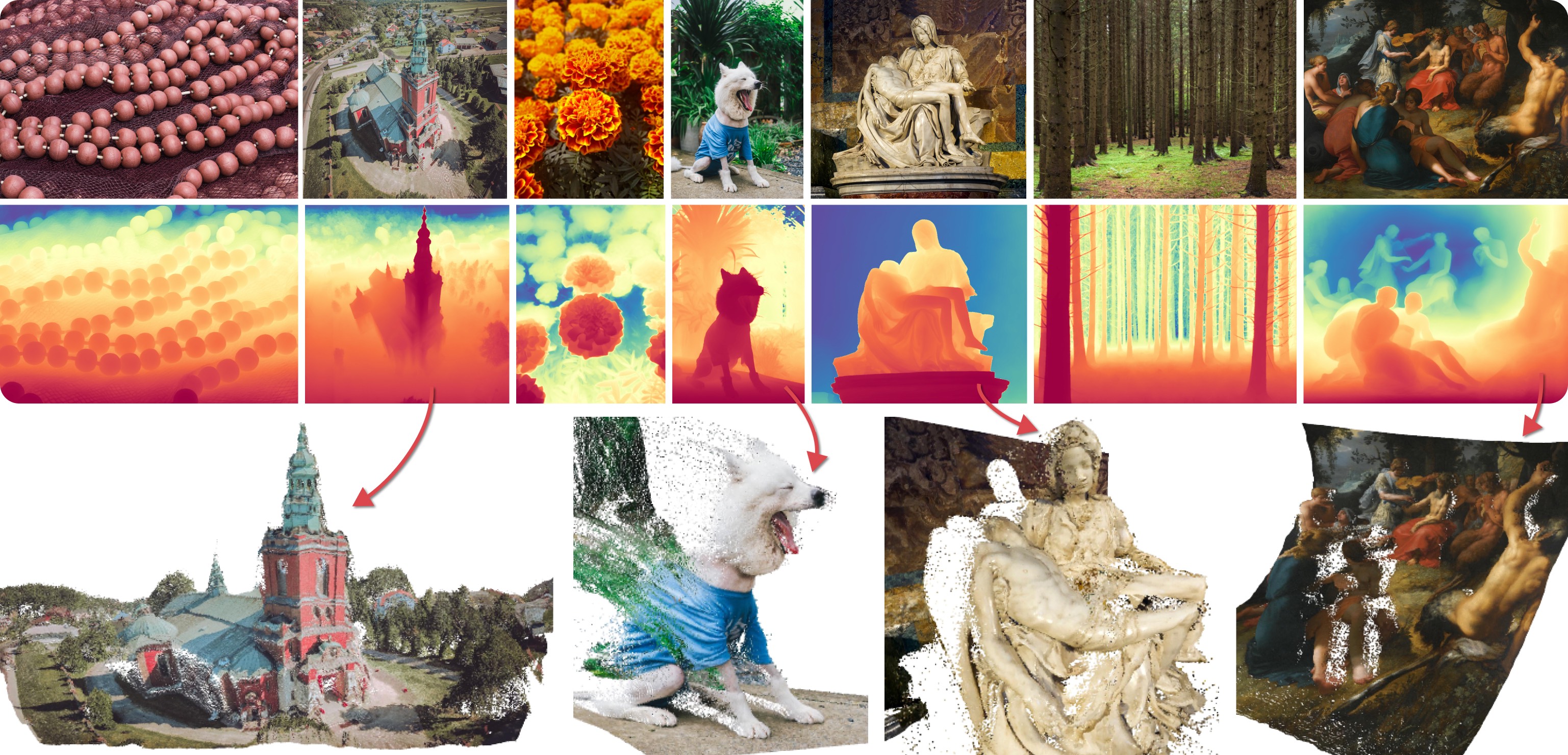
|
||||
|
||||
Marigold was proposed in [Repurposing Diffusion-Based Image Generators for Monocular Depth Estimation](https://huggingface.co/papers/2312.02145), a CVPR 2024 Oral paper by [Bingxin Ke](http://www.kebingxin.com/), [Anton Obukhov](https://www.obukhov.ai/), [Shengyu Huang](https://shengyuh.github.io/), [Nando Metzger](https://nandometzger.github.io/), [Rodrigo Caye Daudt](https://rcdaudt.github.io/), and [Konrad Schindler](https://scholar.google.com/citations?user=FZuNgqIAAAAJ&hl=en).
|
||||
The idea is to repurpose the rich generative prior of Text-to-Image Latent Diffusion Models (LDMs) for traditional computer vision tasks.
|
||||
Initially, this idea was explored to fine-tune Stable Diffusion for Monocular Depth Estimation, as shown in the teaser above.
|
||||
Later,
|
||||
Marigold was proposed in [Repurposing Diffusion-Based Image Generators for Monocular Depth Estimation](https://huggingface.co/papers/2312.02145), a CVPR 2024 Oral paper by [Bingxin Ke](http://www.kebingxin.com/), [Anton Obukhov](https://www.obukhov.ai/), [Shengyu Huang](https://shengyuh.github.io/), [Nando Metzger](https://nandometzger.github.io/), [Rodrigo Caye Daudt](https://rcdaudt.github.io/), and [Konrad Schindler](https://scholar.google.com/citations?user=FZuNgqIAAAAJ&hl=en).
|
||||
The idea is to repurpose the rich generative prior of Text-to-Image Latent Diffusion Models (LDMs) for traditional computer vision tasks.
|
||||
Initially, this idea was explored to fine-tune Stable Diffusion for Monocular Depth Estimation, as shown in the teaser above.
|
||||
Later,
|
||||
- [Tianfu Wang](https://tianfwang.github.io/) trained the first Latent Consistency Model (LCM) of Marigold, which unlocked fast single-step inference;
|
||||
- [Kevin Qu](https://www.linkedin.com/in/kevin-qu-b3417621b/?locale=en_US) extended the approach to Surface Normals Estimation;
|
||||
- [Anton Obukhov](https://www.obukhov.ai/) contributed the pipelines and documentation into diffusers (enabled and supported by [YiYi Xu](https://yiyixuxu.github.io/) and [Sayak Paul](https://sayak.dev/)).
|
||||
@@ -28,7 +28,7 @@ The abstract from the paper is:
|
||||
|
||||
## Available Pipelines
|
||||
|
||||
Each pipeline supports one Computer Vision task, which takes an input RGB image as input and produces a *prediction* of the modality of interest, such as a depth map of the input image.
|
||||
Each pipeline supports one Computer Vision task, which takes an input RGB image as input and produces a *prediction* of the modality of interest, such as a depth map of the input image.
|
||||
Currently, the following tasks are implemented:
|
||||
|
||||
| Pipeline | Predicted Modalities | Demos |
|
||||
@@ -39,7 +39,7 @@ Currently, the following tasks are implemented:
|
||||
|
||||
## Available Checkpoints
|
||||
|
||||
The original checkpoints can be found under the [PRS-ETH](https://huggingface.co/prs-eth/) Hugging Face organization.
|
||||
The original checkpoints can be found under the [PRS-ETH](https://huggingface.co/prs-eth/) Hugging Face organization.
|
||||
|
||||
<Tip>
|
||||
|
||||
@@ -49,11 +49,11 @@ Make sure to check out the Schedulers [guide](../../using-diffusers/schedulers)
|
||||
|
||||
<Tip warning={true}>
|
||||
|
||||
Marigold pipelines were designed and tested only with `DDIMScheduler` and `LCMScheduler`.
|
||||
Marigold pipelines were designed and tested only with `DDIMScheduler` and `LCMScheduler`.
|
||||
Depending on the scheduler, the number of inference steps required to get reliable predictions varies, and there is no universal value that works best across schedulers.
|
||||
Because of that, the default value of `num_inference_steps` in the `__call__` method of the pipeline is set to `None` (see the API reference).
|
||||
Unless set explicitly, its value will be taken from the checkpoint configuration `model_index.json`.
|
||||
This is done to ensure high-quality predictions when calling the pipeline with just the `image` argument.
|
||||
Because of that, the default value of `num_inference_steps` in the `__call__` method of the pipeline is set to `None` (see the API reference).
|
||||
Unless set explicitly, its value will be taken from the checkpoint configuration `model_index.json`.
|
||||
This is done to ensure high-quality predictions when calling the pipeline with just the `image` argument.
|
||||
|
||||
</Tip>
|
||||
|
||||
|
||||
@@ -37,7 +37,7 @@ Make sure to check out the Schedulers [guide](../../using-diffusers/schedulers.m
|
||||
|
||||
## Inference with under 8GB GPU VRAM
|
||||
|
||||
Run the [`PixArtAlphaPipeline`] with under 8GB GPU VRAM by loading the text encoder in 8-bit precision. Let's walk through a full-fledged example.
|
||||
Run the [`PixArtAlphaPipeline`] with under 8GB GPU VRAM by loading the text encoder in 8-bit precision. Let's walk through a full-fledged example.
|
||||
|
||||
First, install the [bitsandbytes](https://github.com/TimDettmers/bitsandbytes) library:
|
||||
|
||||
@@ -75,10 +75,10 @@ with torch.no_grad():
|
||||
prompt_embeds, prompt_attention_mask, negative_embeds, negative_prompt_attention_mask = pipe.encode_prompt(prompt)
|
||||
```
|
||||
|
||||
Since text embeddings have been computed, remove the `text_encoder` and `pipe` from the memory, and free up som GPU VRAM:
|
||||
Since text embeddings have been computed, remove the `text_encoder` and `pipe` from the memory, and free up some GPU VRAM:
|
||||
|
||||
```python
|
||||
import gc
|
||||
import gc
|
||||
|
||||
def flush():
|
||||
gc.collect()
|
||||
@@ -99,7 +99,7 @@ pipe = PixArtAlphaPipeline.from_pretrained(
|
||||
).to("cuda")
|
||||
|
||||
latents = pipe(
|
||||
negative_prompt=None,
|
||||
negative_prompt=None,
|
||||
prompt_embeds=prompt_embeds,
|
||||
negative_prompt_embeds=negative_embeds,
|
||||
prompt_attention_mask=prompt_attention_mask,
|
||||
@@ -146,4 +146,3 @@ While loading the `text_encoder`, you set `load_in_8bit` to `True`. You could al
|
||||
[[autodoc]] PixArtAlphaPipeline
|
||||
- all
|
||||
- __call__
|
||||
|
||||
@@ -39,7 +39,7 @@ Make sure to check out the Schedulers [guide](../../using-diffusers/schedulers)
|
||||
|
||||
## Inference with under 8GB GPU VRAM
|
||||
|
||||
Run the [`PixArtSigmaPipeline`] with under 8GB GPU VRAM by loading the text encoder in 8-bit precision. Let's walk through a full-fledged example.
|
||||
Run the [`PixArtSigmaPipeline`] with under 8GB GPU VRAM by loading the text encoder in 8-bit precision. Let's walk through a full-fledged example.
|
||||
|
||||
First, install the [bitsandbytes](https://github.com/TimDettmers/bitsandbytes) library:
|
||||
|
||||
@@ -59,7 +59,6 @@ text_encoder = T5EncoderModel.from_pretrained(
|
||||
subfolder="text_encoder",
|
||||
load_in_8bit=True,
|
||||
device_map="auto",
|
||||
|
||||
)
|
||||
pipe = PixArtSigmaPipeline.from_pretrained(
|
||||
"PixArt-alpha/PixArt-Sigma-XL-2-1024-MS",
|
||||
@@ -77,10 +76,10 @@ with torch.no_grad():
|
||||
prompt_embeds, prompt_attention_mask, negative_embeds, negative_prompt_attention_mask = pipe.encode_prompt(prompt)
|
||||
```
|
||||
|
||||
Since text embeddings have been computed, remove the `text_encoder` and `pipe` from the memory, and free up som GPU VRAM:
|
||||
Since text embeddings have been computed, remove the `text_encoder` and `pipe` from the memory, and free up some GPU VRAM:
|
||||
|
||||
```python
|
||||
import gc
|
||||
import gc
|
||||
|
||||
def flush():
|
||||
gc.collect()
|
||||
@@ -101,7 +100,7 @@ pipe = PixArtSigmaPipeline.from_pretrained(
|
||||
).to("cuda")
|
||||
|
||||
latents = pipe(
|
||||
negative_prompt=None,
|
||||
negative_prompt=None,
|
||||
prompt_embeds=prompt_embeds,
|
||||
negative_prompt_embeds=negative_embeds,
|
||||
prompt_attention_mask=prompt_attention_mask,
|
||||
@@ -148,4 +147,3 @@ While loading the `text_encoder`, you set `load_in_8bit` to `True`. You could al
|
||||
[[autodoc]] PixArtSigmaPipeline
|
||||
- all
|
||||
- __call__
|
||||
|
||||
@@ -177,7 +177,7 @@ inpaint = StableDiffusionInpaintPipeline(**text2img.components)
|
||||
|
||||
The Stable Diffusion pipelines are automatically supported in [Gradio](https://github.com/gradio-app/gradio/), a library that makes creating beautiful and user-friendly machine learning apps on the web a breeze. First, make sure you have Gradio installed:
|
||||
|
||||
```
|
||||
```sh
|
||||
pip install -U gradio
|
||||
```
|
||||
|
||||
@@ -209,4 +209,4 @@ gr.Interface.from_pipeline(pipe).launch()
|
||||
```
|
||||
|
||||
By default, the web demo runs on a local server. If you'd like to share it with others, you can generate a temporary public
|
||||
link by setting `share=True` in `launch()`. Or, you can host your demo on [Hugging Face Spaces](https://huggingface.co/spaces)https://huggingface.co/spaces for a permanent link.
|
||||
link by setting `share=True` in `launch()`. Or, you can host your demo on [Hugging Face Spaces](https://huggingface.co/spaces)https://huggingface.co/spaces for a permanent link.
|
||||
@@ -12,7 +12,7 @@ specific language governing permissions and limitations under the License.
|
||||
|
||||
# EDMDPMSolverMultistepScheduler
|
||||
|
||||
`EDMDPMSolverMultistepScheduler` is a [Karras formulation](https://huggingface.co/papers/2206.00364) of `DPMSolverMultistep`, a multistep scheduler from [DPM-Solver: A Fast ODE Solver for Diffusion Probabilistic Model Sampling in Around 10 Steps](https://huggingface.co/papers/2206.00927) and [DPM-Solver++: Fast Solver for Guided Sampling of Diffusion Probabilistic Models](https://huggingface.co/papers/2211.01095) by Cheng Lu, Yuhao Zhou, Fan Bao, Jianfei Chen, Chongxuan Li, and Jun Zhu.
|
||||
`EDMDPMSolverMultistepScheduler` is a [Karras formulation](https://huggingface.co/papers/2206.00364) of `DPMSolverMultistepScheduler`, a multistep scheduler from [DPM-Solver: A Fast ODE Solver for Diffusion Probabilistic Model Sampling in Around 10 Steps](https://huggingface.co/papers/2206.00927) and [DPM-Solver++: Fast Solver for Guided Sampling of Diffusion Probabilistic Models](https://huggingface.co/papers/2211.01095) by Cheng Lu, Yuhao Zhou, Fan Bao, Jianfei Chen, Chongxuan Li, and Jun Zhu.
|
||||
|
||||
DPMSolver (and the improved version DPMSolver++) is a fast dedicated high-order solver for diffusion ODEs with convergence order guarantee. Empirically, DPMSolver sampling with only 20 steps can generate high-quality
|
||||
samples, and it can generate quite good samples even in 10 steps.
|
||||
|
||||
@@ -12,7 +12,7 @@ specific language governing permissions and limitations under the License.
|
||||
|
||||
# DPMSolverMultistepScheduler
|
||||
|
||||
`DPMSolverMultistep` is a multistep scheduler from [DPM-Solver: A Fast ODE Solver for Diffusion Probabilistic Model Sampling in Around 10 Steps](https://huggingface.co/papers/2206.00927) and [DPM-Solver++: Fast Solver for Guided Sampling of Diffusion Probabilistic Models](https://huggingface.co/papers/2211.01095) by Cheng Lu, Yuhao Zhou, Fan Bao, Jianfei Chen, Chongxuan Li, and Jun Zhu.
|
||||
`DPMSolverMultistepScheduler` is a multistep scheduler from [DPM-Solver: A Fast ODE Solver for Diffusion Probabilistic Model Sampling in Around 10 Steps](https://huggingface.co/papers/2206.00927) and [DPM-Solver++: Fast Solver for Guided Sampling of Diffusion Probabilistic Models](https://huggingface.co/papers/2211.01095) by Cheng Lu, Yuhao Zhou, Fan Bao, Jianfei Chen, Chongxuan Li, and Jun Zhu.
|
||||
|
||||
DPMSolver (and the improved version DPMSolver++) is a fast dedicated high-order solver for diffusion ODEs with convergence order guarantee. Empirically, DPMSolver sampling with only 20 steps can generate high-quality
|
||||
samples, and it can generate quite good samples even in 10 steps.
|
||||
|
||||
@@ -36,7 +36,7 @@ Then load and enable the [`DeepCacheSDHelper`](https://github.com/horseee/DeepCa
|
||||
image = pipe("a photo of an astronaut on a moon").images[0]
|
||||
```
|
||||
|
||||
The `set_params` method accepts two arguments: `cache_interval` and `cache_branch_id`. `cache_interval` means the frequency of feature caching, specified as the number of steps between each cache operation. `cache_branch_id` identifies which branch of the network (ordered from the shallowest to the deepest layer) is responsible for executing the caching processes.
|
||||
The `set_params` method accepts two arguments: `cache_interval` and `cache_branch_id`. `cache_interval` means the frequency of feature caching, specified as the number of steps between each cache operation. `cache_branch_id` identifies which branch of the network (ordered from the shallowest to the deepest layer) is responsible for executing the caching processes.
|
||||
Opting for a lower `cache_branch_id` or a larger `cache_interval` can lead to faster inference speed at the expense of reduced image quality (ablation experiments of these two hyperparameters can be found in the [paper](https://arxiv.org/abs/2312.00858)). Once those arguments are set, use the `enable` or `disable` methods to activate or deactivate the `DeepCacheSDHelper`.
|
||||
|
||||
<div class="flex justify-center">
|
||||
|
||||
@@ -188,7 +188,7 @@ def latents_to_rgb(latents):
|
||||
```py
|
||||
def decode_tensors(pipe, step, timestep, callback_kwargs):
|
||||
latents = callback_kwargs["latents"]
|
||||
|
||||
|
||||
image = latents_to_rgb(latents)
|
||||
image.save(f"{step}.png")
|
||||
|
||||
|
||||
@@ -138,15 +138,15 @@ Because Marigold's latent space is compatible with the base Stable Diffusion, it
|
||||
```diff
|
||||
import diffusers
|
||||
import torch
|
||||
|
||||
|
||||
pipe = diffusers.MarigoldDepthPipeline.from_pretrained(
|
||||
"prs-eth/marigold-depth-lcm-v1-0", variant="fp16", torch_dtype=torch.float16
|
||||
).to("cuda")
|
||||
|
||||
|
||||
+ pipe.vae = diffusers.AutoencoderTiny.from_pretrained(
|
||||
+ "madebyollin/taesd", torch_dtype=torch.float16
|
||||
+ ).cuda()
|
||||
|
||||
|
||||
image = diffusers.utils.load_image("https://marigoldmonodepth.github.io/images/einstein.jpg")
|
||||
depth = pipe(image)
|
||||
```
|
||||
@@ -156,13 +156,13 @@ As suggested in [Optimizations](../optimization/torch2.0#torch.compile), adding
|
||||
```diff
|
||||
import diffusers
|
||||
import torch
|
||||
|
||||
|
||||
pipe = diffusers.MarigoldDepthPipeline.from_pretrained(
|
||||
"prs-eth/marigold-depth-lcm-v1-0", variant="fp16", torch_dtype=torch.float16
|
||||
).to("cuda")
|
||||
|
||||
|
||||
+ pipe.unet = torch.compile(pipe.unet, mode="reduce-overhead", fullgraph=True)
|
||||
|
||||
|
||||
image = diffusers.utils.load_image("https://marigoldmonodepth.github.io/images/einstein.jpg")
|
||||
depth = pipe(image)
|
||||
```
|
||||
@@ -208,7 +208,7 @@ model_paper_kwargs = {
|
||||
diffusers.schedulers.LCMScheduler: {
|
||||
"num_inference_steps": 4,
|
||||
"ensemble_size": 5,
|
||||
},
|
||||
},
|
||||
}
|
||||
|
||||
image = diffusers.utils.load_image("https://marigoldmonodepth.github.io/images/einstein.jpg")
|
||||
@@ -261,7 +261,7 @@ model_paper_kwargs = {
|
||||
diffusers.schedulers.LCMScheduler: {
|
||||
"num_inference_steps": 4,
|
||||
"ensemble_size": 10,
|
||||
},
|
||||
},
|
||||
}
|
||||
|
||||
image = diffusers.utils.load_image("https://marigoldmonodepth.github.io/images/einstein.jpg")
|
||||
@@ -415,7 +415,7 @@ image = diffusers.utils.load_image(
|
||||
|
||||
pipe = diffusers.MarigoldDepthPipeline.from_pretrained(
|
||||
"prs-eth/marigold-depth-lcm-v1-0", torch_dtype=torch.float16, variant="fp16"
|
||||
).to("cuda")
|
||||
).to(device)
|
||||
|
||||
depth_image = pipe(image, generator=generator).prediction
|
||||
depth_image = pipe.image_processor.visualize_depth(depth_image, color_map="binary")
|
||||
@@ -423,10 +423,10 @@ depth_image[0].save("motorcycle_controlnet_depth.png")
|
||||
|
||||
controlnet = diffusers.ControlNetModel.from_pretrained(
|
||||
"diffusers/controlnet-depth-sdxl-1.0", torch_dtype=torch.float16, variant="fp16"
|
||||
).to("cuda")
|
||||
).to(device)
|
||||
pipe = diffusers.StableDiffusionXLControlNetPipeline.from_pretrained(
|
||||
"SG161222/RealVisXL_V4.0", torch_dtype=torch.float16, variant="fp16", controlnet=controlnet
|
||||
).to("cuda")
|
||||
).to(device)
|
||||
pipe.scheduler = diffusers.DPMSolverMultistepScheduler.from_config(pipe.scheduler.config, use_karras_sigmas=True)
|
||||
|
||||
controlnet_out = pipe(
|
||||
|
||||
@@ -267,3 +267,216 @@ pipeline.save_pretrained()
|
||||
```
|
||||
|
||||
Lastly, there are also Spaces, such as [SD To Diffusers](https://hf.co/spaces/diffusers/sd-to-diffusers) and [SD-XL To Diffusers](https://hf.co/spaces/diffusers/sdxl-to-diffusers), that provide a more user-friendly interface for converting models to Diffusers-multifolder layout. This is the easiest and most convenient option for converting layouts, and it'll open a PR on your model repository with the converted files. However, this option is not as reliable as running a script, and the Space may fail for more complicated models.
|
||||
|
||||
## Single-file layout usage
|
||||
|
||||
Now that you're familiar with the differences between the Diffusers-multifolder and single-file layout, this section shows you how to load models and pipeline components, customize configuration options for loading, and load local files with the [`~loaders.FromSingleFileMixin.from_single_file`] method.
|
||||
|
||||
### Load a pipeline or model
|
||||
|
||||
Pass the file path of the pipeline or model to the [`~loaders.FromSingleFileMixin.from_single_file`] method to load it.
|
||||
|
||||
<hfoptions id="pipeline-model">
|
||||
<hfoption id="pipeline">
|
||||
|
||||
```py
|
||||
from diffusers import StableDiffusionXLPipeline
|
||||
|
||||
ckpt_path = "https://huggingface.co/stabilityai/stable-diffusion-xl-base-1.0/blob/main/sd_xl_base_1.0_0.9vae.safetensors"
|
||||
pipeline = StableDiffusionXLPipeline.from_single_file(ckpt_path)
|
||||
```
|
||||
|
||||
</hfoption>
|
||||
<hfoption id="model">
|
||||
|
||||
```py
|
||||
from diffusers import StableCascadeUNet
|
||||
|
||||
ckpt_path = "https://huggingface.co/stabilityai/stable-cascade/blob/main/stage_b_lite.safetensors"
|
||||
model = StableCascadeUNet.from_single_file(ckpt_path)
|
||||
```
|
||||
|
||||
</hfoption>
|
||||
</hfoptions>
|
||||
|
||||
Customize components in the pipeline by passing them directly to the [`~loaders.FromSingleFileMixin.from_single_file`] method. For example, you can use a different scheduler in a pipeline.
|
||||
|
||||
```py
|
||||
from diffusers import StableDiffusionXLPipeline, DDIMScheduler
|
||||
|
||||
ckpt_path = "https://huggingface.co/stabilityai/stable-diffusion-xl-base-1.0/blob/main/sd_xl_base_1.0_0.9vae.safetensors"
|
||||
scheduler = DDIMScheduler()
|
||||
pipeline = StableDiffusionXLPipeline.from_single_file(ckpt_path, scheduler=scheduler)
|
||||
```
|
||||
|
||||
Or you could use a ControlNet model in the pipeline.
|
||||
|
||||
```py
|
||||
from diffusers import StableDiffusionControlNetPipeline, ControlNetModel
|
||||
|
||||
ckpt_path = "https://huggingface.co/runwayml/stable-diffusion-v1-5/blob/main/v1-5-pruned-emaonly.safetensors"
|
||||
controlnet = ControlNetModel.from_pretrained("lllyasviel/control_v11p_sd15_canny")
|
||||
pipeline = StableDiffusionControlNetPipeline.from_single_file(ckpt_path, controlnet=controlnet)
|
||||
```
|
||||
|
||||
### Customize configuration options
|
||||
|
||||
Models have a configuration file that define their attributes like the number of inputs in a UNet. Pipelines configuration options are available in the pipeline's class. For example, if you look at the [`StableDiffusionXLInstructPix2PixPipeline`] class, there is an option to scale the image latents with the `is_cosxl_edit` parameter.
|
||||
|
||||
These configuration files can be found in the models Hub repository or another location from which the configuration file originated (for example, a GitHub repository or locally on your device).
|
||||
|
||||
<hfoptions id="config-file">
|
||||
<hfoption id="Hub configuration file">
|
||||
|
||||
> [!TIP]
|
||||
> The [`~loaders.FromSingleFileMixin.from_single_file`] method automatically maps the checkpoint to the appropriate model repository, but there are cases where it is useful to use the `config` parameter. For example, if the model components in the checkpoint are different from the original checkpoint or if a checkpoint doesn't have the necessary metadata to correctly determine the configuration to use for the pipeline.
|
||||
|
||||
The [`~loaders.FromSingleFileMixin.from_single_file`] method automatically determines the configuration to use from the configuration file in the model repository. You could also explicitly specify the configuration to use by providing the repository id to the `config` parameter.
|
||||
|
||||
```py
|
||||
from diffusers import StableDiffusionXLPipeline
|
||||
|
||||
ckpt_path = "https://huggingface.co/segmind/SSD-1B/blob/main/SSD-1B.safetensors"
|
||||
repo_id = "segmind/SSD-1B"
|
||||
|
||||
pipeline = StableDiffusionXLPipeline.from_single_file(ckpt_path, config=repo_id)
|
||||
```
|
||||
|
||||
The model loads the configuration file for the [UNet](https://huggingface.co/segmind/SSD-1B/blob/main/unet/config.json), [VAE](https://huggingface.co/segmind/SSD-1B/blob/main/vae/config.json), and [text encoder](https://huggingface.co/segmind/SSD-1B/blob/main/text_encoder/config.json) from their respective subfolders in the repository.
|
||||
|
||||
</hfoption>
|
||||
<hfoption id="original configuration file">
|
||||
|
||||
The [`~loaders.FromSingleFileMixin.from_single_file`] method can also load the original configuration file of a pipeline that is stored elsewhere. Pass a local path or URL of the original configuration file to the `original_config` parameter.
|
||||
|
||||
```py
|
||||
from diffusers import StableDiffusionXLPipeline
|
||||
|
||||
ckpt_path = "https://huggingface.co/stabilityai/stable-diffusion-xl-base-1.0/blob/main/sd_xl_base_1.0_0.9vae.safetensors"
|
||||
original_config = "https://raw.githubusercontent.com/Stability-AI/generative-models/main/configs/inference/sd_xl_base.yaml"
|
||||
|
||||
pipeline = StableDiffusionXLPipeline.from_single_file(ckpt_path, original_config=original_config)
|
||||
```
|
||||
|
||||
> [!TIP]
|
||||
> Diffusers attempts to infer the pipeline components based on the type signatures of the pipeline class when you use `original_config` with `local_files_only=True`, instead of fetching the configuration files from the model repository on the Hub. This prevents backward breaking changes in code that can't connect to the internet to fetch the necessary configuration files.
|
||||
>
|
||||
> This is not as reliable as providing a path to a local model repository with the `config` parameter, and might lead to errors during pipeline configuration. To avoid errors, run the pipeline with `local_files_only=False` once to download the appropriate pipeline configuration files to the local cache.
|
||||
|
||||
</hfoption>
|
||||
</hfoptions>
|
||||
|
||||
While the configuration files specify the pipeline or models default parameters, you can override them by providing the parameters directly to the [`~loaders.FromSingleFileMixin.from_single_file`] method. Any parameter supported by the model or pipeline class can be configured in this way.
|
||||
|
||||
<hfoptions id="override">
|
||||
<hfoption id="pipeline">
|
||||
|
||||
For example, to scale the image latents in [`StableDiffusionXLInstructPix2PixPipeline`] pass the `is_cosxl_edit` parameter.
|
||||
|
||||
```python
|
||||
from diffusers import StableDiffusionXLInstructPix2PixPipeline
|
||||
|
||||
ckpt_path = "https://huggingface.co/stabilityai/cosxl/blob/main/cosxl_edit.safetensors"
|
||||
pipeline = StableDiffusionXLInstructPix2PixPipeline.from_single_file(ckpt_path, config="diffusers/sdxl-instructpix2pix-768", is_cosxl_edit=True)
|
||||
```
|
||||
|
||||
</hfoption>
|
||||
<hfoption id="model">
|
||||
|
||||
For example, to upcast the attention dimensions in a [`UNet2DConditionModel`] pass the `upcast_attention` parameter.
|
||||
|
||||
```python
|
||||
from diffusers import UNet2DConditionModel
|
||||
|
||||
ckpt_path = "https://huggingface.co/stabilityai/stable-diffusion-xl-base-1.0/blob/main/sd_xl_base_1.0_0.9vae.safetensors"
|
||||
model = UNet2DConditionModel.from_single_file(ckpt_path, upcast_attention=True)
|
||||
```
|
||||
|
||||
</hfoption>
|
||||
</hfoptions>
|
||||
|
||||
### Local files
|
||||
|
||||
In Diffusers>=v0.28.0, the [`~loaders.FromSingleFileMixin.from_single_file`] method attempts to configure a pipeline or model by inferring the model type from the keys in the checkpoint file. The inferred model type is used to determine the appropriate model repository on the Hugging Face Hub to configure the model or pipeline.
|
||||
|
||||
For example, any single file checkpoint based on the Stable Diffusion XL base model will use the [stabilityai/stable-diffusion-xl-base-1.0](https://huggingface.co/stabilityai/stable-diffusion-xl-base-1.0) model repository to configure the pipeline.
|
||||
|
||||
But if you're working in an environment with restricted internet access, you should download the configuration files with the [`~huggingface_hub.snapshot_download`] function, and the model checkpoint with the [`~huggingface_hub.hf_hub_download`] function. By default, these files are downloaded to the Hugging Face Hub [cache directory](https://huggingface.co/docs/huggingface_hub/en/guides/manage-cache), but you can specify a preferred directory to download the files to with the `local_dir` parameter.
|
||||
|
||||
Pass the configuration and checkpoint paths to the [`~loaders.FromSingleFileMixin.from_single_file`] method to load locally.
|
||||
|
||||
<hfoptions id="local">
|
||||
<hfoption id="Hub cache directory">
|
||||
|
||||
```python
|
||||
from huggingface_hub import hf_hub_download, snapshot_download
|
||||
|
||||
my_local_checkpoint_path = hf_hub_download(
|
||||
repo_id="segmind/SSD-1B",
|
||||
filename="SSD-1B.safetensors"
|
||||
)
|
||||
|
||||
my_local_config_path = snapshot_download(
|
||||
repo_id="segmind/SSD-1B",
|
||||
allowed_patterns=["*.json", "**/*.json", "*.txt", "**/*.txt"]
|
||||
)
|
||||
|
||||
pipeline = StableDiffusionXLPipeline.from_single_file(my_local_checkpoint_path, config=my_local_config_path, local_files_only=True)
|
||||
```
|
||||
|
||||
</hfoption>
|
||||
<hfoption id="specific local directory">
|
||||
|
||||
```python
|
||||
from huggingface_hub import hf_hub_download, snapshot_download
|
||||
|
||||
my_local_checkpoint_path = hf_hub_download(
|
||||
repo_id="segmind/SSD-1B",
|
||||
filename="SSD-1B.safetensors"
|
||||
local_dir="my_local_checkpoints"
|
||||
)
|
||||
|
||||
my_local_config_path = snapshot_download(
|
||||
repo_id="segmind/SSD-1B",
|
||||
allowed_patterns=["*.json", "**/*.json", "*.txt", "**/*.txt"]
|
||||
local_dir="my_local_config"
|
||||
)
|
||||
|
||||
pipeline = StableDiffusionXLPipeline.from_single_file(my_local_checkpoint_path, config=my_local_config_path, local_files_only=True)
|
||||
```
|
||||
|
||||
</hfoption>
|
||||
</hfoptions>
|
||||
|
||||
#### Local files without symlink
|
||||
|
||||
> [!TIP]
|
||||
> In huggingface_hub>=v0.23.0, the `local_dir_use_symlinks` argument isn't necessary for the [`~huggingface_hub.hf_hub_download`] and [`~huggingface_hub.snapshot_download`] functions.
|
||||
|
||||
The [`~loaders.FromSingleFileMixin.from_single_file`] method relies on the [huggingface_hub](https://hf.co/docs/huggingface_hub/index) caching mechanism to fetch and store checkpoints and configuration files for models and pipelines. If you're working with a file system that does not support symlinking, you should download the checkpoint file to a local directory first, and disable symlinking with the `local_dir_use_symlink=False` parameter in the [`~huggingface_hub.hf_hub_download`] function and [`~huggingface_hub.snapshot_download`] functions.
|
||||
|
||||
```python
|
||||
from huggingface_hub import hf_hub_download, snapshot_download
|
||||
|
||||
my_local_checkpoint_path = hf_hub_download(
|
||||
repo_id="segmind/SSD-1B",
|
||||
filename="SSD-1B.safetensors"
|
||||
local_dir="my_local_checkpoints",
|
||||
local_dir_use_symlinks=False
|
||||
)
|
||||
print("My local checkpoint: ", my_local_checkpoint_path)
|
||||
|
||||
my_local_config_path = snapshot_download(
|
||||
repo_id="segmind/SSD-1B",
|
||||
allowed_patterns=["*.json", "**/*.json", "*.txt", "**/*.txt"]
|
||||
local_dir_use_symlinks=False,
|
||||
)
|
||||
print("My local config: ", my_local_config_path)
|
||||
|
||||
```
|
||||
|
||||
Then you can pass the local paths to the `pretrained_model_link_or_path` and `config` parameters.
|
||||
|
||||
```python
|
||||
pipeline = StableDiffusionXLPipeline.from_single_file(my_local_checkpoint_path, config=my_local_config_path, local_files_only=True)
|
||||
```
|
||||
|
||||
@@ -134,7 +134,7 @@ sigmas = [14.615, 6.315, 3.771, 2.181, 1.342, 0.862, 0.555, 0.380, 0.234, 0.113,
|
||||
prompt = "anthropomorphic capybara wearing a suit and working with a computer"
|
||||
generator = torch.Generator(device='cuda').manual_seed(123)
|
||||
image = pipeline(
|
||||
prompt=prompt,
|
||||
prompt=prompt,
|
||||
num_inference_steps=10,
|
||||
sigmas=sigmas,
|
||||
generator=generator
|
||||
|
||||
@@ -34,7 +34,7 @@ Stable Diffusion XL은 Dustin Podell, Zion English, Kyle Lacey, Andreas Blattman
|
||||
SDXL을 사용하기 전에 `transformers`, `accelerate`, `safetensors` 와 `invisible_watermark`를 설치하세요.
|
||||
다음과 같이 라이브러리를 설치할 수 있습니다:
|
||||
|
||||
```
|
||||
```sh
|
||||
pip install transformers
|
||||
pip install accelerate
|
||||
pip install safetensors
|
||||
@@ -46,7 +46,7 @@ pip install invisible-watermark>=0.2.0
|
||||
Stable Diffusion XL로 이미지를 생성할 때 워터마크가 보이지 않도록 추가하는 것을 권장하는데, 이는 다운스트림(downstream) 어플리케이션에서 기계에 합성되었는지를 식별하는데 도움을 줄 수 있습니다. 그렇게 하려면 [invisible_watermark 라이브러리](https://pypi.org/project/invisible-watermark/)를 통해 설치해주세요:
|
||||
|
||||
|
||||
```
|
||||
```sh
|
||||
pip install invisible-watermark>=0.2.0
|
||||
```
|
||||
|
||||
@@ -75,11 +75,11 @@ prompt = "Astronaut in a jungle, cold color palette, muted colors, detailed, 8k"
|
||||
image = pipe(prompt=prompt).images[0]
|
||||
```
|
||||
|
||||
### Image-to-image
|
||||
### Image-to-image
|
||||
|
||||
*image-to-image*를 위해 다음과 같이 SDXL을 사용할 수 있습니다:
|
||||
|
||||
```py
|
||||
```py
|
||||
import torch
|
||||
from diffusers import StableDiffusionXLImg2ImgPipeline
|
||||
from diffusers.utils import load_image
|
||||
@@ -99,7 +99,7 @@ image = pipe(prompt, image=init_image).images[0]
|
||||
|
||||
*inpainting*를 위해 다음과 같이 SDXL을 사용할 수 있습니다:
|
||||
|
||||
```py
|
||||
```py
|
||||
import torch
|
||||
from diffusers import StableDiffusionXLInpaintPipeline
|
||||
from diffusers.utils import load_image
|
||||
@@ -352,7 +352,7 @@ out-of-memory 에러가 난다면, [`StableDiffusionXLPipeline.enable_model_cpu_
|
||||
|
||||
**참고** Stable Diffusion XL을 `torch`가 2.0 버전 미만에서 실행시키고 싶을 때, xformers 어텐션을 사용해주세요:
|
||||
|
||||
```
|
||||
```sh
|
||||
pip install xformers
|
||||
```
|
||||
|
||||
|
||||
@@ -93,13 +93,13 @@ cd diffusers
|
||||
|
||||
**PyTorch의 경우**
|
||||
|
||||
```
|
||||
```sh
|
||||
pip install -e ".[torch]"
|
||||
```
|
||||
|
||||
**Flax의 경우**
|
||||
|
||||
```
|
||||
```sh
|
||||
pip install -e ".[flax]"
|
||||
```
|
||||
|
||||
|
||||
@@ -19,13 +19,13 @@ specific language governing permissions and limitations under the License.
|
||||
|
||||
다음 명령어로 ONNX Runtime를 지원하는 🤗 Optimum를 설치합니다:
|
||||
|
||||
```
|
||||
```sh
|
||||
pip install optimum["onnxruntime"]
|
||||
```
|
||||
|
||||
## Stable Diffusion 추론
|
||||
|
||||
아래 코드는 ONNX 런타임을 사용하는 방법을 보여줍니다. `StableDiffusionPipeline` 대신 `OnnxStableDiffusionPipeline`을 사용해야 합니다.
|
||||
아래 코드는 ONNX 런타임을 사용하는 방법을 보여줍니다. `StableDiffusionPipeline` 대신 `OnnxStableDiffusionPipeline`을 사용해야 합니다.
|
||||
PyTorch 모델을 불러오고 즉시 ONNX 형식으로 변환하려는 경우 `export=True`로 설정합니다.
|
||||
|
||||
```python
|
||||
@@ -38,7 +38,7 @@ images = pipe(prompt).images[0]
|
||||
pipe.save_pretrained("./onnx-stable-diffusion-v1-5")
|
||||
```
|
||||
|
||||
파이프라인을 ONNX 형식으로 오프라인으로 내보내고 나중에 추론에 사용하려는 경우,
|
||||
파이프라인을 ONNX 형식으로 오프라인으로 내보내고 나중에 추론에 사용하려는 경우,
|
||||
[`optimum-cli export`](https://huggingface.co/docs/optimum/main/en/exporters/onnx/usage_guides/export_a_model#exporting-a-model-to-onnx-using-the-cli) 명령어를 사용할 수 있습니다:
|
||||
|
||||
```bash
|
||||
@@ -47,7 +47,7 @@ optimum-cli export onnx --model runwayml/stable-diffusion-v1-5 sd_v15_onnx/
|
||||
|
||||
그 다음 추론을 수행합니다:
|
||||
|
||||
```python
|
||||
```python
|
||||
from optimum.onnxruntime import ORTStableDiffusionPipeline
|
||||
|
||||
model_id = "sd_v15_onnx"
|
||||
|
||||
@@ -19,7 +19,7 @@ specific language governing permissions and limitations under the License.
|
||||
|
||||
다음 명령어로 🤗 Optimum을 설치합니다:
|
||||
|
||||
```
|
||||
```sh
|
||||
pip install optimum["openvino"]
|
||||
```
|
||||
|
||||
|
||||
@@ -59,7 +59,7 @@ image
|
||||
|
||||
먼저 `compel` 라이브러리를 설치해야합니다:
|
||||
|
||||
```
|
||||
```sh
|
||||
pip install compel
|
||||
```
|
||||
|
||||
|
||||
@@ -95,13 +95,13 @@ cd diffusers
|
||||
|
||||
**PyTorch**
|
||||
|
||||
```
|
||||
```sh
|
||||
pip install -e ".[torch]"
|
||||
```
|
||||
|
||||
**Flax**
|
||||
|
||||
```
|
||||
```sh
|
||||
pip install -e ".[flax]"
|
||||
```
|
||||
|
||||
|
||||
@@ -25,7 +25,7 @@ from diffusers.utils.torch_utils import randn_tensor
|
||||
|
||||
EXAMPLE_DOC_STRING = """
|
||||
Examples:
|
||||
```
|
||||
```py
|
||||
from io import BytesIO
|
||||
|
||||
import requests
|
||||
|
||||
@@ -113,9 +113,9 @@ accelerate launch train_lcm_distill_lora_sdxl_wds.py \
|
||||
--push_to_hub \
|
||||
```
|
||||
|
||||
We provide another version for LCM LoRA SDXL that follows best practices of `peft` and leverages the `datasets` library for quick experimentation. The script doesn't load two UNets unlike `train_lcm_distill_lora_sdxl_wds.py` which reduces the memory requirements quite a bit.
|
||||
We provide another version for LCM LoRA SDXL that follows best practices of `peft` and leverages the `datasets` library for quick experimentation. The script doesn't load two UNets unlike `train_lcm_distill_lora_sdxl_wds.py` which reduces the memory requirements quite a bit.
|
||||
|
||||
Below is an example training command that trains an LCM LoRA on the [Pokemons dataset](https://huggingface.co/datasets/lambdalabs/naruto-blip-captions):
|
||||
Below is an example training command that trains an LCM LoRA on the [Narutos dataset](https://huggingface.co/datasets/lambdalabs/naruto-blip-captions):
|
||||
|
||||
```bash
|
||||
export MODEL_NAME="stabilityai/stable-diffusion-xl-base-1.0"
|
||||
@@ -125,7 +125,7 @@ export VAE_PATH="madebyollin/sdxl-vae-fp16-fix"
|
||||
accelerate launch train_lcm_distill_lora_sdxl.py \
|
||||
--pretrained_teacher_model=${MODEL_NAME} \
|
||||
--pretrained_vae_model_name_or_path=${VAE_PATH} \
|
||||
--output_dir="pokemons-lora-lcm-sdxl" \
|
||||
--output_dir="narutos-lora-lcm-sdxl" \
|
||||
--mixed_precision="fp16" \
|
||||
--dataset_name=$DATASET_NAME \
|
||||
--resolution=1024 \
|
||||
|
||||
@@ -101,7 +101,7 @@ accelerate launch train_controlnet.py \
|
||||
`accelerate` allows for seamless multi-GPU training. Follow the instructions [here](https://huggingface.co/docs/accelerate/basic_tutorials/launch)
|
||||
for running distributed training with `accelerate`. Here is an example command:
|
||||
|
||||
```bash
|
||||
```bash
|
||||
export MODEL_DIR="runwayml/stable-diffusion-v1-5"
|
||||
export OUTPUT_DIR="path to save model"
|
||||
|
||||
@@ -123,21 +123,21 @@ accelerate launch --mixed_precision="fp16" --multi_gpu train_controlnet.py \
|
||||
|
||||
#### After 300 steps with batch size 8
|
||||
|
||||
| | |
|
||||
| | |
|
||||
|-------------------|:-------------------------:|
|
||||
| | red circle with blue background |
|
||||
| | red circle with blue background |
|
||||
 |  |
|
||||
| | cyan circle with brown floral background |
|
||||
| | cyan circle with brown floral background |
|
||||
 |  |
|
||||
|
||||
|
||||
#### After 6000 steps with batch size 8:
|
||||
|
||||
| | |
|
||||
| | |
|
||||
|-------------------|:-------------------------:|
|
||||
| | red circle with blue background |
|
||||
| | red circle with blue background |
|
||||
 |  |
|
||||
| | cyan circle with brown floral background |
|
||||
| | cyan circle with brown floral background |
|
||||
 |  |
|
||||
|
||||
## Training on a 16 GB GPU
|
||||
@@ -194,7 +194,7 @@ accelerate launch train_controlnet.py \
|
||||
--set_grads_to_none
|
||||
```
|
||||
|
||||
When using `enable_xformers_memory_efficient_attention`, please make sure to install `xformers` by `pip install xformers`.
|
||||
When using `enable_xformers_memory_efficient_attention`, please make sure to install `xformers` by `pip install xformers`.
|
||||
|
||||
## Training on an 8 GB GPU
|
||||
|
||||
@@ -209,7 +209,7 @@ Optimizations:
|
||||
- DeepSpeed stage 2 with parameter and optimizer offloading
|
||||
- fp16 mixed precision
|
||||
|
||||
[DeepSpeed](https://www.deepspeed.ai/) can offload tensors from VRAM to either
|
||||
[DeepSpeed](https://www.deepspeed.ai/) can offload tensors from VRAM to either
|
||||
CPU or NVME. This requires significantly more RAM (about 25 GB).
|
||||
|
||||
Use `accelerate config` to enable DeepSpeed stage 2.
|
||||
@@ -256,7 +256,7 @@ accelerate launch train_controlnet.py \
|
||||
## Performing inference with the trained ControlNet
|
||||
|
||||
The trained model can be run the same as the original ControlNet pipeline with the newly trained ControlNet.
|
||||
Set `base_model_path` and `controlnet_path` to the values `--pretrained_model_name_or_path` and
|
||||
Set `base_model_path` and `controlnet_path` to the values `--pretrained_model_name_or_path` and
|
||||
`--output_dir` were respectively set to in the training script.
|
||||
|
||||
```py
|
||||
@@ -315,13 +315,13 @@ gcloud alpha compute tpus tpu-vm ssh $VM_NAME --zone $ZONE -- \
|
||||
|
||||
When connected install JAX `0.4.5`:
|
||||
|
||||
```
|
||||
```sh
|
||||
pip install "jax[tpu]==0.4.5" -f https://storage.googleapis.com/jax-releases/libtpu_releases.html
|
||||
```
|
||||
|
||||
To verify that JAX was correctly installed, you can run the following command:
|
||||
|
||||
```
|
||||
```py
|
||||
import jax
|
||||
jax.device_count()
|
||||
```
|
||||
@@ -351,14 +351,14 @@ pip install wandb
|
||||
|
||||
Now let's downloading two conditioning images that we will use to run validation during the training in order to track our progress
|
||||
|
||||
```
|
||||
```sh
|
||||
wget https://huggingface.co/datasets/huggingface/documentation-images/resolve/main/diffusers/controlnet_training/conditioning_image_1.png
|
||||
wget https://huggingface.co/datasets/huggingface/documentation-images/resolve/main/diffusers/controlnet_training/conditioning_image_2.png
|
||||
```
|
||||
|
||||
We encourage you to store or share your model with the community. To use huggingface hub, please login to your Hugging Face account, or ([create one](https://huggingface.co/docs/diffusers/main/en/training/hf.co/join) if you don’t have one already):
|
||||
|
||||
```
|
||||
```sh
|
||||
huggingface-cli login
|
||||
```
|
||||
|
||||
@@ -429,12 +429,12 @@ When work with a larger dataset, you may need to run training process for a long
|
||||
```bash
|
||||
--checkpointing_steps=500
|
||||
```
|
||||
This will save the trained model in subfolders of your output_dir. Subfolder names is the number of steps performed so far; for example: a checkpoint saved after 500 training steps would be saved in a subfolder named 500
|
||||
This will save the trained model in subfolders of your output_dir. Subfolder names is the number of steps performed so far; for example: a checkpoint saved after 500 training steps would be saved in a subfolder named 500
|
||||
|
||||
You can then start your training from this saved checkpoint with
|
||||
You can then start your training from this saved checkpoint with
|
||||
|
||||
```bash
|
||||
--controlnet_model_name_or_path="./control_out/500"
|
||||
--controlnet_model_name_or_path="./control_out/500"
|
||||
```
|
||||
|
||||
We support training with the Min-SNR weighting strategy proposed in [Efficient Diffusion Training via Min-SNR Weighting Strategy](https://arxiv.org/abs/2303.09556) which helps to achieve faster convergence by rebalancing the loss. To use it, one needs to set the `--snr_gamma` argument. The recommended value when using it is `5.0`.
|
||||
|
||||
@@ -43,7 +43,7 @@ from accelerate.utils import write_basic_config
|
||||
write_basic_config()
|
||||
```
|
||||
|
||||
When running `accelerate config`, if we specify torch compile mode to True there can be dramatic speedups.
|
||||
When running `accelerate config`, if we specify torch compile mode to True there can be dramatic speedups.
|
||||
Note also that we use PEFT library as backend for LoRA training, make sure to have `peft>=0.6.0` installed in your environment.
|
||||
|
||||
### Dog toy example
|
||||
@@ -231,7 +231,7 @@ accelerate launch --mixed_precision="fp16" train_dreambooth.py \
|
||||
|
||||
### Fine-tune text encoder with the UNet.
|
||||
|
||||
The script also allows to fine-tune the `text_encoder` along with the `unet`. It's been observed experimentally that fine-tuning `text_encoder` gives much better results especially on faces.
|
||||
The script also allows to fine-tune the `text_encoder` along with the `unet`. It's been observed experimentally that fine-tuning `text_encoder` gives much better results especially on faces.
|
||||
Pass the `--train_text_encoder` argument to the script to enable training `text_encoder`.
|
||||
|
||||
___Note: Training text encoder requires more memory, with this option the training won't fit on 16GB GPU. It needs at least 24GB VRAM.___
|
||||
@@ -303,7 +303,7 @@ In a nutshell, LoRA allows to adapt pretrained models by adding pairs of rank-de
|
||||
- Rank-decomposition matrices have significantly fewer parameters than the original model, which means that trained LoRA weights are easily portable.
|
||||
- LoRA attention layers allow to control to which extent the model is adapted towards new training images via a `scale` parameter.
|
||||
|
||||
[cloneofsimo](https://github.com/cloneofsimo) was the first to try out LoRA training for Stable Diffusion in
|
||||
[cloneofsimo](https://github.com/cloneofsimo) was the first to try out LoRA training for Stable Diffusion in
|
||||
the popular [lora](https://github.com/cloneofsimo/lora) GitHub repository.
|
||||
|
||||
### Training
|
||||
@@ -326,7 +326,7 @@ export INSTANCE_DIR="dog"
|
||||
export OUTPUT_DIR="path-to-save-model"
|
||||
```
|
||||
|
||||
For this example we want to directly store the trained LoRA embeddings on the Hub, so
|
||||
For this example we want to directly store the trained LoRA embeddings on the Hub, so
|
||||
we need to be logged in and add the `--push_to_hub` flag.
|
||||
|
||||
```bash
|
||||
@@ -356,7 +356,7 @@ accelerate launch train_dreambooth_lora.py \
|
||||
--push_to_hub
|
||||
```
|
||||
|
||||
**___Note: When using LoRA we can use a much higher learning rate compared to vanilla dreambooth. Here we
|
||||
**___Note: When using LoRA we can use a much higher learning rate compared to vanilla dreambooth. Here we
|
||||
use *1e-4* instead of the usual *2e-6*.___**
|
||||
|
||||
The final LoRA embedding weights have been uploaded to [patrickvonplaten/lora_dreambooth_dog_example](https://huggingface.co/patrickvonplaten/lora_dreambooth_dog_example). **___Note: [The final weights](https://huggingface.co/patrickvonplaten/lora/blob/main/pytorch_attn_procs.bin) are only 3 MB in size which is orders of magnitudes smaller than the original model.**
|
||||
@@ -365,14 +365,14 @@ The training results are summarized [here](https://api.wandb.ai/report/patrickvo
|
||||
You can use the `Step` slider to see how the model learned the features of our subject while the model trained.
|
||||
|
||||
Optionally, we can also train additional LoRA layers for the text encoder. Specify the `--train_text_encoder` argument above for that. If you're interested to know more about how we
|
||||
enable this support, check out this [PR](https://github.com/huggingface/diffusers/pull/2918).
|
||||
enable this support, check out this [PR](https://github.com/huggingface/diffusers/pull/2918).
|
||||
|
||||
With the default hyperparameters from the above, the training seems to go in a positive direction. Check out [this panel](https://wandb.ai/sayakpaul/dreambooth-lora/reports/test-23-04-17-17-00-13---Vmlldzo0MDkwNjMy). The trained LoRA layers are available [here](https://huggingface.co/sayakpaul/dreambooth).
|
||||
|
||||
|
||||
### Inference
|
||||
|
||||
After training, LoRA weights can be loaded very easily into the original pipeline. First, you need to
|
||||
After training, LoRA weights can be loaded very easily into the original pipeline. First, you need to
|
||||
load the original pipeline:
|
||||
|
||||
```python
|
||||
@@ -394,9 +394,9 @@ image = pipe("A picture of a sks dog in a bucket", num_inference_steps=25).image
|
||||
|
||||
If you are loading the LoRA parameters from the Hub and if the Hub repository has
|
||||
a `base_model` tag (such as [this](https://huggingface.co/patrickvonplaten/lora_dreambooth_dog_example/blob/main/README.md?code=true#L4)), then
|
||||
you can do:
|
||||
you can do:
|
||||
|
||||
```py
|
||||
```py
|
||||
from huggingface_hub.repocard import RepoCard
|
||||
|
||||
lora_model_id = "patrickvonplaten/lora_dreambooth_dog_example"
|
||||
@@ -413,7 +413,7 @@ weights. For example:
|
||||
```python
|
||||
from huggingface_hub.repocard import RepoCard
|
||||
from diffusers import StableDiffusionPipeline
|
||||
import torch
|
||||
import torch
|
||||
|
||||
lora_model_id = "sayakpaul/dreambooth-text-encoder-test"
|
||||
card = RepoCard.load(lora_model_id)
|
||||
@@ -430,7 +430,7 @@ Note that the use of [`LoraLoaderMixin.load_lora_weights`](https://huggingface.c
|
||||
|
||||
* LoRA parameters that don't have separate identifiers for the UNet and the text encoder (such as [`"patrickvonplaten/lora_dreambooth_dog_example"`](https://huggingface.co/patrickvonplaten/lora_dreambooth_dog_example)). So, you can just do:
|
||||
|
||||
```py
|
||||
```py
|
||||
pipe.load_lora_weights(lora_model_path)
|
||||
```
|
||||
|
||||
@@ -529,11 +529,11 @@ To save even more memory, pass the `--set_grads_to_none` argument to the script.
|
||||
More info: https://pytorch.org/docs/stable/generated/torch.optim.Optimizer.zero_grad.html
|
||||
|
||||
### Experimental results
|
||||
You can refer to [this blog post](https://huggingface.co/blog/dreambooth) that discusses some of DreamBooth experiments in detail. Specifically, it recommends a set of DreamBooth-specific tips and tricks that we have found to work well for a variety of subjects.
|
||||
You can refer to [this blog post](https://huggingface.co/blog/dreambooth) that discusses some of DreamBooth experiments in detail. Specifically, it recommends a set of DreamBooth-specific tips and tricks that we have found to work well for a variety of subjects.
|
||||
|
||||
## IF
|
||||
|
||||
You can use the lora and full dreambooth scripts to train the text to image [IF model](https://huggingface.co/DeepFloyd/IF-I-XL-v1.0) and the stage II upscaler
|
||||
You can use the lora and full dreambooth scripts to train the text to image [IF model](https://huggingface.co/DeepFloyd/IF-I-XL-v1.0) and the stage II upscaler
|
||||
[IF model](https://huggingface.co/DeepFloyd/IF-II-L-v1.0).
|
||||
|
||||
Note that IF has a predicted variance, and our finetuning scripts only train the models predicted error, so for finetuned IF models we switch to a fixed
|
||||
@@ -553,7 +553,7 @@ pipe.scheduler = pipe.scheduler.__class__.from_config(pipe.scheduler.config, var
|
||||
|
||||
Additionally, a few alternative cli flags are needed for IF.
|
||||
|
||||
`--resolution=64`: IF is a pixel space diffusion model. In order to operate on un-compressed pixels, the input images are of a much smaller resolution.
|
||||
`--resolution=64`: IF is a pixel space diffusion model. In order to operate on un-compressed pixels, the input images are of a much smaller resolution.
|
||||
|
||||
`--pre_compute_text_embeddings`: IF uses [T5](https://huggingface.co/docs/transformers/model_doc/t5) for its text encoder. In order to save GPU memory, we pre compute all text embeddings and then de-allocate
|
||||
T5.
|
||||
@@ -568,7 +568,7 @@ We find LoRA to be sufficient for finetuning the stage I model as the low resolu
|
||||
For common and/or not-visually complex object concepts, you can get away with not-finetuning the upscaler. Just be sure to adjust the prompt passed to the
|
||||
upscaler to remove the new token from the instance prompt. I.e. if your stage I prompt is "a sks dog", use "a dog" for your stage II prompt.
|
||||
|
||||
For finegrained detail like faces that aren't present in the original training set, we find that full finetuning of the stage II upscaler is better than
|
||||
For finegrained detail like faces that aren't present in the original training set, we find that full finetuning of the stage II upscaler is better than
|
||||
LoRA finetuning stage II.
|
||||
|
||||
For finegrained detail like faces, we find that lower learning rates along with larger batch sizes work best.
|
||||
@@ -647,7 +647,7 @@ python train_dreambooth_lora.py \
|
||||
--resolution=256 \
|
||||
--train_batch_size=4 \
|
||||
--gradient_accumulation_steps=1 \
|
||||
--learning_rate=1e-6 \
|
||||
--learning_rate=1e-6 \
|
||||
--max_train_steps=2000 \
|
||||
--validation_prompt="a sks dog" \
|
||||
--validation_epochs=100 \
|
||||
@@ -663,9 +663,9 @@ python train_dreambooth_lora.py \
|
||||
`--skip_save_text_encoder`: When training the full model, this will skip saving the entire T5 with the finetuned model. You can still load the pipeline
|
||||
with a T5 loaded from the original model.
|
||||
|
||||
`use_8bit_adam`: Due to the size of the optimizer states, we recommend training the full XL IF model with 8bit adam.
|
||||
`use_8bit_adam`: Due to the size of the optimizer states, we recommend training the full XL IF model with 8bit adam.
|
||||
|
||||
`--learning_rate=1e-7`: For full dreambooth, IF requires very low learning rates. With higher learning rates model quality will degrade. Note that it is
|
||||
`--learning_rate=1e-7`: For full dreambooth, IF requires very low learning rates. With higher learning rates model quality will degrade. Note that it is
|
||||
likely the learning rate can be increased with larger batch sizes.
|
||||
|
||||
Using 8bit adam and a batch size of 4, the model can be trained in ~48 GB VRAM.
|
||||
@@ -741,4 +741,4 @@ accelerate launch train_dreambooth.py \
|
||||
|
||||
## Stable Diffusion XL
|
||||
|
||||
We support fine-tuning of the UNet shipped in [Stable Diffusion XL](https://huggingface.co/papers/2307.01952) with DreamBooth and LoRA via the `train_dreambooth_lora_sdxl.py` script. Please refer to the docs [here](./README_sdxl.md).
|
||||
We support fine-tuning of the UNet shipped in [Stable Diffusion XL](https://huggingface.co/papers/2307.01952) with DreamBooth and LoRA via the `train_dreambooth_lora_sdxl.py` script. Please refer to the docs [here](./README_sdxl.md).
|
||||
|
||||
@@ -34,7 +34,7 @@ For this example we want to directly store the trained LoRA embeddings on the Hu
|
||||
|
||||
___
|
||||
|
||||
### Pokemon example
|
||||
### Naruto example
|
||||
|
||||
For all our examples, we will directly store the trained weights on the Hub, so we need to be logged in and add the `--push_to_hub` flag. In order to do that, you have to be a registered user on the 🤗 Hugging Face Hub, and you'll also need to use an access token for the code to work. For more information on access tokens, please refer to the [User Access Tokens](https://huggingface.co/docs/hub/security-tokens) guide.
|
||||
|
||||
@@ -44,13 +44,13 @@ Run the following command to authenticate your token
|
||||
huggingface-cli login
|
||||
```
|
||||
|
||||
We also use [Weights and Biases](https://docs.wandb.ai/quickstart) logging by default, because it is really useful to monitor the training progress by regularly generating sample images during training. To install wandb, run
|
||||
We also use [Weights and Biases](https://docs.wandb.ai/quickstart) logging by default, because it is really useful to monitor the training progress by regularly generating sample images during training. To install wandb, run
|
||||
|
||||
```bash
|
||||
pip install wandb
|
||||
```
|
||||
|
||||
To disable wandb logging, remove the `--report_to=="wandb"` and `--validation_prompts="A robot pokemon, 4k photo"` flags from below examples
|
||||
To disable wandb logging, remove the `--report_to=="wandb"` and `--validation_prompts="A robot naruto, 4k photo"` flags from below examples
|
||||
|
||||
#### Fine-tune decoder
|
||||
<br>
|
||||
@@ -70,10 +70,10 @@ accelerate launch --mixed_precision="fp16" train_text_to_image_decoder.py \
|
||||
--max_grad_norm=1 \
|
||||
--checkpoints_total_limit=3 \
|
||||
--lr_scheduler="constant" --lr_warmup_steps=0 \
|
||||
--validation_prompts="A robot pokemon, 4k photo" \
|
||||
--validation_prompts="A robot naruto, 4k photo" \
|
||||
--report_to="wandb" \
|
||||
--push_to_hub \
|
||||
--output_dir="kandi2-decoder-pokemon-model"
|
||||
--output_dir="kandi2-decoder-naruto-model"
|
||||
```
|
||||
<!-- accelerate_snippet_end -->
|
||||
|
||||
@@ -95,14 +95,14 @@ accelerate launch --mixed_precision="fp16" train_text_to_image_decoder.py \
|
||||
--max_grad_norm=1 \
|
||||
--checkpoints_total_limit=3 \
|
||||
--lr_scheduler="constant" --lr_warmup_steps=0 \
|
||||
--validation_prompts="A robot pokemon, 4k photo" \
|
||||
--validation_prompts="A robot naruto, 4k photo" \
|
||||
--report_to="wandb" \
|
||||
--push_to_hub \
|
||||
--output_dir="kandi22-decoder-pokemon-model"
|
||||
--output_dir="kandi22-decoder-naruto-model"
|
||||
```
|
||||
|
||||
|
||||
Once the training is finished the model will be saved in the `output_dir` specified in the command. In this example it's `kandi22-decoder-pokemon-model`. To load the fine-tuned model for inference just pass that path to `AutoPipelineForText2Image`
|
||||
Once the training is finished the model will be saved in the `output_dir` specified in the command. In this example it's `kandi22-decoder-naruto-model`. To load the fine-tuned model for inference just pass that path to `AutoPipelineForText2Image`
|
||||
|
||||
```python
|
||||
from diffusers import AutoPipelineForText2Image
|
||||
@@ -111,9 +111,9 @@ import torch
|
||||
pipe = AutoPipelineForText2Image.from_pretrained(output_dir, torch_dtype=torch.float16)
|
||||
pipe.enable_model_cpu_offload()
|
||||
|
||||
prompt='A robot pokemon, 4k photo'
|
||||
prompt='A robot naruto, 4k photo'
|
||||
images = pipe(prompt=prompt).images
|
||||
images[0].save("robot-pokemon.png")
|
||||
images[0].save("robot-naruto.png")
|
||||
```
|
||||
|
||||
Checkpoints only save the unet, so to run inference from a checkpoint, just load the unet
|
||||
@@ -127,11 +127,11 @@ unet = UNet2DConditionModel.from_pretrained(model_path + "/checkpoint-<N>/unet")
|
||||
pipe = AutoPipelineForText2Image.from_pretrained("kandinsky-community/kandinsky-2-2-decoder", unet=unet, torch_dtype=torch.float16)
|
||||
pipe.enable_model_cpu_offload()
|
||||
|
||||
image = pipe(prompt="A robot pokemon, 4k photo").images[0]
|
||||
image.save("robot-pokemon.png")
|
||||
image = pipe(prompt="A robot naruto, 4k photo").images[0]
|
||||
image.save("robot-naruto.png")
|
||||
```
|
||||
|
||||
#### Fine-tune prior
|
||||
#### Fine-tune prior
|
||||
|
||||
You can fine-tune the Kandinsky prior model with `train_text_to_image_prior.py` script. Note that we currently do not support `--gradient_checkpointing` for prior model fine-tuning.
|
||||
|
||||
@@ -151,15 +151,15 @@ accelerate launch --mixed_precision="fp16" train_text_to_image_prior.py \
|
||||
--max_grad_norm=1 \
|
||||
--checkpoints_total_limit=3 \
|
||||
--lr_scheduler="constant" --lr_warmup_steps=0 \
|
||||
--validation_prompts="A robot pokemon, 4k photo" \
|
||||
--validation_prompts="A robot naruto, 4k photo" \
|
||||
--report_to="wandb" \
|
||||
--push_to_hub \
|
||||
--output_dir="kandi2-prior-pokemon-model"
|
||||
--output_dir="kandi2-prior-naruto-model"
|
||||
```
|
||||
<!-- accelerate_snippet_end -->
|
||||
|
||||
|
||||
To perform inference with the fine-tuned prior model, you will need to first create a prior pipeline by passing the `output_dir` to `DiffusionPipeline`. Then create a `KandinskyV22CombinedPipeline` from a pretrained or fine-tuned decoder checkpoint along with all the modules of the prior pipeline you just created.
|
||||
To perform inference with the fine-tuned prior model, you will need to first create a prior pipeline by passing the `output_dir` to `DiffusionPipeline`. Then create a `KandinskyV22CombinedPipeline` from a pretrained or fine-tuned decoder checkpoint along with all the modules of the prior pipeline you just created.
|
||||
|
||||
```python
|
||||
from diffusers import AutoPipelineForText2Image, DiffusionPipeline
|
||||
@@ -170,12 +170,12 @@ prior_components = {"prior_" + k: v for k,v in pipe_prior.components.items()}
|
||||
pipe = AutoPipelineForText2Image.from_pretrained("kandinsky-community/kandinsky-2-2-decoder", **prior_components, torch_dtype=torch.float16)
|
||||
|
||||
pipe.enable_model_cpu_offload()
|
||||
prompt='A robot pokemon, 4k photo'
|
||||
prompt='A robot naruto, 4k photo'
|
||||
images = pipe(prompt=prompt, negative_prompt=negative_prompt).images
|
||||
images[0]
|
||||
```
|
||||
|
||||
If you want to use a fine-tuned decoder checkpoint along with your fine-tuned prior checkpoint, you can simply replace the "kandinsky-community/kandinsky-2-2-decoder" in above code with your custom model repo name. Note that in order to be able to create a `KandinskyV22CombinedPipeline`, your model repository need to have a prior tag. If you have created your model repo using our training script, the prior tag is automatically included.
|
||||
If you want to use a fine-tuned decoder checkpoint along with your fine-tuned prior checkpoint, you can simply replace the "kandinsky-community/kandinsky-2-2-decoder" in above code with your custom model repo name. Note that in order to be able to create a `KandinskyV22CombinedPipeline`, your model repository need to have a prior tag. If you have created your model repo using our training script, the prior tag is automatically included.
|
||||
|
||||
#### Training with multiple GPUs
|
||||
|
||||
@@ -196,10 +196,10 @@ accelerate launch --mixed_precision="fp16" --multi_gpu train_text_to_image_deco
|
||||
--max_grad_norm=1 \
|
||||
--checkpoints_total_limit=3 \
|
||||
--lr_scheduler="constant" --lr_warmup_steps=0 \
|
||||
--validation_prompts="A robot pokemon, 4k photo" \
|
||||
--validation_prompts="A robot naruto, 4k photo" \
|
||||
--report_to="wandb" \
|
||||
--push_to_hub \
|
||||
--output_dir="kandi2-decoder-pokemon-model"
|
||||
--output_dir="kandi2-decoder-naruto-model"
|
||||
```
|
||||
|
||||
|
||||
@@ -227,10 +227,10 @@ on consumer GPUs like Tesla T4, Tesla V100.
|
||||
|
||||
### Training
|
||||
|
||||
First, you need to set up your development environment as explained in the [installation](#installing-the-dependencies). Make sure to set the `MODEL_NAME` and `DATASET_NAME` environment variables. Here, we will use [Kandinsky 2.2](https://huggingface.co/kandinsky-community/kandinsky-2-2-decoder) and the [Pokemons dataset](https://huggingface.co/datasets/lambdalabs/naruto-blip-captions).
|
||||
First, you need to set up your development environment as explained in the [installation](#installing-the-dependencies). Make sure to set the `MODEL_NAME` and `DATASET_NAME` environment variables. Here, we will use [Kandinsky 2.2](https://huggingface.co/kandinsky-community/kandinsky-2-2-decoder) and the [Narutos dataset](https://huggingface.co/datasets/lambdalabs/naruto-blip-captions).
|
||||
|
||||
|
||||
#### Train decoder
|
||||
#### Train decoder
|
||||
|
||||
```bash
|
||||
export DATASET_NAME="lambdalabs/naruto-blip-captions"
|
||||
@@ -244,7 +244,7 @@ accelerate launch --mixed_precision="fp16" train_text_to_image_decoder_lora.py \
|
||||
--seed=42 \
|
||||
--rank=4 \
|
||||
--gradient_checkpointing \
|
||||
--output_dir="kandi22-decoder-pokemon-lora" \
|
||||
--output_dir="kandi22-decoder-naruto-lora" \
|
||||
--validation_prompt="cute dragon creature" --report_to="wandb" \
|
||||
--push_to_hub \
|
||||
```
|
||||
@@ -262,7 +262,7 @@ accelerate launch --mixed_precision="fp16" train_text_to_image_prior_lora.py \
|
||||
--learning_rate=1e-04 --lr_scheduler="constant" --lr_warmup_steps=0 \
|
||||
--seed=42 \
|
||||
--rank=4 \
|
||||
--output_dir="kandi22-prior-pokemon-lora" \
|
||||
--output_dir="kandi22-prior-naruto-lora" \
|
||||
--validation_prompt="cute dragon creature" --report_to="wandb" \
|
||||
--push_to_hub \
|
||||
```
|
||||
@@ -274,7 +274,7 @@ accelerate launch --mixed_precision="fp16" train_text_to_image_prior_lora.py \
|
||||
|
||||
#### Inference using fine-tuned LoRA checkpoint for decoder
|
||||
|
||||
Once you have trained a Kandinsky decoder model using the above command, inference can be done with the `AutoPipelineForText2Image` after loading the trained LoRA weights. You need to pass the `output_dir` for loading the LoRA weights, which in this case is `kandi22-decoder-pokemon-lora`.
|
||||
Once you have trained a Kandinsky decoder model using the above command, inference can be done with the `AutoPipelineForText2Image` after loading the trained LoRA weights. You need to pass the `output_dir` for loading the LoRA weights, which in this case is `kandi22-decoder-naruto-lora`.
|
||||
|
||||
|
||||
```python
|
||||
@@ -285,9 +285,9 @@ pipe = AutoPipelineForText2Image.from_pretrained("kandinsky-community/kandinsky-
|
||||
pipe.unet.load_attn_procs(output_dir)
|
||||
pipe.enable_model_cpu_offload()
|
||||
|
||||
prompt='A robot pokemon, 4k photo'
|
||||
prompt='A robot naruto, 4k photo'
|
||||
image = pipe(prompt=prompt).images[0]
|
||||
image.save("robot_pokemon.png")
|
||||
image.save("robot_naruto.png")
|
||||
```
|
||||
|
||||
#### Inference using fine-tuned LoRA checkpoint for prior
|
||||
@@ -300,9 +300,9 @@ pipe = AutoPipelineForText2Image.from_pretrained("kandinsky-community/kandinsky-
|
||||
pipe.prior_prior.load_attn_procs(output_dir)
|
||||
pipe.enable_model_cpu_offload()
|
||||
|
||||
prompt='A robot pokemon, 4k photo'
|
||||
prompt='A robot naruto, 4k photo'
|
||||
image = pipe(prompt=prompt).images[0]
|
||||
image.save("robot_pokemon.png")
|
||||
image.save("robot_naruto.png")
|
||||
image
|
||||
```
|
||||
|
||||
|
||||
@@ -1,16 +1,16 @@
|
||||
# Overview
|
||||
|
||||
These examples show how to run [Diffuser](https://arxiv.org/abs/2205.09991) in Diffusers.
|
||||
These examples show how to run [Diffuser](https://arxiv.org/abs/2205.09991) in Diffusers.
|
||||
There are two ways to use the script, `run_diffuser_locomotion.py`.
|
||||
|
||||
The key option is a change of the variable `n_guide_steps`.
|
||||
The key option is a change of the variable `n_guide_steps`.
|
||||
When `n_guide_steps=0`, the trajectories are sampled from the diffusion model, but not fine-tuned to maximize reward in the environment.
|
||||
By default, `n_guide_steps=2` to match the original implementation.
|
||||
|
||||
|
||||
|
||||
You will need some RL specific requirements to run the examples:
|
||||
|
||||
```
|
||||
```sh
|
||||
pip install -f https://download.pytorch.org/whl/torch_stable.html \
|
||||
free-mujoco-py \
|
||||
einops \
|
||||
|
||||
@@ -6,7 +6,7 @@ Updating them to the most recent version of the library will require some work.
|
||||
|
||||
To use any of them, just run the command
|
||||
|
||||
```
|
||||
```sh
|
||||
pip install -r requirements.txt
|
||||
```
|
||||
inside the folder of your choice.
|
||||
|
||||
156
examples/research_projects/gligen/README.md
Normal file
156
examples/research_projects/gligen/README.md
Normal file
@@ -0,0 +1,156 @@
|
||||
# GLIGEN: Open-Set Grounded Text-to-Image Generation
|
||||
|
||||
These scripts contain the code to prepare the grounding data and train the GLIGEN model on COCO dataset.
|
||||
|
||||
### Install the requirements
|
||||
|
||||
```bash
|
||||
conda create -n diffusers python==3.10
|
||||
conda activate diffusers
|
||||
pip install -r requirements.txt
|
||||
```
|
||||
|
||||
And initialize an [🤗Accelerate](https://github.com/huggingface/accelerate/) environment with:
|
||||
|
||||
```bash
|
||||
accelerate config
|
||||
```
|
||||
|
||||
Or for a default accelerate configuration without answering questions about your environment
|
||||
|
||||
```bash
|
||||
accelerate config default
|
||||
```
|
||||
|
||||
Or if your environment doesn't support an interactive shell e.g. a notebook
|
||||
|
||||
```python
|
||||
from accelerate.utils import write_basic_config
|
||||
|
||||
write_basic_config()
|
||||
```
|
||||
|
||||
### Prepare the training data
|
||||
|
||||
If you want to make your own grounding data, you need to install the requirements.
|
||||
|
||||
I used [RAM](https://github.com/xinyu1205/recognize-anything) to tag
|
||||
images, [Grounding DINO](https://github.com/IDEA-Research/GroundingDINO/issues?q=refer) to detect objects,
|
||||
and [BLIP2](https://huggingface.co/docs/transformers/en/model_doc/blip-2) to caption instances.
|
||||
|
||||
Only RAM needs to be installed manually:
|
||||
|
||||
```bash
|
||||
pip install git+https://github.com/xinyu1205/recognize-anything.git --no-deps
|
||||
```
|
||||
|
||||
Download the pre-trained model:
|
||||
|
||||
```bash
|
||||
huggingface-cli download --resume-download xinyu1205/recognize_anything_model ram_swin_large_14m.pth
|
||||
huggingface-cli download --resume-download IDEA-Research/grounding-dino-base
|
||||
huggingface-cli download --resume-download Salesforce/blip2-flan-t5-xxl
|
||||
huggingface-cli download --resume-download clip-vit-large-patch14
|
||||
huggingface-cli download --resume-download masterful/gligen-1-4-generation-text-box
|
||||
```
|
||||
|
||||
Make the training data on 8 GPUs:
|
||||
|
||||
```bash
|
||||
torchrun --master_port 17673 --nproc_per_node=8 make_datasets.py \
|
||||
--data_root /mnt/workspace/workgroup/zhizhonghuang/dataset/COCO/train2017 \
|
||||
--save_root /root/gligen_data \
|
||||
--ram_checkpoint /root/.cache/huggingface/hub/models--xinyu1205--recognize_anything_model/snapshots/ebc52dc741e86466202a5ab8ab22eae6e7d48bf1/ram_swin_large_14m.pth
|
||||
```
|
||||
|
||||
You can download the COCO training data from
|
||||
|
||||
```bash
|
||||
huggingface-cli download --resume-download Hzzone/GLIGEN_COCO coco_train2017.pth
|
||||
```
|
||||
|
||||
It's in the format of
|
||||
|
||||
```json
|
||||
[
|
||||
...
|
||||
{
|
||||
'file_path': Path,
|
||||
'annos': [
|
||||
{
|
||||
'caption': Instance
|
||||
Caption,
|
||||
'bbox': bbox
|
||||
in
|
||||
xyxy,
|
||||
'text_embeddings_before_projection': CLIP
|
||||
text
|
||||
embedding
|
||||
before
|
||||
linear
|
||||
projection
|
||||
}
|
||||
]
|
||||
}
|
||||
...
|
||||
]
|
||||
```
|
||||
|
||||
### Training commands
|
||||
|
||||
The training script is heavily based
|
||||
on https://github.com/huggingface/diffusers/blob/main/examples/controlnet/train_controlnet.py
|
||||
|
||||
```bash
|
||||
accelerate launch train_gligen_text.py \
|
||||
--data_path /root/data/zhizhonghuang/coco_train2017.pth \
|
||||
--image_path /mnt/workspace/workgroup/zhizhonghuang/dataset/COCO/train2017 \
|
||||
--train_batch_size 8 \
|
||||
--max_train_steps 100000 \
|
||||
--checkpointing_steps 1000 \
|
||||
--checkpoints_total_limit 10 \
|
||||
--learning_rate 5e-5 \
|
||||
--dataloader_num_workers 16 \
|
||||
--mixed_precision fp16 \
|
||||
--report_to wandb \
|
||||
--tracker_project_name gligen \
|
||||
--output_dir /root/data/zhizhonghuang/ckpt/GLIGEN_Text_Retrain_COCO
|
||||
```
|
||||
|
||||
I trained the model on 8 A100 GPUs for about 11 hours (at least 24GB GPU memory). The generated images will follow the
|
||||
layout possibly at 50k iterations.
|
||||
|
||||
Note that although the pre-trained GLIGEN model has been loaded, the parameters of `fuser` and `position_net` have been reset (see line 420 in `train_gligen_text.py`)
|
||||
|
||||
The trained model can be downloaded from
|
||||
|
||||
```bash
|
||||
huggingface-cli download --resume-download Hzzone/GLIGEN_COCO config.json diffusion_pytorch_model.safetensors
|
||||
```
|
||||
|
||||
You can run `demo.ipynb` to visualize the generated images.
|
||||
|
||||
Example prompts:
|
||||
|
||||
```python
|
||||
prompt = 'A realistic image of landscape scene depicting a green car parking on the left of a blue truck, with a red air balloon and a bird in the sky'
|
||||
boxes = [[0.041015625, 0.548828125, 0.453125, 0.859375],
|
||||
[0.525390625, 0.552734375, 0.93359375, 0.865234375],
|
||||
[0.12890625, 0.015625, 0.412109375, 0.279296875],
|
||||
[0.578125, 0.08203125, 0.857421875, 0.27734375]]
|
||||
gligen_phrases = ['a green car', 'a blue truck', 'a red air balloon', 'a bird']
|
||||
```
|
||||
|
||||
Example images:
|
||||

|
||||
|
||||
### Citation
|
||||
|
||||
```
|
||||
@article{li2023gligen,
|
||||
title={GLIGEN: Open-Set Grounded Text-to-Image Generation},
|
||||
author={Li, Yuheng and Liu, Haotian and Wu, Qingyang and Mu, Fangzhou and Yang, Jianwei and Gao, Jianfeng and Li, Chunyuan and Lee, Yong Jae},
|
||||
journal={CVPR},
|
||||
year={2023}
|
||||
}
|
||||
```
|
||||
110
examples/research_projects/gligen/dataset.py
Normal file
110
examples/research_projects/gligen/dataset.py
Normal file
@@ -0,0 +1,110 @@
|
||||
import os
|
||||
import random
|
||||
|
||||
import torch
|
||||
import torchvision.transforms as transforms
|
||||
from PIL import Image
|
||||
|
||||
|
||||
def recalculate_box_and_verify_if_valid(x, y, w, h, image_size, original_image_size, min_box_size):
|
||||
scale = image_size / min(original_image_size)
|
||||
crop_y = (original_image_size[1] * scale - image_size) // 2
|
||||
crop_x = (original_image_size[0] * scale - image_size) // 2
|
||||
x0 = max(x * scale - crop_x, 0)
|
||||
y0 = max(y * scale - crop_y, 0)
|
||||
x1 = min((x + w) * scale - crop_x, image_size)
|
||||
y1 = min((y + h) * scale - crop_y, image_size)
|
||||
if (x1 - x0) * (y1 - y0) / (image_size * image_size) < min_box_size:
|
||||
return False, (None, None, None, None)
|
||||
return True, (x0, y0, x1, y1)
|
||||
|
||||
|
||||
class COCODataset(torch.utils.data.Dataset):
|
||||
def __init__(
|
||||
self,
|
||||
data_path,
|
||||
image_path,
|
||||
image_size=512,
|
||||
min_box_size=0.01,
|
||||
max_boxes_per_data=8,
|
||||
tokenizer=None,
|
||||
):
|
||||
super().__init__()
|
||||
self.min_box_size = min_box_size
|
||||
self.max_boxes_per_data = max_boxes_per_data
|
||||
self.image_size = image_size
|
||||
self.image_path = image_path
|
||||
self.tokenizer = tokenizer
|
||||
self.transforms = transforms.Compose(
|
||||
[
|
||||
transforms.Resize(image_size, interpolation=transforms.InterpolationMode.BILINEAR),
|
||||
transforms.CenterCrop(image_size),
|
||||
transforms.ToTensor(),
|
||||
transforms.Normalize([0.5], [0.5]),
|
||||
]
|
||||
)
|
||||
|
||||
self.data_list = torch.load(data_path, map_location="cpu")
|
||||
|
||||
def __getitem__(self, index):
|
||||
if self.max_boxes_per_data > 99:
|
||||
assert False, "Are you sure setting such large number of boxes per image?"
|
||||
|
||||
out = {}
|
||||
|
||||
data = self.data_list[index]
|
||||
image = Image.open(os.path.join(self.image_path, data["file_path"])).convert("RGB")
|
||||
original_image_size = image.size
|
||||
out["pixel_values"] = self.transforms(image)
|
||||
|
||||
annos = data["annos"]
|
||||
|
||||
areas, valid_annos = [], []
|
||||
for anno in annos:
|
||||
# x, y, w, h = anno['bbox']
|
||||
x0, y0, x1, y1 = anno["bbox"]
|
||||
x, y, w, h = x0, y0, x1 - x0, y1 - y0
|
||||
valid, (x0, y0, x1, y1) = recalculate_box_and_verify_if_valid(
|
||||
x, y, w, h, self.image_size, original_image_size, self.min_box_size
|
||||
)
|
||||
if valid:
|
||||
anno["bbox"] = [x0, y0, x1, y1]
|
||||
areas.append((x1 - x0) * (y1 - y0))
|
||||
valid_annos.append(anno)
|
||||
|
||||
# Sort according to area and choose the largest N objects
|
||||
wanted_idxs = torch.tensor(areas).sort(descending=True)[1]
|
||||
wanted_idxs = wanted_idxs[: self.max_boxes_per_data]
|
||||
valid_annos = [valid_annos[i] for i in wanted_idxs]
|
||||
|
||||
out["boxes"] = torch.zeros(self.max_boxes_per_data, 4)
|
||||
out["masks"] = torch.zeros(self.max_boxes_per_data)
|
||||
out["text_embeddings_before_projection"] = torch.zeros(self.max_boxes_per_data, 768)
|
||||
|
||||
for i, anno in enumerate(valid_annos):
|
||||
out["boxes"][i] = torch.tensor(anno["bbox"]) / self.image_size
|
||||
out["masks"][i] = 1
|
||||
out["text_embeddings_before_projection"][i] = anno["text_embeddings_before_projection"]
|
||||
|
||||
prob_drop_boxes = 0.1
|
||||
if random.random() < prob_drop_boxes:
|
||||
out["masks"][:] = 0
|
||||
|
||||
caption = random.choice(data["captions"])
|
||||
|
||||
prob_drop_captions = 0.5
|
||||
if random.random() < prob_drop_captions:
|
||||
caption = ""
|
||||
caption = self.tokenizer(
|
||||
caption,
|
||||
max_length=self.tokenizer.model_max_length,
|
||||
padding="max_length",
|
||||
truncation=True,
|
||||
return_tensors="pt",
|
||||
)
|
||||
out["caption"] = caption
|
||||
|
||||
return out
|
||||
|
||||
def __len__(self):
|
||||
return len(self.data_list)
|
||||
201
examples/research_projects/gligen/demo.ipynb
Normal file
201
examples/research_projects/gligen/demo.ipynb
Normal file
@@ -0,0 +1,201 @@
|
||||
{
|
||||
"cells": [
|
||||
{
|
||||
"cell_type": "code",
|
||||
"execution_count": 2,
|
||||
"metadata": {},
|
||||
"outputs": [
|
||||
{
|
||||
"name": "stdout",
|
||||
"output_type": "stream",
|
||||
"text": [
|
||||
"The autoreload extension is already loaded. To reload it, use:\n",
|
||||
" %reload_ext autoreload\n"
|
||||
]
|
||||
},
|
||||
{
|
||||
"name": "stderr",
|
||||
"output_type": "stream",
|
||||
"text": [
|
||||
"/root/miniconda/envs/densecaption/lib/python3.11/site-packages/tqdm/auto.py:21: TqdmWarning: IProgress not found. Please update jupyter and ipywidgets. See https://ipywidgets.readthedocs.io/en/stable/user_install.html\n",
|
||||
" from .autonotebook import tqdm as notebook_tqdm\n"
|
||||
]
|
||||
}
|
||||
],
|
||||
"source": [
|
||||
"%load_ext autoreload\n",
|
||||
"%autoreload 2\n",
|
||||
"\n",
|
||||
"import torch\n",
|
||||
"from diffusers import StableDiffusionGLIGENTextImagePipeline, StableDiffusionGLIGENPipeline"
|
||||
]
|
||||
},
|
||||
{
|
||||
"cell_type": "code",
|
||||
"execution_count": 7,
|
||||
"metadata": {},
|
||||
"outputs": [],
|
||||
"source": [
|
||||
"import os\n",
|
||||
"import diffusers\n",
|
||||
"from diffusers import (\n",
|
||||
" AutoencoderKL,\n",
|
||||
" DDPMScheduler,\n",
|
||||
" UNet2DConditionModel,\n",
|
||||
" UniPCMultistepScheduler,\n",
|
||||
" EulerDiscreteScheduler,\n",
|
||||
")\n",
|
||||
"from transformers import CLIPFeatureExtractor, CLIPTextModel, CLIPTokenizer\n",
|
||||
"# pretrained_model_name_or_path = 'masterful/gligen-1-4-generation-text-box'\n",
|
||||
"\n",
|
||||
"pretrained_model_name_or_path = '/root/data/zhizhonghuang/checkpoints/models--masterful--gligen-1-4-generation-text-box/snapshots/d2820dc1e9ba6ca082051ce79cfd3eb468ae2c83'\n",
|
||||
"\n",
|
||||
"tokenizer = CLIPTokenizer.from_pretrained(pretrained_model_name_or_path, subfolder=\"tokenizer\")\n",
|
||||
"noise_scheduler = DDPMScheduler.from_pretrained(pretrained_model_name_or_path, subfolder=\"scheduler\")\n",
|
||||
"text_encoder = CLIPTextModel.from_pretrained(\n",
|
||||
" pretrained_model_name_or_path, subfolder=\"text_encoder\"\n",
|
||||
")\n",
|
||||
"vae = AutoencoderKL.from_pretrained(\n",
|
||||
" pretrained_model_name_or_path, subfolder=\"vae\"\n",
|
||||
")\n",
|
||||
"# unet = UNet2DConditionModel.from_pretrained(\n",
|
||||
"# pretrained_model_name_or_path, subfolder=\"unet\"\n",
|
||||
"# )\n",
|
||||
"\n",
|
||||
"noise_scheduler = EulerDiscreteScheduler.from_config(noise_scheduler.config)"
|
||||
]
|
||||
},
|
||||
{
|
||||
"cell_type": "code",
|
||||
"execution_count": 8,
|
||||
"metadata": {},
|
||||
"outputs": [],
|
||||
"source": [
|
||||
"unet = UNet2DConditionModel.from_pretrained(\n",
|
||||
" '/root/data/zhizhonghuang/ckpt/GLIGEN_Text_Retrain_COCO'\n",
|
||||
")"
|
||||
]
|
||||
},
|
||||
{
|
||||
"cell_type": "code",
|
||||
"execution_count": 9,
|
||||
"metadata": {},
|
||||
"outputs": [
|
||||
{
|
||||
"name": "stderr",
|
||||
"output_type": "stream",
|
||||
"text": [
|
||||
"You have disabled the safety checker for <class 'diffusers.pipelines.stable_diffusion_gligen.pipeline_stable_diffusion_gligen.StableDiffusionGLIGENPipeline'> by passing `safety_checker=None`. Ensure that you abide to the conditions of the Stable Diffusion license and do not expose unfiltered results in services or applications open to the public. Both the diffusers team and Hugging Face strongly recommend to keep the safety filter enabled in all public facing circumstances, disabling it only for use-cases that involve analyzing network behavior or auditing its results. For more information, please have a look at https://github.com/huggingface/diffusers/pull/254 .\n"
|
||||
]
|
||||
}
|
||||
],
|
||||
"source": [
|
||||
"pipe = StableDiffusionGLIGENPipeline(\n",
|
||||
" vae,\n",
|
||||
" text_encoder,\n",
|
||||
" tokenizer,\n",
|
||||
" unet,\n",
|
||||
" noise_scheduler,\n",
|
||||
" safety_checker=None,\n",
|
||||
" feature_extractor=None,\n",
|
||||
")\n",
|
||||
"pipe = pipe.to(\"cuda\")"
|
||||
]
|
||||
},
|
||||
{
|
||||
"cell_type": "code",
|
||||
"execution_count": 10,
|
||||
"metadata": {},
|
||||
"outputs": [],
|
||||
"source": [
|
||||
"# prompt = 'A realistic image of landscape scene depicting a green car parking on the left of a blue truck, with a red air balloon and a bird in the sky'\n",
|
||||
"# gen_boxes = [('a green car', [21, 281, 211, 159]), ('a blue truck', [269, 283, 209, 160]), ('a red air balloon', [66, 8, 145, 135]), ('a bird', [296, 42, 143, 100])]\n",
|
||||
"\n",
|
||||
"# prompt = 'A realistic top-down view of a wooden table with two apples on it'\n",
|
||||
"# gen_boxes = [('a wooden table', [20, 148, 472, 216]), ('an apple', [150, 226, 100, 100]), ('an apple', [280, 226, 100, 100])]\n",
|
||||
"\n",
|
||||
"# prompt = 'A realistic scene of three skiers standing in a line on the snow near a palm tree'\n",
|
||||
"# gen_boxes = [('a skier', [5, 152, 139, 168]), ('a skier', [278, 192, 121, 158]), ('a skier', [148, 173, 124, 155]), ('a palm tree', [404, 105, 103, 251])]\n",
|
||||
"\n",
|
||||
"prompt = 'An oil painting of a pink dolphin jumping on the left of a steam boat on the sea'\n",
|
||||
"gen_boxes = [('a steam boat', [232, 225, 257, 149]), ('a jumping pink dolphin', [21, 249, 189, 123])]\n",
|
||||
"\n",
|
||||
"import numpy as np\n",
|
||||
"\n",
|
||||
"boxes = np.array([x[1] for x in gen_boxes])\n",
|
||||
"boxes = boxes / 512\n",
|
||||
"boxes[:, 2] = boxes[:, 0] + boxes[:, 2]\n",
|
||||
"boxes[:, 3] = boxes[:, 1] + boxes[:, 3]\n",
|
||||
"boxes = boxes.tolist()\n",
|
||||
"gligen_phrases = [x[0] for x in gen_boxes]"
|
||||
]
|
||||
},
|
||||
{
|
||||
"cell_type": "code",
|
||||
"execution_count": 11,
|
||||
"metadata": {},
|
||||
"outputs": [
|
||||
{
|
||||
"name": "stderr",
|
||||
"output_type": "stream",
|
||||
"text": [
|
||||
"/root/miniconda/envs/densecaption/lib/python3.11/site-packages/diffusers/pipelines/stable_diffusion_gligen/pipeline_stable_diffusion_gligen.py:683: FutureWarning: Accessing config attribute `in_channels` directly via 'UNet2DConditionModel' object attribute is deprecated. Please access 'in_channels' over 'UNet2DConditionModel's config object instead, e.g. 'unet.config.in_channels'.\n",
|
||||
" num_channels_latents = self.unet.in_channels\n",
|
||||
"/root/miniconda/envs/densecaption/lib/python3.11/site-packages/diffusers/pipelines/stable_diffusion_gligen/pipeline_stable_diffusion_gligen.py:716: FutureWarning: Accessing config attribute `cross_attention_dim` directly via 'UNet2DConditionModel' object attribute is deprecated. Please access 'cross_attention_dim' over 'UNet2DConditionModel's config object instead, e.g. 'unet.config.cross_attention_dim'.\n",
|
||||
" max_objs, self.unet.cross_attention_dim, device=device, dtype=self.text_encoder.dtype\n",
|
||||
"100%|██████████| 50/50 [01:21<00:00, 1.64s/it]\n"
|
||||
]
|
||||
}
|
||||
],
|
||||
"source": [
|
||||
"images = pipe(\n",
|
||||
" prompt=prompt,\n",
|
||||
" gligen_phrases=gligen_phrases,\n",
|
||||
" gligen_boxes=boxes,\n",
|
||||
" gligen_scheduled_sampling_beta=1.0,\n",
|
||||
" output_type=\"pil\",\n",
|
||||
" num_inference_steps=50,\n",
|
||||
" negative_prompt=\"artifacts, blurry, smooth texture, bad quality, distortions, unrealistic, distorted image, bad proportions, duplicate\",\n",
|
||||
" num_images_per_prompt=16,\n",
|
||||
").images"
|
||||
]
|
||||
},
|
||||
{
|
||||
"cell_type": "code",
|
||||
"execution_count": 12,
|
||||
"metadata": {},
|
||||
"outputs": [],
|
||||
"source": [
|
||||
"diffusers.utils.make_image_grid(images, 4, len(images)//4)"
|
||||
]
|
||||
},
|
||||
{
|
||||
"cell_type": "code",
|
||||
"execution_count": null,
|
||||
"metadata": {},
|
||||
"outputs": [],
|
||||
"source": []
|
||||
}
|
||||
],
|
||||
"metadata": {
|
||||
"kernelspec": {
|
||||
"display_name": "densecaption",
|
||||
"language": "python",
|
||||
"name": "python3"
|
||||
},
|
||||
"language_info": {
|
||||
"codemirror_mode": {
|
||||
"name": "ipython",
|
||||
"version": 3
|
||||
},
|
||||
"file_extension": ".py",
|
||||
"mimetype": "text/x-python",
|
||||
"name": "python",
|
||||
"nbconvert_exporter": "python",
|
||||
"pygments_lexer": "ipython3",
|
||||
"version": "3.11.9"
|
||||
}
|
||||
},
|
||||
"nbformat": 4,
|
||||
"nbformat_minor": 2
|
||||
}
|
||||
BIN
examples/research_projects/gligen/generated-images-100000-00.png
Normal file
BIN
examples/research_projects/gligen/generated-images-100000-00.png
Normal file

Binary file not shown.
|
After Width: | Height: | Size: 1.5 MiB |
119
examples/research_projects/gligen/make_datasets.py
Normal file
119
examples/research_projects/gligen/make_datasets.py
Normal file
@@ -0,0 +1,119 @@
|
||||
import argparse
|
||||
import os
|
||||
import random
|
||||
|
||||
import torch
|
||||
import torchvision
|
||||
import torchvision.transforms as TS
|
||||
from PIL import Image
|
||||
from ram import inference_ram
|
||||
from ram.models import ram
|
||||
from tqdm import tqdm
|
||||
from transformers import (
|
||||
AutoModelForZeroShotObjectDetection,
|
||||
AutoProcessor,
|
||||
Blip2ForConditionalGeneration,
|
||||
Blip2Processor,
|
||||
CLIPTextModel,
|
||||
CLIPTokenizer,
|
||||
)
|
||||
|
||||
|
||||
torch.autograd.set_grad_enabled(False)
|
||||
|
||||
if __name__ == "__main__":
|
||||
parser = argparse.ArgumentParser("Caption Generation script", add_help=False)
|
||||
parser.add_argument("--data_root", type=str, required=True, help="path to COCO")
|
||||
parser.add_argument("--save_root", type=str, required=True, help="path to save")
|
||||
parser.add_argument("--ram_checkpoint", type=str, required=True, help="path to save")
|
||||
args = parser.parse_args()
|
||||
|
||||
# ram_checkpoint = '/root/.cache/huggingface/hub/models--xinyu1205--recognize_anything_model/snapshots/ebc52dc741e86466202a5ab8ab22eae6e7d48bf1/ram_swin_large_14m.pth'
|
||||
# data_root = '/mnt/workspace/workgroup/zhizhonghuang/dataset/COCO/train2017'
|
||||
# save_root = '/root/gligen_data'
|
||||
box_threshold = 0.25
|
||||
text_threshold = 0.2
|
||||
|
||||
import torch.distributed as dist
|
||||
|
||||
dist.init_process_group(backend="nccl", init_method="env://")
|
||||
local_rank = torch.distributed.get_rank() % torch.cuda.device_count()
|
||||
device = f"cuda:{local_rank}"
|
||||
torch.cuda.set_device(local_rank)
|
||||
|
||||
ram_model = ram(pretrained=args.ram_checkpoint, image_size=384, vit="swin_l").cuda().eval()
|
||||
ram_processor = TS.Compose(
|
||||
[TS.Resize((384, 384)), TS.ToTensor(), TS.Normalize(mean=[0.485, 0.456, 0.406], std=[0.229, 0.224, 0.225])]
|
||||
)
|
||||
|
||||
grounding_dino_processor = AutoProcessor.from_pretrained("IDEA-Research/grounding-dino-base")
|
||||
grounding_dino_model = AutoModelForZeroShotObjectDetection.from_pretrained(
|
||||
"IDEA-Research/grounding-dino-base"
|
||||
).cuda()
|
||||
|
||||
blip2_processor = Blip2Processor.from_pretrained("Salesforce/blip2-flan-t5-xxl")
|
||||
blip2_model = Blip2ForConditionalGeneration.from_pretrained(
|
||||
"Salesforce/blip2-flan-t5-xxl", torch_dtype=torch.float16
|
||||
).cuda()
|
||||
|
||||
clip_text_encoder = CLIPTextModel.from_pretrained("openai/clip-vit-large-patch14").cuda()
|
||||
clip_tokenizer = CLIPTokenizer.from_pretrained("openai/clip-vit-large-patch14")
|
||||
|
||||
image_paths = [os.path.join(args.data_root, x) for x in os.listdir(args.data_root)]
|
||||
random.shuffle(image_paths)
|
||||
|
||||
for image_path in tqdm.tqdm(image_paths):
|
||||
pth_path = os.path.join(args.save_root, os.path.basename(image_path))
|
||||
if os.path.exists(pth_path):
|
||||
continue
|
||||
|
||||
sample = {"file_path": os.path.basename(image_path), "annos": []}
|
||||
|
||||
raw_image = Image.open(image_path).convert("RGB")
|
||||
|
||||
res = inference_ram(ram_processor(raw_image).unsqueeze(0).cuda(), ram_model)
|
||||
|
||||
text = res[0].replace(" |", ".")
|
||||
|
||||
inputs = grounding_dino_processor(images=raw_image, text=text, return_tensors="pt")
|
||||
inputs = {k: v.cuda() for k, v in inputs.items()}
|
||||
outputs = grounding_dino_model(**inputs)
|
||||
|
||||
results = grounding_dino_processor.post_process_grounded_object_detection(
|
||||
outputs,
|
||||
inputs["input_ids"],
|
||||
box_threshold=box_threshold,
|
||||
text_threshold=text_threshold,
|
||||
target_sizes=[raw_image.size[::-1]],
|
||||
)
|
||||
boxes = results[0]["boxes"]
|
||||
labels = results[0]["labels"]
|
||||
scores = results[0]["scores"]
|
||||
indices = torchvision.ops.nms(boxes, scores, 0.5)
|
||||
boxes = boxes[indices]
|
||||
category_names = [labels[i] for i in indices]
|
||||
|
||||
for i, bbox in enumerate(boxes):
|
||||
bbox = bbox.tolist()
|
||||
inputs = blip2_processor(images=raw_image.crop(bbox), return_tensors="pt")
|
||||
inputs = {k: v.cuda().to(torch.float16) for k, v in inputs.items()}
|
||||
outputs = blip2_model.generate(**inputs)
|
||||
caption = blip2_processor.decode(outputs[0], skip_special_tokens=True)
|
||||
inputs = clip_tokenizer(
|
||||
caption,
|
||||
padding="max_length",
|
||||
max_length=clip_tokenizer.model_max_length,
|
||||
truncation=True,
|
||||
return_tensors="pt",
|
||||
)
|
||||
inputs = {k: v.cuda() for k, v in inputs.items()}
|
||||
text_embeddings_before_projection = clip_text_encoder(**inputs).pooler_output.squeeze(0)
|
||||
|
||||
sample["annos"].append(
|
||||
{
|
||||
"caption": caption,
|
||||
"bbox": bbox,
|
||||
"text_embeddings_before_projection": text_embeddings_before_projection,
|
||||
}
|
||||
)
|
||||
torch.save(sample, pth_path)
|
||||
11
examples/research_projects/gligen/requirements.txt
Normal file
11
examples/research_projects/gligen/requirements.txt
Normal file
@@ -0,0 +1,11 @@
|
||||
accelerate>=0.16.0
|
||||
torchvision
|
||||
transformers>=4.25.1
|
||||
ftfy
|
||||
tensorboard
|
||||
Jinja2
|
||||
diffusers
|
||||
scipy
|
||||
timm
|
||||
fairscale
|
||||
wandb
|
||||
715
examples/research_projects/gligen/train_gligen_text.py
Normal file
715
examples/research_projects/gligen/train_gligen_text.py
Normal file
@@ -0,0 +1,715 @@
|
||||
# from accelerate.utils import write_basic_config
|
||||
#
|
||||
# write_basic_config()
|
||||
import argparse
|
||||
import logging
|
||||
import math
|
||||
import os
|
||||
import shutil
|
||||
from pathlib import Path
|
||||
|
||||
import accelerate
|
||||
import torch
|
||||
import torch.nn.functional as F
|
||||
import torch.utils.checkpoint
|
||||
import transformers
|
||||
from accelerate import Accelerator
|
||||
from accelerate.logging import get_logger
|
||||
from accelerate.utils import ProjectConfiguration, set_seed
|
||||
from packaging import version
|
||||
from tqdm.auto import tqdm
|
||||
|
||||
import diffusers
|
||||
from diffusers import (
|
||||
AutoencoderKL,
|
||||
DDPMScheduler,
|
||||
EulerDiscreteScheduler,
|
||||
StableDiffusionGLIGENPipeline,
|
||||
UNet2DConditionModel,
|
||||
)
|
||||
from diffusers.optimization import get_scheduler
|
||||
from diffusers.utils import is_wandb_available, make_image_grid
|
||||
from diffusers.utils.import_utils import is_xformers_available
|
||||
from diffusers.utils.torch_utils import is_compiled_module
|
||||
|
||||
|
||||
if is_wandb_available():
|
||||
pass
|
||||
|
||||
# Will error if the minimal version of diffusers is not installed. Remove at your own risks.
|
||||
# check_min_version("0.28.0.dev0")
|
||||
|
||||
logger = get_logger(__name__)
|
||||
|
||||
|
||||
@torch.no_grad()
|
||||
def log_validation(vae, text_encoder, tokenizer, unet, noise_scheduler, args, accelerator, step, weight_dtype):
|
||||
if accelerator.is_main_process:
|
||||
print("generate test images...")
|
||||
unet = accelerator.unwrap_model(unet)
|
||||
vae.to(accelerator.device, dtype=torch.float32)
|
||||
|
||||
pipeline = StableDiffusionGLIGENPipeline(
|
||||
vae,
|
||||
text_encoder,
|
||||
tokenizer,
|
||||
unet,
|
||||
EulerDiscreteScheduler.from_config(noise_scheduler.config),
|
||||
safety_checker=None,
|
||||
feature_extractor=None,
|
||||
)
|
||||
pipeline = pipeline.to(accelerator.device)
|
||||
pipeline.set_progress_bar_config(disable=not accelerator.is_main_process)
|
||||
if args.enable_xformers_memory_efficient_attention:
|
||||
pipeline.enable_xformers_memory_efficient_attention()
|
||||
|
||||
if args.seed is None:
|
||||
generator = None
|
||||
else:
|
||||
generator = torch.Generator(device=accelerator.device).manual_seed(args.seed)
|
||||
|
||||
prompt = "A realistic image of landscape scene depicting a green car parking on the left of a blue truck, with a red air balloon and a bird in the sky"
|
||||
boxes = [
|
||||
[0.041015625, 0.548828125, 0.453125, 0.859375],
|
||||
[0.525390625, 0.552734375, 0.93359375, 0.865234375],
|
||||
[0.12890625, 0.015625, 0.412109375, 0.279296875],
|
||||
[0.578125, 0.08203125, 0.857421875, 0.27734375],
|
||||
]
|
||||
gligen_phrases = ["a green car", "a blue truck", "a red air balloon", "a bird"]
|
||||
images = pipeline(
|
||||
prompt=prompt,
|
||||
gligen_phrases=gligen_phrases,
|
||||
gligen_boxes=boxes,
|
||||
gligen_scheduled_sampling_beta=1.0,
|
||||
output_type="pil",
|
||||
num_inference_steps=50,
|
||||
negative_prompt="artifacts, blurry, smooth texture, bad quality, distortions, unrealistic, distorted image, bad proportions, duplicate",
|
||||
num_images_per_prompt=4,
|
||||
generator=generator,
|
||||
).images
|
||||
os.makedirs(os.path.join(args.output_dir, "images"), exist_ok=True)
|
||||
make_image_grid(images, 1, 4).save(
|
||||
os.path.join(args.output_dir, "images", f"generated-images-{step:06d}-{accelerator.process_index:02d}.png")
|
||||
)
|
||||
|
||||
vae.to(accelerator.device, dtype=weight_dtype)
|
||||
|
||||
|
||||
def parse_args(input_args=None):
|
||||
parser = argparse.ArgumentParser(description="Simple example of a ControlNet training script.")
|
||||
parser.add_argument(
|
||||
"--data_path",
|
||||
type=str,
|
||||
default="coco_train2017.pth",
|
||||
help="Path to training dataset.",
|
||||
)
|
||||
parser.add_argument(
|
||||
"--image_path",
|
||||
type=str,
|
||||
default="coco_train2017.pth",
|
||||
help="Path to training images.",
|
||||
)
|
||||
parser.add_argument(
|
||||
"--output_dir",
|
||||
type=str,
|
||||
default="controlnet-model",
|
||||
help="The output directory where the model predictions and checkpoints will be written.",
|
||||
)
|
||||
parser.add_argument("--seed", type=int, default=0, help="A seed for reproducible training.")
|
||||
parser.add_argument(
|
||||
"--resolution",
|
||||
type=int,
|
||||
default=512,
|
||||
help=(
|
||||
"The resolution for input images, all the images in the train/validation dataset will be resized to this"
|
||||
" resolution"
|
||||
),
|
||||
)
|
||||
parser.add_argument(
|
||||
"--train_batch_size", type=int, default=4, help="Batch size (per device) for the training dataloader."
|
||||
)
|
||||
parser.add_argument("--num_train_epochs", type=int, default=1)
|
||||
parser.add_argument(
|
||||
"--max_train_steps",
|
||||
type=int,
|
||||
default=None,
|
||||
help="Total number of training steps to perform. If provided, overrides num_train_epochs.",
|
||||
)
|
||||
parser.add_argument(
|
||||
"--checkpointing_steps",
|
||||
type=int,
|
||||
default=500,
|
||||
help=(
|
||||
"Save a checkpoint of the training state every X updates. Checkpoints can be used for resuming training via `--resume_from_checkpoint`. "
|
||||
"In the case that the checkpoint is better than the final trained model, the checkpoint can also be used for inference."
|
||||
"Using a checkpoint for inference requires separate loading of the original pipeline and the individual checkpointed model components."
|
||||
"See https://huggingface.co/docs/diffusers/main/en/training/dreambooth#performing-inference-using-a-saved-checkpoint for step by step"
|
||||
"instructions."
|
||||
),
|
||||
)
|
||||
parser.add_argument(
|
||||
"--checkpoints_total_limit",
|
||||
type=int,
|
||||
default=None,
|
||||
help=("Max number of checkpoints to store."),
|
||||
)
|
||||
parser.add_argument(
|
||||
"--resume_from_checkpoint",
|
||||
type=str,
|
||||
default=None,
|
||||
help=(
|
||||
"Whether training should be resumed from a previous checkpoint. Use a path saved by"
|
||||
' `--checkpointing_steps`, or `"latest"` to automatically select the last available checkpoint.'
|
||||
),
|
||||
)
|
||||
parser.add_argument(
|
||||
"--gradient_accumulation_steps",
|
||||
type=int,
|
||||
default=1,
|
||||
help="Number of updates steps to accumulate before performing a backward/update pass.",
|
||||
)
|
||||
parser.add_argument(
|
||||
"--gradient_checkpointing",
|
||||
action="store_true",
|
||||
help="Whether or not to use gradient checkpointing to save memory at the expense of slower backward pass.",
|
||||
)
|
||||
parser.add_argument(
|
||||
"--learning_rate",
|
||||
type=float,
|
||||
default=5e-6,
|
||||
help="Initial learning rate (after the potential warmup period) to use.",
|
||||
)
|
||||
parser.add_argument(
|
||||
"--scale_lr",
|
||||
action="store_true",
|
||||
default=False,
|
||||
help="Scale the learning rate by the number of GPUs, gradient accumulation steps, and batch size.",
|
||||
)
|
||||
parser.add_argument(
|
||||
"--lr_scheduler",
|
||||
type=str,
|
||||
default="constant",
|
||||
help=(
|
||||
'The scheduler type to use. Choose between ["linear", "cosine", "cosine_with_restarts", "polynomial",'
|
||||
' "constant", "constant_with_warmup"]'
|
||||
),
|
||||
)
|
||||
parser.add_argument(
|
||||
"--lr_warmup_steps", type=int, default=500, help="Number of steps for the warmup in the lr scheduler."
|
||||
)
|
||||
parser.add_argument(
|
||||
"--lr_num_cycles",
|
||||
type=int,
|
||||
default=1,
|
||||
help="Number of hard resets of the lr in cosine_with_restarts scheduler.",
|
||||
)
|
||||
parser.add_argument("--lr_power", type=float, default=1.0, help="Power factor of the polynomial scheduler.")
|
||||
parser.add_argument(
|
||||
"--dataloader_num_workers",
|
||||
type=int,
|
||||
default=0,
|
||||
help=(
|
||||
"Number of subprocesses to use for data loading. 0 means that the data will be loaded in the main process."
|
||||
),
|
||||
)
|
||||
parser.add_argument("--adam_beta1", type=float, default=0.9, help="The beta1 parameter for the Adam optimizer.")
|
||||
parser.add_argument("--adam_beta2", type=float, default=0.999, help="The beta2 parameter for the Adam optimizer.")
|
||||
parser.add_argument("--adam_weight_decay", type=float, default=1e-2, help="Weight decay to use.")
|
||||
parser.add_argument("--adam_epsilon", type=float, default=1e-08, help="Epsilon value for the Adam optimizer")
|
||||
parser.add_argument("--max_grad_norm", default=1.0, type=float, help="Max gradient norm.")
|
||||
parser.add_argument(
|
||||
"--logging_dir",
|
||||
type=str,
|
||||
default="logs",
|
||||
help=(
|
||||
"[TensorBoard](https://www.tensorflow.org/tensorboard) log directory. Will default to"
|
||||
" *output_dir/runs/**CURRENT_DATETIME_HOSTNAME***."
|
||||
),
|
||||
)
|
||||
parser.add_argument(
|
||||
"--allow_tf32",
|
||||
action="store_true",
|
||||
help=(
|
||||
"Whether or not to allow TF32 on Ampere GPUs. Can be used to speed up training. For more information, see"
|
||||
" https://pytorch.org/docs/stable/notes/cuda.html#tensorfloat-32-tf32-on-ampere-devices"
|
||||
),
|
||||
)
|
||||
parser.add_argument(
|
||||
"--report_to",
|
||||
type=str,
|
||||
default="tensorboard",
|
||||
help=(
|
||||
'The integration to report the results and logs to. Supported platforms are `"tensorboard"`'
|
||||
' (default), `"wandb"` and `"comet_ml"`. Use `"all"` to report to all integrations.'
|
||||
),
|
||||
)
|
||||
parser.add_argument(
|
||||
"--mixed_precision",
|
||||
type=str,
|
||||
default=None,
|
||||
choices=["no", "fp16", "bf16"],
|
||||
help=(
|
||||
"Whether to use mixed precision. Choose between fp16 and bf16 (bfloat16). Bf16 requires PyTorch >="
|
||||
" 1.10.and an Nvidia Ampere GPU. Default to the value of accelerate config of the current system or the"
|
||||
" flag passed with the `accelerate.launch` command. Use this argument to override the accelerate config."
|
||||
),
|
||||
)
|
||||
parser.add_argument(
|
||||
"--enable_xformers_memory_efficient_attention", action="store_true", help="Whether or not to use xformers."
|
||||
)
|
||||
parser.add_argument(
|
||||
"--set_grads_to_none",
|
||||
action="store_true",
|
||||
help=(
|
||||
"Save more memory by using setting grads to None instead of zero. Be aware, that this changes certain"
|
||||
" behaviors, so disable this argument if it causes any problems. More info:"
|
||||
" https://pytorch.org/docs/stable/generated/torch.optim.Optimizer.zero_grad.html"
|
||||
),
|
||||
)
|
||||
parser.add_argument(
|
||||
"--tracker_project_name",
|
||||
type=str,
|
||||
default="train_controlnet",
|
||||
help=(
|
||||
"The `project_name` argument passed to Accelerator.init_trackers for"
|
||||
" more information see https://huggingface.co/docs/accelerate/v0.17.0/en/package_reference/accelerator#accelerate.Accelerator"
|
||||
),
|
||||
)
|
||||
args = parser.parse_args()
|
||||
return args
|
||||
|
||||
|
||||
def main(args):
|
||||
logging_dir = Path(args.output_dir, args.logging_dir)
|
||||
|
||||
accelerator_project_config = ProjectConfiguration(project_dir=args.output_dir, logging_dir=logging_dir)
|
||||
|
||||
accelerator = Accelerator(
|
||||
gradient_accumulation_steps=args.gradient_accumulation_steps,
|
||||
mixed_precision=args.mixed_precision,
|
||||
log_with=args.report_to,
|
||||
project_config=accelerator_project_config,
|
||||
)
|
||||
|
||||
# Disable AMP for MPS.
|
||||
if torch.backends.mps.is_available():
|
||||
accelerator.native_amp = False
|
||||
|
||||
# Make one log on every process with the configuration for debugging.
|
||||
logging.basicConfig(
|
||||
format="%(asctime)s - %(levelname)s - %(name)s - %(message)s",
|
||||
datefmt="%m/%d/%Y %H:%M:%S",
|
||||
level=logging.INFO,
|
||||
)
|
||||
logger.info(accelerator.state, main_process_only=False)
|
||||
if accelerator.is_local_main_process:
|
||||
transformers.utils.logging.set_verbosity_warning()
|
||||
diffusers.utils.logging.set_verbosity_info()
|
||||
else:
|
||||
transformers.utils.logging.set_verbosity_error()
|
||||
diffusers.utils.logging.set_verbosity_error()
|
||||
|
||||
# If passed along, set the training seed now.
|
||||
if args.seed is not None:
|
||||
set_seed(args.seed)
|
||||
|
||||
# Handle the repository creation
|
||||
if accelerator.is_main_process:
|
||||
if args.output_dir is not None:
|
||||
os.makedirs(args.output_dir, exist_ok=True)
|
||||
|
||||
# import correct text encoder class
|
||||
# text_encoder_cls = import_model_class_from_model_name_or_path(args.pretrained_model_name_or_path, args.revision)
|
||||
# Load scheduler and models
|
||||
from transformers import CLIPTextModel, CLIPTokenizer
|
||||
|
||||
pretrained_model_name_or_path = "masterful/gligen-1-4-generation-text-box"
|
||||
tokenizer = CLIPTokenizer.from_pretrained(pretrained_model_name_or_path, subfolder="tokenizer")
|
||||
noise_scheduler = DDPMScheduler.from_pretrained(pretrained_model_name_or_path, subfolder="scheduler")
|
||||
text_encoder = CLIPTextModel.from_pretrained(pretrained_model_name_or_path, subfolder="text_encoder")
|
||||
|
||||
vae = AutoencoderKL.from_pretrained(pretrained_model_name_or_path, subfolder="vae")
|
||||
unet = UNet2DConditionModel.from_pretrained(pretrained_model_name_or_path, subfolder="unet")
|
||||
|
||||
# Taken from [Sayak Paul's Diffusers PR #6511](https://github.com/huggingface/diffusers/pull/6511/files)
|
||||
def unwrap_model(model):
|
||||
model = accelerator.unwrap_model(model)
|
||||
model = model._orig_mod if is_compiled_module(model) else model
|
||||
return model
|
||||
|
||||
# `accelerate` 0.16.0 will have better support for customized saving
|
||||
if version.parse(accelerate.__version__) >= version.parse("0.16.0"):
|
||||
# create custom saving & loading hooks so that `accelerator.save_state(...)` serializes in a nice format
|
||||
def save_model_hook(models, weights, output_dir):
|
||||
if accelerator.is_main_process:
|
||||
i = len(weights) - 1
|
||||
|
||||
while len(weights) > 0:
|
||||
weights.pop()
|
||||
model = models[i]
|
||||
|
||||
sub_dir = "unet"
|
||||
model.save_pretrained(os.path.join(output_dir, sub_dir))
|
||||
|
||||
i -= 1
|
||||
|
||||
def load_model_hook(models, input_dir):
|
||||
while len(models) > 0:
|
||||
# pop models so that they are not loaded again
|
||||
model = models.pop()
|
||||
|
||||
# load diffusers style into model
|
||||
load_model = unet.from_pretrained(input_dir, subfolder="unet")
|
||||
model.register_to_config(**load_model.config)
|
||||
|
||||
model.load_state_dict(load_model.state_dict())
|
||||
del load_model
|
||||
|
||||
accelerator.register_save_state_pre_hook(save_model_hook)
|
||||
accelerator.register_load_state_pre_hook(load_model_hook)
|
||||
|
||||
vae.requires_grad_(False)
|
||||
unet.requires_grad_(False)
|
||||
text_encoder.requires_grad_(False)
|
||||
|
||||
if args.enable_xformers_memory_efficient_attention:
|
||||
if is_xformers_available():
|
||||
import xformers
|
||||
|
||||
xformers_version = version.parse(xformers.__version__)
|
||||
if xformers_version == version.parse("0.0.16"):
|
||||
logger.warning(
|
||||
"xFormers 0.0.16 cannot be used for training in some GPUs. If you observe problems during training, please update xFormers to at least 0.0.17. See https://huggingface.co/docs/diffusers/main/en/optimization/xformers for more details."
|
||||
)
|
||||
unet.enable_xformers_memory_efficient_attention()
|
||||
# controlnet.enable_xformers_memory_efficient_attention()
|
||||
else:
|
||||
raise ValueError("xformers is not available. Make sure it is installed correctly")
|
||||
|
||||
# if args.gradient_checkpointing:
|
||||
# controlnet.enable_gradient_checkpointing()
|
||||
|
||||
# Check that all trainable models are in full precision
|
||||
low_precision_error_string = (
|
||||
" Please make sure to always have all model weights in full float32 precision when starting training - even if"
|
||||
" doing mixed precision training, copy of the weights should still be float32."
|
||||
)
|
||||
|
||||
if unwrap_model(unet).dtype != torch.float32:
|
||||
raise ValueError(f"Controlnet loaded as datatype {unwrap_model(unet).dtype}. {low_precision_error_string}")
|
||||
|
||||
# Enable TF32 for faster training on Ampere GPUs,
|
||||
# cf https://pytorch.org/docs/stable/notes/cuda.html#tensorfloat-32-tf32-on-ampere-devices
|
||||
if args.allow_tf32:
|
||||
torch.backends.cuda.matmul.allow_tf32 = True
|
||||
|
||||
if args.scale_lr:
|
||||
args.learning_rate = (
|
||||
args.learning_rate * args.gradient_accumulation_steps * args.train_batch_size * accelerator.num_processes
|
||||
)
|
||||
|
||||
optimizer_class = torch.optim.AdamW
|
||||
# Optimizer creation
|
||||
for n, m in unet.named_modules():
|
||||
if ("fuser" in n) or ("position_net" in n):
|
||||
import torch.nn as nn
|
||||
|
||||
if isinstance(m, (nn.Linear, nn.LayerNorm)):
|
||||
m.reset_parameters()
|
||||
params_to_optimize = []
|
||||
for n, p in unet.named_parameters():
|
||||
if ("fuser" in n) or ("position_net" in n):
|
||||
p.requires_grad = True
|
||||
params_to_optimize.append(p)
|
||||
optimizer = optimizer_class(
|
||||
params_to_optimize,
|
||||
lr=args.learning_rate,
|
||||
betas=(args.adam_beta1, args.adam_beta2),
|
||||
weight_decay=args.adam_weight_decay,
|
||||
eps=args.adam_epsilon,
|
||||
)
|
||||
|
||||
from dataset import COCODataset
|
||||
|
||||
train_dataset = COCODataset(
|
||||
data_path=args.data_path,
|
||||
image_path=args.image_path,
|
||||
tokenizer=tokenizer,
|
||||
image_size=args.resolution,
|
||||
max_boxes_per_data=30,
|
||||
)
|
||||
|
||||
print("num samples: ", len(train_dataset))
|
||||
|
||||
train_dataloader = torch.utils.data.DataLoader(
|
||||
train_dataset,
|
||||
shuffle=True,
|
||||
# collate_fn=collate_fn,
|
||||
batch_size=args.train_batch_size,
|
||||
num_workers=args.dataloader_num_workers,
|
||||
)
|
||||
|
||||
# Scheduler and math around the number of training steps.
|
||||
overrode_max_train_steps = False
|
||||
num_update_steps_per_epoch = math.ceil(len(train_dataloader) / args.gradient_accumulation_steps)
|
||||
if args.max_train_steps is None:
|
||||
args.max_train_steps = args.num_train_epochs * num_update_steps_per_epoch
|
||||
overrode_max_train_steps = True
|
||||
|
||||
lr_scheduler = get_scheduler(
|
||||
args.lr_scheduler,
|
||||
optimizer=optimizer,
|
||||
num_warmup_steps=args.lr_warmup_steps * accelerator.num_processes,
|
||||
num_training_steps=args.max_train_steps * accelerator.num_processes,
|
||||
num_cycles=args.lr_num_cycles,
|
||||
power=args.lr_power,
|
||||
)
|
||||
|
||||
# Prepare everything with our `accelerator`.
|
||||
unet, optimizer, train_dataloader, lr_scheduler = accelerator.prepare(
|
||||
unet, optimizer, train_dataloader, lr_scheduler
|
||||
)
|
||||
|
||||
# For mixed precision training we cast the text_encoder and vae weights to half-precision
|
||||
# as these models are only used for inference, keeping weights in full precision is not required.
|
||||
weight_dtype = torch.float32
|
||||
if accelerator.mixed_precision == "fp16":
|
||||
weight_dtype = torch.float16
|
||||
elif accelerator.mixed_precision == "bf16":
|
||||
weight_dtype = torch.bfloat16
|
||||
|
||||
# Move vae, unet and text_encoder to device and cast to weight_dtype
|
||||
vae.to(accelerator.device, dtype=weight_dtype)
|
||||
# unet.to(accelerator.device, dtype=weight_dtype)
|
||||
unet.to(accelerator.device, dtype=torch.float32)
|
||||
text_encoder.to(accelerator.device, dtype=weight_dtype)
|
||||
|
||||
# We need to recalculate our total training steps as the size of the training dataloader may have changed.
|
||||
num_update_steps_per_epoch = math.ceil(len(train_dataloader) / args.gradient_accumulation_steps)
|
||||
if overrode_max_train_steps:
|
||||
args.max_train_steps = args.num_train_epochs * num_update_steps_per_epoch
|
||||
# Afterwards we recalculate our number of training epochs
|
||||
args.num_train_epochs = math.ceil(args.max_train_steps / num_update_steps_per_epoch)
|
||||
|
||||
# We need to initialize the trackers we use, and also store our configuration.
|
||||
# The trackers initializes automatically on the main process.
|
||||
if accelerator.is_main_process:
|
||||
tracker_config = dict(vars(args))
|
||||
|
||||
# tensorboard cannot handle list types for config
|
||||
# tracker_config.pop("validation_prompt")
|
||||
# tracker_config.pop("validation_image")
|
||||
|
||||
accelerator.init_trackers(args.tracker_project_name, config=tracker_config)
|
||||
|
||||
# Train!
|
||||
# total_batch_size = args.train_batch_size * accelerator.num_processes * args.gradient_accumulation_steps
|
||||
|
||||
# logger.info("***** Running training *****")
|
||||
# logger.info(f" Num examples = {len(train_dataset)}")
|
||||
# logger.info(f" Num batches each epoch = {len(train_dataloader)}")
|
||||
# logger.info(f" Num Epochs = {args.num_train_epochs}")
|
||||
# logger.info(f" Instantaneous batch size per device = {args.train_batch_size}")
|
||||
# logger.info(f" Total train batch size (w. parallel, distributed & accumulation) = {total_batch_size}")
|
||||
# logger.info(f" Gradient Accumulation steps = {args.gradient_accumulation_steps}")
|
||||
# logger.info(f" Total optimization steps = {args.max_train_steps}")
|
||||
global_step = 0
|
||||
first_epoch = 0
|
||||
|
||||
# Potentially load in the weights and states from a previous save
|
||||
if args.resume_from_checkpoint:
|
||||
if args.resume_from_checkpoint != "latest":
|
||||
path = os.path.basename(args.resume_from_checkpoint)
|
||||
else:
|
||||
# Get the most recent checkpoint
|
||||
dirs = os.listdir(args.output_dir)
|
||||
dirs = [d for d in dirs if d.startswith("checkpoint")]
|
||||
dirs = sorted(dirs, key=lambda x: int(x.split("-")[1]))
|
||||
path = dirs[-1] if len(dirs) > 0 else None
|
||||
|
||||
if path is None:
|
||||
accelerator.print(
|
||||
f"Checkpoint '{args.resume_from_checkpoint}' does not exist. Starting a new training run."
|
||||
)
|
||||
args.resume_from_checkpoint = None
|
||||
initial_global_step = 0
|
||||
else:
|
||||
accelerator.print(f"Resuming from checkpoint {path}")
|
||||
accelerator.load_state(os.path.join(args.output_dir, path))
|
||||
global_step = int(path.split("-")[1])
|
||||
|
||||
initial_global_step = global_step
|
||||
first_epoch = global_step // num_update_steps_per_epoch
|
||||
else:
|
||||
initial_global_step = 0
|
||||
|
||||
progress_bar = tqdm(
|
||||
range(0, args.max_train_steps),
|
||||
initial=initial_global_step,
|
||||
desc="Steps",
|
||||
# Only show the progress bar once on each machine.
|
||||
disable=not accelerator.is_local_main_process,
|
||||
)
|
||||
|
||||
log_validation(
|
||||
vae,
|
||||
text_encoder,
|
||||
tokenizer,
|
||||
unet,
|
||||
noise_scheduler,
|
||||
args,
|
||||
accelerator,
|
||||
global_step,
|
||||
weight_dtype,
|
||||
)
|
||||
|
||||
# image_logs = None
|
||||
for epoch in range(first_epoch, args.num_train_epochs):
|
||||
for step, batch in enumerate(train_dataloader):
|
||||
with accelerator.accumulate(unet):
|
||||
# Convert images to latent space
|
||||
latents = vae.encode(batch["pixel_values"].to(dtype=weight_dtype)).latent_dist.sample()
|
||||
latents = latents * vae.config.scaling_factor
|
||||
|
||||
# Sample noise that we'll add to the latents
|
||||
noise = torch.randn_like(latents)
|
||||
bsz = latents.shape[0]
|
||||
# Sample a random timestep for each image
|
||||
timesteps = torch.randint(0, noise_scheduler.config.num_train_timesteps, (bsz,), device=latents.device)
|
||||
timesteps = timesteps.long()
|
||||
|
||||
# Add noise to the latents according to the noise magnitude at each timestep
|
||||
# (this is the forward diffusion process)
|
||||
noisy_latents = noise_scheduler.add_noise(latents, noise, timesteps)
|
||||
|
||||
with torch.no_grad():
|
||||
# Get the text embedding for conditioning
|
||||
encoder_hidden_states = text_encoder(
|
||||
batch["caption"]["input_ids"].squeeze(1),
|
||||
# batch['caption']['attention_mask'].squeeze(1),
|
||||
return_dict=False,
|
||||
)[0]
|
||||
|
||||
cross_attention_kwargs = {}
|
||||
cross_attention_kwargs["gligen"] = {
|
||||
"boxes": batch["boxes"],
|
||||
"positive_embeddings": batch["text_embeddings_before_projection"],
|
||||
"masks": batch["masks"],
|
||||
}
|
||||
# Predict the noise residual
|
||||
model_pred = unet(
|
||||
noisy_latents,
|
||||
timesteps,
|
||||
encoder_hidden_states=encoder_hidden_states,
|
||||
cross_attention_kwargs=cross_attention_kwargs,
|
||||
return_dict=False,
|
||||
)[0]
|
||||
|
||||
# Get the target for loss depending on the prediction type
|
||||
if noise_scheduler.config.prediction_type == "epsilon":
|
||||
target = noise
|
||||
elif noise_scheduler.config.prediction_type == "v_prediction":
|
||||
target = noise_scheduler.get_velocity(latents, noise, timesteps)
|
||||
else:
|
||||
raise ValueError(f"Unknown prediction type {noise_scheduler.config.prediction_type}")
|
||||
loss = F.mse_loss(model_pred.float(), target.float(), reduction="mean")
|
||||
|
||||
accelerator.backward(loss)
|
||||
if accelerator.sync_gradients:
|
||||
accelerator.clip_grad_norm_(params_to_optimize, args.max_grad_norm)
|
||||
optimizer.step()
|
||||
lr_scheduler.step()
|
||||
optimizer.zero_grad(set_to_none=args.set_grads_to_none)
|
||||
|
||||
# Checks if the accelerator has performed an optimization step behind the scenes
|
||||
if accelerator.sync_gradients:
|
||||
progress_bar.update(1)
|
||||
global_step += 1
|
||||
|
||||
if global_step % args.checkpointing_steps == 0:
|
||||
if accelerator.is_main_process:
|
||||
# _before_ saving state, check if this save would set us over the `checkpoints_total_limit`
|
||||
if args.checkpoints_total_limit is not None:
|
||||
checkpoints = os.listdir(args.output_dir)
|
||||
checkpoints = [d for d in checkpoints if d.startswith("checkpoint")]
|
||||
checkpoints = sorted(checkpoints, key=lambda x: int(x.split("-")[1]))
|
||||
|
||||
# before we save the new checkpoint, we need to have at _most_ `checkpoints_total_limit - 1` checkpoints
|
||||
if len(checkpoints) >= args.checkpoints_total_limit:
|
||||
num_to_remove = len(checkpoints) - args.checkpoints_total_limit + 1
|
||||
removing_checkpoints = checkpoints[0:num_to_remove]
|
||||
|
||||
logger.info(
|
||||
f"{len(checkpoints)} checkpoints already exist, removing {len(removing_checkpoints)} checkpoints"
|
||||
)
|
||||
logger.info(f"removing checkpoints: {', '.join(removing_checkpoints)}")
|
||||
|
||||
for removing_checkpoint in removing_checkpoints:
|
||||
removing_checkpoint = os.path.join(args.output_dir, removing_checkpoint)
|
||||
shutil.rmtree(removing_checkpoint)
|
||||
|
||||
save_path = os.path.join(args.output_dir, f"checkpoint-{global_step:06d}")
|
||||
accelerator.save_state(save_path)
|
||||
logger.info(f"Saved state to {save_path}")
|
||||
|
||||
# if args.validation_prompt is not None and global_step % args.validation_steps == 0:
|
||||
log_validation(
|
||||
vae,
|
||||
text_encoder,
|
||||
tokenizer,
|
||||
unet,
|
||||
noise_scheduler,
|
||||
args,
|
||||
accelerator,
|
||||
global_step,
|
||||
weight_dtype,
|
||||
)
|
||||
logs = {"loss": loss.detach().item(), "lr": lr_scheduler.get_last_lr()[0]}
|
||||
progress_bar.set_postfix(**logs)
|
||||
accelerator.log(logs, step=global_step)
|
||||
|
||||
if global_step >= args.max_train_steps:
|
||||
break
|
||||
|
||||
# Create the pipeline using using the trained modules and save it.
|
||||
accelerator.wait_for_everyone()
|
||||
if accelerator.is_main_process:
|
||||
unet = unwrap_model(unet)
|
||||
unet.save_pretrained(args.output_dir)
|
||||
#
|
||||
# # Run a final round of validation.
|
||||
# image_logs = None
|
||||
# if args.validation_prompt is not None:
|
||||
# image_logs = log_validation(
|
||||
# vae=vae,
|
||||
# text_encoder=text_encoder,
|
||||
# tokenizer=tokenizer,
|
||||
# unet=unet,
|
||||
# controlnet=None,
|
||||
# args=args,
|
||||
# accelerator=accelerator,
|
||||
# weight_dtype=weight_dtype,
|
||||
# step=global_step,
|
||||
# is_final_validation=True,
|
||||
# )
|
||||
#
|
||||
# if args.push_to_hub:
|
||||
# save_model_card(
|
||||
# repo_id,
|
||||
# image_logs=image_logs,
|
||||
# base_model=args.pretrained_model_name_or_path,
|
||||
# repo_folder=args.output_dir,
|
||||
# )
|
||||
# upload_folder(
|
||||
# repo_id=repo_id,
|
||||
# folder_path=args.output_dir,
|
||||
# commit_message="End of training",
|
||||
# ignore_patterns=["step_*", "epoch_*"],
|
||||
# )
|
||||
|
||||
accelerator.end_training()
|
||||
|
||||
|
||||
if __name__ == "__main__":
|
||||
args = parse_args()
|
||||
main(args)
|
||||
@@ -19,7 +19,7 @@ on consumer GPUs like Tesla T4, Tesla V100.
|
||||
|
||||
### Training
|
||||
|
||||
First, you need to set up your development environment as is explained in the [installation section](#installing-the-dependencies). Make sure to set the `MODEL_NAME` and `DATASET_NAME` environment variables. Here, we will use [Stable Diffusion v1-4](https://hf.co/CompVis/stable-diffusion-v1-4) and the [Pokemons dataset](https://huggingface.co/datasets/lambdalabs/naruto-blip-captions).
|
||||
First, you need to set up your development environment as is explained in the [installation section](#installing-the-dependencies). Make sure to set the `MODEL_NAME` and `DATASET_NAME` environment variables. Here, we will use [Stable Diffusion v1-4](https://hf.co/CompVis/stable-diffusion-v1-4) and the [Narutos dataset](https://huggingface.co/datasets/lambdalabs/naruto-blip-captions).
|
||||
|
||||
**___Note: Change the `resolution` to 768 if you are using the [stable-diffusion-2](https://huggingface.co/stabilityai/stable-diffusion-2) 768x768 model.___**
|
||||
|
||||
@@ -30,7 +30,7 @@ export MODEL_NAME="CompVis/stable-diffusion-v1-4"
|
||||
export DATASET_NAME="lambdalabs/naruto-blip-captions"
|
||||
```
|
||||
|
||||
For this example we want to directly store the trained LoRA embeddings on the Hub, so
|
||||
For this example we want to directly store the trained LoRA embeddings on the Hub, so
|
||||
we need to be logged in and add the `--push_to_hub` flag.
|
||||
|
||||
```bash
|
||||
@@ -48,7 +48,7 @@ accelerate launch --mixed_precision="fp16" train_text_to_image_lora.py \
|
||||
--num_train_epochs=100 --checkpointing_steps=5000 \
|
||||
--learning_rate=1e-04 --lr_scheduler="constant" --lr_warmup_steps=0 \
|
||||
--seed=42 \
|
||||
--output_dir="sd-pokemon-model-lora" \
|
||||
--output_dir="sd-naruto-model-lora" \
|
||||
--validation_prompt="cute dragon creature" --report_to="wandb"
|
||||
--use_peft \
|
||||
--lora_r=4 --lora_alpha=32 \
|
||||
@@ -61,12 +61,12 @@ The above command will also run inference as fine-tuning progresses and log the
|
||||
|
||||
The final LoRA embedding weights have been uploaded to [sayakpaul/sd-model-finetuned-lora-t4](https://huggingface.co/sayakpaul/sd-model-finetuned-lora-t4). **___Note: [The final weights](https://huggingface.co/sayakpaul/sd-model-finetuned-lora-t4/blob/main/pytorch_lora_weights.bin) are only 3 MB in size, which is orders of magnitudes smaller than the original model.___**
|
||||
|
||||
You can check some inference samples that were logged during the course of the fine-tuning process [here](https://wandb.ai/sayakpaul/text2image-fine-tune/runs/q4lc0xsw).
|
||||
You can check some inference samples that were logged during the course of the fine-tuning process [here](https://wandb.ai/sayakpaul/text2image-fine-tune/runs/q4lc0xsw).
|
||||
|
||||
### Inference
|
||||
|
||||
Once you have trained a model using above command, the inference can be done simply using the `StableDiffusionPipeline` after loading the trained LoRA weights. You
|
||||
need to pass the `output_dir` for loading the LoRA weights which, in this case, is `sd-pokemon-model-lora`.
|
||||
Once you have trained a model using above command, the inference can be done simply using the `StableDiffusionPipeline` after loading the trained LoRA weights. You
|
||||
need to pass the `output_dir` for loading the LoRA weights which, in this case, is `sd-naruto-model-lora`.
|
||||
|
||||
```python
|
||||
from diffusers import StableDiffusionPipeline
|
||||
@@ -77,7 +77,7 @@ pipe = StableDiffusionPipeline.from_pretrained("CompVis/stable-diffusion-v1-4",
|
||||
pipe.unet.load_attn_procs(model_path)
|
||||
pipe.to("cuda")
|
||||
|
||||
prompt = "A pokemon with green eyes and red legs."
|
||||
prompt = "A naruto with green eyes and red legs."
|
||||
image = pipe(prompt, num_inference_steps=30, guidance_scale=7.5).images[0]
|
||||
image.save("pokemon.png")
|
||||
image.save("naruto.png")
|
||||
```
|
||||
@@ -32,7 +32,7 @@ And initialize an [🤗Accelerate](https://github.com/huggingface/accelerate/) e
|
||||
accelerate config
|
||||
```
|
||||
|
||||
### Pokemon example
|
||||
### Naruto example
|
||||
|
||||
You need to accept the model license before downloading or using the weights. In this example we'll use model version `v1-4`, so you'll need to visit [its card](https://huggingface.co/CompVis/stable-diffusion-v1-4), read the license and tick the checkbox if you agree.
|
||||
|
||||
@@ -51,7 +51,7 @@ If you have already cloned the repo, then you won't need to go through these ste
|
||||
## Use ONNXRuntime to accelerate training
|
||||
In order to leverage onnxruntime to accelerate training, please use train_text_to_image.py
|
||||
|
||||
The command to train a DDPM UNetCondition model on the Pokemon dataset with onnxruntime:
|
||||
The command to train a DDPM UNetCondition model on the Naruto dataset with onnxruntime:
|
||||
|
||||
```bash
|
||||
export MODEL_NAME="CompVis/stable-diffusion-v1-4"
|
||||
@@ -68,7 +68,7 @@ accelerate launch --mixed_precision="fp16" train_text_to_image.py \
|
||||
--learning_rate=1e-05 \
|
||||
--max_grad_norm=1 \
|
||||
--lr_scheduler="constant" --lr_warmup_steps=0 \
|
||||
--output_dir="sd-pokemon-model"
|
||||
--output_dir="sd-naruto-model"
|
||||
```
|
||||
|
||||
Please contact Prathik Rao (prathikr), Sunghoon Choi (hanbitmyths), Ashwini Khade (askhade), or Peng Wang (pengwa) on github with any questions.
|
||||
@@ -18,13 +18,13 @@
|
||||
|
||||
Upon having access to a TPU VM (TPUs higher than version 3), you should first install
|
||||
a TPU-compatible version of JAX:
|
||||
```
|
||||
```sh
|
||||
pip install jax[tpu] -f https://storage.googleapis.com/jax-releases/libtpu_releases.html
|
||||
```
|
||||
|
||||
Next, we can install [flax](https://github.com/google/flax) and the diffusers library:
|
||||
|
||||
```
|
||||
```sh
|
||||
pip install flax diffusers transformers
|
||||
```
|
||||
|
||||
|
||||
@@ -34,7 +34,7 @@ accelerate config
|
||||
|
||||
Note also that we use PEFT library as backend for LoRA training, make sure to have `peft>=0.6.0` installed in your environment.
|
||||
|
||||
### Pokemon example
|
||||
### Naruto example
|
||||
|
||||
You need to accept the model license before downloading or using the weights. In this example we'll use model version `v1-4`, so you'll need to visit [its card](https://huggingface.co/CompVis/stable-diffusion-v1-4), read the license and tick the checkbox if you agree.
|
||||
|
||||
@@ -71,7 +71,7 @@ accelerate launch --mixed_precision="fp16" train_text_to_image.py \
|
||||
--learning_rate=1e-05 \
|
||||
--max_grad_norm=1 \
|
||||
--lr_scheduler="constant" --lr_warmup_steps=0 \
|
||||
--output_dir="sd-pokemon-model"
|
||||
--output_dir="sd-naruto-model"
|
||||
```
|
||||
<!-- accelerate_snippet_end -->
|
||||
|
||||
@@ -95,11 +95,11 @@ accelerate launch --mixed_precision="fp16" train_text_to_image.py \
|
||||
--learning_rate=1e-05 \
|
||||
--max_grad_norm=1 \
|
||||
--lr_scheduler="constant" --lr_warmup_steps=0 \
|
||||
--output_dir="sd-pokemon-model"
|
||||
--output_dir="sd-naruto-model"
|
||||
```
|
||||
|
||||
|
||||
Once the training is finished the model will be saved in the `output_dir` specified in the command. In this example it's `sd-pokemon-model`. To load the fine-tuned model for inference just pass that path to `StableDiffusionPipeline`
|
||||
Once the training is finished the model will be saved in the `output_dir` specified in the command. In this example it's `sd-naruto-model`. To load the fine-tuned model for inference just pass that path to `StableDiffusionPipeline`
|
||||
|
||||
```python
|
||||
import torch
|
||||
@@ -110,7 +110,7 @@ pipe = StableDiffusionPipeline.from_pretrained(model_path, torch_dtype=torch.flo
|
||||
pipe.to("cuda")
|
||||
|
||||
image = pipe(prompt="yoda").images[0]
|
||||
image.save("yoda-pokemon.png")
|
||||
image.save("yoda-naruto.png")
|
||||
```
|
||||
|
||||
Checkpoints only save the unet, so to run inference from a checkpoint, just load the unet
|
||||
@@ -126,7 +126,7 @@ pipe = StableDiffusionPipeline.from_pretrained("<initial model>", unet=unet, tor
|
||||
pipe.to("cuda")
|
||||
|
||||
image = pipe(prompt="yoda").images[0]
|
||||
image.save("yoda-pokemon.png")
|
||||
image.save("yoda-naruto.png")
|
||||
```
|
||||
|
||||
#### Training with multiple GPUs
|
||||
@@ -150,7 +150,7 @@ accelerate launch --mixed_precision="fp16" --multi_gpu train_text_to_image.py \
|
||||
--learning_rate=1e-05 \
|
||||
--max_grad_norm=1 \
|
||||
--lr_scheduler="constant" --lr_warmup_steps=0 \
|
||||
--output_dir="sd-pokemon-model"
|
||||
--output_dir="sd-naruto-model"
|
||||
```
|
||||
|
||||
|
||||
@@ -166,7 +166,7 @@ You can find [this project on Weights and Biases](https://wandb.ai/sayakpaul/tex
|
||||
* Training with the Min-SNR weighting strategy (`snr_gamma` set to 5.0)
|
||||
* Training with the Min-SNR weighting strategy (`snr_gamma` set to 1.0)
|
||||
|
||||
For our small Pokemons dataset, the effects of Min-SNR weighting strategy might not appear to be pronounced, but for larger datasets, we believe the effects will be more pronounced.
|
||||
For our small Narutos dataset, the effects of Min-SNR weighting strategy might not appear to be pronounced, but for larger datasets, we believe the effects will be more pronounced.
|
||||
|
||||
Also, note that in this example, we either predict `epsilon` (i.e., the noise) or the `v_prediction`. For both of these cases, the formulation of the Min-SNR weighting strategy that we have used holds.
|
||||
|
||||
@@ -192,7 +192,7 @@ on consumer GPUs like Tesla T4, Tesla V100.
|
||||
|
||||
### Training
|
||||
|
||||
First, you need to set up your development environment as is explained in the [installation section](#installing-the-dependencies). Make sure to set the `MODEL_NAME` and `DATASET_NAME` environment variables. Here, we will use [Stable Diffusion v1-4](https://hf.co/CompVis/stable-diffusion-v1-4) and the [Pokemons dataset](https://huggingface.co/datasets/lambdalabs/naruto-blip-captions).
|
||||
First, you need to set up your development environment as is explained in the [installation section](#installing-the-dependencies). Make sure to set the `MODEL_NAME` and `DATASET_NAME` environment variables. Here, we will use [Stable Diffusion v1-4](https://hf.co/CompVis/stable-diffusion-v1-4) and the [Narutos dataset](https://huggingface.co/datasets/lambdalabs/naruto-blip-captions).
|
||||
|
||||
**___Note: Change the `resolution` to 768 if you are using the [stable-diffusion-2](https://huggingface.co/stabilityai/stable-diffusion-2) 768x768 model.___**
|
||||
|
||||
@@ -221,7 +221,7 @@ accelerate launch --mixed_precision="fp16" train_text_to_image_lora.py \
|
||||
--num_train_epochs=100 --checkpointing_steps=5000 \
|
||||
--learning_rate=1e-04 --lr_scheduler="constant" --lr_warmup_steps=0 \
|
||||
--seed=42 \
|
||||
--output_dir="sd-pokemon-model-lora" \
|
||||
--output_dir="sd-naruto-model-lora" \
|
||||
--validation_prompt="cute dragon creature" --report_to="wandb"
|
||||
```
|
||||
|
||||
@@ -236,7 +236,7 @@ You can check some inference samples that were logged during the course of the f
|
||||
### Inference
|
||||
|
||||
Once you have trained a model using above command, the inference can be done simply using the `StableDiffusionPipeline` after loading the trained LoRA weights. You
|
||||
need to pass the `output_dir` for loading the LoRA weights which, in this case, is `sd-pokemon-model-lora`.
|
||||
need to pass the `output_dir` for loading the LoRA weights which, in this case, is `sd-naruto-model-lora`.
|
||||
|
||||
```python
|
||||
from diffusers import StableDiffusionPipeline
|
||||
@@ -247,9 +247,9 @@ pipe = StableDiffusionPipeline.from_pretrained("CompVis/stable-diffusion-v1-4",
|
||||
pipe.unet.load_attn_procs(model_path)
|
||||
pipe.to("cuda")
|
||||
|
||||
prompt = "A pokemon with green eyes and red legs."
|
||||
prompt = "A naruto with green eyes and red legs."
|
||||
image = pipe(prompt, num_inference_steps=30, guidance_scale=7.5).images[0]
|
||||
image.save("pokemon.png")
|
||||
image.save("naruto.png")
|
||||
```
|
||||
|
||||
If you are loading the LoRA parameters from the Hub and if the Hub repository has
|
||||
@@ -293,7 +293,7 @@ python train_text_to_image_flax.py \
|
||||
--max_train_steps=15000 \
|
||||
--learning_rate=1e-05 \
|
||||
--max_grad_norm=1 \
|
||||
--output_dir="sd-pokemon-model"
|
||||
--output_dir="sd-naruto-model"
|
||||
```
|
||||
|
||||
To run on your own training files prepare the dataset according to the format required by `datasets`, you can find the instructions for how to do that in this [document](https://huggingface.co/docs/datasets/v2.4.0/en/image_load#imagefolder-with-metadata).
|
||||
@@ -312,7 +312,7 @@ python train_text_to_image_flax.py \
|
||||
--max_train_steps=15000 \
|
||||
--learning_rate=1e-05 \
|
||||
--max_grad_norm=1 \
|
||||
--output_dir="sd-pokemon-model"
|
||||
--output_dir="sd-naruto-model"
|
||||
```
|
||||
|
||||
### Training with xFormers:
|
||||
|
||||
@@ -70,7 +70,7 @@ accelerate launch train_text_to_image_sdxl.py \
|
||||
--report_to="wandb" \
|
||||
--validation_prompt="a cute Sundar Pichai creature" --validation_epochs 5 \
|
||||
--checkpointing_steps=5000 \
|
||||
--output_dir="sdxl-pokemon-model" \
|
||||
--output_dir="sdxl-naruto-model" \
|
||||
--push_to_hub
|
||||
```
|
||||
|
||||
@@ -91,9 +91,9 @@ model_path = "you-model-id-goes-here" # <-- change this
|
||||
pipe = DiffusionPipeline.from_pretrained(model_path, torch_dtype=torch.float16)
|
||||
pipe.to("cuda")
|
||||
|
||||
prompt = "A pokemon with green eyes and red legs."
|
||||
prompt = "A naruto with green eyes and red legs."
|
||||
image = pipe(prompt, num_inference_steps=30, guidance_scale=7.5).images[0]
|
||||
image.save("pokemon.png")
|
||||
image.save("naruto.png")
|
||||
```
|
||||
|
||||
### Inference in Pytorch XLA
|
||||
@@ -108,11 +108,11 @@ pipe = DiffusionPipeline.from_pretrained(model_id)
|
||||
device = xm.xla_device()
|
||||
pipe.to(device)
|
||||
|
||||
prompt = "A pokemon with green eyes and red legs."
|
||||
prompt = "A naruto with green eyes and red legs."
|
||||
start = time()
|
||||
image = pipe(prompt, num_inference_steps=inference_steps).images[0]
|
||||
print(f'Compilation time is {time()-start} sec')
|
||||
image.save("pokemon.png")
|
||||
image.save("naruto.png")
|
||||
|
||||
start = time()
|
||||
image = pipe(prompt, num_inference_steps=inference_steps).images[0]
|
||||
@@ -142,7 +142,7 @@ on consumer GPUs like Tesla T4, Tesla V100.
|
||||
|
||||
### Training
|
||||
|
||||
First, you need to set up your development environment as is explained in the [installation section](#installing-the-dependencies). Make sure to set the `MODEL_NAME` and `DATASET_NAME` environment variables and, optionally, the `VAE_NAME` variable. Here, we will use [Stable Diffusion XL 1.0-base](https://huggingface.co/stabilityai/stable-diffusion-xl-base-1.0) and the [Pokemons dataset](https://huggingface.co/datasets/lambdalabs/naruto-blip-captions).
|
||||
First, you need to set up your development environment as is explained in the [installation section](#installing-the-dependencies). Make sure to set the `MODEL_NAME` and `DATASET_NAME` environment variables and, optionally, the `VAE_NAME` variable. Here, we will use [Stable Diffusion XL 1.0-base](https://huggingface.co/stabilityai/stable-diffusion-xl-base-1.0) and the [Narutos dataset](https://huggingface.co/datasets/lambdalabs/naruto-blip-captions).
|
||||
|
||||
**___Note: It is quite useful to monitor the training progress by regularly generating sample images during training. [Weights and Biases](https://docs.wandb.ai/quickstart) is a nice solution to easily see generating images during training. All you need to do is to run `pip install wandb` before training to automatically log images.___**
|
||||
|
||||
@@ -172,7 +172,7 @@ accelerate launch train_text_to_image_lora_sdxl.py \
|
||||
--learning_rate=1e-04 --lr_scheduler="constant" --lr_warmup_steps=0 \
|
||||
--mixed_precision="fp16" \
|
||||
--seed=42 \
|
||||
--output_dir="sd-pokemon-model-lora-sdxl" \
|
||||
--output_dir="sd-naruto-model-lora-sdxl" \
|
||||
--validation_prompt="cute dragon creature" --report_to="wandb" \
|
||||
--push_to_hub
|
||||
```
|
||||
@@ -237,7 +237,7 @@ accelerate launch --config_file $ACCELERATE_CONFIG_FILE train_text_to_image_lor
|
||||
--max_train_steps=20 \
|
||||
--validation_epochs=20 \
|
||||
--seed=1234 \
|
||||
--output_dir="sd-pokemon-model-lora-sdxl" \
|
||||
--output_dir="sd-naruto-model-lora-sdxl" \
|
||||
--validation_prompt="cute dragon creature"
|
||||
|
||||
```
|
||||
@@ -260,7 +260,7 @@ accelerate launch train_text_to_image_lora_sdxl.py \
|
||||
--num_train_epochs=2 --checkpointing_steps=500 \
|
||||
--learning_rate=1e-04 --lr_scheduler="constant" --lr_warmup_steps=0 \
|
||||
--seed=42 \
|
||||
--output_dir="sd-pokemon-model-lora-sdxl-txt" \
|
||||
--output_dir="sd-naruto-model-lora-sdxl-txt" \
|
||||
--train_text_encoder \
|
||||
--validation_prompt="cute dragon creature" --report_to="wandb" \
|
||||
--push_to_hub
|
||||
@@ -269,18 +269,18 @@ accelerate launch train_text_to_image_lora_sdxl.py \
|
||||
### Inference
|
||||
|
||||
Once you have trained a model using above command, the inference can be done simply using the `DiffusionPipeline` after loading the trained LoRA weights. You
|
||||
need to pass the `output_dir` for loading the LoRA weights which, in this case, is `sd-pokemon-model-lora-sdxl`.
|
||||
need to pass the `output_dir` for loading the LoRA weights which, in this case, is `sd-naruto-model-lora-sdxl`.
|
||||
|
||||
```python
|
||||
from diffusers import DiffusionPipeline
|
||||
import torch
|
||||
|
||||
model_path = "takuoko/sd-pokemon-model-lora-sdxl"
|
||||
model_path = "takuoko/sd-naruto-model-lora-sdxl"
|
||||
pipe = DiffusionPipeline.from_pretrained("stabilityai/stable-diffusion-xl-base-1.0", torch_dtype=torch.float16)
|
||||
pipe.to("cuda")
|
||||
pipe.load_lora_weights(model_path)
|
||||
|
||||
prompt = "A pokemon with green eyes and red legs."
|
||||
prompt = "A naruto with green eyes and red legs."
|
||||
image = pipe(prompt, num_inference_steps=30, guidance_scale=7.5).images[0]
|
||||
image.save("pokemon.png")
|
||||
image.save("naruto.png")
|
||||
```
|
||||
|
||||
@@ -1,6 +1,6 @@
|
||||
## Textual Inversion fine-tuning example for SDXL
|
||||
|
||||
```
|
||||
```sh
|
||||
export MODEL_NAME="stabilityai/stable-diffusion-xl-base-1.0"
|
||||
export DATA_DIR="./cat"
|
||||
|
||||
@@ -23,4 +23,4 @@ accelerate launch textual_inversion_sdxl.py \
|
||||
--output_dir="./textual_inversion_cat_sdxl"
|
||||
```
|
||||
|
||||
For now, only training of the first text encoder is supported.
|
||||
For now, only training of the first text encoder is supported.
|
||||
@@ -52,10 +52,10 @@ accelerate launch train_text_to_image_prior.py \
|
||||
--max_grad_norm=1 \
|
||||
--checkpoints_total_limit=3 \
|
||||
--lr_scheduler="constant" --lr_warmup_steps=0 \
|
||||
--validation_prompts="A robot pokemon, 4k photo" \
|
||||
--validation_prompts="A robot naruto, 4k photo" \
|
||||
--report_to="wandb" \
|
||||
--push_to_hub \
|
||||
--output_dir="wuerstchen-prior-pokemon-model"
|
||||
--output_dir="wuerstchen-prior-naruto-model"
|
||||
```
|
||||
<!-- accelerate_snippet_end -->
|
||||
|
||||
@@ -72,7 +72,7 @@ In a nutshell, LoRA allows adapting pretrained models by adding pairs of rank-de
|
||||
|
||||
### Prior Training
|
||||
|
||||
First, you need to set up your development environment as explained in the [installation](#Running-locally-with-PyTorch) section. Make sure to set the `DATASET_NAME` environment variable. Here, we will use the [Pokemon captions dataset](https://huggingface.co/datasets/lambdalabs/naruto-blip-captions).
|
||||
First, you need to set up your development environment as explained in the [installation](#Running-locally-with-PyTorch) section. Make sure to set the `DATASET_NAME` environment variable. Here, we will use the [Naruto captions dataset](https://huggingface.co/datasets/lambdalabs/naruto-blip-captions).
|
||||
|
||||
```bash
|
||||
export DATASET_NAME="lambdalabs/naruto-blip-captions"
|
||||
@@ -89,5 +89,5 @@ accelerate launch train_text_to_image_lora_prior.py \
|
||||
--validation_prompt="cute dragon creature" \
|
||||
--report_to="wandb" \
|
||||
--push_to_hub \
|
||||
--output_dir="wuerstchen-prior-pokemon-lora"
|
||||
--output_dir="wuerstchen-prior-naruto-lora"
|
||||
```
|
||||
|
||||
@@ -1057,6 +1057,9 @@ class LegacyModelMixin(ModelMixin):
|
||||
# To prevent depedency import problem.
|
||||
from .model_loading_utils import _fetch_remapped_cls_from_config
|
||||
|
||||
# Create a copy of the kwargs so that we don't mess with the keyword arguments in the downstream calls.
|
||||
kwargs_copy = kwargs.copy()
|
||||
|
||||
cache_dir = kwargs.pop("cache_dir", None)
|
||||
force_download = kwargs.pop("force_download", False)
|
||||
resume_download = kwargs.pop("resume_download", None)
|
||||
@@ -1094,4 +1097,4 @@ class LegacyModelMixin(ModelMixin):
|
||||
# resolve remapping
|
||||
remapped_class = _fetch_remapped_cls_from_config(config, cls)
|
||||
|
||||
return remapped_class.from_pretrained(pretrained_model_name_or_path, **kwargs)
|
||||
return remapped_class.from_pretrained(pretrained_model_name_or_path, **kwargs_copy)
|
||||
|
||||
@@ -85,10 +85,9 @@ EXAMPLE_DOC_STRING = """
|
||||
|
||||
>>> init_image = download_image(img_url).resize((768, 768))
|
||||
|
||||
>>> pipe = StableDiffusionDiffEditPipeline.from_pretrained(
|
||||
>>> pipeline = StableDiffusionDiffEditPipeline.from_pretrained(
|
||||
... "stabilityai/stable-diffusion-2-1", torch_dtype=torch.float16
|
||||
... )
|
||||
>>> pipe = pipe.to("cuda")
|
||||
|
||||
>>> pipeline.scheduler = DDIMScheduler.from_config(pipeline.scheduler.config)
|
||||
>>> pipeline.inverse_scheduler = DDIMInverseScheduler.from_config(pipeline.scheduler.config)
|
||||
@@ -97,9 +96,9 @@ EXAMPLE_DOC_STRING = """
|
||||
>>> mask_prompt = "A bowl of fruits"
|
||||
>>> prompt = "A bowl of pears"
|
||||
|
||||
>>> mask_image = pipe.generate_mask(image=init_image, source_prompt=prompt, target_prompt=mask_prompt)
|
||||
>>> image_latents = pipe.invert(image=init_image, prompt=mask_prompt).latents
|
||||
>>> image = pipe(prompt=prompt, mask_image=mask_image, image_latents=image_latents).images[0]
|
||||
>>> mask_image = pipeline.generate_mask(image=init_image, source_prompt=prompt, target_prompt=mask_prompt)
|
||||
>>> image_latents = pipeline.invert(image=init_image, prompt=mask_prompt).latents
|
||||
>>> image = pipeline(prompt=prompt, mask_image=mask_image, image_latents=image_latents).images[0]
|
||||
```
|
||||
"""
|
||||
|
||||
@@ -122,10 +121,9 @@ EXAMPLE_INVERT_DOC_STRING = """
|
||||
|
||||
>>> init_image = download_image(img_url).resize((768, 768))
|
||||
|
||||
>>> pipe = StableDiffusionDiffEditPipeline.from_pretrained(
|
||||
>>> pipeline = StableDiffusionDiffEditPipeline.from_pretrained(
|
||||
... "stabilityai/stable-diffusion-2-1", torch_dtype=torch.float16
|
||||
... )
|
||||
>>> pipe = pipe.to("cuda")
|
||||
|
||||
>>> pipeline.scheduler = DDIMScheduler.from_config(pipeline.scheduler.config)
|
||||
>>> pipeline.inverse_scheduler = DDIMInverseScheduler.from_config(pipeline.scheduler.config)
|
||||
@@ -133,7 +131,7 @@ EXAMPLE_INVERT_DOC_STRING = """
|
||||
|
||||
>>> prompt = "A bowl of fruits"
|
||||
|
||||
>>> inverted_latents = pipe.invert(image=init_image, prompt=prompt).latents
|
||||
>>> inverted_latents = pipeline.invert(image=init_image, prompt=prompt).latents
|
||||
```
|
||||
"""
|
||||
|
||||
|
||||
@@ -1135,7 +1135,6 @@ class StableDiffusionPipelineSlowTests(unittest.TestCase):
|
||||
torch.cuda.reset_peak_memory_stats()
|
||||
|
||||
pipe = StableDiffusionPipeline.from_pretrained("CompVis/stable-diffusion-v1-4", torch_dtype=torch.float16)
|
||||
pipe = pipe.to(torch_device)
|
||||
pipe.set_progress_bar_config(disable=None)
|
||||
pipe.enable_attention_slicing(1)
|
||||
pipe.enable_sequential_cpu_offload()
|
||||
|
||||
@@ -513,7 +513,6 @@ class StableDiffusionImg2ImgPipelineSlowTests(unittest.TestCase):
|
||||
pipe = StableDiffusionImg2ImgPipeline.from_pretrained(
|
||||
"CompVis/stable-diffusion-v1-4", safety_checker=None, torch_dtype=torch.float16
|
||||
)
|
||||
pipe = pipe.to(torch_device)
|
||||
pipe.set_progress_bar_config(disable=None)
|
||||
pipe.enable_attention_slicing(1)
|
||||
pipe.enable_sequential_cpu_offload()
|
||||
|
||||
@@ -705,7 +705,6 @@ class StableDiffusionInpaintPipelineSlowTests(unittest.TestCase):
|
||||
pipe = StableDiffusionInpaintPipeline.from_pretrained(
|
||||
"runwayml/stable-diffusion-inpainting", safety_checker=None, torch_dtype=torch.float16
|
||||
)
|
||||
pipe = pipe.to(torch_device)
|
||||
pipe.set_progress_bar_config(disable=None)
|
||||
pipe.enable_attention_slicing(1)
|
||||
pipe.enable_sequential_cpu_offload()
|
||||
@@ -911,7 +910,6 @@ class StableDiffusionInpaintPipelineAsymmetricAutoencoderKLSlowTests(unittest.Te
|
||||
"runwayml/stable-diffusion-inpainting", safety_checker=None, torch_dtype=torch.float16
|
||||
)
|
||||
pipe.vae = vae
|
||||
pipe = pipe.to(torch_device)
|
||||
pipe.set_progress_bar_config(disable=None)
|
||||
pipe.enable_attention_slicing(1)
|
||||
pipe.enable_sequential_cpu_offload()
|
||||
|
||||
@@ -394,7 +394,6 @@ class StableDiffusionInstructPix2PixPipelineSlowTests(unittest.TestCase):
|
||||
pipe = StableDiffusionInstructPix2PixPipeline.from_pretrained(
|
||||
"timbrooks/instruct-pix2pix", safety_checker=None, torch_dtype=torch.float16
|
||||
)
|
||||
pipe = pipe.to(torch_device)
|
||||
pipe.set_progress_bar_config(disable=None)
|
||||
pipe.enable_attention_slicing(1)
|
||||
pipe.enable_sequential_cpu_offload()
|
||||
|
||||
@@ -462,7 +462,6 @@ class StableDiffusion2PipelineSlowTests(unittest.TestCase):
|
||||
pipe = StableDiffusionPipeline.from_pretrained(
|
||||
"stabilityai/stable-diffusion-2-base", torch_dtype=torch.float16
|
||||
)
|
||||
pipe = pipe.to(torch_device)
|
||||
pipe.set_progress_bar_config(disable=None)
|
||||
pipe.enable_attention_slicing(1)
|
||||
pipe.enable_sequential_cpu_offload()
|
||||
|
||||
@@ -506,7 +506,6 @@ class StableDiffusionDepth2ImgPipelineSlowTests(unittest.TestCase):
|
||||
pipe = StableDiffusionDepth2ImgPipeline.from_pretrained(
|
||||
"stabilityai/stable-diffusion-2-depth", safety_checker=None, torch_dtype=torch.float16
|
||||
)
|
||||
pipe = pipe.to(torch_device)
|
||||
pipe.set_progress_bar_config(disable=None)
|
||||
pipe.enable_attention_slicing(1)
|
||||
pipe.enable_sequential_cpu_offload()
|
||||
|
||||
@@ -261,7 +261,6 @@ class StableDiffusionInpaintPipelineIntegrationTests(unittest.TestCase):
|
||||
scheduler=pndm,
|
||||
torch_dtype=torch.float16,
|
||||
)
|
||||
pipe.to(torch_device)
|
||||
pipe.set_progress_bar_config(disable=None)
|
||||
pipe.enable_attention_slicing(1)
|
||||
pipe.enable_sequential_cpu_offload()
|
||||
|
||||
@@ -472,7 +472,6 @@ class StableDiffusionUpscalePipelineIntegrationTests(unittest.TestCase):
|
||||
model_id,
|
||||
torch_dtype=torch.float16,
|
||||
)
|
||||
pipe.to(torch_device)
|
||||
pipe.set_progress_bar_config(disable=None)
|
||||
pipe.enable_attention_slicing(1)
|
||||
pipe.enable_sequential_cpu_offload()
|
||||
|
||||
@@ -537,7 +537,6 @@ class StableDiffusion2VPredictionPipelineIntegrationTests(unittest.TestCase):
|
||||
prompt = "Andromeda galaxy in a bottle"
|
||||
|
||||
pipeline = StableDiffusionPipeline.from_pretrained(pipeline_id, torch_dtype=torch.float16)
|
||||
pipeline = pipeline.to(torch_device)
|
||||
pipeline.enable_attention_slicing(1)
|
||||
pipeline.enable_sequential_cpu_offload()
|
||||
|
||||
|
||||
@@ -809,7 +809,6 @@ class StableDiffusionAdapterPipelineSlowTests(unittest.TestCase):
|
||||
adapter = T2IAdapter.from_pretrained(adapter_model, torch_dtype=torch.float16)
|
||||
|
||||
pipe = StableDiffusionAdapterPipeline.from_pretrained(sd_model, adapter=adapter, safety_checker=None)
|
||||
pipe.to(torch_device)
|
||||
pipe.set_progress_bar_config(disable=None)
|
||||
pipe.enable_model_cpu_offload()
|
||||
generator = torch.Generator(device="cpu").manual_seed(0)
|
||||
@@ -942,7 +941,6 @@ class StableDiffusionAdapterPipelineSlowTests(unittest.TestCase):
|
||||
pipe = StableDiffusionAdapterPipeline.from_pretrained(
|
||||
"CompVis/stable-diffusion-v1-4", adapter=adapter, safety_checker=None
|
||||
)
|
||||
pipe = pipe.to(torch_device)
|
||||
pipe.set_progress_bar_config(disable=None)
|
||||
pipe.enable_attention_slicing(1)
|
||||
pipe.enable_sequential_cpu_offload()
|
||||
|
||||
@@ -263,7 +263,6 @@ class StableDiffusionImageVariationPipelineSlowTests(unittest.TestCase):
|
||||
pipe = StableDiffusionImageVariationPipeline.from_pretrained(
|
||||
"lambdalabs/sd-image-variations-diffusers", safety_checker=None, torch_dtype=torch.float16
|
||||
)
|
||||
pipe = pipe.to(torch_device)
|
||||
pipe.set_progress_bar_config(disable=None)
|
||||
pipe.enable_attention_slicing(1)
|
||||
pipe.enable_sequential_cpu_offload()
|
||||
|
||||
@@ -415,7 +415,6 @@ class StableDiffusionPanoramaNightlyTests(unittest.TestCase):
|
||||
model_ckpt = "stabilityai/stable-diffusion-2-base"
|
||||
scheduler = DDIMScheduler.from_pretrained(model_ckpt, subfolder="scheduler")
|
||||
pipe = StableDiffusionPanoramaPipeline.from_pretrained(model_ckpt, scheduler=scheduler, safety_checker=None)
|
||||
pipe = pipe.to(torch_device)
|
||||
pipe.set_progress_bar_config(disable=None)
|
||||
pipe.enable_attention_slicing(1)
|
||||
pipe.enable_sequential_cpu_offload()
|
||||
|
||||
@@ -206,7 +206,6 @@ class StableUnCLIPPipelineIntegrationTests(unittest.TestCase):
|
||||
)
|
||||
|
||||
pipe = StableUnCLIPPipeline.from_pretrained("fusing/stable-unclip-2-1-l", torch_dtype=torch.float16)
|
||||
pipe.to(torch_device)
|
||||
pipe.set_progress_bar_config(disable=None)
|
||||
# stable unclip will oom when integration tests are run on a V100,
|
||||
# so turn on memory savings
|
||||
@@ -228,7 +227,6 @@ class StableUnCLIPPipelineIntegrationTests(unittest.TestCase):
|
||||
torch.cuda.reset_peak_memory_stats()
|
||||
|
||||
pipe = StableUnCLIPPipeline.from_pretrained("fusing/stable-unclip-2-1-l", torch_dtype=torch.float16)
|
||||
pipe = pipe.to(torch_device)
|
||||
pipe.set_progress_bar_config(disable=None)
|
||||
pipe.enable_attention_slicing()
|
||||
pipe.enable_sequential_cpu_offload()
|
||||
|
||||
@@ -233,7 +233,6 @@ class StableUnCLIPImg2ImgPipelineIntegrationTests(unittest.TestCase):
|
||||
pipe = StableUnCLIPImg2ImgPipeline.from_pretrained(
|
||||
"fusing/stable-unclip-2-1-l-img2img", torch_dtype=torch.float16
|
||||
)
|
||||
pipe.to(torch_device)
|
||||
pipe.set_progress_bar_config(disable=None)
|
||||
# stable unclip will oom when integration tests are run on a V100,
|
||||
# so turn on memory savings
|
||||
@@ -261,7 +260,6 @@ class StableUnCLIPImg2ImgPipelineIntegrationTests(unittest.TestCase):
|
||||
pipe = StableUnCLIPImg2ImgPipeline.from_pretrained(
|
||||
"fusing/stable-unclip-2-1-h-img2img", torch_dtype=torch.float16
|
||||
)
|
||||
pipe.to(torch_device)
|
||||
pipe.set_progress_bar_config(disable=None)
|
||||
# stable unclip will oom when integration tests are run on a V100,
|
||||
# so turn on memory savings
|
||||
@@ -289,7 +287,6 @@ class StableUnCLIPImg2ImgPipelineIntegrationTests(unittest.TestCase):
|
||||
pipe = StableUnCLIPImg2ImgPipeline.from_pretrained(
|
||||
"fusing/stable-unclip-2-1-h-img2img", torch_dtype=torch.float16
|
||||
)
|
||||
pipe = pipe.to(torch_device)
|
||||
pipe.set_progress_bar_config(disable=None)
|
||||
pipe.enable_attention_slicing()
|
||||
pipe.enable_sequential_cpu_offload()
|
||||
|
||||
@@ -500,7 +500,6 @@ class UnCLIPPipelineIntegrationTests(unittest.TestCase):
|
||||
torch.cuda.reset_peak_memory_stats()
|
||||
|
||||
pipe = UnCLIPPipeline.from_pretrained("kakaobrain/karlo-v1-alpha", torch_dtype=torch.float16)
|
||||
pipe = pipe.to(torch_device)
|
||||
pipe.set_progress_bar_config(disable=None)
|
||||
pipe.enable_attention_slicing()
|
||||
pipe.enable_sequential_cpu_offload()
|
||||
|
||||
@@ -692,7 +692,7 @@ def print_tree_deps_of(module, all_edges=None):
|
||||
|
||||
def init_test_examples_dependencies() -> Tuple[Dict[str, List[str]], List[str]]:
|
||||
"""
|
||||
The test examples do not import from the examples (which are just scripts, not modules) so we need som extra
|
||||
The test examples do not import from the examples (which are just scripts, not modules) so we need some extra
|
||||
care initializing the dependency map, which is the goal of this function. It initializes the dependency map for
|
||||
example files by linking each example to the example test file for the example framework.
|
||||
|
||||
|
||||
Reference in New Issue
Block a user