mirror of
https://github.com/huggingface/diffusers.git
synced 2026-03-06 16:51:49 +08:00
Compare commits
3 Commits
animatedif
...
tests-memo
| Author | SHA1 | Date | |
|---|---|---|---|

|
4eb860bd23 | ||
|
|
51a5cb161b | ||
|
|
67df49ae13 |
56
.github/ISSUE_TEMPLATE/bug-report.yml
vendored
56
.github/ISSUE_TEMPLATE/bug-report.yml
vendored
@@ -57,54 +57,50 @@ body:
|
||||
description: |
|
||||
Your issue will be replied to more quickly if you can figure out the right person to tag with @.
|
||||
If you know how to use git blame, that is the easiest way, otherwise, here is a rough guide of **who to tag**.
|
||||
|
||||
|
||||
All issues are read by one of the core maintainers, so if you don't know who to tag, just leave this blank and
|
||||
a core maintainer will ping the right person.
|
||||
|
||||
|
||||
Please tag a maximum of 2 people.
|
||||
|
||||
Questions on DiffusionPipeline (Saving, Loading, From pretrained, ...): @sayakpaul @DN6
|
||||
Questions on DiffusionPipeline (Saving, Loading, From pretrained, ...):
|
||||
|
||||
Questions on pipelines:
|
||||
- Stable Diffusion @yiyixuxu @asomoza
|
||||
- Stable Diffusion XL @yiyixuxu @sayakpaul @DN6
|
||||
- Stable Diffusion 3: @yiyixuxu @sayakpaul @DN6 @asomoza
|
||||
- Kandinsky @yiyixuxu
|
||||
- ControlNet @sayakpaul @yiyixuxu @DN6
|
||||
- T2I Adapter @sayakpaul @yiyixuxu @DN6
|
||||
- IF @DN6
|
||||
- Text-to-Video / Video-to-Video @DN6 @sayakpaul
|
||||
- Wuerstchen @DN6
|
||||
- Stable Diffusion @yiyixuxu @DN6 @sayakpaul
|
||||
- Stable Diffusion XL @yiyixuxu @sayakpaul @DN6
|
||||
- Kandinsky @yiyixuxu
|
||||
- ControlNet @sayakpaul @yiyixuxu @DN6
|
||||
- T2I Adapter @sayakpaul @yiyixuxu @DN6
|
||||
- IF @DN6
|
||||
- Text-to-Video / Video-to-Video @DN6 @sayakpaul
|
||||
- Wuerstchen @DN6
|
||||
- Other: @yiyixuxu @DN6
|
||||
- Improving generation quality: @asomoza
|
||||
|
||||
Questions on models:
|
||||
- UNet @DN6 @yiyixuxu @sayakpaul
|
||||
- VAE @sayakpaul @DN6 @yiyixuxu
|
||||
- Transformers/Attention @DN6 @yiyixuxu @sayakpaul
|
||||
- UNet @DN6 @yiyixuxu @sayakpaul
|
||||
- VAE @sayakpaul @DN6 @yiyixuxu
|
||||
- Transformers/Attention @DN6 @yiyixuxu @sayakpaul @DN6
|
||||
|
||||
Questions on single file checkpoints: @DN6
|
||||
Questions on Schedulers: @yiyixuxu
|
||||
|
||||
Questions on Schedulers: @yiyixuxu
|
||||
Questions on LoRA: @sayakpaul
|
||||
|
||||
Questions on LoRA: @sayakpaul
|
||||
Questions on Textual Inversion: @sayakpaul
|
||||
|
||||
Questions on Textual Inversion: @sayakpaul
|
||||
Questions on Training:
|
||||
- DreamBooth @sayakpaul
|
||||
- Text-to-Image Fine-tuning @sayakpaul
|
||||
- Textual Inversion @sayakpaul
|
||||
- ControlNet @sayakpaul
|
||||
|
||||
Questions on Training:
|
||||
- DreamBooth @sayakpaul
|
||||
- Text-to-Image Fine-tuning @sayakpaul
|
||||
- Textual Inversion @sayakpaul
|
||||
- ControlNet @sayakpaul
|
||||
|
||||
Questions on Tests: @DN6 @sayakpaul @yiyixuxu
|
||||
Questions on Tests: @DN6 @sayakpaul @yiyixuxu
|
||||
|
||||
Questions on Documentation: @stevhliu
|
||||
|
||||
Questions on JAX- and MPS-related things: @pcuenca
|
||||
|
||||
Questions on audio pipelines: @sanchit-gandhi
|
||||
|
||||
|
||||
Questions on audio pipelines: @DN6
|
||||
|
||||
|
||||
|
||||
placeholder: "@Username ..."
|
||||
|
||||
8
.github/PULL_REQUEST_TEMPLATE.md
vendored
8
.github/PULL_REQUEST_TEMPLATE.md
vendored
@@ -38,9 +38,9 @@ members/contributors who may be interested in your PR.
|
||||
|
||||
Core library:
|
||||
|
||||
- Schedulers: @yiyixuxu
|
||||
- Pipelines and pipeline callbacks: @yiyixuxu and @asomoza
|
||||
- Training examples: @sayakpaul
|
||||
- Schedulers: @yiyixuxu
|
||||
- Pipelines: @sayakpaul @yiyixuxu @DN6
|
||||
- Training examples: @sayakpaul
|
||||
- Docs: @stevhliu and @sayakpaul
|
||||
- JAX and MPS: @pcuenca
|
||||
- Audio: @sanchit-gandhi
|
||||
@@ -48,7 +48,7 @@ Core library:
|
||||
|
||||
Integrations:
|
||||
|
||||
- deepspeed: HF Trainer/Accelerate: @SunMarc
|
||||
- deepspeed: HF Trainer/Accelerate: @pacman100
|
||||
|
||||
HF projects:
|
||||
|
||||
|
||||
19
.github/workflows/benchmark.yml
vendored
19
.github/workflows/benchmark.yml
vendored
@@ -13,15 +13,13 @@ env:
|
||||
|
||||
jobs:
|
||||
torch_pipelines_cuda_benchmark_tests:
|
||||
env:
|
||||
SLACK_WEBHOOK_URL: ${{ secrets.SLACK_WEBHOOK_URL_BENCHMARK }}
|
||||
name: Torch Core Pipelines CUDA Benchmarking Tests
|
||||
strategy:
|
||||
fail-fast: false
|
||||
max-parallel: 1
|
||||
runs-on: [single-gpu, nvidia-gpu, a10, ci]
|
||||
container:
|
||||
image: diffusers/diffusers-pytorch-compile-cuda
|
||||
image: diffusers/diffusers-pytorch-cuda
|
||||
options: --shm-size "16gb" --ipc host -v /mnt/hf_cache:/mnt/cache/ --gpus 0
|
||||
steps:
|
||||
- name: Checkout diffusers
|
||||
@@ -33,6 +31,7 @@ jobs:
|
||||
nvidia-smi
|
||||
- name: Install dependencies
|
||||
run: |
|
||||
apt-get update && apt-get install libsndfile1-dev libgl1 -y
|
||||
python -m venv /opt/venv && export PATH="/opt/venv/bin:$PATH"
|
||||
python -m uv pip install -e [quality,test]
|
||||
python -m uv pip install pandas peft
|
||||
@@ -41,7 +40,7 @@ jobs:
|
||||
python utils/print_env.py
|
||||
- name: Diffusers Benchmarking
|
||||
env:
|
||||
HF_TOKEN: ${{ secrets.DIFFUSERS_BOT_TOKEN }}
|
||||
HUGGING_FACE_HUB_TOKEN: ${{ secrets.DIFFUSERS_BOT_TOKEN }}
|
||||
BASE_PATH: benchmark_outputs
|
||||
run: |
|
||||
export TOTAL_GPU_MEMORY=$(python -c "import torch; print(torch.cuda.get_device_properties(0).total_memory / (1024**3))")
|
||||
@@ -52,14 +51,4 @@ jobs:
|
||||
uses: actions/upload-artifact@v2
|
||||
with:
|
||||
name: benchmark_test_reports
|
||||
path: benchmarks/benchmark_outputs
|
||||
|
||||
- name: Report success status
|
||||
if: ${{ success() }}
|
||||
run: |
|
||||
pip install requests && python utils/notify_benchmarking_status.py --status=success
|
||||
|
||||
- name: Report failure status
|
||||
if: ${{ failure() }}
|
||||
run: |
|
||||
pip install requests && python utils/notify_benchmarking_status.py --status=failure
|
||||
path: benchmarks/benchmark_outputs
|
||||
40
.github/workflows/build_docker_images.yml
vendored
40
.github/workflows/build_docker_images.yml
vendored
@@ -20,22 +20,22 @@ env:
|
||||
|
||||
jobs:
|
||||
test-build-docker-images:
|
||||
runs-on: [ self-hosted, intel-cpu, 8-cpu, ci ]
|
||||
runs-on: ubuntu-latest
|
||||
if: github.event_name == 'pull_request'
|
||||
steps:
|
||||
- name: Set up Docker Buildx
|
||||
uses: docker/setup-buildx-action@v1
|
||||
|
||||
|
||||
- name: Check out code
|
||||
uses: actions/checkout@v3
|
||||
|
||||
|
||||
- name: Find Changed Dockerfiles
|
||||
id: file_changes
|
||||
uses: jitterbit/get-changed-files@v1
|
||||
with:
|
||||
format: 'space-delimited'
|
||||
token: ${{ secrets.GITHUB_TOKEN }}
|
||||
|
||||
|
||||
- name: Build Changed Docker Images
|
||||
run: |
|
||||
CHANGED_FILES="${{ steps.file_changes.outputs.all }}"
|
||||
@@ -50,9 +50,9 @@ jobs:
|
||||
if: steps.file_changes.outputs.all != ''
|
||||
|
||||
build-and-push-docker-images:
|
||||
runs-on: [ self-hosted, intel-cpu, 8-cpu, ci ]
|
||||
runs-on: ubuntu-latest
|
||||
if: github.event_name != 'pull_request'
|
||||
|
||||
|
||||
permissions:
|
||||
contents: read
|
||||
packages: write
|
||||
@@ -69,18 +69,17 @@ jobs:
|
||||
- diffusers-flax-tpu
|
||||
- diffusers-onnxruntime-cpu
|
||||
- diffusers-onnxruntime-cuda
|
||||
- diffusers-doc-builder
|
||||
|
||||
steps:
|
||||
- name: Checkout repository
|
||||
uses: actions/checkout@v3
|
||||
- name: Set up Docker Buildx
|
||||
uses: docker/setup-buildx-action@v1
|
||||
|
||||
- name: Login to Docker Hub
|
||||
uses: docker/login-action@v2
|
||||
with:
|
||||
username: ${{ env.REGISTRY }}
|
||||
password: ${{ secrets.DOCKERHUB_TOKEN }}
|
||||
|
||||
- name: Build and push
|
||||
uses: docker/build-push-action@v3
|
||||
with:
|
||||
@@ -91,11 +90,24 @@ jobs:
|
||||
|
||||
- name: Post to a Slack channel
|
||||
id: slack
|
||||
uses: huggingface/hf-workflows/.github/actions/post-slack@main
|
||||
uses: slackapi/slack-github-action@6c661ce58804a1a20f6dc5fbee7f0381b469e001
|
||||
with:
|
||||
# Slack channel id, channel name, or user id to post message.
|
||||
# See also: https://api.slack.com/methods/chat.postMessage#channels
|
||||
slack_channel: ${{ env.CI_SLACK_CHANNEL }}
|
||||
title: "🤗 Results of the ${{ matrix.image-name }} Docker Image build"
|
||||
status: ${{ job.status }}
|
||||
slack_token: ${{ secrets.SLACK_CIFEEDBACK_BOT_TOKEN }}
|
||||
channel-id: ${{ env.CI_SLACK_CHANNEL }}
|
||||
# For posting a rich message using Block Kit
|
||||
payload: |
|
||||
{
|
||||
"text": "${{ matrix.image-name }} Docker Image build result: ${{ job.status }}\n${{ github.event.head_commit.url }}",
|
||||
"blocks": [
|
||||
{
|
||||
"type": "section",
|
||||
"text": {
|
||||
"type": "mrkdwn",
|
||||
"text": "${{ matrix.image-name }} Docker Image build result: ${{ job.status }}\n${{ github.event.head_commit.url }}"
|
||||
}
|
||||
}
|
||||
]
|
||||
}
|
||||
env:
|
||||
SLACK_BOT_TOKEN: ${{ secrets.SLACK_CIFEEDBACK_BOT_TOKEN }}
|
||||
|
||||
2
.github/workflows/build_documentation.yml
vendored
2
.github/workflows/build_documentation.yml
vendored
@@ -21,7 +21,7 @@ jobs:
|
||||
package: diffusers
|
||||
notebook_folder: diffusers_doc
|
||||
languages: en ko zh ja pt
|
||||
custom_container: diffusers/diffusers-doc-builder
|
||||
|
||||
secrets:
|
||||
token: ${{ secrets.HUGGINGFACE_PUSH }}
|
||||
hf_token: ${{ secrets.HF_DOC_BUILD_PUSH }}
|
||||
|
||||
1
.github/workflows/build_pr_documentation.yml
vendored
1
.github/workflows/build_pr_documentation.yml
vendored
@@ -20,4 +20,3 @@ jobs:
|
||||
install_libgl1: true
|
||||
package: diffusers
|
||||
languages: en ko zh ja pt
|
||||
custom_container: diffusers/diffusers-doc-builder
|
||||
|
||||
102
.github/workflows/mirror_community_pipeline.yml
vendored
102
.github/workflows/mirror_community_pipeline.yml
vendored
@@ -1,102 +0,0 @@
|
||||
name: Mirror Community Pipeline
|
||||
|
||||
on:
|
||||
# Push changes on the main branch
|
||||
push:
|
||||
branches:
|
||||
- main
|
||||
paths:
|
||||
- 'examples/community/**.py'
|
||||
|
||||
# And on tag creation (e.g. `v0.28.1`)
|
||||
tags:
|
||||
- '*'
|
||||
|
||||
# Manual trigger with ref input
|
||||
workflow_dispatch:
|
||||
inputs:
|
||||
ref:
|
||||
description: "Either 'main' or a tag ref"
|
||||
required: true
|
||||
default: 'main'
|
||||
|
||||
jobs:
|
||||
mirror_community_pipeline:
|
||||
env:
|
||||
SLACK_WEBHOOK_URL: ${{ secrets.SLACK_WEBHOOK_URL_COMMUNITY_MIRROR }}
|
||||
|
||||
runs-on: ubuntu-latest
|
||||
steps:
|
||||
# Checkout to correct ref
|
||||
# If workflow dispatch
|
||||
# If ref is 'main', set:
|
||||
# CHECKOUT_REF=refs/heads/main
|
||||
# PATH_IN_REPO=main
|
||||
# Else it must be a tag. Set:
|
||||
# CHECKOUT_REF=refs/tags/{tag}
|
||||
# PATH_IN_REPO={tag}
|
||||
# If not workflow dispatch
|
||||
# If ref is 'refs/heads/main' => set 'main'
|
||||
# Else it must be a tag => set {tag}
|
||||
- name: Set checkout_ref and path_in_repo
|
||||
run: |
|
||||
if [ "${{ github.event_name }}" == "workflow_dispatch" ]; then
|
||||
if [ -z "${{ github.event.inputs.ref }}" ]; then
|
||||
echo "Error: Missing ref input"
|
||||
exit 1
|
||||
elif [ "${{ github.event.inputs.ref }}" == "main" ]; then
|
||||
echo "CHECKOUT_REF=refs/heads/main" >> $GITHUB_ENV
|
||||
echo "PATH_IN_REPO=main" >> $GITHUB_ENV
|
||||
else
|
||||
echo "CHECKOUT_REF=refs/tags/${{ github.event.inputs.ref }}" >> $GITHUB_ENV
|
||||
echo "PATH_IN_REPO=${{ github.event.inputs.ref }}" >> $GITHUB_ENV
|
||||
fi
|
||||
elif [ "${{ github.ref }}" == "refs/heads/main" ]; then
|
||||
echo "CHECKOUT_REF=${{ github.ref }}" >> $GITHUB_ENV
|
||||
echo "PATH_IN_REPO=main" >> $GITHUB_ENV
|
||||
else
|
||||
# e.g. refs/tags/v0.28.1 -> v0.28.1
|
||||
echo "CHECKOUT_REF=${{ github.ref }}" >> $GITHUB_ENV
|
||||
echo "PATH_IN_REPO=$(echo ${{ github.ref }} | sed 's/^refs\/tags\///')" >> $GITHUB_ENV
|
||||
fi
|
||||
- name: Print env vars
|
||||
run: |
|
||||
echo "CHECKOUT_REF: ${{ env.CHECKOUT_REF }}"
|
||||
echo "PATH_IN_REPO: ${{ env.PATH_IN_REPO }}"
|
||||
- uses: actions/checkout@v3
|
||||
with:
|
||||
ref: ${{ env.CHECKOUT_REF }}
|
||||
|
||||
# Setup + install dependencies
|
||||
- name: Set up Python
|
||||
uses: actions/setup-python@v4
|
||||
with:
|
||||
python-version: "3.10"
|
||||
- name: Install dependencies
|
||||
run: |
|
||||
python -m pip install --upgrade pip
|
||||
pip install --upgrade huggingface_hub
|
||||
|
||||
# Check secret is set
|
||||
- name: whoami
|
||||
run: huggingface-cli whoami
|
||||
env:
|
||||
HF_TOKEN: ${{ secrets.HF_TOKEN_MIRROR_COMMUNITY_PIPELINES }}
|
||||
|
||||
# Push to HF! (under subfolder based on checkout ref)
|
||||
# https://huggingface.co/datasets/diffusers/community-pipelines-mirror
|
||||
- name: Mirror community pipeline to HF
|
||||
run: huggingface-cli upload diffusers/community-pipelines-mirror ./examples/community ${PATH_IN_REPO} --repo-type dataset
|
||||
env:
|
||||
PATH_IN_REPO: ${{ env.PATH_IN_REPO }}
|
||||
HF_TOKEN: ${{ secrets.HF_TOKEN_MIRROR_COMMUNITY_PIPELINES }}
|
||||
|
||||
- name: Report success status
|
||||
if: ${{ success() }}
|
||||
run: |
|
||||
pip install requests && python utils/notify_community_pipelines_mirror.py --status=success
|
||||
|
||||
- name: Report failure status
|
||||
if: ${{ failure() }}
|
||||
run: |
|
||||
pip install requests && python utils/notify_community_pipelines_mirror.py --status=failure
|
||||
370
.github/workflows/nightly_tests.yml
vendored
370
.github/workflows/nightly_tests.yml
vendored
@@ -1,7 +1,6 @@
|
||||
name: Nightly and release tests on main/release branch
|
||||
name: Nightly tests on main
|
||||
|
||||
on:
|
||||
workflow_dispatch:
|
||||
schedule:
|
||||
- cron: "0 0 * * *" # every day at midnight
|
||||
|
||||
@@ -13,348 +12,121 @@ env:
|
||||
PYTEST_TIMEOUT: 600
|
||||
RUN_SLOW: yes
|
||||
RUN_NIGHTLY: yes
|
||||
PIPELINE_USAGE_CUTOFF: 5000
|
||||
SLACK_API_TOKEN: ${{ secrets.SLACK_CIFEEDBACK_BOT_TOKEN }}
|
||||
|
||||
jobs:
|
||||
setup_torch_cuda_pipeline_matrix:
|
||||
name: Setup Torch Pipelines Matrix
|
||||
runs-on: diffusers/diffusers-pytorch-cpu
|
||||
outputs:
|
||||
pipeline_test_matrix: ${{ steps.fetch_pipeline_matrix.outputs.pipeline_test_matrix }}
|
||||
steps:
|
||||
- name: Checkout diffusers
|
||||
uses: actions/checkout@v3
|
||||
with:
|
||||
fetch-depth: 2
|
||||
- name: Set up Python
|
||||
uses: actions/setup-python@v4
|
||||
with:
|
||||
python-version: "3.8"
|
||||
- name: Install dependencies
|
||||
run: |
|
||||
pip install -e .
|
||||
pip install huggingface_hub
|
||||
- name: Fetch Pipeline Matrix
|
||||
id: fetch_pipeline_matrix
|
||||
run: |
|
||||
matrix=$(python utils/fetch_torch_cuda_pipeline_test_matrix.py)
|
||||
echo $matrix
|
||||
echo "pipeline_test_matrix=$matrix" >> $GITHUB_OUTPUT
|
||||
|
||||
- name: Pipeline Tests Artifacts
|
||||
if: ${{ always() }}
|
||||
uses: actions/upload-artifact@v2
|
||||
with:
|
||||
name: test-pipelines.json
|
||||
path: reports
|
||||
|
||||
run_nightly_tests_for_torch_pipelines:
|
||||
name: Torch Pipelines CUDA Nightly Tests
|
||||
needs: setup_torch_cuda_pipeline_matrix
|
||||
run_nightly_tests:
|
||||
strategy:
|
||||
fail-fast: false
|
||||
matrix:
|
||||
module: ${{ fromJson(needs.setup_torch_cuda_pipeline_matrix.outputs.pipeline_test_matrix) }}
|
||||
runs-on: [single-gpu, nvidia-gpu, t4, ci]
|
||||
config:
|
||||
- name: Nightly PyTorch CUDA tests on Ubuntu
|
||||
framework: pytorch
|
||||
runner: docker-gpu
|
||||
image: diffusers/diffusers-pytorch-cuda
|
||||
report: torch_cuda
|
||||
- name: Nightly Flax TPU tests on Ubuntu
|
||||
framework: flax
|
||||
runner: docker-tpu
|
||||
image: diffusers/diffusers-flax-tpu
|
||||
report: flax_tpu
|
||||
- name: Nightly ONNXRuntime CUDA tests on Ubuntu
|
||||
framework: onnxruntime
|
||||
runner: docker-gpu
|
||||
image: diffusers/diffusers-onnxruntime-cuda
|
||||
report: onnx_cuda
|
||||
|
||||
name: ${{ matrix.config.name }}
|
||||
|
||||
runs-on: ${{ matrix.config.runner }}
|
||||
|
||||
container:
|
||||
image: diffusers/diffusers-pytorch-cuda
|
||||
options: --shm-size "16gb" --ipc host -v /mnt/cache/.cache/huggingface/diffusers:/mnt/cache/ --gpus 0
|
||||
image: ${{ matrix.config.image }}
|
||||
options: --shm-size "16gb" --ipc host -v /mnt/hf_cache:/mnt/cache/ ${{ matrix.config.runner == 'docker-tpu' && '--privileged' || '--gpus 0'}}
|
||||
|
||||
defaults:
|
||||
run:
|
||||
shell: bash
|
||||
|
||||
steps:
|
||||
- name: Checkout diffusers
|
||||
uses: actions/checkout@v3
|
||||
with:
|
||||
fetch-depth: 2
|
||||
|
||||
- name: NVIDIA-SMI
|
||||
run: nvidia-smi
|
||||
if: ${{ matrix.config.runner == 'docker-gpu' }}
|
||||
run: |
|
||||
nvidia-smi
|
||||
|
||||
- name: Install dependencies
|
||||
run: |
|
||||
python -m venv /opt/venv && export PATH="/opt/venv/bin:$PATH"
|
||||
python -m uv pip install -e [quality,test]
|
||||
python -m uv pip install accelerate@git+https://github.com/huggingface/accelerate.git
|
||||
python -m uv pip install -U transformers@git+https://github.com/huggingface/transformers
|
||||
python -m uv pip install accelerate@git+https://github.com/huggingface/accelerate
|
||||
python -m uv pip install pytest-reportlog
|
||||
|
||||
- name: Environment
|
||||
run: |
|
||||
python utils/print_env.py
|
||||
|
||||
- name: Nightly PyTorch CUDA checkpoint (pipelines) tests
|
||||
- name: Run nightly PyTorch CUDA tests
|
||||
if: ${{ matrix.config.framework == 'pytorch' }}
|
||||
env:
|
||||
HF_TOKEN: ${{ secrets.HF_TOKEN }}
|
||||
# https://pytorch.org/docs/stable/notes/randomness.html#avoiding-nondeterministic-algorithms
|
||||
CUBLAS_WORKSPACE_CONFIG: :16:8
|
||||
HUGGING_FACE_HUB_TOKEN: ${{ secrets.HUGGING_FACE_HUB_TOKEN }}
|
||||
run: |
|
||||
python -m venv /opt/venv && export PATH="/opt/venv/bin:$PATH"
|
||||
python -m pytest -n 1 --max-worker-restart=0 --dist=loadfile \
|
||||
-s -v -k "not Flax and not Onnx" \
|
||||
--make-reports=tests_pipeline_${{ matrix.module }}_cuda \
|
||||
--report-log=tests_pipeline_${{ matrix.module }}_cuda.log \
|
||||
tests/pipelines/${{ matrix.module }}
|
||||
--make-reports=tests_${{ matrix.config.report }} \
|
||||
--report-log=${{ matrix.config.report }}.log \
|
||||
tests/
|
||||
|
||||
- name: Run nightly Flax TPU tests
|
||||
if: ${{ matrix.config.framework == 'flax' }}
|
||||
env:
|
||||
HUGGING_FACE_HUB_TOKEN: ${{ secrets.HUGGING_FACE_HUB_TOKEN }}
|
||||
run: |
|
||||
python -m venv /opt/venv && export PATH="/opt/venv/bin:$PATH"
|
||||
python -m pytest -n 0 \
|
||||
-s -v -k "Flax" \
|
||||
--make-reports=tests_${{ matrix.config.report }} \
|
||||
--report-log=${{ matrix.config.report }}.log \
|
||||
tests/
|
||||
|
||||
- name: Run nightly ONNXRuntime CUDA tests
|
||||
if: ${{ matrix.config.framework == 'onnxruntime' }}
|
||||
env:
|
||||
HUGGING_FACE_HUB_TOKEN: ${{ secrets.HUGGING_FACE_HUB_TOKEN }}
|
||||
run: |
|
||||
python -m venv /opt/venv && export PATH="/opt/venv/bin:$PATH"
|
||||
python -m pytest -n 1 --max-worker-restart=0 --dist=loadfile \
|
||||
-s -v -k "Onnx" \
|
||||
--make-reports=tests_${{ matrix.config.report }} \
|
||||
--report-log=${{ matrix.config.report }}.log \
|
||||
tests/
|
||||
|
||||
- name: Failure short reports
|
||||
if: ${{ failure() }}
|
||||
run: |
|
||||
cat reports/tests_pipeline_${{ matrix.module }}_cuda_stats.txt
|
||||
cat reports/tests_pipeline_${{ matrix.module }}_cuda_failures_short.txt
|
||||
run: cat reports/tests_${{ matrix.config.report }}_failures_short.txt
|
||||
|
||||
- name: Test suite reports artifacts
|
||||
if: ${{ always() }}
|
||||
uses: actions/upload-artifact@v2
|
||||
with:
|
||||
name: pipeline_${{ matrix.module }}_test_reports
|
||||
name: ${{ matrix.config.report }}_test_reports
|
||||
path: reports
|
||||
|
||||
|
||||
- name: Generate Report and Notify Channel
|
||||
if: always()
|
||||
run: |
|
||||
pip install slack_sdk tabulate
|
||||
python scripts/log_reports.py >> $GITHUB_STEP_SUMMARY
|
||||
|
||||
run_nightly_tests_for_other_torch_modules:
|
||||
name: Torch Non-Pipelines CUDA Nightly Tests
|
||||
runs-on: [single-gpu, nvidia-gpu, t4, ci]
|
||||
container:
|
||||
image: diffusers/diffusers-pytorch-cuda
|
||||
options: --shm-size "16gb" --ipc host -v /mnt/hf_cache:/mnt/cache/ --gpus 0
|
||||
defaults:
|
||||
run:
|
||||
shell: bash
|
||||
strategy:
|
||||
matrix:
|
||||
module: [models, schedulers, others, examples]
|
||||
steps:
|
||||
- name: Checkout diffusers
|
||||
uses: actions/checkout@v3
|
||||
with:
|
||||
fetch-depth: 2
|
||||
|
||||
- name: Install dependencies
|
||||
run: |
|
||||
python -m venv /opt/venv && export PATH="/opt/venv/bin:$PATH"
|
||||
python -m uv pip install -e [quality,test]
|
||||
python -m uv pip install accelerate@git+https://github.com/huggingface/accelerate.git
|
||||
python -m uv pip install pytest-reportlog
|
||||
|
||||
- name: Environment
|
||||
run: python utils/print_env.py
|
||||
|
||||
- name: Run nightly PyTorch CUDA tests for non-pipeline modules
|
||||
if: ${{ matrix.module != 'examples'}}
|
||||
env:
|
||||
HF_TOKEN: ${{ secrets.HF_TOKEN }}
|
||||
# https://pytorch.org/docs/stable/notes/randomness.html#avoiding-nondeterministic-algorithms
|
||||
CUBLAS_WORKSPACE_CONFIG: :16:8
|
||||
run: |
|
||||
python -m pytest -n 1 --max-worker-restart=0 --dist=loadfile \
|
||||
-s -v -k "not Flax and not Onnx" \
|
||||
--make-reports=tests_torch_${{ matrix.module }}_cuda \
|
||||
--report-log=tests_torch_${{ matrix.module }}_cuda.log \
|
||||
tests/${{ matrix.module }}
|
||||
|
||||
- name: Run nightly example tests with Torch
|
||||
if: ${{ matrix.module == 'examples' }}
|
||||
env:
|
||||
HF_TOKEN: ${{ secrets.HF_TOKEN }}
|
||||
# https://pytorch.org/docs/stable/notes/randomness.html#avoiding-nondeterministic-algorithms
|
||||
CUBLAS_WORKSPACE_CONFIG: :16:8
|
||||
run: |
|
||||
python -m uv pip install peft@git+https://github.com/huggingface/peft.git
|
||||
python -m pytest -n 1 --max-worker-restart=0 --dist=loadfile \
|
||||
-s -v --make-reports=examples_torch_cuda \
|
||||
--report-log=examples_torch_cuda.log \
|
||||
examples/
|
||||
|
||||
- name: Failure short reports
|
||||
if: ${{ failure() }}
|
||||
run: |
|
||||
cat reports/tests_torch_${{ matrix.module }}_cuda_stats.txt
|
||||
cat reports/tests_torch_${{ matrix.module }}_cuda_failures_short.txt
|
||||
|
||||
- name: Test suite reports artifacts
|
||||
if: ${{ always() }}
|
||||
uses: actions/upload-artifact@v2
|
||||
with:
|
||||
name: torch_${{ matrix.module }}_cuda_test_reports
|
||||
path: reports
|
||||
|
||||
- name: Generate Report and Notify Channel
|
||||
if: always()
|
||||
run: |
|
||||
pip install slack_sdk tabulate
|
||||
python scripts/log_reports.py >> $GITHUB_STEP_SUMMARY
|
||||
|
||||
run_lora_nightly_tests:
|
||||
name: Nightly LoRA Tests with PEFT and TORCH
|
||||
runs-on: [single-gpu, nvidia-gpu, t4, ci]
|
||||
container:
|
||||
image: diffusers/diffusers-pytorch-cuda
|
||||
options: --shm-size "16gb" --ipc host -v /mnt/hf_cache:/mnt/cache/ --gpus 0
|
||||
defaults:
|
||||
run:
|
||||
shell: bash
|
||||
steps:
|
||||
- name: Checkout diffusers
|
||||
uses: actions/checkout@v3
|
||||
with:
|
||||
fetch-depth: 2
|
||||
|
||||
- name: Install dependencies
|
||||
run: |
|
||||
python -m venv /opt/venv && export PATH="/opt/venv/bin:$PATH"
|
||||
python -m uv pip install -e [quality,test]
|
||||
python -m uv pip install accelerate@git+https://github.com/huggingface/accelerate.git
|
||||
python -m uv pip install peft@git+https://github.com/huggingface/peft.git
|
||||
python -m uv pip install pytest-reportlog
|
||||
|
||||
- name: Environment
|
||||
run: python utils/print_env.py
|
||||
|
||||
- name: Run nightly LoRA tests with PEFT and Torch
|
||||
env:
|
||||
HF_TOKEN: ${{ secrets.HF_TOKEN }}
|
||||
# https://pytorch.org/docs/stable/notes/randomness.html#avoiding-nondeterministic-algorithms
|
||||
CUBLAS_WORKSPACE_CONFIG: :16:8
|
||||
run: |
|
||||
python -m pytest -n 1 --max-worker-restart=0 --dist=loadfile \
|
||||
-s -v -k "not Flax and not Onnx" \
|
||||
--make-reports=tests_torch_lora_cuda \
|
||||
--report-log=tests_torch_lora_cuda.log \
|
||||
tests/lora
|
||||
|
||||
- name: Failure short reports
|
||||
if: ${{ failure() }}
|
||||
run: |
|
||||
cat reports/tests_torch_lora_cuda_stats.txt
|
||||
cat reports/tests_torch_lora_cuda_failures_short.txt
|
||||
|
||||
- name: Test suite reports artifacts
|
||||
if: ${{ always() }}
|
||||
uses: actions/upload-artifact@v2
|
||||
with:
|
||||
name: torch_lora_cuda_test_reports
|
||||
path: reports
|
||||
|
||||
- name: Generate Report and Notify Channel
|
||||
if: always()
|
||||
run: |
|
||||
pip install slack_sdk tabulate
|
||||
python scripts/log_reports.py >> $GITHUB_STEP_SUMMARY
|
||||
|
||||
run_flax_tpu_tests:
|
||||
name: Nightly Flax TPU Tests
|
||||
runs-on: docker-tpu
|
||||
if: github.event_name == 'schedule'
|
||||
|
||||
container:
|
||||
image: diffusers/diffusers-flax-tpu
|
||||
options: --shm-size "16gb" --ipc host -v /mnt/hf_cache:/mnt/cache/ --privileged
|
||||
defaults:
|
||||
run:
|
||||
shell: bash
|
||||
steps:
|
||||
- name: Checkout diffusers
|
||||
uses: actions/checkout@v3
|
||||
with:
|
||||
fetch-depth: 2
|
||||
|
||||
- name: Install dependencies
|
||||
run: |
|
||||
python -m venv /opt/venv && export PATH="/opt/venv/bin:$PATH"
|
||||
python -m uv pip install -e [quality,test]
|
||||
python -m uv pip install accelerate@git+https://github.com/huggingface/accelerate.git
|
||||
python -m uv pip install pytest-reportlog
|
||||
|
||||
- name: Environment
|
||||
run: python utils/print_env.py
|
||||
|
||||
- name: Run nightly Flax TPU tests
|
||||
env:
|
||||
HF_TOKEN: ${{ secrets.HF_TOKEN }}
|
||||
run: |
|
||||
python -m pytest -n 0 \
|
||||
-s -v -k "Flax" \
|
||||
--make-reports=tests_flax_tpu \
|
||||
--report-log=tests_flax_tpu.log \
|
||||
tests/
|
||||
|
||||
- name: Failure short reports
|
||||
if: ${{ failure() }}
|
||||
run: |
|
||||
cat reports/tests_flax_tpu_stats.txt
|
||||
cat reports/tests_flax_tpu_failures_short.txt
|
||||
|
||||
- name: Test suite reports artifacts
|
||||
if: ${{ always() }}
|
||||
uses: actions/upload-artifact@v2
|
||||
with:
|
||||
name: flax_tpu_test_reports
|
||||
path: reports
|
||||
|
||||
- name: Generate Report and Notify Channel
|
||||
if: always()
|
||||
run: |
|
||||
pip install slack_sdk tabulate
|
||||
python scripts/log_reports.py >> $GITHUB_STEP_SUMMARY
|
||||
|
||||
run_nightly_onnx_tests:
|
||||
name: Nightly ONNXRuntime CUDA tests on Ubuntu
|
||||
runs-on: [single-gpu, nvidia-gpu, t4, ci]
|
||||
container:
|
||||
image: diffusers/diffusers-onnxruntime-cuda
|
||||
options: --gpus 0 --shm-size "16gb" --ipc host -v /mnt/hf_cache:/mnt/cache/
|
||||
|
||||
steps:
|
||||
- name: Checkout diffusers
|
||||
uses: actions/checkout@v3
|
||||
with:
|
||||
fetch-depth: 2
|
||||
|
||||
- name: NVIDIA-SMI
|
||||
run: nvidia-smi
|
||||
|
||||
- name: Install dependencies
|
||||
run: |
|
||||
python -m venv /opt/venv && export PATH="/opt/venv/bin:$PATH"
|
||||
python -m uv pip install -e [quality,test]
|
||||
python -m uv pip install accelerate@git+https://github.com/huggingface/accelerate.git
|
||||
python -m uv pip install pytest-reportlog
|
||||
|
||||
- name: Environment
|
||||
run: python utils/print_env.py
|
||||
|
||||
- name: Run nightly ONNXRuntime CUDA tests
|
||||
env:
|
||||
HF_TOKEN: ${{ secrets.HF_TOKEN }}
|
||||
run: |
|
||||
python -m pytest -n 1 --max-worker-restart=0 --dist=loadfile \
|
||||
-s -v -k "Onnx" \
|
||||
--make-reports=tests_onnx_cuda \
|
||||
--report-log=tests_onnx_cuda.log \
|
||||
tests/
|
||||
|
||||
- name: Failure short reports
|
||||
if: ${{ failure() }}
|
||||
run: |
|
||||
cat reports/tests_onnx_cuda_stats.txt
|
||||
cat reports/tests_onnx_cuda_failures_short.txt
|
||||
|
||||
- name: Test suite reports artifacts
|
||||
if: ${{ always() }}
|
||||
uses: actions/upload-artifact@v2
|
||||
with:
|
||||
name: ${{ matrix.config.report }}_test_reports
|
||||
path: reports
|
||||
|
||||
- name: Generate Report and Notify Channel
|
||||
if: always()
|
||||
run: |
|
||||
pip install slack_sdk tabulate
|
||||
python scripts/log_reports.py >> $GITHUB_STEP_SUMMARY
|
||||
|
||||
run_nightly_tests_apple_m1:
|
||||
name: Nightly PyTorch MPS tests on MacOS
|
||||
runs-on: [ self-hosted, apple-m1 ]
|
||||
if: github.event_name == 'schedule'
|
||||
|
||||
steps:
|
||||
- name: Checkout diffusers
|
||||
@@ -390,7 +162,7 @@ jobs:
|
||||
shell: arch -arch arm64 bash {0}
|
||||
env:
|
||||
HF_HOME: /System/Volumes/Data/mnt/cache
|
||||
HF_TOKEN: ${{ secrets.HF_TOKEN }}
|
||||
HUGGING_FACE_HUB_TOKEN: ${{ secrets.HUGGING_FACE_HUB_TOKEN }}
|
||||
run: |
|
||||
${CONDA_RUN} python -m pytest -n 1 -s -v --make-reports=tests_torch_mps \
|
||||
--report-log=tests_torch_mps.log \
|
||||
|
||||
@@ -11,12 +11,12 @@ jobs:
|
||||
|
||||
steps:
|
||||
- uses: actions/checkout@v3
|
||||
|
||||
|
||||
- name: Setup Python
|
||||
uses: actions/setup-python@v4
|
||||
with:
|
||||
python-version: '3.8'
|
||||
|
||||
|
||||
- name: Notify Slack about the release
|
||||
env:
|
||||
SLACK_WEBHOOK_URL: ${{ secrets.SLACK_WEBHOOK_URL }}
|
||||
|
||||
1
.github/workflows/pr_dependency_test.yml
vendored
1
.github/workflows/pr_dependency_test.yml
vendored
@@ -33,3 +33,4 @@ jobs:
|
||||
run: |
|
||||
python -m venv /opt/venv && export PATH="/opt/venv/bin:$PATH"
|
||||
pytest tests/others/test_dependencies.py
|
||||
|
||||
9
.github/workflows/pr_test_fetcher.yml
vendored
9
.github/workflows/pr_test_fetcher.yml
vendored
@@ -15,7 +15,7 @@ concurrency:
|
||||
jobs:
|
||||
setup_pr_tests:
|
||||
name: Setup PR Tests
|
||||
runs-on: [ self-hosted, intel-cpu, 8-cpu, ci ]
|
||||
runs-on: docker-cpu
|
||||
container:
|
||||
image: diffusers/diffusers-pytorch-cpu
|
||||
options: --shm-size "16gb" --ipc host -v /mnt/hf_cache:/mnt/cache/
|
||||
@@ -32,6 +32,7 @@ jobs:
|
||||
fetch-depth: 0
|
||||
- name: Install dependencies
|
||||
run: |
|
||||
apt-get update && apt-get install libsndfile1-dev libgl1 -y
|
||||
python -m venv /opt/venv && export PATH="/opt/venv/bin:$PATH"
|
||||
python -m uv pip install -e [quality,test]
|
||||
- name: Environment
|
||||
@@ -73,7 +74,7 @@ jobs:
|
||||
max-parallel: 2
|
||||
matrix:
|
||||
modules: ${{ fromJson(needs.setup_pr_tests.outputs.matrix) }}
|
||||
runs-on: [ self-hosted, intel-cpu, 8-cpu, ci ]
|
||||
runs-on: docker-cpu
|
||||
container:
|
||||
image: diffusers/diffusers-pytorch-cpu
|
||||
options: --shm-size "16gb" --ipc host -v /mnt/hf_cache:/mnt/cache/
|
||||
@@ -88,6 +89,7 @@ jobs:
|
||||
|
||||
- name: Install dependencies
|
||||
run: |
|
||||
apt-get update && apt-get install libsndfile1-dev libgl1 -y
|
||||
python -m venv /opt/venv && export PATH="/opt/venv/bin:$PATH"
|
||||
python -m pip install -e [quality,test]
|
||||
python -m pip install accelerate
|
||||
@@ -123,7 +125,7 @@ jobs:
|
||||
config:
|
||||
- name: Hub tests for models, schedulers, and pipelines
|
||||
framework: hub_tests_pytorch
|
||||
runner: [ self-hosted, intel-cpu, 8-cpu, ci ]
|
||||
runner: docker-cpu
|
||||
image: diffusers/diffusers-pytorch-cpu
|
||||
report: torch_hub
|
||||
|
||||
@@ -145,6 +147,7 @@ jobs:
|
||||
|
||||
- name: Install dependencies
|
||||
run: |
|
||||
apt-get update && apt-get install libsndfile1-dev libgl1 -y
|
||||
python -m venv /opt/venv && export PATH="/opt/venv/bin:$PATH"
|
||||
python -m pip install -e [quality,test]
|
||||
|
||||
|
||||
37
.github/workflows/pr_test_peft_backend.yml
vendored
37
.github/workflows/pr_test_peft_backend.yml
vendored
@@ -32,11 +32,9 @@ jobs:
|
||||
python -m pip install --upgrade pip
|
||||
pip install .[quality]
|
||||
- name: Check quality
|
||||
run: make quality
|
||||
- name: Check if failure
|
||||
if: ${{ failure() }}
|
||||
run: |
|
||||
echo "Quality check failed. Please ensure the right dependency versions are installed with 'pip install -e .[quality]' and run 'make style && make quality'" >> $GITHUB_STEP_SUMMARY
|
||||
ruff check examples tests src utils scripts
|
||||
ruff format examples tests src utils scripts --check
|
||||
|
||||
check_repository_consistency:
|
||||
needs: check_code_quality
|
||||
@@ -51,15 +49,11 @@ jobs:
|
||||
run: |
|
||||
python -m pip install --upgrade pip
|
||||
pip install .[quality]
|
||||
- name: Check repo consistency
|
||||
- name: Check quality
|
||||
run: |
|
||||
python utils/check_copies.py
|
||||
python utils/check_dummies.py
|
||||
make deps_table_check_updated
|
||||
- name: Check if failure
|
||||
if: ${{ failure() }}
|
||||
run: |
|
||||
echo "Repo consistency check failed. Please ensure the right dependency versions are installed with 'pip install -e .[quality]' and run 'make fix-copies'" >> $GITHUB_STEP_SUMMARY
|
||||
|
||||
run_fast_tests:
|
||||
needs: [check_code_quality, check_repository_consistency]
|
||||
@@ -71,7 +65,7 @@ jobs:
|
||||
|
||||
name: LoRA - ${{ matrix.lib-versions }}
|
||||
|
||||
runs-on: [ self-hosted, intel-cpu, 8-cpu, ci ]
|
||||
runs-on: docker-cpu
|
||||
|
||||
container:
|
||||
image: diffusers/diffusers-pytorch-cpu
|
||||
@@ -89,10 +83,11 @@ jobs:
|
||||
|
||||
- name: Install dependencies
|
||||
run: |
|
||||
apt-get update && apt-get install libsndfile1-dev libgl1 -y
|
||||
python -m venv /opt/venv && export PATH="/opt/venv/bin:$PATH"
|
||||
python -m uv pip install -e [quality,test]
|
||||
if [ "${{ matrix.lib-versions }}" == "main" ]; then
|
||||
python -m pip install -U peft@git+https://github.com/huggingface/peft.git
|
||||
python -m uv pip install -U peft@git+https://github.com/huggingface/peft.git
|
||||
python -m uv pip install -U transformers@git+https://github.com/huggingface/transformers.git
|
||||
python -m uv pip install -U accelerate@git+https://github.com/huggingface/accelerate.git
|
||||
else
|
||||
@@ -107,25 +102,7 @@ jobs:
|
||||
- name: Run fast PyTorch LoRA CPU tests with PEFT backend
|
||||
run: |
|
||||
python -m venv /opt/venv && export PATH="/opt/venv/bin:$PATH"
|
||||
python -m pytest -n 4 --max-worker-restart=0 --dist=loadfile \
|
||||
python -m pytest -n 1 --max-worker-restart=0 --dist=loadfile \
|
||||
-s -v \
|
||||
--make-reports=tests_${{ matrix.config.report }} \
|
||||
tests/lora/
|
||||
python -m pytest -n 4 --max-worker-restart=0 --dist=loadfile \
|
||||
-s -v \
|
||||
--make-reports=tests_models_lora_${{ matrix.config.report }} \
|
||||
tests/models/ -k "lora"
|
||||
|
||||
|
||||
- name: Failure short reports
|
||||
if: ${{ failure() }}
|
||||
run: |
|
||||
cat reports/tests_${{ matrix.config.report }}_failures_short.txt
|
||||
cat reports/tests_models_lora_${{ matrix.config.report }}_failures_short.txt
|
||||
|
||||
- name: Test suite reports artifacts
|
||||
if: ${{ always() }}
|
||||
uses: actions/upload-artifact@v2
|
||||
with:
|
||||
name: pr_${{ matrix.config.report }}_test_reports
|
||||
path: reports
|
||||
34
.github/workflows/pr_tests.yml
vendored
34
.github/workflows/pr_tests.yml
vendored
@@ -40,11 +40,9 @@ jobs:
|
||||
python -m pip install --upgrade pip
|
||||
pip install .[quality]
|
||||
- name: Check quality
|
||||
run: make quality
|
||||
- name: Check if failure
|
||||
if: ${{ failure() }}
|
||||
run: |
|
||||
echo "Quality check failed. Please ensure the right dependency versions are installed with 'pip install -e .[quality]' and run 'make style && make quality'" >> $GITHUB_STEP_SUMMARY
|
||||
ruff check examples tests src utils scripts
|
||||
ruff format examples tests src utils scripts --check
|
||||
|
||||
check_repository_consistency:
|
||||
needs: check_code_quality
|
||||
@@ -59,15 +57,11 @@ jobs:
|
||||
run: |
|
||||
python -m pip install --upgrade pip
|
||||
pip install .[quality]
|
||||
- name: Check repo consistency
|
||||
- name: Check quality
|
||||
run: |
|
||||
python utils/check_copies.py
|
||||
python utils/check_dummies.py
|
||||
make deps_table_check_updated
|
||||
- name: Check if failure
|
||||
if: ${{ failure() }}
|
||||
run: |
|
||||
echo "Repo consistency check failed. Please ensure the right dependency versions are installed with 'pip install -e .[quality]' and run 'make fix-copies'" >> $GITHUB_STEP_SUMMARY
|
||||
|
||||
run_fast_tests:
|
||||
needs: [check_code_quality, check_repository_consistency]
|
||||
@@ -77,22 +71,22 @@ jobs:
|
||||
config:
|
||||
- name: Fast PyTorch Pipeline CPU tests
|
||||
framework: pytorch_pipelines
|
||||
runner: [ self-hosted, intel-cpu, 32-cpu, 256-ram, ci ]
|
||||
runner: docker-cpu
|
||||
image: diffusers/diffusers-pytorch-cpu
|
||||
report: torch_cpu_pipelines
|
||||
- name: Fast PyTorch Models & Schedulers CPU tests
|
||||
framework: pytorch_models
|
||||
runner: [ self-hosted, intel-cpu, 8-cpu, ci ]
|
||||
runner: docker-cpu
|
||||
image: diffusers/diffusers-pytorch-cpu
|
||||
report: torch_cpu_models_schedulers
|
||||
- name: Fast Flax CPU tests
|
||||
framework: flax
|
||||
runner: [ self-hosted, intel-cpu, 8-cpu, ci ]
|
||||
runner: docker-cpu
|
||||
image: diffusers/diffusers-flax-cpu
|
||||
report: flax_cpu
|
||||
- name: PyTorch Example CPU tests
|
||||
framework: pytorch_examples
|
||||
runner: [ self-hosted, intel-cpu, 8-cpu, ci ]
|
||||
runner: docker-cpu
|
||||
image: diffusers/diffusers-pytorch-cpu
|
||||
report: torch_example_cpu
|
||||
|
||||
@@ -116,6 +110,7 @@ jobs:
|
||||
|
||||
- name: Install dependencies
|
||||
run: |
|
||||
apt-get update && apt-get install libsndfile1-dev libgl1 -y
|
||||
python -m venv /opt/venv && export PATH="/opt/venv/bin:$PATH"
|
||||
python -m uv pip install -e [quality,test]
|
||||
python -m uv pip install accelerate
|
||||
@@ -129,7 +124,7 @@ jobs:
|
||||
if: ${{ matrix.config.framework == 'pytorch_pipelines' }}
|
||||
run: |
|
||||
python -m venv /opt/venv && export PATH="/opt/venv/bin:$PATH"
|
||||
python -m pytest -n 8 --max-worker-restart=0 --dist=loadfile \
|
||||
python -m pytest -n 2 --max-worker-restart=0 --dist=loadfile \
|
||||
-s -v -k "not Flax and not Onnx" \
|
||||
--make-reports=tests_${{ matrix.config.report }} \
|
||||
tests/pipelines
|
||||
@@ -138,7 +133,7 @@ jobs:
|
||||
if: ${{ matrix.config.framework == 'pytorch_models' }}
|
||||
run: |
|
||||
python -m venv /opt/venv && export PATH="/opt/venv/bin:$PATH"
|
||||
python -m pytest -n 4 --max-worker-restart=0 --dist=loadfile \
|
||||
python -m pytest -n 2 --max-worker-restart=0 --dist=loadfile \
|
||||
-s -v -k "not Flax and not Onnx and not Dependency" \
|
||||
--make-reports=tests_${{ matrix.config.report }} \
|
||||
tests/models tests/schedulers tests/others
|
||||
@@ -147,7 +142,7 @@ jobs:
|
||||
if: ${{ matrix.config.framework == 'flax' }}
|
||||
run: |
|
||||
python -m venv /opt/venv && export PATH="/opt/venv/bin:$PATH"
|
||||
python -m pytest -n 4 --max-worker-restart=0 --dist=loadfile \
|
||||
python -m pytest -n 2 --max-worker-restart=0 --dist=loadfile \
|
||||
-s -v -k "Flax" \
|
||||
--make-reports=tests_${{ matrix.config.report }} \
|
||||
tests
|
||||
@@ -156,8 +151,8 @@ jobs:
|
||||
if: ${{ matrix.config.framework == 'pytorch_examples' }}
|
||||
run: |
|
||||
python -m venv /opt/venv && export PATH="/opt/venv/bin:$PATH"
|
||||
python -m uv pip install peft timm
|
||||
python -m pytest -n 4 --max-worker-restart=0 --dist=loadfile \
|
||||
python -m uv pip install peft
|
||||
python -m pytest -n 2 --max-worker-restart=0 --dist=loadfile \
|
||||
--make-reports=tests_${{ matrix.config.report }} \
|
||||
examples
|
||||
|
||||
@@ -180,7 +175,7 @@ jobs:
|
||||
config:
|
||||
- name: Hub tests for models, schedulers, and pipelines
|
||||
framework: hub_tests_pytorch
|
||||
runner: [ self-hosted, intel-cpu, 8-cpu, ci ]
|
||||
runner: docker-cpu
|
||||
image: diffusers/diffusers-pytorch-cpu
|
||||
report: torch_hub
|
||||
|
||||
@@ -204,6 +199,7 @@ jobs:
|
||||
|
||||
- name: Install dependencies
|
||||
run: |
|
||||
apt-get update && apt-get install libsndfile1-dev libgl1 -y
|
||||
python -m venv /opt/venv && export PATH="/opt/venv/bin:$PATH"
|
||||
python -m uv pip install -e [quality,test]
|
||||
|
||||
|
||||
79
.github/workflows/push_tests.yml
vendored
79
.github/workflows/push_tests.yml
vendored
@@ -21,9 +21,7 @@ env:
|
||||
jobs:
|
||||
setup_torch_cuda_pipeline_matrix:
|
||||
name: Setup Torch Pipelines CUDA Slow Tests Matrix
|
||||
runs-on: [ self-hosted, intel-cpu, 8-cpu, ci ]
|
||||
container:
|
||||
image: diffusers/diffusers-pytorch-cpu
|
||||
runs-on: ubuntu-latest
|
||||
outputs:
|
||||
pipeline_test_matrix: ${{ steps.fetch_pipeline_matrix.outputs.pipeline_test_matrix }}
|
||||
steps:
|
||||
@@ -31,13 +29,14 @@ jobs:
|
||||
uses: actions/checkout@v3
|
||||
with:
|
||||
fetch-depth: 2
|
||||
- name: Set up Python
|
||||
uses: actions/setup-python@v4
|
||||
with:
|
||||
python-version: "3.8"
|
||||
- name: Install dependencies
|
||||
run: |
|
||||
python -m venv /opt/venv && export PATH="/opt/venv/bin:$PATH"
|
||||
python -m uv pip install -e [quality,test]
|
||||
- name: Environment
|
||||
run: |
|
||||
python utils/print_env.py
|
||||
pip install -e .
|
||||
pip install huggingface_hub
|
||||
- name: Fetch Pipeline Matrix
|
||||
id: fetch_pipeline_matrix
|
||||
run: |
|
||||
@@ -56,13 +55,12 @@ jobs:
|
||||
needs: setup_torch_cuda_pipeline_matrix
|
||||
strategy:
|
||||
fail-fast: false
|
||||
max-parallel: 8
|
||||
matrix:
|
||||
module: ${{ fromJson(needs.setup_torch_cuda_pipeline_matrix.outputs.pipeline_test_matrix) }}
|
||||
runs-on: [single-gpu, nvidia-gpu, t4, ci]
|
||||
container:
|
||||
image: diffusers/diffusers-pytorch-cuda
|
||||
options: --shm-size "16gb" --ipc host -v /mnt/cache/.cache/huggingface/diffusers:/mnt/cache/ --gpus 0
|
||||
options: --shm-size "16gb" --ipc host -v /mnt/hf_cache:/mnt/cache/ --gpus 0
|
||||
steps:
|
||||
- name: Checkout diffusers
|
||||
uses: actions/checkout@v3
|
||||
@@ -73,6 +71,7 @@ jobs:
|
||||
nvidia-smi
|
||||
- name: Install dependencies
|
||||
run: |
|
||||
apt-get update && apt-get install libsndfile1-dev libgl1 -y
|
||||
python -m venv /opt/venv && export PATH="/opt/venv/bin:$PATH"
|
||||
python -m uv pip install -e [quality,test]
|
||||
python -m uv pip install accelerate@git+https://github.com/huggingface/accelerate.git
|
||||
@@ -81,7 +80,7 @@ jobs:
|
||||
python utils/print_env.py
|
||||
- name: Slow PyTorch CUDA checkpoint tests on Ubuntu
|
||||
env:
|
||||
HF_TOKEN: ${{ secrets.HF_TOKEN }}
|
||||
HUGGING_FACE_HUB_TOKEN: ${{ secrets.HUGGING_FACE_HUB_TOKEN }}
|
||||
# https://pytorch.org/docs/stable/notes/randomness.html#avoiding-nondeterministic-algorithms
|
||||
CUBLAS_WORKSPACE_CONFIG: :16:8
|
||||
run: |
|
||||
@@ -94,6 +93,7 @@ jobs:
|
||||
run: |
|
||||
cat reports/tests_pipeline_${{ matrix.module }}_cuda_stats.txt
|
||||
cat reports/tests_pipeline_${{ matrix.module }}_cuda_failures_short.txt
|
||||
|
||||
- name: Test suite reports artifacts
|
||||
if: ${{ always() }}
|
||||
uses: actions/upload-artifact@v2
|
||||
@@ -103,16 +103,16 @@ jobs:
|
||||
|
||||
torch_cuda_tests:
|
||||
name: Torch CUDA Tests
|
||||
runs-on: [single-gpu, nvidia-gpu, t4, ci]
|
||||
runs-on: docker-gpu
|
||||
container:
|
||||
image: diffusers/diffusers-pytorch-cuda
|
||||
options: --shm-size "16gb" --ipc host -v /mnt/cache/.cache/huggingface/diffusers:/mnt/cache/ --gpus 0
|
||||
options: --shm-size "16gb" --ipc host -v /mnt/hf_cache:/mnt/cache/ --gpus 0
|
||||
defaults:
|
||||
run:
|
||||
shell: bash
|
||||
strategy:
|
||||
matrix:
|
||||
module: [models, schedulers, lora, others, single_file]
|
||||
module: [models, schedulers, lora, others]
|
||||
steps:
|
||||
- name: Checkout diffusers
|
||||
uses: actions/checkout@v3
|
||||
@@ -121,6 +121,7 @@ jobs:
|
||||
|
||||
- name: Install dependencies
|
||||
run: |
|
||||
apt-get update && apt-get install libsndfile1-dev libgl1 -y
|
||||
python -m venv /opt/venv && export PATH="/opt/venv/bin:$PATH"
|
||||
python -m uv pip install -e [quality,test]
|
||||
python -m uv pip install accelerate@git+https://github.com/huggingface/accelerate.git
|
||||
@@ -131,7 +132,7 @@ jobs:
|
||||
|
||||
- name: Run slow PyTorch CUDA tests
|
||||
env:
|
||||
HF_TOKEN: ${{ secrets.HF_TOKEN }}
|
||||
HUGGING_FACE_HUB_TOKEN: ${{ secrets.HUGGING_FACE_HUB_TOKEN }}
|
||||
# https://pytorch.org/docs/stable/notes/randomness.html#avoiding-nondeterministic-algorithms
|
||||
CUBLAS_WORKSPACE_CONFIG: :16:8
|
||||
run: |
|
||||
@@ -155,10 +156,10 @@ jobs:
|
||||
|
||||
peft_cuda_tests:
|
||||
name: PEFT CUDA Tests
|
||||
runs-on: [single-gpu, nvidia-gpu, t4, ci]
|
||||
runs-on: docker-gpu
|
||||
container:
|
||||
image: diffusers/diffusers-pytorch-cuda
|
||||
options: --shm-size "16gb" --ipc host -v /mnt/cache/.cache/huggingface/diffusers:/mnt/cache/ --gpus 0
|
||||
options: --shm-size "16gb" --ipc host -v /mnt/hf_cache:/mnt/cache/ --gpus 0
|
||||
defaults:
|
||||
run:
|
||||
shell: bash
|
||||
@@ -170,10 +171,11 @@ jobs:
|
||||
|
||||
- name: Install dependencies
|
||||
run: |
|
||||
apt-get update && apt-get install libsndfile1-dev libgl1 -y
|
||||
python -m venv /opt/venv && export PATH="/opt/venv/bin:$PATH"
|
||||
python -m uv pip install -e [quality,test]
|
||||
python -m uv pip install accelerate@git+https://github.com/huggingface/accelerate.git
|
||||
python -m pip install -U peft@git+https://github.com/huggingface/peft.git
|
||||
python -m uv pip install peft@git+https://github.com/huggingface/peft.git
|
||||
|
||||
- name: Environment
|
||||
run: |
|
||||
@@ -181,7 +183,7 @@ jobs:
|
||||
|
||||
- name: Run slow PEFT CUDA tests
|
||||
env:
|
||||
HF_TOKEN: ${{ secrets.HF_TOKEN }}
|
||||
HUGGING_FACE_HUB_TOKEN: ${{ secrets.HUGGING_FACE_HUB_TOKEN }}
|
||||
# https://pytorch.org/docs/stable/notes/randomness.html#avoiding-nondeterministic-algorithms
|
||||
CUBLAS_WORKSPACE_CONFIG: :16:8
|
||||
run: |
|
||||
@@ -189,17 +191,12 @@ jobs:
|
||||
-s -v -k "not Flax and not Onnx and not PEFTLoRALoading" \
|
||||
--make-reports=tests_peft_cuda \
|
||||
tests/lora/
|
||||
python -m pytest -n 1 --max-worker-restart=0 --dist=loadfile \
|
||||
-s -v -k "lora and not Flax and not Onnx and not PEFTLoRALoading" \
|
||||
--make-reports=tests_peft_cuda_models_lora \
|
||||
tests/models/
|
||||
|
||||
- name: Failure short reports
|
||||
if: ${{ failure() }}
|
||||
run: |
|
||||
cat reports/tests_peft_cuda_stats.txt
|
||||
cat reports/tests_peft_cuda_failures_short.txt
|
||||
cat reports/tests_peft_cuda_models_lora_failures_short.txt
|
||||
|
||||
- name: Test suite reports artifacts
|
||||
if: ${{ always() }}
|
||||
@@ -213,7 +210,7 @@ jobs:
|
||||
runs-on: docker-tpu
|
||||
container:
|
||||
image: diffusers/diffusers-flax-tpu
|
||||
options: --shm-size "16gb" --ipc host -v /mnt/cache/.cache/huggingface:/mnt/cache/ --privileged
|
||||
options: --shm-size "16gb" --ipc host -v /mnt/hf_cache:/mnt/cache/ --privileged
|
||||
defaults:
|
||||
run:
|
||||
shell: bash
|
||||
@@ -225,6 +222,7 @@ jobs:
|
||||
|
||||
- name: Install dependencies
|
||||
run: |
|
||||
apt-get update && apt-get install libsndfile1-dev libgl1 -y
|
||||
python -m venv /opt/venv && export PATH="/opt/venv/bin:$PATH"
|
||||
python -m uv pip install -e [quality,test]
|
||||
python -m uv pip install accelerate@git+https://github.com/huggingface/accelerate.git
|
||||
@@ -235,7 +233,7 @@ jobs:
|
||||
|
||||
- name: Run slow Flax TPU tests
|
||||
env:
|
||||
HF_TOKEN: ${{ secrets.HF_TOKEN }}
|
||||
HUGGING_FACE_HUB_TOKEN: ${{ secrets.HUGGING_FACE_HUB_TOKEN }}
|
||||
run: |
|
||||
python -m pytest -n 0 \
|
||||
-s -v -k "Flax" \
|
||||
@@ -257,10 +255,10 @@ jobs:
|
||||
|
||||
onnx_cuda_tests:
|
||||
name: ONNX CUDA Tests
|
||||
runs-on: [single-gpu, nvidia-gpu, t4, ci]
|
||||
runs-on: docker-gpu
|
||||
container:
|
||||
image: diffusers/diffusers-onnxruntime-cuda
|
||||
options: --shm-size "16gb" --ipc host -v /mnt/cache/.cache/huggingface:/mnt/cache/ --gpus 0
|
||||
options: --shm-size "16gb" --ipc host -v /mnt/hf_cache:/mnt/cache/ --gpus 0
|
||||
defaults:
|
||||
run:
|
||||
shell: bash
|
||||
@@ -272,6 +270,7 @@ jobs:
|
||||
|
||||
- name: Install dependencies
|
||||
run: |
|
||||
apt-get update && apt-get install libsndfile1-dev libgl1 -y
|
||||
python -m venv /opt/venv && export PATH="/opt/venv/bin:$PATH"
|
||||
python -m uv pip install -e [quality,test]
|
||||
python -m uv pip install accelerate@git+https://github.com/huggingface/accelerate.git
|
||||
@@ -282,7 +281,7 @@ jobs:
|
||||
|
||||
- name: Run slow ONNXRuntime CUDA tests
|
||||
env:
|
||||
HF_TOKEN: ${{ secrets.HF_TOKEN }}
|
||||
HUGGING_FACE_HUB_TOKEN: ${{ secrets.HUGGING_FACE_HUB_TOKEN }}
|
||||
run: |
|
||||
python -m pytest -n 1 --max-worker-restart=0 --dist=loadfile \
|
||||
-s -v -k "Onnx" \
|
||||
@@ -305,11 +304,11 @@ jobs:
|
||||
run_torch_compile_tests:
|
||||
name: PyTorch Compile CUDA tests
|
||||
|
||||
runs-on: [single-gpu, nvidia-gpu, t4, ci]
|
||||
runs-on: docker-gpu
|
||||
|
||||
container:
|
||||
image: diffusers/diffusers-pytorch-compile-cuda
|
||||
options: --gpus 0 --shm-size "16gb" --ipc host -v /mnt/cache/.cache/huggingface:/mnt/cache/
|
||||
options: --gpus 0 --shm-size "16gb" --ipc host -v /mnt/hf_cache:/mnt/cache/
|
||||
|
||||
steps:
|
||||
- name: Checkout diffusers
|
||||
@@ -329,8 +328,7 @@ jobs:
|
||||
python utils/print_env.py
|
||||
- name: Run example tests on GPU
|
||||
env:
|
||||
HF_TOKEN: ${{ secrets.HF_TOKEN }}
|
||||
RUN_COMPILE: yes
|
||||
HUGGING_FACE_HUB_TOKEN: ${{ secrets.HUGGING_FACE_HUB_TOKEN }}
|
||||
run: |
|
||||
python -m pytest -n 1 --max-worker-restart=0 --dist=loadfile -s -v -k "compile" --make-reports=tests_torch_compile_cuda tests/
|
||||
- name: Failure short reports
|
||||
@@ -347,11 +345,11 @@ jobs:
|
||||
run_xformers_tests:
|
||||
name: PyTorch xformers CUDA tests
|
||||
|
||||
runs-on: [single-gpu, nvidia-gpu, t4, ci]
|
||||
runs-on: docker-gpu
|
||||
|
||||
container:
|
||||
image: diffusers/diffusers-pytorch-xformers-cuda
|
||||
options: --gpus 0 --shm-size "16gb" --ipc host -v /mnt/cache/.cache/huggingface:/mnt/cache/
|
||||
options: --gpus 0 --shm-size "16gb" --ipc host -v /mnt/hf_cache:/mnt/cache/
|
||||
|
||||
steps:
|
||||
- name: Checkout diffusers
|
||||
@@ -371,7 +369,7 @@ jobs:
|
||||
python utils/print_env.py
|
||||
- name: Run example tests on GPU
|
||||
env:
|
||||
HF_TOKEN: ${{ secrets.HF_TOKEN }}
|
||||
HUGGING_FACE_HUB_TOKEN: ${{ secrets.HUGGING_FACE_HUB_TOKEN }}
|
||||
run: |
|
||||
python -m pytest -n 1 --max-worker-restart=0 --dist=loadfile -s -v -k "xformers" --make-reports=tests_torch_xformers_cuda tests/
|
||||
- name: Failure short reports
|
||||
@@ -388,11 +386,11 @@ jobs:
|
||||
run_examples_tests:
|
||||
name: Examples PyTorch CUDA tests on Ubuntu
|
||||
|
||||
runs-on: [single-gpu, nvidia-gpu, t4, ci]
|
||||
runs-on: docker-gpu
|
||||
|
||||
container:
|
||||
image: diffusers/diffusers-pytorch-cuda
|
||||
options: --gpus 0 --shm-size "16gb" --ipc host -v /mnt/cache/.cache/huggingface:/mnt/cache/
|
||||
options: --gpus 0 --shm-size "16gb" --ipc host -v /mnt/hf_cache:/mnt/cache/
|
||||
|
||||
steps:
|
||||
- name: Checkout diffusers
|
||||
@@ -416,10 +414,9 @@ jobs:
|
||||
|
||||
- name: Run example tests on GPU
|
||||
env:
|
||||
HF_TOKEN: ${{ secrets.HF_TOKEN }}
|
||||
HUGGING_FACE_HUB_TOKEN: ${{ secrets.HUGGING_FACE_HUB_TOKEN }}
|
||||
run: |
|
||||
python -m venv /opt/venv && export PATH="/opt/venv/bin:$PATH"
|
||||
python -m uv pip install timm
|
||||
python -m pytest -n 1 --max-worker-restart=0 --dist=loadfile -s -v --make-reports=examples_torch_cuda examples/
|
||||
|
||||
- name: Failure short reports
|
||||
@@ -433,4 +430,4 @@ jobs:
|
||||
uses: actions/upload-artifact@v2
|
||||
with:
|
||||
name: examples_test_reports
|
||||
path: reports
|
||||
path: reports
|
||||
19
.github/workflows/push_tests_fast.yml
vendored
19
.github/workflows/push_tests_fast.yml
vendored
@@ -29,22 +29,22 @@ jobs:
|
||||
config:
|
||||
- name: Fast PyTorch CPU tests on Ubuntu
|
||||
framework: pytorch
|
||||
runner: [ self-hosted, intel-cpu, 8-cpu, ci ]
|
||||
runner: docker-cpu
|
||||
image: diffusers/diffusers-pytorch-cpu
|
||||
report: torch_cpu
|
||||
- name: Fast Flax CPU tests on Ubuntu
|
||||
framework: flax
|
||||
runner: [ self-hosted, intel-cpu, 8-cpu, ci ]
|
||||
runner: docker-cpu
|
||||
image: diffusers/diffusers-flax-cpu
|
||||
report: flax_cpu
|
||||
- name: Fast ONNXRuntime CPU tests on Ubuntu
|
||||
framework: onnxruntime
|
||||
runner: [ self-hosted, intel-cpu, 8-cpu, ci ]
|
||||
runner: docker-cpu
|
||||
image: diffusers/diffusers-onnxruntime-cpu
|
||||
report: onnx_cpu
|
||||
- name: PyTorch Example CPU tests on Ubuntu
|
||||
framework: pytorch_examples
|
||||
runner: [ self-hosted, intel-cpu, 8-cpu, ci ]
|
||||
runner: docker-cpu
|
||||
image: diffusers/diffusers-pytorch-cpu
|
||||
report: torch_example_cpu
|
||||
|
||||
@@ -68,6 +68,7 @@ jobs:
|
||||
|
||||
- name: Install dependencies
|
||||
run: |
|
||||
apt-get update && apt-get install libsndfile1-dev libgl1 -y
|
||||
python -m venv /opt/venv && export PATH="/opt/venv/bin:$PATH"
|
||||
python -m uv pip install -e [quality,test]
|
||||
|
||||
@@ -80,7 +81,7 @@ jobs:
|
||||
if: ${{ matrix.config.framework == 'pytorch' }}
|
||||
run: |
|
||||
python -m venv /opt/venv && export PATH="/opt/venv/bin:$PATH"
|
||||
python -m pytest -n 4 --max-worker-restart=0 --dist=loadfile \
|
||||
python -m pytest -n 2 --max-worker-restart=0 --dist=loadfile \
|
||||
-s -v -k "not Flax and not Onnx" \
|
||||
--make-reports=tests_${{ matrix.config.report }} \
|
||||
tests/
|
||||
@@ -89,7 +90,7 @@ jobs:
|
||||
if: ${{ matrix.config.framework == 'flax' }}
|
||||
run: |
|
||||
python -m venv /opt/venv && export PATH="/opt/venv/bin:$PATH"
|
||||
python -m pytest -n 4 --max-worker-restart=0 --dist=loadfile \
|
||||
python -m pytest -n 2 --max-worker-restart=0 --dist=loadfile \
|
||||
-s -v -k "Flax" \
|
||||
--make-reports=tests_${{ matrix.config.report }} \
|
||||
tests/
|
||||
@@ -98,7 +99,7 @@ jobs:
|
||||
if: ${{ matrix.config.framework == 'onnxruntime' }}
|
||||
run: |
|
||||
python -m venv /opt/venv && export PATH="/opt/venv/bin:$PATH"
|
||||
python -m pytest -n 4 --max-worker-restart=0 --dist=loadfile \
|
||||
python -m pytest -n 2 --max-worker-restart=0 --dist=loadfile \
|
||||
-s -v -k "Onnx" \
|
||||
--make-reports=tests_${{ matrix.config.report }} \
|
||||
tests/
|
||||
@@ -107,8 +108,8 @@ jobs:
|
||||
if: ${{ matrix.config.framework == 'pytorch_examples' }}
|
||||
run: |
|
||||
python -m venv /opt/venv && export PATH="/opt/venv/bin:$PATH"
|
||||
python -m uv pip install peft timm
|
||||
python -m pytest -n 4 --max-worker-restart=0 --dist=loadfile \
|
||||
python -m uv pip install peft
|
||||
python -m pytest -n 2 --max-worker-restart=0 --dist=loadfile \
|
||||
--make-reports=tests_${{ matrix.config.report }} \
|
||||
examples
|
||||
|
||||
|
||||
4
.github/workflows/push_tests_mps.yml
vendored
4
.github/workflows/push_tests_mps.yml
vendored
@@ -23,7 +23,7 @@ concurrency:
|
||||
jobs:
|
||||
run_fast_tests_apple_m1:
|
||||
name: Fast PyTorch MPS tests on MacOS
|
||||
runs-on: macos-13-xlarge
|
||||
runs-on: [ self-hosted, apple-m1 ]
|
||||
|
||||
steps:
|
||||
- name: Checkout diffusers
|
||||
@@ -59,7 +59,7 @@ jobs:
|
||||
shell: arch -arch arm64 bash {0}
|
||||
env:
|
||||
HF_HOME: /System/Volumes/Data/mnt/cache
|
||||
HF_TOKEN: ${{ secrets.HF_TOKEN }}
|
||||
HUGGING_FACE_HUB_TOKEN: ${{ secrets.HUGGING_FACE_HUB_TOKEN }}
|
||||
run: |
|
||||
${CONDA_RUN} python -m pytest -n 0 -s -v --make-reports=tests_torch_mps tests/
|
||||
|
||||
|
||||
12
.github/workflows/pypi_publish.yaml
vendored
12
.github/workflows/pypi_publish.yaml
vendored
@@ -29,7 +29,7 @@ jobs:
|
||||
LATEST_BRANCH=$(python utils/fetch_latest_release_branch.py)
|
||||
echo "Latest branch: $LATEST_BRANCH"
|
||||
echo "latest_branch=$LATEST_BRANCH" >> $GITHUB_ENV
|
||||
|
||||
|
||||
- name: Set latest branch output
|
||||
id: set_latest_branch
|
||||
run: echo "::set-output name=latest_branch::${{ env.latest_branch }}"
|
||||
@@ -43,27 +43,27 @@ jobs:
|
||||
uses: actions/checkout@v3
|
||||
with:
|
||||
ref: ${{ needs.find-and-checkout-latest-branch.outputs.latest_branch }}
|
||||
|
||||
|
||||
- name: Setup Python
|
||||
uses: actions/setup-python@v4
|
||||
with:
|
||||
python-version: "3.8"
|
||||
|
||||
|
||||
- name: Install dependencies
|
||||
run: |
|
||||
python -m pip install --upgrade pip
|
||||
pip install -U setuptools wheel twine
|
||||
pip install -U torch --index-url https://download.pytorch.org/whl/cpu
|
||||
pip install -U transformers
|
||||
|
||||
|
||||
- name: Build the dist files
|
||||
run: python setup.py bdist_wheel && python setup.py sdist
|
||||
|
||||
|
||||
- name: Publish to the test PyPI
|
||||
env:
|
||||
TWINE_USERNAME: ${{ secrets.TEST_PYPI_USERNAME }}
|
||||
TWINE_PASSWORD: ${{ secrets.TEST_PYPI_PASSWORD }}
|
||||
run: twine upload dist/* -r pypitest --repository-url=https://test.pypi.org/legacy/
|
||||
run: twine upload dist/* -r pypitest --repository-url=https://test.pypi.org/legacy/
|
||||
|
||||
- name: Test installing diffusers and importing
|
||||
run: |
|
||||
|
||||
73
.github/workflows/run_tests_from_a_pr.yml
vendored
73
.github/workflows/run_tests_from_a_pr.yml
vendored
@@ -1,73 +0,0 @@
|
||||
name: Check running SLOW tests from a PR (only GPU)
|
||||
|
||||
on:
|
||||
workflow_dispatch:
|
||||
inputs:
|
||||
docker_image:
|
||||
default: 'diffusers/diffusers-pytorch-cuda'
|
||||
description: 'Name of the Docker image'
|
||||
required: true
|
||||
branch:
|
||||
description: 'PR Branch to test on'
|
||||
required: true
|
||||
test:
|
||||
description: 'Tests to run (e.g.: `tests/models`).'
|
||||
required: true
|
||||
|
||||
env:
|
||||
DIFFUSERS_IS_CI: yes
|
||||
IS_GITHUB_CI: "1"
|
||||
HF_HOME: /mnt/cache
|
||||
OMP_NUM_THREADS: 8
|
||||
MKL_NUM_THREADS: 8
|
||||
PYTEST_TIMEOUT: 600
|
||||
RUN_SLOW: yes
|
||||
|
||||
jobs:
|
||||
run_tests:
|
||||
name: "Run a test on our runner from a PR"
|
||||
runs-on: [single-gpu, nvidia-gpu, t4, ci]
|
||||
container:
|
||||
image: ${{ github.event.inputs.docker_image }}
|
||||
options: --gpus 0 --privileged --ipc host -v /mnt/cache/.cache/huggingface:/mnt/cache/
|
||||
|
||||
steps:
|
||||
- name: Validate test files input
|
||||
id: validate_test_files
|
||||
env:
|
||||
PY_TEST: ${{ github.event.inputs.test }}
|
||||
run: |
|
||||
if [[ ! "$PY_TEST" =~ ^tests/ ]]; then
|
||||
echo "Error: The input string must start with 'tests/'."
|
||||
exit 1
|
||||
fi
|
||||
|
||||
if [[ ! "$PY_TEST" =~ ^tests/(models|pipelines) ]]; then
|
||||
echo "Error: The input string must contain either 'models' or 'pipelines' after 'tests/'."
|
||||
exit 1
|
||||
fi
|
||||
|
||||
if [[ "$PY_TEST" == *";"* ]]; then
|
||||
echo "Error: The input string must not contain ';'."
|
||||
exit 1
|
||||
fi
|
||||
echo "$PY_TEST"
|
||||
|
||||
- name: Checkout PR branch
|
||||
uses: actions/checkout@v4
|
||||
with:
|
||||
ref: ${{ github.event.inputs.branch }}
|
||||
repository: ${{ github.event.pull_request.head.repo.full_name }}
|
||||
|
||||
|
||||
- name: Install pytest
|
||||
run: |
|
||||
python -m venv /opt/venv && export PATH="/opt/venv/bin:$PATH"
|
||||
python -m uv pip install -e [quality,test]
|
||||
python -m uv pip install peft
|
||||
|
||||
- name: Run tests
|
||||
env:
|
||||
PY_TEST: ${{ github.event.inputs.test }}
|
||||
run: |
|
||||
pytest "$PY_TEST"
|
||||
46
.github/workflows/ssh-runner.yml
vendored
46
.github/workflows/ssh-runner.yml
vendored
@@ -1,46 +0,0 @@
|
||||
name: SSH into runners
|
||||
|
||||
on:
|
||||
workflow_dispatch:
|
||||
inputs:
|
||||
runner_type:
|
||||
description: 'Type of runner to test (a10 or t4)'
|
||||
required: true
|
||||
docker_image:
|
||||
description: 'Name of the Docker image'
|
||||
required: true
|
||||
|
||||
env:
|
||||
IS_GITHUB_CI: "1"
|
||||
HF_HUB_READ_TOKEN: ${{ secrets.HF_HUB_READ_TOKEN }}
|
||||
HF_HOME: /mnt/cache
|
||||
DIFFUSERS_IS_CI: yes
|
||||
OMP_NUM_THREADS: 8
|
||||
MKL_NUM_THREADS: 8
|
||||
RUN_SLOW: yes
|
||||
|
||||
jobs:
|
||||
ssh_runner:
|
||||
name: "SSH"
|
||||
runs-on: [single-gpu, nvidia-gpu, "${{ github.event.inputs.runner_type }}", ci]
|
||||
container:
|
||||
image: ${{ github.event.inputs.docker_image }}
|
||||
options: --shm-size "16gb" --ipc host -v /mnt/cache/.cache/huggingface/diffusers:/mnt/cache/ --gpus 0 --privileged
|
||||
|
||||
steps:
|
||||
- name: Checkout diffusers
|
||||
uses: actions/checkout@v3
|
||||
with:
|
||||
fetch-depth: 2
|
||||
|
||||
- name: NVIDIA-SMI
|
||||
run: |
|
||||
nvidia-smi
|
||||
|
||||
- name: Tailscale # In order to be able to SSH when a test fails
|
||||
uses: huggingface/tailscale-action@main
|
||||
with:
|
||||
authkey: ${{ secrets.TAILSCALE_SSH_AUTHKEY }}
|
||||
slackChannel: ${{ secrets.SLACK_CIFEEDBACK_CHANNEL }}
|
||||
slackToken: ${{ secrets.SLACK_CIFEEDBACK_BOT_TOKEN }}
|
||||
waitForSSH: true
|
||||
15
.github/workflows/trufflehog.yml
vendored
15
.github/workflows/trufflehog.yml
vendored
@@ -1,15 +0,0 @@
|
||||
on:
|
||||
push:
|
||||
|
||||
name: Secret Leaks
|
||||
|
||||
jobs:
|
||||
trufflehog:
|
||||
runs-on: ubuntu-latest
|
||||
steps:
|
||||
- name: Checkout code
|
||||
uses: actions/checkout@v4
|
||||
with:
|
||||
fetch-depth: 0
|
||||
- name: Secret Scanning
|
||||
uses: trufflesecurity/trufflehog@main
|
||||
30
.github/workflows/update_metadata.yml
vendored
30
.github/workflows/update_metadata.yml
vendored
@@ -1,30 +0,0 @@
|
||||
name: Update Diffusers metadata
|
||||
|
||||
on:
|
||||
workflow_dispatch:
|
||||
push:
|
||||
branches:
|
||||
- main
|
||||
- update_diffusers_metadata*
|
||||
|
||||
jobs:
|
||||
update_metadata:
|
||||
runs-on: ubuntu-22.04
|
||||
defaults:
|
||||
run:
|
||||
shell: bash -l {0}
|
||||
|
||||
steps:
|
||||
- uses: actions/checkout@v3
|
||||
|
||||
- name: Setup environment
|
||||
run: |
|
||||
pip install --upgrade pip
|
||||
pip install datasets pandas
|
||||
pip install .[torch]
|
||||
|
||||
- name: Update metadata
|
||||
env:
|
||||
HF_TOKEN: ${{ secrets.SAYAK_HF_TOKEN }}
|
||||
run: |
|
||||
python utils/update_metadata.py --commit_sha ${{ github.sha }}
|
||||
@@ -245,7 +245,7 @@ The official training examples are maintained by the Diffusers' core maintainers
|
||||
This is because of the same reasons put forward in [6. Contribute a community pipeline](#6-contribute-a-community-pipeline) for official pipelines vs. community pipelines: It is not feasible for the core maintainers to maintain all possible training methods for diffusion models.
|
||||
If the Diffusers core maintainers and the community consider a certain training paradigm to be too experimental or not popular enough, the corresponding training code should be put in the `research_projects` folder and maintained by the author.
|
||||
|
||||
Both official training and research examples consist of a directory that contains one or more training scripts, a `requirements.txt` file, and a `README.md` file. In order for the user to make use of the
|
||||
Both official training and research examples consist of a directory that contains one or more training scripts, a requirements.txt file, and a README.md file. In order for the user to make use of the
|
||||
training examples, it is required to clone the repository:
|
||||
|
||||
```bash
|
||||
@@ -255,8 +255,7 @@ git clone https://github.com/huggingface/diffusers
|
||||
as well as to install all additional dependencies required for training:
|
||||
|
||||
```bash
|
||||
cd diffusers
|
||||
pip install -r examples/<your-example-folder>/requirements.txt
|
||||
pip install -r /examples/<your-example-folder>/requirements.txt
|
||||
```
|
||||
|
||||
Therefore when adding an example, the `requirements.txt` file shall define all pip dependencies required for your training example so that once all those are installed, the user can run the example's training script. See, for example, the [DreamBooth `requirements.txt` file](https://github.com/huggingface/diffusers/blob/main/examples/dreambooth/requirements.txt).
|
||||
@@ -356,7 +355,7 @@ You will need basic `git` proficiency to be able to contribute to
|
||||
manual. Type `git --help` in a shell and enjoy. If you prefer books, [Pro
|
||||
Git](https://git-scm.com/book/en/v2) is a very good reference.
|
||||
|
||||
Follow these steps to start contributing ([supported Python versions](https://github.com/huggingface/diffusers/blob/42f25d601a910dceadaee6c44345896b4cfa9928/setup.py#L270)):
|
||||
Follow these steps to start contributing ([supported Python versions](https://github.com/huggingface/diffusers/blob/main/setup.py#L265)):
|
||||
|
||||
1. Fork the [repository](https://github.com/huggingface/diffusers) by
|
||||
clicking on the 'Fork' button on the repository's page. This creates a copy of the code
|
||||
@@ -503,4 +502,4 @@ $ git push --set-upstream origin your-branch-for-syncing
|
||||
|
||||
### Style guide
|
||||
|
||||
For documentation strings, 🧨 Diffusers follows the [Google style](https://google.github.io/styleguide/pyguide.html).
|
||||
For documentation strings, 🧨 Diffusers follows the [Google style](https://google.github.io/styleguide/pyguide.html).
|
||||
|
||||
2
Makefile
2
Makefile
@@ -42,7 +42,6 @@ repo-consistency:
|
||||
quality:
|
||||
ruff check $(check_dirs) setup.py
|
||||
ruff format --check $(check_dirs) setup.py
|
||||
doc-builder style src/diffusers docs/source --max_len 119 --check_only
|
||||
python utils/check_doc_toc.py
|
||||
|
||||
# Format source code automatically and check is there are any problems left that need manual fixing
|
||||
@@ -56,7 +55,6 @@ extra_style_checks:
|
||||
style:
|
||||
ruff check $(check_dirs) setup.py --fix
|
||||
ruff format $(check_dirs) setup.py
|
||||
doc-builder style src/diffusers docs/source --max_len 119
|
||||
${MAKE} autogenerate_code
|
||||
${MAKE} extra_style_checks
|
||||
|
||||
|
||||
@@ -63,14 +63,14 @@ Let's walk through more detailed design decisions for each class.
|
||||
Pipelines are designed to be easy to use (therefore do not follow [*Simple over easy*](#simple-over-easy) 100%), are not feature complete, and should loosely be seen as examples of how to use [models](#models) and [schedulers](#schedulers) for inference.
|
||||
|
||||
The following design principles are followed:
|
||||
- Pipelines follow the single-file policy. All pipelines can be found in individual directories under src/diffusers/pipelines. One pipeline folder corresponds to one diffusion paper/project/release. Multiple pipeline files can be gathered in one pipeline folder, as it’s done for [`src/diffusers/pipelines/stable-diffusion`](https://github.com/huggingface/diffusers/tree/main/src/diffusers/pipelines/stable_diffusion). If pipelines share similar functionality, one can make use of the [# Copied from mechanism](https://github.com/huggingface/diffusers/blob/125d783076e5bd9785beb05367a2d2566843a271/src/diffusers/pipelines/stable_diffusion/pipeline_stable_diffusion_img2img.py#L251).
|
||||
- Pipelines follow the single-file policy. All pipelines can be found in individual directories under src/diffusers/pipelines. One pipeline folder corresponds to one diffusion paper/project/release. Multiple pipeline files can be gathered in one pipeline folder, as it’s done for [`src/diffusers/pipelines/stable-diffusion`](https://github.com/huggingface/diffusers/tree/main/src/diffusers/pipelines/stable_diffusion). If pipelines share similar functionality, one can make use of the [#Copied from mechanism](https://github.com/huggingface/diffusers/blob/125d783076e5bd9785beb05367a2d2566843a271/src/diffusers/pipelines/stable_diffusion/pipeline_stable_diffusion_img2img.py#L251).
|
||||
- Pipelines all inherit from [`DiffusionPipeline`].
|
||||
- Every pipeline consists of different model and scheduler components, that are documented in the [`model_index.json` file](https://huggingface.co/runwayml/stable-diffusion-v1-5/blob/main/model_index.json), are accessible under the same name as attributes of the pipeline and can be shared between pipelines with [`DiffusionPipeline.components`](https://huggingface.co/docs/diffusers/main/en/api/diffusion_pipeline#diffusers.DiffusionPipeline.components) function.
|
||||
- Every pipeline should be loadable via the [`DiffusionPipeline.from_pretrained`](https://huggingface.co/docs/diffusers/main/en/api/diffusion_pipeline#diffusers.DiffusionPipeline.from_pretrained) function.
|
||||
- Pipelines should be used **only** for inference.
|
||||
- Pipelines should be very readable, self-explanatory, and easy to tweak.
|
||||
- Pipelines should be designed to build on top of each other and be easy to integrate into higher-level APIs.
|
||||
- Pipelines are **not** intended to be feature-complete user interfaces. For feature-complete user interfaces one should rather have a look at [InvokeAI](https://github.com/invoke-ai/InvokeAI), [Diffuzers](https://github.com/abhishekkrthakur/diffuzers), and [lama-cleaner](https://github.com/Sanster/lama-cleaner).
|
||||
- Pipelines are **not** intended to be feature-complete user interfaces. For future complete user interfaces one should rather have a look at [InvokeAI](https://github.com/invoke-ai/InvokeAI), [Diffuzers](https://github.com/abhishekkrthakur/diffuzers), and [lama-cleaner](https://github.com/Sanster/lama-cleaner).
|
||||
- Every pipeline should have one and only one way to run it via a `__call__` method. The naming of the `__call__` arguments should be shared across all pipelines.
|
||||
- Pipelines should be named after the task they are intended to solve.
|
||||
- In almost all cases, novel diffusion pipelines shall be implemented in a new pipeline folder/file.
|
||||
@@ -81,7 +81,7 @@ Models are designed as configurable toolboxes that are natural extensions of [Py
|
||||
|
||||
The following design principles are followed:
|
||||
- Models correspond to **a type of model architecture**. *E.g.* the [`UNet2DConditionModel`] class is used for all UNet variations that expect 2D image inputs and are conditioned on some context.
|
||||
- All models can be found in [`src/diffusers/models`](https://github.com/huggingface/diffusers/tree/main/src/diffusers/models) and every model architecture shall be defined in its file, e.g. [`unets/unet_2d_condition.py`](https://github.com/huggingface/diffusers/blob/main/src/diffusers/models/unets/unet_2d_condition.py), [`transformers/transformer_2d.py`](https://github.com/huggingface/diffusers/blob/main/src/diffusers/models/transformers/transformer_2d.py), etc...
|
||||
- All models can be found in [`src/diffusers/models`](https://github.com/huggingface/diffusers/tree/main/src/diffusers/models) and every model architecture shall be defined in its file, e.g. [`unet_2d_condition.py`](https://github.com/huggingface/diffusers/blob/main/src/diffusers/models/unet_2d_condition.py), [`transformer_2d.py`](https://github.com/huggingface/diffusers/blob/main/src/diffusers/models/transformer_2d.py), etc...
|
||||
- Models **do not** follow the single-file policy and should make use of smaller model building blocks, such as [`attention.py`](https://github.com/huggingface/diffusers/blob/main/src/diffusers/models/attention.py), [`resnet.py`](https://github.com/huggingface/diffusers/blob/main/src/diffusers/models/resnet.py), [`embeddings.py`](https://github.com/huggingface/diffusers/blob/main/src/diffusers/models/embeddings.py), etc... **Note**: This is in stark contrast to Transformers' modeling files and shows that models do not really follow the single-file policy.
|
||||
- Models intend to expose complexity, just like PyTorch's `Module` class, and give clear error messages.
|
||||
- Models all inherit from `ModelMixin` and `ConfigMixin`.
|
||||
@@ -90,7 +90,7 @@ The following design principles are followed:
|
||||
- To integrate new model checkpoints whose general architecture can be classified as an architecture that already exists in Diffusers, the existing model architecture shall be adapted to make it work with the new checkpoint. One should only create a new file if the model architecture is fundamentally different.
|
||||
- Models should be designed to be easily extendable to future changes. This can be achieved by limiting public function arguments, configuration arguments, and "foreseeing" future changes, *e.g.* it is usually better to add `string` "...type" arguments that can easily be extended to new future types instead of boolean `is_..._type` arguments. Only the minimum amount of changes shall be made to existing architectures to make a new model checkpoint work.
|
||||
- The model design is a difficult trade-off between keeping code readable and concise and supporting many model checkpoints. For most parts of the modeling code, classes shall be adapted for new model checkpoints, while there are some exceptions where it is preferred to add new classes to make sure the code is kept concise and
|
||||
readable long-term, such as [UNet blocks](https://github.com/huggingface/diffusers/blob/main/src/diffusers/models/unets/unet_2d_blocks.py) and [Attention processors](https://github.com/huggingface/diffusers/blob/main/src/diffusers/models/attention_processor.py).
|
||||
readable long-term, such as [UNet blocks](https://github.com/huggingface/diffusers/blob/main/src/diffusers/models/unet_2d_blocks.py) and [Attention processors](https://github.com/huggingface/diffusers/blob/main/src/diffusers/models/attention_processor.py).
|
||||
|
||||
### Schedulers
|
||||
|
||||
@@ -100,11 +100,11 @@ The following design principles are followed:
|
||||
- All schedulers are found in [`src/diffusers/schedulers`](https://github.com/huggingface/diffusers/tree/main/src/diffusers/schedulers).
|
||||
- Schedulers are **not** allowed to import from large utils files and shall be kept very self-contained.
|
||||
- One scheduler Python file corresponds to one scheduler algorithm (as might be defined in a paper).
|
||||
- If schedulers share similar functionalities, we can make use of the `# Copied from` mechanism.
|
||||
- If schedulers share similar functionalities, we can make use of the `#Copied from` mechanism.
|
||||
- Schedulers all inherit from `SchedulerMixin` and `ConfigMixin`.
|
||||
- Schedulers can be easily swapped out with the [`ConfigMixin.from_config`](https://huggingface.co/docs/diffusers/main/en/api/configuration#diffusers.ConfigMixin.from_config) method as explained in detail [here](./docs/source/en/using-diffusers/schedulers.md).
|
||||
- Every scheduler has to have a `set_num_inference_steps`, and a `step` function. `set_num_inference_steps(...)` has to be called before every denoising process, *i.e.* before `step(...)` is called.
|
||||
- Every scheduler exposes the timesteps to be "looped over" via a `timesteps` attribute, which is an array of timesteps the model will be called upon.
|
||||
- The `step(...)` function takes a predicted model output and the "current" sample (x_t) and returns the "previous", slightly more denoised sample (x_t-1).
|
||||
- Given the complexity of diffusion schedulers, the `step` function does not expose all the complexity and can be a bit of a "black box".
|
||||
- In almost all cases, novel schedulers shall be implemented in a new scheduling file.
|
||||
- In almost all cases, novel schedulers shall be implemented in a new scheduling file.
|
||||
|
||||
24
README.md
24
README.md
@@ -20,11 +20,21 @@ limitations under the License.
|
||||
<br>
|
||||
<p>
|
||||
<p align="center">
|
||||
<a href="https://github.com/huggingface/diffusers/blob/main/LICENSE"><img alt="GitHub" src="https://img.shields.io/github/license/huggingface/datasets.svg?color=blue"></a>
|
||||
<a href="https://github.com/huggingface/diffusers/releases"><img alt="GitHub release" src="https://img.shields.io/github/release/huggingface/diffusers.svg"></a>
|
||||
<a href="https://pepy.tech/project/diffusers"><img alt="GitHub release" src="https://static.pepy.tech/badge/diffusers/month"></a>
|
||||
<a href="CODE_OF_CONDUCT.md"><img alt="Contributor Covenant" src="https://img.shields.io/badge/Contributor%20Covenant-2.1-4baaaa.svg"></a>
|
||||
<a href="https://twitter.com/diffuserslib"><img alt="X account" src="https://img.shields.io/twitter/url/https/twitter.com/diffuserslib.svg?style=social&label=Follow%20%40diffuserslib"></a>
|
||||
<a href="https://github.com/huggingface/diffusers/blob/main/LICENSE">
|
||||
<img alt="GitHub" src="https://img.shields.io/github/license/huggingface/datasets.svg?color=blue">
|
||||
</a>
|
||||
<a href="https://github.com/huggingface/diffusers/releases">
|
||||
<img alt="GitHub release" src="https://img.shields.io/github/release/huggingface/diffusers.svg">
|
||||
</a>
|
||||
<a href="https://pepy.tech/project/diffusers">
|
||||
<img alt="GitHub release" src="https://static.pepy.tech/badge/diffusers/month">
|
||||
</a>
|
||||
<a href="CODE_OF_CONDUCT.md">
|
||||
<img alt="Contributor Covenant" src="https://img.shields.io/badge/Contributor%20Covenant-2.1-4baaaa.svg">
|
||||
</a>
|
||||
<a href="https://twitter.com/diffuserslib">
|
||||
<img alt="X account" src="https://img.shields.io/twitter/url/https/twitter.com/diffuserslib.svg?style=social&label=Follow%20%40diffuserslib">
|
||||
</a>
|
||||
</p>
|
||||
|
||||
🤗 Diffusers is the go-to library for state-of-the-art pretrained diffusion models for generating images, audio, and even 3D structures of molecules. Whether you're looking for a simple inference solution or training your own diffusion models, 🤗 Diffusers is a modular toolbox that supports both. Our library is designed with a focus on [usability over performance](https://huggingface.co/docs/diffusers/conceptual/philosophy#usability-over-performance), [simple over easy](https://huggingface.co/docs/diffusers/conceptual/philosophy#simple-over-easy), and [customizability over abstractions](https://huggingface.co/docs/diffusers/conceptual/philosophy#tweakable-contributorfriendly-over-abstraction).
|
||||
@@ -67,7 +77,7 @@ Please refer to the [How to use Stable Diffusion in Apple Silicon](https://huggi
|
||||
|
||||
## Quickstart
|
||||
|
||||
Generating outputs is super easy with 🤗 Diffusers. To generate an image from text, use the `from_pretrained` method to load any pretrained diffusion model (browse the [Hub](https://huggingface.co/models?library=diffusers&sort=downloads) for 27.000+ checkpoints):
|
||||
Generating outputs is super easy with 🤗 Diffusers. To generate an image from text, use the `from_pretrained` method to load any pretrained diffusion model (browse the [Hub](https://huggingface.co/models?library=diffusers&sort=downloads) for 22000+ checkpoints):
|
||||
|
||||
```python
|
||||
from diffusers import DiffusionPipeline
|
||||
@@ -209,7 +219,7 @@ Also, say 👋 in our public Discord channel <a href="https://discord.gg/G7tWnz9
|
||||
- https://github.com/deep-floyd/IF
|
||||
- https://github.com/bentoml/BentoML
|
||||
- https://github.com/bmaltais/kohya_ss
|
||||
- +12.000 other amazing GitHub repositories 💪
|
||||
- +9000 other amazing GitHub repositories 💪
|
||||
|
||||
Thank you for using us ❤️.
|
||||
|
||||
|
||||
@@ -40,7 +40,7 @@ def main():
|
||||
print(f"****** Running file: {file} ******")
|
||||
|
||||
# Run with canonical settings.
|
||||
if file != "benchmark_text_to_image.py" and file != "benchmark_ip_adapters.py":
|
||||
if file != "benchmark_text_to_image.py":
|
||||
command = f"python {file}"
|
||||
run_command(command.split())
|
||||
|
||||
@@ -49,10 +49,6 @@ def main():
|
||||
|
||||
# Run variants.
|
||||
for file in python_files:
|
||||
# See: https://github.com/pytorch/pytorch/issues/129637
|
||||
if file == "benchmark_ip_adapters.py":
|
||||
continue
|
||||
|
||||
if file == "benchmark_text_to_image.py":
|
||||
for ckpt in ALL_T2I_CKPTS:
|
||||
command = f"python {file} --ckpt {ckpt}"
|
||||
|
||||
@@ -1,52 +0,0 @@
|
||||
FROM ubuntu:20.04
|
||||
LABEL maintainer="Hugging Face"
|
||||
LABEL repository="diffusers"
|
||||
|
||||
ENV DEBIAN_FRONTEND=noninteractive
|
||||
|
||||
RUN apt-get -y update \
|
||||
&& apt-get install -y software-properties-common \
|
||||
&& add-apt-repository ppa:deadsnakes/ppa
|
||||
|
||||
RUN apt install -y bash \
|
||||
build-essential \
|
||||
git \
|
||||
git-lfs \
|
||||
curl \
|
||||
ca-certificates \
|
||||
libsndfile1-dev \
|
||||
python3.10 \
|
||||
python3-pip \
|
||||
libgl1 \
|
||||
zip \
|
||||
wget \
|
||||
python3.10-venv && \
|
||||
rm -rf /var/lib/apt/lists
|
||||
|
||||
# make sure to use venv
|
||||
RUN python3.10 -m venv /opt/venv
|
||||
ENV PATH="/opt/venv/bin:$PATH"
|
||||
|
||||
# pre-install the heavy dependencies (these can later be overridden by the deps from setup.py)
|
||||
RUN python3.10 -m pip install --no-cache-dir --upgrade pip uv==0.1.11 && \
|
||||
python3.10 -m uv pip install --no-cache-dir \
|
||||
torch \
|
||||
torchvision \
|
||||
torchaudio \
|
||||
invisible_watermark \
|
||||
--extra-index-url https://download.pytorch.org/whl/cpu && \
|
||||
python3.10 -m uv pip install --no-cache-dir \
|
||||
accelerate \
|
||||
datasets \
|
||||
hf-doc-builder \
|
||||
huggingface-hub \
|
||||
Jinja2 \
|
||||
librosa \
|
||||
numpy==1.26.4 \
|
||||
scipy \
|
||||
tensorboard \
|
||||
transformers \
|
||||
matplotlib \
|
||||
setuptools==69.5.1
|
||||
|
||||
CMD ["/bin/bash"]
|
||||
@@ -4,25 +4,21 @@ LABEL repository="diffusers"
|
||||
|
||||
ENV DEBIAN_FRONTEND=noninteractive
|
||||
|
||||
RUN apt-get -y update \
|
||||
&& apt-get install -y software-properties-common \
|
||||
&& add-apt-repository ppa:deadsnakes/ppa
|
||||
|
||||
RUN apt install -y bash \
|
||||
build-essential \
|
||||
git \
|
||||
git-lfs \
|
||||
curl \
|
||||
ca-certificates \
|
||||
libsndfile1-dev \
|
||||
libgl1 \
|
||||
python3.10 \
|
||||
python3-pip \
|
||||
python3.10-venv && \
|
||||
RUN apt update && \
|
||||
apt install -y bash \
|
||||
build-essential \
|
||||
git \
|
||||
git-lfs \
|
||||
curl \
|
||||
ca-certificates \
|
||||
libsndfile1-dev \
|
||||
python3.8 \
|
||||
python3-pip \
|
||||
python3.8-venv && \
|
||||
rm -rf /var/lib/apt/lists
|
||||
|
||||
# make sure to use venv
|
||||
RUN python3.10 -m venv /opt/venv
|
||||
RUN python3 -m venv /opt/venv
|
||||
ENV PATH="/opt/venv/bin:$PATH"
|
||||
|
||||
# pre-install the heavy dependencies (these can later be overridden by the deps from setup.py)
|
||||
@@ -40,7 +36,7 @@ RUN python3 -m pip install --no-cache-dir --upgrade pip uv==0.1.11 && \
|
||||
huggingface-hub \
|
||||
Jinja2 \
|
||||
librosa \
|
||||
numpy==1.26.4 \
|
||||
numpy \
|
||||
scipy \
|
||||
tensorboard \
|
||||
transformers
|
||||
|
||||
@@ -4,25 +4,21 @@ LABEL repository="diffusers"
|
||||
|
||||
ENV DEBIAN_FRONTEND=noninteractive
|
||||
|
||||
RUN apt-get -y update \
|
||||
&& apt-get install -y software-properties-common \
|
||||
&& add-apt-repository ppa:deadsnakes/ppa
|
||||
|
||||
RUN apt install -y bash \
|
||||
RUN apt update && \
|
||||
apt install -y bash \
|
||||
build-essential \
|
||||
git \
|
||||
git-lfs \
|
||||
curl \
|
||||
ca-certificates \
|
||||
libsndfile1-dev \
|
||||
libgl1 \
|
||||
python3.10 \
|
||||
python3.8 \
|
||||
python3-pip \
|
||||
python3.10-venv && \
|
||||
python3.8-venv && \
|
||||
rm -rf /var/lib/apt/lists
|
||||
|
||||
# make sure to use venv
|
||||
RUN python3.10 -m venv /opt/venv
|
||||
RUN python3 -m venv /opt/venv
|
||||
ENV PATH="/opt/venv/bin:$PATH"
|
||||
|
||||
# pre-install the heavy dependencies (these can later be overridden by the deps from setup.py)
|
||||
@@ -41,8 +37,8 @@ RUN python3 -m pip install --no-cache-dir --upgrade pip uv==0.1.11 && \
|
||||
hf-doc-builder \
|
||||
huggingface-hub \
|
||||
Jinja2 \
|
||||
librosa \
|
||||
numpy==1.26.4 \
|
||||
librosa \
|
||||
numpy \
|
||||
scipy \
|
||||
tensorboard \
|
||||
transformers
|
||||
|
||||
@@ -4,25 +4,21 @@ LABEL repository="diffusers"
|
||||
|
||||
ENV DEBIAN_FRONTEND=noninteractive
|
||||
|
||||
RUN apt-get -y update \
|
||||
&& apt-get install -y software-properties-common \
|
||||
&& add-apt-repository ppa:deadsnakes/ppa
|
||||
|
||||
RUN apt install -y bash \
|
||||
RUN apt update && \
|
||||
apt install -y bash \
|
||||
build-essential \
|
||||
git \
|
||||
git-lfs \
|
||||
curl \
|
||||
ca-certificates \
|
||||
libsndfile1-dev \
|
||||
libgl1 \
|
||||
python3.10 \
|
||||
python3.8 \
|
||||
python3-pip \
|
||||
python3.10-venv && \
|
||||
python3.8-venv && \
|
||||
rm -rf /var/lib/apt/lists
|
||||
|
||||
# make sure to use venv
|
||||
RUN python3.10 -m venv /opt/venv
|
||||
RUN python3 -m venv /opt/venv
|
||||
ENV PATH="/opt/venv/bin:$PATH"
|
||||
|
||||
# pre-install the heavy dependencies (these can later be overridden by the deps from setup.py)
|
||||
@@ -40,7 +36,7 @@ RUN python3 -m pip install --no-cache-dir --upgrade pip uv==0.1.11 && \
|
||||
huggingface-hub \
|
||||
Jinja2 \
|
||||
librosa \
|
||||
numpy==1.26.4 \
|
||||
numpy \
|
||||
scipy \
|
||||
tensorboard \
|
||||
transformers
|
||||
|
||||
@@ -4,43 +4,39 @@ LABEL repository="diffusers"
|
||||
|
||||
ENV DEBIAN_FRONTEND=noninteractive
|
||||
|
||||
RUN apt-get -y update \
|
||||
&& apt-get install -y software-properties-common \
|
||||
&& add-apt-repository ppa:deadsnakes/ppa
|
||||
|
||||
RUN apt install -y bash \
|
||||
RUN apt update && \
|
||||
apt install -y bash \
|
||||
build-essential \
|
||||
git \
|
||||
git-lfs \
|
||||
curl \
|
||||
ca-certificates \
|
||||
libsndfile1-dev \
|
||||
libgl1 \
|
||||
python3.10 \
|
||||
python3.8 \
|
||||
python3-pip \
|
||||
python3.10-venv && \
|
||||
python3.8-venv && \
|
||||
rm -rf /var/lib/apt/lists
|
||||
|
||||
# make sure to use venv
|
||||
RUN python3.10 -m venv /opt/venv
|
||||
RUN python3 -m venv /opt/venv
|
||||
ENV PATH="/opt/venv/bin:$PATH"
|
||||
|
||||
# pre-install the heavy dependencies (these can later be overridden by the deps from setup.py)
|
||||
RUN python3.10 -m pip install --no-cache-dir --upgrade pip uv==0.1.11 && \
|
||||
python3.10 -m uv pip install --no-cache-dir \
|
||||
RUN python3 -m pip install --no-cache-dir --upgrade pip uv==0.1.11 && \
|
||||
python3 -m uv pip install --no-cache-dir \
|
||||
torch \
|
||||
torchvision \
|
||||
torchaudio \
|
||||
"onnxruntime-gpu>=1.13.1" \
|
||||
--extra-index-url https://download.pytorch.org/whl/cu117 && \
|
||||
python3.10 -m uv pip install --no-cache-dir \
|
||||
python3 -m uv pip install --no-cache-dir \
|
||||
accelerate \
|
||||
datasets \
|
||||
hf-doc-builder \
|
||||
huggingface-hub \
|
||||
Jinja2 \
|
||||
librosa \
|
||||
numpy==1.26.4 \
|
||||
numpy \
|
||||
scipy \
|
||||
tensorboard \
|
||||
transformers
|
||||
|
||||
@@ -4,11 +4,8 @@ LABEL repository="diffusers"
|
||||
|
||||
ENV DEBIAN_FRONTEND=noninteractive
|
||||
|
||||
RUN apt-get -y update \
|
||||
&& apt-get install -y software-properties-common \
|
||||
&& add-apt-repository ppa:deadsnakes/ppa
|
||||
|
||||
RUN apt install -y bash \
|
||||
RUN apt update && \
|
||||
apt install -y bash \
|
||||
build-essential \
|
||||
git \
|
||||
git-lfs \
|
||||
@@ -40,7 +37,7 @@ RUN python3.9 -m pip install --no-cache-dir --upgrade pip uv==0.1.11 && \
|
||||
huggingface-hub \
|
||||
Jinja2 \
|
||||
librosa \
|
||||
numpy==1.26.4 \
|
||||
numpy \
|
||||
scipy \
|
||||
tensorboard \
|
||||
transformers
|
||||
|
||||
@@ -4,43 +4,40 @@ LABEL repository="diffusers"
|
||||
|
||||
ENV DEBIAN_FRONTEND=noninteractive
|
||||
|
||||
RUN apt-get -y update \
|
||||
&& apt-get install -y software-properties-common \
|
||||
&& add-apt-repository ppa:deadsnakes/ppa
|
||||
|
||||
RUN apt install -y bash \
|
||||
RUN apt update && \
|
||||
apt install -y bash \
|
||||
build-essential \
|
||||
git \
|
||||
git-lfs \
|
||||
curl \
|
||||
ca-certificates \
|
||||
libsndfile1-dev \
|
||||
python3.10 \
|
||||
python3.8 \
|
||||
python3-pip \
|
||||
libgl1 \
|
||||
python3.10-venv && \
|
||||
python3.8-venv && \
|
||||
rm -rf /var/lib/apt/lists
|
||||
|
||||
# make sure to use venv
|
||||
RUN python3.10 -m venv /opt/venv
|
||||
RUN python3 -m venv /opt/venv
|
||||
ENV PATH="/opt/venv/bin:$PATH"
|
||||
|
||||
# pre-install the heavy dependencies (these can later be overridden by the deps from setup.py)
|
||||
RUN python3.10 -m pip install --no-cache-dir --upgrade pip uv==0.1.11 && \
|
||||
python3.10 -m uv pip install --no-cache-dir \
|
||||
RUN python3 -m pip install --no-cache-dir --upgrade pip uv==0.1.11 && \
|
||||
python3 -m uv pip install --no-cache-dir \
|
||||
torch \
|
||||
torchvision \
|
||||
torchaudio \
|
||||
invisible_watermark \
|
||||
--extra-index-url https://download.pytorch.org/whl/cpu && \
|
||||
python3.10 -m uv pip install --no-cache-dir \
|
||||
python3 -m uv pip install --no-cache-dir \
|
||||
accelerate \
|
||||
datasets \
|
||||
hf-doc-builder \
|
||||
huggingface-hub \
|
||||
Jinja2 \
|
||||
librosa \
|
||||
numpy==1.26.4 \
|
||||
numpy \
|
||||
scipy \
|
||||
tensorboard \
|
||||
transformers matplotlib
|
||||
|
||||
@@ -4,11 +4,8 @@ LABEL repository="diffusers"
|
||||
|
||||
ENV DEBIAN_FRONTEND=noninteractive
|
||||
|
||||
RUN apt-get -y update \
|
||||
&& apt-get install -y software-properties-common \
|
||||
&& add-apt-repository ppa:deadsnakes/ppa
|
||||
|
||||
RUN apt install -y bash \
|
||||
RUN apt update && \
|
||||
apt install -y bash \
|
||||
build-essential \
|
||||
git \
|
||||
git-lfs \
|
||||
@@ -16,30 +13,30 @@ RUN apt install -y bash \
|
||||
ca-certificates \
|
||||
libsndfile1-dev \
|
||||
libgl1 \
|
||||
python3.10 \
|
||||
python3.8 \
|
||||
python3-pip \
|
||||
python3.10-venv && \
|
||||
python3.8-venv && \
|
||||
rm -rf /var/lib/apt/lists
|
||||
|
||||
# make sure to use venv
|
||||
RUN python3.10 -m venv /opt/venv
|
||||
RUN python3 -m venv /opt/venv
|
||||
ENV PATH="/opt/venv/bin:$PATH"
|
||||
|
||||
# pre-install the heavy dependencies (these can later be overridden by the deps from setup.py)
|
||||
RUN python3.10 -m pip install --no-cache-dir --upgrade pip uv==0.1.11 && \
|
||||
python3.10 -m uv pip install --no-cache-dir \
|
||||
RUN python3 -m pip install --no-cache-dir --upgrade pip uv==0.1.11 && \
|
||||
python3 -m uv pip install --no-cache-dir \
|
||||
torch \
|
||||
torchvision \
|
||||
torchaudio \
|
||||
invisible_watermark && \
|
||||
python3.10 -m pip install --no-cache-dir \
|
||||
python3 -m pip install --no-cache-dir \
|
||||
accelerate \
|
||||
datasets \
|
||||
hf-doc-builder \
|
||||
huggingface-hub \
|
||||
Jinja2 \
|
||||
librosa \
|
||||
numpy==1.26.4 \
|
||||
numpy \
|
||||
scipy \
|
||||
tensorboard \
|
||||
transformers \
|
||||
|
||||
@@ -4,11 +4,8 @@ LABEL repository="diffusers"
|
||||
|
||||
ENV DEBIAN_FRONTEND=noninteractive
|
||||
|
||||
RUN apt-get -y update \
|
||||
&& apt-get install -y software-properties-common \
|
||||
&& add-apt-repository ppa:deadsnakes/ppa
|
||||
|
||||
RUN apt install -y bash \
|
||||
RUN apt update && \
|
||||
apt install -y bash \
|
||||
build-essential \
|
||||
git \
|
||||
git-lfs \
|
||||
@@ -16,30 +13,30 @@ RUN apt install -y bash \
|
||||
ca-certificates \
|
||||
libsndfile1-dev \
|
||||
libgl1 \
|
||||
python3.10 \
|
||||
python3.8 \
|
||||
python3-pip \
|
||||
python3.10-venv && \
|
||||
python3.8-venv && \
|
||||
rm -rf /var/lib/apt/lists
|
||||
|
||||
# make sure to use venv
|
||||
RUN python3.10 -m venv /opt/venv
|
||||
RUN python3 -m venv /opt/venv
|
||||
ENV PATH="/opt/venv/bin:$PATH"
|
||||
|
||||
# pre-install the heavy dependencies (these can later be overridden by the deps from setup.py)
|
||||
RUN python3.10 -m pip install --no-cache-dir --upgrade pip uv==0.1.11 && \
|
||||
python3.10 -m pip install --no-cache-dir \
|
||||
RUN python3 -m pip install --no-cache-dir --upgrade pip uv==0.1.11 && \
|
||||
python3 -m pip install --no-cache-dir \
|
||||
torch \
|
||||
torchvision \
|
||||
torchaudio \
|
||||
invisible_watermark && \
|
||||
python3.10 -m uv pip install --no-cache-dir \
|
||||
python3 -m uv pip install --no-cache-dir \
|
||||
accelerate \
|
||||
datasets \
|
||||
hf-doc-builder \
|
||||
huggingface-hub \
|
||||
Jinja2 \
|
||||
librosa \
|
||||
numpy==1.26.4 \
|
||||
numpy \
|
||||
scipy \
|
||||
tensorboard \
|
||||
transformers \
|
||||
|
||||
@@ -242,10 +242,10 @@ Here's an example of a tuple return, comprising several objects:
|
||||
|
||||
```
|
||||
Returns:
|
||||
`tuple(torch.Tensor)` comprising various elements depending on the configuration ([`BertConfig`]) and inputs:
|
||||
- ** loss** (*optional*, returned when `masked_lm_labels` is provided) `torch.Tensor` of shape `(1,)` --
|
||||
`tuple(torch.FloatTensor)` comprising various elements depending on the configuration ([`BertConfig`]) and inputs:
|
||||
- ** loss** (*optional*, returned when `masked_lm_labels` is provided) `torch.FloatTensor` of shape `(1,)` --
|
||||
Total loss is the sum of the masked language modeling loss and the next sequence prediction (classification) loss.
|
||||
- **prediction_scores** (`torch.Tensor` of shape `(batch_size, sequence_length, config.vocab_size)`) --
|
||||
- **prediction_scores** (`torch.FloatTensor` of shape `(batch_size, sequence_length, config.vocab_size)`) --
|
||||
Prediction scores of the language modeling head (scores for each vocabulary token before SoftMax).
|
||||
```
|
||||
|
||||
|
||||
@@ -21,146 +21,156 @@
|
||||
title: Load LoRAs for inference
|
||||
- local: tutorials/fast_diffusion
|
||||
title: Accelerate inference of text-to-image diffusion models
|
||||
- local: tutorials/inference_with_big_models
|
||||
title: Working with big models
|
||||
title: Tutorials
|
||||
- sections:
|
||||
- local: using-diffusers/loading
|
||||
title: Load pipelines
|
||||
- local: using-diffusers/custom_pipeline_overview
|
||||
title: Load community pipelines and components
|
||||
- local: using-diffusers/schedulers
|
||||
title: Load schedulers and models
|
||||
- local: using-diffusers/other-formats
|
||||
title: Model files and layouts
|
||||
- local: using-diffusers/loading_adapters
|
||||
title: Load adapters
|
||||
- local: using-diffusers/push_to_hub
|
||||
title: Push files to the Hub
|
||||
title: Load pipelines and adapters
|
||||
- sections:
|
||||
- local: using-diffusers/unconditional_image_generation
|
||||
title: Unconditional image generation
|
||||
- local: using-diffusers/conditional_image_generation
|
||||
title: Text-to-image
|
||||
- local: using-diffusers/img2img
|
||||
title: Image-to-image
|
||||
- local: using-diffusers/inpaint
|
||||
title: Inpainting
|
||||
- local: using-diffusers/text-img2vid
|
||||
title: Text or image-to-video
|
||||
- local: using-diffusers/depth2img
|
||||
title: Depth-to-image
|
||||
title: Generative tasks
|
||||
- sections:
|
||||
- local: using-diffusers/overview_techniques
|
||||
title: Overview
|
||||
- local: training/distributed_inference
|
||||
title: Distributed inference with multiple GPUs
|
||||
- local: using-diffusers/merge_loras
|
||||
title: Merge LoRAs
|
||||
- local: using-diffusers/scheduler_features
|
||||
title: Scheduler features
|
||||
- local: using-diffusers/callback
|
||||
title: Pipeline callbacks
|
||||
- local: using-diffusers/reusing_seeds
|
||||
title: Reproducible pipelines
|
||||
- local: using-diffusers/image_quality
|
||||
title: Controlling image quality
|
||||
- local: using-diffusers/weighted_prompts
|
||||
title: Prompt techniques
|
||||
title: Inference techniques
|
||||
- sections:
|
||||
- local: advanced_inference/outpaint
|
||||
title: Outpainting
|
||||
title: Advanced inference
|
||||
- sections:
|
||||
- local: using-diffusers/sdxl
|
||||
title: Stable Diffusion XL
|
||||
- local: using-diffusers/sdxl_turbo
|
||||
title: SDXL Turbo
|
||||
- local: using-diffusers/kandinsky
|
||||
title: Kandinsky
|
||||
- local: using-diffusers/ip_adapter
|
||||
title: IP-Adapter
|
||||
- local: using-diffusers/pag
|
||||
title: PAG
|
||||
- local: using-diffusers/controlnet
|
||||
title: ControlNet
|
||||
- local: using-diffusers/t2i_adapter
|
||||
title: T2I-Adapter
|
||||
- local: using-diffusers/inference_with_lcm
|
||||
title: Latent Consistency Model
|
||||
- local: using-diffusers/textual_inversion_inference
|
||||
title: Textual inversion
|
||||
- local: using-diffusers/shap-e
|
||||
title: Shap-E
|
||||
- local: using-diffusers/diffedit
|
||||
title: DiffEdit
|
||||
- local: using-diffusers/inference_with_tcd_lora
|
||||
title: Trajectory Consistency Distillation-LoRA
|
||||
- local: using-diffusers/svd
|
||||
title: Stable Video Diffusion
|
||||
- local: using-diffusers/marigold_usage
|
||||
title: Marigold Computer Vision
|
||||
title: Specific pipeline examples
|
||||
- sections:
|
||||
- local: training/overview
|
||||
title: Overview
|
||||
- local: training/create_dataset
|
||||
title: Create a dataset for training
|
||||
- local: training/adapt_a_model
|
||||
title: Adapt a model to a new task
|
||||
- isExpanded: false
|
||||
sections:
|
||||
- local: training/unconditional_training
|
||||
- sections:
|
||||
- local: using-diffusers/loading_overview
|
||||
title: Overview
|
||||
- local: using-diffusers/loading
|
||||
title: Load pipelines, models, and schedulers
|
||||
- local: using-diffusers/schedulers
|
||||
title: Load and compare different schedulers
|
||||
- local: using-diffusers/custom_pipeline_overview
|
||||
title: Load community pipelines and components
|
||||
- local: using-diffusers/using_safetensors
|
||||
title: Load safetensors
|
||||
- local: using-diffusers/other-formats
|
||||
title: Load different Stable Diffusion formats
|
||||
- local: using-diffusers/loading_adapters
|
||||
title: Load adapters
|
||||
- local: using-diffusers/push_to_hub
|
||||
title: Push files to the Hub
|
||||
title: Loading & Hub
|
||||
- sections:
|
||||
- local: using-diffusers/pipeline_overview
|
||||
title: Overview
|
||||
- local: using-diffusers/unconditional_image_generation
|
||||
title: Unconditional image generation
|
||||
- local: training/text2image
|
||||
- local: using-diffusers/conditional_image_generation
|
||||
title: Text-to-image
|
||||
- local: training/sdxl
|
||||
- local: using-diffusers/img2img
|
||||
title: Image-to-image
|
||||
- local: using-diffusers/inpaint
|
||||
title: Inpainting
|
||||
- local: using-diffusers/text-img2vid
|
||||
title: Text or image-to-video
|
||||
- local: using-diffusers/depth2img
|
||||
title: Depth-to-image
|
||||
title: Tasks
|
||||
- sections:
|
||||
- local: using-diffusers/textual_inversion_inference
|
||||
title: Textual inversion
|
||||
- local: using-diffusers/ip_adapter
|
||||
title: IP-Adapter
|
||||
- local: using-diffusers/merge_loras
|
||||
title: Merge LoRAs
|
||||
- local: training/distributed_inference
|
||||
title: Distributed inference with multiple GPUs
|
||||
- local: using-diffusers/reusing_seeds
|
||||
title: Improve image quality with deterministic generation
|
||||
- local: using-diffusers/control_brightness
|
||||
title: Control image brightness
|
||||
- local: using-diffusers/weighted_prompts
|
||||
title: Prompt weighting
|
||||
- local: using-diffusers/freeu
|
||||
title: Improve generation quality with FreeU
|
||||
title: Techniques
|
||||
- sections:
|
||||
- local: using-diffusers/pipeline_overview
|
||||
title: Overview
|
||||
- local: using-diffusers/sdxl
|
||||
title: Stable Diffusion XL
|
||||
- local: training/kandinsky
|
||||
title: Kandinsky 2.2
|
||||
- local: training/wuerstchen
|
||||
title: Wuerstchen
|
||||
- local: training/controlnet
|
||||
- local: using-diffusers/sdxl_turbo
|
||||
title: SDXL Turbo
|
||||
- local: using-diffusers/kandinsky
|
||||
title: Kandinsky
|
||||
- local: using-diffusers/controlnet
|
||||
title: ControlNet
|
||||
- local: training/t2i_adapters
|
||||
title: T2I-Adapters
|
||||
- local: training/instructpix2pix
|
||||
title: InstructPix2Pix
|
||||
title: Models
|
||||
- isExpanded: false
|
||||
sections:
|
||||
- local: training/text_inversion
|
||||
title: Textual Inversion
|
||||
- local: training/dreambooth
|
||||
title: DreamBooth
|
||||
- local: training/lora
|
||||
title: LoRA
|
||||
- local: training/custom_diffusion
|
||||
title: Custom Diffusion
|
||||
- local: training/lcm_distill
|
||||
title: Latent Consistency Distillation
|
||||
- local: training/ddpo
|
||||
title: Reinforcement learning training with DDPO
|
||||
title: Methods
|
||||
title: Training
|
||||
- local: using-diffusers/shap-e
|
||||
title: Shap-E
|
||||
- local: using-diffusers/diffedit
|
||||
title: DiffEdit
|
||||
- local: using-diffusers/distilled_sd
|
||||
title: Distilled Stable Diffusion inference
|
||||
- local: using-diffusers/callback
|
||||
title: Pipeline callbacks
|
||||
- local: using-diffusers/reproducibility
|
||||
title: Create reproducible pipelines
|
||||
- local: using-diffusers/custom_pipeline_examples
|
||||
title: Community pipelines
|
||||
- local: using-diffusers/contribute_pipeline
|
||||
title: Contribute a community pipeline
|
||||
- local: using-diffusers/inference_with_lcm_lora
|
||||
title: Latent Consistency Model-LoRA
|
||||
- local: using-diffusers/inference_with_lcm
|
||||
title: Latent Consistency Model
|
||||
- local: using-diffusers/inference_with_tcd_lora
|
||||
title: Trajectory Consistency Distillation-LoRA
|
||||
- local: using-diffusers/svd
|
||||
title: Stable Video Diffusion
|
||||
title: Specific pipeline examples
|
||||
- sections:
|
||||
- local: training/overview
|
||||
title: Overview
|
||||
- local: training/create_dataset
|
||||
title: Create a dataset for training
|
||||
- local: training/adapt_a_model
|
||||
title: Adapt a model to a new task
|
||||
- sections:
|
||||
- local: training/unconditional_training
|
||||
title: Unconditional image generation
|
||||
- local: training/text2image
|
||||
title: Text-to-image
|
||||
- local: training/sdxl
|
||||
title: Stable Diffusion XL
|
||||
- local: training/kandinsky
|
||||
title: Kandinsky 2.2
|
||||
- local: training/wuerstchen
|
||||
title: Wuerstchen
|
||||
- local: training/controlnet
|
||||
title: ControlNet
|
||||
- local: training/t2i_adapters
|
||||
title: T2I-Adapters
|
||||
- local: training/instructpix2pix
|
||||
title: InstructPix2Pix
|
||||
title: Models
|
||||
- sections:
|
||||
- local: training/text_inversion
|
||||
title: Textual Inversion
|
||||
- local: training/dreambooth
|
||||
title: DreamBooth
|
||||
- local: training/lora
|
||||
title: LoRA
|
||||
- local: training/custom_diffusion
|
||||
title: Custom Diffusion
|
||||
- local: training/lcm_distill
|
||||
title: Latent Consistency Distillation
|
||||
- local: training/ddpo
|
||||
title: Reinforcement learning training with DDPO
|
||||
title: Methods
|
||||
title: Training
|
||||
- sections:
|
||||
- local: using-diffusers/other-modalities
|
||||
title: Other Modalities
|
||||
title: Taking Diffusers Beyond Images
|
||||
title: Using Diffusers
|
||||
- sections:
|
||||
- local: optimization/fp16
|
||||
title: Speed up inference
|
||||
- local: optimization/memory
|
||||
title: Reduce memory usage
|
||||
- local: optimization/torch2.0
|
||||
title: PyTorch 2.0
|
||||
- local: optimization/xformers
|
||||
title: xFormers
|
||||
- local: optimization/tome
|
||||
title: Token merging
|
||||
- local: optimization/deepcache
|
||||
title: DeepCache
|
||||
- local: optimization/tgate
|
||||
title: TGATE
|
||||
- local: optimization/opt_overview
|
||||
title: Overview
|
||||
- sections:
|
||||
- local: optimization/fp16
|
||||
title: Speed up inference
|
||||
- local: optimization/memory
|
||||
title: Reduce memory usage
|
||||
- local: optimization/torch2.0
|
||||
title: PyTorch 2.0
|
||||
- local: optimization/xformers
|
||||
title: xFormers
|
||||
- local: optimization/tome
|
||||
title: Token merging
|
||||
- local: optimization/deepcache
|
||||
title: DeepCache
|
||||
title: General optimizations
|
||||
- sections:
|
||||
- local: using-diffusers/stable_diffusion_jax_how_to
|
||||
title: JAX/Flax
|
||||
@@ -170,14 +180,14 @@
|
||||
title: OpenVINO
|
||||
- local: optimization/coreml
|
||||
title: Core ML
|
||||
title: Optimized model formats
|
||||
title: Optimized model types
|
||||
- sections:
|
||||
- local: optimization/mps
|
||||
title: Metal Performance Shaders (MPS)
|
||||
- local: optimization/habana
|
||||
title: Habana Gaudi
|
||||
title: Optimized hardware
|
||||
title: Accelerate inference and reduce memory
|
||||
title: Optimization
|
||||
- sections:
|
||||
- local: conceptual/philosophy
|
||||
title: Philosophy
|
||||
@@ -191,8 +201,7 @@
|
||||
title: Evaluating Diffusion Models
|
||||
title: Conceptual Guides
|
||||
- sections:
|
||||
- isExpanded: false
|
||||
sections:
|
||||
- sections:
|
||||
- local: api/configuration
|
||||
title: Configuration
|
||||
- local: api/logging
|
||||
@@ -200,8 +209,7 @@
|
||||
- local: api/outputs
|
||||
title: Outputs
|
||||
title: Main Classes
|
||||
- isExpanded: false
|
||||
sections:
|
||||
- sections:
|
||||
- local: api/loaders/ip_adapter
|
||||
title: IP-Adapter
|
||||
- local: api/loaders/lora
|
||||
@@ -215,8 +223,7 @@
|
||||
- local: api/loaders/peft
|
||||
title: PEFT
|
||||
title: Loaders
|
||||
- isExpanded: false
|
||||
sections:
|
||||
- sections:
|
||||
- local: api/models/overview
|
||||
title: Overview
|
||||
- local: api/models/unet
|
||||
@@ -242,28 +249,15 @@
|
||||
- local: api/models/consistency_decoder_vae
|
||||
title: ConsistencyDecoderVAE
|
||||
- local: api/models/transformer2d
|
||||
title: Transformer2DModel
|
||||
- local: api/models/pixart_transformer2d
|
||||
title: PixArtTransformer2DModel
|
||||
- local: api/models/dit_transformer2d
|
||||
title: DiTTransformer2DModel
|
||||
- local: api/models/hunyuan_transformer2d
|
||||
title: HunyuanDiT2DModel
|
||||
title: Transformer2D
|
||||
- local: api/models/transformer_temporal
|
||||
title: TransformerTemporalModel
|
||||
- local: api/models/sd3_transformer2d
|
||||
title: SD3Transformer2DModel
|
||||
title: Transformer Temporal
|
||||
- local: api/models/prior_transformer
|
||||
title: PriorTransformer
|
||||
title: Prior Transformer
|
||||
- local: api/models/controlnet
|
||||
title: ControlNetModel
|
||||
- local: api/models/controlnet_hunyuandit
|
||||
title: HunyuanDiT2DControlNetModel
|
||||
- local: api/models/controlnet_sd3
|
||||
title: SD3ControlNetModel
|
||||
title: ControlNet
|
||||
title: Models
|
||||
- isExpanded: false
|
||||
sections:
|
||||
- sections:
|
||||
- local: api/pipelines/overview
|
||||
title: Overview
|
||||
- local: api/pipelines/amused
|
||||
@@ -284,16 +278,8 @@
|
||||
title: Consistency Models
|
||||
- local: api/pipelines/controlnet
|
||||
title: ControlNet
|
||||
- local: api/pipelines/controlnet_hunyuandit
|
||||
title: ControlNet with Hunyuan-DiT
|
||||
- local: api/pipelines/controlnet_sd3
|
||||
title: ControlNet with Stable Diffusion 3
|
||||
- local: api/pipelines/controlnet_sdxl
|
||||
title: ControlNet with Stable Diffusion XL
|
||||
- local: api/pipelines/controlnetxs
|
||||
title: ControlNet-XS
|
||||
- local: api/pipelines/controlnetxs_sdxl
|
||||
title: ControlNet-XS with Stable Diffusion XL
|
||||
- local: api/pipelines/dance_diffusion
|
||||
title: Dance Diffusion
|
||||
- local: api/pipelines/ddim
|
||||
@@ -306,8 +292,6 @@
|
||||
title: DiffEdit
|
||||
- local: api/pipelines/dit
|
||||
title: DiT
|
||||
- local: api/pipelines/hunyuandit
|
||||
title: Hunyuan-DiT
|
||||
- local: api/pipelines/i2vgenxl
|
||||
title: I2VGen-XL
|
||||
- local: api/pipelines/pix2pix
|
||||
@@ -324,22 +308,16 @@
|
||||
title: Latent Diffusion
|
||||
- local: api/pipelines/ledits_pp
|
||||
title: LEDITS++
|
||||
- local: api/pipelines/marigold
|
||||
title: Marigold
|
||||
- local: api/pipelines/panorama
|
||||
title: MultiDiffusion
|
||||
- local: api/pipelines/musicldm
|
||||
title: MusicLDM
|
||||
- local: api/pipelines/pag
|
||||
title: PAG
|
||||
- local: api/pipelines/paint_by_example
|
||||
title: Paint by Example
|
||||
- local: api/pipelines/pia
|
||||
title: Personalized Image Animator (PIA)
|
||||
- local: api/pipelines/pixart
|
||||
title: PixArt-α
|
||||
- local: api/pipelines/pixart_sigma
|
||||
title: PixArt-Σ
|
||||
- local: api/pipelines/self_attention_guidance
|
||||
title: Self-Attention Guidance
|
||||
- local: api/pipelines/semantic_stable_diffusion
|
||||
@@ -367,8 +345,6 @@
|
||||
title: Safe Stable Diffusion
|
||||
- local: api/pipelines/stable_diffusion/stable_diffusion_2
|
||||
title: Stable Diffusion 2
|
||||
- local: api/pipelines/stable_diffusion/stable_diffusion_3
|
||||
title: Stable Diffusion 3
|
||||
- local: api/pipelines/stable_diffusion/stable_diffusion_xl
|
||||
title: Stable Diffusion XL
|
||||
- local: api/pipelines/stable_diffusion/sdxl_turbo
|
||||
@@ -382,7 +358,7 @@
|
||||
- local: api/pipelines/stable_diffusion/ldm3d_diffusion
|
||||
title: LDM3D Text-to-(RGB, Depth), Text-to-(RGB-pano, Depth-pano), LDM3D Upscaler
|
||||
- local: api/pipelines/stable_diffusion/adapter
|
||||
title: T2I-Adapter
|
||||
title: Stable Diffusion T2I-Adapter
|
||||
- local: api/pipelines/stable_diffusion/gligen
|
||||
title: GLIGEN (Grounded Language-to-Image Generation)
|
||||
title: Stable Diffusion
|
||||
@@ -401,8 +377,7 @@
|
||||
- local: api/pipelines/wuerstchen
|
||||
title: Wuerstchen
|
||||
title: Pipelines
|
||||
- isExpanded: false
|
||||
sections:
|
||||
- sections:
|
||||
- local: api/schedulers/overview
|
||||
title: Overview
|
||||
- local: api/schedulers/cm_stochastic_iterative
|
||||
@@ -433,8 +408,6 @@
|
||||
title: EulerAncestralDiscreteScheduler
|
||||
- local: api/schedulers/euler
|
||||
title: EulerDiscreteScheduler
|
||||
- local: api/schedulers/flow_match_euler_discrete
|
||||
title: FlowMatchEulerDiscreteScheduler
|
||||
- local: api/schedulers/heun
|
||||
title: HeunDiscreteScheduler
|
||||
- local: api/schedulers/ipndm
|
||||
@@ -464,8 +437,7 @@
|
||||
- local: api/schedulers/vq_diffusion
|
||||
title: VQDiffusionScheduler
|
||||
title: Schedulers
|
||||
- isExpanded: false
|
||||
sections:
|
||||
- sections:
|
||||
- local: api/internal_classes_overview
|
||||
title: Overview
|
||||
- local: api/attnprocessor
|
||||
@@ -478,7 +450,5 @@
|
||||
title: Utilities
|
||||
- local: api/image_processor
|
||||
title: VAE Image Processor
|
||||
- local: api/video_processor
|
||||
title: Video Processor
|
||||
title: Internal classes
|
||||
title: API
|
||||
|
||||
@@ -1,231 +0,0 @@
|
||||
<!--Copyright 2024 The HuggingFace Team. All rights reserved.
|
||||
|
||||
Licensed under the Apache License, Version 2.0 (the "License"); you may not use this file except in compliance with
|
||||
the License. You may obtain a copy of the License at
|
||||
|
||||
http://www.apache.org/licenses/LICENSE-2.0
|
||||
|
||||
Unless required by applicable law or agreed to in writing, software distributed under the License is distributed on
|
||||
an "AS IS" BASIS, WITHOUT WARRANTIES OR CONDITIONS OF ANY KIND, either express or implied. See the License for the
|
||||
specific language governing permissions and limitations under the License.
|
||||
-->
|
||||
|
||||
# Outpainting
|
||||
|
||||
Outpainting extends an image beyond its original boundaries, allowing you to add, replace, or modify visual elements in an image while preserving the original image. Like [inpainting](../using-diffusers/inpaint), you want to fill the white area (in this case, the area outside of the original image) with new visual elements while keeping the original image (represented by a mask of black pixels). There are a couple of ways to outpaint, such as with a [ControlNet](https://hf.co/blog/OzzyGT/outpainting-controlnet) or with [Differential Diffusion](https://hf.co/blog/OzzyGT/outpainting-differential-diffusion).
|
||||
|
||||
This guide will show you how to outpaint with an inpainting model, ControlNet, and a ZoeDepth estimator.
|
||||
|
||||
Before you begin, make sure you have the [controlnet_aux](https://github.com/huggingface/controlnet_aux) library installed so you can use the ZoeDepth estimator.
|
||||
|
||||
```py
|
||||
!pip install -q controlnet_aux
|
||||
```
|
||||
|
||||
## Image preparation
|
||||
|
||||
Start by picking an image to outpaint with and remove the background with a Space like [BRIA-RMBG-1.4](https://hf.co/spaces/briaai/BRIA-RMBG-1.4).
|
||||
|
||||
<iframe
|
||||
src="https://briaai-bria-rmbg-1-4.hf.space"
|
||||
frameborder="0"
|
||||
width="850"
|
||||
height="450"
|
||||
></iframe>
|
||||
|
||||
For example, remove the background from this image of a pair of shoes.
|
||||
|
||||
<div class="flex flex-row gap-4">
|
||||
<div class="flex-1">
|
||||
<img class="rounded-xl" src="https://huggingface.co/datasets/stevhliu/testing-images/resolve/main/original-jordan.png"/>
|
||||
<figcaption class="mt-2 text-center text-sm text-gray-500">original image</figcaption>
|
||||
</div>
|
||||
<div class="flex-1">
|
||||
<img class="rounded-xl" src="https://huggingface.co/datasets/stevhliu/testing-images/resolve/main/no-background-jordan.png"/>
|
||||
<figcaption class="mt-2 text-center text-sm text-gray-500">background removed</figcaption>
|
||||
</div>
|
||||
</div>
|
||||
|
||||
[Stable Diffusion XL (SDXL)](../using-diffusers/sdxl) models work best with 1024x1024 images, but you can resize the image to any size as long as your hardware has enough memory to support it. The transparent background in the image should also be replaced with a white background. Create a function (like the one below) that scales and pastes the image onto a white background.
|
||||
|
||||
```py
|
||||
import random
|
||||
|
||||
import requests
|
||||
import torch
|
||||
from controlnet_aux import ZoeDetector
|
||||
from PIL import Image, ImageOps
|
||||
|
||||
from diffusers import (
|
||||
AutoencoderKL,
|
||||
ControlNetModel,
|
||||
StableDiffusionXLControlNetPipeline,
|
||||
StableDiffusionXLInpaintPipeline,
|
||||
)
|
||||
|
||||
def scale_and_paste(original_image):
|
||||
aspect_ratio = original_image.width / original_image.height
|
||||
|
||||
if original_image.width > original_image.height:
|
||||
new_width = 1024
|
||||
new_height = round(new_width / aspect_ratio)
|
||||
else:
|
||||
new_height = 1024
|
||||
new_width = round(new_height * aspect_ratio)
|
||||
|
||||
resized_original = original_image.resize((new_width, new_height), Image.LANCZOS)
|
||||
white_background = Image.new("RGBA", (1024, 1024), "white")
|
||||
x = (1024 - new_width) // 2
|
||||
y = (1024 - new_height) // 2
|
||||
white_background.paste(resized_original, (x, y), resized_original)
|
||||
|
||||
return resized_original, white_background
|
||||
|
||||
original_image = Image.open(
|
||||
requests.get(
|
||||
"https://huggingface.co/datasets/stevhliu/testing-images/resolve/main/no-background-jordan.png",
|
||||
stream=True,
|
||||
).raw
|
||||
).convert("RGBA")
|
||||
resized_img, white_bg_image = scale_and_paste(original_image)
|
||||
```
|
||||
|
||||
To avoid adding unwanted extra details, use the ZoeDepth estimator to provide additional guidance during generation and to ensure the shoes remain consistent with the original image.
|
||||
|
||||
```py
|
||||
zoe = ZoeDetector.from_pretrained("lllyasviel/Annotators")
|
||||
image_zoe = zoe(white_bg_image, detect_resolution=512, image_resolution=1024)
|
||||
image_zoe
|
||||
```
|
||||
|
||||
<div class="flex justify-center">
|
||||
<img src="https://huggingface.co/datasets/stevhliu/testing-images/resolve/main/zoedepth-jordan.png"/>
|
||||
</div>
|
||||
|
||||
## Outpaint
|
||||
|
||||
Once your image is ready, you can generate content in the white area around the shoes with [controlnet-inpaint-dreamer-sdxl](https://hf.co/destitech/controlnet-inpaint-dreamer-sdxl), a SDXL ControlNet trained for inpainting.
|
||||
|
||||
Load the inpainting ControlNet, ZoeDepth model, VAE and pass them to the [`StableDiffusionXLControlNetPipeline`]. Then you can create an optional `generate_image` function (for convenience) to outpaint an initial image.
|
||||
|
||||
```py
|
||||
controlnets = [
|
||||
ControlNetModel.from_pretrained(
|
||||
"destitech/controlnet-inpaint-dreamer-sdxl", torch_dtype=torch.float16, variant="fp16"
|
||||
),
|
||||
ControlNetModel.from_pretrained(
|
||||
"diffusers/controlnet-zoe-depth-sdxl-1.0", torch_dtype=torch.float16
|
||||
),
|
||||
]
|
||||
vae = AutoencoderKL.from_pretrained("madebyollin/sdxl-vae-fp16-fix", torch_dtype=torch.float16).to("cuda")
|
||||
pipeline = StableDiffusionXLControlNetPipeline.from_pretrained(
|
||||
"SG161222/RealVisXL_V4.0", torch_dtype=torch.float16, variant="fp16", controlnet=controlnets, vae=vae
|
||||
).to("cuda")
|
||||
|
||||
def generate_image(prompt, negative_prompt, inpaint_image, zoe_image, seed: int = None):
|
||||
if seed is None:
|
||||
seed = random.randint(0, 2**32 - 1)
|
||||
|
||||
generator = torch.Generator(device="cpu").manual_seed(seed)
|
||||
|
||||
image = pipeline(
|
||||
prompt,
|
||||
negative_prompt=negative_prompt,
|
||||
image=[inpaint_image, zoe_image],
|
||||
guidance_scale=6.5,
|
||||
num_inference_steps=25,
|
||||
generator=generator,
|
||||
controlnet_conditioning_scale=[0.5, 0.8],
|
||||
control_guidance_end=[0.9, 0.6],
|
||||
).images[0]
|
||||
|
||||
return image
|
||||
|
||||
prompt = "nike air jordans on a basketball court"
|
||||
negative_prompt = ""
|
||||
|
||||
temp_image = generate_image(prompt, negative_prompt, white_bg_image, image_zoe, 908097)
|
||||
```
|
||||
|
||||
Paste the original image over the initial outpainted image. You'll improve the outpainted background in a later step.
|
||||
|
||||
```py
|
||||
x = (1024 - resized_img.width) // 2
|
||||
y = (1024 - resized_img.height) // 2
|
||||
temp_image.paste(resized_img, (x, y), resized_img)
|
||||
temp_image
|
||||
```
|
||||
|
||||
<div class="flex justify-center">
|
||||
<img src="https://huggingface.co/datasets/stevhliu/testing-images/resolve/main/initial-outpaint.png"/>
|
||||
</div>
|
||||
|
||||
> [!TIP]
|
||||
> Now is a good time to free up some memory if you're running low!
|
||||
>
|
||||
> ```py
|
||||
> pipeline=None
|
||||
> torch.cuda.empty_cache()
|
||||
> ```
|
||||
|
||||
Now that you have an initial outpainted image, load the [`StableDiffusionXLInpaintPipeline`] with the [RealVisXL](https://hf.co/SG161222/RealVisXL_V4.0) model to generate the final outpainted image with better quality.
|
||||
|
||||
```py
|
||||
pipeline = StableDiffusionXLInpaintPipeline.from_pretrained(
|
||||
"OzzyGT/RealVisXL_V4.0_inpainting",
|
||||
torch_dtype=torch.float16,
|
||||
variant="fp16",
|
||||
vae=vae,
|
||||
).to("cuda")
|
||||
```
|
||||
|
||||
Prepare a mask for the final outpainted image. To create a more natural transition between the original image and the outpainted background, blur the mask to help it blend better.
|
||||
|
||||
```py
|
||||
mask = Image.new("L", temp_image.size)
|
||||
mask.paste(resized_img.split()[3], (x, y))
|
||||
mask = ImageOps.invert(mask)
|
||||
final_mask = mask.point(lambda p: p > 128 and 255)
|
||||
mask_blurred = pipeline.mask_processor.blur(final_mask, blur_factor=20)
|
||||
mask_blurred
|
||||
```
|
||||
|
||||
<div class="flex justify-center">
|
||||
<img src="https://huggingface.co/datasets/stevhliu/testing-images/resolve/main/blurred-mask.png"/>
|
||||
</div>
|
||||
|
||||
Create a better prompt and pass it to the `generate_outpaint` function to generate the final outpainted image. Again, paste the original image over the final outpainted background.
|
||||
|
||||
```py
|
||||
def generate_outpaint(prompt, negative_prompt, image, mask, seed: int = None):
|
||||
if seed is None:
|
||||
seed = random.randint(0, 2**32 - 1)
|
||||
|
||||
generator = torch.Generator(device="cpu").manual_seed(seed)
|
||||
|
||||
image = pipeline(
|
||||
prompt,
|
||||
negative_prompt=negative_prompt,
|
||||
image=image,
|
||||
mask_image=mask,
|
||||
guidance_scale=10.0,
|
||||
strength=0.8,
|
||||
num_inference_steps=30,
|
||||
generator=generator,
|
||||
).images[0]
|
||||
|
||||
return image
|
||||
|
||||
prompt = "high quality photo of nike air jordans on a basketball court, highly detailed"
|
||||
negative_prompt = ""
|
||||
|
||||
final_image = generate_outpaint(prompt, negative_prompt, temp_image, mask_blurred, 7688778)
|
||||
x = (1024 - resized_img.width) // 2
|
||||
y = (1024 - resized_img.height) // 2
|
||||
final_image.paste(resized_img, (x, y), resized_img)
|
||||
final_image
|
||||
```
|
||||
|
||||
<div class="flex justify-center">
|
||||
<img src="https://huggingface.co/datasets/stevhliu/testing-images/resolve/main/final-outpaint.png"/>
|
||||
</div>
|
||||
@@ -41,6 +41,12 @@ An attention processor is a class for applying different types of attention mech
|
||||
## FusedAttnProcessor2_0
|
||||
[[autodoc]] models.attention_processor.FusedAttnProcessor2_0
|
||||
|
||||
## LoRAAttnAddedKVProcessor
|
||||
[[autodoc]] models.attention_processor.LoRAAttnAddedKVProcessor
|
||||
|
||||
## LoRAXFormersAttnProcessor
|
||||
[[autodoc]] models.attention_processor.LoRAXFormersAttnProcessor
|
||||
|
||||
## SlicedAttnProcessor
|
||||
[[autodoc]] models.attention_processor.SlicedAttnProcessor
|
||||
|
||||
@@ -49,6 +55,3 @@ An attention processor is a class for applying different types of attention mech
|
||||
|
||||
## XFormersAttnProcessor
|
||||
[[autodoc]] models.attention_processor.XFormersAttnProcessor
|
||||
|
||||
## AttnProcessorNPU
|
||||
[[autodoc]] models.attention_processor.AttnProcessorNPU
|
||||
|
||||
@@ -25,11 +25,3 @@ All pipelines with [`VaeImageProcessor`] accept PIL Image, PyTorch tensor, or Nu
|
||||
The [`VaeImageProcessorLDM3D`] accepts RGB and depth inputs and returns RGB and depth outputs.
|
||||
|
||||
[[autodoc]] image_processor.VaeImageProcessorLDM3D
|
||||
|
||||
## PixArtImageProcessor
|
||||
|
||||
[[autodoc]] image_processor.PixArtImageProcessor
|
||||
|
||||
## IPAdapterMaskProcessor
|
||||
|
||||
[[autodoc]] image_processor.IPAdapterMaskProcessor
|
||||
|
||||
@@ -12,50 +12,26 @@ specific language governing permissions and limitations under the License.
|
||||
|
||||
# Single files
|
||||
|
||||
The [`~loaders.FromSingleFileMixin.from_single_file`] method allows you to load:
|
||||
Diffusers supports loading pretrained pipeline (or model) weights stored in a single file, such as a `ckpt` or `safetensors` file. These single file types are typically produced from community trained models. There are three classes for loading single file weights:
|
||||
|
||||
* a model stored in a single file, which is useful if you're working with models from the diffusion ecosystem, like Automatic1111, and commonly rely on a single-file layout to store and share models
|
||||
* a model stored in their originally distributed layout, which is useful if you're working with models finetuned with other services, and want to load it directly into Diffusers model objects and pipelines
|
||||
- [`FromSingleFileMixin`] supports loading pretrained pipeline weights stored in a single file, which can either be a `ckpt` or `safetensors` file.
|
||||
- [`FromOriginalVAEMixin`] supports loading a pretrained [`AutoencoderKL`] from pretrained ControlNet weights stored in a single file, which can either be a `ckpt` or `safetensors` file.
|
||||
- [`FromOriginalControlnetMixin`] supports loading pretrained ControlNet weights stored in a single file, which can either be a `ckpt` or `safetensors` file.
|
||||
|
||||
> [!TIP]
|
||||
> Read the [Model files and layouts](../../using-diffusers/other-formats) guide to learn more about the Diffusers-multifolder layout versus the single-file layout, and how to load models stored in these different layouts.
|
||||
<Tip>
|
||||
|
||||
## Supported pipelines
|
||||
To learn more about how to load single file weights, see the [Load different Stable Diffusion formats](../../using-diffusers/other-formats) loading guide.
|
||||
|
||||
- [`StableDiffusionPipeline`]
|
||||
- [`StableDiffusionImg2ImgPipeline`]
|
||||
- [`StableDiffusionInpaintPipeline`]
|
||||
- [`StableDiffusionControlNetPipeline`]
|
||||
- [`StableDiffusionControlNetImg2ImgPipeline`]
|
||||
- [`StableDiffusionControlNetInpaintPipeline`]
|
||||
- [`StableDiffusionUpscalePipeline`]
|
||||
- [`StableDiffusionXLPipeline`]
|
||||
- [`StableDiffusionXLImg2ImgPipeline`]
|
||||
- [`StableDiffusionXLInpaintPipeline`]
|
||||
- [`StableDiffusionXLInstructPix2PixPipeline`]
|
||||
- [`StableDiffusionXLControlNetPipeline`]
|
||||
- [`StableDiffusionXLKDiffusionPipeline`]
|
||||
- [`StableDiffusion3Pipeline`]
|
||||
- [`LatentConsistencyModelPipeline`]
|
||||
- [`LatentConsistencyModelImg2ImgPipeline`]
|
||||
- [`StableDiffusionControlNetXSPipeline`]
|
||||
- [`StableDiffusionXLControlNetXSPipeline`]
|
||||
- [`LEditsPPPipelineStableDiffusion`]
|
||||
- [`LEditsPPPipelineStableDiffusionXL`]
|
||||
- [`PIAPipeline`]
|
||||
|
||||
## Supported models
|
||||
|
||||
- [`UNet2DConditionModel`]
|
||||
- [`StableCascadeUNet`]
|
||||
- [`AutoencoderKL`]
|
||||
- [`ControlNetModel`]
|
||||
- [`SD3Transformer2DModel`]
|
||||
</Tip>
|
||||
|
||||
## FromSingleFileMixin
|
||||
|
||||
[[autodoc]] loaders.single_file.FromSingleFileMixin
|
||||
|
||||
## FromOriginalModelMixin
|
||||
## FromOriginalVAEMixin
|
||||
|
||||
[[autodoc]] loaders.single_file_model.FromOriginalModelMixin
|
||||
[[autodoc]] loaders.autoencoder.FromOriginalVAEMixin
|
||||
|
||||
## FromOriginalControlnetMixin
|
||||
|
||||
[[autodoc]] loaders.controlnet.FromOriginalControlNetMixin
|
||||
@@ -21,7 +21,7 @@ The abstract from the paper is:
|
||||
## Loading from the original format
|
||||
|
||||
By default the [`AutoencoderKL`] should be loaded with [`~ModelMixin.from_pretrained`], but it can also be loaded
|
||||
from the original format using [`FromOriginalModelMixin.from_single_file`] as follows:
|
||||
from the original format using [`FromOriginalVAEMixin.from_single_file`] as follows:
|
||||
|
||||
```py
|
||||
from diffusers import AutoencoderKL
|
||||
|
||||
@@ -10,7 +10,7 @@ an "AS IS" BASIS, WITHOUT WARRANTIES OR CONDITIONS OF ANY KIND, either express o
|
||||
specific language governing permissions and limitations under the License.
|
||||
-->
|
||||
|
||||
# ControlNetModel
|
||||
# ControlNet
|
||||
|
||||
The ControlNet model was introduced in [Adding Conditional Control to Text-to-Image Diffusion Models](https://huggingface.co/papers/2302.05543) by Lvmin Zhang, Anyi Rao, Maneesh Agrawala. It provides a greater degree of control over text-to-image generation by conditioning the model on additional inputs such as edge maps, depth maps, segmentation maps, and keypoints for pose detection.
|
||||
|
||||
@@ -21,7 +21,7 @@ The abstract from the paper is:
|
||||
## Loading from the original format
|
||||
|
||||
By default the [`ControlNetModel`] should be loaded with [`~ModelMixin.from_pretrained`], but it can also be loaded
|
||||
from the original format using [`FromOriginalModelMixin.from_single_file`] as follows:
|
||||
from the original format using [`FromOriginalControlnetMixin.from_single_file`] as follows:
|
||||
|
||||
```py
|
||||
from diffusers import StableDiffusionControlNetPipeline, ControlNetModel
|
||||
|
||||
@@ -1,37 +0,0 @@
|
||||
<!--Copyright 2024 The HuggingFace Team and Tencent Hunyuan Team. All rights reserved.
|
||||
|
||||
Licensed under the Apache License, Version 2.0 (the "License"); you may not use this file except in compliance with
|
||||
the License. You may obtain a copy of the License at
|
||||
|
||||
http://www.apache.org/licenses/LICENSE-2.0
|
||||
|
||||
Unless required by applicable law or agreed to in writing, software distributed under the License is distributed on
|
||||
an "AS IS" BASIS, WITHOUT WARRANTIES OR CONDITIONS OF ANY KIND, either express or implied. See the License for the
|
||||
specific language governing permissions and limitations under the License.
|
||||
-->
|
||||
|
||||
# HunyuanDiT2DControlNetModel
|
||||
|
||||
HunyuanDiT2DControlNetModel is an implementation of ControlNet for [Hunyuan-DiT](https://arxiv.org/abs/2405.08748).
|
||||
|
||||
ControlNet was introduced in [Adding Conditional Control to Text-to-Image Diffusion Models](https://huggingface.co/papers/2302.05543) by Lvmin Zhang, Anyi Rao, and Maneesh Agrawala.
|
||||
|
||||
With a ControlNet model, you can provide an additional control image to condition and control Hunyuan-DiT generation. For example, if you provide a depth map, the ControlNet model generates an image that'll preserve the spatial information from the depth map. It is a more flexible and accurate way to control the image generation process.
|
||||
|
||||
The abstract from the paper is:
|
||||
|
||||
*We present ControlNet, a neural network architecture to add spatial conditioning controls to large, pretrained text-to-image diffusion models. ControlNet locks the production-ready large diffusion models, and reuses their deep and robust encoding layers pretrained with billions of images as a strong backbone to learn a diverse set of conditional controls. The neural architecture is connected with "zero convolutions" (zero-initialized convolution layers) that progressively grow the parameters from zero and ensure that no harmful noise could affect the finetuning. We test various conditioning controls, eg, edges, depth, segmentation, human pose, etc, with Stable Diffusion, using single or multiple conditions, with or without prompts. We show that the training of ControlNets is robust with small (<50k) and large (>1m) datasets. Extensive results show that ControlNet may facilitate wider applications to control image diffusion models.*
|
||||
|
||||
This code is implemented by Tencent Hunyuan Team. You can find pre-trained checkpoints for Hunyuan-DiT ControlNets on [Tencent Hunyuan](https://huggingface.co/Tencent-Hunyuan).
|
||||
|
||||
## Example For Loading HunyuanDiT2DControlNetModel
|
||||
|
||||
```py
|
||||
from diffusers import HunyuanDiT2DControlNetModel
|
||||
import torch
|
||||
controlnet = HunyuanDiT2DControlNetModel.from_pretrained("Tencent-Hunyuan/HunyuanDiT-v1.1-ControlNet-Diffusers-Pose", torch_dtype=torch.float16)
|
||||
```
|
||||
|
||||
## HunyuanDiT2DControlNetModel
|
||||
|
||||
[[autodoc]] HunyuanDiT2DControlNetModel
|
||||
@@ -1,42 +0,0 @@
|
||||
<!--Copyright 2024 The HuggingFace Team and The InstantX Team. All rights reserved.
|
||||
|
||||
Licensed under the Apache License, Version 2.0 (the "License"); you may not use this file except in compliance with
|
||||
the License. You may obtain a copy of the License at
|
||||
|
||||
http://www.apache.org/licenses/LICENSE-2.0
|
||||
|
||||
Unless required by applicable law or agreed to in writing, software distributed under the License is distributed on
|
||||
an "AS IS" BASIS, WITHOUT WARRANTIES OR CONDITIONS OF ANY KIND, either express or implied. See the License for the
|
||||
specific language governing permissions and limitations under the License.
|
||||
-->
|
||||
|
||||
# SD3ControlNetModel
|
||||
|
||||
SD3ControlNetModel is an implementation of ControlNet for Stable Diffusion 3.
|
||||
|
||||
The ControlNet model was introduced in [Adding Conditional Control to Text-to-Image Diffusion Models](https://huggingface.co/papers/2302.05543) by Lvmin Zhang, Anyi Rao, Maneesh Agrawala. It provides a greater degree of control over text-to-image generation by conditioning the model on additional inputs such as edge maps, depth maps, segmentation maps, and keypoints for pose detection.
|
||||
|
||||
The abstract from the paper is:
|
||||
|
||||
*We present ControlNet, a neural network architecture to add spatial conditioning controls to large, pretrained text-to-image diffusion models. ControlNet locks the production-ready large diffusion models, and reuses their deep and robust encoding layers pretrained with billions of images as a strong backbone to learn a diverse set of conditional controls. The neural architecture is connected with "zero convolutions" (zero-initialized convolution layers) that progressively grow the parameters from zero and ensure that no harmful noise could affect the finetuning. We test various conditioning controls, eg, edges, depth, segmentation, human pose, etc, with Stable Diffusion, using single or multiple conditions, with or without prompts. We show that the training of ControlNets is robust with small (<50k) and large (>1m) datasets. Extensive results show that ControlNet may facilitate wider applications to control image diffusion models.*
|
||||
|
||||
## Loading from the original format
|
||||
|
||||
By default the [`SD3ControlNetModel`] should be loaded with [`~ModelMixin.from_pretrained`].
|
||||
|
||||
```py
|
||||
from diffusers import StableDiffusion3ControlNetPipeline
|
||||
from diffusers.models import SD3ControlNetModel, SD3MultiControlNetModel
|
||||
|
||||
controlnet = SD3ControlNetModel.from_pretrained("InstantX/SD3-Controlnet-Canny")
|
||||
pipe = StableDiffusion3ControlNetPipeline.from_pretrained("stabilityai/stable-diffusion-3-medium-diffusers", controlnet=controlnet)
|
||||
```
|
||||
|
||||
## SD3ControlNetModel
|
||||
|
||||
[[autodoc]] SD3ControlNetModel
|
||||
|
||||
## SD3ControlNetOutput
|
||||
|
||||
[[autodoc]] models.controlnet_sd3.SD3ControlNetOutput
|
||||
|
||||
@@ -1,19 +0,0 @@
|
||||
<!--Copyright 2024 The HuggingFace Team. All rights reserved.
|
||||
|
||||
Licensed under the Apache License, Version 2.0 (the "License"); you may not use this file except in compliance with
|
||||
the License. You may obtain a copy of the License at
|
||||
|
||||
http://www.apache.org/licenses/LICENSE-2.0
|
||||
|
||||
Unless required by applicable law or agreed to in writing, software distributed under the License is distributed on
|
||||
an "AS IS" BASIS, WITHOUT WARRANTIES OR CONDITIONS OF ANY KIND, either express or implied. See the License for the
|
||||
specific language governing permissions and limitations under the License.
|
||||
-->
|
||||
|
||||
# DiTTransformer2DModel
|
||||
|
||||
A Transformer model for image-like data from [DiT](https://huggingface.co/papers/2212.09748).
|
||||
|
||||
## DiTTransformer2DModel
|
||||
|
||||
[[autodoc]] DiTTransformer2DModel
|
||||
@@ -1,20 +0,0 @@
|
||||
<!--Copyright 2024 The HuggingFace Team. All rights reserved.
|
||||
|
||||
Licensed under the Apache License, Version 2.0 (the "License"); you may not use this file except in compliance with
|
||||
the License. You may obtain a copy of the License at
|
||||
|
||||
http://www.apache.org/licenses/LICENSE-2.0
|
||||
|
||||
Unless required by applicable law or agreed to in writing, software distributed under the License is distributed on
|
||||
an "AS IS" BASIS, WITHOUT WARRANTIES OR CONDITIONS OF ANY KIND, either express or implied. See the License for the
|
||||
specific language governing permissions and limitations under the License.
|
||||
-->
|
||||
|
||||
# HunyuanDiT2DModel
|
||||
|
||||
A Diffusion Transformer model for 2D data from [Hunyuan-DiT](https://github.com/Tencent/HunyuanDiT).
|
||||
|
||||
## HunyuanDiT2DModel
|
||||
|
||||
[[autodoc]] HunyuanDiT2DModel
|
||||
|
||||
@@ -1,19 +0,0 @@
|
||||
<!--Copyright 2024 The HuggingFace Team. All rights reserved.
|
||||
|
||||
Licensed under the Apache License, Version 2.0 (the "License"); you may not use this file except in compliance with
|
||||
the License. You may obtain a copy of the License at
|
||||
|
||||
http://www.apache.org/licenses/LICENSE-2.0
|
||||
|
||||
Unless required by applicable law or agreed to in writing, software distributed under the License is distributed on
|
||||
an "AS IS" BASIS, WITHOUT WARRANTIES OR CONDITIONS OF ANY KIND, either express or implied. See the License for the
|
||||
specific language governing permissions and limitations under the License.
|
||||
-->
|
||||
|
||||
# PixArtTransformer2DModel
|
||||
|
||||
A Transformer model for image-like data from [PixArt-Alpha](https://huggingface.co/papers/2310.00426) and [PixArt-Sigma](https://huggingface.co/papers/2403.04692).
|
||||
|
||||
## PixArtTransformer2DModel
|
||||
|
||||
[[autodoc]] PixArtTransformer2DModel
|
||||
@@ -10,7 +10,7 @@ an "AS IS" BASIS, WITHOUT WARRANTIES OR CONDITIONS OF ANY KIND, either express o
|
||||
specific language governing permissions and limitations under the License.
|
||||
-->
|
||||
|
||||
# PriorTransformer
|
||||
# Prior Transformer
|
||||
|
||||
The Prior Transformer was originally introduced in [Hierarchical Text-Conditional Image Generation with CLIP Latents](https://huggingface.co/papers/2204.06125) by Ramesh et al. It is used to predict CLIP image embeddings from CLIP text embeddings; image embeddings are predicted through a denoising diffusion process.
|
||||
|
||||
|
||||
@@ -1,19 +0,0 @@
|
||||
<!--Copyright 2024 The HuggingFace Team. All rights reserved.
|
||||
|
||||
Licensed under the Apache License, Version 2.0 (the "License"); you may not use this file except in compliance with
|
||||
the License. You may obtain a copy of the License at
|
||||
|
||||
http://www.apache.org/licenses/LICENSE-2.0
|
||||
|
||||
Unless required by applicable law or agreed to in writing, software distributed under the License is distributed on
|
||||
an "AS IS" BASIS, WITHOUT WARRANTIES OR CONDITIONS OF ANY KIND, either express or implied. See the License for the
|
||||
specific language governing permissions and limitations under the License.
|
||||
-->
|
||||
|
||||
# SD3 Transformer Model
|
||||
|
||||
The Transformer model introduced in [Stable Diffusion 3](https://hf.co/papers/2403.03206). Its novelty lies in the MMDiT transformer block.
|
||||
|
||||
## SD3Transformer2DModel
|
||||
|
||||
[[autodoc]] SD3Transformer2DModel
|
||||
@@ -10,7 +10,7 @@ an "AS IS" BASIS, WITHOUT WARRANTIES OR CONDITIONS OF ANY KIND, either express o
|
||||
specific language governing permissions and limitations under the License.
|
||||
-->
|
||||
|
||||
# Transformer2DModel
|
||||
# Transformer2D
|
||||
|
||||
A Transformer model for image-like data from [CompVis](https://huggingface.co/CompVis) that is based on the [Vision Transformer](https://huggingface.co/papers/2010.11929) introduced by Dosovitskiy et al. The [`Transformer2DModel`] accepts discrete (classes of vector embeddings) or continuous (actual embeddings) inputs.
|
||||
|
||||
@@ -38,4 +38,4 @@ It is assumed one of the input classes is the masked latent pixel. The predicted
|
||||
|
||||
## Transformer2DModelOutput
|
||||
|
||||
[[autodoc]] models.modeling_outputs.Transformer2DModelOutput
|
||||
[[autodoc]] models.transformers.transformer_2d.Transformer2DModelOutput
|
||||
|
||||
@@ -10,7 +10,7 @@ an "AS IS" BASIS, WITHOUT WARRANTIES OR CONDITIONS OF ANY KIND, either express o
|
||||
specific language governing permissions and limitations under the License.
|
||||
-->
|
||||
|
||||
# TransformerTemporalModel
|
||||
# Transformer Temporal
|
||||
|
||||
A Transformer model for video-like data.
|
||||
|
||||
|
||||
@@ -24,4 +24,4 @@ The abstract from the paper is:
|
||||
|
||||
## VQEncoderOutput
|
||||
|
||||
[[autodoc]] models.autoencoders.vq_model.VQEncoderOutput
|
||||
[[autodoc]] models.vq_model.VQEncoderOutput
|
||||
|
||||
@@ -16,7 +16,7 @@ aMUSEd was introduced in [aMUSEd: An Open MUSE Reproduction](https://huggingface
|
||||
|
||||
Amused is a lightweight text to image model based off of the [MUSE](https://arxiv.org/abs/2301.00704) architecture. Amused is particularly useful in applications that require a lightweight and fast model such as generating many images quickly at once.
|
||||
|
||||
Amused is a vqvae token based transformer that can generate an image in fewer forward passes than many diffusion models. In contrast with muse, it uses the smaller text encoder CLIP-L/14 instead of t5-xxl. Due to its small parameter count and few forward pass generation process, amused can generate many images quickly. This benefit is seen particularly at larger batch sizes.
|
||||
Amused is a vqvae token based transformer that can generate an image in fewer forward passes than many diffusion models. In contrast with muse, it uses the smaller text encoder CLIP-L/14 instead of t5-xxl. Due to its small parameter count and few forward pass generation process, amused can generate many images quickly. This benefit is seen particularly at larger batch sizes.
|
||||
|
||||
The abstract from the paper is:
|
||||
|
||||
|
||||
@@ -78,6 +78,7 @@ output = pipe(
|
||||
)
|
||||
frames = output.frames[0]
|
||||
export_to_gif(frames, "animation.gif")
|
||||
|
||||
```
|
||||
|
||||
Here are some sample outputs:
|
||||
@@ -100,53 +101,6 @@ AnimateDiff tends to work better with finetuned Stable Diffusion models. If you
|
||||
|
||||
</Tip>
|
||||
|
||||
### AnimateDiffSDXLPipeline
|
||||
|
||||
AnimateDiff can also be used with SDXL models. This is currently an experimental feature as only a beta release of the motion adapter checkpoint is available.
|
||||
|
||||
```python
|
||||
import torch
|
||||
from diffusers.models import MotionAdapter
|
||||
from diffusers import AnimateDiffSDXLPipeline, DDIMScheduler
|
||||
from diffusers.utils import export_to_gif
|
||||
|
||||
adapter = MotionAdapter.from_pretrained("guoyww/animatediff-motion-adapter-sdxl-beta", torch_dtype=torch.float16)
|
||||
|
||||
model_id = "stabilityai/stable-diffusion-xl-base-1.0"
|
||||
scheduler = DDIMScheduler.from_pretrained(
|
||||
model_id,
|
||||
subfolder="scheduler",
|
||||
clip_sample=False,
|
||||
timestep_spacing="linspace",
|
||||
beta_schedule="linear",
|
||||
steps_offset=1,
|
||||
)
|
||||
pipe = AnimateDiffSDXLPipeline.from_pretrained(
|
||||
model_id,
|
||||
motion_adapter=adapter,
|
||||
scheduler=scheduler,
|
||||
torch_dtype=torch.float16,
|
||||
variant="fp16",
|
||||
).to("cuda")
|
||||
|
||||
# enable memory savings
|
||||
pipe.enable_vae_slicing()
|
||||
pipe.enable_vae_tiling()
|
||||
|
||||
output = pipe(
|
||||
prompt="a panda surfing in the ocean, realistic, high quality",
|
||||
negative_prompt="low quality, worst quality",
|
||||
num_inference_steps=20,
|
||||
guidance_scale=8,
|
||||
width=1024,
|
||||
height=1024,
|
||||
num_frames=16,
|
||||
)
|
||||
|
||||
frames = output.frames[0]
|
||||
export_to_gif(frames, "animation.gif")
|
||||
```
|
||||
|
||||
### AnimateDiffVideoToVideoPipeline
|
||||
|
||||
AnimateDiff can also be used to generate visually similar videos or enable style/character/background or other edits starting from an initial video, allowing you to seamlessly explore creative possibilities.
|
||||
@@ -164,7 +118,7 @@ from PIL import Image
|
||||
adapter = MotionAdapter.from_pretrained("guoyww/animatediff-motion-adapter-v1-5-2", torch_dtype=torch.float16)
|
||||
# load SD 1.5 based finetuned model
|
||||
model_id = "SG161222/Realistic_Vision_V5.1_noVAE"
|
||||
pipe = AnimateDiffVideoToVideoPipeline.from_pretrained(model_id, motion_adapter=adapter, torch_dtype=torch.float16)
|
||||
pipe = AnimateDiffVideoToVideoPipeline.from_pretrained(model_id, motion_adapter=adapter, torch_dtype=torch.float16).to("cuda")
|
||||
scheduler = DDIMScheduler.from_pretrained(
|
||||
model_id,
|
||||
subfolder="scheduler",
|
||||
@@ -302,6 +256,7 @@ output = pipe(
|
||||
)
|
||||
frames = output.frames[0]
|
||||
export_to_gif(frames, "animation.gif")
|
||||
|
||||
```
|
||||
|
||||
<table>
|
||||
@@ -376,6 +331,7 @@ output = pipe(
|
||||
)
|
||||
frames = output.frames[0]
|
||||
export_to_gif(frames, "animation.gif")
|
||||
|
||||
```
|
||||
|
||||
<table>
|
||||
@@ -566,12 +522,6 @@ export_to_gif(frames, "animatelcm-motion-lora.gif")
|
||||
- all
|
||||
- __call__
|
||||
|
||||
## AnimateDiffSDXLPipeline
|
||||
|
||||
[[autodoc]] AnimateDiffSDXLPipeline
|
||||
- all
|
||||
- __call__
|
||||
|
||||
## AnimateDiffVideoToVideoPipeline
|
||||
|
||||
[[autodoc]] AnimateDiffVideoToVideoPipeline
|
||||
|
||||
@@ -20,8 +20,7 @@ The abstract of the paper is the following:
|
||||
|
||||
*Although audio generation shares commonalities across different types of audio, such as speech, music, and sound effects, designing models for each type requires careful consideration of specific objectives and biases that can significantly differ from those of other types. To bring us closer to a unified perspective of audio generation, this paper proposes a framework that utilizes the same learning method for speech, music, and sound effect generation. Our framework introduces a general representation of audio, called "language of audio" (LOA). Any audio can be translated into LOA based on AudioMAE, a self-supervised pre-trained representation learning model. In the generation process, we translate any modalities into LOA by using a GPT-2 model, and we perform self-supervised audio generation learning with a latent diffusion model conditioned on LOA. The proposed framework naturally brings advantages such as in-context learning abilities and reusable self-supervised pretrained AudioMAE and latent diffusion models. Experiments on the major benchmarks of text-to-audio, text-to-music, and text-to-speech demonstrate state-of-the-art or competitive performance against previous approaches. Our code, pretrained model, and demo are available at [this https URL](https://audioldm.github.io/audioldm2).*
|
||||
|
||||
This pipeline was contributed by [sanchit-gandhi](https://huggingface.co/sanchit-gandhi) and [Nguyễn Công Tú Anh](https://github.com/tuanh123789). The original codebase can be
|
||||
found at [haoheliu/audioldm2](https://github.com/haoheliu/audioldm2).
|
||||
This pipeline was contributed by [sanchit-gandhi](https://huggingface.co/sanchit-gandhi). The original codebase can be found at [haoheliu/audioldm2](https://github.com/haoheliu/audioldm2).
|
||||
|
||||
## Tips
|
||||
|
||||
@@ -37,8 +36,6 @@ See table below for details on the three checkpoints:
|
||||
| [audioldm2](https://huggingface.co/cvssp/audioldm2) | Text-to-audio | 350M | 1.1B | 1150k |
|
||||
| [audioldm2-large](https://huggingface.co/cvssp/audioldm2-large) | Text-to-audio | 750M | 1.5B | 1150k |
|
||||
| [audioldm2-music](https://huggingface.co/cvssp/audioldm2-music) | Text-to-music | 350M | 1.1B | 665k |
|
||||
| [audioldm2-gigaspeech](https://huggingface.co/anhnct/audioldm2_gigaspeech) | Text-to-speech | 350M | 1.1B |10k |
|
||||
| [audioldm2-ljspeech](https://huggingface.co/anhnct/audioldm2_ljspeech) | Text-to-speech | 350M | 1.1B | |
|
||||
|
||||
### Constructing a prompt
|
||||
|
||||
@@ -56,7 +53,7 @@ See table below for details on the three checkpoints:
|
||||
* The quality of the generated waveforms can vary significantly based on the seed. Try generating with different seeds until you find a satisfactory generation.
|
||||
* Multiple waveforms can be generated in one go: set `num_waveforms_per_prompt` to a value greater than 1. Automatic scoring will be performed between the generated waveforms and prompt text, and the audios ranked from best to worst accordingly.
|
||||
|
||||
The following example demonstrates how to construct good music and speech generation using the aforementioned tips: [example](https://huggingface.co/docs/diffusers/main/en/api/pipelines/audioldm2#diffusers.AudioLDM2Pipeline.__call__.example).
|
||||
The following example demonstrates how to construct good music generation using the aforementioned tips: [example](https://huggingface.co/docs/diffusers/main/en/api/pipelines/audioldm2#diffusers.AudioLDM2Pipeline.__call__.example).
|
||||
|
||||
<Tip>
|
||||
|
||||
|
||||
@@ -12,10 +12,42 @@ specific language governing permissions and limitations under the License.
|
||||
|
||||
# AutoPipeline
|
||||
|
||||
The `AutoPipeline` is designed to make it easy to load a checkpoint for a task without needing to know the specific pipeline class. Based on the task, the `AutoPipeline` automatically retrieves the correct pipeline class from the checkpoint `model_index.json` file.
|
||||
`AutoPipeline` is designed to:
|
||||
|
||||
1. make it easy for you to load a checkpoint for a task without knowing the specific pipeline class to use
|
||||
2. use multiple pipelines in your workflow
|
||||
|
||||
Based on the task, the `AutoPipeline` class automatically retrieves the relevant pipeline given the name or path to the pretrained weights with the `from_pretrained()` method.
|
||||
|
||||
To seamlessly switch between tasks with the same checkpoint without reallocating additional memory, use the `from_pipe()` method to transfer the components from the original pipeline to the new one.
|
||||
|
||||
```py
|
||||
from diffusers import AutoPipelineForText2Image
|
||||
import torch
|
||||
|
||||
pipeline = AutoPipelineForText2Image.from_pretrained(
|
||||
"runwayml/stable-diffusion-v1-5", torch_dtype=torch.float16, use_safetensors=True
|
||||
).to("cuda")
|
||||
prompt = "Astronaut in a jungle, cold color palette, muted colors, detailed, 8k"
|
||||
|
||||
image = pipeline(prompt, num_inference_steps=25).images[0]
|
||||
```
|
||||
|
||||
<Tip>
|
||||
|
||||
Check out the [AutoPipeline](../../tutorials/autopipeline) tutorial to learn how to use this API!
|
||||
|
||||
</Tip>
|
||||
|
||||
`AutoPipeline` supports text-to-image, image-to-image, and inpainting for the following diffusion models:
|
||||
|
||||
- [Stable Diffusion](./stable_diffusion/overview)
|
||||
- [ControlNet](./controlnet)
|
||||
- [Stable Diffusion XL (SDXL)](./stable_diffusion/stable_diffusion_xl)
|
||||
- [DeepFloyd IF](./deepfloyd_if)
|
||||
- [Kandinsky 2.1](./kandinsky)
|
||||
- [Kandinsky 2.2](./kandinsky_v22)
|
||||
|
||||
> [!TIP]
|
||||
> Check out the [AutoPipeline](../../tutorials/autopipeline) tutorial to learn how to use this API!
|
||||
|
||||
## AutoPipelineForText2Image
|
||||
|
||||
|
||||
@@ -12,7 +12,7 @@ specific language governing permissions and limitations under the License.
|
||||
|
||||
# BLIP-Diffusion
|
||||
|
||||
BLIP-Diffusion was proposed in [BLIP-Diffusion: Pre-trained Subject Representation for Controllable Text-to-Image Generation and Editing](https://arxiv.org/abs/2305.14720). It enables zero-shot subject-driven generation and control-guided zero-shot generation.
|
||||
BLIP-Diffusion was proposed in [BLIP-Diffusion: Pre-trained Subject Representation for Controllable Text-to-Image Generation and Editing](https://arxiv.org/abs/2305.14720). It enables zero-shot subject-driven generation and control-guided zero-shot generation.
|
||||
|
||||
|
||||
The abstract from the paper is:
|
||||
|
||||
@@ -1,36 +0,0 @@
|
||||
<!--Copyright 2024 The HuggingFace Team and Tencent Hunyuan Team. All rights reserved.
|
||||
|
||||
Licensed under the Apache License, Version 2.0 (the "License"); you may not use this file except in compliance with
|
||||
the License. You may obtain a copy of the License at
|
||||
|
||||
http://www.apache.org/licenses/LICENSE-2.0
|
||||
|
||||
Unless required by applicable law or agreed to in writing, software distributed under the License is distributed on
|
||||
an "AS IS" BASIS, WITHOUT WARRANTIES OR CONDITIONS OF ANY KIND, either express or implied. See the License for the
|
||||
specific language governing permissions and limitations under the License.
|
||||
-->
|
||||
|
||||
# ControlNet with Hunyuan-DiT
|
||||
|
||||
HunyuanDiTControlNetPipeline is an implementation of ControlNet for [Hunyuan-DiT](https://arxiv.org/abs/2405.08748).
|
||||
|
||||
ControlNet was introduced in [Adding Conditional Control to Text-to-Image Diffusion Models](https://huggingface.co/papers/2302.05543) by Lvmin Zhang, Anyi Rao, and Maneesh Agrawala.
|
||||
|
||||
With a ControlNet model, you can provide an additional control image to condition and control Hunyuan-DiT generation. For example, if you provide a depth map, the ControlNet model generates an image that'll preserve the spatial information from the depth map. It is a more flexible and accurate way to control the image generation process.
|
||||
|
||||
The abstract from the paper is:
|
||||
|
||||
*We present ControlNet, a neural network architecture to add spatial conditioning controls to large, pretrained text-to-image diffusion models. ControlNet locks the production-ready large diffusion models, and reuses their deep and robust encoding layers pretrained with billions of images as a strong backbone to learn a diverse set of conditional controls. The neural architecture is connected with "zero convolutions" (zero-initialized convolution layers) that progressively grow the parameters from zero and ensure that no harmful noise could affect the finetuning. We test various conditioning controls, eg, edges, depth, segmentation, human pose, etc, with Stable Diffusion, using single or multiple conditions, with or without prompts. We show that the training of ControlNets is robust with small (<50k) and large (>1m) datasets. Extensive results show that ControlNet may facilitate wider applications to control image diffusion models.*
|
||||
|
||||
This code is implemented by Tencent Hunyuan Team. You can find pre-trained checkpoints for Hunyuan-DiT ControlNets on [Tencent Hunyuan](https://huggingface.co/Tencent-Hunyuan).
|
||||
|
||||
<Tip>
|
||||
|
||||
Make sure to check out the Schedulers [guide](../../using-diffusers/schedulers) to learn how to explore the tradeoff between scheduler speed and quality, and see the [reuse components across pipelines](../../using-diffusers/loading#reuse-components-across-pipelines) section to learn how to efficiently load the same components into multiple pipelines.
|
||||
|
||||
</Tip>
|
||||
|
||||
## HunyuanDiTControlNetPipeline
|
||||
[[autodoc]] HunyuanDiTControlNetPipeline
|
||||
- all
|
||||
- __call__
|
||||
@@ -1,39 +0,0 @@
|
||||
<!--Copyright 2023 The HuggingFace Team and The InstantX Team. All rights reserved.
|
||||
|
||||
Licensed under the Apache License, Version 2.0 (the "License"); you may not use this file except in compliance with
|
||||
the License. You may obtain a copy of the License at
|
||||
|
||||
http://www.apache.org/licenses/LICENSE-2.0
|
||||
|
||||
Unless required by applicable law or agreed to in writing, software distributed under the License is distributed on
|
||||
an "AS IS" BASIS, WITHOUT WARRANTIES OR CONDITIONS OF ANY KIND, either express or implied. See the License for the
|
||||
specific language governing permissions and limitations under the License.
|
||||
-->
|
||||
|
||||
# ControlNet with Stable Diffusion 3
|
||||
|
||||
StableDiffusion3ControlNetPipeline is an implementation of ControlNet for Stable Diffusion 3.
|
||||
|
||||
ControlNet was introduced in [Adding Conditional Control to Text-to-Image Diffusion Models](https://huggingface.co/papers/2302.05543) by Lvmin Zhang, Anyi Rao, and Maneesh Agrawala.
|
||||
|
||||
With a ControlNet model, you can provide an additional control image to condition and control Stable Diffusion generation. For example, if you provide a depth map, the ControlNet model generates an image that'll preserve the spatial information from the depth map. It is a more flexible and accurate way to control the image generation process.
|
||||
|
||||
The abstract from the paper is:
|
||||
|
||||
*We present ControlNet, a neural network architecture to add spatial conditioning controls to large, pretrained text-to-image diffusion models. ControlNet locks the production-ready large diffusion models, and reuses their deep and robust encoding layers pretrained with billions of images as a strong backbone to learn a diverse set of conditional controls. The neural architecture is connected with "zero convolutions" (zero-initialized convolution layers) that progressively grow the parameters from zero and ensure that no harmful noise could affect the finetuning. We test various conditioning controls, eg, edges, depth, segmentation, human pose, etc, with Stable Diffusion, using single or multiple conditions, with or without prompts. We show that the training of ControlNets is robust with small (<50k) and large (>1m) datasets. Extensive results show that ControlNet may facilitate wider applications to control image diffusion models.*
|
||||
|
||||
This code is implemented by [The InstantX Team](https://huggingface.co/InstantX). You can find pre-trained checkpoints for SD3-ControlNet on [The InstantX Team](https://huggingface.co/InstantX) Hub profile.
|
||||
|
||||
<Tip>
|
||||
|
||||
Make sure to check out the Schedulers [guide](../../using-diffusers/schedulers) to learn how to explore the tradeoff between scheduler speed and quality, and see the [reuse components across pipelines](../../using-diffusers/loading#reuse-components-across-pipelines) section to learn how to efficiently load the same components into multiple pipelines.
|
||||
|
||||
</Tip>
|
||||
|
||||
## StableDiffusion3ControlNetPipeline
|
||||
[[autodoc]] StableDiffusion3ControlNetPipeline
|
||||
- all
|
||||
- __call__
|
||||
|
||||
## StableDiffusion3PipelineOutput
|
||||
[[autodoc]] pipelines.stable_diffusion_3.pipeline_output.StableDiffusion3PipelineOutput
|
||||
@@ -1,101 +0,0 @@
|
||||
<!--Copyright 2024 The HuggingFace Team and Tencent Hunyuan Team. All rights reserved.
|
||||
|
||||
Licensed under the Apache License, Version 2.0 (the "License"); you may not use this file except in compliance with
|
||||
the License. You may obtain a copy of the License at
|
||||
|
||||
http://www.apache.org/licenses/LICENSE-2.0
|
||||
|
||||
Unless required by applicable law or agreed to in writing, software distributed under the License is distributed on
|
||||
an "AS IS" BASIS, WITHOUT WARRANTIES OR CONDITIONS OF ANY KIND, either express or implied. See the License for the
|
||||
specific language governing permissions and limitations under the License.
|
||||
-->
|
||||
|
||||
# Hunyuan-DiT
|
||||

|
||||
|
||||
[Hunyuan-DiT : A Powerful Multi-Resolution Diffusion Transformer with Fine-Grained Chinese Understanding](https://arxiv.org/abs/2405.08748) from Tencent Hunyuan.
|
||||
|
||||
The abstract from the paper is:
|
||||
|
||||
*We present Hunyuan-DiT, a text-to-image diffusion transformer with fine-grained understanding of both English and Chinese. To construct Hunyuan-DiT, we carefully design the transformer structure, text encoder, and positional encoding. We also build from scratch a whole data pipeline to update and evaluate data for iterative model optimization. For fine-grained language understanding, we train a Multimodal Large Language Model to refine the captions of the images. Finally, Hunyuan-DiT can perform multi-turn multimodal dialogue with users, generating and refining images according to the context. Through our holistic human evaluation protocol with more than 50 professional human evaluators, Hunyuan-DiT sets a new state-of-the-art in Chinese-to-image generation compared with other open-source models.*
|
||||
|
||||
|
||||
You can find the original codebase at [Tencent/HunyuanDiT](https://github.com/Tencent/HunyuanDiT) and all the available checkpoints at [Tencent-Hunyuan](https://huggingface.co/Tencent-Hunyuan/HunyuanDiT).
|
||||
|
||||
**Highlights**: HunyuanDiT supports Chinese/English-to-image, multi-resolution generation.
|
||||
|
||||
HunyuanDiT has the following components:
|
||||
* It uses a diffusion transformer as the backbone
|
||||
* It combines two text encoders, a bilingual CLIP and a multilingual T5 encoder
|
||||
|
||||
<Tip>
|
||||
|
||||
Make sure to check out the Schedulers [guide](../../using-diffusers/schedulers.md) to learn how to explore the tradeoff between scheduler speed and quality, and see the [reuse components across pipelines](../../using-diffusers/loading.md#reuse-a-pipeline) section to learn how to efficiently load the same components into multiple pipelines.
|
||||
|
||||
</Tip>
|
||||
|
||||
<Tip>
|
||||
|
||||
You can further improve generation quality by passing the generated image from [`HungyuanDiTPipeline`] to the [SDXL refiner](../../using-diffusers/sdxl#base-to-refiner-model) model.
|
||||
|
||||
</Tip>
|
||||
|
||||
## Optimization
|
||||
|
||||
You can optimize the pipeline's runtime and memory consumption with torch.compile and feed-forward chunking. To learn about other optimization methods, check out the [Speed up inference](../../optimization/fp16) and [Reduce memory usage](../../optimization/memory) guides.
|
||||
|
||||
### Inference
|
||||
|
||||
Use [`torch.compile`](https://huggingface.co/docs/diffusers/main/en/tutorials/fast_diffusion#torchcompile) to reduce the inference latency.
|
||||
|
||||
First, load the pipeline:
|
||||
|
||||
```python
|
||||
from diffusers import HunyuanDiTPipeline
|
||||
import torch
|
||||
|
||||
pipeline = HunyuanDiTPipeline.from_pretrained(
|
||||
"Tencent-Hunyuan/HunyuanDiT-Diffusers", torch_dtype=torch.float16
|
||||
).to("cuda")
|
||||
```
|
||||
|
||||
Then change the memory layout of the pipelines `transformer` and `vae` components to `torch.channels-last`:
|
||||
|
||||
```python
|
||||
pipeline.transformer.to(memory_format=torch.channels_last)
|
||||
pipeline.vae.to(memory_format=torch.channels_last)
|
||||
```
|
||||
|
||||
Finally, compile the components and run inference:
|
||||
|
||||
```python
|
||||
pipeline.transformer = torch.compile(pipeline.transformer, mode="max-autotune", fullgraph=True)
|
||||
pipeline.vae.decode = torch.compile(pipeline.vae.decode, mode="max-autotune", fullgraph=True)
|
||||
|
||||
image = pipeline(prompt="一个宇航员在骑马").images[0]
|
||||
```
|
||||
|
||||
The [benchmark](https://gist.github.com/sayakpaul/29d3a14905cfcbf611fe71ebd22e9b23) results on a 80GB A100 machine are:
|
||||
|
||||
```bash
|
||||
With torch.compile(): Average inference time: 12.470 seconds.
|
||||
Without torch.compile(): Average inference time: 20.570 seconds.
|
||||
```
|
||||
|
||||
### Memory optimization
|
||||
|
||||
By loading the T5 text encoder in 8 bits, you can run the pipeline in just under 6 GBs of GPU VRAM. Refer to [this script](https://gist.github.com/sayakpaul/3154605f6af05b98a41081aaba5ca43e) for details.
|
||||
|
||||
Furthermore, you can use the [`~HunyuanDiT2DModel.enable_forward_chunking`] method to reduce memory usage. Feed-forward chunking runs the feed-forward layers in a transformer block in a loop instead of all at once. This gives you a trade-off between memory consumption and inference runtime.
|
||||
|
||||
```diff
|
||||
+ pipeline.transformer.enable_forward_chunking(chunk_size=1, dim=1)
|
||||
```
|
||||
|
||||
|
||||
## HunyuanDiTPipeline
|
||||
|
||||
[[autodoc]] HunyuanDiTPipeline
|
||||
- all
|
||||
- __call__
|
||||
|
||||
@@ -47,7 +47,6 @@ Sample output with I2VGenXL:
|
||||
* Unlike SVD, it additionally accepts text prompts as inputs.
|
||||
* It can generate higher resolution videos.
|
||||
* When using the [`DDIMScheduler`] (which is default for this pipeline), less than 50 steps for inference leads to bad results.
|
||||
* This implementation is 1-stage variant of I2VGenXL. The main figure in the [I2VGen-XL](https://arxiv.org/abs/2311.04145) paper shows a 2-stage variant, however, 1-stage variant works well. See [this discussion](https://github.com/huggingface/diffusers/discussions/7952) for more details.
|
||||
|
||||
## I2VGenXLPipeline
|
||||
[[autodoc]] I2VGenXLPipeline
|
||||
|
||||
@@ -11,12 +11,12 @@ specific language governing permissions and limitations under the License.
|
||||
|
||||
Kandinsky 3 is created by [Vladimir Arkhipkin](https://github.com/oriBetelgeuse),[Anastasia Maltseva](https://github.com/NastyaMittseva),[Igor Pavlov](https://github.com/boomb0om),[Andrei Filatov](https://github.com/anvilarth),[Arseniy Shakhmatov](https://github.com/cene555),[Andrey Kuznetsov](https://github.com/kuznetsoffandrey),[Denis Dimitrov](https://github.com/denndimitrov), [Zein Shaheen](https://github.com/zeinsh)
|
||||
|
||||
The description from it's GitHub page:
|
||||
The description from it's Github page:
|
||||
|
||||
*Kandinsky 3.0 is an open-source text-to-image diffusion model built upon the Kandinsky2-x model family. In comparison to its predecessors, enhancements have been made to the text understanding and visual quality of the model, achieved by increasing the size of the text encoder and Diffusion U-Net models, respectively.*
|
||||
|
||||
Its architecture includes 3 main components:
|
||||
1. [FLAN-UL2](https://huggingface.co/google/flan-ul2), which is an encoder decoder model based on the T5 architecture.
|
||||
1. [FLAN-UL2](https://huggingface.co/google/flan-ul2), which is an encoder decoder model based on the T5 architecture.
|
||||
2. New U-Net architecture featuring BigGAN-deep blocks doubles depth while maintaining the same number of parameters.
|
||||
3. Sber-MoVQGAN is a decoder proven to have superior results in image restoration.
|
||||
|
||||
|
||||
@@ -25,11 +25,11 @@ You can find additional information about LEDITS++ on the [project page](https:/
|
||||
</Tip>
|
||||
|
||||
<Tip warning={true}>
|
||||
Due to some backward compatability issues with the current diffusers implementation of [`~schedulers.DPMSolverMultistepScheduler`] this implementation of LEdits++ can no longer guarantee perfect inversion.
|
||||
This issue is unlikely to have any noticeable effects on applied use-cases. However, we provide an alternative implementation that guarantees perfect inversion in a dedicated [GitHub repo](https://github.com/ml-research/ledits_pp).
|
||||
Due to some backward compatability issues with the current diffusers implementation of [`~schedulers.DPMSolverMultistepScheduler`] this implementation of LEdits++ can no longer guarantee perfect inversion.
|
||||
This issue is unlikely to have any noticeable effects on applied use-cases. However, we provide an alternative implementation that guarantees perfect inversion in a dedicated [GitHub repo](https://github.com/ml-research/ledits_pp).
|
||||
</Tip>
|
||||
|
||||
We provide two distinct pipelines based on different pre-trained models.
|
||||
We provide two distinct pipelines based on different pre-trained models.
|
||||
|
||||
## LEditsPPPipelineStableDiffusion
|
||||
[[autodoc]] pipelines.ledits_pp.LEditsPPPipelineStableDiffusion
|
||||
|
||||
@@ -1,76 +0,0 @@
|
||||
<!--Copyright 2024 Marigold authors and The HuggingFace Team. All rights reserved.
|
||||
|
||||
Licensed under the Apache License, Version 2.0 (the "License"); you may not use this file except in compliance with
|
||||
the License. You may obtain a copy of the License at
|
||||
|
||||
http://www.apache.org/licenses/LICENSE-2.0
|
||||
|
||||
Unless required by applicable law or agreed to in writing, software distributed under the License is distributed on
|
||||
an "AS IS" BASIS, WITHOUT WARRANTIES OR CONDITIONS OF ANY KIND, either express or implied. See the License for the
|
||||
specific language governing permissions and limitations under the License.
|
||||
-->
|
||||
|
||||
# Marigold Pipelines for Computer Vision Tasks
|
||||
|
||||
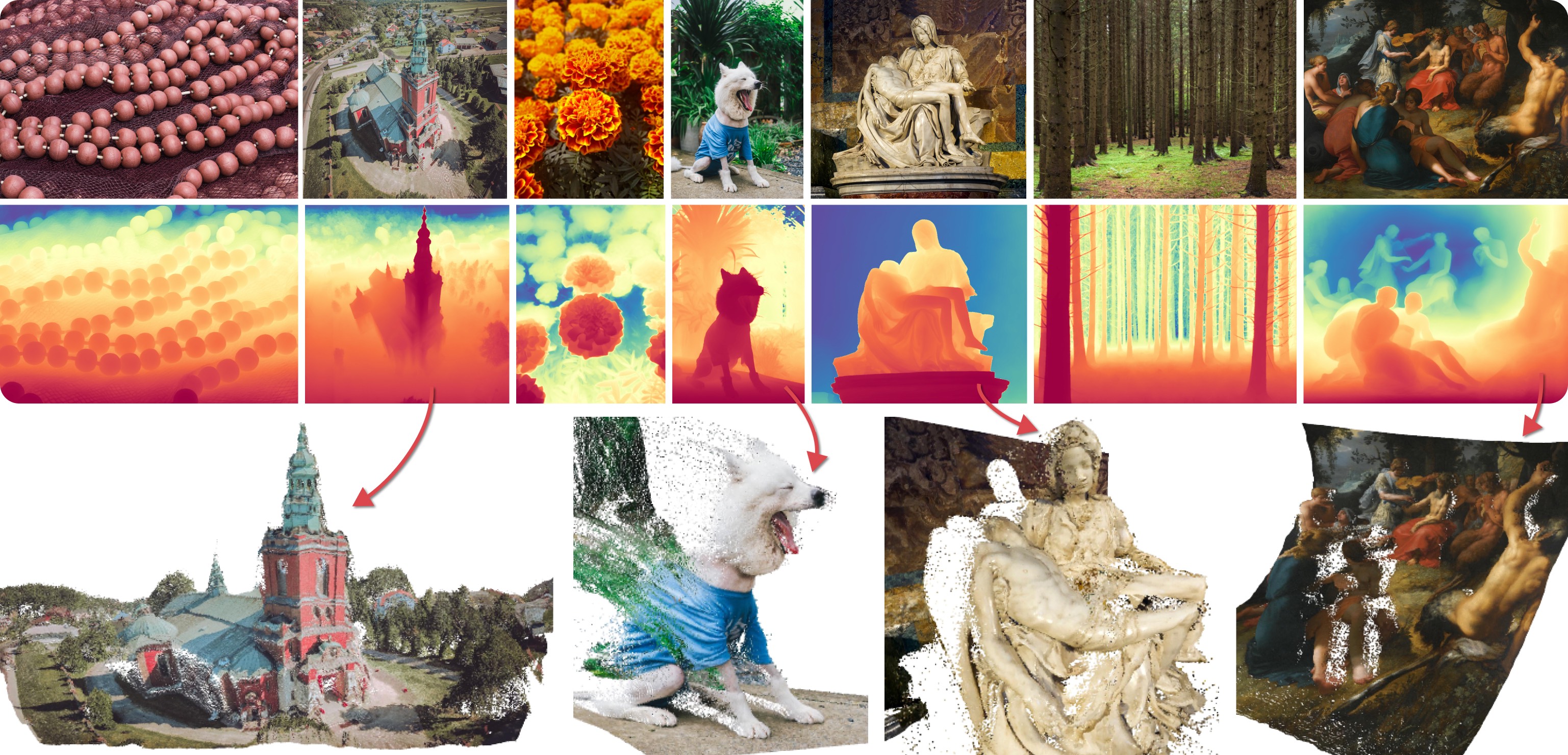
|
||||
|
||||
Marigold was proposed in [Repurposing Diffusion-Based Image Generators for Monocular Depth Estimation](https://huggingface.co/papers/2312.02145), a CVPR 2024 Oral paper by [Bingxin Ke](http://www.kebingxin.com/), [Anton Obukhov](https://www.obukhov.ai/), [Shengyu Huang](https://shengyuh.github.io/), [Nando Metzger](https://nandometzger.github.io/), [Rodrigo Caye Daudt](https://rcdaudt.github.io/), and [Konrad Schindler](https://scholar.google.com/citations?user=FZuNgqIAAAAJ&hl=en).
|
||||
The idea is to repurpose the rich generative prior of Text-to-Image Latent Diffusion Models (LDMs) for traditional computer vision tasks.
|
||||
Initially, this idea was explored to fine-tune Stable Diffusion for Monocular Depth Estimation, as shown in the teaser above.
|
||||
Later,
|
||||
- [Tianfu Wang](https://tianfwang.github.io/) trained the first Latent Consistency Model (LCM) of Marigold, which unlocked fast single-step inference;
|
||||
- [Kevin Qu](https://www.linkedin.com/in/kevin-qu-b3417621b/?locale=en_US) extended the approach to Surface Normals Estimation;
|
||||
- [Anton Obukhov](https://www.obukhov.ai/) contributed the pipelines and documentation into diffusers (enabled and supported by [YiYi Xu](https://yiyixuxu.github.io/) and [Sayak Paul](https://sayak.dev/)).
|
||||
|
||||
The abstract from the paper is:
|
||||
|
||||
*Monocular depth estimation is a fundamental computer vision task. Recovering 3D depth from a single image is geometrically ill-posed and requires scene understanding, so it is not surprising that the rise of deep learning has led to a breakthrough. The impressive progress of monocular depth estimators has mirrored the growth in model capacity, from relatively modest CNNs to large Transformer architectures. Still, monocular depth estimators tend to struggle when presented with images with unfamiliar content and layout, since their knowledge of the visual world is restricted by the data seen during training, and challenged by zero-shot generalization to new domains. This motivates us to explore whether the extensive priors captured in recent generative diffusion models can enable better, more generalizable depth estimation. We introduce Marigold, a method for affine-invariant monocular depth estimation that is derived from Stable Diffusion and retains its rich prior knowledge. The estimator can be fine-tuned in a couple of days on a single GPU using only synthetic training data. It delivers state-of-the-art performance across a wide range of datasets, including over 20% performance gains in specific cases. Project page: https://marigoldmonodepth.github.io.*
|
||||
|
||||
## Available Pipelines
|
||||
|
||||
Each pipeline supports one Computer Vision task, which takes an input RGB image as input and produces a *prediction* of the modality of interest, such as a depth map of the input image.
|
||||
Currently, the following tasks are implemented:
|
||||
|
||||
| Pipeline | Predicted Modalities | Demos |
|
||||
|---------------------------------------------------------------------------------------------------------------------------------------------|------------------------------------------------------------------------------------------------------------------|:--------------------------------------------------------------------------------------------------------------------------------------------------:|
|
||||
| [MarigoldDepthPipeline](https://github.com/huggingface/diffusers/blob/main/src/diffusers/pipelines/marigold/pipeline_marigold_depth.py) | [Depth](https://en.wikipedia.org/wiki/Depth_map), [Disparity](https://en.wikipedia.org/wiki/Binocular_disparity) | [Fast Demo (LCM)](https://huggingface.co/spaces/prs-eth/marigold-lcm), [Slow Original Demo (DDIM)](https://huggingface.co/spaces/prs-eth/marigold) |
|
||||
| [MarigoldNormalsPipeline](https://github.com/huggingface/diffusers/blob/main/src/diffusers/pipelines/marigold/pipeline_marigold_normals.py) | [Surface normals](https://en.wikipedia.org/wiki/Normal_mapping) | [Fast Demo (LCM)](https://huggingface.co/spaces/prs-eth/marigold-normals-lcm) |
|
||||
|
||||
|
||||
## Available Checkpoints
|
||||
|
||||
The original checkpoints can be found under the [PRS-ETH](https://huggingface.co/prs-eth/) Hugging Face organization.
|
||||
|
||||
<Tip>
|
||||
|
||||
Make sure to check out the Schedulers [guide](../../using-diffusers/schedulers) to learn how to explore the tradeoff between scheduler speed and quality, and see the [reuse components across pipelines](../../using-diffusers/loading#reuse-components-across-pipelines) section to learn how to efficiently load the same components into multiple pipelines. Also, to know more about reducing the memory usage of this pipeline, refer to the ["Reduce memory usage"] section [here](../../using-diffusers/svd#reduce-memory-usage).
|
||||
|
||||
</Tip>
|
||||
|
||||
<Tip warning={true}>
|
||||
|
||||
Marigold pipelines were designed and tested only with `DDIMScheduler` and `LCMScheduler`.
|
||||
Depending on the scheduler, the number of inference steps required to get reliable predictions varies, and there is no universal value that works best across schedulers.
|
||||
Because of that, the default value of `num_inference_steps` in the `__call__` method of the pipeline is set to `None` (see the API reference).
|
||||
Unless set explicitly, its value will be taken from the checkpoint configuration `model_index.json`.
|
||||
This is done to ensure high-quality predictions when calling the pipeline with just the `image` argument.
|
||||
|
||||
</Tip>
|
||||
|
||||
See also Marigold [usage examples](marigold_usage).
|
||||
|
||||
## MarigoldDepthPipeline
|
||||
[[autodoc]] MarigoldDepthPipeline
|
||||
- all
|
||||
- __call__
|
||||
|
||||
## MarigoldNormalsPipeline
|
||||
[[autodoc]] MarigoldNormalsPipeline
|
||||
- all
|
||||
- __call__
|
||||
|
||||
## MarigoldDepthOutput
|
||||
[[autodoc]] pipelines.marigold.pipeline_marigold_depth.MarigoldDepthOutput
|
||||
|
||||
## MarigoldNormalsOutput
|
||||
[[autodoc]] pipelines.marigold.pipeline_marigold_normals.MarigoldNormalsOutput
|
||||
@@ -97,11 +97,6 @@ The table below lists all the pipelines currently available in 🤗 Diffusers an
|
||||
- to
|
||||
- components
|
||||
|
||||
|
||||
[[autodoc]] pipelines.StableDiffusionMixin.enable_freeu
|
||||
|
||||
[[autodoc]] pipelines.StableDiffusionMixin.disable_freeu
|
||||
|
||||
## FlaxDiffusionPipeline
|
||||
|
||||
[[autodoc]] pipelines.pipeline_flax_utils.FlaxDiffusionPipeline
|
||||
|
||||
@@ -1,46 +0,0 @@
|
||||
<!--Copyright 2024 The HuggingFace Team. All rights reserved.
|
||||
|
||||
Licensed under the Apache License, Version 2.0 (the "License"); you may not use this file except in compliance with
|
||||
the License. You may obtain a copy of the License at
|
||||
|
||||
http://www.apache.org/licenses/LICENSE-2.0
|
||||
|
||||
Unless required by applicable law or agreed to in writing, software distributed under the License is distributed on
|
||||
an "AS IS" BASIS, WITHOUT WARRANTIES OR CONDITIONS OF ANY KIND, either express or implied. See the License for the
|
||||
specific language governing permissions and limitations under the License.
|
||||
-->
|
||||
|
||||
# Perturbed-Attention Guidance
|
||||
|
||||
[Perturbed-Attention Guidance (PAG)](https://ku-cvlab.github.io/Perturbed-Attention-Guidance/) is a new diffusion sampling guidance that improves sample quality across both unconditional and conditional settings, achieving this without requiring further training or the integration of external modules.
|
||||
|
||||
PAG was introduced in [Self-Rectifying Diffusion Sampling with Perturbed-Attention Guidance](https://huggingface.co/papers/2403.17377) by Donghoon Ahn, Hyoungwon Cho, Jaewon Min, Wooseok Jang, Jungwoo Kim, SeonHwa Kim, Hyun Hee Park, Kyong Hwan Jin and Seungryong Kim.
|
||||
|
||||
The abstract from the paper is:
|
||||
|
||||
*Recent studies have demonstrated that diffusion models are capable of generating high-quality samples, but their quality heavily depends on sampling guidance techniques, such as classifier guidance (CG) and classifier-free guidance (CFG). These techniques are often not applicable in unconditional generation or in various downstream tasks such as image restoration. In this paper, we propose a novel sampling guidance, called Perturbed-Attention Guidance (PAG), which improves diffusion sample quality across both unconditional and conditional settings, achieving this without requiring additional training or the integration of external modules. PAG is designed to progressively enhance the structure of samples throughout the denoising process. It involves generating intermediate samples with degraded structure by substituting selected self-attention maps in diffusion U-Net with an identity matrix, by considering the self-attention mechanisms' ability to capture structural information, and guiding the denoising process away from these degraded samples. In both ADM and Stable Diffusion, PAG surprisingly improves sample quality in conditional and even unconditional scenarios. Moreover, PAG significantly improves the baseline performance in various downstream tasks where existing guidances such as CG or CFG cannot be fully utilized, including ControlNet with empty prompts and image restoration such as inpainting and deblurring.*
|
||||
|
||||
## StableDiffusionPAGPipeline
|
||||
[[autodoc]] StableDiffusionPAGPipeline
|
||||
- all
|
||||
- __call__
|
||||
|
||||
## StableDiffusionXLPAGPipeline
|
||||
[[autodoc]] StableDiffusionXLPAGPipeline
|
||||
- all
|
||||
- __call__
|
||||
|
||||
## StableDiffusionXLPAGImg2ImgPipeline
|
||||
[[autodoc]] StableDiffusionXLPAGImg2ImgPipeline
|
||||
- all
|
||||
- __call__
|
||||
|
||||
## StableDiffusionXLPAGInpaintPipeline
|
||||
[[autodoc]] StableDiffusionXLPAGInpaintPipeline
|
||||
- all
|
||||
- __call__
|
||||
|
||||
## StableDiffusionXLControlNetPAGPipeline
|
||||
[[autodoc]] StableDiffusionXLControlNetPAGPipeline
|
||||
- all
|
||||
- __call__
|
||||
@@ -31,13 +31,13 @@ Some notes about this pipeline:
|
||||
|
||||
<Tip>
|
||||
|
||||
Make sure to check out the Schedulers [guide](../../using-diffusers/schedulers.md) to learn how to explore the tradeoff between scheduler speed and quality, and see the [reuse components across pipelines](../../using-diffusers/loading.md#reuse-a-pipeline) section to learn how to efficiently load the same components into multiple pipelines.
|
||||
Make sure to check out the Schedulers [guide](../../using-diffusers/schedulers) to learn how to explore the tradeoff between scheduler speed and quality, and see the [reuse components across pipelines](../../using-diffusers/loading#reuse-components-across-pipelines) section to learn how to efficiently load the same components into multiple pipelines.
|
||||
|
||||
</Tip>
|
||||
|
||||
## Inference with under 8GB GPU VRAM
|
||||
|
||||
Run the [`PixArtAlphaPipeline`] with under 8GB GPU VRAM by loading the text encoder in 8-bit precision. Let's walk through a full-fledged example.
|
||||
Run the [`PixArtAlphaPipeline`] with under 8GB GPU VRAM by loading the text encoder in 8-bit precision. Let's walk through a full-fledged example.
|
||||
|
||||
First, install the [bitsandbytes](https://github.com/TimDettmers/bitsandbytes) library:
|
||||
|
||||
@@ -75,10 +75,10 @@ with torch.no_grad():
|
||||
prompt_embeds, prompt_attention_mask, negative_embeds, negative_prompt_attention_mask = pipe.encode_prompt(prompt)
|
||||
```
|
||||
|
||||
Since text embeddings have been computed, remove the `text_encoder` and `pipe` from the memory, and free up some GPU VRAM:
|
||||
Since text embeddings have been computed, remove the `text_encoder` and `pipe` from the memory, and free up som GPU VRAM:
|
||||
|
||||
```python
|
||||
import gc
|
||||
import gc
|
||||
|
||||
def flush():
|
||||
gc.collect()
|
||||
@@ -99,7 +99,7 @@ pipe = PixArtAlphaPipeline.from_pretrained(
|
||||
).to("cuda")
|
||||
|
||||
latents = pipe(
|
||||
negative_prompt=None,
|
||||
negative_prompt=None,
|
||||
prompt_embeds=prompt_embeds,
|
||||
negative_prompt_embeds=negative_embeds,
|
||||
prompt_attention_mask=prompt_attention_mask,
|
||||
@@ -146,3 +146,4 @@ While loading the `text_encoder`, you set `load_in_8bit` to `True`. You could al
|
||||
[[autodoc]] PixArtAlphaPipeline
|
||||
- all
|
||||
- __call__
|
||||
|
||||
@@ -1,155 +0,0 @@
|
||||
<!--Copyright 2024 The HuggingFace Team. All rights reserved.
|
||||
|
||||
Licensed under the Apache License, Version 2.0 (the "License"); you may not use this file except in compliance with
|
||||
the License. You may obtain a copy of the License at
|
||||
|
||||
http://www.apache.org/licenses/LICENSE-2.0
|
||||
|
||||
Unless required by applicable law or agreed to in writing, software distributed under the License is distributed on
|
||||
an "AS IS" BASIS, WITHOUT WARRANTIES OR CONDITIONS OF ANY KIND, either express or implied. See the License for the
|
||||
specific language governing permissions and limitations under the License.
|
||||
-->
|
||||
|
||||
# PixArt-Σ
|
||||
|
||||

|
||||
|
||||
[PixArt-Σ: Weak-to-Strong Training of Diffusion Transformer for 4K Text-to-Image Generation](https://huggingface.co/papers/2403.04692) is Junsong Chen, Jincheng Yu, Chongjian Ge, Lewei Yao, Enze Xie, Yue Wu, Zhongdao Wang, James Kwok, Ping Luo, Huchuan Lu, and Zhenguo Li.
|
||||
|
||||
The abstract from the paper is:
|
||||
|
||||
*In this paper, we introduce PixArt-Σ, a Diffusion Transformer model (DiT) capable of directly generating images at 4K resolution. PixArt-Σ represents a significant advancement over its predecessor, PixArt-α, offering images of markedly higher fidelity and improved alignment with text prompts. A key feature of PixArt-Σ is its training efficiency. Leveraging the foundational pre-training of PixArt-α, it evolves from the ‘weaker’ baseline to a ‘stronger’ model via incorporating higher quality data, a process we term “weak-to-strong training”. The advancements in PixArt-Σ are twofold: (1) High-Quality Training Data: PixArt-Σ incorporates superior-quality image data, paired with more precise and detailed image captions. (2) Efficient Token Compression: we propose a novel attention module within the DiT framework that compresses both keys and values, significantly improving efficiency and facilitating ultra-high-resolution image generation. Thanks to these improvements, PixArt-Σ achieves superior image quality and user prompt adherence capabilities with significantly smaller model size (0.6B parameters) than existing text-to-image diffusion models, such as SDXL (2.6B parameters) and SD Cascade (5.1B parameters). Moreover, PixArt-Σ’s capability to generate 4K images supports the creation of high-resolution posters and wallpapers, efficiently bolstering the production of highquality visual content in industries such as film and gaming.*
|
||||
|
||||
You can find the original codebase at [PixArt-alpha/PixArt-sigma](https://github.com/PixArt-alpha/PixArt-sigma) and all the available checkpoints at [PixArt-alpha](https://huggingface.co/PixArt-alpha).
|
||||
|
||||
Some notes about this pipeline:
|
||||
|
||||
* It uses a Transformer backbone (instead of a UNet) for denoising. As such it has a similar architecture as [DiT](https://hf.co/docs/transformers/model_doc/dit).
|
||||
* It was trained using text conditions computed from T5. This aspect makes the pipeline better at following complex text prompts with intricate details.
|
||||
* It is good at producing high-resolution images at different aspect ratios. To get the best results, the authors recommend some size brackets which can be found [here](https://github.com/PixArt-alpha/PixArt-sigma/blob/master/diffusion/data/datasets/utils.py).
|
||||
* It rivals the quality of state-of-the-art text-to-image generation systems (as of this writing) such as PixArt-α, Stable Diffusion XL, Playground V2.0 and DALL-E 3, while being more efficient than them.
|
||||
* It shows the ability of generating super high resolution images, such as 2048px or even 4K.
|
||||
* It shows that text-to-image models can grow from a weak model to a stronger one through several improvements (VAEs, datasets, and so on.)
|
||||
|
||||
<Tip>
|
||||
|
||||
Make sure to check out the Schedulers [guide](../../using-diffusers/schedulers) to learn how to explore the tradeoff between scheduler speed and quality, and see the [reuse components across pipelines](../../using-diffusers/loading#reuse-a-pipeline) section to learn how to efficiently load the same components into multiple pipelines.
|
||||
|
||||
</Tip>
|
||||
|
||||
<Tip>
|
||||
|
||||
You can further improve generation quality by passing the generated image from [`PixArtSigmaPipeline`] to the [SDXL refiner](../../using-diffusers/sdxl#base-to-refiner-model) model.
|
||||
|
||||
</Tip>
|
||||
|
||||
## Inference with under 8GB GPU VRAM
|
||||
|
||||
Run the [`PixArtSigmaPipeline`] with under 8GB GPU VRAM by loading the text encoder in 8-bit precision. Let's walk through a full-fledged example.
|
||||
|
||||
First, install the [bitsandbytes](https://github.com/TimDettmers/bitsandbytes) library:
|
||||
|
||||
```bash
|
||||
pip install -U bitsandbytes
|
||||
```
|
||||
|
||||
Then load the text encoder in 8-bit:
|
||||
|
||||
```python
|
||||
from transformers import T5EncoderModel
|
||||
from diffusers import PixArtSigmaPipeline
|
||||
import torch
|
||||
|
||||
text_encoder = T5EncoderModel.from_pretrained(
|
||||
"PixArt-alpha/PixArt-Sigma-XL-2-1024-MS",
|
||||
subfolder="text_encoder",
|
||||
load_in_8bit=True,
|
||||
device_map="auto",
|
||||
)
|
||||
pipe = PixArtSigmaPipeline.from_pretrained(
|
||||
"PixArt-alpha/PixArt-Sigma-XL-2-1024-MS",
|
||||
text_encoder=text_encoder,
|
||||
transformer=None,
|
||||
device_map="balanced"
|
||||
)
|
||||
```
|
||||
|
||||
Now, use the `pipe` to encode a prompt:
|
||||
|
||||
```python
|
||||
with torch.no_grad():
|
||||
prompt = "cute cat"
|
||||
prompt_embeds, prompt_attention_mask, negative_embeds, negative_prompt_attention_mask = pipe.encode_prompt(prompt)
|
||||
```
|
||||
|
||||
Since text embeddings have been computed, remove the `text_encoder` and `pipe` from the memory, and free up some GPU VRAM:
|
||||
|
||||
```python
|
||||
import gc
|
||||
|
||||
def flush():
|
||||
gc.collect()
|
||||
torch.cuda.empty_cache()
|
||||
|
||||
del text_encoder
|
||||
del pipe
|
||||
flush()
|
||||
```
|
||||
|
||||
Then compute the latents with the prompt embeddings as inputs:
|
||||
|
||||
```python
|
||||
pipe = PixArtSigmaPipeline.from_pretrained(
|
||||
"PixArt-alpha/PixArt-Sigma-XL-2-1024-MS",
|
||||
text_encoder=None,
|
||||
torch_dtype=torch.float16,
|
||||
).to("cuda")
|
||||
|
||||
latents = pipe(
|
||||
negative_prompt=None,
|
||||
prompt_embeds=prompt_embeds,
|
||||
negative_prompt_embeds=negative_embeds,
|
||||
prompt_attention_mask=prompt_attention_mask,
|
||||
negative_prompt_attention_mask=negative_prompt_attention_mask,
|
||||
num_images_per_prompt=1,
|
||||
output_type="latent",
|
||||
).images
|
||||
|
||||
del pipe.transformer
|
||||
flush()
|
||||
```
|
||||
|
||||
<Tip>
|
||||
|
||||
Notice that while initializing `pipe`, you're setting `text_encoder` to `None` so that it's not loaded.
|
||||
|
||||
</Tip>
|
||||
|
||||
Once the latents are computed, pass it off to the VAE to decode into a real image:
|
||||
|
||||
```python
|
||||
with torch.no_grad():
|
||||
image = pipe.vae.decode(latents / pipe.vae.config.scaling_factor, return_dict=False)[0]
|
||||
image = pipe.image_processor.postprocess(image, output_type="pil")[0]
|
||||
image.save("cat.png")
|
||||
```
|
||||
|
||||
By deleting components you aren't using and flushing the GPU VRAM, you should be able to run [`PixArtSigmaPipeline`] with under 8GB GPU VRAM.
|
||||
|
||||

|
||||
|
||||
If you want a report of your memory-usage, run this [script](https://gist.github.com/sayakpaul/3ae0f847001d342af27018a96f467e4e).
|
||||
|
||||
<Tip warning={true}>
|
||||
|
||||
Text embeddings computed in 8-bit can impact the quality of the generated images because of the information loss in the representation space caused by the reduced precision. It's recommended to compare the outputs with and without 8-bit.
|
||||
|
||||
</Tip>
|
||||
|
||||
While loading the `text_encoder`, you set `load_in_8bit` to `True`. You could also specify `load_in_4bit` to bring your memory requirements down even further to under 7GB.
|
||||
|
||||
## PixArtSigmaPipeline
|
||||
|
||||
[[autodoc]] PixArtSigmaPipeline
|
||||
- all
|
||||
- __call__
|
||||
@@ -10,7 +10,9 @@ an "AS IS" BASIS, WITHOUT WARRANTIES OR CONDITIONS OF ANY KIND, either express o
|
||||
specific language governing permissions and limitations under the License.
|
||||
-->
|
||||
|
||||
# T2I-Adapter
|
||||
# Text-to-Image Generation with Adapter Conditioning
|
||||
|
||||
## Overview
|
||||
|
||||
[T2I-Adapter: Learning Adapters to Dig out More Controllable Ability for Text-to-Image Diffusion Models](https://arxiv.org/abs/2302.08453) by Chong Mou, Xintao Wang, Liangbin Xie, Jian Zhang, Zhongang Qi, Ying Shan, Xiaohu Qie.
|
||||
|
||||
@@ -22,26 +24,236 @@ The abstract of the paper is the following:
|
||||
|
||||
This model was contributed by the community contributor [HimariO](https://github.com/HimariO) ❤️ .
|
||||
|
||||
## StableDiffusionAdapterPipeline
|
||||
## Available Pipelines:
|
||||
|
||||
| Pipeline | Tasks | Demo
|
||||
|---|---|:---:|
|
||||
| [StableDiffusionAdapterPipeline](https://github.com/huggingface/diffusers/blob/main/src/diffusers/pipelines/t2i_adapter/pipeline_stable_diffusion_adapter.py) | *Text-to-Image Generation with T2I-Adapter Conditioning* | -
|
||||
| [StableDiffusionXLAdapterPipeline](https://github.com/huggingface/diffusers/blob/main/src/diffusers/pipelines/t2i_adapter/pipeline_stable_diffusion_xl_adapter.py) | *Text-to-Image Generation with T2I-Adapter Conditioning on StableDiffusion-XL* | -
|
||||
|
||||
## Usage example with the base model of StableDiffusion-1.4/1.5
|
||||
|
||||
In the following we give a simple example of how to use a *T2I-Adapter* checkpoint with Diffusers for inference based on StableDiffusion-1.4/1.5.
|
||||
All adapters use the same pipeline.
|
||||
|
||||
1. Images are first converted into the appropriate *control image* format.
|
||||
2. The *control image* and *prompt* are passed to the [`StableDiffusionAdapterPipeline`].
|
||||
|
||||
Let's have a look at a simple example using the [Color Adapter](https://huggingface.co/TencentARC/t2iadapter_color_sd14v1).
|
||||
|
||||
```python
|
||||
from diffusers.utils import load_image, make_image_grid
|
||||
|
||||
image = load_image("https://huggingface.co/datasets/diffusers/docs-images/resolve/main/t2i-adapter/color_ref.png")
|
||||
```
|
||||
|
||||
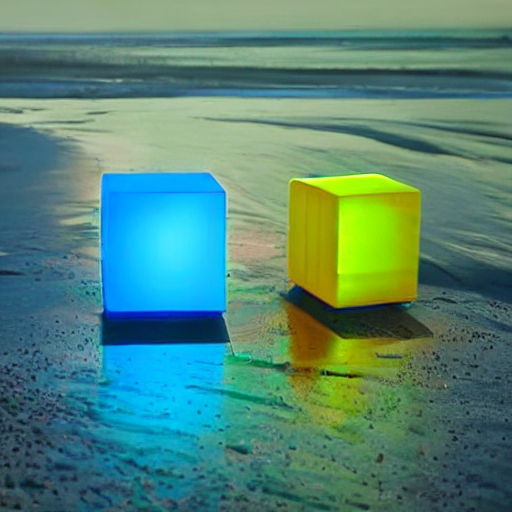
|
||||
|
||||
|
||||
Then we can create our color palette by simply resizing it to 8 by 8 pixels and then scaling it back to original size.
|
||||
|
||||
```python
|
||||
from PIL import Image
|
||||
|
||||
color_palette = image.resize((8, 8))
|
||||
color_palette = color_palette.resize((512, 512), resample=Image.Resampling.NEAREST)
|
||||
```
|
||||
|
||||
Let's take a look at the processed image.
|
||||
|
||||

|
||||
|
||||
|
||||
Next, create the adapter pipeline
|
||||
|
||||
```py
|
||||
import torch
|
||||
from diffusers import StableDiffusionAdapterPipeline, T2IAdapter
|
||||
|
||||
adapter = T2IAdapter.from_pretrained("TencentARC/t2iadapter_color_sd14v1", torch_dtype=torch.float16)
|
||||
pipe = StableDiffusionAdapterPipeline.from_pretrained(
|
||||
"CompVis/stable-diffusion-v1-4",
|
||||
adapter=adapter,
|
||||
torch_dtype=torch.float16,
|
||||
)
|
||||
pipe.to("cuda")
|
||||
```
|
||||
|
||||
Finally, pass the prompt and control image to the pipeline
|
||||
|
||||
```py
|
||||
# fix the random seed, so you will get the same result as the example
|
||||
generator = torch.Generator("cuda").manual_seed(7)
|
||||
|
||||
out_image = pipe(
|
||||
"At night, glowing cubes in front of the beach",
|
||||
image=color_palette,
|
||||
generator=generator,
|
||||
).images[0]
|
||||
make_image_grid([image, color_palette, out_image], rows=1, cols=3)
|
||||
```
|
||||
|
||||
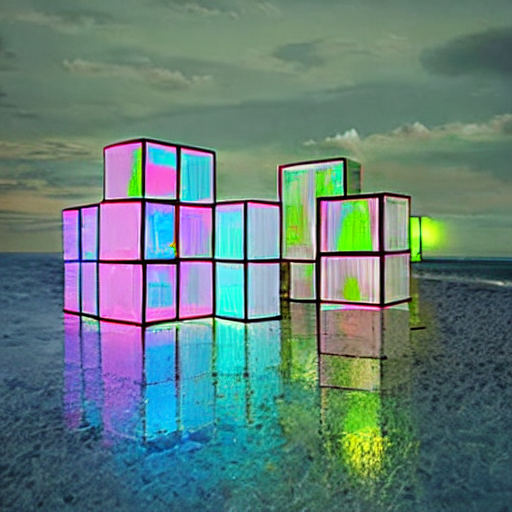
|
||||
|
||||
## Usage example with the base model of StableDiffusion-XL
|
||||
|
||||
In the following we give a simple example of how to use a *T2I-Adapter* checkpoint with Diffusers for inference based on StableDiffusion-XL.
|
||||
All adapters use the same pipeline.
|
||||
|
||||
1. Images are first downloaded into the appropriate *control image* format.
|
||||
2. The *control image* and *prompt* are passed to the [`StableDiffusionXLAdapterPipeline`].
|
||||
|
||||
Let's have a look at a simple example using the [Sketch Adapter](https://huggingface.co/Adapter/t2iadapter/tree/main/sketch_sdxl_1.0).
|
||||
|
||||
```python
|
||||
from diffusers.utils import load_image, make_image_grid
|
||||
|
||||
sketch_image = load_image("https://huggingface.co/Adapter/t2iadapter/resolve/main/sketch.png").convert("L")
|
||||
```
|
||||
|
||||
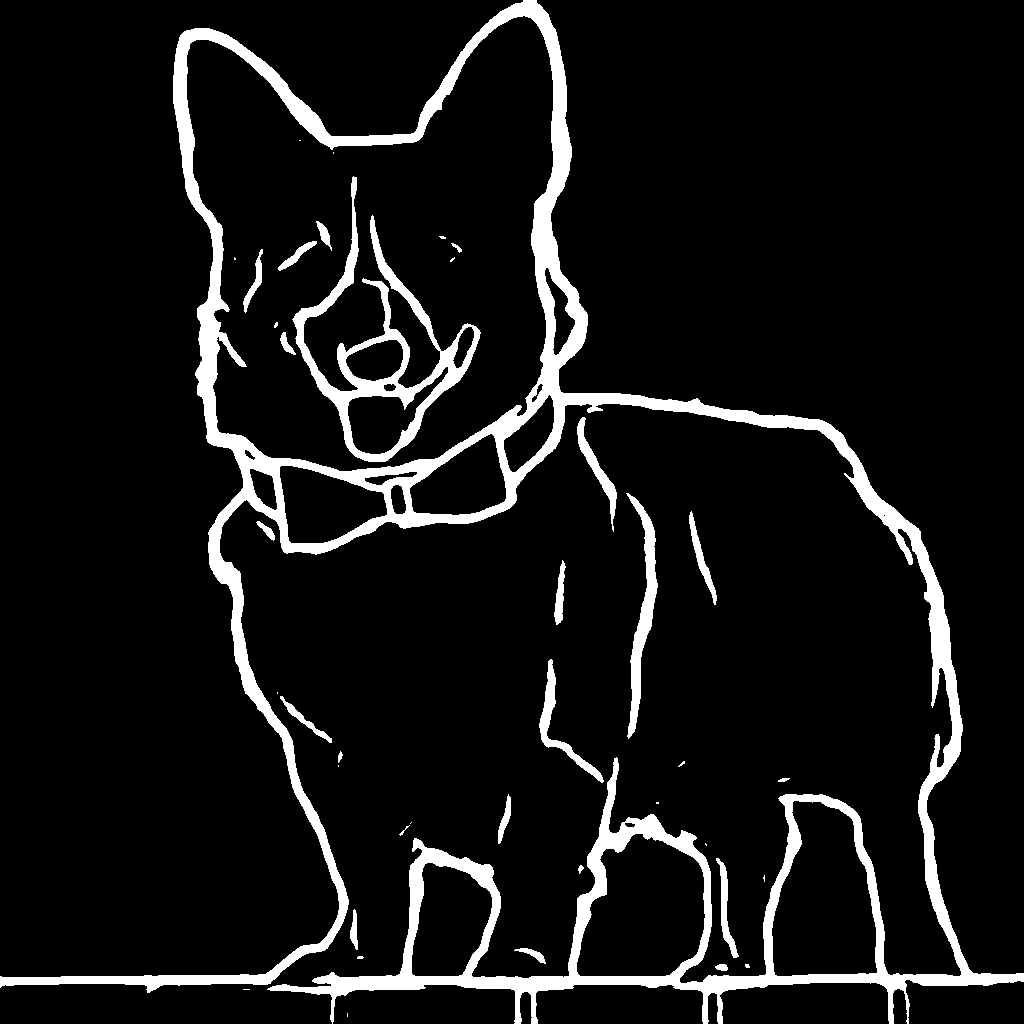
|
||||
|
||||
Then, create the adapter pipeline
|
||||
|
||||
```py
|
||||
import torch
|
||||
from diffusers import (
|
||||
T2IAdapter,
|
||||
StableDiffusionXLAdapterPipeline,
|
||||
DDPMScheduler
|
||||
)
|
||||
|
||||
model_id = "stabilityai/stable-diffusion-xl-base-1.0"
|
||||
adapter = T2IAdapter.from_pretrained("Adapter/t2iadapter", subfolder="sketch_sdxl_1.0", torch_dtype=torch.float16, adapter_type="full_adapter_xl")
|
||||
scheduler = DDPMScheduler.from_pretrained(model_id, subfolder="scheduler")
|
||||
|
||||
pipe = StableDiffusionXLAdapterPipeline.from_pretrained(
|
||||
model_id, adapter=adapter, safety_checker=None, torch_dtype=torch.float16, variant="fp16", scheduler=scheduler
|
||||
)
|
||||
|
||||
pipe.to("cuda")
|
||||
```
|
||||
|
||||
Finally, pass the prompt and control image to the pipeline
|
||||
|
||||
```py
|
||||
# fix the random seed, so you will get the same result as the example
|
||||
generator = torch.Generator().manual_seed(42)
|
||||
|
||||
sketch_image_out = pipe(
|
||||
prompt="a photo of a dog in real world, high quality",
|
||||
negative_prompt="extra digit, fewer digits, cropped, worst quality, low quality",
|
||||
image=sketch_image,
|
||||
generator=generator,
|
||||
guidance_scale=7.5
|
||||
).images[0]
|
||||
make_image_grid([sketch_image, sketch_image_out], rows=1, cols=2)
|
||||
```
|
||||
|
||||
|
||||
|
||||
## Available checkpoints
|
||||
|
||||
Non-diffusers checkpoints can be found under [TencentARC/T2I-Adapter](https://huggingface.co/TencentARC/T2I-Adapter/tree/main/models).
|
||||
|
||||
### T2I-Adapter with Stable Diffusion 1.4
|
||||
|
||||
| Model Name | Control Image Overview| Control Image Example | Generated Image Example |
|
||||
|---|---|---|---|
|
||||
|[TencentARC/t2iadapter_color_sd14v1](https://huggingface.co/TencentARC/t2iadapter_color_sd14v1)<br/> *Trained with spatial color palette* | An image with 8x8 color palette.|<a href="https://huggingface.co/datasets/diffusers/docs-images/resolve/main/t2i-adapter/color_sample_input.png"><img width="64" style="margin:0;padding:0;" src="https://huggingface.co/datasets/diffusers/docs-images/resolve/main/t2i-adapter/color_sample_input.png"/></a>|<a href="https://huggingface.co/datasets/diffusers/docs-images/resolve/main/t2i-adapter/color_sample_output.png"><img width="64" src="https://huggingface.co/datasets/diffusers/docs-images/resolve/main/t2i-adapter/color_sample_output.png"/></a>|
|
||||
|[TencentARC/t2iadapter_canny_sd14v1](https://huggingface.co/TencentARC/t2iadapter_canny_sd14v1)<br/> *Trained with canny edge detection* | A monochrome image with white edges on a black background.|<a href="https://huggingface.co/datasets/diffusers/docs-images/resolve/main/t2i-adapter/canny_sample_input.png"><img width="64" style="margin:0;padding:0;" src="https://huggingface.co/datasets/diffusers/docs-images/resolve/main/t2i-adapter/canny_sample_input.png"/></a>|<a href="https://huggingface.co/datasets/diffusers/docs-images/resolve/main/t2i-adapter/canny_sample_output.png"><img width="64" src="https://huggingface.co/datasets/diffusers/docs-images/resolve/main/t2i-adapter/canny_sample_output.png"/></a>|
|
||||
|[TencentARC/t2iadapter_sketch_sd14v1](https://huggingface.co/TencentARC/t2iadapter_sketch_sd14v1)<br/> *Trained with [PidiNet](https://github.com/zhuoinoulu/pidinet) edge detection* | A hand-drawn monochrome image with white outlines on a black background.|<a href="https://huggingface.co/datasets/diffusers/docs-images/resolve/main/t2i-adapter/sketch_sample_input.png"><img width="64" style="margin:0;padding:0;" src="https://huggingface.co/datasets/diffusers/docs-images/resolve/main/t2i-adapter/sketch_sample_input.png"/></a>|<a href="https://huggingface.co/datasets/diffusers/docs-images/resolve/main/t2i-adapter/sketch_sample_output.png"><img width="64" src="https://huggingface.co/datasets/diffusers/docs-images/resolve/main/t2i-adapter/sketch_sample_output.png"/></a>|
|
||||
|[TencentARC/t2iadapter_depth_sd14v1](https://huggingface.co/TencentARC/t2iadapter_depth_sd14v1)<br/> *Trained with Midas depth estimation* | A grayscale image with black representing deep areas and white representing shallow areas.|<a href="https://huggingface.co/datasets/diffusers/docs-images/resolve/main/t2i-adapter/depth_sample_input.png"><img width="64" src="https://huggingface.co/datasets/diffusers/docs-images/resolve/main/t2i-adapter/depth_sample_input.png"/></a>|<a href="https://huggingface.co/datasets/diffusers/docs-images/resolve/main/t2i-adapter/depth_sample_output.png"><img width="64" src="https://huggingface.co/datasets/diffusers/docs-images/resolve/main/t2i-adapter/depth_sample_output.png"/></a>|
|
||||
|[TencentARC/t2iadapter_openpose_sd14v1](https://huggingface.co/TencentARC/t2iadapter_openpose_sd14v1)<br/> *Trained with OpenPose bone image* | A [OpenPose bone](https://github.com/CMU-Perceptual-Computing-Lab/openpose) image.|<a href="https://huggingface.co/datasets/diffusers/docs-images/resolve/main/t2i-adapter/openpose_sample_input.png"><img width="64" src="https://huggingface.co/datasets/diffusers/docs-images/resolve/main/t2i-adapter/openpose_sample_input.png"/></a>|<a href="https://huggingface.co/datasets/diffusers/docs-images/resolve/main/t2i-adapter/openpose_sample_output.png"><img width="64" src="https://huggingface.co/datasets/diffusers/docs-images/resolve/main/t2i-adapter/openpose_sample_output.png"/></a>|
|
||||
|[TencentARC/t2iadapter_keypose_sd14v1](https://huggingface.co/TencentARC/t2iadapter_keypose_sd14v1)<br/> *Trained with mmpose skeleton image* | A [mmpose skeleton](https://github.com/open-mmlab/mmpose) image.|<a href="https://huggingface.co/datasets/diffusers/docs-images/resolve/main/t2i-adapter/keypose_sample_input.png"><img width="64" src="https://huggingface.co/datasets/diffusers/docs-images/resolve/main/t2i-adapter/keypose_sample_input.png"/></a>|<a href="https://huggingface.co/datasets/diffusers/docs-images/resolve/main/t2i-adapter/keypose_sample_output.png"><img width="64" src="https://huggingface.co/datasets/diffusers/docs-images/resolve/main/t2i-adapter/keypose_sample_output.png"/></a>|
|
||||
|[TencentARC/t2iadapter_seg_sd14v1](https://huggingface.co/TencentARC/t2iadapter_seg_sd14v1)<br/>*Trained with semantic segmentation* | An [custom](https://github.com/TencentARC/T2I-Adapter/discussions/25) segmentation protocol image.|<a href="https://huggingface.co/datasets/diffusers/docs-images/resolve/main/t2i-adapter/seg_sample_input.png"><img width="64" src="https://huggingface.co/datasets/diffusers/docs-images/resolve/main/t2i-adapter/seg_sample_input.png"/></a>|<a href="https://huggingface.co/datasets/diffusers/docs-images/resolve/main/t2i-adapter/seg_sample_output.png"><img width="64" src="https://huggingface.co/datasets/diffusers/docs-images/resolve/main/t2i-adapter/seg_sample_output.png"/></a> |
|
||||
|[TencentARC/t2iadapter_canny_sd15v2](https://huggingface.co/TencentARC/t2iadapter_canny_sd15v2)||
|
||||
|[TencentARC/t2iadapter_depth_sd15v2](https://huggingface.co/TencentARC/t2iadapter_depth_sd15v2)||
|
||||
|[TencentARC/t2iadapter_sketch_sd15v2](https://huggingface.co/TencentARC/t2iadapter_sketch_sd15v2)||
|
||||
|[TencentARC/t2iadapter_zoedepth_sd15v1](https://huggingface.co/TencentARC/t2iadapter_zoedepth_sd15v1)||
|
||||
|[Adapter/t2iadapter, subfolder='sketch_sdxl_1.0'](https://huggingface.co/Adapter/t2iadapter/tree/main/sketch_sdxl_1.0)||
|
||||
|[Adapter/t2iadapter, subfolder='canny_sdxl_1.0'](https://huggingface.co/Adapter/t2iadapter/tree/main/canny_sdxl_1.0)||
|
||||
|[Adapter/t2iadapter, subfolder='openpose_sdxl_1.0'](https://huggingface.co/Adapter/t2iadapter/tree/main/openpose_sdxl_1.0)||
|
||||
|
||||
## Combining multiple adapters
|
||||
|
||||
[`MultiAdapter`] can be used for applying multiple conditionings at once.
|
||||
|
||||
Here we use the keypose adapter for the character posture and the depth adapter for creating the scene.
|
||||
|
||||
```py
|
||||
from diffusers.utils import load_image, make_image_grid
|
||||
|
||||
cond_keypose = load_image(
|
||||
"https://huggingface.co/datasets/diffusers/docs-images/resolve/main/t2i-adapter/keypose_sample_input.png"
|
||||
)
|
||||
cond_depth = load_image(
|
||||
"https://huggingface.co/datasets/diffusers/docs-images/resolve/main/t2i-adapter/depth_sample_input.png"
|
||||
)
|
||||
cond = [cond_keypose, cond_depth]
|
||||
|
||||
prompt = ["A man walking in an office room with a nice view"]
|
||||
```
|
||||
|
||||
The two control images look as such:
|
||||
|
||||
|
||||
|
||||
|
||||
|
||||
`MultiAdapter` combines keypose and depth adapters.
|
||||
|
||||
`adapter_conditioning_scale` balances the relative influence of the different adapters.
|
||||
|
||||
```py
|
||||
import torch
|
||||
from diffusers import StableDiffusionAdapterPipeline, MultiAdapter, T2IAdapter
|
||||
|
||||
adapters = MultiAdapter(
|
||||
[
|
||||
T2IAdapter.from_pretrained("TencentARC/t2iadapter_keypose_sd14v1"),
|
||||
T2IAdapter.from_pretrained("TencentARC/t2iadapter_depth_sd14v1"),
|
||||
]
|
||||
)
|
||||
adapters = adapters.to(torch.float16)
|
||||
|
||||
pipe = StableDiffusionAdapterPipeline.from_pretrained(
|
||||
"CompVis/stable-diffusion-v1-4",
|
||||
torch_dtype=torch.float16,
|
||||
adapter=adapters,
|
||||
).to("cuda")
|
||||
|
||||
image = pipe(prompt, cond, adapter_conditioning_scale=[0.8, 0.8]).images[0]
|
||||
make_image_grid([cond_keypose, cond_depth, image], rows=1, cols=3)
|
||||
```
|
||||
|
||||

|
||||
|
||||
|
||||
## T2I-Adapter vs ControlNet
|
||||
|
||||
T2I-Adapter is similar to [ControlNet](https://huggingface.co/docs/diffusers/main/en/api/pipelines/controlnet).
|
||||
T2I-Adapter uses a smaller auxiliary network which is only run once for the entire diffusion process.
|
||||
However, T2I-Adapter performs slightly worse than ControlNet.
|
||||
|
||||
## StableDiffusionAdapterPipeline
|
||||
[[autodoc]] StableDiffusionAdapterPipeline
|
||||
- all
|
||||
- __call__
|
||||
- enable_attention_slicing
|
||||
- disable_attention_slicing
|
||||
- enable_vae_slicing
|
||||
- disable_vae_slicing
|
||||
- enable_xformers_memory_efficient_attention
|
||||
- disable_xformers_memory_efficient_attention
|
||||
- all
|
||||
- __call__
|
||||
- enable_attention_slicing
|
||||
- disable_attention_slicing
|
||||
- enable_vae_slicing
|
||||
- disable_vae_slicing
|
||||
- enable_xformers_memory_efficient_attention
|
||||
- disable_xformers_memory_efficient_attention
|
||||
|
||||
## StableDiffusionXLAdapterPipeline
|
||||
|
||||
[[autodoc]] StableDiffusionXLAdapterPipeline
|
||||
- all
|
||||
- __call__
|
||||
- enable_attention_slicing
|
||||
- disable_attention_slicing
|
||||
- enable_vae_slicing
|
||||
- disable_vae_slicing
|
||||
- enable_xformers_memory_efficient_attention
|
||||
- disable_xformers_memory_efficient_attention
|
||||
- all
|
||||
- __call__
|
||||
- enable_attention_slicing
|
||||
- disable_attention_slicing
|
||||
- enable_vae_slicing
|
||||
- disable_vae_slicing
|
||||
- enable_xformers_memory_efficient_attention
|
||||
- disable_xformers_memory_efficient_attention
|
||||
|
||||
@@ -12,7 +12,7 @@ specific language governing permissions and limitations under the License.
|
||||
|
||||
# K-Diffusion
|
||||
|
||||
[k-diffusion](https://github.com/crowsonkb/k-diffusion) is a popular library created by [Katherine Crowson](https://github.com/crowsonkb/). We provide `StableDiffusionKDiffusionPipeline` and `StableDiffusionXLKDiffusionPipeline` that allow you to run Stable DIffusion with samplers from k-diffusion.
|
||||
[k-diffusion](https://github.com/crowsonkb/k-diffusion) is a popular library created by [Katherine Crowson](https://github.com/crowsonkb/). We provide `StableDiffusionKDiffusionPipeline` and `StableDiffusionXLKDiffusionPipeline` that allow you to run Stable DIffusion with samplers from k-diffusion.
|
||||
|
||||
Note that most the samplers from k-diffusion are implemented in Diffusers and we recommend using existing schedulers. You can find a mapping between k-diffusion samplers and schedulers in Diffusers [here](https://huggingface.co/docs/diffusers/api/schedulers/overview)
|
||||
|
||||
|
||||
@@ -12,11 +12,11 @@ specific language governing permissions and limitations under the License.
|
||||
|
||||
# Text-to-(RGB, depth)
|
||||
|
||||
LDM3D was proposed in [LDM3D: Latent Diffusion Model for 3D](https://huggingface.co/papers/2305.10853) by Gabriela Ben Melech Stan, Diana Wofk, Scottie Fox, Alex Redden, Will Saxton, Jean Yu, Estelle Aflalo, Shao-Yen Tseng, Fabio Nonato, Matthias Muller, and Vasudev Lal. LDM3D generates an image and a depth map from a given text prompt unlike the existing text-to-image diffusion models such as [Stable Diffusion](./overview) which only generates an image. With almost the same number of parameters, LDM3D achieves to create a latent space that can compress both the RGB images and the depth maps.
|
||||
LDM3D was proposed in [LDM3D: Latent Diffusion Model for 3D](https://huggingface.co/papers/2305.10853) by Gabriela Ben Melech Stan, Diana Wofk, Scottie Fox, Alex Redden, Will Saxton, Jean Yu, Estelle Aflalo, Shao-Yen Tseng, Fabio Nonato, Matthias Muller, and Vasudev Lal. LDM3D generates an image and a depth map from a given text prompt unlike the existing text-to-image diffusion models such as [Stable Diffusion](./overview) which only generates an image. With almost the same number of parameters, LDM3D achieves to create a latent space that can compress both the RGB images and the depth maps.
|
||||
|
||||
Two checkpoints are available for use:
|
||||
- [ldm3d-original](https://huggingface.co/Intel/ldm3d). The original checkpoint used in the [paper](https://arxiv.org/pdf/2305.10853.pdf)
|
||||
- [ldm3d-4c](https://huggingface.co/Intel/ldm3d-4c). The new version of LDM3D using 4 channels inputs instead of 6-channels inputs and finetuned on higher resolution images.
|
||||
- [ldm3d-4c](https://huggingface.co/Intel/ldm3d-4c). The new version of LDM3D using 4 channels inputs instead of 6-channels inputs and finetuned on higher resolution images.
|
||||
|
||||
|
||||
The abstract from the paper is:
|
||||
@@ -44,7 +44,7 @@ Make sure to check out the Stable Diffusion [Tips](overview#tips) section to lea
|
||||
|
||||
# Upscaler
|
||||
|
||||
[LDM3D-VR](https://arxiv.org/pdf/2311.03226.pdf) is an extended version of LDM3D.
|
||||
[LDM3D-VR](https://arxiv.org/pdf/2311.03226.pdf) is an extended version of LDM3D.
|
||||
|
||||
The abstract from the paper is:
|
||||
*Latent diffusion models have proven to be state-of-the-art in the creation and manipulation of visual outputs. However, as far as we know, the generation of depth maps jointly with RGB is still limited. We introduce LDM3D-VR, a suite of diffusion models targeting virtual reality development that includes LDM3D-pano and LDM3D-SR. These models enable the generation of panoramic RGBD based on textual prompts and the upscaling of low-resolution inputs to high-resolution RGBD, respectively. Our models are fine-tuned from existing pretrained models on datasets containing panoramic/high-resolution RGB images, depth maps and captions. Both models are evaluated in comparison to existing related methods*
|
||||
|
||||
@@ -177,7 +177,7 @@ inpaint = StableDiffusionInpaintPipeline(**text2img.components)
|
||||
|
||||
The Stable Diffusion pipelines are automatically supported in [Gradio](https://github.com/gradio-app/gradio/), a library that makes creating beautiful and user-friendly machine learning apps on the web a breeze. First, make sure you have Gradio installed:
|
||||
|
||||
```sh
|
||||
```
|
||||
pip install -U gradio
|
||||
```
|
||||
|
||||
@@ -209,4 +209,4 @@ gr.Interface.from_pipeline(pipe).launch()
|
||||
```
|
||||
|
||||
By default, the web demo runs on a local server. If you'd like to share it with others, you can generate a temporary public
|
||||
link by setting `share=True` in `launch()`. Or, you can host your demo on [Hugging Face Spaces](https://huggingface.co/spaces)https://huggingface.co/spaces for a permanent link.
|
||||
link by setting `share=True` in `launch()`. Or, you can host your demo on [Hugging Face Spaces](https://huggingface.co/spaces)https://huggingface.co/spaces for a permanent link.
|
||||
@@ -48,7 +48,7 @@ from diffusers import DiffusionPipeline, DPMSolverMultistepScheduler
|
||||
import torch
|
||||
|
||||
repo_id = "stabilityai/stable-diffusion-2-base"
|
||||
pipe = DiffusionPipeline.from_pretrained(repo_id, torch_dtype=torch.float16, variant="fp16")
|
||||
pipe = DiffusionPipeline.from_pretrained(repo_id, torch_dtype=torch.float16, revision="fp16")
|
||||
|
||||
pipe.scheduler = DPMSolverMultistepScheduler.from_config(pipe.scheduler.config)
|
||||
pipe = pipe.to("cuda")
|
||||
@@ -72,7 +72,7 @@ init_image = load_image(img_url).resize((512, 512))
|
||||
mask_image = load_image(mask_url).resize((512, 512))
|
||||
|
||||
repo_id = "stabilityai/stable-diffusion-2-inpainting"
|
||||
pipe = DiffusionPipeline.from_pretrained(repo_id, torch_dtype=torch.float16, variant="fp16")
|
||||
pipe = DiffusionPipeline.from_pretrained(repo_id, torch_dtype=torch.float16, revision="fp16")
|
||||
|
||||
pipe.scheduler = DPMSolverMultistepScheduler.from_config(pipe.scheduler.config)
|
||||
pipe = pipe.to("cuda")
|
||||
|
||||
@@ -1,315 +0,0 @@
|
||||
<!--Copyright 2024 The HuggingFace Team. All rights reserved.
|
||||
|
||||
Licensed under the Apache License, Version 2.0 (the "License"); you may not use this file except in compliance with
|
||||
the License. You may obtain a copy of the License at
|
||||
|
||||
http://www.apache.org/licenses/LICENSE-2.0
|
||||
|
||||
Unless required by applicable law or agreed to in writing, software distributed under the License is distributed on
|
||||
an "AS IS" BASIS, WITHOUT WARRANTIES OR CONDITIONS OF ANY KIND, either express or implied. See the License for the
|
||||
specific language governing permissions and limitations under the License.
|
||||
-->
|
||||
|
||||
# Stable Diffusion 3
|
||||
|
||||
Stable Diffusion 3 (SD3) was proposed in [Scaling Rectified Flow Transformers for High-Resolution Image Synthesis](https://arxiv.org/pdf/2403.03206.pdf) by Patrick Esser, Sumith Kulal, Andreas Blattmann, Rahim Entezari, Jonas Muller, Harry Saini, Yam Levi, Dominik Lorenz, Axel Sauer, Frederic Boesel, Dustin Podell, Tim Dockhorn, Zion English, Kyle Lacey, Alex Goodwin, Yannik Marek, and Robin Rombach.
|
||||
|
||||
The abstract from the paper is:
|
||||
|
||||
*Diffusion models create data from noise by inverting the forward paths of data towards noise and have emerged as a powerful generative modeling technique for high-dimensional, perceptual data such as images and videos. Rectified flow is a recent generative model formulation that connects data and noise in a straight line. Despite its better theoretical properties and conceptual simplicity, it is not yet decisively established as standard practice. In this work, we improve existing noise sampling techniques for training rectified flow models by biasing them towards perceptually relevant scales. Through a large-scale study, we demonstrate the superior performance of this approach compared to established diffusion formulations for high-resolution text-to-image synthesis. Additionally, we present a novel transformer-based architecture for text-to-image generation that uses separate weights for the two modalities and enables a bidirectional flow of information between image and text tokens, improving text comprehension typography, and human preference ratings. We demonstrate that this architecture follows predictable scaling trends and correlates lower validation loss to improved text-to-image synthesis as measured by various metrics and human evaluations.*
|
||||
|
||||
|
||||
## Usage Example
|
||||
|
||||
_As the model is gated, before using it with diffusers you first need to go to the [Stable Diffusion 3 Medium Hugging Face page](https://huggingface.co/stabilityai/stable-diffusion-3-medium-diffusers), fill in the form and accept the gate. Once you are in, you need to login so that your system knows you’ve accepted the gate._
|
||||
|
||||
Use the command below to log in:
|
||||
|
||||
```bash
|
||||
huggingface-cli login
|
||||
```
|
||||
|
||||
<Tip>
|
||||
|
||||
The SD3 pipeline uses three text encoders to generate an image. Model offloading is necessary in order for it to run on most commodity hardware. Please use the `torch.float16` data type for additional memory savings.
|
||||
|
||||
</Tip>
|
||||
|
||||
```python
|
||||
import torch
|
||||
from diffusers import StableDiffusion3Pipeline
|
||||
|
||||
pipe = StableDiffusion3Pipeline.from_pretrained("stabilityai/stable-diffusion-3-medium-diffusers", torch_dtype=torch.float16)
|
||||
pipe.to("cuda")
|
||||
|
||||
image = pipe(
|
||||
prompt="a photo of a cat holding a sign that says hello world",
|
||||
negative_prompt="",
|
||||
num_inference_steps=28,
|
||||
height=1024,
|
||||
width=1024,
|
||||
guidance_scale=7.0,
|
||||
).images[0]
|
||||
|
||||
image.save("sd3_hello_world.png")
|
||||
```
|
||||
|
||||
## Memory Optimisations for SD3
|
||||
|
||||
SD3 uses three text encoders, one if which is the very large T5-XXL model. This makes it challenging to run the model on GPUs with less than 24GB of VRAM, even when using `fp16` precision. The following section outlines a few memory optimizations in Diffusers that make it easier to run SD3 on low resource hardware.
|
||||
|
||||
### Running Inference with Model Offloading
|
||||
|
||||
The most basic memory optimization available in Diffusers allows you to offload the components of the model to CPU during inference in order to save memory, while seeing a slight increase in inference latency. Model offloading will only move a model component onto the GPU when it needs to be executed, while keeping the remaining components on the CPU.
|
||||
|
||||
```python
|
||||
import torch
|
||||
from diffusers import StableDiffusion3Pipeline
|
||||
|
||||
pipe = StableDiffusion3Pipeline.from_pretrained("stabilityai/stable-diffusion-3-medium-diffusers", torch_dtype=torch.float16)
|
||||
pipe.enable_model_cpu_offload()
|
||||
|
||||
image = pipe(
|
||||
prompt="a photo of a cat holding a sign that says hello world",
|
||||
negative_prompt="",
|
||||
num_inference_steps=28,
|
||||
height=1024,
|
||||
width=1024,
|
||||
guidance_scale=7.0,
|
||||
).images[0]
|
||||
|
||||
image.save("sd3_hello_world.png")
|
||||
```
|
||||
|
||||
### Dropping the T5 Text Encoder during Inference
|
||||
|
||||
Removing the memory-intensive 4.7B parameter T5-XXL text encoder during inference can significantly decrease the memory requirements for SD3 with only a slight loss in performance.
|
||||
|
||||
```python
|
||||
import torch
|
||||
from diffusers import StableDiffusion3Pipeline
|
||||
|
||||
pipe = StableDiffusion3Pipeline.from_pretrained(
|
||||
"stabilityai/stable-diffusion-3-medium-diffusers",
|
||||
text_encoder_3=None,
|
||||
tokenizer_3=None,
|
||||
torch_dtype=torch.float16
|
||||
)
|
||||
pipe.to("cuda")
|
||||
|
||||
image = pipe(
|
||||
prompt="a photo of a cat holding a sign that says hello world",
|
||||
negative_prompt="",
|
||||
num_inference_steps=28,
|
||||
height=1024,
|
||||
width=1024,
|
||||
guidance_scale=7.0,
|
||||
).images[0]
|
||||
|
||||
image.save("sd3_hello_world-no-T5.png")
|
||||
```
|
||||
|
||||
### Using a Quantized Version of the T5 Text Encoder
|
||||
|
||||
We can leverage the `bitsandbytes` library to load and quantize the T5-XXL text encoder to 8-bit precision. This allows you to keep using all three text encoders while only slightly impacting performance.
|
||||
|
||||
First install the `bitsandbytes` library.
|
||||
|
||||
```shell
|
||||
pip install bitsandbytes
|
||||
```
|
||||
|
||||
Then load the T5-XXL model using the `BitsAndBytesConfig`.
|
||||
|
||||
```python
|
||||
import torch
|
||||
from diffusers import StableDiffusion3Pipeline
|
||||
from transformers import T5EncoderModel, BitsAndBytesConfig
|
||||
|
||||
quantization_config = BitsAndBytesConfig(load_in_8bit=True)
|
||||
|
||||
model_id = "stabilityai/stable-diffusion-3-medium-diffusers"
|
||||
text_encoder = T5EncoderModel.from_pretrained(
|
||||
model_id,
|
||||
subfolder="text_encoder_3",
|
||||
quantization_config=quantization_config,
|
||||
)
|
||||
pipe = StableDiffusion3Pipeline.from_pretrained(
|
||||
model_id,
|
||||
text_encoder_3=text_encoder,
|
||||
device_map="balanced",
|
||||
torch_dtype=torch.float16
|
||||
)
|
||||
|
||||
image = pipe(
|
||||
prompt="a photo of a cat holding a sign that says hello world",
|
||||
negative_prompt="",
|
||||
num_inference_steps=28,
|
||||
height=1024,
|
||||
width=1024,
|
||||
guidance_scale=7.0,
|
||||
).images[0]
|
||||
|
||||
image.save("sd3_hello_world-8bit-T5.png")
|
||||
```
|
||||
|
||||
You can find the end-to-end script [here](https://gist.github.com/sayakpaul/82acb5976509851f2db1a83456e504f1).
|
||||
|
||||
## Performance Optimizations for SD3
|
||||
|
||||
### Using Torch Compile to Speed Up Inference
|
||||
|
||||
Using compiled components in the SD3 pipeline can speed up inference by as much as 4X. The following code snippet demonstrates how to compile the Transformer and VAE components of the SD3 pipeline.
|
||||
|
||||
```python
|
||||
import torch
|
||||
from diffusers import StableDiffusion3Pipeline
|
||||
|
||||
torch.set_float32_matmul_precision("high")
|
||||
|
||||
torch._inductor.config.conv_1x1_as_mm = True
|
||||
torch._inductor.config.coordinate_descent_tuning = True
|
||||
torch._inductor.config.epilogue_fusion = False
|
||||
torch._inductor.config.coordinate_descent_check_all_directions = True
|
||||
|
||||
pipe = StableDiffusion3Pipeline.from_pretrained(
|
||||
"stabilityai/stable-diffusion-3-medium-diffusers",
|
||||
torch_dtype=torch.float16
|
||||
).to("cuda")
|
||||
pipe.set_progress_bar_config(disable=True)
|
||||
|
||||
pipe.transformer.to(memory_format=torch.channels_last)
|
||||
pipe.vae.to(memory_format=torch.channels_last)
|
||||
|
||||
pipe.transformer = torch.compile(pipe.transformer, mode="max-autotune", fullgraph=True)
|
||||
pipe.vae.decode = torch.compile(pipe.vae.decode, mode="max-autotune", fullgraph=True)
|
||||
|
||||
# Warm Up
|
||||
prompt = "a photo of a cat holding a sign that says hello world"
|
||||
for _ in range(3):
|
||||
_ = pipe(prompt=prompt, generator=torch.manual_seed(1))
|
||||
|
||||
# Run Inference
|
||||
image = pipe(prompt=prompt, generator=torch.manual_seed(1)).images[0]
|
||||
image.save("sd3_hello_world.png")
|
||||
```
|
||||
|
||||
Check out the full script [here](https://gist.github.com/sayakpaul/508d89d7aad4f454900813da5d42ca97).
|
||||
|
||||
## Using Long Prompts with the T5 Text Encoder
|
||||
|
||||
By default, the T5 Text Encoder prompt uses a maximum sequence length of `256`. This can be adjusted by setting the `max_sequence_length` to accept fewer or more tokens. Keep in mind that longer sequences require additional resources and result in longer generation times, such as during batch inference.
|
||||
|
||||
```python
|
||||
prompt = "A whimsical and creative image depicting a hybrid creature that is a mix of a waffle and a hippopotamus, basking in a river of melted butter amidst a breakfast-themed landscape. It features the distinctive, bulky body shape of a hippo. However, instead of the usual grey skin, the creature’s body resembles a golden-brown, crispy waffle fresh off the griddle. The skin is textured with the familiar grid pattern of a waffle, each square filled with a glistening sheen of syrup. The environment combines the natural habitat of a hippo with elements of a breakfast table setting, a river of warm, melted butter, with oversized utensils or plates peeking out from the lush, pancake-like foliage in the background, a towering pepper mill standing in for a tree. As the sun rises in this fantastical world, it casts a warm, buttery glow over the scene. The creature, content in its butter river, lets out a yawn. Nearby, a flock of birds take flight"
|
||||
|
||||
image = pipe(
|
||||
prompt=prompt,
|
||||
negative_prompt="",
|
||||
num_inference_steps=28,
|
||||
guidance_scale=4.5,
|
||||
max_sequence_length=512,
|
||||
).images[0]
|
||||
```
|
||||
|
||||
### Sending a different prompt to the T5 Text Encoder
|
||||
|
||||
You can send a different prompt to the CLIP Text Encoders and the T5 Text Encoder to prevent the prompt from being truncated by the CLIP Text Encoders and to improve generation.
|
||||
|
||||
<Tip>
|
||||
|
||||
The prompt with the CLIP Text Encoders is still truncated to the 77 token limit.
|
||||
|
||||
</Tip>
|
||||
|
||||
```python
|
||||
prompt = "A whimsical and creative image depicting a hybrid creature that is a mix of a waffle and a hippopotamus, basking in a river of melted butter amidst a breakfast-themed landscape. A river of warm, melted butter, pancake-like foliage in the background, a towering pepper mill standing in for a tree."
|
||||
|
||||
prompt_3 = "A whimsical and creative image depicting a hybrid creature that is a mix of a waffle and a hippopotamus, basking in a river of melted butter amidst a breakfast-themed landscape. It features the distinctive, bulky body shape of a hippo. However, instead of the usual grey skin, the creature’s body resembles a golden-brown, crispy waffle fresh off the griddle. The skin is textured with the familiar grid pattern of a waffle, each square filled with a glistening sheen of syrup. The environment combines the natural habitat of a hippo with elements of a breakfast table setting, a river of warm, melted butter, with oversized utensils or plates peeking out from the lush, pancake-like foliage in the background, a towering pepper mill standing in for a tree. As the sun rises in this fantastical world, it casts a warm, buttery glow over the scene. The creature, content in its butter river, lets out a yawn. Nearby, a flock of birds take flight"
|
||||
|
||||
image = pipe(
|
||||
prompt=prompt,
|
||||
prompt_3=prompt_3,
|
||||
negative_prompt="",
|
||||
num_inference_steps=28,
|
||||
guidance_scale=4.5,
|
||||
max_sequence_length=512,
|
||||
).images[0]
|
||||
```
|
||||
|
||||
## Tiny AutoEncoder for Stable Diffusion 3
|
||||
|
||||
Tiny AutoEncoder for Stable Diffusion (TAESD3) is a tiny distilled version of Stable Diffusion 3's VAE by [Ollin Boer Bohan](https://github.com/madebyollin/taesd) that can decode [`StableDiffusion3Pipeline`] latents almost instantly.
|
||||
|
||||
To use with Stable Diffusion 3:
|
||||
|
||||
```python
|
||||
import torch
|
||||
from diffusers import StableDiffusion3Pipeline, AutoencoderTiny
|
||||
|
||||
pipe = StableDiffusion3Pipeline.from_pretrained(
|
||||
"stabilityai/stable-diffusion-3-medium-diffusers", torch_dtype=torch.float16
|
||||
)
|
||||
pipe.vae = AutoencoderTiny.from_pretrained("madebyollin/taesd3", torch_dtype=torch.float16)
|
||||
pipe = pipe.to("cuda")
|
||||
|
||||
prompt = "slice of delicious New York-style berry cheesecake"
|
||||
image = pipe(prompt, num_inference_steps=25).images[0]
|
||||
image.save("cheesecake.png")
|
||||
```
|
||||
|
||||
## Loading the original checkpoints via `from_single_file`
|
||||
|
||||
The `SD3Transformer2DModel` and `StableDiffusion3Pipeline` classes support loading the original checkpoints via the `from_single_file` method. This method allows you to load the original checkpoint files that were used to train the models.
|
||||
|
||||
## Loading the original checkpoints for the `SD3Transformer2DModel`
|
||||
|
||||
```python
|
||||
from diffusers import SD3Transformer2DModel
|
||||
|
||||
model = SD3Transformer2DModel.from_single_file("https://huggingface.co/stabilityai/stable-diffusion-3-medium/blob/main/sd3_medium.safetensors")
|
||||
```
|
||||
|
||||
## Loading the single checkpoint for the `StableDiffusion3Pipeline`
|
||||
|
||||
### Loading the single file checkpoint without T5
|
||||
|
||||
```python
|
||||
import torch
|
||||
from diffusers import StableDiffusion3Pipeline
|
||||
|
||||
pipe = StableDiffusion3Pipeline.from_single_file(
|
||||
"https://huggingface.co/stabilityai/stable-diffusion-3-medium/blob/main/sd3_medium_incl_clips.safetensors",
|
||||
torch_dtype=torch.float16,
|
||||
text_encoder_3=None
|
||||
)
|
||||
pipe.enable_model_cpu_offload()
|
||||
|
||||
image = pipe("a picture of a cat holding a sign that says hello world").images[0]
|
||||
image.save('sd3-single-file.png')
|
||||
```
|
||||
|
||||
### Loading the single file checkpoint with T5
|
||||
|
||||
> [!TIP]
|
||||
> The following example loads a checkpoint stored in a 8-bit floating point format which requires PyTorch 2.3 or later.
|
||||
|
||||
```python
|
||||
import torch
|
||||
from diffusers import StableDiffusion3Pipeline
|
||||
|
||||
pipe = StableDiffusion3Pipeline.from_single_file(
|
||||
"https://huggingface.co/stabilityai/stable-diffusion-3-medium/blob/main/sd3_medium_incl_clips_t5xxlfp8.safetensors",
|
||||
torch_dtype=torch.float16,
|
||||
)
|
||||
pipe.enable_model_cpu_offload()
|
||||
|
||||
image = pipe("a picture of a cat holding a sign that says hello world").images[0]
|
||||
image.save('sd3-single-file-t5-fp8.png')
|
||||
```
|
||||
|
||||
## StableDiffusion3Pipeline
|
||||
|
||||
[[autodoc]] StableDiffusion3Pipeline
|
||||
- all
|
||||
- __call__
|
||||
@@ -155,28 +155,28 @@ To generate a video from prompt with additional pose control
|
||||
imageio.mimsave("video.mp4", result, fps=4)
|
||||
```
|
||||
- #### SDXL Support
|
||||
|
||||
|
||||
Since our attention processor also works with SDXL, it can be utilized to generate a video from prompt using ControlNet models powered by SDXL:
|
||||
```python
|
||||
import torch
|
||||
from diffusers import StableDiffusionXLControlNetPipeline, ControlNetModel
|
||||
from diffusers.pipelines.text_to_video_synthesis.pipeline_text_to_video_zero import CrossFrameAttnProcessor
|
||||
|
||||
|
||||
controlnet_model_id = 'thibaud/controlnet-openpose-sdxl-1.0'
|
||||
model_id = 'stabilityai/stable-diffusion-xl-base-1.0'
|
||||
|
||||
|
||||
controlnet = ControlNetModel.from_pretrained(controlnet_model_id, torch_dtype=torch.float16)
|
||||
pipe = StableDiffusionControlNetPipeline.from_pretrained(
|
||||
model_id, controlnet=controlnet, torch_dtype=torch.float16
|
||||
).to('cuda')
|
||||
|
||||
|
||||
# Set the attention processor
|
||||
pipe.unet.set_attn_processor(CrossFrameAttnProcessor(batch_size=2))
|
||||
pipe.controlnet.set_attn_processor(CrossFrameAttnProcessor(batch_size=2))
|
||||
|
||||
|
||||
# fix latents for all frames
|
||||
latents = torch.randn((1, 4, 128, 128), device="cuda", dtype=torch.float16).repeat(len(pose_images), 1, 1, 1)
|
||||
|
||||
|
||||
prompt = "Darth Vader dancing in a desert"
|
||||
result = pipe(prompt=[prompt] * len(pose_images), image=pose_images, latents=latents).images
|
||||
imageio.mimsave("video.mp4", result, fps=4)
|
||||
|
||||
@@ -12,7 +12,7 @@ specific language governing permissions and limitations under the License.
|
||||
|
||||
# EDMDPMSolverMultistepScheduler
|
||||
|
||||
`EDMDPMSolverMultistepScheduler` is a [Karras formulation](https://huggingface.co/papers/2206.00364) of `DPMSolverMultistepScheduler`, a multistep scheduler from [DPM-Solver: A Fast ODE Solver for Diffusion Probabilistic Model Sampling in Around 10 Steps](https://huggingface.co/papers/2206.00927) and [DPM-Solver++: Fast Solver for Guided Sampling of Diffusion Probabilistic Models](https://huggingface.co/papers/2211.01095) by Cheng Lu, Yuhao Zhou, Fan Bao, Jianfei Chen, Chongxuan Li, and Jun Zhu.
|
||||
`EDMDPMSolverMultistepScheduler` is a [Karras formulation](https://huggingface.co/papers/2206.00364) of `DPMSolverMultistep`, a multistep scheduler from [DPM-Solver: A Fast ODE Solver for Diffusion Probabilistic Model Sampling in Around 10 Steps](https://huggingface.co/papers/2206.00927) and [DPM-Solver++: Fast Solver for Guided Sampling of Diffusion Probabilistic Models](https://huggingface.co/papers/2211.01095) by Cheng Lu, Yuhao Zhou, Fan Bao, Jianfei Chen, Chongxuan Li, and Jun Zhu.
|
||||
|
||||
DPMSolver (and the improved version DPMSolver++) is a fast dedicated high-order solver for diffusion ODEs with convergence order guarantee. Empirically, DPMSolver sampling with only 20 steps can generate high-quality
|
||||
samples, and it can generate quite good samples even in 10 steps.
|
||||
|
||||
@@ -1,18 +0,0 @@
|
||||
<!--Copyright 2024 The HuggingFace Team. All rights reserved.
|
||||
|
||||
Licensed under the Apache License, Version 2.0 (the "License"); you may not use this file except in compliance with
|
||||
the License. You may obtain a copy of the License at
|
||||
|
||||
http://www.apache.org/licenses/LICENSE-2.0
|
||||
|
||||
Unless required by applicable law or agreed to in writing, software distributed under the License is distributed on
|
||||
an "AS IS" BASIS, WITHOUT WARRANTIES OR CONDITIONS OF ANY KIND, either express or implied. See the License for the
|
||||
specific language governing permissions and limitations under the License.
|
||||
-->
|
||||
|
||||
# FlowMatchEulerDiscreteScheduler
|
||||
|
||||
`FlowMatchEulerDiscreteScheduler` is based on the flow-matching sampling introduced in [Stable Diffusion 3](https://arxiv.org/abs/2403.03206).
|
||||
|
||||
## FlowMatchEulerDiscreteScheduler
|
||||
[[autodoc]] FlowMatchEulerDiscreteScheduler
|
||||
@@ -12,7 +12,7 @@ specific language governing permissions and limitations under the License.
|
||||
|
||||
# DPMSolverMultistepScheduler
|
||||
|
||||
`DPMSolverMultistepScheduler` is a multistep scheduler from [DPM-Solver: A Fast ODE Solver for Diffusion Probabilistic Model Sampling in Around 10 Steps](https://huggingface.co/papers/2206.00927) and [DPM-Solver++: Fast Solver for Guided Sampling of Diffusion Probabilistic Models](https://huggingface.co/papers/2211.01095) by Cheng Lu, Yuhao Zhou, Fan Bao, Jianfei Chen, Chongxuan Li, and Jun Zhu.
|
||||
`DPMSolverMultistep` is a multistep scheduler from [DPM-Solver: A Fast ODE Solver for Diffusion Probabilistic Model Sampling in Around 10 Steps](https://huggingface.co/papers/2206.00927) and [DPM-Solver++: Fast Solver for Guided Sampling of Diffusion Probabilistic Models](https://huggingface.co/papers/2211.01095) by Cheng Lu, Yuhao Zhou, Fan Bao, Jianfei Chen, Chongxuan Li, and Jun Zhu.
|
||||
|
||||
DPMSolver (and the improved version DPMSolver++) is a fast dedicated high-order solver for diffusion ODEs with convergence order guarantee. Empirically, DPMSolver sampling with only 20 steps can generate high-quality
|
||||
samples, and it can generate quite good samples even in 10 steps.
|
||||
|
||||
@@ -10,7 +10,7 @@ an "AS IS" BASIS, WITHOUT WARRANTIES OR CONDITIONS OF ANY KIND, either express o
|
||||
specific language governing permissions and limitations under the License.
|
||||
-->
|
||||
|
||||
# TCDScheduler
|
||||
# TCDScheduler
|
||||
|
||||
[Trajectory Consistency Distillation](https://huggingface.co/papers/2402.19159) by Jianbin Zheng, Minghui Hu, Zhongyi Fan, Chaoyue Wang, Changxing Ding, Dacheng Tao and Tat-Jen Cham introduced a Strategic Stochastic Sampling (Algorithm 4) that is capable of generating good samples in a small number of steps. Distinguishing it as an advanced iteration of the multistep scheduler (Algorithm 1) in the [Consistency Models](https://huggingface.co/papers/2303.01469), Strategic Stochastic Sampling specifically tailored for the trajectory consistency function.
|
||||
|
||||
|
||||
@@ -37,7 +37,3 @@ Utility and helper functions for working with 🤗 Diffusers.
|
||||
## make_image_grid
|
||||
|
||||
[[autodoc]] utils.make_image_grid
|
||||
|
||||
## randn_tensor
|
||||
|
||||
[[autodoc]] utils.torch_utils.randn_tensor
|
||||
|
||||
@@ -1,21 +0,0 @@
|
||||
<!--Copyright 2024 The HuggingFace Team. All rights reserved.
|
||||
|
||||
Licensed under the Apache License, Version 2.0 (the "License"); you may not use this file except in compliance with
|
||||
the License. You may obtain a copy of the License at
|
||||
|
||||
http://www.apache.org/licenses/LICENSE-2.0
|
||||
|
||||
Unless required by applicable law or agreed to in writing, software distributed under the License is distributed on
|
||||
an "AS IS" BASIS, WITHOUT WARRANTIES OR CONDITIONS OF ANY KIND, either express or implied. See the License for the
|
||||
specific language governing permissions and limitations under the License.
|
||||
-->
|
||||
|
||||
# Video Processor
|
||||
|
||||
The [`VideoProcessor`] provides a unified API for video pipelines to prepare inputs for VAE encoding and post-processing outputs once they're decoded. The class inherits [`VaeImageProcessor`] so it includes transformations such as resizing, normalization, and conversion between PIL Image, PyTorch, and NumPy arrays.
|
||||
|
||||
## VideoProcessor
|
||||
|
||||
[[autodoc]] video_processor.VideoProcessor.preprocess_video
|
||||
|
||||
[[autodoc]] video_processor.VideoProcessor.postprocess_video
|
||||
@@ -22,13 +22,14 @@ We enormously value feedback from the community, so please do not be afraid to s
|
||||
|
||||
## Overview
|
||||
|
||||
You can contribute in many ways ranging from answering questions on issues and discussions to adding new diffusion models to the core library.
|
||||
You can contribute in many ways ranging from answering questions on issues to adding new diffusion models to
|
||||
the core library.
|
||||
|
||||
In the following, we give an overview of different ways to contribute, ranked by difficulty in ascending order. All of them are valuable to the community.
|
||||
|
||||
* 1. Asking and answering questions on [the Diffusers discussion forum](https://discuss.huggingface.co/c/discussion-related-to-httpsgithubcomhuggingfacediffusers) or on [Discord](https://discord.gg/G7tWnz98XR).
|
||||
* 2. Opening new issues on [the GitHub Issues tab](https://github.com/huggingface/diffusers/issues/new/choose) or new discussions on [the GitHub Discussions tab](https://github.com/huggingface/diffusers/discussions/new/choose).
|
||||
* 3. Answering issues on [the GitHub Issues tab](https://github.com/huggingface/diffusers/issues) or discussions on [the GitHub Discussions tab](https://github.com/huggingface/diffusers/discussions).
|
||||
* 2. Opening new issues on [the GitHub Issues tab](https://github.com/huggingface/diffusers/issues/new/choose).
|
||||
* 3. Answering issues on [the GitHub Issues tab](https://github.com/huggingface/diffusers/issues).
|
||||
* 4. Fix a simple issue, marked by the "Good first issue" label, see [here](https://github.com/huggingface/diffusers/issues?q=is%3Aopen+is%3Aissue+label%3A%22good+first+issue%22).
|
||||
* 5. Contribute to the [documentation](https://github.com/huggingface/diffusers/tree/main/docs/source).
|
||||
* 6. Contribute a [Community Pipeline](https://github.com/huggingface/diffusers/issues?q=is%3Aopen+is%3Aissue+label%3Acommunity-examples).
|
||||
@@ -62,7 +63,7 @@ In the same spirit, you are of immense help to the community by answering such q
|
||||
|
||||
**Please** keep in mind that the more effort you put into asking or answering a question, the higher
|
||||
the quality of the publicly documented knowledge. In the same way, well-posed and well-answered questions create a high-quality knowledge database accessible to everybody, while badly posed questions or answers reduce the overall quality of the public knowledge database.
|
||||
In short, a high quality question or answer is *precise*, *concise*, *relevant*, *easy-to-understand*, *accessible*, and *well-formatted/well-posed*. For more information, please have a look through the [How to write a good issue](#how-to-write-a-good-issue) section.
|
||||
In short, a high quality question or answer is *precise*, *concise*, *relevant*, *easy-to-understand*, *accessible*, and *well-formated/well-posed*. For more information, please have a look through the [How to write a good issue](#how-to-write-a-good-issue) section.
|
||||
|
||||
**NOTE about channels**:
|
||||
[*The forum*](https://discuss.huggingface.co/c/discussion-related-to-httpsgithubcomhuggingfacediffusers/63) is much better indexed by search engines, such as Google. Posts are ranked by popularity rather than chronologically. Hence, it's easier to look up questions and answers that we posted some time ago.
|
||||
@@ -98,7 +99,7 @@ This means in more detail:
|
||||
- Format your code.
|
||||
- Do not include any external libraries except for Diffusers depending on them.
|
||||
- **Always** provide all necessary information about your environment; for this, you can run: `diffusers-cli env` in your shell and copy-paste the displayed information to the issue.
|
||||
- Explain the issue. If the reader doesn't know what the issue is and why it is an issue, (s)he cannot solve it.
|
||||
- Explain the issue. If the reader doesn't know what the issue is and why it is an issue, she cannot solve it.
|
||||
- **Always** make sure the reader can reproduce your issue with as little effort as possible. If your code snippet cannot be run because of missing libraries or undefined variables, the reader cannot help you. Make sure your reproducible code snippet is as minimal as possible and can be copy-pasted into a simple Python shell.
|
||||
- If in order to reproduce your issue a model and/or dataset is required, make sure the reader has access to that model or dataset. You can always upload your model or dataset to the [Hub](https://huggingface.co) to make it easily downloadable. Try to keep your model and dataset as small as possible, to make the reproduction of your issue as effortless as possible.
|
||||
|
||||
@@ -197,81 +198,38 @@ Anything displayed on [the official Diffusers doc page](https://huggingface.co/d
|
||||
|
||||
Please have a look at [this page](https://github.com/huggingface/diffusers/tree/main/docs) on how to verify changes made to the documentation locally.
|
||||
|
||||
|
||||
### 6. Contribute a community pipeline
|
||||
|
||||
> [!TIP]
|
||||
> Read the [Community pipelines](../using-diffusers/custom_pipeline_overview#community-pipelines) guide to learn more about the difference between a GitHub and Hugging Face Hub community pipeline. If you're interested in why we have community pipelines, take a look at GitHub Issue [#841](https://github.com/huggingface/diffusers/issues/841) (basically, we can't maintain all the possible ways diffusion models can be used for inference but we also don't want to prevent the community from building them).
|
||||
[Pipelines](https://huggingface.co/docs/diffusers/api/pipelines/overview) are usually the first point of contact between the Diffusers library and the user.
|
||||
Pipelines are examples of how to use Diffusers [models](https://huggingface.co/docs/diffusers/api/models/overview) and [schedulers](https://huggingface.co/docs/diffusers/api/schedulers/overview).
|
||||
We support two types of pipelines:
|
||||
|
||||
Contributing a community pipeline is a great way to share your creativity and work with the community. It lets you build on top of the [`DiffusionPipeline`] so that anyone can load and use it by setting the `custom_pipeline` parameter. This section will walk you through how to create a simple pipeline where the UNet only does a single forward pass and calls the scheduler once (a "one-step" pipeline).
|
||||
- Official Pipelines
|
||||
- Community Pipelines
|
||||
|
||||
1. Create a one_step_unet.py file for your community pipeline. This file can contain whatever package you want to use as long as it's installed by the user. Make sure you only have one pipeline class that inherits from [`DiffusionPipeline`] to load model weights and the scheduler configuration from the Hub. Add a UNet and scheduler to the `__init__` function.
|
||||
Both official and community pipelines follow the same design and consist of the same type of components.
|
||||
|
||||
You should also add the `register_modules` function to ensure your pipeline and its components can be saved with [`~DiffusionPipeline.save_pretrained`].
|
||||
Official pipelines are tested and maintained by the core maintainers of Diffusers. Their code
|
||||
resides in [src/diffusers/pipelines](https://github.com/huggingface/diffusers/tree/main/src/diffusers/pipelines).
|
||||
In contrast, community pipelines are contributed and maintained purely by the **community** and are **not** tested.
|
||||
They reside in [examples/community](https://github.com/huggingface/diffusers/tree/main/examples/community) and while they can be accessed via the [PyPI diffusers package](https://pypi.org/project/diffusers/), their code is not part of the PyPI distribution.
|
||||
|
||||
```py
|
||||
from diffusers import DiffusionPipeline
|
||||
import torch
|
||||
The reason for the distinction is that the core maintainers of the Diffusers library cannot maintain and test all
|
||||
possible ways diffusion models can be used for inference, but some of them may be of interest to the community.
|
||||
Officially released diffusion pipelines,
|
||||
such as Stable Diffusion are added to the core src/diffusers/pipelines package which ensures
|
||||
high quality of maintenance, no backward-breaking code changes, and testing.
|
||||
More bleeding edge pipelines should be added as community pipelines. If usage for a community pipeline is high, the pipeline can be moved to the official pipelines upon request from the community. This is one of the ways we strive to be a community-driven library.
|
||||
|
||||
class UnetSchedulerOneForwardPipeline(DiffusionPipeline):
|
||||
def __init__(self, unet, scheduler):
|
||||
super().__init__()
|
||||
To add a community pipeline, one should add a <name-of-the-community>.py file to [examples/community](https://github.com/huggingface/diffusers/tree/main/examples/community) and adapt the [examples/community/README.md](https://github.com/huggingface/diffusers/tree/main/examples/community/README.md) to include an example of the new pipeline.
|
||||
|
||||
self.register_modules(unet=unet, scheduler=scheduler)
|
||||
```
|
||||
An example can be seen [here](https://github.com/huggingface/diffusers/pull/2400).
|
||||
|
||||
1. In the forward pass (which we recommend defining as `__call__`), you can add any feature you'd like. For the "one-step" pipeline, create a random image and call the UNet and scheduler once by setting `timestep=1`.
|
||||
Community pipeline PRs are only checked at a superficial level and ideally they should be maintained by their original authors.
|
||||
|
||||
```py
|
||||
from diffusers import DiffusionPipeline
|
||||
import torch
|
||||
|
||||
class UnetSchedulerOneForwardPipeline(DiffusionPipeline):
|
||||
def __init__(self, unet, scheduler):
|
||||
super().__init__()
|
||||
|
||||
self.register_modules(unet=unet, scheduler=scheduler)
|
||||
|
||||
def __call__(self):
|
||||
image = torch.randn(
|
||||
(1, self.unet.config.in_channels, self.unet.config.sample_size, self.unet.config.sample_size),
|
||||
)
|
||||
timestep = 1
|
||||
|
||||
model_output = self.unet(image, timestep).sample
|
||||
scheduler_output = self.scheduler.step(model_output, timestep, image).prev_sample
|
||||
|
||||
return scheduler_output
|
||||
```
|
||||
|
||||
Now you can run the pipeline by passing a UNet and scheduler to it or load pretrained weights if the pipeline structure is identical.
|
||||
|
||||
```py
|
||||
from diffusers import DDPMScheduler, UNet2DModel
|
||||
|
||||
scheduler = DDPMScheduler()
|
||||
unet = UNet2DModel()
|
||||
|
||||
pipeline = UnetSchedulerOneForwardPipeline(unet=unet, scheduler=scheduler)
|
||||
output = pipeline()
|
||||
# load pretrained weights
|
||||
pipeline = UnetSchedulerOneForwardPipeline.from_pretrained("google/ddpm-cifar10-32", use_safetensors=True)
|
||||
output = pipeline()
|
||||
```
|
||||
|
||||
You can either share your pipeline as a GitHub community pipeline or Hub community pipeline.
|
||||
|
||||
<hfoptions id="pipeline type">
|
||||
<hfoption id="GitHub pipeline">
|
||||
|
||||
Share your GitHub pipeline by opening a pull request on the Diffusers [repository](https://github.com/huggingface/diffusers) and add the one_step_unet.py file to the [examples/community](https://github.com/huggingface/diffusers/tree/main/examples/community) subfolder.
|
||||
|
||||
</hfoption>
|
||||
<hfoption id="Hub pipeline">
|
||||
|
||||
Share your Hub pipeline by creating a model repository on the Hub and uploading the one_step_unet.py file to it.
|
||||
|
||||
</hfoption>
|
||||
</hfoptions>
|
||||
Contributing a community pipeline is a great way to understand how Diffusers models and schedulers work. Having contributed a community pipeline is usually the first stepping stone to contributing an official pipeline to the
|
||||
core package.
|
||||
|
||||
### 7. Contribute to training examples
|
||||
|
||||
@@ -287,7 +245,7 @@ The official training examples are maintained by the Diffusers' core maintainers
|
||||
This is because of the same reasons put forward in [6. Contribute a community pipeline](#6-contribute-a-community-pipeline) for official pipelines vs. community pipelines: It is not feasible for the core maintainers to maintain all possible training methods for diffusion models.
|
||||
If the Diffusers core maintainers and the community consider a certain training paradigm to be too experimental or not popular enough, the corresponding training code should be put in the `research_projects` folder and maintained by the author.
|
||||
|
||||
Both official training and research examples consist of a directory that contains one or more training scripts, a `requirements.txt` file, and a `README.md` file. In order for the user to make use of the
|
||||
Both official training and research examples consist of a directory that contains one or more training scripts, a requirements.txt file, and a README.md file. In order for the user to make use of the
|
||||
training examples, it is required to clone the repository:
|
||||
|
||||
```bash
|
||||
@@ -297,8 +255,7 @@ git clone https://github.com/huggingface/diffusers
|
||||
as well as to install all additional dependencies required for training:
|
||||
|
||||
```bash
|
||||
cd diffusers
|
||||
pip install -r examples/<your-example-folder>/requirements.txt
|
||||
pip install -r /examples/<your-example-folder>/requirements.txt
|
||||
```
|
||||
|
||||
Therefore when adding an example, the `requirements.txt` file shall define all pip dependencies required for your training example so that once all those are installed, the user can run the example's training script. See, for example, the [DreamBooth `requirements.txt` file](https://github.com/huggingface/diffusers/blob/main/examples/dreambooth/requirements.txt).
|
||||
@@ -316,7 +273,7 @@ Once an example script works, please make sure to add a comprehensive `README.md
|
||||
- A link to some training results (logs, models, etc.) that show what the user can expect as shown [here](https://api.wandb.ai/report/patrickvonplaten/xm6cd5q5).
|
||||
- If you are adding a non-official/research training example, **please don't forget** to add a sentence that you are maintaining this training example which includes your git handle as shown [here](https://github.com/huggingface/diffusers/tree/main/examples/research_projects/intel_opts#diffusers-examples-with-intel-optimizations).
|
||||
|
||||
If you are contributing to the official training examples, please also make sure to add a test to its folder such as [examples/dreambooth/test_dreambooth.py](https://github.com/huggingface/diffusers/blob/main/examples/dreambooth/test_dreambooth.py). This is not necessary for non-official training examples.
|
||||
If you are contributing to the official training examples, please also make sure to add a test to [examples/test_examples.py](https://github.com/huggingface/diffusers/blob/main/examples/test_examples.py). This is not necessary for non-official training examples.
|
||||
|
||||
### 8. Fixing a "Good second issue"
|
||||
|
||||
@@ -418,7 +375,7 @@ You will need basic `git` proficiency to be able to contribute to
|
||||
manual. Type `git --help` in a shell and enjoy. If you prefer books, [Pro
|
||||
Git](https://git-scm.com/book/en/v2) is a very good reference.
|
||||
|
||||
Follow these steps to start contributing ([supported Python versions](https://github.com/huggingface/diffusers/blob/83bc6c94eaeb6f7704a2a428931cf2d9ad973ae9/setup.py#L270)):
|
||||
Follow these steps to start contributing ([supported Python versions](https://github.com/huggingface/diffusers/blob/main/setup.py#L244)):
|
||||
|
||||
1. Fork the [repository](https://github.com/huggingface/diffusers) by
|
||||
clicking on the 'Fork' button on the repository's page. This creates a copy of the code
|
||||
@@ -565,4 +522,4 @@ $ git push --set-upstream origin your-branch-for-syncing
|
||||
|
||||
### Style guide
|
||||
|
||||
For documentation strings, 🧨 Diffusers follows the [Google style](https://google.github.io/styleguide/pyguide.html).
|
||||
For documentation strings, 🧨 Diffusers follows the [Google style](https://google.github.io/styleguide/pyguide.html).
|
||||
|
||||
@@ -63,14 +63,14 @@ Let's walk through more in-detail design decisions for each class.
|
||||
Pipelines are designed to be easy to use (therefore do not follow [*Simple over easy*](#simple-over-easy) 100%), are not feature complete, and should loosely be seen as examples of how to use [models](#models) and [schedulers](#schedulers) for inference.
|
||||
|
||||
The following design principles are followed:
|
||||
- Pipelines follow the single-file policy. All pipelines can be found in individual directories under src/diffusers/pipelines. One pipeline folder corresponds to one diffusion paper/project/release. Multiple pipeline files can be gathered in one pipeline folder, as it’s done for [`src/diffusers/pipelines/stable-diffusion`](https://github.com/huggingface/diffusers/tree/main/src/diffusers/pipelines/stable_diffusion). If pipelines share similar functionality, one can make use of the [# Copied from mechanism](https://github.com/huggingface/diffusers/blob/125d783076e5bd9785beb05367a2d2566843a271/src/diffusers/pipelines/stable_diffusion/pipeline_stable_diffusion_img2img.py#L251).
|
||||
- Pipelines follow the single-file policy. All pipelines can be found in individual directories under src/diffusers/pipelines. One pipeline folder corresponds to one diffusion paper/project/release. Multiple pipeline files can be gathered in one pipeline folder, as it’s done for [`src/diffusers/pipelines/stable-diffusion`](https://github.com/huggingface/diffusers/tree/main/src/diffusers/pipelines/stable_diffusion). If pipelines share similar functionality, one can make use of the [#Copied from mechanism](https://github.com/huggingface/diffusers/blob/125d783076e5bd9785beb05367a2d2566843a271/src/diffusers/pipelines/stable_diffusion/pipeline_stable_diffusion_img2img.py#L251).
|
||||
- Pipelines all inherit from [`DiffusionPipeline`].
|
||||
- Every pipeline consists of different model and scheduler components, that are documented in the [`model_index.json` file](https://huggingface.co/runwayml/stable-diffusion-v1-5/blob/main/model_index.json), are accessible under the same name as attributes of the pipeline and can be shared between pipelines with [`DiffusionPipeline.components`](https://huggingface.co/docs/diffusers/main/en/api/diffusion_pipeline#diffusers.DiffusionPipeline.components) function.
|
||||
- Every pipeline should be loadable via the [`DiffusionPipeline.from_pretrained`](https://huggingface.co/docs/diffusers/main/en/api/diffusion_pipeline#diffusers.DiffusionPipeline.from_pretrained) function.
|
||||
- Pipelines should be used **only** for inference.
|
||||
- Pipelines should be very readable, self-explanatory, and easy to tweak.
|
||||
- Pipelines should be designed to build on top of each other and be easy to integrate into higher-level APIs.
|
||||
- Pipelines are **not** intended to be feature-complete user interfaces. For feature-complete user interfaces one should rather have a look at [InvokeAI](https://github.com/invoke-ai/InvokeAI), [Diffuzers](https://github.com/abhishekkrthakur/diffuzers), and [lama-cleaner](https://github.com/Sanster/lama-cleaner).
|
||||
- Pipelines are **not** intended to be feature-complete user interfaces. For future complete user interfaces one should rather have a look at [InvokeAI](https://github.com/invoke-ai/InvokeAI), [Diffuzers](https://github.com/abhishekkrthakur/diffuzers), and [lama-cleaner](https://github.com/Sanster/lama-cleaner).
|
||||
- Every pipeline should have one and only one way to run it via a `__call__` method. The naming of the `__call__` arguments should be shared across all pipelines.
|
||||
- Pipelines should be named after the task they are intended to solve.
|
||||
- In almost all cases, novel diffusion pipelines shall be implemented in a new pipeline folder/file.
|
||||
@@ -81,7 +81,7 @@ Models are designed as configurable toolboxes that are natural extensions of [Py
|
||||
|
||||
The following design principles are followed:
|
||||
- Models correspond to **a type of model architecture**. *E.g.* the [`UNet2DConditionModel`] class is used for all UNet variations that expect 2D image inputs and are conditioned on some context.
|
||||
- All models can be found in [`src/diffusers/models`](https://github.com/huggingface/diffusers/tree/main/src/diffusers/models) and every model architecture shall be defined in its file, e.g. [`unets/unet_2d_condition.py`](https://github.com/huggingface/diffusers/blob/main/src/diffusers/models/unets/unet_2d_condition.py), [`transformers/transformer_2d.py`](https://github.com/huggingface/diffusers/blob/main/src/diffusers/models/transformers/transformer_2d.py), etc...
|
||||
- All models can be found in [`src/diffusers/models`](https://github.com/huggingface/diffusers/tree/main/src/diffusers/models) and every model architecture shall be defined in its file, e.g. [`unet_2d_condition.py`](https://github.com/huggingface/diffusers/blob/main/src/diffusers/models/unet_2d_condition.py), [`transformer_2d.py`](https://github.com/huggingface/diffusers/blob/main/src/diffusers/models/transformer_2d.py), etc...
|
||||
- Models **do not** follow the single-file policy and should make use of smaller model building blocks, such as [`attention.py`](https://github.com/huggingface/diffusers/blob/main/src/diffusers/models/attention.py), [`resnet.py`](https://github.com/huggingface/diffusers/blob/main/src/diffusers/models/resnet.py), [`embeddings.py`](https://github.com/huggingface/diffusers/blob/main/src/diffusers/models/embeddings.py), etc... **Note**: This is in stark contrast to Transformers' modeling files and shows that models do not really follow the single-file policy.
|
||||
- Models intend to expose complexity, just like PyTorch's `Module` class, and give clear error messages.
|
||||
- Models all inherit from `ModelMixin` and `ConfigMixin`.
|
||||
@@ -90,7 +90,7 @@ The following design principles are followed:
|
||||
- To integrate new model checkpoints whose general architecture can be classified as an architecture that already exists in Diffusers, the existing model architecture shall be adapted to make it work with the new checkpoint. One should only create a new file if the model architecture is fundamentally different.
|
||||
- Models should be designed to be easily extendable to future changes. This can be achieved by limiting public function arguments, configuration arguments, and "foreseeing" future changes, *e.g.* it is usually better to add `string` "...type" arguments that can easily be extended to new future types instead of boolean `is_..._type` arguments. Only the minimum amount of changes shall be made to existing architectures to make a new model checkpoint work.
|
||||
- The model design is a difficult trade-off between keeping code readable and concise and supporting many model checkpoints. For most parts of the modeling code, classes shall be adapted for new model checkpoints, while there are some exceptions where it is preferred to add new classes to make sure the code is kept concise and
|
||||
readable long-term, such as [UNet blocks](https://github.com/huggingface/diffusers/blob/main/src/diffusers/models/unets/unet_2d_blocks.py) and [Attention processors](https://github.com/huggingface/diffusers/blob/main/src/diffusers/models/attention_processor.py).
|
||||
readable long-term, such as [UNet blocks](https://github.com/huggingface/diffusers/blob/main/src/diffusers/models/unet_2d_blocks.py) and [Attention processors](https://github.com/huggingface/diffusers/blob/main/src/diffusers/models/attention_processor.py).
|
||||
|
||||
### Schedulers
|
||||
|
||||
@@ -100,11 +100,11 @@ The following design principles are followed:
|
||||
- All schedulers are found in [`src/diffusers/schedulers`](https://github.com/huggingface/diffusers/tree/main/src/diffusers/schedulers).
|
||||
- Schedulers are **not** allowed to import from large utils files and shall be kept very self-contained.
|
||||
- One scheduler Python file corresponds to one scheduler algorithm (as might be defined in a paper).
|
||||
- If schedulers share similar functionalities, we can make use of the `# Copied from` mechanism.
|
||||
- If schedulers share similar functionalities, we can make use of the `#Copied from` mechanism.
|
||||
- Schedulers all inherit from `SchedulerMixin` and `ConfigMixin`.
|
||||
- Schedulers can be easily swapped out with the [`ConfigMixin.from_config`](https://huggingface.co/docs/diffusers/main/en/api/configuration#diffusers.ConfigMixin.from_config) method as explained in detail [here](../using-diffusers/schedulers).
|
||||
- Schedulers can be easily swapped out with the [`ConfigMixin.from_config`](https://huggingface.co/docs/diffusers/main/en/api/configuration#diffusers.ConfigMixin.from_config) method as explained in detail [here](../using-diffusers/schedulers.md).
|
||||
- Every scheduler has to have a `set_num_inference_steps`, and a `step` function. `set_num_inference_steps(...)` has to be called before every denoising process, *i.e.* before `step(...)` is called.
|
||||
- Every scheduler exposes the timesteps to be "looped over" via a `timesteps` attribute, which is an array of timesteps the model will be called upon.
|
||||
- The `step(...)` function takes a predicted model output and the "current" sample (x_t) and returns the "previous", slightly more denoised sample (x_t-1).
|
||||
- Given the complexity of diffusion schedulers, the `step` function does not expose all the complexity and can be a bit of a "black box".
|
||||
- In almost all cases, novel schedulers shall be implemented in a new scheduling file.
|
||||
- In almost all cases, novel schedulers shall be implemented in a new scheduling file.
|
||||
|
||||
@@ -112,7 +112,7 @@ pip install -e ".[flax]"
|
||||
|
||||
These commands will link the folder you cloned the repository to and your Python library paths.
|
||||
Python will now look inside the folder you cloned to in addition to the normal library paths.
|
||||
For example, if your Python packages are typically installed in `~/anaconda3/envs/main/lib/python3.10/site-packages/`, Python will also search the `~/diffusers/` folder you cloned to.
|
||||
For example, if your Python packages are typically installed in `~/anaconda3/envs/main/lib/python3.8/site-packages/`, Python will also search the `~/diffusers/` folder you cloned to.
|
||||
|
||||
<Tip warning={true}>
|
||||
|
||||
|
||||
@@ -36,7 +36,7 @@ Then load and enable the [`DeepCacheSDHelper`](https://github.com/horseee/DeepCa
|
||||
image = pipe("a photo of an astronaut on a moon").images[0]
|
||||
```
|
||||
|
||||
The `set_params` method accepts two arguments: `cache_interval` and `cache_branch_id`. `cache_interval` means the frequency of feature caching, specified as the number of steps between each cache operation. `cache_branch_id` identifies which branch of the network (ordered from the shallowest to the deepest layer) is responsible for executing the caching processes.
|
||||
The `set_params` method accepts two arguments: `cache_interval` and `cache_branch_id`. `cache_interval` means the frequency of feature caching, specified as the number of steps between each cache operation. `cache_branch_id` identifies which branch of the network (ordered from the shallowest to the deepest layer) is responsible for executing the caching processes.
|
||||
Opting for a lower `cache_branch_id` or a larger `cache_interval` can lead to faster inference speed at the expense of reduced image quality (ablation experiments of these two hyperparameters can be found in the [paper](https://arxiv.org/abs/2312.00858)). Once those arguments are set, use the `enable` or `disable` methods to activate or deactivate the `DeepCacheSDHelper`.
|
||||
|
||||
<div class="flex justify-center">
|
||||
|
||||
@@ -12,23 +12,27 @@ specific language governing permissions and limitations under the License.
|
||||
|
||||
# Speed up inference
|
||||
|
||||
There are several ways to optimize Diffusers for inference speed, such as reducing the computational burden by lowering the data precision or using a lightweight distilled model. There are also memory-efficient attention implementations, [xFormers](xformers) and [scaled dot product attention](https://pytorch.org/docs/stable/generated/torch.nn.functional.scaled_dot_product_attention.html) in PyTorch 2.0, that reduce memory usage which also indirectly speeds up inference. Different speed optimizations can be stacked together to get the fastest inference times.
|
||||
There are several ways to optimize 🤗 Diffusers for inference speed. As a general rule of thumb, we recommend using either [xFormers](xformers) or `torch.nn.functional.scaled_dot_product_attention` in PyTorch 2.0 for their memory-efficient attention.
|
||||
|
||||
> [!TIP]
|
||||
> Optimizing for inference speed or reduced memory usage can lead to improved performance in the other category, so you should try to optimize for both whenever you can. This guide focuses on inference speed, but you can learn more about lowering memory usage in the [Reduce memory usage](memory) guide.
|
||||
<Tip>
|
||||
|
||||
The inference times below are obtained from generating a single 512x512 image from the prompt "a photo of an astronaut riding a horse on mars" with 50 DDIM steps on a NVIDIA A100.
|
||||
In many cases, optimizing for speed or memory leads to improved performance in the other, so you should try to optimize for both whenever you can. This guide focuses on inference speed, but you can learn more about preserving memory in the [Reduce memory usage](memory) guide.
|
||||
|
||||
| setup | latency | speed-up |
|
||||
|----------|---------|----------|
|
||||
| baseline | 5.27s | x1 |
|
||||
| tf32 | 4.14s | x1.27 |
|
||||
| fp16 | 3.51s | x1.50 |
|
||||
| combined | 3.41s | x1.54 |
|
||||
</Tip>
|
||||
|
||||
## TensorFloat-32
|
||||
The results below are obtained from generating a single 512x512 image from the prompt `a photo of an astronaut riding a horse on mars` with 50 DDIM steps on a Nvidia Titan RTX, demonstrating the speed-up you can expect.
|
||||
|
||||
On Ampere and later CUDA devices, matrix multiplications and convolutions can use the [TensorFloat-32 (tf32)](https://blogs.nvidia.com/blog/2020/05/14/tensorfloat-32-precision-format/) mode for faster, but slightly less accurate computations. By default, PyTorch enables tf32 mode for convolutions but not matrix multiplications. Unless your network requires full float32 precision, we recommend enabling tf32 for matrix multiplications. It can significantly speed up computations with typically negligible loss in numerical accuracy.
|
||||
| | latency | speed-up |
|
||||
| ---------------- | ------- | ------- |
|
||||
| original | 9.50s | x1 |
|
||||
| fp16 | 3.61s | x2.63 |
|
||||
| channels last | 3.30s | x2.88 |
|
||||
| traced UNet | 3.21s | x2.96 |
|
||||
| memory efficient attention | 2.63s | x3.61 |
|
||||
|
||||
## Use TensorFloat-32
|
||||
|
||||
On Ampere and later CUDA devices, matrix multiplications and convolutions can use the [TensorFloat-32 (TF32)](https://blogs.nvidia.com/blog/2020/05/14/tensorfloat-32-precision-format/) mode for faster, but slightly less accurate computations. By default, PyTorch enables TF32 mode for convolutions but not matrix multiplications. Unless your network requires full float32 precision, we recommend enabling TF32 for matrix multiplications. It can significantly speeds up computations with typically negligible loss in numerical accuracy.
|
||||
|
||||
```python
|
||||
import torch
|
||||
@@ -36,11 +40,11 @@ import torch
|
||||
torch.backends.cuda.matmul.allow_tf32 = True
|
||||
```
|
||||
|
||||
Learn more about tf32 in the [Mixed precision training](https://huggingface.co/docs/transformers/en/perf_train_gpu_one#tf32) guide.
|
||||
You can learn more about TF32 in the [Mixed precision training](https://huggingface.co/docs/transformers/en/perf_train_gpu_one#tf32) guide.
|
||||
|
||||
## Half-precision weights
|
||||
|
||||
To save GPU memory and get more speed, set `torch_dtype=torch.float16` to load and run the model weights directly with half-precision weights.
|
||||
To save GPU memory and get more speed, try loading and running the model weights directly in half-precision or float16:
|
||||
|
||||
```Python
|
||||
import torch
|
||||
@@ -52,76 +56,19 @@ pipe = DiffusionPipeline.from_pretrained(
|
||||
use_safetensors=True,
|
||||
)
|
||||
pipe = pipe.to("cuda")
|
||||
|
||||
prompt = "a photo of an astronaut riding a horse on mars"
|
||||
image = pipe(prompt).images[0]
|
||||
```
|
||||
|
||||
> [!WARNING]
|
||||
> Don't use [torch.autocast](https://pytorch.org/docs/stable/amp.html#torch.autocast) in any of the pipelines as it can lead to black images and is always slower than pure float16 precision.
|
||||
<Tip warning={true}>
|
||||
|
||||
Don't use [`torch.autocast`](https://pytorch.org/docs/stable/amp.html#torch.autocast) in any of the pipelines as it can lead to black images and is always slower than pure float16 precision.
|
||||
|
||||
</Tip>
|
||||
|
||||
## Distilled model
|
||||
|
||||
You could also use a distilled Stable Diffusion model and autoencoder to speed up inference. During distillation, many of the UNet's residual and attention blocks are shed to reduce the model size by 51% and improve latency on CPU/GPU by 43%. The distilled model is faster and uses less memory while generating images of comparable quality to the full Stable Diffusion model.
|
||||
You could also use a distilled Stable Diffusion model and autoencoder to speed up inference. During distillation, many of the UNet's residual and attention blocks are shed to reduce the model size. The distilled model is faster and uses less memory while generating images of comparable quality to the full Stable Diffusion model.
|
||||
|
||||
> [!TIP]
|
||||
> Read the [Open-sourcing Knowledge Distillation Code and Weights of SD-Small and SD-Tiny](https://huggingface.co/blog/sd_distillation) blog post to learn more about how knowledge distillation training works to produce a faster, smaller, and cheaper generative model.
|
||||
|
||||
The inference times below are obtained from generating 4 images from the prompt "a photo of an astronaut riding a horse on mars" with 25 PNDM steps on a NVIDIA A100. Each generation is repeated 3 times with the distilled Stable Diffusion v1.4 model by [Nota AI](https://hf.co/nota-ai).
|
||||
|
||||
| setup | latency | speed-up |
|
||||
|------------------------------|---------|----------|
|
||||
| baseline | 6.37s | x1 |
|
||||
| distilled | 4.18s | x1.52 |
|
||||
| distilled + tiny autoencoder | 3.83s | x1.66 |
|
||||
|
||||
Let's load the distilled Stable Diffusion model and compare it against the original Stable Diffusion model.
|
||||
|
||||
```py
|
||||
from diffusers import StableDiffusionPipeline
|
||||
import torch
|
||||
|
||||
distilled = StableDiffusionPipeline.from_pretrained(
|
||||
"nota-ai/bk-sdm-small", torch_dtype=torch.float16, use_safetensors=True,
|
||||
).to("cuda")
|
||||
prompt = "a golden vase with different flowers"
|
||||
generator = torch.manual_seed(2023)
|
||||
image = distilled("a golden vase with different flowers", num_inference_steps=25, generator=generator).images[0]
|
||||
image
|
||||
```
|
||||
|
||||
<div class="flex gap-4">
|
||||
<div>
|
||||
<img class="rounded-xl" src="https://huggingface.co/datasets/huggingface/documentation-images/resolve/main/diffusers/original_sd.png"/>
|
||||
<figcaption class="mt-2 text-center text-sm text-gray-500">original Stable Diffusion</figcaption>
|
||||
</div>
|
||||
<div>
|
||||
<img class="rounded-xl" src="https://huggingface.co/datasets/huggingface/documentation-images/resolve/main/diffusers/distilled_sd.png"/>
|
||||
<figcaption class="mt-2 text-center text-sm text-gray-500">distilled Stable Diffusion</figcaption>
|
||||
</div>
|
||||
</div>
|
||||
|
||||
### Tiny AutoEncoder
|
||||
|
||||
To speed inference up even more, replace the autoencoder with a [distilled version](https://huggingface.co/sayakpaul/taesdxl-diffusers) of it.
|
||||
|
||||
```py
|
||||
import torch
|
||||
from diffusers import AutoencoderTiny, StableDiffusionPipeline
|
||||
|
||||
distilled = StableDiffusionPipeline.from_pretrained(
|
||||
"nota-ai/bk-sdm-small", torch_dtype=torch.float16, use_safetensors=True,
|
||||
).to("cuda")
|
||||
distilled.vae = AutoencoderTiny.from_pretrained(
|
||||
"sayakpaul/taesd-diffusers", torch_dtype=torch.float16, use_safetensors=True,
|
||||
).to("cuda")
|
||||
|
||||
prompt = "a golden vase with different flowers"
|
||||
generator = torch.manual_seed(2023)
|
||||
image = distilled("a golden vase with different flowers", num_inference_steps=25, generator=generator).images[0]
|
||||
image
|
||||
```
|
||||
|
||||
<div class="flex justify-center">
|
||||
<div>
|
||||
<img class="rounded-xl" src="https://huggingface.co/datasets/huggingface/documentation-images/resolve/main/diffusers/distilled_sd_vae.png" />
|
||||
<figcaption class="mt-2 text-center text-sm text-gray-500">distilled Stable Diffusion + Tiny AutoEncoder</figcaption>
|
||||
</div>
|
||||
</div>
|
||||
Learn more about in the [Distilled Stable Diffusion inference](../using-diffusers/distilled_sd) guide!
|
||||
|
||||
@@ -261,7 +261,7 @@ from dataclasses import dataclass
|
||||
|
||||
@dataclass
|
||||
class UNet2DConditionOutput:
|
||||
sample: torch.Tensor
|
||||
sample: torch.FloatTensor
|
||||
|
||||
|
||||
pipe = StableDiffusionPipeline.from_pretrained(
|
||||
|
||||
17
docs/source/en/optimization/opt_overview.md
Normal file
17
docs/source/en/optimization/opt_overview.md
Normal file
@@ -0,0 +1,17 @@
|
||||
<!--Copyright 2024 The HuggingFace Team. All rights reserved.
|
||||
|
||||
Licensed under the Apache License, Version 2.0 (the "License"); you may not use this file except in compliance with
|
||||
the License. You may obtain a copy of the License at
|
||||
|
||||
http://www.apache.org/licenses/LICENSE-2.0
|
||||
|
||||
Unless required by applicable law or agreed to in writing, software distributed under the License is distributed on
|
||||
an "AS IS" BASIS, WITHOUT WARRANTIES OR CONDITIONS OF ANY KIND, either express or implied. See the License for the
|
||||
specific language governing permissions and limitations under the License.
|
||||
-->
|
||||
|
||||
# Overview
|
||||
|
||||
Generating high-quality outputs is computationally intensive, especially during each iterative step where you go from a noisy output to a less noisy output. One of 🤗 Diffuser's goals is to make this technology widely accessible to everyone, which includes enabling fast inference on consumer and specialized hardware.
|
||||
|
||||
This section will cover tips and tricks - like half-precision weights and sliced attention - for optimizing inference speed and reducing memory-consumption. You'll also learn how to speed up your PyTorch code with [`torch.compile`](https://pytorch.org/tutorials/intermediate/torch_compile_tutorial.html) or [ONNX Runtime](https://onnxruntime.ai/docs/), and enable memory-efficient attention with [xFormers](https://facebookresearch.github.io/xformers/). There are also guides for running inference on specific hardware like Apple Silicon, and Intel or Habana processors.
|
||||
@@ -1,182 +0,0 @@
|
||||
# T-GATE
|
||||
|
||||
[T-GATE](https://github.com/HaozheLiu-ST/T-GATE/tree/main) accelerates inference for [Stable Diffusion](../api/pipelines/stable_diffusion/overview), [PixArt](../api/pipelines/pixart), and [Latency Consistency Model](../api/pipelines/latent_consistency_models.md) pipelines by skipping the cross-attention calculation once it converges. This method doesn't require any additional training and it can speed up inference from 10-50%. T-GATE is also compatible with other optimization methods like [DeepCache](./deepcache).
|
||||
|
||||
Before you begin, make sure you install T-GATE.
|
||||
|
||||
```bash
|
||||
pip install tgate
|
||||
pip install -U torch diffusers transformers accelerate DeepCache
|
||||
```
|
||||
|
||||
|
||||
To use T-GATE with a pipeline, you need to use its corresponding loader.
|
||||
|
||||
| Pipeline | T-GATE Loader |
|
||||
|---|---|
|
||||
| PixArt | TgatePixArtLoader |
|
||||
| Stable Diffusion XL | TgateSDXLLoader |
|
||||
| Stable Diffusion XL + DeepCache | TgateSDXLDeepCacheLoader |
|
||||
| Stable Diffusion | TgateSDLoader |
|
||||
| Stable Diffusion + DeepCache | TgateSDDeepCacheLoader |
|
||||
|
||||
Next, create a `TgateLoader` with a pipeline, the gate step (the time step to stop calculating the cross attention), and the number of inference steps. Then call the `tgate` method on the pipeline with a prompt, gate step, and the number of inference steps.
|
||||
|
||||
Let's see how to enable this for several different pipelines.
|
||||
|
||||
<hfoptions id="pipelines">
|
||||
<hfoption id="PixArt">
|
||||
|
||||
Accelerate `PixArtAlphaPipeline` with T-GATE:
|
||||
|
||||
```py
|
||||
import torch
|
||||
from diffusers import PixArtAlphaPipeline
|
||||
from tgate import TgatePixArtLoader
|
||||
|
||||
pipe = PixArtAlphaPipeline.from_pretrained("PixArt-alpha/PixArt-XL-2-1024-MS", torch_dtype=torch.float16)
|
||||
|
||||
gate_step = 8
|
||||
inference_step = 25
|
||||
pipe = TgatePixArtLoader(
|
||||
pipe,
|
||||
gate_step=gate_step,
|
||||
num_inference_steps=inference_step,
|
||||
).to("cuda")
|
||||
|
||||
image = pipe.tgate(
|
||||
"An alpaca made of colorful building blocks, cyberpunk.",
|
||||
gate_step=gate_step,
|
||||
num_inference_steps=inference_step,
|
||||
).images[0]
|
||||
```
|
||||
</hfoption>
|
||||
<hfoption id="Stable Diffusion XL">
|
||||
|
||||
Accelerate `StableDiffusionXLPipeline` with T-GATE:
|
||||
|
||||
```py
|
||||
import torch
|
||||
from diffusers import StableDiffusionXLPipeline
|
||||
from diffusers import DPMSolverMultistepScheduler
|
||||
from tgate import TgateSDXLLoader
|
||||
|
||||
pipe = StableDiffusionXLPipeline.from_pretrained(
|
||||
"stabilityai/stable-diffusion-xl-base-1.0",
|
||||
torch_dtype=torch.float16,
|
||||
variant="fp16",
|
||||
use_safetensors=True,
|
||||
)
|
||||
pipe.scheduler = DPMSolverMultistepScheduler.from_config(pipe.scheduler.config)
|
||||
|
||||
gate_step = 10
|
||||
inference_step = 25
|
||||
pipe = TgateSDXLLoader(
|
||||
pipe,
|
||||
gate_step=gate_step,
|
||||
num_inference_steps=inference_step,
|
||||
).to("cuda")
|
||||
|
||||
image = pipe.tgate(
|
||||
"Astronaut in a jungle, cold color palette, muted colors, detailed, 8k.",
|
||||
gate_step=gate_step,
|
||||
num_inference_steps=inference_step
|
||||
).images[0]
|
||||
```
|
||||
</hfoption>
|
||||
<hfoption id="StableDiffusionXL with DeepCache">
|
||||
|
||||
Accelerate `StableDiffusionXLPipeline` with [DeepCache](https://github.com/horseee/DeepCache) and T-GATE:
|
||||
|
||||
```py
|
||||
import torch
|
||||
from diffusers import StableDiffusionXLPipeline
|
||||
from diffusers import DPMSolverMultistepScheduler
|
||||
from tgate import TgateSDXLDeepCacheLoader
|
||||
|
||||
pipe = StableDiffusionXLPipeline.from_pretrained(
|
||||
"stabilityai/stable-diffusion-xl-base-1.0",
|
||||
torch_dtype=torch.float16,
|
||||
variant="fp16",
|
||||
use_safetensors=True,
|
||||
)
|
||||
pipe.scheduler = DPMSolverMultistepScheduler.from_config(pipe.scheduler.config)
|
||||
|
||||
gate_step = 10
|
||||
inference_step = 25
|
||||
pipe = TgateSDXLDeepCacheLoader(
|
||||
pipe,
|
||||
cache_interval=3,
|
||||
cache_branch_id=0,
|
||||
).to("cuda")
|
||||
|
||||
image = pipe.tgate(
|
||||
"Astronaut in a jungle, cold color palette, muted colors, detailed, 8k.",
|
||||
gate_step=gate_step,
|
||||
num_inference_steps=inference_step
|
||||
).images[0]
|
||||
```
|
||||
</hfoption>
|
||||
<hfoption id="Latent Consistency Model">
|
||||
|
||||
Accelerate `latent-consistency/lcm-sdxl` with T-GATE:
|
||||
|
||||
```py
|
||||
import torch
|
||||
from diffusers import StableDiffusionXLPipeline
|
||||
from diffusers import UNet2DConditionModel, LCMScheduler
|
||||
from diffusers import DPMSolverMultistepScheduler
|
||||
from tgate import TgateSDXLLoader
|
||||
|
||||
unet = UNet2DConditionModel.from_pretrained(
|
||||
"latent-consistency/lcm-sdxl",
|
||||
torch_dtype=torch.float16,
|
||||
variant="fp16",
|
||||
)
|
||||
pipe = StableDiffusionXLPipeline.from_pretrained(
|
||||
"stabilityai/stable-diffusion-xl-base-1.0",
|
||||
unet=unet,
|
||||
torch_dtype=torch.float16,
|
||||
variant="fp16",
|
||||
)
|
||||
pipe.scheduler = LCMScheduler.from_config(pipe.scheduler.config)
|
||||
|
||||
gate_step = 1
|
||||
inference_step = 4
|
||||
pipe = TgateSDXLLoader(
|
||||
pipe,
|
||||
gate_step=gate_step,
|
||||
num_inference_steps=inference_step,
|
||||
lcm=True
|
||||
).to("cuda")
|
||||
|
||||
image = pipe.tgate(
|
||||
"Astronaut in a jungle, cold color palette, muted colors, detailed, 8k.",
|
||||
gate_step=gate_step,
|
||||
num_inference_steps=inference_step
|
||||
).images[0]
|
||||
```
|
||||
</hfoption>
|
||||
</hfoptions>
|
||||
|
||||
T-GATE also supports [`StableDiffusionPipeline`] and [PixArt-alpha/PixArt-LCM-XL-2-1024-MS](https://hf.co/PixArt-alpha/PixArt-LCM-XL-2-1024-MS).
|
||||
|
||||
## Benchmarks
|
||||
| Model | MACs | Param | Latency | Zero-shot 10K-FID on MS-COCO |
|
||||
|-----------------------|----------|-----------|---------|---------------------------|
|
||||
| SD-1.5 | 16.938T | 859.520M | 7.032s | 23.927 |
|
||||
| SD-1.5 w/ T-GATE | 9.875T | 815.557M | 4.313s | 20.789 |
|
||||
| SD-2.1 | 38.041T | 865.785M | 16.121s | 22.609 |
|
||||
| SD-2.1 w/ T-GATE | 22.208T | 815.433 M | 9.878s | 19.940 |
|
||||
| SD-XL | 149.438T | 2.570B | 53.187s | 24.628 |
|
||||
| SD-XL w/ T-GATE | 84.438T | 2.024B | 27.932s | 22.738 |
|
||||
| Pixart-Alpha | 107.031T | 611.350M | 61.502s | 38.669 |
|
||||
| Pixart-Alpha w/ T-GATE | 65.318T | 462.585M | 37.867s | 35.825 |
|
||||
| DeepCache (SD-XL) | 57.888T | - | 19.931s | 23.755 |
|
||||
| DeepCache w/ T-GATE | 43.868T | - | 14.666s | 23.999 |
|
||||
| LCM (SD-XL) | 11.955T | 2.570B | 3.805s | 25.044 |
|
||||
| LCM w/ T-GATE | 11.171T | 2.024B | 3.533s | 25.028 |
|
||||
| LCM (Pixart-Alpha) | 8.563T | 611.350M | 4.733s | 36.086 |
|
||||
| LCM w/ T-GATE | 7.623T | 462.585M | 4.543s | 37.048 |
|
||||
|
||||
The latency is tested on an NVIDIA 1080TI, MACs and Params are calculated with [calflops](https://github.com/MrYxJ/calculate-flops.pytorch), and the FID is calculated with [PytorchFID](https://github.com/mseitzer/pytorch-fid).
|
||||
@@ -49,7 +49,7 @@ One of the simplest ways to speed up inference is to place the pipeline on a GPU
|
||||
pipeline = pipeline.to("cuda")
|
||||
```
|
||||
|
||||
To make sure you can use the same image and improve on it, use a [`Generator`](https://pytorch.org/docs/stable/generated/torch.Generator.html) and set a seed for [reproducibility](./using-diffusers/reusing_seeds):
|
||||
To make sure you can use the same image and improve on it, use a [`Generator`](https://pytorch.org/docs/stable/generated/torch.Generator.html) and set a seed for [reproducibility](./using-diffusers/reproducibility):
|
||||
|
||||
```python
|
||||
import torch
|
||||
|
||||
@@ -26,7 +26,7 @@ pipeline.unet.config["in_channels"]
|
||||
9
|
||||
```
|
||||
|
||||
To adapt your text-to-image model for inpainting, you'll need to change the number of `in_channels` from 4 to 9.
|
||||
To adapt your text-to-image model for inpainting, you'll need to change the number of `in_channels` from 4 to 9.
|
||||
|
||||
Initialize a [`UNet2DConditionModel`] with the pretrained text-to-image model weights, and change `in_channels` to 9. Changing the number of `in_channels` means you need to set `ignore_mismatched_sizes=True` and `low_cpu_mem_usage=False` to avoid a size mismatch error because the shape is different now.
|
||||
|
||||
|
||||
@@ -88,7 +88,7 @@ accelerate config default
|
||||
|
||||
Or if your environment doesn't support an interactive shell, like a notebook, you can use:
|
||||
|
||||
```py
|
||||
```bash
|
||||
from accelerate.utils import write_basic_config
|
||||
|
||||
write_basic_config()
|
||||
@@ -349,7 +349,7 @@ control_image = load_image("./conditioning_image_1.png")
|
||||
prompt = "pale golden rod circle with old lace background"
|
||||
|
||||
generator = torch.manual_seed(0)
|
||||
image = pipeline(prompt, num_inference_steps=20, generator=generator, image=control_image).images[0]
|
||||
image = pipe(prompt, num_inference_steps=20, generator=generator, image=control_image).images[0]
|
||||
image.save("./output.png")
|
||||
```
|
||||
|
||||
@@ -363,4 +363,4 @@ The SDXL training script is discussed in more detail in the [SDXL training](sdxl
|
||||
|
||||
Congratulations on training your own ControlNet! To learn more about how to use your new model, the following guides may be helpful:
|
||||
|
||||
- Learn how to [use a ControlNet](../using-diffusers/controlnet) for inference on a variety of tasks.
|
||||
- Learn how to [use a ControlNet](../using-diffusers/controlnet) for inference on a variety of tasks.
|
||||
@@ -9,7 +9,7 @@ This guide will show you two ways to create a dataset to finetune on:
|
||||
|
||||
<Tip>
|
||||
|
||||
💡 Learn more about how to create an image dataset for training in the [Create an image dataset](https://huggingface.co/docs/datasets/image_dataset) guide.
|
||||
💡 Learn more about how to create an image dataset for training in the [Create an image dataset](https://huggingface.co/docs/datasets/image_dataset) guide.
|
||||
|
||||
</Tip>
|
||||
|
||||
@@ -39,7 +39,7 @@ accelerate launch train_unconditional.py \
|
||||
|
||||
</Tip>
|
||||
|
||||
Start by creating a dataset with the [`ImageFolder`](https://huggingface.co/docs/datasets/image_load#imagefolder) feature, which creates an `image` column containing the PIL-encoded images.
|
||||
Start by creating a dataset with the [`ImageFolder`](https://huggingface.co/docs/datasets/image_load#imagefolder) feature, which creates an `image` column containing the PIL-encoded images.
|
||||
|
||||
You can use the `data_dir` or `data_files` parameters to specify the location of the dataset. The `data_files` parameter supports mapping specific files to dataset splits like `train` or `test`:
|
||||
|
||||
|
||||
@@ -54,7 +54,7 @@ accelerate config default
|
||||
|
||||
Or if your environment doesn't support an interactive shell, like a notebook, you can use:
|
||||
|
||||
```py
|
||||
```bash
|
||||
from accelerate.utils import write_basic_config
|
||||
|
||||
write_basic_config()
|
||||
@@ -84,7 +84,7 @@ Many of the basic parameters are described in the [DreamBooth](dreambooth#script
|
||||
- `--freeze_model`: freezes the key and value parameters in the cross-attention layer; the default is `crossattn_kv`, but you can set it to `crossattn` to train all the parameters in the cross-attention layer
|
||||
- `--concepts_list`: to learn multiple concepts, provide a path to a JSON file containing the concepts
|
||||
- `--modifier_token`: a special word used to represent the learned concept
|
||||
- `--initializer_token`: a special word used to initialize the embeddings of the `modifier_token`
|
||||
- `--initializer_token`:
|
||||
|
||||
### Prior preservation loss
|
||||
|
||||
|
||||
@@ -106,6 +106,3 @@ Once you've completed the inference script, use the `--nproc_per_node` argument
|
||||
```bash
|
||||
torchrun run_distributed.py --nproc_per_node=2
|
||||
```
|
||||
|
||||
> [!TIP]
|
||||
> You can use `device_map` within a [`DiffusionPipeline`] to distribute its model-level components on multiple devices. Refer to the [Device placement](../tutorials/inference_with_big_models#device-placement) guide to learn more.
|
||||
@@ -67,7 +67,7 @@ accelerate config default
|
||||
|
||||
Or if your environment doesn't support an interactive shell, like a notebook, you can use:
|
||||
|
||||
```py
|
||||
```bash
|
||||
from accelerate.utils import write_basic_config
|
||||
|
||||
write_basic_config()
|
||||
@@ -180,7 +180,7 @@ elif args.pretrained_model_name_or_path:
|
||||
revision=args.revision,
|
||||
use_fast=False,
|
||||
)
|
||||
|
||||
|
||||
# Load scheduler and models
|
||||
noise_scheduler = DDPMScheduler.from_pretrained(args.pretrained_model_name_or_path, subfolder="scheduler")
|
||||
text_encoder = text_encoder_cls.from_pretrained(
|
||||
@@ -440,198 +440,6 @@ Stable Diffusion XL (SDXL) is a powerful text-to-image model that generates high
|
||||
|
||||
The SDXL training script is discussed in more detail in the [SDXL training](sdxl) guide.
|
||||
|
||||
## DeepFloyd IF
|
||||
|
||||
DeepFloyd IF is a cascading pixel diffusion model with three stages. The first stage generates a base image and the second and third stages progressively upscales the base image into a high-resolution 1024x1024 image. Use the [train_dreambooth_lora.py](https://github.com/huggingface/diffusers/blob/main/examples/dreambooth/train_dreambooth_lora.py) or [train_dreambooth.py](https://github.com/huggingface/diffusers/blob/main/examples/dreambooth/train_dreambooth.py) scripts to train a DeepFloyd IF model with LoRA or the full model.
|
||||
|
||||
DeepFloyd IF uses predicted variance, but the Diffusers training scripts uses predicted error so the trained DeepFloyd IF models are switched to a fixed variance schedule. The training scripts will update the scheduler config of the fully trained model for you. However, when you load the saved LoRA weights you must also update the pipeline's scheduler config.
|
||||
|
||||
```py
|
||||
from diffusers import DiffusionPipeline
|
||||
|
||||
pipe = DiffusionPipeline.from_pretrained("DeepFloyd/IF-I-XL-v1.0", use_safetensors=True)
|
||||
|
||||
pipe.load_lora_weights("<lora weights path>")
|
||||
|
||||
# Update scheduler config to fixed variance schedule
|
||||
pipe.scheduler = pipe.scheduler.__class__.from_config(pipe.scheduler.config, variance_type="fixed_small")
|
||||
```
|
||||
|
||||
The stage 2 model requires additional validation images to upscale. You can download and use a downsized version of the training images for this.
|
||||
|
||||
```py
|
||||
from huggingface_hub import snapshot_download
|
||||
|
||||
local_dir = "./dog_downsized"
|
||||
snapshot_download(
|
||||
"diffusers/dog-example-downsized",
|
||||
local_dir=local_dir,
|
||||
repo_type="dataset",
|
||||
ignore_patterns=".gitattributes",
|
||||
)
|
||||
```
|
||||
|
||||
The code samples below provide a brief overview of how to train a DeepFloyd IF model with a combination of DreamBooth and LoRA. Some important parameters to note are:
|
||||
|
||||
* `--resolution=64`, a much smaller resolution is required because DeepFloyd IF is a pixel diffusion model and to work on uncompressed pixels, the input images must be smaller
|
||||
* `--pre_compute_text_embeddings`, compute the text embeddings ahead of time to save memory because the [`~transformers.T5Model`] can take up a lot of memory
|
||||
* `--tokenizer_max_length=77`, you can use a longer default text length with T5 as the text encoder but the default model encoding procedure uses a shorter text length
|
||||
* `--text_encoder_use_attention_mask`, to pass the attention mask to the text encoder
|
||||
|
||||
<hfoptions id="IF-DreamBooth">
|
||||
<hfoption id="Stage 1 LoRA DreamBooth">
|
||||
|
||||
Training stage 1 of DeepFloyd IF with LoRA and DreamBooth requires ~28GB of memory.
|
||||
|
||||
```bash
|
||||
export MODEL_NAME="DeepFloyd/IF-I-XL-v1.0"
|
||||
export INSTANCE_DIR="dog"
|
||||
export OUTPUT_DIR="dreambooth_dog_lora"
|
||||
|
||||
accelerate launch train_dreambooth_lora.py \
|
||||
--report_to wandb \
|
||||
--pretrained_model_name_or_path=$MODEL_NAME \
|
||||
--instance_data_dir=$INSTANCE_DIR \
|
||||
--output_dir=$OUTPUT_DIR \
|
||||
--instance_prompt="a sks dog" \
|
||||
--resolution=64 \
|
||||
--train_batch_size=4 \
|
||||
--gradient_accumulation_steps=1 \
|
||||
--learning_rate=5e-6 \
|
||||
--scale_lr \
|
||||
--max_train_steps=1200 \
|
||||
--validation_prompt="a sks dog" \
|
||||
--validation_epochs=25 \
|
||||
--checkpointing_steps=100 \
|
||||
--pre_compute_text_embeddings \
|
||||
--tokenizer_max_length=77 \
|
||||
--text_encoder_use_attention_mask
|
||||
```
|
||||
|
||||
</hfoption>
|
||||
<hfoption id="Stage 2 LoRA DreamBooth">
|
||||
|
||||
For stage 2 of DeepFloyd IF with LoRA and DreamBooth, pay attention to these parameters:
|
||||
|
||||
* `--validation_images`, the images to upscale during validation
|
||||
* `--class_labels_conditioning=timesteps`, to additionally conditional the UNet as needed in stage 2
|
||||
* `--learning_rate=1e-6`, a lower learning rate is used compared to stage 1
|
||||
* `--resolution=256`, the expected resolution for the upscaler
|
||||
|
||||
```bash
|
||||
export MODEL_NAME="DeepFloyd/IF-II-L-v1.0"
|
||||
export INSTANCE_DIR="dog"
|
||||
export OUTPUT_DIR="dreambooth_dog_upscale"
|
||||
export VALIDATION_IMAGES="dog_downsized/image_1.png dog_downsized/image_2.png dog_downsized/image_3.png dog_downsized/image_4.png"
|
||||
|
||||
python train_dreambooth_lora.py \
|
||||
--report_to wandb \
|
||||
--pretrained_model_name_or_path=$MODEL_NAME \
|
||||
--instance_data_dir=$INSTANCE_DIR \
|
||||
--output_dir=$OUTPUT_DIR \
|
||||
--instance_prompt="a sks dog" \
|
||||
--resolution=256 \
|
||||
--train_batch_size=4 \
|
||||
--gradient_accumulation_steps=1 \
|
||||
--learning_rate=1e-6 \
|
||||
--max_train_steps=2000 \
|
||||
--validation_prompt="a sks dog" \
|
||||
--validation_epochs=100 \
|
||||
--checkpointing_steps=500 \
|
||||
--pre_compute_text_embeddings \
|
||||
--tokenizer_max_length=77 \
|
||||
--text_encoder_use_attention_mask \
|
||||
--validation_images $VALIDATION_IMAGES \
|
||||
--class_labels_conditioning=timesteps
|
||||
```
|
||||
|
||||
</hfoption>
|
||||
<hfoption id="Stage 1 DreamBooth">
|
||||
|
||||
For stage 1 of DeepFloyd IF with DreamBooth, pay attention to these parameters:
|
||||
|
||||
* `--skip_save_text_encoder`, to skip saving the full T5 text encoder with the finetuned model
|
||||
* `--use_8bit_adam`, to use 8-bit Adam optimizer to save memory due to the size of the optimizer state when training the full model
|
||||
* `--learning_rate=1e-7`, a really low learning rate should be used for full model training otherwise the model quality is degraded (you can use a higher learning rate with a larger batch size)
|
||||
|
||||
Training with 8-bit Adam and a batch size of 4, the full model can be trained with ~48GB of memory.
|
||||
|
||||
```bash
|
||||
export MODEL_NAME="DeepFloyd/IF-I-XL-v1.0"
|
||||
export INSTANCE_DIR="dog"
|
||||
export OUTPUT_DIR="dreambooth_if"
|
||||
|
||||
accelerate launch train_dreambooth.py \
|
||||
--pretrained_model_name_or_path=$MODEL_NAME \
|
||||
--instance_data_dir=$INSTANCE_DIR \
|
||||
--output_dir=$OUTPUT_DIR \
|
||||
--instance_prompt="a photo of sks dog" \
|
||||
--resolution=64 \
|
||||
--train_batch_size=4 \
|
||||
--gradient_accumulation_steps=1 \
|
||||
--learning_rate=1e-7 \
|
||||
--max_train_steps=150 \
|
||||
--validation_prompt "a photo of sks dog" \
|
||||
--validation_steps 25 \
|
||||
--text_encoder_use_attention_mask \
|
||||
--tokenizer_max_length 77 \
|
||||
--pre_compute_text_embeddings \
|
||||
--use_8bit_adam \
|
||||
--set_grads_to_none \
|
||||
--skip_save_text_encoder \
|
||||
--push_to_hub
|
||||
```
|
||||
|
||||
</hfoption>
|
||||
<hfoption id="Stage 2 DreamBooth">
|
||||
|
||||
For stage 2 of DeepFloyd IF with DreamBooth, pay attention to these parameters:
|
||||
|
||||
* `--learning_rate=5e-6`, use a lower learning rate with a smaller effective batch size
|
||||
* `--resolution=256`, the expected resolution for the upscaler
|
||||
* `--train_batch_size=2` and `--gradient_accumulation_steps=6`, to effectively train on images wiht faces requires larger batch sizes
|
||||
|
||||
```bash
|
||||
export MODEL_NAME="DeepFloyd/IF-II-L-v1.0"
|
||||
export INSTANCE_DIR="dog"
|
||||
export OUTPUT_DIR="dreambooth_dog_upscale"
|
||||
export VALIDATION_IMAGES="dog_downsized/image_1.png dog_downsized/image_2.png dog_downsized/image_3.png dog_downsized/image_4.png"
|
||||
|
||||
accelerate launch train_dreambooth.py \
|
||||
--report_to wandb \
|
||||
--pretrained_model_name_or_path=$MODEL_NAME \
|
||||
--instance_data_dir=$INSTANCE_DIR \
|
||||
--output_dir=$OUTPUT_DIR \
|
||||
--instance_prompt="a sks dog" \
|
||||
--resolution=256 \
|
||||
--train_batch_size=2 \
|
||||
--gradient_accumulation_steps=6 \
|
||||
--learning_rate=5e-6 \
|
||||
--max_train_steps=2000 \
|
||||
--validation_prompt="a sks dog" \
|
||||
--validation_steps=150 \
|
||||
--checkpointing_steps=500 \
|
||||
--pre_compute_text_embeddings \
|
||||
--tokenizer_max_length=77 \
|
||||
--text_encoder_use_attention_mask \
|
||||
--validation_images $VALIDATION_IMAGES \
|
||||
--class_labels_conditioning timesteps \
|
||||
--push_to_hub
|
||||
```
|
||||
|
||||
</hfoption>
|
||||
</hfoptions>
|
||||
|
||||
### Training tips
|
||||
|
||||
Training the DeepFloyd IF model can be challenging, but here are some tips that we've found helpful:
|
||||
|
||||
- LoRA is sufficient for training the stage 1 model because the model's low resolution makes representing finer details difficult regardless.
|
||||
- For common or simple objects, you don't necessarily need to finetune the upscaler. Make sure the prompt passed to the upscaler is adjusted to remove the new token from the instance prompt. For example, if your stage 1 prompt is "a sks dog" then your stage 2 prompt should be "a dog".
|
||||
- For finer details like faces, fully training the stage 2 upscaler is better than training the stage 2 model with LoRA. It also helps to use lower learning rates with larger batch sizes.
|
||||
- Lower learning rates should be used to train the stage 2 model.
|
||||
- The [`DDPMScheduler`] works better than the DPMSolver used in the training scripts.
|
||||
|
||||
## Next steps
|
||||
|
||||
Congratulations on training your DreamBooth model! To learn more about how to use your new model, the following guide may be helpful:
|
||||
|
||||
@@ -51,7 +51,7 @@ accelerate config default
|
||||
|
||||
Or if your environment doesn't support an interactive shell, like a notebook, you can use:
|
||||
|
||||
```py
|
||||
```bash
|
||||
from accelerate.utils import write_basic_config
|
||||
|
||||
write_basic_config()
|
||||
@@ -89,7 +89,7 @@ The dataset preprocessing code and training loop are found in the [`main()`](htt
|
||||
|
||||
As with the script parameters, a walkthrough of the training script is provided in the [Text-to-image](text2image#training-script) training guide. Instead, this guide takes a look at the InstructPix2Pix relevant parts of the script.
|
||||
|
||||
The script begins by modifying the [number of input channels](https://github.com/huggingface/diffusers/blob/64603389da01082055a901f2883c4810d1144edb/examples/instruct_pix2pix/train_instruct_pix2pix.py#L445) in the first convolutional layer of the UNet to account for InstructPix2Pix's additional conditioning image:
|
||||
The script begins by modifing the [number of input channels](https://github.com/huggingface/diffusers/blob/64603389da01082055a901f2883c4810d1144edb/examples/instruct_pix2pix/train_instruct_pix2pix.py#L445) in the first convolutional layer of the UNet to account for InstructPix2Pix's additional conditioning image:
|
||||
|
||||
```py
|
||||
in_channels = 8
|
||||
|
||||
@@ -59,7 +59,7 @@ accelerate config default
|
||||
|
||||
Or if your environment doesn't support an interactive shell, like a notebook, you can use:
|
||||
|
||||
```py
|
||||
```bash
|
||||
from accelerate.utils import write_basic_config
|
||||
|
||||
write_basic_config()
|
||||
@@ -205,7 +205,7 @@ model_pred = unet(noisy_latents, timesteps, None, added_cond_kwargs=added_cond_k
|
||||
|
||||
Once you’ve made all your changes or you’re okay with the default configuration, you’re ready to launch the training script! 🚀
|
||||
|
||||
You'll train on the [Naruto BLIP captions](https://huggingface.co/datasets/lambdalabs/naruto-blip-captions) dataset to generate your own Naruto characters, but you can also create and train on your own dataset by following the [Create a dataset for training](create_dataset) guide. Set the environment variable `DATASET_NAME` to the name of the dataset on the Hub or if you're training on your own files, set the environment variable `TRAIN_DIR` to a path to your dataset.
|
||||
You'll train on the [Pokémon BLIP captions](https://huggingface.co/datasets/lambdalabs/pokemon-blip-captions) dataset to generate your own Pokémon, but you can also create and train on your own dataset by following the [Create a dataset for training](create_dataset) guide. Set the environment variable `DATASET_NAME` to the name of the dataset on the Hub or if you're training on your own files, set the environment variable `TRAIN_DIR` to a path to your dataset.
|
||||
|
||||
If you’re training on more than one GPU, add the `--multi_gpu` parameter to the `accelerate launch` command.
|
||||
|
||||
@@ -219,7 +219,7 @@ To monitor training progress with Weights & Biases, add the `--report_to=wandb`
|
||||
<hfoption id="prior model">
|
||||
|
||||
```bash
|
||||
export DATASET_NAME="lambdalabs/naruto-blip-captions"
|
||||
export DATASET_NAME="lambdalabs/pokemon-blip-captions"
|
||||
|
||||
accelerate launch --mixed_precision="fp16" train_text_to_image_prior.py \
|
||||
--dataset_name=$DATASET_NAME \
|
||||
@@ -232,17 +232,17 @@ accelerate launch --mixed_precision="fp16" train_text_to_image_prior.py \
|
||||
--checkpoints_total_limit=3 \
|
||||
--lr_scheduler="constant" \
|
||||
--lr_warmup_steps=0 \
|
||||
--validation_prompts="A robot naruto, 4k photo" \
|
||||
--validation_prompts="A robot pokemon, 4k photo" \
|
||||
--report_to="wandb" \
|
||||
--push_to_hub \
|
||||
--output_dir="kandi2-prior-naruto-model"
|
||||
--output_dir="kandi2-prior-pokemon-model"
|
||||
```
|
||||
|
||||
</hfoption>
|
||||
<hfoption id="decoder model">
|
||||
|
||||
```bash
|
||||
export DATASET_NAME="lambdalabs/naruto-blip-captions"
|
||||
export DATASET_NAME="lambdalabs/pokemon-blip-captions"
|
||||
|
||||
accelerate launch --mixed_precision="fp16" train_text_to_image_decoder.py \
|
||||
--dataset_name=$DATASET_NAME \
|
||||
@@ -256,10 +256,10 @@ accelerate launch --mixed_precision="fp16" train_text_to_image_decoder.py \
|
||||
--checkpoints_total_limit=3 \
|
||||
--lr_scheduler="constant" \
|
||||
--lr_warmup_steps=0 \
|
||||
--validation_prompts="A robot naruto, 4k photo" \
|
||||
--validation_prompts="A robot pokemon, 4k photo" \
|
||||
--report_to="wandb" \
|
||||
--push_to_hub \
|
||||
--output_dir="kandi2-decoder-naruto-model"
|
||||
--output_dir="kandi2-decoder-pokemon-model"
|
||||
```
|
||||
|
||||
</hfoption>
|
||||
@@ -279,7 +279,7 @@ prior_components = {"prior_" + k: v for k,v in prior_pipeline.components.items()
|
||||
pipeline = AutoPipelineForText2Image.from_pretrained("kandinsky-community/kandinsky-2-2-decoder", **prior_components, torch_dtype=torch.float16)
|
||||
|
||||
pipe.enable_model_cpu_offload()
|
||||
prompt="A robot naruto, 4k photo"
|
||||
prompt="A robot pokemon, 4k photo"
|
||||
image = pipeline(prompt=prompt, negative_prompt=negative_prompt).images[0]
|
||||
```
|
||||
|
||||
@@ -299,7 +299,7 @@ import torch
|
||||
pipeline = AutoPipelineForText2Image.from_pretrained("path/to/saved/model", torch_dtype=torch.float16)
|
||||
pipeline.enable_model_cpu_offload()
|
||||
|
||||
prompt="A robot naruto, 4k photo"
|
||||
prompt="A robot pokemon, 4k photo"
|
||||
image = pipeline(prompt=prompt).images[0]
|
||||
```
|
||||
|
||||
@@ -313,7 +313,7 @@ unet = UNet2DConditionModel.from_pretrained("path/to/saved/model" + "/checkpoint
|
||||
pipeline = AutoPipelineForText2Image.from_pretrained("kandinsky-community/kandinsky-2-2-decoder", unet=unet, torch_dtype=torch.float16)
|
||||
pipeline.enable_model_cpu_offload()
|
||||
|
||||
image = pipeline(prompt="A robot naruto, 4k photo").images[0]
|
||||
image = pipeline(prompt="A robot pokemon, 4k photo").images[0]
|
||||
```
|
||||
|
||||
</hfoption>
|
||||
|
||||
@@ -53,7 +53,7 @@ accelerate config default
|
||||
|
||||
Or if your environment doesn't support an interactive shell, like a notebook, you can use:
|
||||
|
||||
```py
|
||||
```bash
|
||||
from accelerate.utils import write_basic_config
|
||||
|
||||
write_basic_config()
|
||||
@@ -252,4 +252,4 @@ The SDXL training script is discussed in more detail in the [SDXL training](sdxl
|
||||
Congratulations on distilling a LCM model! To learn more about LCM, the following may be helpful:
|
||||
|
||||
- Learn how to use [LCMs for inference](../using-diffusers/lcm) for text-to-image, image-to-image, and with LoRA checkpoints.
|
||||
- Read the [SDXL in 4 steps with Latent Consistency LoRAs](https://huggingface.co/blog/lcm_lora) blog post to learn more about SDXL LCM-LoRA's for super fast inference, quality comparisons, benchmarks, and more.
|
||||
- Read the [SDXL in 4 steps with Latent Consistency LoRAs](https://huggingface.co/blog/lcm_lora) blog post to learn more about SDXL LCM-LoRA's for super fast inference, quality comparisons, benchmarks, and more.
|
||||
Some files were not shown because too many files have changed in this diff Show More
Reference in New Issue
Block a user