mirror of
https://github.com/huggingface/diffusers.git
synced 2025-12-07 21:14:44 +08:00
Compare commits
4 Commits
| Author | SHA1 | Date | |
|---|---|---|---|

|
3876b20b5f | ||
|
|
9fee706d9b | ||
|
|
443fcc25d7 | ||
|
|
2a49278a51 |
17
.github/ISSUE_TEMPLATE/bug-report.yml
vendored
17
.github/ISSUE_TEMPLATE/bug-report.yml
vendored
@@ -5,20 +5,7 @@ body:
|
||||
- type: markdown
|
||||
attributes:
|
||||
value: |
|
||||
Thanks a lot for taking the time to file this issue 🤗.
|
||||
Issues do not only help to improve the library, but also publicly document common problems, questions, workflows for the whole community!
|
||||
Thus, issues are of the same importance as pull requests when contributing to this library ❤️.
|
||||
In order to make your issue as **useful for the community as possible**, let's try to stick to some simple guidelines:
|
||||
- 1. Please try to be as precise and concise as possible.
|
||||
*Give your issue a fitting title. Assume that someone which very limited knowledge of diffusers can understand your issue. Add links to the source code, documentation other issues, pull requests etc...*
|
||||
- 2. If your issue is about something not working, **always** provide a reproducible code snippet. The reader should be able to reproduce your issue by **only copy-pasting your code snippet into a Python shell**.
|
||||
*The community cannot solve your issue if it cannot reproduce it. If your bug is related to training, add your training script and make everything needed to train public. Otherwise, just add a simple Python code snippet.*
|
||||
- 3. Add the **minimum amount of code / context that is needed to understand, reproduce your issue**.
|
||||
*Make the life of maintainers easy. `diffusers` is getting many issues every day. Make sure your issue is about one bug and one bug only. Make sure you add only the context, code needed to understand your issues - nothing more. Generally, every issue is a way of documenting this library, try to make it a good documentation entry.*
|
||||
- type: markdown
|
||||
attributes:
|
||||
value: |
|
||||
For more in-detail information on how to write good issues you can have a look [here](https://huggingface.co/course/chapter8/5?fw=pt)
|
||||
Thanks for taking the time to fill out this bug report!
|
||||
- type: textarea
|
||||
id: bug-description
|
||||
attributes:
|
||||
@@ -33,8 +20,6 @@ body:
|
||||
label: Reproduction
|
||||
description: Please provide a minimal reproducible code which we can copy/paste and reproduce the issue.
|
||||
placeholder: Reproduction
|
||||
validations:
|
||||
required: true
|
||||
- type: textarea
|
||||
id: logs
|
||||
attributes:
|
||||
|
||||
162
.github/workflows/nightly_tests.yml
vendored
162
.github/workflows/nightly_tests.yml
vendored
@@ -1,162 +0,0 @@
|
||||
name: Nightly tests on main
|
||||
|
||||
on:
|
||||
schedule:
|
||||
- cron: "0 0 * * *" # every day at midnight
|
||||
|
||||
env:
|
||||
DIFFUSERS_IS_CI: yes
|
||||
HF_HOME: /mnt/cache
|
||||
OMP_NUM_THREADS: 8
|
||||
MKL_NUM_THREADS: 8
|
||||
PYTEST_TIMEOUT: 600
|
||||
RUN_SLOW: yes
|
||||
RUN_NIGHTLY: yes
|
||||
|
||||
jobs:
|
||||
run_nightly_tests:
|
||||
strategy:
|
||||
fail-fast: false
|
||||
matrix:
|
||||
config:
|
||||
- name: Nightly PyTorch CUDA tests on Ubuntu
|
||||
framework: pytorch
|
||||
runner: docker-gpu
|
||||
image: diffusers/diffusers-pytorch-cuda
|
||||
report: torch_cuda
|
||||
- name: Nightly Flax TPU tests on Ubuntu
|
||||
framework: flax
|
||||
runner: docker-tpu
|
||||
image: diffusers/diffusers-flax-tpu
|
||||
report: flax_tpu
|
||||
- name: Nightly ONNXRuntime CUDA tests on Ubuntu
|
||||
framework: onnxruntime
|
||||
runner: docker-gpu
|
||||
image: diffusers/diffusers-onnxruntime-cuda
|
||||
report: onnx_cuda
|
||||
|
||||
name: ${{ matrix.config.name }}
|
||||
|
||||
runs-on: ${{ matrix.config.runner }}
|
||||
|
||||
container:
|
||||
image: ${{ matrix.config.image }}
|
||||
options: --shm-size "16gb" --ipc host -v /mnt/hf_cache:/mnt/cache/ ${{ matrix.config.runner == 'docker-tpu' && '--privileged' || '--gpus 0'}}
|
||||
|
||||
defaults:
|
||||
run:
|
||||
shell: bash
|
||||
|
||||
steps:
|
||||
- name: Checkout diffusers
|
||||
uses: actions/checkout@v3
|
||||
with:
|
||||
fetch-depth: 2
|
||||
|
||||
- name: NVIDIA-SMI
|
||||
if: ${{ matrix.config.runner == 'docker-gpu' }}
|
||||
run: |
|
||||
nvidia-smi
|
||||
|
||||
- name: Install dependencies
|
||||
run: |
|
||||
python -m pip install -e .[quality,test]
|
||||
python -m pip install git+https://github.com/huggingface/accelerate
|
||||
python -m pip install -U git+https://github.com/huggingface/transformers
|
||||
|
||||
- name: Environment
|
||||
run: |
|
||||
python utils/print_env.py
|
||||
|
||||
- name: Run nightly PyTorch CUDA tests
|
||||
if: ${{ matrix.config.framework == 'pytorch' }}
|
||||
env:
|
||||
HUGGING_FACE_HUB_TOKEN: ${{ secrets.HUGGING_FACE_HUB_TOKEN }}
|
||||
run: |
|
||||
python -m pytest -n 1 --max-worker-restart=0 --dist=loadfile \
|
||||
-s -v -k "not Flax and not Onnx" \
|
||||
--make-reports=tests_${{ matrix.config.report }} \
|
||||
tests/
|
||||
|
||||
- name: Run nightly Flax TPU tests
|
||||
if: ${{ matrix.config.framework == 'flax' }}
|
||||
env:
|
||||
HUGGING_FACE_HUB_TOKEN: ${{ secrets.HUGGING_FACE_HUB_TOKEN }}
|
||||
run: |
|
||||
python -m pytest -n 0 \
|
||||
-s -v -k "Flax" \
|
||||
--make-reports=tests_${{ matrix.config.report }} \
|
||||
tests/
|
||||
|
||||
- name: Run nightly ONNXRuntime CUDA tests
|
||||
if: ${{ matrix.config.framework == 'onnxruntime' }}
|
||||
env:
|
||||
HUGGING_FACE_HUB_TOKEN: ${{ secrets.HUGGING_FACE_HUB_TOKEN }}
|
||||
run: |
|
||||
python -m pytest -n 1 --max-worker-restart=0 --dist=loadfile \
|
||||
-s -v -k "Onnx" \
|
||||
--make-reports=tests_${{ matrix.config.report }} \
|
||||
tests/
|
||||
|
||||
- name: Failure short reports
|
||||
if: ${{ failure() }}
|
||||
run: cat reports/tests_${{ matrix.config.report }}_failures_short.txt
|
||||
|
||||
- name: Test suite reports artifacts
|
||||
if: ${{ always() }}
|
||||
uses: actions/upload-artifact@v2
|
||||
with:
|
||||
name: ${{ matrix.config.report }}_test_reports
|
||||
path: reports
|
||||
|
||||
run_nightly_tests_apple_m1:
|
||||
name: Nightly PyTorch MPS tests on MacOS
|
||||
runs-on: [ self-hosted, apple-m1 ]
|
||||
|
||||
steps:
|
||||
- name: Checkout diffusers
|
||||
uses: actions/checkout@v3
|
||||
with:
|
||||
fetch-depth: 2
|
||||
|
||||
- name: Clean checkout
|
||||
shell: arch -arch arm64 bash {0}
|
||||
run: |
|
||||
git clean -fxd
|
||||
|
||||
- name: Setup miniconda
|
||||
uses: ./.github/actions/setup-miniconda
|
||||
with:
|
||||
python-version: 3.9
|
||||
|
||||
- name: Install dependencies
|
||||
shell: arch -arch arm64 bash {0}
|
||||
run: |
|
||||
${CONDA_RUN} python -m pip install --upgrade pip
|
||||
${CONDA_RUN} python -m pip install -e .[quality,test]
|
||||
${CONDA_RUN} python -m pip install torch torchvision torchaudio --extra-index-url https://download.pytorch.org/whl/cpu
|
||||
${CONDA_RUN} python -m pip install git+https://github.com/huggingface/accelerate
|
||||
|
||||
- name: Environment
|
||||
shell: arch -arch arm64 bash {0}
|
||||
run: |
|
||||
${CONDA_RUN} python utils/print_env.py
|
||||
|
||||
- name: Run nightly PyTorch tests on M1 (MPS)
|
||||
shell: arch -arch arm64 bash {0}
|
||||
env:
|
||||
HF_HOME: /System/Volumes/Data/mnt/cache
|
||||
HUGGING_FACE_HUB_TOKEN: ${{ secrets.HUGGING_FACE_HUB_TOKEN }}
|
||||
run: |
|
||||
${CONDA_RUN} python -m pytest -n 1 -s -v --make-reports=tests_torch_mps tests/
|
||||
|
||||
- name: Failure short reports
|
||||
if: ${{ failure() }}
|
||||
run: cat reports/tests_torch_mps_failures_short.txt
|
||||
|
||||
- name: Test suite reports artifacts
|
||||
if: ${{ always() }}
|
||||
uses: actions/upload-artifact@v2
|
||||
with:
|
||||
name: torch_mps_test_reports
|
||||
path: reports
|
||||
9
.github/workflows/pr_tests.yml
vendored
9
.github/workflows/pr_tests.yml
vendored
@@ -1,4 +1,4 @@
|
||||
name: Fast tests for PRs
|
||||
name: Run fast tests
|
||||
|
||||
on:
|
||||
pull_request:
|
||||
@@ -14,6 +14,7 @@ env:
|
||||
OMP_NUM_THREADS: 4
|
||||
MKL_NUM_THREADS: 4
|
||||
PYTEST_TIMEOUT: 60
|
||||
MPS_TORCH_VERSION: 1.13.0
|
||||
|
||||
jobs:
|
||||
run_fast_tests:
|
||||
@@ -57,7 +58,6 @@ jobs:
|
||||
|
||||
- name: Install dependencies
|
||||
run: |
|
||||
apt-get update && apt-get install libsndfile1-dev -y
|
||||
python -m pip install -e .[quality,test]
|
||||
python -m pip install git+https://github.com/huggingface/accelerate
|
||||
python -m pip install -U git+https://github.com/huggingface/transformers
|
||||
@@ -126,7 +126,7 @@ jobs:
|
||||
run: |
|
||||
${CONDA_RUN} python -m pip install --upgrade pip
|
||||
${CONDA_RUN} python -m pip install -e .[quality,test]
|
||||
${CONDA_RUN} python -m pip install torch torchvision torchaudio --extra-index-url https://download.pytorch.org/whl/cpu
|
||||
${CONDA_RUN} python -m pip install --pre torch==${MPS_TORCH_VERSION} --extra-index-url https://download.pytorch.org/whl/test/cpu
|
||||
${CONDA_RUN} python -m pip install git+https://github.com/huggingface/accelerate
|
||||
${CONDA_RUN} python -m pip install -U git+https://github.com/huggingface/transformers
|
||||
|
||||
@@ -137,9 +137,6 @@ jobs:
|
||||
|
||||
- name: Run fast PyTorch tests on M1 (MPS)
|
||||
shell: arch -arch arm64 bash {0}
|
||||
env:
|
||||
HF_HOME: /System/Volumes/Data/mnt/cache
|
||||
HUGGING_FACE_HUB_TOKEN: ${{ secrets.HUGGING_FACE_HUB_TOKEN }}
|
||||
run: |
|
||||
${CONDA_RUN} python -m pytest -n 0 -s -v --make-reports=tests_torch_mps tests/
|
||||
|
||||
|
||||
6
.github/workflows/push_tests.yml
vendored
6
.github/workflows/push_tests.yml
vendored
@@ -1,4 +1,4 @@
|
||||
name: Slow tests on main
|
||||
name: Run all tests
|
||||
|
||||
on:
|
||||
push:
|
||||
@@ -10,7 +10,7 @@ env:
|
||||
HF_HOME: /mnt/cache
|
||||
OMP_NUM_THREADS: 8
|
||||
MKL_NUM_THREADS: 8
|
||||
PYTEST_TIMEOUT: 600
|
||||
PYTEST_TIMEOUT: 1000
|
||||
RUN_SLOW: yes
|
||||
|
||||
jobs:
|
||||
@@ -153,4 +153,4 @@ jobs:
|
||||
uses: actions/upload-artifact@v2
|
||||
with:
|
||||
name: examples_test_reports
|
||||
path: reports
|
||||
path: reports
|
||||
|
||||
5
.gitignore
vendored
5
.gitignore
vendored
@@ -165,7 +165,4 @@ tags
|
||||
# DS_Store (MacOS)
|
||||
.DS_Store
|
||||
# RL pipelines may produce mp4 outputs
|
||||
*.mp4
|
||||
|
||||
# dependencies
|
||||
/transformers
|
||||
*.mp4
|
||||
59
README.md
59
README.md
@@ -29,13 +29,13 @@ More precisely, 🤗 Diffusers offers:
|
||||
|
||||
### For PyTorch
|
||||
|
||||
**With `pip`** (official package)
|
||||
**With `pip`**
|
||||
|
||||
```bash
|
||||
pip install --upgrade diffusers[torch]
|
||||
```
|
||||
|
||||
**With `conda`** (maintained by the community)
|
||||
**With `conda`**
|
||||
|
||||
```sh
|
||||
conda install -c conda-forge diffusers
|
||||
@@ -79,13 +79,19 @@ In order to get started, we recommend taking a look at two notebooks:
|
||||
Stable Diffusion is a text-to-image latent diffusion model created by the researchers and engineers from [CompVis](https://github.com/CompVis), [Stability AI](https://stability.ai/), [LAION](https://laion.ai/) and [RunwayML](https://runwayml.com/). It's trained on 512x512 images from a subset of the [LAION-5B](https://laion.ai/blog/laion-5b/) database. This model uses a frozen CLIP ViT-L/14 text encoder to condition the model on text prompts. With its 860M UNet and 123M text encoder, the model is relatively lightweight and runs on a GPU with at least 4GB VRAM.
|
||||
See the [model card](https://huggingface.co/CompVis/stable-diffusion) for more information.
|
||||
|
||||
You need to accept the model license before downloading or using the Stable Diffusion weights. Please, visit the [model card](https://huggingface.co/runwayml/stable-diffusion-v1-5), read the license carefully and tick the checkbox if you agree. You have to be a registered user in 🤗 Hugging Face Hub, and you'll also need to use an access token for the code to work. For more information on access tokens, please refer to [this section](https://huggingface.co/docs/hub/security-tokens) of the documentation.
|
||||
|
||||
|
||||
### Text-to-Image generation with Stable Diffusion
|
||||
|
||||
First let's install
|
||||
|
||||
```bash
|
||||
pip install --upgrade diffusers transformers accelerate
|
||||
pip install --upgrade diffusers transformers scipy
|
||||
```
|
||||
|
||||
Run this command to log in with your HF Hub token if you haven't before (you can skip this step if you prefer to run the model locally, follow [this](#running-the-model-locally) instead)
|
||||
```bash
|
||||
huggingface-cli login
|
||||
```
|
||||
|
||||
We recommend using the model in [half-precision (`fp16`)](https://pytorch.org/blog/accelerating-training-on-nvidia-gpus-with-pytorch-automatic-mixed-precision/) as it gives almost always the same results as full
|
||||
@@ -95,7 +101,7 @@ precision while being roughly twice as fast and requiring half the amount of GPU
|
||||
import torch
|
||||
from diffusers import StableDiffusionPipeline
|
||||
|
||||
pipe = StableDiffusionPipeline.from_pretrained("runwayml/stable-diffusion-v1-5", torch_dtype=torch.float16)
|
||||
pipe = StableDiffusionPipeline.from_pretrained("runwayml/stable-diffusion-v1-5", torch_dtype=torch.float16, revision="fp16")
|
||||
pipe = pipe.to("cuda")
|
||||
|
||||
prompt = "a photo of an astronaut riding a horse on mars"
|
||||
@@ -103,16 +109,17 @@ image = pipe(prompt).images[0]
|
||||
```
|
||||
|
||||
#### Running the model locally
|
||||
|
||||
You can also simply download the model folder and pass the path to the local folder to the `StableDiffusionPipeline`.
|
||||
If you don't want to login to Hugging Face, you can also simply download the model folder
|
||||
(after having [accepted the license](https://huggingface.co/runwayml/stable-diffusion-v1-5)) and pass
|
||||
the path to the local folder to the `StableDiffusionPipeline`.
|
||||
|
||||
```
|
||||
git lfs install
|
||||
git clone https://huggingface.co/runwayml/stable-diffusion-v1-5
|
||||
```
|
||||
|
||||
Assuming the folder is stored locally under `./stable-diffusion-v1-5`, you can run stable diffusion
|
||||
as follows:
|
||||
Assuming the folder is stored locally under `./stable-diffusion-v1-5`, you can also run stable diffusion
|
||||
without requiring an authentication token:
|
||||
|
||||
```python
|
||||
pipe = StableDiffusionPipeline.from_pretrained("./stable-diffusion-v1-5")
|
||||
@@ -127,7 +134,11 @@ to using `fp16`.
|
||||
The following snippet should result in less than 4GB VRAM.
|
||||
|
||||
```python
|
||||
pipe = StableDiffusionPipeline.from_pretrained("runwayml/stable-diffusion-v1-5", torch_dtype=torch.float16)
|
||||
pipe = StableDiffusionPipeline.from_pretrained(
|
||||
"runwayml/stable-diffusion-v1-5",
|
||||
revision="fp16",
|
||||
torch_dtype=torch.float16,
|
||||
)
|
||||
pipe = pipe.to("cuda")
|
||||
|
||||
prompt = "a photo of an astronaut riding a horse on mars"
|
||||
@@ -153,6 +164,7 @@ If you want to run Stable Diffusion on CPU or you want to have maximum precision
|
||||
please run the model in the default *full-precision* setting:
|
||||
|
||||
```python
|
||||
# make sure you're logged in with `huggingface-cli login`
|
||||
from diffusers import StableDiffusionPipeline
|
||||
|
||||
pipe = StableDiffusionPipeline.from_pretrained("runwayml/stable-diffusion-v1-5")
|
||||
@@ -250,8 +262,11 @@ from diffusers import StableDiffusionImg2ImgPipeline
|
||||
# load the pipeline
|
||||
device = "cuda"
|
||||
model_id_or_path = "runwayml/stable-diffusion-v1-5"
|
||||
pipe = StableDiffusionImg2ImgPipeline.from_pretrained(model_id_or_path, torch_dtype=torch.float16)
|
||||
|
||||
pipe = StableDiffusionImg2ImgPipeline.from_pretrained(
|
||||
model_id_or_path,
|
||||
revision="fp16",
|
||||
torch_dtype=torch.float16,
|
||||
)
|
||||
# or download via git clone https://huggingface.co/runwayml/stable-diffusion-v1-5
|
||||
# and pass `model_id_or_path="./stable-diffusion-v1-5"`.
|
||||
pipe = pipe.to(device)
|
||||
@@ -265,7 +280,7 @@ init_image = init_image.resize((768, 512))
|
||||
|
||||
prompt = "A fantasy landscape, trending on artstation"
|
||||
|
||||
images = pipe(prompt=prompt, image=init_image, strength=0.75, guidance_scale=7.5).images
|
||||
images = pipe(prompt=prompt, init_image=init_image, strength=0.75, guidance_scale=7.5).images
|
||||
|
||||
images[0].save("fantasy_landscape.png")
|
||||
```
|
||||
@@ -273,7 +288,10 @@ You can also run this example on colab [, read the license carefully and tick the checkbox if you agree. Note that this is an additional license, you need to accept it even if you accepted the text-to-image Stable Diffusion license in the past. You have to be a registered user in 🤗 Hugging Face Hub, and you'll also need to use an access token for the code to work. For more information on access tokens, please refer to [this section](https://huggingface.co/docs/hub/security-tokens) of the documentation.
|
||||
|
||||
|
||||
```python
|
||||
import PIL
|
||||
@@ -293,7 +311,11 @@ mask_url = "https://raw.githubusercontent.com/CompVis/latent-diffusion/main/data
|
||||
init_image = download_image(img_url).resize((512, 512))
|
||||
mask_image = download_image(mask_url).resize((512, 512))
|
||||
|
||||
pipe = StableDiffusionInpaintPipeline.from_pretrained("runwayml/stable-diffusion-inpainting", torch_dtype=torch.float16)
|
||||
pipe = StableDiffusionInpaintPipeline.from_pretrained(
|
||||
"runwayml/stable-diffusion-inpainting",
|
||||
revision="fp16",
|
||||
torch_dtype=torch.float16,
|
||||
)
|
||||
pipe = pipe.to("cuda")
|
||||
|
||||
prompt = "Face of a yellow cat, high resolution, sitting on a park bench"
|
||||
@@ -302,8 +324,11 @@ image = pipe(prompt=prompt, image=init_image, mask_image=mask_image).images[0]
|
||||
|
||||
### Tweak prompts reusing seeds and latents
|
||||
|
||||
You can generate your own latents to reproduce results, or tweak your prompt on a specific result you liked.
|
||||
Please have a look at [Reusing seeds for deterministic generation](https://huggingface.co/docs/diffusers/main/en/using-diffusers/reusing_seeds).
|
||||
You can generate your own latents to reproduce results, or tweak your prompt on a specific result you liked. [This notebook](https://github.com/pcuenca/diffusers-examples/blob/main/notebooks/stable-diffusion-seeds.ipynb) shows how to do it step by step. You can also run it in Google Colab [](https://colab.research.google.com/github/pcuenca/diffusers-examples/blob/main/notebooks/stable-diffusion-seeds.ipynb).
|
||||
|
||||
|
||||
For more details, check out [the Stable Diffusion notebook](https://colab.research.google.com/github/huggingface/notebooks/blob/main/diffusers/stable_diffusion.ipynb) [](https://colab.research.google.com/github/huggingface/notebooks/blob/main/diffusers/stable_diffusion.ipynb)
|
||||
and have a look into the [release notes](https://github.com/huggingface/diffusers/releases/tag/v0.2.0).
|
||||
|
||||
## Fine-Tuning Stable Diffusion
|
||||
|
||||
|
||||
@@ -11,7 +11,6 @@ RUN apt update && \
|
||||
git-lfs \
|
||||
curl \
|
||||
ca-certificates \
|
||||
libsndfile1-dev \
|
||||
python3.8 \
|
||||
python3-pip \
|
||||
python3.8-venv && \
|
||||
@@ -34,7 +33,6 @@ RUN python3 -m pip install --no-cache-dir --upgrade pip && \
|
||||
datasets \
|
||||
hf-doc-builder \
|
||||
huggingface-hub \
|
||||
librosa \
|
||||
modelcards \
|
||||
numpy \
|
||||
scipy \
|
||||
|
||||
@@ -11,7 +11,6 @@ RUN apt update && \
|
||||
git-lfs \
|
||||
curl \
|
||||
ca-certificates \
|
||||
libsndfile1-dev \
|
||||
python3.8 \
|
||||
python3-pip \
|
||||
python3.8-venv && \
|
||||
@@ -36,7 +35,6 @@ RUN python3 -m pip install --no-cache-dir --upgrade pip && \
|
||||
datasets \
|
||||
hf-doc-builder \
|
||||
huggingface-hub \
|
||||
librosa \
|
||||
modelcards \
|
||||
numpy \
|
||||
scipy \
|
||||
|
||||
@@ -11,7 +11,6 @@ RUN apt update && \
|
||||
git-lfs \
|
||||
curl \
|
||||
ca-certificates \
|
||||
libsndfile1-dev \
|
||||
python3.8 \
|
||||
python3-pip \
|
||||
python3.8-venv && \
|
||||
@@ -34,7 +33,6 @@ RUN python3 -m pip install --no-cache-dir --upgrade pip && \
|
||||
datasets \
|
||||
hf-doc-builder \
|
||||
huggingface-hub \
|
||||
librosa \
|
||||
modelcards \
|
||||
numpy \
|
||||
scipy \
|
||||
|
||||
@@ -11,7 +11,6 @@ RUN apt update && \
|
||||
git-lfs \
|
||||
curl \
|
||||
ca-certificates \
|
||||
libsndfile1-dev \
|
||||
python3.8 \
|
||||
python3-pip \
|
||||
python3.8-venv && \
|
||||
@@ -34,7 +33,6 @@ RUN python3 -m pip install --no-cache-dir --upgrade pip && \
|
||||
datasets \
|
||||
hf-doc-builder \
|
||||
huggingface-hub \
|
||||
librosa \
|
||||
modelcards \
|
||||
numpy \
|
||||
scipy \
|
||||
|
||||
@@ -11,7 +11,6 @@ RUN apt update && \
|
||||
git-lfs \
|
||||
curl \
|
||||
ca-certificates \
|
||||
libsndfile1-dev \
|
||||
python3.8 \
|
||||
python3-pip \
|
||||
python3.8-venv && \
|
||||
@@ -33,7 +32,6 @@ RUN python3 -m pip install --no-cache-dir --upgrade pip && \
|
||||
datasets \
|
||||
hf-doc-builder \
|
||||
huggingface-hub \
|
||||
librosa \
|
||||
modelcards \
|
||||
numpy \
|
||||
scipy \
|
||||
|
||||
@@ -11,7 +11,6 @@ RUN apt update && \
|
||||
git-lfs \
|
||||
curl \
|
||||
ca-certificates \
|
||||
libsndfile1-dev \
|
||||
python3.8 \
|
||||
python3-pip \
|
||||
python3.8-venv && \
|
||||
@@ -33,7 +32,6 @@ RUN python3 -m pip install --no-cache-dir --upgrade pip && \
|
||||
datasets \
|
||||
hf-doc-builder \
|
||||
huggingface-hub \
|
||||
librosa \
|
||||
modelcards \
|
||||
numpy \
|
||||
scipy \
|
||||
|
||||
266
docs/README.md
266
docs/README.md
@@ -1,266 +0,0 @@
|
||||
<!---
|
||||
Copyright 2022- The HuggingFace Team. All rights reserved.
|
||||
|
||||
Licensed under the Apache License, Version 2.0 (the "License");
|
||||
you may not use this file except in compliance with the License.
|
||||
You may obtain a copy of the License at
|
||||
|
||||
http://www.apache.org/licenses/LICENSE-2.0
|
||||
|
||||
Unless required by applicable law or agreed to in writing, software
|
||||
distributed under the License is distributed on an "AS IS" BASIS,
|
||||
WITHOUT WARRANTIES OR CONDITIONS OF ANY KIND, either express or implied.
|
||||
See the License for the specific language governing permissions and
|
||||
limitations under the License.
|
||||
-->
|
||||
|
||||
# Generating the documentation
|
||||
|
||||
To generate the documentation, you first have to build it. Several packages are necessary to build the doc,
|
||||
you can install them with the following command, at the root of the code repository:
|
||||
|
||||
```bash
|
||||
pip install -e ".[docs]"
|
||||
```
|
||||
|
||||
Then you need to install our open source documentation builder tool:
|
||||
|
||||
```bash
|
||||
pip install git+https://github.com/huggingface/doc-builder
|
||||
```
|
||||
|
||||
---
|
||||
**NOTE**
|
||||
|
||||
You only need to generate the documentation to inspect it locally (if you're planning changes and want to
|
||||
check how they look before committing for instance). You don't have to commit the built documentation.
|
||||
|
||||
---
|
||||
|
||||
## Previewing the documentation
|
||||
|
||||
To preview the docs, first install the `watchdog` module with:
|
||||
|
||||
```bash
|
||||
pip install watchdog
|
||||
```
|
||||
|
||||
Then run the following command:
|
||||
|
||||
```bash
|
||||
doc-builder preview {package_name} {path_to_docs}
|
||||
```
|
||||
|
||||
For example:
|
||||
|
||||
```bash
|
||||
doc-builder preview diffusers docs/source/
|
||||
```
|
||||
|
||||
The docs will be viewable at [http://localhost:3000](http://localhost:3000). You can also preview the docs once you have opened a PR. You will see a bot add a comment to a link where the documentation with your changes lives.
|
||||
|
||||
---
|
||||
**NOTE**
|
||||
|
||||
The `preview` command only works with existing doc files. When you add a completely new file, you need to update `_toctree.yml` & restart `preview` command (`ctrl-c` to stop it & call `doc-builder preview ...` again).
|
||||
|
||||
---
|
||||
|
||||
## Adding a new element to the navigation bar
|
||||
|
||||
Accepted files are Markdown (.md or .mdx).
|
||||
|
||||
Create a file with its extension and put it in the source directory. You can then link it to the toc-tree by putting
|
||||
the filename without the extension in the [`_toctree.yml`](https://github.com/huggingface/diffusers/blob/main/docs/source/_toctree.yml) file.
|
||||
|
||||
## Renaming section headers and moving sections
|
||||
|
||||
It helps to keep the old links working when renaming the section header and/or moving sections from one document to another. This is because the old links are likely to be used in Issues, Forums, and Social media and it'd make for a much more superior user experience if users reading those months later could still easily navigate to the originally intended information.
|
||||
|
||||
Therefore, we simply keep a little map of moved sections at the end of the document where the original section was. The key is to preserve the original anchor.
|
||||
|
||||
So if you renamed a section from: "Section A" to "Section B", then you can add at the end of the file:
|
||||
|
||||
```
|
||||
Sections that were moved:
|
||||
|
||||
[ <a href="#section-b">Section A</a><a id="section-a"></a> ]
|
||||
```
|
||||
and of course, if you moved it to another file, then:
|
||||
|
||||
```
|
||||
Sections that were moved:
|
||||
|
||||
[ <a href="../new-file#section-b">Section A</a><a id="section-a"></a> ]
|
||||
```
|
||||
|
||||
Use the relative style to link to the new file so that the versioned docs continue to work.
|
||||
|
||||
For an example of a rich moved section set please see the very end of [the transformers Trainer doc](https://github.com/huggingface/transformers/blob/main/docs/source/en/main_classes/trainer.mdx).
|
||||
|
||||
|
||||
## Writing Documentation - Specification
|
||||
|
||||
The `huggingface/diffusers` documentation follows the
|
||||
[Google documentation](https://sphinxcontrib-napoleon.readthedocs.io/en/latest/example_google.html) style for docstrings,
|
||||
although we can write them directly in Markdown.
|
||||
|
||||
### Adding a new tutorial
|
||||
|
||||
Adding a new tutorial or section is done in two steps:
|
||||
|
||||
- Add a new file under `docs/source`. This file can either be ReStructuredText (.rst) or Markdown (.md).
|
||||
- Link that file in `docs/source/_toctree.yml` on the correct toc-tree.
|
||||
|
||||
Make sure to put your new file under the proper section. It's unlikely to go in the first section (*Get Started*), so
|
||||
depending on the intended targets (beginners, more advanced users, or researchers) it should go in sections two, three, or four.
|
||||
|
||||
### Adding a new pipeline/scheduler
|
||||
|
||||
When adding a new pipeline:
|
||||
|
||||
- create a file `xxx.mdx` under `docs/source/api/pipelines` (don't hesitate to copy an existing file as template).
|
||||
- Link that file in (*Diffusers Summary*) section in `docs/source/api/pipelines/overview.mdx`, along with the link to the paper, and a colab notebook (if available).
|
||||
- Write a short overview of the diffusion model:
|
||||
- Overview with paper & authors
|
||||
- Paper abstract
|
||||
- Tips and tricks and how to use it best
|
||||
- Possible an end-to-end example of how to use it
|
||||
- Add all the pipeline classes that should be linked in the diffusion model. These classes should be added using our Markdown syntax. Usually as follows:
|
||||
|
||||
```
|
||||
## XXXPipeline
|
||||
|
||||
[[autodoc]] XXXPipeline
|
||||
```
|
||||
|
||||
This will include every public method of the pipeline that is documented. You can specify which methods should be in the docs:
|
||||
|
||||
```
|
||||
## XXXPipeline
|
||||
|
||||
[[autodoc]] XXXPipeline
|
||||
- __call__
|
||||
```
|
||||
|
||||
You can follow the same process to create a new scheduler under the `docs/source/api/schedulers` folder
|
||||
|
||||
### Writing source documentation
|
||||
|
||||
Values that should be put in `code` should either be surrounded by backticks: \`like so\`. Note that argument names
|
||||
and objects like True, None, or any strings should usually be put in `code`.
|
||||
|
||||
When mentioning a class, function, or method, it is recommended to use our syntax for internal links so that our tool
|
||||
adds a link to its documentation with this syntax: \[\`XXXClass\`\] or \[\`function\`\]. This requires the class or
|
||||
function to be in the main package.
|
||||
|
||||
If you want to create a link to some internal class or function, you need to
|
||||
provide its path. For instance: \[\`pipeline_utils.ImagePipelineOutput\`\]. This will be converted into a link with
|
||||
`pipeline_utils.ImagePipelineOutput` in the description. To get rid of the path and only keep the name of the object you are
|
||||
linking to in the description, add a ~: \[\`~pipeline_utils.ImagePipelineOutput\`\] will generate a link with `ImagePipelineOutput` in the description.
|
||||
|
||||
The same works for methods so you can either use \[\`XXXClass.method\`\] or \[~\`XXXClass.method\`\].
|
||||
|
||||
#### Defining arguments in a method
|
||||
|
||||
Arguments should be defined with the `Args:` (or `Arguments:` or `Parameters:`) prefix, followed by a line return and
|
||||
an indentation. The argument should be followed by its type, with its shape if it is a tensor, a colon, and its
|
||||
description:
|
||||
|
||||
```
|
||||
Args:
|
||||
n_layers (`int`): The number of layers of the model.
|
||||
```
|
||||
|
||||
If the description is too long to fit in one line, another indentation is necessary before writing the description
|
||||
after the argument.
|
||||
|
||||
Here's an example showcasing everything so far:
|
||||
|
||||
```
|
||||
Args:
|
||||
input_ids (`torch.LongTensor` of shape `(batch_size, sequence_length)`):
|
||||
Indices of input sequence tokens in the vocabulary.
|
||||
|
||||
Indices can be obtained using [`AlbertTokenizer`]. See [`~PreTrainedTokenizer.encode`] and
|
||||
[`~PreTrainedTokenizer.__call__`] for details.
|
||||
|
||||
[What are input IDs?](../glossary#input-ids)
|
||||
```
|
||||
|
||||
For optional arguments or arguments with defaults we follow the following syntax: imagine we have a function with the
|
||||
following signature:
|
||||
|
||||
```
|
||||
def my_function(x: str = None, a: float = 1):
|
||||
```
|
||||
|
||||
then its documentation should look like this:
|
||||
|
||||
```
|
||||
Args:
|
||||
x (`str`, *optional*):
|
||||
This argument controls ...
|
||||
a (`float`, *optional*, defaults to 1):
|
||||
This argument is used to ...
|
||||
```
|
||||
|
||||
Note that we always omit the "defaults to \`None\`" when None is the default for any argument. Also note that even
|
||||
if the first line describing your argument type and its default gets long, you can't break it on several lines. You can
|
||||
however write as many lines as you want in the indented description (see the example above with `input_ids`).
|
||||
|
||||
#### Writing a multi-line code block
|
||||
|
||||
Multi-line code blocks can be useful for displaying examples. They are done between two lines of three backticks as usual in Markdown:
|
||||
|
||||
|
||||
````
|
||||
```
|
||||
# first line of code
|
||||
# second line
|
||||
# etc
|
||||
```
|
||||
````
|
||||
|
||||
#### Writing a return block
|
||||
|
||||
The return block should be introduced with the `Returns:` prefix, followed by a line return and an indentation.
|
||||
The first line should be the type of the return, followed by a line return. No need to indent further for the elements
|
||||
building the return.
|
||||
|
||||
Here's an example of a single value return:
|
||||
|
||||
```
|
||||
Returns:
|
||||
`List[int]`: A list of integers in the range [0, 1] --- 1 for a special token, 0 for a sequence token.
|
||||
```
|
||||
|
||||
Here's an example of a tuple return, comprising several objects:
|
||||
|
||||
```
|
||||
Returns:
|
||||
`tuple(torch.FloatTensor)` comprising various elements depending on the configuration ([`BertConfig`]) and inputs:
|
||||
- ** loss** (*optional*, returned when `masked_lm_labels` is provided) `torch.FloatTensor` of shape `(1,)` --
|
||||
Total loss is the sum of the masked language modeling loss and the next sequence prediction (classification) loss.
|
||||
- **prediction_scores** (`torch.FloatTensor` of shape `(batch_size, sequence_length, config.vocab_size)`) --
|
||||
Prediction scores of the language modeling head (scores for each vocabulary token before SoftMax).
|
||||
```
|
||||
|
||||
#### Adding an image
|
||||
|
||||
Due to the rapidly growing repository, it is important to make sure that no files that would significantly weigh down the repository are added. This includes images, videos, and other non-text files. We prefer to leverage a hf.co hosted `dataset` like
|
||||
the ones hosted on [`hf-internal-testing`](https://huggingface.co/hf-internal-testing) in which to place these files and reference
|
||||
them by URL. We recommend putting them in the following dataset: [huggingface/documentation-images](https://huggingface.co/datasets/huggingface/documentation-images).
|
||||
If an external contribution, feel free to add the images to your PR and ask a Hugging Face member to migrate your images
|
||||
to this dataset.
|
||||
|
||||
## Styling the docstring
|
||||
|
||||
We have an automatic script running with the `make style` command that will make sure that:
|
||||
- the docstrings fully take advantage of the line width
|
||||
- all code examples are formatted using black, like the code of the Transformers library
|
||||
|
||||
This script may have some weird failures if you made a syntax mistake or if you uncover a bug. Therefore, it's
|
||||
recommended to commit your changes before running `make style`, so you can revert the changes done by that script
|
||||
easily.
|
||||
|
||||
@@ -26,10 +26,6 @@
|
||||
title: "Text-Guided Image-to-Image"
|
||||
- local: using-diffusers/inpaint
|
||||
title: "Text-Guided Image-Inpainting"
|
||||
- local: using-diffusers/depth2img
|
||||
title: "Text-Guided Depth-to-Image"
|
||||
- local: using-diffusers/reusing_seeds
|
||||
title: "Reusing seeds for deterministic generation"
|
||||
- local: using-diffusers/custom_pipeline_examples
|
||||
title: "Community Pipelines"
|
||||
- local: using-diffusers/contribute_pipeline
|
||||
@@ -47,16 +43,12 @@
|
||||
- sections:
|
||||
- local: optimization/fp16
|
||||
title: "Memory and Speed"
|
||||
- local: optimization/xformers
|
||||
title: "xFormers"
|
||||
- local: optimization/onnx
|
||||
title: "ONNX"
|
||||
- local: optimization/open_vino
|
||||
title: "OpenVINO"
|
||||
- local: optimization/mps
|
||||
title: "MPS"
|
||||
- local: optimization/habana
|
||||
title: "Habana Gaudi"
|
||||
title: "Optimization/Special Hardware"
|
||||
- sections:
|
||||
- local: training/overview
|
||||
@@ -82,6 +74,8 @@
|
||||
- sections:
|
||||
- local: api/models
|
||||
title: "Models"
|
||||
- local: api/schedulers
|
||||
title: "Schedulers"
|
||||
- local: api/diffusion_pipeline
|
||||
title: "Diffusion Pipeline"
|
||||
- local: api/logging
|
||||
@@ -106,71 +100,25 @@
|
||||
title: "Latent Diffusion"
|
||||
- local: api/pipelines/latent_diffusion_uncond
|
||||
title: "Unconditional Latent Diffusion"
|
||||
- local: api/pipelines/paint_by_example
|
||||
title: "PaintByExample"
|
||||
- local: api/pipelines/pndm
|
||||
title: "PNDM"
|
||||
- local: api/pipelines/score_sde_ve
|
||||
title: "Score SDE VE"
|
||||
- local: api/pipelines/stable_diffusion
|
||||
title: "Stable Diffusion"
|
||||
- local: api/pipelines/stable_diffusion_2
|
||||
title: "Stable Diffusion 2"
|
||||
- local: api/pipelines/stable_diffusion_safe
|
||||
title: "Safe Stable Diffusion"
|
||||
- local: api/pipelines/stochastic_karras_ve
|
||||
title: "Stochastic Karras VE"
|
||||
- local: api/pipelines/dance_diffusion
|
||||
title: "Dance Diffusion"
|
||||
- local: api/pipelines/unclip
|
||||
title: "UnCLIP"
|
||||
- local: api/pipelines/versatile_diffusion
|
||||
title: "Versatile Diffusion"
|
||||
- local: api/pipelines/vq_diffusion
|
||||
title: "VQ Diffusion"
|
||||
- local: api/pipelines/repaint
|
||||
title: "RePaint"
|
||||
- local: api/pipelines/audio_diffusion
|
||||
title: "Audio Diffusion"
|
||||
title: "Pipelines"
|
||||
- sections:
|
||||
- local: api/schedulers/overview
|
||||
title: "Overview"
|
||||
- local: api/schedulers/ddim
|
||||
title: "DDIM"
|
||||
- local: api/schedulers/ddpm
|
||||
title: "DDPM"
|
||||
- local: api/schedulers/singlestep_dpm_solver
|
||||
title: "Singlestep DPM-Solver"
|
||||
- local: api/schedulers/multistep_dpm_solver
|
||||
title: "Multistep DPM-Solver"
|
||||
- local: api/schedulers/heun
|
||||
title: "Heun Scheduler"
|
||||
- local: api/schedulers/dpm_discrete
|
||||
title: "DPM Discrete Scheduler"
|
||||
- local: api/schedulers/dpm_discrete_ancestral
|
||||
title: "DPM Discrete Scheduler with ancestral sampling"
|
||||
- local: api/schedulers/stochastic_karras_ve
|
||||
title: "Stochastic Kerras VE"
|
||||
- local: api/schedulers/lms_discrete
|
||||
title: "Linear Multistep"
|
||||
- local: api/schedulers/pndm
|
||||
title: "PNDM"
|
||||
- local: api/schedulers/score_sde_ve
|
||||
title: "VE-SDE"
|
||||
- local: api/schedulers/ipndm
|
||||
title: "IPNDM"
|
||||
- local: api/schedulers/score_sde_vp
|
||||
title: "VP-SDE"
|
||||
- local: api/schedulers/euler
|
||||
title: "Euler scheduler"
|
||||
- local: api/schedulers/euler_ancestral
|
||||
title: "Euler Ancestral Scheduler"
|
||||
- local: api/schedulers/vq_diffusion
|
||||
title: "VQDiffusionScheduler"
|
||||
- local: api/schedulers/repaint
|
||||
title: "RePaint Scheduler"
|
||||
title: "Schedulers"
|
||||
- sections:
|
||||
- local: api/experimental/rl
|
||||
title: "RL Planning"
|
||||
|
||||
@@ -58,12 +58,6 @@ The models are built on the base class ['ModelMixin'] that is a `torch.nn.module
|
||||
## Transformer2DModelOutput
|
||||
[[autodoc]] models.attention.Transformer2DModelOutput
|
||||
|
||||
## PriorTransformer
|
||||
[[autodoc]] models.prior_transformer.PriorTransformer
|
||||
|
||||
## PriorTransformerOutput
|
||||
[[autodoc]] models.prior_transformer.PriorTransformerOutput
|
||||
|
||||
## FlaxModelMixin
|
||||
[[autodoc]] FlaxModelMixin
|
||||
|
||||
|
||||
@@ -51,7 +51,7 @@ To use a different scheduler, you can either change it via the [`ConfigMixin.fro
|
||||
```
|
||||
|
||||
|
||||
- *How to convert all use cases with multiple or single pipeline*
|
||||
- *How to conver all use cases with multiple or single pipeline*
|
||||
|
||||
If you want to use all possible use cases in a single `DiffusionPipeline` we recommend using the `components` functionality to instantiate all components in the most memory-efficient way:
|
||||
|
||||
|
||||
@@ -1,102 +0,0 @@
|
||||
<!--Copyright 2022 The HuggingFace Team. All rights reserved.
|
||||
|
||||
Licensed under the Apache License, Version 2.0 (the "License"); you may not use this file except in compliance with
|
||||
the License. You may obtain a copy of the License at
|
||||
|
||||
http://www.apache.org/licenses/LICENSE-2.0
|
||||
|
||||
Unless required by applicable law or agreed to in writing, software distributed under the License is distributed on
|
||||
an "AS IS" BASIS, WITHOUT WARRANTIES OR CONDITIONS OF ANY KIND, either express or implied. See the License for the
|
||||
specific language governing permissions and limitations under the License.
|
||||
-->
|
||||
|
||||
# Audio Diffusion
|
||||
|
||||
## Overview
|
||||
|
||||
[Audio Diffusion](https://github.com/teticio/audio-diffusion) by Robert Dargavel Smith.
|
||||
|
||||
Audio Diffusion leverages the recent advances in image generation using diffusion models by converting audio samples to
|
||||
and from mel spectrogram images.
|
||||
|
||||
The original codebase of this implementation can be found [here](https://github.com/teticio/audio-diffusion), including
|
||||
training scripts and example notebooks.
|
||||
|
||||
## Available Pipelines:
|
||||
|
||||
| Pipeline | Tasks | Colab
|
||||
|---|---|:---:|
|
||||
| [pipeline_audio_diffusion.py](https://github.com/huggingface/diffusers/blob/main/src/diffusers/pipelines/audio_diffusion/pipeline_audio_diffusion.py) | *Unconditional Audio Generation* | [](https://colab.research.google.com/github/teticio/audio-diffusion/blob/master/notebooks/audio_diffusion_pipeline.ipynb) |
|
||||
|
||||
|
||||
## Examples:
|
||||
|
||||
### Audio Diffusion
|
||||
|
||||
```python
|
||||
import torch
|
||||
from IPython.display import Audio
|
||||
from diffusers import DiffusionPipeline
|
||||
|
||||
device = "cuda" if torch.cuda.is_available() else "cpu"
|
||||
pipe = DiffusionPipeline.from_pretrained("teticio/audio-diffusion-256").to(device)
|
||||
|
||||
output = pipe()
|
||||
display(output.images[0])
|
||||
display(Audio(output.audios[0], rate=mel.get_sample_rate()))
|
||||
```
|
||||
|
||||
### Latent Audio Diffusion
|
||||
|
||||
```python
|
||||
import torch
|
||||
from IPython.display import Audio
|
||||
from diffusers import DiffusionPipeline
|
||||
|
||||
device = "cuda" if torch.cuda.is_available() else "cpu"
|
||||
pipe = DiffusionPipeline.from_pretrained("teticio/latent-audio-diffusion-256").to(device)
|
||||
|
||||
output = pipe()
|
||||
display(output.images[0])
|
||||
display(Audio(output.audios[0], rate=pipe.mel.get_sample_rate()))
|
||||
```
|
||||
|
||||
### Audio Diffusion with DDIM (faster)
|
||||
|
||||
```python
|
||||
import torch
|
||||
from IPython.display import Audio
|
||||
from diffusers import DiffusionPipeline
|
||||
|
||||
device = "cuda" if torch.cuda.is_available() else "cpu"
|
||||
pipe = DiffusionPipeline.from_pretrained("teticio/audio-diffusion-ddim-256").to(device)
|
||||
|
||||
output = pipe()
|
||||
display(output.images[0])
|
||||
display(Audio(output.audios[0], rate=pipe.mel.get_sample_rate()))
|
||||
```
|
||||
|
||||
### Variations, in-painting, out-painting etc.
|
||||
|
||||
```python
|
||||
output = pipe(
|
||||
raw_audio=output.audios[0, 0],
|
||||
start_step=int(pipe.get_default_steps() / 2),
|
||||
mask_start_secs=1,
|
||||
mask_end_secs=1,
|
||||
)
|
||||
display(output.images[0])
|
||||
display(Audio(output.audios[0], rate=pipe.mel.get_sample_rate()))
|
||||
```
|
||||
|
||||
## AudioDiffusionPipeline
|
||||
[[autodoc]] AudioDiffusionPipeline
|
||||
- __call__
|
||||
- encode
|
||||
- slerp
|
||||
|
||||
|
||||
## Mel
|
||||
[[autodoc]] Mel
|
||||
- audio_slice_to_image
|
||||
- image_to_audio
|
||||
@@ -57,7 +57,7 @@ prompt = "An astronaut riding an elephant"
|
||||
image = pipe(
|
||||
prompt=prompt,
|
||||
source_prompt=source_prompt,
|
||||
image=init_image,
|
||||
init_image=init_image,
|
||||
num_inference_steps=100,
|
||||
eta=0.1,
|
||||
strength=0.8,
|
||||
@@ -83,7 +83,7 @@ torch.manual_seed(0)
|
||||
image = pipe(
|
||||
prompt=prompt,
|
||||
source_prompt=source_prompt,
|
||||
image=init_image,
|
||||
init_image=init_image,
|
||||
num_inference_steps=100,
|
||||
eta=0.1,
|
||||
strength=0.85,
|
||||
|
||||
@@ -44,32 +44,26 @@ available a colab notebook to directly try them out.
|
||||
|
||||
| Pipeline | Paper | Tasks | Colab
|
||||
|---|---|:---:|:---:|
|
||||
| [alt_diffusion](./alt_diffusion) | [**AltDiffusion**](https://arxiv.org/abs/2211.06679) | Image-to-Image Text-Guided Generation | -
|
||||
| [audio_diffusion](./audio_diffusion) | [**Audio Diffusion**](https://github.com/teticio/audio_diffusion.git) | Unconditional Audio Generation |
|
||||
| [cycle_diffusion](./cycle_diffusion) | [**Cycle Diffusion**](https://arxiv.org/abs/2210.05559) | Image-to-Image Text-Guided Generation |
|
||||
| [dance_diffusion](./dance_diffusion) | [**Dance Diffusion**](https://github.com/williamberman/diffusers.git) | Unconditional Audio Generation |
|
||||
| [ddpm](./ddpm) | [**Denoising Diffusion Probabilistic Models**](https://arxiv.org/abs/2006.11239) | Unconditional Image Generation |
|
||||
| [ddim](./ddim) | [**Denoising Diffusion Implicit Models**](https://arxiv.org/abs/2010.02502) | Unconditional Image Generation |
|
||||
| [latent_diffusion](./latent_diffusion) | [**High-Resolution Image Synthesis with Latent Diffusion Models**](https://arxiv.org/abs/2112.10752)| Text-to-Image Generation |
|
||||
| [latent_diffusion](./latent_diffusion) | [**High-Resolution Image Synthesis with Latent Diffusion Models**](https://arxiv.org/abs/2112.10752)| Super Resolution Image-to-Image |
|
||||
| [latent_diffusion_uncond](./latent_diffusion_uncond) | [**High-Resolution Image Synthesis with Latent Diffusion Models**](https://arxiv.org/abs/2112.10752) | Unconditional Image Generation |
|
||||
| [paint_by_example](./paint_by_example) | [**Paint by Example: Exemplar-based Image Editing with Diffusion Models**](https://arxiv.org/abs/2211.13227) | Image-Guided Image Inpainting |
|
||||
| [pndm](./pndm) | [**Pseudo Numerical Methods for Diffusion Models on Manifolds**](https://arxiv.org/abs/2202.09778) | Unconditional Image Generation |
|
||||
| [score_sde_ve](./score_sde_ve) | [**Score-Based Generative Modeling through Stochastic Differential Equations**](https://openreview.net/forum?id=PxTIG12RRHS) | Unconditional Image Generation |
|
||||
| [score_sde_vp](./score_sde_vp) | [**Score-Based Generative Modeling through Stochastic Differential Equations**](https://openreview.net/forum?id=PxTIG12RRHS) | Unconditional Image Generation |
|
||||
| [stable_diffusion](./stable_diffusion) | [**Stable Diffusion**](https://stability.ai/blog/stable-diffusion-public-release) | Text-to-Image Generation | [](https://colab.research.google.com/github/huggingface/notebooks/blob/main/diffusers/training_example.ipynb)
|
||||
| [stable_diffusion](./stable_diffusion) | [**Stable Diffusion**](https://stability.ai/blog/stable-diffusion-public-release) | Image-to-Image Text-Guided Generation | [](https://colab.research.google.com/github/huggingface/notebooks/blob/main/diffusers/image_2_image_using_diffusers.ipynb)
|
||||
| [stable_diffusion](./stable_diffusion) | [**Stable Diffusion**](https://stability.ai/blog/stable-diffusion-public-release) | Text-Guided Image Inpainting | [](https://colab.research.google.com/github/huggingface/notebooks/blob/main/diffusers/in_painting_with_stable_diffusion_using_diffusers.ipynb)
|
||||
| [stable_diffusion_2](./stable_diffusion_2) | [**Stable Diffusion 2**](https://stability.ai/blog/stable-diffusion-v2-release) | Text-to-Image Generation |
|
||||
| [stable_diffusion_2](./stable_diffusion_2) | [**Stable Diffusion 2**](https://stability.ai/blog/stable-diffusion-v2-release) | Text-Guided Image Inpainting |
|
||||
| [stable_diffusion_2](./stable_diffusion_2) | [**Stable Diffusion 2**](https://stability.ai/blog/stable-diffusion-v2-release) | Text-Guided Super Resolution Image-to-Image |
|
||||
| [stable_diffusion_safe](./stable_diffusion_safe) | [**Safe Stable Diffusion**](https://arxiv.org/abs/2211.05105) | Text-Guided Generation | [](https://colab.research.google.com/github/ml-research/safe-latent-diffusion/blob/main/examples/Safe%20Latent%20Diffusion.ipynb)
|
||||
| [stochastic_karras_ve](./stochastic_karras_ve) | [**Elucidating the Design Space of Diffusion-Based Generative Models**](https://arxiv.org/abs/2206.00364) | Unconditional Image Generation |
|
||||
| [unclip](./unclip) | [Hierarchical Text-Conditional Image Generation with CLIP Latents](https://arxiv.org/abs/2204.06125) | Text-to-Image Generation |
|
||||
| [versatile_diffusion](./versatile_diffusion) | [Versatile Diffusion: Text, Images and Variations All in One Diffusion Model](https://arxiv.org/abs/2211.08332) | Text-to-Image Generation |
|
||||
| [versatile_diffusion](./versatile_diffusion) | [Versatile Diffusion: Text, Images and Variations All in One Diffusion Model](https://arxiv.org/abs/2211.08332) | Image Variations Generation |
|
||||
| [versatile_diffusion](./versatile_diffusion) | [Versatile Diffusion: Text, Images and Variations All in One Diffusion Model](https://arxiv.org/abs/2211.08332) | Dual Image and Text Guided Generation |
|
||||
| [vq_diffusion](./vq_diffusion) | [Vector Quantized Diffusion Model for Text-to-Image Synthesis](https://arxiv.org/abs/2111.14822) | Text-to-Image Generation |
|
||||
| [alt_diffusion](./api/pipelines/alt_diffusion) | [**AltDiffusion**](https://arxiv.org/abs/2211.06679) | Image-to-Image Text-Guided Generation | -
|
||||
| [cycle_diffusion](./api/pipelines/cycle_diffusion) | [**Cycle Diffusion**](https://arxiv.org/abs/2210.05559) | Image-to-Image Text-Guided Generation |
|
||||
| [dance_diffusion](./api/pipelines/dance_diffusion) | [**Dance Diffusion**](https://github.com/williamberman/diffusers.git) | Unconditional Audio Generation |
|
||||
| [ddpm](./api/pipelines/ddpm) | [**Denoising Diffusion Probabilistic Models**](https://arxiv.org/abs/2006.11239) | Unconditional Image Generation |
|
||||
| [ddim](./api/pipelines/ddim) | [**Denoising Diffusion Implicit Models**](https://arxiv.org/abs/2010.02502) | Unconditional Image Generation |
|
||||
| [latent_diffusion](./api/pipelines/latent_diffusion) | [**High-Resolution Image Synthesis with Latent Diffusion Models**](https://arxiv.org/abs/2112.10752)| Text-to-Image Generation |
|
||||
| [latent_diffusion](./api/pipelines/latent_diffusion) | [**High-Resolution Image Synthesis with Latent Diffusion Models**](https://arxiv.org/abs/2112.10752)| Super Resolution Image-to-Image |
|
||||
| [latent_diffusion_uncond](./api/pipelines/latent_diffusion_uncond) | [**High-Resolution Image Synthesis with Latent Diffusion Models**](https://arxiv.org/abs/2112.10752) | Unconditional Image Generation |
|
||||
| [pndm](./api/pipelines/pndm) | [**Pseudo Numerical Methods for Diffusion Models on Manifolds**](https://arxiv.org/abs/2202.09778) | Unconditional Image Generation |
|
||||
| [score_sde_ve](./api/pipelines/score_sde_ve) | [**Score-Based Generative Modeling through Stochastic Differential Equations**](https://openreview.net/forum?id=PxTIG12RRHS) | Unconditional Image Generation |
|
||||
| [score_sde_vp](./api/pipelines/score_sde_vp) | [**Score-Based Generative Modeling through Stochastic Differential Equations**](https://openreview.net/forum?id=PxTIG12RRHS) | Unconditional Image Generation |
|
||||
| [stable_diffusion](./api/pipelines/stable_diffusion) | [**Stable Diffusion**](https://stability.ai/blog/stable-diffusion-public-release) | Text-to-Image Generation | [](https://colab.research.google.com/github/huggingface/notebooks/blob/main/diffusers/training_example.ipynb)
|
||||
| [stable_diffusion](./api/pipelines/stable_diffusion) | [**Stable Diffusion**](https://stability.ai/blog/stable-diffusion-public-release) | Image-to-Image Text-Guided Generation | [](https://colab.research.google.com/github/huggingface/notebooks/blob/main/diffusers/image_2_image_using_diffusers.ipynb)
|
||||
| [stable_diffusion](./api/pipelines/stable_diffusion) | [**Stable Diffusion**](https://stability.ai/blog/stable-diffusion-public-release) | Text-Guided Image Inpainting | [](https://colab.research.google.com/github/huggingface/notebooks/blob/main/diffusers/in_painting_with_stable_diffusion_using_diffusers.ipynb)
|
||||
| [stable_diffusion_safe](./api/pipelines/stable_diffusion_safe) | [**Safe Stable Diffusion**](https://arxiv.org/abs/2211.05105) | Text-Guided Generation | [](https://colab.research.google.com/github/ml-research/safe-latent-diffusion/blob/main/examples/Safe%20Latent%20Diffusion.ipynb)
|
||||
| [stochastic_karras_ve](./api/pipelines/stochastic_karras_ve) | [**Elucidating the Design Space of Diffusion-Based Generative Models**](https://arxiv.org/abs/2206.00364) | Unconditional Image Generation |
|
||||
| [versatile_diffusion](./api/pipelines/versatile_diffusion) | [Versatile Diffusion: Text, Images and Variations All in One Diffusion Model](https://arxiv.org/abs/2211.08332) | Text-to-Image Generation |
|
||||
| [versatile_diffusion](./api/pipelines/versatile_diffusion) | [Versatile Diffusion: Text, Images and Variations All in One Diffusion Model](https://arxiv.org/abs/2211.08332) | Image Variations Generation |
|
||||
| [versatile_diffusion](./api/pipelines/versatile_diffusion) | [Versatile Diffusion: Text, Images and Variations All in One Diffusion Model](https://arxiv.org/abs/2211.08332) | Dual Image and Text Guided Generation |
|
||||
| [vq_diffusion](./api/pipelines/vq_diffusion) | [Vector Quantized Diffusion Model for Text-to-Image Synthesis](https://arxiv.org/abs/2111.14822) | Text-to-Image Generation |
|
||||
|
||||
|
||||
**Note**: Pipelines are simple examples of how to play around with the diffusion systems as described in the corresponding papers.
|
||||
@@ -139,9 +133,9 @@ from diffusers import StableDiffusionImg2ImgPipeline
|
||||
|
||||
# load the pipeline
|
||||
device = "cuda"
|
||||
pipe = StableDiffusionImg2ImgPipeline.from_pretrained("runwayml/stable-diffusion-v1-5", torch_dtype=torch.float16).to(
|
||||
device
|
||||
)
|
||||
pipe = StableDiffusionImg2ImgPipeline.from_pretrained(
|
||||
"runwayml/stable-diffusion-v1-5", revision="fp16", torch_dtype=torch.float16
|
||||
).to(device)
|
||||
|
||||
# let's download an initial image
|
||||
url = "https://raw.githubusercontent.com/CompVis/stable-diffusion/main/assets/stable-samples/img2img/sketch-mountains-input.jpg"
|
||||
@@ -152,7 +146,7 @@ init_image = init_image.resize((768, 512))
|
||||
|
||||
prompt = "A fantasy landscape, trending on artstation"
|
||||
|
||||
images = pipe(prompt=prompt, image=init_image, strength=0.75, guidance_scale=7.5).images
|
||||
images = pipe(prompt=prompt, init_image=init_image, strength=0.75, guidance_scale=7.5).images
|
||||
|
||||
images[0].save("fantasy_landscape.png")
|
||||
```
|
||||
@@ -189,6 +183,7 @@ mask_image = download_image(mask_url).resize((512, 512))
|
||||
|
||||
pipe = StableDiffusionInpaintPipeline.from_pretrained(
|
||||
"runwayml/stable-diffusion-inpainting",
|
||||
revision="fp16",
|
||||
torch_dtype=torch.float16,
|
||||
)
|
||||
pipe = pipe.to("cuda")
|
||||
|
||||
@@ -1,73 +0,0 @@
|
||||
<!--Copyright 2022 The HuggingFace Team. All rights reserved.
|
||||
|
||||
Licensed under the Apache License, Version 2.0 (the "License"); you may not use this file except in compliance with
|
||||
the License. You may obtain a copy of the License at
|
||||
|
||||
http://www.apache.org/licenses/LICENSE-2.0
|
||||
|
||||
Unless required by applicable law or agreed to in writing, software distributed under the License is distributed on
|
||||
an "AS IS" BASIS, WITHOUT WARRANTIES OR CONDITIONS OF ANY KIND, either express or implied. See the License for the
|
||||
specific language governing permissions and limitations under the License.
|
||||
-->
|
||||
|
||||
# PaintByExample
|
||||
|
||||
## Overview
|
||||
|
||||
[Paint by Example: Exemplar-based Image Editing with Diffusion Models](https://arxiv.org/abs/2211.13227) by Binxin Yang, Shuyang Gu, Bo Zhang, Ting Zhang, Xuejin Chen, Xiaoyan Sun, Dong Chen, Fang Wen
|
||||
|
||||
The abstract of the paper is the following:
|
||||
|
||||
*Language-guided image editing has achieved great success recently. In this paper, for the first time, we investigate exemplar-guided image editing for more precise control. We achieve this goal by leveraging self-supervised training to disentangle and re-organize the source image and the exemplar. However, the naive approach will cause obvious fusing artifacts. We carefully analyze it and propose an information bottleneck and strong augmentations to avoid the trivial solution of directly copying and pasting the exemplar image. Meanwhile, to ensure the controllability of the editing process, we design an arbitrary shape mask for the exemplar image and leverage the classifier-free guidance to increase the similarity to the exemplar image. The whole framework involves a single forward of the diffusion model without any iterative optimization. We demonstrate that our method achieves an impressive performance and enables controllable editing on in-the-wild images with high fidelity.*
|
||||
|
||||
The original codebase can be found [here](https://github.com/Fantasy-Studio/Paint-by-Example).
|
||||
|
||||
## Available Pipelines:
|
||||
|
||||
| Pipeline | Tasks | Colab
|
||||
|---|---|:---:|
|
||||
| [pipeline_paint_by_example.py](https://github.com/huggingface/diffusers/blob/main/src/diffusers/pipelines/paint_by_example/pipeline_paint_by_example.py) | *Image-Guided Image Painting* | - |
|
||||
|
||||
## Tips
|
||||
|
||||
- PaintByExample is supported by the official [Fantasy-Studio/Paint-by-Example](https://huggingface.co/Fantasy-Studio/Paint-by-Example) checkpoint. The checkpoint has been warm-started from the [CompVis/stable-diffusion-v1-4](https://huggingface.co/CompVis/stable-diffusion-v1-4) and with the objective to inpaint partly masked images conditioned on example / reference images
|
||||
- To quickly demo *PaintByExample*, please have a look at [this demo](https://huggingface.co/spaces/Fantasy-Studio/Paint-by-Example)
|
||||
- You can run the following code snippet as an example:
|
||||
|
||||
|
||||
```python
|
||||
# !pip install diffusers transformers
|
||||
|
||||
import PIL
|
||||
import requests
|
||||
import torch
|
||||
from io import BytesIO
|
||||
from diffusers import DiffusionPipeline
|
||||
|
||||
|
||||
def download_image(url):
|
||||
response = requests.get(url)
|
||||
return PIL.Image.open(BytesIO(response.content)).convert("RGB")
|
||||
|
||||
|
||||
img_url = "https://raw.githubusercontent.com/Fantasy-Studio/Paint-by-Example/main/examples/image/example_1.png"
|
||||
mask_url = "https://raw.githubusercontent.com/Fantasy-Studio/Paint-by-Example/main/examples/mask/example_1.png"
|
||||
example_url = "https://raw.githubusercontent.com/Fantasy-Studio/Paint-by-Example/main/examples/reference/example_1.jpg"
|
||||
|
||||
init_image = download_image(img_url).resize((512, 512))
|
||||
mask_image = download_image(mask_url).resize((512, 512))
|
||||
example_image = download_image(example_url).resize((512, 512))
|
||||
|
||||
pipe = DiffusionPipeline.from_pretrained(
|
||||
"Fantasy-Studio/Paint-by-Example",
|
||||
torch_dtype=torch.float16,
|
||||
)
|
||||
pipe = pipe.to("cuda")
|
||||
|
||||
image = pipe(image=init_image, mask_image=mask_image, example_image=example_image).images[0]
|
||||
image
|
||||
```
|
||||
|
||||
## PaintByExamplePipeline
|
||||
[[autodoc]] pipelines.paint_by_example.pipeline_paint_by_example.PaintByExamplePipeline
|
||||
- __call__
|
||||
@@ -48,7 +48,7 @@ To use a different scheduler, you can either change it via the [`ConfigMixin.fro
|
||||
```
|
||||
|
||||
|
||||
### How to convert all use cases with multiple or single pipeline
|
||||
### How to conver all use cases with multiple or single pipeline
|
||||
|
||||
If you want to use all possible use cases in a single `DiffusionPipeline` you can either:
|
||||
- Make use of the [Stable Diffusion Mega Pipeline](https://github.com/huggingface/diffusers/tree/main/examples/community#stable-diffusion-mega) or
|
||||
@@ -76,48 +76,22 @@ If you want to use all possible use cases in a single `DiffusionPipeline` you ca
|
||||
- __call__
|
||||
- enable_attention_slicing
|
||||
- disable_attention_slicing
|
||||
- enable_vae_slicing
|
||||
- disable_vae_slicing
|
||||
- enable_xformers_memory_efficient_attention
|
||||
- disable_xformers_memory_efficient_attention
|
||||
|
||||
## StableDiffusionImg2ImgPipeline
|
||||
[[autodoc]] StableDiffusionImg2ImgPipeline
|
||||
- __call__
|
||||
- enable_attention_slicing
|
||||
- disable_attention_slicing
|
||||
- enable_xformers_memory_efficient_attention
|
||||
- disable_xformers_memory_efficient_attention
|
||||
|
||||
## StableDiffusionInpaintPipeline
|
||||
[[autodoc]] StableDiffusionInpaintPipeline
|
||||
- __call__
|
||||
- enable_attention_slicing
|
||||
- disable_attention_slicing
|
||||
- enable_xformers_memory_efficient_attention
|
||||
- disable_xformers_memory_efficient_attention
|
||||
|
||||
## StableDiffusionDepth2ImgPipeline
|
||||
[[autodoc]] StableDiffusionDepth2ImgPipeline
|
||||
- __call__
|
||||
- enable_attention_slicing
|
||||
- disable_attention_slicing
|
||||
- enable_xformers_memory_efficient_attention
|
||||
- disable_xformers_memory_efficient_attention
|
||||
|
||||
## StableDiffusionImageVariationPipeline
|
||||
[[autodoc]] StableDiffusionImageVariationPipeline
|
||||
- __call__
|
||||
- enable_attention_slicing
|
||||
- disable_attention_slicing
|
||||
- enable_xformers_memory_efficient_attention
|
||||
- disable_xformers_memory_efficient_attention
|
||||
|
||||
|
||||
## StableDiffusionUpscalePipeline
|
||||
[[autodoc]] StableDiffusionUpscalePipeline
|
||||
- __call__
|
||||
- enable_attention_slicing
|
||||
- disable_attention_slicing
|
||||
- enable_xformers_memory_efficient_attention
|
||||
- disable_xformers_memory_efficient_attention
|
||||
|
||||
@@ -1,174 +0,0 @@
|
||||
<!--Copyright 2022 The HuggingFace Team. All rights reserved.
|
||||
|
||||
Licensed under the Apache License, Version 2.0 (the "License"); you may not use this file except in compliance with
|
||||
the License. You may obtain a copy of the License at
|
||||
|
||||
http://www.apache.org/licenses/LICENSE-2.0
|
||||
|
||||
Unless required by applicable law or agreed to in writing, software distributed under the License is distributed on
|
||||
an "AS IS" BASIS, WITHOUT WARRANTIES OR CONDITIONS OF ANY KIND, either express or implied. See the License for the
|
||||
specific language governing permissions and limitations under the License.
|
||||
-->
|
||||
|
||||
# Stable diffusion 2
|
||||
|
||||
Stable Diffusion 2 is a text-to-image _latent diffusion_ model built upon the work of [Stable Diffusion 1](https://stability.ai/blog/stable-diffusion-public-release).
|
||||
The project to train Stable Diffusion 2 was led by Robin Rombach and Katherine Crowson from [Stability AI](https://stability.ai/) and [LAION](https://laion.ai/).
|
||||
|
||||
*The Stable Diffusion 2.0 release includes robust text-to-image models trained using a brand new text encoder (OpenCLIP), developed by LAION with support from Stability AI, which greatly improves the quality of the generated images compared to earlier V1 releases. The text-to-image models in this release can generate images with default resolutions of both 512x512 pixels and 768x768 pixels.
|
||||
These models are trained on an aesthetic subset of the [LAION-5B dataset](https://laion.ai/blog/laion-5b/) created by the DeepFloyd team at Stability AI, which is then further filtered to remove adult content using [LAION’s NSFW filter](https://openreview.net/forum?id=M3Y74vmsMcY).*
|
||||
|
||||
For more details about how Stable Diffusion 2 works and how it differs from Stable Diffusion 1, please refer to the official [launch announcement post](https://stability.ai/blog/stable-diffusion-v2-release).
|
||||
|
||||
## Tips
|
||||
|
||||
### Available checkpoints:
|
||||
|
||||
Note that the architecture is more or less identical to [Stable Diffusion 1](./api/pipelines/stable_diffusion) so please refer to [this page](./api/pipelines/stable_diffusion) for API documentation.
|
||||
|
||||
- *Text-to-Image (512x512 resolution)*: [stabilityai/stable-diffusion-2-base](https://huggingface.co/stabilityai/stable-diffusion-2-base) with [`StableDiffusionPipeline`]
|
||||
- *Text-to-Image (768x768 resolution)*: [stabilityai/stable-diffusion-2](https://huggingface.co/stabilityai/stable-diffusion-2) with [`StableDiffusionPipeline`]
|
||||
- *Image Inpainting (512x512 resolution)*: [stabilityai/stable-diffusion-2-inpainting](https://huggingface.co/stabilityai/stable-diffusion-2-inpainting) with [`StableDiffusionInpaintPipeline`]
|
||||
- *Image Upscaling (x4 resolution resolution)*: [stable-diffusion-x4-upscaler](https://huggingface.co/stabilityai/stable-diffusion-x4-upscaler) [`StableDiffusionUpscalePipeline`]
|
||||
- *Depth-to-Image (512x512 resolution)*: [stabilityai/stable-diffusion-2-depth](https://huggingface.co/stabilityai/stable-diffusion-2-depth) with [`StableDiffusionDepth2ImagePipeline`]
|
||||
|
||||
We recommend using the [`DPMSolverMultistepScheduler`] as it's currently the fastest scheduler there is.
|
||||
|
||||
- *Text-to-Image (512x512 resolution)*:
|
||||
|
||||
```python
|
||||
from diffusers import DiffusionPipeline, DPMSolverMultistepScheduler
|
||||
import torch
|
||||
|
||||
repo_id = "stabilityai/stable-diffusion-2-base"
|
||||
pipe = DiffusionPipeline.from_pretrained(repo_id, torch_dtype=torch.float16, revision="fp16")
|
||||
|
||||
pipe.scheduler = DPMSolverMultistepScheduler.from_config(pipe.scheduler.config)
|
||||
pipe = pipe.to("cuda")
|
||||
|
||||
prompt = "High quality photo of an astronaut riding a horse in space"
|
||||
image = pipe(prompt, num_inference_steps=25).images[0]
|
||||
image.save("astronaut.png")
|
||||
```
|
||||
|
||||
- *Text-to-Image (768x768 resolution)*:
|
||||
|
||||
```python
|
||||
from diffusers import DiffusionPipeline, DPMSolverMultistepScheduler
|
||||
import torch
|
||||
|
||||
repo_id = "stabilityai/stable-diffusion-2"
|
||||
pipe = DiffusionPipeline.from_pretrained(repo_id, torch_dtype=torch.float16, revision="fp16")
|
||||
|
||||
pipe.scheduler = DPMSolverMultistepScheduler.from_config(pipe.scheduler.config)
|
||||
pipe = pipe.to("cuda")
|
||||
|
||||
prompt = "High quality photo of an astronaut riding a horse in space"
|
||||
image = pipe(prompt, guidance_scale=9, num_inference_steps=25).images[0]
|
||||
image.save("astronaut.png")
|
||||
```
|
||||
|
||||
- *Image Inpainting (512x512 resolution)*:
|
||||
|
||||
```python
|
||||
import PIL
|
||||
import requests
|
||||
import torch
|
||||
from io import BytesIO
|
||||
|
||||
from diffusers import DiffusionPipeline, DPMSolverMultistepScheduler
|
||||
|
||||
|
||||
def download_image(url):
|
||||
response = requests.get(url)
|
||||
return PIL.Image.open(BytesIO(response.content)).convert("RGB")
|
||||
|
||||
|
||||
img_url = "https://raw.githubusercontent.com/CompVis/latent-diffusion/main/data/inpainting_examples/overture-creations-5sI6fQgYIuo.png"
|
||||
mask_url = "https://raw.githubusercontent.com/CompVis/latent-diffusion/main/data/inpainting_examples/overture-creations-5sI6fQgYIuo_mask.png"
|
||||
|
||||
init_image = download_image(img_url).resize((512, 512))
|
||||
mask_image = download_image(mask_url).resize((512, 512))
|
||||
|
||||
repo_id = "stabilityai/stable-diffusion-2-inpainting"
|
||||
pipe = DiffusionPipeline.from_pretrained(repo_id, torch_dtype=torch.float16, revision="fp16")
|
||||
|
||||
pipe.scheduler = DPMSolverMultistepScheduler.from_config(pipe.scheduler.config)
|
||||
pipe = pipe.to("cuda")
|
||||
|
||||
prompt = "Face of a yellow cat, high resolution, sitting on a park bench"
|
||||
image = pipe(prompt=prompt, image=init_image, mask_image=mask_image, num_inference_steps=25).images[0]
|
||||
|
||||
image.save("yellow_cat.png")
|
||||
```
|
||||
|
||||
- *Image Upscaling (x4 resolution resolution)*: [stable-diffusion-x4-upscaler](https://huggingface.co/stabilityai/stable-diffusion-x4-upscaler) [`StableDiffusionUpscalePipeline`]
|
||||
|
||||
```python
|
||||
import requests
|
||||
from PIL import Image
|
||||
from io import BytesIO
|
||||
from diffusers import StableDiffusionUpscalePipeline
|
||||
import torch
|
||||
|
||||
# load model and scheduler
|
||||
model_id = "stabilityai/stable-diffusion-x4-upscaler"
|
||||
pipeline = StableDiffusionUpscalePipeline.from_pretrained(model_id, torch_dtype=torch.float16)
|
||||
pipeline = pipeline.to("cuda")
|
||||
|
||||
# let's download an image
|
||||
url = "https://huggingface.co/datasets/hf-internal-testing/diffusers-images/resolve/main/sd2-upscale/low_res_cat.png"
|
||||
response = requests.get(url)
|
||||
low_res_img = Image.open(BytesIO(response.content)).convert("RGB")
|
||||
low_res_img = low_res_img.resize((128, 128))
|
||||
prompt = "a white cat"
|
||||
upscaled_image = pipeline(prompt=prompt, image=low_res_img).images[0]
|
||||
upscaled_image.save("upsampled_cat.png")
|
||||
```
|
||||
|
||||
- *Depth-Guided Text-to-Image*: [stabilityai/stable-diffusion-2-depth](https://huggingface.co/stabilityai/stable-diffusion-2-depth) [`StableDiffusionDepth2ImagePipeline`]
|
||||
|
||||
**Installation**
|
||||
|
||||
```bash
|
||||
!pip install -U git+https://github.com/huggingface/transformers.git
|
||||
!pip install diffusers[torch]
|
||||
```
|
||||
|
||||
**Example**
|
||||
|
||||
```python
|
||||
import torch
|
||||
import requests
|
||||
from PIL import Image
|
||||
|
||||
from diffusers import StableDiffusionDepth2ImgPipeline
|
||||
|
||||
pipe = StableDiffusionDepth2ImgPipeline.from_pretrained(
|
||||
"stabilityai/stable-diffusion-2-depth",
|
||||
torch_dtype=torch.float16,
|
||||
).to("cuda")
|
||||
|
||||
|
||||
url = "http://images.cocodataset.org/val2017/000000039769.jpg"
|
||||
init_image = Image.open(requests.get(url, stream=True).raw)
|
||||
prompt = "two tigers"
|
||||
n_propmt = "bad, deformed, ugly, bad anotomy"
|
||||
image = pipe(prompt=prompt, image=init_image, negative_prompt=n_propmt, strength=0.7).images[0]
|
||||
```
|
||||
|
||||
### How to load and use different schedulers.
|
||||
|
||||
The stable diffusion pipeline uses [`DDIMScheduler`] scheduler by default. But `diffusers` provides many other schedulers that can be used with the stable diffusion pipeline such as [`PNDMScheduler`], [`LMSDiscreteScheduler`], [`EulerDiscreteScheduler`], [`EulerAncestralDiscreteScheduler`] etc.
|
||||
To use a different scheduler, you can either change it via the [`ConfigMixin.from_config`] method or pass the `scheduler` argument to the `from_pretrained` method of the pipeline. For example, to use the [`EulerDiscreteScheduler`], you can do the following:
|
||||
|
||||
```python
|
||||
>>> from diffusers import StableDiffusionPipeline, EulerDiscreteScheduler
|
||||
|
||||
>>> pipeline = StableDiffusionPipeline.from_pretrained("stabilityai/stable-diffusion-2")
|
||||
>>> pipeline.scheduler = EulerDiscreteScheduler.from_config(pipeline.scheduler.config)
|
||||
|
||||
>>> # or
|
||||
>>> euler_scheduler = EulerDiscreteScheduler.from_pretrained("stabilityai/stable-diffusion-2", subfolder="scheduler")
|
||||
>>> pipeline = StableDiffusionPipeline.from_pretrained("stabilityai/stable-diffusion-2", scheduler=euler_scheduler)
|
||||
```
|
||||
@@ -1,31 +0,0 @@
|
||||
<!--Copyright 2022 The HuggingFace Team. All rights reserved.
|
||||
Licensed under the Apache License, Version 2.0 (the "License"); you may not use this file except in compliance with
|
||||
the License. You may obtain a copy of the License at
|
||||
http://www.apache.org/licenses/LICENSE-2.0
|
||||
Unless required by applicable law or agreed to in writing, software distributed under the License is distributed on
|
||||
an "AS IS" BASIS, WITHOUT WARRANTIES OR CONDITIONS OF ANY KIND, either express or implied. See the License for the
|
||||
specific language governing permissions and limitations under the License.
|
||||
-->
|
||||
|
||||
# unCLIP
|
||||
|
||||
## Overview
|
||||
|
||||
[Hierarchical Text-Conditional Image Generation with CLIP Latents](https://arxiv.org/abs/2204.06125) by Aditya Ramesh, Prafulla Dhariwal, Alex Nichol, Casey Chu, Mark Chen
|
||||
|
||||
The abstract of the paper is the following:
|
||||
|
||||
Contrastive models like CLIP have been shown to learn robust representations of images that capture both semantics and style. To leverage these representations for image generation, we propose a two-stage model: a prior that generates a CLIP image embedding given a text caption, and a decoder that generates an image conditioned on the image embedding. We show that explicitly generating image representations improves image diversity with minimal loss in photorealism and caption similarity. Our decoders conditioned on image representations can also produce variations of an image that preserve both its semantics and style, while varying the non-essential details absent from the image representation. Moreover, the joint embedding space of CLIP enables language-guided image manipulations in a zero-shot fashion. We use diffusion models for the decoder and experiment with both autoregressive and diffusion models for the prior, finding that the latter are computationally more efficient and produce higher-quality samples.
|
||||
|
||||
The unCLIP model in diffusers comes from kakaobrain's karlo and the original codebase can be found [here](https://github.com/kakaobrain/karlo). Additionally, lucidrains has a DALL-E 2 recreation [here](https://github.com/lucidrains/DALLE2-pytorch).
|
||||
|
||||
## Available Pipelines:
|
||||
|
||||
| Pipeline | Tasks | Colab
|
||||
|---|---|:---:|
|
||||
| [pipeline_unclip.py](https://github.com/huggingface/diffusers/blob/main/src/diffusers/pipelines/unclip/pipeline_unclip.py) | *Text-to-Image Generation* | - |
|
||||
|
||||
|
||||
## UnCLIPPipeline
|
||||
[[autodoc]] pipelines.unclip.pipeline_unclip.UnCLIPPipeline
|
||||
- __call__
|
||||
151
docs/source/api/schedulers.mdx
Normal file
151
docs/source/api/schedulers.mdx
Normal file
@@ -0,0 +1,151 @@
|
||||
<!--Copyright 2022 The HuggingFace Team. All rights reserved.
|
||||
|
||||
Licensed under the Apache License, Version 2.0 (the "License"); you may not use this file except in compliance with
|
||||
the License. You may obtain a copy of the License at
|
||||
|
||||
http://www.apache.org/licenses/LICENSE-2.0
|
||||
|
||||
Unless required by applicable law or agreed to in writing, software distributed under the License is distributed on
|
||||
an "AS IS" BASIS, WITHOUT WARRANTIES OR CONDITIONS OF ANY KIND, either express or implied. See the License for the
|
||||
specific language governing permissions and limitations under the License.
|
||||
-->
|
||||
|
||||
# Schedulers
|
||||
|
||||
Diffusers contains multiple pre-built schedule functions for the diffusion process.
|
||||
|
||||
## What is a scheduler?
|
||||
|
||||
The schedule functions, denoted *Schedulers* in the library take in the output of a trained model, a sample which the diffusion process is iterating on, and a timestep to return a denoised sample. That's why schedulers may also be called *Samplers* in other diffusion models implementations.
|
||||
|
||||
- Schedulers define the methodology for iteratively adding noise to an image or for updating a sample based on model outputs.
|
||||
- adding noise in different manners represent the algorithmic processes to train a diffusion model by adding noise to images.
|
||||
- for inference, the scheduler defines how to update a sample based on an output from a pretrained model.
|
||||
- Schedulers are often defined by a *noise schedule* and an *update rule* to solve the differential equation solution.
|
||||
|
||||
### Discrete versus continuous schedulers
|
||||
|
||||
All schedulers take in a timestep to predict the updated version of the sample being diffused.
|
||||
The timesteps dictate where in the diffusion process the step is, where data is generated by iterating forward in time and inference is executed by propagating backwards through timesteps.
|
||||
Different algorithms use timesteps that both discrete (accepting `int` inputs), such as the [`DDPMScheduler`] or [`PNDMScheduler`], and continuous (accepting `float` inputs), such as the score-based schedulers [`ScoreSdeVeScheduler`] or [`ScoreSdeVpScheduler`].
|
||||
|
||||
## Designing Re-usable schedulers
|
||||
|
||||
The core design principle between the schedule functions is to be model, system, and framework independent.
|
||||
This allows for rapid experimentation and cleaner abstractions in the code, where the model prediction is separated from the sample update.
|
||||
To this end, the design of schedulers is such that:
|
||||
|
||||
- Schedulers can be used interchangeably between diffusion models in inference to find the preferred trade-off between speed and generation quality.
|
||||
- Schedulers are currently by default in PyTorch, but are designed to be framework independent (partial Jax support currently exists).
|
||||
|
||||
|
||||
## API
|
||||
|
||||
The core API for any new scheduler must follow a limited structure.
|
||||
- Schedulers should provide one or more `def step(...)` functions that should be called to update the generated sample iteratively.
|
||||
- Schedulers should provide a `set_timesteps(...)` method that configures the parameters of a schedule function for a specific inference task.
|
||||
- Schedulers should be framework-specific.
|
||||
|
||||
The base class [`SchedulerMixin`] implements low level utilities used by multiple schedulers.
|
||||
|
||||
### SchedulerMixin
|
||||
[[autodoc]] SchedulerMixin
|
||||
|
||||
### SchedulerOutput
|
||||
The class [`SchedulerOutput`] contains the outputs from any schedulers `step(...)` call.
|
||||
|
||||
[[autodoc]] schedulers.scheduling_utils.SchedulerOutput
|
||||
|
||||
### Implemented Schedulers
|
||||
|
||||
#### Denoising diffusion implicit models (DDIM)
|
||||
|
||||
Original paper can be found here.
|
||||
|
||||
[[autodoc]] DDIMScheduler
|
||||
|
||||
#### Denoising diffusion probabilistic models (DDPM)
|
||||
|
||||
Original paper can be found [here](https://arxiv.org/abs/2010.02502).
|
||||
|
||||
[[autodoc]] DDPMScheduler
|
||||
|
||||
#### Multistep DPM-Solver
|
||||
|
||||
Original paper can be found [here](https://arxiv.org/abs/2206.00927) and the [improved version](https://arxiv.org/abs/2211.01095). The original implementation can be found [here](https://github.com/LuChengTHU/dpm-solver).
|
||||
|
||||
[[autodoc]] DPMSolverMultistepScheduler
|
||||
|
||||
#### Variance exploding, stochastic sampling from Karras et. al
|
||||
|
||||
Original paper can be found [here](https://arxiv.org/abs/2006.11239).
|
||||
|
||||
[[autodoc]] KarrasVeScheduler
|
||||
|
||||
#### Linear multistep scheduler for discrete beta schedules
|
||||
|
||||
Original implementation can be found [here](https://arxiv.org/abs/2206.00364).
|
||||
|
||||
|
||||
[[autodoc]] LMSDiscreteScheduler
|
||||
|
||||
#### Pseudo numerical methods for diffusion models (PNDM)
|
||||
|
||||
Original implementation can be found [here](https://github.com/crowsonkb/k-diffusion/blob/481677d114f6ea445aa009cf5bd7a9cdee909e47/k_diffusion/sampling.py#L181).
|
||||
|
||||
[[autodoc]] PNDMScheduler
|
||||
|
||||
#### variance exploding stochastic differential equation (VE-SDE) scheduler
|
||||
|
||||
Original paper can be found [here](https://arxiv.org/abs/2011.13456).
|
||||
|
||||
[[autodoc]] ScoreSdeVeScheduler
|
||||
|
||||
#### improved pseudo numerical methods for diffusion models (iPNDM)
|
||||
|
||||
Original implementation can be found [here](https://github.com/crowsonkb/v-diffusion-pytorch/blob/987f8985e38208345c1959b0ea767a625831cc9b/diffusion/sampling.py#L296).
|
||||
|
||||
[[autodoc]] IPNDMScheduler
|
||||
|
||||
#### variance preserving stochastic differential equation (VP-SDE) scheduler
|
||||
|
||||
Original paper can be found [here](https://arxiv.org/abs/2011.13456).
|
||||
|
||||
<Tip warning={true}>
|
||||
|
||||
Score SDE-VP is under construction.
|
||||
|
||||
</Tip>
|
||||
|
||||
[[autodoc]] schedulers.scheduling_sde_vp.ScoreSdeVpScheduler
|
||||
|
||||
#### Euler scheduler
|
||||
|
||||
Euler scheduler (Algorithm 2) from the paper [Elucidating the Design Space of Diffusion-Based Generative Models](https://arxiv.org/abs/2206.00364) by Karras et al. (2022). Based on the original [k-diffusion](https://github.com/crowsonkb/k-diffusion/blob/481677d114f6ea445aa009cf5bd7a9cdee909e47/k_diffusion/sampling.py#L51) implementation by Katherine Crowson.
|
||||
Fast scheduler which often times generates good outputs with 20-30 steps.
|
||||
|
||||
[[autodoc]] EulerDiscreteScheduler
|
||||
|
||||
|
||||
#### Euler Ancestral scheduler
|
||||
|
||||
Ancestral sampling with Euler method steps. Based on the original (k-diffusion)[https://github.com/crowsonkb/k-diffusion/blob/481677d114f6ea445aa009cf5bd7a9cdee909e47/k_diffusion/sampling.py#L72] implementation by Katherine Crowson.
|
||||
Fast scheduler which often times generates good outputs with 20-30 steps.
|
||||
|
||||
[[autodoc]] EulerAncestralDiscreteScheduler
|
||||
|
||||
|
||||
#### VQDiffusionScheduler
|
||||
|
||||
Original paper can be found [here](https://arxiv.org/abs/2111.14822)
|
||||
|
||||
[[autodoc]] VQDiffusionScheduler
|
||||
|
||||
#### RePaint scheduler
|
||||
|
||||
DDPM-based inpainting scheduler for unsupervised inpainting with extreme masks.
|
||||
Intended for use with [`RePaintPipeline`].
|
||||
Based on the paper [RePaint: Inpainting using Denoising Diffusion Probabilistic Models](https://arxiv.org/abs/2201.09865)
|
||||
and the original implementation by Andreas Lugmayr et al.: https://github.com/andreas128/RePaint
|
||||
|
||||
[[autodoc]] RePaintScheduler
|
||||
@@ -1,27 +0,0 @@
|
||||
<!--Copyright 2022 The HuggingFace Team. All rights reserved.
|
||||
|
||||
Licensed under the Apache License, Version 2.0 (the "License"); you may not use this file except in compliance with
|
||||
the License. You may obtain a copy of the License at
|
||||
|
||||
http://www.apache.org/licenses/LICENSE-2.0
|
||||
|
||||
Unless required by applicable law or agreed to in writing, software distributed under the License is distributed on
|
||||
an "AS IS" BASIS, WITHOUT WARRANTIES OR CONDITIONS OF ANY KIND, either express or implied. See the License for the
|
||||
specific language governing permissions and limitations under the License.
|
||||
-->
|
||||
|
||||
# Denoising diffusion implicit models (DDIM)
|
||||
|
||||
## Overview
|
||||
|
||||
[Denoising Diffusion Implicit Models](https://arxiv.org/abs/2010.02502) (DDIM) by Jiaming Song, Chenlin Meng and Stefano Ermon.
|
||||
|
||||
The abstract of the paper is the following:
|
||||
|
||||
Denoising diffusion probabilistic models (DDPMs) have achieved high quality image generation without adversarial training, yet they require simulating a Markov chain for many steps to produce a sample. To accelerate sampling, we present denoising diffusion implicit models (DDIMs), a more efficient class of iterative implicit probabilistic models with the same training procedure as DDPMs. In DDPMs, the generative process is defined as the reverse of a Markovian diffusion process. We construct a class of non-Markovian diffusion processes that lead to the same training objective, but whose reverse process can be much faster to sample from. We empirically demonstrate that DDIMs can produce high quality samples 10× to 50× faster in terms of wall-clock time compared to DDPMs, allow us to trade off computation for sample quality, and can perform semantically meaningful image interpolation directly in the latent space.
|
||||
|
||||
The original codebase of this paper can be found here: [ermongroup/ddim](https://github.com/ermongroup/ddim).
|
||||
For questions, feel free to contact the author on [tsong.me](https://tsong.me/).
|
||||
|
||||
## DDIMScheduler
|
||||
[[autodoc]] DDIMScheduler
|
||||
@@ -1,27 +0,0 @@
|
||||
<!--Copyright 2022 The HuggingFace Team. All rights reserved.
|
||||
|
||||
Licensed under the Apache License, Version 2.0 (the "License"); you may not use this file except in compliance with
|
||||
the License. You may obtain a copy of the License at
|
||||
|
||||
http://www.apache.org/licenses/LICENSE-2.0
|
||||
|
||||
Unless required by applicable law or agreed to in writing, software distributed under the License is distributed on
|
||||
an "AS IS" BASIS, WITHOUT WARRANTIES OR CONDITIONS OF ANY KIND, either express or implied. See the License for the
|
||||
specific language governing permissions and limitations under the License.
|
||||
-->
|
||||
|
||||
# Denoising diffusion probabilistic models (DDPM)
|
||||
|
||||
## Overview
|
||||
|
||||
[Denoising Diffusion Probabilistic Models](https://arxiv.org/abs/2006.11239)
|
||||
(DDPM) by Jonathan Ho, Ajay Jain and Pieter Abbeel proposes the diffusion based model of the same name, but in the context of the 🤗 Diffusers library, DDPM refers to the discrete denoising scheduler from the paper as well as the pipeline.
|
||||
|
||||
The abstract of the paper is the following:
|
||||
|
||||
We present high quality image synthesis results using diffusion probabilistic models, a class of latent variable models inspired by considerations from nonequilibrium thermodynamics. Our best results are obtained by training on a weighted variational bound designed according to a novel connection between diffusion probabilistic models and denoising score matching with Langevin dynamics, and our models naturally admit a progressive lossy decompression scheme that can be interpreted as a generalization of autoregressive decoding. On the unconditional CIFAR10 dataset, we obtain an Inception score of 9.46 and a state-of-the-art FID score of 3.17. On 256x256 LSUN, we obtain sample quality similar to ProgressiveGAN.
|
||||
|
||||
The original paper can be found [here](https://arxiv.org/abs/2010.02502).
|
||||
|
||||
## DDPMScheduler
|
||||
[[autodoc]] DDPMScheduler
|
||||
@@ -1,22 +0,0 @@
|
||||
<!--Copyright 2022 The HuggingFace Team. All rights reserved.
|
||||
|
||||
Licensed under the Apache License, Version 2.0 (the "License"); you may not use this file except in compliance with
|
||||
the License. You may obtain a copy of the License at
|
||||
|
||||
http://www.apache.org/licenses/LICENSE-2.0
|
||||
|
||||
Unless required by applicable law or agreed to in writing, software distributed under the License is distributed on
|
||||
an "AS IS" BASIS, WITHOUT WARRANTIES OR CONDITIONS OF ANY KIND, either express or implied. See the License for the
|
||||
specific language governing permissions and limitations under the License.
|
||||
-->
|
||||
|
||||
# DPM Discrete Scheduler inspired by Karras et. al paper
|
||||
|
||||
## Overview
|
||||
|
||||
Inspired by [Karras et. al](https://arxiv.org/abs/2206.00364). Scheduler ported from @crowsonkb's https://github.com/crowsonkb/k-diffusion library:
|
||||
|
||||
All credit for making this scheduler work goes to [Katherine Crowson](https://github.com/crowsonkb/)
|
||||
|
||||
## KDPM2DiscreteScheduler
|
||||
[[autodoc]] KDPM2DiscreteScheduler
|
||||
@@ -1,22 +0,0 @@
|
||||
<!--Copyright 2022 The HuggingFace Team. All rights reserved.
|
||||
|
||||
Licensed under the Apache License, Version 2.0 (the "License"); you may not use this file except in compliance with
|
||||
the License. You may obtain a copy of the License at
|
||||
|
||||
http://www.apache.org/licenses/LICENSE-2.0
|
||||
|
||||
Unless required by applicable law or agreed to in writing, software distributed under the License is distributed on
|
||||
an "AS IS" BASIS, WITHOUT WARRANTIES OR CONDITIONS OF ANY KIND, either express or implied. See the License for the
|
||||
specific language governing permissions and limitations under the License.
|
||||
-->
|
||||
|
||||
# DPM Discrete Scheduler with ancestral sampling inspired by Karras et. al paper
|
||||
|
||||
## Overview
|
||||
|
||||
Inspired by [Karras et. al](https://arxiv.org/abs/2206.00364). Scheduler ported from @crowsonkb's https://github.com/crowsonkb/k-diffusion library:
|
||||
|
||||
All credit for making this scheduler work goes to [Katherine Crowson](https://github.com/crowsonkb/)
|
||||
|
||||
## KDPM2AncestralDiscreteScheduler
|
||||
[[autodoc]] KDPM2AncestralDiscreteScheduler
|
||||
@@ -1,21 +0,0 @@
|
||||
<!--Copyright 2022 The HuggingFace Team. All rights reserved.
|
||||
|
||||
Licensed under the Apache License, Version 2.0 (the "License"); you may not use this file except in compliance with
|
||||
the License. You may obtain a copy of the License at
|
||||
|
||||
http://www.apache.org/licenses/LICENSE-2.0
|
||||
|
||||
Unless required by applicable law or agreed to in writing, software distributed under the License is distributed on
|
||||
an "AS IS" BASIS, WITHOUT WARRANTIES OR CONDITIONS OF ANY KIND, either express or implied. See the License for the
|
||||
specific language governing permissions and limitations under the License.
|
||||
-->
|
||||
|
||||
# Euler scheduler
|
||||
|
||||
## Overview
|
||||
|
||||
Euler scheduler (Algorithm 2) from the paper [Elucidating the Design Space of Diffusion-Based Generative Models](https://arxiv.org/abs/2206.00364) by Karras et al. (2022). Based on the original [k-diffusion](https://github.com/crowsonkb/k-diffusion/blob/481677d114f6ea445aa009cf5bd7a9cdee909e47/k_diffusion/sampling.py#L51) implementation by Katherine Crowson.
|
||||
Fast scheduler which often times generates good outputs with 20-30 steps.
|
||||
|
||||
## EulerDiscreteScheduler
|
||||
[[autodoc]] EulerDiscreteScheduler
|
||||
@@ -1,21 +0,0 @@
|
||||
<!--Copyright 2022 The HuggingFace Team. All rights reserved.
|
||||
|
||||
Licensed under the Apache License, Version 2.0 (the "License"); you may not use this file except in compliance with
|
||||
the License. You may obtain a copy of the License at
|
||||
|
||||
http://www.apache.org/licenses/LICENSE-2.0
|
||||
|
||||
Unless required by applicable law or agreed to in writing, software distributed under the License is distributed on
|
||||
an "AS IS" BASIS, WITHOUT WARRANTIES OR CONDITIONS OF ANY KIND, either express or implied. See the License for the
|
||||
specific language governing permissions and limitations under the License.
|
||||
-->
|
||||
|
||||
# Euler Ancestral scheduler
|
||||
|
||||
## Overview
|
||||
|
||||
Ancestral sampling with Euler method steps. Based on the original (k-diffusion)[https://github.com/crowsonkb/k-diffusion/blob/481677d114f6ea445aa009cf5bd7a9cdee909e47/k_diffusion/sampling.py#L72] implementation by Katherine Crowson.
|
||||
Fast scheduler which often times generates good outputs with 20-30 steps.
|
||||
|
||||
## EulerAncestralDiscreteScheduler
|
||||
[[autodoc]] EulerAncestralDiscreteScheduler
|
||||
@@ -1,23 +0,0 @@
|
||||
<!--Copyright 2022 The HuggingFace Team. All rights reserved.
|
||||
|
||||
Licensed under the Apache License, Version 2.0 (the "License"); you may not use this file except in compliance with
|
||||
the License. You may obtain a copy of the License at
|
||||
|
||||
http://www.apache.org/licenses/LICENSE-2.0
|
||||
|
||||
Unless required by applicable law or agreed to in writing, software distributed under the License is distributed on
|
||||
an "AS IS" BASIS, WITHOUT WARRANTIES OR CONDITIONS OF ANY KIND, either express or implied. See the License for the
|
||||
specific language governing permissions and limitations under the License.
|
||||
-->
|
||||
|
||||
# Heun scheduler inspired by Karras et. al paper
|
||||
|
||||
## Overview
|
||||
|
||||
Algorithm 1 of [Karras et. al](https://arxiv.org/abs/2206.00364).
|
||||
Scheduler ported from @crowsonkb's https://github.com/crowsonkb/k-diffusion library:
|
||||
|
||||
All credit for making this scheduler work goes to [Katherine Crowson](https://github.com/crowsonkb/)
|
||||
|
||||
## HeunDiscreteScheduler
|
||||
[[autodoc]] HeunDiscreteScheduler
|
||||
@@ -1,20 +0,0 @@
|
||||
<!--Copyright 2022 The HuggingFace Team. All rights reserved.
|
||||
|
||||
Licensed under the Apache License, Version 2.0 (the "License"); you may not use this file except in compliance with
|
||||
the License. You may obtain a copy of the License at
|
||||
|
||||
http://www.apache.org/licenses/LICENSE-2.0
|
||||
|
||||
Unless required by applicable law or agreed to in writing, software distributed under the License is distributed on
|
||||
an "AS IS" BASIS, WITHOUT WARRANTIES OR CONDITIONS OF ANY KIND, either express or implied. See the License for the
|
||||
specific language governing permissions and limitations under the License.
|
||||
-->
|
||||
|
||||
# improved pseudo numerical methods for diffusion models (iPNDM)
|
||||
|
||||
## Overview
|
||||
|
||||
Original implementation can be found [here](https://github.com/crowsonkb/v-diffusion-pytorch/blob/987f8985e38208345c1959b0ea767a625831cc9b/diffusion/sampling.py#L296).
|
||||
|
||||
## IPNDMScheduler
|
||||
[[autodoc]] IPNDMScheduler
|
||||
@@ -1,20 +0,0 @@
|
||||
<!--Copyright 2022 The HuggingFace Team. All rights reserved.
|
||||
|
||||
Licensed under the Apache License, Version 2.0 (the "License"); you may not use this file except in compliance with
|
||||
the License. You may obtain a copy of the License at
|
||||
|
||||
http://www.apache.org/licenses/LICENSE-2.0
|
||||
|
||||
Unless required by applicable law or agreed to in writing, software distributed under the License is distributed on
|
||||
an "AS IS" BASIS, WITHOUT WARRANTIES OR CONDITIONS OF ANY KIND, either express or implied. See the License for the
|
||||
specific language governing permissions and limitations under the License.
|
||||
-->
|
||||
|
||||
# Linear multistep scheduler for discrete beta schedules
|
||||
|
||||
## Overview
|
||||
|
||||
Original implementation can be found [here](https://arxiv.org/abs/2206.00364).
|
||||
|
||||
## LMSDiscreteScheduler
|
||||
[[autodoc]] LMSDiscreteScheduler
|
||||
@@ -1,20 +0,0 @@
|
||||
<!--Copyright 2022 The HuggingFace Team. All rights reserved.
|
||||
|
||||
Licensed under the Apache License, Version 2.0 (the "License"); you may not use this file except in compliance with
|
||||
the License. You may obtain a copy of the License at
|
||||
|
||||
http://www.apache.org/licenses/LICENSE-2.0
|
||||
|
||||
Unless required by applicable law or agreed to in writing, software distributed under the License is distributed on
|
||||
an "AS IS" BASIS, WITHOUT WARRANTIES OR CONDITIONS OF ANY KIND, either express or implied. See the License for the
|
||||
specific language governing permissions and limitations under the License.
|
||||
-->
|
||||
|
||||
# Multistep DPM-Solver
|
||||
|
||||
## Overview
|
||||
|
||||
Original paper can be found [here](https://arxiv.org/abs/2206.00927) and the [improved version](https://arxiv.org/abs/2211.01095). The original implementation can be found [here](https://github.com/LuChengTHU/dpm-solver).
|
||||
|
||||
## DPMSolverMultistepScheduler
|
||||
[[autodoc]] DPMSolverMultistepScheduler
|
||||
@@ -1,83 +0,0 @@
|
||||
<!--Copyright 2022 The HuggingFace Team. All rights reserved.
|
||||
|
||||
Licensed under the Apache License, Version 2.0 (the "License"); you may not use this file except in compliance with
|
||||
the License. You may obtain a copy of the License at
|
||||
|
||||
http://www.apache.org/licenses/LICENSE-2.0
|
||||
|
||||
Unless required by applicable law or agreed to in writing, software distributed under the License is distributed on
|
||||
an "AS IS" BASIS, WITHOUT WARRANTIES OR CONDITIONS OF ANY KIND, either express or implied. See the License for the
|
||||
specific language governing permissions and limitations under the License.
|
||||
-->
|
||||
|
||||
# Schedulers
|
||||
|
||||
Diffusers contains multiple pre-built schedule functions for the diffusion process.
|
||||
|
||||
## What is a scheduler?
|
||||
|
||||
The schedule functions, denoted *Schedulers* in the library take in the output of a trained model, a sample which the diffusion process is iterating on, and a timestep to return a denoised sample. That's why schedulers may also be called *Samplers* in other diffusion models implementations.
|
||||
|
||||
- Schedulers define the methodology for iteratively adding noise to an image or for updating a sample based on model outputs.
|
||||
- adding noise in different manners represent the algorithmic processes to train a diffusion model by adding noise to images.
|
||||
- for inference, the scheduler defines how to update a sample based on an output from a pretrained model.
|
||||
- Schedulers are often defined by a *noise schedule* and an *update rule* to solve the differential equation solution.
|
||||
|
||||
### Discrete versus continuous schedulers
|
||||
|
||||
All schedulers take in a timestep to predict the updated version of the sample being diffused.
|
||||
The timesteps dictate where in the diffusion process the step is, where data is generated by iterating forward in time and inference is executed by propagating backwards through timesteps.
|
||||
Different algorithms use timesteps that can be discrete (accepting `int` inputs), such as the [`DDPMScheduler`] or [`PNDMScheduler`], or continuous (accepting `float` inputs), such as the score-based schedulers [`ScoreSdeVeScheduler`] or [`ScoreSdeVpScheduler`].
|
||||
|
||||
## Designing Re-usable schedulers
|
||||
|
||||
The core design principle between the schedule functions is to be model, system, and framework independent.
|
||||
This allows for rapid experimentation and cleaner abstractions in the code, where the model prediction is separated from the sample update.
|
||||
To this end, the design of schedulers is such that:
|
||||
|
||||
- Schedulers can be used interchangeably between diffusion models in inference to find the preferred trade-off between speed and generation quality.
|
||||
- Schedulers are currently by default in PyTorch, but are designed to be framework independent (partial Jax support currently exists).
|
||||
|
||||
## Schedulers Summary
|
||||
|
||||
The following table summarizes all officially supported schedulers, their corresponding paper
|
||||
|
||||
|
||||
| Scheduler | Paper |
|
||||
|---|---|
|
||||
| [ddim](./ddim) | [**Denoising Diffusion Implicit Models**](https://arxiv.org/abs/2010.02502) |
|
||||
| [ddpm](./ddpm) | [**Denoising Diffusion Probabilistic Models**](https://arxiv.org/abs/2006.11239) |
|
||||
| [singlestep_dpm_solver](./singlestep_dpm_solver) | [**Singlestep DPM-Solver**](https://arxiv.org/abs/2206.00927) |
|
||||
| [multistep_dpm_solver](./multistep_dpm_solver) | [**Multistep DPM-Solver**](https://arxiv.org/abs/2206.00927) |
|
||||
| [heun](./heun) | [**Heun scheduler inspired by Karras et. al paper**](https://arxiv.org/abs/2206.00364) |
|
||||
| [dpm_discrete](./dpm_discrete) | [**DPM Discrete Scheduler inspired by Karras et. al paper**](https://arxiv.org/abs/2206.00364) |
|
||||
| [dpm_discrete_ancestral](./dpm_discrete_ancestral) | [**DPM Discrete Scheduler with ancestral sampling inspired by Karras et. al paper**](https://arxiv.org/abs/2206.00364) |
|
||||
| [stochastic_karras_ve](./stochastic_karras_ve) | [**Variance exploding, stochastic sampling from Karras et. al**](https://arxiv.org/abs/2206.00364) |
|
||||
| [lms_discrete](./lms_discrete) | [**Linear multistep scheduler for discrete beta schedules**](https://arxiv.org/abs/2206.00364) |
|
||||
| [pndm](./pndm) | [**Pseudo numerical methods for diffusion models (PNDM)**](https://github.com/crowsonkb/k-diffusion/blob/481677d114f6ea445aa009cf5bd7a9cdee909e47/k_diffusion/sampling.py#L181) |
|
||||
| [score_sde_ve](./score_sde_ve) | [**variance exploding stochastic differential equation (VE-SDE) scheduler**](https://arxiv.org/abs/2011.13456) |
|
||||
| [ipndm](./ipndm) | [**improved pseudo numerical methods for diffusion models (iPNDM)**](https://github.com/crowsonkb/v-diffusion-pytorch/blob/987f8985e38208345c1959b0ea767a625831cc9b/diffusion/sampling.py#L296) |
|
||||
| [score_sde_vp](./score_sde_vp) | [**Variance preserving stochastic differential equation (VP-SDE) scheduler**](https://arxiv.org/abs/2011.13456) |
|
||||
| [euler](./euler) | [**Euler scheduler**](https://arxiv.org/abs/2206.00364) |
|
||||
| [euler_ancestral](./euler_ancestral) | [**Euler Ancestral scheduler**](https://github.com/crowsonkb/k-diffusion/blob/481677d114f6ea445aa009cf5bd7a9cdee909e47/k_diffusion/sampling.py#L72) |
|
||||
| [vq_diffusion](./vq_diffusion) | [**VQDiffusionScheduler**](https://arxiv.org/abs/2111.14822) |
|
||||
| [repaint](./repaint) | [**RePaint scheduler**](https://arxiv.org/abs/2201.09865) |
|
||||
|
||||
## API
|
||||
|
||||
The core API for any new scheduler must follow a limited structure.
|
||||
- Schedulers should provide one or more `def step(...)` functions that should be called to update the generated sample iteratively.
|
||||
- Schedulers should provide a `set_timesteps(...)` method that configures the parameters of a schedule function for a specific inference task.
|
||||
- Schedulers should be framework-specific.
|
||||
|
||||
The base class [`SchedulerMixin`] implements low level utilities used by multiple schedulers.
|
||||
|
||||
### SchedulerMixin
|
||||
[[autodoc]] SchedulerMixin
|
||||
|
||||
### SchedulerOutput
|
||||
The class [`SchedulerOutput`] contains the outputs from any schedulers `step(...)` call.
|
||||
|
||||
[[autodoc]] schedulers.scheduling_utils.SchedulerOutput
|
||||
|
||||
|
||||
@@ -1,20 +0,0 @@
|
||||
<!--Copyright 2022 The HuggingFace Team. All rights reserved.
|
||||
|
||||
Licensed under the Apache License, Version 2.0 (the "License"); you may not use this file except in compliance with
|
||||
the License. You may obtain a copy of the License at
|
||||
|
||||
http://www.apache.org/licenses/LICENSE-2.0
|
||||
|
||||
Unless required by applicable law or agreed to in writing, software distributed under the License is distributed on
|
||||
an "AS IS" BASIS, WITHOUT WARRANTIES OR CONDITIONS OF ANY KIND, either express or implied. See the License for the
|
||||
specific language governing permissions and limitations under the License.
|
||||
-->
|
||||
|
||||
# Pseudo numerical methods for diffusion models (PNDM)
|
||||
|
||||
## Overview
|
||||
|
||||
Original implementation can be found [here](https://github.com/crowsonkb/k-diffusion/blob/481677d114f6ea445aa009cf5bd7a9cdee909e47/k_diffusion/sampling.py#L181).
|
||||
|
||||
## PNDMScheduler
|
||||
[[autodoc]] PNDMScheduler
|
||||
@@ -1,23 +0,0 @@
|
||||
<!--Copyright 2022 The HuggingFace Team. All rights reserved.
|
||||
|
||||
Licensed under the Apache License, Version 2.0 (the "License"); you may not use this file except in compliance with
|
||||
the License. You may obtain a copy of the License at
|
||||
|
||||
http://www.apache.org/licenses/LICENSE-2.0
|
||||
|
||||
Unless required by applicable law or agreed to in writing, software distributed under the License is distributed on
|
||||
an "AS IS" BASIS, WITHOUT WARRANTIES OR CONDITIONS OF ANY KIND, either express or implied. See the License for the
|
||||
specific language governing permissions and limitations under the License.
|
||||
-->
|
||||
|
||||
# RePaint scheduler
|
||||
|
||||
## Overview
|
||||
|
||||
DDPM-based inpainting scheduler for unsupervised inpainting with extreme masks.
|
||||
Intended for use with [`RePaintPipeline`].
|
||||
Based on the paper [RePaint: Inpainting using Denoising Diffusion Probabilistic Models](https://arxiv.org/abs/2201.09865)
|
||||
and the original implementation by Andreas Lugmayr et al.: https://github.com/andreas128/RePaint
|
||||
|
||||
## RePaintScheduler
|
||||
[[autodoc]] RePaintScheduler
|
||||
@@ -1,20 +0,0 @@
|
||||
<!--Copyright 2022 The HuggingFace Team. All rights reserved.
|
||||
|
||||
Licensed under the Apache License, Version 2.0 (the "License"); you may not use this file except in compliance with
|
||||
the License. You may obtain a copy of the License at
|
||||
|
||||
http://www.apache.org/licenses/LICENSE-2.0
|
||||
|
||||
Unless required by applicable law or agreed to in writing, software distributed under the License is distributed on
|
||||
an "AS IS" BASIS, WITHOUT WARRANTIES OR CONDITIONS OF ANY KIND, either express or implied. See the License for the
|
||||
specific language governing permissions and limitations under the License.
|
||||
-->
|
||||
|
||||
# variance exploding stochastic differential equation (VE-SDE) scheduler
|
||||
|
||||
## Overview
|
||||
|
||||
Original paper can be found [here](https://arxiv.org/abs/2011.13456).
|
||||
|
||||
## ScoreSdeVeScheduler
|
||||
[[autodoc]] ScoreSdeVeScheduler
|
||||
@@ -1,26 +0,0 @@
|
||||
<!--Copyright 2022 The HuggingFace Team. All rights reserved.
|
||||
|
||||
Licensed under the Apache License, Version 2.0 (the "License"); you may not use this file except in compliance with
|
||||
the License. You may obtain a copy of the License at
|
||||
|
||||
http://www.apache.org/licenses/LICENSE-2.0
|
||||
|
||||
Unless required by applicable law or agreed to in writing, software distributed under the License is distributed on
|
||||
an "AS IS" BASIS, WITHOUT WARRANTIES OR CONDITIONS OF ANY KIND, either express or implied. See the License for the
|
||||
specific language governing permissions and limitations under the License.
|
||||
-->
|
||||
|
||||
# Variance preserving stochastic differential equation (VP-SDE) scheduler
|
||||
|
||||
## Overview
|
||||
|
||||
Original paper can be found [here](https://arxiv.org/abs/2011.13456).
|
||||
|
||||
<Tip warning={true}>
|
||||
|
||||
Score SDE-VP is under construction.
|
||||
|
||||
</Tip>
|
||||
|
||||
## ScoreSdeVpScheduler
|
||||
[[autodoc]] schedulers.scheduling_sde_vp.ScoreSdeVpScheduler
|
||||
@@ -1,20 +0,0 @@
|
||||
<!--Copyright 2022 The HuggingFace Team. All rights reserved.
|
||||
|
||||
Licensed under the Apache License, Version 2.0 (the "License"); you may not use this file except in compliance with
|
||||
the License. You may obtain a copy of the License at
|
||||
|
||||
http://www.apache.org/licenses/LICENSE-2.0
|
||||
|
||||
Unless required by applicable law or agreed to in writing, software distributed under the License is distributed on
|
||||
an "AS IS" BASIS, WITHOUT WARRANTIES OR CONDITIONS OF ANY KIND, either express or implied. See the License for the
|
||||
specific language governing permissions and limitations under the License.
|
||||
-->
|
||||
|
||||
# Singlestep DPM-Solver
|
||||
|
||||
## Overview
|
||||
|
||||
Original paper can be found [here](https://arxiv.org/abs/2206.00927) and the [improved version](https://arxiv.org/abs/2211.01095). The original implementation can be found [here](https://github.com/LuChengTHU/dpm-solver).
|
||||
|
||||
## DPMSolverSinglestepScheduler
|
||||
[[autodoc]] DPMSolverSinglestepScheduler
|
||||
@@ -1,20 +0,0 @@
|
||||
<!--Copyright 2022 The HuggingFace Team. All rights reserved.
|
||||
|
||||
Licensed under the Apache License, Version 2.0 (the "License"); you may not use this file except in compliance with
|
||||
the License. You may obtain a copy of the License at
|
||||
|
||||
http://www.apache.org/licenses/LICENSE-2.0
|
||||
|
||||
Unless required by applicable law or agreed to in writing, software distributed under the License is distributed on
|
||||
an "AS IS" BASIS, WITHOUT WARRANTIES OR CONDITIONS OF ANY KIND, either express or implied. See the License for the
|
||||
specific language governing permissions and limitations under the License.
|
||||
-->
|
||||
|
||||
# Variance exploding, stochastic sampling from Karras et. al
|
||||
|
||||
## Overview
|
||||
|
||||
Original paper can be found [here](https://arxiv.org/abs/2206.00364).
|
||||
|
||||
## KarrasVeScheduler
|
||||
[[autodoc]] KarrasVeScheduler
|
||||
@@ -1,20 +0,0 @@
|
||||
<!--Copyright 2022 The HuggingFace Team. All rights reserved.
|
||||
|
||||
Licensed under the Apache License, Version 2.0 (the "License"); you may not use this file except in compliance with
|
||||
the License. You may obtain a copy of the License at
|
||||
|
||||
http://www.apache.org/licenses/LICENSE-2.0
|
||||
|
||||
Unless required by applicable law or agreed to in writing, software distributed under the License is distributed on
|
||||
an "AS IS" BASIS, WITHOUT WARRANTIES OR CONDITIONS OF ANY KIND, either express or implied. See the License for the
|
||||
specific language governing permissions and limitations under the License.
|
||||
-->
|
||||
|
||||
# VQDiffusionScheduler
|
||||
|
||||
## Overview
|
||||
|
||||
Original paper can be found [here](https://arxiv.org/abs/2111.14822)
|
||||
|
||||
## VQDiffusionScheduler
|
||||
[[autodoc]] VQDiffusionScheduler
|
||||
@@ -18,12 +18,12 @@ specific language governing permissions and limitations under the License.
|
||||
|
||||
# 🧨 Diffusers
|
||||
|
||||
🤗 Diffusers provides pretrained vision and audio diffusion models, and serves as a modular toolbox for inference and training.
|
||||
🤗 Diffusers provides pretrained vision diffusion models, and serves as a modular toolbox for inference and training.
|
||||
|
||||
More precisely, 🤗 Diffusers offers:
|
||||
|
||||
- State-of-the-art diffusion pipelines that can be run in inference with just a couple of lines of code (see [**Using Diffusers**](./using-diffusers/conditional_image_generation)) or have a look at [**Pipelines**](#pipelines) to get an overview of all supported pipelines and their corresponding papers.
|
||||
- Various noise schedulers that can be used interchangeably for the preferred speed vs. quality trade-off in inference. For more information see [**Schedulers**](./api/schedulers/overview).
|
||||
- Various noise schedulers that can be used interchangeably for the preferred speed vs. quality trade-off in inference. For more information see [**Schedulers**](./api/schedulers).
|
||||
- Multiple types of models, such as UNet, can be used as building blocks in an end-to-end diffusion system. See [**Models**](./api/models) for more details
|
||||
- Training examples to show how to train the most popular diffusion model tasks. For more information see [**Training**](./training/overview).
|
||||
|
||||
@@ -35,7 +35,6 @@ available a colab notebook to directly try them out.
|
||||
| Pipeline | Paper | Tasks | Colab
|
||||
|---|---|:---:|:---:|
|
||||
| [alt_diffusion](./api/pipelines/alt_diffusion) | [**AltDiffusion**](https://arxiv.org/abs/2211.06679) | Image-to-Image Text-Guided Generation |
|
||||
| [audio_diffusion](./api/pipelines/audio_diffusion) | [**Audio Diffusion**](https://github.com/teticio/audio-diffusion.git) | Unconditional Audio Generation | [](https://colab.research.google.com/github/teticio/audio-diffusion/blob/master/notebooks/audio_diffusion_pipeline.ipynb)
|
||||
| [cycle_diffusion](./api/pipelines/cycle_diffusion) | [**Cycle Diffusion**](https://arxiv.org/abs/2210.05559) | Image-to-Image Text-Guided Generation |
|
||||
| [dance_diffusion](./api/pipelines/dance_diffusion) | [**Dance Diffusion**](https://github.com/williamberman/diffusers.git) | Unconditional Audio Generation |
|
||||
| [ddpm](./api/pipelines/ddpm) | [**Denoising Diffusion Probabilistic Models**](https://arxiv.org/abs/2006.11239) | Unconditional Image Generation |
|
||||
@@ -43,19 +42,14 @@ available a colab notebook to directly try them out.
|
||||
| [latent_diffusion](./api/pipelines/latent_diffusion) | [**High-Resolution Image Synthesis with Latent Diffusion Models**](https://arxiv.org/abs/2112.10752)| Text-to-Image Generation |
|
||||
| [latent_diffusion](./api/pipelines/latent_diffusion) | [**High-Resolution Image Synthesis with Latent Diffusion Models**](https://arxiv.org/abs/2112.10752)| Super Resolution Image-to-Image |
|
||||
| [latent_diffusion_uncond](./api/pipelines/latent_diffusion_uncond) | [**High-Resolution Image Synthesis with Latent Diffusion Models**](https://arxiv.org/abs/2112.10752) | Unconditional Image Generation |
|
||||
| [paint_by_example](./api/pipelines/paint_by_example) | [**Paint by Example: Exemplar-based Image Editing with Diffusion Models**](https://arxiv.org/abs/2211.13227) | Image-Guided Image Inpainting |
|
||||
| [pndm](./api/pipelines/pndm) | [**Pseudo Numerical Methods for Diffusion Models on Manifolds**](https://arxiv.org/abs/2202.09778) | Unconditional Image Generation |
|
||||
| [score_sde_ve](./api/pipelines/score_sde_ve) | [**Score-Based Generative Modeling through Stochastic Differential Equations**](https://openreview.net/forum?id=PxTIG12RRHS) | Unconditional Image Generation |
|
||||
| [score_sde_vp](./api/pipelines/score_sde_vp) | [**Score-Based Generative Modeling through Stochastic Differential Equations**](https://openreview.net/forum?id=PxTIG12RRHS) | Unconditional Image Generation |
|
||||
| [stable_diffusion](./api/pipelines/stable_diffusion) | [**Stable Diffusion**](https://stability.ai/blog/stable-diffusion-public-release) | Text-to-Image Generation | [](https://colab.research.google.com/github/huggingface/notebooks/blob/main/diffusers/training_example.ipynb)
|
||||
| [stable_diffusion](./api/pipelines/stable_diffusion) | [**Stable Diffusion**](https://stability.ai/blog/stable-diffusion-public-release) | Image-to-Image Text-Guided Generation | [](https://colab.research.google.com/github/huggingface/notebooks/blob/main/diffusers/image_2_image_using_diffusers.ipynb)
|
||||
| [stable_diffusion](./api/pipelines/stable_diffusion) | [**Stable Diffusion**](https://stability.ai/blog/stable-diffusion-public-release) | Text-Guided Image Inpainting | [](https://colab.research.google.com/github/huggingface/notebooks/blob/main/diffusers/in_painting_with_stable_diffusion_using_diffusers.ipynb)
|
||||
| [stable_diffusion_2](./api/pipelines/stable_diffusion_2) | [**Stable Diffusion 2**](https://stability.ai/blog/stable-diffusion-v2-release) | Text-to-Image Generation |
|
||||
| [stable_diffusion_2](./api/pipelines/stable_diffusion_2) | [**Stable Diffusion 2**](https://stability.ai/blog/stable-diffusion-v2-release) | Text-Guided Image Inpainting |
|
||||
| [stable_diffusion_2](./api/pipelines/stable_diffusion_2) | [**Stable Diffusion 2**](https://stability.ai/blog/stable-diffusion-v2-release) | Text-Guided Super Resolution Image-to-Image |
|
||||
| [stable_diffusion_safe](./api/pipelines/stable_diffusion_safe) | [**Safe Stable Diffusion**](https://arxiv.org/abs/2211.05105) | Text-Guided Generation | [](https://colab.research.google.com/github/ml-research/safe-latent-diffusion/blob/main/examples/Safe%20Latent%20Diffusion.ipynb)
|
||||
| [stochastic_karras_ve](./api/pipelines/stochastic_karras_ve) | [**Elucidating the Design Space of Diffusion-Based Generative Models**](https://arxiv.org/abs/2206.00364) | Unconditional Image Generation |
|
||||
| [unclip](./api/pipelines/unclip) | [Hierarchical Text-Conditional Image Generation with CLIP Latents](https://arxiv.org/abs/2204.06125) | Text-to-Image Generation |
|
||||
| [versatile_diffusion](./api/pipelines/versatile_diffusion) | [Versatile Diffusion: Text, Images and Variations All in One Diffusion Model](https://arxiv.org/abs/2211.08332) | Text-to-Image Generation |
|
||||
| [versatile_diffusion](./api/pipelines/versatile_diffusion) | [Versatile Diffusion: Text, Images and Variations All in One Diffusion Model](https://arxiv.org/abs/2211.08332) | Image Variations Generation |
|
||||
| [versatile_diffusion](./api/pipelines/versatile_diffusion) | [Versatile Diffusion: Text, Images and Variations All in One Diffusion Model](https://arxiv.org/abs/2211.08332) | Dual Image and Text Guided Generation |
|
||||
|
||||
@@ -120,25 +120,3 @@ git pull
|
||||
```
|
||||
|
||||
Your Python environment will find the `main` version of 🤗 Diffusers on the next run.
|
||||
|
||||
## Notice on telemetry logging
|
||||
|
||||
Our library gathers telemetry information during `from_pretrained()` requests.
|
||||
This data includes the version of Diffusers and PyTorch/Flax, the requested model or pipeline class,
|
||||
and the path to a pretrained checkpoint if it is hosted on the Hub.
|
||||
This usage data helps us debug issues and prioritize new features.
|
||||
Telemetry is only sent when loading models and pipelines from the HuggingFace Hub,
|
||||
and is not collected during local usage.
|
||||
|
||||
We understand that not everyone wants to share additional information, and we respect your privacy,
|
||||
so you can disable telemetry collection by setting the `DISABLE_TELEMETRY` environment variable from your terminal:
|
||||
|
||||
On Linux/MacOS:
|
||||
```bash
|
||||
export DISABLE_TELEMETRY=YES
|
||||
```
|
||||
|
||||
On Windows:
|
||||
```bash
|
||||
set DISABLE_TELEMETRY=YES
|
||||
```
|
||||
@@ -12,9 +12,7 @@ specific language governing permissions and limitations under the License.
|
||||
|
||||
# Memory and speed
|
||||
|
||||
We present some techniques and ideas to optimize 🤗 Diffusers _inference_ for memory or speed. As a general rule, we recommend the use of [xFormers](https://github.com/facebookresearch/xformers) for memory efficient attention, please see the recommended [installation instructions](xformers).
|
||||
|
||||
We'll discuss how the following settings impact performance and memory.
|
||||
We present some techniques and ideas to optimize 🤗 Diffusers _inference_ for memory or speed.
|
||||
|
||||
| | Latency | Speedup |
|
||||
| ---------------- | ------- | ------- |
|
||||
@@ -79,7 +77,7 @@ To save more GPU memory and get even more speed, you can load and run the model
|
||||
```Python
|
||||
pipe = StableDiffusionPipeline.from_pretrained(
|
||||
"runwayml/stable-diffusion-v1-5",
|
||||
|
||||
revision="fp16",
|
||||
torch_dtype=torch.float16,
|
||||
)
|
||||
pipe = pipe.to("cuda")
|
||||
@@ -107,7 +105,7 @@ from diffusers import StableDiffusionPipeline
|
||||
|
||||
pipe = StableDiffusionPipeline.from_pretrained(
|
||||
"runwayml/stable-diffusion-v1-5",
|
||||
|
||||
revision="fp16",
|
||||
torch_dtype=torch.float16,
|
||||
)
|
||||
pipe = pipe.to("cuda")
|
||||
@@ -119,34 +117,6 @@ image = pipe(prompt).images[0]
|
||||
|
||||
There's a small performance penalty of about 10% slower inference times, but this method allows you to use Stable Diffusion in as little as 3.2 GB of VRAM!
|
||||
|
||||
|
||||
## Sliced VAE decode for larger batches
|
||||
|
||||
To decode large batches of images with limited VRAM, or to enable batches with 32 images or more, you can use sliced VAE decode that decodes the batch latents one image at a time.
|
||||
|
||||
You likely want to couple this with [`~StableDiffusionPipeline.enable_attention_slicing`] or [`~StableDiffusionPipeline.enable_xformers_memory_efficient_attention`] to further minimize memory use.
|
||||
|
||||
To perform the VAE decode one image at a time, invoke [`~StableDiffusionPipeline.enable_vae_slicing`] in your pipeline before inference. For example:
|
||||
|
||||
```Python
|
||||
import torch
|
||||
from diffusers import StableDiffusionPipeline
|
||||
|
||||
pipe = StableDiffusionPipeline.from_pretrained(
|
||||
"runwayml/stable-diffusion-v1-5",
|
||||
|
||||
torch_dtype=torch.float16,
|
||||
)
|
||||
pipe = pipe.to("cuda")
|
||||
|
||||
prompt = "a photo of an astronaut riding a horse on mars"
|
||||
pipe.enable_vae_slicing()
|
||||
images = pipe([prompt] * 32).images
|
||||
```
|
||||
|
||||
You may see a small performance boost in VAE decode on multi-image batches. There should be no performance impact on single-image batches.
|
||||
|
||||
|
||||
## Offloading to CPU with accelerate for memory savings
|
||||
|
||||
For additional memory savings, you can offload the weights to CPU and load them to GPU when performing the forward pass.
|
||||
@@ -159,7 +129,7 @@ from diffusers import StableDiffusionPipeline
|
||||
|
||||
pipe = StableDiffusionPipeline.from_pretrained(
|
||||
"runwayml/stable-diffusion-v1-5",
|
||||
|
||||
revision="fp16",
|
||||
torch_dtype=torch.float16,
|
||||
)
|
||||
pipe = pipe.to("cuda")
|
||||
@@ -179,7 +149,7 @@ from diffusers import StableDiffusionPipeline
|
||||
|
||||
pipe = StableDiffusionPipeline.from_pretrained(
|
||||
"runwayml/stable-diffusion-v1-5",
|
||||
|
||||
revision="fp16",
|
||||
torch_dtype=torch.float16,
|
||||
)
|
||||
pipe = pipe.to("cuda")
|
||||
@@ -234,6 +204,7 @@ def generate_inputs():
|
||||
|
||||
pipe = StableDiffusionPipeline.from_pretrained(
|
||||
"runwayml/stable-diffusion-v1-5",
|
||||
revision="fp16",
|
||||
torch_dtype=torch.float16,
|
||||
).to("cuda")
|
||||
unet = pipe.unet
|
||||
@@ -297,6 +268,7 @@ class UNet2DConditionOutput:
|
||||
|
||||
pipe = StableDiffusionPipeline.from_pretrained(
|
||||
"runwayml/stable-diffusion-v1-5",
|
||||
revision="fp16",
|
||||
torch_dtype=torch.float16,
|
||||
).to("cuda")
|
||||
|
||||
@@ -322,9 +294,7 @@ with torch.inference_mode():
|
||||
|
||||
|
||||
## Memory Efficient Attention
|
||||
|
||||
Recent work on optimizing the bandwitdh in the attention block has generated huge speed ups and gains in GPU memory usage. The most recent being Flash Attention from @tridao: [code](https://github.com/HazyResearch/flash-attention), [paper](https://arxiv.org/pdf/2205.14135.pdf).
|
||||
|
||||
Recent work on optimizing the bandwitdh in the attention block have generated huge speed ups and gains in GPU memory usage. The most recent being Flash Attention (from @tridao, [code](https://github.com/HazyResearch/flash-attention), [paper](https://arxiv.org/pdf/2205.14135.pdf)) .
|
||||
Here are the speedups we obtain on a few Nvidia GPUs when running the inference at 512x512 with a batch size of 1 (one prompt):
|
||||
|
||||
| GPU | Base Attention FP16 | Memory Efficient Attention FP16 |
|
||||
@@ -340,13 +310,14 @@ Here are the speedups we obtain on a few Nvidia GPUs when running the inference
|
||||
To leverage it just make sure you have:
|
||||
- PyTorch > 1.12
|
||||
- Cuda available
|
||||
- [Installed the xformers library](xformers).
|
||||
- Installed the [xformers](https://github.com/facebookresearch/xformers) library
|
||||
```python
|
||||
from diffusers import StableDiffusionPipeline
|
||||
import torch
|
||||
|
||||
pipe = StableDiffusionPipeline.from_pretrained(
|
||||
"runwayml/stable-diffusion-v1-5",
|
||||
revision="fp16",
|
||||
torch_dtype=torch.float16,
|
||||
).to("cuda")
|
||||
|
||||
|
||||
@@ -1,70 +0,0 @@
|
||||
<!--Copyright 2022 The HuggingFace Team. All rights reserved.
|
||||
|
||||
Licensed under the Apache License, Version 2.0 (the "License"); you may not use this file except in compliance with
|
||||
the License. You may obtain a copy of the License at
|
||||
|
||||
http://www.apache.org/licenses/LICENSE-2.0
|
||||
|
||||
Unless required by applicable law or agreed to in writing, software distributed under the License is distributed on
|
||||
an "AS IS" BASIS, WITHOUT WARRANTIES OR CONDITIONS OF ANY KIND, either express or implied. See the License for the
|
||||
specific language governing permissions and limitations under the License.
|
||||
-->
|
||||
|
||||
# How to use Stable Diffusion on Habana Gaudi
|
||||
|
||||
🤗 Diffusers is compatible with Habana Gaudi through 🤗 [Optimum Habana](https://huggingface.co/docs/optimum/habana/usage_guides/stable_diffusion).
|
||||
|
||||
## Requirements
|
||||
|
||||
- Optimum Habana 1.3 or later, [here](https://huggingface.co/docs/optimum/habana/installation) is how to install it.
|
||||
- SynapseAI 1.7.
|
||||
|
||||
|
||||
## Inference Pipeline
|
||||
|
||||
To generate images with Stable Diffusion 1 and 2 on Gaudi, you need to instantiate two instances:
|
||||
- A pipeline with [`GaudiStableDiffusionPipeline`](https://huggingface.co/docs/optimum/habana/package_reference/stable_diffusion_pipeline). This pipeline supports *text-to-image generation*.
|
||||
- A scheduler with [`GaudiDDIMScheduler`](https://huggingface.co/docs/optimum/habana/package_reference/stable_diffusion_pipeline#optimum.habana.diffusers.GaudiDDIMScheduler). This scheduler has been optimized for Habana Gaudi.
|
||||
|
||||
When initializing the pipeline, you have to specify `use_habana=True` to deploy it on HPUs.
|
||||
Furthermore, in order to get the fastest possible generations you should enable **HPU graphs** with `use_hpu_graphs=True`.
|
||||
Finally, you will need to specify a [Gaudi configuration](https://huggingface.co/docs/optimum/habana/package_reference/gaudi_config) which can be downloaded from the [Hugging Face Hub](https://huggingface.co/Habana).
|
||||
|
||||
```python
|
||||
from optimum.habana import GaudiConfig
|
||||
from optimum.habana.diffusers import GaudiDDIMScheduler, GaudiStableDiffusionPipeline
|
||||
|
||||
model_name = "stabilityai/stable-diffusion-2-base"
|
||||
scheduler = GaudiDDIMScheduler.from_pretrained(model_name, subfolder="scheduler")
|
||||
pipeline = GaudiStableDiffusionPipeline.from_pretrained(
|
||||
model_name,
|
||||
scheduler=scheduler,
|
||||
use_habana=True,
|
||||
use_hpu_graphs=True,
|
||||
gaudi_config="Habana/stable-diffusion",
|
||||
)
|
||||
```
|
||||
|
||||
You can then call the pipeline to generate images by batches from one or several prompts:
|
||||
```python
|
||||
outputs = pipeline(
|
||||
prompt=[
|
||||
"High quality photo of an astronaut riding a horse in space",
|
||||
"Face of a yellow cat, high resolution, sitting on a park bench",
|
||||
],
|
||||
num_images_per_prompt=10,
|
||||
batch_size=4,
|
||||
)
|
||||
```
|
||||
|
||||
For more information, check out Optimum Habana's [documentation](https://huggingface.co/docs/optimum/habana/usage_guides/stable_diffusion) and the [example](https://github.com/huggingface/optimum-habana/tree/main/examples/stable-diffusion) provided in the official Github repository.
|
||||
|
||||
|
||||
## Benchmark
|
||||
|
||||
Here are the latencies for Habana Gaudi 1 and Gaudi 2 with the [Habana/stable-diffusion](https://huggingface.co/Habana/stable-diffusion) Gaudi configuration (mixed precision bf16/fp32):
|
||||
|
||||
| | Latency | Batch size |
|
||||
| ------- |:-------:|:----------:|
|
||||
| Gaudi 1 | 4.37s | 4/8 |
|
||||
| Gaudi 2 | 1.19s | 4/8 |
|
||||
@@ -1,26 +0,0 @@
|
||||
<!--Copyright 2022 The HuggingFace Team. All rights reserved.
|
||||
|
||||
Licensed under the Apache License, Version 2.0 (the "License"); you may not use this file except in compliance with
|
||||
the License. You may obtain a copy of the License at
|
||||
|
||||
http://www.apache.org/licenses/LICENSE-2.0
|
||||
|
||||
Unless required by applicable law or agreed to in writing, software distributed under the License is distributed on
|
||||
an "AS IS" BASIS, WITHOUT WARRANTIES OR CONDITIONS OF ANY KIND, either express or implied. See the License for the
|
||||
specific language governing permissions and limitations under the License.
|
||||
-->
|
||||
|
||||
# Installing xFormers
|
||||
|
||||
We recommend the use of [xFormers](https://github.com/facebookresearch/xformers) for both inference and training. In our tests, the optimizations performed in the attention blocks allow for both faster speed and reduced memory consumption.
|
||||
|
||||
Installing xFormers has historically been a bit involved, as binary distributions were not always up to date. Fortunately, the project has [very recently](https://github.com/facebookresearch/xformers/pull/591) integrated a process to build pip wheels as part of the project's continuous integration, so this should improve a lot starting from xFormers version 0.0.16.
|
||||
|
||||
Until xFormers 0.0.16 is deployed, you can install pip wheels using [`TestPyPI`](https://test.pypi.org/project/formers/). These are the steps that worked for us in a Linux computer to install xFormers version 0.0.15:
|
||||
|
||||
```bash
|
||||
pip install pyre-extensions==0.0.23
|
||||
pip install -i https://test.pypi.org/simple/ formers==0.0.15.dev376
|
||||
```
|
||||
|
||||
We'll update these instructions when the wheels are published to the official PyPI repository.
|
||||
@@ -18,12 +18,9 @@ Whether you're a developer or an everyday user, this quick tour will help you ge
|
||||
Before you begin, make sure you have all the necessary libraries installed:
|
||||
|
||||
```bash
|
||||
pip install --upgrade diffusers accelerate transformers
|
||||
pip install --upgrade diffusers
|
||||
```
|
||||
|
||||
- [`accelerate`](https://huggingface.co/docs/accelerate/index) speeds up model loading for inference and training
|
||||
- [`transformers`](https://huggingface.co/docs/transformers/index) is required to run the most popular diffusion models, such as [Stable Diffusion](https://huggingface.co/docs/diffusers/api/pipelines/stable_diffusion)
|
||||
|
||||
## DiffusionPipeline
|
||||
|
||||
The [`DiffusionPipeline`] is the easiest way to use a pre-trained diffusion system for inference. You can use the [`DiffusionPipeline`] out-of-the-box for many tasks across different modalities. Take a look at the table below for some supported tasks:
|
||||
@@ -32,26 +29,19 @@ The [`DiffusionPipeline`] is the easiest way to use a pre-trained diffusion syst
|
||||
|------------------------------|--------------------------------------------------------------------------------------------------------------|-----------------|
|
||||
| Unconditional Image Generation | generate an image from gaussian noise | [unconditional_image_generation](./using-diffusers/unconditional_image_generation`) |
|
||||
| Text-Guided Image Generation | generate an image given a text prompt | [conditional_image_generation](./using-diffusers/conditional_image_generation) |
|
||||
| Text-Guided Image-to-Image Translation | adapt an image guided by a text prompt | [img2img](./using-diffusers/img2img) |
|
||||
| Text-Guided Image-to-Image Translation | generate an image given an original image and a text prompt | [img2img](./using-diffusers/img2img) |
|
||||
| Text-Guided Image-Inpainting | fill the masked part of an image given the image, the mask and a text prompt | [inpaint](./using-diffusers/inpaint) |
|
||||
| Text-Guided Depth-to-Image Translation | adapt parts of an image guided by a text prompt while preserving structure via depth estimation | [depth2image](./using-diffusers/depth2image) |
|
||||
|
||||
For more in-detail information on how diffusion pipelines function for the different tasks, please have a look at the [**Using Diffusers**](./using-diffusers/overview) section.
|
||||
|
||||
As an example, start by creating an instance of [`DiffusionPipeline`] and specify which pipeline checkpoint you would like to download.
|
||||
You can use the [`DiffusionPipeline`] for any [Diffusers' checkpoint](https://huggingface.co/models?library=diffusers&sort=downloads).
|
||||
In this guide though, you'll use [`DiffusionPipeline`] for text-to-image generation with [Stable Diffusion](https://huggingface.co/CompVis/stable-diffusion).
|
||||
|
||||
For [Stable Diffusion](https://huggingface.co/CompVis/stable-diffusion), please carefully read its [license](https://huggingface.co/spaces/CompVis/stable-diffusion-license) before running the model.
|
||||
This is due to the improved image generation capabilities of the model and the potentially harmful content that could be produced with it.
|
||||
Please, head over to your stable diffusion model of choice, *e.g.* [`runwayml/stable-diffusion-v1-5`](https://huggingface.co/runwayml/stable-diffusion-v1-5), and read the license.
|
||||
|
||||
You can load the model as follows:
|
||||
In this guide though, you'll use [`DiffusionPipeline`] for text-to-image generation with [Latent Diffusion](https://huggingface.co/CompVis/ldm-text2im-large-256):
|
||||
|
||||
```python
|
||||
>>> from diffusers import DiffusionPipeline
|
||||
|
||||
>>> pipeline = DiffusionPipeline.from_pretrained("runwayml/stable-diffusion-v1-5")
|
||||
>>> pipeline = DiffusionPipeline.from_pretrained("CompVis/ldm-text2im-large-256")
|
||||
```
|
||||
|
||||
The [`DiffusionPipeline`] downloads and caches all modeling, tokenization, and scheduling components.
|
||||
@@ -76,14 +66,40 @@ You can save the image by simply calling:
|
||||
>>> image.save("image_of_squirrel_painting.png")
|
||||
```
|
||||
|
||||
**Note**: You can also use the pipeline locally by downloading the weights via:
|
||||
More advanced models, like [Stable Diffusion](https://huggingface.co/CompVis/stable-diffusion) require you to accept a [license](https://huggingface.co/spaces/CompVis/stable-diffusion-license) before running the model.
|
||||
This is due to the improved image generation capabilities of the model and the potentially harmful content that could be produced with it.
|
||||
Please, head over to your stable diffusion model of choice, *e.g.* [`runwayml/stable-diffusion-v1-5`](https://huggingface.co/runwayml/stable-diffusion-v1-5), read the license carefully and tick the checkbox if you agree.
|
||||
You have to be a registered user in 🤗 Hugging Face Hub, and you'll also need to use an access token for the code to work. For more information on access tokens, please refer to [this section of the documentation](https://huggingface.co/docs/hub/security-tokens).
|
||||
Having "click-accepted" the license, you can save your token:
|
||||
|
||||
```python
|
||||
AUTH_TOKEN = "<please-fill-with-your-token>"
|
||||
```
|
||||
|
||||
You can then load [`runwayml/stable-diffusion-v1-5`](https://huggingface.co/runwayml/stable-diffusion-v1-5)
|
||||
just like we did before only that now you need to pass your `AUTH_TOKEN`:
|
||||
|
||||
```python
|
||||
>>> from diffusers import DiffusionPipeline
|
||||
|
||||
>>> pipeline = DiffusionPipeline.from_pretrained("runwayml/stable-diffusion-v1-5", use_auth_token=AUTH_TOKEN)
|
||||
```
|
||||
|
||||
If you do not pass your authentication token you will see that the diffusion system will not be correctly
|
||||
downloaded. Forcing the user to pass an authentication token ensures that it can be verified that the
|
||||
user has indeed read and accepted the license, which also means that an internet connection is required.
|
||||
|
||||
**Note**: If you do not want to be forced to pass an authentication token, you can also simply download
|
||||
the weights locally via:
|
||||
|
||||
```
|
||||
git lfs install
|
||||
git clone https://huggingface.co/runwayml/stable-diffusion-v1-5
|
||||
```
|
||||
|
||||
and then loading the saved weights into the pipeline.
|
||||
and then load locally saved weights into the pipeline. This way, you do not need to pass an authentication
|
||||
token. Assuming that `"./stable-diffusion-v1-5"` is the local path to the cloned stable-diffusion-v1-5 repo,
|
||||
you can also load the pipeline as follows:
|
||||
|
||||
```python
|
||||
>>> pipeline = DiffusionPipeline.from_pretrained("./stable-diffusion-v1-5")
|
||||
@@ -97,7 +113,7 @@ Running the pipeline is then identical to the code above as it's the same model
|
||||
>>> image.save("image_of_squirrel_painting.png")
|
||||
```
|
||||
|
||||
Diffusion systems can be used with multiple different [schedulers](./api/schedulers/overview) each with their
|
||||
Diffusion systems can be used with multiple different [schedulers](./api/schedulers) each with their
|
||||
pros and cons. By default, Stable Diffusion runs with [`PNDMScheduler`], but it's very simple to
|
||||
use a different scheduler. *E.g.* if you would instead like to use the [`EulerDiscreteScheduler`] scheduler,
|
||||
you could use it as follows:
|
||||
@@ -105,7 +121,7 @@ you could use it as follows:
|
||||
```python
|
||||
>>> from diffusers import EulerDiscreteScheduler
|
||||
|
||||
>>> pipeline = StableDiffusionPipeline.from_pretrained("runwayml/stable-diffusion-v1-5")
|
||||
>>> pipeline = StableDiffusionPipeline.from_pretrained("runwayml/stable-diffusion-v1-5", use_auth_token=AUTH_TOKEN)
|
||||
|
||||
>>> # change scheduler to Euler
|
||||
>>> pipeline.scheduler = EulerDiscreteScheduler.from_config(pipeline.scheduler.config)
|
||||
|
||||
@@ -21,6 +21,8 @@ The [Dreambooth training script](https://github.com/huggingface/diffusers/tree/m
|
||||
|
||||
<Tip warning={true}>
|
||||
|
||||
<!-- TODO: replace with our blog when it's done -->
|
||||
|
||||
Dreambooth fine-tuning is very sensitive to hyperparameters and easy to overfit. We recommend you take a look at our [in-depth analysis](https://huggingface.co/blog/dreambooth) with recommended settings for different subjects, and go from there.
|
||||
|
||||
</Tip>
|
||||
@@ -36,17 +38,23 @@ pip install git+https://github.com/huggingface/diffusers
|
||||
pip install -U -r diffusers/examples/dreambooth/requirements.txt
|
||||
```
|
||||
|
||||
xFormers is not part of the training requirements, but [we recommend you install it if you can](../optimization/xformers). It could make your training faster and less memory intensive.
|
||||
|
||||
After all dependencies have been set up you can configure a [🤗 Accelerate](https://github.com/huggingface/accelerate/) environment with:
|
||||
Then initialize and configure a [🤗 Accelerate](https://github.com/huggingface/accelerate/) environment with:
|
||||
|
||||
```bash
|
||||
accelerate config
|
||||
```
|
||||
|
||||
In this example we'll use model version `v1-4`, so please visit [its card](https://huggingface.co/CompVis/stable-diffusion-v1-4) and carefully read the license before proceeding.
|
||||
You need to accept the model license before downloading or using the weights. In this example we'll use model version `v1-4`, so you'll need to visit [its card](https://huggingface.co/CompVis/stable-diffusion-v1-4), read the license and tick the checkbox if you agree.
|
||||
|
||||
The command below will download and cache the model weights from the Hub because we use the model's Hub id `CompVis/stable-diffusion-v1-4`. You may also clone the repo locally and use the local path in your system where the checkout was saved.
|
||||
You have to be a registered user in 🤗 Hugging Face Hub, and you'll also need to use an access token for the code to work. For more information on access tokens, please refer to [this section of the documentation](https://huggingface.co/docs/hub/security-tokens).
|
||||
|
||||
Run the following command to authenticate your token
|
||||
|
||||
```bash
|
||||
huggingface-cli login
|
||||
```
|
||||
|
||||
If you have already cloned the repo, then you won't need to go through these steps. Instead, you can pass the path to your local checkout to the training script and it will be loaded from there.
|
||||
|
||||
### Dog toy example
|
||||
|
||||
@@ -103,59 +111,6 @@ accelerate launch train_dreambooth.py \
|
||||
--max_train_steps=800
|
||||
```
|
||||
|
||||
### Saving checkpoints while training
|
||||
|
||||
It's easy to overfit while training with Dreambooth, so sometimes it's useful to save regular checkpoints during the process. One of the intermediate checkpoints might work better than the final model! To use this feature you need to pass the following argument to the training script:
|
||||
|
||||
```bash
|
||||
--checkpointing_steps=500
|
||||
```
|
||||
|
||||
This will save the full training state in subfolders of your `output_dir`. Subfolder names begin with the prefix `checkpoint-`, and then the number of steps performed so far; for example: `checkpoint-1500` would be a checkpoint saved after 1500 training steps.
|
||||
|
||||
#### Resuming training from a saved checkpoint
|
||||
|
||||
If you want to resume training from any of the saved checkpoints, you can pass the argument `--resume_from_checkpoint` and then indicate the name of the checkpoint you want to use. You can also use the special string `"latest"` to resume from the last checkpoint saved (i.e., the one with the largest number of steps). For example, the following would resume training from the checkpoint saved after 1500 steps:
|
||||
|
||||
```bash
|
||||
--resume_from_checkpoint="checkpoint-1500"
|
||||
```
|
||||
|
||||
This would be a good opportunity to tweak some of your hyperparameters if you wish.
|
||||
|
||||
#### Performing inference using a saved checkpoint
|
||||
|
||||
Saved checkpoints are stored in a format suitable for resuming training. They not only include the model weights, but also the state of the optimizer, data loaders and learning rate.
|
||||
|
||||
You can use a checkpoint for inference, but first you need to convert it to an inference pipeline. This is how you could do it:
|
||||
|
||||
```python
|
||||
from accelerate import Accelerator
|
||||
from diffusers import DiffusionPipeline
|
||||
|
||||
# Load the pipeline with the same arguments (model, revision) that were used for training
|
||||
model_id = "CompVis/stable-diffusion-v1-4"
|
||||
pipeline = DiffusionPipeline.from_pretrained(model_id)
|
||||
|
||||
accelerator = Accelerator()
|
||||
|
||||
# Use text_encoder if `--train_text_encoder` was used for the initial training
|
||||
unet, text_encoder = accelerator.prepare(pipeline.unet, pipeline.text_encoder)
|
||||
|
||||
# Restore state from a checkpoint path. You have to use the absolute path here.
|
||||
accelerator.load_state("/sddata/dreambooth/daruma-v2-1/checkpoint-100")
|
||||
|
||||
# Rebuild the pipeline with the unwrapped models (assignment to .unet and .text_encoder should work too)
|
||||
pipeline = DiffusionPipeline.from_pretrained(
|
||||
model_id,
|
||||
unet=accelerator.unwrap_model(unet),
|
||||
text_encoder=accelerator.unwrap_model(text_encoder),
|
||||
)
|
||||
|
||||
# Perform inference, or save, or push to the hub
|
||||
pipeline.save_pretrained("dreambooth-pipeline")
|
||||
```
|
||||
|
||||
### Training on a 16GB GPU
|
||||
|
||||
With the help of gradient checkpointing and the 8-bit optimizer from [bitsandbytes](https://github.com/TimDettmers/bitsandbytes), it's possible to train dreambooth on a 16GB GPU.
|
||||
|
||||
@@ -38,7 +38,6 @@ Training examples show how to pretrain or fine-tune diffusion models for a varie
|
||||
- [Text Inversion](./text_inversion)
|
||||
- [Dreambooth](./dreambooth)
|
||||
|
||||
If possible, please [install xFormers](../optimization/xformers) for memory efficient attention. This could help make your training faster and less memory intensive.
|
||||
|
||||
| Task | 🤗 Accelerate | 🤗 Datasets | Colab
|
||||
|---|---|:---:|:---:|
|
||||
|
||||
@@ -12,5 +12,5 @@ specific language governing permissions and limitations under the License.
|
||||
|
||||
# Using Diffusers for audio
|
||||
|
||||
[`DanceDiffusionPipeline`] and [`AudioDiffusionPipeline`] can be used to generate
|
||||
audio rapidly! More coming soon!
|
||||
The [`DanceDiffusionPipeline`] can be used to generate audio rapidly!
|
||||
More coming soon!
|
||||
@@ -58,6 +58,7 @@ guided_pipeline = DiffusionPipeline.from_pretrained(
|
||||
custom_pipeline="clip_guided_stable_diffusion",
|
||||
clip_model=clip_model,
|
||||
feature_extractor=feature_extractor,
|
||||
revision="fp16",
|
||||
torch_dtype=torch.float16,
|
||||
)
|
||||
guided_pipeline.enable_attention_slicing()
|
||||
@@ -112,6 +113,7 @@ import torch
|
||||
|
||||
pipe = DiffusionPipeline.from_pretrained(
|
||||
"CompVis/stable-diffusion-v1-4",
|
||||
revision="fp16",
|
||||
torch_dtype=torch.float16,
|
||||
safety_checker=None, # Very important for videos...lots of false positives while interpolating
|
||||
custom_pipeline="interpolate_stable_diffusion",
|
||||
@@ -157,6 +159,7 @@ pipe = DiffusionPipeline.from_pretrained(
|
||||
"CompVis/stable-diffusion-v1-4",
|
||||
custom_pipeline="stable_diffusion_mega",
|
||||
torch_dtype=torch.float16,
|
||||
revision="fp16",
|
||||
)
|
||||
pipe.to("cuda")
|
||||
pipe.enable_attention_slicing()
|
||||
@@ -174,7 +177,7 @@ init_image = download_image(
|
||||
|
||||
prompt = "A fantasy landscape, trending on artstation"
|
||||
|
||||
images = pipe.img2img(prompt=prompt, image=init_image, strength=0.75, guidance_scale=7.5).images
|
||||
images = pipe.img2img(prompt=prompt, init_image=init_image, strength=0.75, guidance_scale=7.5).images
|
||||
|
||||
### Inpainting
|
||||
|
||||
@@ -184,7 +187,7 @@ init_image = download_image(img_url).resize((512, 512))
|
||||
mask_image = download_image(mask_url).resize((512, 512))
|
||||
|
||||
prompt = "a cat sitting on a bench"
|
||||
images = pipe.inpaint(prompt=prompt, image=init_image, mask_image=mask_image, strength=0.75).images
|
||||
images = pipe.inpaint(prompt=prompt, init_image=init_image, mask_image=mask_image, strength=0.75).images
|
||||
```
|
||||
|
||||
As shown above this one pipeline can run all both "text-to-image", "image-to-image", and "inpainting" in one pipeline.
|
||||
@@ -201,7 +204,7 @@ from diffusers import DiffusionPipeline
|
||||
import torch
|
||||
|
||||
pipe = DiffusionPipeline.from_pretrained(
|
||||
"hakurei/waifu-diffusion", custom_pipeline="lpw_stable_diffusion", torch_dtype=torch.float16
|
||||
"hakurei/waifu-diffusion", custom_pipeline="lpw_stable_diffusion", revision="fp16", torch_dtype=torch.float16
|
||||
)
|
||||
pipe = pipe.to("cuda")
|
||||
|
||||
@@ -265,7 +268,7 @@ diffuser_pipeline = DiffusionPipeline.from_pretrained(
|
||||
custom_pipeline="speech_to_image_diffusion",
|
||||
speech_model=model,
|
||||
speech_processor=processor,
|
||||
|
||||
revision="fp16",
|
||||
torch_dtype=torch.float16,
|
||||
)
|
||||
|
||||
|
||||
@@ -1,35 +0,0 @@
|
||||
<!--Copyright 2022 The HuggingFace Team. All rights reserved.
|
||||
|
||||
Licensed under the Apache License, Version 2.0 (the "License"); you may not use this file except in compliance with
|
||||
the License. You may obtain a copy of the License at
|
||||
|
||||
http://www.apache.org/licenses/LICENSE-2.0
|
||||
|
||||
Unless required by applicable law or agreed to in writing, software distributed under the License is distributed on
|
||||
an "AS IS" BASIS, WITHOUT WARRANTIES OR CONDITIONS OF ANY KIND, either express or implied. See the License for the
|
||||
specific language governing permissions and limitations under the License.
|
||||
-->
|
||||
|
||||
# Text-Guided Image-to-Image Generation
|
||||
|
||||
The [`StableDiffusionDepth2ImgPipeline`] lets you pass a text prompt and an initial image to condition the generation of new images as well as a `depth_map` to preserve the images' structure. If no `depth_map` is provided, the pipeline will automatically predict the depth via an integrated depth-estimation model.
|
||||
|
||||
```python
|
||||
import torch
|
||||
import requests
|
||||
from PIL import Image
|
||||
|
||||
from diffusers import StableDiffusionDepth2ImgPipeline
|
||||
|
||||
pipe = StableDiffusionDepth2ImgPipeline.from_pretrained(
|
||||
"stabilityai/stable-diffusion-2-depth",
|
||||
torch_dtype=torch.float16,
|
||||
).to("cuda")
|
||||
|
||||
|
||||
url = "http://images.cocodataset.org/val2017/000000039769.jpg"
|
||||
init_image = Image.open(requests.get(url, stream=True).raw)
|
||||
prompt = "two tigers"
|
||||
n_prompt = "bad, deformed, ugly, bad anatomy"
|
||||
image = pipe(prompt=prompt, image=init_image, negative_prompt=n_prompt, strength=0.7).images[0]
|
||||
```
|
||||
@@ -24,9 +24,9 @@ from diffusers import StableDiffusionImg2ImgPipeline
|
||||
|
||||
# load the pipeline
|
||||
device = "cuda"
|
||||
pipe = StableDiffusionImg2ImgPipeline.from_pretrained("runwayml/stable-diffusion-v1-5", torch_dtype=torch.float16).to(
|
||||
device
|
||||
)
|
||||
pipe = StableDiffusionImg2ImgPipeline.from_pretrained(
|
||||
"runwayml/stable-diffusion-v1-5", revision="fp16", torch_dtype=torch.float16
|
||||
).to(device)
|
||||
|
||||
# let's download an initial image
|
||||
url = "https://raw.githubusercontent.com/CompVis/stable-diffusion/main/assets/stable-samples/img2img/sketch-mountains-input.jpg"
|
||||
@@ -37,7 +37,7 @@ init_image.thumbnail((768, 768))
|
||||
|
||||
prompt = "A fantasy landscape, trending on artstation"
|
||||
|
||||
images = pipe(prompt=prompt, image=init_image, strength=0.75, guidance_scale=7.5).images
|
||||
images = pipe(prompt=prompt, init_image=init_image, strength=0.75, guidance_scale=7.5).images
|
||||
|
||||
images[0].save("fantasy_landscape.png")
|
||||
```
|
||||
|
||||
@@ -42,6 +42,7 @@ mask_image = download_image(mask_url).resize((512, 512))
|
||||
|
||||
pipe = StableDiffusionInpaintPipeline.from_pretrained(
|
||||
"runwayml/stable-diffusion-inpainting",
|
||||
revision="fp16",
|
||||
torch_dtype=torch.float16,
|
||||
)
|
||||
pipe = pipe.to("cuda")
|
||||
|
||||
@@ -378,3 +378,21 @@ dpm = DPMSolverMultistepScheduler.from_pretrained(repo_id, subfolder="scheduler"
|
||||
# replace `dpm` with any of `ddpm`, `ddim`, `pndm`, `lms`, `euler`, `euler_anc`
|
||||
pipeline = StableDiffusionPipeline.from_pretrained(repo_id, scheduler=dpm)
|
||||
```
|
||||
|
||||
## API
|
||||
|
||||
[[autodoc]] modeling_utils.ModelMixin
|
||||
- from_pretrained
|
||||
- save_pretrained
|
||||
|
||||
[[autodoc]] pipeline_utils.DiffusionPipeline
|
||||
- from_pretrained
|
||||
- save_pretrained
|
||||
|
||||
[[autodoc]] modeling_flax_utils.FlaxModelMixin
|
||||
- from_pretrained
|
||||
- save_pretrained
|
||||
|
||||
[[autodoc]] pipeline_flax_utils.FlaxDiffusionPipeline
|
||||
- from_pretrained
|
||||
- save_pretrained
|
||||
|
||||
@@ -14,8 +14,7 @@ specific language governing permissions and limitations under the License.
|
||||
|
||||
Diffusers is in the process of expanding to modalities other than images.
|
||||
|
||||
Example type | Colab | Pipeline |
|
||||
:-------------------------:|:-------------------------:|:-------------------------:|
|
||||
[Molecule conformation](https://www.nature.com/subjects/molecular-conformation#:~:text=Definition,to%20changes%20in%20their%20environment.) generation | [](https://colab.research.google.com/github/huggingface/notebooks/blob/main/diffusers/geodiff_molecule_conformation.ipynb) | ❌
|
||||
Currently, one example is for [molecule conformation](https://www.nature.com/subjects/molecular-conformation#:~:text=Definition,to%20changes%20in%20their%20environment.) generation.
|
||||
* Generate conformations in Colab [](https://colab.research.google.com/github/huggingface/notebooks/blob/main/diffusers/geodiff_molecule_conformation.ipynb)
|
||||
|
||||
More coming soon!
|
||||
@@ -1,73 +0,0 @@
|
||||
<!--Copyright 2022 The HuggingFace Team. All rights reserved.
|
||||
|
||||
Licensed under the Apache License, Version 2.0 (the "License"); you may not use this file except in compliance with
|
||||
the License. You may obtain a copy of the License at
|
||||
|
||||
http://www.apache.org/licenses/LICENSE-2.0
|
||||
|
||||
Unless required by applicable law or agreed to in writing, software distributed under the License is distributed on
|
||||
an "AS IS" BASIS, WITHOUT WARRANTIES OR CONDITIONS OF ANY KIND, either express or implied. See the License for the
|
||||
specific language governing permissions and limitations under the License.
|
||||
-->
|
||||
|
||||
# Re-using seeds for fast prompt engineering
|
||||
|
||||
A common use case when generating images is to generate a batch of images, select one image and improve it with a better, more detailed prompt in a second run.
|
||||
To do this, one needs to make each generated image of the batch deterministic.
|
||||
Images are generated by denoising gaussian random noise which can be instantiated by passing a [torch generator](https://pytorch.org/docs/stable/generated/torch.Generator.html#generator).
|
||||
|
||||
Now, for batched generation, we need to make sure that every single generated image in the batch is tied exactly to one seed. In 🧨 Diffusers, this can be achieved by not passing one `generator`, but a list
|
||||
of `generators` to the pipeline.
|
||||
|
||||
Let's go through an example using [`runwayml/stable-diffusion-v1-5`](runwayml/stable-diffusion-v1-5).
|
||||
We want to generate several versions of the prompt:
|
||||
|
||||
```py
|
||||
prompt = "Labrador in the style of Vermeer"
|
||||
```
|
||||
|
||||
Let's load the pipeline
|
||||
|
||||
```python
|
||||
>>> from diffusers import DiffusionPipeline
|
||||
|
||||
>>> pipe = DiffusionPipeline.from_pretrained("runwayml/stable-diffusion-v1-5", torch_dtype=torch.float16)
|
||||
>>> pipe = pipe.to("cuda")
|
||||
```
|
||||
|
||||
Now, let's define 4 different generators, since we would like to reproduce a certain image. We'll use seeds `0` to `3` to create our generators.
|
||||
|
||||
```python
|
||||
>>> import torch
|
||||
|
||||
>>> generator = [torch.Generator(device="cuda").manual_seed(i) for i in range(4)]
|
||||
```
|
||||
|
||||
Let's generate 4 images:
|
||||
|
||||
```python
|
||||
>>> images = pipe(prompt, generator=generator, num_images_per_prompt=4).images
|
||||
>>> images
|
||||
```
|
||||
|
||||
|
||||
|
||||
Ok, the last images has some double eyes, but the first image looks good!
|
||||
Let's try to make the prompt a bit better **while keeping the first seed**
|
||||
so that the images are similar to the first image.
|
||||
|
||||
```python
|
||||
prompt = [prompt + t for t in [", highly realistic", ", artsy", ", trending", ", colorful"]]
|
||||
generator = [torch.Generator(device="cuda").manual_seed(0) for i in range(4)]
|
||||
```
|
||||
|
||||
We create 4 generators with seed `0`, which is the first seed we used before.
|
||||
|
||||
Let's run the pipeline again.
|
||||
|
||||
```python
|
||||
>>> images = pipe(prompt, generator=generator).images
|
||||
>>> images
|
||||
```
|
||||
|
||||
|
||||
@@ -13,13 +13,6 @@ specific language governing permissions and limitations under the License.
|
||||
# Using Diffusers for reinforcement learning
|
||||
|
||||
Support for one RL model and related pipelines is included in the `experimental` source of diffusers.
|
||||
More models and examples coming soon!
|
||||
|
||||
# Diffuser Value-guided Planning
|
||||
|
||||
You can run the model from [*Planning with Diffusion for Flexible Behavior Synthesis*](https://arxiv.org/abs/2205.09991) with Diffusers.
|
||||
The script is located in the [RL Examples](https://github.com/huggingface/diffusers/tree/main/examples/rl) folder.
|
||||
|
||||
Or, run this example in Colab [](https://colab.research.google.com/github/huggingface/notebooks/blob/main/diffusers/reinforcement_learning_with_diffusers.ipynb)
|
||||
|
||||
[[autodoc]] diffusers.experimental.ValueGuidedRLPipeline
|
||||
To try some of this in colab, please look at the following example:
|
||||
* Model-based reinforcement learning on Colab [](https://colab.research.google.com/github/huggingface/notebooks/blob/main/diffusers/reinforcement_learning_with_diffusers.ipynb) 
|
||||
|
||||
@@ -13,7 +13,7 @@ specific language governing permissions and limitations under the License.
|
||||
# Schedulers
|
||||
|
||||
Diffusion pipelines are inherently a collection of diffusion models and schedulers that are partly independent from each other. This means that one is able to switch out parts of the pipeline to better customize
|
||||
a pipeline to one's use case. The best example of this are the [Schedulers](../api/schedulers/overview.mdx).
|
||||
a pipeline to one's use case. The best example of this are the [Schedulers](../api/schedulers.mdx).
|
||||
|
||||
Whereas diffusion models usually simply define the forward pass from noise to a less noisy sample,
|
||||
schedulers define the whole denoising process, *i.e.*:
|
||||
|
||||
@@ -52,10 +52,6 @@ For such examples, we are more lenient regarding the philosophy defined above an
|
||||
Examples that are useful for the community, but are either not yet deemed popular or not yet following our above philosophy should go into the [community examples](https://github.com/huggingface/diffusers/tree/main/examples/community) folder. The community folder therefore includes training examples and inference pipelines.
|
||||
**Note**: Community examples can be a [great first contribution](https://github.com/huggingface/diffusers/issues?q=is%3Aopen+is%3Aissue+label%3A%22good+first+issue%22) to show to the community how you like to use `diffusers` 🪄.
|
||||
|
||||
## Research Projects
|
||||
|
||||
We also provide **research_projects** examples that are maintained by the community as defined in the respective research project folders. These examples are useful and offer the extended capabilities which are complementary to the official examples. You may refer to [research_projects](https://github.com/huggingface/diffusers/tree/main/examples/research_projects) for details.
|
||||
|
||||
## Important note
|
||||
|
||||
To make sure you can successfully run the latest versions of the example scripts, you have to **install the library from source** and install some example-specific requirements. To do this, execute the following steps in a new virtual environment:
|
||||
|
||||
@@ -23,8 +23,6 @@ If a community doesn't work as expected, please open an issue and ping the autho
|
||||
| Text Based Inpainting Stable Diffusion | Stable Diffusion Inpainting Pipeline that enables passing a text prompt to generate the mask for inpainting| [Text Based Inpainting Stable Diffusion](#image-to-image-inpainting-stable-diffusion) | - | [Dhruv Karan](https://github.com/unography) |
|
||||
| Bit Diffusion | Diffusion on discrete data | [Bit Diffusion](#bit-diffusion) | - |[Stuti R.](https://github.com/kingstut) |
|
||||
| K-Diffusion Stable Diffusion | Run Stable Diffusion with any of [K-Diffusion's samplers](https://github.com/crowsonkb/k-diffusion/blob/master/k_diffusion/sampling.py) | [Stable Diffusion with K Diffusion](#stable-diffusion-with-k-diffusion) | - | [Patrick von Platen](https://github.com/patrickvonplaten/) |
|
||||
| Checkpoint Merger Pipeline | Diffusion Pipeline that enables merging of saved model checkpoints | [Checkpoint Merger Pipeline](#checkpoint-merger-pipeline) | - | [Naga Sai Abhinay Devarinti](https://github.com/Abhinay1997/) |
|
||||
Stable Diffusion v1.1-1.4 Comparison | Run all 4 model checkpoints for Stable Diffusion and compare their results together | [Stable Diffusion Comparison](#stable-diffusion-comparisons) | - | [Suvaditya Mukherjee](https://github.com/suvadityamuk) |
|
||||
|
||||
|
||||
|
||||
@@ -57,7 +55,7 @@ guided_pipeline = DiffusionPipeline.from_pretrained(
|
||||
custom_pipeline="clip_guided_stable_diffusion",
|
||||
clip_model=clip_model,
|
||||
feature_extractor=feature_extractor,
|
||||
|
||||
revision="fp16",
|
||||
torch_dtype=torch.float16,
|
||||
)
|
||||
guided_pipeline.enable_attention_slicing()
|
||||
@@ -168,7 +166,7 @@ init_image = download_image("https://raw.githubusercontent.com/CompVis/stable-di
|
||||
|
||||
prompt = "A fantasy landscape, trending on artstation"
|
||||
|
||||
images = pipe.img2img(prompt=prompt, image=init_image, strength=0.75, guidance_scale=7.5).images
|
||||
images = pipe.img2img(prompt=prompt, init_image=init_image, strength=0.75, guidance_scale=7.5).images
|
||||
|
||||
### Inpainting
|
||||
|
||||
@@ -178,7 +176,7 @@ init_image = download_image(img_url).resize((512, 512))
|
||||
mask_image = download_image(mask_url).resize((512, 512))
|
||||
|
||||
prompt = "a cat sitting on a bench"
|
||||
images = pipe.inpaint(prompt=prompt, image=init_image, mask_image=mask_image, strength=0.75).images
|
||||
images = pipe.inpaint(prompt=prompt, init_image=init_image, mask_image=mask_image, strength=0.75).images
|
||||
```
|
||||
|
||||
As shown above this one pipeline can run all both "text-to-image", "image-to-image", and "inpainting" in one pipeline.
|
||||
@@ -208,7 +206,7 @@ import torch
|
||||
pipe = DiffusionPipeline.from_pretrained(
|
||||
'hakurei/waifu-diffusion',
|
||||
custom_pipeline="lpw_stable_diffusion",
|
||||
|
||||
revision="fp16",
|
||||
torch_dtype=torch.float16
|
||||
)
|
||||
pipe=pipe.to("cuda")
|
||||
@@ -275,7 +273,7 @@ diffuser_pipeline = DiffusionPipeline.from_pretrained(
|
||||
custom_pipeline="speech_to_image_diffusion",
|
||||
speech_model=model,
|
||||
speech_processor=processor,
|
||||
|
||||
revision="fp16",
|
||||
torch_dtype=torch.float16,
|
||||
)
|
||||
|
||||
@@ -333,7 +331,7 @@ import torch
|
||||
pipe = DiffusionPipeline.from_pretrained(
|
||||
"CompVis/stable-diffusion-v1-4",
|
||||
custom_pipeline="wildcard_stable_diffusion",
|
||||
|
||||
revision="fp16",
|
||||
torch_dtype=torch.float16,
|
||||
)
|
||||
prompt = "__animal__ sitting on a __object__ wearing a __clothing__"
|
||||
@@ -413,7 +411,7 @@ pipe = DiffusionPipeline.from_pretrained(
|
||||
custom_pipeline="imagic_stable_diffusion",
|
||||
scheduler = DDIMScheduler(beta_start=0.00085, beta_end=0.012, beta_schedule="scaled_linear", clip_sample=False, set_alpha_to_one=False)
|
||||
).to(device)
|
||||
generator = torch.Generator("cuda").manual_seed(0)
|
||||
generator = th.Generator("cuda").manual_seed(0)
|
||||
seed = 0
|
||||
prompt = "A photo of Barack Obama smiling with a big grin"
|
||||
url = 'https://www.dropbox.com/s/6tlwzr73jd1r9yk/obama.png?dl=1'
|
||||
@@ -422,16 +420,18 @@ init_image = Image.open(BytesIO(response.content)).convert("RGB")
|
||||
init_image = init_image.resize((512, 512))
|
||||
res = pipe.train(
|
||||
prompt,
|
||||
image=init_image,
|
||||
init_image,
|
||||
guidance_scale=7.5,
|
||||
num_inference_steps=50,
|
||||
generator=generator)
|
||||
res = pipe(alpha=1, guidance_scale=7.5, num_inference_steps=50)
|
||||
res = pipe(alpha=1)
|
||||
os.makedirs("imagic", exist_ok=True)
|
||||
image = res.images[0]
|
||||
image.save('./imagic/imagic_image_alpha_1.png')
|
||||
res = pipe(alpha=1.5, guidance_scale=7.5, num_inference_steps=50)
|
||||
res = pipe(alpha=1.5)
|
||||
image = res.images[0]
|
||||
image.save('./imagic/imagic_image_alpha_1_5.png')
|
||||
res = pipe(alpha=2, guidance_scale=7.5, num_inference_steps=50)
|
||||
res = pipe(alpha=2)
|
||||
image = res.images[0]
|
||||
image.save('./imagic/imagic_image_alpha_2.png')
|
||||
```
|
||||
@@ -567,7 +567,7 @@ diffuser_pipeline = DiffusionPipeline.from_pretrained(
|
||||
detection_pipeline=language_detection_pipeline,
|
||||
translation_model=trans_model,
|
||||
translation_tokenizer=trans_tokenizer,
|
||||
|
||||
revision="fp16",
|
||||
torch_dtype=torch.float16,
|
||||
)
|
||||
|
||||
@@ -602,7 +602,7 @@ For example, this could be used to place a logo on a shirt and make it blend sea
|
||||
import PIL
|
||||
import torch
|
||||
|
||||
from diffusers import DiffusionPipeline
|
||||
from diffusers import StableDiffusionInpaintPipeline
|
||||
|
||||
image_path = "./path-to-image.png"
|
||||
inner_image_path = "./path-to-inner-image.png"
|
||||
@@ -612,11 +612,10 @@ init_image = PIL.Image.open(image_path).convert("RGB").resize((512, 512))
|
||||
inner_image = PIL.Image.open(inner_image_path).convert("RGBA").resize((512, 512))
|
||||
mask_image = PIL.Image.open(mask_path).convert("RGB").resize((512, 512))
|
||||
|
||||
pipe = DiffusionPipeline.from_pretrained(
|
||||
pipe = StableDiffusionInpaintPipeline.from_pretrained(
|
||||
"runwayml/stable-diffusion-inpainting",
|
||||
custom_pipeline="img2img_inpainting",
|
||||
|
||||
torch_dtype=torch.float16
|
||||
revision="fp16",
|
||||
torch_dtype=torch.float16,
|
||||
)
|
||||
pipe = pipe.to("cuda")
|
||||
|
||||
@@ -624,8 +623,6 @@ prompt = "Your prompt here!"
|
||||
image = pipe(prompt=prompt, image=init_image, inner_image=inner_image, mask_image=mask_image).images[0]
|
||||
```
|
||||
|
||||
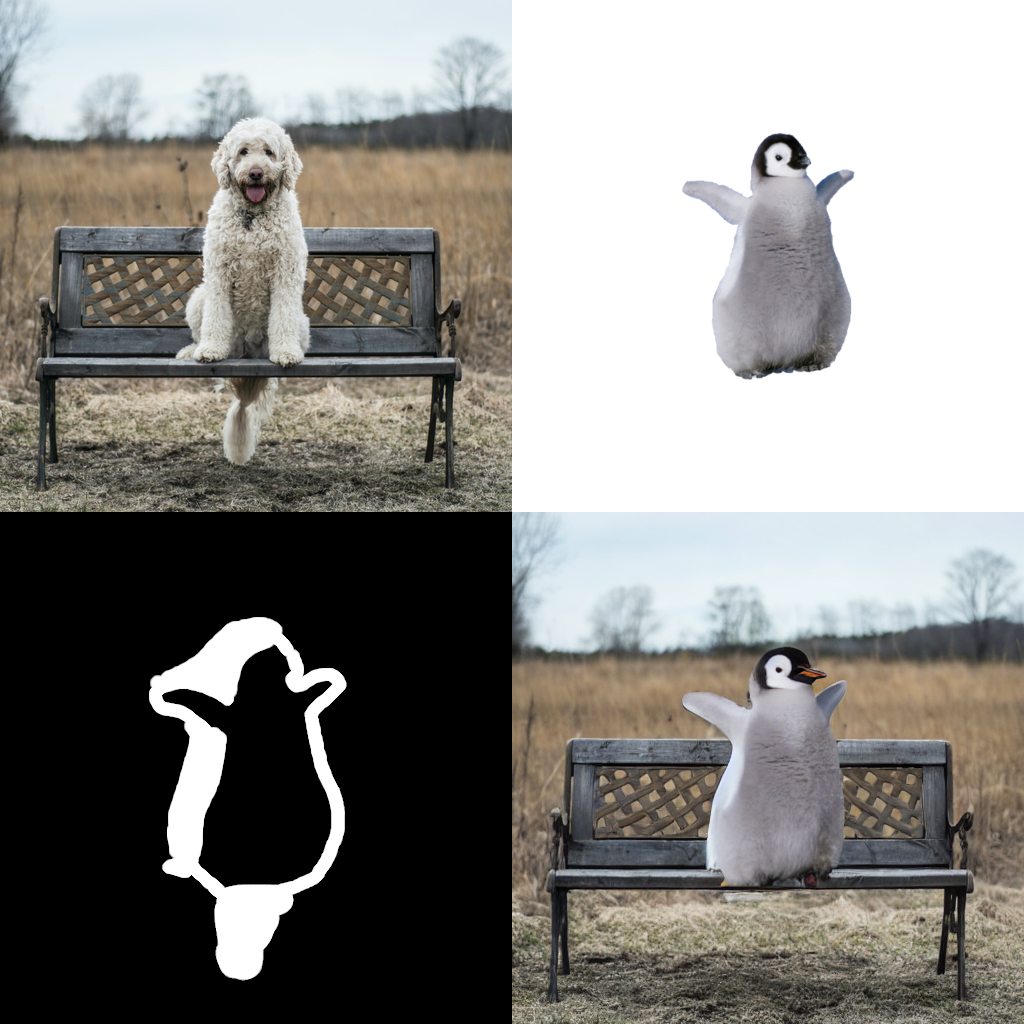
|
||||
|
||||
### Text Based Inpainting Stable Diffusion
|
||||
|
||||
Use a text prompt to generate the mask for the area to be inpainted.
|
||||
@@ -687,7 +684,7 @@ pipe = DiffusionPipeline.from_pretrained("CompVis/stable-diffusion-v1-4", custom
|
||||
pipe = pipe.to("cuda")
|
||||
|
||||
prompt = "an astronaut riding a horse on mars"
|
||||
pipe.set_scheduler("sample_heun")
|
||||
pipe.set_sampler("sample_heun")
|
||||
generator = torch.Generator(device="cuda").manual_seed(seed)
|
||||
image = pipe(prompt, generator=generator, num_inference_steps=20).images[0]
|
||||
|
||||
@@ -722,97 +719,10 @@ pipe = DiffusionPipeline.from_pretrained("CompVis/stable-diffusion-v1-4", custom
|
||||
pipe.scheduler = EulerDiscreteScheduler.from_config(pipe.scheduler.config)
|
||||
pipe = pipe.to("cuda")
|
||||
|
||||
pipe.set_scheduler("sample_euler")
|
||||
pipe.set_sampler("sample_euler")
|
||||
generator = torch.Generator(device="cuda").manual_seed(seed)
|
||||
image = pipe(prompt, generator=generator, num_inference_steps=50).images[0]
|
||||
```
|
||||
|
||||

|
||||
|
||||
### Checkpoint Merger Pipeline
|
||||
Based on the AUTOMATIC1111/webui for checkpoint merging. This is a custom pipeline that merges upto 3 pretrained model checkpoints as long as they are in the HuggingFace model_index.json format.
|
||||
|
||||
The checkpoint merging is currently memory intensive as it modifies the weights of a DiffusionPipeline object in place. Expect atleast 13GB RAM Usage on Kaggle GPU kernels and
|
||||
on colab you might run out of the 12GB memory even while merging two checkpoints.
|
||||
|
||||
Usage:-
|
||||
```python
|
||||
from diffusers import DiffusionPipeline
|
||||
|
||||
#Return a CheckpointMergerPipeline class that allows you to merge checkpoints.
|
||||
#The checkpoint passed here is ignored. But still pass one of the checkpoints you plan to
|
||||
#merge for convenience
|
||||
pipe = DiffusionPipeline.from_pretrained("CompVis/stable-diffusion-v1-4", custom_pipeline="checkpoint_merger")
|
||||
|
||||
#There are multiple possible scenarios:
|
||||
#The pipeline with the merged checkpoints is returned in all the scenarios
|
||||
|
||||
#Compatible checkpoints a.k.a matched model_index.json files. Ignores the meta attributes in model_index.json during comparision.( attrs with _ as prefix )
|
||||
merged_pipe = pipe.merge(["CompVis/stable-diffusion-v1-4","CompVis/stable-diffusion-v1-2"], interp = "sigmoid", alpha = 0.4)
|
||||
|
||||
#Incompatible checkpoints in model_index.json but merge might be possible. Use force = True to ignore model_index.json compatibility
|
||||
merged_pipe_1 = pipe.merge(["CompVis/stable-diffusion-v1-4","hakurei/waifu-diffusion"], force = True, interp = "sigmoid", alpha = 0.4)
|
||||
|
||||
#Three checkpoint merging. Only "add_difference" method actually works on all three checkpoints. Using any other options will ignore the 3rd checkpoint.
|
||||
merged_pipe_2 = pipe.merge(["CompVis/stable-diffusion-v1-4","hakurei/waifu-diffusion","prompthero/openjourney"], force = True, interp = "add_difference", alpha = 0.4)
|
||||
|
||||
prompt = "An astronaut riding a horse on Mars"
|
||||
|
||||
image = merged_pipe(prompt).images[0]
|
||||
|
||||
```
|
||||
Some examples along with the merge details:
|
||||
|
||||
1. "CompVis/stable-diffusion-v1-4" + "hakurei/waifu-diffusion" ; Sigmoid interpolation; alpha = 0.8
|
||||
|
||||

|
||||
|
||||
2. "hakurei/waifu-diffusion" + "prompthero/openjourney" ; Inverse Sigmoid interpolation; alpha = 0.8
|
||||
|
||||

|
||||
|
||||
|
||||
3. "CompVis/stable-diffusion-v1-4" + "hakurei/waifu-diffusion" + "prompthero/openjourney"; Add Difference interpolation; alpha = 0.5
|
||||
|
||||

|
||||
|
||||
|
||||
### Stable Diffusion Comparisons
|
||||
|
||||
This Community Pipeline enables the comparison between the 4 checkpoints that exist for Stable Diffusion. They can be found through the following links:
|
||||
1. [Stable Diffusion v1.1](https://huggingface.co/CompVis/stable-diffusion-v1-1)
|
||||
2. [Stable Diffusion v1.2](https://huggingface.co/CompVis/stable-diffusion-v1-2)
|
||||
3. [Stable Diffusion v1.3](https://huggingface.co/CompVis/stable-diffusion-v1-3)
|
||||
4. [Stable Diffusion v1.4](https://huggingface.co/CompVis/stable-diffusion-v1-4)
|
||||
|
||||
```python
|
||||
from diffusers import DiffusionPipeline
|
||||
import matplotlib.pyplot as plt
|
||||
|
||||
pipe = DiffusionPipeline.from_pretrained('CompVis/stable-diffusion-v1-4', custom_pipeline='suvadityamuk/StableDiffusionComparison')
|
||||
pipe.enable_attention_slicing()
|
||||
pipe = pipe.to('cuda')
|
||||
prompt = "an astronaut riding a horse on mars"
|
||||
output = pipe(prompt)
|
||||
|
||||
plt.subplots(2,2,1)
|
||||
plt.imshow(output.images[0])
|
||||
plt.title('Stable Diffusion v1.1')
|
||||
plt.axis('off')
|
||||
plt.subplots(2,2,2)
|
||||
plt.imshow(output.images[1])
|
||||
plt.title('Stable Diffusion v1.2')
|
||||
plt.axis('off')
|
||||
plt.subplots(2,2,3)
|
||||
plt.imshow(output.images[2])
|
||||
plt.title('Stable Diffusion v1.3')
|
||||
plt.axis('off')
|
||||
plt.subplots(2,2,4)
|
||||
plt.imshow(output.images[3])
|
||||
plt.title('Stable Diffusion v1.4')
|
||||
plt.axis('off')
|
||||
|
||||
plt.show()
|
||||
```python
|
||||
|
||||
As a result, you can look at a grid of all 4 generated images being shown together, that captures a difference the advancement of the training between the 4 checkpoints.
|
||||
@@ -138,7 +138,7 @@ def ddpm_bit_scheduler_step(
|
||||
model_output: torch.FloatTensor,
|
||||
timestep: int,
|
||||
sample: torch.FloatTensor,
|
||||
prediction_type="epsilon",
|
||||
predict_epsilon=True,
|
||||
generator=None,
|
||||
return_dict: bool = True,
|
||||
) -> Union[DDPMSchedulerOutput, Tuple]:
|
||||
@@ -150,8 +150,8 @@ def ddpm_bit_scheduler_step(
|
||||
timestep (`int`): current discrete timestep in the diffusion chain.
|
||||
sample (`torch.FloatTensor`):
|
||||
current instance of sample being created by diffusion process.
|
||||
prediction_type (`str`, default `epsilon`):
|
||||
indicates whether the model predicts the noise (epsilon), or the samples (`sample`).
|
||||
predict_epsilon (`bool`):
|
||||
optional flag to use when model predicts the samples directly instead of the noise, epsilon.
|
||||
generator: random number generator.
|
||||
return_dict (`bool`): option for returning tuple rather than DDPMSchedulerOutput class
|
||||
Returns:
|
||||
@@ -174,12 +174,10 @@ def ddpm_bit_scheduler_step(
|
||||
|
||||
# 2. compute predicted original sample from predicted noise also called
|
||||
# "predicted x_0" of formula (15) from https://arxiv.org/pdf/2006.11239.pdf
|
||||
if prediction_type == "epsilon":
|
||||
if predict_epsilon:
|
||||
pred_original_sample = (sample - beta_prod_t ** (0.5) * model_output) / alpha_prod_t ** (0.5)
|
||||
elif prediction_type == "sample":
|
||||
pred_original_sample = model_output
|
||||
else:
|
||||
raise ValueError(f"Unsupported prediction_type {prediction_type}.")
|
||||
pred_original_sample = model_output
|
||||
|
||||
# 3. Clip "predicted x_0"
|
||||
scale = self.bit_scale
|
||||
|
||||
@@ -1,262 +0,0 @@
|
||||
import glob
|
||||
import os
|
||||
from typing import Dict, List, Union
|
||||
|
||||
import torch
|
||||
|
||||
from diffusers import DiffusionPipeline, __version__
|
||||
from diffusers.pipeline_utils import (
|
||||
CONFIG_NAME,
|
||||
DIFFUSERS_CACHE,
|
||||
ONNX_WEIGHTS_NAME,
|
||||
SCHEDULER_CONFIG_NAME,
|
||||
WEIGHTS_NAME,
|
||||
)
|
||||
from huggingface_hub import snapshot_download
|
||||
|
||||
|
||||
class CheckpointMergerPipeline(DiffusionPipeline):
|
||||
"""
|
||||
A class that that supports merging diffusion models based on the discussion here:
|
||||
https://github.com/huggingface/diffusers/issues/877
|
||||
|
||||
Example usage:-
|
||||
|
||||
pipe = DiffusionPipeline.from_pretrained("CompVis/stable-diffusion-v1-4", custom_pipeline="checkpoint_merger.py")
|
||||
|
||||
merged_pipe = pipe.merge(["CompVis/stable-diffusion-v1-4","prompthero/openjourney"], interp = 'inv_sigmoid', alpha = 0.8, force = True)
|
||||
|
||||
merged_pipe.to('cuda')
|
||||
|
||||
prompt = "An astronaut riding a unicycle on Mars"
|
||||
|
||||
results = merged_pipe(prompt)
|
||||
|
||||
## For more details, see the docstring for the merge method.
|
||||
|
||||
"""
|
||||
|
||||
def __init__(self):
|
||||
super().__init__()
|
||||
|
||||
def _compare_model_configs(self, dict0, dict1):
|
||||
if dict0 == dict1:
|
||||
return True
|
||||
else:
|
||||
config0, meta_keys0 = self._remove_meta_keys(dict0)
|
||||
config1, meta_keys1 = self._remove_meta_keys(dict1)
|
||||
if config0 == config1:
|
||||
print(f"Warning !: Mismatch in keys {meta_keys0} and {meta_keys1}.")
|
||||
return True
|
||||
return False
|
||||
|
||||
def _remove_meta_keys(self, config_dict: Dict):
|
||||
meta_keys = []
|
||||
temp_dict = config_dict.copy()
|
||||
for key in config_dict.keys():
|
||||
if key.startswith("_"):
|
||||
temp_dict.pop(key)
|
||||
meta_keys.append(key)
|
||||
return (temp_dict, meta_keys)
|
||||
|
||||
@torch.no_grad()
|
||||
def merge(self, pretrained_model_name_or_path_list: List[Union[str, os.PathLike]], **kwargs):
|
||||
"""
|
||||
Returns a new pipeline object of the class 'DiffusionPipeline' with the merged checkpoints(weights) of the models passed
|
||||
in the argument 'pretrained_model_name_or_path_list' as a list.
|
||||
|
||||
Parameters:
|
||||
-----------
|
||||
pretrained_model_name_or_path_list : A list of valid pretrained model names in the HuggingFace hub or paths to locally stored models in the HuggingFace format.
|
||||
|
||||
**kwargs:
|
||||
Supports all the default DiffusionPipeline.get_config_dict kwargs viz..
|
||||
|
||||
cache_dir, resume_download, force_download, proxies, local_files_only, use_auth_token, revision, torch_dtype, device_map.
|
||||
|
||||
alpha - The interpolation parameter. Ranges from 0 to 1. It affects the ratio in which the checkpoints are merged. A 0.8 alpha
|
||||
would mean that the first model checkpoints would affect the final result far less than an alpha of 0.2
|
||||
|
||||
interp - The interpolation method to use for the merging. Supports "sigmoid", "inv_sigmoid", "add_difference" and None.
|
||||
Passing None uses the default interpolation which is weighted sum interpolation. For merging three checkpoints, only "add_difference" is supported.
|
||||
|
||||
force - Whether to ignore mismatch in model_config.json for the current models. Defaults to False.
|
||||
|
||||
"""
|
||||
# Default kwargs from DiffusionPipeline
|
||||
cache_dir = kwargs.pop("cache_dir", DIFFUSERS_CACHE)
|
||||
resume_download = kwargs.pop("resume_download", False)
|
||||
force_download = kwargs.pop("force_download", False)
|
||||
proxies = kwargs.pop("proxies", None)
|
||||
local_files_only = kwargs.pop("local_files_only", False)
|
||||
use_auth_token = kwargs.pop("use_auth_token", None)
|
||||
revision = kwargs.pop("revision", None)
|
||||
torch_dtype = kwargs.pop("torch_dtype", None)
|
||||
device_map = kwargs.pop("device_map", None)
|
||||
|
||||
alpha = kwargs.pop("alpha", 0.5)
|
||||
interp = kwargs.pop("interp", None)
|
||||
|
||||
print("Recieved list", pretrained_model_name_or_path_list)
|
||||
|
||||
checkpoint_count = len(pretrained_model_name_or_path_list)
|
||||
# Ignore result from model_index_json comparision of the two checkpoints
|
||||
force = kwargs.pop("force", False)
|
||||
|
||||
# If less than 2 checkpoints, nothing to merge. If more than 3, not supported for now.
|
||||
if checkpoint_count > 3 or checkpoint_count < 2:
|
||||
raise ValueError(
|
||||
"Received incorrect number of checkpoints to merge. Ensure that either 2 or 3 checkpoints are being"
|
||||
" passed."
|
||||
)
|
||||
|
||||
print("Received the right number of checkpoints")
|
||||
# chkpt0, chkpt1 = pretrained_model_name_or_path_list[0:2]
|
||||
# chkpt2 = pretrained_model_name_or_path_list[2] if checkpoint_count == 3 else None
|
||||
|
||||
# Validate that the checkpoints can be merged
|
||||
# Step 1: Load the model config and compare the checkpoints. We'll compare the model_index.json first while ignoring the keys starting with '_'
|
||||
config_dicts = []
|
||||
for pretrained_model_name_or_path in pretrained_model_name_or_path_list:
|
||||
if not os.path.isdir(pretrained_model_name_or_path):
|
||||
config_dict = DiffusionPipeline.get_config_dict(
|
||||
pretrained_model_name_or_path,
|
||||
cache_dir=cache_dir,
|
||||
resume_download=resume_download,
|
||||
force_download=force_download,
|
||||
proxies=proxies,
|
||||
local_files_only=local_files_only,
|
||||
use_auth_token=use_auth_token,
|
||||
revision=revision,
|
||||
)
|
||||
config_dicts.append(config_dict)
|
||||
|
||||
comparison_result = True
|
||||
for idx in range(1, len(config_dicts)):
|
||||
comparison_result &= self._compare_model_configs(config_dicts[idx - 1], config_dicts[idx])
|
||||
if not force and comparison_result is False:
|
||||
raise ValueError("Incompatible checkpoints. Please check model_index.json for the models.")
|
||||
print(config_dicts[0], config_dicts[1])
|
||||
print("Compatible model_index.json files found")
|
||||
# Step 2: Basic Validation has succeeded. Let's download the models and save them into our local files.
|
||||
cached_folders = []
|
||||
for pretrained_model_name_or_path, config_dict in zip(pretrained_model_name_or_path_list, config_dicts):
|
||||
folder_names = [k for k in config_dict.keys() if not k.startswith("_")]
|
||||
allow_patterns = [os.path.join(k, "*") for k in folder_names]
|
||||
allow_patterns += [
|
||||
WEIGHTS_NAME,
|
||||
SCHEDULER_CONFIG_NAME,
|
||||
CONFIG_NAME,
|
||||
ONNX_WEIGHTS_NAME,
|
||||
DiffusionPipeline.config_name,
|
||||
]
|
||||
requested_pipeline_class = config_dict.get("_class_name")
|
||||
user_agent = {"diffusers": __version__, "pipeline_class": requested_pipeline_class}
|
||||
|
||||
cached_folder = snapshot_download(
|
||||
pretrained_model_name_or_path,
|
||||
cache_dir=cache_dir,
|
||||
resume_download=resume_download,
|
||||
proxies=proxies,
|
||||
local_files_only=local_files_only,
|
||||
use_auth_token=use_auth_token,
|
||||
revision=revision,
|
||||
allow_patterns=allow_patterns,
|
||||
user_agent=user_agent,
|
||||
)
|
||||
print("Cached Folder", cached_folder)
|
||||
cached_folders.append(cached_folder)
|
||||
|
||||
# Step 3:-
|
||||
# Load the first checkpoint as a diffusion pipeline and modify it's module state_dict in place
|
||||
final_pipe = DiffusionPipeline.from_pretrained(
|
||||
cached_folders[0], torch_dtype=torch_dtype, device_map=device_map
|
||||
)
|
||||
|
||||
checkpoint_path_2 = None
|
||||
if len(cached_folders) > 2:
|
||||
checkpoint_path_2 = os.path.join(cached_folders[2])
|
||||
|
||||
if interp == "sigmoid":
|
||||
theta_func = CheckpointMergerPipeline.sigmoid
|
||||
elif interp == "inv_sigmoid":
|
||||
theta_func = CheckpointMergerPipeline.inv_sigmoid
|
||||
elif interp == "add_diff":
|
||||
theta_func = CheckpointMergerPipeline.add_difference
|
||||
else:
|
||||
theta_func = CheckpointMergerPipeline.weighted_sum
|
||||
|
||||
# Find each module's state dict.
|
||||
for attr in final_pipe.config.keys():
|
||||
if not attr.startswith("_"):
|
||||
checkpoint_path_1 = os.path.join(cached_folders[1], attr)
|
||||
if os.path.exists(checkpoint_path_1):
|
||||
files = glob.glob(os.path.join(checkpoint_path_1, "*.bin"))
|
||||
checkpoint_path_1 = files[0] if len(files) > 0 else None
|
||||
if checkpoint_path_2 is not None and os.path.exists(checkpoint_path_2):
|
||||
files = glob.glob(os.path.join(checkpoint_path_2, "*.bin"))
|
||||
checkpoint_path_2 = files[0] if len(files) > 0 else None
|
||||
# For an attr if both checkpoint_path_1 and 2 are None, ignore.
|
||||
# If atleast one is present, deal with it according to interp method, of course only if the state_dict keys match.
|
||||
if checkpoint_path_1 is None and checkpoint_path_2 is None:
|
||||
print("SKIPPING ATTR ", attr)
|
||||
continue
|
||||
try:
|
||||
module = getattr(final_pipe, attr)
|
||||
theta_0 = getattr(module, "state_dict")
|
||||
theta_0 = theta_0()
|
||||
|
||||
update_theta_0 = getattr(module, "load_state_dict")
|
||||
theta_1 = torch.load(checkpoint_path_1)
|
||||
|
||||
theta_2 = torch.load(checkpoint_path_2) if checkpoint_path_2 else None
|
||||
|
||||
if not theta_0.keys() == theta_1.keys():
|
||||
print("SKIPPING ATTR ", attr, " DUE TO MISMATCH")
|
||||
continue
|
||||
if theta_2 and not theta_1.keys() == theta_2.keys():
|
||||
print("SKIPPING ATTR ", attr, " DUE TO MISMATCH")
|
||||
except:
|
||||
print("SKIPPING ATTR ", attr)
|
||||
continue
|
||||
print("Found dicts for")
|
||||
print(attr)
|
||||
print(checkpoint_path_1)
|
||||
print(checkpoint_path_2)
|
||||
|
||||
for key in theta_0.keys():
|
||||
if theta_2:
|
||||
theta_0[key] = theta_func(theta_0[key], theta_1[key], theta_2[key], alpha)
|
||||
else:
|
||||
theta_0[key] = theta_func(theta_0[key], theta_1[key], None, alpha)
|
||||
|
||||
del theta_1
|
||||
del theta_2
|
||||
update_theta_0(theta_0)
|
||||
|
||||
del theta_0
|
||||
print("Diffusion pipeline successfully updated with merged weights")
|
||||
|
||||
return final_pipe
|
||||
|
||||
@staticmethod
|
||||
def weighted_sum(theta0, theta1, theta2, alpha):
|
||||
return ((1 - alpha) * theta0) + (alpha * theta1)
|
||||
|
||||
# Smoothstep (https://en.wikipedia.org/wiki/Smoothstep)
|
||||
@staticmethod
|
||||
def sigmoid(theta0, theta1, theta2, alpha):
|
||||
alpha = alpha * alpha * (3 - (2 * alpha))
|
||||
return theta0 + ((theta1 - theta0) * alpha)
|
||||
|
||||
# Inverse Smoothstep (https://en.wikipedia.org/wiki/Smoothstep)
|
||||
@staticmethod
|
||||
def inv_sigmoid(theta0, theta1, theta2, alpha):
|
||||
import math
|
||||
|
||||
alpha = 0.5 - math.sin(math.asin(1.0 - 2.0 * alpha) / 3.0)
|
||||
return theta0 + ((theta1 - theta0) * alpha)
|
||||
|
||||
@staticmethod
|
||||
def add_difference(theta0, theta1, theta2, alpha):
|
||||
return theta0 + (theta1 - theta2) * (1.0 - alpha)
|
||||
@@ -78,12 +78,7 @@ class CLIPGuidedStableDiffusion(DiffusionPipeline):
|
||||
)
|
||||
|
||||
self.normalize = transforms.Normalize(mean=feature_extractor.image_mean, std=feature_extractor.image_std)
|
||||
cut_out_size = (
|
||||
feature_extractor.size
|
||||
if isinstance(feature_extractor.size, int)
|
||||
else feature_extractor.size["shortest_edge"]
|
||||
)
|
||||
self.make_cutouts = MakeCutouts(cut_out_size)
|
||||
self.make_cutouts = MakeCutouts(feature_extractor.size)
|
||||
|
||||
set_requires_grad(self.text_encoder, False)
|
||||
set_requires_grad(self.clip_model, False)
|
||||
|
||||
@@ -17,7 +17,7 @@ from diffusers.pipeline_utils import DiffusionPipeline
|
||||
from diffusers.pipelines.stable_diffusion import StableDiffusionPipelineOutput
|
||||
from diffusers.pipelines.stable_diffusion.safety_checker import StableDiffusionSafetyChecker
|
||||
from diffusers.schedulers import DDIMScheduler, LMSDiscreteScheduler, PNDMScheduler
|
||||
from diffusers.utils import deprecate, logging
|
||||
from diffusers.utils import logging
|
||||
|
||||
# TODO: remove and import from diffusers.utils when the new version of diffusers is released
|
||||
from packaging import version
|
||||
@@ -133,7 +133,7 @@ class ImagicStableDiffusionPipeline(DiffusionPipeline):
|
||||
def train(
|
||||
self,
|
||||
prompt: Union[str, List[str]],
|
||||
image: Union[torch.FloatTensor, PIL.Image.Image],
|
||||
init_image: Union[torch.FloatTensor, PIL.Image.Image],
|
||||
height: Optional[int] = 512,
|
||||
width: Optional[int] = 512,
|
||||
generator: Optional[torch.Generator] = None,
|
||||
@@ -184,10 +184,6 @@ class ImagicStableDiffusionPipeline(DiffusionPipeline):
|
||||
list of `bool`s denoting whether the corresponding generated image likely represents "not-safe-for-work"
|
||||
(nsfw) content, according to the `safety_checker`.
|
||||
"""
|
||||
message = "Please use `image` instead of `init_image`."
|
||||
init_image = deprecate("init_image", "0.12.0", message, take_from=kwargs)
|
||||
image = init_image or image
|
||||
|
||||
accelerator = Accelerator(
|
||||
gradient_accumulation_steps=1,
|
||||
mixed_precision="fp16",
|
||||
@@ -245,14 +241,14 @@ class ImagicStableDiffusionPipeline(DiffusionPipeline):
|
||||
lr=embedding_learning_rate,
|
||||
)
|
||||
|
||||
if isinstance(image, PIL.Image.Image):
|
||||
image = preprocess(image)
|
||||
if isinstance(init_image, PIL.Image.Image):
|
||||
init_image = preprocess(init_image)
|
||||
|
||||
latents_dtype = text_embeddings.dtype
|
||||
image = image.to(device=self.device, dtype=latents_dtype)
|
||||
init_latent_image_dist = self.vae.encode(image).latent_dist
|
||||
image_latents = init_latent_image_dist.sample(generator=generator)
|
||||
image_latents = 0.18215 * image_latents
|
||||
init_image = init_image.to(device=self.device, dtype=latents_dtype)
|
||||
init_latent_image_dist = self.vae.encode(init_image).latent_dist
|
||||
init_image_latents = init_latent_image_dist.sample(generator=generator)
|
||||
init_image_latents = 0.18215 * init_image_latents
|
||||
|
||||
progress_bar = tqdm(range(text_embedding_optimization_steps), disable=not accelerator.is_local_main_process)
|
||||
progress_bar.set_description("Steps")
|
||||
@@ -263,12 +259,12 @@ class ImagicStableDiffusionPipeline(DiffusionPipeline):
|
||||
for _ in range(text_embedding_optimization_steps):
|
||||
with accelerator.accumulate(text_embeddings):
|
||||
# Sample noise that we'll add to the latents
|
||||
noise = torch.randn(image_latents.shape).to(image_latents.device)
|
||||
timesteps = torch.randint(1000, (1,), device=image_latents.device)
|
||||
noise = torch.randn(init_image_latents.shape).to(init_image_latents.device)
|
||||
timesteps = torch.randint(1000, (1,), device=init_image_latents.device)
|
||||
|
||||
# Add noise to the latents according to the noise magnitude at each timestep
|
||||
# (this is the forward diffusion process)
|
||||
noisy_latents = self.scheduler.add_noise(image_latents, noise, timesteps)
|
||||
noisy_latents = self.scheduler.add_noise(init_image_latents, noise, timesteps)
|
||||
|
||||
# Predict the noise residual
|
||||
noise_pred = self.unet(noisy_latents, timesteps, text_embeddings).sample
|
||||
@@ -305,12 +301,12 @@ class ImagicStableDiffusionPipeline(DiffusionPipeline):
|
||||
for _ in range(model_fine_tuning_optimization_steps):
|
||||
with accelerator.accumulate(self.unet.parameters()):
|
||||
# Sample noise that we'll add to the latents
|
||||
noise = torch.randn(image_latents.shape).to(image_latents.device)
|
||||
timesteps = torch.randint(1000, (1,), device=image_latents.device)
|
||||
noise = torch.randn(init_image_latents.shape).to(init_image_latents.device)
|
||||
timesteps = torch.randint(1000, (1,), device=init_image_latents.device)
|
||||
|
||||
# Add noise to the latents according to the noise magnitude at each timestep
|
||||
# (this is the forward diffusion process)
|
||||
noisy_latents = self.scheduler.add_noise(image_latents, noise, timesteps)
|
||||
noisy_latents = self.scheduler.add_noise(init_image_latents, noise, timesteps)
|
||||
|
||||
# Predict the noise residual
|
||||
noise_pred = self.unet(noisy_latents, timesteps, text_embeddings).sample
|
||||
|
||||
@@ -5,37 +5,39 @@ from typing import Callable, List, Optional, Union
|
||||
import numpy as np
|
||||
import torch
|
||||
|
||||
import diffusers
|
||||
import PIL
|
||||
from diffusers import SchedulerMixin, StableDiffusionPipeline
|
||||
from diffusers.configuration_utils import FrozenDict
|
||||
from diffusers.models import AutoencoderKL, UNet2DConditionModel
|
||||
from diffusers.pipelines.stable_diffusion import StableDiffusionPipelineOutput, StableDiffusionSafetyChecker
|
||||
from diffusers.utils import deprecate, logging
|
||||
from diffusers.pipeline_utils import DiffusionPipeline
|
||||
from diffusers.pipelines.stable_diffusion import StableDiffusionPipelineOutput
|
||||
from diffusers.pipelines.stable_diffusion.safety_checker import StableDiffusionSafetyChecker
|
||||
from diffusers.schedulers import DDIMScheduler, LMSDiscreteScheduler, PNDMScheduler
|
||||
from diffusers.utils import deprecate, is_accelerate_available, logging
|
||||
|
||||
# TODO: remove and import from diffusers.utils when the new version of diffusers is released
|
||||
from packaging import version
|
||||
from transformers import CLIPFeatureExtractor, CLIPTextModel, CLIPTokenizer
|
||||
|
||||
|
||||
try:
|
||||
from diffusers.utils import PIL_INTERPOLATION
|
||||
except ImportError:
|
||||
if version.parse(version.parse(PIL.__version__).base_version) >= version.parse("9.1.0"):
|
||||
PIL_INTERPOLATION = {
|
||||
"linear": PIL.Image.Resampling.BILINEAR,
|
||||
"bilinear": PIL.Image.Resampling.BILINEAR,
|
||||
"bicubic": PIL.Image.Resampling.BICUBIC,
|
||||
"lanczos": PIL.Image.Resampling.LANCZOS,
|
||||
"nearest": PIL.Image.Resampling.NEAREST,
|
||||
}
|
||||
else:
|
||||
PIL_INTERPOLATION = {
|
||||
"linear": PIL.Image.LINEAR,
|
||||
"bilinear": PIL.Image.BILINEAR,
|
||||
"bicubic": PIL.Image.BICUBIC,
|
||||
"lanczos": PIL.Image.LANCZOS,
|
||||
"nearest": PIL.Image.NEAREST,
|
||||
}
|
||||
if version.parse(version.parse(PIL.__version__).base_version) >= version.parse("9.1.0"):
|
||||
PIL_INTERPOLATION = {
|
||||
"linear": PIL.Image.Resampling.BILINEAR,
|
||||
"bilinear": PIL.Image.Resampling.BILINEAR,
|
||||
"bicubic": PIL.Image.Resampling.BICUBIC,
|
||||
"lanczos": PIL.Image.Resampling.LANCZOS,
|
||||
"nearest": PIL.Image.Resampling.NEAREST,
|
||||
}
|
||||
else:
|
||||
PIL_INTERPOLATION = {
|
||||
"linear": PIL.Image.LINEAR,
|
||||
"bilinear": PIL.Image.BILINEAR,
|
||||
"bicubic": PIL.Image.BICUBIC,
|
||||
"lanczos": PIL.Image.LANCZOS,
|
||||
"nearest": PIL.Image.NEAREST,
|
||||
}
|
||||
# ------------------------------------------------------------------------------
|
||||
|
||||
|
||||
logger = logging.get_logger(__name__) # pylint: disable=invalid-name
|
||||
|
||||
re_attention = re.compile(
|
||||
@@ -144,7 +146,7 @@ def parse_prompt_attention(text):
|
||||
return res
|
||||
|
||||
|
||||
def get_prompts_with_weights(pipe: StableDiffusionPipeline, prompt: List[str], max_length: int):
|
||||
def get_prompts_with_weights(pipe: DiffusionPipeline, prompt: List[str], max_length: int):
|
||||
r"""
|
||||
Tokenize a list of prompts and return its tokens with weights of each token.
|
||||
|
||||
@@ -205,7 +207,7 @@ def pad_tokens_and_weights(tokens, weights, max_length, bos, eos, no_boseos_midd
|
||||
|
||||
|
||||
def get_unweighted_text_embeddings(
|
||||
pipe: StableDiffusionPipeline,
|
||||
pipe: DiffusionPipeline,
|
||||
text_input: torch.Tensor,
|
||||
chunk_length: int,
|
||||
no_boseos_middle: Optional[bool] = True,
|
||||
@@ -245,10 +247,10 @@ def get_unweighted_text_embeddings(
|
||||
|
||||
|
||||
def get_weighted_text_embeddings(
|
||||
pipe: StableDiffusionPipeline,
|
||||
pipe: DiffusionPipeline,
|
||||
prompt: Union[str, List[str]],
|
||||
uncond_prompt: Optional[Union[str, List[str]]] = None,
|
||||
max_embeddings_multiples: Optional[int] = 3,
|
||||
max_embeddings_multiples: Optional[int] = 1,
|
||||
no_boseos_middle: Optional[bool] = False,
|
||||
skip_parsing: Optional[bool] = False,
|
||||
skip_weighting: Optional[bool] = False,
|
||||
@@ -262,14 +264,14 @@ def get_weighted_text_embeddings(
|
||||
Also, to regularize of the embedding, the weighted embedding would be scaled to preserve the original mean.
|
||||
|
||||
Args:
|
||||
pipe (`StableDiffusionPipeline`):
|
||||
pipe (`DiffusionPipeline`):
|
||||
Pipe to provide access to the tokenizer and the text encoder.
|
||||
prompt (`str` or `List[str]`):
|
||||
The prompt or prompts to guide the image generation.
|
||||
uncond_prompt (`str` or `List[str]`):
|
||||
The unconditional prompt or prompts for guide the image generation. If unconditional prompt
|
||||
is provided, the embeddings of prompt and uncond_prompt are concatenated.
|
||||
max_embeddings_multiples (`int`, *optional*, defaults to `3`):
|
||||
max_embeddings_multiples (`int`, *optional*, defaults to `1`):
|
||||
The max multiple length of prompt embeddings compared to the max output length of text encoder.
|
||||
no_boseos_middle (`bool`, *optional*, defaults to `False`):
|
||||
If the length of text token is multiples of the capacity of text encoder, whether reserve the starting and
|
||||
@@ -385,11 +387,11 @@ def preprocess_image(image):
|
||||
return 2.0 * image - 1.0
|
||||
|
||||
|
||||
def preprocess_mask(mask, scale_factor=8):
|
||||
def preprocess_mask(mask):
|
||||
mask = mask.convert("L")
|
||||
w, h = mask.size
|
||||
w, h = map(lambda x: x - x % 32, (w, h)) # resize to integer multiple of 32
|
||||
mask = mask.resize((w // scale_factor, h // scale_factor), resample=PIL_INTERPOLATION["nearest"])
|
||||
mask = mask.resize((w // 8, h // 8), resample=PIL_INTERPOLATION["nearest"])
|
||||
mask = np.array(mask).astype(np.float32) / 255.0
|
||||
mask = np.tile(mask, (4, 1, 1))
|
||||
mask = mask[None].transpose(0, 1, 2, 3) # what does this step do?
|
||||
@@ -398,7 +400,7 @@ def preprocess_mask(mask, scale_factor=8):
|
||||
return mask
|
||||
|
||||
|
||||
class StableDiffusionLongPromptWeightingPipeline(StableDiffusionPipeline):
|
||||
class StableDiffusionLongPromptWeightingPipeline(DiffusionPipeline):
|
||||
r"""
|
||||
Pipeline for text-to-image generation using Stable Diffusion without tokens length limit, and support parsing
|
||||
weighting in prompt.
|
||||
@@ -427,245 +429,133 @@ class StableDiffusionLongPromptWeightingPipeline(StableDiffusionPipeline):
|
||||
Model that extracts features from generated images to be used as inputs for the `safety_checker`.
|
||||
"""
|
||||
|
||||
if version.parse(version.parse(diffusers.__version__).base_version) >= version.parse("0.9.0"):
|
||||
|
||||
def __init__(
|
||||
self,
|
||||
vae: AutoencoderKL,
|
||||
text_encoder: CLIPTextModel,
|
||||
tokenizer: CLIPTokenizer,
|
||||
unet: UNet2DConditionModel,
|
||||
scheduler: SchedulerMixin,
|
||||
safety_checker: StableDiffusionSafetyChecker,
|
||||
feature_extractor: CLIPFeatureExtractor,
|
||||
requires_safety_checker: bool = True,
|
||||
):
|
||||
super().__init__(
|
||||
vae=vae,
|
||||
text_encoder=text_encoder,
|
||||
tokenizer=tokenizer,
|
||||
unet=unet,
|
||||
scheduler=scheduler,
|
||||
safety_checker=safety_checker,
|
||||
feature_extractor=feature_extractor,
|
||||
requires_safety_checker=requires_safety_checker,
|
||||
)
|
||||
self.__init__additional__()
|
||||
|
||||
else:
|
||||
|
||||
def __init__(
|
||||
self,
|
||||
vae: AutoencoderKL,
|
||||
text_encoder: CLIPTextModel,
|
||||
tokenizer: CLIPTokenizer,
|
||||
unet: UNet2DConditionModel,
|
||||
scheduler: SchedulerMixin,
|
||||
safety_checker: StableDiffusionSafetyChecker,
|
||||
feature_extractor: CLIPFeatureExtractor,
|
||||
):
|
||||
super().__init__(
|
||||
vae=vae,
|
||||
text_encoder=text_encoder,
|
||||
tokenizer=tokenizer,
|
||||
unet=unet,
|
||||
scheduler=scheduler,
|
||||
safety_checker=safety_checker,
|
||||
feature_extractor=feature_extractor,
|
||||
)
|
||||
self.__init__additional__()
|
||||
|
||||
def __init__additional__(self):
|
||||
if not hasattr(self, "vae_scale_factor"):
|
||||
setattr(self, "vae_scale_factor", 2 ** (len(self.vae.config.block_out_channels) - 1))
|
||||
|
||||
@property
|
||||
def _execution_device(self):
|
||||
r"""
|
||||
Returns the device on which the pipeline's models will be executed. After calling
|
||||
`pipeline.enable_sequential_cpu_offload()` the execution device can only be inferred from Accelerate's module
|
||||
hooks.
|
||||
"""
|
||||
if self.device != torch.device("meta") or not hasattr(self.unet, "_hf_hook"):
|
||||
return self.device
|
||||
for module in self.unet.modules():
|
||||
if (
|
||||
hasattr(module, "_hf_hook")
|
||||
and hasattr(module._hf_hook, "execution_device")
|
||||
and module._hf_hook.execution_device is not None
|
||||
):
|
||||
return torch.device(module._hf_hook.execution_device)
|
||||
return self.device
|
||||
|
||||
def _encode_prompt(
|
||||
def __init__(
|
||||
self,
|
||||
prompt,
|
||||
device,
|
||||
num_images_per_prompt,
|
||||
do_classifier_free_guidance,
|
||||
negative_prompt,
|
||||
max_embeddings_multiples,
|
||||
vae: AutoencoderKL,
|
||||
text_encoder: CLIPTextModel,
|
||||
tokenizer: CLIPTokenizer,
|
||||
unet: UNet2DConditionModel,
|
||||
scheduler: Union[DDIMScheduler, PNDMScheduler, LMSDiscreteScheduler],
|
||||
safety_checker: StableDiffusionSafetyChecker,
|
||||
feature_extractor: CLIPFeatureExtractor,
|
||||
):
|
||||
super().__init__()
|
||||
|
||||
if hasattr(scheduler.config, "steps_offset") and scheduler.config.steps_offset != 1:
|
||||
deprecation_message = (
|
||||
f"The configuration file of this scheduler: {scheduler} is outdated. `steps_offset`"
|
||||
f" should be set to 1 instead of {scheduler.config.steps_offset}. Please make sure "
|
||||
"to update the config accordingly as leaving `steps_offset` might led to incorrect results"
|
||||
" in future versions. If you have downloaded this checkpoint from the Hugging Face Hub,"
|
||||
" it would be very nice if you could open a Pull request for the `scheduler/scheduler_config.json`"
|
||||
" file"
|
||||
)
|
||||
deprecate("steps_offset!=1", "1.0.0", deprecation_message, standard_warn=False)
|
||||
new_config = dict(scheduler.config)
|
||||
new_config["steps_offset"] = 1
|
||||
scheduler._internal_dict = FrozenDict(new_config)
|
||||
|
||||
if hasattr(scheduler.config, "clip_sample") and scheduler.config.clip_sample is True:
|
||||
deprecation_message = (
|
||||
f"The configuration file of this scheduler: {scheduler} has not set the configuration `clip_sample`."
|
||||
" `clip_sample` should be set to False in the configuration file. Please make sure to update the"
|
||||
" config accordingly as not setting `clip_sample` in the config might lead to incorrect results in"
|
||||
" future versions. If you have downloaded this checkpoint from the Hugging Face Hub, it would be very"
|
||||
" nice if you could open a Pull request for the `scheduler/scheduler_config.json` file"
|
||||
)
|
||||
deprecate("clip_sample not set", "1.0.0", deprecation_message, standard_warn=False)
|
||||
new_config = dict(scheduler.config)
|
||||
new_config["clip_sample"] = False
|
||||
scheduler._internal_dict = FrozenDict(new_config)
|
||||
|
||||
if safety_checker is None:
|
||||
logger.warning(
|
||||
f"You have disabled the safety checker for {self.__class__} by passing `safety_checker=None`. Ensure"
|
||||
" that you abide to the conditions of the Stable Diffusion license and do not expose unfiltered"
|
||||
" results in services or applications open to the public. Both the diffusers team and Hugging Face"
|
||||
" strongly recommend to keep the safety filter enabled in all public facing circumstances, disabling"
|
||||
" it only for use-cases that involve analyzing network behavior or auditing its results. For more"
|
||||
" information, please have a look at https://github.com/huggingface/diffusers/pull/254 ."
|
||||
)
|
||||
|
||||
self.register_modules(
|
||||
vae=vae,
|
||||
text_encoder=text_encoder,
|
||||
tokenizer=tokenizer,
|
||||
unet=unet,
|
||||
scheduler=scheduler,
|
||||
safety_checker=safety_checker,
|
||||
feature_extractor=feature_extractor,
|
||||
)
|
||||
|
||||
def enable_xformers_memory_efficient_attention(self):
|
||||
r"""
|
||||
Encodes the prompt into text encoder hidden states.
|
||||
Enable memory efficient attention as implemented in xformers.
|
||||
|
||||
When this option is enabled, you should observe lower GPU memory usage and a potential speed up at inference
|
||||
time. Speed up at training time is not guaranteed.
|
||||
|
||||
Warning: When Memory Efficient Attention and Sliced attention are both enabled, the Memory Efficient Attention
|
||||
is used.
|
||||
"""
|
||||
self.unet.set_use_memory_efficient_attention_xformers(True)
|
||||
|
||||
def disable_xformers_memory_efficient_attention(self):
|
||||
r"""
|
||||
Disable memory efficient attention as implemented in xformers.
|
||||
"""
|
||||
self.unet.set_use_memory_efficient_attention_xformers(False)
|
||||
|
||||
def enable_attention_slicing(self, slice_size: Optional[Union[str, int]] = "auto"):
|
||||
r"""
|
||||
Enable sliced attention computation.
|
||||
|
||||
When this option is enabled, the attention module will split the input tensor in slices, to compute attention
|
||||
in several steps. This is useful to save some memory in exchange for a small speed decrease.
|
||||
|
||||
Args:
|
||||
prompt (`str` or `list(int)`):
|
||||
prompt to be encoded
|
||||
device: (`torch.device`):
|
||||
torch device
|
||||
num_images_per_prompt (`int`):
|
||||
number of images that should be generated per prompt
|
||||
do_classifier_free_guidance (`bool`):
|
||||
whether to use classifier free guidance or not
|
||||
negative_prompt (`str` or `List[str]`):
|
||||
The prompt or prompts not to guide the image generation. Ignored when not using guidance (i.e., ignored
|
||||
if `guidance_scale` is less than `1`).
|
||||
max_embeddings_multiples (`int`, *optional*, defaults to `3`):
|
||||
The max multiple length of prompt embeddings compared to the max output length of text encoder.
|
||||
slice_size (`str` or `int`, *optional*, defaults to `"auto"`):
|
||||
When `"auto"`, halves the input to the attention heads, so attention will be computed in two steps. If
|
||||
a number is provided, uses as many slices as `attention_head_dim // slice_size`. In this case,
|
||||
`attention_head_dim` must be a multiple of `slice_size`.
|
||||
"""
|
||||
batch_size = len(prompt) if isinstance(prompt, list) else 1
|
||||
if slice_size == "auto":
|
||||
# half the attention head size is usually a good trade-off between
|
||||
# speed and memory
|
||||
slice_size = self.unet.config.attention_head_dim // 2
|
||||
self.unet.set_attention_slice(slice_size)
|
||||
|
||||
if negative_prompt is None:
|
||||
negative_prompt = [""] * batch_size
|
||||
elif isinstance(negative_prompt, str):
|
||||
negative_prompt = [negative_prompt] * batch_size
|
||||
if batch_size != len(negative_prompt):
|
||||
raise ValueError(
|
||||
f"`negative_prompt`: {negative_prompt} has batch size {len(negative_prompt)}, but `prompt`:"
|
||||
f" {prompt} has batch size {batch_size}. Please make sure that passed `negative_prompt` matches"
|
||||
" the batch size of `prompt`."
|
||||
)
|
||||
def disable_attention_slicing(self):
|
||||
r"""
|
||||
Disable sliced attention computation. If `enable_attention_slicing` was previously invoked, this method will go
|
||||
back to computing attention in one step.
|
||||
"""
|
||||
# set slice_size = `None` to disable `attention slicing`
|
||||
self.enable_attention_slicing(None)
|
||||
|
||||
text_embeddings, uncond_embeddings = get_weighted_text_embeddings(
|
||||
pipe=self,
|
||||
prompt=prompt,
|
||||
uncond_prompt=negative_prompt if do_classifier_free_guidance else None,
|
||||
max_embeddings_multiples=max_embeddings_multiples,
|
||||
)
|
||||
bs_embed, seq_len, _ = text_embeddings.shape
|
||||
text_embeddings = text_embeddings.repeat(1, num_images_per_prompt, 1)
|
||||
text_embeddings = text_embeddings.view(bs_embed * num_images_per_prompt, seq_len, -1)
|
||||
|
||||
if do_classifier_free_guidance:
|
||||
bs_embed, seq_len, _ = uncond_embeddings.shape
|
||||
uncond_embeddings = uncond_embeddings.repeat(1, num_images_per_prompt, 1)
|
||||
uncond_embeddings = uncond_embeddings.view(bs_embed * num_images_per_prompt, seq_len, -1)
|
||||
text_embeddings = torch.cat([uncond_embeddings, text_embeddings])
|
||||
|
||||
return text_embeddings
|
||||
|
||||
def check_inputs(self, prompt, height, width, strength, callback_steps):
|
||||
if not isinstance(prompt, str) and not isinstance(prompt, list):
|
||||
raise ValueError(f"`prompt` has to be of type `str` or `list` but is {type(prompt)}")
|
||||
|
||||
if strength < 0 or strength > 1:
|
||||
raise ValueError(f"The value of strength should in [0.0, 1.0] but is {strength}")
|
||||
|
||||
if height % 8 != 0 or width % 8 != 0:
|
||||
raise ValueError(f"`height` and `width` have to be divisible by 8 but are {height} and {width}.")
|
||||
|
||||
if (callback_steps is None) or (
|
||||
callback_steps is not None and (not isinstance(callback_steps, int) or callback_steps <= 0)
|
||||
):
|
||||
raise ValueError(
|
||||
f"`callback_steps` has to be a positive integer but is {callback_steps} of type"
|
||||
f" {type(callback_steps)}."
|
||||
)
|
||||
|
||||
def get_timesteps(self, num_inference_steps, strength, device, is_text2img):
|
||||
if is_text2img:
|
||||
return self.scheduler.timesteps.to(device), num_inference_steps
|
||||
def enable_sequential_cpu_offload(self):
|
||||
r"""
|
||||
Offloads all models to CPU using accelerate, significantly reducing memory usage. When called, unet,
|
||||
text_encoder, vae and safety checker have their state dicts saved to CPU and then are moved to a
|
||||
`torch.device('meta') and loaded to GPU only when their specific submodule has its `forward` method called.
|
||||
"""
|
||||
if is_accelerate_available():
|
||||
from accelerate import cpu_offload
|
||||
else:
|
||||
# get the original timestep using init_timestep
|
||||
offset = self.scheduler.config.get("steps_offset", 0)
|
||||
init_timestep = int(num_inference_steps * strength) + offset
|
||||
init_timestep = min(init_timestep, num_inference_steps)
|
||||
raise ImportError("Please install accelerate via `pip install accelerate`")
|
||||
|
||||
t_start = max(num_inference_steps - init_timestep + offset, 0)
|
||||
timesteps = self.scheduler.timesteps[t_start:].to(device)
|
||||
return timesteps, num_inference_steps - t_start
|
||||
device = self.device
|
||||
|
||||
def run_safety_checker(self, image, device, dtype):
|
||||
if self.safety_checker is not None:
|
||||
safety_checker_input = self.feature_extractor(self.numpy_to_pil(image), return_tensors="pt").to(device)
|
||||
image, has_nsfw_concept = self.safety_checker(
|
||||
images=image, clip_input=safety_checker_input.pixel_values.to(dtype)
|
||||
)
|
||||
else:
|
||||
has_nsfw_concept = None
|
||||
return image, has_nsfw_concept
|
||||
|
||||
def decode_latents(self, latents):
|
||||
latents = 1 / 0.18215 * latents
|
||||
image = self.vae.decode(latents).sample
|
||||
image = (image / 2 + 0.5).clamp(0, 1)
|
||||
# we always cast to float32 as this does not cause significant overhead and is compatible with bfloa16
|
||||
image = image.cpu().permute(0, 2, 3, 1).float().numpy()
|
||||
return image
|
||||
|
||||
def prepare_extra_step_kwargs(self, generator, eta):
|
||||
# prepare extra kwargs for the scheduler step, since not all schedulers have the same signature
|
||||
# eta (η) is only used with the DDIMScheduler, it will be ignored for other schedulers.
|
||||
# eta corresponds to η in DDIM paper: https://arxiv.org/abs/2010.02502
|
||||
# and should be between [0, 1]
|
||||
|
||||
accepts_eta = "eta" in set(inspect.signature(self.scheduler.step).parameters.keys())
|
||||
extra_step_kwargs = {}
|
||||
if accepts_eta:
|
||||
extra_step_kwargs["eta"] = eta
|
||||
|
||||
# check if the scheduler accepts generator
|
||||
accepts_generator = "generator" in set(inspect.signature(self.scheduler.step).parameters.keys())
|
||||
if accepts_generator:
|
||||
extra_step_kwargs["generator"] = generator
|
||||
return extra_step_kwargs
|
||||
|
||||
def prepare_latents(self, image, timestep, batch_size, height, width, dtype, device, generator, latents=None):
|
||||
if image is None:
|
||||
shape = (
|
||||
batch_size,
|
||||
self.unet.in_channels,
|
||||
height // self.vae_scale_factor,
|
||||
width // self.vae_scale_factor,
|
||||
)
|
||||
|
||||
if latents is None:
|
||||
if device.type == "mps":
|
||||
# randn does not work reproducibly on mps
|
||||
latents = torch.randn(shape, generator=generator, device="cpu", dtype=dtype).to(device)
|
||||
else:
|
||||
latents = torch.randn(shape, generator=generator, device=device, dtype=dtype)
|
||||
else:
|
||||
if latents.shape != shape:
|
||||
raise ValueError(f"Unexpected latents shape, got {latents.shape}, expected {shape}")
|
||||
latents = latents.to(device)
|
||||
|
||||
# scale the initial noise by the standard deviation required by the scheduler
|
||||
latents = latents * self.scheduler.init_noise_sigma
|
||||
return latents, None, None
|
||||
else:
|
||||
init_latent_dist = self.vae.encode(image).latent_dist
|
||||
init_latents = init_latent_dist.sample(generator=generator)
|
||||
init_latents = 0.18215 * init_latents
|
||||
init_latents = torch.cat([init_latents] * batch_size, dim=0)
|
||||
init_latents_orig = init_latents
|
||||
shape = init_latents.shape
|
||||
|
||||
# add noise to latents using the timesteps
|
||||
if device.type == "mps":
|
||||
noise = torch.randn(shape, generator=generator, device="cpu", dtype=dtype).to(device)
|
||||
else:
|
||||
noise = torch.randn(shape, generator=generator, device=device, dtype=dtype)
|
||||
latents = self.scheduler.add_noise(init_latents, noise, timestep)
|
||||
return latents, init_latents_orig, noise
|
||||
for cpu_offloaded_model in [self.unet, self.text_encoder, self.vae, self.safety_checker]:
|
||||
if cpu_offloaded_model is not None:
|
||||
cpu_offload(cpu_offloaded_model, device)
|
||||
|
||||
@torch.no_grad()
|
||||
def __call__(
|
||||
self,
|
||||
prompt: Union[str, List[str]],
|
||||
negative_prompt: Optional[Union[str, List[str]]] = None,
|
||||
image: Union[torch.FloatTensor, PIL.Image.Image] = None,
|
||||
init_image: Union[torch.FloatTensor, PIL.Image.Image] = None,
|
||||
mask_image: Union[torch.FloatTensor, PIL.Image.Image] = None,
|
||||
height: int = 512,
|
||||
width: int = 512,
|
||||
@@ -693,11 +583,11 @@ class StableDiffusionLongPromptWeightingPipeline(StableDiffusionPipeline):
|
||||
negative_prompt (`str` or `List[str]`, *optional*):
|
||||
The prompt or prompts not to guide the image generation. Ignored when not using guidance (i.e., ignored
|
||||
if `guidance_scale` is less than `1`).
|
||||
image (`torch.FloatTensor` or `PIL.Image.Image`):
|
||||
init_image (`torch.FloatTensor` or `PIL.Image.Image`):
|
||||
`Image`, or tensor representing an image batch, that will be used as the starting point for the
|
||||
process.
|
||||
mask_image (`torch.FloatTensor` or `PIL.Image.Image`):
|
||||
`Image`, or tensor representing an image batch, to mask `image`. White pixels in the mask will be
|
||||
`Image`, or tensor representing an image batch, to mask `init_image`. White pixels in the mask will be
|
||||
replaced by noise and therefore repainted, while black pixels will be preserved. If `mask_image` is a
|
||||
PIL image, it will be converted to a single channel (luminance) before use. If it's a tensor, it should
|
||||
contain one color channel (L) instead of 3, so the expected shape would be `(B, H, W, 1)`.
|
||||
@@ -715,11 +605,11 @@ class StableDiffusionLongPromptWeightingPipeline(StableDiffusionPipeline):
|
||||
1`. Higher guidance scale encourages to generate images that are closely linked to the text `prompt`,
|
||||
usually at the expense of lower image quality.
|
||||
strength (`float`, *optional*, defaults to 0.8):
|
||||
Conceptually, indicates how much to transform the reference `image`. Must be between 0 and 1.
|
||||
`image` will be used as a starting point, adding more noise to it the larger the `strength`. The
|
||||
Conceptually, indicates how much to transform the reference `init_image`. Must be between 0 and 1.
|
||||
`init_image` will be used as a starting point, adding more noise to it the larger the `strength`. The
|
||||
number of denoising steps depends on the amount of noise initially added. When `strength` is 1, added
|
||||
noise will be maximum and the denoising process will run for the full number of iterations specified in
|
||||
`num_inference_steps`. A value of 1, therefore, essentially ignores `image`.
|
||||
`num_inference_steps`. A value of 1, therefore, essentially ignores `init_image`.
|
||||
num_images_per_prompt (`int`, *optional*, defaults to 1):
|
||||
The number of images to generate per prompt.
|
||||
eta (`float`, *optional*, defaults to 0.0):
|
||||
@@ -758,71 +648,170 @@ class StableDiffusionLongPromptWeightingPipeline(StableDiffusionPipeline):
|
||||
list of `bool`s denoting whether the corresponding generated image likely represents "not-safe-for-work"
|
||||
(nsfw) content, according to the `safety_checker`.
|
||||
"""
|
||||
message = "Please use `image` instead of `init_image`."
|
||||
init_image = deprecate("init_image", "0.12.0", message, take_from=kwargs)
|
||||
image = init_image or image
|
||||
|
||||
# 0. Default height and width to unet
|
||||
height = height or self.unet.config.sample_size * self.vae_scale_factor
|
||||
width = width or self.unet.config.sample_size * self.vae_scale_factor
|
||||
if isinstance(prompt, str):
|
||||
batch_size = 1
|
||||
prompt = [prompt]
|
||||
elif isinstance(prompt, list):
|
||||
batch_size = len(prompt)
|
||||
else:
|
||||
raise ValueError(f"`prompt` has to be of type `str` or `list` but is {type(prompt)}")
|
||||
|
||||
# 1. Check inputs. Raise error if not correct
|
||||
self.check_inputs(prompt, height, width, strength, callback_steps)
|
||||
if strength < 0 or strength > 1:
|
||||
raise ValueError(f"The value of strength should in [0.0, 1.0] but is {strength}")
|
||||
|
||||
if height % 8 != 0 or width % 8 != 0:
|
||||
raise ValueError(f"`height` and `width` have to be divisible by 8 but are {height} and {width}.")
|
||||
|
||||
if (callback_steps is None) or (
|
||||
callback_steps is not None and (not isinstance(callback_steps, int) or callback_steps <= 0)
|
||||
):
|
||||
raise ValueError(
|
||||
f"`callback_steps` has to be a positive integer but is {callback_steps} of type"
|
||||
f" {type(callback_steps)}."
|
||||
)
|
||||
|
||||
# get prompt text embeddings
|
||||
|
||||
# 2. Define call parameters
|
||||
batch_size = 1 if isinstance(prompt, str) else len(prompt)
|
||||
device = self._execution_device
|
||||
# here `guidance_scale` is defined analog to the guidance weight `w` of equation (2)
|
||||
# of the Imagen paper: https://arxiv.org/pdf/2205.11487.pdf . `guidance_scale = 1`
|
||||
# corresponds to doing no classifier free guidance.
|
||||
do_classifier_free_guidance = guidance_scale > 1.0
|
||||
# get unconditional embeddings for classifier free guidance
|
||||
if negative_prompt is None:
|
||||
negative_prompt = [""] * batch_size
|
||||
elif isinstance(negative_prompt, str):
|
||||
negative_prompt = [negative_prompt] * batch_size
|
||||
if batch_size != len(negative_prompt):
|
||||
raise ValueError(
|
||||
f"`negative_prompt`: {negative_prompt} has batch size {len(negative_prompt)}, but `prompt`:"
|
||||
f" {prompt} has batch size {batch_size}. Please make sure that passed `negative_prompt` matches"
|
||||
" the batch size of `prompt`."
|
||||
)
|
||||
|
||||
# 3. Encode input prompt
|
||||
text_embeddings = self._encode_prompt(
|
||||
prompt,
|
||||
device,
|
||||
num_images_per_prompt,
|
||||
do_classifier_free_guidance,
|
||||
negative_prompt,
|
||||
max_embeddings_multiples,
|
||||
text_embeddings, uncond_embeddings = get_weighted_text_embeddings(
|
||||
pipe=self,
|
||||
prompt=prompt,
|
||||
uncond_prompt=negative_prompt if do_classifier_free_guidance else None,
|
||||
max_embeddings_multiples=max_embeddings_multiples,
|
||||
**kwargs,
|
||||
)
|
||||
dtype = text_embeddings.dtype
|
||||
bs_embed, seq_len, _ = text_embeddings.shape
|
||||
text_embeddings = text_embeddings.repeat(1, num_images_per_prompt, 1)
|
||||
text_embeddings = text_embeddings.view(bs_embed * num_images_per_prompt, seq_len, -1)
|
||||
|
||||
# 4. Preprocess image and mask
|
||||
if isinstance(image, PIL.Image.Image):
|
||||
image = preprocess_image(image)
|
||||
if image is not None:
|
||||
image = image.to(device=self.device, dtype=dtype)
|
||||
if isinstance(mask_image, PIL.Image.Image):
|
||||
mask_image = preprocess_mask(mask_image, self.vae_scale_factor)
|
||||
if mask_image is not None:
|
||||
mask = mask_image.to(device=self.device, dtype=dtype)
|
||||
mask = torch.cat([mask] * batch_size * num_images_per_prompt)
|
||||
if do_classifier_free_guidance:
|
||||
bs_embed, seq_len, _ = uncond_embeddings.shape
|
||||
uncond_embeddings = uncond_embeddings.repeat(1, num_images_per_prompt, 1)
|
||||
uncond_embeddings = uncond_embeddings.view(bs_embed * num_images_per_prompt, seq_len, -1)
|
||||
text_embeddings = torch.cat([uncond_embeddings, text_embeddings])
|
||||
|
||||
# set timesteps
|
||||
self.scheduler.set_timesteps(num_inference_steps)
|
||||
|
||||
latents_dtype = text_embeddings.dtype
|
||||
init_latents_orig = None
|
||||
mask = None
|
||||
noise = None
|
||||
|
||||
if init_image is None:
|
||||
# get the initial random noise unless the user supplied it
|
||||
|
||||
# Unlike in other pipelines, latents need to be generated in the target device
|
||||
# for 1-to-1 results reproducibility with the CompVis implementation.
|
||||
# However this currently doesn't work in `mps`.
|
||||
latents_shape = (
|
||||
batch_size * num_images_per_prompt,
|
||||
self.unet.in_channels,
|
||||
height // 8,
|
||||
width // 8,
|
||||
)
|
||||
|
||||
if latents is None:
|
||||
if self.device.type == "mps":
|
||||
# randn does not exist on mps
|
||||
latents = torch.randn(
|
||||
latents_shape,
|
||||
generator=generator,
|
||||
device="cpu",
|
||||
dtype=latents_dtype,
|
||||
).to(self.device)
|
||||
else:
|
||||
latents = torch.randn(
|
||||
latents_shape,
|
||||
generator=generator,
|
||||
device=self.device,
|
||||
dtype=latents_dtype,
|
||||
)
|
||||
else:
|
||||
if latents.shape != latents_shape:
|
||||
raise ValueError(f"Unexpected latents shape, got {latents.shape}, expected {latents_shape}")
|
||||
latents = latents.to(self.device)
|
||||
|
||||
timesteps = self.scheduler.timesteps.to(self.device)
|
||||
|
||||
# scale the initial noise by the standard deviation required by the scheduler
|
||||
latents = latents * self.scheduler.init_noise_sigma
|
||||
else:
|
||||
mask = None
|
||||
if isinstance(init_image, PIL.Image.Image):
|
||||
init_image = preprocess_image(init_image)
|
||||
# encode the init image into latents and scale the latents
|
||||
init_image = init_image.to(device=self.device, dtype=latents_dtype)
|
||||
init_latent_dist = self.vae.encode(init_image).latent_dist
|
||||
init_latents = init_latent_dist.sample(generator=generator)
|
||||
init_latents = 0.18215 * init_latents
|
||||
init_latents = torch.cat([init_latents] * batch_size * num_images_per_prompt, dim=0)
|
||||
init_latents_orig = init_latents
|
||||
|
||||
# 5. set timesteps
|
||||
self.scheduler.set_timesteps(num_inference_steps, device=device)
|
||||
timesteps, num_inference_steps = self.get_timesteps(num_inference_steps, strength, device, image is None)
|
||||
latent_timestep = timesteps[:1].repeat(batch_size * num_images_per_prompt)
|
||||
# preprocess mask
|
||||
if mask_image is not None:
|
||||
if isinstance(mask_image, PIL.Image.Image):
|
||||
mask_image = preprocess_mask(mask_image)
|
||||
mask_image = mask_image.to(device=self.device, dtype=latents_dtype)
|
||||
mask = torch.cat([mask_image] * batch_size * num_images_per_prompt)
|
||||
|
||||
# 6. Prepare latent variables
|
||||
latents, init_latents_orig, noise = self.prepare_latents(
|
||||
image,
|
||||
latent_timestep,
|
||||
batch_size * num_images_per_prompt,
|
||||
height,
|
||||
width,
|
||||
dtype,
|
||||
device,
|
||||
generator,
|
||||
latents,
|
||||
)
|
||||
# check sizes
|
||||
if not mask.shape == init_latents.shape:
|
||||
raise ValueError("The mask and init_image should be the same size!")
|
||||
|
||||
# 7. Prepare extra step kwargs. TODO: Logic should ideally just be moved out of the pipeline
|
||||
extra_step_kwargs = self.prepare_extra_step_kwargs(generator, eta)
|
||||
# get the original timestep using init_timestep
|
||||
offset = self.scheduler.config.get("steps_offset", 0)
|
||||
init_timestep = int(num_inference_steps * strength) + offset
|
||||
init_timestep = min(init_timestep, num_inference_steps)
|
||||
|
||||
timesteps = self.scheduler.timesteps[-init_timestep]
|
||||
timesteps = torch.tensor([timesteps] * batch_size * num_images_per_prompt, device=self.device)
|
||||
|
||||
# add noise to latents using the timesteps
|
||||
if self.device.type == "mps":
|
||||
# randn does not exist on mps
|
||||
noise = torch.randn(
|
||||
init_latents.shape,
|
||||
generator=generator,
|
||||
device="cpu",
|
||||
dtype=latents_dtype,
|
||||
).to(self.device)
|
||||
else:
|
||||
noise = torch.randn(
|
||||
init_latents.shape,
|
||||
generator=generator,
|
||||
device=self.device,
|
||||
dtype=latents_dtype,
|
||||
)
|
||||
latents = self.scheduler.add_noise(init_latents, noise, timesteps)
|
||||
|
||||
t_start = max(num_inference_steps - init_timestep + offset, 0)
|
||||
timesteps = self.scheduler.timesteps[t_start:].to(self.device)
|
||||
|
||||
# prepare extra kwargs for the scheduler step, since not all schedulers have the same signature
|
||||
# eta (η) is only used with the DDIMScheduler, it will be ignored for other schedulers.
|
||||
# eta corresponds to η in DDIM paper: https://arxiv.org/abs/2010.02502
|
||||
# and should be between [0, 1]
|
||||
accepts_eta = "eta" in set(inspect.signature(self.scheduler.step).parameters.keys())
|
||||
extra_step_kwargs = {}
|
||||
if accepts_eta:
|
||||
extra_step_kwargs["eta"] = eta
|
||||
|
||||
# 8. Denoising loop
|
||||
for i, t in enumerate(self.progress_bar(timesteps)):
|
||||
# expand the latents if we are doing classifier free guidance
|
||||
latent_model_input = torch.cat([latents] * 2) if do_classifier_free_guidance else latents
|
||||
@@ -851,18 +840,30 @@ class StableDiffusionLongPromptWeightingPipeline(StableDiffusionPipeline):
|
||||
if is_cancelled_callback is not None and is_cancelled_callback():
|
||||
return None
|
||||
|
||||
# 9. Post-processing
|
||||
image = self.decode_latents(latents)
|
||||
latents = 1 / 0.18215 * latents
|
||||
image = self.vae.decode(latents).sample
|
||||
|
||||
# 10. Run safety checker
|
||||
image, has_nsfw_concept = self.run_safety_checker(image, device, text_embeddings.dtype)
|
||||
image = (image / 2 + 0.5).clamp(0, 1)
|
||||
|
||||
# we always cast to float32 as this does not cause significant overhead and is compatible with bfloa16
|
||||
image = image.cpu().permute(0, 2, 3, 1).float().numpy()
|
||||
|
||||
if self.safety_checker is not None:
|
||||
safety_checker_input = self.feature_extractor(self.numpy_to_pil(image), return_tensors="pt").to(
|
||||
self.device
|
||||
)
|
||||
image, has_nsfw_concept = self.safety_checker(
|
||||
images=image,
|
||||
clip_input=safety_checker_input.pixel_values.to(text_embeddings.dtype),
|
||||
)
|
||||
else:
|
||||
has_nsfw_concept = None
|
||||
|
||||
# 11. Convert to PIL
|
||||
if output_type == "pil":
|
||||
image = self.numpy_to_pil(image)
|
||||
|
||||
if not return_dict:
|
||||
return image, has_nsfw_concept
|
||||
return (image, has_nsfw_concept)
|
||||
|
||||
return StableDiffusionPipelineOutput(images=image, nsfw_content_detected=has_nsfw_concept)
|
||||
|
||||
@@ -882,7 +883,6 @@ class StableDiffusionLongPromptWeightingPipeline(StableDiffusionPipeline):
|
||||
output_type: Optional[str] = "pil",
|
||||
return_dict: bool = True,
|
||||
callback: Optional[Callable[[int, int, torch.FloatTensor], None]] = None,
|
||||
is_cancelled_callback: Optional[Callable[[], bool]] = None,
|
||||
callback_steps: Optional[int] = 1,
|
||||
**kwargs,
|
||||
):
|
||||
@@ -930,9 +930,6 @@ class StableDiffusionLongPromptWeightingPipeline(StableDiffusionPipeline):
|
||||
callback (`Callable`, *optional*):
|
||||
A function that will be called every `callback_steps` steps during inference. The function will be
|
||||
called with the following arguments: `callback(step: int, timestep: int, latents: torch.FloatTensor)`.
|
||||
is_cancelled_callback (`Callable`, *optional*):
|
||||
A function that will be called every `callback_steps` steps during inference. If the function returns
|
||||
`True`, the inference will be cancelled.
|
||||
callback_steps (`int`, *optional*, defaults to 1):
|
||||
The frequency at which the `callback` function will be called. If not specified, the callback will be
|
||||
called at every step.
|
||||
@@ -958,14 +955,13 @@ class StableDiffusionLongPromptWeightingPipeline(StableDiffusionPipeline):
|
||||
output_type=output_type,
|
||||
return_dict=return_dict,
|
||||
callback=callback,
|
||||
is_cancelled_callback=is_cancelled_callback,
|
||||
callback_steps=callback_steps,
|
||||
**kwargs,
|
||||
)
|
||||
|
||||
def img2img(
|
||||
self,
|
||||
image: Union[torch.FloatTensor, PIL.Image.Image],
|
||||
init_image: Union[torch.FloatTensor, PIL.Image.Image],
|
||||
prompt: Union[str, List[str]],
|
||||
negative_prompt: Optional[Union[str, List[str]]] = None,
|
||||
strength: float = 0.8,
|
||||
@@ -978,14 +974,13 @@ class StableDiffusionLongPromptWeightingPipeline(StableDiffusionPipeline):
|
||||
output_type: Optional[str] = "pil",
|
||||
return_dict: bool = True,
|
||||
callback: Optional[Callable[[int, int, torch.FloatTensor], None]] = None,
|
||||
is_cancelled_callback: Optional[Callable[[], bool]] = None,
|
||||
callback_steps: Optional[int] = 1,
|
||||
**kwargs,
|
||||
):
|
||||
r"""
|
||||
Function for image-to-image generation.
|
||||
Args:
|
||||
image (`torch.FloatTensor` or `PIL.Image.Image`):
|
||||
init_image (`torch.FloatTensor` or `PIL.Image.Image`):
|
||||
`Image`, or tensor representing an image batch, that will be used as the starting point for the
|
||||
process.
|
||||
prompt (`str` or `List[str]`):
|
||||
@@ -994,11 +989,11 @@ class StableDiffusionLongPromptWeightingPipeline(StableDiffusionPipeline):
|
||||
The prompt or prompts not to guide the image generation. Ignored when not using guidance (i.e., ignored
|
||||
if `guidance_scale` is less than `1`).
|
||||
strength (`float`, *optional*, defaults to 0.8):
|
||||
Conceptually, indicates how much to transform the reference `image`. Must be between 0 and 1.
|
||||
`image` will be used as a starting point, adding more noise to it the larger the `strength`. The
|
||||
Conceptually, indicates how much to transform the reference `init_image`. Must be between 0 and 1.
|
||||
`init_image` will be used as a starting point, adding more noise to it the larger the `strength`. The
|
||||
number of denoising steps depends on the amount of noise initially added. When `strength` is 1, added
|
||||
noise will be maximum and the denoising process will run for the full number of iterations specified in
|
||||
`num_inference_steps`. A value of 1, therefore, essentially ignores `image`.
|
||||
`num_inference_steps`. A value of 1, therefore, essentially ignores `init_image`.
|
||||
num_inference_steps (`int`, *optional*, defaults to 50):
|
||||
The number of denoising steps. More denoising steps usually lead to a higher quality image at the
|
||||
expense of slower inference. This parameter will be modulated by `strength`.
|
||||
@@ -1027,9 +1022,6 @@ class StableDiffusionLongPromptWeightingPipeline(StableDiffusionPipeline):
|
||||
callback (`Callable`, *optional*):
|
||||
A function that will be called every `callback_steps` steps during inference. The function will be
|
||||
called with the following arguments: `callback(step: int, timestep: int, latents: torch.FloatTensor)`.
|
||||
is_cancelled_callback (`Callable`, *optional*):
|
||||
A function that will be called every `callback_steps` steps during inference. If the function returns
|
||||
`True`, the inference will be cancelled.
|
||||
callback_steps (`int`, *optional*, defaults to 1):
|
||||
The frequency at which the `callback` function will be called. If not specified, the callback will be
|
||||
called at every step.
|
||||
@@ -1043,7 +1035,7 @@ class StableDiffusionLongPromptWeightingPipeline(StableDiffusionPipeline):
|
||||
return self.__call__(
|
||||
prompt=prompt,
|
||||
negative_prompt=negative_prompt,
|
||||
image=image,
|
||||
init_image=init_image,
|
||||
num_inference_steps=num_inference_steps,
|
||||
guidance_scale=guidance_scale,
|
||||
strength=strength,
|
||||
@@ -1054,14 +1046,13 @@ class StableDiffusionLongPromptWeightingPipeline(StableDiffusionPipeline):
|
||||
output_type=output_type,
|
||||
return_dict=return_dict,
|
||||
callback=callback,
|
||||
is_cancelled_callback=is_cancelled_callback,
|
||||
callback_steps=callback_steps,
|
||||
**kwargs,
|
||||
)
|
||||
|
||||
def inpaint(
|
||||
self,
|
||||
image: Union[torch.FloatTensor, PIL.Image.Image],
|
||||
init_image: Union[torch.FloatTensor, PIL.Image.Image],
|
||||
mask_image: Union[torch.FloatTensor, PIL.Image.Image],
|
||||
prompt: Union[str, List[str]],
|
||||
negative_prompt: Optional[Union[str, List[str]]] = None,
|
||||
@@ -1075,18 +1066,17 @@ class StableDiffusionLongPromptWeightingPipeline(StableDiffusionPipeline):
|
||||
output_type: Optional[str] = "pil",
|
||||
return_dict: bool = True,
|
||||
callback: Optional[Callable[[int, int, torch.FloatTensor], None]] = None,
|
||||
is_cancelled_callback: Optional[Callable[[], bool]] = None,
|
||||
callback_steps: Optional[int] = 1,
|
||||
**kwargs,
|
||||
):
|
||||
r"""
|
||||
Function for inpaint.
|
||||
Args:
|
||||
image (`torch.FloatTensor` or `PIL.Image.Image`):
|
||||
init_image (`torch.FloatTensor` or `PIL.Image.Image`):
|
||||
`Image`, or tensor representing an image batch, that will be used as the starting point for the
|
||||
process. This is the image whose masked region will be inpainted.
|
||||
mask_image (`torch.FloatTensor` or `PIL.Image.Image`):
|
||||
`Image`, or tensor representing an image batch, to mask `image`. White pixels in the mask will be
|
||||
`Image`, or tensor representing an image batch, to mask `init_image`. White pixels in the mask will be
|
||||
replaced by noise and therefore repainted, while black pixels will be preserved. If `mask_image` is a
|
||||
PIL image, it will be converted to a single channel (luminance) before use. If it's a tensor, it should
|
||||
contain one color channel (L) instead of 3, so the expected shape would be `(B, H, W, 1)`.
|
||||
@@ -1098,7 +1088,7 @@ class StableDiffusionLongPromptWeightingPipeline(StableDiffusionPipeline):
|
||||
strength (`float`, *optional*, defaults to 0.8):
|
||||
Conceptually, indicates how much to inpaint the masked area. Must be between 0 and 1. When `strength`
|
||||
is 1, the denoising process will be run on the masked area for the full number of iterations specified
|
||||
in `num_inference_steps`. `image` will be used as a reference for the masked area, adding more
|
||||
in `num_inference_steps`. `init_image` will be used as a reference for the masked area, adding more
|
||||
noise to that region the larger the `strength`. If `strength` is 0, no inpainting will occur.
|
||||
num_inference_steps (`int`, *optional*, defaults to 50):
|
||||
The reference number of denoising steps. More denoising steps usually lead to a higher quality image at
|
||||
@@ -1128,9 +1118,6 @@ class StableDiffusionLongPromptWeightingPipeline(StableDiffusionPipeline):
|
||||
callback (`Callable`, *optional*):
|
||||
A function that will be called every `callback_steps` steps during inference. The function will be
|
||||
called with the following arguments: `callback(step: int, timestep: int, latents: torch.FloatTensor)`.
|
||||
is_cancelled_callback (`Callable`, *optional*):
|
||||
A function that will be called every `callback_steps` steps during inference. If the function returns
|
||||
`True`, the inference will be cancelled.
|
||||
callback_steps (`int`, *optional*, defaults to 1):
|
||||
The frequency at which the `callback` function will be called. If not specified, the callback will be
|
||||
called at every step.
|
||||
@@ -1144,7 +1131,7 @@ class StableDiffusionLongPromptWeightingPipeline(StableDiffusionPipeline):
|
||||
return self.__call__(
|
||||
prompt=prompt,
|
||||
negative_prompt=negative_prompt,
|
||||
image=image,
|
||||
init_image=init_image,
|
||||
mask_image=mask_image,
|
||||
num_inference_steps=num_inference_steps,
|
||||
guidance_scale=guidance_scale,
|
||||
@@ -1156,7 +1143,6 @@ class StableDiffusionLongPromptWeightingPipeline(StableDiffusionPipeline):
|
||||
output_type=output_type,
|
||||
return_dict=return_dict,
|
||||
callback=callback,
|
||||
is_cancelled_callback=is_cancelled_callback,
|
||||
callback_steps=callback_steps,
|
||||
**kwargs,
|
||||
)
|
||||
|
||||
@@ -5,53 +5,34 @@ from typing import Callable, List, Optional, Union
|
||||
import numpy as np
|
||||
import torch
|
||||
|
||||
import diffusers
|
||||
import PIL
|
||||
from diffusers import OnnxStableDiffusionPipeline, SchedulerMixin
|
||||
from diffusers.onnx_utils import OnnxRuntimeModel
|
||||
from diffusers.pipeline_utils import DiffusionPipeline
|
||||
from diffusers.pipelines.stable_diffusion import StableDiffusionPipelineOutput
|
||||
from diffusers.utils import deprecate, logging
|
||||
from diffusers.schedulers import DDIMScheduler, LMSDiscreteScheduler, PNDMScheduler
|
||||
from diffusers.utils import logging
|
||||
|
||||
# TODO: remove and import from diffusers.utils when the new version of diffusers is released
|
||||
from packaging import version
|
||||
from transformers import CLIPFeatureExtractor, CLIPTokenizer
|
||||
|
||||
|
||||
try:
|
||||
from diffusers.onnx_utils import ORT_TO_NP_TYPE
|
||||
except ImportError:
|
||||
ORT_TO_NP_TYPE = {
|
||||
"tensor(bool)": np.bool_,
|
||||
"tensor(int8)": np.int8,
|
||||
"tensor(uint8)": np.uint8,
|
||||
"tensor(int16)": np.int16,
|
||||
"tensor(uint16)": np.uint16,
|
||||
"tensor(int32)": np.int32,
|
||||
"tensor(uint32)": np.uint32,
|
||||
"tensor(int64)": np.int64,
|
||||
"tensor(uint64)": np.uint64,
|
||||
"tensor(float16)": np.float16,
|
||||
"tensor(float)": np.float32,
|
||||
"tensor(double)": np.float64,
|
||||
if version.parse(version.parse(PIL.__version__).base_version) >= version.parse("9.1.0"):
|
||||
PIL_INTERPOLATION = {
|
||||
"linear": PIL.Image.Resampling.BILINEAR,
|
||||
"bilinear": PIL.Image.Resampling.BILINEAR,
|
||||
"bicubic": PIL.Image.Resampling.BICUBIC,
|
||||
"lanczos": PIL.Image.Resampling.LANCZOS,
|
||||
"nearest": PIL.Image.Resampling.NEAREST,
|
||||
}
|
||||
else:
|
||||
PIL_INTERPOLATION = {
|
||||
"linear": PIL.Image.LINEAR,
|
||||
"bilinear": PIL.Image.BILINEAR,
|
||||
"bicubic": PIL.Image.BICUBIC,
|
||||
"lanczos": PIL.Image.LANCZOS,
|
||||
"nearest": PIL.Image.NEAREST,
|
||||
}
|
||||
|
||||
try:
|
||||
from diffusers.utils import PIL_INTERPOLATION
|
||||
except ImportError:
|
||||
if version.parse(version.parse(PIL.__version__).base_version) >= version.parse("9.1.0"):
|
||||
PIL_INTERPOLATION = {
|
||||
"linear": PIL.Image.Resampling.BILINEAR,
|
||||
"bilinear": PIL.Image.Resampling.BILINEAR,
|
||||
"bicubic": PIL.Image.Resampling.BICUBIC,
|
||||
"lanczos": PIL.Image.Resampling.LANCZOS,
|
||||
"nearest": PIL.Image.Resampling.NEAREST,
|
||||
}
|
||||
else:
|
||||
PIL_INTERPOLATION = {
|
||||
"linear": PIL.Image.LINEAR,
|
||||
"bilinear": PIL.Image.BILINEAR,
|
||||
"bicubic": PIL.Image.BICUBIC,
|
||||
"lanczos": PIL.Image.LANCZOS,
|
||||
"nearest": PIL.Image.NEAREST,
|
||||
}
|
||||
# ------------------------------------------------------------------------------
|
||||
|
||||
logger = logging.get_logger(__name__) # pylint: disable=invalid-name
|
||||
@@ -281,7 +262,7 @@ def get_weighted_text_embeddings(
|
||||
Also, to regularize of the embedding, the weighted embedding would be scaled to preserve the original mean.
|
||||
|
||||
Args:
|
||||
pipe (`OnnxStableDiffusionPipeline`):
|
||||
pipe (`DiffusionPipeline`):
|
||||
Pipe to provide access to the tokenizer and the text encoder.
|
||||
prompt (`str` or `List[str]`):
|
||||
The prompt or prompts to guide the image generation.
|
||||
@@ -411,11 +392,11 @@ def preprocess_image(image):
|
||||
return 2.0 * image - 1.0
|
||||
|
||||
|
||||
def preprocess_mask(mask, scale_factor=8):
|
||||
def preprocess_mask(mask):
|
||||
mask = mask.convert("L")
|
||||
w, h = mask.size
|
||||
w, h = map(lambda x: x - x % 32, (w, h)) # resize to integer multiple of 32
|
||||
mask = mask.resize((w // scale_factor, h // scale_factor), resample=PIL_INTERPOLATION["nearest"])
|
||||
mask = mask.resize((w // 8, h // 8), resample=PIL_INTERPOLATION["nearest"])
|
||||
mask = np.array(mask).astype(np.float32) / 255.0
|
||||
mask = np.tile(mask, (4, 1, 1))
|
||||
mask = mask[None].transpose(0, 1, 2, 3) # what does this step do?
|
||||
@@ -423,7 +404,7 @@ def preprocess_mask(mask, scale_factor=8):
|
||||
return mask
|
||||
|
||||
|
||||
class OnnxStableDiffusionLongPromptWeightingPipeline(OnnxStableDiffusionPipeline):
|
||||
class OnnxStableDiffusionLongPromptWeightingPipeline(DiffusionPipeline):
|
||||
r"""
|
||||
Pipeline for text-to-image generation using Stable Diffusion without tokens length limit, and support parsing
|
||||
weighting in prompt.
|
||||
@@ -431,228 +412,36 @@ class OnnxStableDiffusionLongPromptWeightingPipeline(OnnxStableDiffusionPipeline
|
||||
This model inherits from [`DiffusionPipeline`]. Check the superclass documentation for the generic methods the
|
||||
library implements for all the pipelines (such as downloading or saving, running on a particular device, etc.)
|
||||
"""
|
||||
if version.parse(version.parse(diffusers.__version__).base_version) >= version.parse("0.9.0"):
|
||||
|
||||
def __init__(
|
||||
self,
|
||||
vae_encoder: OnnxRuntimeModel,
|
||||
vae_decoder: OnnxRuntimeModel,
|
||||
text_encoder: OnnxRuntimeModel,
|
||||
tokenizer: CLIPTokenizer,
|
||||
unet: OnnxRuntimeModel,
|
||||
scheduler: SchedulerMixin,
|
||||
safety_checker: OnnxRuntimeModel,
|
||||
feature_extractor: CLIPFeatureExtractor,
|
||||
requires_safety_checker: bool = True,
|
||||
):
|
||||
super().__init__(
|
||||
vae_encoder=vae_encoder,
|
||||
vae_decoder=vae_decoder,
|
||||
text_encoder=text_encoder,
|
||||
tokenizer=tokenizer,
|
||||
unet=unet,
|
||||
scheduler=scheduler,
|
||||
safety_checker=safety_checker,
|
||||
feature_extractor=feature_extractor,
|
||||
requires_safety_checker=requires_safety_checker,
|
||||
)
|
||||
self.__init__additional__()
|
||||
|
||||
else:
|
||||
|
||||
def __init__(
|
||||
self,
|
||||
vae_encoder: OnnxRuntimeModel,
|
||||
vae_decoder: OnnxRuntimeModel,
|
||||
text_encoder: OnnxRuntimeModel,
|
||||
tokenizer: CLIPTokenizer,
|
||||
unet: OnnxRuntimeModel,
|
||||
scheduler: SchedulerMixin,
|
||||
safety_checker: OnnxRuntimeModel,
|
||||
feature_extractor: CLIPFeatureExtractor,
|
||||
):
|
||||
super().__init__(
|
||||
vae_encoder=vae_encoder,
|
||||
vae_decoder=vae_decoder,
|
||||
text_encoder=text_encoder,
|
||||
tokenizer=tokenizer,
|
||||
unet=unet,
|
||||
scheduler=scheduler,
|
||||
safety_checker=safety_checker,
|
||||
feature_extractor=feature_extractor,
|
||||
)
|
||||
self.__init__additional__()
|
||||
|
||||
def __init__additional__(self):
|
||||
self.unet_in_channels = 4
|
||||
self.vae_scale_factor = 8
|
||||
|
||||
def _encode_prompt(
|
||||
def __init__(
|
||||
self,
|
||||
prompt,
|
||||
num_images_per_prompt,
|
||||
do_classifier_free_guidance,
|
||||
negative_prompt,
|
||||
max_embeddings_multiples,
|
||||
vae_encoder: OnnxRuntimeModel,
|
||||
vae_decoder: OnnxRuntimeModel,
|
||||
text_encoder: OnnxRuntimeModel,
|
||||
tokenizer: CLIPTokenizer,
|
||||
unet: OnnxRuntimeModel,
|
||||
scheduler: Union[DDIMScheduler, PNDMScheduler, LMSDiscreteScheduler],
|
||||
safety_checker: OnnxRuntimeModel,
|
||||
feature_extractor: CLIPFeatureExtractor,
|
||||
):
|
||||
r"""
|
||||
Encodes the prompt into text encoder hidden states.
|
||||
|
||||
Args:
|
||||
prompt (`str` or `list(int)`):
|
||||
prompt to be encoded
|
||||
num_images_per_prompt (`int`):
|
||||
number of images that should be generated per prompt
|
||||
do_classifier_free_guidance (`bool`):
|
||||
whether to use classifier free guidance or not
|
||||
negative_prompt (`str` or `List[str]`):
|
||||
The prompt or prompts not to guide the image generation. Ignored when not using guidance (i.e., ignored
|
||||
if `guidance_scale` is less than `1`).
|
||||
max_embeddings_multiples (`int`, *optional*, defaults to `3`):
|
||||
The max multiple length of prompt embeddings compared to the max output length of text encoder.
|
||||
"""
|
||||
batch_size = len(prompt) if isinstance(prompt, list) else 1
|
||||
|
||||
if negative_prompt is None:
|
||||
negative_prompt = [""] * batch_size
|
||||
elif isinstance(negative_prompt, str):
|
||||
negative_prompt = [negative_prompt] * batch_size
|
||||
if batch_size != len(negative_prompt):
|
||||
raise ValueError(
|
||||
f"`negative_prompt`: {negative_prompt} has batch size {len(negative_prompt)}, but `prompt`:"
|
||||
f" {prompt} has batch size {batch_size}. Please make sure that passed `negative_prompt` matches"
|
||||
" the batch size of `prompt`."
|
||||
)
|
||||
|
||||
text_embeddings, uncond_embeddings = get_weighted_text_embeddings(
|
||||
pipe=self,
|
||||
prompt=prompt,
|
||||
uncond_prompt=negative_prompt if do_classifier_free_guidance else None,
|
||||
max_embeddings_multiples=max_embeddings_multiples,
|
||||
super().__init__()
|
||||
self.register_modules(
|
||||
vae_encoder=vae_encoder,
|
||||
vae_decoder=vae_decoder,
|
||||
text_encoder=text_encoder,
|
||||
tokenizer=tokenizer,
|
||||
unet=unet,
|
||||
scheduler=scheduler,
|
||||
safety_checker=safety_checker,
|
||||
feature_extractor=feature_extractor,
|
||||
)
|
||||
|
||||
text_embeddings = text_embeddings.repeat(num_images_per_prompt, 0)
|
||||
if do_classifier_free_guidance:
|
||||
uncond_embeddings = uncond_embeddings.repeat(num_images_per_prompt, 0)
|
||||
text_embeddings = np.concatenate([uncond_embeddings, text_embeddings])
|
||||
|
||||
return text_embeddings
|
||||
|
||||
def check_inputs(self, prompt, height, width, strength, callback_steps):
|
||||
if not isinstance(prompt, str) and not isinstance(prompt, list):
|
||||
raise ValueError(f"`prompt` has to be of type `str` or `list` but is {type(prompt)}")
|
||||
|
||||
if strength < 0 or strength > 1:
|
||||
raise ValueError(f"The value of strength should in [0.0, 1.0] but is {strength}")
|
||||
|
||||
if height % 8 != 0 or width % 8 != 0:
|
||||
raise ValueError(f"`height` and `width` have to be divisible by 8 but are {height} and {width}.")
|
||||
|
||||
if (callback_steps is None) or (
|
||||
callback_steps is not None and (not isinstance(callback_steps, int) or callback_steps <= 0)
|
||||
):
|
||||
raise ValueError(
|
||||
f"`callback_steps` has to be a positive integer but is {callback_steps} of type"
|
||||
f" {type(callback_steps)}."
|
||||
)
|
||||
|
||||
def get_timesteps(self, num_inference_steps, strength, is_text2img):
|
||||
if is_text2img:
|
||||
return self.scheduler.timesteps, num_inference_steps
|
||||
else:
|
||||
# get the original timestep using init_timestep
|
||||
offset = self.scheduler.config.get("steps_offset", 0)
|
||||
init_timestep = int(num_inference_steps * strength) + offset
|
||||
init_timestep = min(init_timestep, num_inference_steps)
|
||||
|
||||
t_start = max(num_inference_steps - init_timestep + offset, 0)
|
||||
timesteps = self.scheduler.timesteps[t_start:]
|
||||
return timesteps, num_inference_steps - t_start
|
||||
|
||||
def run_safety_checker(self, image):
|
||||
if self.safety_checker is not None:
|
||||
safety_checker_input = self.feature_extractor(
|
||||
self.numpy_to_pil(image), return_tensors="np"
|
||||
).pixel_values.astype(image.dtype)
|
||||
# There will throw an error if use safety_checker directly and batchsize>1
|
||||
images, has_nsfw_concept = [], []
|
||||
for i in range(image.shape[0]):
|
||||
image_i, has_nsfw_concept_i = self.safety_checker(
|
||||
clip_input=safety_checker_input[i : i + 1], images=image[i : i + 1]
|
||||
)
|
||||
images.append(image_i)
|
||||
has_nsfw_concept.append(has_nsfw_concept_i[0])
|
||||
image = np.concatenate(images)
|
||||
else:
|
||||
has_nsfw_concept = None
|
||||
return image, has_nsfw_concept
|
||||
|
||||
def decode_latents(self, latents):
|
||||
latents = 1 / 0.18215 * latents
|
||||
# image = self.vae_decoder(latent_sample=latents)[0]
|
||||
# it seems likes there is a strange result for using half-precision vae decoder if batchsize>1
|
||||
image = np.concatenate(
|
||||
[self.vae_decoder(latent_sample=latents[i : i + 1])[0] for i in range(latents.shape[0])]
|
||||
)
|
||||
image = np.clip(image / 2 + 0.5, 0, 1)
|
||||
image = image.transpose((0, 2, 3, 1))
|
||||
return image
|
||||
|
||||
def prepare_extra_step_kwargs(self, generator, eta):
|
||||
# prepare extra kwargs for the scheduler step, since not all schedulers have the same signature
|
||||
# eta (η) is only used with the DDIMScheduler, it will be ignored for other schedulers.
|
||||
# eta corresponds to η in DDIM paper: https://arxiv.org/abs/2010.02502
|
||||
# and should be between [0, 1]
|
||||
|
||||
accepts_eta = "eta" in set(inspect.signature(self.scheduler.step).parameters.keys())
|
||||
extra_step_kwargs = {}
|
||||
if accepts_eta:
|
||||
extra_step_kwargs["eta"] = eta
|
||||
|
||||
# check if the scheduler accepts generator
|
||||
accepts_generator = "generator" in set(inspect.signature(self.scheduler.step).parameters.keys())
|
||||
if accepts_generator:
|
||||
extra_step_kwargs["generator"] = generator
|
||||
return extra_step_kwargs
|
||||
|
||||
def prepare_latents(self, image, timestep, batch_size, height, width, dtype, generator, latents=None):
|
||||
if image is None:
|
||||
shape = (
|
||||
batch_size,
|
||||
self.unet_in_channels,
|
||||
height // self.vae_scale_factor,
|
||||
width // self.vae_scale_factor,
|
||||
)
|
||||
|
||||
if latents is None:
|
||||
latents = torch.randn(shape, generator=generator, device="cpu").numpy().astype(dtype)
|
||||
else:
|
||||
if latents.shape != shape:
|
||||
raise ValueError(f"Unexpected latents shape, got {latents.shape}, expected {shape}")
|
||||
|
||||
# scale the initial noise by the standard deviation required by the scheduler
|
||||
latents = (torch.from_numpy(latents) * self.scheduler.init_noise_sigma).numpy()
|
||||
return latents, None, None
|
||||
else:
|
||||
init_latents = self.vae_encoder(sample=image)[0]
|
||||
init_latents = 0.18215 * init_latents
|
||||
init_latents = np.concatenate([init_latents] * batch_size, axis=0)
|
||||
init_latents_orig = init_latents
|
||||
shape = init_latents.shape
|
||||
|
||||
# add noise to latents using the timesteps
|
||||
noise = torch.randn(shape, generator=generator, device="cpu").numpy().astype(dtype)
|
||||
latents = self.scheduler.add_noise(
|
||||
torch.from_numpy(init_latents), torch.from_numpy(noise), timestep
|
||||
).numpy()
|
||||
return latents, init_latents_orig, noise
|
||||
|
||||
@torch.no_grad()
|
||||
def __call__(
|
||||
self,
|
||||
prompt: Union[str, List[str]],
|
||||
negative_prompt: Optional[Union[str, List[str]]] = None,
|
||||
image: Union[np.ndarray, PIL.Image.Image] = None,
|
||||
init_image: Union[np.ndarray, PIL.Image.Image] = None,
|
||||
mask_image: Union[np.ndarray, PIL.Image.Image] = None,
|
||||
height: int = 512,
|
||||
width: int = 512,
|
||||
@@ -661,7 +450,7 @@ class OnnxStableDiffusionLongPromptWeightingPipeline(OnnxStableDiffusionPipeline
|
||||
strength: float = 0.8,
|
||||
num_images_per_prompt: Optional[int] = 1,
|
||||
eta: float = 0.0,
|
||||
generator: Optional[torch.Generator] = None,
|
||||
generator: Optional[np.random.RandomState] = None,
|
||||
latents: Optional[np.ndarray] = None,
|
||||
max_embeddings_multiples: Optional[int] = 3,
|
||||
output_type: Optional[str] = "pil",
|
||||
@@ -680,11 +469,11 @@ class OnnxStableDiffusionLongPromptWeightingPipeline(OnnxStableDiffusionPipeline
|
||||
negative_prompt (`str` or `List[str]`, *optional*):
|
||||
The prompt or prompts not to guide the image generation. Ignored when not using guidance (i.e., ignored
|
||||
if `guidance_scale` is less than `1`).
|
||||
image (`np.ndarray` or `PIL.Image.Image`):
|
||||
init_image (`np.ndarray` or `PIL.Image.Image`):
|
||||
`Image`, or tensor representing an image batch, that will be used as the starting point for the
|
||||
process.
|
||||
mask_image (`np.ndarray` or `PIL.Image.Image`):
|
||||
`Image`, or tensor representing an image batch, to mask `image`. White pixels in the mask will be
|
||||
`Image`, or tensor representing an image batch, to mask `init_image`. White pixels in the mask will be
|
||||
replaced by noise and therefore repainted, while black pixels will be preserved. If `mask_image` is a
|
||||
PIL image, it will be converted to a single channel (luminance) before use. If it's a tensor, it should
|
||||
contain one color channel (L) instead of 3, so the expected shape would be `(B, H, W, 1)`.
|
||||
@@ -702,19 +491,18 @@ class OnnxStableDiffusionLongPromptWeightingPipeline(OnnxStableDiffusionPipeline
|
||||
1`. Higher guidance scale encourages to generate images that are closely linked to the text `prompt`,
|
||||
usually at the expense of lower image quality.
|
||||
strength (`float`, *optional*, defaults to 0.8):
|
||||
Conceptually, indicates how much to transform the reference `image`. Must be between 0 and 1.
|
||||
`image` will be used as a starting point, adding more noise to it the larger the `strength`. The
|
||||
Conceptually, indicates how much to transform the reference `init_image`. Must be between 0 and 1.
|
||||
`init_image` will be used as a starting point, adding more noise to it the larger the `strength`. The
|
||||
number of denoising steps depends on the amount of noise initially added. When `strength` is 1, added
|
||||
noise will be maximum and the denoising process will run for the full number of iterations specified in
|
||||
`num_inference_steps`. A value of 1, therefore, essentially ignores `image`.
|
||||
`num_inference_steps`. A value of 1, therefore, essentially ignores `init_image`.
|
||||
num_images_per_prompt (`int`, *optional*, defaults to 1):
|
||||
The number of images to generate per prompt.
|
||||
eta (`float`, *optional*, defaults to 0.0):
|
||||
Corresponds to parameter eta (η) in the DDIM paper: https://arxiv.org/abs/2010.02502. Only applies to
|
||||
[`schedulers.DDIMScheduler`], will be ignored for others.
|
||||
generator (`torch.Generator`, *optional*):
|
||||
A [torch generator](https://pytorch.org/docs/stable/generated/torch.Generator.html) to make generation
|
||||
deterministic.
|
||||
generator (`np.random.RandomState`, *optional*):
|
||||
A np.random.RandomState to make generation deterministic.
|
||||
latents (`np.ndarray`, *optional*):
|
||||
Pre-generated noisy latents, sampled from a Gaussian distribution, to be used as inputs for image
|
||||
generation. Can be used to tweak the same generation with different prompts. If not provided, a latents
|
||||
@@ -745,82 +533,145 @@ class OnnxStableDiffusionLongPromptWeightingPipeline(OnnxStableDiffusionPipeline
|
||||
list of `bool`s denoting whether the corresponding generated image likely represents "not-safe-for-work"
|
||||
(nsfw) content, according to the `safety_checker`.
|
||||
"""
|
||||
message = "Please use `image` instead of `init_image`."
|
||||
init_image = deprecate("init_image", "0.12.0", message, take_from=kwargs)
|
||||
image = init_image or image
|
||||
|
||||
# 0. Default height and width to unet
|
||||
height = height or self.unet.config.sample_size * self.vae_scale_factor
|
||||
width = width or self.unet.config.sample_size * self.vae_scale_factor
|
||||
if isinstance(prompt, str):
|
||||
batch_size = 1
|
||||
prompt = [prompt]
|
||||
elif isinstance(prompt, list):
|
||||
batch_size = len(prompt)
|
||||
else:
|
||||
raise ValueError(f"`prompt` has to be of type `str` or `list` but is {type(prompt)}")
|
||||
|
||||
# 1. Check inputs. Raise error if not correct
|
||||
self.check_inputs(prompt, height, width, strength, callback_steps)
|
||||
if strength < 0 or strength > 1:
|
||||
raise ValueError(f"The value of strength should in [0.0, 1.0] but is {strength}")
|
||||
|
||||
if height % 8 != 0 or width % 8 != 0:
|
||||
raise ValueError(f"`height` and `width` have to be divisible by 8 but are {height} and {width}.")
|
||||
|
||||
if (callback_steps is None) or (
|
||||
callback_steps is not None and (not isinstance(callback_steps, int) or callback_steps <= 0)
|
||||
):
|
||||
raise ValueError(
|
||||
f"`callback_steps` has to be a positive integer but is {callback_steps} of type"
|
||||
f" {type(callback_steps)}."
|
||||
)
|
||||
|
||||
# get prompt text embeddings
|
||||
|
||||
# 2. Define call parameters
|
||||
batch_size = 1 if isinstance(prompt, str) else len(prompt)
|
||||
# here `guidance_scale` is defined analog to the guidance weight `w` of equation (2)
|
||||
# of the Imagen paper: https://arxiv.org/pdf/2205.11487.pdf . `guidance_scale = 1`
|
||||
# corresponds to doing no classifier free guidance.
|
||||
do_classifier_free_guidance = guidance_scale > 1.0
|
||||
# get unconditional embeddings for classifier free guidance
|
||||
if negative_prompt is None:
|
||||
negative_prompt = [""] * batch_size
|
||||
elif isinstance(negative_prompt, str):
|
||||
negative_prompt = [negative_prompt] * batch_size
|
||||
if batch_size != len(negative_prompt):
|
||||
raise ValueError(
|
||||
f"`negative_prompt`: {negative_prompt} has batch size {len(negative_prompt)}, but `prompt`:"
|
||||
f" {prompt} has batch size {batch_size}. Please make sure that passed `negative_prompt` matches"
|
||||
" the batch size of `prompt`."
|
||||
)
|
||||
|
||||
# 3. Encode input prompt
|
||||
text_embeddings = self._encode_prompt(
|
||||
prompt,
|
||||
num_images_per_prompt,
|
||||
do_classifier_free_guidance,
|
||||
negative_prompt,
|
||||
max_embeddings_multiples,
|
||||
if generator is None:
|
||||
generator = np.random
|
||||
|
||||
text_embeddings, uncond_embeddings = get_weighted_text_embeddings(
|
||||
pipe=self,
|
||||
prompt=prompt,
|
||||
uncond_prompt=negative_prompt if do_classifier_free_guidance else None,
|
||||
max_embeddings_multiples=max_embeddings_multiples,
|
||||
**kwargs,
|
||||
)
|
||||
dtype = text_embeddings.dtype
|
||||
|
||||
# 4. Preprocess image and mask
|
||||
if isinstance(image, PIL.Image.Image):
|
||||
image = preprocess_image(image)
|
||||
if image is not None:
|
||||
image = image.astype(dtype)
|
||||
if isinstance(mask_image, PIL.Image.Image):
|
||||
mask_image = preprocess_mask(mask_image, self.vae_scale_factor)
|
||||
if mask_image is not None:
|
||||
mask = mask_image.astype(dtype)
|
||||
mask = np.concatenate([mask] * batch_size * num_images_per_prompt)
|
||||
else:
|
||||
mask = None
|
||||
text_embeddings = text_embeddings.repeat(num_images_per_prompt, 0)
|
||||
if do_classifier_free_guidance:
|
||||
uncond_embeddings = uncond_embeddings.repeat(num_images_per_prompt, 0)
|
||||
text_embeddings = np.concatenate([uncond_embeddings, text_embeddings])
|
||||
|
||||
# 5. set timesteps
|
||||
# set timesteps
|
||||
self.scheduler.set_timesteps(num_inference_steps)
|
||||
timestep_dtype = next(
|
||||
(input.type for input in self.unet.model.get_inputs() if input.name == "timestep"), "tensor(float)"
|
||||
)
|
||||
timestep_dtype = ORT_TO_NP_TYPE[timestep_dtype]
|
||||
timesteps, num_inference_steps = self.get_timesteps(num_inference_steps, strength, image is None)
|
||||
latent_timestep = timesteps[:1].repeat(batch_size * num_images_per_prompt)
|
||||
|
||||
# 6. Prepare latent variables
|
||||
latents, init_latents_orig, noise = self.prepare_latents(
|
||||
image,
|
||||
latent_timestep,
|
||||
batch_size * num_images_per_prompt,
|
||||
height,
|
||||
width,
|
||||
dtype,
|
||||
generator,
|
||||
latents,
|
||||
)
|
||||
latents_dtype = text_embeddings.dtype
|
||||
init_latents_orig = None
|
||||
mask = None
|
||||
noise = None
|
||||
|
||||
# 7. Prepare extra step kwargs. TODO: Logic should ideally just be moved out of the pipeline
|
||||
extra_step_kwargs = self.prepare_extra_step_kwargs(generator, eta)
|
||||
if init_image is None:
|
||||
latents_shape = (
|
||||
batch_size * num_images_per_prompt,
|
||||
4,
|
||||
height // 8,
|
||||
width // 8,
|
||||
)
|
||||
|
||||
if latents is None:
|
||||
latents = generator.randn(*latents_shape).astype(latents_dtype)
|
||||
elif latents.shape != latents_shape:
|
||||
raise ValueError(f"Unexpected latents shape, got {latents.shape}, expected {latents_shape}")
|
||||
|
||||
timesteps = self.scheduler.timesteps.to(self.device)
|
||||
|
||||
# scale the initial noise by the standard deviation required by the scheduler
|
||||
latents = latents * self.scheduler.init_noise_sigma
|
||||
else:
|
||||
if isinstance(init_image, PIL.Image.Image):
|
||||
init_image = preprocess_image(init_image)
|
||||
# encode the init image into latents and scale the latents
|
||||
init_image = init_image.astype(latents_dtype)
|
||||
init_latents = self.vae_encoder(sample=init_image)[0]
|
||||
init_latents = 0.18215 * init_latents
|
||||
init_latents = np.concatenate([init_latents] * batch_size * num_images_per_prompt)
|
||||
init_latents_orig = init_latents
|
||||
|
||||
# preprocess mask
|
||||
if mask_image is not None:
|
||||
if isinstance(mask_image, PIL.Image.Image):
|
||||
mask_image = preprocess_mask(mask_image)
|
||||
mask_image = mask_image.astype(latents_dtype)
|
||||
mask = np.concatenate([mask_image] * batch_size * num_images_per_prompt)
|
||||
|
||||
# check sizes
|
||||
if not mask.shape == init_latents.shape:
|
||||
print(mask.shape, init_latents.shape)
|
||||
raise ValueError("The mask and init_image should be the same size!")
|
||||
|
||||
# get the original timestep using init_timestep
|
||||
offset = self.scheduler.config.get("steps_offset", 0)
|
||||
init_timestep = int(num_inference_steps * strength) + offset
|
||||
init_timestep = min(init_timestep, num_inference_steps)
|
||||
|
||||
timesteps = self.scheduler.timesteps[-init_timestep]
|
||||
timesteps = torch.tensor([timesteps] * batch_size * num_images_per_prompt)
|
||||
|
||||
# add noise to latents using the timesteps
|
||||
noise = generator.randn(*init_latents.shape).astype(latents_dtype)
|
||||
latents = self.scheduler.add_noise(
|
||||
torch.from_numpy(init_latents), torch.from_numpy(noise), timesteps
|
||||
).numpy()
|
||||
|
||||
t_start = max(num_inference_steps - init_timestep + offset, 0)
|
||||
timesteps = self.scheduler.timesteps[t_start:]
|
||||
|
||||
# prepare extra kwargs for the scheduler step, since not all schedulers have the same signature
|
||||
# eta (η) is only used with the DDIMScheduler, it will be ignored for other schedulers.
|
||||
# eta corresponds to η in DDIM paper: https://arxiv.org/abs/2010.02502
|
||||
# and should be between [0, 1]
|
||||
accepts_eta = "eta" in set(inspect.signature(self.scheduler.step).parameters.keys())
|
||||
extra_step_kwargs = {}
|
||||
if accepts_eta:
|
||||
extra_step_kwargs["eta"] = eta
|
||||
|
||||
# 8. Denoising loop
|
||||
for i, t in enumerate(self.progress_bar(timesteps)):
|
||||
# expand the latents if we are doing classifier free guidance
|
||||
latent_model_input = np.concatenate([latents] * 2) if do_classifier_free_guidance else latents
|
||||
latent_model_input = self.scheduler.scale_model_input(torch.from_numpy(latent_model_input), t)
|
||||
latent_model_input = latent_model_input.numpy()
|
||||
latent_model_input = self.scheduler.scale_model_input(latent_model_input, t)
|
||||
|
||||
# predict the noise residual
|
||||
noise_pred = self.unet(
|
||||
sample=latent_model_input,
|
||||
timestep=np.array([t], dtype=timestep_dtype),
|
||||
timestep=np.array([t]),
|
||||
encoder_hidden_states=text_embeddings,
|
||||
)
|
||||
noise_pred = noise_pred[0]
|
||||
@@ -831,17 +682,14 @@ class OnnxStableDiffusionLongPromptWeightingPipeline(OnnxStableDiffusionPipeline
|
||||
noise_pred = noise_pred_uncond + guidance_scale * (noise_pred_text - noise_pred_uncond)
|
||||
|
||||
# compute the previous noisy sample x_t -> x_t-1
|
||||
scheduler_output = self.scheduler.step(
|
||||
torch.from_numpy(noise_pred), t, torch.from_numpy(latents), **extra_step_kwargs
|
||||
)
|
||||
latents = scheduler_output.prev_sample.numpy()
|
||||
latents = self.scheduler.step(noise_pred, t, latents, **extra_step_kwargs).prev_sample.numpy()
|
||||
|
||||
if mask is not None:
|
||||
# masking
|
||||
init_latents_proper = self.scheduler.add_noise(
|
||||
torch.from_numpy(init_latents_orig),
|
||||
torch.from_numpy(noise),
|
||||
t,
|
||||
torch.tensor([t]),
|
||||
).numpy()
|
||||
latents = (init_latents_proper * mask) + (latents * (1 - mask))
|
||||
|
||||
@@ -852,18 +700,38 @@ class OnnxStableDiffusionLongPromptWeightingPipeline(OnnxStableDiffusionPipeline
|
||||
if is_cancelled_callback is not None and is_cancelled_callback():
|
||||
return None
|
||||
|
||||
# 9. Post-processing
|
||||
image = self.decode_latents(latents)
|
||||
latents = 1 / 0.18215 * latents
|
||||
# image = self.vae_decoder(latent_sample=latents)[0]
|
||||
# it seems likes there is a problem for using half-precision vae decoder if batchsize>1
|
||||
image = []
|
||||
for i in range(latents.shape[0]):
|
||||
image.append(self.vae_decoder(latent_sample=latents[i : i + 1])[0])
|
||||
image = np.concatenate(image)
|
||||
|
||||
# 10. Run safety checker
|
||||
image, has_nsfw_concept = self.run_safety_checker(image)
|
||||
image = np.clip(image / 2 + 0.5, 0, 1)
|
||||
image = image.transpose((0, 2, 3, 1))
|
||||
|
||||
if self.safety_checker is not None:
|
||||
safety_checker_input = self.feature_extractor(
|
||||
self.numpy_to_pil(image), return_tensors="np"
|
||||
).pixel_values.astype(image.dtype)
|
||||
# There will throw an error if use safety_checker directly and batchsize>1
|
||||
images, has_nsfw_concept = [], []
|
||||
for i in range(image.shape[0]):
|
||||
image_i, has_nsfw_concept_i = self.safety_checker(
|
||||
clip_input=safety_checker_input[i : i + 1], images=image[i : i + 1]
|
||||
)
|
||||
images.append(image_i)
|
||||
has_nsfw_concept.append(has_nsfw_concept_i[0])
|
||||
image = np.concatenate(images)
|
||||
else:
|
||||
has_nsfw_concept = None
|
||||
|
||||
# 11. Convert to PIL
|
||||
if output_type == "pil":
|
||||
image = self.numpy_to_pil(image)
|
||||
|
||||
if not return_dict:
|
||||
return image, has_nsfw_concept
|
||||
return (image, has_nsfw_concept)
|
||||
|
||||
return StableDiffusionPipelineOutput(images=image, nsfw_content_detected=has_nsfw_concept)
|
||||
|
||||
@@ -877,7 +745,7 @@ class OnnxStableDiffusionLongPromptWeightingPipeline(OnnxStableDiffusionPipeline
|
||||
guidance_scale: float = 7.5,
|
||||
num_images_per_prompt: Optional[int] = 1,
|
||||
eta: float = 0.0,
|
||||
generator: Optional[torch.Generator] = None,
|
||||
generator: Optional[np.random.RandomState] = None,
|
||||
latents: Optional[np.ndarray] = None,
|
||||
max_embeddings_multiples: Optional[int] = 3,
|
||||
output_type: Optional[str] = "pil",
|
||||
@@ -912,9 +780,8 @@ class OnnxStableDiffusionLongPromptWeightingPipeline(OnnxStableDiffusionPipeline
|
||||
eta (`float`, *optional*, defaults to 0.0):
|
||||
Corresponds to parameter eta (η) in the DDIM paper: https://arxiv.org/abs/2010.02502. Only applies to
|
||||
[`schedulers.DDIMScheduler`], will be ignored for others.
|
||||
generator (`torch.Generator`, *optional*):
|
||||
A [torch generator](https://pytorch.org/docs/stable/generated/torch.Generator.html) to make generation
|
||||
deterministic.
|
||||
generator (`np.random.RandomState`, *optional*):
|
||||
A np.random.RandomState to make generation deterministic.
|
||||
latents (`np.ndarray`, *optional*):
|
||||
Pre-generated noisy latents, sampled from a Gaussian distribution, to be used as inputs for image
|
||||
generation. Can be used to tweak the same generation with different prompts. If not provided, a latents
|
||||
@@ -961,7 +828,7 @@ class OnnxStableDiffusionLongPromptWeightingPipeline(OnnxStableDiffusionPipeline
|
||||
|
||||
def img2img(
|
||||
self,
|
||||
image: Union[np.ndarray, PIL.Image.Image],
|
||||
init_image: Union[np.ndarray, PIL.Image.Image],
|
||||
prompt: Union[str, List[str]],
|
||||
negative_prompt: Optional[Union[str, List[str]]] = None,
|
||||
strength: float = 0.8,
|
||||
@@ -969,7 +836,7 @@ class OnnxStableDiffusionLongPromptWeightingPipeline(OnnxStableDiffusionPipeline
|
||||
guidance_scale: Optional[float] = 7.5,
|
||||
num_images_per_prompt: Optional[int] = 1,
|
||||
eta: Optional[float] = 0.0,
|
||||
generator: Optional[torch.Generator] = None,
|
||||
generator: Optional[np.random.RandomState] = None,
|
||||
max_embeddings_multiples: Optional[int] = 3,
|
||||
output_type: Optional[str] = "pil",
|
||||
return_dict: bool = True,
|
||||
@@ -980,7 +847,7 @@ class OnnxStableDiffusionLongPromptWeightingPipeline(OnnxStableDiffusionPipeline
|
||||
r"""
|
||||
Function for image-to-image generation.
|
||||
Args:
|
||||
image (`np.ndarray` or `PIL.Image.Image`):
|
||||
init_image (`np.ndarray` or `PIL.Image.Image`):
|
||||
`Image`, or ndarray representing an image batch, that will be used as the starting point for the
|
||||
process.
|
||||
prompt (`str` or `List[str]`):
|
||||
@@ -989,11 +856,11 @@ class OnnxStableDiffusionLongPromptWeightingPipeline(OnnxStableDiffusionPipeline
|
||||
The prompt or prompts not to guide the image generation. Ignored when not using guidance (i.e., ignored
|
||||
if `guidance_scale` is less than `1`).
|
||||
strength (`float`, *optional*, defaults to 0.8):
|
||||
Conceptually, indicates how much to transform the reference `image`. Must be between 0 and 1.
|
||||
`image` will be used as a starting point, adding more noise to it the larger the `strength`. The
|
||||
Conceptually, indicates how much to transform the reference `init_image`. Must be between 0 and 1.
|
||||
`init_image` will be used as a starting point, adding more noise to it the larger the `strength`. The
|
||||
number of denoising steps depends on the amount of noise initially added. When `strength` is 1, added
|
||||
noise will be maximum and the denoising process will run for the full number of iterations specified in
|
||||
`num_inference_steps`. A value of 1, therefore, essentially ignores `image`.
|
||||
`num_inference_steps`. A value of 1, therefore, essentially ignores `init_image`.
|
||||
num_inference_steps (`int`, *optional*, defaults to 50):
|
||||
The number of denoising steps. More denoising steps usually lead to a higher quality image at the
|
||||
expense of slower inference. This parameter will be modulated by `strength`.
|
||||
@@ -1008,9 +875,8 @@ class OnnxStableDiffusionLongPromptWeightingPipeline(OnnxStableDiffusionPipeline
|
||||
eta (`float`, *optional*, defaults to 0.0):
|
||||
Corresponds to parameter eta (η) in the DDIM paper: https://arxiv.org/abs/2010.02502. Only applies to
|
||||
[`schedulers.DDIMScheduler`], will be ignored for others.
|
||||
generator (`torch.Generator`, *optional*):
|
||||
A [torch generator](https://pytorch.org/docs/stable/generated/torch.Generator.html) to make generation
|
||||
deterministic.
|
||||
generator (`np.random.RandomState`, *optional*):
|
||||
A np.random.RandomState to make generation deterministic.
|
||||
max_embeddings_multiples (`int`, *optional*, defaults to `3`):
|
||||
The max multiple length of prompt embeddings compared to the max output length of text encoder.
|
||||
output_type (`str`, *optional*, defaults to `"pil"`):
|
||||
@@ -1035,7 +901,7 @@ class OnnxStableDiffusionLongPromptWeightingPipeline(OnnxStableDiffusionPipeline
|
||||
return self.__call__(
|
||||
prompt=prompt,
|
||||
negative_prompt=negative_prompt,
|
||||
image=image,
|
||||
init_image=init_image,
|
||||
num_inference_steps=num_inference_steps,
|
||||
guidance_scale=guidance_scale,
|
||||
strength=strength,
|
||||
@@ -1052,7 +918,7 @@ class OnnxStableDiffusionLongPromptWeightingPipeline(OnnxStableDiffusionPipeline
|
||||
|
||||
def inpaint(
|
||||
self,
|
||||
image: Union[np.ndarray, PIL.Image.Image],
|
||||
init_image: Union[np.ndarray, PIL.Image.Image],
|
||||
mask_image: Union[np.ndarray, PIL.Image.Image],
|
||||
prompt: Union[str, List[str]],
|
||||
negative_prompt: Optional[Union[str, List[str]]] = None,
|
||||
@@ -1061,7 +927,7 @@ class OnnxStableDiffusionLongPromptWeightingPipeline(OnnxStableDiffusionPipeline
|
||||
guidance_scale: Optional[float] = 7.5,
|
||||
num_images_per_prompt: Optional[int] = 1,
|
||||
eta: Optional[float] = 0.0,
|
||||
generator: Optional[torch.Generator] = None,
|
||||
generator: Optional[np.random.RandomState] = None,
|
||||
max_embeddings_multiples: Optional[int] = 3,
|
||||
output_type: Optional[str] = "pil",
|
||||
return_dict: bool = True,
|
||||
@@ -1072,11 +938,11 @@ class OnnxStableDiffusionLongPromptWeightingPipeline(OnnxStableDiffusionPipeline
|
||||
r"""
|
||||
Function for inpaint.
|
||||
Args:
|
||||
image (`np.ndarray` or `PIL.Image.Image`):
|
||||
init_image (`np.ndarray` or `PIL.Image.Image`):
|
||||
`Image`, or tensor representing an image batch, that will be used as the starting point for the
|
||||
process. This is the image whose masked region will be inpainted.
|
||||
mask_image (`np.ndarray` or `PIL.Image.Image`):
|
||||
`Image`, or tensor representing an image batch, to mask `image`. White pixels in the mask will be
|
||||
`Image`, or tensor representing an image batch, to mask `init_image`. White pixels in the mask will be
|
||||
replaced by noise and therefore repainted, while black pixels will be preserved. If `mask_image` is a
|
||||
PIL image, it will be converted to a single channel (luminance) before use. If it's a tensor, it should
|
||||
contain one color channel (L) instead of 3, so the expected shape would be `(B, H, W, 1)`.
|
||||
@@ -1088,7 +954,7 @@ class OnnxStableDiffusionLongPromptWeightingPipeline(OnnxStableDiffusionPipeline
|
||||
strength (`float`, *optional*, defaults to 0.8):
|
||||
Conceptually, indicates how much to inpaint the masked area. Must be between 0 and 1. When `strength`
|
||||
is 1, the denoising process will be run on the masked area for the full number of iterations specified
|
||||
in `num_inference_steps`. `image` will be used as a reference for the masked area, adding more
|
||||
in `num_inference_steps`. `init_image` will be used as a reference for the masked area, adding more
|
||||
noise to that region the larger the `strength`. If `strength` is 0, no inpainting will occur.
|
||||
num_inference_steps (`int`, *optional*, defaults to 50):
|
||||
The reference number of denoising steps. More denoising steps usually lead to a higher quality image at
|
||||
@@ -1104,9 +970,8 @@ class OnnxStableDiffusionLongPromptWeightingPipeline(OnnxStableDiffusionPipeline
|
||||
eta (`float`, *optional*, defaults to 0.0):
|
||||
Corresponds to parameter eta (η) in the DDIM paper: https://arxiv.org/abs/2010.02502. Only applies to
|
||||
[`schedulers.DDIMScheduler`], will be ignored for others.
|
||||
generator (`torch.Generator`, *optional*):
|
||||
A [torch generator](https://pytorch.org/docs/stable/generated/torch.Generator.html) to make generation
|
||||
deterministic.
|
||||
generator (`np.random.RandomState`, *optional*):
|
||||
A np.random.RandomState to make generation deterministic.
|
||||
max_embeddings_multiples (`int`, *optional*, defaults to `3`):
|
||||
The max multiple length of prompt embeddings compared to the max output length of text encoder.
|
||||
output_type (`str`, *optional*, defaults to `"pil"`):
|
||||
@@ -1131,7 +996,7 @@ class OnnxStableDiffusionLongPromptWeightingPipeline(OnnxStableDiffusionPipeline
|
||||
return self.__call__(
|
||||
prompt=prompt,
|
||||
negative_prompt=negative_prompt,
|
||||
image=image,
|
||||
init_image=init_image,
|
||||
mask_image=mask_image,
|
||||
num_inference_steps=num_inference_steps,
|
||||
guidance_scale=guidance_scale,
|
||||
|
||||
@@ -19,6 +19,4 @@ class UnetSchedulerOneForwardPipeline(DiffusionPipeline):
|
||||
model_output = self.unet(image, timestep).sample
|
||||
scheduler_output = self.scheduler.step(model_output, timestep, image).prev_sample
|
||||
|
||||
result = scheduler_output - scheduler_output + torch.ones_like(scheduler_output)
|
||||
|
||||
return result
|
||||
return scheduler_output
|
||||
|
||||
@@ -13,7 +13,6 @@
|
||||
# limitations under the License.
|
||||
|
||||
import importlib
|
||||
import warnings
|
||||
from typing import Callable, List, Optional, Union
|
||||
|
||||
import torch
|
||||
@@ -22,7 +21,7 @@ from diffusers import LMSDiscreteScheduler
|
||||
from diffusers.pipeline_utils import DiffusionPipeline
|
||||
from diffusers.pipelines.stable_diffusion import StableDiffusionPipelineOutput
|
||||
from diffusers.utils import is_accelerate_available, logging
|
||||
from k_diffusion.external import CompVisDenoiser, CompVisVDenoiser
|
||||
from k_diffusion.external import CompVisDenoiser
|
||||
|
||||
|
||||
logger = logging.get_logger(__name__) # pylint: disable=invalid-name
|
||||
@@ -34,12 +33,7 @@ class ModelWrapper:
|
||||
self.alphas_cumprod = alphas_cumprod
|
||||
|
||||
def apply_model(self, *args, **kwargs):
|
||||
if len(args) == 3:
|
||||
encoder_hidden_states = args[-1]
|
||||
args = args[:2]
|
||||
if kwargs.get("cond", None) is not None:
|
||||
encoder_hidden_states = kwargs.pop("cond")
|
||||
return self.model(*args, encoder_hidden_states=encoder_hidden_states, **kwargs).sample
|
||||
return self.model(*args, **kwargs).sample
|
||||
|
||||
|
||||
class StableDiffusionPipeline(DiffusionPipeline):
|
||||
@@ -69,7 +63,6 @@ class StableDiffusionPipeline(DiffusionPipeline):
|
||||
feature_extractor ([`CLIPFeatureExtractor`]):
|
||||
Model that extracts features from generated images to be used as inputs for the `safety_checker`.
|
||||
"""
|
||||
_optional_components = ["safety_checker", "feature_extractor"]
|
||||
|
||||
def __init__(
|
||||
self,
|
||||
@@ -106,20 +99,31 @@ class StableDiffusionPipeline(DiffusionPipeline):
|
||||
)
|
||||
|
||||
model = ModelWrapper(unet, scheduler.alphas_cumprod)
|
||||
if scheduler.prediction_type == "v_prediction":
|
||||
self.k_diffusion_model = CompVisVDenoiser(model)
|
||||
else:
|
||||
self.k_diffusion_model = CompVisDenoiser(model)
|
||||
self.k_diffusion_model = CompVisDenoiser(model)
|
||||
|
||||
def set_sampler(self, scheduler_type: str):
|
||||
warnings.warn("The `set_sampler` method is deprecated, please use `set_scheduler` instead.")
|
||||
return self.set_scheduler(scheduler_type)
|
||||
|
||||
def set_scheduler(self, scheduler_type: str):
|
||||
library = importlib.import_module("k_diffusion")
|
||||
sampling = getattr(library, "sampling")
|
||||
self.sampler = getattr(sampling, scheduler_type)
|
||||
|
||||
def enable_xformers_memory_efficient_attention(self):
|
||||
r"""
|
||||
Enable memory efficient attention as implemented in xformers.
|
||||
|
||||
When this option is enabled, you should observe lower GPU memory usage and a potential speed up at inference
|
||||
time. Speed up at training time is not guaranteed.
|
||||
|
||||
Warning: When Memory Efficient Attention and Sliced attention are both enabled, the Memory Efficient Attention
|
||||
is used.
|
||||
"""
|
||||
self.unet.set_use_memory_efficient_attention_xformers(True)
|
||||
|
||||
def disable_xformers_memory_efficient_attention(self):
|
||||
r"""
|
||||
Disable memory efficient attention as implemented in xformers.
|
||||
"""
|
||||
self.unet.set_use_memory_efficient_attention_xformers(False)
|
||||
|
||||
def enable_attention_slicing(self, slice_size: Optional[Union[str, int]] = "auto"):
|
||||
r"""
|
||||
Enable sliced attention computation.
|
||||
@@ -431,7 +435,6 @@ class StableDiffusionPipeline(DiffusionPipeline):
|
||||
# 4. Prepare timesteps
|
||||
self.scheduler.set_timesteps(num_inference_steps, device=text_embeddings.device)
|
||||
sigmas = self.scheduler.sigmas
|
||||
sigmas = sigmas.to(text_embeddings.dtype)
|
||||
|
||||
# 5. Prepare latent variables
|
||||
num_channels_latents = self.unet.in_channels
|
||||
@@ -452,7 +455,7 @@ class StableDiffusionPipeline(DiffusionPipeline):
|
||||
def model_fn(x, t):
|
||||
latent_model_input = torch.cat([x] * 2)
|
||||
|
||||
noise_pred = self.k_diffusion_model(latent_model_input, t, cond=text_embeddings)
|
||||
noise_pred = self.k_diffusion_model(latent_model_input, t, encoder_hidden_states=text_embeddings)
|
||||
|
||||
noise_pred_uncond, noise_pred_text = noise_pred.chunk(2)
|
||||
noise_pred = noise_pred_uncond + guidance_scale * (noise_pred_text - noise_pred_uncond)
|
||||
|
||||
@@ -1,405 +0,0 @@
|
||||
from typing import Any, Callable, Dict, List, Optional, Union
|
||||
|
||||
import torch
|
||||
|
||||
from diffusers import (
|
||||
AutoencoderKL,
|
||||
DDIMScheduler,
|
||||
DiffusionPipeline,
|
||||
LMSDiscreteScheduler,
|
||||
PNDMScheduler,
|
||||
StableDiffusionPipeline,
|
||||
UNet2DConditionModel,
|
||||
)
|
||||
from diffusers.pipelines.stable_diffusion import StableDiffusionPipelineOutput
|
||||
from diffusers.pipelines.stable_diffusion.safety_checker import StableDiffusionSafetyChecker
|
||||
from transformers import CLIPFeatureExtractor, CLIPTextModel, CLIPTokenizer
|
||||
|
||||
|
||||
pipe1_model_id = "CompVis/stable-diffusion-v1-1"
|
||||
pipe2_model_id = "CompVis/stable-diffusion-v1-2"
|
||||
pipe3_model_id = "CompVis/stable-diffusion-v1-3"
|
||||
pipe4_model_id = "CompVis/stable-diffusion-v1-4"
|
||||
|
||||
|
||||
class StableDiffusionComparisonPipeline(DiffusionPipeline):
|
||||
r"""
|
||||
Pipeline for parallel comparison of Stable Diffusion v1-v4
|
||||
This pipeline inherits from DiffusionPipeline and depends on the use of an Auth Token for
|
||||
downloading pre-trained checkpoints from Hugging Face Hub.
|
||||
If using Hugging Face Hub, pass the Model ID for Stable Diffusion v1.4 as the previous 3 checkpoints will be loaded
|
||||
automatically.
|
||||
Args:
|
||||
vae ([`AutoencoderKL`]):
|
||||
Variational Auto-Encoder (VAE) Model to encode and decode images to and from latent representations.
|
||||
text_encoder ([`CLIPTextModel`]):
|
||||
Frozen text-encoder. Stable Diffusion uses the text portion of
|
||||
[CLIP](https://huggingface.co/docs/transformers/model_doc/clip#transformers.CLIPTextModel), specifically
|
||||
the [clip-vit-large-patch14](https://huggingface.co/openai/clip-vit-large-patch14) variant.
|
||||
tokenizer (`CLIPTokenizer`):
|
||||
Tokenizer of class
|
||||
[CLIPTokenizer](https://huggingface.co/docs/transformers/v4.21.0/en/model_doc/clip#transformers.CLIPTokenizer).
|
||||
unet ([`UNet2DConditionModel`]): Conditional U-Net architecture to denoise the encoded image latents.
|
||||
scheduler ([`SchedulerMixin`]):
|
||||
A scheduler to be used in combination with `unet` to denoise the encoded image latents. Can be one of
|
||||
[`DDIMScheduler`], [`LMSDiscreteScheduler`], or [`PNDMScheduler`].
|
||||
safety_checker ([`StableDiffusionMegaSafetyChecker`]):
|
||||
Classification module that estimates whether generated images could be considered offensive or harmful.
|
||||
Please, refer to the [model card](https://huggingface.co/runwayml/stable-diffusion-v1-5) for details.
|
||||
feature_extractor ([`CLIPFeatureExtractor`]):
|
||||
Model that extracts features from generated images to be used as inputs for the `safety_checker`.
|
||||
"""
|
||||
|
||||
def __init__(
|
||||
self,
|
||||
vae: AutoencoderKL,
|
||||
text_encoder: CLIPTextModel,
|
||||
tokenizer: CLIPTokenizer,
|
||||
unet: UNet2DConditionModel,
|
||||
scheduler: Union[DDIMScheduler, PNDMScheduler, LMSDiscreteScheduler],
|
||||
safety_checker: StableDiffusionSafetyChecker,
|
||||
feature_extractor: CLIPFeatureExtractor,
|
||||
requires_safety_checker: bool = True,
|
||||
):
|
||||
super()._init_()
|
||||
|
||||
self.pipe1 = StableDiffusionPipeline.from_pretrained(pipe1_model_id)
|
||||
self.pipe2 = StableDiffusionPipeline.from_pretrained(pipe2_model_id)
|
||||
self.pipe3 = StableDiffusionPipeline.from_pretrained(pipe3_model_id)
|
||||
self.pipe4 = StableDiffusionPipeline(
|
||||
vae=vae,
|
||||
text_encoder=text_encoder,
|
||||
tokenizer=tokenizer,
|
||||
unet=unet,
|
||||
scheduler=scheduler,
|
||||
safety_checker=safety_checker,
|
||||
feature_extractor=feature_extractor,
|
||||
requires_safety_checker=requires_safety_checker,
|
||||
)
|
||||
|
||||
self.register_modules(pipeline1=self.pipe1, pipeline2=self.pipe2, pipeline3=self.pipe3, pipeline4=self.pipe4)
|
||||
|
||||
@property
|
||||
def layers(self) -> Dict[str, Any]:
|
||||
return {k: getattr(self, k) for k in self.config.keys() if not k.startswith("_")}
|
||||
|
||||
def enable_attention_slicing(self, slice_size: Optional[Union[str, int]] = "auto"):
|
||||
r"""
|
||||
Enable sliced attention computation.
|
||||
When this option is enabled, the attention module will split the input tensor in slices, to compute attention
|
||||
in several steps. This is useful to save some memory in exchange for a small speed decrease.
|
||||
Args:
|
||||
slice_size (`str` or `int`, *optional*, defaults to `"auto"`):
|
||||
When `"auto"`, halves the input to the attention heads, so attention will be computed in two steps. If
|
||||
a number is provided, uses as many slices as `attention_head_dim // slice_size`. In this case,
|
||||
`attention_head_dim` must be a multiple of `slice_size`.
|
||||
"""
|
||||
if slice_size == "auto":
|
||||
# half the attention head size is usually a good trade-off between
|
||||
# speed and memory
|
||||
slice_size = self.unet.config.attention_head_dim // 2
|
||||
self.unet.set_attention_slice(slice_size)
|
||||
|
||||
def disable_attention_slicing(self):
|
||||
r"""
|
||||
Disable sliced attention computation. If `enable_attention_slicing` was previously invoked, this method will go
|
||||
back to computing attention in one step.
|
||||
"""
|
||||
# set slice_size = `None` to disable `attention slicing`
|
||||
self.enable_attention_slicing(None)
|
||||
|
||||
@torch.no_grad()
|
||||
def text2img_sd1_1(
|
||||
self,
|
||||
prompt: Union[str, List[str]],
|
||||
height: int = 512,
|
||||
width: int = 512,
|
||||
num_inference_steps: int = 50,
|
||||
guidance_scale: float = 7.5,
|
||||
negative_prompt: Optional[Union[str, List[str]]] = None,
|
||||
num_images_per_prompt: Optional[int] = 1,
|
||||
eta: float = 0.0,
|
||||
generator: Optional[torch.Generator] = None,
|
||||
latents: Optional[torch.FloatTensor] = None,
|
||||
output_type: Optional[str] = "pil",
|
||||
return_dict: bool = True,
|
||||
callback: Optional[Callable[[int, int, torch.FloatTensor], None]] = None,
|
||||
callback_steps: Optional[int] = 1,
|
||||
**kwargs,
|
||||
):
|
||||
return self.pipe1(
|
||||
prompt=prompt,
|
||||
height=height,
|
||||
width=width,
|
||||
num_inference_steps=num_inference_steps,
|
||||
guidance_scale=guidance_scale,
|
||||
negative_prompt=negative_prompt,
|
||||
num_images_per_prompt=num_images_per_prompt,
|
||||
eta=eta,
|
||||
generator=generator,
|
||||
latents=latents,
|
||||
output_type=output_type,
|
||||
return_dict=return_dict,
|
||||
callback=callback,
|
||||
callback_steps=callback_steps,
|
||||
**kwargs,
|
||||
)
|
||||
|
||||
@torch.no_grad()
|
||||
def text2img_sd1_2(
|
||||
self,
|
||||
prompt: Union[str, List[str]],
|
||||
height: int = 512,
|
||||
width: int = 512,
|
||||
num_inference_steps: int = 50,
|
||||
guidance_scale: float = 7.5,
|
||||
negative_prompt: Optional[Union[str, List[str]]] = None,
|
||||
num_images_per_prompt: Optional[int] = 1,
|
||||
eta: float = 0.0,
|
||||
generator: Optional[torch.Generator] = None,
|
||||
latents: Optional[torch.FloatTensor] = None,
|
||||
output_type: Optional[str] = "pil",
|
||||
return_dict: bool = True,
|
||||
callback: Optional[Callable[[int, int, torch.FloatTensor], None]] = None,
|
||||
callback_steps: Optional[int] = 1,
|
||||
**kwargs,
|
||||
):
|
||||
return self.pipe2(
|
||||
prompt=prompt,
|
||||
height=height,
|
||||
width=width,
|
||||
num_inference_steps=num_inference_steps,
|
||||
guidance_scale=guidance_scale,
|
||||
negative_prompt=negative_prompt,
|
||||
num_images_per_prompt=num_images_per_prompt,
|
||||
eta=eta,
|
||||
generator=generator,
|
||||
latents=latents,
|
||||
output_type=output_type,
|
||||
return_dict=return_dict,
|
||||
callback=callback,
|
||||
callback_steps=callback_steps,
|
||||
**kwargs,
|
||||
)
|
||||
|
||||
@torch.no_grad()
|
||||
def text2img_sd1_3(
|
||||
self,
|
||||
prompt: Union[str, List[str]],
|
||||
height: int = 512,
|
||||
width: int = 512,
|
||||
num_inference_steps: int = 50,
|
||||
guidance_scale: float = 7.5,
|
||||
negative_prompt: Optional[Union[str, List[str]]] = None,
|
||||
num_images_per_prompt: Optional[int] = 1,
|
||||
eta: float = 0.0,
|
||||
generator: Optional[torch.Generator] = None,
|
||||
latents: Optional[torch.FloatTensor] = None,
|
||||
output_type: Optional[str] = "pil",
|
||||
return_dict: bool = True,
|
||||
callback: Optional[Callable[[int, int, torch.FloatTensor], None]] = None,
|
||||
callback_steps: Optional[int] = 1,
|
||||
**kwargs,
|
||||
):
|
||||
return self.pipe3(
|
||||
prompt=prompt,
|
||||
height=height,
|
||||
width=width,
|
||||
num_inference_steps=num_inference_steps,
|
||||
guidance_scale=guidance_scale,
|
||||
negative_prompt=negative_prompt,
|
||||
num_images_per_prompt=num_images_per_prompt,
|
||||
eta=eta,
|
||||
generator=generator,
|
||||
latents=latents,
|
||||
output_type=output_type,
|
||||
return_dict=return_dict,
|
||||
callback=callback,
|
||||
callback_steps=callback_steps,
|
||||
**kwargs,
|
||||
)
|
||||
|
||||
@torch.no_grad()
|
||||
def text2img_sd1_4(
|
||||
self,
|
||||
prompt: Union[str, List[str]],
|
||||
height: int = 512,
|
||||
width: int = 512,
|
||||
num_inference_steps: int = 50,
|
||||
guidance_scale: float = 7.5,
|
||||
negative_prompt: Optional[Union[str, List[str]]] = None,
|
||||
num_images_per_prompt: Optional[int] = 1,
|
||||
eta: float = 0.0,
|
||||
generator: Optional[torch.Generator] = None,
|
||||
latents: Optional[torch.FloatTensor] = None,
|
||||
output_type: Optional[str] = "pil",
|
||||
return_dict: bool = True,
|
||||
callback: Optional[Callable[[int, int, torch.FloatTensor], None]] = None,
|
||||
callback_steps: Optional[int] = 1,
|
||||
**kwargs,
|
||||
):
|
||||
return self.pipe4(
|
||||
prompt=prompt,
|
||||
height=height,
|
||||
width=width,
|
||||
num_inference_steps=num_inference_steps,
|
||||
guidance_scale=guidance_scale,
|
||||
negative_prompt=negative_prompt,
|
||||
num_images_per_prompt=num_images_per_prompt,
|
||||
eta=eta,
|
||||
generator=generator,
|
||||
latents=latents,
|
||||
output_type=output_type,
|
||||
return_dict=return_dict,
|
||||
callback=callback,
|
||||
callback_steps=callback_steps,
|
||||
**kwargs,
|
||||
)
|
||||
|
||||
@torch.no_grad()
|
||||
def _call_(
|
||||
self,
|
||||
prompt: Union[str, List[str]],
|
||||
height: int = 512,
|
||||
width: int = 512,
|
||||
num_inference_steps: int = 50,
|
||||
guidance_scale: float = 7.5,
|
||||
negative_prompt: Optional[Union[str, List[str]]] = None,
|
||||
num_images_per_prompt: Optional[int] = 1,
|
||||
eta: float = 0.0,
|
||||
generator: Optional[torch.Generator] = None,
|
||||
latents: Optional[torch.FloatTensor] = None,
|
||||
output_type: Optional[str] = "pil",
|
||||
return_dict: bool = True,
|
||||
callback: Optional[Callable[[int, int, torch.FloatTensor], None]] = None,
|
||||
callback_steps: Optional[int] = 1,
|
||||
**kwargs,
|
||||
):
|
||||
r"""
|
||||
Function invoked when calling the pipeline for generation. This function will generate 4 results as part
|
||||
of running all the 4 pipelines for SD1.1-1.4 together in a serial-processing, parallel-invocation fashion.
|
||||
Args:
|
||||
prompt (`str` or `List[str]`):
|
||||
The prompt or prompts to guide the image generation.
|
||||
height (`int`, optional, defaults to 512):
|
||||
The height in pixels of the generated image.
|
||||
width (`int`, optional, defaults to 512):
|
||||
The width in pixels of the generated image.
|
||||
num_inference_steps (`int`, optional, defaults to 50):
|
||||
The number of denoising steps. More denoising steps usually lead to a higher quality image at the
|
||||
expense of slower inference.
|
||||
guidance_scale (`float`, optional, defaults to 7.5):
|
||||
Guidance scale as defined in [Classifier-Free Diffusion Guidance](https://arxiv.org/abs/2207.12598).
|
||||
`guidance_scale` is defined as `w` of equation 2. of [Imagen
|
||||
Paper](https://arxiv.org/pdf/2205.11487.pdf). Guidance scale is enabled by setting `guidance_scale >
|
||||
1`. Higher guidance scale encourages to generate images that are closely linked to the text `prompt`,
|
||||
usually at the expense of lower image quality.
|
||||
eta (`float`, optional, defaults to 0.0):
|
||||
Corresponds to parameter eta (η) in the DDIM paper: https://arxiv.org/abs/2010.02502. Only applies to
|
||||
[`schedulers.DDIMScheduler`], will be ignored for others.
|
||||
generator (`torch.Generator`, optional):
|
||||
A [torch generator](https://pytorch.org/docs/stable/generated/torch.Generator.html) to make generation
|
||||
deterministic.
|
||||
latents (`torch.FloatTensor`, optional):
|
||||
Pre-generated noisy latents, sampled from a Gaussian distribution, to be used as inputs for image
|
||||
generation. Can be used to tweak the same generation with different prompts. If not provided, a latents
|
||||
tensor will ge generated by sampling using the supplied random `generator`.
|
||||
output_type (`str`, optional, defaults to `"pil"`):
|
||||
The output format of the generate image. Choose between
|
||||
[PIL](https://pillow.readthedocs.io/en/stable/): `PIL.Image.Image` or `np.array`.
|
||||
return_dict (`bool`, optional, defaults to `True`):
|
||||
Whether or not to return a [`~pipelines.stable_diffusion.StableDiffusionPipelineOutput`] instead of a
|
||||
plain tuple.
|
||||
Returns:
|
||||
[`~pipelines.stable_diffusion.StableDiffusionPipelineOutput`] or `tuple`:
|
||||
[`~pipelines.stable_diffusion.StableDiffusionPipelineOutput`] if `return_dict` is True, otherwise a `tuple.
|
||||
When returning a tuple, the first element is a list with the generated images, and the second element is a
|
||||
list of `bool`s denoting whether the corresponding generated image likely represents "not-safe-for-work"
|
||||
(nsfw) content, according to the `safety_checker`.
|
||||
"""
|
||||
|
||||
device = "cuda" if torch.cuda.is_available() else "cpu"
|
||||
self.to(device)
|
||||
|
||||
# Checks if the height and width are divisible by 8 or not
|
||||
if height % 8 != 0 or width % 8 != 0:
|
||||
raise ValueError(f"`height` and `width` must be divisible by 8 but are {height} and {width}.")
|
||||
|
||||
# Get first result from Stable Diffusion Checkpoint v1.1
|
||||
res1 = self.text2img_sd1_1(
|
||||
prompt=prompt,
|
||||
height=height,
|
||||
width=width,
|
||||
num_inference_steps=num_inference_steps,
|
||||
guidance_scale=guidance_scale,
|
||||
negative_prompt=negative_prompt,
|
||||
num_images_per_prompt=num_images_per_prompt,
|
||||
eta=eta,
|
||||
generator=generator,
|
||||
latents=latents,
|
||||
output_type=output_type,
|
||||
return_dict=return_dict,
|
||||
callback=callback,
|
||||
callback_steps=callback_steps,
|
||||
**kwargs,
|
||||
)
|
||||
|
||||
# Get first result from Stable Diffusion Checkpoint v1.2
|
||||
res2 = self.text2img_sd1_2(
|
||||
prompt=prompt,
|
||||
height=height,
|
||||
width=width,
|
||||
num_inference_steps=num_inference_steps,
|
||||
guidance_scale=guidance_scale,
|
||||
negative_prompt=negative_prompt,
|
||||
num_images_per_prompt=num_images_per_prompt,
|
||||
eta=eta,
|
||||
generator=generator,
|
||||
latents=latents,
|
||||
output_type=output_type,
|
||||
return_dict=return_dict,
|
||||
callback=callback,
|
||||
callback_steps=callback_steps,
|
||||
**kwargs,
|
||||
)
|
||||
|
||||
# Get first result from Stable Diffusion Checkpoint v1.3
|
||||
res3 = self.text2img_sd1_3(
|
||||
prompt=prompt,
|
||||
height=height,
|
||||
width=width,
|
||||
num_inference_steps=num_inference_steps,
|
||||
guidance_scale=guidance_scale,
|
||||
negative_prompt=negative_prompt,
|
||||
num_images_per_prompt=num_images_per_prompt,
|
||||
eta=eta,
|
||||
generator=generator,
|
||||
latents=latents,
|
||||
output_type=output_type,
|
||||
return_dict=return_dict,
|
||||
callback=callback,
|
||||
callback_steps=callback_steps,
|
||||
**kwargs,
|
||||
)
|
||||
|
||||
# Get first result from Stable Diffusion Checkpoint v1.4
|
||||
res4 = self.text2img_sd1_4(
|
||||
prompt=prompt,
|
||||
height=height,
|
||||
width=width,
|
||||
num_inference_steps=num_inference_steps,
|
||||
guidance_scale=guidance_scale,
|
||||
negative_prompt=negative_prompt,
|
||||
num_images_per_prompt=num_images_per_prompt,
|
||||
eta=eta,
|
||||
generator=generator,
|
||||
latents=latents,
|
||||
output_type=output_type,
|
||||
return_dict=return_dict,
|
||||
callback=callback,
|
||||
callback_steps=callback_steps,
|
||||
**kwargs,
|
||||
)
|
||||
|
||||
# Get all result images into a single list and pass it via StableDiffusionPipelineOutput for final result
|
||||
return StableDiffusionPipelineOutput([res1[0], res2[0], res3[0], res4[0]])
|
||||
@@ -50,7 +50,6 @@ class StableDiffusionMegaPipeline(DiffusionPipeline):
|
||||
feature_extractor ([`CLIPFeatureExtractor`]):
|
||||
Model that extracts features from generated images to be used as inputs for the `safety_checker`.
|
||||
"""
|
||||
_optional_components = ["safety_checker", "feature_extractor"]
|
||||
|
||||
def __init__(
|
||||
self,
|
||||
@@ -61,7 +60,6 @@ class StableDiffusionMegaPipeline(DiffusionPipeline):
|
||||
scheduler: Union[DDIMScheduler, PNDMScheduler, LMSDiscreteScheduler],
|
||||
safety_checker: StableDiffusionSafetyChecker,
|
||||
feature_extractor: CLIPFeatureExtractor,
|
||||
requires_safety_checker: bool = True,
|
||||
):
|
||||
super().__init__()
|
||||
if hasattr(scheduler.config, "steps_offset") and scheduler.config.steps_offset != 1:
|
||||
@@ -87,7 +85,6 @@ class StableDiffusionMegaPipeline(DiffusionPipeline):
|
||||
safety_checker=safety_checker,
|
||||
feature_extractor=feature_extractor,
|
||||
)
|
||||
self.register_to_config(requires_safety_checker=requires_safety_checker)
|
||||
|
||||
@property
|
||||
def components(self) -> Dict[str, Any]:
|
||||
@@ -124,7 +121,7 @@ class StableDiffusionMegaPipeline(DiffusionPipeline):
|
||||
def inpaint(
|
||||
self,
|
||||
prompt: Union[str, List[str]],
|
||||
image: Union[torch.FloatTensor, PIL.Image.Image],
|
||||
init_image: Union[torch.FloatTensor, PIL.Image.Image],
|
||||
mask_image: Union[torch.FloatTensor, PIL.Image.Image],
|
||||
strength: float = 0.8,
|
||||
num_inference_steps: Optional[int] = 50,
|
||||
@@ -141,7 +138,7 @@ class StableDiffusionMegaPipeline(DiffusionPipeline):
|
||||
# For more information on how this function works, please see: https://huggingface.co/docs/diffusers/api/pipelines/stable_diffusion#diffusers.StableDiffusionImg2ImgPipeline
|
||||
return StableDiffusionInpaintPipelineLegacy(**self.components)(
|
||||
prompt=prompt,
|
||||
image=image,
|
||||
init_image=init_image,
|
||||
mask_image=mask_image,
|
||||
strength=strength,
|
||||
num_inference_steps=num_inference_steps,
|
||||
@@ -159,7 +156,7 @@ class StableDiffusionMegaPipeline(DiffusionPipeline):
|
||||
def img2img(
|
||||
self,
|
||||
prompt: Union[str, List[str]],
|
||||
image: Union[torch.FloatTensor, PIL.Image.Image],
|
||||
init_image: Union[torch.FloatTensor, PIL.Image.Image],
|
||||
strength: float = 0.8,
|
||||
num_inference_steps: Optional[int] = 50,
|
||||
guidance_scale: Optional[float] = 7.5,
|
||||
@@ -176,7 +173,7 @@ class StableDiffusionMegaPipeline(DiffusionPipeline):
|
||||
# For more information on how this function works, please see: https://huggingface.co/docs/diffusers/api/pipelines/stable_diffusion#diffusers.StableDiffusionImg2ImgPipeline
|
||||
return StableDiffusionImg2ImgPipeline(**self.components)(
|
||||
prompt=prompt,
|
||||
image=image,
|
||||
init_image=init_image,
|
||||
strength=strength,
|
||||
num_inference_steps=num_inference_steps,
|
||||
guidance_scale=guidance_scale,
|
||||
|
||||
@@ -183,6 +183,24 @@ class TextInpainting(DiffusionPipeline):
|
||||
return torch.device(module._hf_hook.execution_device)
|
||||
return self.device
|
||||
|
||||
def enable_xformers_memory_efficient_attention(self):
|
||||
r"""
|
||||
Enable memory efficient attention as implemented in xformers.
|
||||
|
||||
When this option is enabled, you should observe lower GPU memory usage and a potential speed up at inference
|
||||
time. Speed up at training time is not guaranteed.
|
||||
|
||||
Warning: When Memory Efficient Attention and Sliced attention are both enabled, the Memory Efficient Attention
|
||||
is used.
|
||||
"""
|
||||
self.unet.set_use_memory_efficient_attention_xformers(True)
|
||||
|
||||
def disable_xformers_memory_efficient_attention(self):
|
||||
r"""
|
||||
Disable memory efficient attention as implemented in xformers.
|
||||
"""
|
||||
self.unet.set_use_memory_efficient_attention_xformers(False)
|
||||
|
||||
@torch.no_grad()
|
||||
def __call__(
|
||||
self,
|
||||
|
||||
@@ -68,7 +68,7 @@ class WildcardStableDiffusionPipeline(DiffusionPipeline):
|
||||
Example Usage:
|
||||
pipe = WildcardStableDiffusionPipeline.from_pretrained(
|
||||
"CompVis/stable-diffusion-v1-4",
|
||||
|
||||
revision="fp16",
|
||||
torch_dtype=torch.float16,
|
||||
)
|
||||
prompt = "__animal__ sitting on a __object__ wearing a __clothing__"
|
||||
|
||||
@@ -9,18 +9,8 @@ The `train_dreambooth.py` script shows how to implement the training procedure a
|
||||
|
||||
Before running the scripts, make sure to install the library's training dependencies:
|
||||
|
||||
**Important**
|
||||
|
||||
To make sure you can successfully run the latest versions of the example scripts, we highly recommend **installing from source** and keeping the install up to date as we update the example scripts frequently and install some example-specific requirements. To do this, execute the following steps in a new virtual environment:
|
||||
```bash
|
||||
git clone https://github.com/huggingface/diffusers
|
||||
cd diffusers
|
||||
pip install -e .
|
||||
```
|
||||
|
||||
Then cd in the example folder and run
|
||||
```bash
|
||||
pip install -r requirements.txt
|
||||
pip install -U -r requirements.txt
|
||||
```
|
||||
|
||||
And initialize an [🤗Accelerate](https://github.com/huggingface/accelerate/) environment with:
|
||||
@@ -29,27 +19,26 @@ And initialize an [🤗Accelerate](https://github.com/huggingface/accelerate/) e
|
||||
accelerate config
|
||||
```
|
||||
|
||||
Or for a default accelerate configuration without answering questions about your environment
|
||||
### Dog toy example
|
||||
|
||||
You need to accept the model license before downloading or using the weights. In this example we'll use model version `v1-4`, so you'll need to visit [its card](https://huggingface.co/CompVis/stable-diffusion-v1-4), read the license and tick the checkbox if you agree.
|
||||
|
||||
You have to be a registered user in 🤗 Hugging Face Hub, and you'll also need to use an access token for the code to work. For more information on access tokens, please refer to [this section of the documentation](https://huggingface.co/docs/hub/security-tokens).
|
||||
|
||||
Run the following command to authenticate your token
|
||||
|
||||
```bash
|
||||
accelerate config default
|
||||
huggingface-cli login
|
||||
```
|
||||
|
||||
Or if your environment doesn't support an interactive shell e.g. a notebook
|
||||
If you have already cloned the repo, then you won't need to go through these steps.
|
||||
|
||||
```python
|
||||
from accelerate.utils import write_basic_config
|
||||
write_basic_config()
|
||||
```
|
||||
|
||||
### Dog toy example
|
||||
<br>
|
||||
|
||||
Now let's get our dataset. Download images from [here](https://drive.google.com/drive/folders/1BO_dyz-p65qhBRRMRA4TbZ8qW4rB99JZ) and save them in a directory. This will be our training data.
|
||||
|
||||
And launch the training using
|
||||
|
||||
**___Note: Change the `resolution` to 768 if you are using the [stable-diffusion-2](https://huggingface.co/stabilityai/stable-diffusion-2) 768x768 model.___**
|
||||
|
||||
```bash
|
||||
export MODEL_NAME="CompVis/stable-diffusion-v1-4"
|
||||
export INSTANCE_DIR="path-to-instance-images"
|
||||
@@ -72,7 +61,7 @@ accelerate launch train_dreambooth.py \
|
||||
### Training with prior-preservation loss
|
||||
|
||||
Prior-preservation is used to avoid overfitting and language-drift. Refer to the paper to learn more about it. For prior-preservation we first generate images using the model with a class prompt and then use those during training along with our data.
|
||||
According to the paper, it's recommended to generate `num_epochs * num_samples` images for prior-preservation. 200-300 works well for most cases. The `num_class_images` flag sets the number of images to generate with the class prompt. You can place existing images in `class_data_dir`, and the training script will generate any additional images so that `num_class_images` are present in `class_data_dir` during training time.
|
||||
According to the paper, it's recommended to generate `num_epochs * num_samples` images for prior-preservation. 200-300 works well for most cases.
|
||||
|
||||
```bash
|
||||
export MODEL_NAME="CompVis/stable-diffusion-v1-4"
|
||||
@@ -204,17 +193,6 @@ accelerate launch train_dreambooth.py \
|
||||
--max_train_steps=800
|
||||
```
|
||||
|
||||
### Using DreamBooth for other pipelines than Stable Diffusion
|
||||
|
||||
Altdiffusion also support dreambooth now, the runing comman is basically the same as abouve, all you need to do is replace the `MODEL_NAME` like this:
|
||||
One can now simply change the `pretrained_model_name_or_path` to another architecture such as [`AltDiffusion`](https://huggingface.co/docs/diffusers/api/pipelines/alt_diffusion).
|
||||
|
||||
```
|
||||
export MODEL_NAME="CompVis/stable-diffusion-v1-4" --> export MODEL_NAME="BAAI/AltDiffusion-m9"
|
||||
or
|
||||
export MODEL_NAME="CompVis/stable-diffusion-v1-4" --> export MODEL_NAME="BAAI/AltDiffusion"
|
||||
```
|
||||
|
||||
### Inference
|
||||
|
||||
Once you have trained a model using above command, the inference can be done simply using the `StableDiffusionPipeline`. Make sure to include the `identifier`(e.g. sks in above example) in your prompt.
|
||||
@@ -313,97 +291,3 @@ python train_dreambooth_flax.py \
|
||||
--num_class_images=200 \
|
||||
--max_train_steps=800
|
||||
```
|
||||
|
||||
### Training with prior-preservation loss
|
||||
|
||||
Prior-preservation is used to avoid overfitting and language-drift. Refer to the paper to learn more about it. For prior-preservation we first generate images using the model with a class prompt and then use those during training along with our data.
|
||||
According to the paper, it's recommended to generate `num_epochs * num_samples` images for prior-preservation. 200-300 works well for most cases.
|
||||
|
||||
```bash
|
||||
export MODEL_NAME="runwayml/stable-diffusion-inpainting"
|
||||
export INSTANCE_DIR="path-to-instance-images"
|
||||
export CLASS_DIR="path-to-class-images"
|
||||
export OUTPUT_DIR="path-to-save-model"
|
||||
|
||||
accelerate launch train_dreambooth_inpaint.py \
|
||||
--pretrained_model_name_or_path=$MODEL_NAME \
|
||||
--instance_data_dir=$INSTANCE_DIR \
|
||||
--class_data_dir=$CLASS_DIR \
|
||||
--output_dir=$OUTPUT_DIR \
|
||||
--with_prior_preservation --prior_loss_weight=1.0 \
|
||||
--instance_prompt="a photo of sks dog" \
|
||||
--class_prompt="a photo of dog" \
|
||||
--resolution=512 \
|
||||
--train_batch_size=1 \
|
||||
--gradient_accumulation_steps=1 \
|
||||
--learning_rate=5e-6 \
|
||||
--lr_scheduler="constant" \
|
||||
--lr_warmup_steps=0 \
|
||||
--num_class_images=200 \
|
||||
--max_train_steps=800
|
||||
```
|
||||
|
||||
|
||||
### Training with gradient checkpointing and 8-bit optimizer:
|
||||
|
||||
With the help of gradient checkpointing and the 8-bit optimizer from bitsandbytes it's possible to run train dreambooth on a 16GB GPU.
|
||||
|
||||
To install `bitandbytes` please refer to this [readme](https://github.com/TimDettmers/bitsandbytes#requirements--installation).
|
||||
|
||||
```bash
|
||||
export MODEL_NAME="runwayml/stable-diffusion-inpainting"
|
||||
export INSTANCE_DIR="path-to-instance-images"
|
||||
export CLASS_DIR="path-to-class-images"
|
||||
export OUTPUT_DIR="path-to-save-model"
|
||||
|
||||
accelerate launch train_dreambooth_inpaint.py \
|
||||
--pretrained_model_name_or_path=$MODEL_NAME \
|
||||
--instance_data_dir=$INSTANCE_DIR \
|
||||
--class_data_dir=$CLASS_DIR \
|
||||
--output_dir=$OUTPUT_DIR \
|
||||
--with_prior_preservation --prior_loss_weight=1.0 \
|
||||
--instance_prompt="a photo of sks dog" \
|
||||
--class_prompt="a photo of dog" \
|
||||
--resolution=512 \
|
||||
--train_batch_size=1 \
|
||||
--gradient_accumulation_steps=2 --gradient_checkpointing \
|
||||
--use_8bit_adam \
|
||||
--learning_rate=5e-6 \
|
||||
--lr_scheduler="constant" \
|
||||
--lr_warmup_steps=0 \
|
||||
--num_class_images=200 \
|
||||
--max_train_steps=800
|
||||
```
|
||||
|
||||
### Fine-tune text encoder with the UNet.
|
||||
|
||||
The script also allows to fine-tune the `text_encoder` along with the `unet`. It's been observed experimentally that fine-tuning `text_encoder` gives much better results especially on faces.
|
||||
Pass the `--train_text_encoder` argument to the script to enable training `text_encoder`.
|
||||
|
||||
___Note: Training text encoder requires more memory, with this option the training won't fit on 16GB GPU. It needs at least 24GB VRAM.___
|
||||
|
||||
```bash
|
||||
export MODEL_NAME="runwayml/stable-diffusion-inpainting"
|
||||
export INSTANCE_DIR="path-to-instance-images"
|
||||
export CLASS_DIR="path-to-class-images"
|
||||
export OUTPUT_DIR="path-to-save-model"
|
||||
|
||||
accelerate launch train_dreambooth_inpaint.py \
|
||||
--pretrained_model_name_or_path=$MODEL_NAME \
|
||||
--train_text_encoder \
|
||||
--instance_data_dir=$INSTANCE_DIR \
|
||||
--class_data_dir=$CLASS_DIR \
|
||||
--output_dir=$OUTPUT_DIR \
|
||||
--with_prior_preservation --prior_loss_weight=1.0 \
|
||||
--instance_prompt="a photo of sks dog" \
|
||||
--class_prompt="a photo of dog" \
|
||||
--resolution=512 \
|
||||
--train_batch_size=1 \
|
||||
--use_8bit_adam \
|
||||
--gradient_checkpointing \
|
||||
--learning_rate=2e-6 \
|
||||
--lr_scheduler="constant" \
|
||||
--lr_warmup_steps=0 \
|
||||
--num_class_images=200 \
|
||||
--max_train_steps=800
|
||||
```
|
||||
|
||||
@@ -1,6 +1,7 @@
|
||||
diffusers>==0.5.0
|
||||
accelerate
|
||||
torchvision
|
||||
transformers>=4.25.1
|
||||
transformers>=4.21.0
|
||||
ftfy
|
||||
tensorboard
|
||||
modelcards
|
||||
modelcards
|
||||
@@ -1,8 +1,9 @@
|
||||
transformers>=4.25.1
|
||||
diffusers>==0.5.1
|
||||
transformers>=4.21.0
|
||||
flax
|
||||
optax
|
||||
torch
|
||||
torchvision
|
||||
ftfy
|
||||
tensorboard
|
||||
modelcards
|
||||
modelcards
|
||||
@@ -3,7 +3,6 @@ import hashlib
|
||||
import itertools
|
||||
import math
|
||||
import os
|
||||
import warnings
|
||||
from pathlib import Path
|
||||
from typing import Optional
|
||||
|
||||
@@ -15,43 +14,18 @@ from torch.utils.data import Dataset
|
||||
from accelerate import Accelerator
|
||||
from accelerate.logging import get_logger
|
||||
from accelerate.utils import set_seed
|
||||
from diffusers import AutoencoderKL, DDPMScheduler, DiffusionPipeline, UNet2DConditionModel
|
||||
from diffusers import AutoencoderKL, DDPMScheduler, StableDiffusionPipeline, UNet2DConditionModel
|
||||
from diffusers.optimization import get_scheduler
|
||||
from diffusers.utils import check_min_version
|
||||
from diffusers.utils.import_utils import is_xformers_available
|
||||
from huggingface_hub import HfFolder, Repository, whoami
|
||||
from PIL import Image
|
||||
from torchvision import transforms
|
||||
from tqdm.auto import tqdm
|
||||
from transformers import AutoTokenizer, PretrainedConfig
|
||||
from transformers import CLIPTextModel, CLIPTokenizer
|
||||
|
||||
|
||||
# Will error if the minimal version of diffusers is not installed. Remove at your own risks.
|
||||
check_min_version("0.10.0.dev0")
|
||||
|
||||
logger = get_logger(__name__)
|
||||
|
||||
|
||||
def import_model_class_from_model_name_or_path(pretrained_model_name_or_path: str, revision: str):
|
||||
text_encoder_config = PretrainedConfig.from_pretrained(
|
||||
pretrained_model_name_or_path,
|
||||
subfolder="text_encoder",
|
||||
revision=revision,
|
||||
)
|
||||
model_class = text_encoder_config.architectures[0]
|
||||
|
||||
if model_class == "CLIPTextModel":
|
||||
from transformers import CLIPTextModel
|
||||
|
||||
return CLIPTextModel
|
||||
elif model_class == "RobertaSeriesModelWithTransformation":
|
||||
from diffusers.pipelines.alt_diffusion.modeling_roberta_series import RobertaSeriesModelWithTransformation
|
||||
|
||||
return RobertaSeriesModelWithTransformation
|
||||
else:
|
||||
raise ValueError(f"{model_class} is not supported.")
|
||||
|
||||
|
||||
def parse_args(input_args=None):
|
||||
parser = argparse.ArgumentParser(description="Simple example of a training script.")
|
||||
parser.add_argument(
|
||||
@@ -113,8 +87,8 @@ def parse_args(input_args=None):
|
||||
type=int,
|
||||
default=100,
|
||||
help=(
|
||||
"Minimal class images for prior preservation loss. If there are not enough images already present in"
|
||||
" class_data_dir, additional images will be sampled with class_prompt."
|
||||
"Minimal class images for prior preservation loss. If not have enough images, additional images will be"
|
||||
" sampled with class_prompt."
|
||||
),
|
||||
)
|
||||
parser.add_argument(
|
||||
@@ -150,25 +124,6 @@ def parse_args(input_args=None):
|
||||
default=None,
|
||||
help="Total number of training steps to perform. If provided, overrides num_train_epochs.",
|
||||
)
|
||||
parser.add_argument(
|
||||
"--checkpointing_steps",
|
||||
type=int,
|
||||
default=500,
|
||||
help=(
|
||||
"Save a checkpoint of the training state every X updates. These checkpoints can be used both as final"
|
||||
" checkpoints in case they are better than the last checkpoint, and are also suitable for resuming"
|
||||
" training using `--resume_from_checkpoint`."
|
||||
),
|
||||
)
|
||||
parser.add_argument(
|
||||
"--resume_from_checkpoint",
|
||||
type=str,
|
||||
default=None,
|
||||
help=(
|
||||
"Whether training should be resumed from a previous checkpoint. Use a path saved by"
|
||||
' `--checkpointing_steps`, or `"latest"` to automatically select the last available checkpoint.'
|
||||
),
|
||||
)
|
||||
parser.add_argument(
|
||||
"--gradient_accumulation_steps",
|
||||
type=int,
|
||||
@@ -257,11 +212,10 @@ def parse_args(input_args=None):
|
||||
if args.class_prompt is None:
|
||||
raise ValueError("You must specify prompt for class images.")
|
||||
else:
|
||||
# logger is not available yet
|
||||
if args.class_data_dir is not None:
|
||||
warnings.warn("You need not use --class_data_dir without --with_prior_preservation.")
|
||||
logger.warning("You need not use --class_data_dir without --with_prior_preservation.")
|
||||
if args.class_prompt is not None:
|
||||
warnings.warn("You need not use --class_prompt without --with_prior_preservation.")
|
||||
logger.warning("You need not use --class_prompt without --with_prior_preservation.")
|
||||
|
||||
return args
|
||||
|
||||
@@ -325,10 +279,9 @@ class DreamBoothDataset(Dataset):
|
||||
example["instance_images"] = self.image_transforms(instance_image)
|
||||
example["instance_prompt_ids"] = self.tokenizer(
|
||||
self.instance_prompt,
|
||||
padding="do_not_pad",
|
||||
truncation=True,
|
||||
padding="max_length",
|
||||
max_length=self.tokenizer.model_max_length,
|
||||
return_tensors="pt",
|
||||
).input_ids
|
||||
|
||||
if self.class_data_root:
|
||||
@@ -338,37 +291,14 @@ class DreamBoothDataset(Dataset):
|
||||
example["class_images"] = self.image_transforms(class_image)
|
||||
example["class_prompt_ids"] = self.tokenizer(
|
||||
self.class_prompt,
|
||||
padding="do_not_pad",
|
||||
truncation=True,
|
||||
padding="max_length",
|
||||
max_length=self.tokenizer.model_max_length,
|
||||
return_tensors="pt",
|
||||
).input_ids
|
||||
|
||||
return example
|
||||
|
||||
|
||||
def collate_fn(examples, with_prior_preservation=False):
|
||||
input_ids = [example["instance_prompt_ids"] for example in examples]
|
||||
pixel_values = [example["instance_images"] for example in examples]
|
||||
|
||||
# Concat class and instance examples for prior preservation.
|
||||
# We do this to avoid doing two forward passes.
|
||||
if with_prior_preservation:
|
||||
input_ids += [example["class_prompt_ids"] for example in examples]
|
||||
pixel_values += [example["class_images"] for example in examples]
|
||||
|
||||
pixel_values = torch.stack(pixel_values)
|
||||
pixel_values = pixel_values.to(memory_format=torch.contiguous_format).float()
|
||||
|
||||
input_ids = torch.cat(input_ids, dim=0)
|
||||
|
||||
batch = {
|
||||
"input_ids": input_ids,
|
||||
"pixel_values": pixel_values,
|
||||
}
|
||||
return batch
|
||||
|
||||
|
||||
class PromptDataset(Dataset):
|
||||
"A simple dataset to prepare the prompts to generate class images on multiple GPUs."
|
||||
|
||||
@@ -426,7 +356,7 @@ def main(args):
|
||||
|
||||
if cur_class_images < args.num_class_images:
|
||||
torch_dtype = torch.float16 if accelerator.device.type == "cuda" else torch.float32
|
||||
pipeline = DiffusionPipeline.from_pretrained(
|
||||
pipeline = StableDiffusionPipeline.from_pretrained(
|
||||
args.pretrained_model_name_or_path,
|
||||
torch_dtype=torch_dtype,
|
||||
safety_checker=None,
|
||||
@@ -476,24 +406,19 @@ def main(args):
|
||||
|
||||
# Load the tokenizer
|
||||
if args.tokenizer_name:
|
||||
tokenizer = AutoTokenizer.from_pretrained(
|
||||
tokenizer = CLIPTokenizer.from_pretrained(
|
||||
args.tokenizer_name,
|
||||
revision=args.revision,
|
||||
use_fast=False,
|
||||
)
|
||||
elif args.pretrained_model_name_or_path:
|
||||
tokenizer = AutoTokenizer.from_pretrained(
|
||||
tokenizer = CLIPTokenizer.from_pretrained(
|
||||
args.pretrained_model_name_or_path,
|
||||
subfolder="tokenizer",
|
||||
revision=args.revision,
|
||||
use_fast=False,
|
||||
)
|
||||
|
||||
# import correct text encoder class
|
||||
text_encoder_cls = import_model_class_from_model_name_or_path(args.pretrained_model_name_or_path, args.revision)
|
||||
|
||||
# Load models and create wrapper for stable diffusion
|
||||
text_encoder = text_encoder_cls.from_pretrained(
|
||||
text_encoder = CLIPTextModel.from_pretrained(
|
||||
args.pretrained_model_name_or_path,
|
||||
subfolder="text_encoder",
|
||||
revision=args.revision,
|
||||
@@ -509,15 +434,6 @@ def main(args):
|
||||
revision=args.revision,
|
||||
)
|
||||
|
||||
if is_xformers_available():
|
||||
try:
|
||||
unet.enable_xformers_memory_efficient_attention()
|
||||
except Exception as e:
|
||||
logger.warning(
|
||||
"Could not enable memory efficient attention. Make sure xformers is installed"
|
||||
f" correctly and a GPU is available: {e}"
|
||||
)
|
||||
|
||||
vae.requires_grad_(False)
|
||||
if not args.train_text_encoder:
|
||||
text_encoder.requires_grad_(False)
|
||||
@@ -556,7 +472,7 @@ def main(args):
|
||||
eps=args.adam_epsilon,
|
||||
)
|
||||
|
||||
noise_scheduler = DDPMScheduler.from_pretrained(args.pretrained_model_name_or_path, subfolder="scheduler")
|
||||
noise_scheduler = DDPMScheduler.from_config(args.pretrained_model_name_or_path, subfolder="scheduler")
|
||||
|
||||
train_dataset = DreamBoothDataset(
|
||||
instance_data_root=args.instance_data_dir,
|
||||
@@ -568,12 +484,34 @@ def main(args):
|
||||
center_crop=args.center_crop,
|
||||
)
|
||||
|
||||
def collate_fn(examples):
|
||||
input_ids = [example["instance_prompt_ids"] for example in examples]
|
||||
pixel_values = [example["instance_images"] for example in examples]
|
||||
|
||||
# Concat class and instance examples for prior preservation.
|
||||
# We do this to avoid doing two forward passes.
|
||||
if args.with_prior_preservation:
|
||||
input_ids += [example["class_prompt_ids"] for example in examples]
|
||||
pixel_values += [example["class_images"] for example in examples]
|
||||
|
||||
pixel_values = torch.stack(pixel_values)
|
||||
pixel_values = pixel_values.to(memory_format=torch.contiguous_format).float()
|
||||
|
||||
input_ids = tokenizer.pad(
|
||||
{"input_ids": input_ids},
|
||||
padding="max_length",
|
||||
max_length=tokenizer.model_max_length,
|
||||
return_tensors="pt",
|
||||
).input_ids
|
||||
|
||||
batch = {
|
||||
"input_ids": input_ids,
|
||||
"pixel_values": pixel_values,
|
||||
}
|
||||
return batch
|
||||
|
||||
train_dataloader = torch.utils.data.DataLoader(
|
||||
train_dataset,
|
||||
batch_size=args.train_batch_size,
|
||||
shuffle=True,
|
||||
collate_fn=lambda examples: collate_fn(examples, args.with_prior_preservation),
|
||||
num_workers=1,
|
||||
train_dataset, batch_size=args.train_batch_size, shuffle=True, collate_fn=collate_fn, num_workers=1
|
||||
)
|
||||
|
||||
# Scheduler and math around the number of training steps.
|
||||
@@ -598,7 +536,6 @@ def main(args):
|
||||
unet, optimizer, train_dataloader, lr_scheduler = accelerator.prepare(
|
||||
unet, optimizer, train_dataloader, lr_scheduler
|
||||
)
|
||||
accelerator.register_for_checkpointing(lr_scheduler)
|
||||
|
||||
weight_dtype = torch.float32
|
||||
if accelerator.mixed_precision == "fp16":
|
||||
@@ -636,41 +573,16 @@ def main(args):
|
||||
logger.info(f" Total train batch size (w. parallel, distributed & accumulation) = {total_batch_size}")
|
||||
logger.info(f" Gradient Accumulation steps = {args.gradient_accumulation_steps}")
|
||||
logger.info(f" Total optimization steps = {args.max_train_steps}")
|
||||
global_step = 0
|
||||
first_epoch = 0
|
||||
|
||||
if args.resume_from_checkpoint:
|
||||
if args.resume_from_checkpoint != "latest":
|
||||
path = os.path.basename(args.resume_from_checkpoint)
|
||||
else:
|
||||
# Get the mos recent checkpoint
|
||||
dirs = os.listdir(args.output_dir)
|
||||
dirs = [d for d in dirs if d.startswith("checkpoint")]
|
||||
dirs = sorted(dirs, key=lambda x: int(x.split("-")[1]))
|
||||
path = dirs[-1]
|
||||
accelerator.print(f"Resuming from checkpoint {path}")
|
||||
accelerator.load_state(os.path.join(args.output_dir, path))
|
||||
global_step = int(path.split("-")[1])
|
||||
|
||||
resume_global_step = global_step * args.gradient_accumulation_steps
|
||||
first_epoch = resume_global_step // num_update_steps_per_epoch
|
||||
resume_step = resume_global_step % num_update_steps_per_epoch
|
||||
|
||||
# Only show the progress bar once on each machine.
|
||||
progress_bar = tqdm(range(global_step, args.max_train_steps), disable=not accelerator.is_local_main_process)
|
||||
progress_bar = tqdm(range(args.max_train_steps), disable=not accelerator.is_local_main_process)
|
||||
progress_bar.set_description("Steps")
|
||||
global_step = 0
|
||||
|
||||
for epoch in range(first_epoch, args.num_train_epochs):
|
||||
for epoch in range(args.num_train_epochs):
|
||||
unet.train()
|
||||
if args.train_text_encoder:
|
||||
text_encoder.train()
|
||||
for step, batch in enumerate(train_dataloader):
|
||||
# Skip steps until we reach the resumed step
|
||||
if args.resume_from_checkpoint and epoch == first_epoch and step < resume_step:
|
||||
if step % args.gradient_accumulation_steps == 0:
|
||||
progress_bar.update(1)
|
||||
continue
|
||||
|
||||
with accelerator.accumulate(unet):
|
||||
# Convert images to latent space
|
||||
latents = vae.encode(batch["pixel_values"].to(dtype=weight_dtype)).latent_dist.sample()
|
||||
@@ -691,31 +603,23 @@ def main(args):
|
||||
encoder_hidden_states = text_encoder(batch["input_ids"])[0]
|
||||
|
||||
# Predict the noise residual
|
||||
model_pred = unet(noisy_latents, timesteps, encoder_hidden_states).sample
|
||||
|
||||
# Get the target for loss depending on the prediction type
|
||||
if noise_scheduler.config.prediction_type == "epsilon":
|
||||
target = noise
|
||||
elif noise_scheduler.config.prediction_type == "v_prediction":
|
||||
target = noise_scheduler.get_velocity(latents, noise, timesteps)
|
||||
else:
|
||||
raise ValueError(f"Unknown prediction type {noise_scheduler.config.prediction_type}")
|
||||
noise_pred = unet(noisy_latents, timesteps, encoder_hidden_states).sample
|
||||
|
||||
if args.with_prior_preservation:
|
||||
# Chunk the noise and model_pred into two parts and compute the loss on each part separately.
|
||||
model_pred, model_pred_prior = torch.chunk(model_pred, 2, dim=0)
|
||||
target, target_prior = torch.chunk(target, 2, dim=0)
|
||||
# Chunk the noise and noise_pred into two parts and compute the loss on each part separately.
|
||||
noise_pred, noise_pred_prior = torch.chunk(noise_pred, 2, dim=0)
|
||||
noise, noise_prior = torch.chunk(noise, 2, dim=0)
|
||||
|
||||
# Compute instance loss
|
||||
loss = F.mse_loss(model_pred.float(), target.float(), reduction="none").mean([1, 2, 3]).mean()
|
||||
loss = F.mse_loss(noise_pred.float(), noise.float(), reduction="none").mean([1, 2, 3]).mean()
|
||||
|
||||
# Compute prior loss
|
||||
prior_loss = F.mse_loss(model_pred_prior.float(), target_prior.float(), reduction="mean")
|
||||
prior_loss = F.mse_loss(noise_pred_prior.float(), noise_prior.float(), reduction="mean")
|
||||
|
||||
# Add the prior loss to the instance loss.
|
||||
loss = loss + args.prior_loss_weight * prior_loss
|
||||
else:
|
||||
loss = F.mse_loss(model_pred.float(), target.float(), reduction="mean")
|
||||
loss = F.mse_loss(noise_pred.float(), noise.float(), reduction="mean")
|
||||
|
||||
accelerator.backward(loss)
|
||||
if accelerator.sync_gradients:
|
||||
@@ -734,12 +638,6 @@ def main(args):
|
||||
progress_bar.update(1)
|
||||
global_step += 1
|
||||
|
||||
if global_step % args.checkpointing_steps == 0:
|
||||
if accelerator.is_main_process:
|
||||
save_path = os.path.join(args.output_dir, f"checkpoint-{global_step}")
|
||||
accelerator.save_state(save_path)
|
||||
logger.info(f"Saved state to {save_path}")
|
||||
|
||||
logs = {"loss": loss.detach().item(), "lr": lr_scheduler.get_last_lr()[0]}
|
||||
progress_bar.set_postfix(**logs)
|
||||
accelerator.log(logs, step=global_step)
|
||||
@@ -751,7 +649,7 @@ def main(args):
|
||||
|
||||
# Create the pipeline using using the trained modules and save it.
|
||||
if accelerator.is_main_process:
|
||||
pipeline = DiffusionPipeline.from_pretrained(
|
||||
pipeline = StableDiffusionPipeline.from_pretrained(
|
||||
args.pretrained_model_name_or_path,
|
||||
unet=accelerator.unwrap_model(unet),
|
||||
text_encoder=accelerator.unwrap_model(text_encoder),
|
||||
|
||||
@@ -23,7 +23,6 @@ from diffusers import (
|
||||
FlaxUNet2DConditionModel,
|
||||
)
|
||||
from diffusers.pipelines.stable_diffusion import FlaxStableDiffusionSafetyChecker
|
||||
from diffusers.utils import check_min_version
|
||||
from flax import jax_utils
|
||||
from flax.training import train_state
|
||||
from flax.training.common_utils import shard
|
||||
@@ -34,9 +33,6 @@ from tqdm.auto import tqdm
|
||||
from transformers import CLIPFeatureExtractor, CLIPTokenizer, FlaxCLIPTextModel, set_seed
|
||||
|
||||
|
||||
# Will error if the minimal version of diffusers is not installed. Remove at your own risks.
|
||||
check_min_version("0.10.0.dev0")
|
||||
|
||||
logger = logging.getLogger(__name__)
|
||||
|
||||
|
||||
@@ -93,8 +89,8 @@ def parse_args():
|
||||
type=int,
|
||||
default=100,
|
||||
help=(
|
||||
"Minimal class images for prior preservation loss. If there are not enough images already present in"
|
||||
" class_data_dir, additional images will be sampled with class_prompt."
|
||||
"Minimal class images for prior preservation loss. If not have enough images, additional images will be"
|
||||
" sampled with class_prompt."
|
||||
),
|
||||
)
|
||||
parser.add_argument(
|
||||
|
||||
@@ -1,14 +0,0 @@
|
||||
# Research projects
|
||||
|
||||
This folder contains various research projects using 🧨 Diffusers.
|
||||
They are not really maintained by the core maintainers of this library and often require a specific version of Diffusers that is indicated in the requirements file of each folder.
|
||||
Updating them to the most recent version of the library will require some work.
|
||||
|
||||
To use any of them, just run the command
|
||||
|
||||
```
|
||||
pip install -r requirements.txt
|
||||
```
|
||||
inside the folder of your choice.
|
||||
|
||||
If you need help with any of those, please open an issue where you directly ping the author(s), as indicated at the top of the README of each folder.
|
||||
@@ -1,26 +0,0 @@
|
||||
# Dreambooth for the inpainting model
|
||||
|
||||
This script was added by @thedarkzeno .
|
||||
|
||||
Please note that this script is not actively maintained, you can open an issue and tag @thedarkzeno or @patil-suraj though.
|
||||
|
||||
```bash
|
||||
export MODEL_NAME="runwayml/stable-diffusion-inpainting"
|
||||
export INSTANCE_DIR="path-to-instance-images"
|
||||
export OUTPUT_DIR="path-to-save-model"
|
||||
|
||||
accelerate launch train_dreambooth_inpaint.py \
|
||||
--pretrained_model_name_or_path=$MODEL_NAME \
|
||||
--instance_data_dir=$INSTANCE_DIR \
|
||||
--output_dir=$OUTPUT_DIR \
|
||||
--instance_prompt="a photo of sks dog" \
|
||||
--resolution=512 \
|
||||
--train_batch_size=1 \
|
||||
--gradient_accumulation_steps=1 \
|
||||
--learning_rate=5e-6 \
|
||||
--lr_scheduler="constant" \
|
||||
--lr_warmup_steps=0 \
|
||||
--max_train_steps=400
|
||||
```
|
||||
|
||||
The script is also compatible with prior preservation loss and gradient checkpointing
|
||||
@@ -1,7 +0,0 @@
|
||||
diffusers==0.9.0
|
||||
accelerate
|
||||
torchvision
|
||||
transformers>=4.21.0
|
||||
ftfy
|
||||
tensorboard
|
||||
modelcards
|
||||
@@ -1,798 +0,0 @@
|
||||
import argparse
|
||||
import hashlib
|
||||
import itertools
|
||||
import math
|
||||
import os
|
||||
import random
|
||||
from pathlib import Path
|
||||
from typing import Optional
|
||||
|
||||
import numpy as np
|
||||
import torch
|
||||
import torch.nn.functional as F
|
||||
import torch.utils.checkpoint
|
||||
from torch.utils.data import Dataset
|
||||
|
||||
from accelerate import Accelerator
|
||||
from accelerate.logging import get_logger
|
||||
from accelerate.utils import set_seed
|
||||
from diffusers import (
|
||||
AutoencoderKL,
|
||||
DDPMScheduler,
|
||||
StableDiffusionInpaintPipeline,
|
||||
StableDiffusionPipeline,
|
||||
UNet2DConditionModel,
|
||||
)
|
||||
from diffusers.optimization import get_scheduler
|
||||
from diffusers.utils import check_min_version
|
||||
from huggingface_hub import HfFolder, Repository, whoami
|
||||
from PIL import Image, ImageDraw
|
||||
from torchvision import transforms
|
||||
from tqdm.auto import tqdm
|
||||
from transformers import CLIPTextModel, CLIPTokenizer
|
||||
|
||||
|
||||
# Will error if the minimal version of diffusers is not installed. Remove at your own risks.
|
||||
check_min_version("0.10.0.dev0")
|
||||
|
||||
logger = get_logger(__name__)
|
||||
|
||||
|
||||
def prepare_mask_and_masked_image(image, mask):
|
||||
image = np.array(image.convert("RGB"))
|
||||
image = image[None].transpose(0, 3, 1, 2)
|
||||
image = torch.from_numpy(image).to(dtype=torch.float32) / 127.5 - 1.0
|
||||
|
||||
mask = np.array(mask.convert("L"))
|
||||
mask = mask.astype(np.float32) / 255.0
|
||||
mask = mask[None, None]
|
||||
mask[mask < 0.5] = 0
|
||||
mask[mask >= 0.5] = 1
|
||||
mask = torch.from_numpy(mask)
|
||||
|
||||
masked_image = image * (mask < 0.5)
|
||||
|
||||
return mask, masked_image
|
||||
|
||||
|
||||
# generate random masks
|
||||
def random_mask(im_shape, ratio=1, mask_full_image=False):
|
||||
mask = Image.new("L", im_shape, 0)
|
||||
draw = ImageDraw.Draw(mask)
|
||||
size = (random.randint(0, int(im_shape[0] * ratio)), random.randint(0, int(im_shape[1] * ratio)))
|
||||
# use this to always mask the whole image
|
||||
if mask_full_image:
|
||||
size = (int(im_shape[0] * ratio), int(im_shape[1] * ratio))
|
||||
limits = (im_shape[0] - size[0] // 2, im_shape[1] - size[1] // 2)
|
||||
center = (random.randint(size[0] // 2, limits[0]), random.randint(size[1] // 2, limits[1]))
|
||||
draw_type = random.randint(0, 1)
|
||||
if draw_type == 0 or mask_full_image:
|
||||
draw.rectangle(
|
||||
(center[0] - size[0] // 2, center[1] - size[1] // 2, center[0] + size[0] // 2, center[1] + size[1] // 2),
|
||||
fill=255,
|
||||
)
|
||||
else:
|
||||
draw.ellipse(
|
||||
(center[0] - size[0] // 2, center[1] - size[1] // 2, center[0] + size[0] // 2, center[1] + size[1] // 2),
|
||||
fill=255,
|
||||
)
|
||||
|
||||
return mask
|
||||
|
||||
|
||||
def parse_args():
|
||||
parser = argparse.ArgumentParser(description="Simple example of a training script.")
|
||||
parser.add_argument(
|
||||
"--pretrained_model_name_or_path",
|
||||
type=str,
|
||||
default=None,
|
||||
required=True,
|
||||
help="Path to pretrained model or model identifier from huggingface.co/models.",
|
||||
)
|
||||
parser.add_argument(
|
||||
"--tokenizer_name",
|
||||
type=str,
|
||||
default=None,
|
||||
help="Pretrained tokenizer name or path if not the same as model_name",
|
||||
)
|
||||
parser.add_argument(
|
||||
"--instance_data_dir",
|
||||
type=str,
|
||||
default=None,
|
||||
required=True,
|
||||
help="A folder containing the training data of instance images.",
|
||||
)
|
||||
parser.add_argument(
|
||||
"--class_data_dir",
|
||||
type=str,
|
||||
default=None,
|
||||
required=False,
|
||||
help="A folder containing the training data of class images.",
|
||||
)
|
||||
parser.add_argument(
|
||||
"--instance_prompt",
|
||||
type=str,
|
||||
default=None,
|
||||
help="The prompt with identifier specifying the instance",
|
||||
)
|
||||
parser.add_argument(
|
||||
"--class_prompt",
|
||||
type=str,
|
||||
default=None,
|
||||
help="The prompt to specify images in the same class as provided instance images.",
|
||||
)
|
||||
parser.add_argument(
|
||||
"--with_prior_preservation",
|
||||
default=False,
|
||||
action="store_true",
|
||||
help="Flag to add prior preservation loss.",
|
||||
)
|
||||
parser.add_argument("--prior_loss_weight", type=float, default=1.0, help="The weight of prior preservation loss.")
|
||||
parser.add_argument(
|
||||
"--num_class_images",
|
||||
type=int,
|
||||
default=100,
|
||||
help=(
|
||||
"Minimal class images for prior preservation loss. If not have enough images, additional images will be"
|
||||
" sampled with class_prompt."
|
||||
),
|
||||
)
|
||||
parser.add_argument(
|
||||
"--output_dir",
|
||||
type=str,
|
||||
default="text-inversion-model",
|
||||
help="The output directory where the model predictions and checkpoints will be written.",
|
||||
)
|
||||
parser.add_argument("--seed", type=int, default=None, help="A seed for reproducible training.")
|
||||
parser.add_argument(
|
||||
"--resolution",
|
||||
type=int,
|
||||
default=512,
|
||||
help=(
|
||||
"The resolution for input images, all the images in the train/validation dataset will be resized to this"
|
||||
" resolution"
|
||||
),
|
||||
)
|
||||
parser.add_argument(
|
||||
"--center_crop", action="store_true", help="Whether to center crop images before resizing to resolution"
|
||||
)
|
||||
parser.add_argument("--train_text_encoder", action="store_true", help="Whether to train the text encoder")
|
||||
parser.add_argument(
|
||||
"--train_batch_size", type=int, default=4, help="Batch size (per device) for the training dataloader."
|
||||
)
|
||||
parser.add_argument(
|
||||
"--sample_batch_size", type=int, default=4, help="Batch size (per device) for sampling images."
|
||||
)
|
||||
parser.add_argument("--num_train_epochs", type=int, default=1)
|
||||
parser.add_argument(
|
||||
"--max_train_steps",
|
||||
type=int,
|
||||
default=None,
|
||||
help="Total number of training steps to perform. If provided, overrides num_train_epochs.",
|
||||
)
|
||||
parser.add_argument(
|
||||
"--gradient_accumulation_steps",
|
||||
type=int,
|
||||
default=1,
|
||||
help="Number of updates steps to accumulate before performing a backward/update pass.",
|
||||
)
|
||||
parser.add_argument(
|
||||
"--gradient_checkpointing",
|
||||
action="store_true",
|
||||
help="Whether or not to use gradient checkpointing to save memory at the expense of slower backward pass.",
|
||||
)
|
||||
parser.add_argument(
|
||||
"--learning_rate",
|
||||
type=float,
|
||||
default=5e-6,
|
||||
help="Initial learning rate (after the potential warmup period) to use.",
|
||||
)
|
||||
parser.add_argument(
|
||||
"--scale_lr",
|
||||
action="store_true",
|
||||
default=False,
|
||||
help="Scale the learning rate by the number of GPUs, gradient accumulation steps, and batch size.",
|
||||
)
|
||||
parser.add_argument(
|
||||
"--lr_scheduler",
|
||||
type=str,
|
||||
default="constant",
|
||||
help=(
|
||||
'The scheduler type to use. Choose between ["linear", "cosine", "cosine_with_restarts", "polynomial",'
|
||||
' "constant", "constant_with_warmup"]'
|
||||
),
|
||||
)
|
||||
parser.add_argument(
|
||||
"--lr_warmup_steps", type=int, default=500, help="Number of steps for the warmup in the lr scheduler."
|
||||
)
|
||||
parser.add_argument(
|
||||
"--use_8bit_adam", action="store_true", help="Whether or not to use 8-bit Adam from bitsandbytes."
|
||||
)
|
||||
parser.add_argument("--adam_beta1", type=float, default=0.9, help="The beta1 parameter for the Adam optimizer.")
|
||||
parser.add_argument("--adam_beta2", type=float, default=0.999, help="The beta2 parameter for the Adam optimizer.")
|
||||
parser.add_argument("--adam_weight_decay", type=float, default=1e-2, help="Weight decay to use.")
|
||||
parser.add_argument("--adam_epsilon", type=float, default=1e-08, help="Epsilon value for the Adam optimizer")
|
||||
parser.add_argument("--max_grad_norm", default=1.0, type=float, help="Max gradient norm.")
|
||||
parser.add_argument("--push_to_hub", action="store_true", help="Whether or not to push the model to the Hub.")
|
||||
parser.add_argument("--hub_token", type=str, default=None, help="The token to use to push to the Model Hub.")
|
||||
parser.add_argument(
|
||||
"--hub_model_id",
|
||||
type=str,
|
||||
default=None,
|
||||
help="The name of the repository to keep in sync with the local `output_dir`.",
|
||||
)
|
||||
parser.add_argument(
|
||||
"--logging_dir",
|
||||
type=str,
|
||||
default="logs",
|
||||
help=(
|
||||
"[TensorBoard](https://www.tensorflow.org/tensorboard) log directory. Will default to"
|
||||
" *output_dir/runs/**CURRENT_DATETIME_HOSTNAME***."
|
||||
),
|
||||
)
|
||||
parser.add_argument(
|
||||
"--mixed_precision",
|
||||
type=str,
|
||||
default="no",
|
||||
choices=["no", "fp16", "bf16"],
|
||||
help=(
|
||||
"Whether to use mixed precision. Choose"
|
||||
"between fp16 and bf16 (bfloat16). Bf16 requires PyTorch >= 1.10."
|
||||
"and an Nvidia Ampere GPU."
|
||||
),
|
||||
)
|
||||
parser.add_argument("--local_rank", type=int, default=-1, help="For distributed training: local_rank")
|
||||
parser.add_argument(
|
||||
"--checkpointing_steps",
|
||||
type=int,
|
||||
default=500,
|
||||
help=(
|
||||
"Save a checkpoint of the training state every X updates. These checkpoints can be used both as final"
|
||||
" checkpoints in case they are better than the last checkpoint and are suitable for resuming training"
|
||||
" using `--resume_from_checkpoint`."
|
||||
),
|
||||
)
|
||||
parser.add_argument(
|
||||
"--resume_from_checkpoint",
|
||||
type=str,
|
||||
default=None,
|
||||
help=(
|
||||
"Whether training should be resumed from a previous checkpoint. Use a path saved by"
|
||||
' `--checkpointing_steps`, or `"latest"` to automatically select the last available checkpoint.'
|
||||
),
|
||||
)
|
||||
|
||||
args = parser.parse_args()
|
||||
env_local_rank = int(os.environ.get("LOCAL_RANK", -1))
|
||||
if env_local_rank != -1 and env_local_rank != args.local_rank:
|
||||
args.local_rank = env_local_rank
|
||||
|
||||
if args.instance_data_dir is None:
|
||||
raise ValueError("You must specify a train data directory.")
|
||||
|
||||
if args.with_prior_preservation:
|
||||
if args.class_data_dir is None:
|
||||
raise ValueError("You must specify a data directory for class images.")
|
||||
if args.class_prompt is None:
|
||||
raise ValueError("You must specify prompt for class images.")
|
||||
|
||||
return args
|
||||
|
||||
|
||||
class DreamBoothDataset(Dataset):
|
||||
"""
|
||||
A dataset to prepare the instance and class images with the prompts for fine-tuning the model.
|
||||
It pre-processes the images and the tokenizes prompts.
|
||||
"""
|
||||
|
||||
def __init__(
|
||||
self,
|
||||
instance_data_root,
|
||||
instance_prompt,
|
||||
tokenizer,
|
||||
class_data_root=None,
|
||||
class_prompt=None,
|
||||
size=512,
|
||||
center_crop=False,
|
||||
):
|
||||
self.size = size
|
||||
self.center_crop = center_crop
|
||||
self.tokenizer = tokenizer
|
||||
|
||||
self.instance_data_root = Path(instance_data_root)
|
||||
if not self.instance_data_root.exists():
|
||||
raise ValueError("Instance images root doesn't exists.")
|
||||
|
||||
self.instance_images_path = list(Path(instance_data_root).iterdir())
|
||||
self.num_instance_images = len(self.instance_images_path)
|
||||
self.instance_prompt = instance_prompt
|
||||
self._length = self.num_instance_images
|
||||
|
||||
if class_data_root is not None:
|
||||
self.class_data_root = Path(class_data_root)
|
||||
self.class_data_root.mkdir(parents=True, exist_ok=True)
|
||||
self.class_images_path = list(self.class_data_root.iterdir())
|
||||
self.num_class_images = len(self.class_images_path)
|
||||
self._length = max(self.num_class_images, self.num_instance_images)
|
||||
self.class_prompt = class_prompt
|
||||
else:
|
||||
self.class_data_root = None
|
||||
|
||||
self.image_transforms_resize_and_crop = transforms.Compose(
|
||||
[
|
||||
transforms.Resize(size, interpolation=transforms.InterpolationMode.BILINEAR),
|
||||
transforms.CenterCrop(size) if center_crop else transforms.RandomCrop(size),
|
||||
]
|
||||
)
|
||||
|
||||
self.image_transforms = transforms.Compose(
|
||||
[
|
||||
transforms.ToTensor(),
|
||||
transforms.Normalize([0.5], [0.5]),
|
||||
]
|
||||
)
|
||||
|
||||
def __len__(self):
|
||||
return self._length
|
||||
|
||||
def __getitem__(self, index):
|
||||
example = {}
|
||||
instance_image = Image.open(self.instance_images_path[index % self.num_instance_images])
|
||||
if not instance_image.mode == "RGB":
|
||||
instance_image = instance_image.convert("RGB")
|
||||
instance_image = self.image_transforms_resize_and_crop(instance_image)
|
||||
|
||||
example["PIL_images"] = instance_image
|
||||
example["instance_images"] = self.image_transforms(instance_image)
|
||||
|
||||
example["instance_prompt_ids"] = self.tokenizer(
|
||||
self.instance_prompt,
|
||||
padding="do_not_pad",
|
||||
truncation=True,
|
||||
max_length=self.tokenizer.model_max_length,
|
||||
).input_ids
|
||||
|
||||
if self.class_data_root:
|
||||
class_image = Image.open(self.class_images_path[index % self.num_class_images])
|
||||
if not class_image.mode == "RGB":
|
||||
class_image = class_image.convert("RGB")
|
||||
class_image = self.image_transforms_resize_and_crop(class_image)
|
||||
example["class_images"] = self.image_transforms(class_image)
|
||||
example["class_PIL_images"] = class_image
|
||||
example["class_prompt_ids"] = self.tokenizer(
|
||||
self.class_prompt,
|
||||
padding="do_not_pad",
|
||||
truncation=True,
|
||||
max_length=self.tokenizer.model_max_length,
|
||||
).input_ids
|
||||
|
||||
return example
|
||||
|
||||
|
||||
class PromptDataset(Dataset):
|
||||
"A simple dataset to prepare the prompts to generate class images on multiple GPUs."
|
||||
|
||||
def __init__(self, prompt, num_samples):
|
||||
self.prompt = prompt
|
||||
self.num_samples = num_samples
|
||||
|
||||
def __len__(self):
|
||||
return self.num_samples
|
||||
|
||||
def __getitem__(self, index):
|
||||
example = {}
|
||||
example["prompt"] = self.prompt
|
||||
example["index"] = index
|
||||
return example
|
||||
|
||||
|
||||
def get_full_repo_name(model_id: str, organization: Optional[str] = None, token: Optional[str] = None):
|
||||
if token is None:
|
||||
token = HfFolder.get_token()
|
||||
if organization is None:
|
||||
username = whoami(token)["name"]
|
||||
return f"{username}/{model_id}"
|
||||
else:
|
||||
return f"{organization}/{model_id}"
|
||||
|
||||
|
||||
def main():
|
||||
args = parse_args()
|
||||
logging_dir = Path(args.output_dir, args.logging_dir)
|
||||
|
||||
accelerator = Accelerator(
|
||||
gradient_accumulation_steps=args.gradient_accumulation_steps,
|
||||
mixed_precision=args.mixed_precision,
|
||||
log_with="tensorboard",
|
||||
logging_dir=logging_dir,
|
||||
)
|
||||
|
||||
# Currently, it's not possible to do gradient accumulation when training two models with accelerate.accumulate
|
||||
# This will be enabled soon in accelerate. For now, we don't allow gradient accumulation when training two models.
|
||||
# TODO (patil-suraj): Remove this check when gradient accumulation with two models is enabled in accelerate.
|
||||
if args.train_text_encoder and args.gradient_accumulation_steps > 1 and accelerator.num_processes > 1:
|
||||
raise ValueError(
|
||||
"Gradient accumulation is not supported when training the text encoder in distributed training. "
|
||||
"Please set gradient_accumulation_steps to 1. This feature will be supported in the future."
|
||||
)
|
||||
|
||||
if args.seed is not None:
|
||||
set_seed(args.seed)
|
||||
|
||||
if args.with_prior_preservation:
|
||||
class_images_dir = Path(args.class_data_dir)
|
||||
if not class_images_dir.exists():
|
||||
class_images_dir.mkdir(parents=True)
|
||||
cur_class_images = len(list(class_images_dir.iterdir()))
|
||||
|
||||
if cur_class_images < args.num_class_images:
|
||||
torch_dtype = torch.float16 if accelerator.device.type == "cuda" else torch.float32
|
||||
pipeline = StableDiffusionInpaintPipeline.from_pretrained(
|
||||
args.pretrained_model_name_or_path, torch_dtype=torch_dtype, safety_checker=None
|
||||
)
|
||||
pipeline.set_progress_bar_config(disable=True)
|
||||
|
||||
num_new_images = args.num_class_images - cur_class_images
|
||||
logger.info(f"Number of class images to sample: {num_new_images}.")
|
||||
|
||||
sample_dataset = PromptDataset(args.class_prompt, num_new_images)
|
||||
sample_dataloader = torch.utils.data.DataLoader(
|
||||
sample_dataset, batch_size=args.sample_batch_size, num_workers=1
|
||||
)
|
||||
|
||||
sample_dataloader = accelerator.prepare(sample_dataloader)
|
||||
pipeline.to(accelerator.device)
|
||||
transform_to_pil = transforms.ToPILImage()
|
||||
for example in tqdm(
|
||||
sample_dataloader, desc="Generating class images", disable=not accelerator.is_local_main_process
|
||||
):
|
||||
bsz = len(example["prompt"])
|
||||
fake_images = torch.rand((3, args.resolution, args.resolution))
|
||||
transform_to_pil = transforms.ToPILImage()
|
||||
fake_pil_images = transform_to_pil(fake_images)
|
||||
|
||||
fake_mask = random_mask((args.resolution, args.resolution), ratio=1, mask_full_image=True)
|
||||
|
||||
images = pipeline(prompt=example["prompt"], mask_image=fake_mask, image=fake_pil_images).images
|
||||
|
||||
for i, image in enumerate(images):
|
||||
hash_image = hashlib.sha1(image.tobytes()).hexdigest()
|
||||
image_filename = class_images_dir / f"{example['index'][i] + cur_class_images}-{hash_image}.jpg"
|
||||
image.save(image_filename)
|
||||
|
||||
del pipeline
|
||||
if torch.cuda.is_available():
|
||||
torch.cuda.empty_cache()
|
||||
|
||||
# Handle the repository creation
|
||||
if accelerator.is_main_process:
|
||||
if args.push_to_hub:
|
||||
if args.hub_model_id is None:
|
||||
repo_name = get_full_repo_name(Path(args.output_dir).name, token=args.hub_token)
|
||||
else:
|
||||
repo_name = args.hub_model_id
|
||||
repo = Repository(args.output_dir, clone_from=repo_name)
|
||||
|
||||
with open(os.path.join(args.output_dir, ".gitignore"), "w+") as gitignore:
|
||||
if "step_*" not in gitignore:
|
||||
gitignore.write("step_*\n")
|
||||
if "epoch_*" not in gitignore:
|
||||
gitignore.write("epoch_*\n")
|
||||
elif args.output_dir is not None:
|
||||
os.makedirs(args.output_dir, exist_ok=True)
|
||||
|
||||
# Load the tokenizer
|
||||
if args.tokenizer_name:
|
||||
tokenizer = CLIPTokenizer.from_pretrained(args.tokenizer_name)
|
||||
elif args.pretrained_model_name_or_path:
|
||||
tokenizer = CLIPTokenizer.from_pretrained(args.pretrained_model_name_or_path, subfolder="tokenizer")
|
||||
|
||||
# Load models and create wrapper for stable diffusion
|
||||
text_encoder = CLIPTextModel.from_pretrained(args.pretrained_model_name_or_path, subfolder="text_encoder")
|
||||
vae = AutoencoderKL.from_pretrained(args.pretrained_model_name_or_path, subfolder="vae")
|
||||
unet = UNet2DConditionModel.from_pretrained(args.pretrained_model_name_or_path, subfolder="unet")
|
||||
|
||||
vae.requires_grad_(False)
|
||||
if not args.train_text_encoder:
|
||||
text_encoder.requires_grad_(False)
|
||||
|
||||
if args.gradient_checkpointing:
|
||||
unet.enable_gradient_checkpointing()
|
||||
if args.train_text_encoder:
|
||||
text_encoder.gradient_checkpointing_enable()
|
||||
|
||||
if args.scale_lr:
|
||||
args.learning_rate = (
|
||||
args.learning_rate * args.gradient_accumulation_steps * args.train_batch_size * accelerator.num_processes
|
||||
)
|
||||
|
||||
# Use 8-bit Adam for lower memory usage or to fine-tune the model in 16GB GPUs
|
||||
if args.use_8bit_adam:
|
||||
try:
|
||||
import bitsandbytes as bnb
|
||||
except ImportError:
|
||||
raise ImportError(
|
||||
"To use 8-bit Adam, please install the bitsandbytes library: `pip install bitsandbytes`."
|
||||
)
|
||||
|
||||
optimizer_class = bnb.optim.AdamW8bit
|
||||
else:
|
||||
optimizer_class = torch.optim.AdamW
|
||||
|
||||
params_to_optimize = (
|
||||
itertools.chain(unet.parameters(), text_encoder.parameters()) if args.train_text_encoder else unet.parameters()
|
||||
)
|
||||
optimizer = optimizer_class(
|
||||
params_to_optimize,
|
||||
lr=args.learning_rate,
|
||||
betas=(args.adam_beta1, args.adam_beta2),
|
||||
weight_decay=args.adam_weight_decay,
|
||||
eps=args.adam_epsilon,
|
||||
)
|
||||
|
||||
noise_scheduler = DDPMScheduler.from_pretrained(args.pretrained_model_name_or_path, subfolder="scheduler")
|
||||
|
||||
train_dataset = DreamBoothDataset(
|
||||
instance_data_root=args.instance_data_dir,
|
||||
instance_prompt=args.instance_prompt,
|
||||
class_data_root=args.class_data_dir if args.with_prior_preservation else None,
|
||||
class_prompt=args.class_prompt,
|
||||
tokenizer=tokenizer,
|
||||
size=args.resolution,
|
||||
center_crop=args.center_crop,
|
||||
)
|
||||
|
||||
def collate_fn(examples):
|
||||
input_ids = [example["instance_prompt_ids"] for example in examples]
|
||||
pixel_values = [example["instance_images"] for example in examples]
|
||||
|
||||
# Concat class and instance examples for prior preservation.
|
||||
# We do this to avoid doing two forward passes.
|
||||
if args.with_prior_preservation:
|
||||
input_ids += [example["class_prompt_ids"] for example in examples]
|
||||
pixel_values += [example["class_images"] for example in examples]
|
||||
pior_pil = [example["class_PIL_images"] for example in examples]
|
||||
|
||||
masks = []
|
||||
masked_images = []
|
||||
for example in examples:
|
||||
pil_image = example["PIL_images"]
|
||||
# generate a random mask
|
||||
mask = random_mask(pil_image.size, 1, False)
|
||||
# prepare mask and masked image
|
||||
mask, masked_image = prepare_mask_and_masked_image(pil_image, mask)
|
||||
|
||||
masks.append(mask)
|
||||
masked_images.append(masked_image)
|
||||
|
||||
if args.with_prior_preservation:
|
||||
for pil_image in pior_pil:
|
||||
# generate a random mask
|
||||
mask = random_mask(pil_image.size, 1, False)
|
||||
# prepare mask and masked image
|
||||
mask, masked_image = prepare_mask_and_masked_image(pil_image, mask)
|
||||
|
||||
masks.append(mask)
|
||||
masked_images.append(masked_image)
|
||||
|
||||
pixel_values = torch.stack(pixel_values)
|
||||
pixel_values = pixel_values.to(memory_format=torch.contiguous_format).float()
|
||||
|
||||
input_ids = tokenizer.pad({"input_ids": input_ids}, padding=True, return_tensors="pt").input_ids
|
||||
masks = torch.stack(masks)
|
||||
masked_images = torch.stack(masked_images)
|
||||
batch = {"input_ids": input_ids, "pixel_values": pixel_values, "masks": masks, "masked_images": masked_images}
|
||||
return batch
|
||||
|
||||
train_dataloader = torch.utils.data.DataLoader(
|
||||
train_dataset, batch_size=args.train_batch_size, shuffle=True, collate_fn=collate_fn
|
||||
)
|
||||
|
||||
# Scheduler and math around the number of training steps.
|
||||
overrode_max_train_steps = False
|
||||
num_update_steps_per_epoch = math.ceil(len(train_dataloader) / args.gradient_accumulation_steps)
|
||||
if args.max_train_steps is None:
|
||||
args.max_train_steps = args.num_train_epochs * num_update_steps_per_epoch
|
||||
overrode_max_train_steps = True
|
||||
|
||||
lr_scheduler = get_scheduler(
|
||||
args.lr_scheduler,
|
||||
optimizer=optimizer,
|
||||
num_warmup_steps=args.lr_warmup_steps * args.gradient_accumulation_steps,
|
||||
num_training_steps=args.max_train_steps * args.gradient_accumulation_steps,
|
||||
)
|
||||
|
||||
if args.train_text_encoder:
|
||||
unet, text_encoder, optimizer, train_dataloader, lr_scheduler = accelerator.prepare(
|
||||
unet, text_encoder, optimizer, train_dataloader, lr_scheduler
|
||||
)
|
||||
else:
|
||||
unet, optimizer, train_dataloader, lr_scheduler = accelerator.prepare(
|
||||
unet, optimizer, train_dataloader, lr_scheduler
|
||||
)
|
||||
accelerator.register_for_checkpointing(lr_scheduler)
|
||||
|
||||
weight_dtype = torch.float32
|
||||
if args.mixed_precision == "fp16":
|
||||
weight_dtype = torch.float16
|
||||
elif args.mixed_precision == "bf16":
|
||||
weight_dtype = torch.bfloat16
|
||||
|
||||
# Move text_encode and vae to gpu.
|
||||
# For mixed precision training we cast the text_encoder and vae weights to half-precision
|
||||
# as these models are only used for inference, keeping weights in full precision is not required.
|
||||
vae.to(accelerator.device, dtype=weight_dtype)
|
||||
if not args.train_text_encoder:
|
||||
text_encoder.to(accelerator.device, dtype=weight_dtype)
|
||||
|
||||
# We need to recalculate our total training steps as the size of the training dataloader may have changed.
|
||||
num_update_steps_per_epoch = math.ceil(len(train_dataloader) / args.gradient_accumulation_steps)
|
||||
if overrode_max_train_steps:
|
||||
args.max_train_steps = args.num_train_epochs * num_update_steps_per_epoch
|
||||
# Afterwards we recalculate our number of training epochs
|
||||
args.num_train_epochs = math.ceil(args.max_train_steps / num_update_steps_per_epoch)
|
||||
|
||||
# We need to initialize the trackers we use, and also store our configuration.
|
||||
# The trackers initializes automatically on the main process.
|
||||
if accelerator.is_main_process:
|
||||
accelerator.init_trackers("dreambooth", config=vars(args))
|
||||
|
||||
# Train!
|
||||
total_batch_size = args.train_batch_size * accelerator.num_processes * args.gradient_accumulation_steps
|
||||
|
||||
logger.info("***** Running training *****")
|
||||
logger.info(f" Num examples = {len(train_dataset)}")
|
||||
logger.info(f" Num batches each epoch = {len(train_dataloader)}")
|
||||
logger.info(f" Num Epochs = {args.num_train_epochs}")
|
||||
logger.info(f" Instantaneous batch size per device = {args.train_batch_size}")
|
||||
logger.info(f" Total train batch size (w. parallel, distributed & accumulation) = {total_batch_size}")
|
||||
logger.info(f" Gradient Accumulation steps = {args.gradient_accumulation_steps}")
|
||||
logger.info(f" Total optimization steps = {args.max_train_steps}")
|
||||
global_step = 0
|
||||
first_epoch = 0
|
||||
|
||||
if args.resume_from_checkpoint:
|
||||
if args.resume_from_checkpoint != "latest":
|
||||
path = os.path.basename(args.resume_from_checkpoint)
|
||||
else:
|
||||
# Get the most recent checkpoint
|
||||
dirs = os.listdir(args.output_dir)
|
||||
dirs = [d for d in dirs if d.startswith("checkpoint")]
|
||||
dirs = sorted(dirs, key=lambda x: int(x.split("-")[1]))
|
||||
path = dirs[-1]
|
||||
accelerator.print(f"Resuming from checkpoint {path}")
|
||||
accelerator.load_state(os.path.join(args.output_dir, path))
|
||||
global_step = int(path.split("-")[1])
|
||||
|
||||
resume_global_step = global_step * args.gradient_accumulation_steps
|
||||
first_epoch = resume_global_step // num_update_steps_per_epoch
|
||||
resume_step = resume_global_step % num_update_steps_per_epoch
|
||||
|
||||
# Only show the progress bar once on each machine.
|
||||
progress_bar = tqdm(range(global_step, args.max_train_steps), disable=not accelerator.is_local_main_process)
|
||||
progress_bar.set_description("Steps")
|
||||
|
||||
for epoch in range(first_epoch, args.num_epochs):
|
||||
unet.train()
|
||||
for step, batch in enumerate(train_dataloader):
|
||||
# Skip steps until we reach the resumed step
|
||||
if args.resume_from_checkpoint and epoch == first_epoch and step < resume_step:
|
||||
if step % args.gradient_accumulation_steps == 0:
|
||||
progress_bar.update(1)
|
||||
continue
|
||||
|
||||
with accelerator.accumulate(unet):
|
||||
# Convert images to latent space
|
||||
|
||||
latents = vae.encode(batch["pixel_values"].to(dtype=weight_dtype)).latent_dist.sample()
|
||||
latents = latents * 0.18215
|
||||
|
||||
# Convert masked images to latent space
|
||||
masked_latents = vae.encode(
|
||||
batch["masked_images"].reshape(batch["pixel_values"].shape).to(dtype=weight_dtype)
|
||||
).latent_dist.sample()
|
||||
masked_latents = masked_latents * 0.18215
|
||||
|
||||
masks = batch["masks"]
|
||||
# resize the mask to latents shape as we concatenate the mask to the latents
|
||||
mask = torch.stack(
|
||||
[
|
||||
torch.nn.functional.interpolate(mask, size=(args.resolution // 8, args.resolution // 8))
|
||||
for mask in masks
|
||||
]
|
||||
)
|
||||
mask = mask.reshape(-1, 1, args.resolution // 8, args.resolution // 8)
|
||||
|
||||
# Sample noise that we'll add to the latents
|
||||
noise = torch.randn_like(latents)
|
||||
bsz = latents.shape[0]
|
||||
# Sample a random timestep for each image
|
||||
timesteps = torch.randint(0, noise_scheduler.config.num_train_timesteps, (bsz,), device=latents.device)
|
||||
timesteps = timesteps.long()
|
||||
|
||||
# Add noise to the latents according to the noise magnitude at each timestep
|
||||
# (this is the forward diffusion process)
|
||||
noisy_latents = noise_scheduler.add_noise(latents, noise, timesteps)
|
||||
|
||||
# concatenate the noised latents with the mask and the masked latents
|
||||
latent_model_input = torch.cat([noisy_latents, mask, masked_latents], dim=1)
|
||||
|
||||
# Get the text embedding for conditioning
|
||||
encoder_hidden_states = text_encoder(batch["input_ids"])[0]
|
||||
|
||||
# Predict the noise residual
|
||||
noise_pred = unet(latent_model_input, timesteps, encoder_hidden_states).sample
|
||||
|
||||
# Get the target for loss depending on the prediction type
|
||||
if noise_scheduler.config.prediction_type == "epsilon":
|
||||
target = noise
|
||||
elif noise_scheduler.config.prediction_type == "v_prediction":
|
||||
target = noise_scheduler.get_velocity(latents, noise, timesteps)
|
||||
else:
|
||||
raise ValueError(f"Unknown prediction type {noise_scheduler.config.prediction_type}")
|
||||
|
||||
if args.with_prior_preservation:
|
||||
# Chunk the noise and noise_pred into two parts and compute the loss on each part separately.
|
||||
noise_pred, noise_pred_prior = torch.chunk(noise_pred, 2, dim=0)
|
||||
target, target_prior = torch.chunk(target, 2, dim=0)
|
||||
|
||||
# Compute instance loss
|
||||
loss = F.mse_loss(noise_pred.float(), target.float(), reduction="none").mean([1, 2, 3]).mean()
|
||||
|
||||
# Compute prior loss
|
||||
prior_loss = F.mse_loss(noise_pred_prior.float(), target_prior.float(), reduction="mean")
|
||||
|
||||
# Add the prior loss to the instance loss.
|
||||
loss = loss + args.prior_loss_weight * prior_loss
|
||||
else:
|
||||
loss = F.mse_loss(noise_pred.float(), target.float(), reduction="mean")
|
||||
|
||||
accelerator.backward(loss)
|
||||
if accelerator.sync_gradients:
|
||||
params_to_clip = (
|
||||
itertools.chain(unet.parameters(), text_encoder.parameters())
|
||||
if args.train_text_encoder
|
||||
else unet.parameters()
|
||||
)
|
||||
accelerator.clip_grad_norm_(params_to_clip, args.max_grad_norm)
|
||||
optimizer.step()
|
||||
lr_scheduler.step()
|
||||
optimizer.zero_grad()
|
||||
|
||||
# Checks if the accelerator has performed an optimization step behind the scenes
|
||||
if accelerator.sync_gradients:
|
||||
progress_bar.update(1)
|
||||
global_step += 1
|
||||
|
||||
if global_step % args.checkpointing_steps == 0:
|
||||
if accelerator.is_main_process:
|
||||
save_path = os.path.join(args.output_dir, f"checkpoint-{global_step}")
|
||||
accelerator.save_state(save_path)
|
||||
logger.info(f"Saved state to {save_path}")
|
||||
|
||||
logs = {"loss": loss.detach().item(), "lr": lr_scheduler.get_last_lr()[0]}
|
||||
progress_bar.set_postfix(**logs)
|
||||
accelerator.log(logs, step=global_step)
|
||||
|
||||
if global_step >= args.max_train_steps:
|
||||
break
|
||||
|
||||
accelerator.wait_for_everyone()
|
||||
|
||||
# Create the pipeline using using the trained modules and save it.
|
||||
if accelerator.is_main_process:
|
||||
pipeline = StableDiffusionPipeline.from_pretrained(
|
||||
args.pretrained_model_name_or_path,
|
||||
unet=accelerator.unwrap_model(unet),
|
||||
text_encoder=accelerator.unwrap_model(text_encoder),
|
||||
)
|
||||
pipeline.save_pretrained(args.output_dir)
|
||||
|
||||
if args.push_to_hub:
|
||||
repo.push_to_hub(commit_message="End of training", blocking=False, auto_lfs_prune=True)
|
||||
|
||||
accelerator.end_training()
|
||||
|
||||
|
||||
if __name__ == "__main__":
|
||||
main()
|
||||
@@ -1,17 +0,0 @@
|
||||
## Diffusers examples with Intel optimizations
|
||||
|
||||
**This research project is not actively maintained by the diffusers team. For any questions or comments, please make sure to tag @hshen14 .**
|
||||
|
||||
This aims to provide diffusers examples with Intel optimizations such as Bfloat16 for training/fine-tuning acceleration and 8-bit integer (INT8) for inference acceleration on Intel platforms.
|
||||
|
||||
## Accelerating the fine-tuning for textual inversion
|
||||
|
||||
We accelereate the fine-tuning for textual inversion with Intel Extension for PyTorch. The [examples](textual_inversion) enable both single node and multi-node distributed training with Bfloat16 support on Intel Xeon Scalable Processor.
|
||||
|
||||
## Accelerating the inference for Stable Diffusion using Bfloat16
|
||||
|
||||
We start the inference acceleration with Bfloat16 using Intel Extension for PyTorch. The [script](inference_bf16.py) is generally designed to support standard Stable Diffusion models with Bfloat16 support.
|
||||
|
||||
## Accelerating the inference for Stable Diffusion using INT8
|
||||
|
||||
Coming soon ...
|
||||
@@ -1,49 +0,0 @@
|
||||
import torch
|
||||
|
||||
import intel_extension_for_pytorch as ipex
|
||||
from diffusers import StableDiffusionPipeline
|
||||
from PIL import Image
|
||||
|
||||
|
||||
def image_grid(imgs, rows, cols):
|
||||
assert len(imgs) == rows * cols
|
||||
|
||||
w, h = imgs[0].size
|
||||
grid = Image.new("RGB", size=(cols * w, rows * h))
|
||||
grid_w, grid_h = grid.size
|
||||
|
||||
for i, img in enumerate(imgs):
|
||||
grid.paste(img, box=(i % cols * w, i // cols * h))
|
||||
return grid
|
||||
|
||||
|
||||
prompt = ["a lovely <dicoo> in red dress and hat, in the snowly and brightly night, with many brighly buildings"]
|
||||
batch_size = 8
|
||||
prompt = prompt * batch_size
|
||||
|
||||
device = "cpu"
|
||||
model_id = "path-to-your-trained-model"
|
||||
model = StableDiffusionPipeline.from_pretrained(model_id)
|
||||
model = model.to(device)
|
||||
|
||||
# to channels last
|
||||
model.unet = model.unet.to(memory_format=torch.channels_last)
|
||||
model.vae = model.vae.to(memory_format=torch.channels_last)
|
||||
model.text_encoder = model.text_encoder.to(memory_format=torch.channels_last)
|
||||
model.safety_checker = model.safety_checker.to(memory_format=torch.channels_last)
|
||||
|
||||
# optimize with ipex
|
||||
model.unet = ipex.optimize(model.unet.eval(), dtype=torch.bfloat16, inplace=True)
|
||||
model.vae = ipex.optimize(model.vae.eval(), dtype=torch.bfloat16, inplace=True)
|
||||
model.text_encoder = ipex.optimize(model.text_encoder.eval(), dtype=torch.bfloat16, inplace=True)
|
||||
model.safety_checker = ipex.optimize(model.safety_checker.eval(), dtype=torch.bfloat16, inplace=True)
|
||||
|
||||
# compute
|
||||
seed = 666
|
||||
generator = torch.Generator(device).manual_seed(seed)
|
||||
with torch.cpu.amp.autocast(enabled=True, dtype=torch.bfloat16):
|
||||
images = model(prompt, guidance_scale=7.5, num_inference_steps=50, generator=generator).images
|
||||
|
||||
# save image
|
||||
grid = image_grid(images, rows=2, cols=4)
|
||||
grid.save(model_id + ".png")
|
||||
@@ -1,68 +0,0 @@
|
||||
## Textual Inversion fine-tuning example
|
||||
|
||||
[Textual inversion](https://arxiv.org/abs/2208.01618) is a method to personalize text2image models like stable diffusion on your own images using just 3-5 examples.
|
||||
The `textual_inversion.py` script shows how to implement the training procedure and adapt it for stable diffusion.
|
||||
|
||||
## Training with Intel Extension for PyTorch
|
||||
|
||||
Intel Extension for PyTorch provides the optimizations for faster training and inference on CPUs. You can leverage the training example "textual_inversion.py". Follow the [instructions](https://github.com/huggingface/diffusers/tree/main/examples/textual_inversion) to get the model and [dataset](https://huggingface.co/sd-concepts-library/dicoo2) before running the script.
|
||||
|
||||
The example supports both single node and multi-node distributed training:
|
||||
|
||||
### Single node training
|
||||
|
||||
```bash
|
||||
export MODEL_NAME="CompVis/stable-diffusion-v1-4"
|
||||
export DATA_DIR="path-to-dir-containing-dicoo-images"
|
||||
|
||||
python textual_inversion.py \
|
||||
--pretrained_model_name_or_path=$MODEL_NAME \
|
||||
--train_data_dir=$DATA_DIR \
|
||||
--learnable_property="object" \
|
||||
--placeholder_token="<dicoo>" --initializer_token="toy" \
|
||||
--seed=7 \
|
||||
--resolution=512 \
|
||||
--train_batch_size=1 \
|
||||
--gradient_accumulation_steps=1 \
|
||||
--max_train_steps=3000 \
|
||||
--learning_rate=2.5e-03 --scale_lr \
|
||||
--output_dir="textual_inversion_dicoo"
|
||||
```
|
||||
|
||||
Note: Bfloat16 is available on Intel Xeon Scalable Processors Cooper Lake or Sapphire Rapids. You may not get performance speedup without Bfloat16 support.
|
||||
|
||||
### Multi-node distributed training
|
||||
|
||||
Before running the scripts, make sure to install the library's training dependencies successfully:
|
||||
|
||||
```bash
|
||||
python -m pip install oneccl_bind_pt==1.13 -f https://developer.intel.com/ipex-whl-stable-cpu
|
||||
```
|
||||
|
||||
```bash
|
||||
export MODEL_NAME="CompVis/stable-diffusion-v1-4"
|
||||
export DATA_DIR="path-to-dir-containing-dicoo-images"
|
||||
|
||||
oneccl_bindings_for_pytorch_path=$(python -c "from oneccl_bindings_for_pytorch import cwd; print(cwd)")
|
||||
source $oneccl_bindings_for_pytorch_path/env/setvars.sh
|
||||
|
||||
python -m intel_extension_for_pytorch.cpu.launch --distributed \
|
||||
--hostfile hostfile --nnodes 2 --nproc_per_node 2 textual_inversion.py \
|
||||
--pretrained_model_name_or_path=$MODEL_NAME \
|
||||
--train_data_dir=$DATA_DIR \
|
||||
--learnable_property="object" \
|
||||
--placeholder_token="<dicoo>" --initializer_token="toy" \
|
||||
--seed=7 \
|
||||
--resolution=512 \
|
||||
--train_batch_size=1 \
|
||||
--gradient_accumulation_steps=1 \
|
||||
--max_train_steps=750 \
|
||||
--learning_rate=2.5e-03 --scale_lr \
|
||||
--output_dir="textual_inversion_dicoo"
|
||||
```
|
||||
The above is a simple distributed training usage on 2 nodes with 2 processes on each node. Add the right hostname or ip address in the "hostfile" and make sure these 2 nodes are reachable from each other. For more details, please refer to the [user guide](https://github.com/intel/torch-ccl).
|
||||
|
||||
|
||||
### Reference
|
||||
|
||||
We publish a [Medium blog](https://medium.com/intel-analytics-software/personalized-stable-diffusion-with-few-shot-fine-tuning-on-a-single-cpu-f01a3316b13) on how to create your own Stable Diffusion model on CPUs using textual inversion. Try it out now, if you have interests.
|
||||
@@ -1,7 +0,0 @@
|
||||
accelerate
|
||||
torchvision
|
||||
transformers>=4.21.0
|
||||
ftfy
|
||||
tensorboard
|
||||
modelcards
|
||||
intel_extension_for_pytorch>=1.13
|
||||
@@ -1,645 +0,0 @@
|
||||
import argparse
|
||||
import itertools
|
||||
import math
|
||||
import os
|
||||
import random
|
||||
from pathlib import Path
|
||||
from typing import Optional
|
||||
|
||||
import numpy as np
|
||||
import torch
|
||||
import torch.nn.functional as F
|
||||
import torch.utils.checkpoint
|
||||
from torch.utils.data import Dataset
|
||||
|
||||
import intel_extension_for_pytorch as ipex
|
||||
import PIL
|
||||
from accelerate import Accelerator
|
||||
from accelerate.logging import get_logger
|
||||
from accelerate.utils import set_seed
|
||||
from diffusers import AutoencoderKL, DDPMScheduler, PNDMScheduler, StableDiffusionPipeline, UNet2DConditionModel
|
||||
from diffusers.optimization import get_scheduler
|
||||
from diffusers.pipelines.stable_diffusion import StableDiffusionSafetyChecker
|
||||
from diffusers.utils import check_min_version
|
||||
from huggingface_hub import HfFolder, Repository, whoami
|
||||
|
||||
# TODO: remove and import from diffusers.utils when the new version of diffusers is released
|
||||
from packaging import version
|
||||
from PIL import Image
|
||||
from torchvision import transforms
|
||||
from tqdm.auto import tqdm
|
||||
from transformers import CLIPFeatureExtractor, CLIPTextModel, CLIPTokenizer
|
||||
|
||||
|
||||
if version.parse(version.parse(PIL.__version__).base_version) >= version.parse("9.1.0"):
|
||||
PIL_INTERPOLATION = {
|
||||
"linear": PIL.Image.Resampling.BILINEAR,
|
||||
"bilinear": PIL.Image.Resampling.BILINEAR,
|
||||
"bicubic": PIL.Image.Resampling.BICUBIC,
|
||||
"lanczos": PIL.Image.Resampling.LANCZOS,
|
||||
"nearest": PIL.Image.Resampling.NEAREST,
|
||||
}
|
||||
else:
|
||||
PIL_INTERPOLATION = {
|
||||
"linear": PIL.Image.LINEAR,
|
||||
"bilinear": PIL.Image.BILINEAR,
|
||||
"bicubic": PIL.Image.BICUBIC,
|
||||
"lanczos": PIL.Image.LANCZOS,
|
||||
"nearest": PIL.Image.NEAREST,
|
||||
}
|
||||
# ------------------------------------------------------------------------------
|
||||
|
||||
|
||||
# Will error if the minimal version of diffusers is not installed. Remove at your own risks.
|
||||
check_min_version("0.10.0.dev0")
|
||||
|
||||
|
||||
logger = get_logger(__name__)
|
||||
|
||||
|
||||
def save_progress(text_encoder, placeholder_token_id, accelerator, args, save_path):
|
||||
logger.info("Saving embeddings")
|
||||
learned_embeds = accelerator.unwrap_model(text_encoder).get_input_embeddings().weight[placeholder_token_id]
|
||||
learned_embeds_dict = {args.placeholder_token: learned_embeds.detach().cpu()}
|
||||
torch.save(learned_embeds_dict, save_path)
|
||||
|
||||
|
||||
def parse_args():
|
||||
parser = argparse.ArgumentParser(description="Simple example of a training script.")
|
||||
parser.add_argument(
|
||||
"--save_steps",
|
||||
type=int,
|
||||
default=500,
|
||||
help="Save learned_embeds.bin every X updates steps.",
|
||||
)
|
||||
parser.add_argument(
|
||||
"--only_save_embeds",
|
||||
action="store_true",
|
||||
default=False,
|
||||
help="Save only the embeddings for the new concept.",
|
||||
)
|
||||
parser.add_argument(
|
||||
"--pretrained_model_name_or_path",
|
||||
type=str,
|
||||
default=None,
|
||||
required=True,
|
||||
help="Path to pretrained model or model identifier from huggingface.co/models.",
|
||||
)
|
||||
parser.add_argument(
|
||||
"--revision",
|
||||
type=str,
|
||||
default=None,
|
||||
required=False,
|
||||
help="Revision of pretrained model identifier from huggingface.co/models.",
|
||||
)
|
||||
parser.add_argument(
|
||||
"--tokenizer_name",
|
||||
type=str,
|
||||
default=None,
|
||||
help="Pretrained tokenizer name or path if not the same as model_name",
|
||||
)
|
||||
parser.add_argument(
|
||||
"--train_data_dir", type=str, default=None, required=True, help="A folder containing the training data."
|
||||
)
|
||||
parser.add_argument(
|
||||
"--placeholder_token",
|
||||
type=str,
|
||||
default=None,
|
||||
required=True,
|
||||
help="A token to use as a placeholder for the concept.",
|
||||
)
|
||||
parser.add_argument(
|
||||
"--initializer_token", type=str, default=None, required=True, help="A token to use as initializer word."
|
||||
)
|
||||
parser.add_argument("--learnable_property", type=str, default="object", help="Choose between 'object' and 'style'")
|
||||
parser.add_argument("--repeats", type=int, default=100, help="How many times to repeat the training data.")
|
||||
parser.add_argument(
|
||||
"--output_dir",
|
||||
type=str,
|
||||
default="text-inversion-model",
|
||||
help="The output directory where the model predictions and checkpoints will be written.",
|
||||
)
|
||||
parser.add_argument("--seed", type=int, default=None, help="A seed for reproducible training.")
|
||||
parser.add_argument(
|
||||
"--resolution",
|
||||
type=int,
|
||||
default=512,
|
||||
help=(
|
||||
"The resolution for input images, all the images in the train/validation dataset will be resized to this"
|
||||
" resolution"
|
||||
),
|
||||
)
|
||||
parser.add_argument(
|
||||
"--center_crop", action="store_true", help="Whether to center crop images before resizing to resolution"
|
||||
)
|
||||
parser.add_argument(
|
||||
"--train_batch_size", type=int, default=16, help="Batch size (per device) for the training dataloader."
|
||||
)
|
||||
parser.add_argument("--num_train_epochs", type=int, default=100)
|
||||
parser.add_argument(
|
||||
"--max_train_steps",
|
||||
type=int,
|
||||
default=5000,
|
||||
help="Total number of training steps to perform. If provided, overrides num_train_epochs.",
|
||||
)
|
||||
parser.add_argument(
|
||||
"--gradient_accumulation_steps",
|
||||
type=int,
|
||||
default=1,
|
||||
help="Number of updates steps to accumulate before performing a backward/update pass.",
|
||||
)
|
||||
parser.add_argument(
|
||||
"--learning_rate",
|
||||
type=float,
|
||||
default=1e-4,
|
||||
help="Initial learning rate (after the potential warmup period) to use.",
|
||||
)
|
||||
parser.add_argument(
|
||||
"--scale_lr",
|
||||
action="store_true",
|
||||
default=True,
|
||||
help="Scale the learning rate by the number of GPUs, gradient accumulation steps, and batch size.",
|
||||
)
|
||||
parser.add_argument(
|
||||
"--lr_scheduler",
|
||||
type=str,
|
||||
default="constant",
|
||||
help=(
|
||||
'The scheduler type to use. Choose between ["linear", "cosine", "cosine_with_restarts", "polynomial",'
|
||||
' "constant", "constant_with_warmup"]'
|
||||
),
|
||||
)
|
||||
parser.add_argument(
|
||||
"--lr_warmup_steps", type=int, default=500, help="Number of steps for the warmup in the lr scheduler."
|
||||
)
|
||||
parser.add_argument("--adam_beta1", type=float, default=0.9, help="The beta1 parameter for the Adam optimizer.")
|
||||
parser.add_argument("--adam_beta2", type=float, default=0.999, help="The beta2 parameter for the Adam optimizer.")
|
||||
parser.add_argument("--adam_weight_decay", type=float, default=1e-2, help="Weight decay to use.")
|
||||
parser.add_argument("--adam_epsilon", type=float, default=1e-08, help="Epsilon value for the Adam optimizer")
|
||||
parser.add_argument("--push_to_hub", action="store_true", help="Whether or not to push the model to the Hub.")
|
||||
parser.add_argument("--hub_token", type=str, default=None, help="The token to use to push to the Model Hub.")
|
||||
parser.add_argument(
|
||||
"--hub_model_id",
|
||||
type=str,
|
||||
default=None,
|
||||
help="The name of the repository to keep in sync with the local `output_dir`.",
|
||||
)
|
||||
parser.add_argument(
|
||||
"--logging_dir",
|
||||
type=str,
|
||||
default="logs",
|
||||
help=(
|
||||
"[TensorBoard](https://www.tensorflow.org/tensorboard) log directory. Will default to"
|
||||
" *output_dir/runs/**CURRENT_DATETIME_HOSTNAME***."
|
||||
),
|
||||
)
|
||||
parser.add_argument(
|
||||
"--mixed_precision",
|
||||
type=str,
|
||||
default="no",
|
||||
choices=["no", "fp16", "bf16"],
|
||||
help=(
|
||||
"Whether to use mixed precision. Choose"
|
||||
"between fp16 and bf16 (bfloat16). Bf16 requires PyTorch >= 1.10."
|
||||
"and an Nvidia Ampere GPU."
|
||||
),
|
||||
)
|
||||
parser.add_argument("--local_rank", type=int, default=-1, help="For distributed training: local_rank")
|
||||
|
||||
args = parser.parse_args()
|
||||
env_local_rank = int(os.environ.get("LOCAL_RANK", -1))
|
||||
if env_local_rank != -1 and env_local_rank != args.local_rank:
|
||||
args.local_rank = env_local_rank
|
||||
|
||||
if args.train_data_dir is None:
|
||||
raise ValueError("You must specify a train data directory.")
|
||||
|
||||
return args
|
||||
|
||||
|
||||
imagenet_templates_small = [
|
||||
"a photo of a {}",
|
||||
"a rendering of a {}",
|
||||
"a cropped photo of the {}",
|
||||
"the photo of a {}",
|
||||
"a photo of a clean {}",
|
||||
"a photo of a dirty {}",
|
||||
"a dark photo of the {}",
|
||||
"a photo of my {}",
|
||||
"a photo of the cool {}",
|
||||
"a close-up photo of a {}",
|
||||
"a bright photo of the {}",
|
||||
"a cropped photo of a {}",
|
||||
"a photo of the {}",
|
||||
"a good photo of the {}",
|
||||
"a photo of one {}",
|
||||
"a close-up photo of the {}",
|
||||
"a rendition of the {}",
|
||||
"a photo of the clean {}",
|
||||
"a rendition of a {}",
|
||||
"a photo of a nice {}",
|
||||
"a good photo of a {}",
|
||||
"a photo of the nice {}",
|
||||
"a photo of the small {}",
|
||||
"a photo of the weird {}",
|
||||
"a photo of the large {}",
|
||||
"a photo of a cool {}",
|
||||
"a photo of a small {}",
|
||||
]
|
||||
|
||||
imagenet_style_templates_small = [
|
||||
"a painting in the style of {}",
|
||||
"a rendering in the style of {}",
|
||||
"a cropped painting in the style of {}",
|
||||
"the painting in the style of {}",
|
||||
"a clean painting in the style of {}",
|
||||
"a dirty painting in the style of {}",
|
||||
"a dark painting in the style of {}",
|
||||
"a picture in the style of {}",
|
||||
"a cool painting in the style of {}",
|
||||
"a close-up painting in the style of {}",
|
||||
"a bright painting in the style of {}",
|
||||
"a cropped painting in the style of {}",
|
||||
"a good painting in the style of {}",
|
||||
"a close-up painting in the style of {}",
|
||||
"a rendition in the style of {}",
|
||||
"a nice painting in the style of {}",
|
||||
"a small painting in the style of {}",
|
||||
"a weird painting in the style of {}",
|
||||
"a large painting in the style of {}",
|
||||
]
|
||||
|
||||
|
||||
class TextualInversionDataset(Dataset):
|
||||
def __init__(
|
||||
self,
|
||||
data_root,
|
||||
tokenizer,
|
||||
learnable_property="object", # [object, style]
|
||||
size=512,
|
||||
repeats=100,
|
||||
interpolation="bicubic",
|
||||
flip_p=0.5,
|
||||
set="train",
|
||||
placeholder_token="*",
|
||||
center_crop=False,
|
||||
):
|
||||
self.data_root = data_root
|
||||
self.tokenizer = tokenizer
|
||||
self.learnable_property = learnable_property
|
||||
self.size = size
|
||||
self.placeholder_token = placeholder_token
|
||||
self.center_crop = center_crop
|
||||
self.flip_p = flip_p
|
||||
|
||||
self.image_paths = [os.path.join(self.data_root, file_path) for file_path in os.listdir(self.data_root)]
|
||||
|
||||
self.num_images = len(self.image_paths)
|
||||
self._length = self.num_images
|
||||
|
||||
if set == "train":
|
||||
self._length = self.num_images * repeats
|
||||
|
||||
self.interpolation = {
|
||||
"linear": PIL_INTERPOLATION["linear"],
|
||||
"bilinear": PIL_INTERPOLATION["bilinear"],
|
||||
"bicubic": PIL_INTERPOLATION["bicubic"],
|
||||
"lanczos": PIL_INTERPOLATION["lanczos"],
|
||||
}[interpolation]
|
||||
|
||||
self.templates = imagenet_style_templates_small if learnable_property == "style" else imagenet_templates_small
|
||||
self.flip_transform = transforms.RandomHorizontalFlip(p=self.flip_p)
|
||||
|
||||
def __len__(self):
|
||||
return self._length
|
||||
|
||||
def __getitem__(self, i):
|
||||
example = {}
|
||||
image = Image.open(self.image_paths[i % self.num_images])
|
||||
|
||||
if not image.mode == "RGB":
|
||||
image = image.convert("RGB")
|
||||
|
||||
placeholder_string = self.placeholder_token
|
||||
text = random.choice(self.templates).format(placeholder_string)
|
||||
|
||||
example["input_ids"] = self.tokenizer(
|
||||
text,
|
||||
padding="max_length",
|
||||
truncation=True,
|
||||
max_length=self.tokenizer.model_max_length,
|
||||
return_tensors="pt",
|
||||
).input_ids[0]
|
||||
|
||||
# default to score-sde preprocessing
|
||||
img = np.array(image).astype(np.uint8)
|
||||
|
||||
if self.center_crop:
|
||||
crop = min(img.shape[0], img.shape[1])
|
||||
h, w, = (
|
||||
img.shape[0],
|
||||
img.shape[1],
|
||||
)
|
||||
img = img[(h - crop) // 2 : (h + crop) // 2, (w - crop) // 2 : (w + crop) // 2]
|
||||
|
||||
image = Image.fromarray(img)
|
||||
image = image.resize((self.size, self.size), resample=self.interpolation)
|
||||
|
||||
image = self.flip_transform(image)
|
||||
image = np.array(image).astype(np.uint8)
|
||||
image = (image / 127.5 - 1.0).astype(np.float32)
|
||||
|
||||
example["pixel_values"] = torch.from_numpy(image).permute(2, 0, 1)
|
||||
return example
|
||||
|
||||
|
||||
def get_full_repo_name(model_id: str, organization: Optional[str] = None, token: Optional[str] = None):
|
||||
if token is None:
|
||||
token = HfFolder.get_token()
|
||||
if organization is None:
|
||||
username = whoami(token)["name"]
|
||||
return f"{username}/{model_id}"
|
||||
else:
|
||||
return f"{organization}/{model_id}"
|
||||
|
||||
|
||||
def freeze_params(params):
|
||||
for param in params:
|
||||
param.requires_grad = False
|
||||
|
||||
|
||||
def main():
|
||||
args = parse_args()
|
||||
logging_dir = os.path.join(args.output_dir, args.logging_dir)
|
||||
|
||||
accelerator = Accelerator(
|
||||
gradient_accumulation_steps=args.gradient_accumulation_steps,
|
||||
mixed_precision=args.mixed_precision,
|
||||
log_with="tensorboard",
|
||||
logging_dir=logging_dir,
|
||||
)
|
||||
|
||||
# If passed along, set the training seed now.
|
||||
if args.seed is not None:
|
||||
set_seed(args.seed)
|
||||
|
||||
# Handle the repository creation
|
||||
if accelerator.is_main_process:
|
||||
if args.push_to_hub:
|
||||
if args.hub_model_id is None:
|
||||
repo_name = get_full_repo_name(Path(args.output_dir).name, token=args.hub_token)
|
||||
else:
|
||||
repo_name = args.hub_model_id
|
||||
repo = Repository(args.output_dir, clone_from=repo_name)
|
||||
|
||||
with open(os.path.join(args.output_dir, ".gitignore"), "w+") as gitignore:
|
||||
if "step_*" not in gitignore:
|
||||
gitignore.write("step_*\n")
|
||||
if "epoch_*" not in gitignore:
|
||||
gitignore.write("epoch_*\n")
|
||||
elif args.output_dir is not None:
|
||||
os.makedirs(args.output_dir, exist_ok=True)
|
||||
|
||||
# Load the tokenizer and add the placeholder token as a additional special token
|
||||
if args.tokenizer_name:
|
||||
tokenizer = CLIPTokenizer.from_pretrained(args.tokenizer_name)
|
||||
elif args.pretrained_model_name_or_path:
|
||||
tokenizer = CLIPTokenizer.from_pretrained(args.pretrained_model_name_or_path, subfolder="tokenizer")
|
||||
|
||||
# Add the placeholder token in tokenizer
|
||||
num_added_tokens = tokenizer.add_tokens(args.placeholder_token)
|
||||
if num_added_tokens == 0:
|
||||
raise ValueError(
|
||||
f"The tokenizer already contains the token {args.placeholder_token}. Please pass a different"
|
||||
" `placeholder_token` that is not already in the tokenizer."
|
||||
)
|
||||
|
||||
# Convert the initializer_token, placeholder_token to ids
|
||||
token_ids = tokenizer.encode(args.initializer_token, add_special_tokens=False)
|
||||
# Check if initializer_token is a single token or a sequence of tokens
|
||||
if len(token_ids) > 1:
|
||||
raise ValueError("The initializer token must be a single token.")
|
||||
|
||||
initializer_token_id = token_ids[0]
|
||||
placeholder_token_id = tokenizer.convert_tokens_to_ids(args.placeholder_token)
|
||||
|
||||
# Load models and create wrapper for stable diffusion
|
||||
text_encoder = CLIPTextModel.from_pretrained(
|
||||
args.pretrained_model_name_or_path,
|
||||
subfolder="text_encoder",
|
||||
revision=args.revision,
|
||||
)
|
||||
vae = AutoencoderKL.from_pretrained(
|
||||
args.pretrained_model_name_or_path,
|
||||
subfolder="vae",
|
||||
revision=args.revision,
|
||||
)
|
||||
unet = UNet2DConditionModel.from_pretrained(
|
||||
args.pretrained_model_name_or_path,
|
||||
subfolder="unet",
|
||||
revision=args.revision,
|
||||
)
|
||||
|
||||
# Resize the token embeddings as we are adding new special tokens to the tokenizer
|
||||
text_encoder.resize_token_embeddings(len(tokenizer))
|
||||
|
||||
# Initialise the newly added placeholder token with the embeddings of the initializer token
|
||||
token_embeds = text_encoder.get_input_embeddings().weight.data
|
||||
token_embeds[placeholder_token_id] = token_embeds[initializer_token_id]
|
||||
|
||||
# Freeze vae and unet
|
||||
freeze_params(vae.parameters())
|
||||
freeze_params(unet.parameters())
|
||||
# Freeze all parameters except for the token embeddings in text encoder
|
||||
params_to_freeze = itertools.chain(
|
||||
text_encoder.text_model.encoder.parameters(),
|
||||
text_encoder.text_model.final_layer_norm.parameters(),
|
||||
text_encoder.text_model.embeddings.position_embedding.parameters(),
|
||||
)
|
||||
freeze_params(params_to_freeze)
|
||||
|
||||
if args.scale_lr:
|
||||
args.learning_rate = (
|
||||
args.learning_rate * args.gradient_accumulation_steps * args.train_batch_size * accelerator.num_processes
|
||||
)
|
||||
|
||||
# Initialize the optimizer
|
||||
optimizer = torch.optim.AdamW(
|
||||
text_encoder.get_input_embeddings().parameters(), # only optimize the embeddings
|
||||
lr=args.learning_rate,
|
||||
betas=(args.adam_beta1, args.adam_beta2),
|
||||
weight_decay=args.adam_weight_decay,
|
||||
eps=args.adam_epsilon,
|
||||
)
|
||||
|
||||
noise_scheduler = DDPMScheduler.from_pretrained(args.pretrained_model_name_or_path, subfolder="scheduler")
|
||||
|
||||
train_dataset = TextualInversionDataset(
|
||||
data_root=args.train_data_dir,
|
||||
tokenizer=tokenizer,
|
||||
size=args.resolution,
|
||||
placeholder_token=args.placeholder_token,
|
||||
repeats=args.repeats,
|
||||
learnable_property=args.learnable_property,
|
||||
center_crop=args.center_crop,
|
||||
set="train",
|
||||
)
|
||||
train_dataloader = torch.utils.data.DataLoader(train_dataset, batch_size=args.train_batch_size, shuffle=True)
|
||||
|
||||
# Scheduler and math around the number of training steps.
|
||||
overrode_max_train_steps = False
|
||||
num_update_steps_per_epoch = math.ceil(len(train_dataloader) / args.gradient_accumulation_steps)
|
||||
if args.max_train_steps is None:
|
||||
args.max_train_steps = args.num_train_epochs * num_update_steps_per_epoch
|
||||
overrode_max_train_steps = True
|
||||
|
||||
lr_scheduler = get_scheduler(
|
||||
args.lr_scheduler,
|
||||
optimizer=optimizer,
|
||||
num_warmup_steps=args.lr_warmup_steps * args.gradient_accumulation_steps,
|
||||
num_training_steps=args.max_train_steps * args.gradient_accumulation_steps,
|
||||
)
|
||||
|
||||
text_encoder, optimizer, train_dataloader, lr_scheduler = accelerator.prepare(
|
||||
text_encoder, optimizer, train_dataloader, lr_scheduler
|
||||
)
|
||||
|
||||
# Move vae and unet to device
|
||||
vae.to(accelerator.device)
|
||||
unet.to(accelerator.device)
|
||||
|
||||
# Keep vae and unet in eval model as we don't train these
|
||||
vae.eval()
|
||||
unet.eval()
|
||||
|
||||
unet = ipex.optimize(unet, dtype=torch.bfloat16, inplace=True)
|
||||
vae = ipex.optimize(vae, dtype=torch.bfloat16, inplace=True)
|
||||
|
||||
# We need to recalculate our total training steps as the size of the training dataloader may have changed.
|
||||
num_update_steps_per_epoch = math.ceil(len(train_dataloader) / args.gradient_accumulation_steps)
|
||||
if overrode_max_train_steps:
|
||||
args.max_train_steps = args.num_train_epochs * num_update_steps_per_epoch
|
||||
# Afterwards we recalculate our number of training epochs
|
||||
args.num_train_epochs = math.ceil(args.max_train_steps / num_update_steps_per_epoch)
|
||||
|
||||
# We need to initialize the trackers we use, and also store our configuration.
|
||||
# The trackers initializes automatically on the main process.
|
||||
if accelerator.is_main_process:
|
||||
accelerator.init_trackers("textual_inversion", config=vars(args))
|
||||
|
||||
# Train!
|
||||
total_batch_size = args.train_batch_size * accelerator.num_processes * args.gradient_accumulation_steps
|
||||
|
||||
logger.info("***** Running training *****")
|
||||
logger.info(f" Num examples = {len(train_dataset)}")
|
||||
logger.info(f" Num Epochs = {args.num_train_epochs}")
|
||||
logger.info(f" Instantaneous batch size per device = {args.train_batch_size}")
|
||||
logger.info(f" Total train batch size (w. parallel, distributed & accumulation) = {total_batch_size}")
|
||||
logger.info(f" Gradient Accumulation steps = {args.gradient_accumulation_steps}")
|
||||
logger.info(f" Total optimization steps = {args.max_train_steps}")
|
||||
# Only show the progress bar once on each machine.
|
||||
progress_bar = tqdm(range(args.max_train_steps), disable=not accelerator.is_local_main_process)
|
||||
progress_bar.set_description("Steps")
|
||||
global_step = 0
|
||||
|
||||
text_encoder.train()
|
||||
text_encoder, optimizer = ipex.optimize(text_encoder, optimizer=optimizer, dtype=torch.bfloat16)
|
||||
|
||||
for epoch in range(args.num_train_epochs):
|
||||
for step, batch in enumerate(train_dataloader):
|
||||
with torch.cpu.amp.autocast(enabled=True, dtype=torch.bfloat16):
|
||||
with accelerator.accumulate(text_encoder):
|
||||
# Convert images to latent space
|
||||
latents = vae.encode(batch["pixel_values"]).latent_dist.sample().detach()
|
||||
latents = latents * 0.18215
|
||||
|
||||
# Sample noise that we'll add to the latents
|
||||
noise = torch.randn(latents.shape).to(latents.device)
|
||||
bsz = latents.shape[0]
|
||||
# Sample a random timestep for each image
|
||||
timesteps = torch.randint(
|
||||
0, noise_scheduler.config.num_train_timesteps, (bsz,), device=latents.device
|
||||
).long()
|
||||
|
||||
# Add noise to the latents according to the noise magnitude at each timestep
|
||||
# (this is the forward diffusion process)
|
||||
noisy_latents = noise_scheduler.add_noise(latents, noise, timesteps)
|
||||
|
||||
# Get the text embedding for conditioning
|
||||
encoder_hidden_states = text_encoder(batch["input_ids"])[0]
|
||||
|
||||
# Predict the noise residual
|
||||
model_pred = unet(noisy_latents, timesteps, encoder_hidden_states).sample
|
||||
|
||||
# Get the target for loss depending on the prediction type
|
||||
if noise_scheduler.config.prediction_type == "epsilon":
|
||||
target = noise
|
||||
elif noise_scheduler.config.prediction_type == "v_prediction":
|
||||
target = noise_scheduler.get_velocity(latents, noise, timesteps)
|
||||
else:
|
||||
raise ValueError(f"Unknown prediction type {noise_scheduler.config.prediction_type}")
|
||||
|
||||
loss = F.mse_loss(model_pred, target, reduction="none").mean([1, 2, 3]).mean()
|
||||
accelerator.backward(loss)
|
||||
|
||||
# Zero out the gradients for all token embeddings except the newly added
|
||||
# embeddings for the concept, as we only want to optimize the concept embeddings
|
||||
if accelerator.num_processes > 1:
|
||||
grads = text_encoder.module.get_input_embeddings().weight.grad
|
||||
else:
|
||||
grads = text_encoder.get_input_embeddings().weight.grad
|
||||
# Get the index for tokens that we want to zero the grads for
|
||||
index_grads_to_zero = torch.arange(len(tokenizer)) != placeholder_token_id
|
||||
grads.data[index_grads_to_zero, :] = grads.data[index_grads_to_zero, :].fill_(0)
|
||||
|
||||
optimizer.step()
|
||||
lr_scheduler.step()
|
||||
optimizer.zero_grad()
|
||||
|
||||
# Checks if the accelerator has performed an optimization step behind the scenes
|
||||
if accelerator.sync_gradients:
|
||||
progress_bar.update(1)
|
||||
global_step += 1
|
||||
if global_step % args.save_steps == 0:
|
||||
save_path = os.path.join(args.output_dir, f"learned_embeds-steps-{global_step}.bin")
|
||||
save_progress(text_encoder, placeholder_token_id, accelerator, args, save_path)
|
||||
|
||||
logs = {"loss": loss.detach().item(), "lr": lr_scheduler.get_last_lr()[0]}
|
||||
progress_bar.set_postfix(**logs)
|
||||
accelerator.log(logs, step=global_step)
|
||||
|
||||
if global_step >= args.max_train_steps:
|
||||
break
|
||||
|
||||
accelerator.wait_for_everyone()
|
||||
|
||||
# Create the pipeline using using the trained modules and save it.
|
||||
if accelerator.is_main_process:
|
||||
if args.push_to_hub and args.only_save_embeds:
|
||||
logger.warn("Enabling full model saving because --push_to_hub=True was specified.")
|
||||
save_full_model = True
|
||||
else:
|
||||
save_full_model = not args.only_save_embeds
|
||||
if save_full_model:
|
||||
pipeline = StableDiffusionPipeline(
|
||||
text_encoder=accelerator.unwrap_model(text_encoder),
|
||||
vae=vae,
|
||||
unet=unet,
|
||||
tokenizer=tokenizer,
|
||||
scheduler=PNDMScheduler.from_pretrained(args.pretrained_model_name_or_path, subfolder="scheduler"),
|
||||
safety_checker=StableDiffusionSafetyChecker.from_pretrained("CompVis/stable-diffusion-safety-checker"),
|
||||
feature_extractor=CLIPFeatureExtractor.from_pretrained("openai/clip-vit-base-patch32"),
|
||||
)
|
||||
pipeline.save_pretrained(args.output_dir)
|
||||
# Save the newly trained embeddings
|
||||
save_path = os.path.join(args.output_dir, "learned_embeds.bin")
|
||||
save_progress(text_encoder, placeholder_token_id, accelerator, args, save_path)
|
||||
|
||||
if args.push_to_hub:
|
||||
repo.push_to_hub(commit_message="End of training", blocking=False, auto_lfs_prune=True)
|
||||
|
||||
accelerator.end_training()
|
||||
|
||||
|
||||
if __name__ == "__main__":
|
||||
main()
|
||||
@@ -1,12 +1,9 @@
|
||||
# Overview
|
||||
|
||||
These examples show how to run [Diffuser](https://arxiv.org/abs/2205.09991) in Diffusers.
|
||||
There are two ways to use the script, `run_diffuser_locomotion.py`.
|
||||
|
||||
The key option is a change of the variable `n_guide_steps`.
|
||||
When `n_guide_steps=0`, the trajectories are sampled from the diffusion model, but not fine-tuned to maximize reward in the environment.
|
||||
By default, `n_guide_steps=2` to match the original implementation.
|
||||
|
||||
These examples show how to run (Diffuser)[https://arxiv.org/abs/2205.09991] in Diffusers.
|
||||
There are four scripts,
|
||||
1. `run_diffuser_locomotion.py` to sample actions and run them in the environment,
|
||||
2. and `run_diffuser_gen_trajectories.py` to just sample actions from the pre-trained diffusion model.
|
||||
|
||||
You will need some RL specific requirements to run the examples:
|
||||
|
||||
|
||||
57
examples/rl/run_diffuser_gen_trajectories.py
Normal file
57
examples/rl/run_diffuser_gen_trajectories.py
Normal file
@@ -0,0 +1,57 @@
|
||||
import d4rl # noqa
|
||||
import gym
|
||||
import tqdm
|
||||
from diffusers.experimental import ValueGuidedRLPipeline
|
||||
|
||||
|
||||
config = dict(
|
||||
n_samples=64,
|
||||
horizon=32,
|
||||
num_inference_steps=20,
|
||||
n_guide_steps=0,
|
||||
scale_grad_by_std=True,
|
||||
scale=0.1,
|
||||
eta=0.0,
|
||||
t_grad_cutoff=2,
|
||||
device="cpu",
|
||||
)
|
||||
|
||||
|
||||
if __name__ == "__main__":
|
||||
env_name = "hopper-medium-v2"
|
||||
env = gym.make(env_name)
|
||||
|
||||
pipeline = ValueGuidedRLPipeline.from_pretrained(
|
||||
"bglick13/hopper-medium-v2-value-function-hor32",
|
||||
env=env,
|
||||
)
|
||||
|
||||
env.seed(0)
|
||||
obs = env.reset()
|
||||
total_reward = 0
|
||||
total_score = 0
|
||||
T = 1000
|
||||
rollout = [obs.copy()]
|
||||
try:
|
||||
for t in tqdm.tqdm(range(T)):
|
||||
# Call the policy
|
||||
denorm_actions = pipeline(obs, planning_horizon=32)
|
||||
|
||||
# execute action in environment
|
||||
next_observation, reward, terminal, _ = env.step(denorm_actions)
|
||||
score = env.get_normalized_score(total_reward)
|
||||
# update return
|
||||
total_reward += reward
|
||||
total_score += score
|
||||
print(
|
||||
f"Step: {t}, Reward: {reward}, Total Reward: {total_reward}, Score: {score}, Total Score:"
|
||||
f" {total_score}"
|
||||
)
|
||||
# save observations for rendering
|
||||
rollout.append(next_observation.copy())
|
||||
|
||||
obs = next_observation
|
||||
except KeyboardInterrupt:
|
||||
pass
|
||||
|
||||
print(f"Total reward: {total_reward}")
|
||||
@@ -8,7 +8,7 @@ config = dict(
|
||||
n_samples=64,
|
||||
horizon=32,
|
||||
num_inference_steps=20,
|
||||
n_guide_steps=2, # can set to 0 for faster sampling, does not use value network
|
||||
n_guide_steps=2,
|
||||
scale_grad_by_std=True,
|
||||
scale=0.1,
|
||||
eta=0.0,
|
||||
@@ -40,7 +40,6 @@ if __name__ == "__main__":
|
||||
# execute action in environment
|
||||
next_observation, reward, terminal, _ = env.step(denorm_actions)
|
||||
score = env.get_normalized_score(total_reward)
|
||||
|
||||
# update return
|
||||
total_reward += reward
|
||||
total_score += score
|
||||
@@ -48,7 +47,6 @@ if __name__ == "__main__":
|
||||
f"Step: {t}, Reward: {reward}, Total Reward: {total_reward}, Score: {score}, Total Score:"
|
||||
f" {total_score}"
|
||||
)
|
||||
|
||||
# save observations for rendering
|
||||
rollout.append(next_observation.copy())
|
||||
|
||||
|
||||
@@ -12,18 +12,9 @@ ___This script is experimental. The script fine-tunes the whole model and often
|
||||
|
||||
Before running the scripts, make sure to install the library's training dependencies:
|
||||
|
||||
**Important**
|
||||
|
||||
To make sure you can successfully run the latest versions of the example scripts, we highly recommend **installing from source** and keeping the install up to date as we update the example scripts frequently and install some example-specific requirements. To do this, execute the following steps in a new virtual environment:
|
||||
```bash
|
||||
git clone https://github.com/huggingface/diffusers
|
||||
cd diffusers
|
||||
pip install .
|
||||
```
|
||||
|
||||
Then cd in the example folder and run
|
||||
```bash
|
||||
pip install -r requirements.txt
|
||||
pip install git+https://github.com/huggingface/diffusers.git
|
||||
pip install -U -r requirements.txt
|
||||
```
|
||||
|
||||
And initialize an [🤗Accelerate](https://github.com/huggingface/accelerate/) environment with:
|
||||
@@ -51,8 +42,6 @@ If you have already cloned the repo, then you won't need to go through these ste
|
||||
#### Hardware
|
||||
With `gradient_checkpointing` and `mixed_precision` it should be possible to fine tune the model on a single 24GB GPU. For higher `batch_size` and faster training it's better to use GPUs with >30GB memory.
|
||||
|
||||
**___Note: Change the `resolution` to 768 if you are using the [stable-diffusion-2](https://huggingface.co/stabilityai/stable-diffusion-2) 768x768 model.___**
|
||||
|
||||
```bash
|
||||
export MODEL_NAME="CompVis/stable-diffusion-v1-4"
|
||||
export dataset_name="lambdalabs/pokemon-blip-captions"
|
||||
|
||||
@@ -1,7 +1,7 @@
|
||||
diffusers==0.4.1
|
||||
accelerate
|
||||
torchvision
|
||||
transformers>=4.25.1
|
||||
datasets
|
||||
transformers>=4.21.0
|
||||
ftfy
|
||||
tensorboard
|
||||
modelcards
|
||||
modelcards
|
||||
@@ -1,9 +1,9 @@
|
||||
transformers>=4.25.1
|
||||
datasets
|
||||
diffusers>==0.5.1
|
||||
transformers>=4.21.0
|
||||
flax
|
||||
optax
|
||||
torch
|
||||
torchvision
|
||||
ftfy
|
||||
tensorboard
|
||||
modelcards
|
||||
modelcards
|
||||
@@ -15,19 +15,15 @@ from accelerate import Accelerator
|
||||
from accelerate.logging import get_logger
|
||||
from accelerate.utils import set_seed
|
||||
from datasets import load_dataset
|
||||
from diffusers import AutoencoderKL, DDPMScheduler, StableDiffusionPipeline, UNet2DConditionModel
|
||||
from diffusers import AutoencoderKL, DDPMScheduler, PNDMScheduler, StableDiffusionPipeline, UNet2DConditionModel
|
||||
from diffusers.optimization import get_scheduler
|
||||
from diffusers.utils import check_min_version
|
||||
from diffusers.utils.import_utils import is_xformers_available
|
||||
from diffusers.pipelines.stable_diffusion import StableDiffusionSafetyChecker
|
||||
from huggingface_hub import HfFolder, Repository, whoami
|
||||
from torchvision import transforms
|
||||
from tqdm.auto import tqdm
|
||||
from transformers import CLIPTextModel, CLIPTokenizer
|
||||
from transformers import CLIPFeatureExtractor, CLIPTextModel, CLIPTokenizer
|
||||
|
||||
|
||||
# Will error if the minimal version of diffusers is not installed. Remove at your own risks.
|
||||
check_min_version("0.10.0.dev0")
|
||||
|
||||
logger = get_logger(__name__)
|
||||
|
||||
|
||||
@@ -40,13 +36,6 @@ def parse_args():
|
||||
required=True,
|
||||
help="Path to pretrained model or model identifier from huggingface.co/models.",
|
||||
)
|
||||
parser.add_argument(
|
||||
"--revision",
|
||||
type=str,
|
||||
default=None,
|
||||
required=False,
|
||||
help="Revision of pretrained model identifier from huggingface.co/models.",
|
||||
)
|
||||
parser.add_argument(
|
||||
"--dataset_name",
|
||||
type=str,
|
||||
@@ -216,24 +205,6 @@ def parse_args():
|
||||
),
|
||||
)
|
||||
parser.add_argument("--local_rank", type=int, default=-1, help="For distributed training: local_rank")
|
||||
parser.add_argument(
|
||||
"--checkpointing_steps",
|
||||
type=int,
|
||||
default=500,
|
||||
help=(
|
||||
"Save a checkpoint of the training state every X updates. These checkpoints are only suitable for resuming"
|
||||
" training using `--resume_from_checkpoint`."
|
||||
),
|
||||
)
|
||||
parser.add_argument(
|
||||
"--resume_from_checkpoint",
|
||||
type=str,
|
||||
default=None,
|
||||
help=(
|
||||
"Whether training should be resumed from a previous checkpoint. Use a path saved by"
|
||||
' `--checkpointing_steps`, or `"latest"` to automatically select the last available checkpoint.'
|
||||
),
|
||||
)
|
||||
|
||||
args = parser.parse_args()
|
||||
env_local_rank = int(os.environ.get("LOCAL_RANK", -1))
|
||||
@@ -364,33 +335,10 @@ def main():
|
||||
os.makedirs(args.output_dir, exist_ok=True)
|
||||
|
||||
# Load models and create wrapper for stable diffusion
|
||||
tokenizer = CLIPTokenizer.from_pretrained(
|
||||
args.pretrained_model_name_or_path, subfolder="tokenizer", revision=args.revision
|
||||
)
|
||||
text_encoder = CLIPTextModel.from_pretrained(
|
||||
args.pretrained_model_name_or_path,
|
||||
subfolder="text_encoder",
|
||||
revision=args.revision,
|
||||
)
|
||||
vae = AutoencoderKL.from_pretrained(
|
||||
args.pretrained_model_name_or_path,
|
||||
subfolder="vae",
|
||||
revision=args.revision,
|
||||
)
|
||||
unet = UNet2DConditionModel.from_pretrained(
|
||||
args.pretrained_model_name_or_path,
|
||||
subfolder="unet",
|
||||
revision=args.revision,
|
||||
)
|
||||
|
||||
if is_xformers_available():
|
||||
try:
|
||||
unet.enable_xformers_memory_efficient_attention()
|
||||
except Exception as e:
|
||||
logger.warning(
|
||||
"Could not enable memory efficient attention. Make sure xformers is installed"
|
||||
f" correctly and a GPU is available: {e}"
|
||||
)
|
||||
tokenizer = CLIPTokenizer.from_pretrained(args.pretrained_model_name_or_path, subfolder="tokenizer")
|
||||
text_encoder = CLIPTextModel.from_pretrained(args.pretrained_model_name_or_path, subfolder="text_encoder")
|
||||
vae = AutoencoderKL.from_pretrained(args.pretrained_model_name_or_path, subfolder="vae")
|
||||
unet = UNet2DConditionModel.from_pretrained(args.pretrained_model_name_or_path, subfolder="unet")
|
||||
|
||||
# Freeze vae and text_encoder
|
||||
vae.requires_grad_(False)
|
||||
@@ -424,7 +372,7 @@ def main():
|
||||
weight_decay=args.adam_weight_decay,
|
||||
eps=args.adam_epsilon,
|
||||
)
|
||||
noise_scheduler = DDPMScheduler.from_pretrained(args.pretrained_model_name_or_path, subfolder="scheduler")
|
||||
noise_scheduler = DDPMScheduler.from_config(args.pretrained_model_name_or_path, subfolder="scheduler")
|
||||
|
||||
# Get the datasets: you can either provide your own training and evaluation files (see below)
|
||||
# or specify a Dataset from the hub (the dataset will be downloaded automatically from the datasets Hub).
|
||||
@@ -546,7 +494,6 @@ def main():
|
||||
unet, optimizer, train_dataloader, lr_scheduler = accelerator.prepare(
|
||||
unet, optimizer, train_dataloader, lr_scheduler
|
||||
)
|
||||
accelerator.register_for_checkpointing(lr_scheduler)
|
||||
|
||||
weight_dtype = torch.float32
|
||||
if accelerator.mixed_precision == "fp16":
|
||||
@@ -586,40 +533,16 @@ def main():
|
||||
logger.info(f" Total train batch size (w. parallel, distributed & accumulation) = {total_batch_size}")
|
||||
logger.info(f" Gradient Accumulation steps = {args.gradient_accumulation_steps}")
|
||||
logger.info(f" Total optimization steps = {args.max_train_steps}")
|
||||
global_step = 0
|
||||
first_epoch = 0
|
||||
|
||||
if args.resume_from_checkpoint:
|
||||
if args.resume_from_checkpoint != "latest":
|
||||
path = os.path.basename(args.resume_from_checkpoint)
|
||||
else:
|
||||
# Get the most recent checkpoint
|
||||
dirs = os.listdir(args.output_dir)
|
||||
dirs = [d for d in dirs if d.startswith("checkpoint")]
|
||||
dirs = sorted(dirs, key=lambda x: int(x.split("-")[1]))
|
||||
path = dirs[-1]
|
||||
accelerator.print(f"Resuming from checkpoint {path}")
|
||||
accelerator.load_state(os.path.join(args.output_dir, path))
|
||||
global_step = int(path.split("-")[1])
|
||||
|
||||
resume_global_step = global_step * args.gradient_accumulation_steps
|
||||
first_epoch = resume_global_step // num_update_steps_per_epoch
|
||||
resume_step = resume_global_step % num_update_steps_per_epoch
|
||||
|
||||
# Only show the progress bar once on each machine.
|
||||
progress_bar = tqdm(range(global_step, args.max_train_steps), disable=not accelerator.is_local_main_process)
|
||||
progress_bar = tqdm(range(args.max_train_steps), disable=not accelerator.is_local_main_process)
|
||||
progress_bar.set_description("Steps")
|
||||
global_step = 0
|
||||
|
||||
for epoch in range(first_epoch, args.num_train_epochs):
|
||||
for epoch in range(args.num_train_epochs):
|
||||
unet.train()
|
||||
train_loss = 0.0
|
||||
for step, batch in enumerate(train_dataloader):
|
||||
# Skip steps until we reach the resumed step
|
||||
if args.resume_from_checkpoint and epoch == first_epoch and step < resume_step:
|
||||
if step % args.gradient_accumulation_steps == 0:
|
||||
progress_bar.update(1)
|
||||
continue
|
||||
|
||||
with accelerator.accumulate(unet):
|
||||
# Convert images to latent space
|
||||
latents = vae.encode(batch["pixel_values"].to(weight_dtype)).latent_dist.sample()
|
||||
@@ -639,17 +562,9 @@ def main():
|
||||
# Get the text embedding for conditioning
|
||||
encoder_hidden_states = text_encoder(batch["input_ids"])[0]
|
||||
|
||||
# Get the target for loss depending on the prediction type
|
||||
if noise_scheduler.config.prediction_type == "epsilon":
|
||||
target = noise
|
||||
elif noise_scheduler.config.prediction_type == "v_prediction":
|
||||
target = noise_scheduler.get_velocity(latents, noise, timesteps)
|
||||
else:
|
||||
raise ValueError(f"Unknown prediction type {noise_scheduler.config.prediction_type}")
|
||||
|
||||
# Predict the noise residual and compute loss
|
||||
model_pred = unet(noisy_latents, timesteps, encoder_hidden_states).sample
|
||||
loss = F.mse_loss(model_pred.float(), target.float(), reduction="mean")
|
||||
noise_pred = unet(noisy_latents, timesteps, encoder_hidden_states).sample
|
||||
loss = F.mse_loss(noise_pred.float(), noise.float(), reduction="mean")
|
||||
|
||||
# Gather the losses across all processes for logging (if we use distributed training).
|
||||
avg_loss = accelerator.gather(loss.repeat(args.train_batch_size)).mean()
|
||||
@@ -672,12 +587,6 @@ def main():
|
||||
accelerator.log({"train_loss": train_loss}, step=global_step)
|
||||
train_loss = 0.0
|
||||
|
||||
if global_step % args.checkpointing_steps == 0:
|
||||
if accelerator.is_main_process:
|
||||
save_path = os.path.join(args.output_dir, f"checkpoint-{global_step}")
|
||||
accelerator.save_state(save_path)
|
||||
logger.info(f"Saved state to {save_path}")
|
||||
|
||||
logs = {"step_loss": loss.detach().item(), "lr": lr_scheduler.get_last_lr()[0]}
|
||||
progress_bar.set_postfix(**logs)
|
||||
|
||||
@@ -691,12 +600,14 @@ def main():
|
||||
if args.use_ema:
|
||||
ema_unet.copy_to(unet.parameters())
|
||||
|
||||
pipeline = StableDiffusionPipeline.from_pretrained(
|
||||
args.pretrained_model_name_or_path,
|
||||
pipeline = StableDiffusionPipeline(
|
||||
text_encoder=text_encoder,
|
||||
vae=vae,
|
||||
unet=unet,
|
||||
revision=args.revision,
|
||||
tokenizer=tokenizer,
|
||||
scheduler=PNDMScheduler.from_config(args.pretrained_model_name_or_path, subfolder="scheduler"),
|
||||
safety_checker=StableDiffusionSafetyChecker.from_pretrained("CompVis/stable-diffusion-safety-checker"),
|
||||
feature_extractor=CLIPFeatureExtractor.from_pretrained("openai/clip-vit-base-patch32"),
|
||||
)
|
||||
pipeline.save_pretrained(args.output_dir)
|
||||
|
||||
|
||||
@@ -23,7 +23,6 @@ from diffusers import (
|
||||
FlaxUNet2DConditionModel,
|
||||
)
|
||||
from diffusers.pipelines.stable_diffusion import FlaxStableDiffusionSafetyChecker
|
||||
from diffusers.utils import check_min_version
|
||||
from flax import jax_utils
|
||||
from flax.training import train_state
|
||||
from flax.training.common_utils import shard
|
||||
@@ -33,9 +32,6 @@ from tqdm.auto import tqdm
|
||||
from transformers import CLIPFeatureExtractor, CLIPTokenizer, FlaxCLIPTextModel, set_seed
|
||||
|
||||
|
||||
# Will error if the minimal version of diffusers is not installed. Remove at your own risks.
|
||||
check_min_version("0.10.0.dev0")
|
||||
|
||||
logger = logging.getLogger(__name__)
|
||||
|
||||
|
||||
|
||||
@@ -16,18 +16,8 @@ Colab for inference
|
||||
|
||||
Before running the scripts, make sure to install the library's training dependencies:
|
||||
|
||||
**Important**
|
||||
|
||||
To make sure you can successfully run the latest versions of the example scripts, we highly recommend **installing from source** and keeping the install up to date as we update the example scripts frequently and install some example-specific requirements. To do this, execute the following steps in a new virtual environment:
|
||||
```bash
|
||||
git clone https://github.com/huggingface/diffusers
|
||||
cd diffusers
|
||||
pip install .
|
||||
```
|
||||
|
||||
Then cd in the example folder and run
|
||||
```bash
|
||||
pip install -r requirements.txt
|
||||
pip install diffusers"[training]" accelerate "transformers>=4.21.0"
|
||||
```
|
||||
|
||||
And initialize an [🤗Accelerate](https://github.com/huggingface/accelerate/) environment with:
|
||||
@@ -57,8 +47,6 @@ Now let's get our dataset.Download 3-4 images from [here](https://drive.google.c
|
||||
|
||||
And launch the training using
|
||||
|
||||
**___Note: Change the `resolution` to 768 if you are using the [stable-diffusion-2](https://huggingface.co/stabilityai/stable-diffusion-2) 768x768 model.___**
|
||||
|
||||
```bash
|
||||
export MODEL_NAME="runwayml/stable-diffusion-v1-5"
|
||||
export DATA_DIR="path-to-dir-containing-images"
|
||||
|
||||
@@ -1,6 +1,3 @@
|
||||
accelerate
|
||||
torchvision
|
||||
transformers>=4.25.1
|
||||
ftfy
|
||||
tensorboard
|
||||
modelcards
|
||||
transformers>=4.21.0
|
||||
|
||||
@@ -1,8 +1,9 @@
|
||||
transformers>=4.25.1
|
||||
diffusers>==0.5.1
|
||||
transformers>=4.21.0
|
||||
flax
|
||||
optax
|
||||
torch
|
||||
torchvision
|
||||
ftfy
|
||||
tensorboard
|
||||
modelcards
|
||||
modelcards
|
||||
@@ -19,8 +19,6 @@ from accelerate.utils import set_seed
|
||||
from diffusers import AutoencoderKL, DDPMScheduler, PNDMScheduler, StableDiffusionPipeline, UNet2DConditionModel
|
||||
from diffusers.optimization import get_scheduler
|
||||
from diffusers.pipelines.stable_diffusion import StableDiffusionSafetyChecker
|
||||
from diffusers.utils import check_min_version
|
||||
from diffusers.utils.import_utils import is_xformers_available
|
||||
from huggingface_hub import HfFolder, Repository, whoami
|
||||
|
||||
# TODO: remove and import from diffusers.utils when the new version of diffusers is released
|
||||
@@ -50,18 +48,14 @@ else:
|
||||
# ------------------------------------------------------------------------------
|
||||
|
||||
|
||||
# Will error if the minimal version of diffusers is not installed. Remove at your own risks.
|
||||
check_min_version("0.10.0.dev0")
|
||||
|
||||
|
||||
logger = get_logger(__name__)
|
||||
|
||||
|
||||
def save_progress(text_encoder, placeholder_token_id, accelerator, args, save_path):
|
||||
def save_progress(text_encoder, placeholder_token_id, accelerator, args):
|
||||
logger.info("Saving embeddings")
|
||||
learned_embeds = accelerator.unwrap_model(text_encoder).get_input_embeddings().weight[placeholder_token_id]
|
||||
learned_embeds_dict = {args.placeholder_token: learned_embeds.detach().cpu()}
|
||||
torch.save(learned_embeds_dict, save_path)
|
||||
torch.save(learned_embeds_dict, os.path.join(args.output_dir, "learned_embeds.bin"))
|
||||
|
||||
|
||||
def parse_args():
|
||||
@@ -72,12 +66,6 @@ def parse_args():
|
||||
default=500,
|
||||
help="Save learned_embeds.bin every X updates steps.",
|
||||
)
|
||||
parser.add_argument(
|
||||
"--only_save_embeds",
|
||||
action="store_true",
|
||||
default=False,
|
||||
help="Save only the embeddings for the new concept.",
|
||||
)
|
||||
parser.add_argument(
|
||||
"--pretrained_model_name_or_path",
|
||||
type=str,
|
||||
@@ -85,13 +73,6 @@ def parse_args():
|
||||
required=True,
|
||||
help="Path to pretrained model or model identifier from huggingface.co/models.",
|
||||
)
|
||||
parser.add_argument(
|
||||
"--revision",
|
||||
type=str,
|
||||
default=None,
|
||||
required=False,
|
||||
help="Revision of pretrained model identifier from huggingface.co/models.",
|
||||
)
|
||||
parser.add_argument(
|
||||
"--tokenizer_name",
|
||||
type=str,
|
||||
@@ -205,24 +186,6 @@ def parse_args():
|
||||
),
|
||||
)
|
||||
parser.add_argument("--local_rank", type=int, default=-1, help="For distributed training: local_rank")
|
||||
parser.add_argument(
|
||||
"--checkpointing_steps",
|
||||
type=int,
|
||||
default=500,
|
||||
help=(
|
||||
"Save a checkpoint of the training state every X updates. These checkpoints are only suitable for resuming"
|
||||
" training using `--resume_from_checkpoint`."
|
||||
),
|
||||
)
|
||||
parser.add_argument(
|
||||
"--resume_from_checkpoint",
|
||||
type=str,
|
||||
default=None,
|
||||
help=(
|
||||
"Whether training should be resumed from a previous checkpoint. Use a path saved by"
|
||||
' `--checkpointing_steps`, or `"latest"` to automatically select the last available checkpoint.'
|
||||
),
|
||||
)
|
||||
|
||||
args = parser.parse_args()
|
||||
env_local_rank = int(os.environ.get("LOCAL_RANK", -1))
|
||||
@@ -442,30 +405,9 @@ def main():
|
||||
placeholder_token_id = tokenizer.convert_tokens_to_ids(args.placeholder_token)
|
||||
|
||||
# Load models and create wrapper for stable diffusion
|
||||
text_encoder = CLIPTextModel.from_pretrained(
|
||||
args.pretrained_model_name_or_path,
|
||||
subfolder="text_encoder",
|
||||
revision=args.revision,
|
||||
)
|
||||
vae = AutoencoderKL.from_pretrained(
|
||||
args.pretrained_model_name_or_path,
|
||||
subfolder="vae",
|
||||
revision=args.revision,
|
||||
)
|
||||
unet = UNet2DConditionModel.from_pretrained(
|
||||
args.pretrained_model_name_or_path,
|
||||
subfolder="unet",
|
||||
revision=args.revision,
|
||||
)
|
||||
|
||||
if is_xformers_available():
|
||||
try:
|
||||
unet.enable_xformers_memory_efficient_attention()
|
||||
except Exception as e:
|
||||
logger.warning(
|
||||
"Could not enable memory efficient attention. Make sure xformers is installed"
|
||||
f" correctly and a GPU is available: {e}"
|
||||
)
|
||||
text_encoder = CLIPTextModel.from_pretrained(args.pretrained_model_name_or_path, subfolder="text_encoder")
|
||||
vae = AutoencoderKL.from_pretrained(args.pretrained_model_name_or_path, subfolder="vae")
|
||||
unet = UNet2DConditionModel.from_pretrained(args.pretrained_model_name_or_path, subfolder="unet")
|
||||
|
||||
# Resize the token embeddings as we are adding new special tokens to the tokenizer
|
||||
text_encoder.resize_token_embeddings(len(tokenizer))
|
||||
@@ -499,7 +441,7 @@ def main():
|
||||
eps=args.adam_epsilon,
|
||||
)
|
||||
|
||||
noise_scheduler = DDPMScheduler.from_pretrained(args.pretrained_model_name_or_path, subfolder="scheduler")
|
||||
noise_scheduler = DDPMScheduler.from_config(args.pretrained_model_name_or_path, subfolder="scheduler")
|
||||
|
||||
train_dataset = TextualInversionDataset(
|
||||
data_root=args.train_data_dir,
|
||||
@@ -530,17 +472,10 @@ def main():
|
||||
text_encoder, optimizer, train_dataloader, lr_scheduler = accelerator.prepare(
|
||||
text_encoder, optimizer, train_dataloader, lr_scheduler
|
||||
)
|
||||
accelerator.register_for_checkpointing(lr_scheduler)
|
||||
|
||||
weight_dtype = torch.float32
|
||||
if accelerator.mixed_precision == "fp16":
|
||||
weight_dtype = torch.float16
|
||||
elif accelerator.mixed_precision == "bf16":
|
||||
weight_dtype = torch.bfloat16
|
||||
|
||||
# Move vae and unet to device
|
||||
unet.to(accelerator.device, dtype=weight_dtype)
|
||||
vae.to(accelerator.device, dtype=weight_dtype)
|
||||
vae.to(accelerator.device)
|
||||
unet.to(accelerator.device)
|
||||
|
||||
# Keep vae and unet in eval model as we don't train these
|
||||
vae.eval()
|
||||
@@ -568,49 +503,21 @@ def main():
|
||||
logger.info(f" Total train batch size (w. parallel, distributed & accumulation) = {total_batch_size}")
|
||||
logger.info(f" Gradient Accumulation steps = {args.gradient_accumulation_steps}")
|
||||
logger.info(f" Total optimization steps = {args.max_train_steps}")
|
||||
global_step = 0
|
||||
first_epoch = 0
|
||||
|
||||
if args.resume_from_checkpoint:
|
||||
if args.resume_from_checkpoint != "latest":
|
||||
path = os.path.basename(args.resume_from_checkpoint)
|
||||
else:
|
||||
# Get the most recent checkpoint
|
||||
dirs = os.listdir(args.output_dir)
|
||||
dirs = [d for d in dirs if d.startswith("checkpoint")]
|
||||
dirs = sorted(dirs, key=lambda x: int(x.split("-")[1]))
|
||||
path = dirs[-1]
|
||||
accelerator.print(f"Resuming from checkpoint {path}")
|
||||
accelerator.load_state(os.path.join(args.output_dir, path))
|
||||
global_step = int(path.split("-")[1])
|
||||
|
||||
resume_global_step = global_step * args.gradient_accumulation_steps
|
||||
first_epoch = resume_global_step // num_update_steps_per_epoch
|
||||
resume_step = resume_global_step % num_update_steps_per_epoch
|
||||
|
||||
# Only show the progress bar once on each machine.
|
||||
progress_bar = tqdm(range(global_step, args.max_train_steps), disable=not accelerator.is_local_main_process)
|
||||
progress_bar = tqdm(range(args.max_train_steps), disable=not accelerator.is_local_main_process)
|
||||
progress_bar.set_description("Steps")
|
||||
global_step = 0
|
||||
|
||||
# keep original embeddings as reference
|
||||
orig_embeds_params = text_encoder.get_input_embeddings().weight.data.clone()
|
||||
|
||||
for epoch in range(first_epoch, args.num_train_epochs):
|
||||
for epoch in range(args.num_train_epochs):
|
||||
text_encoder.train()
|
||||
for step, batch in enumerate(train_dataloader):
|
||||
# Skip steps until we reach the resumed step
|
||||
if args.resume_from_checkpoint and epoch == first_epoch and step < resume_step:
|
||||
if step % args.gradient_accumulation_steps == 0:
|
||||
progress_bar.update(1)
|
||||
continue
|
||||
|
||||
with accelerator.accumulate(text_encoder):
|
||||
# Convert images to latent space
|
||||
latents = vae.encode(batch["pixel_values"].to(dtype=weight_dtype)).latent_dist.sample().detach()
|
||||
latents = vae.encode(batch["pixel_values"]).latent_dist.sample().detach()
|
||||
latents = latents * 0.18215
|
||||
|
||||
# Sample noise that we'll add to the latents
|
||||
noise = torch.randn(latents.shape).to(latents.device).to(dtype=weight_dtype)
|
||||
noise = torch.randn(latents.shape).to(latents.device)
|
||||
bsz = latents.shape[0]
|
||||
# Sample a random timestep for each image
|
||||
timesteps = torch.randint(
|
||||
@@ -622,44 +529,34 @@ def main():
|
||||
noisy_latents = noise_scheduler.add_noise(latents, noise, timesteps)
|
||||
|
||||
# Get the text embedding for conditioning
|
||||
encoder_hidden_states = text_encoder(batch["input_ids"])[0].to(dtype=weight_dtype)
|
||||
encoder_hidden_states = text_encoder(batch["input_ids"])[0]
|
||||
|
||||
# Predict the noise residual
|
||||
model_pred = unet(noisy_latents, timesteps, encoder_hidden_states).sample
|
||||
noise_pred = unet(noisy_latents, timesteps, encoder_hidden_states).sample
|
||||
|
||||
# Get the target for loss depending on the prediction type
|
||||
if noise_scheduler.config.prediction_type == "epsilon":
|
||||
target = noise
|
||||
elif noise_scheduler.config.prediction_type == "v_prediction":
|
||||
target = noise_scheduler.get_velocity(latents, noise, timesteps)
|
||||
else:
|
||||
raise ValueError(f"Unknown prediction type {noise_scheduler.config.prediction_type}")
|
||||
|
||||
loss = F.mse_loss(model_pred.float(), target.float(), reduction="none").mean([1, 2, 3]).mean()
|
||||
loss = F.mse_loss(noise_pred, noise, reduction="none").mean([1, 2, 3]).mean()
|
||||
accelerator.backward(loss)
|
||||
|
||||
# Zero out the gradients for all token embeddings except the newly added
|
||||
# embeddings for the concept, as we only want to optimize the concept embeddings
|
||||
if accelerator.num_processes > 1:
|
||||
grads = text_encoder.module.get_input_embeddings().weight.grad
|
||||
else:
|
||||
grads = text_encoder.get_input_embeddings().weight.grad
|
||||
# Get the index for tokens that we want to zero the grads for
|
||||
index_grads_to_zero = torch.arange(len(tokenizer)) != placeholder_token_id
|
||||
grads.data[index_grads_to_zero, :] = grads.data[index_grads_to_zero, :].fill_(0)
|
||||
|
||||
optimizer.step()
|
||||
lr_scheduler.step()
|
||||
optimizer.zero_grad()
|
||||
|
||||
# Let's make sure we don't update any embedding weights besides the newly added token
|
||||
index_no_updates = torch.arange(len(tokenizer)) != placeholder_token_id
|
||||
with torch.no_grad():
|
||||
text_encoder.get_input_embeddings().weight[index_no_updates] = orig_embeds_params[index_no_updates]
|
||||
|
||||
# Checks if the accelerator has performed an optimization step behind the scenes
|
||||
if accelerator.sync_gradients:
|
||||
progress_bar.update(1)
|
||||
global_step += 1
|
||||
if global_step % args.save_steps == 0:
|
||||
save_path = os.path.join(args.output_dir, f"learned_embeds-steps-{global_step}.bin")
|
||||
save_progress(text_encoder, placeholder_token_id, accelerator, args, save_path)
|
||||
|
||||
if global_step % args.checkpointing_steps == 0:
|
||||
if accelerator.is_main_process:
|
||||
save_path = os.path.join(args.output_dir, f"checkpoint-{global_step}")
|
||||
accelerator.save_state(save_path)
|
||||
logger.info(f"Saved state to {save_path}")
|
||||
save_progress(text_encoder, placeholder_token_id, accelerator, args)
|
||||
|
||||
logs = {"loss": loss.detach().item(), "lr": lr_scheduler.get_last_lr()[0]}
|
||||
progress_bar.set_postfix(**logs)
|
||||
@@ -672,25 +569,18 @@ def main():
|
||||
|
||||
# Create the pipeline using using the trained modules and save it.
|
||||
if accelerator.is_main_process:
|
||||
if args.push_to_hub and args.only_save_embeds:
|
||||
logger.warn("Enabling full model saving because --push_to_hub=True was specified.")
|
||||
save_full_model = True
|
||||
else:
|
||||
save_full_model = not args.only_save_embeds
|
||||
if save_full_model:
|
||||
pipeline = StableDiffusionPipeline(
|
||||
text_encoder=accelerator.unwrap_model(text_encoder),
|
||||
vae=vae,
|
||||
unet=unet,
|
||||
tokenizer=tokenizer,
|
||||
scheduler=PNDMScheduler.from_pretrained(args.pretrained_model_name_or_path, subfolder="scheduler"),
|
||||
safety_checker=StableDiffusionSafetyChecker.from_pretrained("CompVis/stable-diffusion-safety-checker"),
|
||||
feature_extractor=CLIPFeatureExtractor.from_pretrained("openai/clip-vit-base-patch32"),
|
||||
)
|
||||
pipeline.save_pretrained(args.output_dir)
|
||||
# Save the newly trained embeddings
|
||||
save_path = os.path.join(args.output_dir, "learned_embeds.bin")
|
||||
save_progress(text_encoder, placeholder_token_id, accelerator, args, save_path)
|
||||
pipeline = StableDiffusionPipeline(
|
||||
text_encoder=accelerator.unwrap_model(text_encoder),
|
||||
vae=vae,
|
||||
unet=unet,
|
||||
tokenizer=tokenizer,
|
||||
scheduler=PNDMScheduler.from_config(args.pretrained_model_name_or_path, subfolder="scheduler"),
|
||||
safety_checker=StableDiffusionSafetyChecker.from_pretrained("CompVis/stable-diffusion-safety-checker"),
|
||||
feature_extractor=CLIPFeatureExtractor.from_pretrained("openai/clip-vit-base-patch32"),
|
||||
)
|
||||
pipeline.save_pretrained(args.output_dir)
|
||||
# Also save the newly trained embeddings
|
||||
save_progress(text_encoder, placeholder_token_id, accelerator, args)
|
||||
|
||||
if args.push_to_hub:
|
||||
repo.push_to_hub(commit_message="End of training", blocking=False, auto_lfs_prune=True)
|
||||
|
||||
Some files were not shown because too many files have changed in this diff Show More
Reference in New Issue
Block a user