mirror of
https://github.com/huggingface/diffusers.git
synced 2025-12-07 21:14:44 +08:00
Compare commits
1 Commits
modular-di
...
v0.32.0
| Author | SHA1 | Date | |
|---|---|---|---|

|
cd4d0d8ffb |
@@ -1,38 +0,0 @@
|
||||
name: "\U0001F31F Remote VAE"
|
||||
description: Feedback for remote VAE pilot
|
||||
labels: [ "Remote VAE" ]
|
||||
|
||||
body:
|
||||
- type: textarea
|
||||
id: positive
|
||||
validations:
|
||||
required: true
|
||||
attributes:
|
||||
label: Did you like the remote VAE solution?
|
||||
description: |
|
||||
If you liked it, we would appreciate it if you could elaborate what you liked.
|
||||
|
||||
- type: textarea
|
||||
id: feedback
|
||||
validations:
|
||||
required: true
|
||||
attributes:
|
||||
label: What can be improved about the current solution?
|
||||
description: |
|
||||
Let us know the things you would like to see improved. Note that we will work optimizing the solution once the pilot is over and we have usage.
|
||||
|
||||
- type: textarea
|
||||
id: others
|
||||
validations:
|
||||
required: true
|
||||
attributes:
|
||||
label: What other VAEs you would like to see if the pilot goes well?
|
||||
description: |
|
||||
Provide a list of the VAEs you would like to see in the future if the pilot goes well.
|
||||
|
||||
- type: textarea
|
||||
id: additional-info
|
||||
attributes:
|
||||
label: Notify the members of the team
|
||||
description: |
|
||||
Tag the following folks when submitting this feedback: @hlky @sayakpaul
|
||||
1
.github/workflows/benchmark.yml
vendored
1
.github/workflows/benchmark.yml
vendored
@@ -38,7 +38,6 @@ jobs:
|
||||
python -m venv /opt/venv && export PATH="/opt/venv/bin:$PATH"
|
||||
python -m uv pip install -e [quality,test]
|
||||
python -m uv pip install pandas peft
|
||||
python -m uv pip uninstall transformers && python -m uv pip install transformers==4.48.0
|
||||
- name: Environment
|
||||
run: |
|
||||
python utils/print_env.py
|
||||
|
||||
3
.github/workflows/build_docker_images.yml
vendored
3
.github/workflows/build_docker_images.yml
vendored
@@ -34,7 +34,7 @@ jobs:
|
||||
id: file_changes
|
||||
uses: jitterbit/get-changed-files@v1
|
||||
with:
|
||||
format: "space-delimited"
|
||||
format: 'space-delimited'
|
||||
token: ${{ secrets.GITHUB_TOKEN }}
|
||||
|
||||
- name: Build Changed Docker Images
|
||||
@@ -67,7 +67,6 @@ jobs:
|
||||
- diffusers-pytorch-cuda
|
||||
- diffusers-pytorch-compile-cuda
|
||||
- diffusers-pytorch-xformers-cuda
|
||||
- diffusers-pytorch-minimum-cuda
|
||||
- diffusers-flax-cpu
|
||||
- diffusers-flax-tpu
|
||||
- diffusers-onnxruntime-cpu
|
||||
|
||||
121
.github/workflows/nightly_tests.yml
vendored
121
.github/workflows/nightly_tests.yml
vendored
@@ -180,55 +180,6 @@ jobs:
|
||||
pip install slack_sdk tabulate
|
||||
python utils/log_reports.py >> $GITHUB_STEP_SUMMARY
|
||||
|
||||
run_torch_compile_tests:
|
||||
name: PyTorch Compile CUDA tests
|
||||
|
||||
runs-on:
|
||||
group: aws-g4dn-2xlarge
|
||||
|
||||
container:
|
||||
image: diffusers/diffusers-pytorch-compile-cuda
|
||||
options: --gpus 0 --shm-size "16gb" --ipc host
|
||||
|
||||
steps:
|
||||
- name: Checkout diffusers
|
||||
uses: actions/checkout@v3
|
||||
with:
|
||||
fetch-depth: 2
|
||||
|
||||
- name: NVIDIA-SMI
|
||||
run: |
|
||||
nvidia-smi
|
||||
- name: Install dependencies
|
||||
run: |
|
||||
python -m venv /opt/venv && export PATH="/opt/venv/bin:$PATH"
|
||||
python -m uv pip install -e [quality,test,training]
|
||||
- name: Environment
|
||||
run: |
|
||||
python utils/print_env.py
|
||||
- name: Run torch compile tests on GPU
|
||||
env:
|
||||
HF_TOKEN: ${{ secrets.DIFFUSERS_HF_HUB_READ_TOKEN }}
|
||||
RUN_COMPILE: yes
|
||||
run: |
|
||||
python -m pytest -n 1 --max-worker-restart=0 --dist=loadfile -s -v -k "compile" --make-reports=tests_torch_compile_cuda tests/
|
||||
- name: Failure short reports
|
||||
if: ${{ failure() }}
|
||||
run: cat reports/tests_torch_compile_cuda_failures_short.txt
|
||||
|
||||
- name: Test suite reports artifacts
|
||||
if: ${{ always() }}
|
||||
uses: actions/upload-artifact@v4
|
||||
with:
|
||||
name: torch_compile_test_reports
|
||||
path: reports
|
||||
|
||||
- name: Generate Report and Notify Channel
|
||||
if: always()
|
||||
run: |
|
||||
pip install slack_sdk tabulate
|
||||
python utils/log_reports.py >> $GITHUB_STEP_SUMMARY
|
||||
|
||||
run_big_gpu_torch_tests:
|
||||
name: Torch tests on big GPU
|
||||
strategy:
|
||||
@@ -284,64 +235,7 @@ jobs:
|
||||
run: |
|
||||
pip install slack_sdk tabulate
|
||||
python utils/log_reports.py >> $GITHUB_STEP_SUMMARY
|
||||
|
||||
torch_minimum_version_cuda_tests:
|
||||
name: Torch Minimum Version CUDA Tests
|
||||
runs-on:
|
||||
group: aws-g4dn-2xlarge
|
||||
container:
|
||||
image: diffusers/diffusers-pytorch-minimum-cuda
|
||||
options: --shm-size "16gb" --ipc host --gpus 0
|
||||
defaults:
|
||||
run:
|
||||
shell: bash
|
||||
steps:
|
||||
- name: Checkout diffusers
|
||||
uses: actions/checkout@v3
|
||||
with:
|
||||
fetch-depth: 2
|
||||
|
||||
- name: Install dependencies
|
||||
run: |
|
||||
python -m venv /opt/venv && export PATH="/opt/venv/bin:$PATH"
|
||||
python -m uv pip install -e [quality,test]
|
||||
python -m uv pip install peft@git+https://github.com/huggingface/peft.git
|
||||
pip uninstall accelerate -y && python -m uv pip install -U accelerate@git+https://github.com/huggingface/accelerate.git
|
||||
|
||||
- name: Environment
|
||||
run: |
|
||||
python utils/print_env.py
|
||||
|
||||
- name: Run PyTorch CUDA tests
|
||||
env:
|
||||
HF_TOKEN: ${{ secrets.DIFFUSERS_HF_HUB_READ_TOKEN }}
|
||||
# https://pytorch.org/docs/stable/notes/randomness.html#avoiding-nondeterministic-algorithms
|
||||
CUBLAS_WORKSPACE_CONFIG: :16:8
|
||||
run: |
|
||||
python -m pytest -n 1 --max-worker-restart=0 --dist=loadfile \
|
||||
-s -v -k "not Flax and not Onnx" \
|
||||
--make-reports=tests_torch_minimum_version_cuda \
|
||||
tests/models/test_modeling_common.py \
|
||||
tests/pipelines/test_pipelines_common.py \
|
||||
tests/pipelines/test_pipeline_utils.py \
|
||||
tests/pipelines/test_pipelines.py \
|
||||
tests/pipelines/test_pipelines_auto.py \
|
||||
tests/schedulers/test_schedulers.py \
|
||||
tests/others
|
||||
|
||||
- name: Failure short reports
|
||||
if: ${{ failure() }}
|
||||
run: |
|
||||
cat reports/tests_torch_minimum_version_cuda_stats.txt
|
||||
cat reports/tests_torch_minimum_version_cuda_failures_short.txt
|
||||
|
||||
- name: Test suite reports artifacts
|
||||
if: ${{ always() }}
|
||||
uses: actions/upload-artifact@v4
|
||||
with:
|
||||
name: torch_minimum_version_cuda_test_reports
|
||||
path: reports
|
||||
|
||||
run_flax_tpu_tests:
|
||||
name: Nightly Flax TPU Tests
|
||||
runs-on:
|
||||
@@ -463,16 +357,8 @@ jobs:
|
||||
config:
|
||||
- backend: "bitsandbytes"
|
||||
test_location: "bnb"
|
||||
additional_deps: ["peft"]
|
||||
- backend: "gguf"
|
||||
test_location: "gguf"
|
||||
additional_deps: ["peft"]
|
||||
- backend: "torchao"
|
||||
test_location: "torchao"
|
||||
additional_deps: []
|
||||
- backend: "optimum_quanto"
|
||||
test_location: "quanto"
|
||||
additional_deps: []
|
||||
runs-on:
|
||||
group: aws-g6e-xlarge-plus
|
||||
container:
|
||||
@@ -490,9 +376,6 @@ jobs:
|
||||
python -m venv /opt/venv && export PATH="/opt/venv/bin:$PATH"
|
||||
python -m uv pip install -e [quality,test]
|
||||
python -m uv pip install -U ${{ matrix.config.backend }}
|
||||
if [ "${{ join(matrix.config.additional_deps, ' ') }}" != "" ]; then
|
||||
python -m uv pip install ${{ join(matrix.config.additional_deps, ' ') }}
|
||||
fi
|
||||
python -m uv pip install pytest-reportlog
|
||||
- name: Environment
|
||||
run: |
|
||||
@@ -563,7 +446,7 @@ jobs:
|
||||
# shell: arch -arch arm64 bash {0}
|
||||
# env:
|
||||
# HF_HOME: /System/Volumes/Data/mnt/cache
|
||||
# HF_TOKEN: ${{ secrets.DIFFUSERS_HF_HUB_READ_TOKEN }}
|
||||
# HF_TOKEN: ${{ secrets.HF_TOKEN }}
|
||||
# run: |
|
||||
# ${CONDA_RUN} python -m pytest -n 1 -s -v --make-reports=tests_torch_mps \
|
||||
# --report-log=tests_torch_mps.log \
|
||||
@@ -619,7 +502,7 @@ jobs:
|
||||
# shell: arch -arch arm64 bash {0}
|
||||
# env:
|
||||
# HF_HOME: /System/Volumes/Data/mnt/cache
|
||||
# HF_TOKEN: ${{ secrets.DIFFUSERS_HF_HUB_READ_TOKEN }}
|
||||
# HF_TOKEN: ${{ secrets.HF_TOKEN }}
|
||||
# run: |
|
||||
# ${CONDA_RUN} python -m pytest -n 1 -s -v --make-reports=tests_torch_mps \
|
||||
# --report-log=tests_torch_mps.log \
|
||||
|
||||
17
.github/workflows/pr_style_bot.yml
vendored
17
.github/workflows/pr_style_bot.yml
vendored
@@ -1,17 +0,0 @@
|
||||
name: PR Style Bot
|
||||
|
||||
on:
|
||||
issue_comment:
|
||||
types: [created]
|
||||
|
||||
permissions:
|
||||
contents: write
|
||||
pull-requests: write
|
||||
|
||||
jobs:
|
||||
style:
|
||||
uses: huggingface/huggingface_hub/.github/workflows/style-bot-action.yml@main
|
||||
with:
|
||||
python_quality_dependencies: "[quality]"
|
||||
secrets:
|
||||
bot_token: ${{ secrets.GITHUB_TOKEN }}
|
||||
8
.github/workflows/pr_tests.yml
vendored
8
.github/workflows/pr_tests.yml
vendored
@@ -2,7 +2,8 @@ name: Fast tests for PRs
|
||||
|
||||
on:
|
||||
pull_request:
|
||||
branches: [main]
|
||||
branches:
|
||||
- main
|
||||
paths:
|
||||
- "src/diffusers/**.py"
|
||||
- "benchmarks/**.py"
|
||||
@@ -63,7 +64,6 @@ jobs:
|
||||
run: |
|
||||
python utils/check_copies.py
|
||||
python utils/check_dummies.py
|
||||
python utils/check_support_list.py
|
||||
make deps_table_check_updated
|
||||
- name: Check if failure
|
||||
if: ${{ failure() }}
|
||||
@@ -120,8 +120,7 @@ jobs:
|
||||
run: |
|
||||
python -m venv /opt/venv && export PATH="/opt/venv/bin:$PATH"
|
||||
python -m uv pip install -e [quality,test]
|
||||
pip uninstall transformers -y && python -m uv pip install -U transformers@git+https://github.com/huggingface/transformers.git --no-deps
|
||||
pip uninstall accelerate -y && python -m uv pip install -U accelerate@git+https://github.com/huggingface/accelerate.git --no-deps
|
||||
python -m uv pip install accelerate
|
||||
|
||||
- name: Environment
|
||||
run: |
|
||||
@@ -267,7 +266,6 @@ jobs:
|
||||
# TODO (sayakpaul, DN6): revisit `--no-deps`
|
||||
python -m pip install -U peft@git+https://github.com/huggingface/peft.git --no-deps
|
||||
python -m uv pip install -U transformers@git+https://github.com/huggingface/transformers.git --no-deps
|
||||
python -m uv pip install -U tokenizers
|
||||
pip uninstall accelerate -y && python -m uv pip install -U accelerate@git+https://github.com/huggingface/accelerate.git --no-deps
|
||||
|
||||
- name: Environment
|
||||
|
||||
296
.github/workflows/pr_tests_gpu.yml
vendored
296
.github/workflows/pr_tests_gpu.yml
vendored
@@ -1,296 +0,0 @@
|
||||
name: Fast GPU Tests on PR
|
||||
|
||||
on:
|
||||
pull_request:
|
||||
branches: main
|
||||
paths:
|
||||
- "src/diffusers/models/modeling_utils.py"
|
||||
- "src/diffusers/models/model_loading_utils.py"
|
||||
- "src/diffusers/pipelines/pipeline_utils.py"
|
||||
- "src/diffusers/pipeline_loading_utils.py"
|
||||
- "src/diffusers/loaders/lora_base.py"
|
||||
- "src/diffusers/loaders/lora_pipeline.py"
|
||||
- "src/diffusers/loaders/peft.py"
|
||||
- "tests/pipelines/test_pipelines_common.py"
|
||||
- "tests/models/test_modeling_common.py"
|
||||
workflow_dispatch:
|
||||
|
||||
concurrency:
|
||||
group: ${{ github.workflow }}-${{ github.head_ref || github.run_id }}
|
||||
cancel-in-progress: true
|
||||
|
||||
env:
|
||||
DIFFUSERS_IS_CI: yes
|
||||
OMP_NUM_THREADS: 8
|
||||
MKL_NUM_THREADS: 8
|
||||
HF_HUB_ENABLE_HF_TRANSFER: 1
|
||||
PYTEST_TIMEOUT: 600
|
||||
PIPELINE_USAGE_CUTOFF: 1000000000 # set high cutoff so that only always-test pipelines run
|
||||
|
||||
jobs:
|
||||
check_code_quality:
|
||||
runs-on: ubuntu-22.04
|
||||
steps:
|
||||
- uses: actions/checkout@v3
|
||||
- name: Set up Python
|
||||
uses: actions/setup-python@v4
|
||||
with:
|
||||
python-version: "3.8"
|
||||
- name: Install dependencies
|
||||
run: |
|
||||
python -m pip install --upgrade pip
|
||||
pip install .[quality]
|
||||
- name: Check quality
|
||||
run: make quality
|
||||
- name: Check if failure
|
||||
if: ${{ failure() }}
|
||||
run: |
|
||||
echo "Quality check failed. Please ensure the right dependency versions are installed with 'pip install -e .[quality]' and run 'make style && make quality'" >> $GITHUB_STEP_SUMMARY
|
||||
|
||||
check_repository_consistency:
|
||||
needs: check_code_quality
|
||||
runs-on: ubuntu-22.04
|
||||
steps:
|
||||
- uses: actions/checkout@v3
|
||||
- name: Set up Python
|
||||
uses: actions/setup-python@v4
|
||||
with:
|
||||
python-version: "3.8"
|
||||
- name: Install dependencies
|
||||
run: |
|
||||
python -m pip install --upgrade pip
|
||||
pip install .[quality]
|
||||
- name: Check repo consistency
|
||||
run: |
|
||||
python utils/check_copies.py
|
||||
python utils/check_dummies.py
|
||||
python utils/check_support_list.py
|
||||
make deps_table_check_updated
|
||||
- name: Check if failure
|
||||
if: ${{ failure() }}
|
||||
run: |
|
||||
echo "Repo consistency check failed. Please ensure the right dependency versions are installed with 'pip install -e .[quality]' and run 'make fix-copies'" >> $GITHUB_STEP_SUMMARY
|
||||
|
||||
setup_torch_cuda_pipeline_matrix:
|
||||
needs: [check_code_quality, check_repository_consistency]
|
||||
name: Setup Torch Pipelines CUDA Slow Tests Matrix
|
||||
runs-on:
|
||||
group: aws-general-8-plus
|
||||
container:
|
||||
image: diffusers/diffusers-pytorch-cpu
|
||||
outputs:
|
||||
pipeline_test_matrix: ${{ steps.fetch_pipeline_matrix.outputs.pipeline_test_matrix }}
|
||||
steps:
|
||||
- name: Checkout diffusers
|
||||
uses: actions/checkout@v3
|
||||
with:
|
||||
fetch-depth: 2
|
||||
- name: Install dependencies
|
||||
run: |
|
||||
python -m venv /opt/venv && export PATH="/opt/venv/bin:$PATH"
|
||||
python -m uv pip install -e [quality,test]
|
||||
- name: Environment
|
||||
run: |
|
||||
python utils/print_env.py
|
||||
- name: Fetch Pipeline Matrix
|
||||
id: fetch_pipeline_matrix
|
||||
run: |
|
||||
matrix=$(python utils/fetch_torch_cuda_pipeline_test_matrix.py)
|
||||
echo $matrix
|
||||
echo "pipeline_test_matrix=$matrix" >> $GITHUB_OUTPUT
|
||||
- name: Pipeline Tests Artifacts
|
||||
if: ${{ always() }}
|
||||
uses: actions/upload-artifact@v4
|
||||
with:
|
||||
name: test-pipelines.json
|
||||
path: reports
|
||||
|
||||
torch_pipelines_cuda_tests:
|
||||
name: Torch Pipelines CUDA Tests
|
||||
needs: setup_torch_cuda_pipeline_matrix
|
||||
strategy:
|
||||
fail-fast: false
|
||||
max-parallel: 8
|
||||
matrix:
|
||||
module: ${{ fromJson(needs.setup_torch_cuda_pipeline_matrix.outputs.pipeline_test_matrix) }}
|
||||
runs-on:
|
||||
group: aws-g4dn-2xlarge
|
||||
container:
|
||||
image: diffusers/diffusers-pytorch-cuda
|
||||
options: --shm-size "16gb" --ipc host --gpus 0
|
||||
steps:
|
||||
- name: Checkout diffusers
|
||||
uses: actions/checkout@v3
|
||||
with:
|
||||
fetch-depth: 2
|
||||
|
||||
- name: NVIDIA-SMI
|
||||
run: |
|
||||
nvidia-smi
|
||||
- name: Install dependencies
|
||||
run: |
|
||||
python -m venv /opt/venv && export PATH="/opt/venv/bin:$PATH"
|
||||
python -m uv pip install -e [quality,test]
|
||||
pip uninstall accelerate -y && python -m uv pip install -U accelerate@git+https://github.com/huggingface/accelerate.git
|
||||
pip uninstall transformers -y && python -m uv pip install -U transformers@git+https://github.com/huggingface/transformers.git --no-deps
|
||||
|
||||
- name: Environment
|
||||
run: |
|
||||
python utils/print_env.py
|
||||
- name: Extract tests
|
||||
id: extract_tests
|
||||
run: |
|
||||
pattern=$(python utils/extract_tests_from_mixin.py --type pipeline)
|
||||
echo "$pattern" > /tmp/test_pattern.txt
|
||||
echo "pattern_file=/tmp/test_pattern.txt" >> $GITHUB_OUTPUT
|
||||
|
||||
- name: PyTorch CUDA checkpoint tests on Ubuntu
|
||||
env:
|
||||
HF_TOKEN: ${{ secrets.DIFFUSERS_HF_HUB_READ_TOKEN }}
|
||||
# https://pytorch.org/docs/stable/notes/randomness.html#avoiding-nondeterministic-algorithms
|
||||
CUBLAS_WORKSPACE_CONFIG: :16:8
|
||||
run: |
|
||||
if [ "${{ matrix.module }}" = "ip_adapters" ]; then
|
||||
python -m pytest -n 1 --max-worker-restart=0 --dist=loadfile \
|
||||
-s -v -k "not Flax and not Onnx" \
|
||||
--make-reports=tests_pipeline_${{ matrix.module }}_cuda \
|
||||
tests/pipelines/${{ matrix.module }}
|
||||
else
|
||||
pattern=$(cat ${{ steps.extract_tests.outputs.pattern_file }})
|
||||
python -m pytest -n 1 --max-worker-restart=0 --dist=loadfile \
|
||||
-s -v -k "not Flax and not Onnx and $pattern" \
|
||||
--make-reports=tests_pipeline_${{ matrix.module }}_cuda \
|
||||
tests/pipelines/${{ matrix.module }}
|
||||
fi
|
||||
|
||||
- name: Failure short reports
|
||||
if: ${{ failure() }}
|
||||
run: |
|
||||
cat reports/tests_pipeline_${{ matrix.module }}_cuda_stats.txt
|
||||
cat reports/tests_pipeline_${{ matrix.module }}_cuda_failures_short.txt
|
||||
- name: Test suite reports artifacts
|
||||
if: ${{ always() }}
|
||||
uses: actions/upload-artifact@v4
|
||||
with:
|
||||
name: pipeline_${{ matrix.module }}_test_reports
|
||||
path: reports
|
||||
|
||||
torch_cuda_tests:
|
||||
name: Torch CUDA Tests
|
||||
needs: [check_code_quality, check_repository_consistency]
|
||||
runs-on:
|
||||
group: aws-g4dn-2xlarge
|
||||
container:
|
||||
image: diffusers/diffusers-pytorch-cuda
|
||||
options: --shm-size "16gb" --ipc host --gpus 0
|
||||
defaults:
|
||||
run:
|
||||
shell: bash
|
||||
strategy:
|
||||
fail-fast: false
|
||||
max-parallel: 2
|
||||
matrix:
|
||||
module: [models, schedulers, lora, others]
|
||||
steps:
|
||||
- name: Checkout diffusers
|
||||
uses: actions/checkout@v3
|
||||
with:
|
||||
fetch-depth: 2
|
||||
|
||||
- name: Install dependencies
|
||||
run: |
|
||||
python -m venv /opt/venv && export PATH="/opt/venv/bin:$PATH"
|
||||
python -m uv pip install -e [quality,test]
|
||||
python -m uv pip install peft@git+https://github.com/huggingface/peft.git
|
||||
pip uninstall accelerate -y && python -m uv pip install -U accelerate@git+https://github.com/huggingface/accelerate.git
|
||||
pip uninstall transformers -y && python -m uv pip install -U transformers@git+https://github.com/huggingface/transformers.git --no-deps
|
||||
|
||||
- name: Environment
|
||||
run: |
|
||||
python utils/print_env.py
|
||||
|
||||
- name: Extract tests
|
||||
id: extract_tests
|
||||
run: |
|
||||
pattern=$(python utils/extract_tests_from_mixin.py --type ${{ matrix.module }})
|
||||
echo "$pattern" > /tmp/test_pattern.txt
|
||||
echo "pattern_file=/tmp/test_pattern.txt" >> $GITHUB_OUTPUT
|
||||
|
||||
- name: Run PyTorch CUDA tests
|
||||
env:
|
||||
HF_TOKEN: ${{ secrets.DIFFUSERS_HF_HUB_READ_TOKEN }}
|
||||
# https://pytorch.org/docs/stable/notes/randomness.html#avoiding-nondeterministic-algorithms
|
||||
CUBLAS_WORKSPACE_CONFIG: :16:8
|
||||
run: |
|
||||
pattern=$(cat ${{ steps.extract_tests.outputs.pattern_file }})
|
||||
if [ -z "$pattern" ]; then
|
||||
python -m pytest -n 1 -sv --max-worker-restart=0 --dist=loadfile -k "not Flax and not Onnx" tests/${{ matrix.module }} \
|
||||
--make-reports=tests_torch_cuda_${{ matrix.module }}
|
||||
else
|
||||
python -m pytest -n 1 -sv --max-worker-restart=0 --dist=loadfile -k "not Flax and not Onnx and $pattern" tests/${{ matrix.module }} \
|
||||
--make-reports=tests_torch_cuda_${{ matrix.module }}
|
||||
fi
|
||||
|
||||
- name: Failure short reports
|
||||
if: ${{ failure() }}
|
||||
run: |
|
||||
cat reports/tests_torch_cuda_${{ matrix.module }}_stats.txt
|
||||
cat reports/tests_torch_cuda_${{ matrix.module }}_failures_short.txt
|
||||
|
||||
- name: Test suite reports artifacts
|
||||
if: ${{ always() }}
|
||||
uses: actions/upload-artifact@v4
|
||||
with:
|
||||
name: torch_cuda_test_reports_${{ matrix.module }}
|
||||
path: reports
|
||||
|
||||
run_examples_tests:
|
||||
name: Examples PyTorch CUDA tests on Ubuntu
|
||||
needs: [check_code_quality, check_repository_consistency]
|
||||
runs-on:
|
||||
group: aws-g4dn-2xlarge
|
||||
|
||||
container:
|
||||
image: diffusers/diffusers-pytorch-cuda
|
||||
options: --gpus 0 --shm-size "16gb" --ipc host
|
||||
steps:
|
||||
- name: Checkout diffusers
|
||||
uses: actions/checkout@v3
|
||||
with:
|
||||
fetch-depth: 2
|
||||
|
||||
- name: NVIDIA-SMI
|
||||
run: |
|
||||
nvidia-smi
|
||||
- name: Install dependencies
|
||||
run: |
|
||||
python -m venv /opt/venv && export PATH="/opt/venv/bin:$PATH"
|
||||
pip uninstall transformers -y && python -m uv pip install -U transformers@git+https://github.com/huggingface/transformers.git --no-deps
|
||||
python -m uv pip install -e [quality,test,training]
|
||||
|
||||
- name: Environment
|
||||
run: |
|
||||
python -m venv /opt/venv && export PATH="/opt/venv/bin:$PATH"
|
||||
python utils/print_env.py
|
||||
|
||||
- name: Run example tests on GPU
|
||||
env:
|
||||
HF_TOKEN: ${{ secrets.DIFFUSERS_HF_HUB_READ_TOKEN }}
|
||||
run: |
|
||||
python -m venv /opt/venv && export PATH="/opt/venv/bin:$PATH"
|
||||
python -m uv pip install timm
|
||||
python -m pytest -n 1 --max-worker-restart=0 --dist=loadfile -s -v --make-reports=examples_torch_cuda examples/
|
||||
|
||||
- name: Failure short reports
|
||||
if: ${{ failure() }}
|
||||
run: |
|
||||
cat reports/examples_torch_cuda_stats.txt
|
||||
cat reports/examples_torch_cuda_failures_short.txt
|
||||
|
||||
- name: Test suite reports artifacts
|
||||
if: ${{ always() }}
|
||||
uses: actions/upload-artifact@v4
|
||||
with:
|
||||
name: examples_test_reports
|
||||
path: reports
|
||||
|
||||
16
.github/workflows/push_tests.yml
vendored
16
.github/workflows/push_tests.yml
vendored
@@ -83,7 +83,7 @@ jobs:
|
||||
python utils/print_env.py
|
||||
- name: PyTorch CUDA checkpoint tests on Ubuntu
|
||||
env:
|
||||
HF_TOKEN: ${{ secrets.DIFFUSERS_HF_HUB_READ_TOKEN }}
|
||||
HF_TOKEN: ${{ secrets.HF_TOKEN }}
|
||||
# https://pytorch.org/docs/stable/notes/randomness.html#avoiding-nondeterministic-algorithms
|
||||
CUBLAS_WORKSPACE_CONFIG: :16:8
|
||||
run: |
|
||||
@@ -137,7 +137,7 @@ jobs:
|
||||
|
||||
- name: Run PyTorch CUDA tests
|
||||
env:
|
||||
HF_TOKEN: ${{ secrets.DIFFUSERS_HF_HUB_READ_TOKEN }}
|
||||
HF_TOKEN: ${{ secrets.HF_TOKEN }}
|
||||
# https://pytorch.org/docs/stable/notes/randomness.html#avoiding-nondeterministic-algorithms
|
||||
CUBLAS_WORKSPACE_CONFIG: :16:8
|
||||
run: |
|
||||
@@ -187,7 +187,7 @@ jobs:
|
||||
|
||||
- name: Run Flax TPU tests
|
||||
env:
|
||||
HF_TOKEN: ${{ secrets.DIFFUSERS_HF_HUB_READ_TOKEN }}
|
||||
HF_TOKEN: ${{ secrets.HF_TOKEN }}
|
||||
run: |
|
||||
python -m pytest -n 0 \
|
||||
-s -v -k "Flax" \
|
||||
@@ -235,7 +235,7 @@ jobs:
|
||||
|
||||
- name: Run ONNXRuntime CUDA tests
|
||||
env:
|
||||
HF_TOKEN: ${{ secrets.DIFFUSERS_HF_HUB_READ_TOKEN }}
|
||||
HF_TOKEN: ${{ secrets.HF_TOKEN }}
|
||||
run: |
|
||||
python -m pytest -n 1 --max-worker-restart=0 --dist=loadfile \
|
||||
-s -v -k "Onnx" \
|
||||
@@ -283,7 +283,7 @@ jobs:
|
||||
python utils/print_env.py
|
||||
- name: Run example tests on GPU
|
||||
env:
|
||||
HF_TOKEN: ${{ secrets.DIFFUSERS_HF_HUB_READ_TOKEN }}
|
||||
HF_TOKEN: ${{ secrets.HF_TOKEN }}
|
||||
RUN_COMPILE: yes
|
||||
run: |
|
||||
python -m pytest -n 1 --max-worker-restart=0 --dist=loadfile -s -v -k "compile" --make-reports=tests_torch_compile_cuda tests/
|
||||
@@ -326,7 +326,7 @@ jobs:
|
||||
python utils/print_env.py
|
||||
- name: Run example tests on GPU
|
||||
env:
|
||||
HF_TOKEN: ${{ secrets.DIFFUSERS_HF_HUB_READ_TOKEN }}
|
||||
HF_TOKEN: ${{ secrets.HF_TOKEN }}
|
||||
run: |
|
||||
python -m pytest -n 1 --max-worker-restart=0 --dist=loadfile -s -v -k "xformers" --make-reports=tests_torch_xformers_cuda tests/
|
||||
- name: Failure short reports
|
||||
@@ -349,6 +349,7 @@ jobs:
|
||||
container:
|
||||
image: diffusers/diffusers-pytorch-cuda
|
||||
options: --gpus 0 --shm-size "16gb" --ipc host
|
||||
|
||||
steps:
|
||||
- name: Checkout diffusers
|
||||
uses: actions/checkout@v3
|
||||
@@ -358,6 +359,7 @@ jobs:
|
||||
- name: NVIDIA-SMI
|
||||
run: |
|
||||
nvidia-smi
|
||||
|
||||
- name: Install dependencies
|
||||
run: |
|
||||
python -m venv /opt/venv && export PATH="/opt/venv/bin:$PATH"
|
||||
@@ -370,7 +372,7 @@ jobs:
|
||||
|
||||
- name: Run example tests on GPU
|
||||
env:
|
||||
HF_TOKEN: ${{ secrets.DIFFUSERS_HF_HUB_READ_TOKEN }}
|
||||
HF_TOKEN: ${{ secrets.HF_TOKEN }}
|
||||
run: |
|
||||
python -m venv /opt/venv && export PATH="/opt/venv/bin:$PATH"
|
||||
python -m uv pip install timm
|
||||
|
||||
2
.github/workflows/pypi_publish.yaml
vendored
2
.github/workflows/pypi_publish.yaml
vendored
@@ -68,7 +68,7 @@ jobs:
|
||||
- name: Test installing diffusers and importing
|
||||
run: |
|
||||
pip install diffusers && pip uninstall diffusers -y
|
||||
pip install -i https://test.pypi.org/simple/ diffusers
|
||||
pip install -i https://testpypi.python.org/pypi diffusers
|
||||
python -c "from diffusers import __version__; print(__version__)"
|
||||
python -c "from diffusers import DiffusionPipeline; pipe = DiffusionPipeline.from_pretrained('fusing/unet-ldm-dummy-update'); pipe()"
|
||||
python -c "from diffusers import DiffusionPipeline; pipe = DiffusionPipeline.from_pretrained('hf-internal-testing/tiny-stable-diffusion-pipe', safety_checker=None); pipe('ah suh du')"
|
||||
|
||||
73
.github/workflows/release_tests_fast.yml
vendored
73
.github/workflows/release_tests_fast.yml
vendored
@@ -81,7 +81,7 @@ jobs:
|
||||
python utils/print_env.py
|
||||
- name: Slow PyTorch CUDA checkpoint tests on Ubuntu
|
||||
env:
|
||||
HF_TOKEN: ${{ secrets.DIFFUSERS_HF_HUB_READ_TOKEN }}
|
||||
HF_TOKEN: ${{ secrets.HF_TOKEN }}
|
||||
# https://pytorch.org/docs/stable/notes/randomness.html#avoiding-nondeterministic-algorithms
|
||||
CUBLAS_WORKSPACE_CONFIG: :16:8
|
||||
run: |
|
||||
@@ -135,7 +135,7 @@ jobs:
|
||||
|
||||
- name: Run PyTorch CUDA tests
|
||||
env:
|
||||
HF_TOKEN: ${{ secrets.DIFFUSERS_HF_HUB_READ_TOKEN }}
|
||||
HF_TOKEN: ${{ secrets.HF_TOKEN }}
|
||||
# https://pytorch.org/docs/stable/notes/randomness.html#avoiding-nondeterministic-algorithms
|
||||
CUBLAS_WORKSPACE_CONFIG: :16:8
|
||||
run: |
|
||||
@@ -157,63 +157,6 @@ jobs:
|
||||
name: torch_cuda_${{ matrix.module }}_test_reports
|
||||
path: reports
|
||||
|
||||
torch_minimum_version_cuda_tests:
|
||||
name: Torch Minimum Version CUDA Tests
|
||||
runs-on:
|
||||
group: aws-g4dn-2xlarge
|
||||
container:
|
||||
image: diffusers/diffusers-pytorch-minimum-cuda
|
||||
options: --shm-size "16gb" --ipc host --gpus 0
|
||||
defaults:
|
||||
run:
|
||||
shell: bash
|
||||
steps:
|
||||
- name: Checkout diffusers
|
||||
uses: actions/checkout@v3
|
||||
with:
|
||||
fetch-depth: 2
|
||||
|
||||
- name: Install dependencies
|
||||
run: |
|
||||
python -m venv /opt/venv && export PATH="/opt/venv/bin:$PATH"
|
||||
python -m uv pip install -e [quality,test]
|
||||
python -m uv pip install peft@git+https://github.com/huggingface/peft.git
|
||||
pip uninstall accelerate -y && python -m uv pip install -U accelerate@git+https://github.com/huggingface/accelerate.git
|
||||
|
||||
- name: Environment
|
||||
run: |
|
||||
python utils/print_env.py
|
||||
|
||||
- name: Run PyTorch CUDA tests
|
||||
env:
|
||||
HF_TOKEN: ${{ secrets.DIFFUSERS_HF_HUB_READ_TOKEN }}
|
||||
# https://pytorch.org/docs/stable/notes/randomness.html#avoiding-nondeterministic-algorithms
|
||||
CUBLAS_WORKSPACE_CONFIG: :16:8
|
||||
run: |
|
||||
python -m pytest -n 1 --max-worker-restart=0 --dist=loadfile \
|
||||
-s -v -k "not Flax and not Onnx" \
|
||||
--make-reports=tests_torch_minimum_cuda \
|
||||
tests/models/test_modeling_common.py \
|
||||
tests/pipelines/test_pipelines_common.py \
|
||||
tests/pipelines/test_pipeline_utils.py \
|
||||
tests/pipelines/test_pipelines.py \
|
||||
tests/pipelines/test_pipelines_auto.py \
|
||||
tests/schedulers/test_schedulers.py \
|
||||
tests/others
|
||||
|
||||
- name: Failure short reports
|
||||
if: ${{ failure() }}
|
||||
run: |
|
||||
cat reports/tests_torch_minimum_version_cuda_stats.txt
|
||||
cat reports/tests_torch_minimum_version_cuda_failures_short.txt
|
||||
|
||||
- name: Test suite reports artifacts
|
||||
if: ${{ always() }}
|
||||
uses: actions/upload-artifact@v4
|
||||
with:
|
||||
name: torch_minimum_version_cuda_test_reports
|
||||
path: reports
|
||||
|
||||
flax_tpu_tests:
|
||||
name: Flax TPU Tests
|
||||
runs-on: docker-tpu
|
||||
@@ -241,7 +184,7 @@ jobs:
|
||||
|
||||
- name: Run slow Flax TPU tests
|
||||
env:
|
||||
HF_TOKEN: ${{ secrets.DIFFUSERS_HF_HUB_READ_TOKEN }}
|
||||
HF_TOKEN: ${{ secrets.HF_TOKEN }}
|
||||
run: |
|
||||
python -m pytest -n 0 \
|
||||
-s -v -k "Flax" \
|
||||
@@ -289,7 +232,7 @@ jobs:
|
||||
|
||||
- name: Run slow ONNXRuntime CUDA tests
|
||||
env:
|
||||
HF_TOKEN: ${{ secrets.DIFFUSERS_HF_HUB_READ_TOKEN }}
|
||||
HF_TOKEN: ${{ secrets.HF_TOKEN }}
|
||||
run: |
|
||||
python -m pytest -n 1 --max-worker-restart=0 --dist=loadfile \
|
||||
-s -v -k "Onnx" \
|
||||
@@ -335,9 +278,9 @@ jobs:
|
||||
- name: Environment
|
||||
run: |
|
||||
python utils/print_env.py
|
||||
- name: Run torch compile tests on GPU
|
||||
- name: Run example tests on GPU
|
||||
env:
|
||||
HF_TOKEN: ${{ secrets.DIFFUSERS_HF_HUB_READ_TOKEN }}
|
||||
HF_TOKEN: ${{ secrets.HF_TOKEN }}
|
||||
RUN_COMPILE: yes
|
||||
run: |
|
||||
python -m pytest -n 1 --max-worker-restart=0 --dist=loadfile -s -v -k "compile" --make-reports=tests_torch_compile_cuda tests/
|
||||
@@ -380,7 +323,7 @@ jobs:
|
||||
python utils/print_env.py
|
||||
- name: Run example tests on GPU
|
||||
env:
|
||||
HF_TOKEN: ${{ secrets.DIFFUSERS_HF_HUB_READ_TOKEN }}
|
||||
HF_TOKEN: ${{ secrets.HF_TOKEN }}
|
||||
run: |
|
||||
python -m pytest -n 1 --max-worker-restart=0 --dist=loadfile -s -v -k "xformers" --make-reports=tests_torch_xformers_cuda tests/
|
||||
- name: Failure short reports
|
||||
@@ -426,7 +369,7 @@ jobs:
|
||||
|
||||
- name: Run example tests on GPU
|
||||
env:
|
||||
HF_TOKEN: ${{ secrets.DIFFUSERS_HF_HUB_READ_TOKEN }}
|
||||
HF_TOKEN: ${{ secrets.HF_TOKEN }}
|
||||
run: |
|
||||
python -m venv /opt/venv && export PATH="/opt/venv/bin:$PATH"
|
||||
python -m uv pip install timm
|
||||
|
||||
14
.github/workflows/run_tests_from_a_pr.yml
vendored
14
.github/workflows/run_tests_from_a_pr.yml
vendored
@@ -7,8 +7,8 @@ on:
|
||||
default: 'diffusers/diffusers-pytorch-cuda'
|
||||
description: 'Name of the Docker image'
|
||||
required: true
|
||||
pr_number:
|
||||
description: 'PR number to test on'
|
||||
branch:
|
||||
description: 'PR Branch to test on'
|
||||
required: true
|
||||
test:
|
||||
description: 'Tests to run (e.g.: `tests/models`).'
|
||||
@@ -43,8 +43,8 @@ jobs:
|
||||
exit 1
|
||||
fi
|
||||
|
||||
if [[ ! "$PY_TEST" =~ ^tests/(models|pipelines|lora) ]]; then
|
||||
echo "Error: The input string must contain either 'models', 'pipelines', or 'lora' after 'tests/'."
|
||||
if [[ ! "$PY_TEST" =~ ^tests/(models|pipelines) ]]; then
|
||||
echo "Error: The input string must contain either 'models' or 'pipelines' after 'tests/'."
|
||||
exit 1
|
||||
fi
|
||||
|
||||
@@ -53,13 +53,13 @@ jobs:
|
||||
exit 1
|
||||
fi
|
||||
echo "$PY_TEST"
|
||||
|
||||
shell: bash -e {0}
|
||||
|
||||
- name: Checkout PR branch
|
||||
uses: actions/checkout@v4
|
||||
with:
|
||||
ref: refs/pull/${{ inputs.pr_number }}/head
|
||||
ref: ${{ github.event.inputs.branch }}
|
||||
repository: ${{ github.event.pull_request.head.repo.full_name }}
|
||||
|
||||
|
||||
- name: Install pytest
|
||||
run: |
|
||||
|
||||
3
.github/workflows/trufflehog.yml
vendored
3
.github/workflows/trufflehog.yml
vendored
@@ -13,6 +13,3 @@ jobs:
|
||||
fetch-depth: 0
|
||||
- name: Secret Scanning
|
||||
uses: trufflesecurity/trufflehog@main
|
||||
with:
|
||||
extra_args: --results=verified,unknown
|
||||
|
||||
|
||||
@@ -28,9 +28,9 @@ ENV PATH="/opt/venv/bin:$PATH"
|
||||
# pre-install the heavy dependencies (these can later be overridden by the deps from setup.py)
|
||||
RUN python3 -m pip install --no-cache-dir --upgrade pip uv==0.1.11 && \
|
||||
python3 -m uv pip install --no-cache-dir \
|
||||
torch \
|
||||
torchvision \
|
||||
torchaudio\
|
||||
torch==2.1.2 \
|
||||
torchvision==0.16.2 \
|
||||
torchaudio==2.1.2 \
|
||||
onnxruntime \
|
||||
--extra-index-url https://download.pytorch.org/whl/cpu && \
|
||||
python3 -m uv pip install --no-cache-dir \
|
||||
|
||||
@@ -1,53 +0,0 @@
|
||||
FROM nvidia/cuda:12.1.0-runtime-ubuntu20.04
|
||||
LABEL maintainer="Hugging Face"
|
||||
LABEL repository="diffusers"
|
||||
|
||||
ENV DEBIAN_FRONTEND=noninteractive
|
||||
ENV MINIMUM_SUPPORTED_TORCH_VERSION="2.1.0"
|
||||
ENV MINIMUM_SUPPORTED_TORCHVISION_VERSION="0.16.0"
|
||||
ENV MINIMUM_SUPPORTED_TORCHAUDIO_VERSION="2.1.0"
|
||||
|
||||
RUN apt-get -y update \
|
||||
&& apt-get install -y software-properties-common \
|
||||
&& add-apt-repository ppa:deadsnakes/ppa
|
||||
|
||||
RUN apt install -y bash \
|
||||
build-essential \
|
||||
git \
|
||||
git-lfs \
|
||||
curl \
|
||||
ca-certificates \
|
||||
libsndfile1-dev \
|
||||
libgl1 \
|
||||
python3.10 \
|
||||
python3.10-dev \
|
||||
python3-pip \
|
||||
python3.10-venv && \
|
||||
rm -rf /var/lib/apt/lists
|
||||
|
||||
# make sure to use venv
|
||||
RUN python3.10 -m venv /opt/venv
|
||||
ENV PATH="/opt/venv/bin:$PATH"
|
||||
|
||||
# pre-install the heavy dependencies (these can later be overridden by the deps from setup.py)
|
||||
RUN python3.10 -m pip install --no-cache-dir --upgrade pip uv==0.1.11 && \
|
||||
python3.10 -m uv pip install --no-cache-dir \
|
||||
torch==$MINIMUM_SUPPORTED_TORCH_VERSION \
|
||||
torchvision==$MINIMUM_SUPPORTED_TORCHVISION_VERSION \
|
||||
torchaudio==$MINIMUM_SUPPORTED_TORCHAUDIO_VERSION \
|
||||
invisible_watermark && \
|
||||
python3.10 -m pip install --no-cache-dir \
|
||||
accelerate \
|
||||
datasets \
|
||||
hf-doc-builder \
|
||||
huggingface-hub \
|
||||
hf_transfer \
|
||||
Jinja2 \
|
||||
librosa \
|
||||
numpy==1.26.4 \
|
||||
scipy \
|
||||
tensorboard \
|
||||
transformers \
|
||||
hf_transfer
|
||||
|
||||
CMD ["/bin/bash"]
|
||||
@@ -48,7 +48,7 @@
|
||||
- local: using-diffusers/inpaint
|
||||
title: Inpainting
|
||||
- local: using-diffusers/text-img2vid
|
||||
title: Video generation
|
||||
title: Text or image-to-video
|
||||
- local: using-diffusers/depth2img
|
||||
title: Depth-to-image
|
||||
title: Generative tasks
|
||||
@@ -76,21 +76,9 @@
|
||||
- local: advanced_inference/outpaint
|
||||
title: Outpainting
|
||||
title: Advanced inference
|
||||
- sections:
|
||||
- local: hybrid_inference/overview
|
||||
title: Overview
|
||||
- local: hybrid_inference/vae_decode
|
||||
title: VAE Decode
|
||||
- local: hybrid_inference/vae_encode
|
||||
title: VAE Encode
|
||||
- local: hybrid_inference/api_reference
|
||||
title: API Reference
|
||||
title: Hybrid Inference
|
||||
- sections:
|
||||
- local: using-diffusers/cogvideox
|
||||
title: CogVideoX
|
||||
- local: using-diffusers/consisid
|
||||
title: ConsisID
|
||||
- local: using-diffusers/sdxl
|
||||
title: Stable Diffusion XL
|
||||
- local: using-diffusers/sdxl_turbo
|
||||
@@ -99,8 +87,6 @@
|
||||
title: Kandinsky
|
||||
- local: using-diffusers/ip_adapter
|
||||
title: IP-Adapter
|
||||
- local: using-diffusers/omnigen
|
||||
title: OmniGen
|
||||
- local: using-diffusers/pag
|
||||
title: PAG
|
||||
- local: using-diffusers/controlnet
|
||||
@@ -175,8 +161,6 @@
|
||||
title: gguf
|
||||
- local: quantization/torchao
|
||||
title: torchao
|
||||
- local: quantization/quanto
|
||||
title: quanto
|
||||
title: Quantization Methods
|
||||
- sections:
|
||||
- local: optimization/fp16
|
||||
@@ -195,8 +179,6 @@
|
||||
title: TGATE
|
||||
- local: optimization/xdit
|
||||
title: xDiT
|
||||
- local: optimization/para_attn
|
||||
title: ParaAttention
|
||||
- sections:
|
||||
- local: using-diffusers/stable_diffusion_jax_how_to
|
||||
title: JAX/Flax
|
||||
@@ -265,23 +247,19 @@
|
||||
sections:
|
||||
- local: api/models/overview
|
||||
title: Overview
|
||||
- local: api/models/auto_model
|
||||
title: AutoModel
|
||||
- sections:
|
||||
- local: api/models/controlnet
|
||||
title: ControlNetModel
|
||||
- local: api/models/controlnet_union
|
||||
title: ControlNetUnionModel
|
||||
- local: api/models/controlnet_flux
|
||||
title: FluxControlNetModel
|
||||
- local: api/models/controlnet_hunyuandit
|
||||
title: HunyuanDiT2DControlNetModel
|
||||
- local: api/models/controlnet_sana
|
||||
title: SanaControlNetModel
|
||||
- local: api/models/controlnet_sd3
|
||||
title: SD3ControlNetModel
|
||||
- local: api/models/controlnet_sparsectrl
|
||||
title: SparseControlNetModel
|
||||
- local: api/models/controlnet_union
|
||||
title: ControlNetUnionModel
|
||||
title: ControlNets
|
||||
- sections:
|
||||
- local: api/models/allegro_transformer3d
|
||||
@@ -292,60 +270,46 @@
|
||||
title: CogVideoXTransformer3DModel
|
||||
- local: api/models/cogview3plus_transformer2d
|
||||
title: CogView3PlusTransformer2DModel
|
||||
- local: api/models/cogview4_transformer2d
|
||||
title: CogView4Transformer2DModel
|
||||
- local: api/models/consisid_transformer3d
|
||||
title: ConsisIDTransformer3DModel
|
||||
- local: api/models/dit_transformer2d
|
||||
title: DiTTransformer2DModel
|
||||
- local: api/models/easyanimate_transformer3d
|
||||
title: EasyAnimateTransformer3DModel
|
||||
- local: api/models/flux_transformer
|
||||
title: FluxTransformer2DModel
|
||||
- local: api/models/hidream_image_transformer
|
||||
title: HiDreamImageTransformer2DModel
|
||||
- local: api/models/hunyuan_transformer2d
|
||||
title: HunyuanDiT2DModel
|
||||
- local: api/models/hunyuan_video_transformer_3d
|
||||
title: HunyuanVideoTransformer3DModel
|
||||
- local: api/models/latte_transformer3d
|
||||
title: LatteTransformer3DModel
|
||||
- local: api/models/ltx_video_transformer3d
|
||||
title: LTXVideoTransformer3DModel
|
||||
- local: api/models/lumina2_transformer2d
|
||||
title: Lumina2Transformer2DModel
|
||||
- local: api/models/lumina_nextdit2d
|
||||
title: LuminaNextDiT2DModel
|
||||
- local: api/models/ltx_video_transformer3d
|
||||
title: LTXVideoTransformer3DModel
|
||||
- local: api/models/mochi_transformer3d
|
||||
title: MochiTransformer3DModel
|
||||
- local: api/models/omnigen_transformer
|
||||
title: OmniGenTransformer2DModel
|
||||
- local: api/models/pixart_transformer2d
|
||||
title: PixArtTransformer2DModel
|
||||
- local: api/models/prior_transformer
|
||||
title: PriorTransformer
|
||||
- local: api/models/sana_transformer2d
|
||||
title: SanaTransformer2DModel
|
||||
- local: api/models/sd3_transformer2d
|
||||
title: SD3Transformer2DModel
|
||||
- local: api/models/sana_transformer2d
|
||||
title: SanaTransformer2DModel
|
||||
- local: api/models/stable_audio_transformer
|
||||
title: StableAudioDiTModel
|
||||
- local: api/models/transformer2d
|
||||
title: Transformer2DModel
|
||||
- local: api/models/transformer_temporal
|
||||
title: TransformerTemporalModel
|
||||
- local: api/models/wan_transformer_3d
|
||||
title: WanTransformer3DModel
|
||||
title: Transformers
|
||||
- sections:
|
||||
- local: api/models/stable_cascade_unet
|
||||
title: StableCascadeUNet
|
||||
- local: api/models/unet
|
||||
title: UNet1DModel
|
||||
- local: api/models/unet2d-cond
|
||||
title: UNet2DConditionModel
|
||||
- local: api/models/unet2d
|
||||
title: UNet2DModel
|
||||
- local: api/models/unet2d-cond
|
||||
title: UNet2DConditionModel
|
||||
- local: api/models/unet3d-cond
|
||||
title: UNet3DConditionModel
|
||||
- local: api/models/unet-motion
|
||||
@@ -354,10 +318,6 @@
|
||||
title: UViT2DModel
|
||||
title: UNets
|
||||
- sections:
|
||||
- local: api/models/asymmetricautoencoderkl
|
||||
title: AsymmetricAutoencoderKL
|
||||
- local: api/models/autoencoder_dc
|
||||
title: AutoencoderDC
|
||||
- local: api/models/autoencoderkl
|
||||
title: AutoencoderKL
|
||||
- local: api/models/autoencoderkl_allegro
|
||||
@@ -368,12 +328,12 @@
|
||||
title: AutoencoderKLHunyuanVideo
|
||||
- local: api/models/autoencoderkl_ltx_video
|
||||
title: AutoencoderKLLTXVideo
|
||||
- local: api/models/autoencoderkl_magvit
|
||||
title: AutoencoderKLMagvit
|
||||
- local: api/models/autoencoderkl_mochi
|
||||
title: AutoencoderKLMochi
|
||||
- local: api/models/autoencoder_kl_wan
|
||||
title: AutoencoderKLWan
|
||||
- local: api/models/asymmetricautoencoderkl
|
||||
title: AsymmetricAutoencoderKL
|
||||
- local: api/models/autoencoder_dc
|
||||
title: AutoencoderDC
|
||||
- local: api/models/consistency_decoder_vae
|
||||
title: ConsistencyDecoderVAE
|
||||
- local: api/models/autoencoder_oobleck
|
||||
@@ -410,10 +370,6 @@
|
||||
title: CogVideoX
|
||||
- local: api/pipelines/cogview3
|
||||
title: CogView3
|
||||
- local: api/pipelines/cogview4
|
||||
title: CogView4
|
||||
- local: api/pipelines/consisid
|
||||
title: ConsisID
|
||||
- local: api/pipelines/consistency_models
|
||||
title: Consistency Models
|
||||
- local: api/pipelines/controlnet
|
||||
@@ -426,8 +382,6 @@
|
||||
title: ControlNet with Stable Diffusion 3
|
||||
- local: api/pipelines/controlnet_sdxl
|
||||
title: ControlNet with Stable Diffusion XL
|
||||
- local: api/pipelines/controlnet_sana
|
||||
title: ControlNet-Sana
|
||||
- local: api/pipelines/controlnetxs
|
||||
title: ControlNet-XS
|
||||
- local: api/pipelines/controlnetxs_sdxl
|
||||
@@ -446,14 +400,10 @@
|
||||
title: DiffEdit
|
||||
- local: api/pipelines/dit
|
||||
title: DiT
|
||||
- local: api/pipelines/easyanimate
|
||||
title: EasyAnimate
|
||||
- local: api/pipelines/flux
|
||||
title: Flux
|
||||
- local: api/pipelines/control_flux_inpaint
|
||||
title: FluxControlInpaint
|
||||
- local: api/pipelines/hidream
|
||||
title: HiDream-I1
|
||||
- local: api/pipelines/hunyuandit
|
||||
title: Hunyuan-DiT
|
||||
- local: api/pipelines/hunyuan_video
|
||||
@@ -480,8 +430,6 @@
|
||||
title: LEDITS++
|
||||
- local: api/pipelines/ltx_video
|
||||
title: LTXVideo
|
||||
- local: api/pipelines/lumina2
|
||||
title: Lumina 2.0
|
||||
- local: api/pipelines/lumina
|
||||
title: Lumina-T2X
|
||||
- local: api/pipelines/marigold
|
||||
@@ -492,8 +440,6 @@
|
||||
title: MultiDiffusion
|
||||
- local: api/pipelines/musicldm
|
||||
title: MusicLDM
|
||||
- local: api/pipelines/omnigen
|
||||
title: OmniGen
|
||||
- local: api/pipelines/pag
|
||||
title: PAG
|
||||
- local: api/pipelines/paint_by_example
|
||||
@@ -506,8 +452,6 @@
|
||||
title: PixArt-Σ
|
||||
- local: api/pipelines/sana
|
||||
title: Sana
|
||||
- local: api/pipelines/sana_sprint
|
||||
title: Sana Sprint
|
||||
- local: api/pipelines/self_attention_guidance
|
||||
title: Self-Attention Guidance
|
||||
- local: api/pipelines/semantic_stable_diffusion
|
||||
@@ -521,40 +465,40 @@
|
||||
- sections:
|
||||
- local: api/pipelines/stable_diffusion/overview
|
||||
title: Overview
|
||||
- local: api/pipelines/stable_diffusion/depth2img
|
||||
title: Depth-to-image
|
||||
- local: api/pipelines/stable_diffusion/gligen
|
||||
title: GLIGEN (Grounded Language-to-Image Generation)
|
||||
- local: api/pipelines/stable_diffusion/image_variation
|
||||
title: Image variation
|
||||
- local: api/pipelines/stable_diffusion/text2img
|
||||
title: Text-to-image
|
||||
- local: api/pipelines/stable_diffusion/img2img
|
||||
title: Image-to-image
|
||||
- local: api/pipelines/stable_diffusion/svd
|
||||
title: Image-to-video
|
||||
- local: api/pipelines/stable_diffusion/inpaint
|
||||
title: Inpainting
|
||||
- local: api/pipelines/stable_diffusion/k_diffusion
|
||||
title: K-Diffusion
|
||||
- local: api/pipelines/stable_diffusion/latent_upscale
|
||||
title: Latent upscaler
|
||||
- local: api/pipelines/stable_diffusion/ldm3d_diffusion
|
||||
title: LDM3D Text-to-(RGB, Depth), Text-to-(RGB-pano, Depth-pano), LDM3D Upscaler
|
||||
- local: api/pipelines/stable_diffusion/depth2img
|
||||
title: Depth-to-image
|
||||
- local: api/pipelines/stable_diffusion/image_variation
|
||||
title: Image variation
|
||||
- local: api/pipelines/stable_diffusion/stable_diffusion_safe
|
||||
title: Safe Stable Diffusion
|
||||
- local: api/pipelines/stable_diffusion/sdxl_turbo
|
||||
title: SDXL Turbo
|
||||
- local: api/pipelines/stable_diffusion/stable_diffusion_2
|
||||
title: Stable Diffusion 2
|
||||
- local: api/pipelines/stable_diffusion/stable_diffusion_3
|
||||
title: Stable Diffusion 3
|
||||
- local: api/pipelines/stable_diffusion/stable_diffusion_xl
|
||||
title: Stable Diffusion XL
|
||||
- local: api/pipelines/stable_diffusion/sdxl_turbo
|
||||
title: SDXL Turbo
|
||||
- local: api/pipelines/stable_diffusion/latent_upscale
|
||||
title: Latent upscaler
|
||||
- local: api/pipelines/stable_diffusion/upscale
|
||||
title: Super-resolution
|
||||
- local: api/pipelines/stable_diffusion/k_diffusion
|
||||
title: K-Diffusion
|
||||
- local: api/pipelines/stable_diffusion/ldm3d_diffusion
|
||||
title: LDM3D Text-to-(RGB, Depth), Text-to-(RGB-pano, Depth-pano), LDM3D Upscaler
|
||||
- local: api/pipelines/stable_diffusion/adapter
|
||||
title: T2I-Adapter
|
||||
- local: api/pipelines/stable_diffusion/text2img
|
||||
title: Text-to-image
|
||||
- local: api/pipelines/stable_diffusion/gligen
|
||||
title: GLIGEN (Grounded Language-to-Image Generation)
|
||||
title: Stable Diffusion
|
||||
- local: api/pipelines/stable_unclip
|
||||
title: Stable unCLIP
|
||||
@@ -568,8 +512,6 @@
|
||||
title: UniDiffuser
|
||||
- local: api/pipelines/value_guided_sampling
|
||||
title: Value-guided sampling
|
||||
- local: api/pipelines/wan
|
||||
title: Wan
|
||||
- local: api/pipelines/wuerstchen
|
||||
title: Wuerstchen
|
||||
title: Pipelines
|
||||
@@ -579,10 +521,6 @@
|
||||
title: Overview
|
||||
- local: api/schedulers/cm_stochastic_iterative
|
||||
title: CMStochasticIterativeScheduler
|
||||
- local: api/schedulers/ddim_cogvideox
|
||||
title: CogVideoXDDIMScheduler
|
||||
- local: api/schedulers/multistep_dpm_solver_cogvideox
|
||||
title: CogVideoXDPMScheduler
|
||||
- local: api/schedulers/consistency_decoder
|
||||
title: ConsistencyDecoderScheduler
|
||||
- local: api/schedulers/cosine_dpm
|
||||
@@ -652,8 +590,6 @@
|
||||
title: Attention Processor
|
||||
- local: api/activations
|
||||
title: Custom activation functions
|
||||
- local: api/cache
|
||||
title: Caching methods
|
||||
- local: api/normalization
|
||||
title: Custom normalization layers
|
||||
- local: api/utilities
|
||||
|
||||
@@ -25,16 +25,3 @@ Customized activation functions for supporting various models in 🤗 Diffusers.
|
||||
## ApproximateGELU
|
||||
|
||||
[[autodoc]] models.activations.ApproximateGELU
|
||||
|
||||
|
||||
## SwiGLU
|
||||
|
||||
[[autodoc]] models.activations.SwiGLU
|
||||
|
||||
## FP32SiLU
|
||||
|
||||
[[autodoc]] models.activations.FP32SiLU
|
||||
|
||||
## LinearActivation
|
||||
|
||||
[[autodoc]] models.activations.LinearActivation
|
||||
|
||||
@@ -147,20 +147,3 @@ An attention processor is a class for applying different types of attention mech
|
||||
## XLAFlashAttnProcessor2_0
|
||||
|
||||
[[autodoc]] models.attention_processor.XLAFlashAttnProcessor2_0
|
||||
|
||||
## XFormersJointAttnProcessor
|
||||
|
||||
[[autodoc]] models.attention_processor.XFormersJointAttnProcessor
|
||||
|
||||
## IPAdapterXFormersAttnProcessor
|
||||
|
||||
[[autodoc]] models.attention_processor.IPAdapterXFormersAttnProcessor
|
||||
|
||||
## FluxIPAdapterJointAttnProcessor2_0
|
||||
|
||||
[[autodoc]] models.attention_processor.FluxIPAdapterJointAttnProcessor2_0
|
||||
|
||||
|
||||
## XLAFluxFlashAttnProcessor2_0
|
||||
|
||||
[[autodoc]] models.attention_processor.XLAFluxFlashAttnProcessor2_0
|
||||
@@ -1,82 +0,0 @@
|
||||
<!-- Copyright 2024 The HuggingFace Team. All rights reserved.
|
||||
|
||||
Licensed under the Apache License, Version 2.0 (the "License"); you may not use this file except in compliance with
|
||||
the License. You may obtain a copy of the License at
|
||||
|
||||
http://www.apache.org/licenses/LICENSE-2.0
|
||||
|
||||
Unless required by applicable law or agreed to in writing, software distributed under the License is distributed on
|
||||
an "AS IS" BASIS, WITHOUT WARRANTIES OR CONDITIONS OF ANY KIND, either express or implied. See the License for the
|
||||
specific language governing permissions and limitations under the License. -->
|
||||
|
||||
# Caching methods
|
||||
|
||||
## Pyramid Attention Broadcast
|
||||
|
||||
[Pyramid Attention Broadcast](https://huggingface.co/papers/2408.12588) from Xuanlei Zhao, Xiaolong Jin, Kai Wang, Yang You.
|
||||
|
||||
Pyramid Attention Broadcast (PAB) is a method that speeds up inference in diffusion models by systematically skipping attention computations between successive inference steps and reusing cached attention states. The attention states are not very different between successive inference steps. The most prominent difference is in the spatial attention blocks, not as much in the temporal attention blocks, and finally the least in the cross attention blocks. Therefore, many cross attention computation blocks can be skipped, followed by the temporal and spatial attention blocks. By combining other techniques like sequence parallelism and classifier-free guidance parallelism, PAB achieves near real-time video generation.
|
||||
|
||||
Enable PAB with [`~PyramidAttentionBroadcastConfig`] on any pipeline. For some benchmarks, refer to [this](https://github.com/huggingface/diffusers/pull/9562) pull request.
|
||||
|
||||
```python
|
||||
import torch
|
||||
from diffusers import CogVideoXPipeline, PyramidAttentionBroadcastConfig
|
||||
|
||||
pipe = CogVideoXPipeline.from_pretrained("THUDM/CogVideoX-5b", torch_dtype=torch.bfloat16)
|
||||
pipe.to("cuda")
|
||||
|
||||
# Increasing the value of `spatial_attention_timestep_skip_range[0]` or decreasing the value of
|
||||
# `spatial_attention_timestep_skip_range[1]` will decrease the interval in which pyramid attention
|
||||
# broadcast is active, leader to slower inference speeds. However, large intervals can lead to
|
||||
# poorer quality of generated videos.
|
||||
config = PyramidAttentionBroadcastConfig(
|
||||
spatial_attention_block_skip_range=2,
|
||||
spatial_attention_timestep_skip_range=(100, 800),
|
||||
current_timestep_callback=lambda: pipe.current_timestep,
|
||||
)
|
||||
pipe.transformer.enable_cache(config)
|
||||
```
|
||||
|
||||
## Faster Cache
|
||||
|
||||
[FasterCache](https://huggingface.co/papers/2410.19355) from Zhengyao Lv, Chenyang Si, Junhao Song, Zhenyu Yang, Yu Qiao, Ziwei Liu, Kwan-Yee K. Wong.
|
||||
|
||||
FasterCache is a method that speeds up inference in diffusion transformers by:
|
||||
- Reusing attention states between successive inference steps, due to high similarity between them
|
||||
- Skipping unconditional branch prediction used in classifier-free guidance by revealing redundancies between unconditional and conditional branch outputs for the same timestep, and therefore approximating the unconditional branch output using the conditional branch output
|
||||
|
||||
```python
|
||||
import torch
|
||||
from diffusers import CogVideoXPipeline, FasterCacheConfig
|
||||
|
||||
pipe = CogVideoXPipeline.from_pretrained("THUDM/CogVideoX-5b", torch_dtype=torch.bfloat16)
|
||||
pipe.to("cuda")
|
||||
|
||||
config = FasterCacheConfig(
|
||||
spatial_attention_block_skip_range=2,
|
||||
spatial_attention_timestep_skip_range=(-1, 681),
|
||||
current_timestep_callback=lambda: pipe.current_timestep,
|
||||
attention_weight_callback=lambda _: 0.3,
|
||||
unconditional_batch_skip_range=5,
|
||||
unconditional_batch_timestep_skip_range=(-1, 781),
|
||||
tensor_format="BFCHW",
|
||||
)
|
||||
pipe.transformer.enable_cache(config)
|
||||
```
|
||||
|
||||
### CacheMixin
|
||||
|
||||
[[autodoc]] CacheMixin
|
||||
|
||||
### PyramidAttentionBroadcastConfig
|
||||
|
||||
[[autodoc]] PyramidAttentionBroadcastConfig
|
||||
|
||||
[[autodoc]] apply_pyramid_attention_broadcast
|
||||
|
||||
### FasterCacheConfig
|
||||
|
||||
[[autodoc]] FasterCacheConfig
|
||||
|
||||
[[autodoc]] apply_faster_cache
|
||||
@@ -20,15 +20,7 @@ LoRA is a fast and lightweight training method that inserts and trains a signifi
|
||||
- [`FluxLoraLoaderMixin`] provides similar functions for [Flux](https://huggingface.co/docs/diffusers/main/en/api/pipelines/flux).
|
||||
- [`CogVideoXLoraLoaderMixin`] provides similar functions for [CogVideoX](https://huggingface.co/docs/diffusers/main/en/api/pipelines/cogvideox).
|
||||
- [`Mochi1LoraLoaderMixin`] provides similar functions for [Mochi](https://huggingface.co/docs/diffusers/main/en/api/pipelines/mochi).
|
||||
- [`AuraFlowLoraLoaderMixin`] provides similar functions for [AuraFlow](https://huggingface.co/fal/AuraFlow).
|
||||
- [`LTXVideoLoraLoaderMixin`] provides similar functions for [LTX-Video](https://huggingface.co/docs/diffusers/main/en/api/pipelines/ltx_video).
|
||||
- [`SanaLoraLoaderMixin`] provides similar functions for [Sana](https://huggingface.co/docs/diffusers/main/en/api/pipelines/sana).
|
||||
- [`HunyuanVideoLoraLoaderMixin`] provides similar functions for [HunyuanVideo](https://huggingface.co/docs/diffusers/main/en/api/pipelines/hunyuan_video).
|
||||
- [`Lumina2LoraLoaderMixin`] provides similar functions for [Lumina2](https://huggingface.co/docs/diffusers/main/en/api/pipelines/lumina2).
|
||||
- [`WanLoraLoaderMixin`] provides similar functions for [Wan](https://huggingface.co/docs/diffusers/main/en/api/pipelines/wan).
|
||||
- [`CogView4LoraLoaderMixin`] provides similar functions for [CogView4](https://huggingface.co/docs/diffusers/main/en/api/pipelines/cogview4).
|
||||
- [`AmusedLoraLoaderMixin`] is for the [`AmusedPipeline`].
|
||||
- [`HiDreamImageLoraLoaderMixin`] provides similar functions for [HiDream Image](https://huggingface.co/docs/diffusers/main/en/api/pipelines/hidream)
|
||||
- [`LoraBaseMixin`] provides a base class with several utility methods to fuse, unfuse, unload, LoRAs and more.
|
||||
|
||||
<Tip>
|
||||
@@ -60,42 +52,11 @@ To learn more about how to load LoRA weights, see the [LoRA](../../using-diffuse
|
||||
## Mochi1LoraLoaderMixin
|
||||
|
||||
[[autodoc]] loaders.lora_pipeline.Mochi1LoraLoaderMixin
|
||||
## AuraFlowLoraLoaderMixin
|
||||
|
||||
[[autodoc]] loaders.lora_pipeline.AuraFlowLoraLoaderMixin
|
||||
|
||||
## LTXVideoLoraLoaderMixin
|
||||
|
||||
[[autodoc]] loaders.lora_pipeline.LTXVideoLoraLoaderMixin
|
||||
|
||||
## SanaLoraLoaderMixin
|
||||
|
||||
[[autodoc]] loaders.lora_pipeline.SanaLoraLoaderMixin
|
||||
|
||||
## HunyuanVideoLoraLoaderMixin
|
||||
|
||||
[[autodoc]] loaders.lora_pipeline.HunyuanVideoLoraLoaderMixin
|
||||
|
||||
## Lumina2LoraLoaderMixin
|
||||
|
||||
[[autodoc]] loaders.lora_pipeline.Lumina2LoraLoaderMixin
|
||||
|
||||
## CogView4LoraLoaderMixin
|
||||
|
||||
[[autodoc]] loaders.lora_pipeline.CogView4LoraLoaderMixin
|
||||
|
||||
## WanLoraLoaderMixin
|
||||
|
||||
[[autodoc]] loaders.lora_pipeline.WanLoraLoaderMixin
|
||||
|
||||
## AmusedLoraLoaderMixin
|
||||
|
||||
[[autodoc]] loaders.lora_pipeline.AmusedLoraLoaderMixin
|
||||
|
||||
## HiDreamImageLoraLoaderMixin
|
||||
|
||||
[[autodoc]] loaders.lora_pipeline.HiDreamImageLoraLoaderMixin
|
||||
|
||||
## LoraBaseMixin
|
||||
|
||||
[[autodoc]] loaders.lora_base.LoraBaseMixin
|
||||
@@ -18,7 +18,7 @@ The model can be loaded with the following code snippet.
|
||||
```python
|
||||
from diffusers import AllegroTransformer3DModel
|
||||
|
||||
transformer = AllegroTransformer3DModel.from_pretrained("rhymes-ai/Allegro", subfolder="transformer", torch_dtype=torch.bfloat16).to("cuda")
|
||||
vae = AllegroTransformer3DModel.from_pretrained("rhymes-ai/Allegro", subfolder="transformer", torch_dtype=torch.bfloat16).to("cuda")
|
||||
```
|
||||
|
||||
## AllegroTransformer3DModel
|
||||
|
||||
@@ -1,29 +0,0 @@
|
||||
<!--Copyright 2024 The HuggingFace Team. All rights reserved.
|
||||
|
||||
Licensed under the Apache License, Version 2.0 (the "License"); you may not use this file except in compliance with
|
||||
the License. You may obtain a copy of the License at
|
||||
|
||||
http://www.apache.org/licenses/LICENSE-2.0
|
||||
|
||||
Unless required by applicable law or agreed to in writing, software distributed under the License is distributed on
|
||||
an "AS IS" BASIS, WITHOUT WARRANTIES OR CONDITIONS OF ANY KIND, either express or implied. See the License for the
|
||||
specific language governing permissions and limitations under the License.
|
||||
-->
|
||||
|
||||
# AutoModel
|
||||
|
||||
The `AutoModel` is designed to make it easy to load a checkpoint without needing to know the specific model class. `AutoModel` automatically retrieves the correct model class from the checkpoint `config.json` file.
|
||||
|
||||
```python
|
||||
from diffusers import AutoModel, AutoPipelineForText2Image
|
||||
|
||||
unet = AutoModel.from_pretrained("stable-diffusion-v1-5/stable-diffusion-v1-5", subfolder="unet")
|
||||
pipe = AutoPipelineForText2Image.from_pretrained("stable-diffusion-v1-5/stable-diffusion-v1-5", unet=unet)
|
||||
```
|
||||
|
||||
|
||||
## AutoModel
|
||||
|
||||
[[autodoc]] AutoModel
|
||||
- all
|
||||
- from_pretrained
|
||||
@@ -1,32 +0,0 @@
|
||||
<!-- Copyright 2024 The HuggingFace Team. All rights reserved.
|
||||
|
||||
Licensed under the Apache License, Version 2.0 (the "License"); you may not use this file except in compliance with
|
||||
the License. You may obtain a copy of the License at
|
||||
|
||||
http://www.apache.org/licenses/LICENSE-2.0
|
||||
|
||||
Unless required by applicable law or agreed to in writing, software distributed under the License is distributed on
|
||||
an "AS IS" BASIS, WITHOUT WARRANTIES OR CONDITIONS OF ANY KIND, either express or implied. See the License for the
|
||||
specific language governing permissions and limitations under the License. -->
|
||||
|
||||
# AutoencoderKLWan
|
||||
|
||||
The 3D variational autoencoder (VAE) model with KL loss used in [Wan 2.1](https://github.com/Wan-Video/Wan2.1) by the Alibaba Wan Team.
|
||||
|
||||
The model can be loaded with the following code snippet.
|
||||
|
||||
```python
|
||||
from diffusers import AutoencoderKLWan
|
||||
|
||||
vae = AutoencoderKLWan.from_pretrained("Wan-AI/Wan2.1-T2V-1.3B-Diffusers", subfolder="vae", torch_dtype=torch.float32)
|
||||
```
|
||||
|
||||
## AutoencoderKLWan
|
||||
|
||||
[[autodoc]] AutoencoderKLWan
|
||||
- decode
|
||||
- all
|
||||
|
||||
## DecoderOutput
|
||||
|
||||
[[autodoc]] models.autoencoders.vae.DecoderOutput
|
||||
@@ -18,7 +18,7 @@ The model can be loaded with the following code snippet.
|
||||
```python
|
||||
from diffusers import AutoencoderKLAllegro
|
||||
|
||||
vae = AutoencoderKLAllegro.from_pretrained("rhymes-ai/Allegro", subfolder="vae", torch_dtype=torch.float32).to("cuda")
|
||||
vae = AutoencoderKLCogVideoX.from_pretrained("rhymes-ai/Allegro", subfolder="vae", torch_dtype=torch.float32).to("cuda")
|
||||
```
|
||||
|
||||
## AutoencoderKLAllegro
|
||||
|
||||
@@ -1,37 +0,0 @@
|
||||
<!--Copyright 2025 The HuggingFace Team. All rights reserved.
|
||||
|
||||
Licensed under the Apache License, Version 2.0 (the "License"); you may not use this file except in compliance with
|
||||
the License. You may obtain a copy of the License at
|
||||
|
||||
http://www.apache.org/licenses/LICENSE-2.0
|
||||
|
||||
Unless required by applicable law or agreed to in writing, software distributed under the License is distributed on
|
||||
an "AS IS" BASIS, WITHOUT WARRANTIES OR CONDITIONS OF ANY KIND, either express or implied. See the License for the
|
||||
specific language governing permissions and limitations under the License. -->
|
||||
|
||||
# AutoencoderKLMagvit
|
||||
|
||||
The 3D variational autoencoder (VAE) model with KL loss used in [EasyAnimate](https://github.com/aigc-apps/EasyAnimate) was introduced by Alibaba PAI.
|
||||
|
||||
The model can be loaded with the following code snippet.
|
||||
|
||||
```python
|
||||
from diffusers import AutoencoderKLMagvit
|
||||
|
||||
vae = AutoencoderKLMagvit.from_pretrained("alibaba-pai/EasyAnimateV5.1-12b-zh", subfolder="vae", torch_dtype=torch.float16).to("cuda")
|
||||
```
|
||||
|
||||
## AutoencoderKLMagvit
|
||||
|
||||
[[autodoc]] AutoencoderKLMagvit
|
||||
- decode
|
||||
- encode
|
||||
- all
|
||||
|
||||
## AutoencoderKLOutput
|
||||
|
||||
[[autodoc]] models.autoencoders.autoencoder_kl.AutoencoderKLOutput
|
||||
|
||||
## DecoderOutput
|
||||
|
||||
[[autodoc]] models.autoencoders.vae.DecoderOutput
|
||||
@@ -18,7 +18,7 @@ The model can be loaded with the following code snippet.
|
||||
```python
|
||||
from diffusers import CogVideoXTransformer3DModel
|
||||
|
||||
transformer = CogVideoXTransformer3DModel.from_pretrained("THUDM/CogVideoX-2b", subfolder="transformer", torch_dtype=torch.float16).to("cuda")
|
||||
vae = CogVideoXTransformer3DModel.from_pretrained("THUDM/CogVideoX-2b", subfolder="transformer", torch_dtype=torch.float16).to("cuda")
|
||||
```
|
||||
|
||||
## CogVideoXTransformer3DModel
|
||||
|
||||
@@ -18,7 +18,7 @@ The model can be loaded with the following code snippet.
|
||||
```python
|
||||
from diffusers import CogView3PlusTransformer2DModel
|
||||
|
||||
transformer = CogView3PlusTransformer2DModel.from_pretrained("THUDM/CogView3Plus-3b", subfolder="transformer", torch_dtype=torch.bfloat16).to("cuda")
|
||||
vae = CogView3PlusTransformer2DModel.from_pretrained("THUDM/CogView3Plus-3b", subfolder="transformer", torch_dtype=torch.bfloat16).to("cuda")
|
||||
```
|
||||
|
||||
## CogView3PlusTransformer2DModel
|
||||
|
||||
@@ -1,30 +0,0 @@
|
||||
<!--Copyright 2024 The HuggingFace Team. All rights reserved.
|
||||
|
||||
Licensed under the Apache License, Version 2.0 (the "License"); you may not use this file except in compliance with
|
||||
the License. You may obtain a copy of the License at
|
||||
|
||||
http://www.apache.org/licenses/LICENSE-2.0
|
||||
|
||||
Unless required by applicable law or agreed to in writing, software distributed under the License is distributed on
|
||||
an "AS IS" BASIS, WITHOUT WARRANTIES OR CONDITIONS OF ANY KIND, either express or implied. See the License for the
|
||||
specific language governing permissions and limitations under the License. -->
|
||||
|
||||
# CogView4Transformer2DModel
|
||||
|
||||
A Diffusion Transformer model for 2D data from [CogView4]()
|
||||
|
||||
The model can be loaded with the following code snippet.
|
||||
|
||||
```python
|
||||
from diffusers import CogView4Transformer2DModel
|
||||
|
||||
transformer = CogView4Transformer2DModel.from_pretrained("THUDM/CogView4-6B", subfolder="transformer", torch_dtype=torch.bfloat16).to("cuda")
|
||||
```
|
||||
|
||||
## CogView4Transformer2DModel
|
||||
|
||||
[[autodoc]] CogView4Transformer2DModel
|
||||
|
||||
## Transformer2DModelOutput
|
||||
|
||||
[[autodoc]] models.modeling_outputs.Transformer2DModelOutput
|
||||
@@ -1,30 +0,0 @@
|
||||
<!--Copyright 2024 The HuggingFace Team. All rights reserved.
|
||||
|
||||
Licensed under the Apache License, Version 2.0 (the "License"); you may not use this file except in compliance with
|
||||
the License. You may obtain a copy of the License at
|
||||
|
||||
http://www.apache.org/licenses/LICENSE-2.0
|
||||
|
||||
Unless required by applicable law or agreed to in writing, software distributed under the License is distributed on
|
||||
an "AS IS" BASIS, WITHOUT WARRANTIES OR CONDITIONS OF ANY KIND, either express or implied. See the License for the
|
||||
specific language governing permissions and limitations under the License. -->
|
||||
|
||||
# ConsisIDTransformer3DModel
|
||||
|
||||
A Diffusion Transformer model for 3D data from [ConsisID](https://github.com/PKU-YuanGroup/ConsisID) was introduced in [Identity-Preserving Text-to-Video Generation by Frequency Decomposition](https://arxiv.org/pdf/2411.17440) by Peking University & University of Rochester & etc.
|
||||
|
||||
The model can be loaded with the following code snippet.
|
||||
|
||||
```python
|
||||
from diffusers import ConsisIDTransformer3DModel
|
||||
|
||||
transformer = ConsisIDTransformer3DModel.from_pretrained("BestWishYsh/ConsisID-preview", subfolder="transformer", torch_dtype=torch.bfloat16).to("cuda")
|
||||
```
|
||||
|
||||
## ConsisIDTransformer3DModel
|
||||
|
||||
[[autodoc]] ConsisIDTransformer3DModel
|
||||
|
||||
## Transformer2DModelOutput
|
||||
|
||||
[[autodoc]] models.modeling_outputs.Transformer2DModelOutput
|
||||
@@ -1,29 +0,0 @@
|
||||
<!--Copyright 2024 The HuggingFace Team. All rights reserved.
|
||||
|
||||
Licensed under the Apache License, Version 2.0 (the "License"); you may not use this file except in compliance with
|
||||
the License. You may obtain a copy of the License at
|
||||
|
||||
http://www.apache.org/licenses/LICENSE-2.0
|
||||
|
||||
Unless required by applicable law or agreed to in writing, software distributed under the License is distributed on
|
||||
an "AS IS" BASIS, WITHOUT WARRANTIES OR CONDITIONS OF ANY KIND, either express or implied. See the License for the
|
||||
specific language governing permissions and limitations under the License.
|
||||
-->
|
||||
|
||||
# SanaControlNetModel
|
||||
|
||||
The ControlNet model was introduced in [Adding Conditional Control to Text-to-Image Diffusion Models](https://huggingface.co/papers/2302.05543) by Lvmin Zhang, Anyi Rao, Maneesh Agrawala. It provides a greater degree of control over text-to-image generation by conditioning the model on additional inputs such as edge maps, depth maps, segmentation maps, and keypoints for pose detection.
|
||||
|
||||
The abstract from the paper is:
|
||||
|
||||
*We present ControlNet, a neural network architecture to add spatial conditioning controls to large, pretrained text-to-image diffusion models. ControlNet locks the production-ready large diffusion models, and reuses their deep and robust encoding layers pretrained with billions of images as a strong backbone to learn a diverse set of conditional controls. The neural architecture is connected with "zero convolutions" (zero-initialized convolution layers) that progressively grow the parameters from zero and ensure that no harmful noise could affect the finetuning. We test various conditioning controls, eg, edges, depth, segmentation, human pose, etc, with Stable Diffusion, using single or multiple conditions, with or without prompts. We show that the training of ControlNets is robust with small (<50k) and large (>1m) datasets. Extensive results show that ControlNet may facilitate wider applications to control image diffusion models.*
|
||||
|
||||
This model was contributed by [ishan24](https://huggingface.co/ishan24). ❤️
|
||||
The original codebase can be found at [NVlabs/Sana](https://github.com/NVlabs/Sana), and you can find official ControlNet checkpoints on [Efficient-Large-Model's](https://huggingface.co/Efficient-Large-Model) Hub profile.
|
||||
|
||||
## SanaControlNetModel
|
||||
[[autodoc]] SanaControlNetModel
|
||||
|
||||
## SanaControlNetOutput
|
||||
[[autodoc]] models.controlnets.controlnet_sana.SanaControlNetOutput
|
||||
|
||||
@@ -1,30 +0,0 @@
|
||||
<!--Copyright 2025 The HuggingFace Team. All rights reserved.
|
||||
|
||||
Licensed under the Apache License, Version 2.0 (the "License"); you may not use this file except in compliance with
|
||||
the License. You may obtain a copy of the License at
|
||||
|
||||
http://www.apache.org/licenses/LICENSE-2.0
|
||||
|
||||
Unless required by applicable law or agreed to in writing, software distributed under the License is distributed on
|
||||
an "AS IS" BASIS, WITHOUT WARRANTIES OR CONDITIONS OF ANY KIND, either express or implied. See the License for the
|
||||
specific language governing permissions and limitations under the License. -->
|
||||
|
||||
# EasyAnimateTransformer3DModel
|
||||
|
||||
A Diffusion Transformer model for 3D data from [EasyAnimate](https://github.com/aigc-apps/EasyAnimate) was introduced by Alibaba PAI.
|
||||
|
||||
The model can be loaded with the following code snippet.
|
||||
|
||||
```python
|
||||
from diffusers import EasyAnimateTransformer3DModel
|
||||
|
||||
transformer = EasyAnimateTransformer3DModel.from_pretrained("alibaba-pai/EasyAnimateV5.1-12b-zh", subfolder="transformer", torch_dtype=torch.float16).to("cuda")
|
||||
```
|
||||
|
||||
## EasyAnimateTransformer3DModel
|
||||
|
||||
[[autodoc]] EasyAnimateTransformer3DModel
|
||||
|
||||
## Transformer2DModelOutput
|
||||
|
||||
[[autodoc]] models.modeling_outputs.Transformer2DModelOutput
|
||||
@@ -1,30 +0,0 @@
|
||||
<!-- Copyright 2024 The HuggingFace Team. All rights reserved.
|
||||
|
||||
Licensed under the Apache License, Version 2.0 (the "License"); you may not use this file except in compliance with
|
||||
the License. You may obtain a copy of the License at
|
||||
|
||||
http://www.apache.org/licenses/LICENSE-2.0
|
||||
|
||||
Unless required by applicable law or agreed to in writing, software distributed under the License is distributed on
|
||||
an "AS IS" BASIS, WITHOUT WARRANTIES OR CONDITIONS OF ANY KIND, either express or implied. See the License for the
|
||||
specific language governing permissions and limitations under the License. -->
|
||||
|
||||
# HiDreamImageTransformer2DModel
|
||||
|
||||
A Transformer model for image-like data from [HiDream-I1](https://huggingface.co/HiDream-ai).
|
||||
|
||||
The model can be loaded with the following code snippet.
|
||||
|
||||
```python
|
||||
from diffusers import HiDreamImageTransformer2DModel
|
||||
|
||||
transformer = HiDreamImageTransformer2DModel.from_pretrained("HiDream-ai/HiDream-I1-Full", subfolder="transformer", torch_dtype=torch.bfloat16)
|
||||
```
|
||||
|
||||
## HiDreamImageTransformer2DModel
|
||||
|
||||
[[autodoc]] HiDreamImageTransformer2DModel
|
||||
|
||||
## Transformer2DModelOutput
|
||||
|
||||
[[autodoc]] models.modeling_outputs.Transformer2DModelOutput
|
||||
@@ -1,30 +0,0 @@
|
||||
<!-- Copyright 2024 The HuggingFace Team. All rights reserved.
|
||||
|
||||
Licensed under the Apache License, Version 2.0 (the "License"); you may not use this file except in compliance with
|
||||
the License. You may obtain a copy of the License at
|
||||
|
||||
http://www.apache.org/licenses/LICENSE-2.0
|
||||
|
||||
Unless required by applicable law or agreed to in writing, software distributed under the License is distributed on
|
||||
an "AS IS" BASIS, WITHOUT WARRANTIES OR CONDITIONS OF ANY KIND, either express or implied. See the License for the
|
||||
specific language governing permissions and limitations under the License. -->
|
||||
|
||||
# Lumina2Transformer2DModel
|
||||
|
||||
A Diffusion Transformer model for 3D video-like data was introduced in [Lumina Image 2.0](https://huggingface.co/Alpha-VLLM/Lumina-Image-2.0) by Alpha-VLLM.
|
||||
|
||||
The model can be loaded with the following code snippet.
|
||||
|
||||
```python
|
||||
from diffusers import Lumina2Transformer2DModel
|
||||
|
||||
transformer = Lumina2Transformer2DModel.from_pretrained("Alpha-VLLM/Lumina-Image-2.0", subfolder="transformer", torch_dtype=torch.bfloat16)
|
||||
```
|
||||
|
||||
## Lumina2Transformer2DModel
|
||||
|
||||
[[autodoc]] Lumina2Transformer2DModel
|
||||
|
||||
## Transformer2DModelOutput
|
||||
|
||||
[[autodoc]] models.modeling_outputs.Transformer2DModelOutput
|
||||
@@ -18,7 +18,7 @@ The model can be loaded with the following code snippet.
|
||||
```python
|
||||
from diffusers import MochiTransformer3DModel
|
||||
|
||||
transformer = MochiTransformer3DModel.from_pretrained("genmo/mochi-1-preview", subfolder="transformer", torch_dtype=torch.float16).to("cuda")
|
||||
vae = MochiTransformer3DModel.from_pretrained("genmo/mochi-1-preview", subfolder="transformer", torch_dtype=torch.float16).to("cuda")
|
||||
```
|
||||
|
||||
## MochiTransformer3DModel
|
||||
|
||||
@@ -1,30 +0,0 @@
|
||||
<!--Copyright 2024 The HuggingFace Team. All rights reserved.
|
||||
|
||||
Licensed under the Apache License, Version 2.0 (the "License"); you may not use this file except in compliance with
|
||||
the License. You may obtain a copy of the License at
|
||||
|
||||
http://www.apache.org/licenses/LICENSE-2.0
|
||||
|
||||
Unless required by applicable law or agreed to in writing, software distributed under the License is distributed on
|
||||
an "AS IS" BASIS, WITHOUT WARRANTIES OR CONDITIONS OF ANY KIND, either express or implied. See the License for the
|
||||
specific language governing permissions and limitations under the License.
|
||||
-->
|
||||
|
||||
# OmniGenTransformer2DModel
|
||||
|
||||
A Transformer model that accepts multimodal instructions to generate images for [OmniGen](https://github.com/VectorSpaceLab/OmniGen/).
|
||||
|
||||
The abstract from the paper is:
|
||||
|
||||
*The emergence of Large Language Models (LLMs) has unified language generation tasks and revolutionized human-machine interaction. However, in the realm of image generation, a unified model capable of handling various tasks within a single framework remains largely unexplored. In this work, we introduce OmniGen, a new diffusion model for unified image generation. OmniGen is characterized by the following features: 1) Unification: OmniGen not only demonstrates text-to-image generation capabilities but also inherently supports various downstream tasks, such as image editing, subject-driven generation, and visual conditional generation. 2) Simplicity: The architecture of OmniGen is highly simplified, eliminating the need for additional plugins. Moreover, compared to existing diffusion models, it is more user-friendly and can complete complex tasks end-to-end through instructions without the need for extra intermediate steps, greatly simplifying the image generation workflow. 3) Knowledge Transfer: Benefit from learning in a unified format, OmniGen effectively transfers knowledge across different tasks, manages unseen tasks and domains, and exhibits novel capabilities. We also explore the model’s reasoning capabilities and potential applications of the chain-of-thought mechanism. This work represents the first attempt at a general-purpose image generation model, and we will release our resources at https://github.com/VectorSpaceLab/OmniGen to foster future advancements.*
|
||||
|
||||
```python
|
||||
import torch
|
||||
from diffusers import OmniGenTransformer2DModel
|
||||
|
||||
transformer = OmniGenTransformer2DModel.from_pretrained("Shitao/OmniGen-v1-diffusers", subfolder="transformer", torch_dtype=torch.bfloat16)
|
||||
```
|
||||
|
||||
## OmniGenTransformer2DModel
|
||||
|
||||
[[autodoc]] OmniGenTransformer2DModel
|
||||
@@ -1,30 +0,0 @@
|
||||
<!-- Copyright 2024 The HuggingFace Team. All rights reserved.
|
||||
|
||||
Licensed under the Apache License, Version 2.0 (the "License"); you may not use this file except in compliance with
|
||||
the License. You may obtain a copy of the License at
|
||||
|
||||
http://www.apache.org/licenses/LICENSE-2.0
|
||||
|
||||
Unless required by applicable law or agreed to in writing, software distributed under the License is distributed on
|
||||
an "AS IS" BASIS, WITHOUT WARRANTIES OR CONDITIONS OF ANY KIND, either express or implied. See the License for the
|
||||
specific language governing permissions and limitations under the License. -->
|
||||
|
||||
# WanTransformer3DModel
|
||||
|
||||
A Diffusion Transformer model for 3D video-like data was introduced in [Wan 2.1](https://github.com/Wan-Video/Wan2.1) by the Alibaba Wan Team.
|
||||
|
||||
The model can be loaded with the following code snippet.
|
||||
|
||||
```python
|
||||
from diffusers import WanTransformer3DModel
|
||||
|
||||
transformer = WanTransformer3DModel.from_pretrained("Wan-AI/Wan2.1-T2V-1.3B-Diffusers", subfolder="transformer", torch_dtype=torch.bfloat16)
|
||||
```
|
||||
|
||||
## WanTransformer3DModel
|
||||
|
||||
[[autodoc]] WanTransformer3DModel
|
||||
|
||||
## Transformer2DModelOutput
|
||||
|
||||
[[autodoc]] models.modeling_outputs.Transformer2DModelOutput
|
||||
@@ -29,43 +29,3 @@ Customized normalization layers for supporting various models in 🤗 Diffusers.
|
||||
## AdaGroupNorm
|
||||
|
||||
[[autodoc]] models.normalization.AdaGroupNorm
|
||||
|
||||
## AdaLayerNormContinuous
|
||||
|
||||
[[autodoc]] models.normalization.AdaLayerNormContinuous
|
||||
|
||||
## RMSNorm
|
||||
|
||||
[[autodoc]] models.normalization.RMSNorm
|
||||
|
||||
## GlobalResponseNorm
|
||||
|
||||
[[autodoc]] models.normalization.GlobalResponseNorm
|
||||
|
||||
|
||||
## LuminaLayerNormContinuous
|
||||
[[autodoc]] models.normalization.LuminaLayerNormContinuous
|
||||
|
||||
## SD35AdaLayerNormZeroX
|
||||
[[autodoc]] models.normalization.SD35AdaLayerNormZeroX
|
||||
|
||||
## AdaLayerNormZeroSingle
|
||||
[[autodoc]] models.normalization.AdaLayerNormZeroSingle
|
||||
|
||||
## LuminaRMSNormZero
|
||||
[[autodoc]] models.normalization.LuminaRMSNormZero
|
||||
|
||||
## LpNorm
|
||||
[[autodoc]] models.normalization.LpNorm
|
||||
|
||||
## CogView3PlusAdaLayerNormZeroTextImage
|
||||
[[autodoc]] models.normalization.CogView3PlusAdaLayerNormZeroTextImage
|
||||
|
||||
## CogVideoXLayerNormZero
|
||||
[[autodoc]] models.normalization.CogVideoXLayerNormZero
|
||||
|
||||
## MochiRMSNormZero
|
||||
[[autodoc]] models.transformers.transformer_mochi.MochiRMSNormZero
|
||||
|
||||
## MochiRMSNorm
|
||||
[[autodoc]] models.normalization.MochiRMSNorm
|
||||
@@ -19,55 +19,10 @@ The abstract from the paper is:
|
||||
|
||||
<Tip>
|
||||
|
||||
Make sure to check out the Schedulers [guide](../../using-diffusers/schedulers) to learn how to explore the tradeoff between scheduler speed and quality, and see the [reuse components across pipelines](../../using-diffusers/loading#reuse-a-pipeline) section to learn how to efficiently load the same components into multiple pipelines.
|
||||
Make sure to check out the Schedulers [guide](../../using-diffusers/schedulers.md) to learn how to explore the tradeoff between scheduler speed and quality, and see the [reuse components across pipelines](../../using-diffusers/loading.md#reuse-a-pipeline) section to learn how to efficiently load the same components into multiple pipelines.
|
||||
|
||||
</Tip>
|
||||
|
||||
## Quantization
|
||||
|
||||
Quantization helps reduce the memory requirements of very large models by storing model weights in a lower precision data type. However, quantization may have varying impact on video quality depending on the video model.
|
||||
|
||||
Refer to the [Quantization](../../quantization/overview) overview to learn more about supported quantization backends and selecting a quantization backend that supports your use case. The example below demonstrates how to load a quantized [`AllegroPipeline`] for inference with bitsandbytes.
|
||||
|
||||
```py
|
||||
import torch
|
||||
from diffusers import BitsAndBytesConfig as DiffusersBitsAndBytesConfig, AllegroTransformer3DModel, AllegroPipeline
|
||||
from diffusers.utils import export_to_video
|
||||
from transformers import BitsAndBytesConfig as BitsAndBytesConfig, T5EncoderModel
|
||||
|
||||
quant_config = BitsAndBytesConfig(load_in_8bit=True)
|
||||
text_encoder_8bit = T5EncoderModel.from_pretrained(
|
||||
"rhymes-ai/Allegro",
|
||||
subfolder="text_encoder",
|
||||
quantization_config=quant_config,
|
||||
torch_dtype=torch.float16,
|
||||
)
|
||||
|
||||
quant_config = DiffusersBitsAndBytesConfig(load_in_8bit=True)
|
||||
transformer_8bit = AllegroTransformer3DModel.from_pretrained(
|
||||
"rhymes-ai/Allegro",
|
||||
subfolder="transformer",
|
||||
quantization_config=quant_config,
|
||||
torch_dtype=torch.float16,
|
||||
)
|
||||
|
||||
pipeline = AllegroPipeline.from_pretrained(
|
||||
"rhymes-ai/Allegro",
|
||||
text_encoder=text_encoder_8bit,
|
||||
transformer=transformer_8bit,
|
||||
torch_dtype=torch.float16,
|
||||
device_map="balanced",
|
||||
)
|
||||
|
||||
prompt = (
|
||||
"A seaside harbor with bright sunlight and sparkling seawater, with many boats in the water. From an aerial view, "
|
||||
"the boats vary in size and color, some moving and some stationary. Fishing boats in the water suggest that this "
|
||||
"location might be a popular spot for docking fishing boats."
|
||||
)
|
||||
video = pipeline(prompt, guidance_scale=7.5, max_sequence_length=512).frames[0]
|
||||
export_to_video(video, "harbor.mp4", fps=15)
|
||||
```
|
||||
|
||||
## AllegroPipeline
|
||||
|
||||
[[autodoc]] AllegroPipeline
|
||||
|
||||
@@ -12,10 +12,6 @@ specific language governing permissions and limitations under the License.
|
||||
|
||||
# Text-to-Video Generation with AnimateDiff
|
||||
|
||||
<div class="flex flex-wrap space-x-1">
|
||||
<img alt="LoRA" src="https://img.shields.io/badge/LoRA-d8b4fe?style=flat"/>
|
||||
</div>
|
||||
|
||||
## Overview
|
||||
|
||||
[AnimateDiff: Animate Your Personalized Text-to-Image Diffusion Models without Specific Tuning](https://arxiv.org/abs/2307.04725) by Yuwei Guo, Ceyuan Yang, Anyi Rao, Yaohui Wang, Yu Qiao, Dahua Lin, Bo Dai.
|
||||
@@ -807,7 +803,7 @@ FreeInit is not really free - the improved quality comes at the cost of extra co
|
||||
|
||||
<Tip>
|
||||
|
||||
Make sure to check out the Schedulers [guide](../../using-diffusers/schedulers) to learn how to explore the tradeoff between scheduler speed and quality, and see the [reuse components across pipelines](../../using-diffusers/loading#reuse-a-pipeline) section to learn how to efficiently load the same components into multiple pipelines.
|
||||
Make sure to check out the Schedulers [guide](../../using-diffusers/schedulers) to learn how to explore the tradeoff between scheduler speed and quality, and see the [reuse components across pipelines](../../using-diffusers/loading#reuse-components-across-pipelines) section to learn how to efficiently load the same components into multiple pipelines.
|
||||
|
||||
</Tip>
|
||||
|
||||
|
||||
@@ -22,7 +22,7 @@ You can find additional information about Attend-and-Excite on the [project page
|
||||
|
||||
<Tip>
|
||||
|
||||
Make sure to check out the Schedulers [guide](../../using-diffusers/schedulers) to learn how to explore the tradeoff between scheduler speed and quality, and see the [reuse components across pipelines](../../using-diffusers/loading#reuse-a-pipeline) section to learn how to efficiently load the same components into multiple pipelines.
|
||||
Make sure to check out the Schedulers [guide](../../using-diffusers/schedulers) to learn how to explore the tradeoff between scheduler speed and quality, and see the [reuse components across pipelines](../../using-diffusers/loading#reuse-components-across-pipelines) section to learn how to efficiently load the same components into multiple pipelines.
|
||||
|
||||
</Tip>
|
||||
|
||||
|
||||
@@ -37,7 +37,7 @@ During inference:
|
||||
|
||||
<Tip>
|
||||
|
||||
Make sure to check out the Schedulers [guide](../../using-diffusers/schedulers) to learn how to explore the tradeoff between scheduler speed and quality, and see the [reuse components across pipelines](../../using-diffusers/loading#reuse-a-pipeline) section to learn how to efficiently load the same components into multiple pipelines.
|
||||
Make sure to check out the Schedulers [guide](../../using-diffusers/schedulers) to learn how to explore the tradeoff between scheduler speed and quality, and see the [reuse components across pipelines](../../using-diffusers/loading#reuse-components-across-pipelines) section to learn how to efficiently load the same components into multiple pipelines.
|
||||
|
||||
</Tip>
|
||||
|
||||
|
||||
@@ -60,7 +60,7 @@ The following example demonstrates how to construct good music and speech genera
|
||||
|
||||
<Tip>
|
||||
|
||||
Make sure to check out the Schedulers [guide](../../using-diffusers/schedulers) to learn how to explore the tradeoff between scheduler speed and quality, and see the [reuse components across pipelines](../../using-diffusers/loading#reuse-a-pipeline) section to learn how to efficiently load the same components into multiple pipelines.
|
||||
Make sure to check out the Schedulers [guide](../../using-diffusers/schedulers) to learn how to explore the tradeoff between scheduler speed and quality, and see the [reuse components across pipelines](../../using-diffusers/loading#reuse-components-across-pipelines) section to learn how to efficiently load the same components into multiple pipelines.
|
||||
|
||||
</Tip>
|
||||
|
||||
|
||||
@@ -12,7 +12,7 @@ specific language governing permissions and limitations under the License.
|
||||
|
||||
# AuraFlow
|
||||
|
||||
AuraFlow is inspired by [Stable Diffusion 3](../pipelines/stable_diffusion/stable_diffusion_3) and is by far the largest text-to-image generation model that comes with an Apache 2.0 license. This model achieves state-of-the-art results on the [GenEval](https://github.com/djghosh13/geneval) benchmark.
|
||||
AuraFlow is inspired by [Stable Diffusion 3](../pipelines/stable_diffusion/stable_diffusion_3.md) and is by far the largest text-to-image generation model that comes with an Apache 2.0 license. This model achieves state-of-the-art results on the [GenEval](https://github.com/djghosh13/geneval) benchmark.
|
||||
|
||||
It was developed by the Fal team and more details about it can be found in [this blog post](https://blog.fal.ai/auraflow/).
|
||||
|
||||
@@ -22,90 +22,6 @@ AuraFlow can be quite expensive to run on consumer hardware devices. However, yo
|
||||
|
||||
</Tip>
|
||||
|
||||
## Quantization
|
||||
|
||||
Quantization helps reduce the memory requirements of very large models by storing model weights in a lower precision data type. However, quantization may have varying impact on video quality depending on the video model.
|
||||
|
||||
Refer to the [Quantization](../../quantization/overview) overview to learn more about supported quantization backends and selecting a quantization backend that supports your use case. The example below demonstrates how to load a quantized [`AuraFlowPipeline`] for inference with bitsandbytes.
|
||||
|
||||
```py
|
||||
import torch
|
||||
from diffusers import BitsAndBytesConfig as DiffusersBitsAndBytesConfig, AuraFlowTransformer2DModel, AuraFlowPipeline
|
||||
from transformers import BitsAndBytesConfig as BitsAndBytesConfig, T5EncoderModel
|
||||
|
||||
quant_config = BitsAndBytesConfig(load_in_8bit=True)
|
||||
text_encoder_8bit = T5EncoderModel.from_pretrained(
|
||||
"fal/AuraFlow",
|
||||
subfolder="text_encoder",
|
||||
quantization_config=quant_config,
|
||||
torch_dtype=torch.float16,
|
||||
)
|
||||
|
||||
quant_config = DiffusersBitsAndBytesConfig(load_in_8bit=True)
|
||||
transformer_8bit = AuraFlowTransformer2DModel.from_pretrained(
|
||||
"fal/AuraFlow",
|
||||
subfolder="transformer",
|
||||
quantization_config=quant_config,
|
||||
torch_dtype=torch.float16,
|
||||
)
|
||||
|
||||
pipeline = AuraFlowPipeline.from_pretrained(
|
||||
"fal/AuraFlow",
|
||||
text_encoder=text_encoder_8bit,
|
||||
transformer=transformer_8bit,
|
||||
torch_dtype=torch.float16,
|
||||
device_map="balanced",
|
||||
)
|
||||
|
||||
prompt = "a tiny astronaut hatching from an egg on the moon"
|
||||
image = pipeline(prompt).images[0]
|
||||
image.save("auraflow.png")
|
||||
```
|
||||
|
||||
Loading [GGUF checkpoints](https://huggingface.co/docs/diffusers/quantization/gguf) are also supported:
|
||||
|
||||
```py
|
||||
import torch
|
||||
from diffusers import (
|
||||
AuraFlowPipeline,
|
||||
GGUFQuantizationConfig,
|
||||
AuraFlowTransformer2DModel,
|
||||
)
|
||||
|
||||
transformer = AuraFlowTransformer2DModel.from_single_file(
|
||||
"https://huggingface.co/city96/AuraFlow-v0.3-gguf/blob/main/aura_flow_0.3-Q2_K.gguf",
|
||||
quantization_config=GGUFQuantizationConfig(compute_dtype=torch.bfloat16),
|
||||
torch_dtype=torch.bfloat16,
|
||||
)
|
||||
|
||||
pipeline = AuraFlowPipeline.from_pretrained(
|
||||
"fal/AuraFlow-v0.3",
|
||||
transformer=transformer,
|
||||
torch_dtype=torch.bfloat16,
|
||||
)
|
||||
|
||||
prompt = "a cute pony in a field of flowers"
|
||||
image = pipeline(prompt).images[0]
|
||||
image.save("auraflow.png")
|
||||
```
|
||||
|
||||
## Support for `torch.compile()`
|
||||
|
||||
AuraFlow can be compiled with `torch.compile()` to speed up inference latency even for different resolutions. First, install PyTorch nightly following the instructions from [here](https://pytorch.org/). The snippet below shows the changes needed to enable this:
|
||||
|
||||
```diff
|
||||
+ torch.fx.experimental._config.use_duck_shape = False
|
||||
+ pipeline.transformer = torch.compile(
|
||||
pipeline.transformer, fullgraph=True, dynamic=True
|
||||
)
|
||||
```
|
||||
|
||||
Specifying `use_duck_shape` to be `False` instructs the compiler if it should use the same symbolic variable to represent input sizes that are the same. For more details, check out [this comment](https://github.com/huggingface/diffusers/pull/11327#discussion_r2047659790).
|
||||
|
||||
This enables from 100% (on low resolutions) to a 30% (on 1536x1536 resolution) speed improvements.
|
||||
|
||||
Thanks to [AstraliteHeart](https://github.com/huggingface/diffusers/pull/11297/) who helped us rewrite the [`AuraFlowTransformer2DModel`] class so that the above works for different resolutions ([PR](https://github.com/huggingface/diffusers/pull/11297/)).
|
||||
|
||||
## AuraFlowPipeline
|
||||
|
||||
[[autodoc]] AuraFlowPipeline
|
||||
|
||||
@@ -25,7 +25,7 @@ The original codebase can be found at [salesforce/LAVIS](https://github.com/sale
|
||||
|
||||
<Tip>
|
||||
|
||||
Make sure to check out the Schedulers [guide](../../using-diffusers/schedulers) to learn how to explore the tradeoff between scheduler speed and quality, and see the [reuse components across pipelines](../../using-diffusers/loading#reuse-a-pipeline) section to learn how to efficiently load the same components into multiple pipelines.
|
||||
Make sure to check out the Schedulers [guide](../../using-diffusers/schedulers) to learn how to explore the tradeoff between scheduler speed and quality, and see the [reuse components across pipelines](../../using-diffusers/loading#reuse-components-across-pipelines) section to learn how to efficiently load the same components into multiple pipelines.
|
||||
|
||||
</Tip>
|
||||
|
||||
|
||||
@@ -15,10 +15,6 @@
|
||||
|
||||
# CogVideoX
|
||||
|
||||
<div class="flex flex-wrap space-x-1">
|
||||
<img alt="LoRA" src="https://img.shields.io/badge/LoRA-d8b4fe?style=flat"/>
|
||||
</div>
|
||||
|
||||
[CogVideoX: Text-to-Video Diffusion Models with An Expert Transformer](https://arxiv.org/abs/2408.06072) from Tsinghua University & ZhipuAI, by Zhuoyi Yang, Jiayan Teng, Wendi Zheng, Ming Ding, Shiyu Huang, Jiazheng Xu, Yuanming Yang, Wenyi Hong, Xiaohan Zhang, Guanyu Feng, Da Yin, Xiaotao Gu, Yuxuan Zhang, Weihan Wang, Yean Cheng, Ting Liu, Bin Xu, Yuxiao Dong, Jie Tang.
|
||||
|
||||
The abstract from the paper is:
|
||||
@@ -27,7 +23,7 @@ The abstract from the paper is:
|
||||
|
||||
<Tip>
|
||||
|
||||
Make sure to check out the Schedulers [guide](../../using-diffusers/schedulers) to learn how to explore the tradeoff between scheduler speed and quality, and see the [reuse components across pipelines](../../using-diffusers/loading#reuse-a-pipeline) section to learn how to efficiently load the same components into multiple pipelines.
|
||||
Make sure to check out the Schedulers [guide](../../using-diffusers/schedulers.md) to learn how to explore the tradeoff between scheduler speed and quality, and see the [reuse components across pipelines](../../using-diffusers/loading.md#reuse-a-pipeline) section to learn how to efficiently load the same components into multiple pipelines.
|
||||
|
||||
</Tip>
|
||||
|
||||
@@ -116,46 +112,13 @@ CogVideoX-2b requires about 19 GB of GPU memory to decode 49 frames (6 seconds o
|
||||
- With enabling cpu offloading and tiling, memory usage is `11 GB`
|
||||
- `pipe.vae.enable_slicing()`
|
||||
|
||||
## Quantization
|
||||
### Quantized inference
|
||||
|
||||
Quantization helps reduce the memory requirements of very large models by storing model weights in a lower precision data type. However, quantization may have varying impact on video quality depending on the video model.
|
||||
[torchao](https://github.com/pytorch/ao) and [optimum-quanto](https://github.com/huggingface/optimum-quanto/) can be used to quantize the text encoder, transformer and VAE modules to lower the memory requirements. This makes it possible to run the model on a free-tier T4 Colab or lower VRAM GPUs!
|
||||
|
||||
Refer to the [Quantization](../../quantization/overview) overview to learn more about supported quantization backends and selecting a quantization backend that supports your use case. The example below demonstrates how to load a quantized [`CogVideoXPipeline`] for inference with bitsandbytes.
|
||||
|
||||
```py
|
||||
import torch
|
||||
from diffusers import BitsAndBytesConfig as DiffusersBitsAndBytesConfig, CogVideoXTransformer3DModel, CogVideoXPipeline
|
||||
from diffusers.utils import export_to_video
|
||||
from transformers import BitsAndBytesConfig as BitsAndBytesConfig, T5EncoderModel
|
||||
|
||||
quant_config = BitsAndBytesConfig(load_in_8bit=True)
|
||||
text_encoder_8bit = T5EncoderModel.from_pretrained(
|
||||
"THUDM/CogVideoX-2b",
|
||||
subfolder="text_encoder",
|
||||
quantization_config=quant_config,
|
||||
torch_dtype=torch.float16,
|
||||
)
|
||||
|
||||
quant_config = DiffusersBitsAndBytesConfig(load_in_8bit=True)
|
||||
transformer_8bit = CogVideoXTransformer3DModel.from_pretrained(
|
||||
"THUDM/CogVideoX-2b",
|
||||
subfolder="transformer",
|
||||
quantization_config=quant_config,
|
||||
torch_dtype=torch.float16,
|
||||
)
|
||||
|
||||
pipeline = CogVideoXPipeline.from_pretrained(
|
||||
"THUDM/CogVideoX-2b",
|
||||
text_encoder=text_encoder_8bit,
|
||||
transformer=transformer_8bit,
|
||||
torch_dtype=torch.float16,
|
||||
device_map="balanced",
|
||||
)
|
||||
|
||||
prompt = "A detailed wooden toy ship with intricately carved masts and sails is seen gliding smoothly over a plush, blue carpet that mimics the waves of the sea. The ship's hull is painted a rich brown, with tiny windows. The carpet, soft and textured, provides a perfect backdrop, resembling an oceanic expanse. Surrounding the ship are various other toys and children's items, hinting at a playful environment. The scene captures the innocence and imagination of childhood, with the toy ship's journey symbolizing endless adventures in a whimsical, indoor setting."
|
||||
video = pipeline(prompt=prompt, guidance_scale=6, num_inference_steps=50).frames[0]
|
||||
export_to_video(video, "ship.mp4", fps=8)
|
||||
```
|
||||
It is also worth noting that torchao quantization is fully compatible with [torch.compile](/optimization/torch2.0#torchcompile), which allows for much faster inference speed. Additionally, models can be serialized and stored in a quantized datatype to save disk space with torchao. Find examples and benchmarks in the gists below.
|
||||
- [torchao](https://gist.github.com/a-r-r-o-w/4d9732d17412888c885480c6521a9897)
|
||||
- [quanto](https://gist.github.com/a-r-r-o-w/31be62828b00a9292821b85c1017effa)
|
||||
|
||||
## CogVideoXPipeline
|
||||
|
||||
|
||||
@@ -23,7 +23,7 @@ The abstract from the paper is:
|
||||
|
||||
<Tip>
|
||||
|
||||
Make sure to check out the Schedulers [guide](../../using-diffusers/schedulers) to learn how to explore the tradeoff between scheduler speed and quality, and see the [reuse components across pipelines](../../using-diffusers/loading#reuse-a-pipeline) section to learn how to efficiently load the same components into multiple pipelines.
|
||||
Make sure to check out the Schedulers [guide](../../using-diffusers/schedulers.md) to learn how to explore the tradeoff between scheduler speed and quality, and see the [reuse components across pipelines](../../using-diffusers/loading.md#reuse-a-pipeline) section to learn how to efficiently load the same components into multiple pipelines.
|
||||
|
||||
</Tip>
|
||||
|
||||
|
||||
@@ -1,34 +0,0 @@
|
||||
<!--Copyright 2024 The HuggingFace Team. All rights reserved.
|
||||
#
|
||||
# Licensed under the Apache License, Version 2.0 (the "License");
|
||||
# you may not use this file except in compliance with the License.
|
||||
# You may obtain a copy of the License at
|
||||
#
|
||||
# http://www.apache.org/licenses/LICENSE-2.0
|
||||
#
|
||||
# Unless required by applicable law or agreed to in writing, software
|
||||
# distributed under the License is distributed on an "AS IS" BASIS,
|
||||
# WITHOUT WARRANTIES OR CONDITIONS OF ANY KIND, either express or implied.
|
||||
# See the License for the specific language governing permissions and
|
||||
# limitations under the License.
|
||||
-->
|
||||
|
||||
# CogView4
|
||||
|
||||
<Tip>
|
||||
|
||||
Make sure to check out the Schedulers [guide](../../using-diffusers/schedulers) to learn how to explore the tradeoff between scheduler speed and quality, and see the [reuse components across pipelines](../../using-diffusers/loading#reuse-a-pipeline) section to learn how to efficiently load the same components into multiple pipelines.
|
||||
|
||||
</Tip>
|
||||
|
||||
This pipeline was contributed by [zRzRzRzRzRzRzR](https://github.com/zRzRzRzRzRzRzR). The original codebase can be found [here](https://huggingface.co/THUDM). The original weights can be found under [hf.co/THUDM](https://huggingface.co/THUDM).
|
||||
|
||||
## CogView4Pipeline
|
||||
|
||||
[[autodoc]] CogView4Pipeline
|
||||
- all
|
||||
- __call__
|
||||
|
||||
## CogView4PipelineOutput
|
||||
|
||||
[[autodoc]] pipelines.cogview4.pipeline_output.CogView4PipelineOutput
|
||||
@@ -1,64 +0,0 @@
|
||||
<!--Copyright 2024 The HuggingFace Team. All rights reserved.
|
||||
#
|
||||
# Licensed under the Apache License, Version 2.0 (the "License");
|
||||
# you may not use this file except in compliance with the License.
|
||||
# You may obtain a copy of the License at
|
||||
#
|
||||
# http://www.apache.org/licenses/LICENSE-2.0
|
||||
#
|
||||
# Unless required by applicable law or agreed to in writing, software
|
||||
# distributed under the License is distributed on an "AS IS" BASIS,
|
||||
# WITHOUT WARRANTIES OR CONDITIONS OF ANY KIND, either express or implied.
|
||||
# See the License for the specific language governing permissions and
|
||||
# limitations under the License.
|
||||
-->
|
||||
|
||||
# ConsisID
|
||||
|
||||
<div class="flex flex-wrap space-x-1">
|
||||
<img alt="LoRA" src="https://img.shields.io/badge/LoRA-d8b4fe?style=flat"/>
|
||||
</div>
|
||||
|
||||
[Identity-Preserving Text-to-Video Generation by Frequency Decomposition](https://arxiv.org/abs/2411.17440) from Peking University & University of Rochester & etc, by Shenghai Yuan, Jinfa Huang, Xianyi He, Yunyang Ge, Yujun Shi, Liuhan Chen, Jiebo Luo, Li Yuan.
|
||||
|
||||
The abstract from the paper is:
|
||||
|
||||
*Identity-preserving text-to-video (IPT2V) generation aims to create high-fidelity videos with consistent human identity. It is an important task in video generation but remains an open problem for generative models. This paper pushes the technical frontier of IPT2V in two directions that have not been resolved in the literature: (1) A tuning-free pipeline without tedious case-by-case finetuning, and (2) A frequency-aware heuristic identity-preserving Diffusion Transformer (DiT)-based control scheme. To achieve these goals, we propose **ConsisID**, a tuning-free DiT-based controllable IPT2V model to keep human-**id**entity **consis**tent in the generated video. Inspired by prior findings in frequency analysis of vision/diffusion transformers, it employs identity-control signals in the frequency domain, where facial features can be decomposed into low-frequency global features (e.g., profile, proportions) and high-frequency intrinsic features (e.g., identity markers that remain unaffected by pose changes). First, from a low-frequency perspective, we introduce a global facial extractor, which encodes the reference image and facial key points into a latent space, generating features enriched with low-frequency information. These features are then integrated into the shallow layers of the network to alleviate training challenges associated with DiT. Second, from a high-frequency perspective, we design a local facial extractor to capture high-frequency details and inject them into the transformer blocks, enhancing the model's ability to preserve fine-grained features. To leverage the frequency information for identity preservation, we propose a hierarchical training strategy, transforming a vanilla pre-trained video generation model into an IPT2V model. Extensive experiments demonstrate that our frequency-aware heuristic scheme provides an optimal control solution for DiT-based models. Thanks to this scheme, our **ConsisID** achieves excellent results in generating high-quality, identity-preserving videos, making strides towards more effective IPT2V. The model weight of ConsID is publicly available at https://github.com/PKU-YuanGroup/ConsisID.*
|
||||
|
||||
<Tip>
|
||||
|
||||
Make sure to check out the Schedulers [guide](../../using-diffusers/schedulers.md) to learn how to explore the tradeoff between scheduler speed and quality, and see the [reuse components across pipelines](../../using-diffusers/loading.md#reuse-a-pipeline) section to learn how to efficiently load the same components into multiple pipelines.
|
||||
|
||||
</Tip>
|
||||
|
||||
This pipeline was contributed by [SHYuanBest](https://github.com/SHYuanBest). The original codebase can be found [here](https://github.com/PKU-YuanGroup/ConsisID). The original weights can be found under [hf.co/BestWishYsh](https://huggingface.co/BestWishYsh).
|
||||
|
||||
There are two official ConsisID checkpoints for identity-preserving text-to-video.
|
||||
|
||||
| checkpoints | recommended inference dtype |
|
||||
|:---:|:---:|
|
||||
| [`BestWishYsh/ConsisID-preview`](https://huggingface.co/BestWishYsh/ConsisID-preview) | torch.bfloat16 |
|
||||
| [`BestWishYsh/ConsisID-1.5`](https://huggingface.co/BestWishYsh/ConsisID-preview) | torch.bfloat16 |
|
||||
|
||||
### Memory optimization
|
||||
|
||||
ConsisID requires about 44 GB of GPU memory to decode 49 frames (6 seconds of video at 8 FPS) with output resolution 720x480 (W x H), which makes it not possible to run on consumer GPUs or free-tier T4 Colab. The following memory optimizations could be used to reduce the memory footprint. For replication, you can refer to [this](https://gist.github.com/SHYuanBest/bc4207c36f454f9e969adbb50eaf8258) script.
|
||||
|
||||
| Feature (overlay the previous) | Max Memory Allocated | Max Memory Reserved |
|
||||
| :----------------------------- | :------------------- | :------------------ |
|
||||
| - | 37 GB | 44 GB |
|
||||
| enable_model_cpu_offload | 22 GB | 25 GB |
|
||||
| enable_sequential_cpu_offload | 16 GB | 22 GB |
|
||||
| vae.enable_slicing | 16 GB | 22 GB |
|
||||
| vae.enable_tiling | 5 GB | 7 GB |
|
||||
|
||||
## ConsisIDPipeline
|
||||
|
||||
[[autodoc]] ConsisIDPipeline
|
||||
|
||||
- all
|
||||
- __call__
|
||||
|
||||
## ConsisIDPipelineOutput
|
||||
|
||||
[[autodoc]] pipelines.consisid.pipeline_output.ConsisIDPipelineOutput
|
||||
@@ -12,10 +12,6 @@ specific language governing permissions and limitations under the License.
|
||||
|
||||
# FluxControlInpaint
|
||||
|
||||
<div class="flex flex-wrap space-x-1">
|
||||
<img alt="LoRA" src="https://img.shields.io/badge/LoRA-d8b4fe?style=flat"/>
|
||||
</div>
|
||||
|
||||
FluxControlInpaintPipeline is an implementation of Inpainting for Flux.1 Depth/Canny models. It is a pipeline that allows you to inpaint images using the Flux.1 Depth/Canny models. The pipeline takes an image and a mask as input and returns the inpainted image.
|
||||
|
||||
FLUX.1 Depth and Canny [dev] is a 12 billion parameter rectified flow transformer capable of generating an image based on a text description while following the structure of a given input image. **This is not a ControlNet model**.
|
||||
|
||||
@@ -12,10 +12,6 @@ specific language governing permissions and limitations under the License.
|
||||
|
||||
# ControlNet
|
||||
|
||||
<div class="flex flex-wrap space-x-1">
|
||||
<img alt="LoRA" src="https://img.shields.io/badge/LoRA-d8b4fe?style=flat"/>
|
||||
</div>
|
||||
|
||||
ControlNet was introduced in [Adding Conditional Control to Text-to-Image Diffusion Models](https://huggingface.co/papers/2302.05543) by Lvmin Zhang, Anyi Rao, and Maneesh Agrawala.
|
||||
|
||||
With a ControlNet model, you can provide an additional control image to condition and control Stable Diffusion generation. For example, if you provide a depth map, the ControlNet model generates an image that'll preserve the spatial information from the depth map. It is a more flexible and accurate way to control the image generation process.
|
||||
@@ -30,7 +26,7 @@ The original codebase can be found at [lllyasviel/ControlNet](https://github.com
|
||||
|
||||
<Tip>
|
||||
|
||||
Make sure to check out the Schedulers [guide](../../using-diffusers/schedulers) to learn how to explore the tradeoff between scheduler speed and quality, and see the [reuse components across pipelines](../../using-diffusers/loading#reuse-a-pipeline) section to learn how to efficiently load the same components into multiple pipelines.
|
||||
Make sure to check out the Schedulers [guide](../../using-diffusers/schedulers) to learn how to explore the tradeoff between scheduler speed and quality, and see the [reuse components across pipelines](../../using-diffusers/loading#reuse-components-across-pipelines) section to learn how to efficiently load the same components into multiple pipelines.
|
||||
|
||||
</Tip>
|
||||
|
||||
|
||||
@@ -12,10 +12,6 @@ specific language governing permissions and limitations under the License.
|
||||
|
||||
# ControlNet with Flux.1
|
||||
|
||||
<div class="flex flex-wrap space-x-1">
|
||||
<img alt="LoRA" src="https://img.shields.io/badge/LoRA-d8b4fe?style=flat"/>
|
||||
</div>
|
||||
|
||||
FluxControlNetPipeline is an implementation of ControlNet for Flux.1.
|
||||
|
||||
ControlNet was introduced in [Adding Conditional Control to Text-to-Image Diffusion Models](https://huggingface.co/papers/2302.05543) by Lvmin Zhang, Anyi Rao, and Maneesh Agrawala.
|
||||
@@ -46,7 +42,7 @@ XLabs ControlNets are also supported, which was contributed by the [XLabs team](
|
||||
|
||||
<Tip>
|
||||
|
||||
Make sure to check out the Schedulers [guide](../../using-diffusers/schedulers) to learn how to explore the tradeoff between scheduler speed and quality, and see the [reuse components across pipelines](../../using-diffusers/loading#reuse-a-pipeline) section to learn how to efficiently load the same components into multiple pipelines.
|
||||
Make sure to check out the Schedulers [guide](../../using-diffusers/schedulers) to learn how to explore the tradeoff between scheduler speed and quality, and see the [reuse components across pipelines](../../using-diffusers/loading#reuse-components-across-pipelines) section to learn how to efficiently load the same components into multiple pipelines.
|
||||
|
||||
</Tip>
|
||||
|
||||
|
||||
@@ -26,7 +26,7 @@ This code is implemented by Tencent Hunyuan Team. You can find pre-trained check
|
||||
|
||||
<Tip>
|
||||
|
||||
Make sure to check out the Schedulers [guide](../../using-diffusers/schedulers) to learn how to explore the tradeoff between scheduler speed and quality, and see the [reuse components across pipelines](../../using-diffusers/loading#reuse-a-pipeline) section to learn how to efficiently load the same components into multiple pipelines.
|
||||
Make sure to check out the Schedulers [guide](../../using-diffusers/schedulers) to learn how to explore the tradeoff between scheduler speed and quality, and see the [reuse components across pipelines](../../using-diffusers/loading#reuse-components-across-pipelines) section to learn how to efficiently load the same components into multiple pipelines.
|
||||
|
||||
</Tip>
|
||||
|
||||
|
||||
@@ -1,36 +0,0 @@
|
||||
<!--Copyright 2024 The HuggingFace Team. All rights reserved.
|
||||
|
||||
Licensed under the Apache License, Version 2.0 (the "License"); you may not use this file except in compliance with
|
||||
the License. You may obtain a copy of the License at
|
||||
|
||||
http://www.apache.org/licenses/LICENSE-2.0
|
||||
|
||||
Unless required by applicable law or agreed to in writing, software distributed under the License is distributed on
|
||||
an "AS IS" BASIS, WITHOUT WARRANTIES OR CONDITIONS OF ANY KIND, either express or implied. See the License for the
|
||||
specific language governing permissions and limitations under the License.
|
||||
-->
|
||||
|
||||
# ControlNet
|
||||
|
||||
<div class="flex flex-wrap space-x-1">
|
||||
<img alt="LoRA" src="https://img.shields.io/badge/LoRA-d8b4fe?style=flat"/>
|
||||
</div>
|
||||
|
||||
ControlNet was introduced in [Adding Conditional Control to Text-to-Image Diffusion Models](https://huggingface.co/papers/2302.05543) by Lvmin Zhang, Anyi Rao, and Maneesh Agrawala.
|
||||
|
||||
With a ControlNet model, you can provide an additional control image to condition and control Stable Diffusion generation. For example, if you provide a depth map, the ControlNet model generates an image that'll preserve the spatial information from the depth map. It is a more flexible and accurate way to control the image generation process.
|
||||
|
||||
The abstract from the paper is:
|
||||
|
||||
*We present ControlNet, a neural network architecture to add spatial conditioning controls to large, pretrained text-to-image diffusion models. ControlNet locks the production-ready large diffusion models, and reuses their deep and robust encoding layers pretrained with billions of images as a strong backbone to learn a diverse set of conditional controls. The neural architecture is connected with "zero convolutions" (zero-initialized convolution layers) that progressively grow the parameters from zero and ensure that no harmful noise could affect the finetuning. We test various conditioning controls, eg, edges, depth, segmentation, human pose, etc, with Stable Diffusion, using single or multiple conditions, with or without prompts. We show that the training of ControlNets is robust with small (<50k) and large (>1m) datasets. Extensive results show that ControlNet may facilitate wider applications to control image diffusion models.*
|
||||
|
||||
This pipeline was contributed by [ishan24](https://huggingface.co/ishan24). ❤️
|
||||
The original codebase can be found at [NVlabs/Sana](https://github.com/NVlabs/Sana), and you can find official ControlNet checkpoints on [Efficient-Large-Model's](https://huggingface.co/Efficient-Large-Model) Hub profile.
|
||||
|
||||
## SanaControlNetPipeline
|
||||
[[autodoc]] SanaControlNetPipeline
|
||||
- all
|
||||
- __call__
|
||||
|
||||
## SanaPipelineOutput
|
||||
[[autodoc]] pipelines.sana.pipeline_output.SanaPipelineOutput
|
||||
@@ -12,10 +12,6 @@ specific language governing permissions and limitations under the License.
|
||||
|
||||
# ControlNet with Stable Diffusion 3
|
||||
|
||||
<div class="flex flex-wrap space-x-1">
|
||||
<img alt="LoRA" src="https://img.shields.io/badge/LoRA-d8b4fe?style=flat"/>
|
||||
</div>
|
||||
|
||||
StableDiffusion3ControlNetPipeline is an implementation of ControlNet for Stable Diffusion 3.
|
||||
|
||||
ControlNet was introduced in [Adding Conditional Control to Text-to-Image Diffusion Models](https://huggingface.co/papers/2302.05543) by Lvmin Zhang, Anyi Rao, and Maneesh Agrawala.
|
||||
@@ -40,7 +36,7 @@ This controlnet code is mainly implemented by [The InstantX Team](https://huggin
|
||||
|
||||
<Tip>
|
||||
|
||||
Make sure to check out the Schedulers [guide](../../using-diffusers/schedulers) to learn how to explore the tradeoff between scheduler speed and quality, and see the [reuse components across pipelines](../../using-diffusers/loading#reuse-a-pipeline) section to learn how to efficiently load the same components into multiple pipelines.
|
||||
Make sure to check out the Schedulers [guide](../../using-diffusers/schedulers) to learn how to explore the tradeoff between scheduler speed and quality, and see the [reuse components across pipelines](../../using-diffusers/loading#reuse-components-across-pipelines) section to learn how to efficiently load the same components into multiple pipelines.
|
||||
|
||||
</Tip>
|
||||
|
||||
|
||||
@@ -12,10 +12,6 @@ specific language governing permissions and limitations under the License.
|
||||
|
||||
# ControlNet with Stable Diffusion XL
|
||||
|
||||
<div class="flex flex-wrap space-x-1">
|
||||
<img alt="LoRA" src="https://img.shields.io/badge/LoRA-d8b4fe?style=flat"/>
|
||||
</div>
|
||||
|
||||
ControlNet was introduced in [Adding Conditional Control to Text-to-Image Diffusion Models](https://huggingface.co/papers/2302.05543) by Lvmin Zhang, Anyi Rao, and Maneesh Agrawala.
|
||||
|
||||
With a ControlNet model, you can provide an additional control image to condition and control Stable Diffusion generation. For example, if you provide a depth map, the ControlNet model generates an image that'll preserve the spatial information from the depth map. It is a more flexible and accurate way to control the image generation process.
|
||||
@@ -36,7 +32,7 @@ If you don't see a checkpoint you're interested in, you can train your own SDXL
|
||||
|
||||
<Tip>
|
||||
|
||||
Make sure to check out the Schedulers [guide](../../using-diffusers/schedulers) to learn how to explore the tradeoff between scheduler speed and quality, and see the [reuse components across pipelines](../../using-diffusers/loading#reuse-a-pipeline) section to learn how to efficiently load the same components into multiple pipelines.
|
||||
Make sure to check out the Schedulers [guide](../../using-diffusers/schedulers) to learn how to explore the tradeoff between scheduler speed and quality, and see the [reuse components across pipelines](../../using-diffusers/loading#reuse-components-across-pipelines) section to learn how to efficiently load the same components into multiple pipelines.
|
||||
|
||||
</Tip>
|
||||
|
||||
|
||||
@@ -12,10 +12,6 @@ specific language governing permissions and limitations under the License.
|
||||
|
||||
# ControlNetUnion
|
||||
|
||||
<div class="flex flex-wrap space-x-1">
|
||||
<img alt="LoRA" src="https://img.shields.io/badge/LoRA-d8b4fe?style=flat"/>
|
||||
</div>
|
||||
|
||||
ControlNetUnionModel is an implementation of ControlNet for Stable Diffusion XL.
|
||||
|
||||
The ControlNet model was introduced in [ControlNetPlus](https://github.com/xinsir6/ControlNetPlus) by xinsir6. It supports multiple conditioning inputs without increasing computation.
|
||||
|
||||
@@ -12,10 +12,6 @@ specific language governing permissions and limitations under the License.
|
||||
|
||||
# ControlNet-XS
|
||||
|
||||
<div class="flex flex-wrap space-x-1">
|
||||
<img alt="LoRA" src="https://img.shields.io/badge/LoRA-d8b4fe?style=flat"/>
|
||||
</div>
|
||||
|
||||
ControlNet-XS was introduced in [ControlNet-XS](https://vislearn.github.io/ControlNet-XS/) by Denis Zavadski and Carsten Rother. It is based on the observation that the control model in the [original ControlNet](https://huggingface.co/papers/2302.05543) can be made much smaller and still produce good results.
|
||||
|
||||
Like the original ControlNet model, you can provide an additional control image to condition and control Stable Diffusion generation. For example, if you provide a depth map, the ControlNet model generates an image that'll preserve the spatial information from the depth map. It is a more flexible and accurate way to control the image generation process.
|
||||
@@ -30,7 +26,7 @@ This model was contributed by [UmerHA](https://twitter.com/UmerHAdil). ❤️
|
||||
|
||||
<Tip>
|
||||
|
||||
Make sure to check out the Schedulers [guide](../../using-diffusers/schedulers) to learn how to explore the tradeoff between scheduler speed and quality, and see the [reuse components across pipelines](../../using-diffusers/loading#reuse-a-pipeline) section to learn how to efficiently load the same components into multiple pipelines.
|
||||
Make sure to check out the Schedulers [guide](../../using-diffusers/schedulers) to learn how to explore the tradeoff between scheduler speed and quality, and see the [reuse components across pipelines](../../using-diffusers/loading#reuse-components-across-pipelines) section to learn how to efficiently load the same components into multiple pipelines.
|
||||
|
||||
</Tip>
|
||||
|
||||
|
||||
@@ -32,7 +32,7 @@ This model was contributed by [UmerHA](https://twitter.com/UmerHAdil). ❤️
|
||||
|
||||
<Tip>
|
||||
|
||||
Make sure to check out the Schedulers [guide](../../using-diffusers/schedulers) to learn how to explore the tradeoff between scheduler speed and quality, and see the [reuse components across pipelines](../../using-diffusers/loading#reuse-a-pipeline) section to learn how to efficiently load the same components into multiple pipelines.
|
||||
Make sure to check out the Schedulers [guide](../../using-diffusers/schedulers) to learn how to explore the tradeoff between scheduler speed and quality, and see the [reuse components across pipelines](../../using-diffusers/loading#reuse-components-across-pipelines) section to learn how to efficiently load the same components into multiple pipelines.
|
||||
|
||||
</Tip>
|
||||
|
||||
|
||||
@@ -19,7 +19,7 @@ Dance Diffusion is the first in a suite of generative audio tools for producers
|
||||
|
||||
<Tip>
|
||||
|
||||
Make sure to check out the Schedulers [guide](../../using-diffusers/schedulers) to learn how to explore the tradeoff between scheduler speed and quality, and see the [reuse components across pipelines](../../using-diffusers/loading#reuse-a-pipeline) section to learn how to efficiently load the same components into multiple pipelines.
|
||||
Make sure to check out the Schedulers [guide](../../using-diffusers/schedulers) to learn how to explore the tradeoff between scheduler speed and quality, and see the [reuse components across pipelines](../../using-diffusers/loading#reuse-components-across-pipelines) section to learn how to efficiently load the same components into multiple pipelines.
|
||||
|
||||
</Tip>
|
||||
|
||||
|
||||
@@ -22,7 +22,7 @@ The original codebase can be found at [hohonathanho/diffusion](https://github.co
|
||||
|
||||
<Tip>
|
||||
|
||||
Make sure to check out the Schedulers [guide](../../using-diffusers/schedulers) to learn how to explore the tradeoff between scheduler speed and quality, and see the [reuse components across pipelines](../../using-diffusers/loading#reuse-a-pipeline) section to learn how to efficiently load the same components into multiple pipelines.
|
||||
Make sure to check out the Schedulers [guide](../../using-diffusers/schedulers) to learn how to explore the tradeoff between scheduler speed and quality, and see the [reuse components across pipelines](../../using-diffusers/loading#reuse-components-across-pipelines) section to learn how to efficiently load the same components into multiple pipelines.
|
||||
|
||||
</Tip>
|
||||
|
||||
|
||||
@@ -12,11 +12,6 @@ specific language governing permissions and limitations under the License.
|
||||
|
||||
# DeepFloyd IF
|
||||
|
||||
<div class="flex flex-wrap space-x-1">
|
||||
<img alt="LoRA" src="https://img.shields.io/badge/LoRA-d8b4fe?style=flat"/>
|
||||
<img alt="MPS" src="https://img.shields.io/badge/MPS-000000?style=flat&logo=apple&logoColor=white%22">
|
||||
</div>
|
||||
|
||||
## Overview
|
||||
|
||||
DeepFloyd IF is a novel state-of-the-art open-source text-to-image model with a high degree of photorealism and language understanding.
|
||||
|
||||
@@ -22,7 +22,7 @@ The original codebase can be found at [facebookresearch/dit](https://github.com/
|
||||
|
||||
<Tip>
|
||||
|
||||
Make sure to check out the Schedulers [guide](../../using-diffusers/schedulers) to learn how to explore the tradeoff between scheduler speed and quality, and see the [reuse components across pipelines](../../using-diffusers/loading#reuse-a-pipeline) section to learn how to efficiently load the same components into multiple pipelines.
|
||||
Make sure to check out the Schedulers [guide](../../using-diffusers/schedulers) to learn how to explore the tradeoff between scheduler speed and quality, and see the [reuse components across pipelines](../../using-diffusers/loading#reuse-components-across-pipelines) section to learn how to efficiently load the same components into multiple pipelines.
|
||||
|
||||
</Tip>
|
||||
|
||||
|
||||
@@ -1,88 +0,0 @@
|
||||
<!--Copyright 2025 The HuggingFace Team. All rights reserved.
|
||||
#
|
||||
# Licensed under the Apache License, Version 2.0 (the "License");
|
||||
# you may not use this file except in compliance with the License.
|
||||
# You may obtain a copy of the License at
|
||||
#
|
||||
# http://www.apache.org/licenses/LICENSE-2.0
|
||||
#
|
||||
# Unless required by applicable law or agreed to in writing, software
|
||||
# distributed under the License is distributed on an "AS IS" BASIS,
|
||||
# WITHOUT WARRANTIES OR CONDITIONS OF ANY KIND, either express or implied.
|
||||
# See the License for the specific language governing permissions and
|
||||
# limitations under the License.
|
||||
-->
|
||||
|
||||
# EasyAnimate
|
||||
[EasyAnimate](https://github.com/aigc-apps/EasyAnimate) by Alibaba PAI.
|
||||
|
||||
The description from it's GitHub page:
|
||||
*EasyAnimate is a pipeline based on the transformer architecture, designed for generating AI images and videos, and for training baseline models and Lora models for Diffusion Transformer. We support direct prediction from pre-trained EasyAnimate models, allowing for the generation of videos with various resolutions, approximately 6 seconds in length, at 8fps (EasyAnimateV5.1, 1 to 49 frames). Additionally, users can train their own baseline and Lora models for specific style transformations.*
|
||||
|
||||
This pipeline was contributed by [bubbliiiing](https://github.com/bubbliiiing). The original codebase can be found [here](https://huggingface.co/alibaba-pai). The original weights can be found under [hf.co/alibaba-pai](https://huggingface.co/alibaba-pai).
|
||||
|
||||
There are two official EasyAnimate checkpoints for text-to-video and video-to-video.
|
||||
|
||||
| checkpoints | recommended inference dtype |
|
||||
|:---:|:---:|
|
||||
| [`alibaba-pai/EasyAnimateV5.1-12b-zh`](https://huggingface.co/alibaba-pai/EasyAnimateV5.1-12b-zh) | torch.float16 |
|
||||
| [`alibaba-pai/EasyAnimateV5.1-12b-zh-InP`](https://huggingface.co/alibaba-pai/EasyAnimateV5.1-12b-zh-InP) | torch.float16 |
|
||||
|
||||
There is one official EasyAnimate checkpoints available for image-to-video and video-to-video.
|
||||
|
||||
| checkpoints | recommended inference dtype |
|
||||
|:---:|:---:|
|
||||
| [`alibaba-pai/EasyAnimateV5.1-12b-zh-InP`](https://huggingface.co/alibaba-pai/EasyAnimateV5.1-12b-zh-InP) | torch.float16 |
|
||||
|
||||
There are two official EasyAnimate checkpoints available for control-to-video.
|
||||
|
||||
| checkpoints | recommended inference dtype |
|
||||
|:---:|:---:|
|
||||
| [`alibaba-pai/EasyAnimateV5.1-12b-zh-Control`](https://huggingface.co/alibaba-pai/EasyAnimateV5.1-12b-zh-Control) | torch.float16 |
|
||||
| [`alibaba-pai/EasyAnimateV5.1-12b-zh-Control-Camera`](https://huggingface.co/alibaba-pai/EasyAnimateV5.1-12b-zh-Control-Camera) | torch.float16 |
|
||||
|
||||
For the EasyAnimateV5.1 series:
|
||||
- Text-to-video (T2V) and Image-to-video (I2V) works for multiple resolutions. The width and height can vary from 256 to 1024.
|
||||
- Both T2V and I2V models support generation with 1~49 frames and work best at this value. Exporting videos at 8 FPS is recommended.
|
||||
|
||||
## Quantization
|
||||
|
||||
Quantization helps reduce the memory requirements of very large models by storing model weights in a lower precision data type. However, quantization may have varying impact on video quality depending on the video model.
|
||||
|
||||
Refer to the [Quantization](../../quantization/overview) overview to learn more about supported quantization backends and selecting a quantization backend that supports your use case. The example below demonstrates how to load a quantized [`EasyAnimatePipeline`] for inference with bitsandbytes.
|
||||
|
||||
```py
|
||||
import torch
|
||||
from diffusers import BitsAndBytesConfig as DiffusersBitsAndBytesConfig, EasyAnimateTransformer3DModel, EasyAnimatePipeline
|
||||
from diffusers.utils import export_to_video
|
||||
|
||||
quant_config = DiffusersBitsAndBytesConfig(load_in_8bit=True)
|
||||
transformer_8bit = EasyAnimateTransformer3DModel.from_pretrained(
|
||||
"alibaba-pai/EasyAnimateV5.1-12b-zh",
|
||||
subfolder="transformer",
|
||||
quantization_config=quant_config,
|
||||
torch_dtype=torch.float16,
|
||||
)
|
||||
|
||||
pipeline = EasyAnimatePipeline.from_pretrained(
|
||||
"alibaba-pai/EasyAnimateV5.1-12b-zh",
|
||||
transformer=transformer_8bit,
|
||||
torch_dtype=torch.float16,
|
||||
device_map="balanced",
|
||||
)
|
||||
|
||||
prompt = "A cat walks on the grass, realistic style."
|
||||
negative_prompt = "bad detailed"
|
||||
video = pipeline(prompt=prompt, negative_prompt=negative_prompt, num_frames=49, num_inference_steps=30).frames[0]
|
||||
export_to_video(video, "cat.mp4", fps=8)
|
||||
```
|
||||
|
||||
## EasyAnimatePipeline
|
||||
|
||||
[[autodoc]] EasyAnimatePipeline
|
||||
- all
|
||||
- __call__
|
||||
|
||||
## EasyAnimatePipelineOutput
|
||||
|
||||
[[autodoc]] pipelines.easyanimate.pipeline_output.EasyAnimatePipelineOutput
|
||||
@@ -12,11 +12,6 @@ specific language governing permissions and limitations under the License.
|
||||
|
||||
# Flux
|
||||
|
||||
<div class="flex flex-wrap space-x-1">
|
||||
<img alt="LoRA" src="https://img.shields.io/badge/LoRA-d8b4fe?style=flat"/>
|
||||
<img alt="MPS" src="https://img.shields.io/badge/MPS-000000?style=flat&logo=apple&logoColor=white%22">
|
||||
</div>
|
||||
|
||||
Flux is a series of text-to-image generation models based on diffusion transformers. To know more about Flux, check out the original [blog post](https://blackforestlabs.ai/announcing-black-forest-labs/) by the creators of Flux, Black Forest Labs.
|
||||
|
||||
Original model checkpoints for Flux can be found [here](https://huggingface.co/black-forest-labs). Original inference code can be found [here](https://github.com/black-forest-labs/flux).
|
||||
@@ -310,124 +305,7 @@ image = control_pipe(
|
||||
image.save("output.png")
|
||||
```
|
||||
|
||||
## Note about `unload_lora_weights()` when using Flux LoRAs
|
||||
|
||||
When unloading the Control LoRA weights, call `pipe.unload_lora_weights(reset_to_overwritten_params=True)` to reset the `pipe.transformer` completely back to its original form. The resultant pipeline can then be used with methods like [`DiffusionPipeline.from_pipe`]. More details about this argument are available in [this PR](https://github.com/huggingface/diffusers/pull/10397).
|
||||
|
||||
## IP-Adapter
|
||||
|
||||
<Tip>
|
||||
|
||||
Check out [IP-Adapter](../../../using-diffusers/ip_adapter) to learn more about how IP-Adapters work.
|
||||
|
||||
</Tip>
|
||||
|
||||
An IP-Adapter lets you prompt Flux with images, in addition to the text prompt. This is especially useful when describing complex concepts that are difficult to articulate through text alone and you have reference images.
|
||||
|
||||
```python
|
||||
import torch
|
||||
from diffusers import FluxPipeline
|
||||
from diffusers.utils import load_image
|
||||
|
||||
pipe = FluxPipeline.from_pretrained(
|
||||
"black-forest-labs/FLUX.1-dev", torch_dtype=torch.bfloat16
|
||||
).to("cuda")
|
||||
|
||||
image = load_image("https://huggingface.co/datasets/huggingface/documentation-images/resolve/main/diffusers/flux_ip_adapter_input.jpg").resize((1024, 1024))
|
||||
|
||||
pipe.load_ip_adapter(
|
||||
"XLabs-AI/flux-ip-adapter",
|
||||
weight_name="ip_adapter.safetensors",
|
||||
image_encoder_pretrained_model_name_or_path="openai/clip-vit-large-patch14"
|
||||
)
|
||||
pipe.set_ip_adapter_scale(1.0)
|
||||
|
||||
image = pipe(
|
||||
width=1024,
|
||||
height=1024,
|
||||
prompt="wearing sunglasses",
|
||||
negative_prompt="",
|
||||
true_cfg_scale=4.0,
|
||||
generator=torch.Generator().manual_seed(4444),
|
||||
ip_adapter_image=image,
|
||||
).images[0]
|
||||
|
||||
image.save('flux_ip_adapter_output.jpg')
|
||||
```
|
||||
|
||||
<div class="justify-center">
|
||||
<img src="https://huggingface.co/datasets/huggingface/documentation-images/resolve/main/diffusers/flux_ip_adapter_output.jpg"/>
|
||||
<figcaption class="mt-2 text-sm text-center text-gray-500">IP-Adapter examples with prompt "wearing sunglasses"</figcaption>
|
||||
</div>
|
||||
|
||||
## Optimize
|
||||
|
||||
Flux is a very large model and requires ~50GB of RAM/VRAM to load all the modeling components. Enable some of the optimizations below to lower the memory requirements.
|
||||
|
||||
### Group offloading
|
||||
|
||||
[Group offloading](../../optimization/memory#group-offloading) lowers VRAM usage by offloading groups of internal layers rather than the whole model or weights. You need to use [`~hooks.apply_group_offloading`] on all the model components of a pipeline. The `offload_type` parameter allows you to toggle between block and leaf-level offloading. Setting it to `leaf_level` offloads the lowest leaf-level parameters to the CPU instead of offloading at the module-level.
|
||||
|
||||
On CUDA devices that support asynchronous data streaming, set `use_stream=True` to overlap data transfer and computation to accelerate inference.
|
||||
|
||||
> [!TIP]
|
||||
> It is possible to mix block and leaf-level offloading for different components in a pipeline.
|
||||
|
||||
```py
|
||||
import torch
|
||||
from diffusers import FluxPipeline
|
||||
from diffusers.hooks import apply_group_offloading
|
||||
|
||||
model_id = "black-forest-labs/FLUX.1-dev"
|
||||
dtype = torch.bfloat16
|
||||
pipe = FluxPipeline.from_pretrained(
|
||||
model_id,
|
||||
torch_dtype=dtype,
|
||||
)
|
||||
|
||||
apply_group_offloading(
|
||||
pipe.transformer,
|
||||
offload_type="leaf_level",
|
||||
offload_device=torch.device("cpu"),
|
||||
onload_device=torch.device("cuda"),
|
||||
use_stream=True,
|
||||
)
|
||||
apply_group_offloading(
|
||||
pipe.text_encoder,
|
||||
offload_device=torch.device("cpu"),
|
||||
onload_device=torch.device("cuda"),
|
||||
offload_type="leaf_level",
|
||||
use_stream=True,
|
||||
)
|
||||
apply_group_offloading(
|
||||
pipe.text_encoder_2,
|
||||
offload_device=torch.device("cpu"),
|
||||
onload_device=torch.device("cuda"),
|
||||
offload_type="leaf_level",
|
||||
use_stream=True,
|
||||
)
|
||||
apply_group_offloading(
|
||||
pipe.vae,
|
||||
offload_device=torch.device("cpu"),
|
||||
onload_device=torch.device("cuda"),
|
||||
offload_type="leaf_level",
|
||||
use_stream=True,
|
||||
)
|
||||
|
||||
prompt="A cat wearing sunglasses and working as a lifeguard at pool."
|
||||
|
||||
generator = torch.Generator().manual_seed(181201)
|
||||
image = pipe(
|
||||
prompt,
|
||||
width=576,
|
||||
height=1024,
|
||||
num_inference_steps=30,
|
||||
generator=generator
|
||||
).images[0]
|
||||
image
|
||||
```
|
||||
|
||||
### Running FP16 inference
|
||||
## Running FP16 inference
|
||||
|
||||
Flux can generate high-quality images with FP16 (i.e. to accelerate inference on Turing/Volta GPUs) but produces different outputs compared to FP32/BF16. The issue is that some activations in the text encoders have to be clipped when running in FP16, which affects the overall image. Forcing text encoders to run with FP32 inference thus removes this output difference. See [here](https://github.com/huggingface/diffusers/pull/9097#issuecomment-2272292516) for details.
|
||||
|
||||
@@ -456,46 +334,6 @@ out = pipe(
|
||||
out.save("image.png")
|
||||
```
|
||||
|
||||
### Quantization
|
||||
|
||||
Quantization helps reduce the memory requirements of very large models by storing model weights in a lower precision data type. However, quantization may have varying impact on video quality depending on the video model.
|
||||
|
||||
Refer to the [Quantization](../../quantization/overview) overview to learn more about supported quantization backends and selecting a quantization backend that supports your use case. The example below demonstrates how to load a quantized [`FluxPipeline`] for inference with bitsandbytes.
|
||||
|
||||
```py
|
||||
import torch
|
||||
from diffusers import BitsAndBytesConfig as DiffusersBitsAndBytesConfig, FluxTransformer2DModel, FluxPipeline
|
||||
from transformers import BitsAndBytesConfig as BitsAndBytesConfig, T5EncoderModel
|
||||
|
||||
quant_config = BitsAndBytesConfig(load_in_8bit=True)
|
||||
text_encoder_8bit = T5EncoderModel.from_pretrained(
|
||||
"black-forest-labs/FLUX.1-dev",
|
||||
subfolder="text_encoder_2",
|
||||
quantization_config=quant_config,
|
||||
torch_dtype=torch.float16,
|
||||
)
|
||||
|
||||
quant_config = DiffusersBitsAndBytesConfig(load_in_8bit=True)
|
||||
transformer_8bit = FluxTransformer2DModel.from_pretrained(
|
||||
"black-forest-labs/FLUX.1-dev",
|
||||
subfolder="transformer",
|
||||
quantization_config=quant_config,
|
||||
torch_dtype=torch.float16,
|
||||
)
|
||||
|
||||
pipeline = FluxPipeline.from_pretrained(
|
||||
"black-forest-labs/FLUX.1-dev",
|
||||
text_encoder_2=text_encoder_8bit,
|
||||
transformer=transformer_8bit,
|
||||
torch_dtype=torch.float16,
|
||||
device_map="balanced",
|
||||
)
|
||||
|
||||
prompt = "a tiny astronaut hatching from an egg on the moon"
|
||||
image = pipeline(prompt, guidance_scale=3.5, height=768, width=1360, num_inference_steps=50).images[0]
|
||||
image.save("flux.png")
|
||||
```
|
||||
|
||||
## Single File Loading for the `FluxTransformer2DModel`
|
||||
|
||||
The `FluxTransformer2DModel` supports loading checkpoints in the original format shipped by Black Forest Labs. This is also useful when trying to load finetunes or quantized versions of the models that have been published by the community.
|
||||
|
||||
@@ -1,43 +0,0 @@
|
||||
<!-- Copyright 2024 The HuggingFace Team. All rights reserved.
|
||||
#
|
||||
# Licensed under the Apache License, Version 2.0 (the "License");
|
||||
# you may not use this file except in compliance with the License.
|
||||
# You may obtain a copy of the License at
|
||||
#
|
||||
# http://www.apache.org/licenses/LICENSE-2.0
|
||||
#
|
||||
# Unless required by applicable law or agreed to in writing, software
|
||||
# distributed under the License is distributed on an "AS IS" BASIS,
|
||||
# WITHOUT WARRANTIES OR CONDITIONS OF ANY KIND, either express or implied.
|
||||
# See the License for the specific language governing permissions and
|
||||
# limitations under the License. -->
|
||||
|
||||
# HiDreamImage
|
||||
|
||||
[HiDream-I1](https://huggingface.co/HiDream-ai) by HiDream.ai
|
||||
|
||||
<Tip>
|
||||
|
||||
Make sure to check out the Schedulers [guide](../../using-diffusers/schedulers) to learn how to explore the tradeoff between scheduler speed and quality, and see the [reuse components across pipelines](../../using-diffusers/loading#reuse-a-pipeline) section to learn how to efficiently load the same components into multiple pipelines.
|
||||
|
||||
</Tip>
|
||||
|
||||
## Available models
|
||||
|
||||
The following models are available for the [`HiDreamImagePipeline`](text-to-image) pipeline:
|
||||
|
||||
| Model name | Description |
|
||||
|:---|:---|
|
||||
| [`HiDream-ai/HiDream-I1-Full`](https://huggingface.co/HiDream-ai/HiDream-I1-Full) | - |
|
||||
| [`HiDream-ai/HiDream-I1-Dev`](https://huggingface.co/HiDream-ai/HiDream-I1-Dev) | - |
|
||||
| [`HiDream-ai/HiDream-I1-Fast`](https://huggingface.co/HiDream-ai/HiDream-I1-Fast) | - |
|
||||
|
||||
## HiDreamImagePipeline
|
||||
|
||||
[[autodoc]] HiDreamImagePipeline
|
||||
- all
|
||||
- __call__
|
||||
|
||||
## HiDreamImagePipelineOutput
|
||||
|
||||
[[autodoc]] pipelines.hidream_image.pipeline_output.HiDreamImagePipelineOutput
|
||||
@@ -14,17 +14,13 @@
|
||||
|
||||
# HunyuanVideo
|
||||
|
||||
<div class="flex flex-wrap space-x-1">
|
||||
<img alt="LoRA" src="https://img.shields.io/badge/LoRA-d8b4fe?style=flat"/>
|
||||
</div>
|
||||
|
||||
[HunyuanVideo](https://www.arxiv.org/abs/2412.03603) by Tencent.
|
||||
|
||||
*Recent advancements in video generation have significantly impacted daily life for both individuals and industries. However, the leading video generation models remain closed-source, resulting in a notable performance gap between industry capabilities and those available to the public. In this report, we introduce HunyuanVideo, an innovative open-source video foundation model that demonstrates performance in video generation comparable to, or even surpassing, that of leading closed-source models. HunyuanVideo encompasses a comprehensive framework that integrates several key elements, including data curation, advanced architectural design, progressive model scaling and training, and an efficient infrastructure tailored for large-scale model training and inference. As a result, we successfully trained a video generative model with over 13 billion parameters, making it the largest among all open-source models. We conducted extensive experiments and implemented a series of targeted designs to ensure high visual quality, motion dynamics, text-video alignment, and advanced filming techniques. According to evaluations by professionals, HunyuanVideo outperforms previous state-of-the-art models, including Runway Gen-3, Luma 1.6, and three top-performing Chinese video generative models. By releasing the code for the foundation model and its applications, we aim to bridge the gap between closed-source and open-source communities. This initiative will empower individuals within the community to experiment with their ideas, fostering a more dynamic and vibrant video generation ecosystem. The code is publicly available at [this https URL](https://github.com/tencent/HunyuanVideo).*
|
||||
*Recent advancements in video generation have significantly impacted daily life for both individuals and industries. However, the leading video generation models remain closed-source, resulting in a notable performance gap between industry capabilities and those available to the public. In this report, we introduce HunyuanVideo, an innovative open-source video foundation model that demonstrates performance in video generation comparable to, or even surpassing, that of leading closed-source models. HunyuanVideo encompasses a comprehensive framework that integrates several key elements, including data curation, advanced architectural design, progressive model scaling and training, and an efficient infrastructure tailored for large-scale model training and inference. As a result, we successfully trained a video generative model with over 13 billion parameters, making it the largest among all open-source models. We conducted extensive experiments and implemented a series of targeted designs to ensure high visual quality, motion dynamics, text-video alignment, and advanced filming techniques. According to evaluations by professionals, HunyuanVideo outperforms previous state-of-the-art models, including Runway Gen-3, Luma 1.6, and three top-performing Chinese video generative models. By releasing the code for the foundation model and its applications, we aim to bridge the gap between closed-source and open-source communities. This initiative will empower individuals within the community to experiment with their ideas, fostering a more dynamic and vibrant video generation ecosystem. The code is publicly available at [this https URL](https://github.com/Tencent/HunyuanVideo).*
|
||||
|
||||
<Tip>
|
||||
|
||||
Make sure to check out the Schedulers [guide](../../using-diffusers/schedulers) to learn how to explore the tradeoff between scheduler speed and quality, and see the [reuse components across pipelines](../../using-diffusers/loading#reuse-a-pipeline) section to learn how to efficiently load the same components into multiple pipelines.
|
||||
Make sure to check out the Schedulers [guide](../../using-diffusers/schedulers.md) to learn how to explore the tradeoff between scheduler speed and quality, and see the [reuse components across pipelines](../../using-diffusers/loading.md#reuse-a-pipeline) section to learn how to efficiently load the same components into multiple pipelines.
|
||||
|
||||
</Tip>
|
||||
|
||||
@@ -36,54 +32,6 @@ Recommendations for inference:
|
||||
- For smaller resolution videos, try lower values of `shift` (between `2.0` to `5.0`) in the [Scheduler](https://huggingface.co/docs/diffusers/main/en/api/schedulers/flow_match_euler_discrete#diffusers.FlowMatchEulerDiscreteScheduler.shift). For larger resolution images, try higher values (between `7.0` and `12.0`). The default value is `7.0` for HunyuanVideo.
|
||||
- For more information about supported resolutions and other details, please refer to the original repository [here](https://github.com/Tencent/HunyuanVideo/).
|
||||
|
||||
## Available models
|
||||
|
||||
The following models are available for the [`HunyuanVideoPipeline`](text-to-video) pipeline:
|
||||
|
||||
| Model name | Description |
|
||||
|:---|:---|
|
||||
| [`hunyuanvideo-community/HunyuanVideo`](https://huggingface.co/hunyuanvideo-community/HunyuanVideo) | Official HunyuanVideo (guidance-distilled). Performs best at multiple resolutions and frames. Performs best with `guidance_scale=6.0`, `true_cfg_scale=1.0` and without a negative prompt. |
|
||||
| [`https://huggingface.co/Skywork/SkyReels-V1-Hunyuan-T2V`](https://huggingface.co/Skywork/SkyReels-V1-Hunyuan-T2V) | Skywork's custom finetune of HunyuanVideo (de-distilled). Performs best with `97x544x960` resolution, `guidance_scale=1.0`, `true_cfg_scale=6.0` and a negative prompt. |
|
||||
|
||||
The following models are available for the image-to-video pipeline:
|
||||
|
||||
| Model name | Description |
|
||||
|:---|:---|
|
||||
| [`Skywork/SkyReels-V1-Hunyuan-I2V`](https://huggingface.co/Skywork/SkyReels-V1-Hunyuan-I2V) | Skywork's custom finetune of HunyuanVideo (de-distilled). Performs best with `97x544x960` resolution. Performs best at `97x544x960` resolution, `guidance_scale=1.0`, `true_cfg_scale=6.0` and a negative prompt. |
|
||||
| [`hunyuanvideo-community/HunyuanVideo-I2V-33ch`](https://huggingface.co/hunyuanvideo-community/HunyuanVideo-I2V) | Tecent's official HunyuanVideo 33-channel I2V model. Performs best at resolutions of 480, 720, 960, 1280. A higher `shift` value when initializing the scheduler is recommended (good values are between 7 and 20). |
|
||||
| [`hunyuanvideo-community/HunyuanVideo-I2V`](https://huggingface.co/hunyuanvideo-community/HunyuanVideo-I2V) | Tecent's official HunyuanVideo 16-channel I2V model. Performs best at resolutions of 480, 720, 960, 1280. A higher `shift` value when initializing the scheduler is recommended (good values are between 7 and 20) |
|
||||
|
||||
## Quantization
|
||||
|
||||
Quantization helps reduce the memory requirements of very large models by storing model weights in a lower precision data type. However, quantization may have varying impact on video quality depending on the video model.
|
||||
|
||||
Refer to the [Quantization](../../quantization/overview) overview to learn more about supported quantization backends and selecting a quantization backend that supports your use case. The example below demonstrates how to load a quantized [`HunyuanVideoPipeline`] for inference with bitsandbytes.
|
||||
|
||||
```py
|
||||
import torch
|
||||
from diffusers import BitsAndBytesConfig as DiffusersBitsAndBytesConfig, HunyuanVideoTransformer3DModel, HunyuanVideoPipeline
|
||||
from diffusers.utils import export_to_video
|
||||
|
||||
quant_config = DiffusersBitsAndBytesConfig(load_in_8bit=True)
|
||||
transformer_8bit = HunyuanVideoTransformer3DModel.from_pretrained(
|
||||
"hunyuanvideo-community/HunyuanVideo",
|
||||
subfolder="transformer",
|
||||
quantization_config=quant_config,
|
||||
torch_dtype=torch.bfloat16,
|
||||
)
|
||||
|
||||
pipeline = HunyuanVideoPipeline.from_pretrained(
|
||||
"hunyuanvideo-community/HunyuanVideo",
|
||||
transformer=transformer_8bit,
|
||||
torch_dtype=torch.float16,
|
||||
device_map="balanced",
|
||||
)
|
||||
|
||||
prompt = "A cat walks on the grass, realistic style."
|
||||
video = pipeline(prompt=prompt, num_frames=61, num_inference_steps=30).frames[0]
|
||||
export_to_video(video, "cat.mp4", fps=15)
|
||||
```
|
||||
|
||||
## HunyuanVideoPipeline
|
||||
|
||||
[[autodoc]] HunyuanVideoPipeline
|
||||
|
||||
@@ -30,7 +30,7 @@ HunyuanDiT has the following components:
|
||||
|
||||
<Tip>
|
||||
|
||||
Make sure to check out the Schedulers [guide](../../using-diffusers/schedulers) to learn how to explore the tradeoff between scheduler speed and quality, and see the [reuse components across pipelines](../../using-diffusers/loading#reuse-a-pipeline) section to learn how to efficiently load the same components into multiple pipelines.
|
||||
Make sure to check out the Schedulers [guide](../../using-diffusers/schedulers.md) to learn how to explore the tradeoff between scheduler speed and quality, and see the [reuse components across pipelines](../../using-diffusers/loading.md#reuse-a-pipeline) section to learn how to efficiently load the same components into multiple pipelines.
|
||||
|
||||
</Tip>
|
||||
|
||||
|
||||
@@ -22,7 +22,7 @@ The original codebase can be found [here](https://github.com/ali-vilab/i2vgen-xl
|
||||
|
||||
<Tip>
|
||||
|
||||
Make sure to check out the Schedulers [guide](../../using-diffusers/schedulers) to learn how to explore the tradeoff between scheduler speed and quality, and see the [reuse components across pipelines](../../using-diffusers/loading#reuse-a-pipeline) section to learn how to efficiently load the same components into multiple pipelines. Also, to know more about reducing the memory usage of this pipeline, refer to the ["Reduce memory usage"] section [here](../../using-diffusers/svd#reduce-memory-usage).
|
||||
Make sure to check out the Schedulers [guide](../../using-diffusers/schedulers) to learn how to explore the tradeoff between scheduler speed and quality, and see the [reuse components across pipelines](../../using-diffusers/loading#reuse-components-across-pipelines) section to learn how to efficiently load the same components into multiple pipelines. Also, to know more about reducing the memory usage of this pipeline, refer to the ["Reduce memory usage"] section [here](../../using-diffusers/svd#reduce-memory-usage).
|
||||
|
||||
</Tip>
|
||||
|
||||
|
||||
@@ -25,7 +25,7 @@ Check out the [Kandinsky Community](https://huggingface.co/kandinsky-community)
|
||||
|
||||
<Tip>
|
||||
|
||||
Make sure to check out the Schedulers [guide](../../using-diffusers/schedulers) to learn how to explore the tradeoff between scheduler speed and quality, and see the [reuse components across pipelines](../../using-diffusers/loading#reuse-a-pipeline) section to learn how to efficiently load the same components into multiple pipelines.
|
||||
Make sure to check out the Schedulers [guide](../../using-diffusers/schedulers) to learn how to explore the tradeoff between scheduler speed and quality, and see the [reuse components across pipelines](../../using-diffusers/loading#reuse-components-across-pipelines) section to learn how to efficiently load the same components into multiple pipelines.
|
||||
|
||||
</Tip>
|
||||
|
||||
|
||||
@@ -9,10 +9,6 @@ specific language governing permissions and limitations under the License.
|
||||
|
||||
# Kandinsky 3
|
||||
|
||||
<div class="flex flex-wrap space-x-1">
|
||||
<img alt="LoRA" src="https://img.shields.io/badge/LoRA-d8b4fe?style=flat"/>
|
||||
</div>
|
||||
|
||||
Kandinsky 3 is created by [Vladimir Arkhipkin](https://github.com/oriBetelgeuse),[Anastasia Maltseva](https://github.com/NastyaMittseva),[Igor Pavlov](https://github.com/boomb0om),[Andrei Filatov](https://github.com/anvilarth),[Arseniy Shakhmatov](https://github.com/cene555),[Andrey Kuznetsov](https://github.com/kuznetsoffandrey),[Denis Dimitrov](https://github.com/denndimitrov), [Zein Shaheen](https://github.com/zeinsh)
|
||||
|
||||
The description from it's GitHub page:
|
||||
@@ -36,7 +32,7 @@ Check out the [Kandinsky Community](https://huggingface.co/kandinsky-community)
|
||||
|
||||
<Tip>
|
||||
|
||||
Make sure to check out the schedulers [guide](../../using-diffusers/schedulers) to learn how to explore the tradeoff between scheduler speed and quality, and see the [reuse components across pipelines](../../using-diffusers/loading#reuse-a-pipeline) section to learn how to efficiently load the same components into multiple pipelines.
|
||||
Make sure to check out the schedulers [guide](../../using-diffusers/schedulers) to learn how to explore the tradeoff between scheduler speed and quality, and see the [reuse components across pipelines](../../using-diffusers/loading#reuse-components-across-pipelines) section to learn how to efficiently load the same components into multiple pipelines.
|
||||
|
||||
</Tip>
|
||||
|
||||
|
||||
@@ -25,7 +25,7 @@ Check out the [Kandinsky Community](https://huggingface.co/kandinsky-community)
|
||||
|
||||
<Tip>
|
||||
|
||||
Make sure to check out the schedulers [guide](../../using-diffusers/schedulers) to learn how to explore the tradeoff between scheduler speed and quality, and see the [reuse components across pipelines](../../using-diffusers/loading#reuse-a-pipeline) section to learn how to efficiently load the same components into multiple pipelines.
|
||||
Make sure to check out the schedulers [guide](../../using-diffusers/schedulers) to learn how to explore the tradeoff between scheduler speed and quality, and see the [reuse components across pipelines](../../using-diffusers/loading#reuse-components-across-pipelines) section to learn how to efficiently load the same components into multiple pipelines.
|
||||
|
||||
</Tip>
|
||||
|
||||
|
||||
@@ -12,11 +12,6 @@ specific language governing permissions and limitations under the License.
|
||||
|
||||
# Kolors: Effective Training of Diffusion Model for Photorealistic Text-to-Image Synthesis
|
||||
|
||||
<div class="flex flex-wrap space-x-1">
|
||||
<img alt="LoRA" src="https://img.shields.io/badge/LoRA-d8b4fe?style=flat"/>
|
||||
<img alt="MPS" src="https://img.shields.io/badge/MPS-000000?style=flat&logo=apple&logoColor=white%22">
|
||||
</div>
|
||||
|
||||

|
||||
|
||||
Kolors is a large-scale text-to-image generation model based on latent diffusion, developed by [the Kuaishou Kolors team](https://github.com/Kwai-Kolors/Kolors). Trained on billions of text-image pairs, Kolors exhibits significant advantages over both open-source and closed-source models in visual quality, complex semantic accuracy, and text rendering for both Chinese and English characters. Furthermore, Kolors supports both Chinese and English inputs, demonstrating strong performance in understanding and generating Chinese-specific content. For more details, please refer to this [technical report](https://github.com/Kwai-Kolors/Kolors/blob/master/imgs/Kolors_paper.pdf).
|
||||
|
||||
@@ -12,10 +12,6 @@ specific language governing permissions and limitations under the License.
|
||||
|
||||
# Latent Consistency Models
|
||||
|
||||
<div class="flex flex-wrap space-x-1">
|
||||
<img alt="LoRA" src="https://img.shields.io/badge/LoRA-d8b4fe?style=flat"/>
|
||||
</div>
|
||||
|
||||
Latent Consistency Models (LCMs) were proposed in [Latent Consistency Models: Synthesizing High-Resolution Images with Few-Step Inference](https://huggingface.co/papers/2310.04378) by Simian Luo, Yiqin Tan, Longbo Huang, Jian Li, and Hang Zhao.
|
||||
|
||||
The abstract of the paper is as follows:
|
||||
|
||||
@@ -22,7 +22,7 @@ The original codebase can be found at [CompVis/latent-diffusion](https://github.
|
||||
|
||||
<Tip>
|
||||
|
||||
Make sure to check out the Schedulers [guide](../../using-diffusers/schedulers) to learn how to explore the tradeoff between scheduler speed and quality, and see the [reuse components across pipelines](../../using-diffusers/loading#reuse-a-pipeline) section to learn how to efficiently load the same components into multiple pipelines.
|
||||
Make sure to check out the Schedulers [guide](../../using-diffusers/schedulers) to learn how to explore the tradeoff between scheduler speed and quality, and see the [reuse components across pipelines](../../using-diffusers/loading#reuse-components-across-pipelines) section to learn how to efficiently load the same components into multiple pipelines.
|
||||
|
||||
</Tip>
|
||||
|
||||
|
||||
@@ -28,7 +28,7 @@ This pipeline was contributed by [maxin-cn](https://github.com/maxin-cn). The or
|
||||
|
||||
<Tip>
|
||||
|
||||
Make sure to check out the Schedulers [guide](../../using-diffusers/schedulers) to learn how to explore the tradeoff between scheduler speed and quality, and see the [reuse components across pipelines](../../using-diffusers/loading#reuse-a-pipeline) section to learn how to efficiently load the same components into multiple pipelines.
|
||||
Make sure to check out the Schedulers [guide](../../using-diffusers/schedulers.md) to learn how to explore the tradeoff between scheduler speed and quality, and see the [reuse components across pipelines](../../using-diffusers/loading.md#reuse-a-pipeline) section to learn how to efficiently load the same components into multiple pipelines.
|
||||
|
||||
</Tip>
|
||||
|
||||
@@ -70,47 +70,6 @@ Without torch.compile(): Average inference time: 16.246 seconds.
|
||||
With torch.compile(): Average inference time: 14.573 seconds.
|
||||
```
|
||||
|
||||
## Quantization
|
||||
|
||||
Quantization helps reduce the memory requirements of very large models by storing model weights in a lower precision data type. However, quantization may have varying impact on video quality depending on the video model.
|
||||
|
||||
Refer to the [Quantization](../../quantization/overview) overview to learn more about supported quantization backends and selecting a quantization backend that supports your use case. The example below demonstrates how to load a quantized [`LattePipeline`] for inference with bitsandbytes.
|
||||
|
||||
```py
|
||||
import torch
|
||||
from diffusers import BitsAndBytesConfig as DiffusersBitsAndBytesConfig, LatteTransformer3DModel, LattePipeline
|
||||
from diffusers.utils import export_to_gif
|
||||
from transformers import BitsAndBytesConfig as BitsAndBytesConfig, T5EncoderModel
|
||||
|
||||
quant_config = BitsAndBytesConfig(load_in_8bit=True)
|
||||
text_encoder_8bit = T5EncoderModel.from_pretrained(
|
||||
"maxin-cn/Latte-1",
|
||||
subfolder="text_encoder",
|
||||
quantization_config=quant_config,
|
||||
torch_dtype=torch.float16,
|
||||
)
|
||||
|
||||
quant_config = DiffusersBitsAndBytesConfig(load_in_8bit=True)
|
||||
transformer_8bit = LatteTransformer3DModel.from_pretrained(
|
||||
"maxin-cn/Latte-1",
|
||||
subfolder="transformer",
|
||||
quantization_config=quant_config,
|
||||
torch_dtype=torch.float16,
|
||||
)
|
||||
|
||||
pipeline = LattePipeline.from_pretrained(
|
||||
"maxin-cn/Latte-1",
|
||||
text_encoder=text_encoder_8bit,
|
||||
transformer=transformer_8bit,
|
||||
torch_dtype=torch.float16,
|
||||
device_map="balanced",
|
||||
)
|
||||
|
||||
prompt = "A small cactus with a happy face in the Sahara desert."
|
||||
video = pipeline(prompt).frames[0]
|
||||
export_to_gif(video, "latte.gif")
|
||||
```
|
||||
|
||||
## LattePipeline
|
||||
|
||||
[[autodoc]] LattePipeline
|
||||
|
||||
@@ -12,10 +12,6 @@ specific language governing permissions and limitations under the License.
|
||||
|
||||
# LEDITS++
|
||||
|
||||
<div class="flex flex-wrap space-x-1">
|
||||
<img alt="LoRA" src="https://img.shields.io/badge/LoRA-d8b4fe?style=flat"/>
|
||||
</div>
|
||||
|
||||
LEDITS++ was proposed in [LEDITS++: Limitless Image Editing using Text-to-Image Models](https://huggingface.co/papers/2311.16711) by Manuel Brack, Felix Friedrich, Katharina Kornmeier, Linoy Tsaban, Patrick Schramowski, Kristian Kersting, Apolinário Passos.
|
||||
|
||||
The abstract from the paper is:
|
||||
|
||||
@@ -14,16 +14,11 @@
|
||||
|
||||
# LTX Video
|
||||
|
||||
<div class="flex flex-wrap space-x-1">
|
||||
<img alt="LoRA" src="https://img.shields.io/badge/LoRA-d8b4fe?style=flat"/>
|
||||
<img alt="MPS" src="https://img.shields.io/badge/MPS-000000?style=flat&logo=apple&logoColor=white%22">
|
||||
</div>
|
||||
|
||||
[LTX Video](https://huggingface.co/Lightricks/LTX-Video) is the first DiT-based video generation model capable of generating high-quality videos in real-time. It produces 24 FPS videos at a 768x512 resolution faster than they can be watched. Trained on a large-scale dataset of diverse videos, the model generates high-resolution videos with realistic and varied content. We provide a model for both text-to-video as well as image + text-to-video usecases.
|
||||
|
||||
<Tip>
|
||||
|
||||
Make sure to check out the Schedulers [guide](../../using-diffusers/schedulers) to learn how to explore the tradeoff between scheduler speed and quality, and see the [reuse components across pipelines](../../using-diffusers/loading#reuse-a-pipeline) section to learn how to efficiently load the same components into multiple pipelines.
|
||||
Make sure to check out the Schedulers [guide](../../using-diffusers/schedulers.md) to learn how to explore the tradeoff between scheduler speed and quality, and see the [reuse components across pipelines](../../using-diffusers/loading.md#reuse-a-pipeline) section to learn how to efficiently load the same components into multiple pipelines.
|
||||
|
||||
</Tip>
|
||||
|
||||
@@ -33,7 +28,6 @@ Available models:
|
||||
|:-------------:|:-----------------:|
|
||||
| [`LTX Video 0.9.0`](https://huggingface.co/Lightricks/LTX-Video/blob/main/ltx-video-2b-v0.9.safetensors) | `torch.bfloat16` |
|
||||
| [`LTX Video 0.9.1`](https://huggingface.co/Lightricks/LTX-Video/blob/main/ltx-video-2b-v0.9.1.safetensors) | `torch.bfloat16` |
|
||||
| [`LTX Video 0.9.5`](https://huggingface.co/Lightricks/LTX-Video/blob/main/ltx-video-2b-v0.9.5.safetensors) | `torch.bfloat16` |
|
||||
|
||||
Note: The recommended dtype is for the transformer component. The VAE and text encoders can be either `torch.float32`, `torch.bfloat16` or `torch.float16` but the recommended dtype is `torch.bfloat16` as used in the original repository.
|
||||
|
||||
@@ -145,47 +139,6 @@ export_to_video(video, "output.mp4", fps=24)
|
||||
|
||||
Refer to [this section](https://huggingface.co/docs/diffusers/main/en/api/pipelines/cogvideox#memory-optimization) to learn more about optimizing memory consumption.
|
||||
|
||||
## Quantization
|
||||
|
||||
Quantization helps reduce the memory requirements of very large models by storing model weights in a lower precision data type. However, quantization may have varying impact on video quality depending on the video model.
|
||||
|
||||
Refer to the [Quantization](../../quantization/overview) overview to learn more about supported quantization backends and selecting a quantization backend that supports your use case. The example below demonstrates how to load a quantized [`LTXPipeline`] for inference with bitsandbytes.
|
||||
|
||||
```py
|
||||
import torch
|
||||
from diffusers import BitsAndBytesConfig as DiffusersBitsAndBytesConfig, LTXVideoTransformer3DModel, LTXPipeline
|
||||
from diffusers.utils import export_to_video
|
||||
from transformers import BitsAndBytesConfig as BitsAndBytesConfig, T5EncoderModel
|
||||
|
||||
quant_config = BitsAndBytesConfig(load_in_8bit=True)
|
||||
text_encoder_8bit = T5EncoderModel.from_pretrained(
|
||||
"Lightricks/LTX-Video",
|
||||
subfolder="text_encoder",
|
||||
quantization_config=quant_config,
|
||||
torch_dtype=torch.float16,
|
||||
)
|
||||
|
||||
quant_config = DiffusersBitsAndBytesConfig(load_in_8bit=True)
|
||||
transformer_8bit = LTXVideoTransformer3DModel.from_pretrained(
|
||||
"Lightricks/LTX-Video",
|
||||
subfolder="transformer",
|
||||
quantization_config=quant_config,
|
||||
torch_dtype=torch.float16,
|
||||
)
|
||||
|
||||
pipeline = LTXPipeline.from_pretrained(
|
||||
"Lightricks/LTX-Video",
|
||||
text_encoder=text_encoder_8bit,
|
||||
transformer=transformer_8bit,
|
||||
torch_dtype=torch.float16,
|
||||
device_map="balanced",
|
||||
)
|
||||
|
||||
prompt = "A detailed wooden toy ship with intricately carved masts and sails is seen gliding smoothly over a plush, blue carpet that mimics the waves of the sea. The ship's hull is painted a rich brown, with tiny windows. The carpet, soft and textured, provides a perfect backdrop, resembling an oceanic expanse. Surrounding the ship are various other toys and children's items, hinting at a playful environment. The scene captures the innocence and imagination of childhood, with the toy ship's journey symbolizing endless adventures in a whimsical, indoor setting."
|
||||
video = pipeline(prompt=prompt, num_frames=161, num_inference_steps=50).frames[0]
|
||||
export_to_video(video, "ship.mp4", fps=24)
|
||||
```
|
||||
|
||||
## LTXPipeline
|
||||
|
||||
[[autodoc]] LTXPipeline
|
||||
@@ -198,12 +151,6 @@ export_to_video(video, "ship.mp4", fps=24)
|
||||
- all
|
||||
- __call__
|
||||
|
||||
## LTXConditionPipeline
|
||||
|
||||
[[autodoc]] LTXConditionPipeline
|
||||
- all
|
||||
- __call__
|
||||
|
||||
## LTXPipelineOutput
|
||||
|
||||
[[autodoc]] pipelines.ltx.pipeline_output.LTXPipelineOutput
|
||||
|
||||
@@ -47,7 +47,7 @@ This pipeline was contributed by [PommesPeter](https://github.com/PommesPeter).
|
||||
|
||||
<Tip>
|
||||
|
||||
Make sure to check out the Schedulers [guide](../../using-diffusers/schedulers) to learn how to explore the tradeoff between scheduler speed and quality, and see the [reuse components across pipelines](../../using-diffusers/loading#reuse-a-pipeline) section to learn how to efficiently load the same components into multiple pipelines.
|
||||
Make sure to check out the Schedulers [guide](../../using-diffusers/schedulers.md) to learn how to explore the tradeoff between scheduler speed and quality, and see the [reuse components across pipelines](../../using-diffusers/loading.md#reuse-a-pipeline) section to learn how to efficiently load the same components into multiple pipelines.
|
||||
|
||||
</Tip>
|
||||
|
||||
@@ -58,10 +58,10 @@ Use [`torch.compile`](https://huggingface.co/docs/diffusers/main/en/tutorials/fa
|
||||
First, load the pipeline:
|
||||
|
||||
```python
|
||||
from diffusers import LuminaPipeline
|
||||
from diffusers import LuminaText2ImgPipeline
|
||||
import torch
|
||||
|
||||
pipeline = LuminaPipeline.from_pretrained(
|
||||
pipeline = LuminaText2ImgPipeline.from_pretrained(
|
||||
"Alpha-VLLM/Lumina-Next-SFT-diffusers", torch_dtype=torch.bfloat16
|
||||
).to("cuda")
|
||||
```
|
||||
@@ -82,49 +82,9 @@ pipeline.vae.decode = torch.compile(pipeline.vae.decode, mode="max-autotune", fu
|
||||
image = pipeline(prompt="Upper body of a young woman in a Victorian-era outfit with brass goggles and leather straps. Background shows an industrial revolution cityscape with smoky skies and tall, metal structures").images[0]
|
||||
```
|
||||
|
||||
## Quantization
|
||||
## LuminaText2ImgPipeline
|
||||
|
||||
Quantization helps reduce the memory requirements of very large models by storing model weights in a lower precision data type. However, quantization may have varying impact on video quality depending on the video model.
|
||||
|
||||
Refer to the [Quantization](../../quantization/overview) overview to learn more about supported quantization backends and selecting a quantization backend that supports your use case. The example below demonstrates how to load a quantized [`LuminaPipeline`] for inference with bitsandbytes.
|
||||
|
||||
```py
|
||||
import torch
|
||||
from diffusers import BitsAndBytesConfig as DiffusersBitsAndBytesConfig, Transformer2DModel, LuminaPipeline
|
||||
from transformers import BitsAndBytesConfig as BitsAndBytesConfig, T5EncoderModel
|
||||
|
||||
quant_config = BitsAndBytesConfig(load_in_8bit=True)
|
||||
text_encoder_8bit = T5EncoderModel.from_pretrained(
|
||||
"Alpha-VLLM/Lumina-Next-SFT-diffusers",
|
||||
subfolder="text_encoder",
|
||||
quantization_config=quant_config,
|
||||
torch_dtype=torch.float16,
|
||||
)
|
||||
|
||||
quant_config = DiffusersBitsAndBytesConfig(load_in_8bit=True)
|
||||
transformer_8bit = Transformer2DModel.from_pretrained(
|
||||
"Alpha-VLLM/Lumina-Next-SFT-diffusers",
|
||||
subfolder="transformer",
|
||||
quantization_config=quant_config,
|
||||
torch_dtype=torch.float16,
|
||||
)
|
||||
|
||||
pipeline = LuminaPipeline.from_pretrained(
|
||||
"Alpha-VLLM/Lumina-Next-SFT-diffusers",
|
||||
text_encoder=text_encoder_8bit,
|
||||
transformer=transformer_8bit,
|
||||
torch_dtype=torch.float16,
|
||||
device_map="balanced",
|
||||
)
|
||||
|
||||
prompt = "a tiny astronaut hatching from an egg on the moon"
|
||||
image = pipeline(prompt).images[0]
|
||||
image.save("lumina.png")
|
||||
```
|
||||
|
||||
## LuminaPipeline
|
||||
|
||||
[[autodoc]] LuminaPipeline
|
||||
[[autodoc]] LuminaText2ImgPipeline
|
||||
- all
|
||||
- __call__
|
||||
|
||||
|
||||
@@ -1,87 +0,0 @@
|
||||
<!-- Copyright 2024 The HuggingFace Team. All rights reserved.
|
||||
#
|
||||
# Licensed under the Apache License, Version 2.0 (the "License");
|
||||
# you may not use this file except in compliance with the License.
|
||||
# You may obtain a copy of the License at
|
||||
#
|
||||
# http://www.apache.org/licenses/LICENSE-2.0
|
||||
#
|
||||
# Unless required by applicable law or agreed to in writing, software
|
||||
# distributed under the License is distributed on an "AS IS" BASIS,
|
||||
# WITHOUT WARRANTIES OR CONDITIONS OF ANY KIND, either express or implied.
|
||||
# See the License for the specific language governing permissions and
|
||||
# limitations under the License. -->
|
||||
|
||||
# Lumina2
|
||||
|
||||
<div class="flex flex-wrap space-x-1">
|
||||
<img alt="LoRA" src="https://img.shields.io/badge/LoRA-d8b4fe?style=flat"/>
|
||||
</div>
|
||||
|
||||
[Lumina Image 2.0: A Unified and Efficient Image Generative Model](https://huggingface.co/Alpha-VLLM/Lumina-Image-2.0) is a 2 billion parameter flow-based diffusion transformer capable of generating diverse images from text descriptions.
|
||||
|
||||
The abstract from the paper is:
|
||||
|
||||
*We introduce Lumina-Image 2.0, an advanced text-to-image model that surpasses previous state-of-the-art methods across multiple benchmarks, while also shedding light on its potential to evolve into a generalist vision intelligence model. Lumina-Image 2.0 exhibits three key properties: (1) Unification – it adopts a unified architecture that treats text and image tokens as a joint sequence, enabling natural cross-modal interactions and facilitating task expansion. Besides, since high-quality captioners can provide semantically better-aligned text-image training pairs, we introduce a unified captioning system, UniCaptioner, which generates comprehensive and precise captions for the model. This not only accelerates model convergence but also enhances prompt adherence, variable-length prompt handling, and task generalization via prompt templates. (2) Efficiency – to improve the efficiency of the unified architecture, we develop a set of optimization techniques that improve semantic learning and fine-grained texture generation during training while incorporating inference-time acceleration strategies without compromising image quality. (3) Transparency – we open-source all training details, code, and models to ensure full reproducibility, aiming to bridge the gap between well-resourced closed-source research teams and independent developers.*
|
||||
|
||||
<Tip>
|
||||
|
||||
Make sure to check out the Schedulers [guide](../../using-diffusers/schedulers) to learn how to explore the tradeoff between scheduler speed and quality, and see the [reuse components across pipelines](../../using-diffusers/loading#reuse-a-pipeline) section to learn how to efficiently load the same components into multiple pipelines.
|
||||
|
||||
</Tip>
|
||||
|
||||
## Using Single File loading with Lumina Image 2.0
|
||||
|
||||
Single file loading for Lumina Image 2.0 is available for the `Lumina2Transformer2DModel`
|
||||
|
||||
```python
|
||||
import torch
|
||||
from diffusers import Lumina2Transformer2DModel, Lumina2Pipeline
|
||||
|
||||
ckpt_path = "https://huggingface.co/Alpha-VLLM/Lumina-Image-2.0/blob/main/consolidated.00-of-01.pth"
|
||||
transformer = Lumina2Transformer2DModel.from_single_file(
|
||||
ckpt_path, torch_dtype=torch.bfloat16
|
||||
)
|
||||
|
||||
pipe = Lumina2Pipeline.from_pretrained(
|
||||
"Alpha-VLLM/Lumina-Image-2.0", transformer=transformer, torch_dtype=torch.bfloat16
|
||||
)
|
||||
pipe.enable_model_cpu_offload()
|
||||
image = pipe(
|
||||
"a cat holding a sign that says hello",
|
||||
generator=torch.Generator("cpu").manual_seed(0),
|
||||
).images[0]
|
||||
image.save("lumina-single-file.png")
|
||||
|
||||
```
|
||||
|
||||
## Using GGUF Quantized Checkpoints with Lumina Image 2.0
|
||||
|
||||
GGUF Quantized checkpoints for the `Lumina2Transformer2DModel` can be loaded via `from_single_file` with the `GGUFQuantizationConfig`
|
||||
|
||||
```python
|
||||
from diffusers import Lumina2Transformer2DModel, Lumina2Pipeline, GGUFQuantizationConfig
|
||||
|
||||
ckpt_path = "https://huggingface.co/calcuis/lumina-gguf/blob/main/lumina2-q4_0.gguf"
|
||||
transformer = Lumina2Transformer2DModel.from_single_file(
|
||||
ckpt_path,
|
||||
quantization_config=GGUFQuantizationConfig(compute_dtype=torch.bfloat16),
|
||||
torch_dtype=torch.bfloat16,
|
||||
)
|
||||
|
||||
pipe = Lumina2Pipeline.from_pretrained(
|
||||
"Alpha-VLLM/Lumina-Image-2.0", transformer=transformer, torch_dtype=torch.bfloat16
|
||||
)
|
||||
pipe.enable_model_cpu_offload()
|
||||
image = pipe(
|
||||
"a cat holding a sign that says hello",
|
||||
generator=torch.Generator("cpu").manual_seed(0),
|
||||
).images[0]
|
||||
image.save("lumina-gguf.png")
|
||||
```
|
||||
|
||||
## Lumina2Pipeline
|
||||
|
||||
[[autodoc]] Lumina2Pipeline
|
||||
- all
|
||||
- __call__
|
||||
@@ -1,6 +1,4 @@
|
||||
<!--
|
||||
Copyright 2023-2025 Marigold Team, ETH Zürich. All rights reserved.
|
||||
Copyright 2024-2025 The HuggingFace Team. All rights reserved.
|
||||
<!--Copyright 2024 Marigold authors and The HuggingFace Team. All rights reserved.
|
||||
|
||||
Licensed under the Apache License, Version 2.0 (the "License"); you may not use this file except in compliance with
|
||||
the License. You may obtain a copy of the License at
|
||||
@@ -12,120 +10,67 @@ an "AS IS" BASIS, WITHOUT WARRANTIES OR CONDITIONS OF ANY KIND, either express o
|
||||
specific language governing permissions and limitations under the License.
|
||||
-->
|
||||
|
||||
# Marigold Computer Vision
|
||||
# Marigold Pipelines for Computer Vision Tasks
|
||||
|
||||
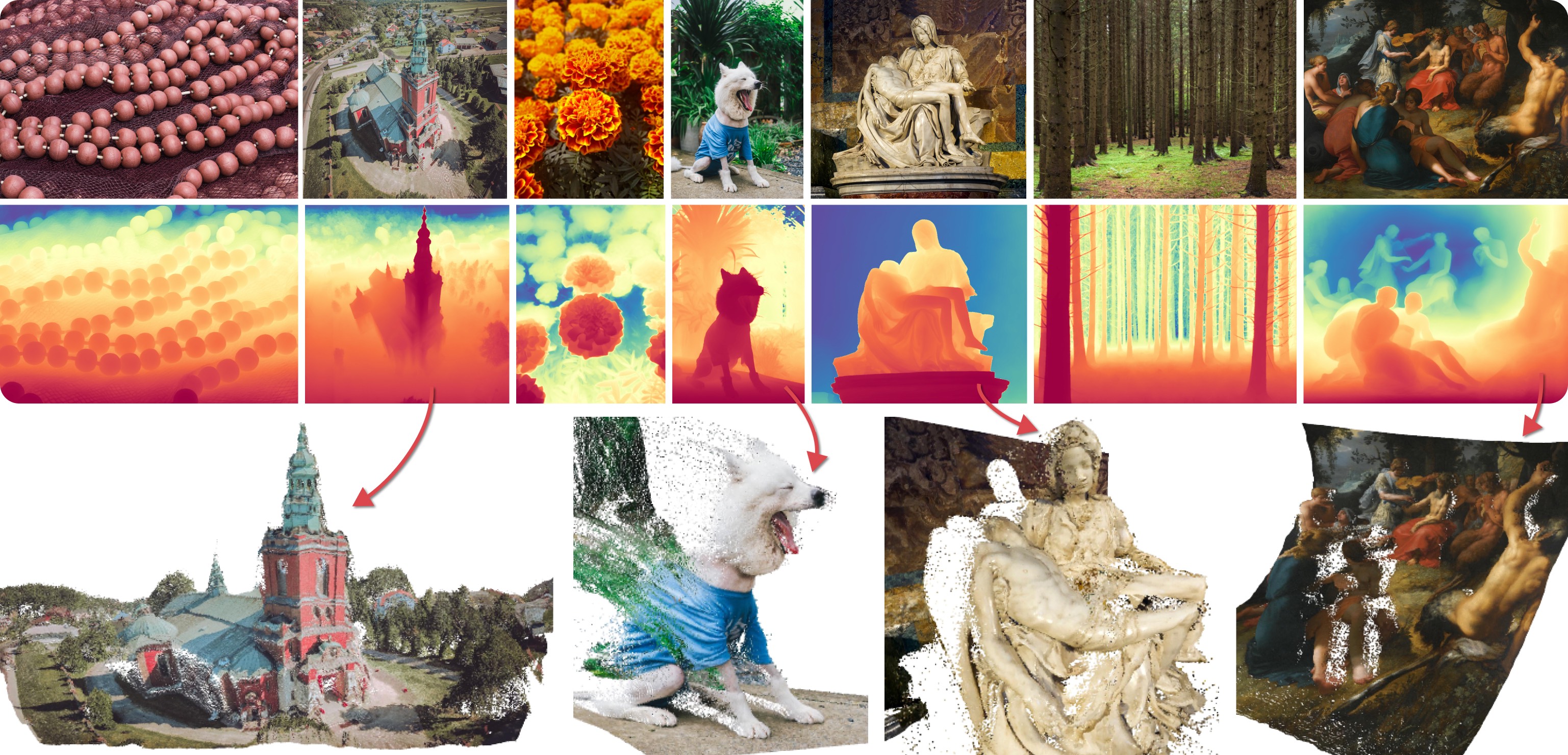
|
||||
|
||||
Marigold was proposed in
|
||||
[Repurposing Diffusion-Based Image Generators for Monocular Depth Estimation](https://huggingface.co/papers/2312.02145),
|
||||
a CVPR 2024 Oral paper by
|
||||
[Bingxin Ke](http://www.kebingxin.com/),
|
||||
[Anton Obukhov](https://www.obukhov.ai/),
|
||||
[Shengyu Huang](https://shengyuh.github.io/),
|
||||
[Nando Metzger](https://nandometzger.github.io/),
|
||||
[Rodrigo Caye Daudt](https://rcdaudt.github.io/), and
|
||||
[Konrad Schindler](https://scholar.google.com/citations?user=FZuNgqIAAAAJ&hl=en).
|
||||
The core idea is to **repurpose the generative prior of Text-to-Image Latent Diffusion Models (LDMs) for traditional
|
||||
computer vision tasks**.
|
||||
This approach was explored by fine-tuning Stable Diffusion for **Monocular Depth Estimation**, as demonstrated in the
|
||||
teaser above.
|
||||
Marigold was proposed in [Repurposing Diffusion-Based Image Generators for Monocular Depth Estimation](https://huggingface.co/papers/2312.02145), a CVPR 2024 Oral paper by [Bingxin Ke](http://www.kebingxin.com/), [Anton Obukhov](https://www.obukhov.ai/), [Shengyu Huang](https://shengyuh.github.io/), [Nando Metzger](https://nandometzger.github.io/), [Rodrigo Caye Daudt](https://rcdaudt.github.io/), and [Konrad Schindler](https://scholar.google.com/citations?user=FZuNgqIAAAAJ&hl=en).
|
||||
The idea is to repurpose the rich generative prior of Text-to-Image Latent Diffusion Models (LDMs) for traditional computer vision tasks.
|
||||
Initially, this idea was explored to fine-tune Stable Diffusion for Monocular Depth Estimation, as shown in the teaser above.
|
||||
Later,
|
||||
- [Tianfu Wang](https://tianfwang.github.io/) trained the first Latent Consistency Model (LCM) of Marigold, which unlocked fast single-step inference;
|
||||
- [Kevin Qu](https://www.linkedin.com/in/kevin-qu-b3417621b/?locale=en_US) extended the approach to Surface Normals Estimation;
|
||||
- [Anton Obukhov](https://www.obukhov.ai/) contributed the pipelines and documentation into diffusers (enabled and supported by [YiYi Xu](https://yiyixuxu.github.io/) and [Sayak Paul](https://sayak.dev/)).
|
||||
|
||||
Marigold was later extended in the follow-up paper,
|
||||
[Marigold: Affordable Adaptation of Diffusion-Based Image Generators for Image Analysis](https://huggingface.co/papers/2312.02145),
|
||||
authored by
|
||||
[Bingxin Ke](http://www.kebingxin.com/),
|
||||
[Kevin Qu](https://www.linkedin.com/in/kevin-qu-b3417621b/?locale=en_US),
|
||||
[Tianfu Wang](https://tianfwang.github.io/),
|
||||
[Nando Metzger](https://nandometzger.github.io/),
|
||||
[Shengyu Huang](https://shengyuh.github.io/),
|
||||
[Bo Li](https://www.linkedin.com/in/bobboli0202/),
|
||||
[Anton Obukhov](https://www.obukhov.ai/), and
|
||||
[Konrad Schindler](https://scholar.google.com/citations?user=FZuNgqIAAAAJ&hl=en).
|
||||
This work expanded Marigold to support new modalities such as **Surface Normals** and **Intrinsic Image Decomposition**
|
||||
(IID), introduced a training protocol for **Latent Consistency Models** (LCM), and demonstrated **High-Resolution** (HR)
|
||||
processing capability.
|
||||
The abstract from the paper is:
|
||||
|
||||
<Tip>
|
||||
|
||||
The early Marigold models (`v1-0` and earlier) were optimized for best results with at least 10 inference steps.
|
||||
LCM models were later developed to enable high-quality inference in just 1 to 4 steps.
|
||||
Marigold models `v1-1` and later use the DDIM scheduler to achieve optimal
|
||||
results in as few as 1 to 4 steps.
|
||||
|
||||
</Tip>
|
||||
*Monocular depth estimation is a fundamental computer vision task. Recovering 3D depth from a single image is geometrically ill-posed and requires scene understanding, so it is not surprising that the rise of deep learning has led to a breakthrough. The impressive progress of monocular depth estimators has mirrored the growth in model capacity, from relatively modest CNNs to large Transformer architectures. Still, monocular depth estimators tend to struggle when presented with images with unfamiliar content and layout, since their knowledge of the visual world is restricted by the data seen during training, and challenged by zero-shot generalization to new domains. This motivates us to explore whether the extensive priors captured in recent generative diffusion models can enable better, more generalizable depth estimation. We introduce Marigold, a method for affine-invariant monocular depth estimation that is derived from Stable Diffusion and retains its rich prior knowledge. The estimator can be fine-tuned in a couple of days on a single GPU using only synthetic training data. It delivers state-of-the-art performance across a wide range of datasets, including over 20% performance gains in specific cases. Project page: https://marigoldmonodepth.github.io.*
|
||||
|
||||
## Available Pipelines
|
||||
|
||||
Each pipeline is tailored for a specific computer vision task, processing an input RGB image and generating a
|
||||
corresponding prediction.
|
||||
Currently, the following computer vision tasks are implemented:
|
||||
Each pipeline supports one Computer Vision task, which takes an input RGB image as input and produces a *prediction* of the modality of interest, such as a depth map of the input image.
|
||||
Currently, the following tasks are implemented:
|
||||
|
||||
| Pipeline | Predicted Modalities | Demos |
|
||||
|---------------------------------------------------------------------------------------------------------------------------------------------|------------------------------------------------------------------------------------------------------------------|:--------------------------------------------------------------------------------------------------------------------------------------------------:|
|
||||
| [MarigoldDepthPipeline](https://github.com/huggingface/diffusers/blob/main/src/diffusers/pipelines/marigold/pipeline_marigold_depth.py) | [Depth](https://en.wikipedia.org/wiki/Depth_map), [Disparity](https://en.wikipedia.org/wiki/Binocular_disparity) | [Fast Demo (LCM)](https://huggingface.co/spaces/prs-eth/marigold-lcm), [Slow Original Demo (DDIM)](https://huggingface.co/spaces/prs-eth/marigold) |
|
||||
| [MarigoldNormalsPipeline](https://github.com/huggingface/diffusers/blob/main/src/diffusers/pipelines/marigold/pipeline_marigold_normals.py) | [Surface normals](https://en.wikipedia.org/wiki/Normal_mapping) | [Fast Demo (LCM)](https://huggingface.co/spaces/prs-eth/marigold-normals-lcm) |
|
||||
|
||||
| Pipeline | Recommended Model Checkpoints | Spaces (Interactive Apps) | Predicted Modalities |
|
||||
|---------------------------------------------------------------------------------------------------------------------------------------------------|---------------------------------------------------------------------------------------------------------------------------------------------------------------------------------------------------------|:------------------------------------------------------------------------------------:|------------------------------------------------------------------------------------------------------------------------------------------------------------------------------------|
|
||||
| [MarigoldDepthPipeline](https://github.com/huggingface/diffusers/blob/main/src/diffusers/pipelines/marigold/pipeline_marigold_depth.py) | [prs-eth/marigold-depth-v1-1](https://huggingface.co/prs-eth/marigold-depth-v1-1) | [Depth Estimation](https://huggingface.co/spaces/prs-eth/marigold) | [Depth](https://en.wikipedia.org/wiki/Depth_map), [Disparity](https://en.wikipedia.org/wiki/Binocular_disparity) |
|
||||
| [MarigoldNormalsPipeline](https://github.com/huggingface/diffusers/blob/main/src/diffusers/pipelines/marigold/pipeline_marigold_normals.py) | [prs-eth/marigold-normals-v1-1](https://huggingface.co/prs-eth/marigold-normals-v1-1) | [Surface Normals Estimation](https://huggingface.co/spaces/prs-eth/marigold-normals) | [Surface normals](https://en.wikipedia.org/wiki/Normal_mapping) |
|
||||
| [MarigoldIntrinsicsPipeline](https://github.com/huggingface/diffusers/blob/main/src/diffusers/pipelines/marigold/pipeline_marigold_intrinsics.py) | [prs-eth/marigold-iid-appearance-v1-1](https://huggingface.co/prs-eth/marigold-iid-appearance-v1-1),<br>[prs-eth/marigold-iid-lighting-v1-1](https://huggingface.co/prs-eth/marigold-iid-lighting-v1-1) | [Intrinsic Image Decomposition](https://huggingface.co/spaces/prs-eth/marigold-iid) | [Albedo](https://en.wikipedia.org/wiki/Albedo), [Materials](https://www.n.aiq3d.com/wiki/roughnessmetalnessao-map), [Lighting](https://en.wikipedia.org/wiki/Diffuse_reflection) |
|
||||
|
||||
## Available Checkpoints
|
||||
|
||||
All original checkpoints are available under the [PRS-ETH](https://huggingface.co/prs-eth/) organization on Hugging Face.
|
||||
They are designed for use with diffusers pipelines and the [original codebase](https://github.com/prs-eth/marigold), which can also be used to train
|
||||
new model checkpoints.
|
||||
The following is a summary of the recommended checkpoints, all of which produce reliable results with 1 to 4 steps.
|
||||
|
||||
| Checkpoint | Modality | Comment |
|
||||
|-----------------------------------------------------------------------------------------------------|--------------|--------------------------------------------------------------------------------------------------------------------------------------------------------------------------------------|
|
||||
| [prs-eth/marigold-depth-v1-1](https://huggingface.co/prs-eth/marigold-depth-v1-1) | Depth | Affine-invariant depth prediction assigns each pixel a value between 0 (near plane) and 1 (far plane), with both planes determined by the model during inference. |
|
||||
| [prs-eth/marigold-normals-v0-1](https://huggingface.co/prs-eth/marigold-normals-v0-1) | Normals | The surface normals predictions are unit-length 3D vectors in the screen space camera, with values in the range from -1 to 1. |
|
||||
| [prs-eth/marigold-iid-appearance-v1-1](https://huggingface.co/prs-eth/marigold-iid-appearance-v1-1) | Intrinsics | InteriorVerse decomposition is comprised of Albedo and two BRDF material properties: Roughness and Metallicity. |
|
||||
| [prs-eth/marigold-iid-lighting-v1-1](https://huggingface.co/prs-eth/marigold-iid-lighting-v1-1) | Intrinsics | HyperSim decomposition of an image  \\(I\\)  is comprised of Albedo  \\(A\\), Diffuse shading  \\(S\\), and Non-diffuse residual  \\(R\\):  \\(I = A*S+R\\). |
|
||||
The original checkpoints can be found under the [PRS-ETH](https://huggingface.co/prs-eth/) Hugging Face organization.
|
||||
|
||||
<Tip>
|
||||
|
||||
Make sure to check out the Schedulers [guide](../../using-diffusers/schedulers) to learn how to explore the tradeoff
|
||||
between scheduler speed and quality, and see the [reuse components across pipelines](../../using-diffusers/loading#reuse-a-pipeline) section to learn how to
|
||||
efficiently load the same components into multiple pipelines.
|
||||
Also, to know more about reducing the memory usage of this pipeline, refer to the ["Reduce memory usage"] section
|
||||
[here](../../using-diffusers/svd#reduce-memory-usage).
|
||||
Make sure to check out the Schedulers [guide](../../using-diffusers/schedulers) to learn how to explore the tradeoff between scheduler speed and quality, and see the [reuse components across pipelines](../../using-diffusers/loading#reuse-components-across-pipelines) section to learn how to efficiently load the same components into multiple pipelines. Also, to know more about reducing the memory usage of this pipeline, refer to the ["Reduce memory usage"] section [here](../../using-diffusers/svd#reduce-memory-usage).
|
||||
|
||||
</Tip>
|
||||
|
||||
<Tip warning={true}>
|
||||
|
||||
Marigold pipelines were designed and tested with the scheduler embedded in the model checkpoint.
|
||||
The optimal number of inference steps varies by scheduler, with no universal value that works best across all cases.
|
||||
To accommodate this, the `num_inference_steps` parameter in the pipeline's `__call__` method defaults to `None` (see the
|
||||
API reference).
|
||||
Unless set explicitly, it inherits the value from the `default_denoising_steps` field in the checkpoint configuration
|
||||
file (`model_index.json`).
|
||||
This ensures high-quality predictions when invoking the pipeline with only the `image` argument.
|
||||
Marigold pipelines were designed and tested only with `DDIMScheduler` and `LCMScheduler`.
|
||||
Depending on the scheduler, the number of inference steps required to get reliable predictions varies, and there is no universal value that works best across schedulers.
|
||||
Because of that, the default value of `num_inference_steps` in the `__call__` method of the pipeline is set to `None` (see the API reference).
|
||||
Unless set explicitly, its value will be taken from the checkpoint configuration `model_index.json`.
|
||||
This is done to ensure high-quality predictions when calling the pipeline with just the `image` argument.
|
||||
|
||||
</Tip>
|
||||
|
||||
See also Marigold [usage examples](../../using-diffusers/marigold_usage).
|
||||
|
||||
## Marigold Depth Prediction API
|
||||
See also Marigold [usage examples](marigold_usage).
|
||||
|
||||
## MarigoldDepthPipeline
|
||||
[[autodoc]] MarigoldDepthPipeline
|
||||
- all
|
||||
- __call__
|
||||
|
||||
## MarigoldNormalsPipeline
|
||||
[[autodoc]] MarigoldNormalsPipeline
|
||||
- all
|
||||
- __call__
|
||||
|
||||
## MarigoldDepthOutput
|
||||
[[autodoc]] pipelines.marigold.pipeline_marigold_depth.MarigoldDepthOutput
|
||||
|
||||
[[autodoc]] pipelines.marigold.marigold_image_processing.MarigoldImageProcessor.visualize_depth
|
||||
|
||||
## Marigold Normals Estimation API
|
||||
[[autodoc]] MarigoldNormalsPipeline
|
||||
- __call__
|
||||
|
||||
[[autodoc]] pipelines.marigold.pipeline_marigold_normals.MarigoldNormalsOutput
|
||||
|
||||
[[autodoc]] pipelines.marigold.marigold_image_processing.MarigoldImageProcessor.visualize_normals
|
||||
|
||||
## Marigold Intrinsic Image Decomposition API
|
||||
|
||||
[[autodoc]] MarigoldIntrinsicsPipeline
|
||||
- __call__
|
||||
|
||||
[[autodoc]] pipelines.marigold.pipeline_marigold_intrinsics.MarigoldIntrinsicsOutput
|
||||
|
||||
[[autodoc]] pipelines.marigold.marigold_image_processing.MarigoldImageProcessor.visualize_intrinsics
|
||||
## MarigoldNormalsOutput
|
||||
[[autodoc]] pipelines.marigold.pipeline_marigold_normals.MarigoldNormalsOutput
|
||||
@@ -15,63 +15,15 @@
|
||||
|
||||
# Mochi 1 Preview
|
||||
|
||||
<div class="flex flex-wrap space-x-1">
|
||||
<img alt="LoRA" src="https://img.shields.io/badge/LoRA-d8b4fe?style=flat"/>
|
||||
</div>
|
||||
|
||||
> [!TIP]
|
||||
> Only a research preview of the model weights is available at the moment.
|
||||
|
||||
[Mochi 1](https://huggingface.co/genmo/mochi-1-preview) is a video generation model by Genmo with a strong focus on prompt adherence and motion quality. The model features a 10B parameter Asmmetric Diffusion Transformer (AsymmDiT) architecture, and uses non-square QKV and output projection layers to reduce inference memory requirements. A single T5-XXL model is used to encode prompts.
|
||||
[Mochi 1 Preview](https://huggingface.co/genmo/mochi-1-preview) from Genmo.
|
||||
|
||||
*Mochi 1 preview is an open state-of-the-art video generation model with high-fidelity motion and strong prompt adherence in preliminary evaluation. This model dramatically closes the gap between closed and open video generation systems. The model is released under a permissive Apache 2.0 license.*
|
||||
|
||||
> [!TIP]
|
||||
> Make sure to check out the Schedulers [guide](../../using-diffusers/schedulers) to learn how to explore the tradeoff between scheduler speed and quality, and see the [reuse components across pipelines](../../using-diffusers/loading#reuse-a-pipeline) section to learn how to efficiently load the same components into multiple pipelines.
|
||||
<Tip>
|
||||
|
||||
## Quantization
|
||||
Make sure to check out the Schedulers [guide](../../using-diffusers/schedulers.md) to learn how to explore the tradeoff between scheduler speed and quality, and see the [reuse components across pipelines](../../using-diffusers/loading.md#reuse-a-pipeline) section to learn how to efficiently load the same components into multiple pipelines.
|
||||
|
||||
Quantization helps reduce the memory requirements of very large models by storing model weights in a lower precision data type. However, quantization may have varying impact on video quality depending on the video model.
|
||||
|
||||
Refer to the [Quantization](../../quantization/overview) overview to learn more about supported quantization backends and selecting a quantization backend that supports your use case. The example below demonstrates how to load a quantized [`MochiPipeline`] for inference with bitsandbytes.
|
||||
|
||||
```py
|
||||
import torch
|
||||
from diffusers import BitsAndBytesConfig as DiffusersBitsAndBytesConfig, MochiTransformer3DModel, MochiPipeline
|
||||
from diffusers.utils import export_to_video
|
||||
from transformers import BitsAndBytesConfig as BitsAndBytesConfig, T5EncoderModel
|
||||
|
||||
quant_config = BitsAndBytesConfig(load_in_8bit=True)
|
||||
text_encoder_8bit = T5EncoderModel.from_pretrained(
|
||||
"genmo/mochi-1-preview",
|
||||
subfolder="text_encoder",
|
||||
quantization_config=quant_config,
|
||||
torch_dtype=torch.float16,
|
||||
)
|
||||
|
||||
quant_config = DiffusersBitsAndBytesConfig(load_in_8bit=True)
|
||||
transformer_8bit = MochiTransformer3DModel.from_pretrained(
|
||||
"genmo/mochi-1-preview",
|
||||
subfolder="transformer",
|
||||
quantization_config=quant_config,
|
||||
torch_dtype=torch.float16,
|
||||
)
|
||||
|
||||
pipeline = MochiPipeline.from_pretrained(
|
||||
"genmo/mochi-1-preview",
|
||||
text_encoder=text_encoder_8bit,
|
||||
transformer=transformer_8bit,
|
||||
torch_dtype=torch.float16,
|
||||
device_map="balanced",
|
||||
)
|
||||
|
||||
video = pipeline(
|
||||
"Close-up of a cats eye, with the galaxy reflected in the cats eye. Ultra high resolution 4k.",
|
||||
num_inference_steps=28,
|
||||
guidance_scale=3.5
|
||||
).frames[0]
|
||||
export_to_video(video, "cat.mp4")
|
||||
```
|
||||
</Tip>
|
||||
|
||||
## Generating videos with Mochi-1 Preview
|
||||
|
||||
@@ -119,7 +71,7 @@ export_to_video(frames, "mochi.mp4", fps=30)
|
||||
|
||||
## Reproducing the results from the Genmo Mochi repo
|
||||
|
||||
The [Genmo Mochi implementation](https://github.com/genmoai/mochi/tree/main) uses different precision values for each stage in the inference process. The text encoder and VAE use `torch.float32`, while the DiT uses `torch.bfloat16` with the [attention kernel](https://pytorch.org/docs/stable/generated/torch.nn.attention.sdpa_kernel.html#torch.nn.attention.sdpa_kernel) set to `EFFICIENT_ATTENTION`. Diffusers pipelines currently do not support setting different `dtypes` for different stages of the pipeline. In order to run inference in the same way as the original implementation, please refer to the following example.
|
||||
The [Genmo Mochi implementation](https://github.com/genmoai/mochi/tree/main) uses different precision values for each stage in the inference process. The text encoder and VAE use `torch.float32`, while the DiT uses `torch.bfloat16` with the [attention kernel](https://pytorch.org/docs/stable/generated/torch.nn.attention.sdpa_kernel.html#torch.nn.attention.sdpa_kernel) set to `EFFICIENT_ATTENTION`. Diffusers pipelines currently do not support setting different `dtypes` for different stages of the pipeline. In order to run inference in the same way as the the original implementation, please refer to the following example.
|
||||
|
||||
<Tip>
|
||||
The original Mochi implementation zeros out empty prompts. However, enabling this option and placing the entire pipeline under autocast can lead to numerical overflows with the T5 text encoder.
|
||||
|
||||
@@ -42,7 +42,7 @@ During inference:
|
||||
|
||||
<Tip>
|
||||
|
||||
Make sure to check out the Schedulers [guide](../../using-diffusers/schedulers) to learn how to explore the tradeoff between scheduler speed and quality, and see the [reuse components across pipelines](../../using-diffusers/loading#reuse-a-pipeline) section to learn how to efficiently load the same components into multiple pipelines.
|
||||
Make sure to check out the Schedulers [guide](../../using-diffusers/schedulers) to learn how to explore the tradeoff between scheduler speed and quality, and see the [reuse components across pipelines](../../using-diffusers/loading#reuse-components-across-pipelines) section to learn how to efficiently load the same components into multiple pipelines.
|
||||
|
||||
</Tip>
|
||||
|
||||
|
||||
@@ -1,80 +0,0 @@
|
||||
<!--Copyright 2024 The HuggingFace Team. All rights reserved.
|
||||
#
|
||||
# Licensed under the Apache License, Version 2.0 (the "License");
|
||||
# you may not use this file except in compliance with the License.
|
||||
# You may obtain a copy of the License at
|
||||
#
|
||||
# http://www.apache.org/licenses/LICENSE-2.0
|
||||
#
|
||||
# Unless required by applicable law or agreed to in writing, software
|
||||
# distributed under the License is distributed on an "AS IS" BASIS,
|
||||
# WITHOUT WARRANTIES OR CONDITIONS OF ANY KIND, either express or implied.
|
||||
# See the License for the specific language governing permissions and
|
||||
# limitations under the License.
|
||||
-->
|
||||
|
||||
# OmniGen
|
||||
|
||||
[OmniGen: Unified Image Generation](https://arxiv.org/pdf/2409.11340) from BAAI, by Shitao Xiao, Yueze Wang, Junjie Zhou, Huaying Yuan, Xingrun Xing, Ruiran Yan, Chaofan Li, Shuting Wang, Tiejun Huang, Zheng Liu.
|
||||
|
||||
The abstract from the paper is:
|
||||
|
||||
*The emergence of Large Language Models (LLMs) has unified language generation tasks and revolutionized human-machine interaction. However, in the realm of image generation, a unified model capable of handling various tasks within a single framework remains largely unexplored. In this work, we introduce OmniGen, a new diffusion model for unified image generation. OmniGen is characterized by the following features: 1) Unification: OmniGen not only demonstrates text-to-image generation capabilities but also inherently supports various downstream tasks, such as image editing, subject-driven generation, and visual conditional generation. 2) Simplicity: The architecture of OmniGen is highly simplified, eliminating the need for additional plugins. Moreover, compared to existing diffusion models, it is more user-friendly and can complete complex tasks end-to-end through instructions without the need for extra intermediate steps, greatly simplifying the image generation workflow. 3) Knowledge Transfer: Benefit from learning in a unified format, OmniGen effectively transfers knowledge across different tasks, manages unseen tasks and domains, and exhibits novel capabilities. We also explore the model’s reasoning capabilities and potential applications of the chain-of-thought mechanism. This work represents the first attempt at a general-purpose image generation model, and we will release our resources at https://github.com/VectorSpaceLab/OmniGen to foster future advancements.*
|
||||
|
||||
<Tip>
|
||||
|
||||
Make sure to check out the Schedulers [guide](../../using-diffusers/schedulers.md) to learn how to explore the tradeoff between scheduler speed and quality, and see the [reuse components across pipelines](../../using-diffusers/loading.md#reuse-a-pipeline) section to learn how to efficiently load the same components into multiple pipelines.
|
||||
|
||||
</Tip>
|
||||
|
||||
This pipeline was contributed by [staoxiao](https://github.com/staoxiao). The original codebase can be found [here](https://github.com/VectorSpaceLab/OmniGen). The original weights can be found under [hf.co/shitao](https://huggingface.co/Shitao/OmniGen-v1).
|
||||
|
||||
## Inference
|
||||
|
||||
First, load the pipeline:
|
||||
|
||||
```python
|
||||
import torch
|
||||
from diffusers import OmniGenPipeline
|
||||
|
||||
pipe = OmniGenPipeline.from_pretrained("Shitao/OmniGen-v1-diffusers", torch_dtype=torch.bfloat16)
|
||||
pipe.to("cuda")
|
||||
```
|
||||
|
||||
For text-to-image, pass a text prompt. By default, OmniGen generates a 1024x1024 image.
|
||||
You can try setting the `height` and `width` parameters to generate images with different size.
|
||||
|
||||
```python
|
||||
prompt = "Realistic photo. A young woman sits on a sofa, holding a book and facing the camera. She wears delicate silver hoop earrings adorned with tiny, sparkling diamonds that catch the light, with her long chestnut hair cascading over her shoulders. Her eyes are focused and gentle, framed by long, dark lashes. She is dressed in a cozy cream sweater, which complements her warm, inviting smile. Behind her, there is a table with a cup of water in a sleek, minimalist blue mug. The background is a serene indoor setting with soft natural light filtering through a window, adorned with tasteful art and flowers, creating a cozy and peaceful ambiance. 4K, HD."
|
||||
image = pipe(
|
||||
prompt=prompt,
|
||||
height=1024,
|
||||
width=1024,
|
||||
guidance_scale=3,
|
||||
generator=torch.Generator(device="cpu").manual_seed(111),
|
||||
).images[0]
|
||||
image.save("output.png")
|
||||
```
|
||||
|
||||
OmniGen supports multimodal inputs.
|
||||
When the input includes an image, you need to add a placeholder `<img><|image_1|></img>` in the text prompt to represent the image.
|
||||
It is recommended to enable `use_input_image_size_as_output` to keep the edited image the same size as the original image.
|
||||
|
||||
```python
|
||||
prompt="<img><|image_1|></img> Remove the woman's earrings. Replace the mug with a clear glass filled with sparkling iced cola."
|
||||
input_images=[load_image("https://raw.githubusercontent.com/VectorSpaceLab/OmniGen/main/imgs/docs_img/t2i_woman_with_book.png")]
|
||||
image = pipe(
|
||||
prompt=prompt,
|
||||
input_images=input_images,
|
||||
guidance_scale=2,
|
||||
img_guidance_scale=1.6,
|
||||
use_input_image_size_as_output=True,
|
||||
generator=torch.Generator(device="cpu").manual_seed(222)).images[0]
|
||||
image.save("output.png")
|
||||
```
|
||||
|
||||
## OmniGenPipeline
|
||||
|
||||
[[autodoc]] OmniGenPipeline
|
||||
- all
|
||||
- __call__
|
||||
@@ -54,7 +54,7 @@ The table below lists all the pipelines currently available in 🤗 Diffusers an
|
||||
| [DiT](dit) | text2image |
|
||||
| [Flux](flux) | text2image |
|
||||
| [Hunyuan-DiT](hunyuandit) | text2image |
|
||||
| [I2VGen-XL](i2vgenxl) | image2video |
|
||||
| [I2VGen-XL](i2vgenxl) | text2video |
|
||||
| [InstructPix2Pix](pix2pix) | image editing |
|
||||
| [Kandinsky 2.1](kandinsky) | text2image, image2image, inpainting, interpolation |
|
||||
| [Kandinsky 2.2](kandinsky_v22) | text2image, image2image, inpainting |
|
||||
@@ -65,7 +65,7 @@ The table below lists all the pipelines currently available in 🤗 Diffusers an
|
||||
| [Latte](latte) | text2image |
|
||||
| [LEDITS++](ledits_pp) | image editing |
|
||||
| [Lumina-T2X](lumina) | text2image |
|
||||
| [Marigold](marigold) | depth-estimation, normals-estimation, intrinsic-decomposition |
|
||||
| [Marigold](marigold) | depth |
|
||||
| [MultiDiffusion](panorama) | text2image |
|
||||
| [MusicLDM](musicldm) | text2audio |
|
||||
| [PAG](pag) | text2image |
|
||||
|
||||
@@ -12,10 +12,6 @@ specific language governing permissions and limitations under the License.
|
||||
|
||||
# Perturbed-Attention Guidance
|
||||
|
||||
<div class="flex flex-wrap space-x-1">
|
||||
<img alt="LoRA" src="https://img.shields.io/badge/LoRA-d8b4fe?style=flat"/>
|
||||
</div>
|
||||
|
||||
[Perturbed-Attention Guidance (PAG)](https://ku-cvlab.github.io/Perturbed-Attention-Guidance/) is a new diffusion sampling guidance that improves sample quality across both unconditional and conditional settings, achieving this without requiring further training or the integration of external modules.
|
||||
|
||||
PAG was introduced in [Self-Rectifying Diffusion Sampling with Perturbed-Attention Guidance](https://huggingface.co/papers/2403.17377) by Donghoon Ahn, Hyoungwon Cho, Jaewon Min, Wooseok Jang, Jungwoo Kim, SeonHwa Kim, Hyun Hee Park, Kyong Hwan Jin and Seungryong Kim.
|
||||
|
||||
@@ -26,7 +26,7 @@ Paint by Example is supported by the official [Fantasy-Studio/Paint-by-Example](
|
||||
|
||||
<Tip>
|
||||
|
||||
Make sure to check out the Schedulers [guide](../../using-diffusers/schedulers) to learn how to explore the tradeoff between scheduler speed and quality, and see the [reuse components across pipelines](../../using-diffusers/loading#reuse-a-pipeline) section to learn how to efficiently load the same components into multiple pipelines.
|
||||
Make sure to check out the Schedulers [guide](../../using-diffusers/schedulers) to learn how to explore the tradeoff between scheduler speed and quality, and see the [reuse components across pipelines](../../using-diffusers/loading#reuse-components-across-pipelines) section to learn how to efficiently load the same components into multiple pipelines.
|
||||
|
||||
</Tip>
|
||||
|
||||
|
||||
@@ -12,10 +12,6 @@ specific language governing permissions and limitations under the License.
|
||||
|
||||
# MultiDiffusion
|
||||
|
||||
<div class="flex flex-wrap space-x-1">
|
||||
<img alt="LoRA" src="https://img.shields.io/badge/LoRA-d8b4fe?style=flat"/>
|
||||
</div>
|
||||
|
||||
[MultiDiffusion: Fusing Diffusion Paths for Controlled Image Generation](https://huggingface.co/papers/2302.08113) is by Omer Bar-Tal, Lior Yariv, Yaron Lipman, and Tali Dekel.
|
||||
|
||||
The abstract from the paper is:
|
||||
@@ -41,7 +37,7 @@ But with circular padding, the right and the left parts are matching (`circular_
|
||||
|
||||
<Tip>
|
||||
|
||||
Make sure to check out the Schedulers [guide](../../using-diffusers/schedulers) to learn how to explore the tradeoff between scheduler speed and quality, and see the [reuse components across pipelines](../../using-diffusers/loading#reuse-a-pipeline) section to learn how to efficiently load the same components into multiple pipelines.
|
||||
Make sure to check out the Schedulers [guide](../../using-diffusers/schedulers) to learn how to explore the tradeoff between scheduler speed and quality, and see the [reuse components across pipelines](../../using-diffusers/loading#reuse-components-across-pipelines) section to learn how to efficiently load the same components into multiple pipelines.
|
||||
|
||||
</Tip>
|
||||
|
||||
|
||||
@@ -12,10 +12,6 @@ specific language governing permissions and limitations under the License.
|
||||
|
||||
# Image-to-Video Generation with PIA (Personalized Image Animator)
|
||||
|
||||
<div class="flex flex-wrap space-x-1">
|
||||
<img alt="LoRA" src="https://img.shields.io/badge/LoRA-d8b4fe?style=flat"/>
|
||||
</div>
|
||||
|
||||
## Overview
|
||||
|
||||
[PIA: Your Personalized Image Animator via Plug-and-Play Modules in Text-to-Image Models](https://arxiv.org/abs/2312.13964) by Yiming Zhang, Zhening Xing, Yanhong Zeng, Youqing Fang, Kai Chen
|
||||
|
||||
@@ -12,10 +12,6 @@ specific language governing permissions and limitations under the License.
|
||||
|
||||
# InstructPix2Pix
|
||||
|
||||
<div class="flex flex-wrap space-x-1">
|
||||
<img alt="LoRA" src="https://img.shields.io/badge/LoRA-d8b4fe?style=flat"/>
|
||||
</div>
|
||||
|
||||
[InstructPix2Pix: Learning to Follow Image Editing Instructions](https://huggingface.co/papers/2211.09800) is by Tim Brooks, Aleksander Holynski and Alexei A. Efros.
|
||||
|
||||
The abstract from the paper is:
|
||||
@@ -26,7 +22,7 @@ You can find additional information about InstructPix2Pix on the [project page](
|
||||
|
||||
<Tip>
|
||||
|
||||
Make sure to check out the Schedulers [guide](../../using-diffusers/schedulers) to learn how to explore the tradeoff between scheduler speed and quality, and see the [reuse components across pipelines](../../using-diffusers/loading#reuse-a-pipeline) section to learn how to efficiently load the same components into multiple pipelines.
|
||||
Make sure to check out the Schedulers [guide](../../using-diffusers/schedulers) to learn how to explore the tradeoff between scheduler speed and quality, and see the [reuse components across pipelines](../../using-diffusers/loading#reuse-components-across-pipelines) section to learn how to efficiently load the same components into multiple pipelines.
|
||||
|
||||
</Tip>
|
||||
|
||||
|
||||
@@ -31,7 +31,7 @@ Some notes about this pipeline:
|
||||
|
||||
<Tip>
|
||||
|
||||
Make sure to check out the Schedulers [guide](../../using-diffusers/schedulers) to learn how to explore the tradeoff between scheduler speed and quality, and see the [reuse components across pipelines](../../using-diffusers/loading#reuse-a-pipeline) section to learn how to efficiently load the same components into multiple pipelines.
|
||||
Make sure to check out the Schedulers [guide](../../using-diffusers/schedulers.md) to learn how to explore the tradeoff between scheduler speed and quality, and see the [reuse components across pipelines](../../using-diffusers/loading.md#reuse-a-pipeline) section to learn how to efficiently load the same components into multiple pipelines.
|
||||
|
||||
</Tip>
|
||||
|
||||
|
||||
@@ -14,11 +14,6 @@
|
||||
|
||||
# SanaPipeline
|
||||
|
||||
<div class="flex flex-wrap space-x-1">
|
||||
<img alt="LoRA" src="https://img.shields.io/badge/LoRA-d8b4fe?style=flat"/>
|
||||
<img alt="MPS" src="https://img.shields.io/badge/MPS-000000?style=flat&logo=apple&logoColor=white%22">
|
||||
</div>
|
||||
|
||||
[SANA: Efficient High-Resolution Image Synthesis with Linear Diffusion Transformers](https://huggingface.co/papers/2410.10629) from NVIDIA and MIT HAN Lab, by Enze Xie, Junsong Chen, Junyu Chen, Han Cai, Haotian Tang, Yujun Lin, Zhekai Zhang, Muyang Li, Ligeng Zhu, Yao Lu, Song Han.
|
||||
|
||||
The abstract from the paper is:
|
||||
@@ -27,7 +22,7 @@ The abstract from the paper is:
|
||||
|
||||
<Tip>
|
||||
|
||||
Make sure to check out the Schedulers [guide](../../using-diffusers/schedulers) to learn how to explore the tradeoff between scheduler speed and quality, and see the [reuse components across pipelines](../../using-diffusers/loading#reuse-a-pipeline) section to learn how to efficiently load the same components into multiple pipelines.
|
||||
Make sure to check out the Schedulers [guide](../../using-diffusers/schedulers.md) to learn how to explore the tradeoff between scheduler speed and quality, and see the [reuse components across pipelines](../../using-diffusers/loading.md#reuse-a-pipeline) section to learn how to efficiently load the same components into multiple pipelines.
|
||||
|
||||
</Tip>
|
||||
|
||||
@@ -55,46 +50,6 @@ Make sure to pass the `variant` argument for downloaded checkpoints to use lower
|
||||
|
||||
</Tip>
|
||||
|
||||
## Quantization
|
||||
|
||||
Quantization helps reduce the memory requirements of very large models by storing model weights in a lower precision data type. However, quantization may have varying impact on video quality depending on the video model.
|
||||
|
||||
Refer to the [Quantization](../../quantization/overview) overview to learn more about supported quantization backends and selecting a quantization backend that supports your use case. The example below demonstrates how to load a quantized [`SanaPipeline`] for inference with bitsandbytes.
|
||||
|
||||
```py
|
||||
import torch
|
||||
from diffusers import BitsAndBytesConfig as DiffusersBitsAndBytesConfig, SanaTransformer2DModel, SanaPipeline
|
||||
from transformers import BitsAndBytesConfig as BitsAndBytesConfig, AutoModel
|
||||
|
||||
quant_config = BitsAndBytesConfig(load_in_8bit=True)
|
||||
text_encoder_8bit = AutoModel.from_pretrained(
|
||||
"Efficient-Large-Model/Sana_1600M_1024px_diffusers",
|
||||
subfolder="text_encoder",
|
||||
quantization_config=quant_config,
|
||||
torch_dtype=torch.float16,
|
||||
)
|
||||
|
||||
quant_config = DiffusersBitsAndBytesConfig(load_in_8bit=True)
|
||||
transformer_8bit = SanaTransformer2DModel.from_pretrained(
|
||||
"Efficient-Large-Model/Sana_1600M_1024px_diffusers",
|
||||
subfolder="transformer",
|
||||
quantization_config=quant_config,
|
||||
torch_dtype=torch.float16,
|
||||
)
|
||||
|
||||
pipeline = SanaPipeline.from_pretrained(
|
||||
"Efficient-Large-Model/Sana_1600M_1024px_diffusers",
|
||||
text_encoder=text_encoder_8bit,
|
||||
transformer=transformer_8bit,
|
||||
torch_dtype=torch.float16,
|
||||
device_map="balanced",
|
||||
)
|
||||
|
||||
prompt = "a tiny astronaut hatching from an egg on the moon"
|
||||
image = pipeline(prompt).images[0]
|
||||
image.save("sana.png")
|
||||
```
|
||||
|
||||
## SanaPipeline
|
||||
|
||||
[[autodoc]] SanaPipeline
|
||||
|
||||
@@ -1,100 +0,0 @@
|
||||
<!-- Copyright 2024 The HuggingFace Team. All rights reserved.
|
||||
#
|
||||
# Licensed under the Apache License, Version 2.0 (the "License");
|
||||
# you may not use this file except in compliance with the License.
|
||||
# You may obtain a copy of the License at
|
||||
#
|
||||
# http://www.apache.org/licenses/LICENSE-2.0
|
||||
#
|
||||
# Unless required by applicable law or agreed to in writing, software
|
||||
# distributed under the License is distributed on an "AS IS" BASIS,
|
||||
# WITHOUT WARRANTIES OR CONDITIONS OF ANY KIND, either express or implied.
|
||||
# See the License for the specific language governing permissions and
|
||||
# limitations under the License. -->
|
||||
|
||||
# SANA-Sprint
|
||||
|
||||
<div class="flex flex-wrap space-x-1">
|
||||
<img alt="LoRA" src="https://img.shields.io/badge/LoRA-d8b4fe?style=flat"/>
|
||||
</div>
|
||||
|
||||
[SANA-Sprint: One-Step Diffusion with Continuous-Time Consistency Distillation](https://huggingface.co/papers/2503.09641) from NVIDIA, MIT HAN Lab, and Hugging Face by Junsong Chen, Shuchen Xue, Yuyang Zhao, Jincheng Yu, Sayak Paul, Junyu Chen, Han Cai, Enze Xie, Song Han
|
||||
|
||||
The abstract from the paper is:
|
||||
|
||||
*This paper presents SANA-Sprint, an efficient diffusion model for ultra-fast text-to-image (T2I) generation. SANA-Sprint is built on a pre-trained foundation model and augmented with hybrid distillation, dramatically reducing inference steps from 20 to 1-4. We introduce three key innovations: (1) We propose a training-free approach that transforms a pre-trained flow-matching model for continuous-time consistency distillation (sCM), eliminating costly training from scratch and achieving high training efficiency. Our hybrid distillation strategy combines sCM with latent adversarial distillation (LADD): sCM ensures alignment with the teacher model, while LADD enhances single-step generation fidelity. (2) SANA-Sprint is a unified step-adaptive model that achieves high-quality generation in 1-4 steps, eliminating step-specific training and improving efficiency. (3) We integrate ControlNet with SANA-Sprint for real-time interactive image generation, enabling instant visual feedback for user interaction. SANA-Sprint establishes a new Pareto frontier in speed-quality tradeoffs, achieving state-of-the-art performance with 7.59 FID and 0.74 GenEval in only 1 step — outperforming FLUX-schnell (7.94 FID / 0.71 GenEval) while being 10× faster (0.1s vs 1.1s on H100). It also achieves 0.1s (T2I) and 0.25s (ControlNet) latency for 1024×1024 images on H100, and 0.31s (T2I) on an RTX 4090, showcasing its exceptional efficiency and potential for AI-powered consumer applications (AIPC). Code and pre-trained models will be open-sourced.*
|
||||
|
||||
<Tip>
|
||||
|
||||
Make sure to check out the Schedulers [guide](../../using-diffusers/schedulers) to learn how to explore the tradeoff between scheduler speed and quality, and see the [reuse components across pipelines](../../using-diffusers/loading#reuse-a-pipeline) section to learn how to efficiently load the same components into multiple pipelines.
|
||||
|
||||
</Tip>
|
||||
|
||||
This pipeline was contributed by [lawrence-cj](https://github.com/lawrence-cj), [shuchen Xue](https://github.com/scxue) and [Enze Xie](https://github.com/xieenze). The original codebase can be found [here](https://github.com/NVlabs/Sana). The original weights can be found under [hf.co/Efficient-Large-Model](https://huggingface.co/Efficient-Large-Model/).
|
||||
|
||||
Available models:
|
||||
|
||||
| Model | Recommended dtype |
|
||||
|:-------------------------------------------------------------------------------------------------------------------------------------------:|:-----------------:|
|
||||
| [`Efficient-Large-Model/Sana_Sprint_1.6B_1024px_diffusers`](https://huggingface.co/Efficient-Large-Model/Sana_Sprint_1.6B_1024px_diffusers) | `torch.bfloat16` |
|
||||
| [`Efficient-Large-Model/Sana_Sprint_0.6B_1024px_diffusers`](https://huggingface.co/Efficient-Large-Model/Sana_Sprint_0.6B_1024px_diffusers) | `torch.bfloat16` |
|
||||
|
||||
Refer to [this](https://huggingface.co/collections/Efficient-Large-Model/sana-sprint-67d6810d65235085b3b17c76) collection for more information.
|
||||
|
||||
Note: The recommended dtype mentioned is for the transformer weights. The text encoder must stay in `torch.bfloat16` and VAE weights must stay in `torch.bfloat16` or `torch.float32` for the model to work correctly. Please refer to the inference example below to see how to load the model with the recommended dtype.
|
||||
|
||||
|
||||
## Quantization
|
||||
|
||||
Quantization helps reduce the memory requirements of very large models by storing model weights in a lower precision data type. However, quantization may have varying impact on video quality depending on the video model.
|
||||
|
||||
Refer to the [Quantization](../../quantization/overview) overview to learn more about supported quantization backends and selecting a quantization backend that supports your use case. The example below demonstrates how to load a quantized [`SanaSprintPipeline`] for inference with bitsandbytes.
|
||||
|
||||
```py
|
||||
import torch
|
||||
from diffusers import BitsAndBytesConfig as DiffusersBitsAndBytesConfig, SanaTransformer2DModel, SanaSprintPipeline
|
||||
from transformers import BitsAndBytesConfig as BitsAndBytesConfig, AutoModel
|
||||
|
||||
quant_config = BitsAndBytesConfig(load_in_8bit=True)
|
||||
text_encoder_8bit = AutoModel.from_pretrained(
|
||||
"Efficient-Large-Model/Sana_Sprint_1.6B_1024px_diffusers",
|
||||
subfolder="text_encoder",
|
||||
quantization_config=quant_config,
|
||||
torch_dtype=torch.bfloat16,
|
||||
)
|
||||
|
||||
quant_config = DiffusersBitsAndBytesConfig(load_in_8bit=True)
|
||||
transformer_8bit = SanaTransformer2DModel.from_pretrained(
|
||||
"Efficient-Large-Model/Sana_Sprint_1.6B_1024px_diffusers",
|
||||
subfolder="transformer",
|
||||
quantization_config=quant_config,
|
||||
torch_dtype=torch.bfloat16,
|
||||
)
|
||||
|
||||
pipeline = SanaSprintPipeline.from_pretrained(
|
||||
"Efficient-Large-Model/Sana_Sprint_1.6B_1024px_diffusers",
|
||||
text_encoder=text_encoder_8bit,
|
||||
transformer=transformer_8bit,
|
||||
torch_dtype=torch.bfloat16,
|
||||
device_map="balanced",
|
||||
)
|
||||
|
||||
prompt = "a tiny astronaut hatching from an egg on the moon"
|
||||
image = pipeline(prompt).images[0]
|
||||
image.save("sana.png")
|
||||
```
|
||||
|
||||
## Setting `max_timesteps`
|
||||
|
||||
Users can tweak the `max_timesteps` value for experimenting with the visual quality of the generated outputs. The default `max_timesteps` value was obtained with an inference-time search process. For more details about it, check out the paper.
|
||||
|
||||
## SanaSprintPipeline
|
||||
|
||||
[[autodoc]] SanaSprintPipeline
|
||||
- all
|
||||
- __call__
|
||||
|
||||
|
||||
## SanaPipelineOutput
|
||||
|
||||
[[autodoc]] pipelines.sana.pipeline_output.SanaPipelineOutput
|
||||
@@ -22,7 +22,7 @@ You can find additional information about Self-Attention Guidance on the [projec
|
||||
|
||||
<Tip>
|
||||
|
||||
Make sure to check out the Schedulers [guide](../../using-diffusers/schedulers) to learn how to explore the tradeoff between scheduler speed and quality, and see the [reuse components across pipelines](../../using-diffusers/loading#reuse-a-pipeline) section to learn how to efficiently load the same components into multiple pipelines.
|
||||
Make sure to check out the Schedulers [guide](../../using-diffusers/schedulers) to learn how to explore the tradeoff between scheduler speed and quality, and see the [reuse components across pipelines](../../using-diffusers/loading#reuse-components-across-pipelines) section to learn how to efficiently load the same components into multiple pipelines.
|
||||
|
||||
</Tip>
|
||||
|
||||
|
||||
@@ -21,7 +21,7 @@ The abstract from the paper is:
|
||||
|
||||
<Tip>
|
||||
|
||||
Make sure to check out the Schedulers [guide](../../using-diffusers/schedulers) to learn how to explore the tradeoff between scheduler speed and quality, and see the [reuse components across pipelines](../../using-diffusers/loading#reuse-a-pipeline) section to learn how to efficiently load the same components into multiple pipelines.
|
||||
Make sure to check out the Schedulers [guide](../../using-diffusers/schedulers) to learn how to explore the tradeoff between scheduler speed and quality, and see the [reuse components across pipelines](../../using-diffusers/loading#reuse-components-across-pipelines) section to learn how to efficiently load the same components into multiple pipelines.
|
||||
|
||||
</Tip>
|
||||
|
||||
|
||||
@@ -19,7 +19,7 @@ The original codebase can be found at [openai/shap-e](https://github.com/openai/
|
||||
|
||||
<Tip>
|
||||
|
||||
See the [reuse components across pipelines](../../using-diffusers/loading#reuse-a-pipeline) section to learn how to efficiently load the same components into multiple pipelines.
|
||||
See the [reuse components across pipelines](../../using-diffusers/loading#reuse-components-across-pipelines) section to learn how to efficiently load the same components into multiple pipelines.
|
||||
|
||||
</Tip>
|
||||
|
||||
|
||||
@@ -35,57 +35,6 @@ During inference:
|
||||
* The _quality_ of the generated audio sample can be controlled by the `num_inference_steps` argument; higher steps give higher quality audio at the expense of slower inference.
|
||||
* Multiple waveforms can be generated in one go: set `num_waveforms_per_prompt` to a value greater than 1 to enable. Automatic scoring will be performed between the generated waveforms and prompt text, and the audios ranked from best to worst accordingly.
|
||||
|
||||
## Quantization
|
||||
|
||||
Quantization helps reduce the memory requirements of very large models by storing model weights in a lower precision data type. However, quantization may have varying impact on video quality depending on the video model.
|
||||
|
||||
Refer to the [Quantization](../../quantization/overview) overview to learn more about supported quantization backends and selecting a quantization backend that supports your use case. The example below demonstrates how to load a quantized [`StableAudioPipeline`] for inference with bitsandbytes.
|
||||
|
||||
```py
|
||||
import torch
|
||||
from diffusers import BitsAndBytesConfig as DiffusersBitsAndBytesConfig, StableAudioDiTModel, StableAudioPipeline
|
||||
from diffusers.utils import export_to_video
|
||||
from transformers import BitsAndBytesConfig as BitsAndBytesConfig, T5EncoderModel
|
||||
|
||||
quant_config = BitsAndBytesConfig(load_in_8bit=True)
|
||||
text_encoder_8bit = T5EncoderModel.from_pretrained(
|
||||
"stabilityai/stable-audio-open-1.0",
|
||||
subfolder="text_encoder",
|
||||
quantization_config=quant_config,
|
||||
torch_dtype=torch.float16,
|
||||
)
|
||||
|
||||
quant_config = DiffusersBitsAndBytesConfig(load_in_8bit=True)
|
||||
transformer_8bit = StableAudioDiTModel.from_pretrained(
|
||||
"stabilityai/stable-audio-open-1.0",
|
||||
subfolder="transformer",
|
||||
quantization_config=quant_config,
|
||||
torch_dtype=torch.float16,
|
||||
)
|
||||
|
||||
pipeline = StableAudioPipeline.from_pretrained(
|
||||
"stabilityai/stable-audio-open-1.0",
|
||||
text_encoder=text_encoder_8bit,
|
||||
transformer=transformer_8bit,
|
||||
torch_dtype=torch.float16,
|
||||
device_map="balanced",
|
||||
)
|
||||
|
||||
prompt = "The sound of a hammer hitting a wooden surface."
|
||||
negative_prompt = "Low quality."
|
||||
audio = pipeline(
|
||||
prompt,
|
||||
negative_prompt=negative_prompt,
|
||||
num_inference_steps=200,
|
||||
audio_end_in_s=10.0,
|
||||
num_waveforms_per_prompt=3,
|
||||
generator=generator,
|
||||
).audios
|
||||
|
||||
output = audio[0].T.float().cpu().numpy()
|
||||
sf.write("hammer.wav", output, pipeline.vae.sampling_rate)
|
||||
```
|
||||
|
||||
|
||||
## StableAudioPipeline
|
||||
[[autodoc]] StableAudioPipeline
|
||||
|
||||
@@ -12,10 +12,6 @@ specific language governing permissions and limitations under the License.
|
||||
|
||||
# Depth-to-image
|
||||
|
||||
<div class="flex flex-wrap space-x-1">
|
||||
<img alt="LoRA" src="https://img.shields.io/badge/LoRA-d8b4fe?style=flat"/>
|
||||
</div>
|
||||
|
||||
The Stable Diffusion model can also infer depth based on an image using [MiDaS](https://github.com/isl-org/MiDaS). This allows you to pass a text prompt and an initial image to condition the generation of new images as well as a `depth_map` to preserve the image structure.
|
||||
|
||||
<Tip>
|
||||
|
||||
@@ -12,10 +12,6 @@ specific language governing permissions and limitations under the License.
|
||||
|
||||
# Image-to-image
|
||||
|
||||
<div class="flex flex-wrap space-x-1">
|
||||
<img alt="LoRA" src="https://img.shields.io/badge/LoRA-d8b4fe?style=flat"/>
|
||||
</div>
|
||||
|
||||
The Stable Diffusion model can also be applied to image-to-image generation by passing a text prompt and an initial image to condition the generation of new images.
|
||||
|
||||
The [`StableDiffusionImg2ImgPipeline`] uses the diffusion-denoising mechanism proposed in [SDEdit: Guided Image Synthesis and Editing with Stochastic Differential Equations](https://huggingface.co/papers/2108.01073) by Chenlin Meng, Yutong He, Yang Song, Jiaming Song, Jiajun Wu, Jun-Yan Zhu, Stefano Ermon.
|
||||
|
||||
@@ -12,10 +12,6 @@ specific language governing permissions and limitations under the License.
|
||||
|
||||
# Inpainting
|
||||
|
||||
<div class="flex flex-wrap space-x-1">
|
||||
<img alt="LoRA" src="https://img.shields.io/badge/LoRA-d8b4fe?style=flat"/>
|
||||
</div>
|
||||
|
||||
The Stable Diffusion model can also be applied to inpainting which lets you edit specific parts of an image by providing a mask and a text prompt using Stable Diffusion.
|
||||
|
||||
## Tips
|
||||
|
||||
@@ -12,10 +12,6 @@ specific language governing permissions and limitations under the License.
|
||||
|
||||
# Text-to-(RGB, depth)
|
||||
|
||||
<div class="flex flex-wrap space-x-1">
|
||||
<img alt="LoRA" src="https://img.shields.io/badge/LoRA-d8b4fe?style=flat"/>
|
||||
</div>
|
||||
|
||||
LDM3D was proposed in [LDM3D: Latent Diffusion Model for 3D](https://huggingface.co/papers/2305.10853) by Gabriela Ben Melech Stan, Diana Wofk, Scottie Fox, Alex Redden, Will Saxton, Jean Yu, Estelle Aflalo, Shao-Yen Tseng, Fabio Nonato, Matthias Muller, and Vasudev Lal. LDM3D generates an image and a depth map from a given text prompt unlike the existing text-to-image diffusion models such as [Stable Diffusion](./overview) which only generates an image. With almost the same number of parameters, LDM3D achieves to create a latent space that can compress both the RGB images and the depth maps.
|
||||
|
||||
Two checkpoints are available for use:
|
||||
|
||||
@@ -12,10 +12,6 @@ specific language governing permissions and limitations under the License.
|
||||
|
||||
# Stable Diffusion pipelines
|
||||
|
||||
<div class="flex flex-wrap space-x-1">
|
||||
<img alt="LoRA" src="https://img.shields.io/badge/LoRA-d8b4fe?style=flat"/>
|
||||
</div>
|
||||
|
||||
Stable Diffusion is a text-to-image latent diffusion model created by the researchers and engineers from [CompVis](https://github.com/CompVis), [Stability AI](https://stability.ai/) and [LAION](https://laion.ai/). Latent diffusion applies the diffusion process over a lower dimensional latent space to reduce memory and compute complexity. This specific type of diffusion model was proposed in [High-Resolution Image Synthesis with Latent Diffusion Models](https://huggingface.co/papers/2112.10752) by Robin Rombach, Andreas Blattmann, Dominik Lorenz, Patrick Esser, Björn Ommer.
|
||||
|
||||
Stable Diffusion is trained on 512x512 images from a subset of the LAION-5B dataset. This model uses a frozen CLIP ViT-L/14 text encoder to condition the model on text prompts. With its 860M UNet and 123M text encoder, the model is relatively lightweight and can run on consumer GPUs.
|
||||
|
||||
Some files were not shown because too many files have changed in this diff Show More
Reference in New Issue
Block a user